Lower Zambezi National Park
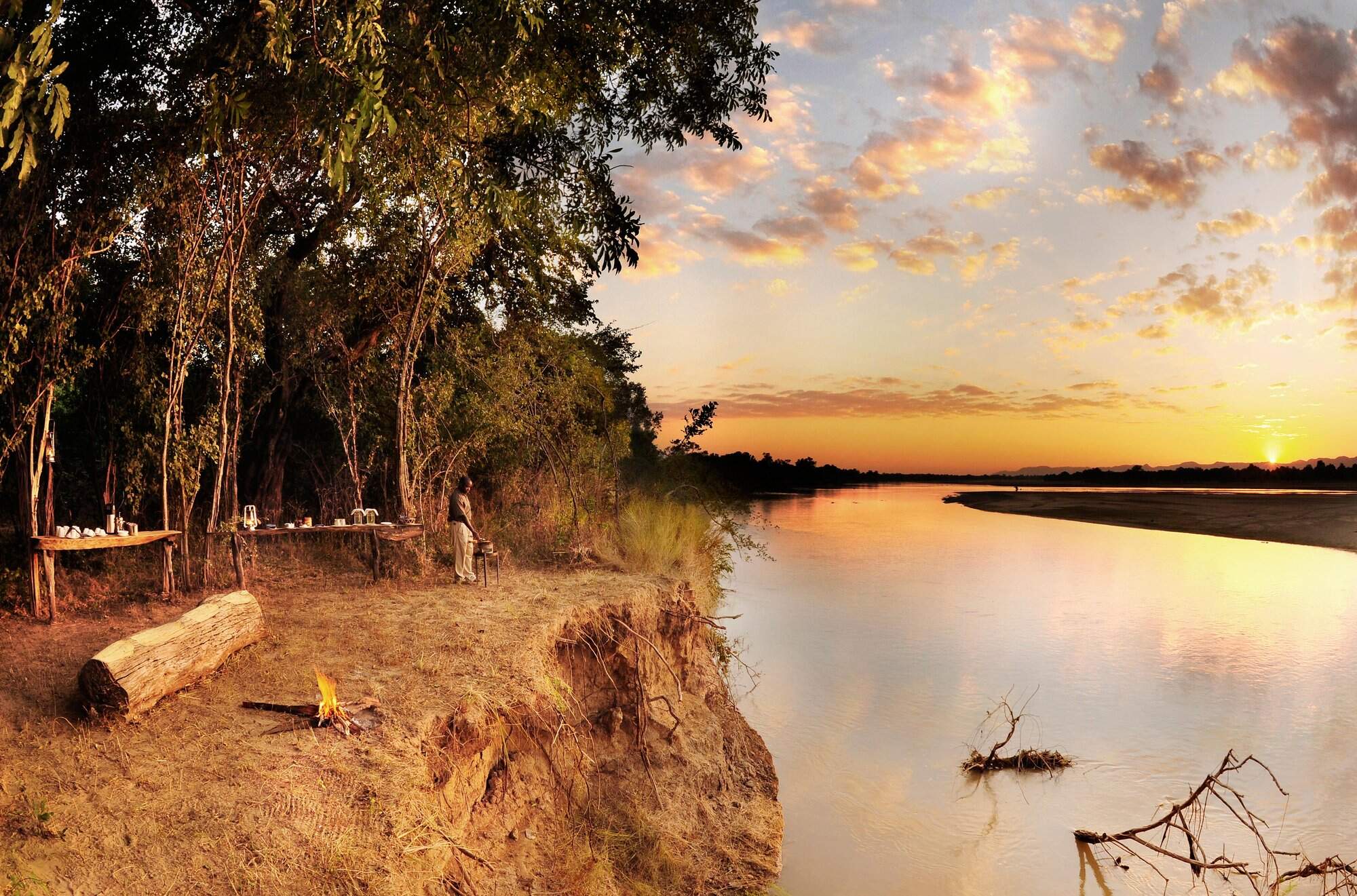
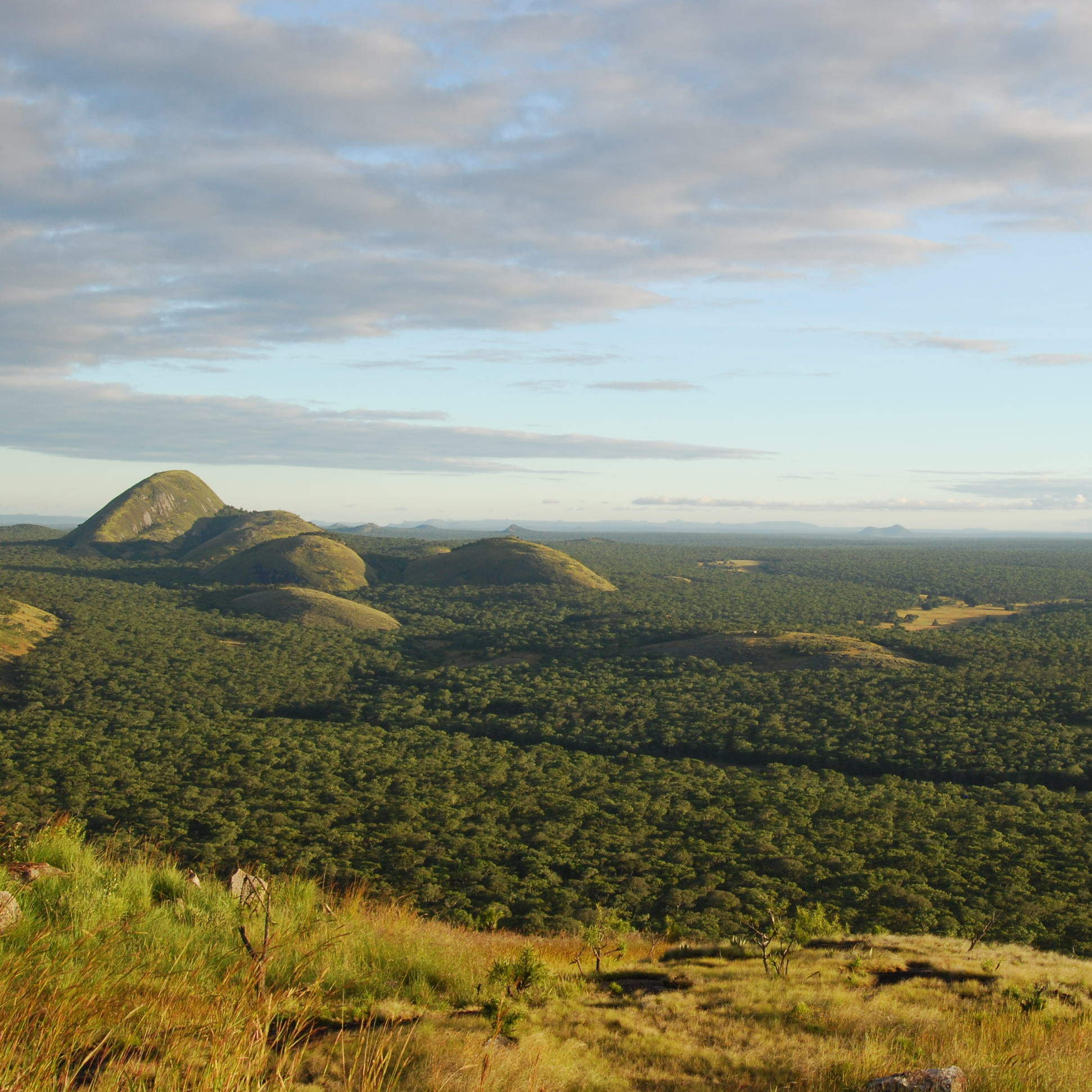
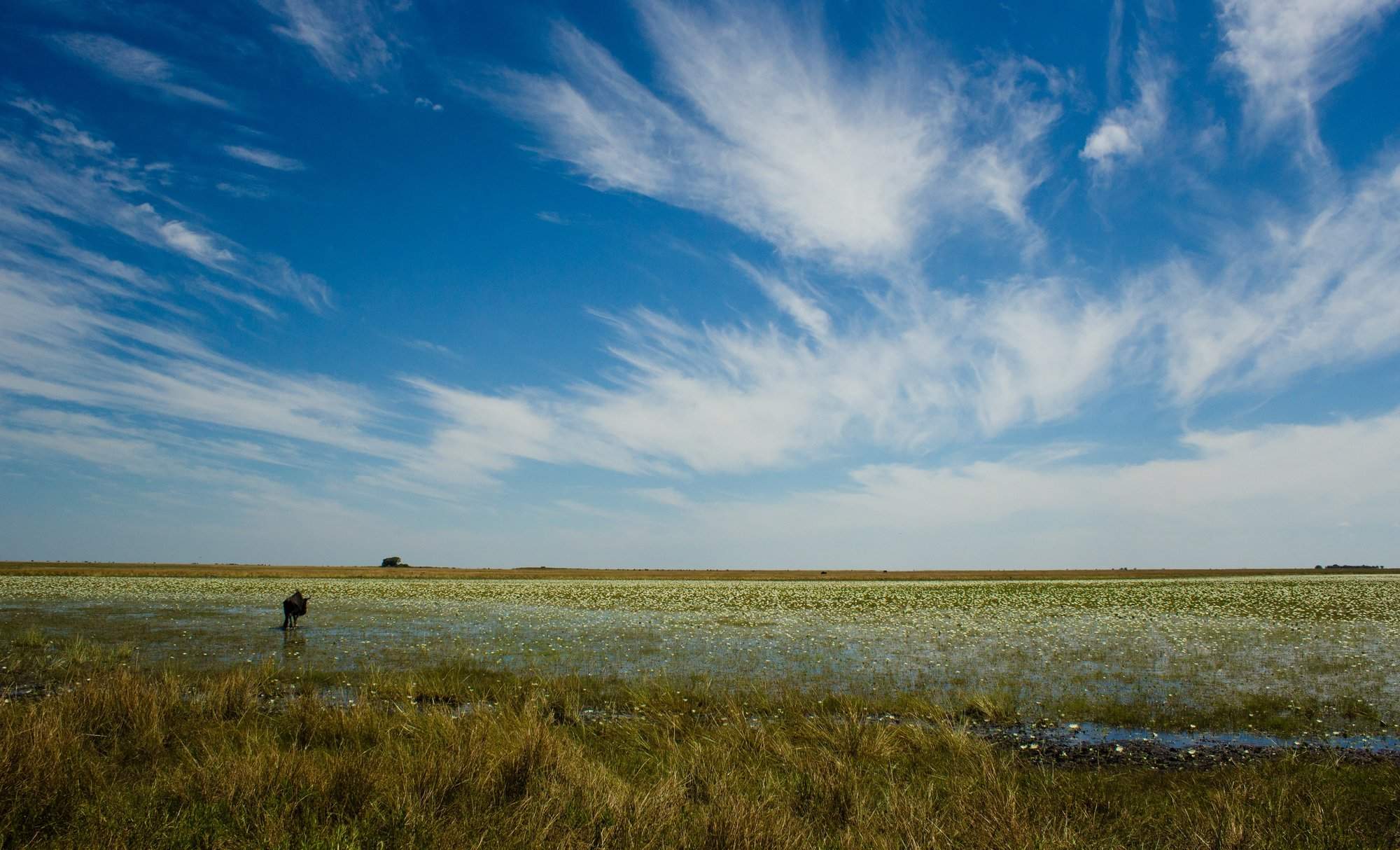
Flowing wide and slow, the mighty Zambezi defines the park, riverine trees hugging its banks, grassland beyond, wildlife all around.
Its life-giving presence comes courtesy of a huge rift in the earth's crust, charting its course east to the Indian Ocean. Over millennia, volcanic soil deposits have enriched the vegetation, and meanders have given way to oxbow lakes.
For the safari goer, it’s a winning combination: the river nurturing the land alongside, lush grazing attracting plains game and predators, and a permanent source of water that proves an irresistible draw as the land dries out each year.
Nestled within the treeline – and sharing the space with elephants, leopard and all manner of woodland birds – are just a few small lodges, some of them owner-run, their creature comforts subtly blending into the environment. With scarcely another lodge in striking distance, each offers a personal safari experience in an exceptionally scenic setting.
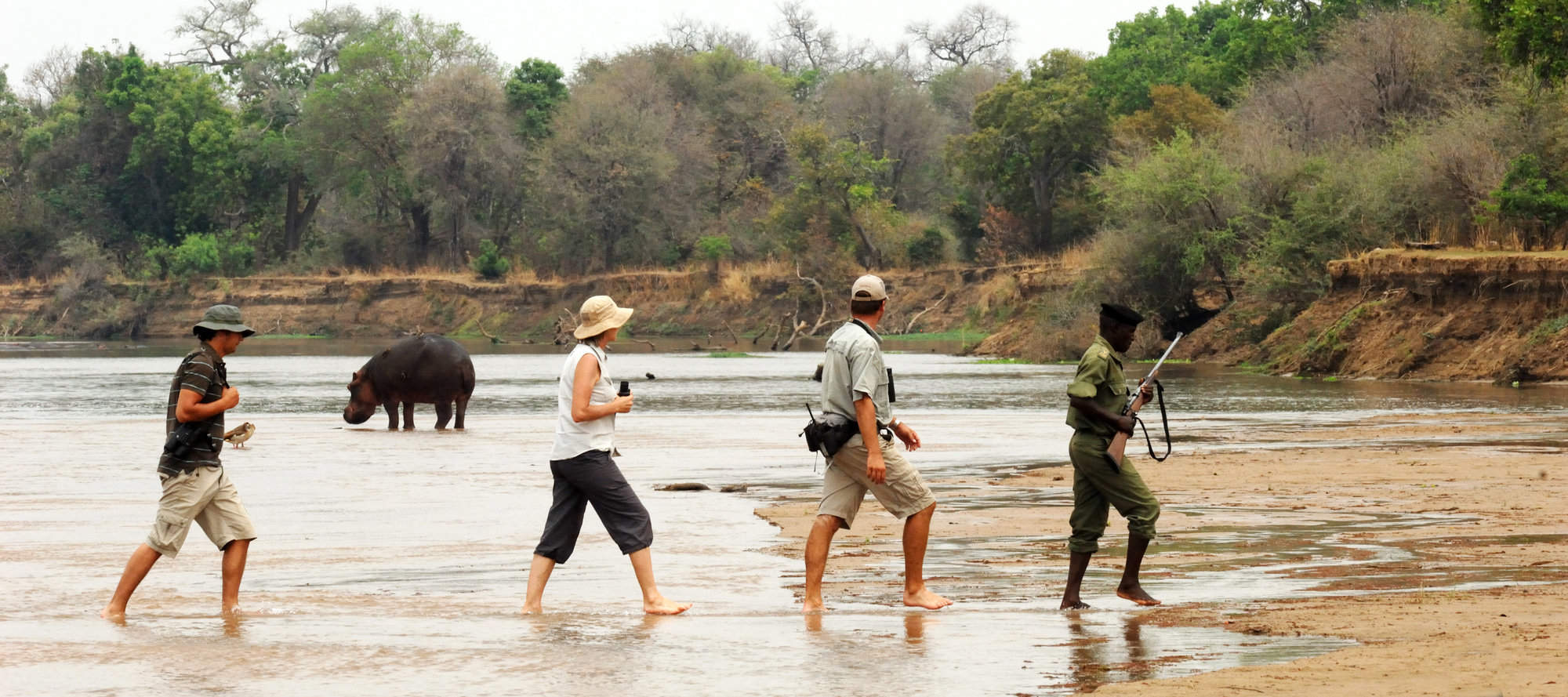
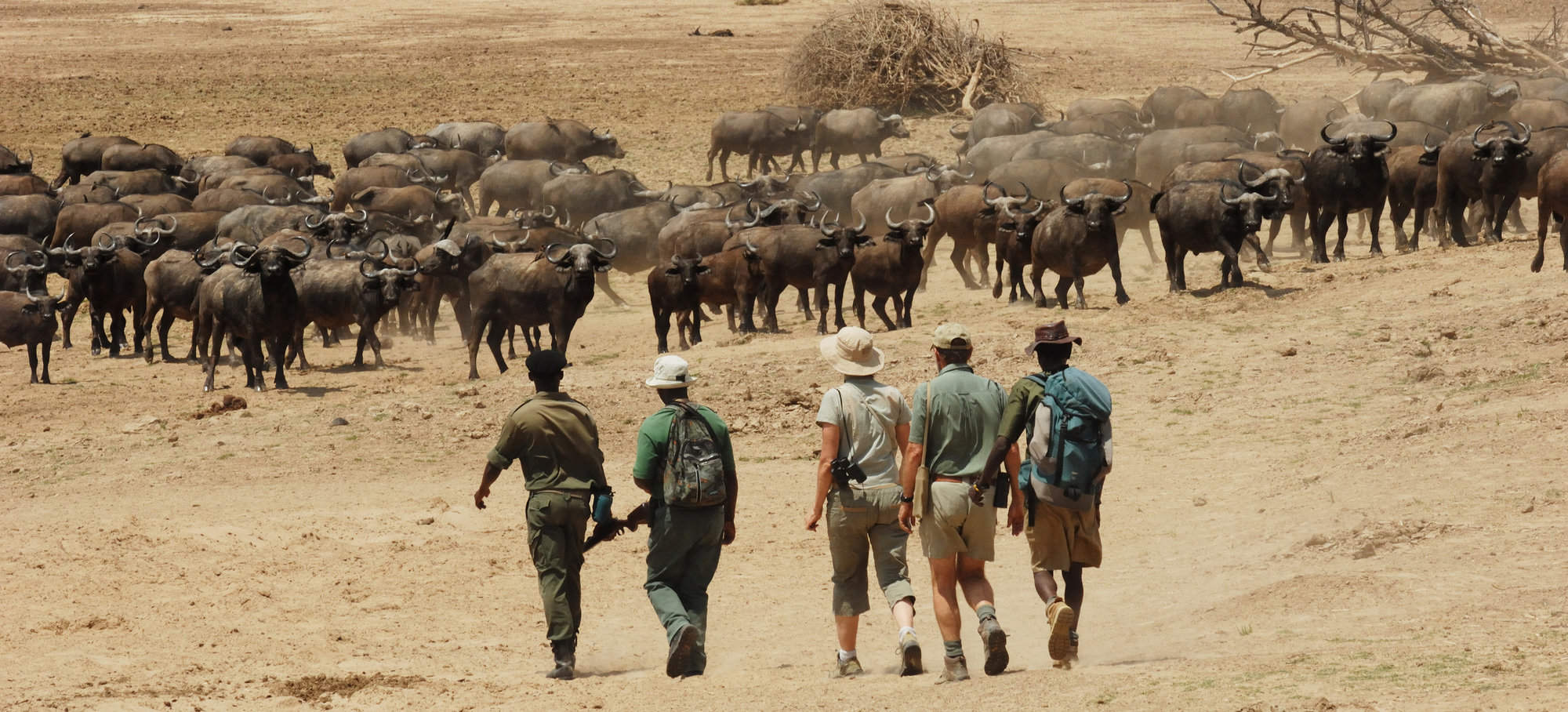
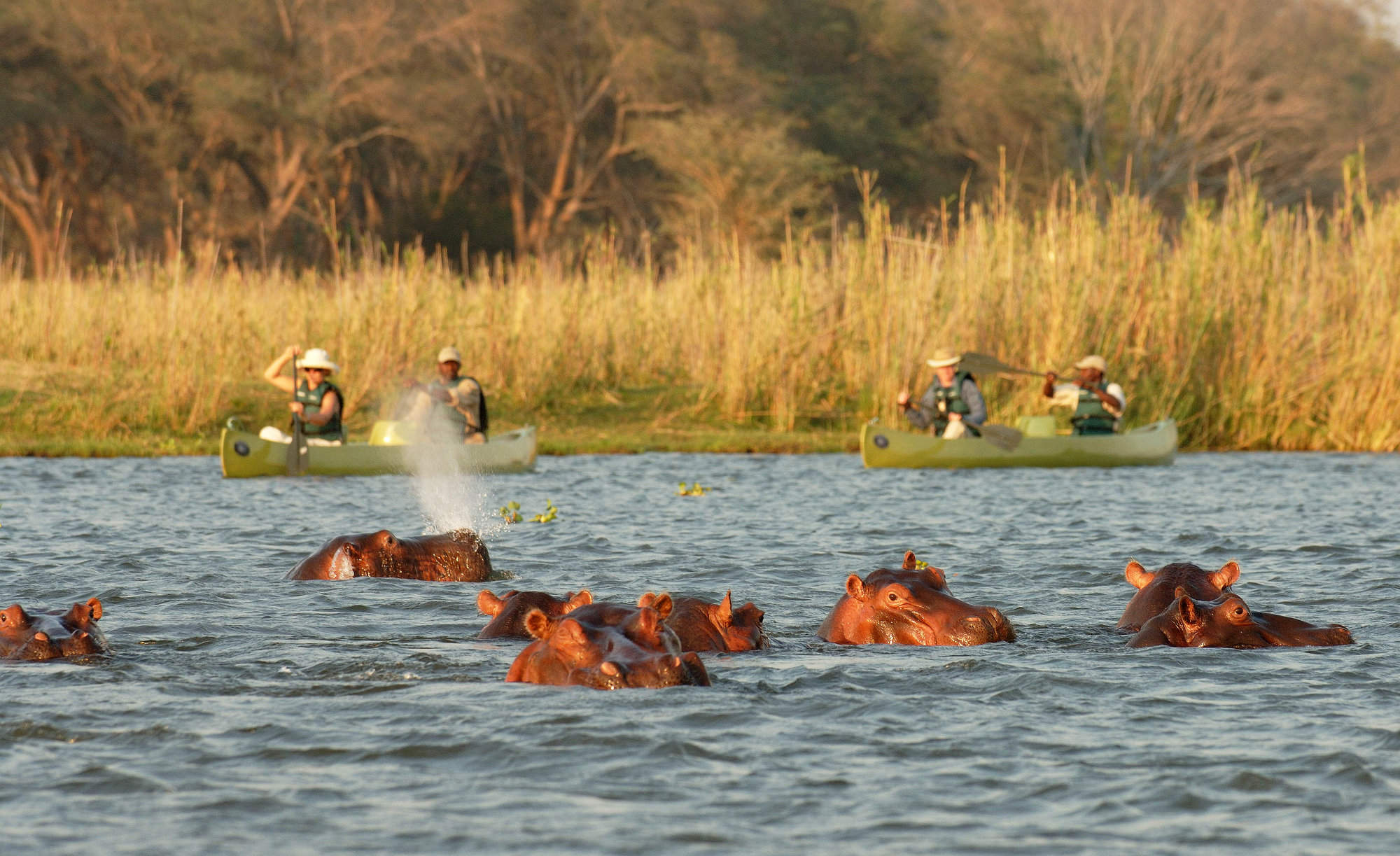
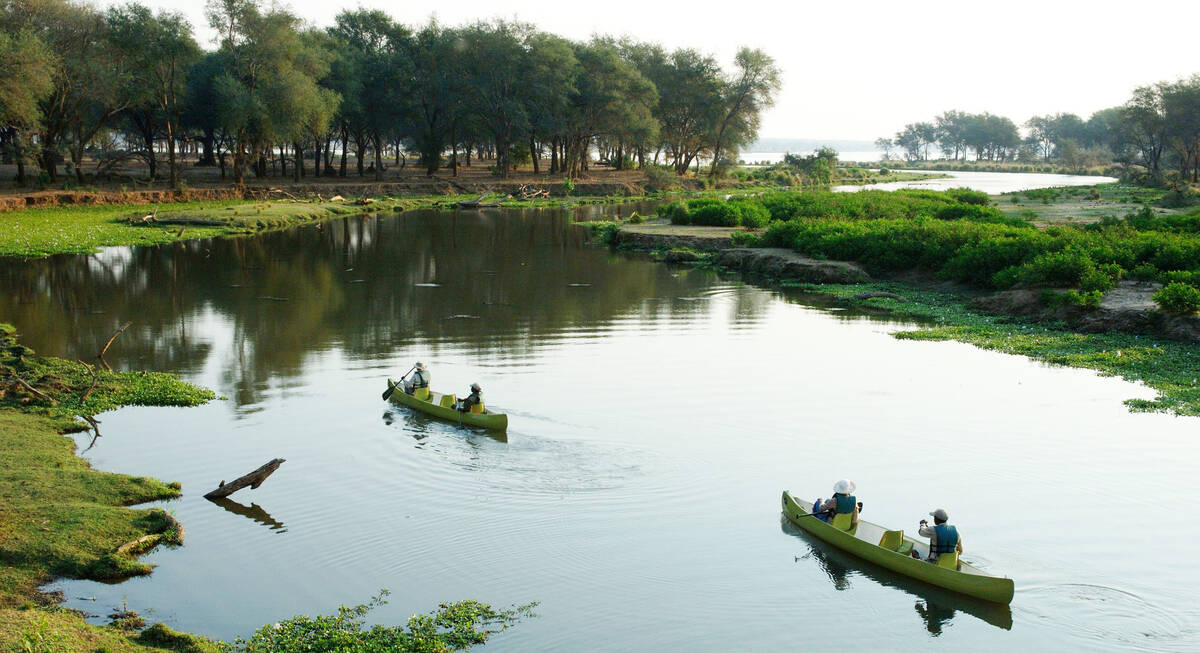
In the hands of rigorously trained guides – among the best in Africa – set out in search of creatures big and small. High up on a safari vehicle, between the river and the escarpment, taking in the grandeur of the scenery as you go. On foot, each careful step an adventure in itself. Or on the water. Dotted with islands and firmly the domain of hippos and crocs, the river is enchanting for a leisurely cruise – and thrilling in a canoe.
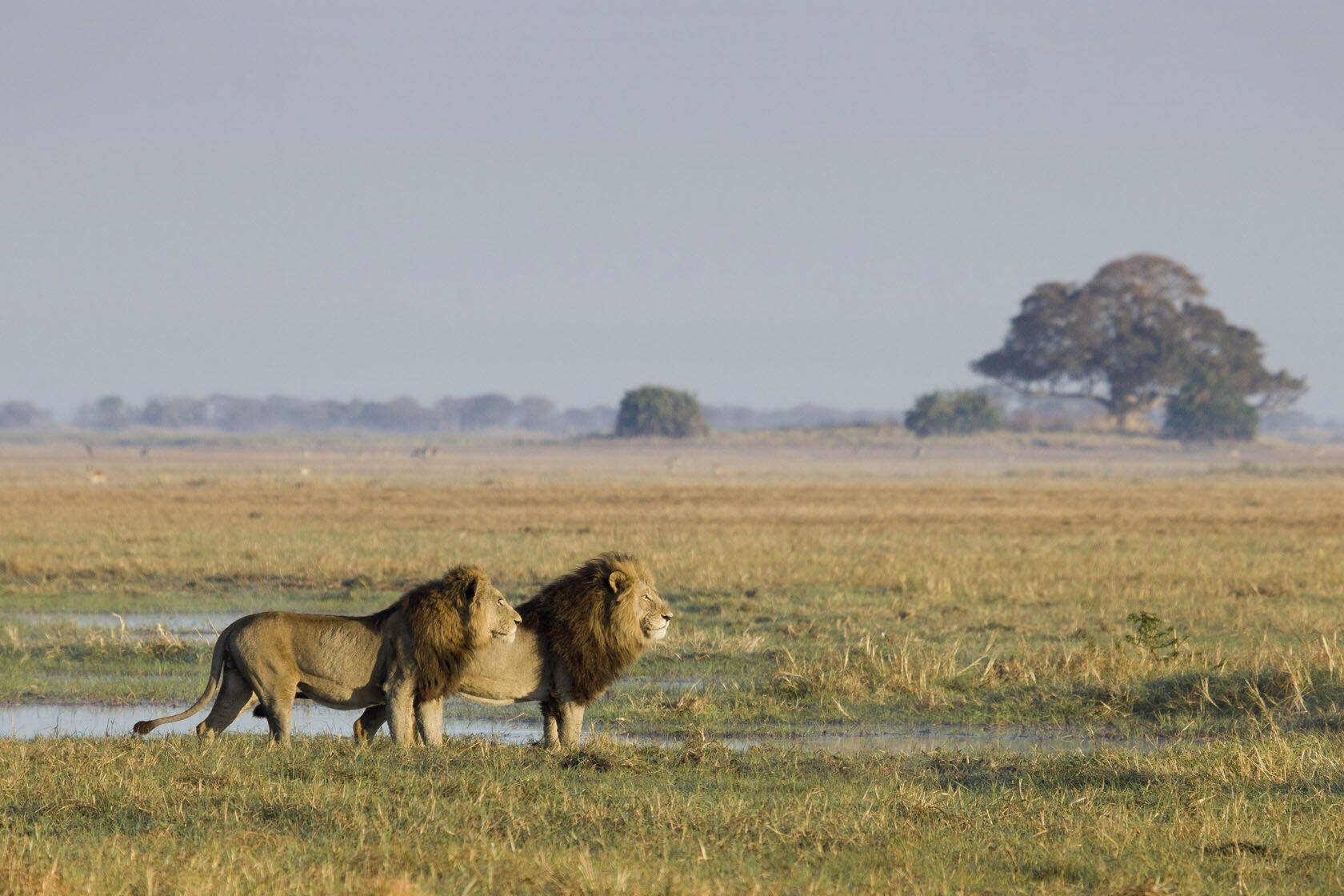
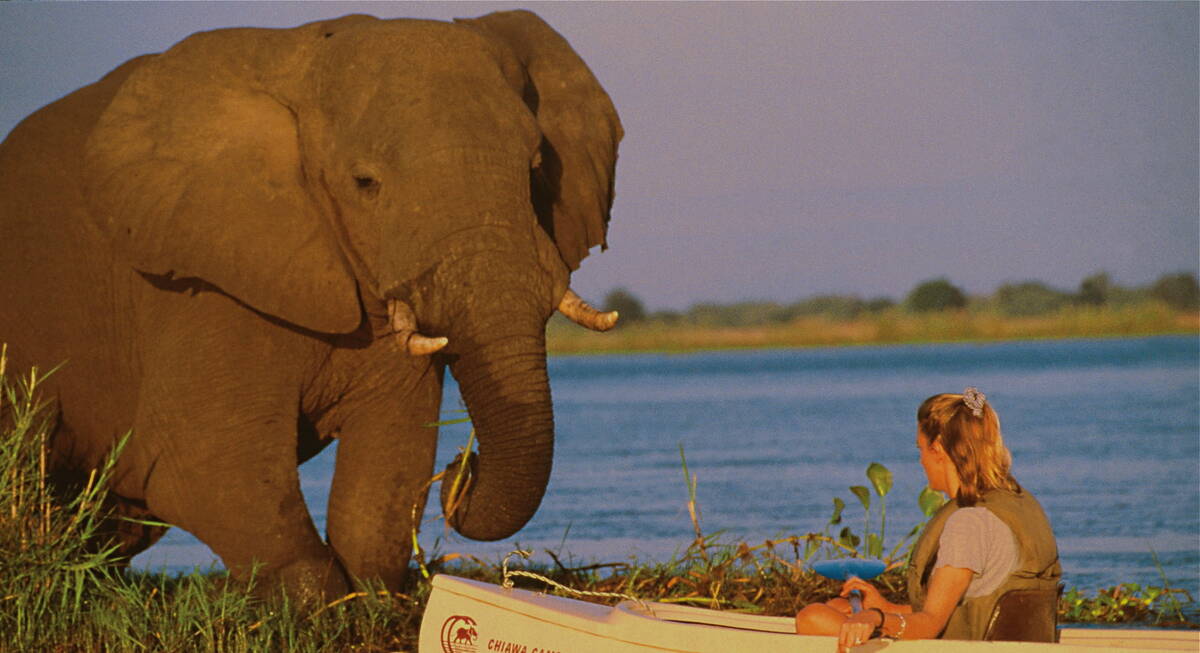
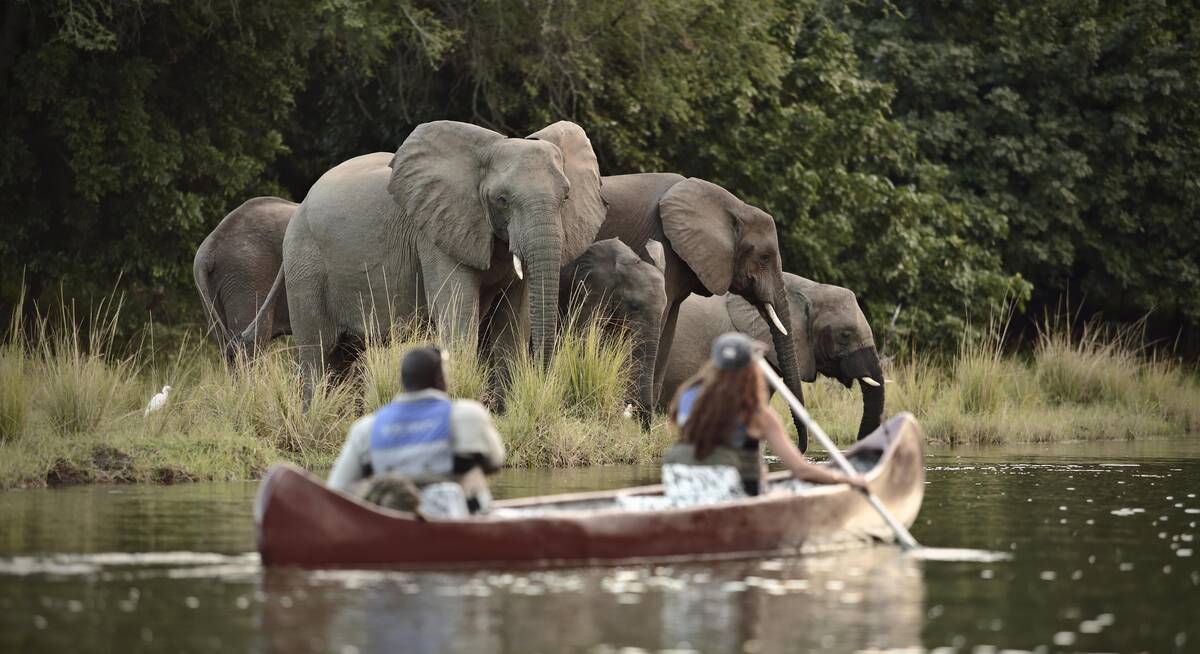
But above all, the Lower Zambezi invites you simply to stop and stare. At kingfishers hovering above the water. At a pride of lion, lazing in the shade of a tree in the midday sun. At elephant: to watch them racing to bathe in the Zambezi is like watching children come out to play – joyous!

Safaris visiting Lower Zambezi
Just ideas, we'll always tailor-make a trip for you

Crawshay's Zebra Safari
10 days • 4 locations • 1 country
LUSAKA AIRPORT TO LUSAKA AIRPORT
This superb safari combines two of Zambia’s best national parks, the South Luangwa and the Lower Zambezi. The camps are small and high quality with excellent safari guides.
Visiting Lower Zambezi, South Luangwa
US$9,760 - US$13,820 per person

Slender Mongoose Safari
5 days • 2 locations • 1 country
LUSAKA AIRPORT TO LUSAKA AIRPORT
A detailed exploration of Lower Zambezi from two top-notch sister camps, each in a prime location in the national park. Expect a high level of care, first-class guiding and superb wildlife.
Visiting Lower Zambezi
US$6,270 - US$8,400 per person

Duiker Safari
10 days • 3 locations • 1 country
LUSAKA AIRPORT TO LUSAKA AIRPORT
Three luxurious bushcamps in stunning riverside locations, split between the South Luangwa and Lower Zambezi national parks, offer a wide variety of expert-guided safari activities in stunning game-rich environments.
Visiting Lower Zambezi, South Luangwa
US$8,060 - US$10,020 per person
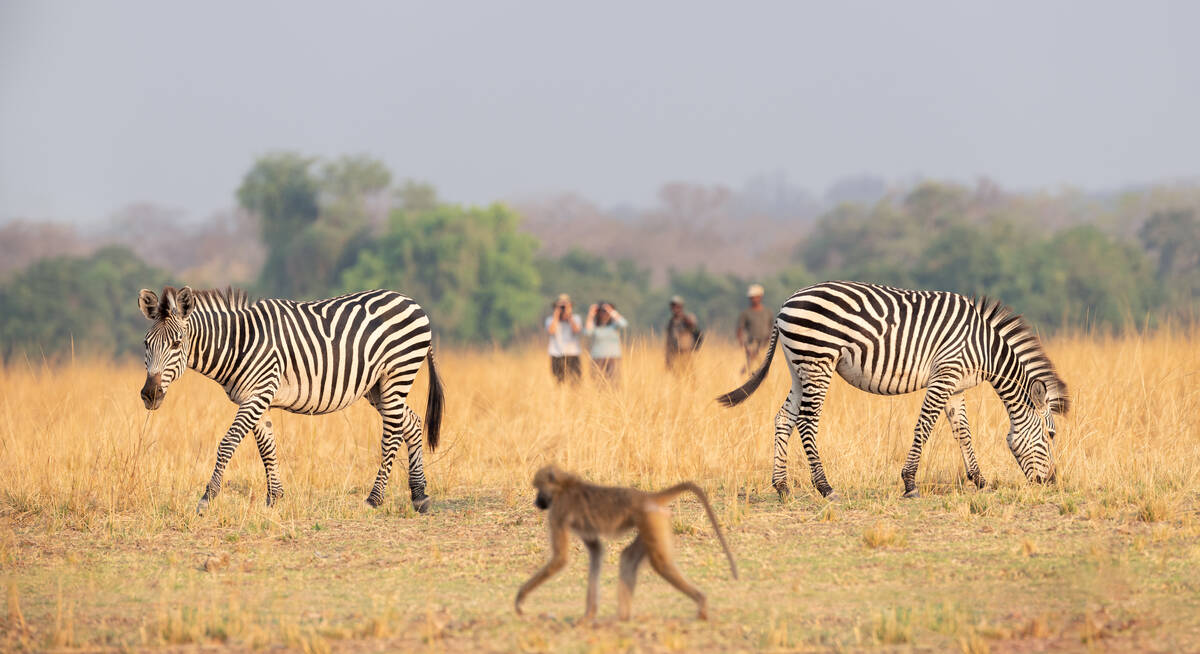

Vervet Monkey Safari
7 days • 2 locations • 1 country
LUSAKA AIRPORT TO LUSAKA AIRPORT
Explore the world-class wildlife of Zambia’s South Luangwa and Lower Zambezi national parks in considerable luxury, guided by experts from two sister camps renowned for their excellent level of care.
Visiting Lower Zambezi, South Luangwa
US$8,370 - US$10,990 per person
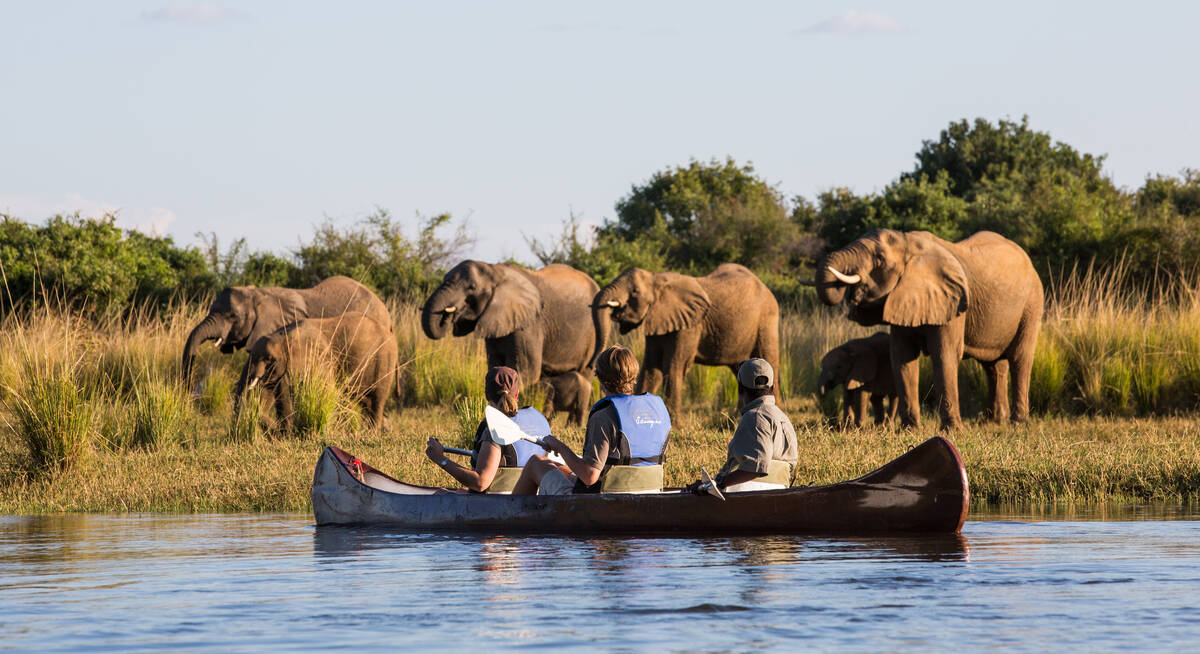

Greater Bushbaby Safari
8 days • 2 locations • 1 country
LUSAKA AIRPORT TO LUSAKA AIRPORT
The perfect safari for a family or group of friends during which to create everlasting memories. Visit Zambia’s two most productive wildlife parks staying in four-bedroom houses, designed in a unique and fun way.
Visiting Lower Zambezi, South Luangwa
US$9,400 - US$12,260 per person

Our travellers’ wildlife sightings in Lower Zambezi
This is their success for sightings in Lower Zambezi National Park.
Click on a species for more detail. How we work this out.

100% success

100% success

95% success

95% success

85% success

75% success

71% success

37% success

14% success

7% success

5% success

0% success

0% success
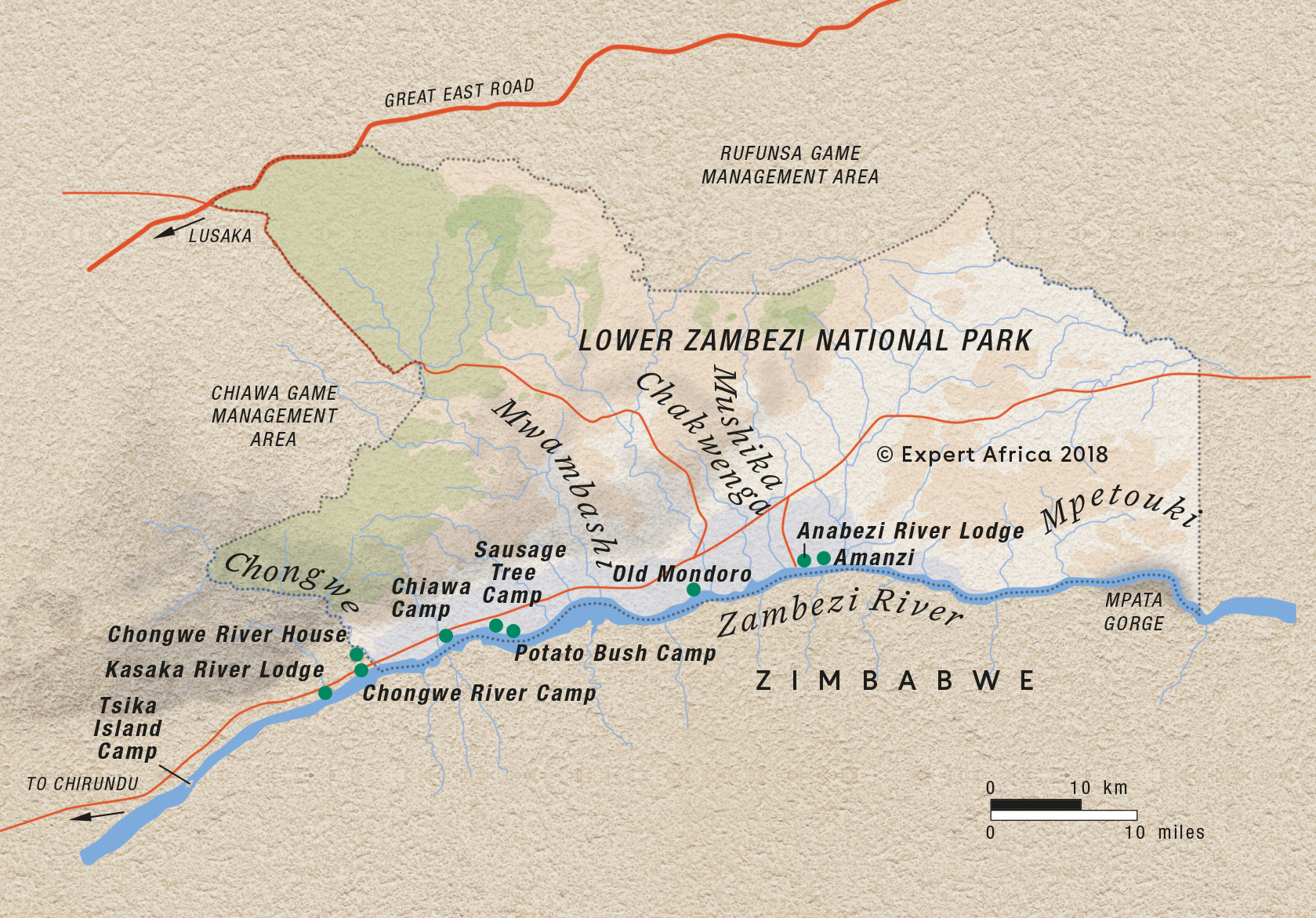
Map of Lower Zambezi National Park
Choices for where to stay in Lower Zambezi National Park
Most recent reviews of our safaris to Lower Zambezi
Click below to browse all 341 reviews from Lower Zambezi National Park. All from our travellers; all are in full & unedited.
When to go to Lower Zambezi National Park
Our month by month guide: What it's like to visit Lower Zambezi in Zambia
Jan
Feb
Mar
Apr
May
Jun
Jul
Aug
Sep
Oct
Nov
Dec
Zambia in January
At the peak of Zambia’s rainy season, you can expect heavy rainfall for a few hours most days, with sunny spells in between. Temperatures remain high, reaching over 30ºC, with high humidity. The rainfall is yet to make a significant difference to the Victoria Falls, and the flow of water here remains low. The landscapes are green and lush and the air crystal clear, but with the abundance of water the wildlife disperses, and the thick bush can restrict sightings. It severely limits walking safaris too. Migrant birds boost the species count at this time.
With seasonal rivers in flood and dirt roads and airstrips unusable, many camps in Zambia become inaccessible, and close. Only a few lodges in the central Kafue and the South Luangwa remain open. Few people visit in January, so the parks are incredibly quiet and the camps charge their lowest rates.
- Peak of rainy season: hot & humid, with rain for a few hours most days
- Majority of camps closed throughout the month
- Bush incredibly green & lush, with clear air – great for photography
- Big game dispersed & thick bush makes sightings difficult
- Very few visitors: the cheapest time to visit
Our view
This is not a great time to visit
Weather in January
Zambia in February
February remains in the heart of the rainy season, with dramatic thunderstorms delivering a few hours of rain most days, interspersed with clear sunny skies. There is still an abundance of water in the environment, dispersing game and closing camps. With the thick bush, game viewing is limited and walking safaris restricted, but the swollen rivers allow some activities that would be unavailable in the dry season, such as boat trips on the Luangwa River.
After a couple of months of rain, water will once more be making its way to the Zambezi River, and the flow of water over the Victoria Falls will start to pick up.
Visitor numbers and costs at the few open camps remain low.
- Peak of rainy season: hot & humid with rain for a few hours most days
- Most camps closed throughout the month
- Bush lush & green: good for photography but poor for game viewing
- Very few visitors, & the cheapest time to visit
- Water levels at Victoria Falls still low, but starting to pick up
Our view
This is not a great time to visit
Weather in February
Zambia in March
March is the last month of the rainy season in Zambia, and there are still heavy downpours most days. Water levels are at their highest making it difficult to get around the country. Temperatures still reach over 30ºC most days, too, with the rain causing high levels of humidity.
Many camps remain closed, and the thick bush limits game viewing and walking safaris. However, many animals are raising young at this time of year, with predators taking advantage of the easy prey, so sightings can be incredible, if sporadic. Wild dogs in the South Luangwa are particularly active at this time of year. With clear air and increasingly frequent blue skies as a backdrop, photography can be spectacular. The birding remains excellent as thousands of birds prepare for their winter migration.
- Peak of rainy season, hot & humid, with rain for a few hours most days
- Majority of camps closed throughout the month
- Bush remains green & lush: good for photography but poor game viewing
- High abundance of animals with young
- Very few visitors, & the cheapest time to visit
Our view
This is not a great time to visit
Weather in March
Zambia in April
As the rains change from intense downpours to lighter and sporadic showers, April is very much a transitionary period in Zambia. The landscape remains exceptionally green and lush, with sparse viewing of larger wildlife.
Although camps start to reopen in April, most remain closed, and others that were open at the start of the year may shut to prepare for the coming dry season. This is the first month of the year when it’s possible to visit the Lower Zambezi.
The Zambezi River will be at its highest level with the Victoria Falls in full flow, but with huge amounts of spray kicked up views of the waterfall are often obscured.
- Tail end of the rainy season; hot & humid with light rain most days
- Some camps reopen; possible to visit the Lower Zambezi
- Bush still green & lush: good for photography; poor for game viewing
- Victoria Falls in full flow but with poor views
- Very few visitors, & the cheapest time to visit
Our view
This is not a great time to visit
Weather in April
Zambia in May
May is typically the first month of the dry season. While there is the chance of an odd shower, the majority of days are clear and sunny. As winter approaches, temperatures start to drop, with most days reaching highs of around 26ºC.
As the landscape dries out, access to the parks improves, and all but the most remote bushcamps reopen. After five months of rain there is still a lot of standing water, but despite the thick bush May marks a distinct improvement in game viewing, and clear air is a continuing bonus for photographers.
The end of the month can be a popular time for visitors, taking advantage of typically good weather, improved game viewing, and the last of the low-season rates offered by the camps.
- Start of the dry season in a typical year, with mostly clear & sunny
- Majority of camps open
- Bush still green & lush, with clear air for photographers
- Game viewing starts to improve
- Last month of low rates at the camps
Our view
A good time to visit, with pros & cons
Weather in May
Zambia in June
Zambia sees virtually no rainfall in June, with a strong chance of sunny days throughout. The humidity drops dramatically and, as winter approaches, temperatures reduce, falling to around 10ºC at night but still warming to 25ºC during the day.
The landscape remains lush but the bush starts to die back significantly, improving visibility for game viewing and walking safaris. All the camps in the South Luangwa and Lower Zambezi are open by the start of June. While some have a ‘shoulder season’, others start charging their highest rates.
The water coming over the Victoria Falls starts to recede, reducing the mist and spray kicked up, providing better views of the waterfall itself.
- Reliably sunny days, but dropping temperatures, especially at night.
- All camps in the South Luangwa, southern Kafue & Lower Zambezi open
- Wildlife viewing continuing to improve
- Increased visibility & cool weather perfect for walking safaris.
- Viewing of the Victoria Falls at its best
Our view
A very good time to visit
Weather in June
Zambia in July
As the dry season continues, vegetation and long grasses have mostly died back and water starts to become scarce. Wildlife starts to cluster around the major sources of water and the game viewing approaches its best.
July is the first month of winter, and while daytime temperatures are in the 20s Celsius, temperatures at night can drop to single digits. Early morning and late evening drives in open vehicles are particularly cold, and blankets and hot water bottles are often provided.
Visitor numbers increase significantly and space at popular/small camps can get tight. Nearly all properties are now charging their highest rates. Even floodwaters on northern Kafue’s Busanga Plains have now receded, and all camps in Zambia are open.
- Warm, dry days; cold, crisp nights
- Significantly improved game viewing
- Walking safaris are unrestricted by vegetation, with good temperatures
- Approaching peak season, so significant increase in costs
- Northern Kafue now accessible
Our view
A very good time to visit
Weather in July
Zambia in August
By August, the vegetation has died back and wildlife is now congregating around the remaining water sources, providing excellent game viewing. With virtually no chance of rain you are almost guaranteed sunny days, although dust and smoke in the air means a visible haze starts to appear on the horizon.
Temperatures can drop below 5ºC at night but climb to the 20s Celsius during the day. Jackets and gloves are recommended for morning and evening drives. This is one of the most popular – and most expensive – months to travel. European school holidays have little impact on travel within Zambia, but they do increase international flight costs, and all camps are charging their highest rates.
- Very dry with warm days but cold nights
- Excellent wildlife viewing, as animals congregate around water holes.
- Haze developing on the horizon, potentially affecting photographs
- Cool temperatures & clear sightlines: ideal for walking safaris
- Peak season: camps & flights at their most expensive
Our view
Fantastic: the very best time to visit
Weather in August
Zambia in September
September is the most popular, and arguably the best, time of year to travel. Rain is almost unheard of so humidity is low, and temperatures are starting to climb. Morning drives are more comfortable, with daytime temperatures normally in the low 30s Celsius.
Water is scarce, so wildlife clusters around the few remaining sources. Game viewing is very nearly at its best, with a good chance of seeing interactions between species. Camps are charging their highest rates and are at their busiest, with popular camps often fully booked more than a year in advance.
A significant haze sometimes appears on the horizon, impacting on landscape views and affecting photography. Depending on the rainfall in the wet season, the Victoria Falls can start looking dry, with more cliff face than waterfall on show.
- Dry hot days with clear skies, & warm nights
- One of the best months for wildlife viewing
- Dust & smoke creates a haze over the landscape
- Peak season: camps are expensive & often full
- Victoria Falls starting to look dry
Our view
Fantastic: the very best time to visit
Weather in September
Zambia in October
As the dry season peaks, the landscape in October is brown and barren, with little ground-level vegetation, though the promise of rain may bring the occasional shower. Temperatures can be uncomfortably hot, reaching over 40ºC in the daytime and rarely dropping below 20ºC at night. This is particularly challenging on walking safaris and in camps without air conditioning.
A thick haze on the horizon sometimes turns photographic backgrounds grey-brown rather than sky-blue. The lack of water sees hippos and crocodiles cram themselves into the few remaining shallow rivers, with other wildlife carefully skirting around them in order to drink. Game viewing is at its absolute best, and you’re most likely to see hunts in October.
On the Zambian side, stretches of the Victoria Falls become a dry cliff face.
- The best month for wildlife viewing
- Very hot both night & day, with little chance of rain
- Air can be very hazy with dust & smoke, so not great for photography
- Victoria Falls largely dry on Zambian side
- Camps less busy & some start to drop their rates
Our view
A very good time to visit
Weather in October
Zambia in November
November typically marks the end of the dry season. Although the timing of the rains is always uncertain, temperatures remain reliably high and the humidity builds as the rains approach.
While you may avoid the rains in the first week of November, it’s not unusual to see some spectacularly heavy thunderstorms, followed by an explosion of green growth. Wildlife disperses rapidly after the rains, no longer restricted to limited waterholes closely monitored by predators. However, Kasanka’s bat migration is at its peak, and wildebeest gather on Liuwa Plains.
Many remote camps close, and those that remain open significantly drop their rates. The initial rains have little impact on the Victoria Falls, but do significantly reduce the atmospheric haze.
- Typically the start of the wet season; very hot and humid
- Increased chance of heavy rain as the month progresses
- Greatly diminished game viewing once the rains arrive
- Bat migration in Kasanka, and wildebeest migration in Liuwa
- Camp rates lower, & visitor numbers reduced
Our view
A good time to visit, with pros & cons
Weather in November
Zambia in December
December is typically the first month in Zambia’s rainy season, with heavy thunderstorms most days interspersed by sunny spells. Temperatures start to fall, but still reach over 30ºC in the daytime, with high levels of humidity.
As the rainfall increases it brings plentiful water into the landscape, encouraging the growth of thick green vegetation. Wildlife remains in the national parks and sightings are possible, but overall game viewing is poor. Access to the parks becomes problematic and all but a handful of camps around the entrance to the South Luangwa and the centre of Kafue national parks close. Those that do remain open charge their lowest rates and are very quiet.
The rain removes any smoke and dust from the air, returning the sky to a dazzling blue that is great for photographers.
- Start of rainy season, with hot, humid & wet days
- Poor game viewing as wildlife disperses & bush thickens
- Majority of camps close; others charge their lowest rates
- Landscape green with blue skies; photographic opportunities improve
- Victoria Falls still dry
Our view
This is not a great time to visit
Weather in December
Zambia fact file
Useful information and advice to help you prepare for a trip including Lower Zambezi National Park.
Flights to Zambia
How to get there & on to safaris camp destinations

LGBT travel in Zambia
Attitude, the law & our experiences

Tipping in Zambia
Expectations & guidelines for tipping
Zambia general info
Essential travel information
Weather & climate
The best time to visit Zambia