Ruaha National Park
Hot, dry and wild, the untrammelled expanse of Ruaha National Park is Tanzania's best kept wildlife secret.
In 2008 the Usangu Game reserve merged its borders with Ruaha transforming it into Tanzania’s largest national park; it now covers more than 20,000km². Despite the size of the park there are still only a handful of camps found here, which has built Ruaha’s reputation as Tanzania’s best kept game viewing secret. Ruaha’s wild and untrammelled feel is what sets it apart from other reserves, making it a popular choice for regular east African safarigoers.
Click here for a sketch map of Ruaha National Park, or a much more detailed interactive Google map of Ruaha, where you can see camp locations plotted precisely on satellite maps of the area.
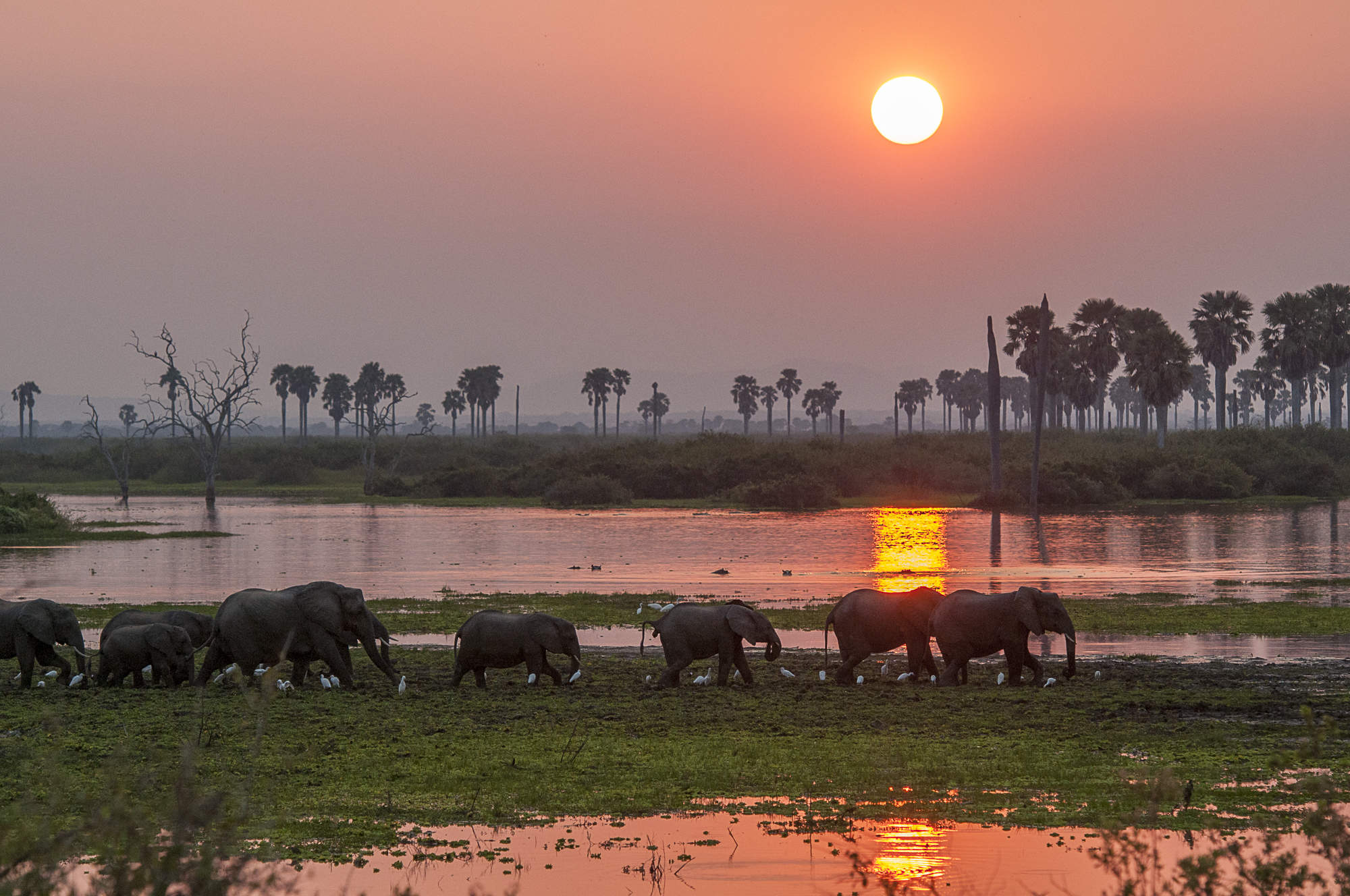
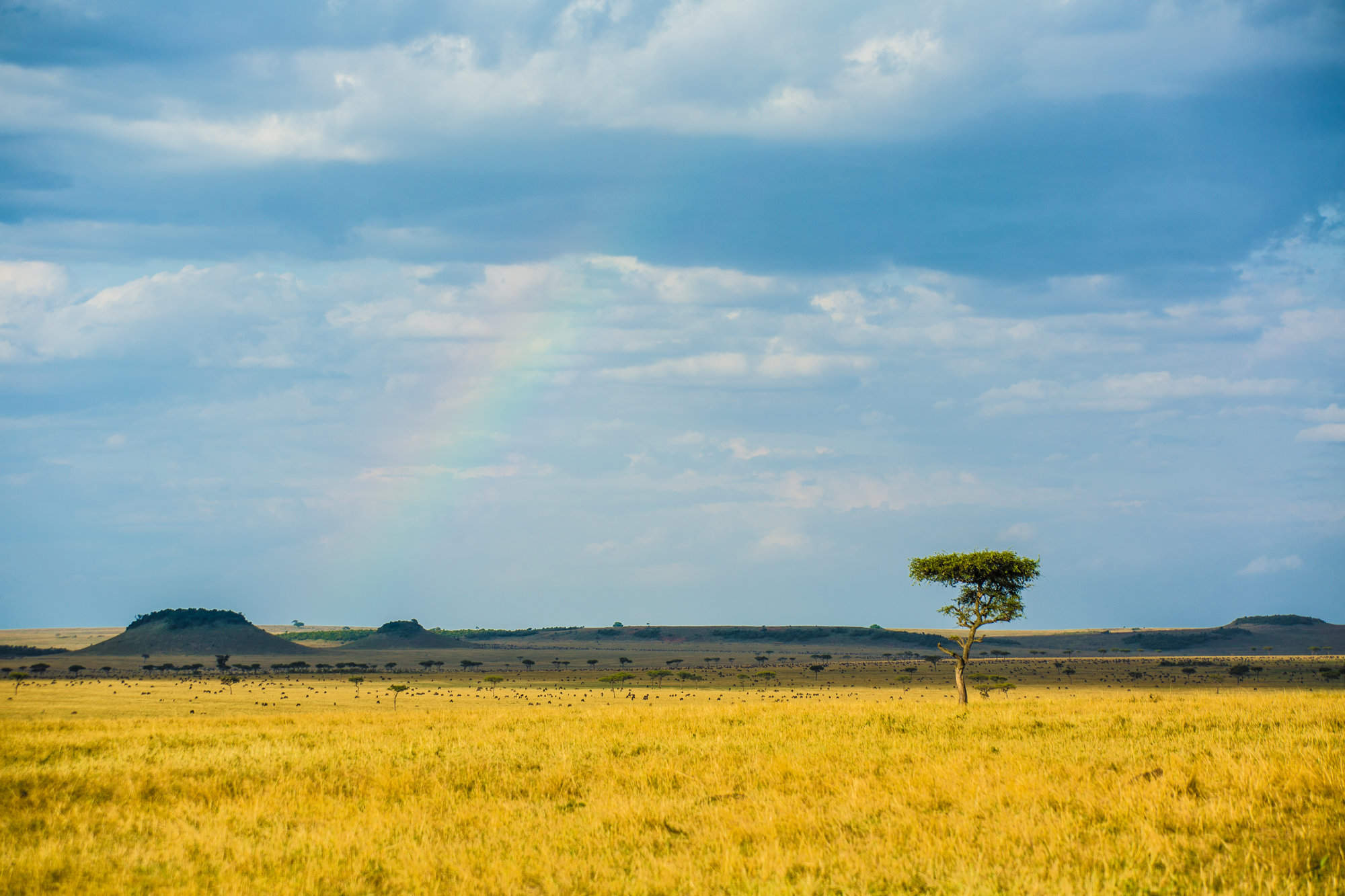
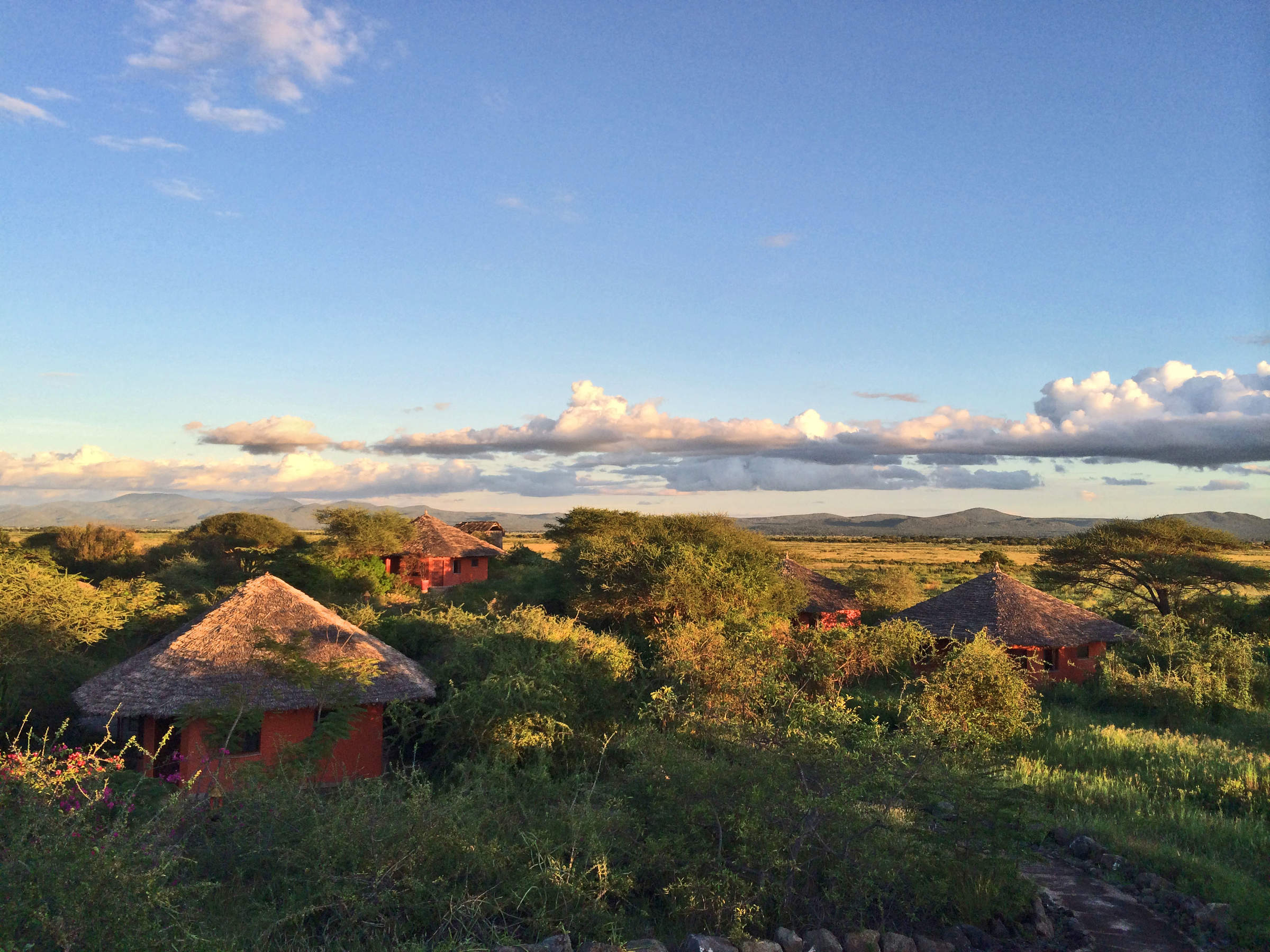
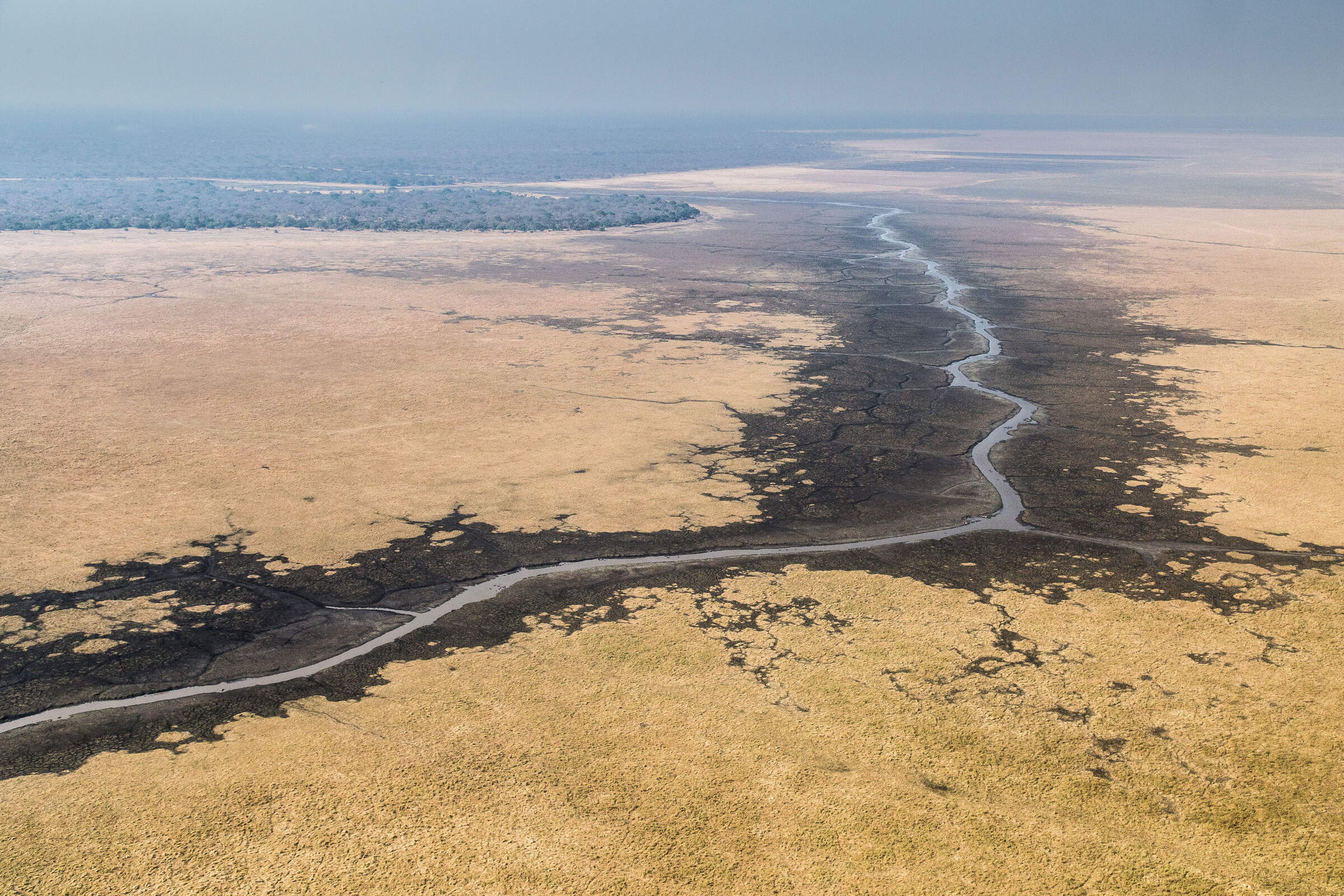
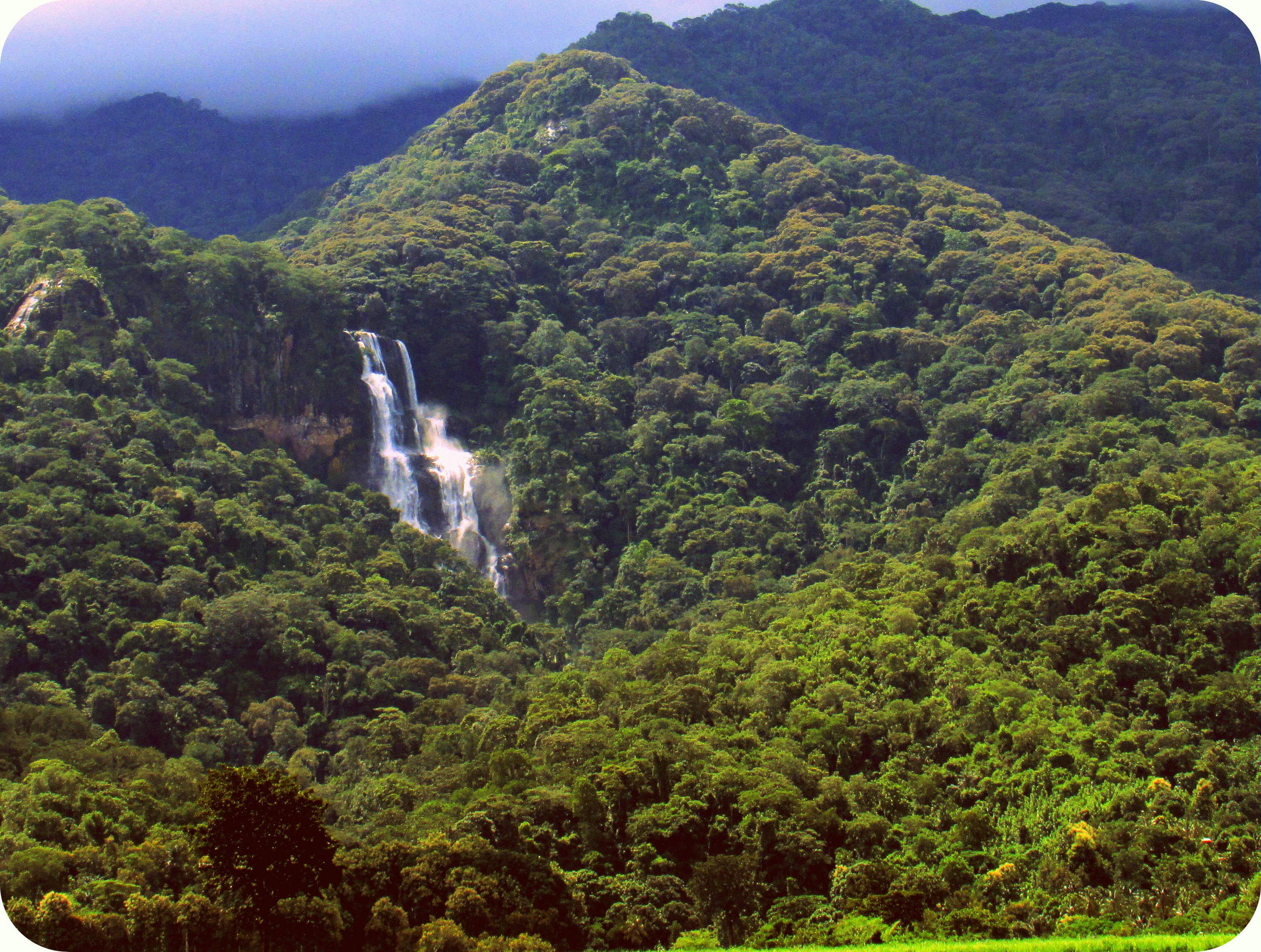
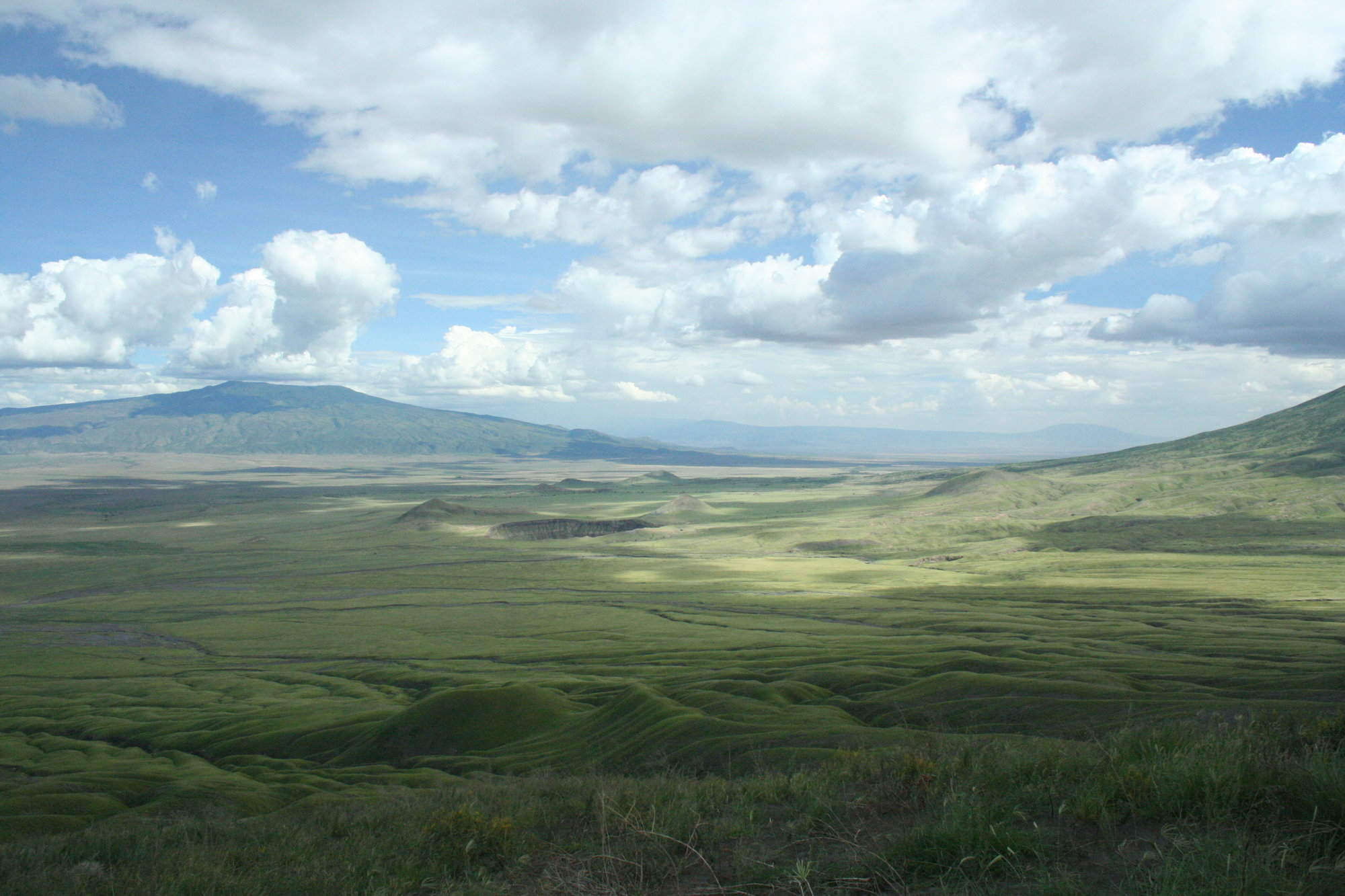
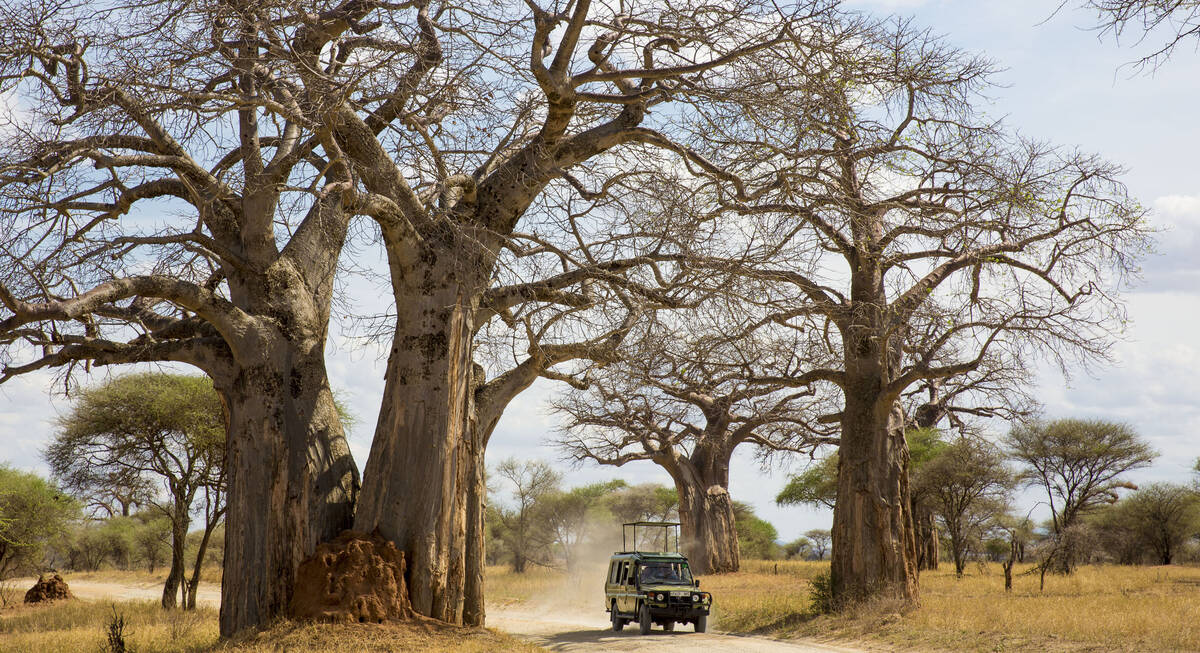
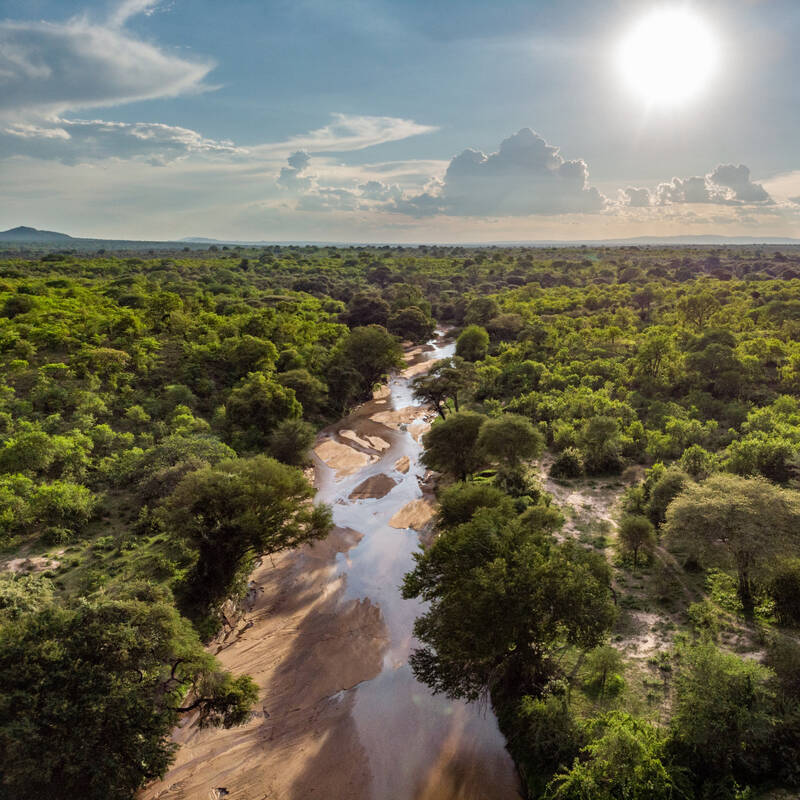
Ruaha is well known for its varied dramatic scenery, which includes rolling hills; large open plains; groves of skeletal baobabs and along its southern border, the Great Ruaha River, from which the park gets its name. This is by far the most dominant geographical feature of the national park and, for the wildlife it is the most important. Ruaha has a hot, dry climate which means the animals don’t tend to stray too far from dependable water sources. This makes predicting game movements far easier, particularly in the dry season.
The best game viewing in this national park is generally from May to November, but the bush is greener and prettier from January to June, and birding peaks during the European winter months of December to April.

Safaris visiting Ruaha
Just ideas, we'll always tailor-make a trip for you

Yellow Baboon Fly-In Safari
7 days • 2 locations • 1 country
DAR ES SALAAM AIRPORT TO DAR ES SALAAM AIRPORT
Two authentic bushcamps offer access to Ruaha’s remote wildernesses through walking safaris, day and night 4WD drives and fly-camping. Explore in almost utter isolation, with superb guiding to heighten your immersion in nature.
Visiting Ruaha
US$7,950 - US$9,220 per person

Jackal Fly-in Safari
8 days • 2 locations • 1 country
DAR ES SALAAM AIRPORT TO DAR ES SALAAM AIRPORT
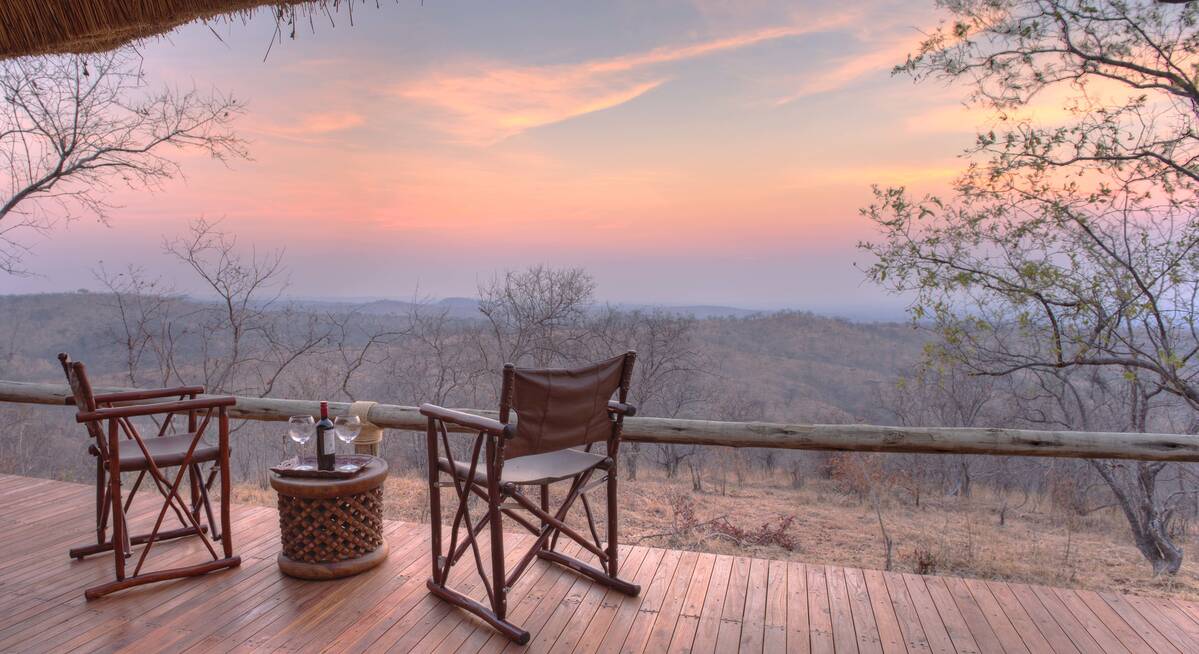
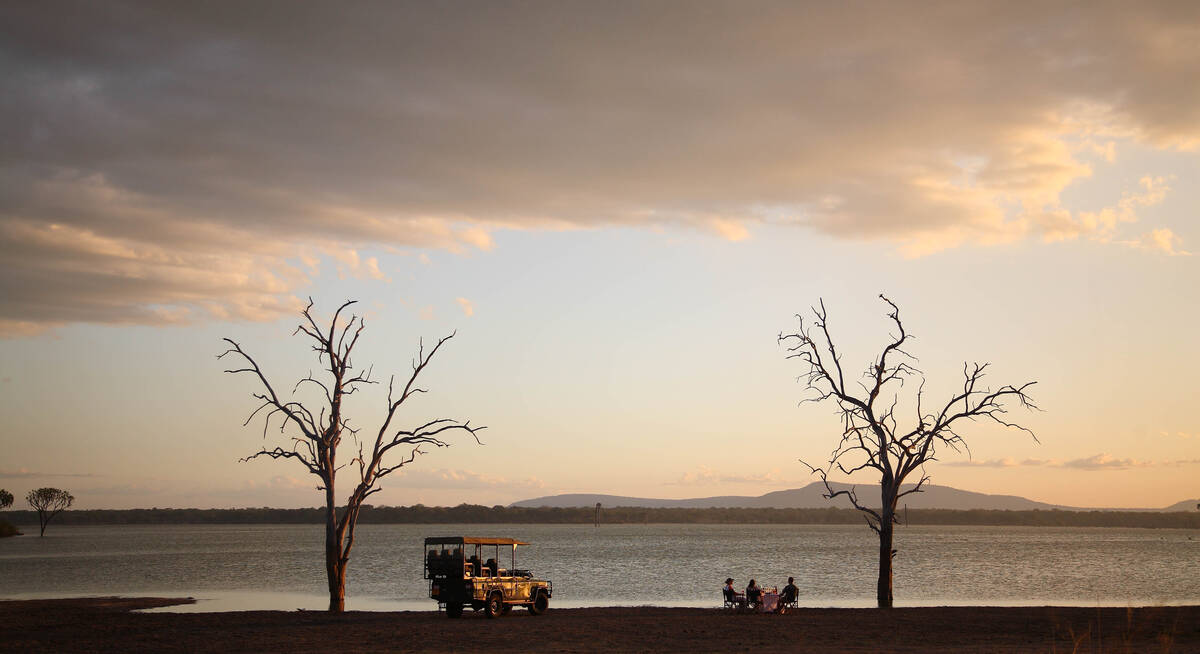
Enjoy a range of activities on this luxury fly-in safari. Explore the remoter regions of Ruaha National Park and Nyerere National Park with phenomenal guides during stays at two impressively comfortable camps that remain perfectly in keeping with their surroundings.
Visiting Nyerere, Ruaha
US$7,740 - US$9,960 per person
Topi Fly-in Safari
7 days • 2 locations • 1 country
DAR ES SALAAM AIRPORT TO DAR ES SALAAM AIRPORT
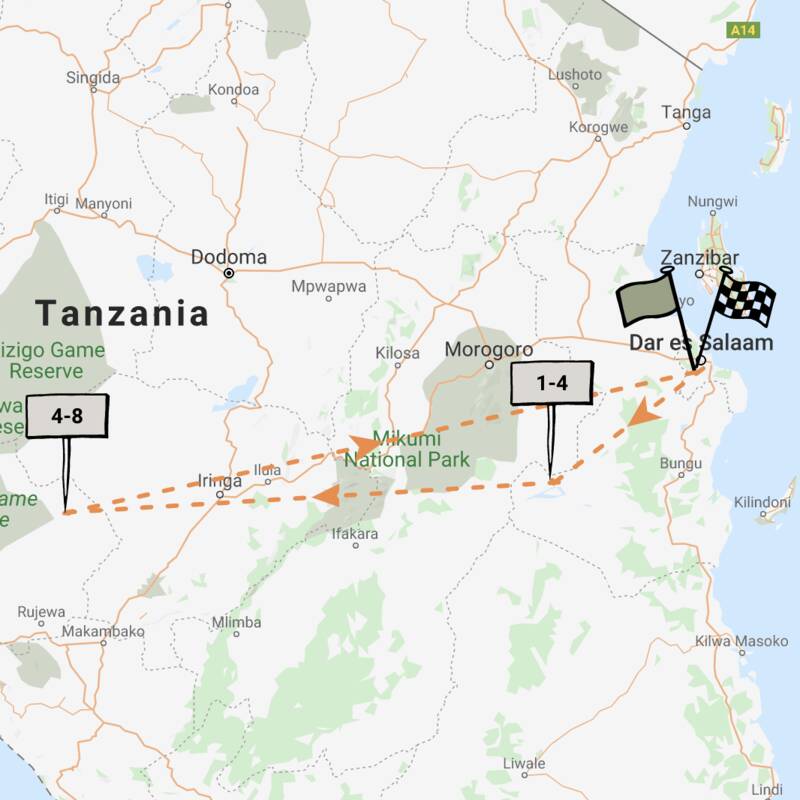
Explore Nyerere National Park and Ruaha National Park from two luxurious, colonially styled camps. Chosen for their access to good game viewing and thrilling remoteness, these camps also offer a range of varied safari activities.
Visiting Nyerere, Ruaha
US$6,540 - US$6,870 per person


Red Colobus Monkey Safari
11 days • 3 locations • 2 country
DAR ES SALAAM AIRPORT TO DAR ES SALAAM AIRPORT
This luxury holiday suggestion combines a wildlife safari in Ruaha National Park with a week on Zanzibar, exploring Stone Town’s narrow streets and relaxing on a palm-shaded beach.
Visiting Ruaha, Stone Town and 1 other area
US$6,020 - US$7,820 per person


Superb Starling Fly-In Safari
7 days • 2 locations • 1 country
DAR ES SALAAM AIRPORT TO DAR ES SALAAM AIRPORT
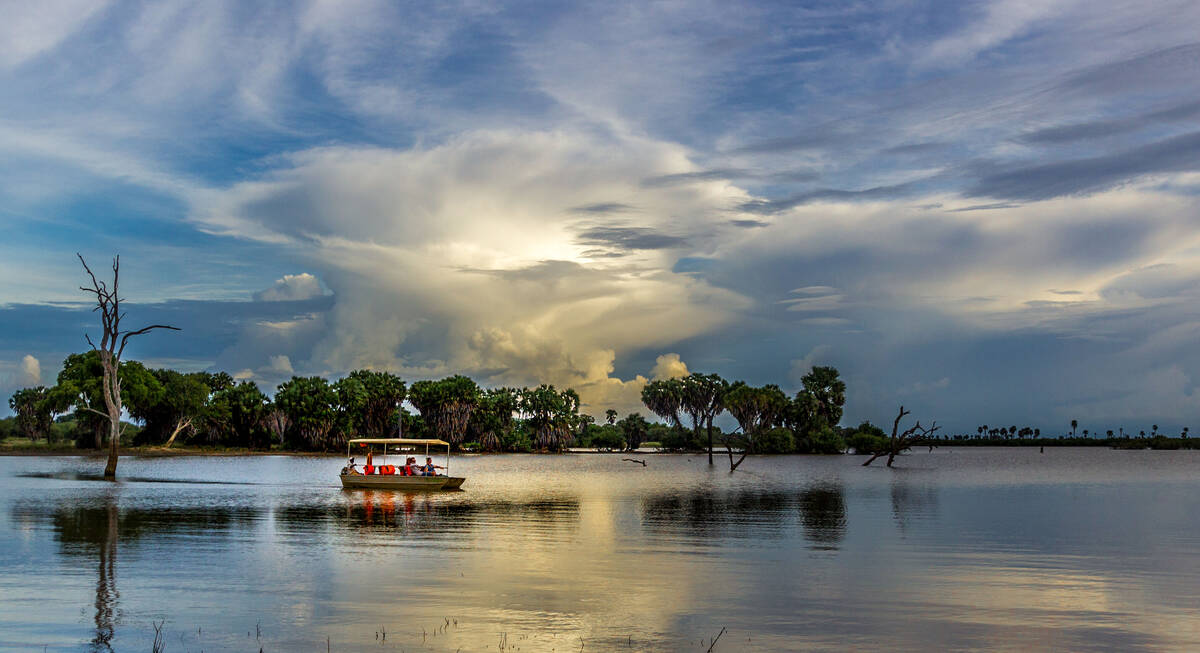
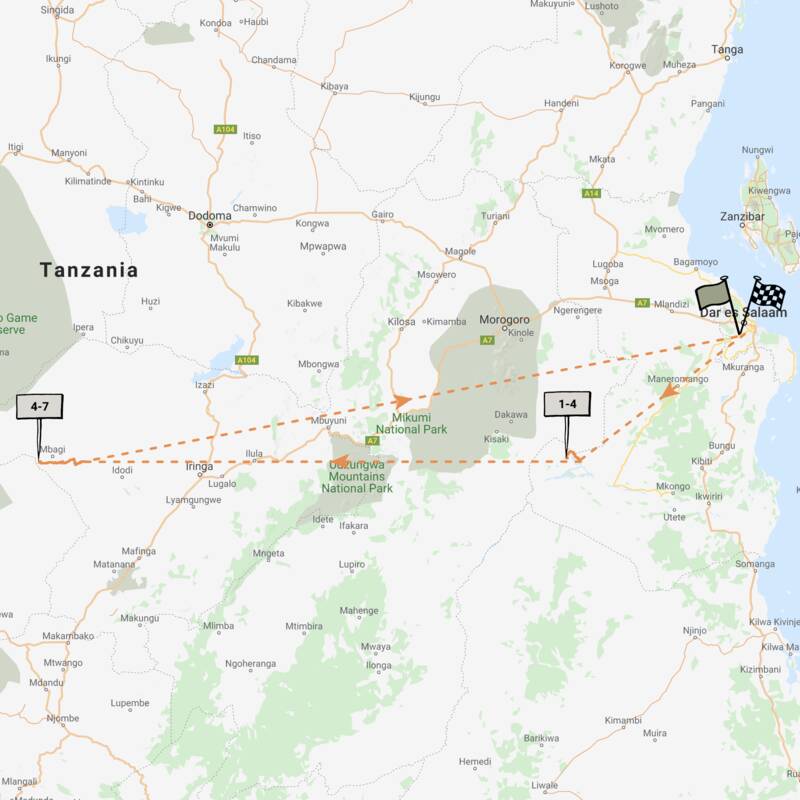
Explore Nyerere and Ruaha national parks from two luxurious sister camps within wildlife-rich locations. Both offer a range of land- and water-based activities, a superb standard of guiding and access to beautifully contrasting landscapes.
Visiting Ruaha, Nyerere
US$8,300 - US$11,720 per person
Dwarf Mongoose Fly-in Safari
6 days • 2 locations • 1 country
DAR ES SALAAM AIRPORT TO DAR ES SALAAM AIRPORT
Stay in two eco-friendly, rustic bush camps in Nyerere National Park and Ruaha National Park. Remote wilderness, a diversity of habitats and a good range of activities are available in these two wildlife havens.
Visiting Ruaha, Nyerere
US$4,110 - US$5,060 per person
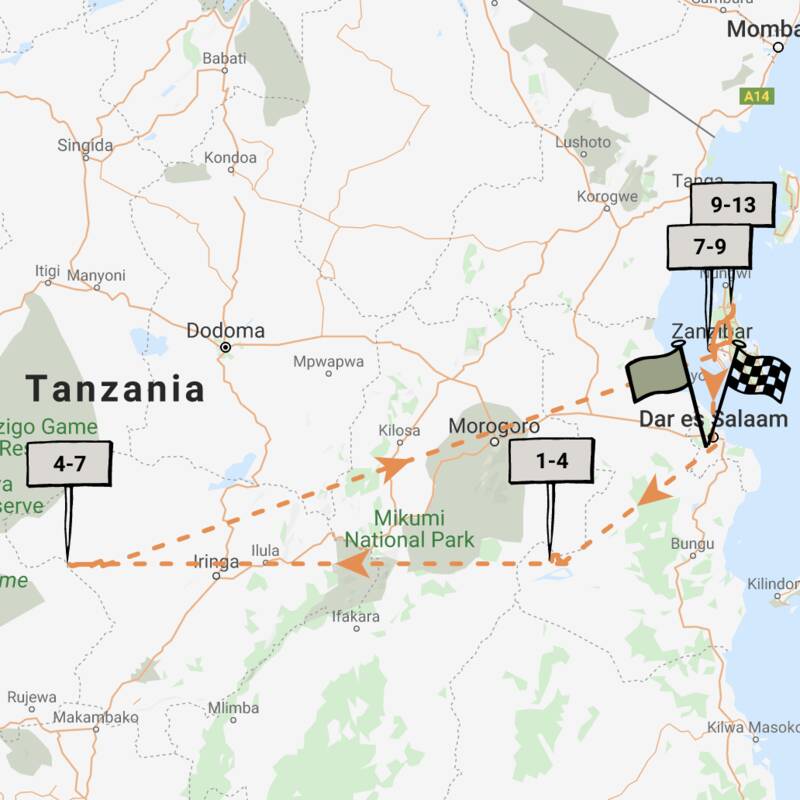
Turaco Safari
12 days • 4 locations • 2 country
DAR ES SALAAM AIRPORT TO DAR ES SALAAM AIRPORT
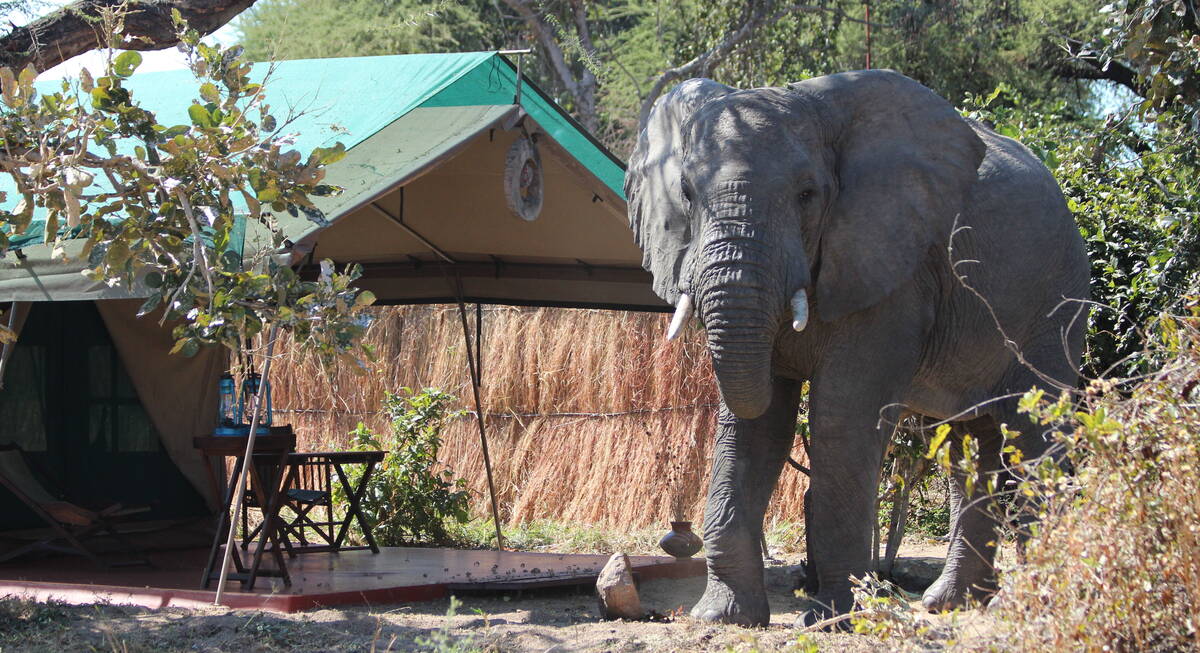
This top-value holiday idea combines two safari areas with a week on the Indian Ocean island of Zanzibar. Photograph lions and elephants, then relax under the palms on a powder-sand beach.
Visiting Nyerere, Ruaha and 2 other areas
US$5,460 - US$6,330 per person
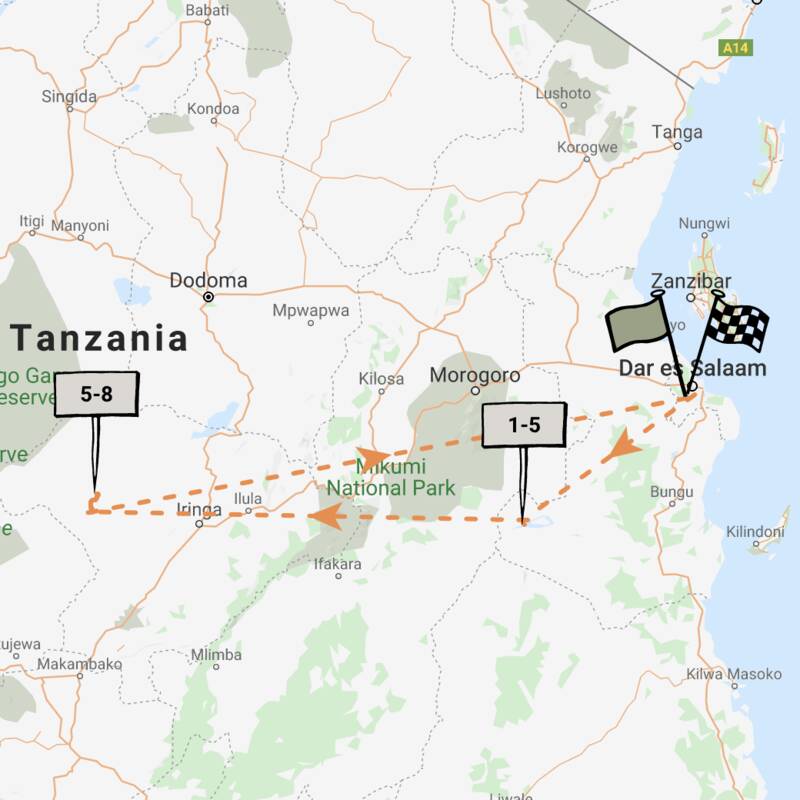
Spotted Hyena Fly-in Safari
7 days • 2 locations • 1 country
DAR ES SALAAM AIRPORT TO DAR ES SALAAM AIRPORT
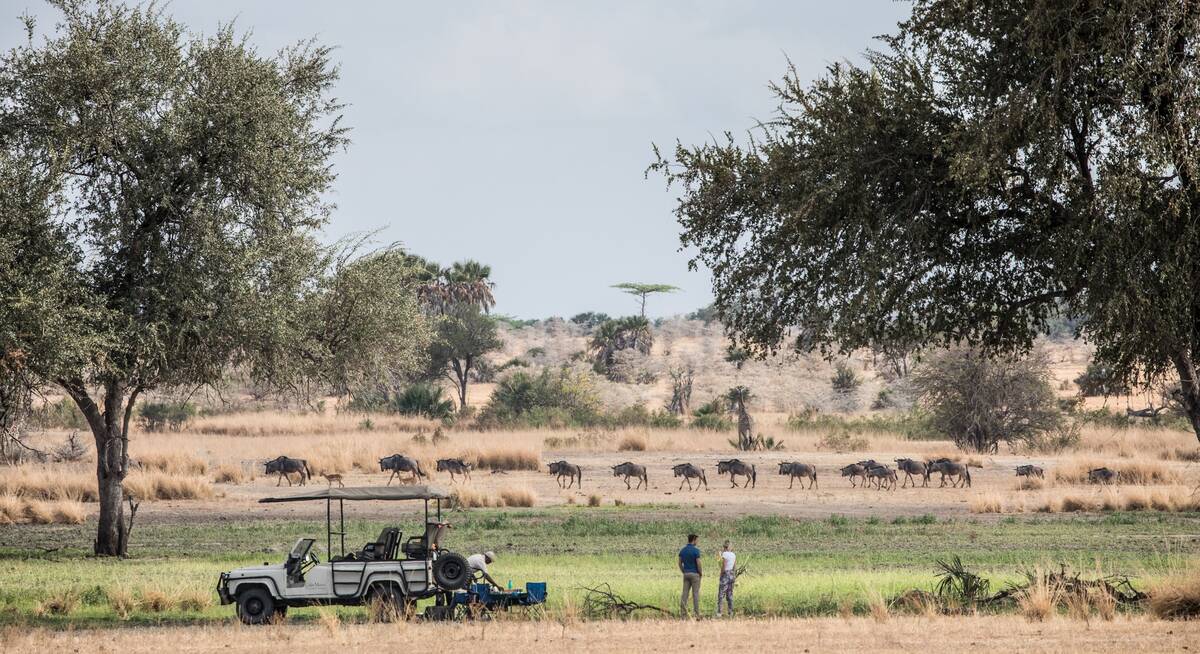
Stay in one of Nyerere National Park's best safari camps before experiencing a truly authentic tented camp in Ruaha. Remote locations, superb guiding and a range of activities await guests during this comfortable fly-in safari.
Visiting Nyerere, Ruaha
US$7,350 - US$9,360 per person

Marabou Stork Fly-in Safari
13 days • 5 locations • 1 country
KILIMANJARO AIRPORT TO DAR ES SALAAM AIRPORT
Four luxurious camps enable exploration of Tanzania’s north and southern regions. With a range of land- and water-based activities available throughout, decidedly comfortable accommodation and applicable long-stay discounts, this adventurous safari is excellent value.
Visiting Tarangire, Serengeti and 3 other areas
US$16,050 - US$23,210 per person

Our travellers’ wildlife sightings in Ruaha
This is their success for sightings in Ruaha National Park.
Click on a species for more detail. How we work this out.

100% success

100% success

99% success

95% success

85% success

82% success

68% success

63% success

52% success

22% success

22% success

15% success

12% success

9% success

0% success

0% success
Map of Ruaha National Park
Choices for where to stay in Ruaha National Park

Most recent reviews of our safaris to Ruaha
Click below to browse all 490 reviews from Ruaha National Park. All from our travellers; all are in full & unedited.
When to go to Ruaha National Park
Our month by month guide: What it's like to visit Ruaha in Tanzania
Jan
Feb
Mar
Apr
May
Jun
Jul
Aug
Sep
Oct
Nov
Dec
Tanzania in January
January usually marks the start of the short dry season, although the exact timings of this are a little unpredictable. You can expect clear blue skies and sunshine, if the short rains have stopped, and the temperatures will be building. The short dry season is a little less pronounced in Southern Tanzania, and so it can still be wet in these areas. It is an interesting time for avians as resident birds go into breeding plumage and migrant species can be present.
Once the New Year busy period has quietened down, January can offer great value and quieter parks, although the weather can be variable, and in the Selous and Ruaha the wildlife is more dispersed.
- Variable weather: clear & dry or cloudy with some rain.
- Occasional thunderstorms may occur.
- A good time of year for birding as and many migrant species are around
- The wildebeest migration is gathering in the southern Serengeti.
- Busy in early January, quietening down through the month.
Our view
A good time to visit, with pros & cons
Weather in January
Tanzania in February
February is during the short dry season and is one of the hottest months in Tanzania, with temperatures reaching around 33°Celsius. This can be a good time to visit, as some areas of the Northern Circuit are comparatively quieter than during the European summer months, and lodge rates are also a little lower.
The wildebeest will typically be on the southern plains of the Serengeti for their calving season, which tends to occur in a 2-3 week window in early-mid February – although this does vary year on year. This is also a particularly rewarding time for birdlife, as northern hemisphere migrants join the resident species.
- Hot and dry weather.
- Wildebeest migration calving on Serengeti’s southern plains.
- Ngorongoro Crater and southern Serengeti busy for the migration.
- Selous and Ruaha are typically quiet at this time.
- The parks are likely to be lush and green, leading to pretty landscape
Our view
A very good time to visit
Weather in February
Tanzania in March
The heavier ‘long rains’ start in earnest in March although exactly when varies year on year. With no need to stay close to permanent water sources, migratory wildlife disperses, and so game viewing starts to become more challenging. This is most prominently seen in Tarangire National Park. The wildebeest migration may still be calving, or have moved on into the central regions of the Serengeti.
Many of the camps in the southern parks close mid March and mobile tented camps in the Serengeti will wind down towards the end of the month in order to move location or carry out refurbishments, ready for the new tourist season.
- Hot with building humidity, before the rains begin at some point.
- Wildlife viewing is variable depending on the start of the rains.
- Parks are quiet and rates are low.
- Not great for southern or western Tanzania.
- March can be a good time for birding, with many migrant species.
Our view
A good time to visit, with pros & cons
Weather in March
Tanzania in April
April is in the middle of the long rainy season and is the wettest month, with on average 250mm of rain. Temperatures are fairly high and humid in comparison to the rest of the year. Expect the bush to be lush and flowering, and alive with insects, birds and smaller animals. It is however also dense, allowing wildlife to hide, which in turn makes game viewing harder. This is a very quiet time in terms of visitor numbers.
Many of the tented camps are closed in April, however the larger lodges remain open. The rates are significantly cheaper, and so if you are willing to work harder to spot the bigger game, some accommodation bargains can be had.
- Heavy rain expected, with impressive thunderstorms and lightning.
- Many camps closed and roads impassable due to ground conditions.
- Rates are at their lowest all year round, with very few other tourists
- Places that are open are green and vibrant, wildlife more dispersed.
Our view
This is not a great time to visit
Weather in April
Tanzania in May
As Tanzania is close to the equator there is no dramatic difference in climate throughout the year, but temperatures do start to drop a little in May. The rains are likely to still be present, although potentially clearing towards the end of the month. Visitor numbers and lodge rates are still low. The wildebeest migration is making its way through the western regions of the Serengeti, crossing the Grumeti River.
Virtually all camps in southern Tanzania remain closed, and many of the roads and tracks in the Selous become impassable.
- Heavy rains and storms are likely, this can create some dramatic skies
- Blissfully quiet in northern Tanzania, and a good time to avoid crowds
- The parks are likely to look lush and green, with long grass.
- Wildlife is likely to be more dispersed, with fewer sightings.
- The low prices make safaris much more affordable at this time.
Our view
This is not a great time to visit
Weather in May
Tanzania in June
The rains come to an end at some point during the month and migratory wildlife begins to be drawn back to perennial water sources as the land starts to dry up. It’s likely that the parks will still be quite green and the grass high though, so walking and fly-camping may be unlikely. This marks the start of the season with camps reopening, but prices are still more affordable than the subsequent months.
The migration may still be in the Western Corridor, or on the move northwards towards the Mara River. Western Tanzania presents more challenging conditions for chimpanzee trekking in Mahale National Park, as the chimps are higher in the mountains.
- Variable weather: clear & dry or cloudy with some rain.
- A transitory time for the migration – moving from west to north.
- The parks may still be quite green, and grasses high.
- Wildlife may be dispersed still.
- Relatively low visitor numbers and good value, shoulder season prices.
Our view
A good time to visit, with pros & cons
Weather in June
Tanzania in July
July is considered to be the start of the peak season, with no rainfall expected and pleasant daytime temperatures. As the parks dry, the wildlife congregates in fewer areas, grass is eaten and trampled by the migration, and game viewing gets better and better. The wildebeest are typically arriving in the northern Serengeti, ready to begin their period of crossings of the Mara River.
In the Selous and Ruaha wildlife sightings can be fantastic, with animals gathering around the lakes and rivers. Great conditions and school holidays mean the parks are at their busiest, with Ngorongoro and the Serengeti particularly crowded.
- Dry and warm daytimes, chilly and windy in the mornings and evenings.
- Great wildlife viewing, as water sources diminish.
- The most popular time of year with very high visitor numbers.
- Prices are at their highest due to the great conditions on the ground.
- To avoid the crowds consider Tanzania’s southern parks.
Our view
Fantastic: the very best time to visit
Weather in July
Tanzania in August
August is the middle of the long dry season, with clear skies and sunny weather. You can expect some cooler weather at night and first thing in the morning. Remember to pack layered clothing, so you can wrap up warm on your early morning game drives, but remain comfortable as it heats up throughout the day.
August is a very popular time to visit, so accommodation prices are at their highest and advanced booking is necessary. It can get noticeably busier in some of the northern parks – in particular the Ngorongoro Crater and northern Serengeti, as visitors flock to the area in hope of witnessing an exciting migration river crossing.
- Dry and warm daytimes, chilly in the early mornings and evenings.
- General wildlife viewing should be excellent.
- An exciting time of year for the wildebeest migration.
- Certain areas will be very busy and camps fill up fast.
- Great wildlife sightings in the Selous and Ruaha, and fewer people.
Our view
Fantastic: the very best time to visit
Weather in August
Tanzania in September
September can be an excellent time of year to visit Tanzania. As the parks continue to dry up the wildlife becomes increasingly reliant on the remaining water sources, leading to high densities of animals. Whilst early September can be busy, with fewer families traveling at this time the parks typically become quieter as the month goes on.
You are still likely to see the wildebeest migration in the northern Serengeti, with river crossings occurring on a regular basis. Tanzania’s southern parks are also fantastic at this time of year, generally receiving far fewer visitors than the north, and wildlife sightings can be great. Prices remain high and the weather generally remains good.
- Wildlife viewing in September can be fantastic.
- Whilst still fairly busy, often the parks are typically a little quiet
- The parks will start to become very dry, with little new vegetation
- Cooler mornings and evenings, warming up during the day.
- Prices remain high.
Our view
Fantastic: the very best time to visit
Weather in September
Tanzania in October
At the tail end of the dry season, the wildlife should be the easiest to spot, although photographers should be aware that it can be a bit dusty at this time of year, as there has been no rain for several months. Great general wildlife viewing throughout as animals are attracted to remaining sources of water. Elephant numbers are particularly high at this time in Tarangire, and Mahale and Katavi are especially rewarding with frequent wildlife sightings close to camp.
There is a chance of rainfall towards the end of the month, if the short rains commence. While prices remain high, visitors numbers are significantly lower than in July-August.
- Mostly dry and temperatures comfortably warm, with the chance of storm
- Great game viewing although the landscape can be a bit barren.
- Much lower visitor numbers than the earlier months.
Our view
A very good time to visit
Weather in October
Tanzania in November
In November you can expect the start of the short rains, although the start date varies every year. The rains are highly localised, and are much lighter and more unpredictable than the long rains that occur earlier in the year. These should not really interfere with your safari – as the game viewing at this time is still good - but you should pack a waterproof jacket and be prepared for some short rain showers!
The majority of tented camps remain open, but some of the mobile camps in Northern Tanzania will close for the latter half on the month. Given the seasonality, camps are charging shoulder season rates so there are often some bargains to be had. Early November can offer great value for money and the weather conditions are likely to be comparable to late October.
- Variable weather: clear & dry or cloudy with some rain.
- Parks are comparatively quiet and prices at the lower end.
- Some camps will close towards the end of the month for maintenance.
- Good wildlife sightings, but animals will disperse when rain starts
- The wildebeest migration is on the move and the location unpredictable
Our view
A good time to visit, with pros & cons
Weather in November
Tanzania in December
December is also during the short rainy period, but this does not stop Tanzania being a popular destination to spend the festive period. Be aware that many of the lodges book up early, and charge peak rates over this time. Advanced booking is essential over this period, especially if travelling in larger family groups.
Travelling in December outside of the festive period allows travellers to make use of excellent shoulder season rates. Temperatures are pleasant with the averages of 27Celsius, although there is the chance of intermittent thunderstorms.
- Variable weather:clear & dry or cloudy with some rain and thunderstorm
- Good general game viewing in parks with low seasonality - Serengeti.
- Very quiet early in the month, becoming exceptionally busy.
- Prices reflect this – great value rising to the highest they are.
- The wildlife in southern Tanzania is more dispersed.
Our view
A good time to visit, with pros & cons
Weather in December
Tanzania fact file
Useful information and advice to help you prepare for a trip including Ruaha National Park.
Flights to Tanzania
How to get to and within the country

LGBT travel in Tanzania
Attitudes, the law & our experiences
Privately guided safaris
Safari with a private guide in your own 4WD
The Great Wildebeest Migration
Info to maximise the experience
Tanzania general info
Essential travel information

Tipping in Tanzania
Expectations & guidelines for tipping

Weather & climate
The best time to visit Tanzania

Excursions in Ruaha National Park
Optional extra day-drips and excursions possible whilst your staying within Ruaha National Park. Talk to us: these are usually best arranged before you go.
Balloon Safari over Ruaha
Three hours - one hour flight
Varied and scenically stunning, Ruaha National Park features rolling hills, woodlands, open plains and two wide meandering rivers: the Ruaha and the Mwagusi. What better way to view it than from the air, at sunrise? A balloon safari offers just this, the landscape unfolding below your basket as you float almost silently above.
More about Ballooning in Ruaha