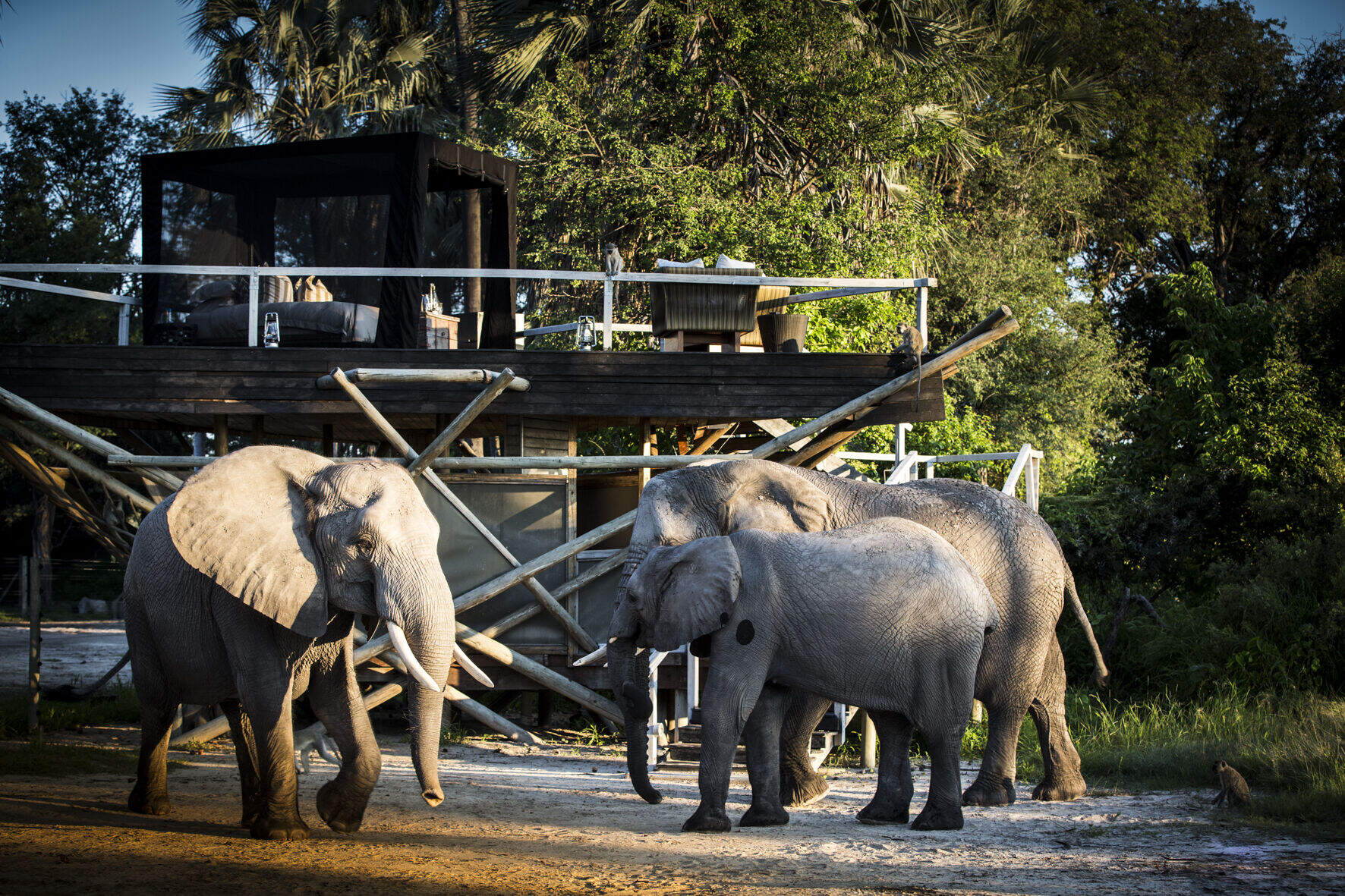

Abu Camp: Our full report
Located on the edge of a permanent lagoon in a grove of towering hardwood trees, Abu Camp is one of the most ...
... luxurious and expensive camps in Botswana. For many years it was owned and sporadically run by its founder, the charismatic Randall Jay Moore. During this time it gained a reputation as the place to ride African elephants in a pristine wilderness environment, and attracted the world's glitterati.However, we’re very pleased to say that as of 31 December 2016, Abu stopped all riding of the Abu Herd and in mid 2021 they also stopped walking and other close interactions with the Abu herd. Their elephant programme now focuses on elephant conservation, observing them in the wild and getting to know their individual characters on a 4 x 4 game drive.
Randall Moore has now moved on to pastures new but we don't envisage the upmarket nature (or the price tag) of Abu disappearing any time soon, given that the camp is now part-owned by Paul Allen (of Microsoft fame) and managed by Wilderness Safaris.
The whole of Abu Camp was rebuilt and refurbished in early 2011 and on our last visit, we were really impressed with this now immaculately designed safari lodge, with rooms the size of small apartments finished to the highest specifications, with quality furnishings and service of the very best standard.
Accommodation at Abu Camp consists of just six tented suites which all face out onto the lagoon. Their basic design – of timber frames with canvas walls and with large mesh windows that keep insects out but let the breeze in – is relatively typical of many other safari camps in the Okavango Delta. Where Abu Camp's suites differ, however, is in their décor: each is unique.
Our team member's suite stretched linearly along the bank of the lagoon so that the bedroom, study area and bathroom all faced out onto the water. The study area, with a writing table and comfortable leather deckchair, offers an excellent place from which to update your travel journal or to relax and read one of the old books provided (circa 1870). Perhaps what most impressed us though were the glass cabinets set either side of the desk, each containing various local artefacts as well as samples of rocks and minerals found in southern Africa – it was like having your own small museum. More practically, the study area also boasts a good selection of power points for both European and US plugs.
The other side of each suite is taken up with a king-sized bed and a couple of chairs, plus a cabinet containing a minibar and tea and coffee station. There's no air-conditioning at Abu but it's hardly needed given the open nature of the suites. When it does get really hot, a couple of ceiling fans, one right above the bed, do a really good job of keeping the temperature down.
An open doorway, which can be screened by a drop-down canvas curtain, leads from the 'bedroom' to the en-suite bathroom. In our suite the bathroom consisted of twin basins set in a black marble unit beneath a large mirror. There was a large walk in shower here, too, as well as a lot of hanging space and a luggage rack, while a separate room with a door housed the toilet. A sliding door from the shower opened onto the L shaped veranda, where there was a clawfoot bathtub. As at most camps, there are some complimentary toiletries provided, plus there is a hairdryer.
Around the corner from the bathtub, the wooden veranda extends to the front of each suite, which, depending on the water levels has water from the lagoon lapping right up to its stilts. With some really comfortable sala beds, this is a great place to relax and take in the birdlife. Guests in the honeymoon suite have their own private plunge pool, too.
Making good use of a natural resource, the suites are linked by elephant dung pathways. This may sound unpleasant but when compacted it makes for a soft, comfortable and pleasant walk as opposed to dust and sand.
Abu Camp's split-level main area is very impressive indeed. We're told it was designed with 'free-flow' as its inspiration, and the colour scheme of beige and greys taken from the elephants. It is all very contemporary. The open nature of the camp means that its elevated position provides great views across the floodplains.
At the very heart of this is a massive termite mound – not surprisingly this is the first thing that catches your eye you when you enter camp! Next to this is a small, open-air lounge with several comfy sofas and chairs. From this central spot, the main camp facilities radiate out across decks at various levels, each with about three to four steps separating them. The upper most deck has a large lounge divided by the stylish yet comfortable sofas and chairs into several small private lounge spaces. It also has the main dining room to the back. Here tables can be laid out for one sociable gathering or very easily into individual tables for private dining – whichever is preferred. This is also where you will find a large tea and coffee station.
Another deck is usually used solely for private dining/seating. The lowest level leads to the fire pit where breakfast is often served. This is also a lovely spot for pre and post dinner drinks. A further deck protrudes out towards the floodplain where you will find the viewing scope and is also another spot used for dining.
Abu Camp has to be one of the most flexible and laid back, in terms of timings and locations for meals and drinks, that we know of in the Botswana!
Slightly away from the main area is the library. Often, when talking about 'libraries' at safari camps, we're referring to a glorified bookcase; not so at Abu Camp. Theirs is the most comprehensive collection of fact and fiction (of both Africana and more general literature) that we have ever seen at a safari lodge. Dining can also be arranged here. There is also a 'communications centre' room with a laptop discretely positioned to allow guests who wish to touch base with the outside world to do so, while those who do not wish to can put it out of their minds. As you might expect from a lodge part-owned by the co-founder of Microsoft, the internet connectivity is very good and those with their own portable device have access to WiFi throughout the main area. There is also a TV/DVD player descretely hidden away.
Down at ground level, and set to the side of the main area, is the swimming pool with a wooden deck set with a few recliners. Slightly further back there is also a simple gym with a treadmill, rowing machine and a few free weights, but almost as a reminder of more hedonistic pleasures, there's a large pizza oven just outside the door. Here, under the guidance of Abu's chef, guests can create their own masterpiece.
Activities at Abu Camp include game drives, night drives, boat trips, guided walks and mokoro trips.
Our view
With just six tented suites, Abu Camp is very exclusive, and offers high levels of service – it really is a cut above most other camps. Opulence and service aside, the camp's major attraction is walking with the resident herd of habituated elephants, a unique experience which, if budget allows, is amazing. Note, however, that aside from the elephants, wildlife attractions in the Abu reserve don't match those in the better areas of the Okavango Delta.

Country manager: Botswana
Geographics
- Location
- Okavango Delta Safari Reserves, Botswana
- Ideal length of stay
- We’d recommend a stay of two nights at Abu, taking advantage of the elephant activity and perhaps getting out on the water to appreciate the spectacular landscape.
- Directions
- Abu is accessible only by light aircraft; the airstrip is roughly 20 minutes away from camp by 4WD vehicle.
- Accessible by
- Fly-and-Transfer
Food & drink
- Usual board basis
- Full Board & Activities
- Food quality
- On our last visit to Abu Camp the food was excellent. Not only did it taste fantastic but it was also presented immaculately and always by someone with a smile.
A light breakfast is served at the elephants' enclosure or around the camp fire; cereals, fruit and a variety of muffins, croissants, pancakes and scones with jams and various spreads are all on offer.
Lunch began with a green-pea soup with freshly baked bread rolls. The main course was a tasty beef lasagna, accompanied by a green salad with plenty of dressing.
Tea was a feast to behold! Mini lemon meringue pies, butternut and leek tartlets, meringue cases filled with plums and cream, sumptuous chocolate cake, watermelon and a few other goodies, all accompanied by freshly made lemonade and iced tea. A real treat.
For dinner we started with the choice of a very tasty curried butternut soup or haloumi spring rolls. The main course was beef medallions, cooked to perfection, with rosti potatoes (or chicken with onion sauce and wild rice), both accompanied by carrots and broccoli. Dessert was a tarte tatin with vanilla ice cream.
The selection of wine at Abu is varied and lunch and dinner were accompanied by a well-suited vintage. - Dining style
- Mixture of group dining and individual tables
- Dining locations
- Indoor and Outdoor Dining
- Further dining info, including room service
- No, although private meals can be organised for special occasions on request.
- Drinks included
- Bottled water, soft drinks, local beers and spirits and a limited selection of (usually) South African red and white wines are included. Champagne and imported wines and spirits will cost extra and may need to be requested in advance.
Special interests
- Wildlife safaris
- Abu Camp is renowned for its Abu elephant herd, which used to be an habituated herd but now mingles with other wild elephants.
- See ideas for Wildlife safaris
- Luxury
- Six opulent tents at Abu Camp are individually designed and decorated, all featuring an outdoor copper bathtub and plunge pool.
- See ideas for Luxury
Children
- Attitude towards children
- Children of 12 years of age and over are accepted at Abu Camp. For children aged 8–12 a private vehicle must be booked in advance. Children under 8 years of age are usually not accepted but this can be considered on a case-by-case basis.
- Property’s age restrictions
- No children under 8 years of age (unless by prior arrangement).
- Special activities & services
- None
- Equipment
- None
- Generally recommended for children
- We don’t think that Abu is suitable for young children.
- Notes
- Abu is a very open camp and the elephants often wander through the camp and on the paths, so parents must supervise their children at all times.
Communications
- Communications
- There is Wi-Fi in the main area and a ‘communications centre’ with a laptop linked to the internet available for guests’ use. Internet connectivity is very good here.
- TV & radio
- There is a TV kept discretely in the main area of the camp which receives a number of satellite channels and can be used to show DVDs from the library.
- Water supply
- Borehole
Health & safety
- Malarial protection recommended
- Yes
- Medical care
- There are trained first-aiders on site and for serious incidents there’s a medical air-evacuation system in place. Please note that it is only possible to fly out of camp during daylight hours as the bush airstrips do not have any lighting at night.
- Dangerous animals
- High Risk
- Security measures
- Guests are escorted to and from their rooms after dark as dangerous wildlife is known to wander through the camp. A thorough safety briefing is given on arrival. A fog-horn in each tent is available to summon help in case of a medical emergency.
- Fire safety
- There are fire extinguishers around camp and fire assembly points are identified to guests when they first arrive.
Activities

4WD Safari

Birdwatching

Boat trip

Elephant encounter

Fishing

Guided walking safari

Helicopter

Mokoro
Night drive
Extras
- Disabled access
- Not Possible
- Laundry facilities
- Included
- Money
- No exchange facilities are offered at Abu. There are small safes in all the rooms, as well as a larger one in the office.
- Accepted payment on location
- MasterCard and Visa credit cards are accepted; Diners and Amex are not. Cash in the form of South African rand, GB sterling, US dollars, euros and Botswana pula is accepted.
Other lodges in Okavango Delta Safari Reserves
Alternative places to stay in this same area.

Kwara Camp
Kwara Camp's private reserve boasts land and water activities year round, with excellent game-viewing opportunities and access to permanent channels of the north-east Okavango Delta.

Little Vumbura
On a secluded island within a private reserve, Little Vumbura combines superb game viewing with a broad diversity of habitats in a truly picturesque setting.
Shinde Camp
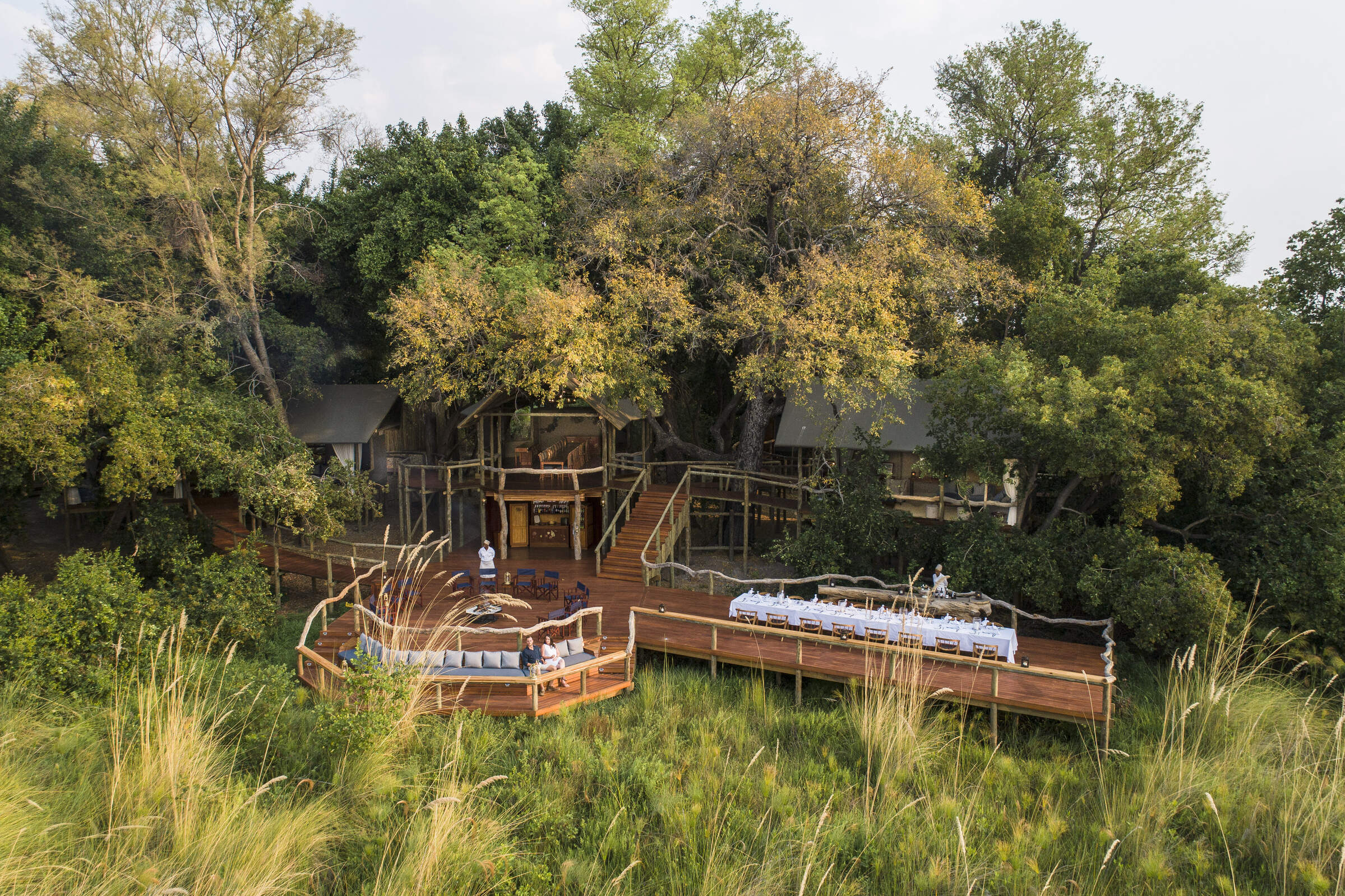
With experienced staff and a wealth of activities, Shinde offers a traditional safari in an exceptionally varied and wildlife-rich environment.

Chitabe Lediba
Chitabe Lediba, in Botswana's southern Okavango Delta, is a small family friendly safari camp; it offers great dry-land safaris and in our experience consistently delivers good game sightings.

Splash Camp
Set in the Kwara Reserve, offering superb wildlife viewing year-round, Splash offers both land and water activities led by guides with a particular knack for tracking big game.
Sandibe Safari Lodge
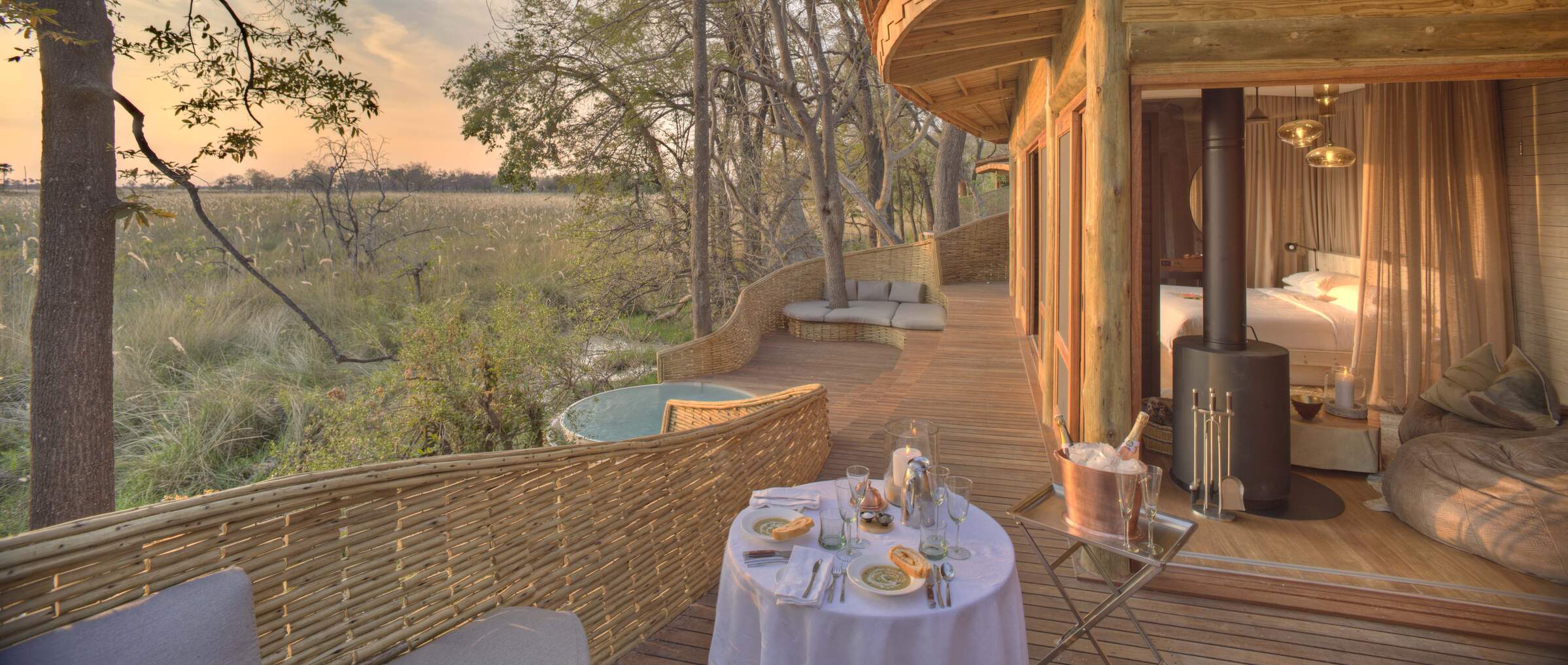
The luxurious Sandibe Okavango Safari Lodge lies in a private concession in the heart of the Okavango Delta, beside Moremi Game Reserve, with superb big-game viewing.

Kanana
In a beautiful part of the Delta, Kanana focuses on fantastic water activities and birding – including exclusive access to an impressive heronry.
Chitabe Camp
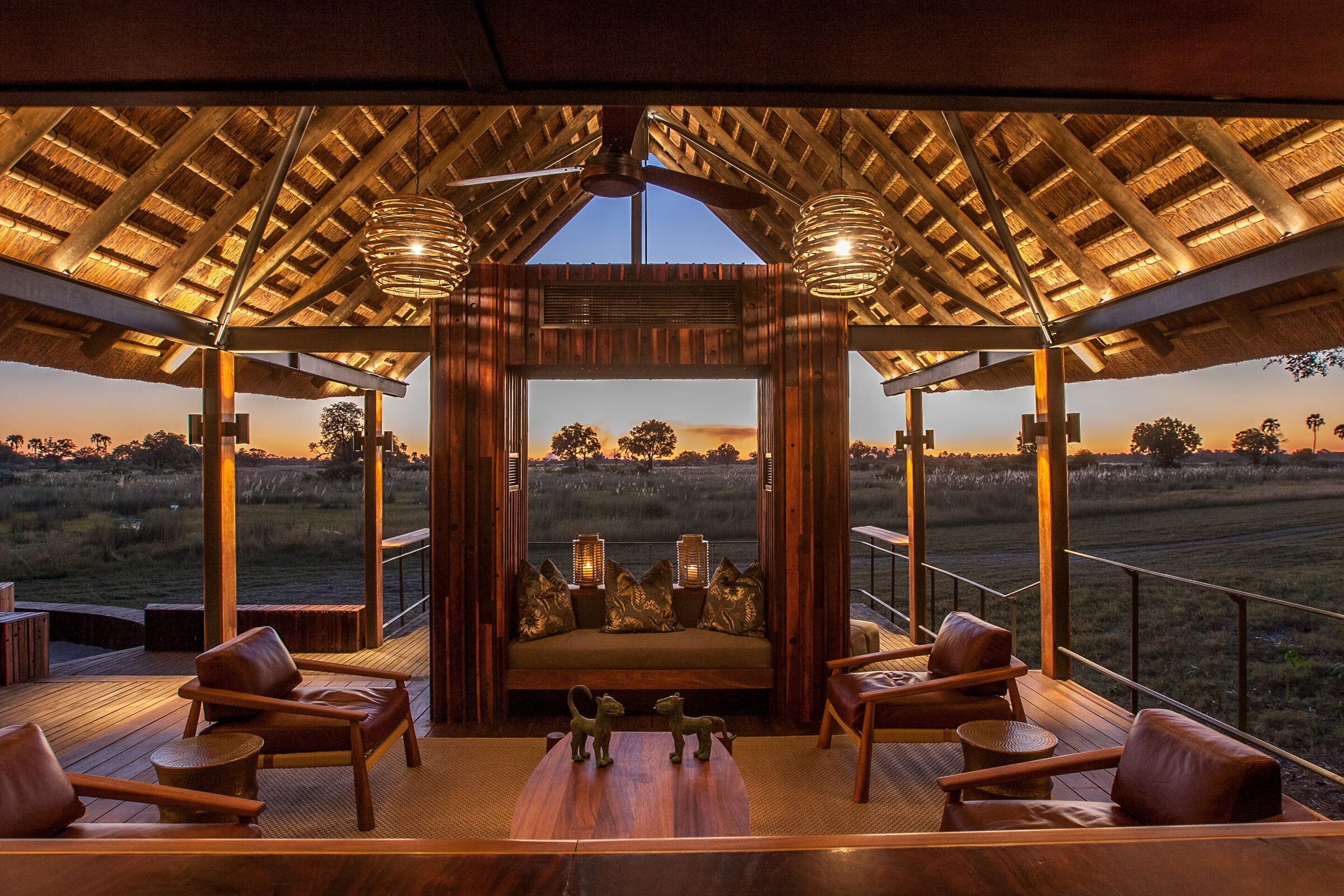
In the southern Okavango Delta, the excellent Chitabe Camp concentrates on dry-land safaris in an area that we've found particularly good for wild dog sightings.

Shinde Footsteps
Small and very rustic, Footsteps across the Delta focuses on walking safaris; it also runs a special children’s programme so is particularly suitable for families.
Gomoti Plains Camp
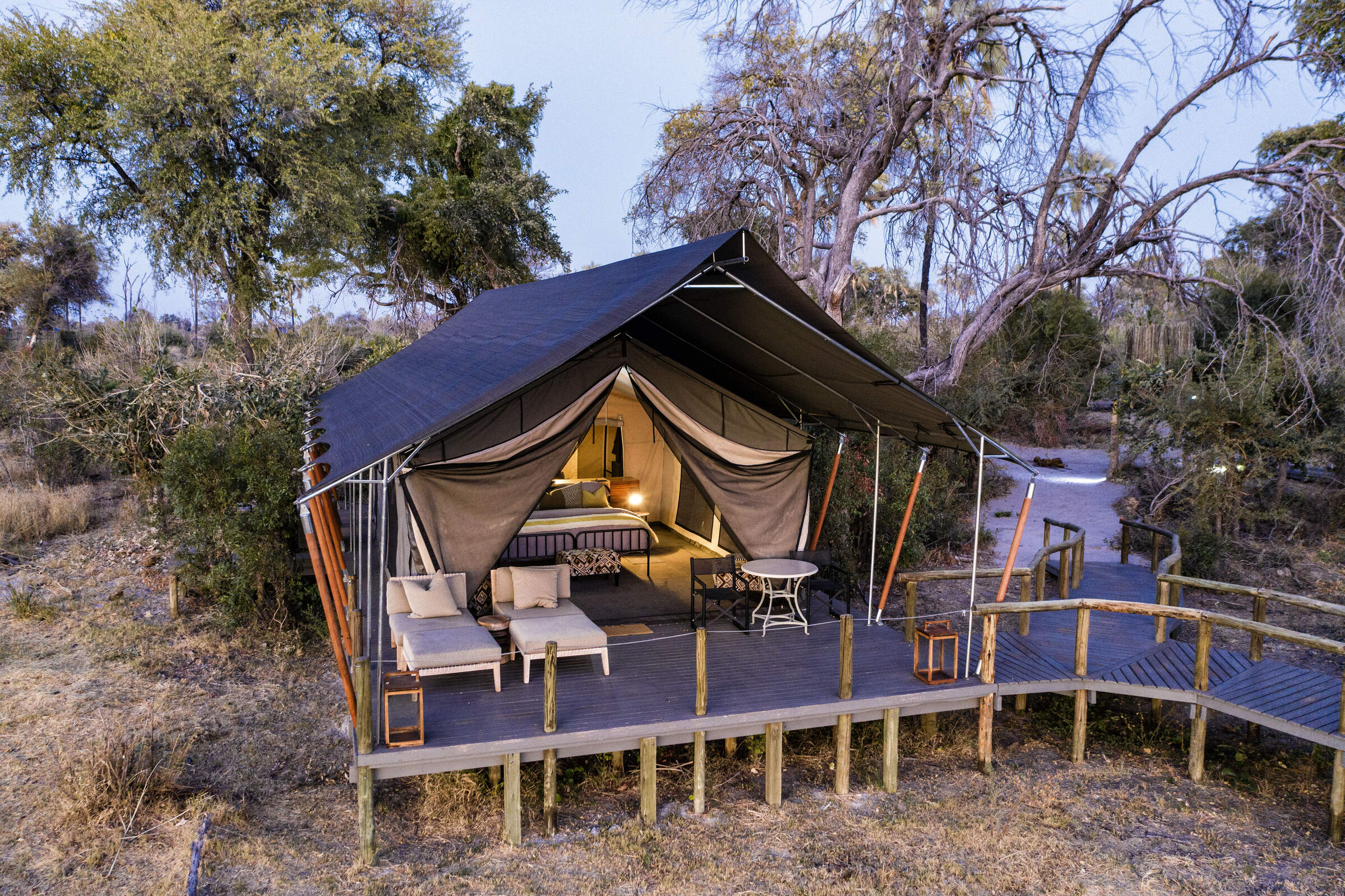
Overlooking a tributary of the Gomoti River, Gomoti Plains Camp is a classically designed camp with very comfortable tents in a good game-viewing area.

Tubu Tree Camp
A traditional tented camp with a distinctive tree-house feel, Tubu Tree offers some of the best game viewing in the Jao Reserve.
Nxabega Tented Camp
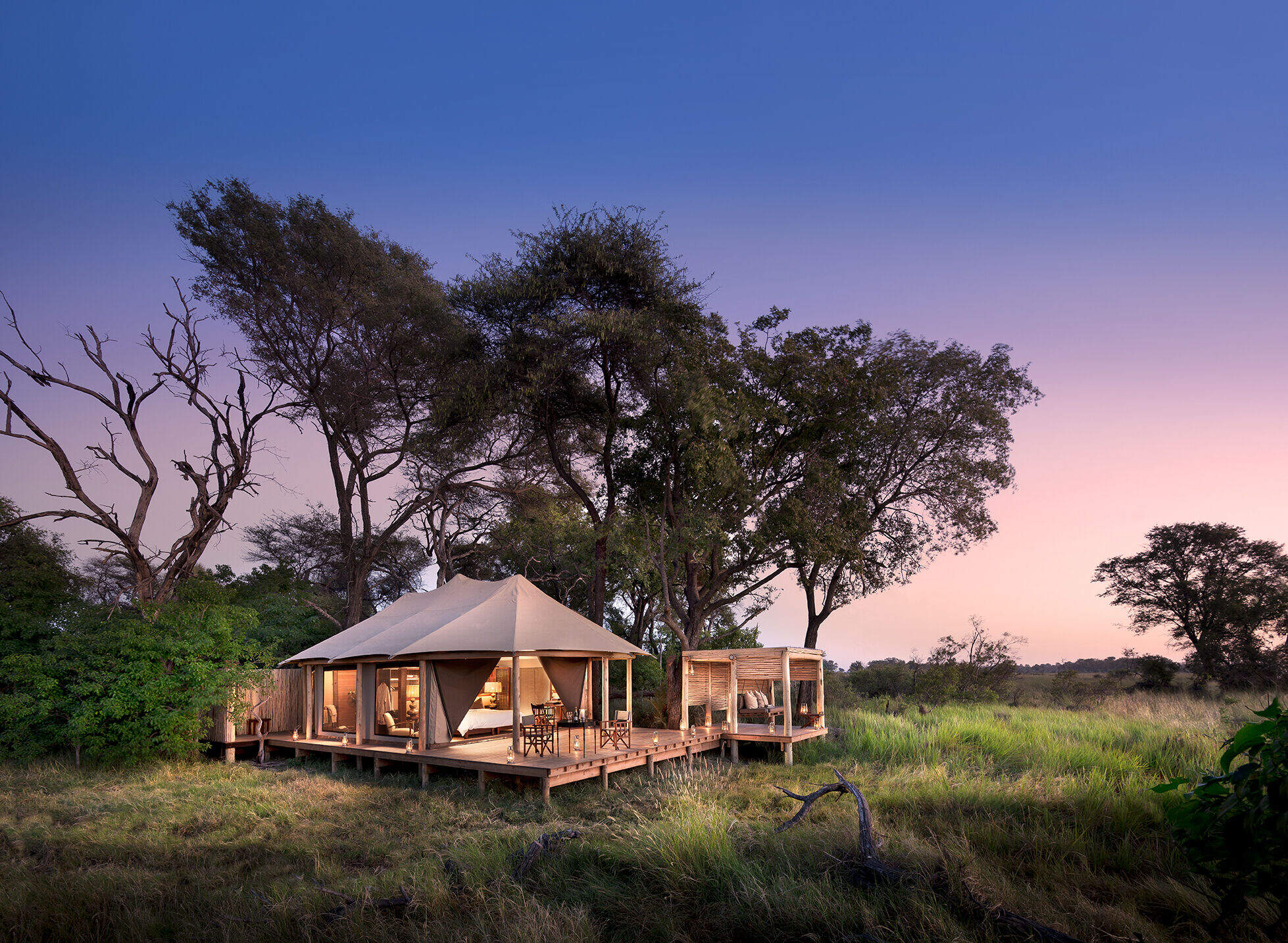
Nxabega offers a selection of both land- and water-based activities, plus very good guiding, food and service, but game viewing can be somewhat erratic.

Vumbura Plains
Indulgently stylish and luxurious, Vumbura Plains offers superb game viewing and birding on an exceptionally varied private reserve.
Jacana Camp
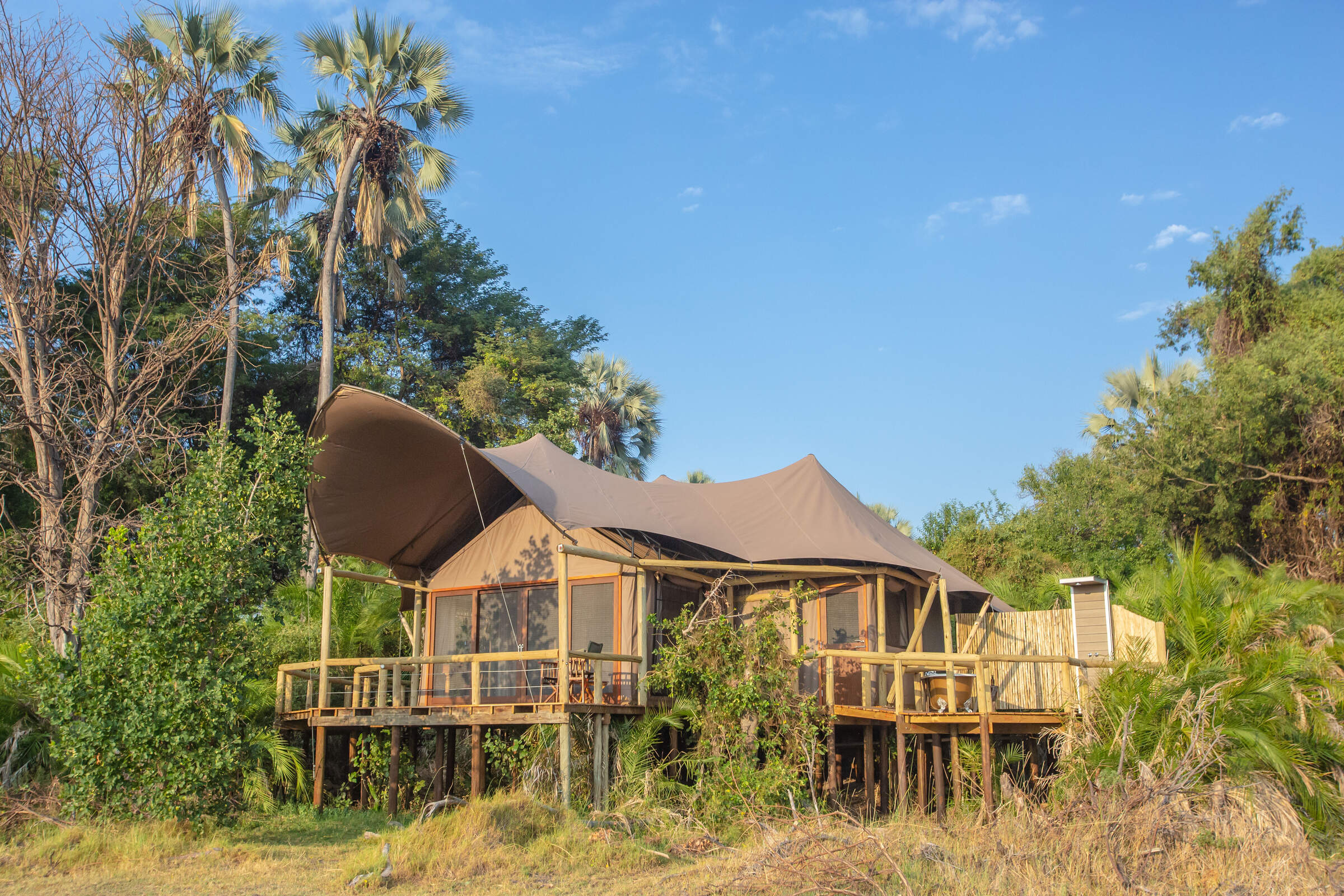
Jacana Camp is a small safari camp with an informal island feel; it is ideal for water-based activities in the Delta and offers excellent birdwatching.
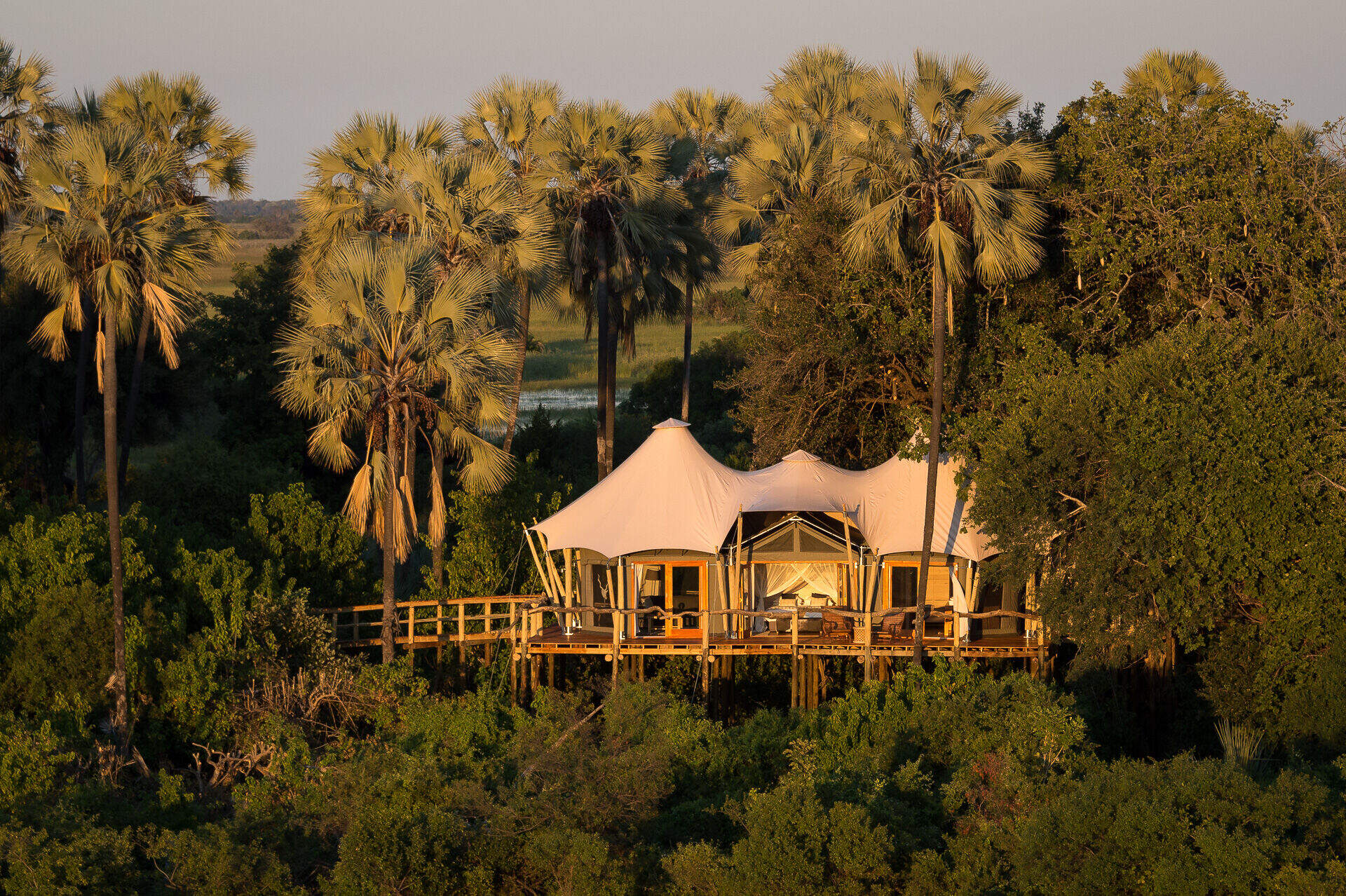
Kwetsani Camp
Deep in the Delta, overlooking a floodplain, Kwetsani Camp is a small, high-end camp with good access to areas for land and water-based activities.
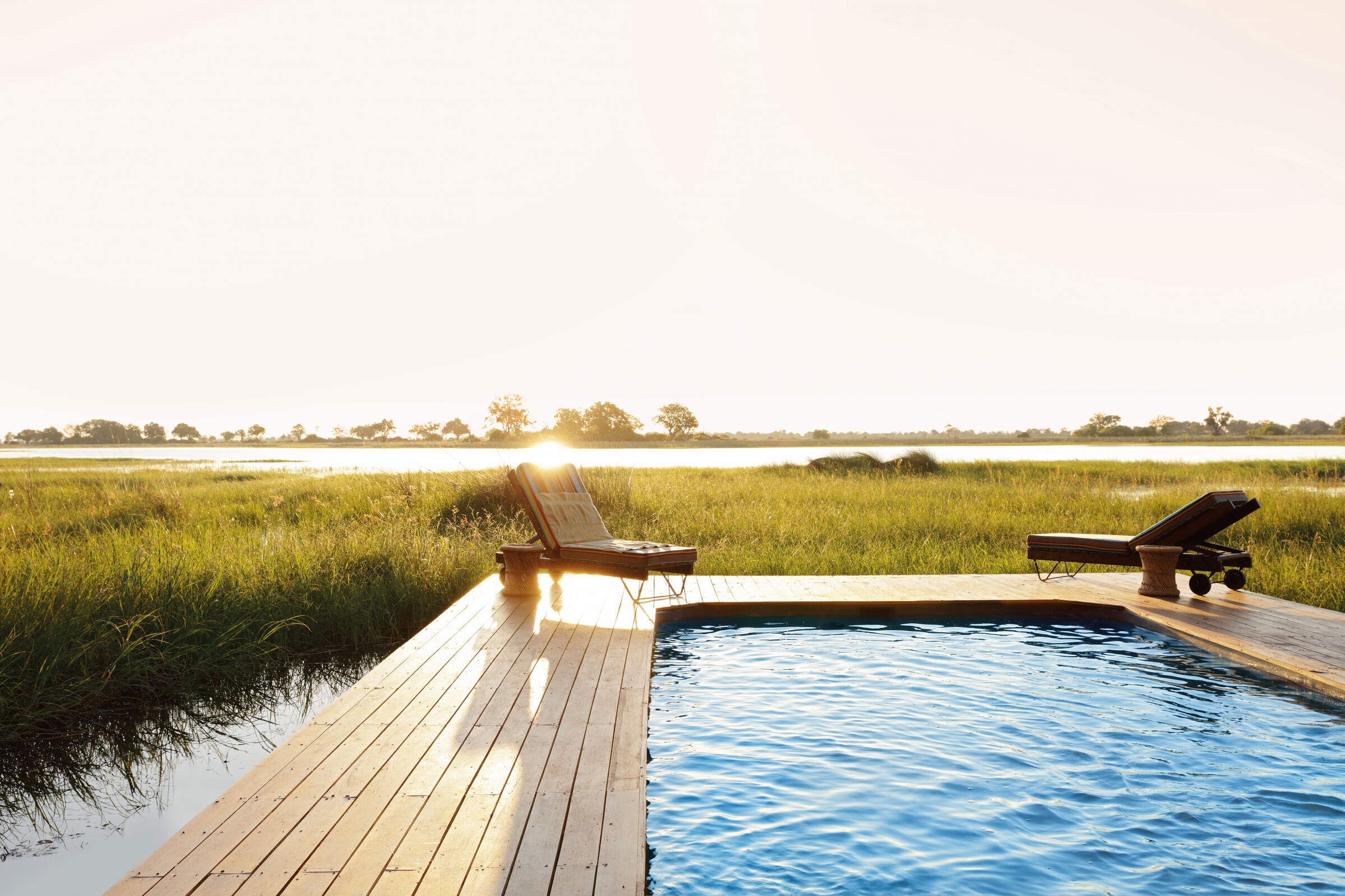
Mapula Lodge
For an affordable yet varied safari encompassing a range of eco-systems, the traditional Mapula Lodge takes a lot of beating.

Duba Plains Camp
Duba Plains Camp is a traditional safari camp, best known for the thrilling lion and buffalo interaction that is often found here in broad daylight.
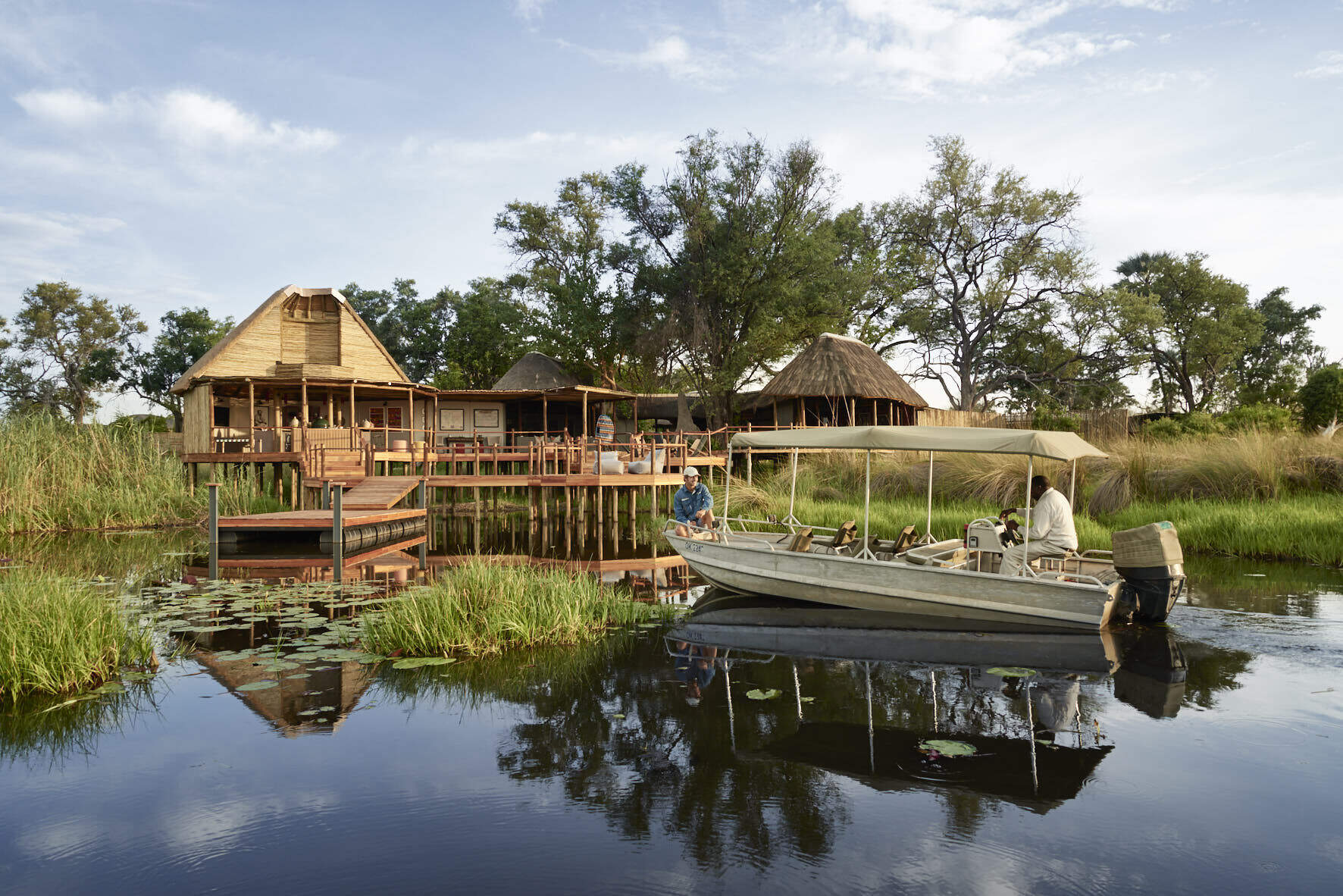
Baines' Camp
Baines' Camp is a well-run, intimate camp in a pretty part of the Okavango, offering a range of activities and the option to spend a morning walking with elephants.
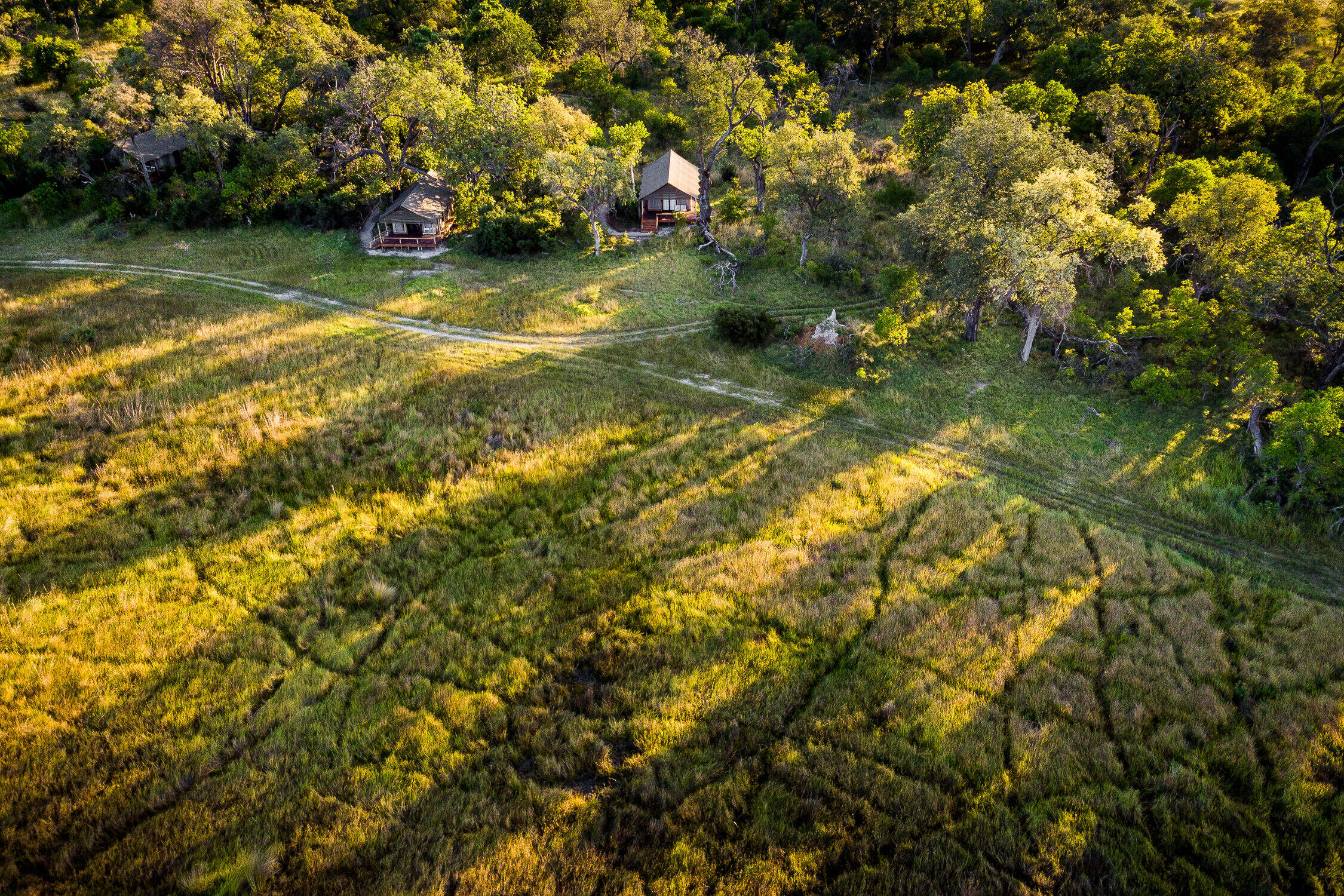
Stanley's Camp
In a private concession south of Moremi Game Reserve, Stanley's Camp offers 4WD game drives, seasonal water activities and a superb elephant interaction.

Duba Explorers Camp
Intimate and elegant, Duba Explorers Camp promises a firm safari focus in a remote corner of the Okavango, led by a team who value the highest guiding and hosting standards.
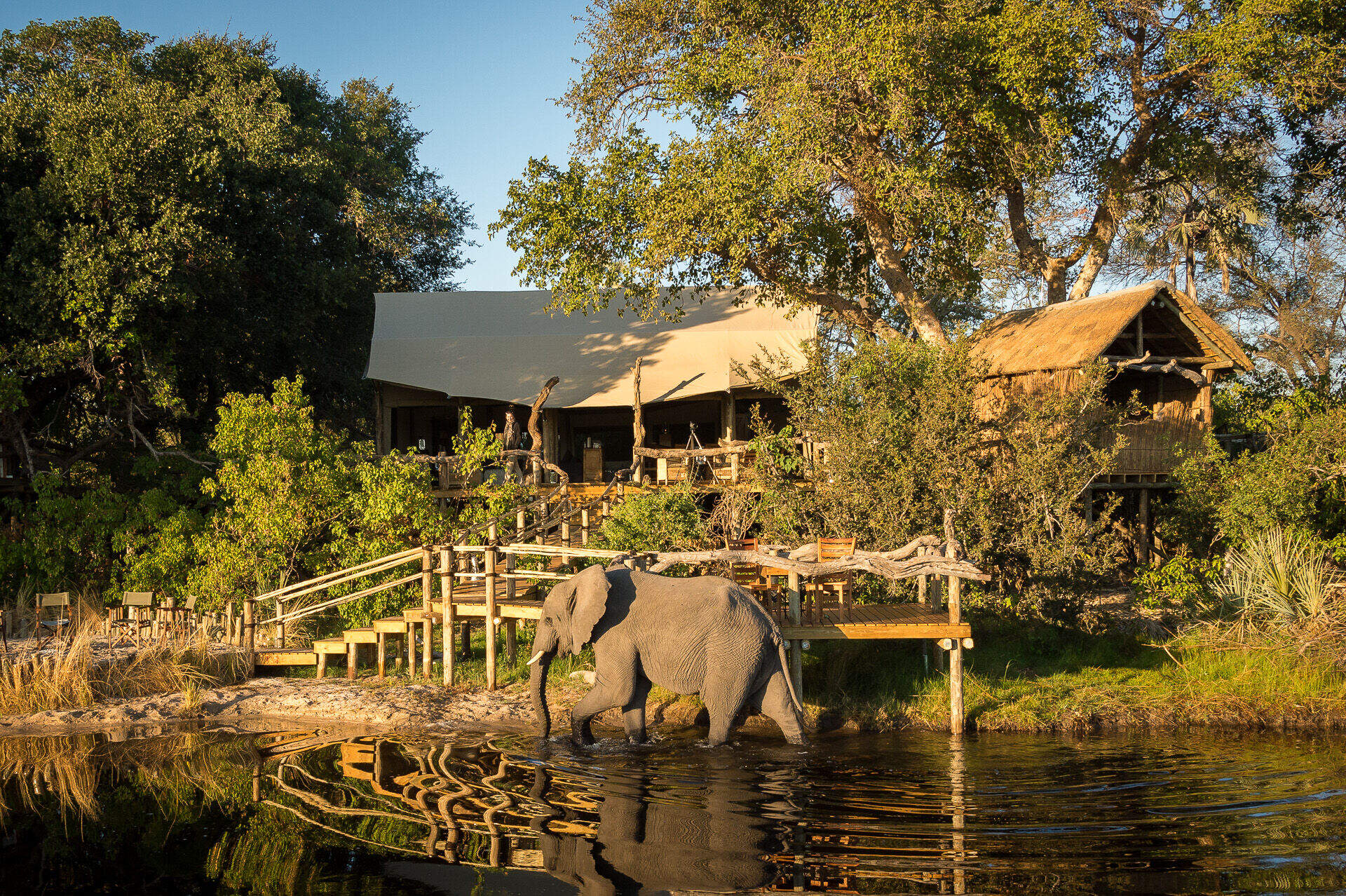
Little Tubu
Little Tubu is a new, traditional camp with just three tented chalets and a distinctive tree-house feel. The areas around it can be explored by water and land-based activities year round.

Pom Pom Camp
Pom Pom Camp lies amidst stunning Okavango Delta scenery. Come for idyllic mokoro trips and great birdwatching, and accept that big-game sightings here are a bonus.
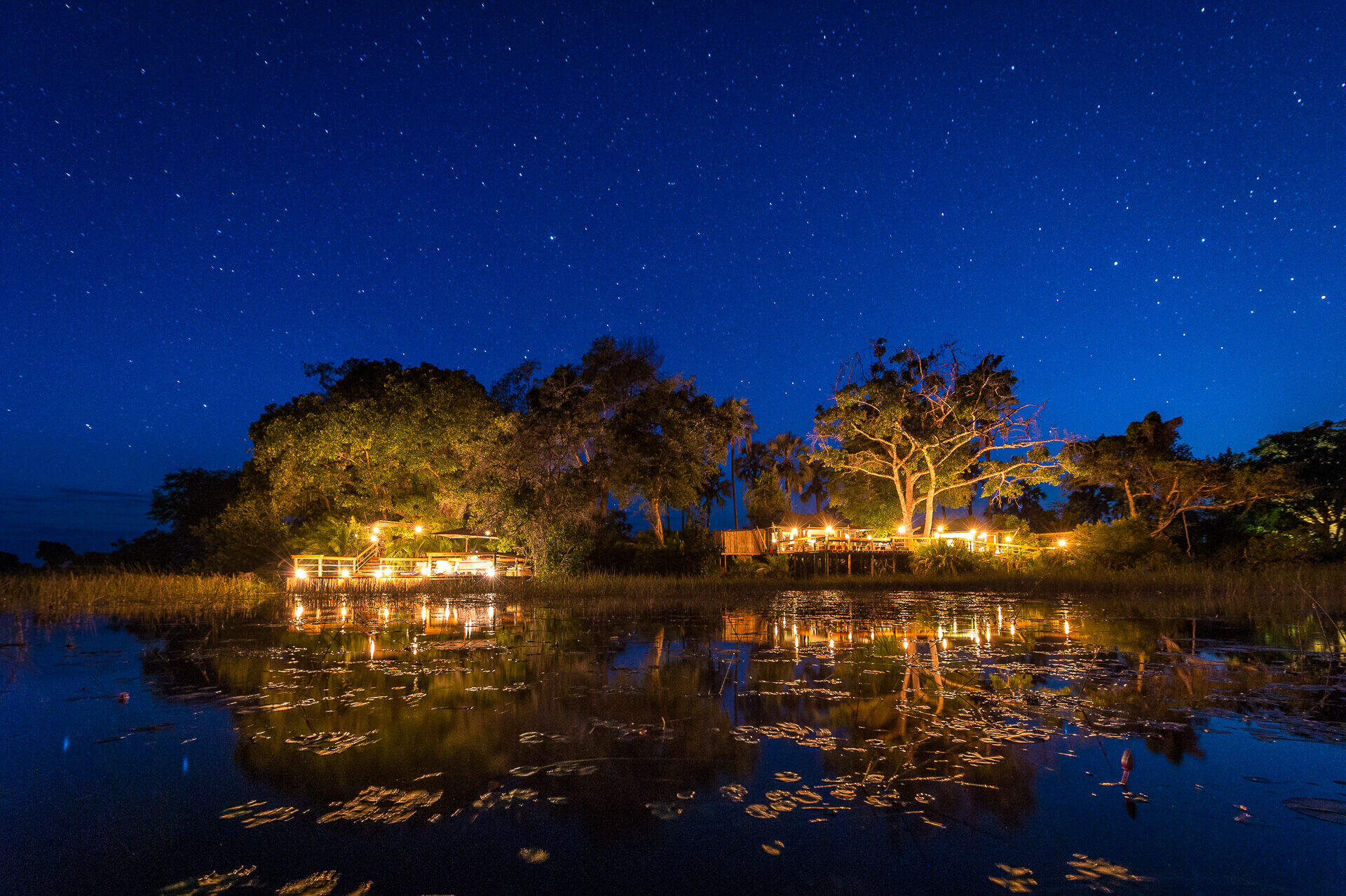
Pelo Camp
In a pristine wilderness environment deep in the Okavango Delta, the seasonal Pelo Camp is tented yet comfortable, with activities focusing on excursions by mokoro.

Mma Dinare
Beautifully located in a private concession overlooking the Gomoti River, the traditional Mma Dinare is very well-priced for the Okavango Delta.
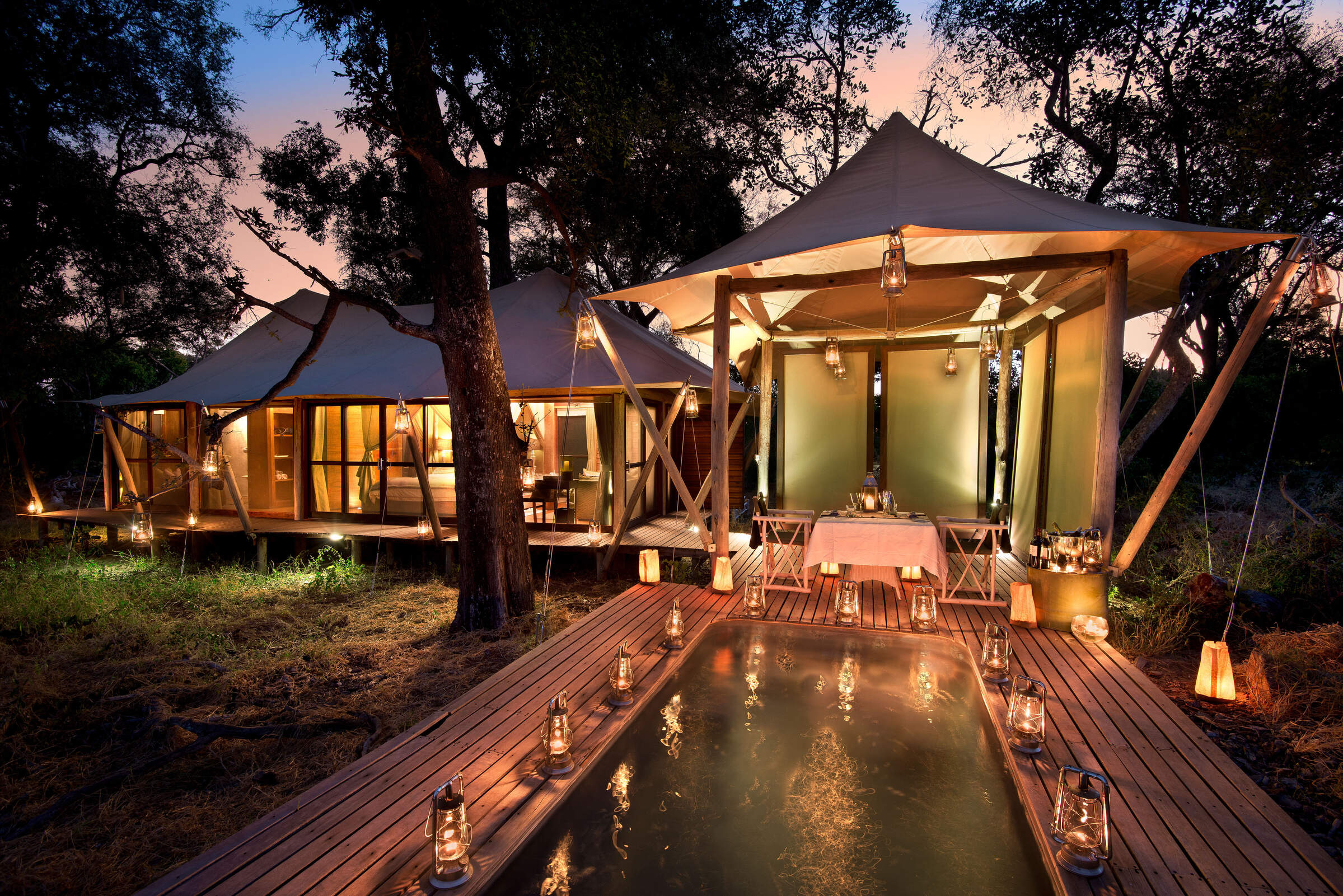
Xaranna
Xaranna is a plush tented camp amongst the idyllic waterways and islands of the Delta. Each air-conditioned tent has a plunge pool. Water activities and pampering are the focus here.
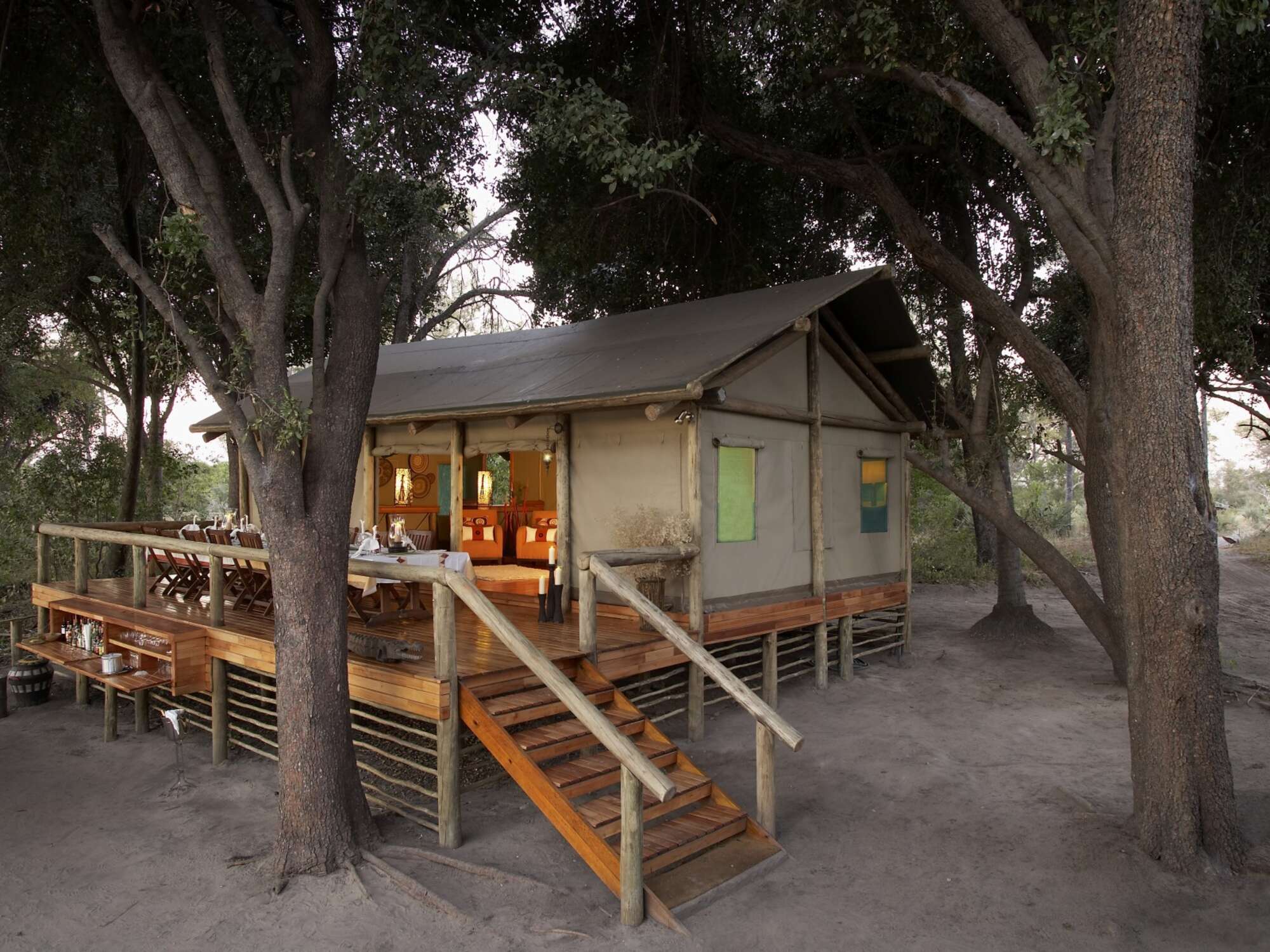
Seba Camp
Seba Camp is a luxury camp in a lovely location that offers the full range of water and land safari activities, depending on the time of year. This camp is particularly suitable for families.
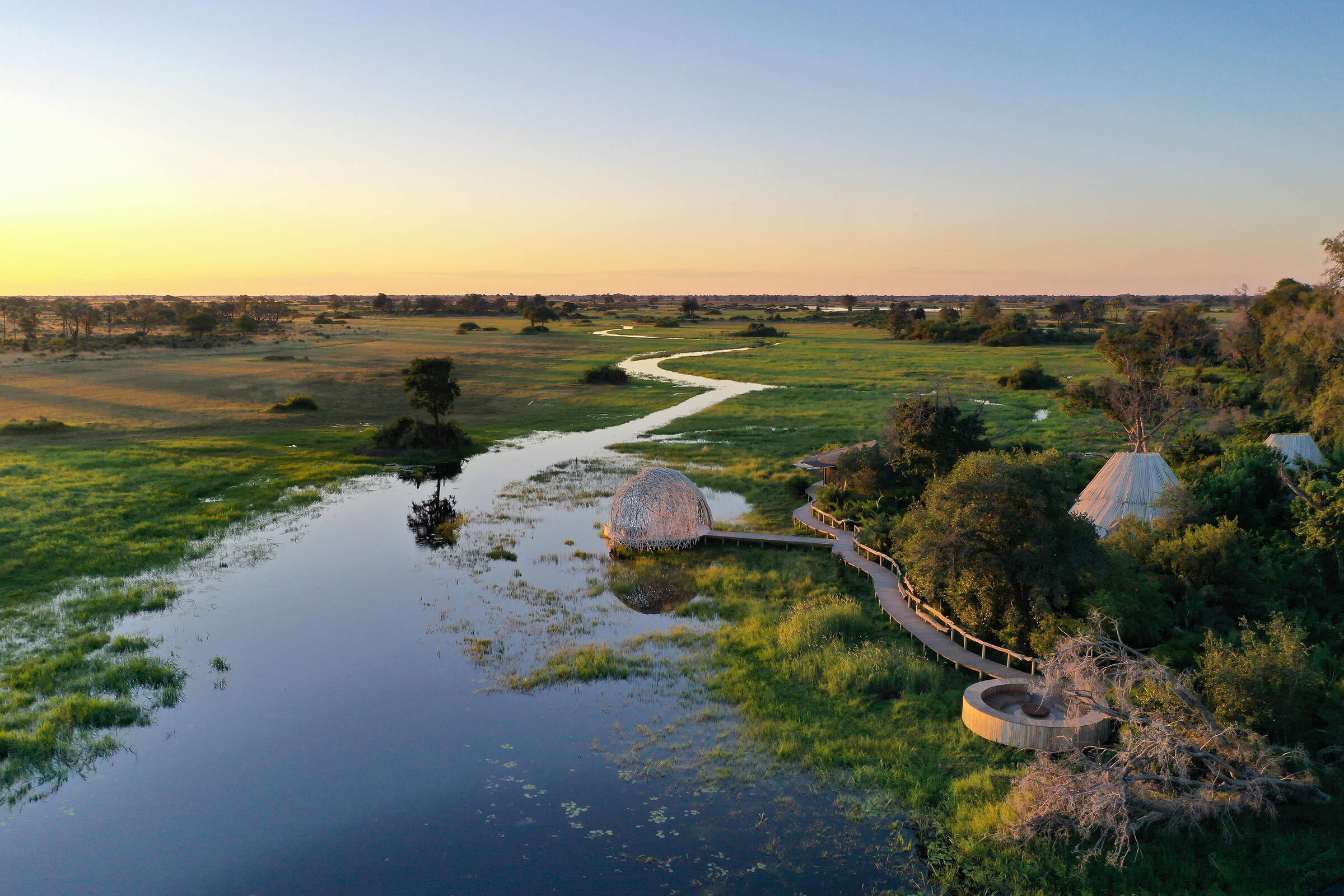
Jao Camp
In a beautiful area with fantastic water activities, Jao combines an idyllic location with high levels of luxury and service, and a top-end spa.
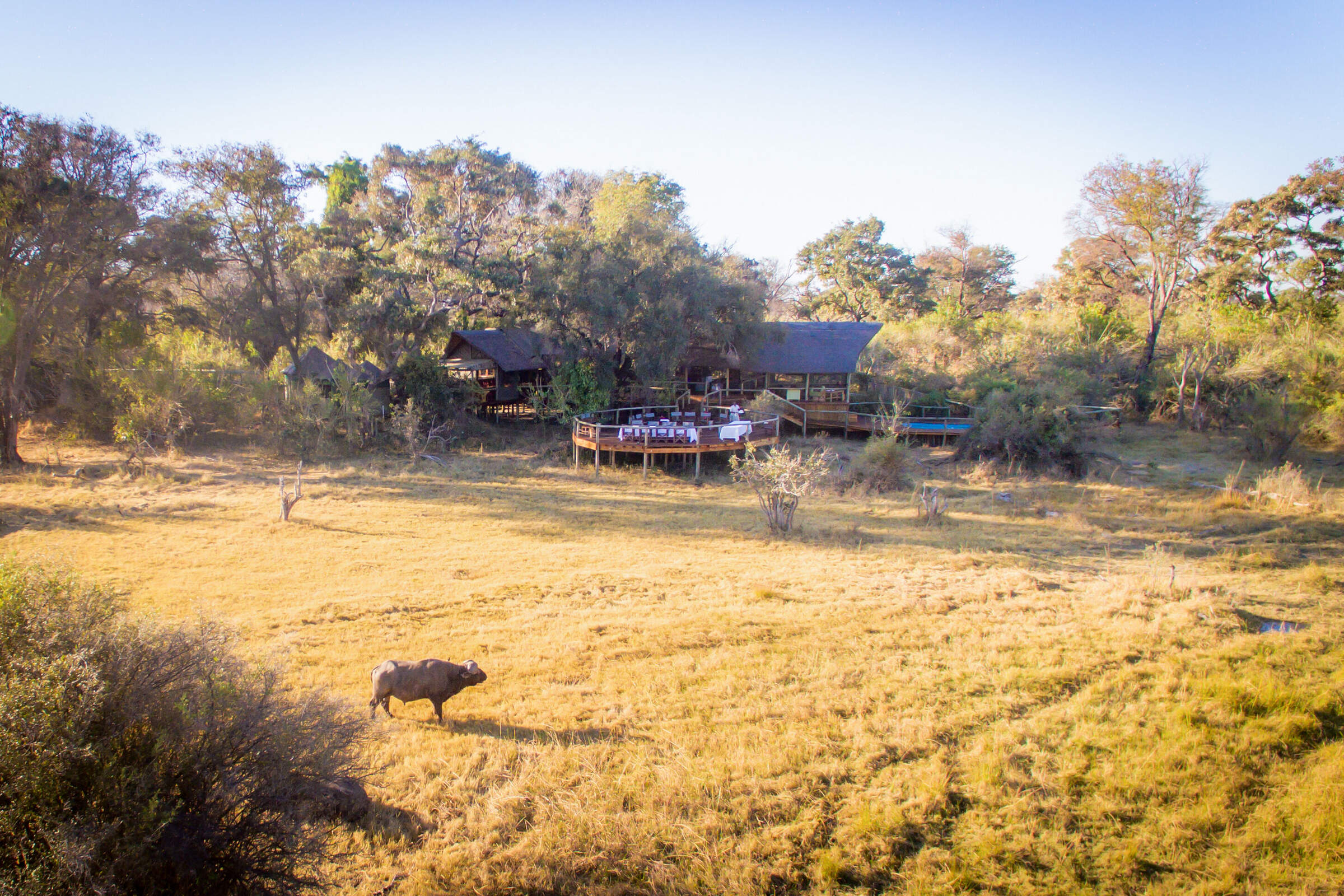
Rra Dinare
Located in a private concession in the southern reaches of the Okavango Delta, overlooking the Gomoti River, Rra Dinare is a traditional-style, well-priced camp.
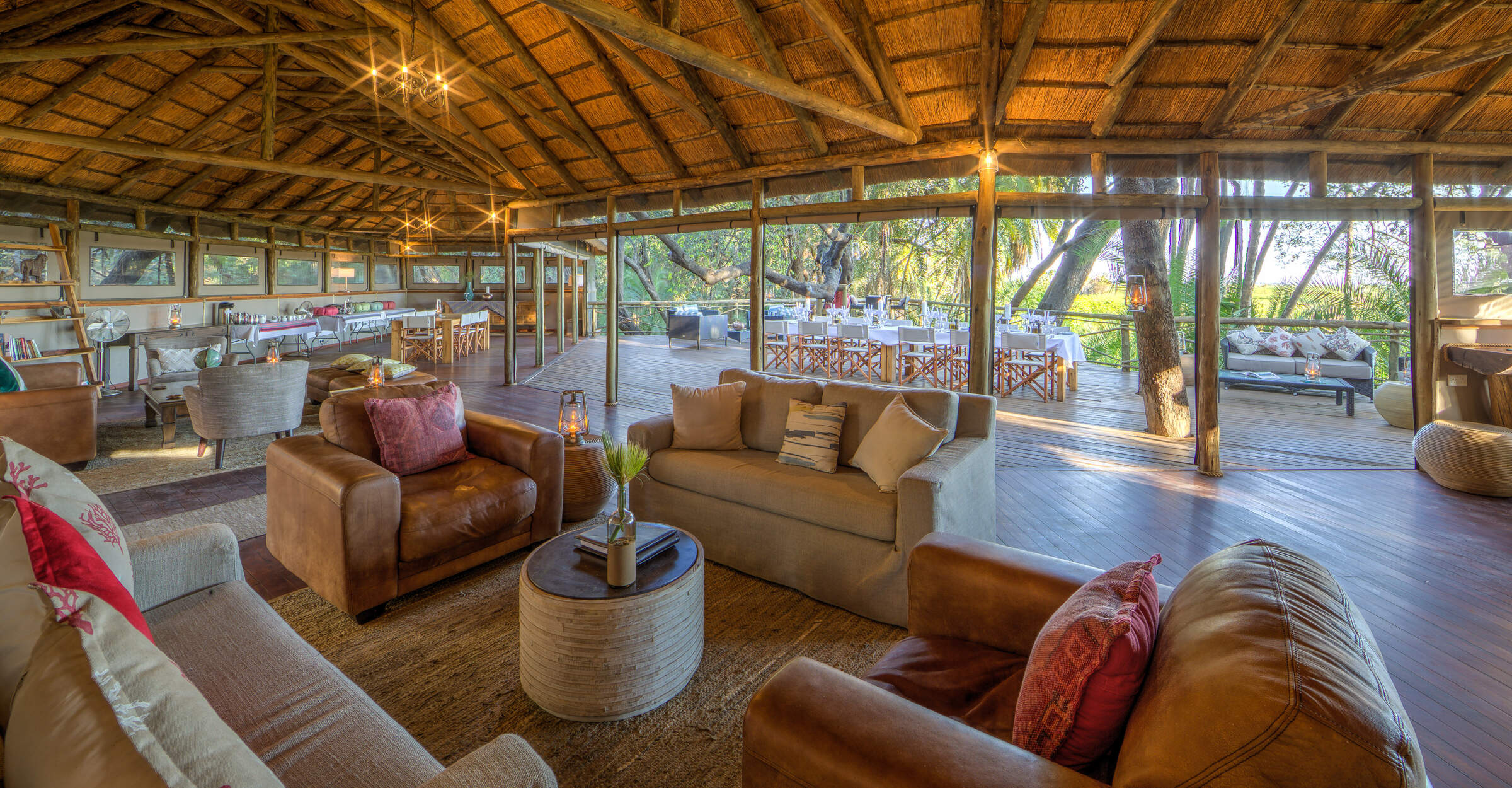
Setari Camp
Setari Camp stands on an island dotted with palm trees, close to the base of the Okavango’s ‘Panhandle"
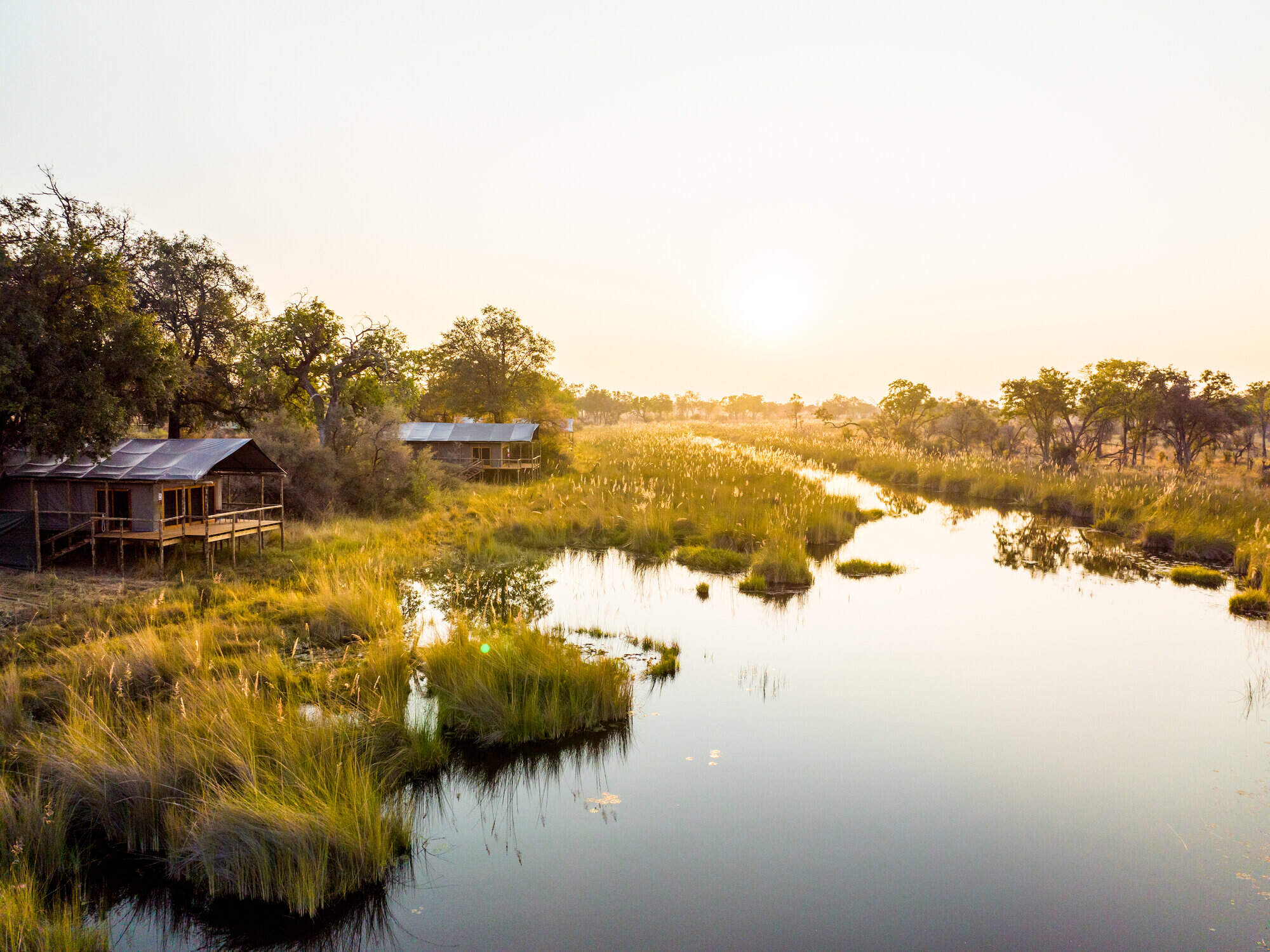
4 Rivers
4 Rivers is a new camp in a previously in accessible area of the excellent Kwara concession.

Duke’s Camp
On a remote island within a vast private concession, the eclectic Duke’s Camp is nestled among mature trees overlooking wildlife-rich plains of the Okavango.

Kiri Camp
Kiri Camp is the latest Okavango offering from the excellent team behind Machaba. In an exciting new location in the heart of the Delta we cannot wait to visit this new camp.
Okavango Walking Safari
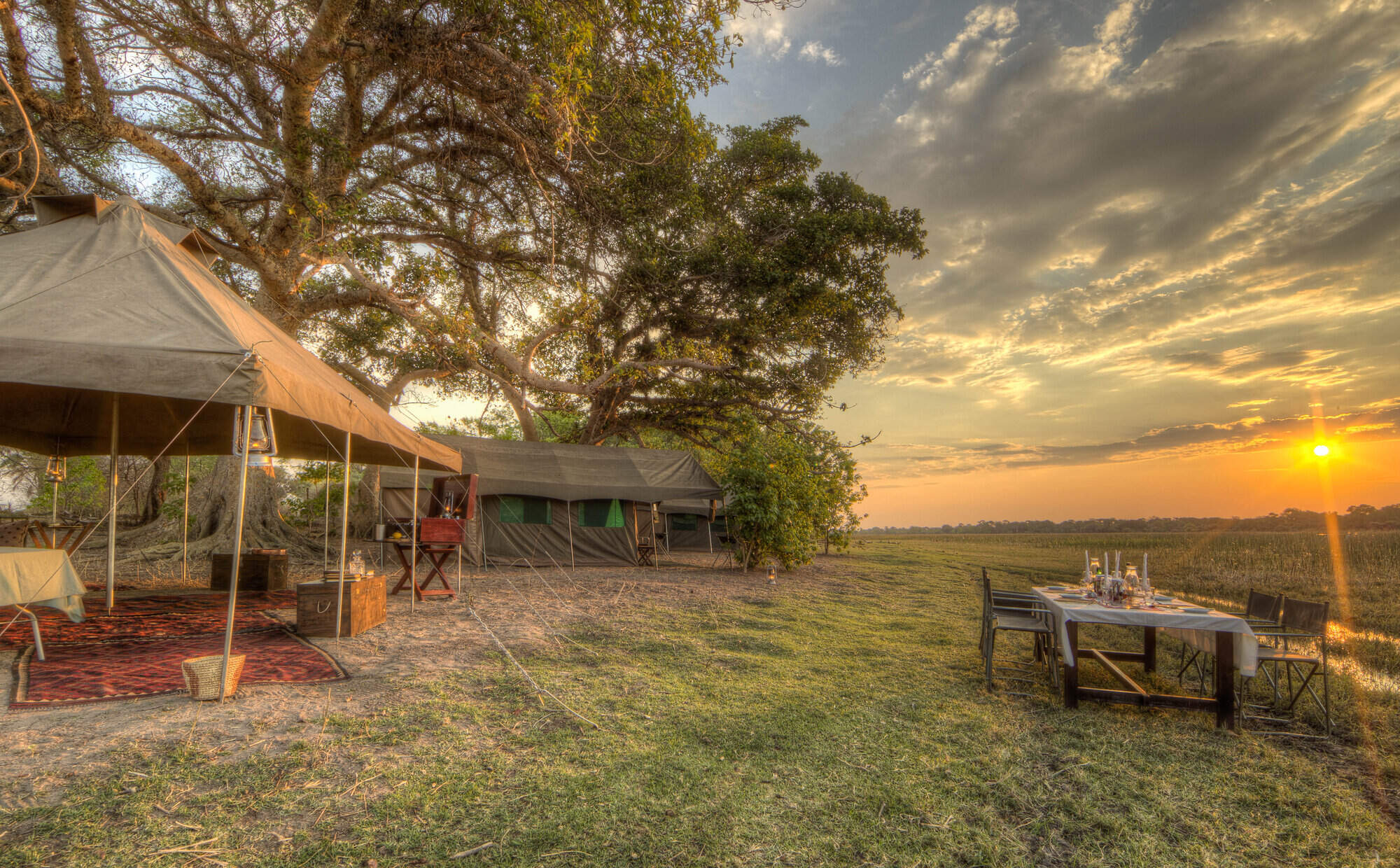
The Okavango Delta Walking Safari camps in a secluded Okavango Delta Reserve where there are few roads; the ideal location for a walking trail led by an expert guide.
Karangoma
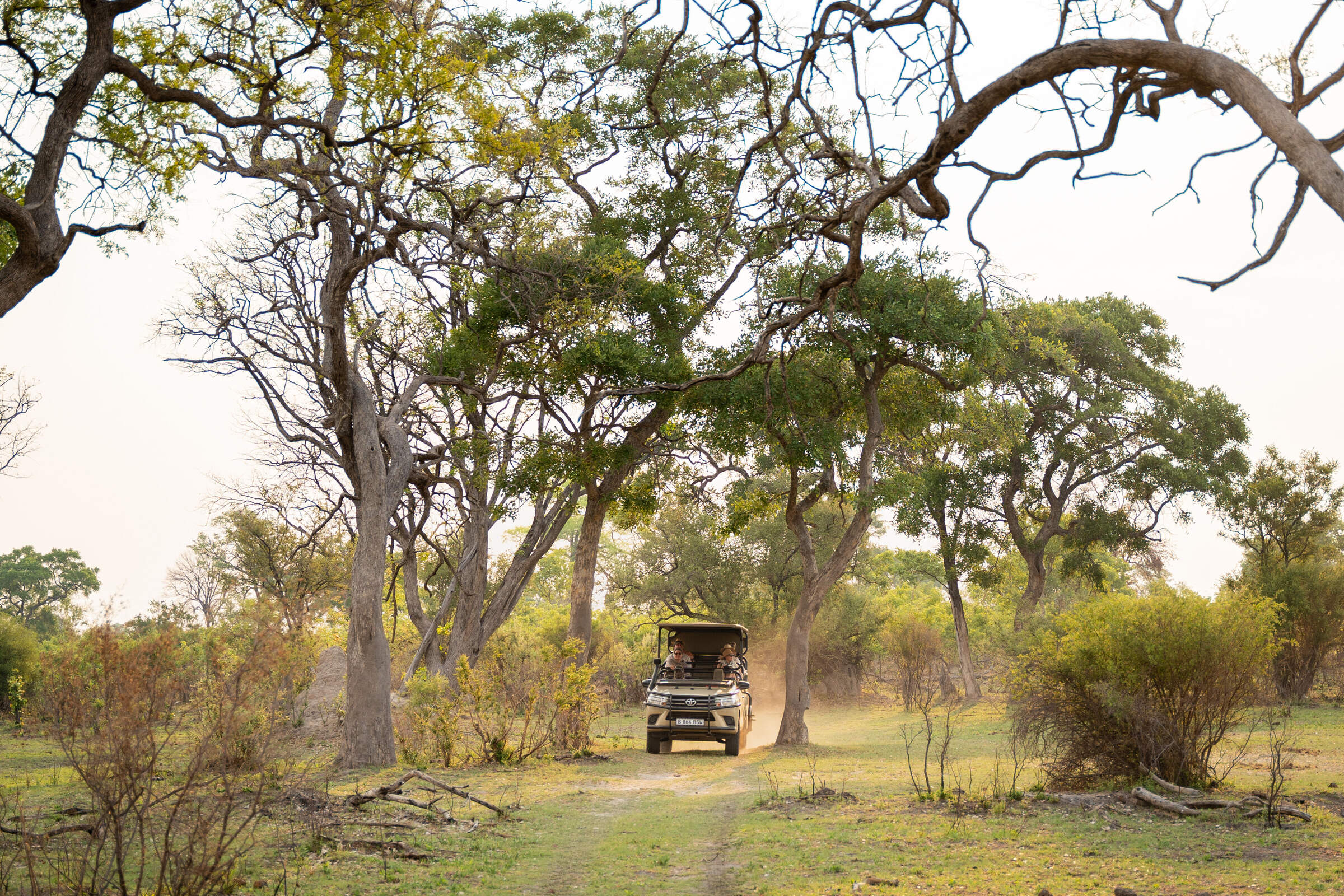
New for 2024, Karangoma is a classic, tented camp offering walking, canoeing and game drives, in partnership with the local Bukakwe San clan.

Atzaro Okavango
With a high level of tasteful luxury promised at Atzaro, we think it will be best suited to travellers seeking a touch of pampering alongside their safari.

Mokolwane
Deep in the heart of the Okavango, Mokolwane promises adventure in a largely untouched area.

Eagle Island Lodge
Eagle Island Lodge is a luxurious camp with international-style facilities including air conditioning and intercom in each room; offering water based activities in the Okavango Delta.

North Island
Deep in quintessentially 'Okavango' territory, between deep-water and dry-land habitats, promises to be a great combination from a team who know all about the best in the Okavango.

Sitatunga Island Camp
Sitatunga Private Island: in this pristine corner of the Okavango Delta, even the name is evocative.
Qorokwe Camp
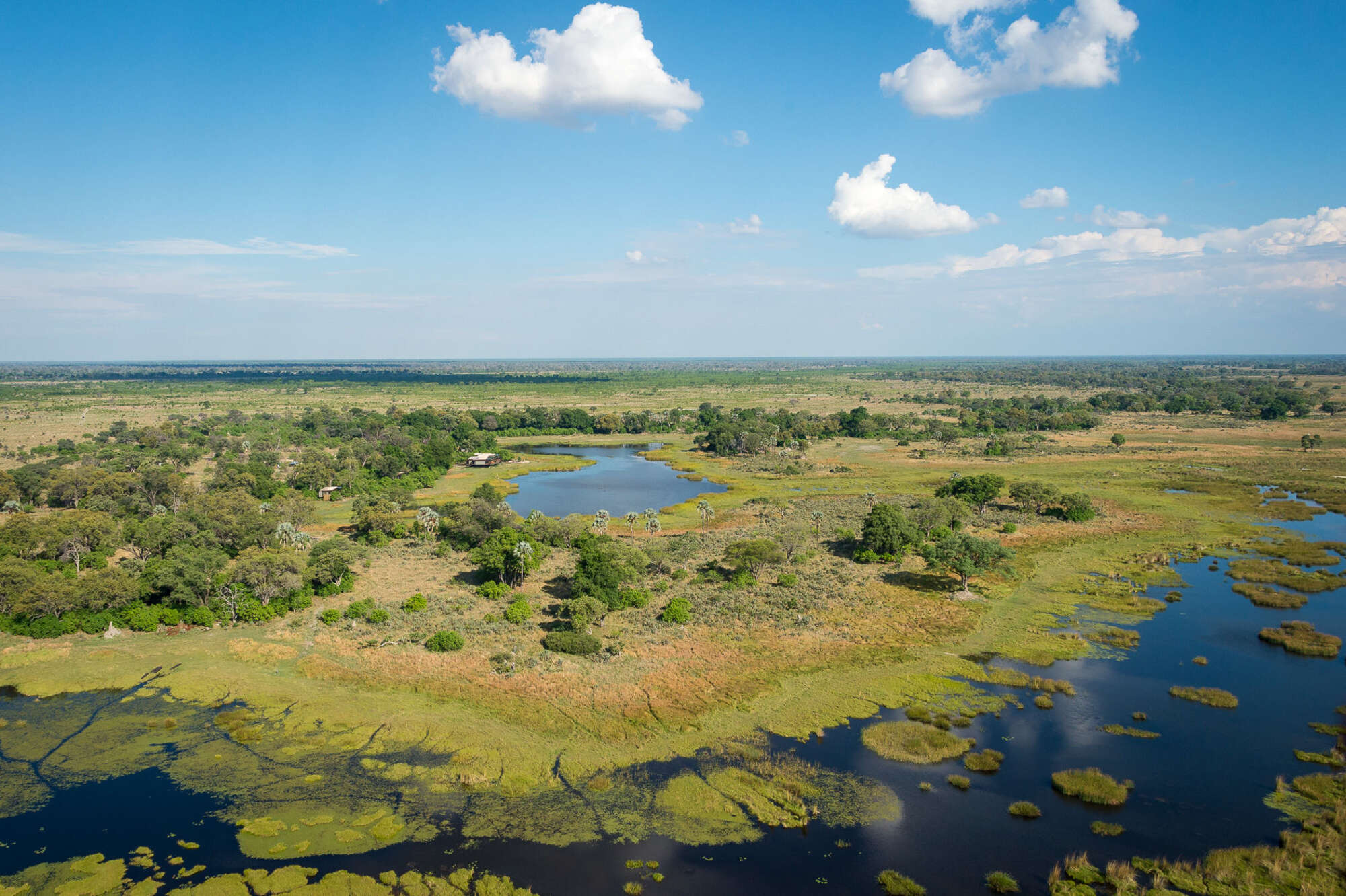
Luxurious and contemporary, the relatively new Qorokwe Camp is a gem in the Okavango Delta, offering land- and occasionally water-based activities in a prime wildlife area.