
Jao Camp: Our full report
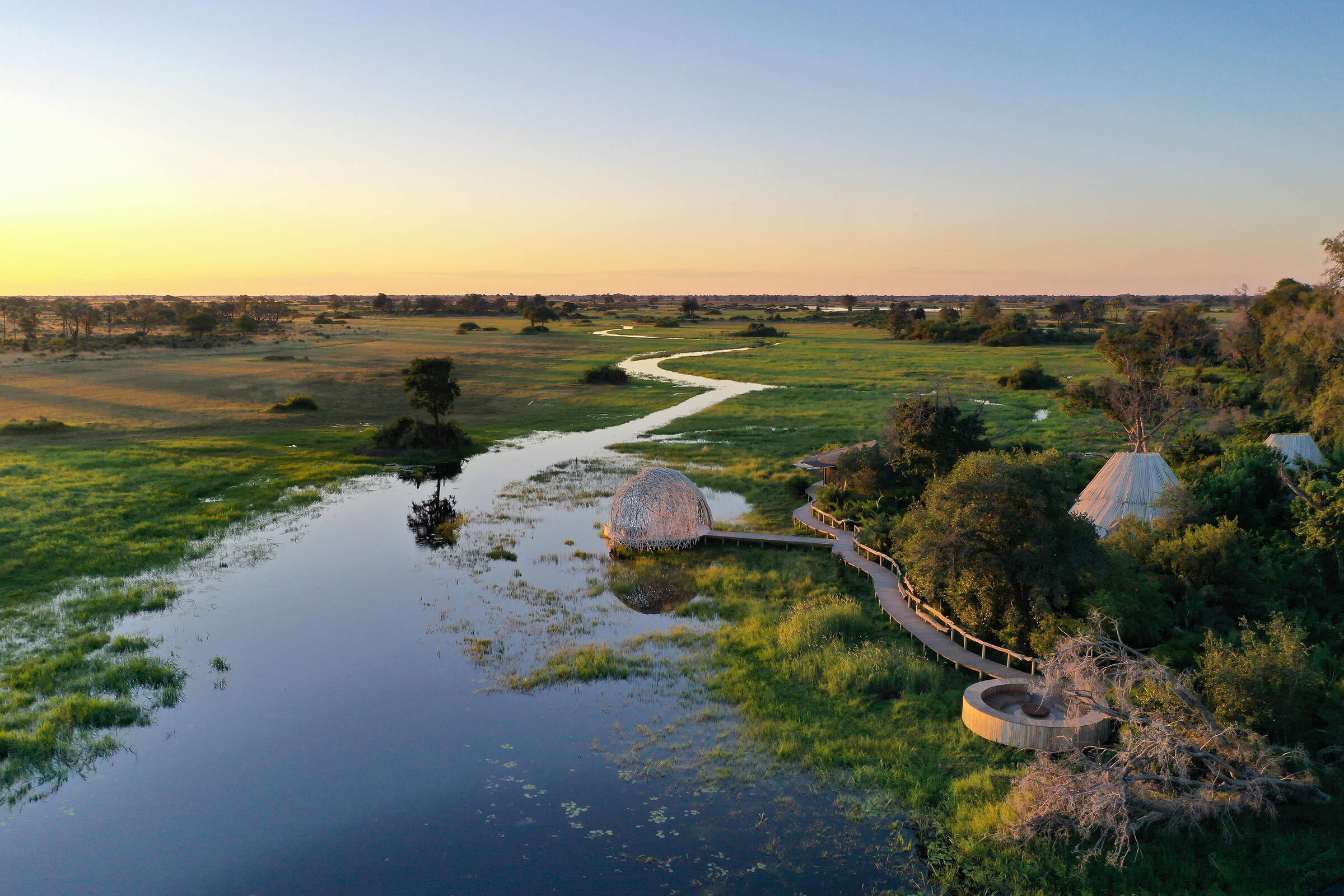
Situated on a remote island in the middle of the large private Jao Reserve in Botswana’s Okavango Delta, ...
... Jao Camp is surrounded by open seasonal floodplains dotted with small islands. With a fusion style of Balinese and African décor, Jao is an imposing and luxurious camp which sprawls over roughly a kilometre among tall shady leadwood, African mangosteen and ebony trees.Jao Camp is one of Wilderness Safaris’ original 'premier' camps, designed to be a cut above most others and commanding a price to match. Yet despite its opulence and grandeur, and its sometimes rather 'stiff' feel on arrival, the very friendly team here create a relaxed and informal atmosphere.
Jao's central area is arranged over two levels. The lower level features an intimate and tucked away sitting area, a small library, entertaiment lounge and a richly stocked curio shop, many of whose items are made by the camp’s staff. This opens out onto a large deck surrounding the firepit – a traditional gathering spot to swap stories after dinner – and decorated with probably the biggest wind chimes we've seen. From here, wooden walkways lead to not one but two separate plunge pools.
From this lower level, a polished rosewood staircase leads to the upper deck, whose original artworks and African wood sculptures (some by local carvers) are a real feature. This is the hub of the central area, with a large bar and lounge, and a dining area,complete with cappuccino machine. For the most part, guests dine around one central table, but they have the option to dine individually if preferred.
A winding wooden walkway, about 3m off the ground, connects to Jao's nine luxury suites, which are spread out on either side of the main building. Built of canvas and thatch, these extensive suites are tastefully decorated and very well appointed. One suite as a smaller self contained en-suite room sharing its platform making it ideal for families.
Running the length of each suite is an outside deck with a hammock and chairs – and a private sala where, weather permitting, you can organise a sleep-out.
Inside, the suites feel vast, rather like a small, open-plan, luxury apartment. Each has a sitting area with a comfy sofa and chair, a large wooden table with sherry and glasses, a writing desk, and a minibar/fridge as well as tea- and coffee-making facilities. A selection of international adaptors is handy, and you can call other suites or the camp office on the internal phone (though there is no outside line).
Double or twin beds are enveloped in a four-poster mosquito net, complete with an evening breeze cooling system. To maximise the view, the front wall of the suite is made of mosquito gauze and incorporates large folding doors.
A wooden partition, which doubles as a wardrobe, separates the room from the en-suite bathroom, with a reed blind that can be rolled down for additional privacy. Centre stage is an old-fashioned claw-foot bathtub – quite unusual for a Botswana safari camp – which is complemented by a freestanding washstand with twin basins, and a separate flushing toilet accessed through a sliding door. Jao Camp's suites have both indoor and outdoor showers, and you might forgive the lack of water pressure for the fantastic view afforded by the latter. And with a nod to fitness, you’ll also find dumbbells, a yoga mat and a skipping rope.
For a really rustic experience, try a night out in Jao’s sleep-out platform/hide, which really does put you close to nature. Accessible when water levels are low enough (generally from September to May), it makes a wonderful contrast to a night in the suites, but it is not for everyone! We advise booking this in advance, preferably as a part of a three-night stay.
Back in the realm of luxury, wander along a shady walkway to the Jao Spa. The extensive – if expensive – array of treatments includes massages, facials, manicures, pedicures and other beauty treatments, all using naturally inspired, chemical-free and eco-friendly products. There's nothing quite like listening to the sounds of the bush while having a relaxing massage – something that we were happy to indulge in on one visit when we met inclement weather.
There is also a small gym with a rowing machine, stationary bike, cross trainer, yoga mats, exercise ball and free weights.
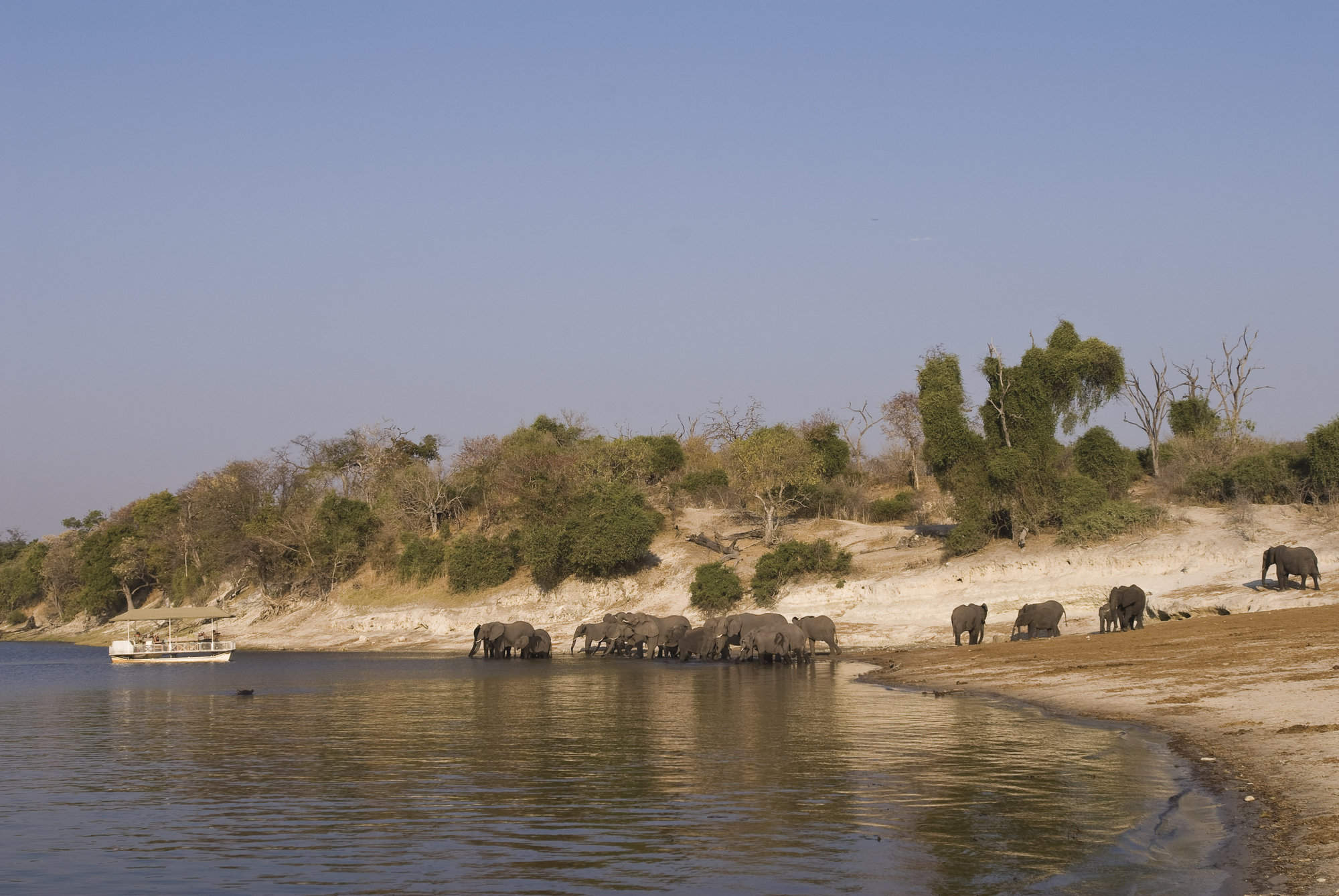
On the activities front, Jao Camp comes into its own with some fantastic water-based options, such as mokoro trips and motorboat cruises. There’s also catch-and-release fishing on a seasonal basis.
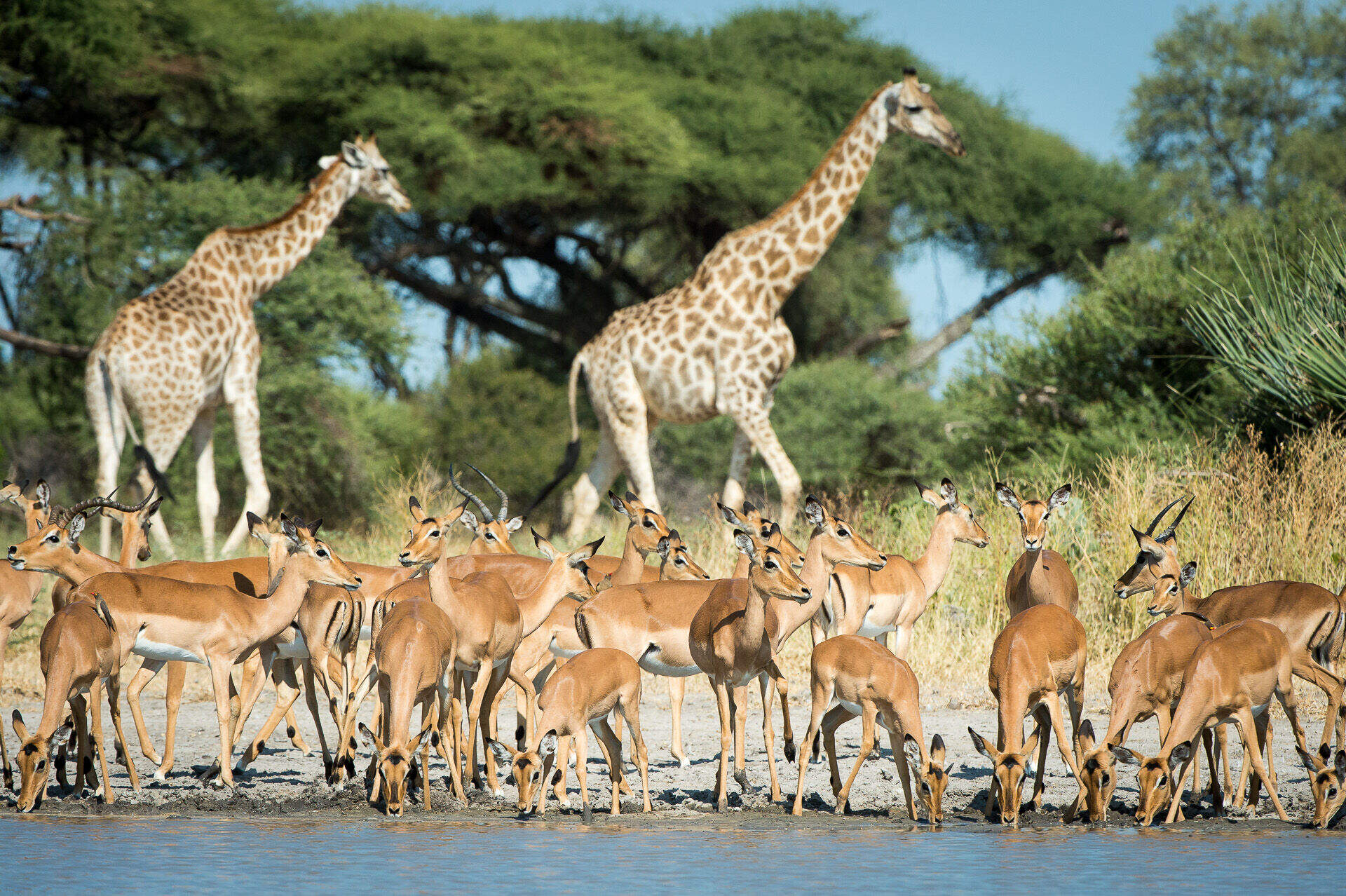
Back on land, there are day and night 4WD safari drives. We have been astounded by the tremendous numbers of red lechwe grazing on a very pretty part of the Jao Flats (seasonal floodplains) – but aside from other species of antelope, we haven’t seen much else in the way of game close to camp. For the best game viewing, we’d advise joining an excursion to Hunda Island (you take a boat to the island and then hop into a 4WD vehicle). The largest swathe of dry land in the area, the island is home to giraffe, zebra, wildebeest and kudu, which in turn attract a variety of predators.
Guiding at Jao is, in our experience, usually very good. Over the years we’ve had several excellent guides whose expansive knowledge of birds, animal behaviour and flora has made for extremely interesting activities, often despite the lack of big game. One particular guide even managed to make grasses a fascinating topic!
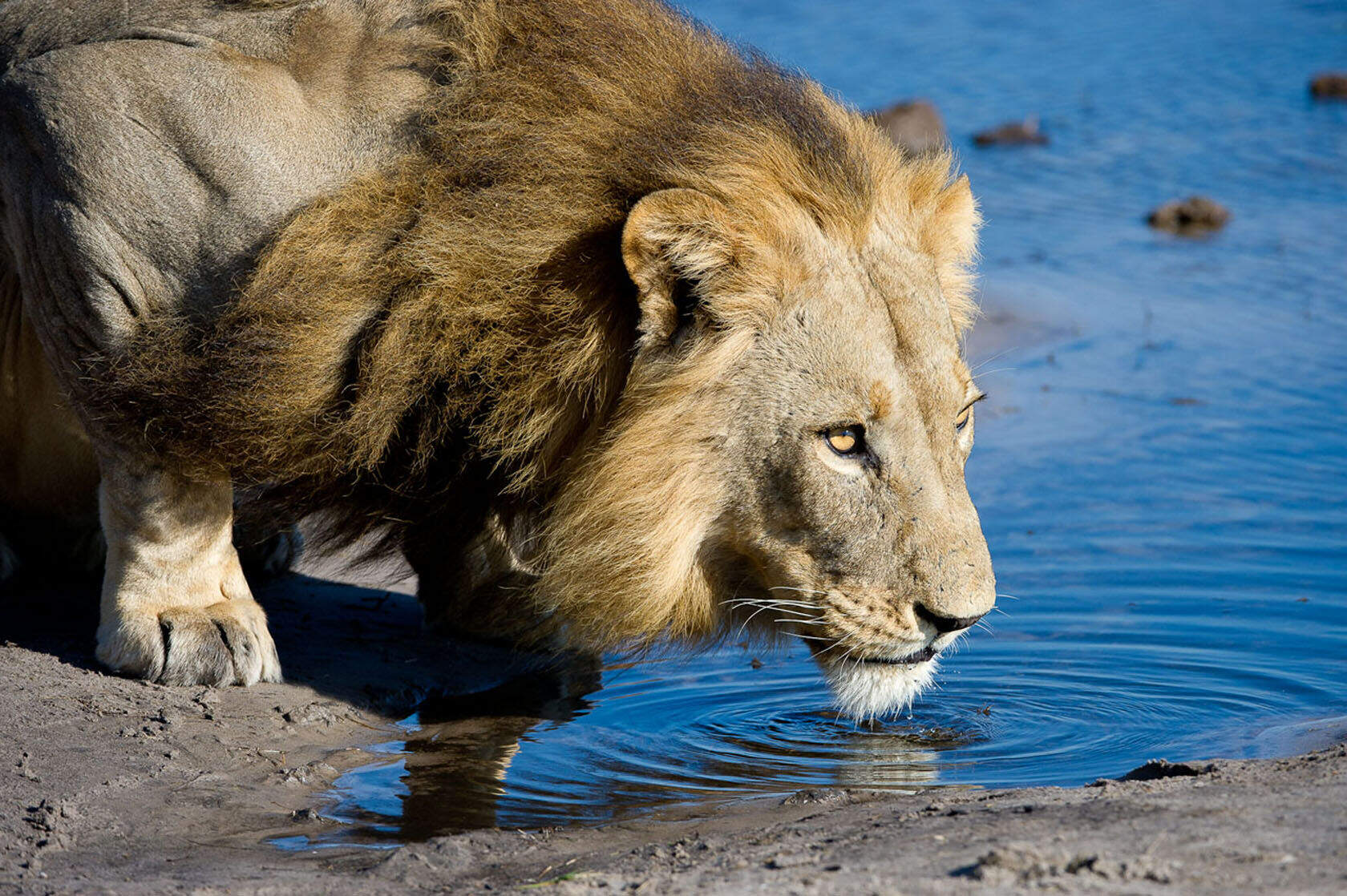
Despite that, and while our team has had some good game sightings here over the years – including a large male lion swimming across a channel in front of out fishing boat on our most recent visit in September 2017 – Jao isn't a camp that majors on big game. Instead, come to stay in one of the prettiest parts of the Delta, for the trips out into the floodplains and channels, and for some wonderful birds.
Our view
Jao is a well-established and very luxurious camp – even by Botswana's high standards – and has a price tag to match. It's a camp that can be enjoyed and experienced for itself, as much as for its beautiful surroundings. The food and spa are very good, the levels of service are high, and they seem to succeed in providing a more individual and adaptable experience than many other Okavango camps. Jao is unlikely to appeal to the safari 'purist', unless they're keen birders, but for a couple of nights at the start or end of a trip, to relax and enjoy the best of the Okavango Delta's water-based activities, it's a great choice.
Botswana expert
Geographics
- Location
- Okavango Delta Safari Reserves, Botswana
- Ideal length of stay
- 2–3 nights
- Directions
- Access is by light aircraft transfer to Jao airstrip, followed by a short 4WD drive to Jao.
- Accessible by
- Fly-and-Transfer
Food & drink
- Usual board basis
- Full Board & Activities
- Food quality
- On our most recent visit in September 2017 as on previous visits, the standard and variety of food was very good. With advance notice, the camp can cater to vegetarians and most other special dietary requirements.
A light breakfast is laid out before guests depart on the morning activity. Expect a selection of cereals, fruit, yoghurt, muffins, and usually a cooked option if requested.
Brunch is usually served once guests have returned from the morning activity. You can help yourself to a selection of cheese and crackers, fresh bread, salads and fruit platters, but the plated main dish is brought to you. We had the choice of chicken stir fry, roasted vegetable baguette or a mushroom quiche. For pudding we enjoyed a fruit cup.
Afternoon tea is served just before heading out on the afternoon activity. You can expect both sweet and savoury options, such as fruit salad, chicken 'lollipops' with a selection of dips, milk tartlets and jam scones, accompanied by refreshing homemade lemonade with a twist of ginger, iced tea and iced coffee.
Dinner is usually a three-course plated meal, with a choice of two starters – such as grilled mushrooms with brie or red pepper and pear soup; two main dishes – salmon with orange sauce or pork with a pepper sauce, both served on a bed of basmati rice, with patty pan (a type of squash) and beetroot. For dessert there is the choice of a fruit platter, a cheese platter or the speciality of the day, perhaps a custard slice. On Fridays, however, the lodge puts on a traditional braii (barbecue), which on our last visit started with cauliflower soup. We went on to eat our fill of beef fillet, lamb chops, and boerewors with a selection of salads, before rounding off our meal with a chocolate pudding. - Dining style
- Group Meals
- Dining locations
- Indoor and Outdoor Dining
- Further dining info, including room service
- Although not officially offered, room service can sometimes be arranged if you stay in one of the two suites closest to the main area – numbers 4 and 5. (With a walkway almost a kilometre long, food delivered to the furthest rooms would arrive rather cold!) A popular request is breakfast on your room deck – although this should be arranged the night before. The suites have an internal phone system to call the camp's main office with any reasonable requests.
- Drinks included
- Bottled water, soft drinks, local beers and spirits and a selection of (usually) South African red and white wines are included. Champagne and imported wines and spirits will cost extra. The camp has a bar that is stocked much more comprehensively than most, and can order in special requests if advance notice is given.
Special interests
- Family holidays
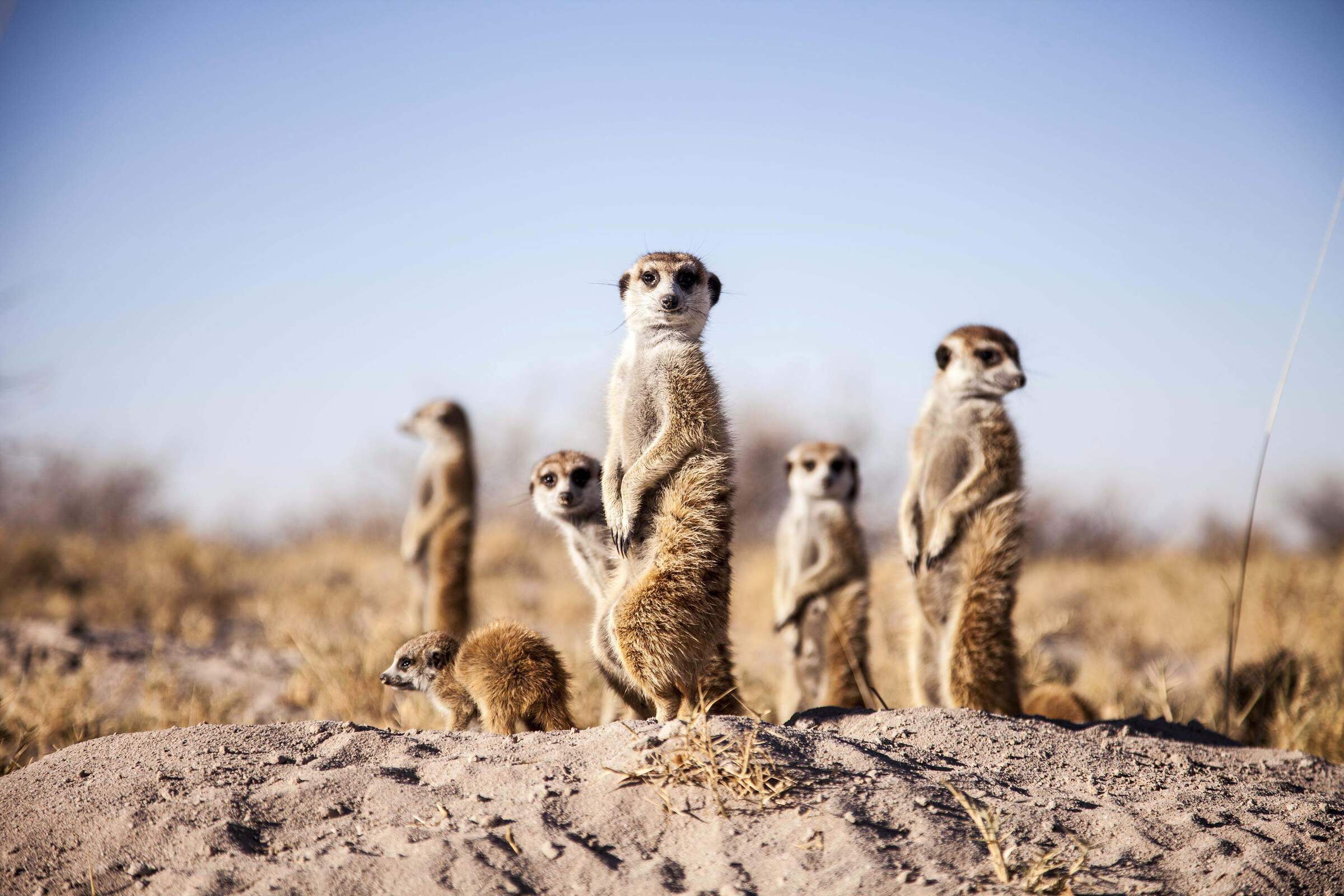
- For those who want a luxury family holiday Jao can be a wonderful option with a range of flexible activities and a habituated mongoose clan is always a source of entertainment. Families with children aged 6–12 usually need to book a private vehicle.
- See ideas for Family holidays
- Honeymoons
- Jao Camp is a lovely destination to include in a Botswana honeymoon. Slow paced and flexible, it offers tranquil mokoro trips and one of the best spas in the Delta. With beautiful scenery and stunning suites, this is an ideal place to relax and indulge.
- See ideas for Honeymoons
- Birdwatching
- Jao Camp offers superb birding, include wetland specialities such as yellow-billed and woolly-necked storks, hadeda ibis, painted snipe, slaty and black egret, sacred ibis, wattled crane, goliath heron and Pel's fishing owl.
- See ideas for Birdwatching
- Wellbeing
- The Jao Spa has single and double treatment rooms offering a vast array of pampering experiences – massages, facials, manicures, pedicures and so on. For some serious indulgence in Botswana, add this to your list.
- See ideas for Wellbeing
- Luxury
- Jao is a camp to be experienced for itself as much as for its beautiful surroundings. The large suites are luxurious and service levels are high with the aim of offering a more personal, adaptable experience. The spa is also very good, a great way to relax on a luxury safari holiday.
- See ideas for Luxury
Children
- Attitude towards children
- Children aged of 13 years and over are welcome at Jao Camp. The camp may accept children aged 6–12, but private activities must be booked and this will be at an extra cost. Children younger than six may be accepted by special arrangement, but only if the entire camp is reserved for exclusive use.
- Property’s age restrictions
- Families with children aged between 6 and 12 are required to have their own private vehicle. Children are allowed on boat trips from the age of six years, but sleep-outs and mokoro excursions may be taken only from the age of 13 years.
- Special activities & services
- Guides will take children on a nature walk around camp, and Jao also offers craft activities designed for children.
- Equipment
- Jao offers family accommodation comprising two adjoining suites, each with its own bathroom. There is also a separate entertainment room that is furnished as a lounge and dining area, and is suitable for family dining and children's entertainment.
- Generally recommended for children
- Despite the elevated building and walkways, we think that in some ways Jao is one of the more welcoming camps for families with children. We particularly like the family-style accommodation and flexible dining options.
- Notes
- Parents should be very aware of the elevated platforms and walkways, which have open sides and can be very slippery when wet; they have not been designed with young children in mind! The camp is unfenced, and wildlife – including elephant – is known to wander through. The pools are unfenced, too, and the camp is in close proximity to open water. Children must be under the constant supervision of their parents.
Note that minimum age requirements mean that children are allowed on boat trips from the age of six years, but sleep-outs and mokoro excursions only from the age of 13 years.
Our travellers’ wildlife sightings from Jao Camp
Since mid-2018, many of our travellers who stayed at Jao Camp have kindly recorded their wildlife sightings and shared them with us. The results are below. Click an animal to see more, and here to see more on our methodology.

100% success

100% success

100% success

100% success

67% success

67% success

67% success

67% success

67% success

33% success

33% success

0% success

0% success

0% success

0% success

0% success

0% success

0% success
Communications
- Power supply notes
- Jao runs on a combination of solar power and generator.
- Communications
- There are limited communications at Jao but WiFi is available in the entertainment lounge.
- TV & radio
- There is no TV or radio.
- Water supply
- Other
- Water supply notes
- Water is drawn from the Delta and treated in a reverse osmosis plant, so it is perfectly safe to drink.
Sustainability

Eco-training camps for children
Jao Camp is situated in the heart of the Okavango Delta where each tent is shaded by greenery and is designed in a minimalistic, yet intimate style giving guests the feeling of a complete immersion in the African wildlife.
Boasting itself as environmentally sustainable, the accommodation runs electricity via solar panels and inverters while wastewater is treated in an Above Ground Sewage Plant before being released into the environment.
The camp also borders the 5000m2 Moremi Game Reserve which harbours various species of wildlife, but also a few villages.
By actively financing the initiatives of Children in the Wilderness Botswana, Jao Camp facilitates Eco-Mentor Training programmes and Eco-Club projects for nearby communities. The initiative hopes to inspire children to become future conservationists who protect the local environment. The Eco-Mentor Training programme enables local community members, local school teachers and Wilderness Safaris camp staff to enhance their skills, and improve their environmental understanding to teach workshops on wildlife and eco-system conservation.
The programme also promotes tourism as a key resource to achieve community development. Eco-camps are hosted annually and over the course of 4 days 12-24 children between the ages of 10 and 17 experience educational and fun-filled activities, including lessons, games, practical sessions and wildlife encounters.
See more great sustainability projects in Botswana
Health & safety
- Malarial protection recommended
- Yes
- Medical care
- The camp managers are first-aid trained, and a first-aid kit is kept on site. There is a nurse in Maun who can be contacted for medical advice, and is on call 24 hours a day. In the event of an emergency, guests can be airlifted out, but please note that it is only possible to fly out of camp during daylight hours as the bush airstrips do not have any lighting at night.
- Dangerous animals
- High Risk
- Security measures
- Guests are escorted to and from their suites after dark.
- Fire safety
- Fire extinguishers are positioned in all suites and in the main area.
Activities

4WD Safari

Birdwatching

Boat trip

Fishing

Guided walking safari

Helicopter

Mokoro

Night drive
Extras
- Disabled access
- Not Possible
- Laundry facilities
- A full laundry service is included; wherever possible, items will be returned to guests on the same day.
- Money
- All suites are equipped with small electronic safes. There are no money-exchange facilities.
- Accepted payment on location
- MasterCard and Visa credit cards are accepted; Diners and Amex are not. Cash in the form of South African rand, GB sterling, US dollars, euros and Botswana pula is accepted.
Other lodges in Okavango Delta Safari Reserves
Alternative places to stay in this same area.

Kwara Camp
Kwara Camp's private reserve boasts land and water activities year round, with excellent game-viewing opportunities and access to permanent channels of the north-east Okavango Delta.

Little Vumbura
On a secluded island within a private reserve, Little Vumbura combines superb game viewing with a broad diversity of habitats in a truly picturesque setting.
Shinde Camp
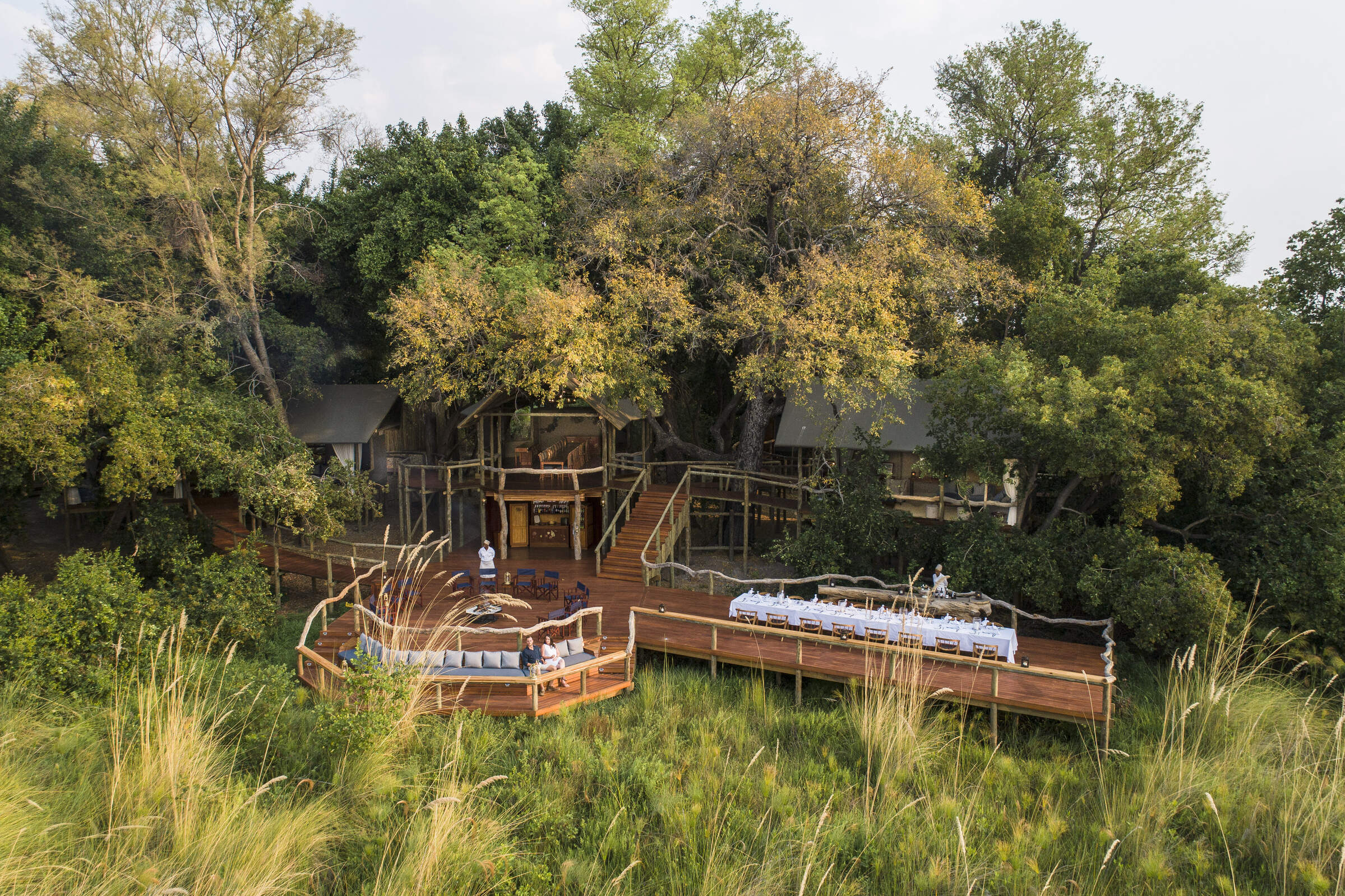
With experienced staff and a wealth of activities, Shinde offers a traditional safari in an exceptionally varied and wildlife-rich environment.

Chitabe Lediba
Chitabe Lediba, in Botswana's southern Okavango Delta, is a small family friendly safari camp; it offers great dry-land safaris and in our experience consistently delivers good game sightings.

Splash Camp
Set in the Kwara Reserve, offering superb wildlife viewing year-round, Splash offers both land and water activities led by guides with a particular knack for tracking big game.
Sandibe Safari Lodge
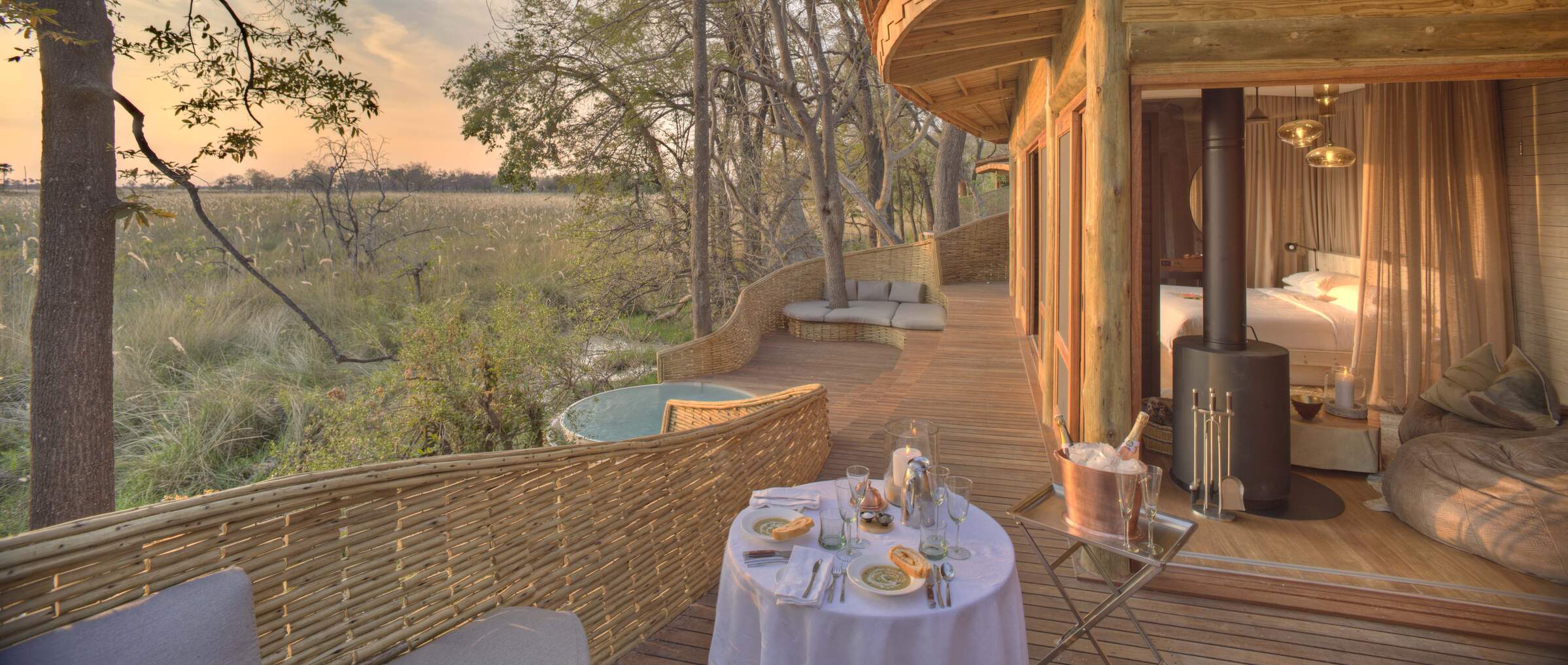
The luxurious Sandibe Okavango Safari Lodge lies in a private concession in the heart of the Okavango Delta, beside Moremi Game Reserve, with superb big-game viewing.

Kanana
In a beautiful part of the Delta, Kanana focuses on fantastic water activities and birding – including exclusive access to an impressive heronry.
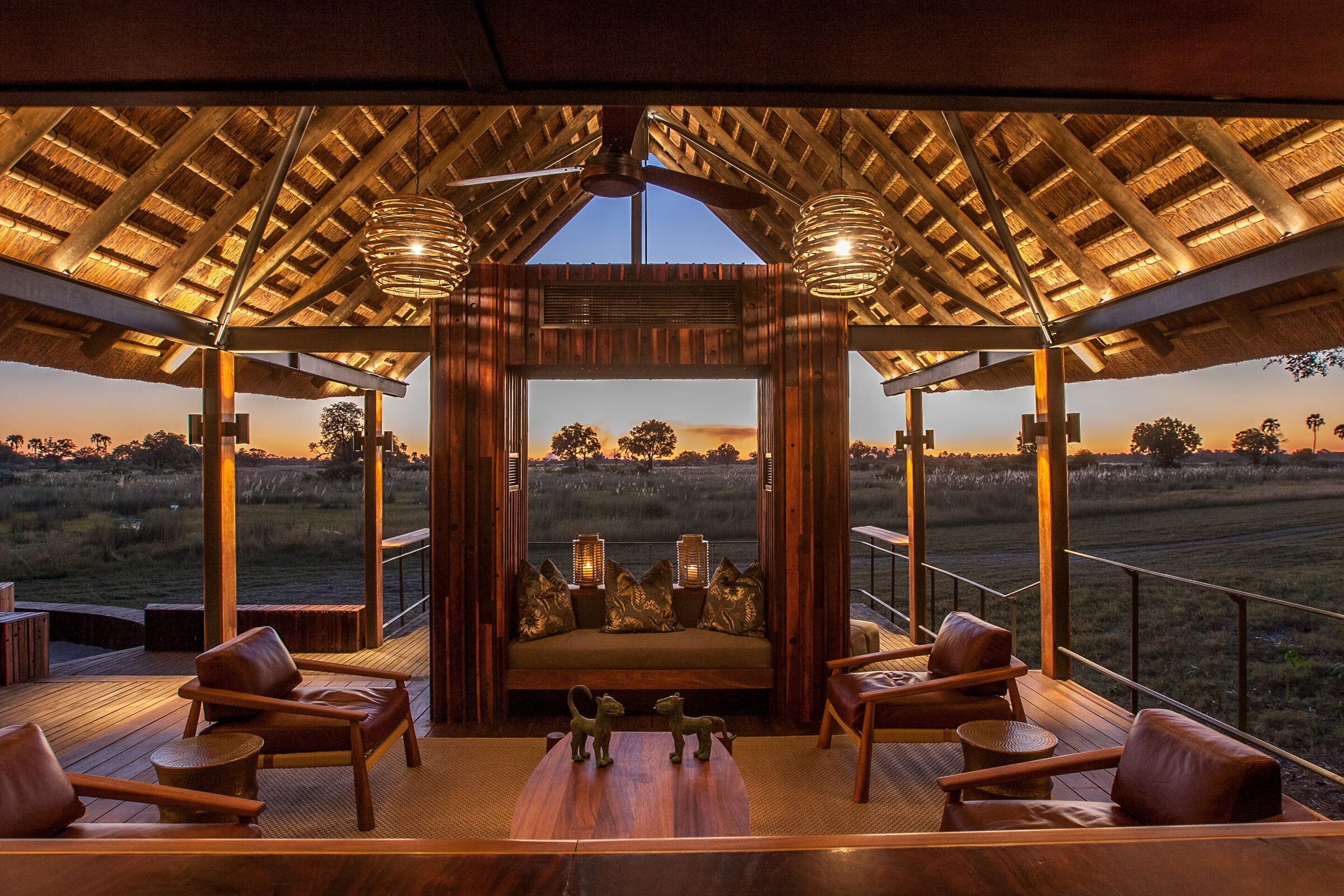
Chitabe Camp
In the southern Okavango Delta, the excellent Chitabe Camp concentrates on dry-land safaris in an area that we've found particularly good for wild dog sightings.

Shinde Footsteps
Small and very rustic, Footsteps across the Delta focuses on walking safaris; it also runs a special children’s programme so is particularly suitable for families.
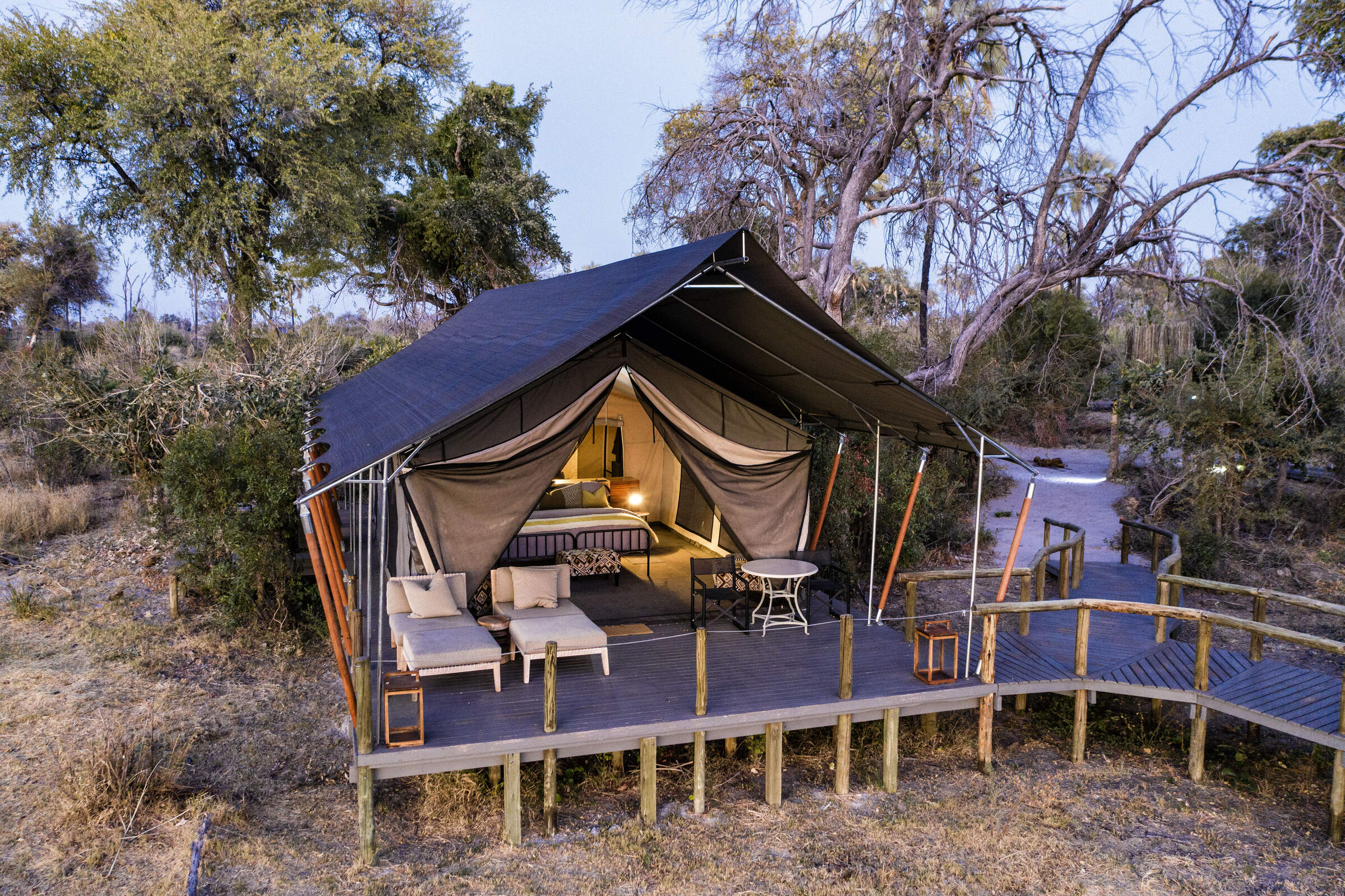
Gomoti Plains Camp
Overlooking a tributary of the Gomoti River, Gomoti Plains Camp is a classically designed camp with very comfortable tents in a good game-viewing area.

Tubu Tree Camp
A traditional tented camp with a distinctive tree-house feel, Tubu Tree offers some of the best game viewing in the Jao Reserve.
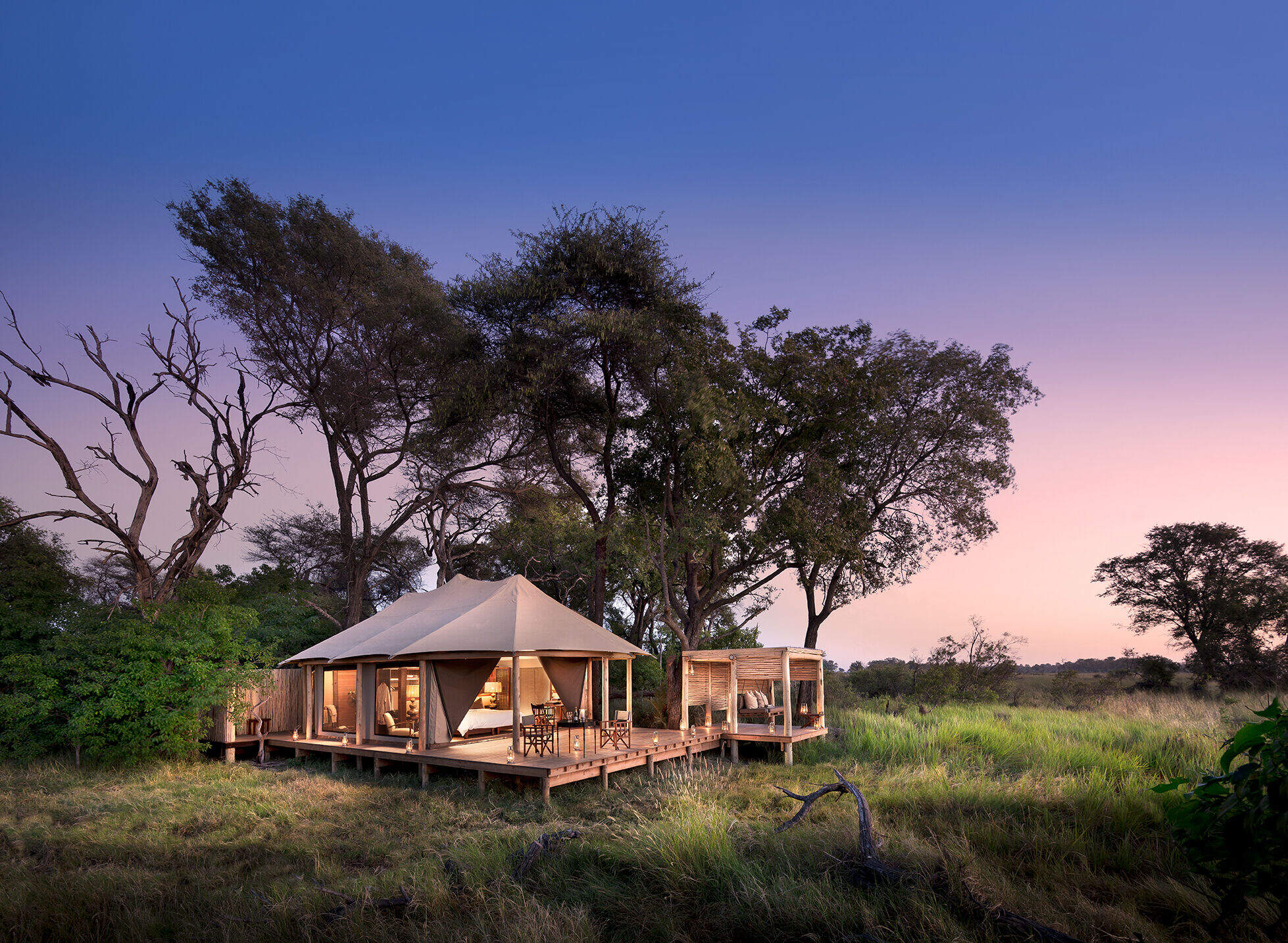
Nxabega Tented Camp
Nxabega offers a selection of both land- and water-based activities, plus very good guiding, food and service, but game viewing can be somewhat erratic.

Vumbura Plains
Indulgently stylish and luxurious, Vumbura Plains offers superb game viewing and birding on an exceptionally varied private reserve.
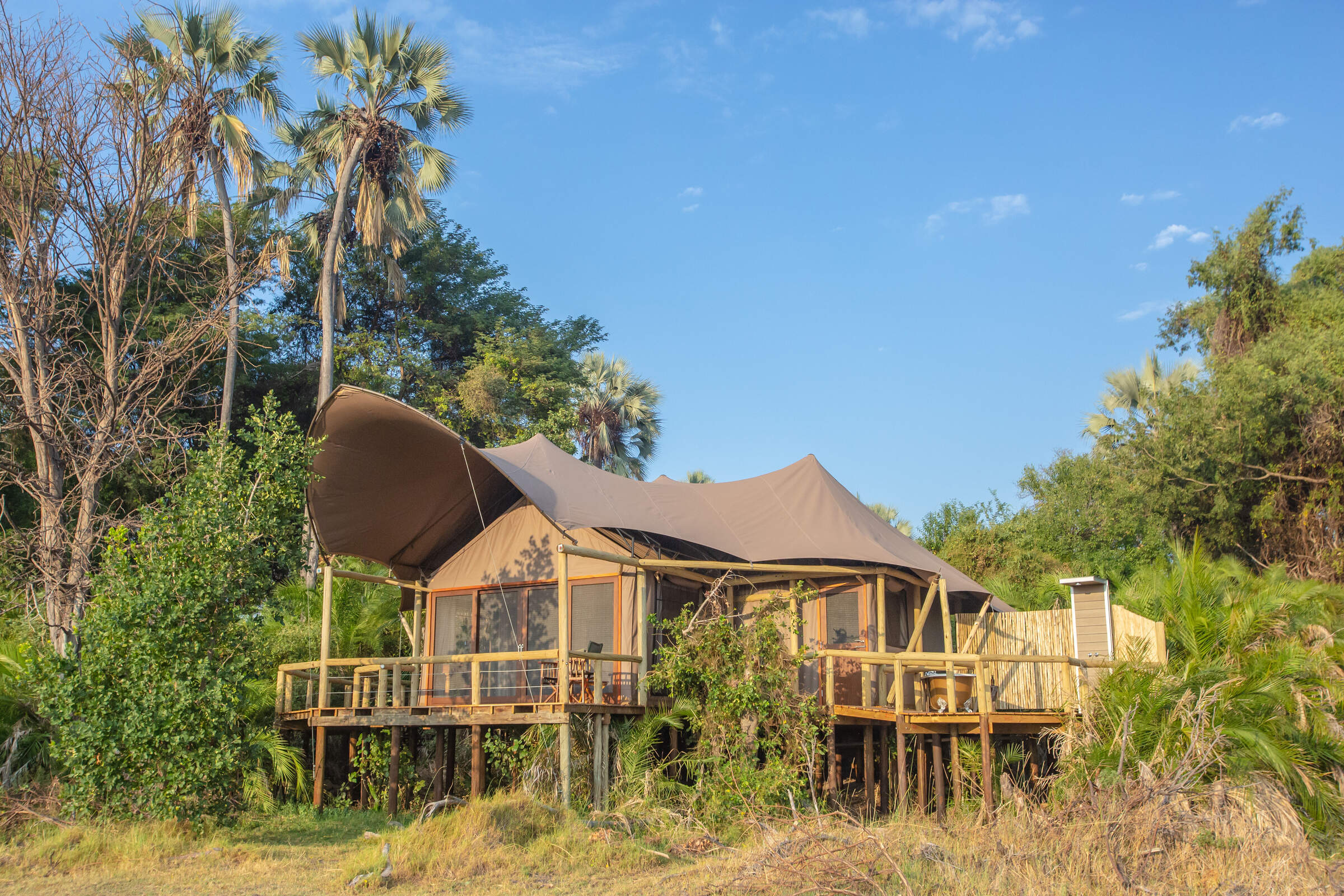
Jacana Camp
Jacana Camp is a small safari camp with an informal island feel; it is ideal for water-based activities in the Delta and offers excellent birdwatching.
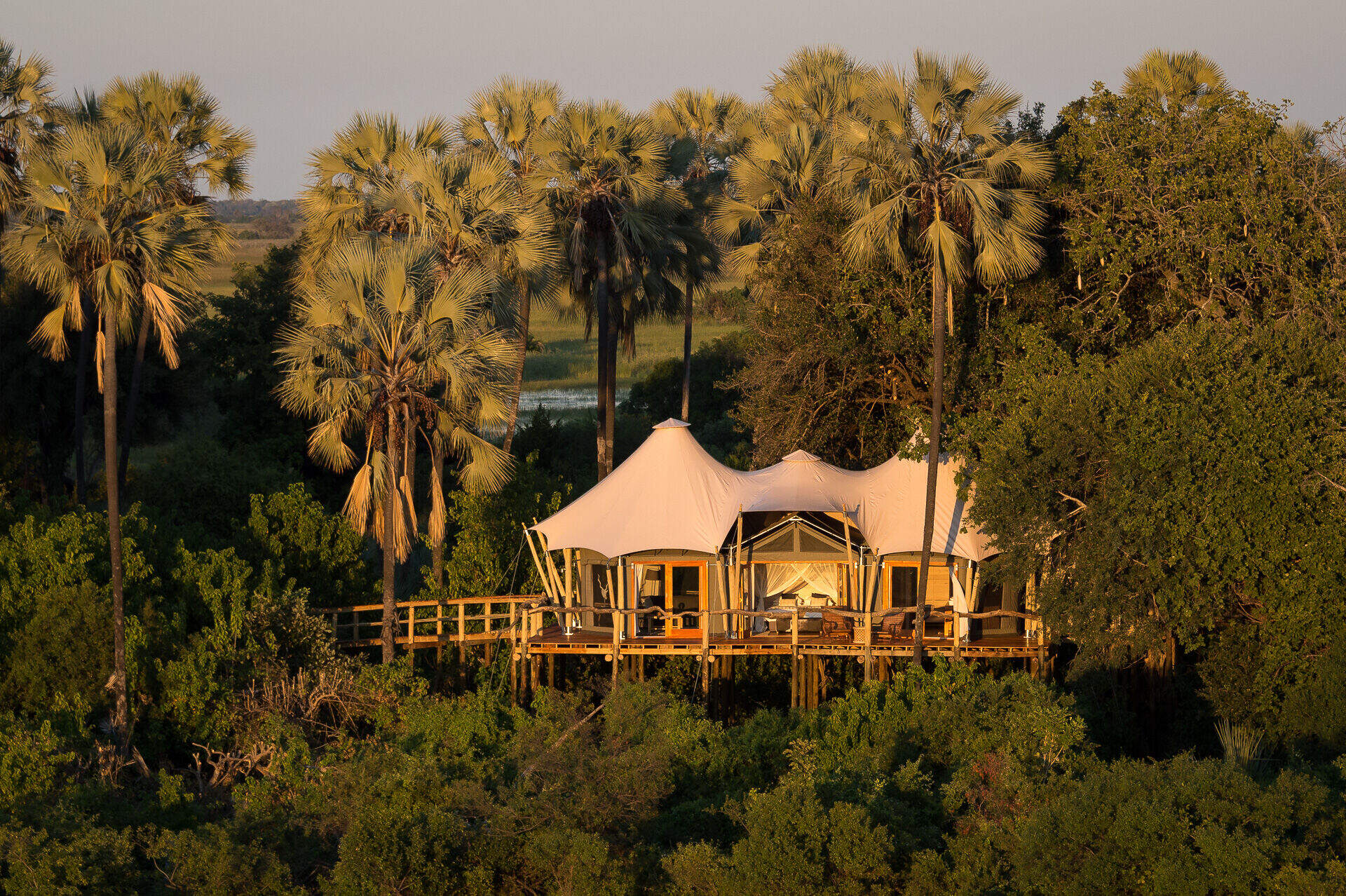
Kwetsani Camp
Deep in the Delta, overlooking a floodplain, Kwetsani Camp is a small, high-end camp with good access to areas for land and water-based activities.
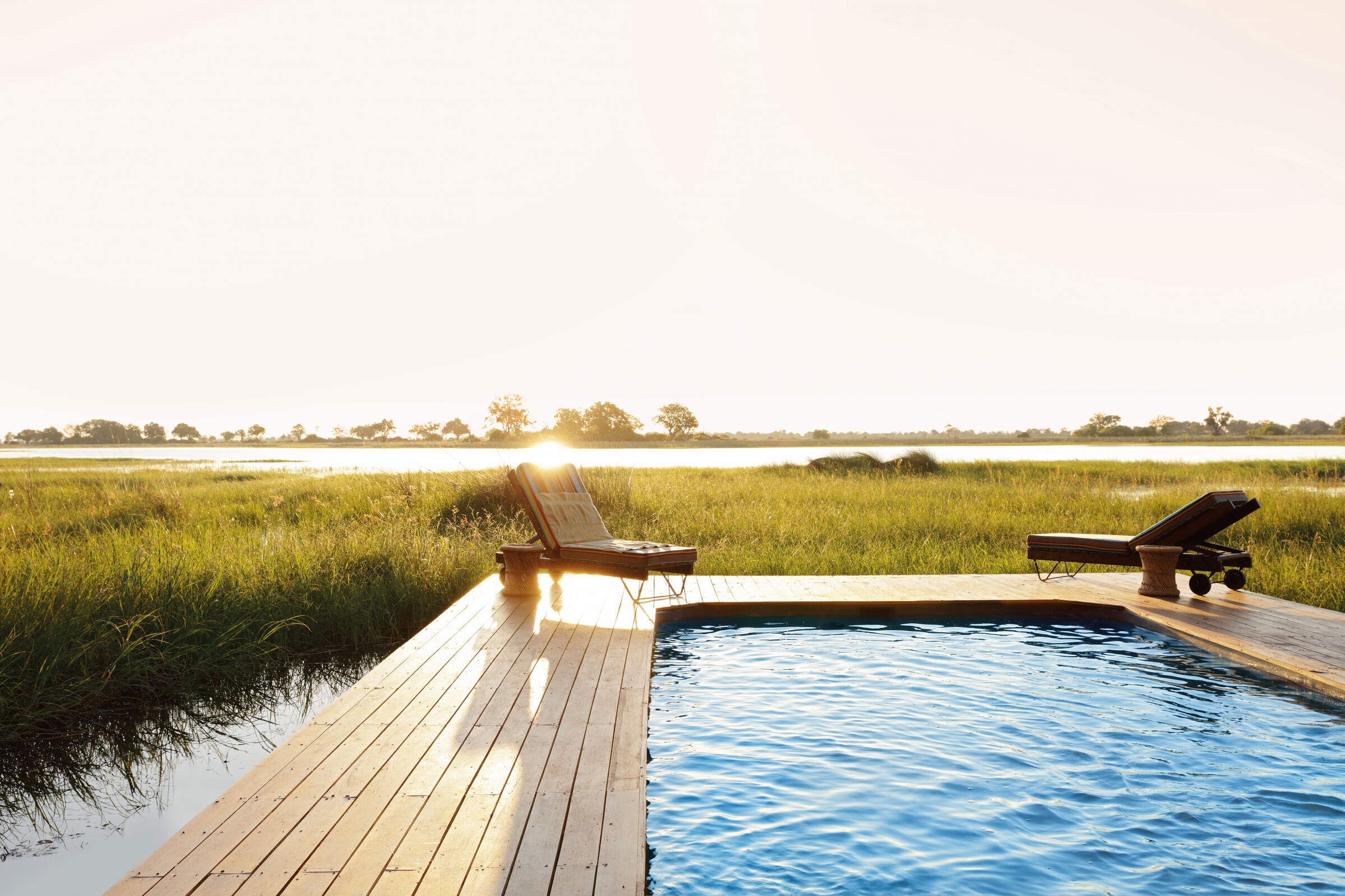
Mapula Lodge
For an affordable yet varied safari encompassing a range of eco-systems, the traditional Mapula Lodge takes a lot of beating.

Duba Plains Camp
Duba Plains Camp is a traditional safari camp, best known for the thrilling lion and buffalo interaction that is often found here in broad daylight.
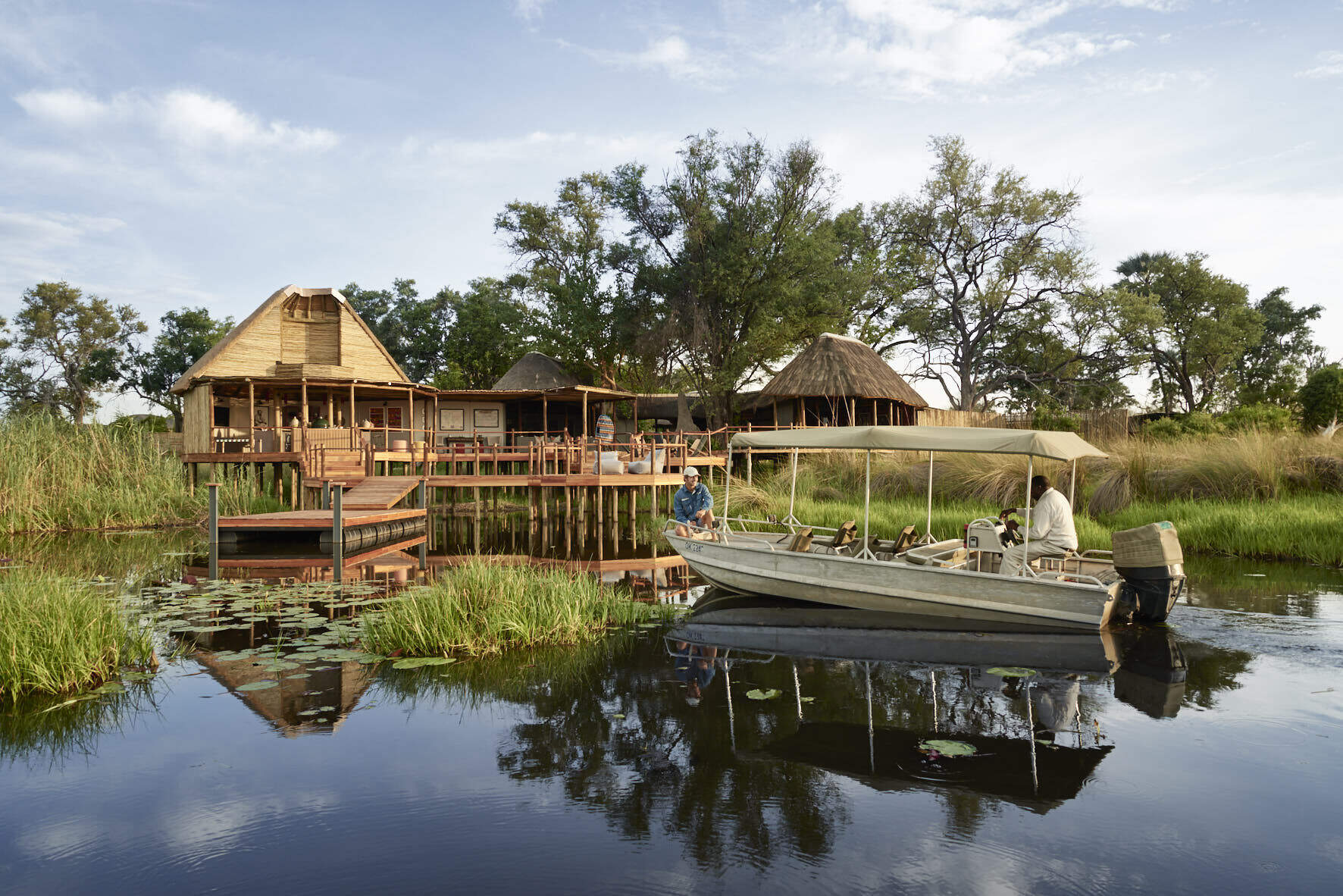
Baines' Camp
Baines' Camp is a well-run, intimate camp in a pretty part of the Okavango, offering a range of activities and the option to spend a morning walking with elephants.
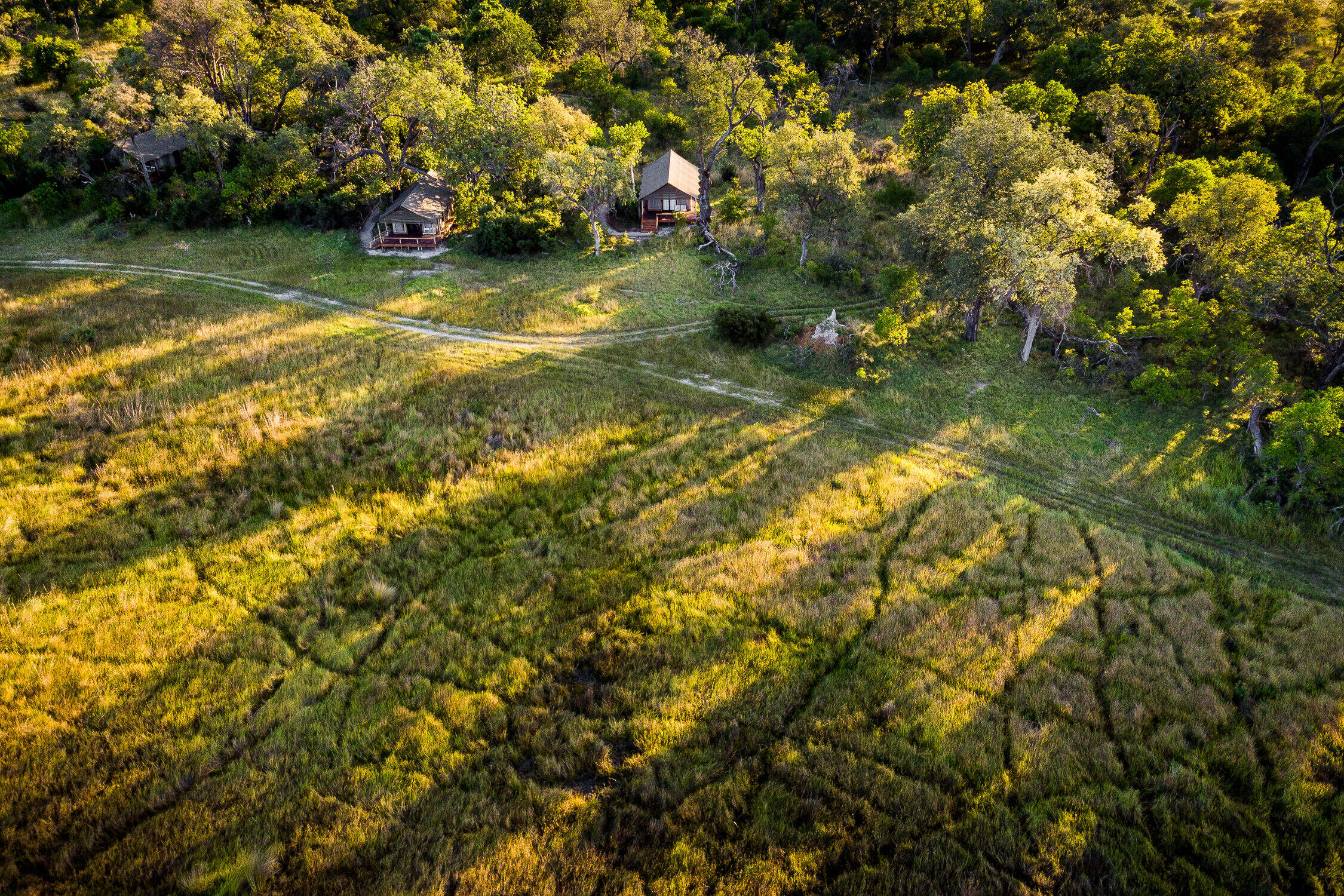
Stanley's Camp
In a private concession south of Moremi Game Reserve, Stanley's Camp offers 4WD game drives, seasonal water activities and a superb elephant interaction.

Duba Explorers Camp
Intimate and elegant, Duba Explorers Camp promises a firm safari focus in a remote corner of the Okavango, led by a team who value the highest guiding and hosting standards.
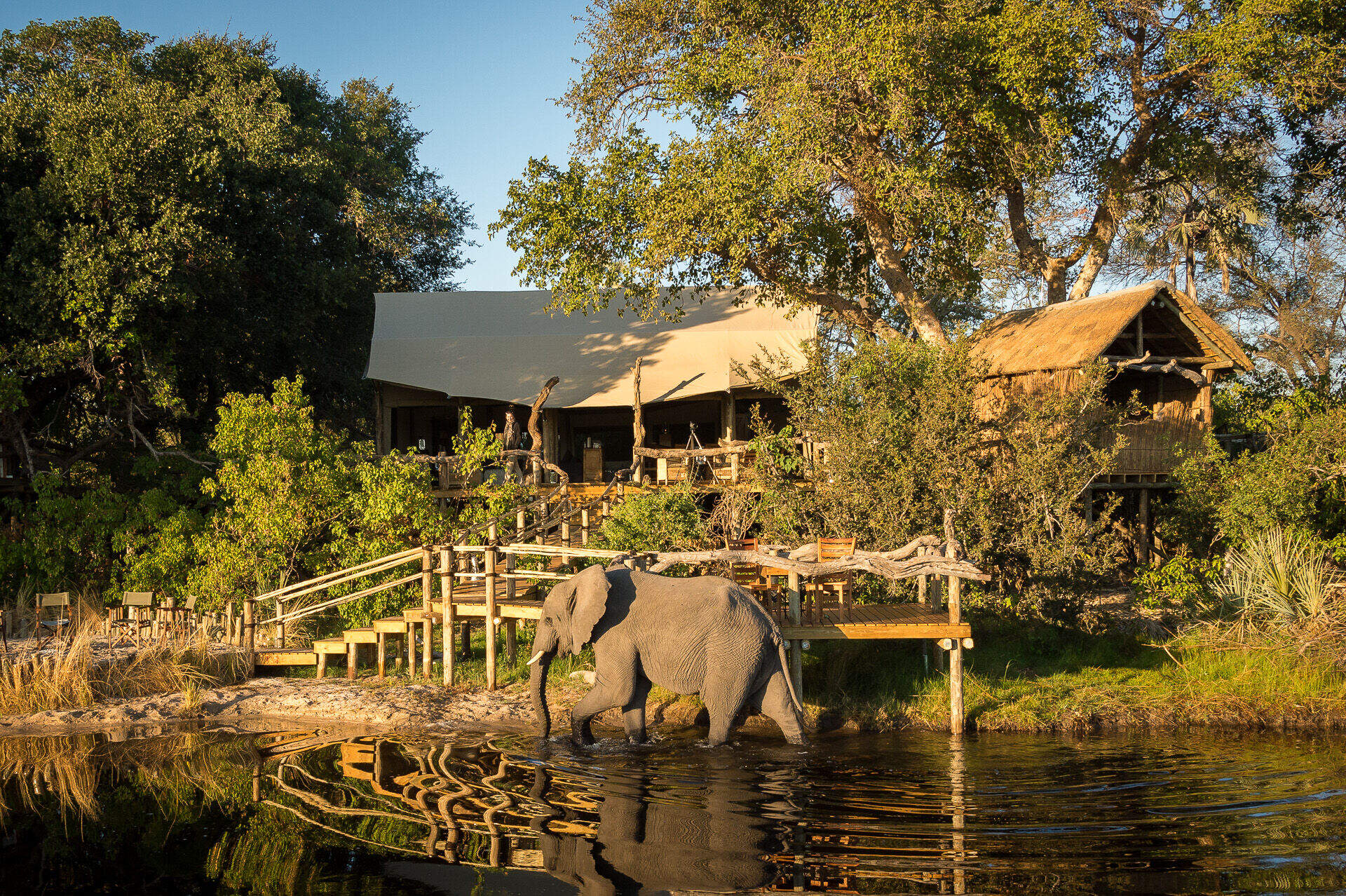
Little Tubu
Little Tubu is a new, traditional camp with just three tented chalets and a distinctive tree-house feel. The areas around it can be explored by water and land-based activities year round.

Pom Pom Camp
Pom Pom Camp lies amidst stunning Okavango Delta scenery. Come for idyllic mokoro trips and great birdwatching, and accept that big-game sightings here are a bonus.
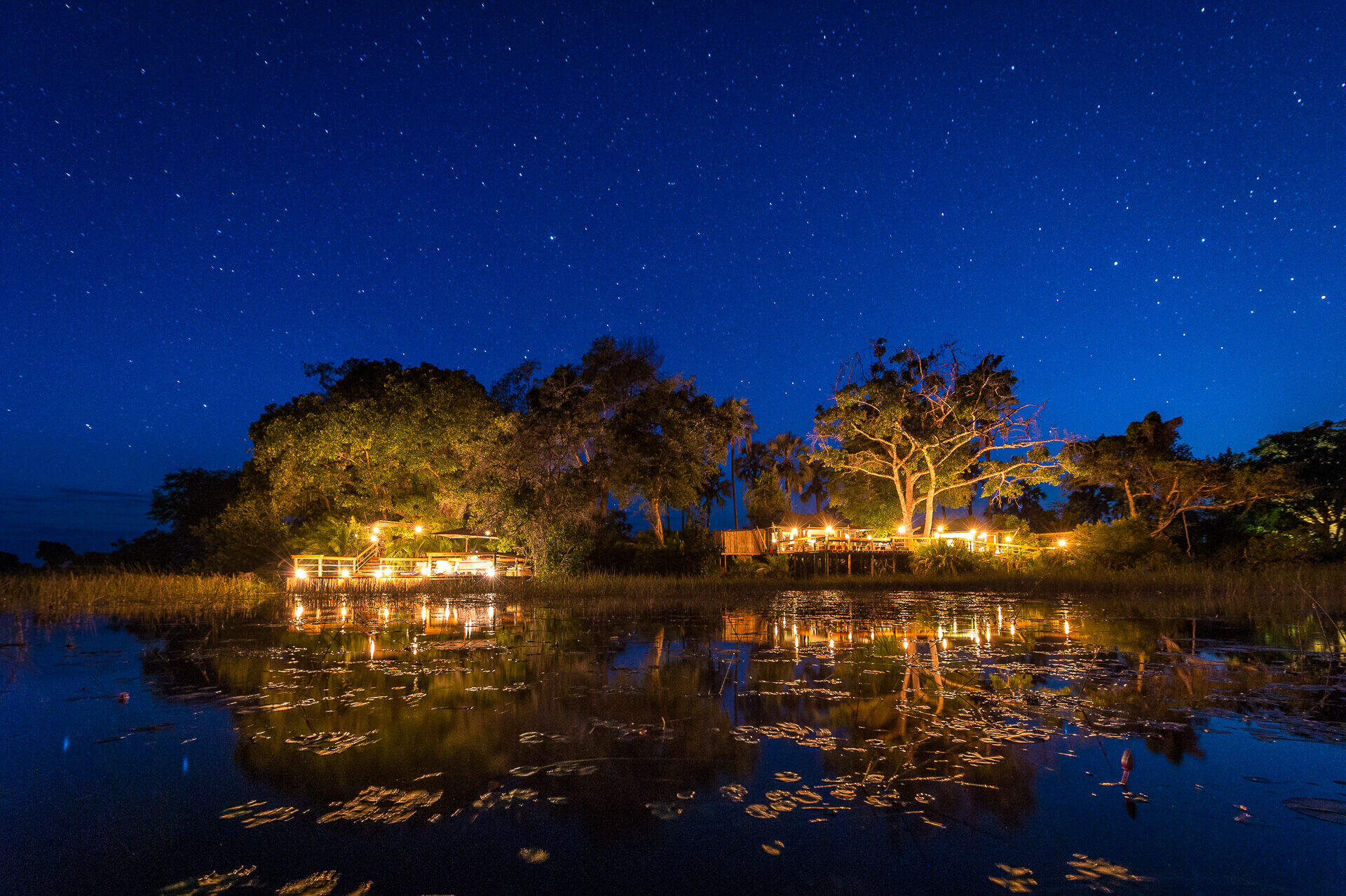
Pelo Camp
In a pristine wilderness environment deep in the Okavango Delta, the seasonal Pelo Camp is tented yet comfortable, with activities focusing on excursions by mokoro.

Mma Dinare
Beautifully located in a private concession overlooking the Gomoti River, the traditional Mma Dinare is very well-priced for the Okavango Delta.
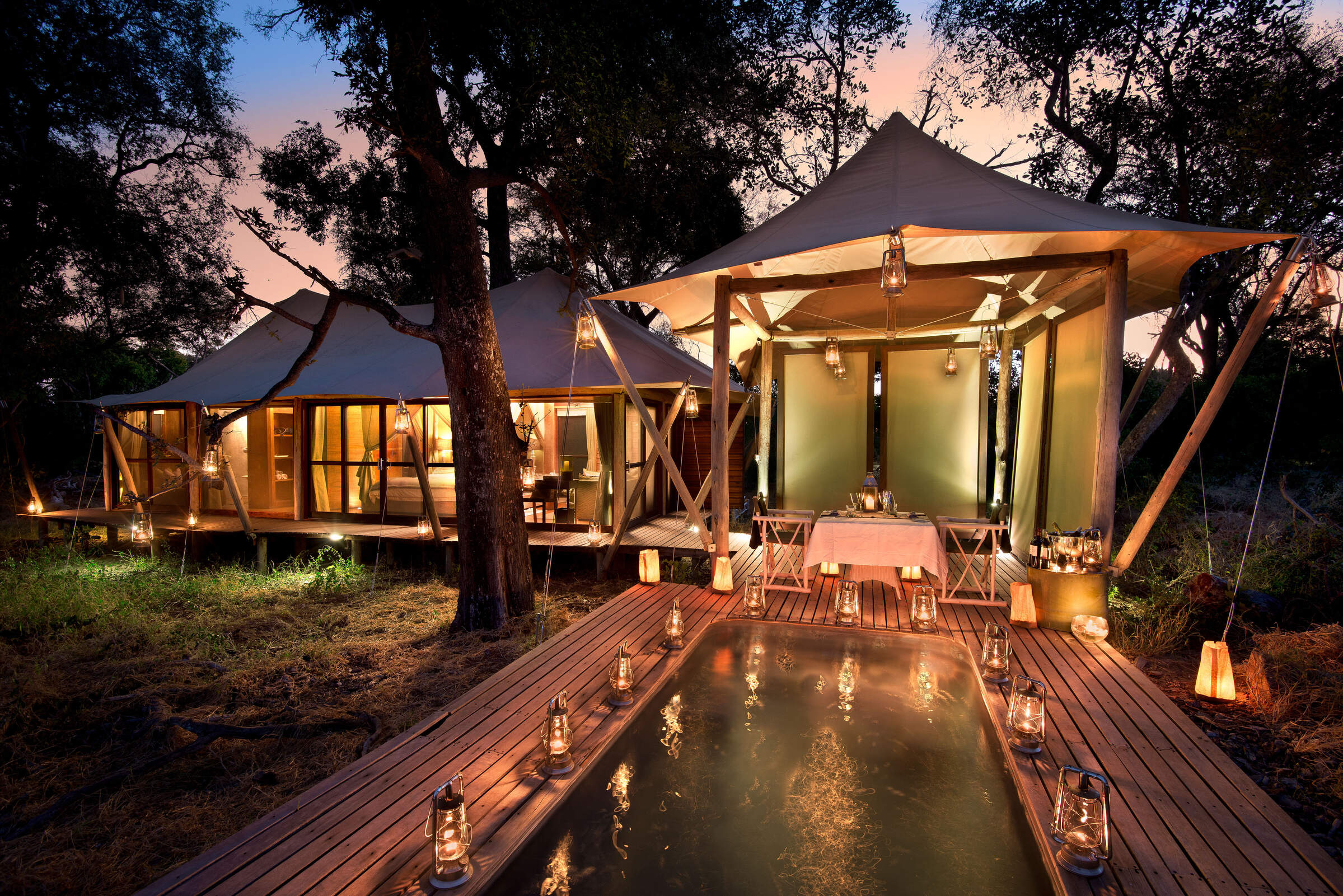
Xaranna
Xaranna is a plush tented camp amongst the idyllic waterways and islands of the Delta. Each air-conditioned tent has a plunge pool. Water activities and pampering are the focus here.
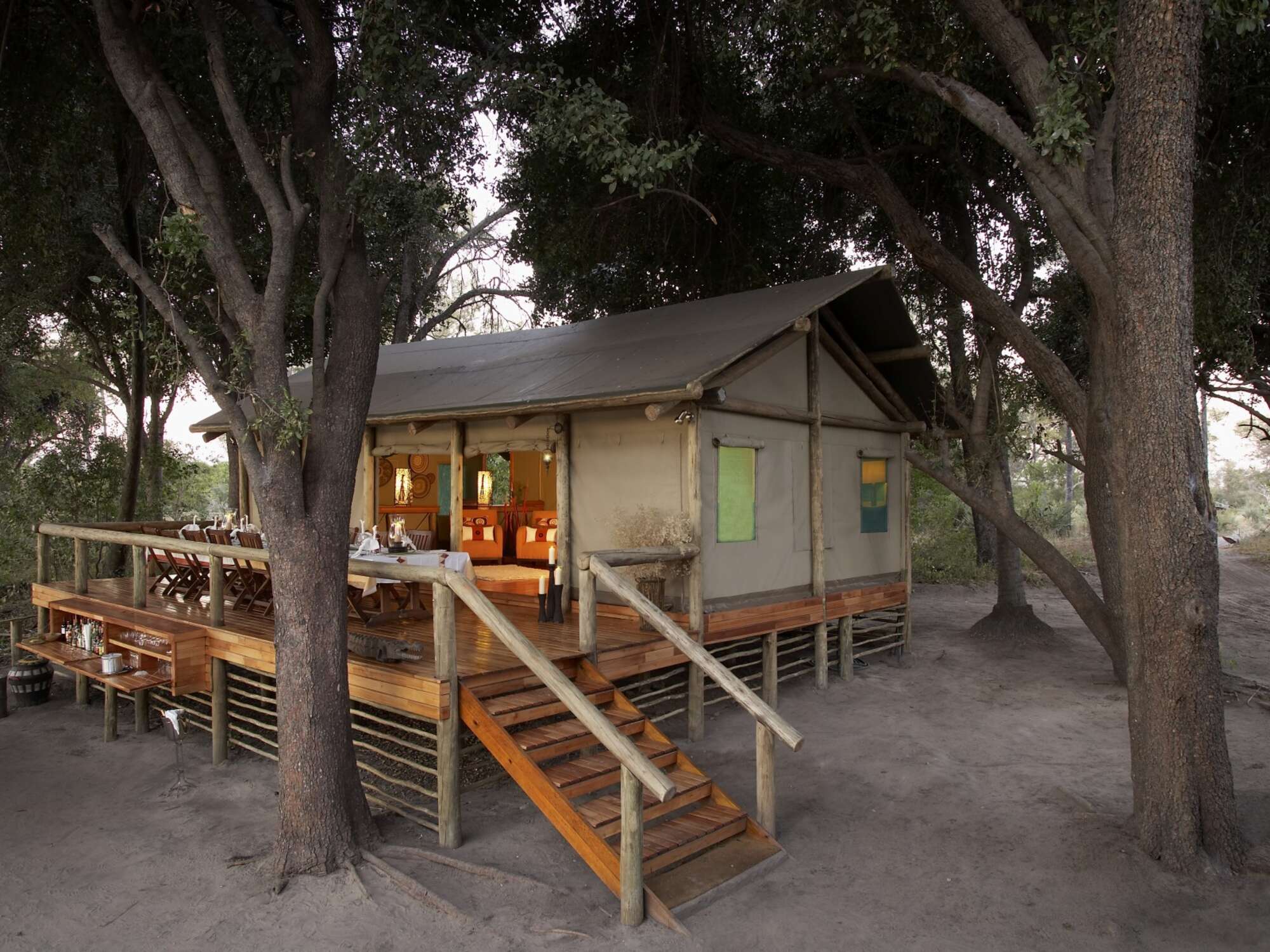
Seba Camp
Seba Camp is a luxury camp in a lovely location that offers the full range of water and land safari activities, depending on the time of year. This camp is particularly suitable for families.
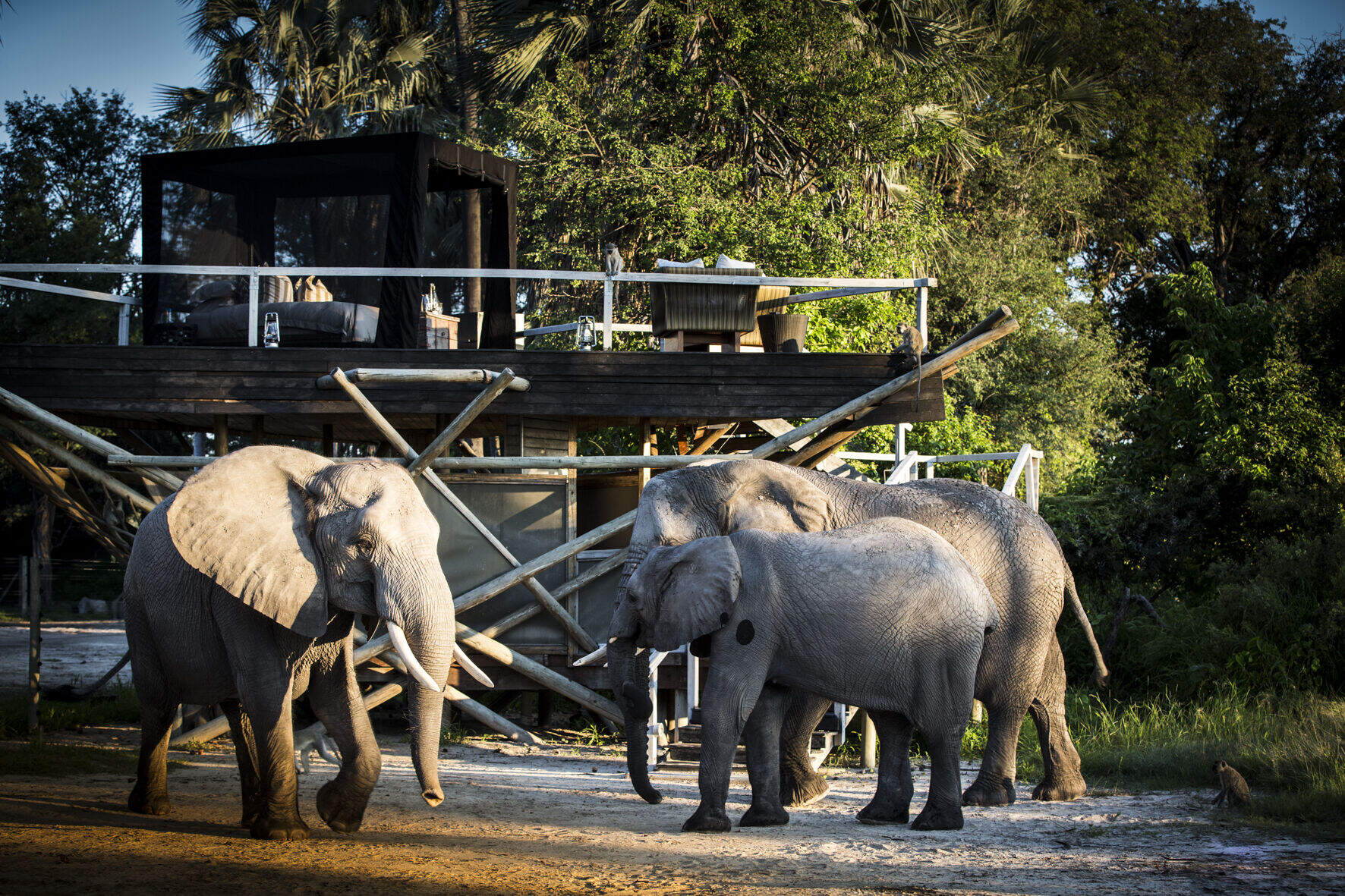
Abu Camp
Abu Camp is an exclusive safari camp on the western side of the Botswana's Okavango Delta - offering superb elephant-back safaris and opportunities to walk with them too.
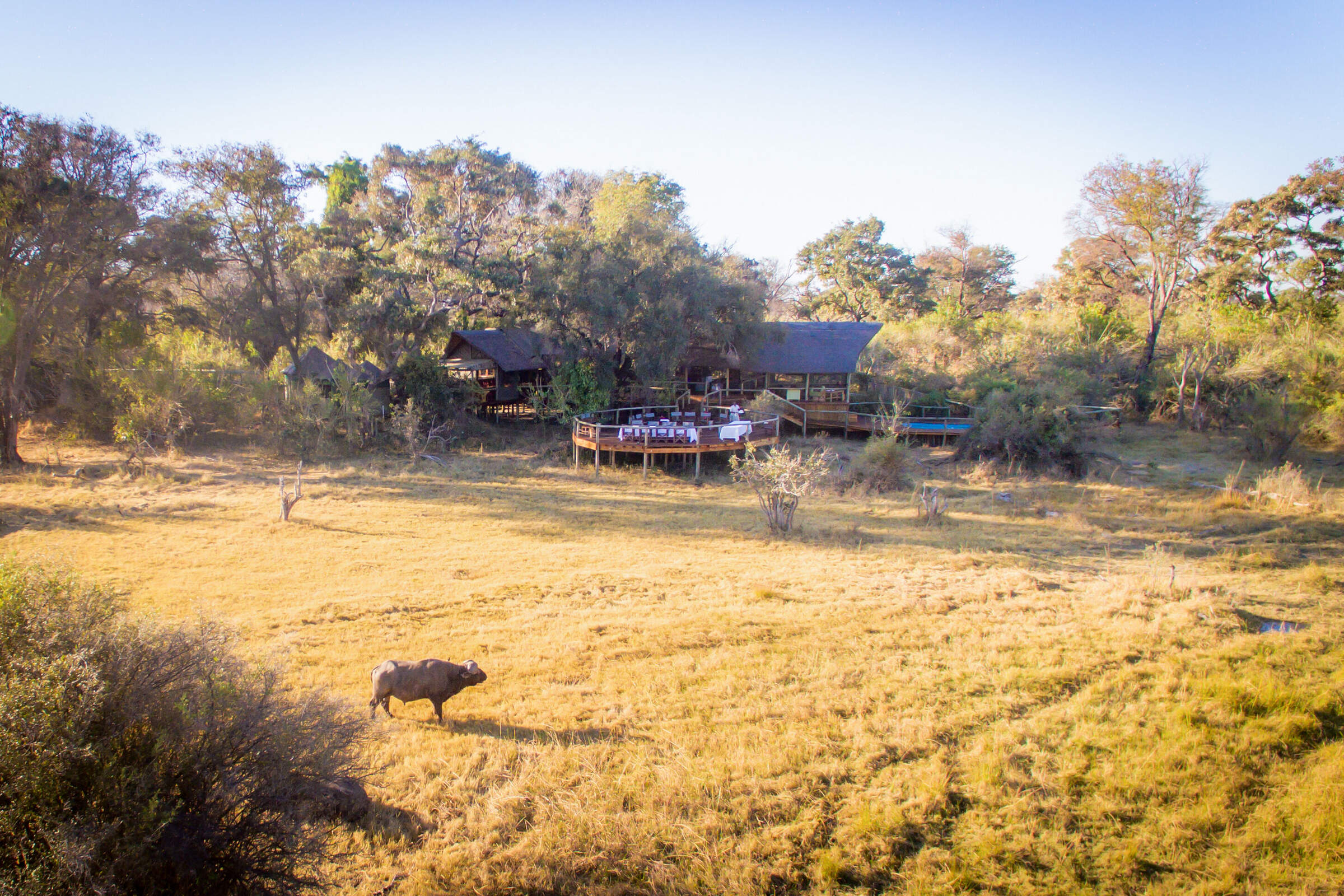
Rra Dinare
Located in a private concession in the southern reaches of the Okavango Delta, overlooking the Gomoti River, Rra Dinare is a traditional-style, well-priced camp.
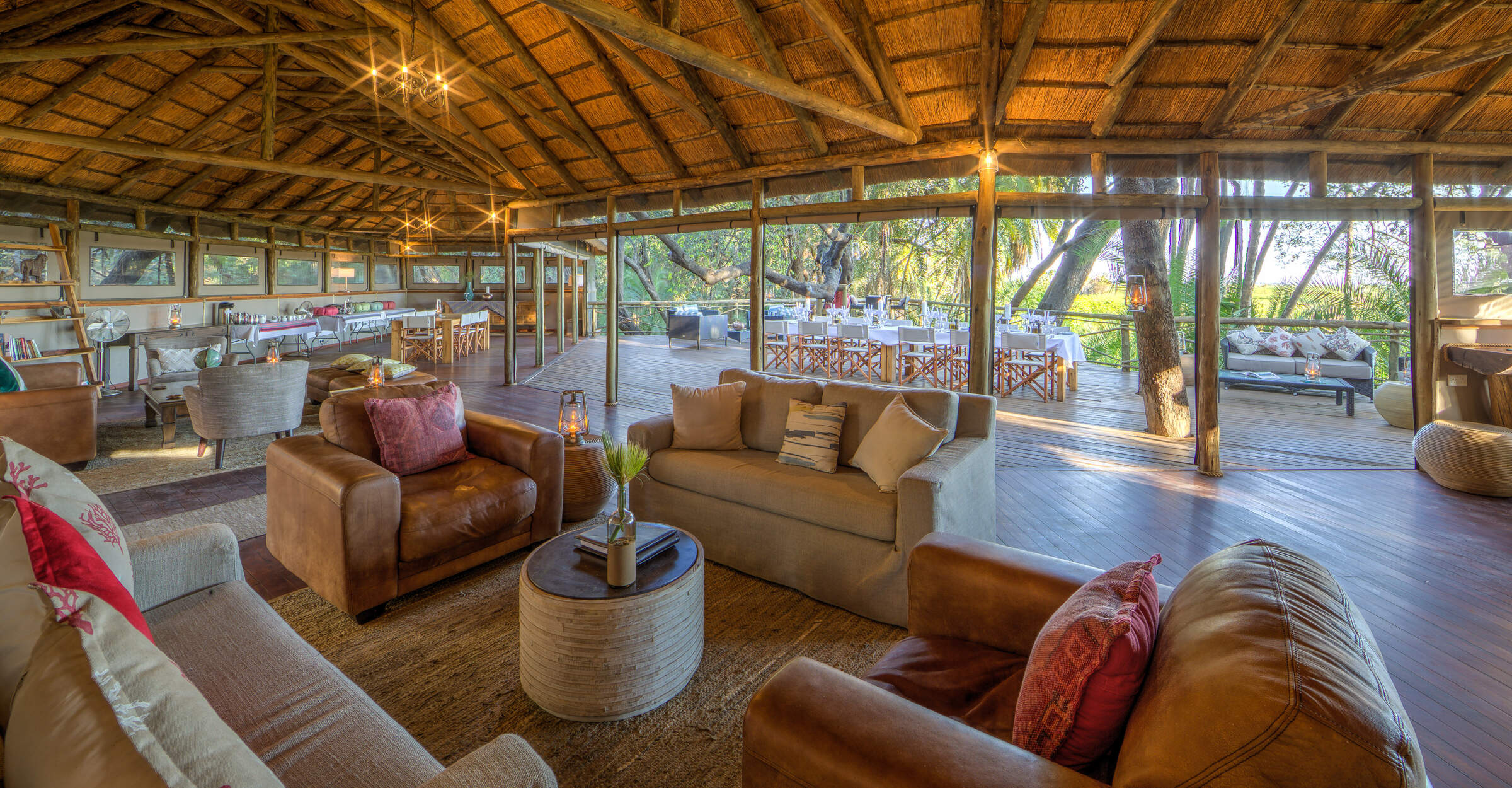
Setari Camp
Setari Camp stands on an island dotted with palm trees, close to the base of the Okavango’s ‘Panhandle"
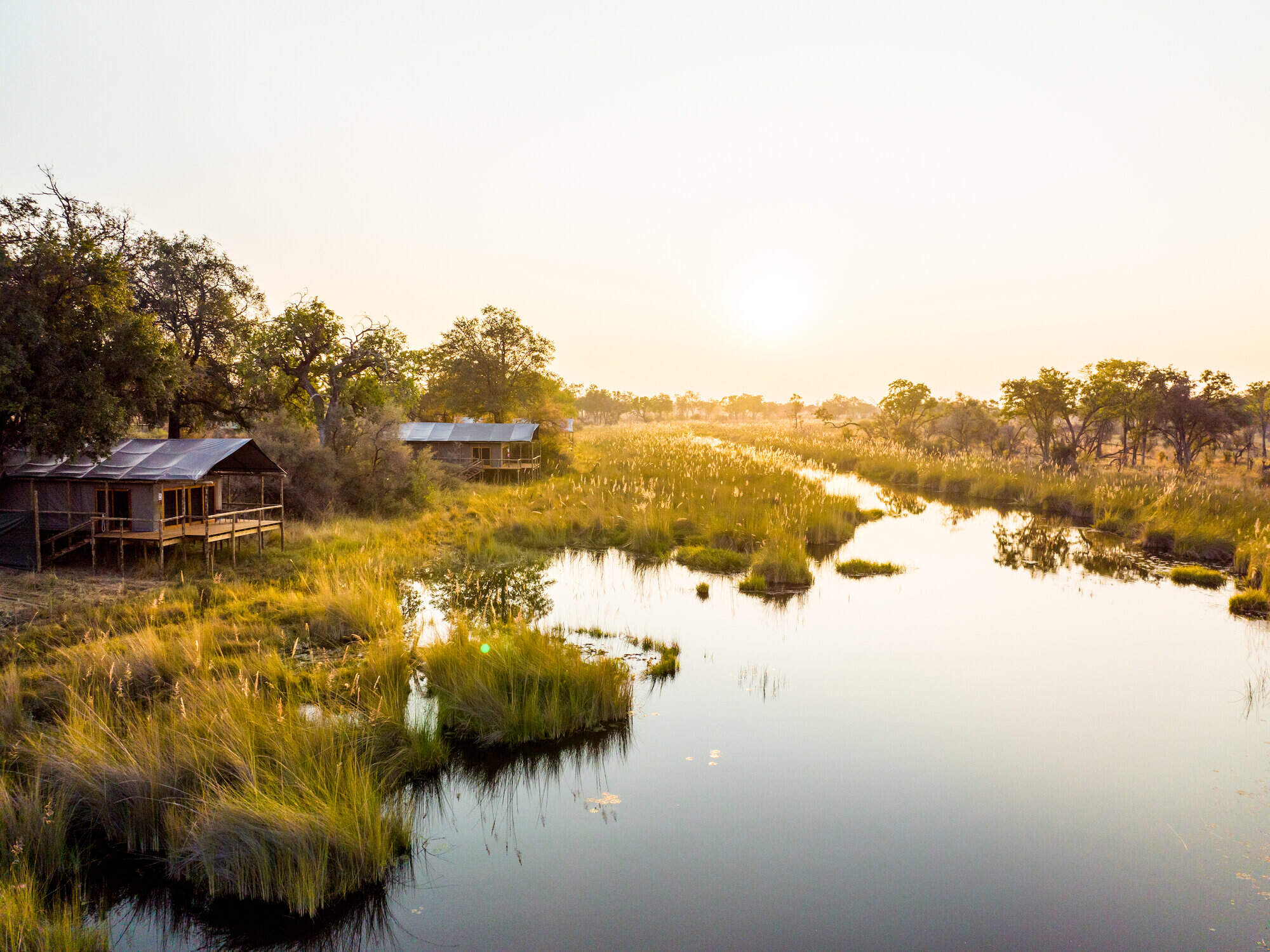
4 Rivers
4 Rivers is a new camp in a previously in accessible area of the excellent Kwara concession.

Duke’s Camp
On a remote island within a vast private concession, the eclectic Duke’s Camp is nestled among mature trees overlooking wildlife-rich plains of the Okavango.

Kiri Camp
Kiri Camp is the latest Okavango offering from the excellent team behind Machaba. In an exciting new location in the heart of the Delta we cannot wait to visit this new camp.
Okavango Walking Safari
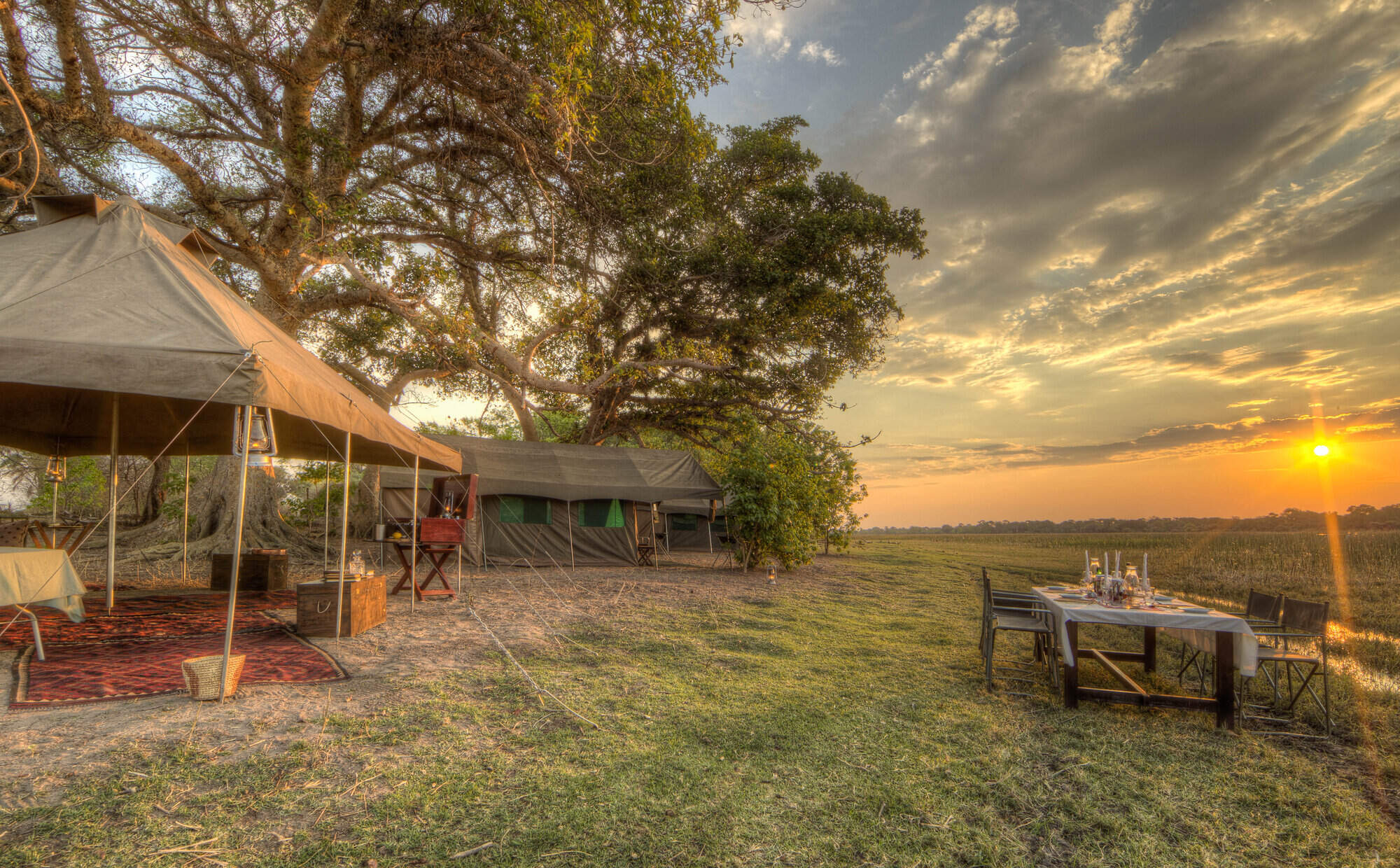
The Okavango Delta Walking Safari camps in a secluded Okavango Delta Reserve where there are few roads; the ideal location for a walking trail led by an expert guide.
Karangoma
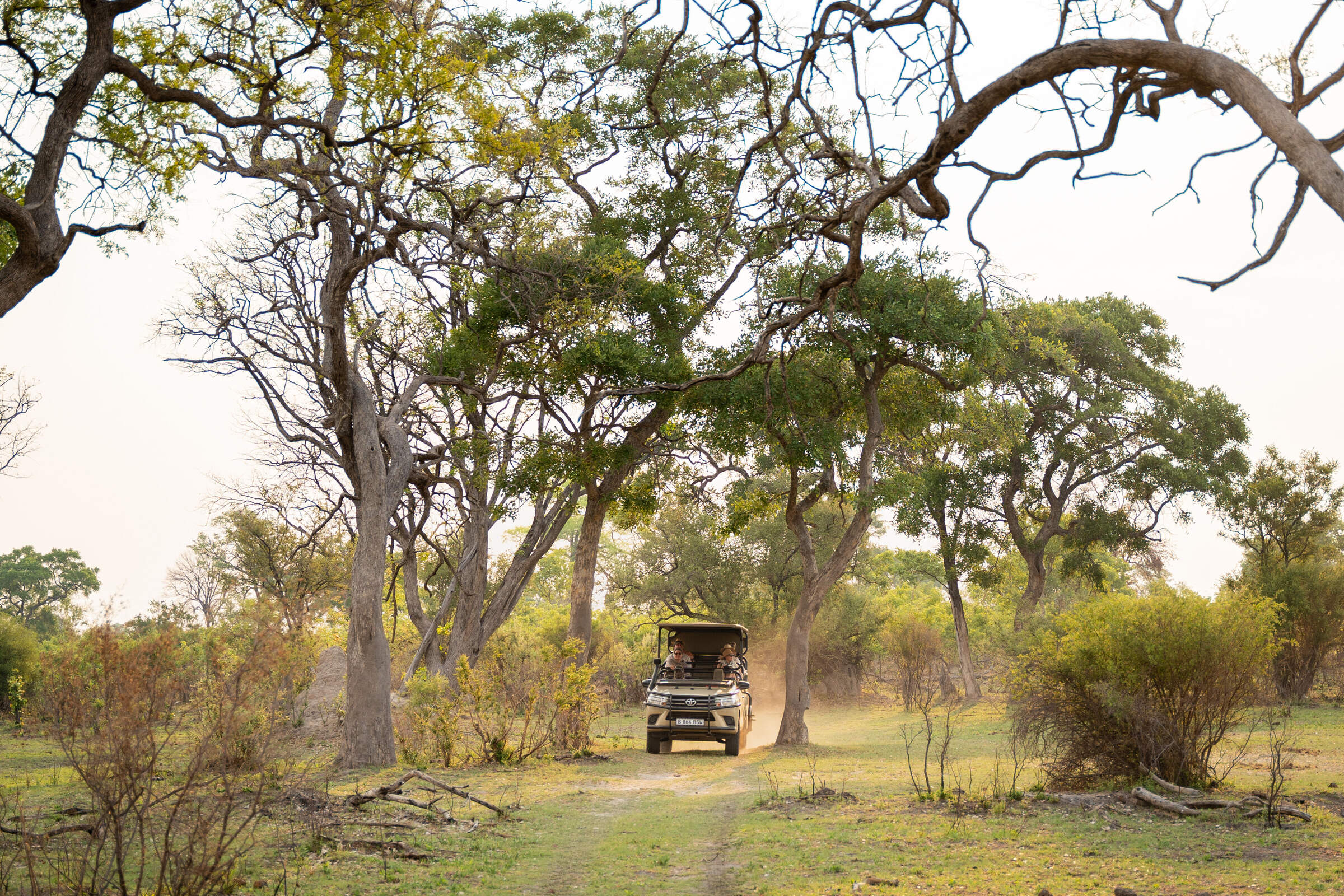
New for 2024, Karangoma is a classic, tented camp offering walking, canoeing and game drives, in partnership with the local Bukakwe San clan.

Atzaro Okavango
With a high level of tasteful luxury promised at Atzaro, we think it will be best suited to travellers seeking a touch of pampering alongside their safari.

Mokolwane
Deep in the heart of the Okavango, Mokolwane promises adventure in a largely untouched area.

Eagle Island Lodge
Eagle Island Lodge is a luxurious camp with international-style facilities including air conditioning and intercom in each room; offering water based activities in the Okavango Delta.

North Island
Deep in quintessentially 'Okavango' territory, between deep-water and dry-land habitats, promises to be a great combination from a team who know all about the best in the Okavango.

Sitatunga Island Camp
Sitatunga Private Island: in this pristine corner of the Okavango Delta, even the name is evocative.
Qorokwe Camp
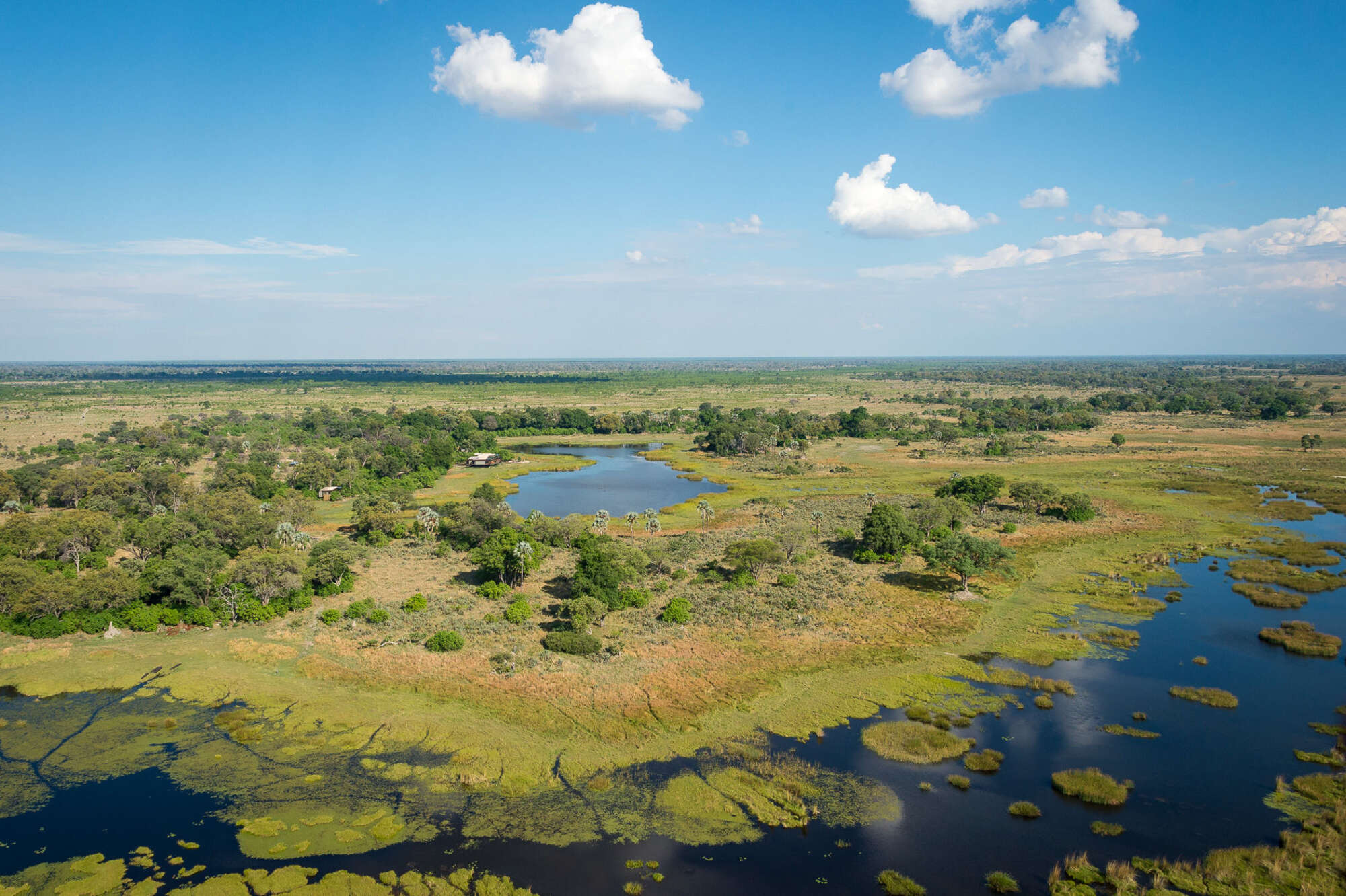
Luxurious and contemporary, the relatively new Qorokwe Camp is a gem in the Okavango Delta, offering land- and occasionally water-based activities in a prime wildlife area.