
Leleshwa: Our full report
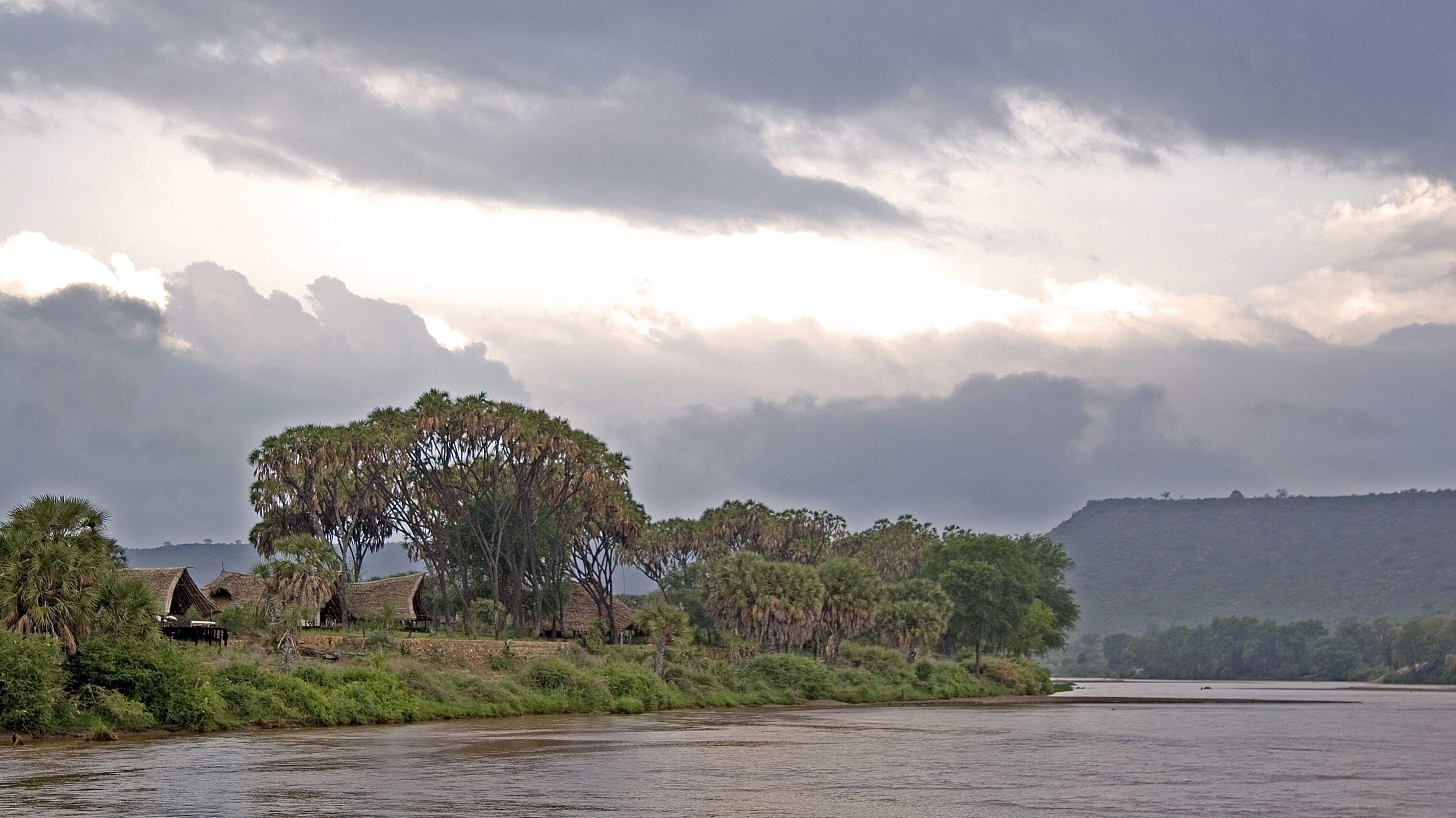
Leleshwa, one of the smallest camps in the Greater Mara eco-system, is located on the wooded banks of the ...
... little Ropile River, in the Siana Conservancy, northeast of the Maasai Mara National Reserve. This is a relatively remote area of mixed herding and wildlife, which has dense concentrations of plains game, including elephant and giraffe. There are virtually no other camps in the area.Since 2016, Leleshwa has only been bookable on an exclusive use basis and can be set up in many parts of Kenya. Please talk to us if you would like to find out more.
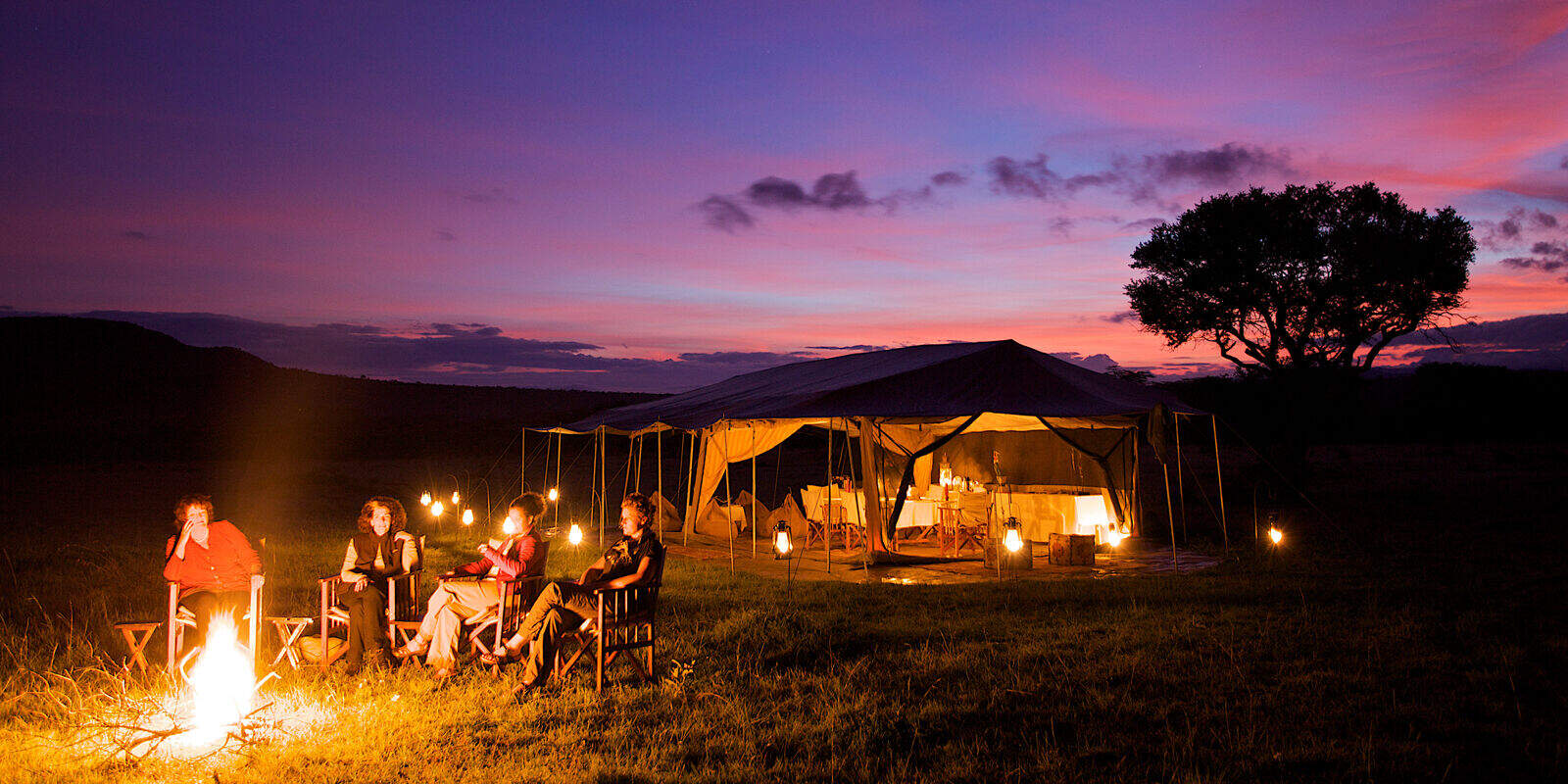
You know that a stay at Leleshwa is going to be a bit special from the moment you get out of the 4x4 that has brought you along bush roads from Siana airstrip. From the small parking area, a wooden footbridge leads to the mess and dining tent and lawns above the steep banks of the river.
Narrow sandy paths, winding through dense bush, lead from the central area to the guest tents. Leleshwa (named after the wild camphor bush that is often used as an air freshener and sanitiser in Maasai homes), is prone to being visited by wildlife, as the grisly leopard ‘larder’ (the dried remains of an impala hanging in a tree in camp) attested during our stay. Escorts are essential after dark to accompany guests to dinner and back again.
- The camp has seven tents, four of which are standard – two twins, two doubles – with the doubles having super-kingsize beds of 2.1m x 2.1m (7ft x 7ft) and the single beds being 2.1m x 1.05m (7ft x 3ft 6in). The two suites are usually taken by families: each includes a double bed and two day beds, which are most suitable for children. Extra beds are available, making triples possible in standard tents, though that is a bit tight.
- The tents are large without being self-consciously massive, and that style – doing things very well and properly, but not trying to create false impressions – extends to the sensibly tiled bathrooms, understated washstands and shower areas with designer toiletries and nicely bottled filtered water rather than throwaway plastic bottles.
- The tents have outside veranda or lounging areas, some overlooking the stream valley and each tent is nicely separated by dense bush from the others, making them all quite private.
- Each tent has a tea and coffee chest (staff bring hot water at your wake-up call), which also includes a torch and alarm horn.
Morning and evening drives are also popular at Leleshwa, as are bush walks, which can be long or short and may include a vehicle component or be purely on foot depending on your energy level. (NB: It’s essential that you read the Quadbike warning in the ‘Health & Safety’ section below for our comments on insurance issues regarding this activity.)
Leleshwa (named after the wild camphor bush that is often used as an air freshener and sanitiser in Maasai homes), has good cultural contacts with the local Siana community and guests can participate in a range of cultural activities. In the early morning, guests are often driven into the local village and may walk out to the grazing areas with the herders and their livestock. School visits are often done later in the morning, following an early game drive or game walk and a bush breakfast. Market days are Tuesday and Thursday. In the late afternoon guests may walk in with the cattle; when there are calves in the herds there’s often a lot of colourful activity.
With advance notice, Maasai blessing ceremonies for couples can be arranged, running from late afternoon to midnight and involving up to two or three dozen loval Maasai participants. The price, which includes the specially made Maasai ‘wedding attire’ to keep, varies from US$300 to US$500 per couple.
For more adventurous guests, there’s the option of a one-night fly camp near the main camp, and a (minimum two-night) mobile camp on a Talek special campsite or in the Loita Hills east of Leleshwa.
These activities need advance notice.
Our view
Very small and personably hosted, and oozing with bush atmosphere, this is a camp for safari-lovers who really want to get away from it all. The guiding is top-rate and the camp has a good relationship with the local community. Very comfortable tents and particularly good food make staying a pleasure. With thousands of acres to explore, shared only with other Leleshwa guests, this is a very likeable and highly recommended camp.
Country manager: Kenya
Geographics
- Location
- Maasai Mara Conservancies, Kenya
- Ideal length of stay
- Three nights minimum suggested, four nights ideal. Also they often do a one-night fly camp near the main camp, and a (minimum 2-night) mobile camp on a Talek special campsite or in the Loita Hills east of the camp.
- Directions
- Siana airstrip, 30 mins to camp without stopping to watch wildlife. Can also collect from Keekorok airstrip for an extra charge. Depending on group size, season and airline, not every flight to the Mara will be able to drop at Siana.
- Accessible by
- Fly-and-Transfer
Food & drink
- Usual board basis
- Full Board & Activities
- Food quality
- We found the cooking at Leleshwa creative and very appetising, employing lots of herbs and spices. There are always vegetarian options.
In the morning, there’s often a bush breakfast buffet. We had a wonderful bush breakfast at the end of a good walk, while dozens of giraffe strolled past us.
Lunch is usually a buffet in camp above the river. We had roasted herb chicken, roast, multi-bean salad and aubergine ‘crisps’.
Dinner is usually plated and always three courses, starting with soup. Local dishes are offered to guests at least once during their stay, often in the course of a bush dinner, or as part of a barbecue outside the mess tent. - Dining style
- Group Meals
- Dining locations
- Indoor and Outdoor Dining
- Further dining info, including room service
- No problem; table and chairs are taken up to your tent by the staff.
- Drinks included
- Included. In practice, they don't have drinks in camp that they would feel compelled to sell as extras. If guests have special requirements, they would be happy to bring them in at an extra cost, or guests could bring their own bottles. These arrangements are usually very informal.
Special interests
- Honeymoons
- For a Kenya honeymoon with an added African touch, you can have a Maasai blessing ceremony – these are popular and charged extra. Lasting all evening, they usually involve around 30 community members and a bush dinner. The hosting is excellent and the guiding first-rate.
- See ideas for Honeymoons
- Photography holidays
- Leleshwa guides know how to position a vehicle to get you the best shots. For birders, the riverbank location is particularly rewarding in terms of subject framing, as you can spot birds on branches opposite comfortable spots for setting up with a camera.
- See ideas for Photography holidays
- Walking safaris
- Walking at Leleshwa is usually focused on big-game encounters, which are likely all around the camp. An armed guide is available to accompany you, and the experience can be a very exciting way to do some walking in Kenya.
- See ideas for Walking safaris
- Walking
- Kenya walking holidays usually focus on big game encounters at Leleshwa, which are likely all around the camp. You will be accompanied by an armed guard here. Booking these walks in advance is essential to ensure availability.
- See ideas for Walking
Children
- Attitude towards children
- 'Very positive'
- Property’s age restrictions
- None
- Special activities & services
- Ayahs (nannies) are available to help if required, and askaris can sit with a radio outside your tent.
Spotters are often used for informal afternoon fun, making blunt spears, bows and arrows and taking youngsters on nature and animal dropping walks. - Equipment
- Leleshwa have lots on offer for children, including overalls and paints, toys and a football.
- Generally recommended for children
- Yes. Children who are into wildlife and the concept of safaris will love Leleshwa, athough all children would need supervision. The camp is unfenced and some of the tents are very close to the river.
- Notes
- The fact that after dark you have to be escorted when moving around camp should indicate its suitability for your children. No charge for under 4s. 4–14 kids prices. 15 and older: adult prices.
Communications
- Power supply notes
- The power for lighting is switched off in the rooms during the day, and after 12pm. But inverters mean there is power for charging batteries all day.
- Communications
- There is an alarm horn in each tent. Cellphone coverage is barely available anywhere in camp. Leleshwa aims to avoid having cellphones and laptops being used in the lounge.
- TV & radio
- The TV (DSTV) in the staff quarters may be visited for major sporting events.
- Water supply
- Borehole
- Water supply notes
- Water is pumped up from the river, purified and then used for washing. It can be a little brackish after the rains. Drinking water is bottled.
Health & safety
- Malarial protection recommended
- Yes
- Medical care
- There’s a first-aid kit in camp, and the manager is trained in first aid.
Less than 30 minutes’ drive from camp, Siana Springs Lodge has a good clinic. Missionary doctors are available at the end of the tarmac from Narok, within an hour’s drive.
All guests are required to have Flying Doctors/emergency air ambulance insurance cover.
Quadbike warning: quad-biking is sometimes available as an activity from Leleshwa. As with any potentially dangerous activity, it’s vital that you take responsibility for ensuring that you have adequate travel insurance prior to getting involved. Be aware that some insurances cover quad-bike activities only for bikes with lower engine ratings: check such clauses particularly carefully before you get on a bike. - Dangerous animals
- High Risk
- Security measures
- In the daytime, the camp is patrolled by an askari and scouts. Security at night is provided by a team of askaris. Escorts to and from guests’ tents are obligatory at night.
- Fire safety
- The bush has been cleared around the kuni-boosters. Every tent has a fire extinguisher and every member of staff has been fire-trained. Leleshwa has recently had a security and fire assessment by KK from Nairobi.
Extras
- Disabled access
- On Request
- Laundry facilities
- Full Laundry Service - Included. Soap is provided in the tents for ladies to hand wash their underwear.
- Money
- There’s a safe in the office, and lockable trunks in tents. No currency exchange is possible.
- Accepted payment on location
- Rarely needed except for the shop and village visits, for which pounds sterling and Kenya shillings or US dollars are preferred. Visa and MasterCard can be processed, but due to network problems it’s fiddly (and there’s a 5% surcharge).
Other lodges in Maasai Mara Conservancies
Alternative places to stay in this same area.
Kicheche Bush Camp
Kicheche Bush Camp is a smart and intimate tented camp with a relaxed atmosphere and the perfect base in the Mara for keen photographers.

Kicheche Mara
Kicheche Mara Camp has just eight tents and a rustic and comfortable feel. It is set by a stream in a pretty area of the Mara ecosystem's Mara North Conservancy.
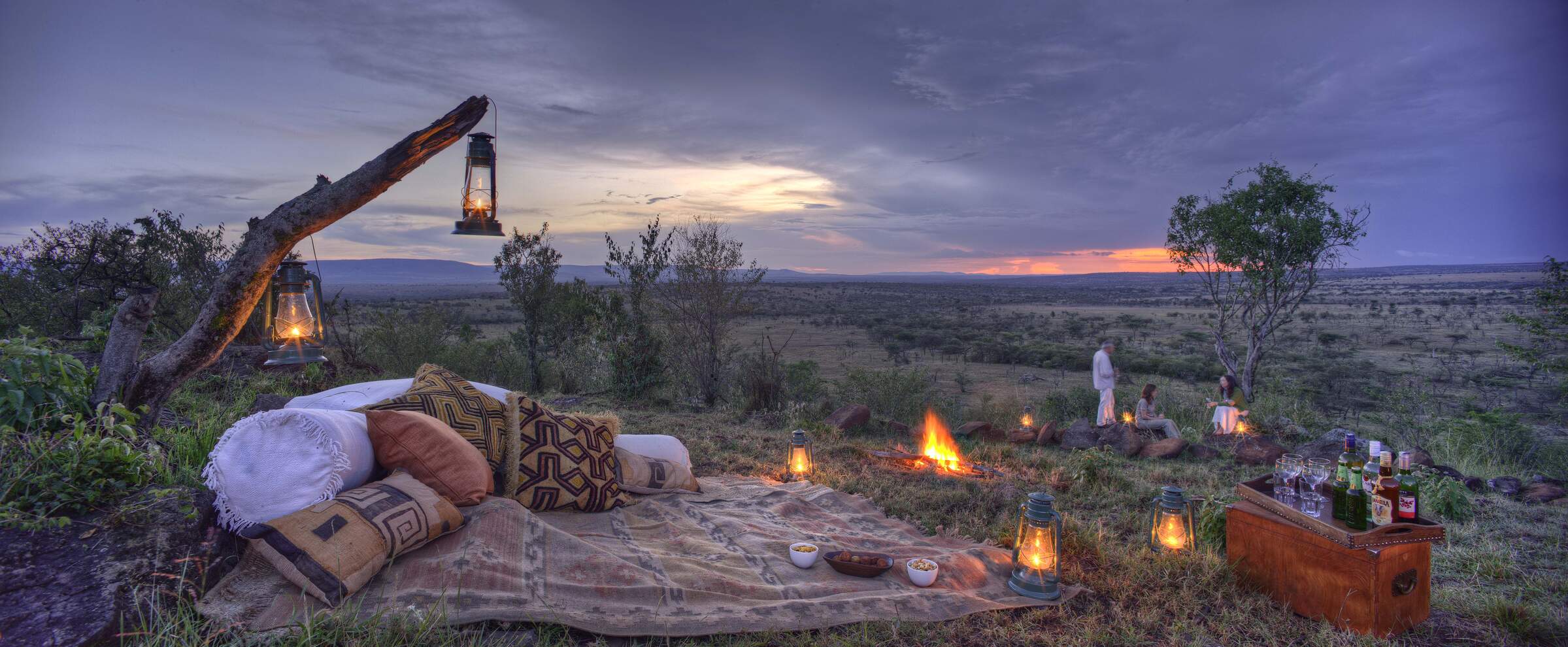
Kicheche Valley
Kicheche Valley is a boutique tented camp in a wooded district of the Mara ecosystem's Naboisho Conservancy, with plenty of wildlife in the area.
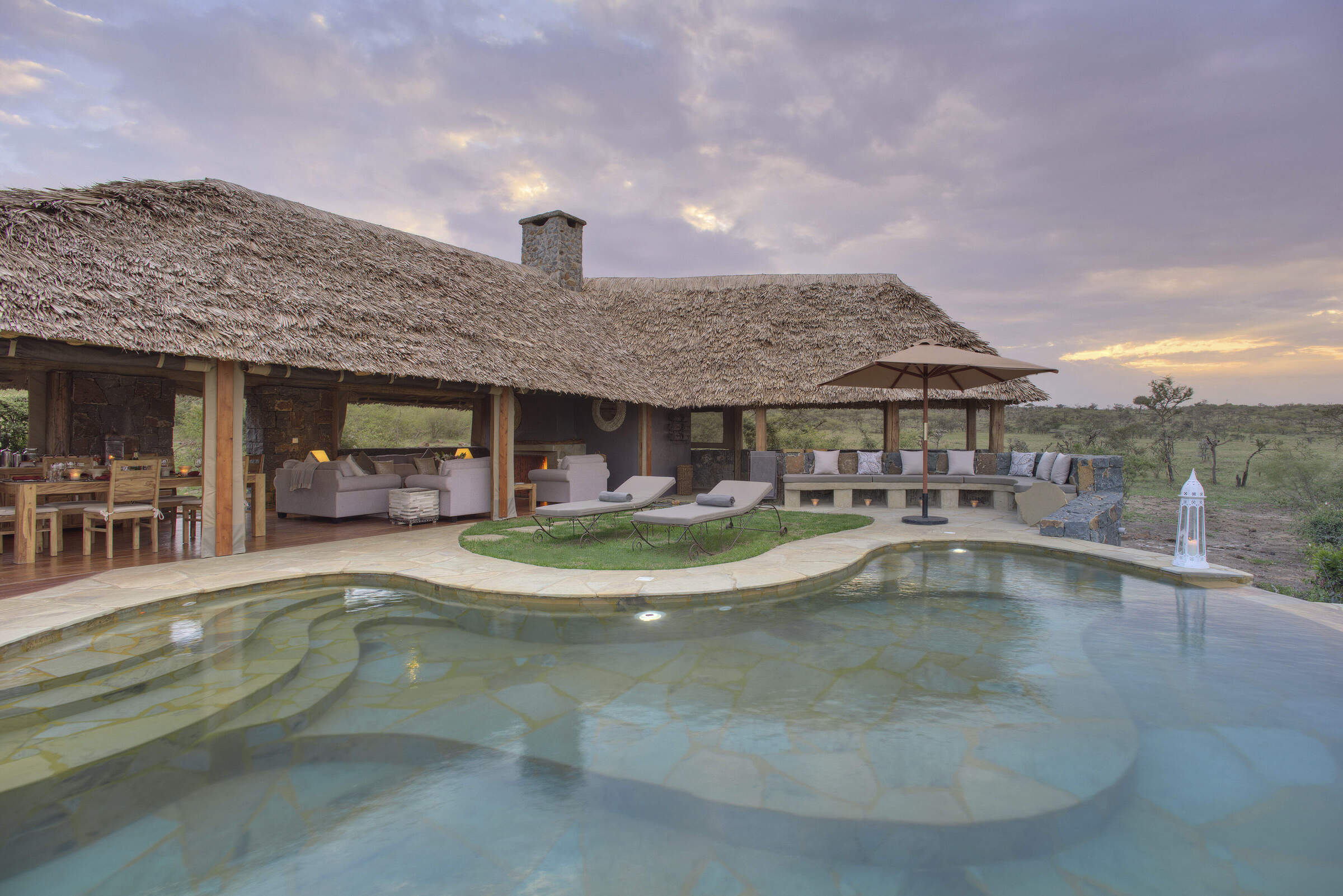
Naboisho Camp
Naboisho Camp is one of the most luxurious of the handful of camps in the Naboisho Conservancy. It offers day and night game drives, game walks and full creature comforts in the bush.

Offbeat Mara
Offbeat Mara is a small traditional camp that appeals to safari traditionalists, located in one of the Maasai Mara’s quiet conservancies.
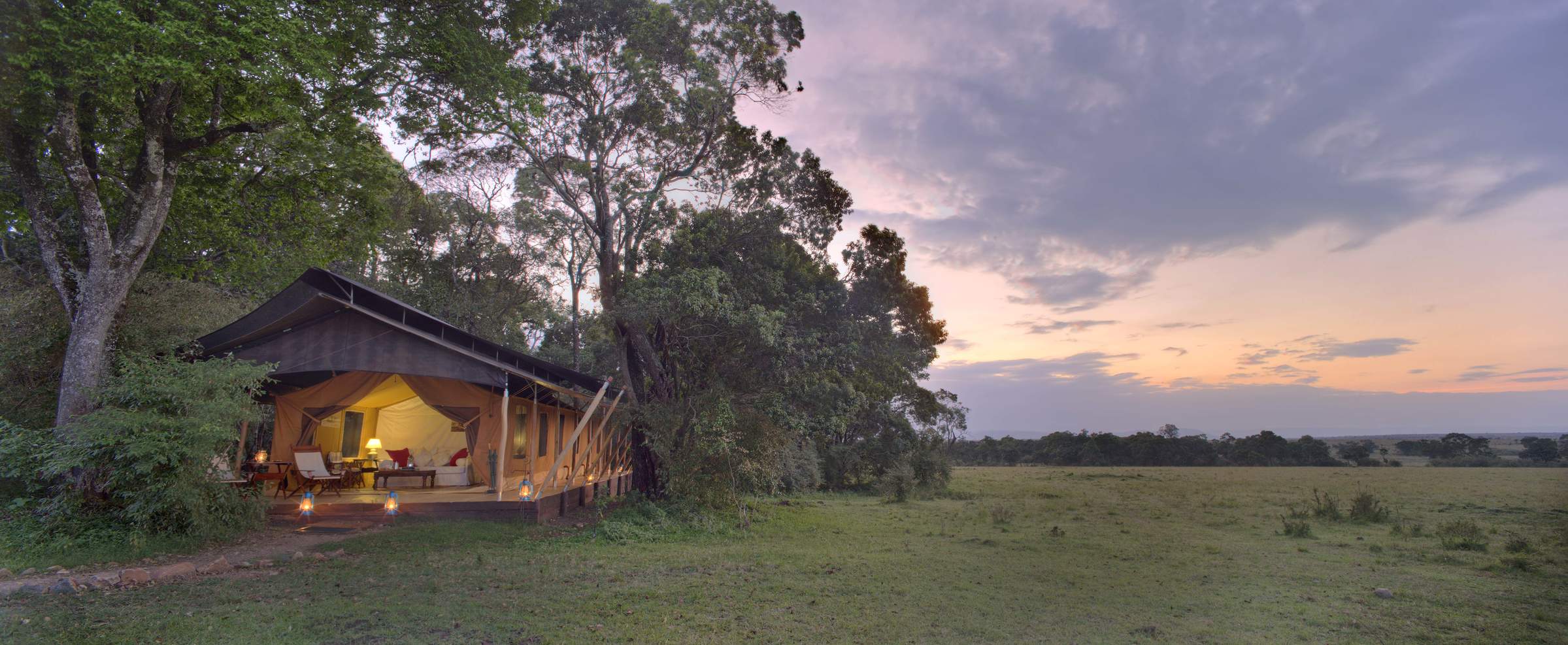
Elephant Pepper Camp
Elephant Pepper Camp is a small 10-tent bush camp, put together in the traditional "campaign" style, and including a large honeymoon/family tent.

Encounter Mara
Encounter Mara is located in the private Naboisho Conservancy – a game-rich area of the Mara ecosystem – and offers a contemporary take on the traditional, low-impact luxury safari camp.
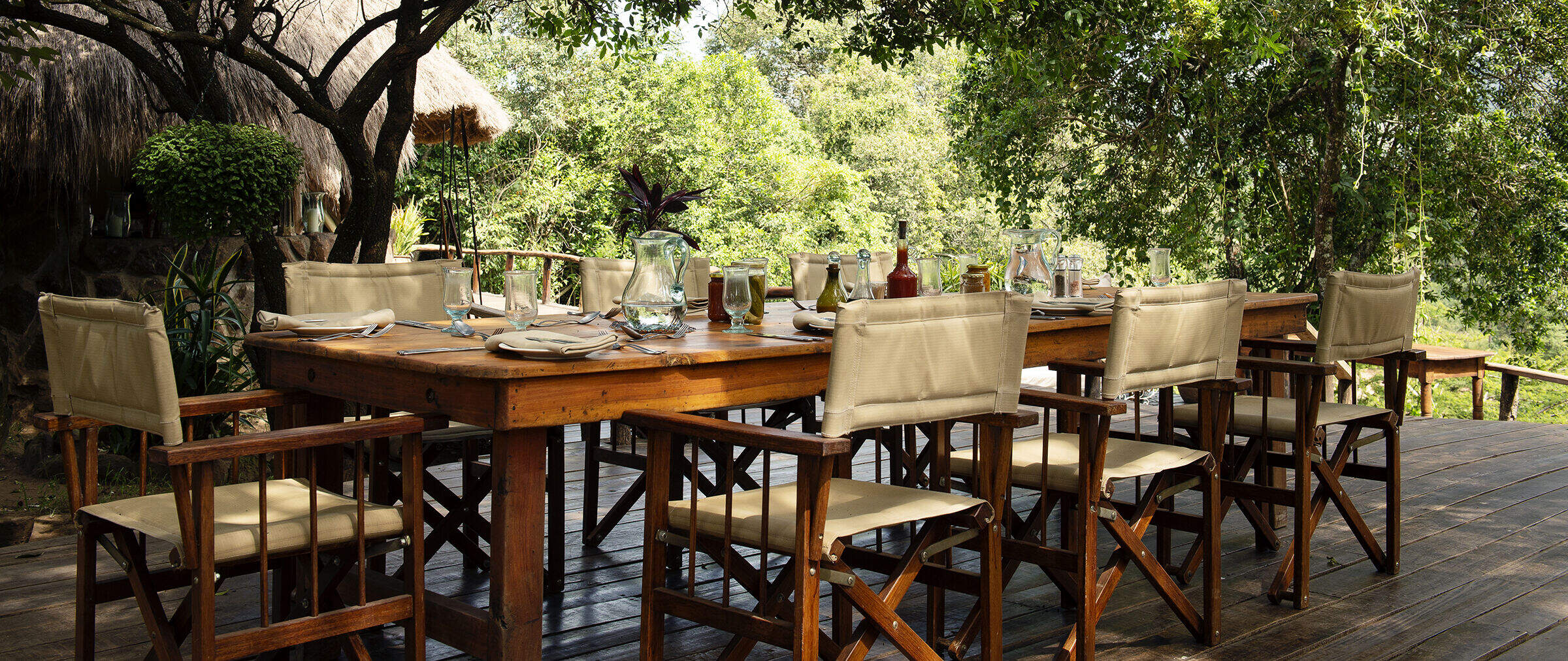
Serian
Serian is a luxury tented camp on the east bank of the Mara River in the Mara North Conservancy. It is the sister camp of Ngare Serian, on the west bank.
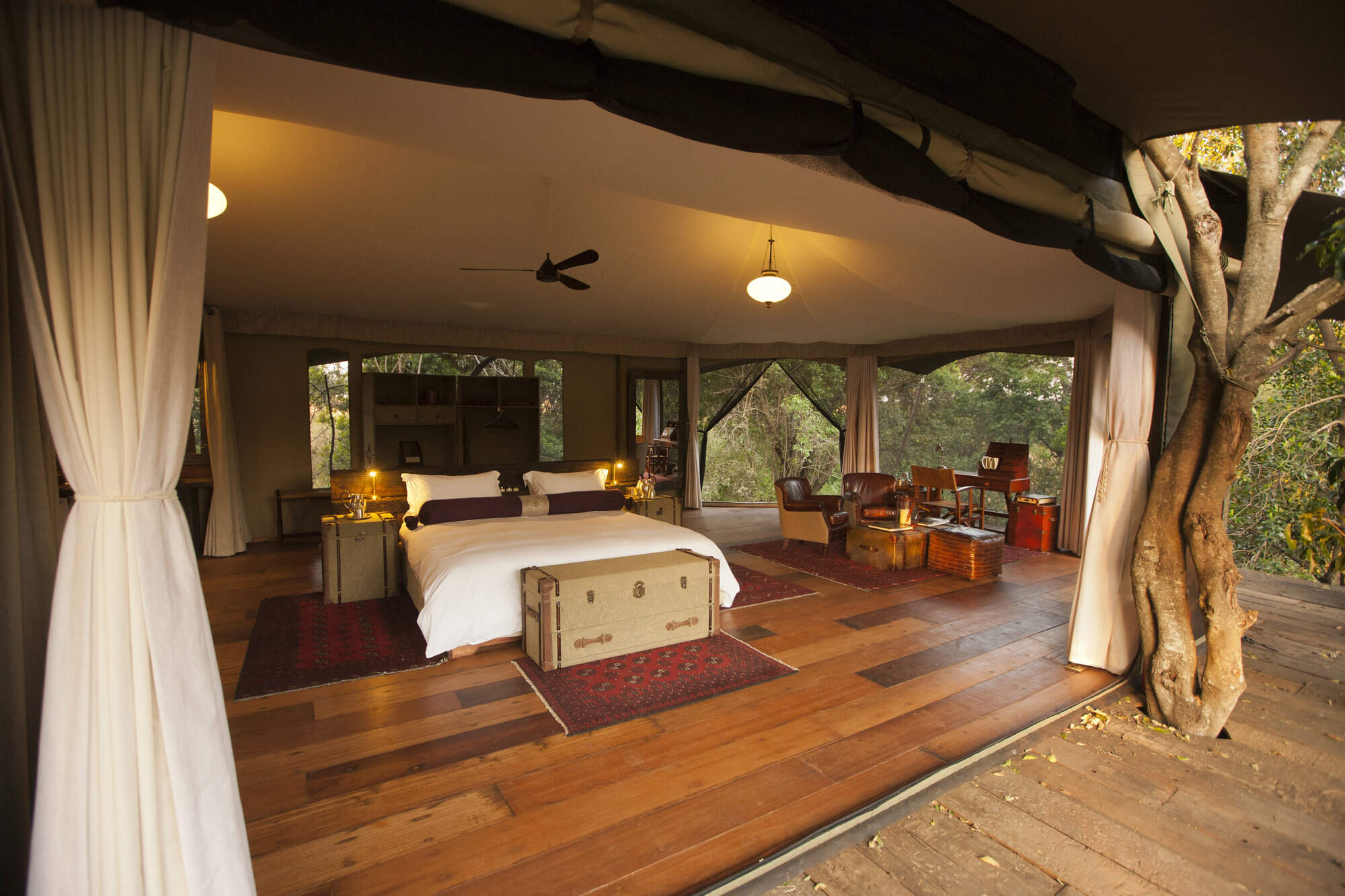
Mara Plains Camp
Mara Plains is one of the very best camps in the Mara ecosystem. Located in the Olare Motorogi Conservancy, just outside the Mara reserve, it has access to three wildlife-viewing areas.

Basecamp Eagle View
Basecamp Eagle View is a community-focused safari camp in the Naboisho Conservancy, with a strong emphasis on responsible tourism and a spectacular location.
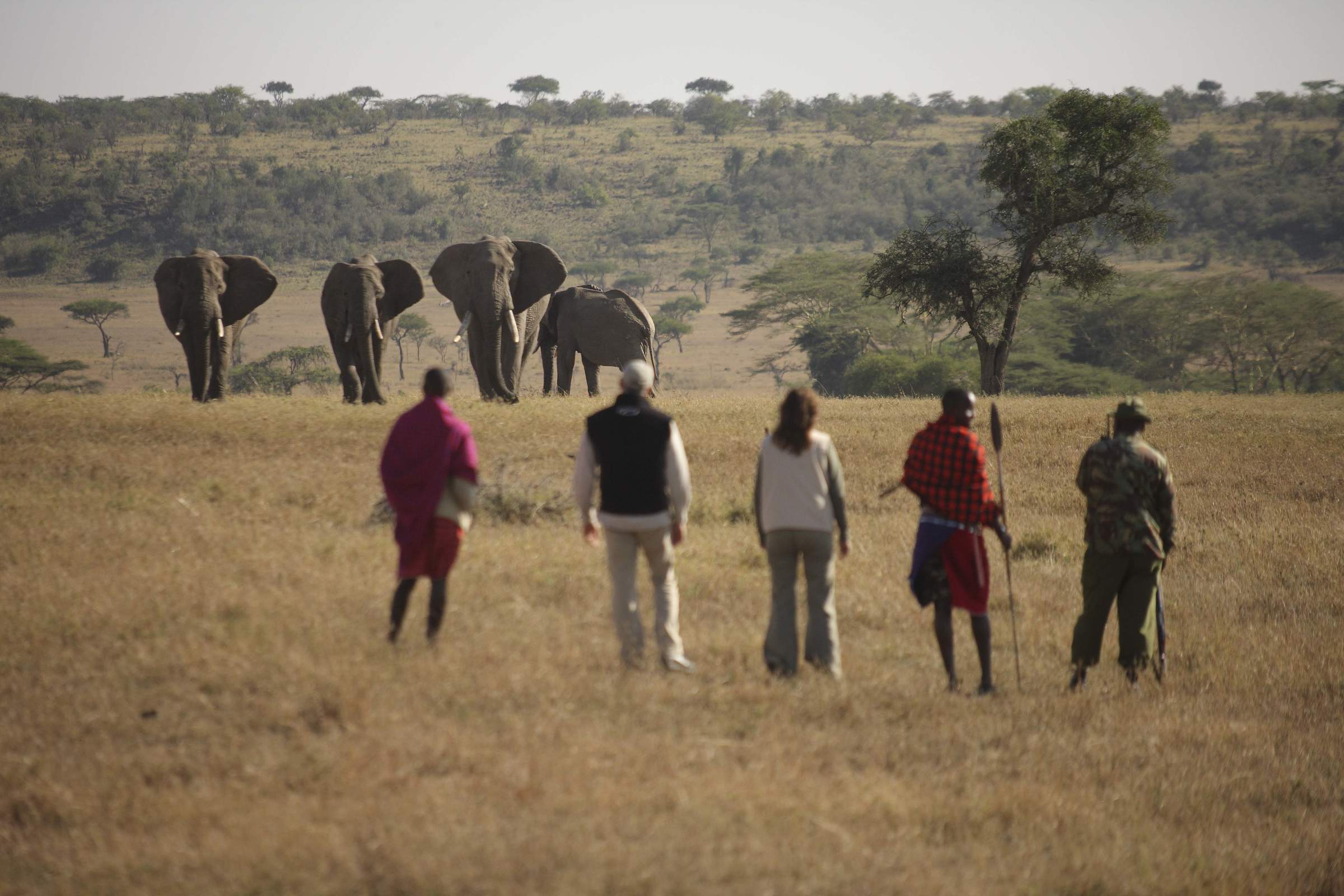
Kicheche Fly Camp
Kicheche Walking Wilderness Fly Camp is a temporaray dome tent camp set up for participants in Kicheche's two-day walking safari between Kicheche Valley and Kicheche Bush Camp.
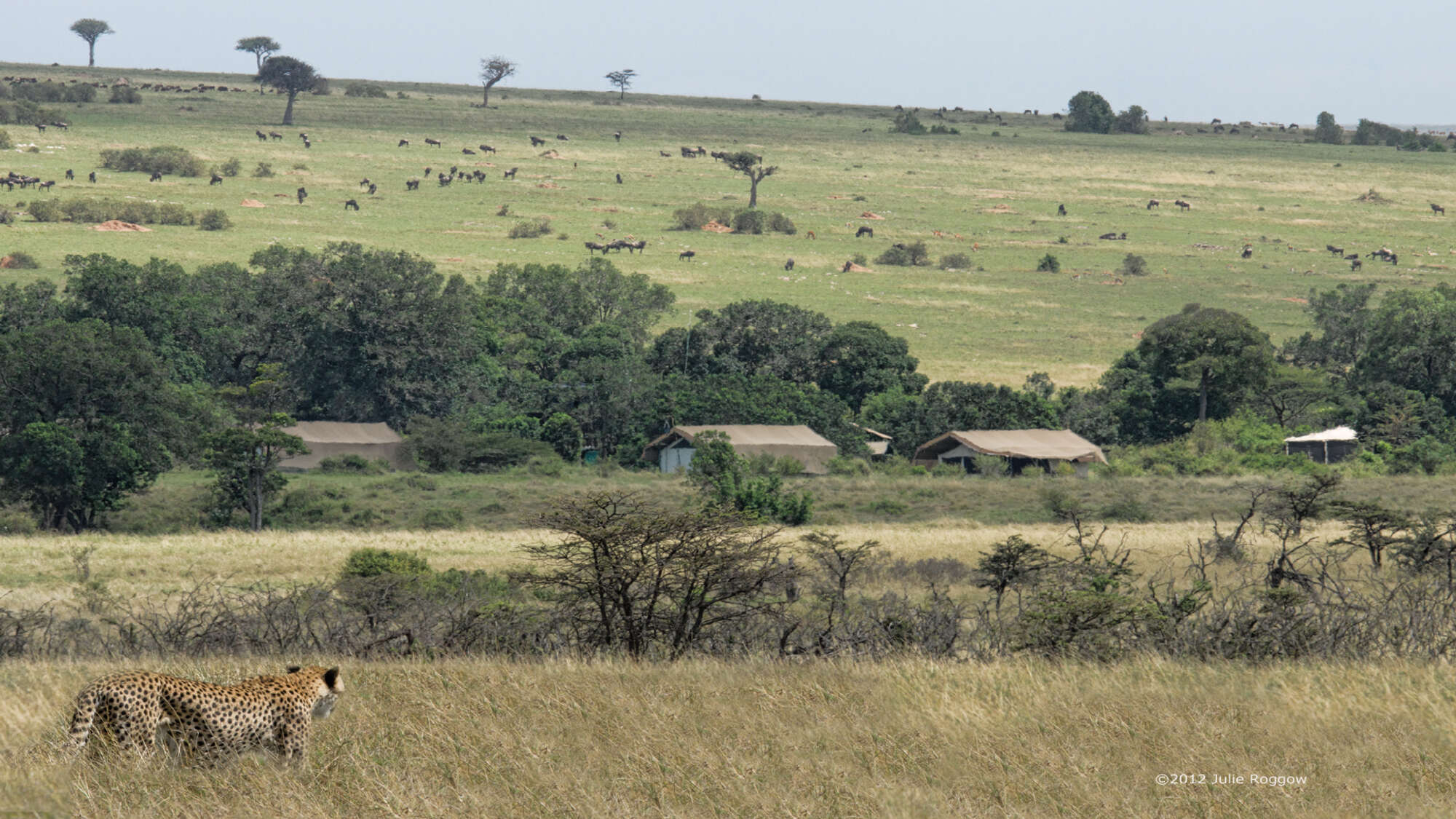
Porini Lion Camp
Porini Lion Camp is a pioneering, community focused eco-camp, with excellent guides and game viewing, in the predator-rich, Olare Motorogi Conservancy.

Hemingways Ol Seki
Magnificently located tented lodge on a bluff looking south across the Naboisho Conservancy toward the Maasai Mara National Reserve.

Ol Kinyei Adventure
Ol Kinyei Adventure Camp is a satelllite of the larger Porini Mara Camp. Both of them are located in the Maasai-owned Ol Kinyei conservancy, the oldest community conservancy in the Maasai Mara ecosystem.

Saruni Wild
Saruni Wild is a rustic and traditional safari camp in the Lemek Conservancy, with just three tents and limited electricity.

Ngare Serian
The luxurious Ngare Serian and its sister camp Serian face each other across the Mara River on the western side of the Mara North Conservancy
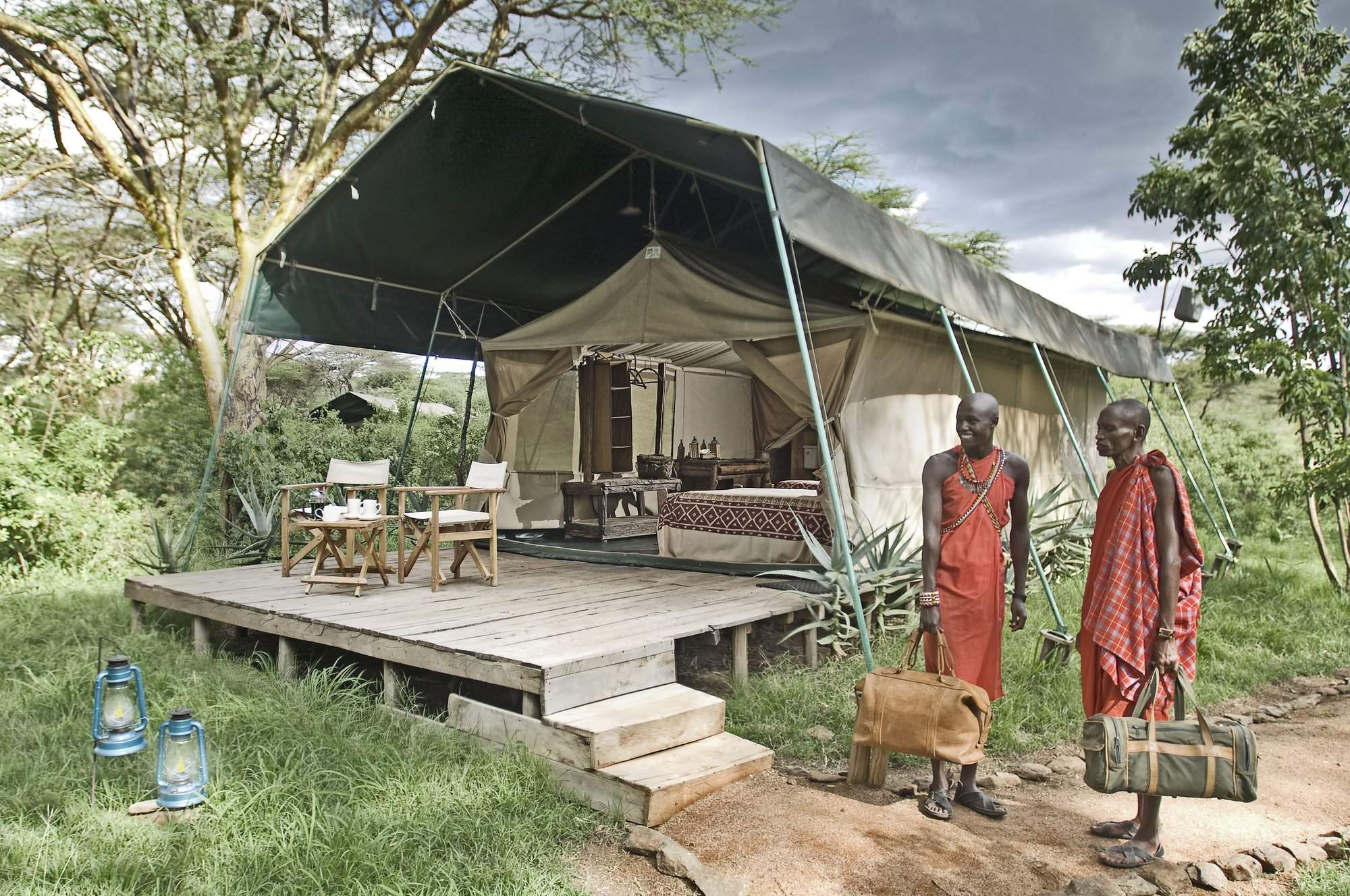
Porini Mara Camp
Porini Mara Camp is a small, pioneering eco-camp in the first private conservancy in the Mara region, with comfortable accommodation and a range of activities.

Offbeat Ndoto
Small and intimate, Offbeat Mara is set in a valley above the (often dry) Olare Orok River within the Mara North Conservancy.
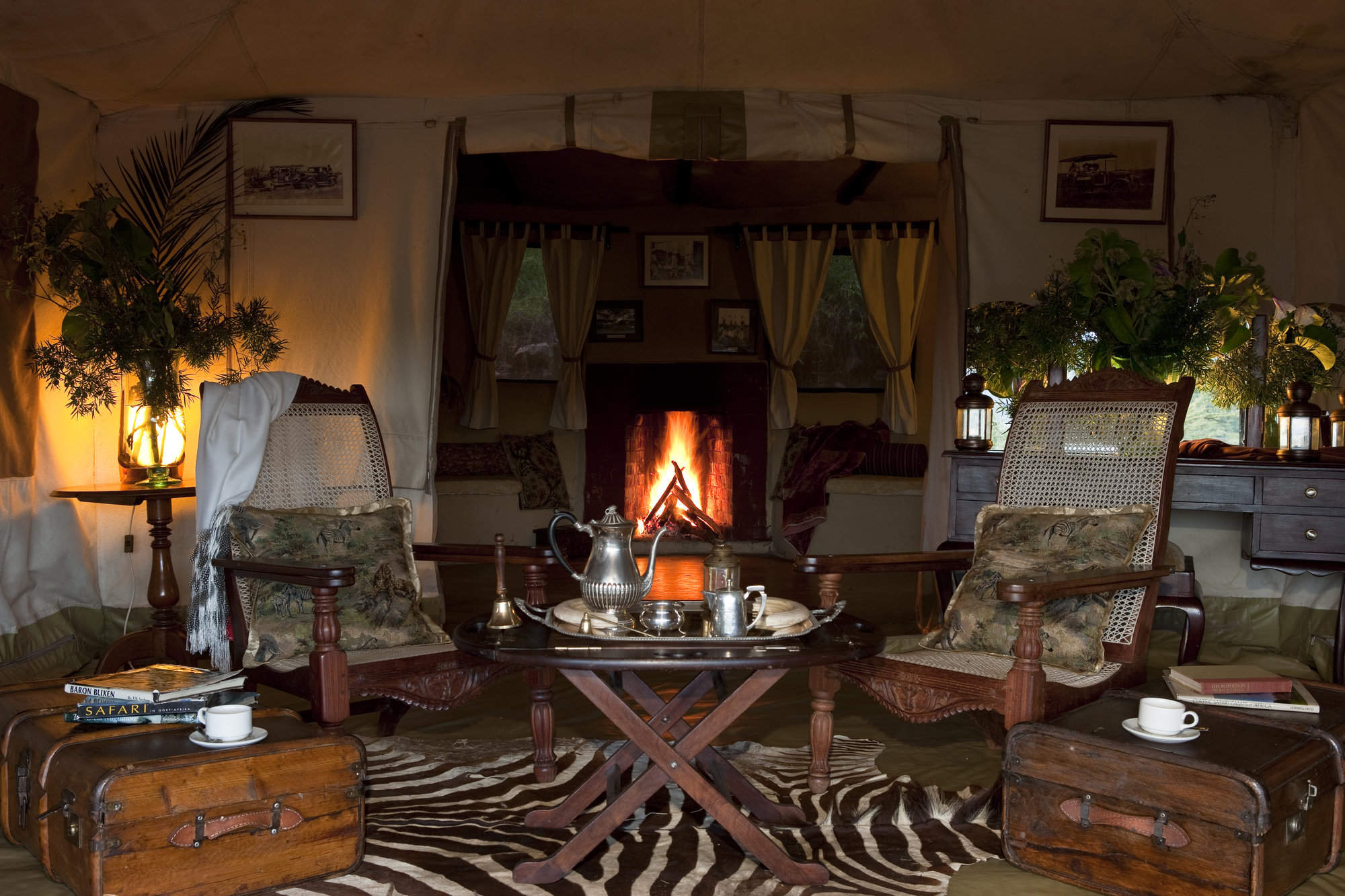
Cottars 1920s Camp
Cottar's 1920s Camp is a classic, luxury tented camp with a 1920s safari theme, located in its own conservancy on the southeast border of the Maasai Mara National Reserve.
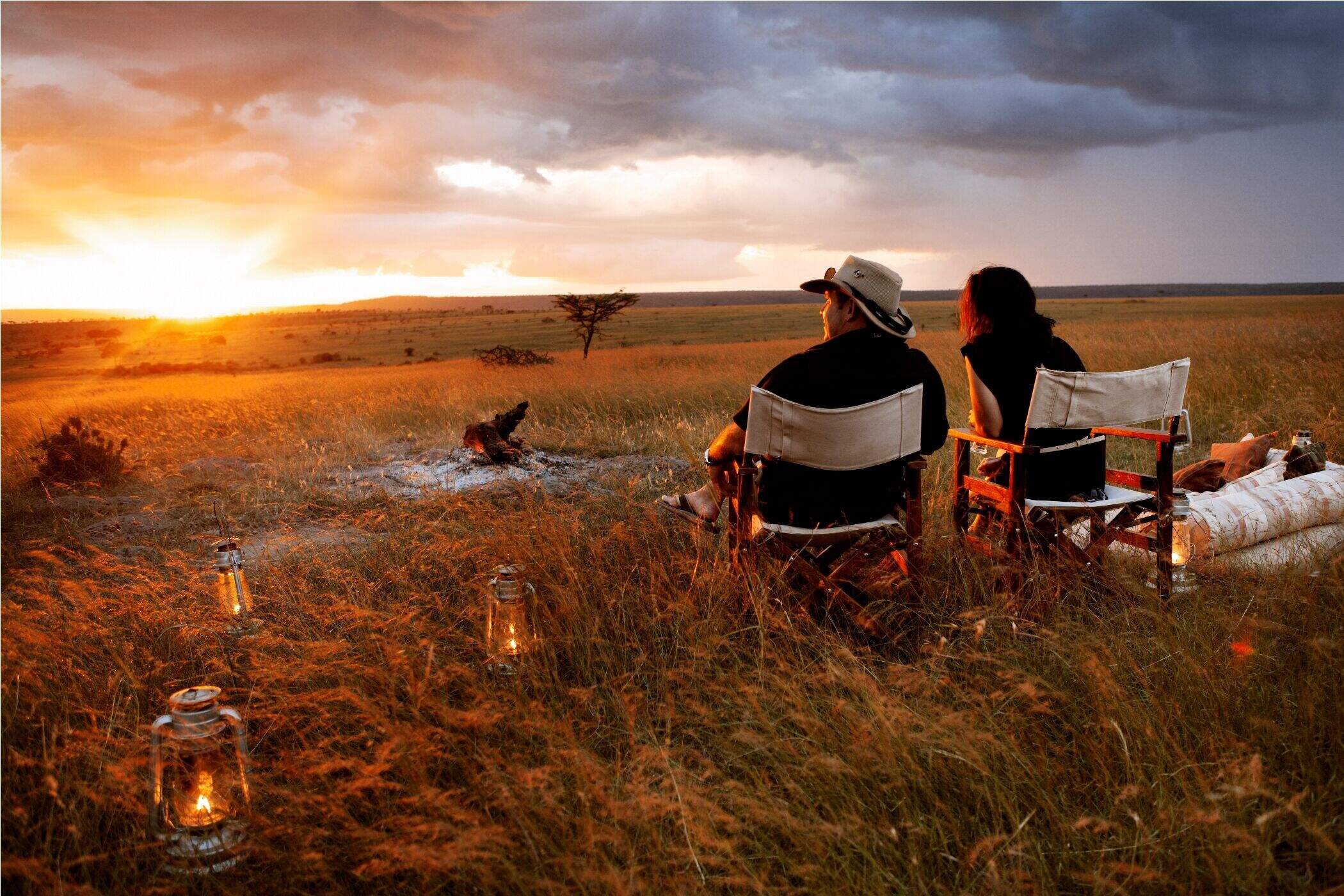
Karen Blixen Camp
Karen Blixen Camp sits on a meander of the Mara River in the Mara North Conservancy, just beyond the northern boundary of the Maasai Mara National Reserve.

Basecamp Leopard Hill
With six beautiful tents, Basecamp Leopard Hill is a smart safari camp in the Naboisho Conservancy in the Maasai Mara ecosystem.
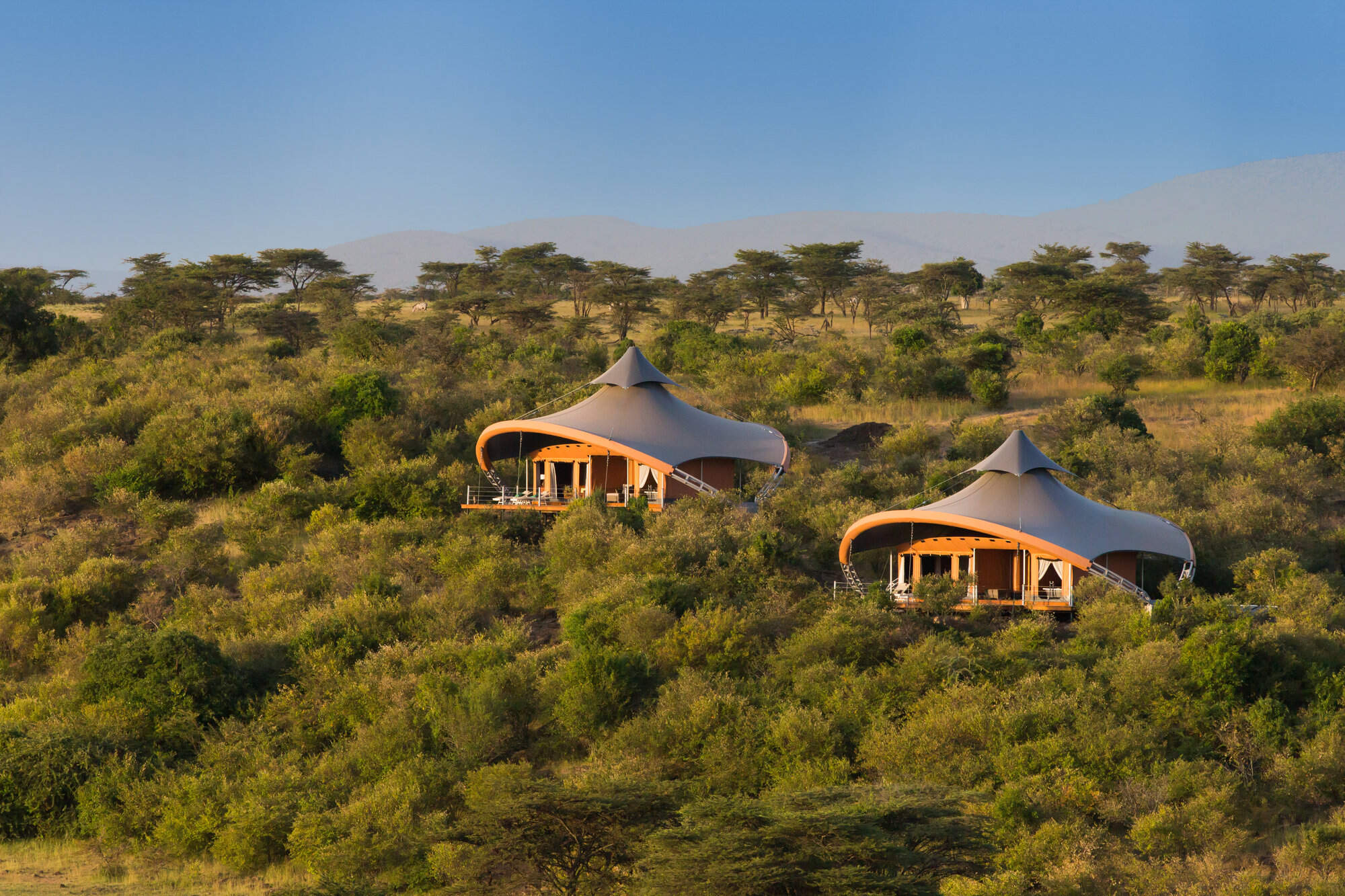
Mahali Mzuri
Mahali Mzuri is a strikingly modern tented camp in the Virgin Limited Edition group, in a remote part of the Mara ecosytem's Olare Motorogi Conservancy. It has lovely views and all the luxuries of a five-star hotel.
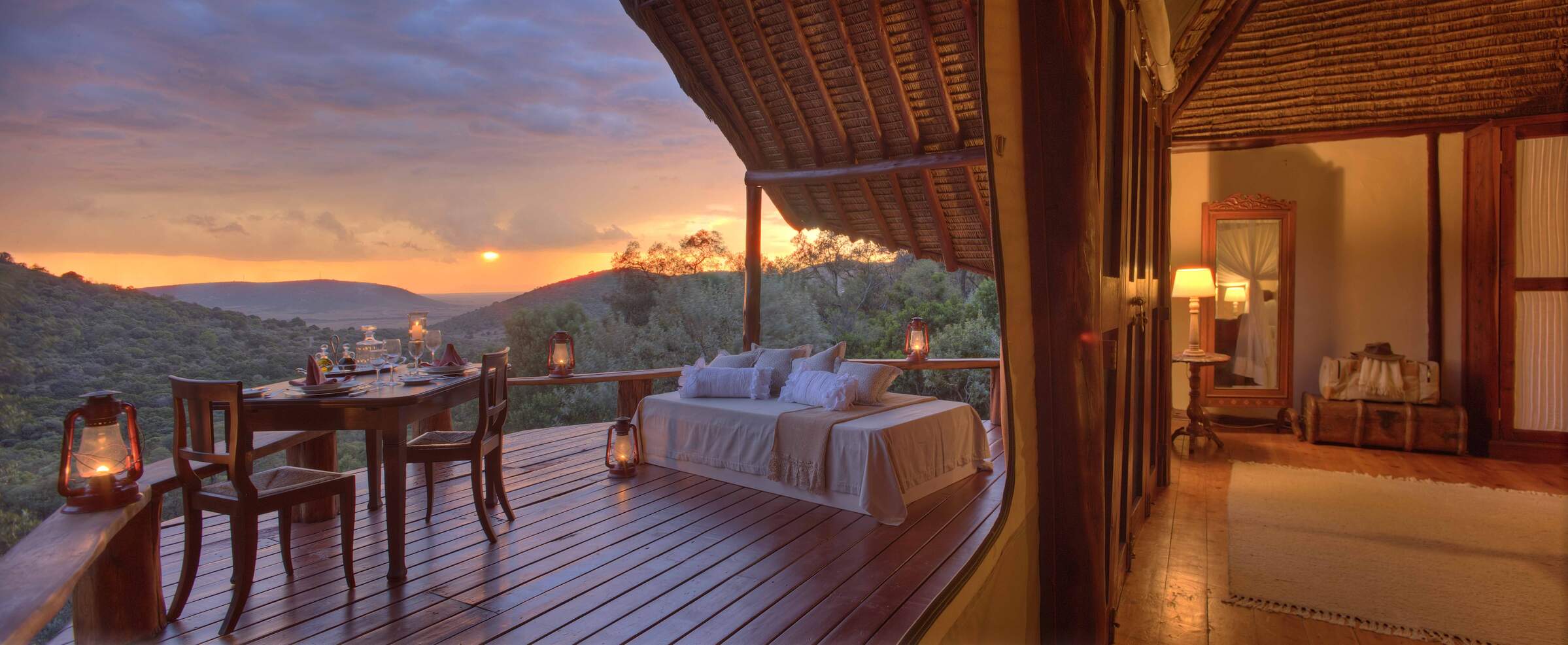
Saruni Mara
Saruni Mara is a luxurious permanent lodge, on the remote northern edge of the Mara North Conservancy, with stunning views, good guiding and very private and comfortable rooms.
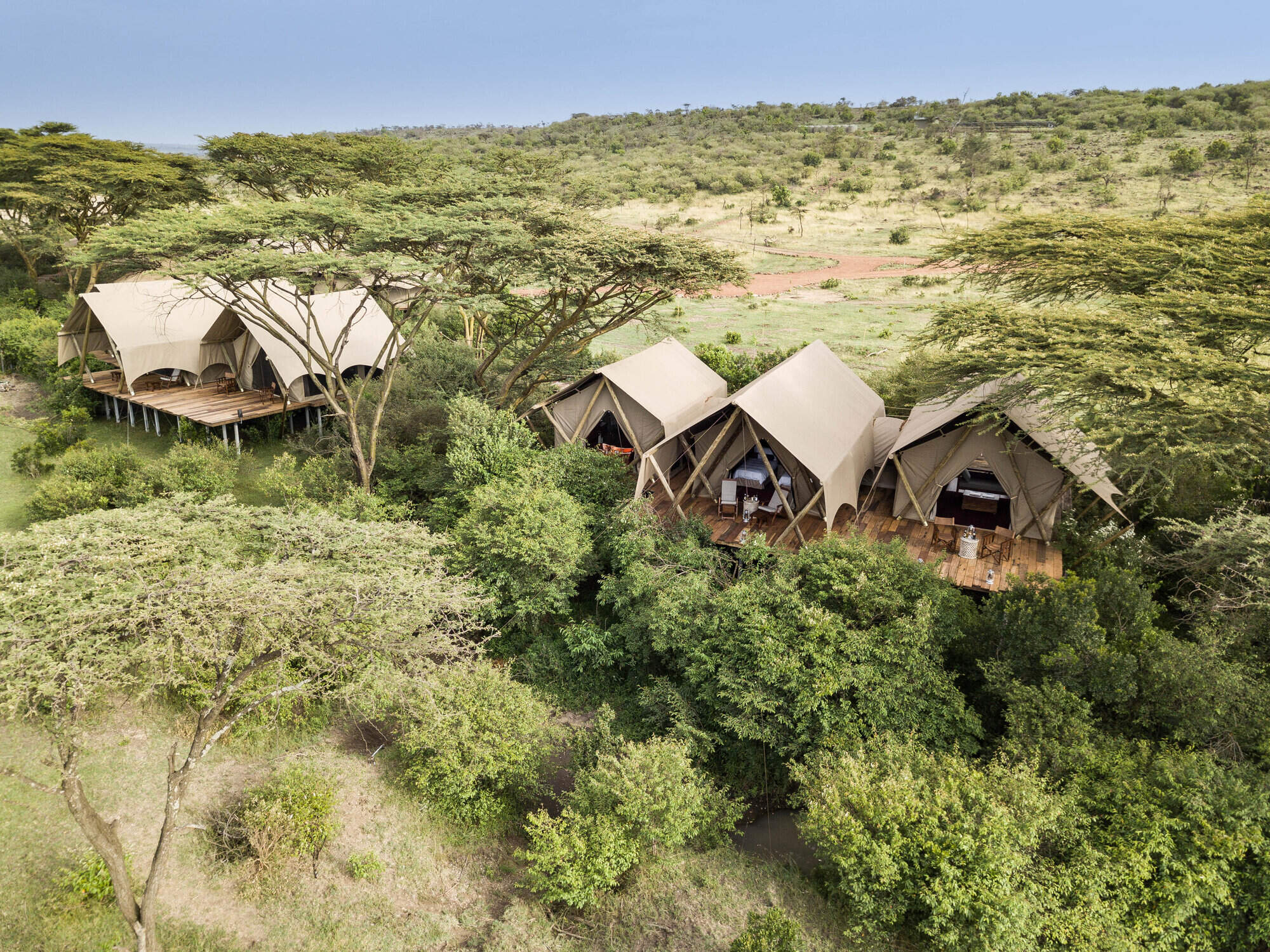
Mara Nyika
Mara Nyika is one of the newer additions to the Naboisho Conservancy and offers a luxurious and exclusive safari.

Basecamp Wilderness
Basecamp Wilderness Camp is a simple, traditional tented camp, set in a remote valley in the Naboisho Conservancy in the Mara ecoystem.
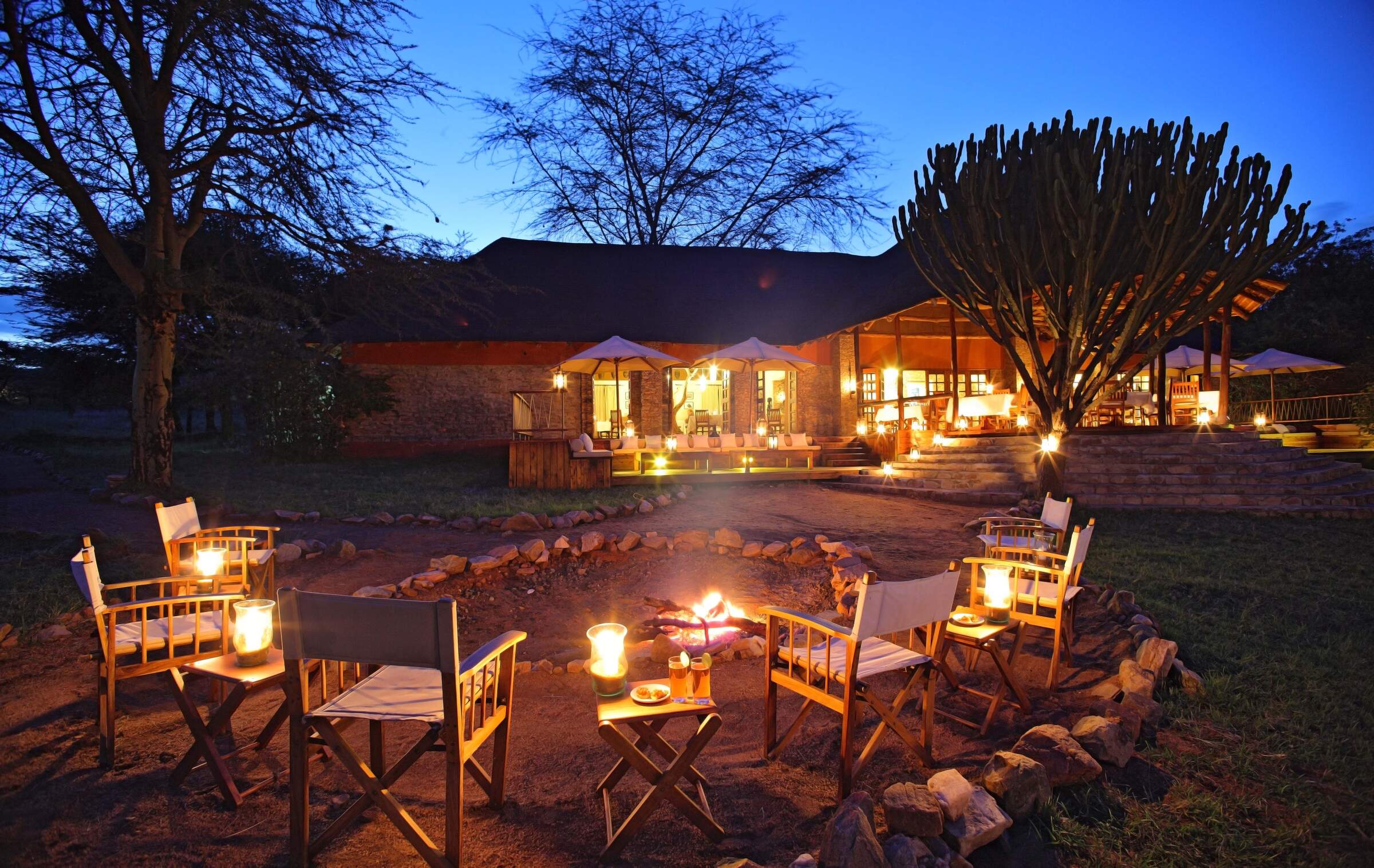
Mara Bushtops
Mara Bushtops is a luxury safari hotel on a private concession, outside the Maasai Mara National Reserve, with the emphasis on comfort, relaxation and good food and wine.
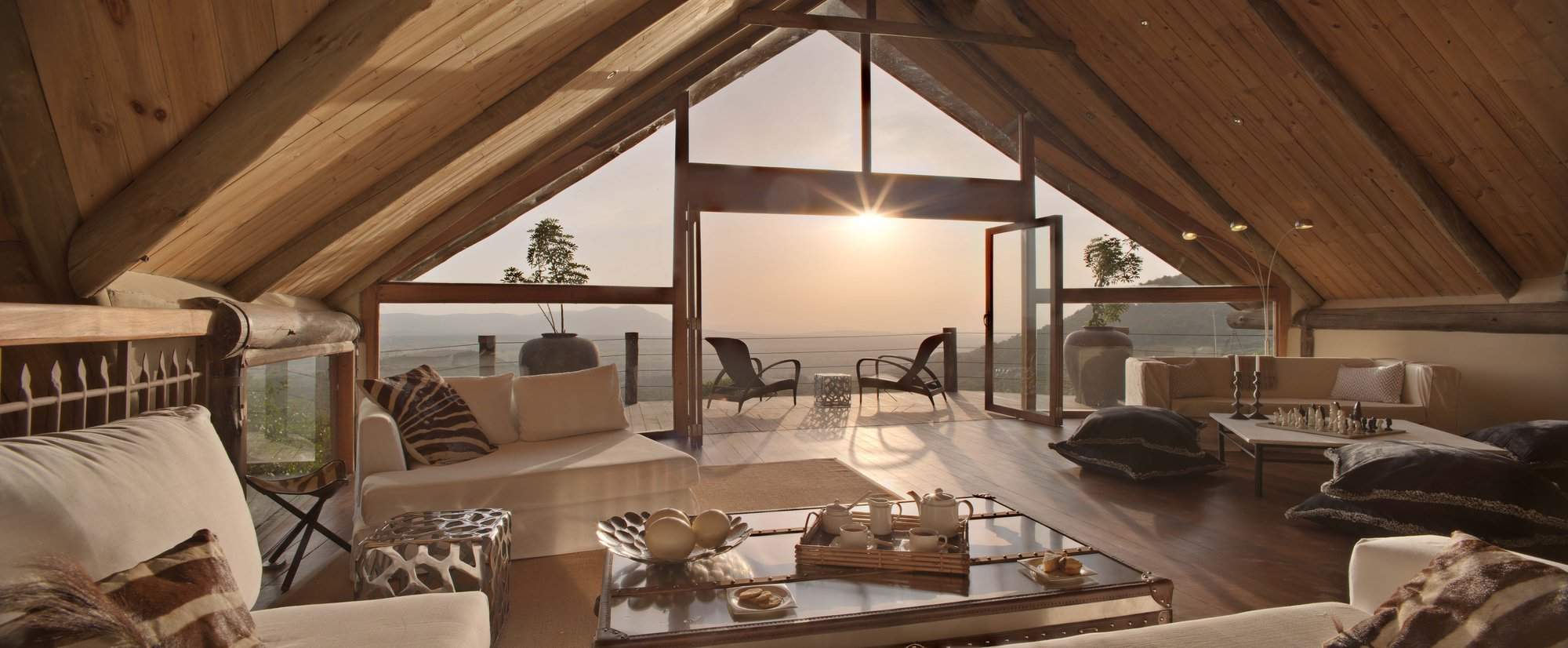
Cottars Private House
Cottar's Private House is one of the few truly luxurious, modern private houses in the Mara ecosystem, spoiling its guests with first-rate staff, a swimming pool and wonderful views.
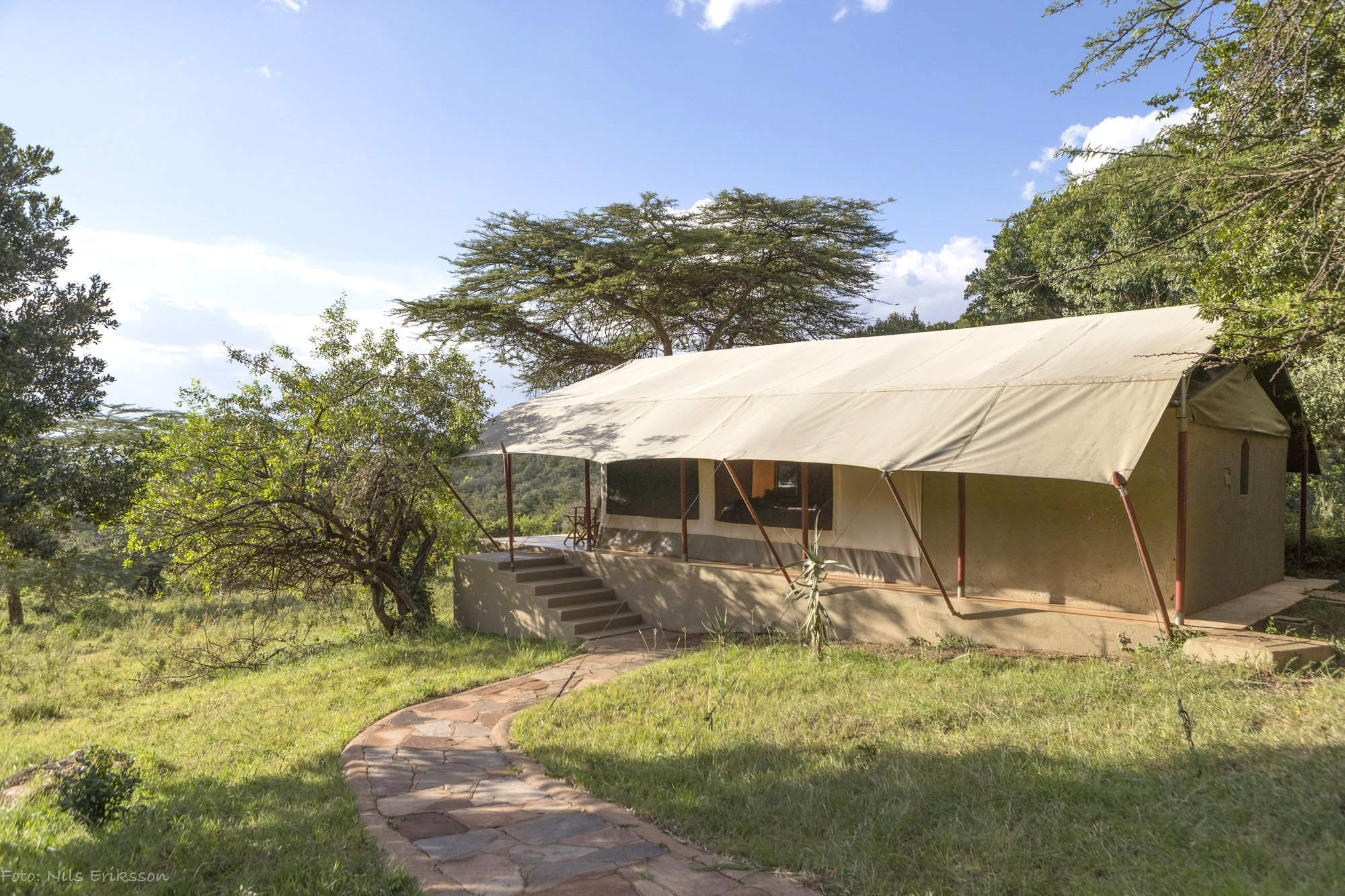
Entumoto
Entumoto is a high-end tented camp, with a swimming pool, situated in a very pretty location on the east side of the Maasai Mara ecosystem.