
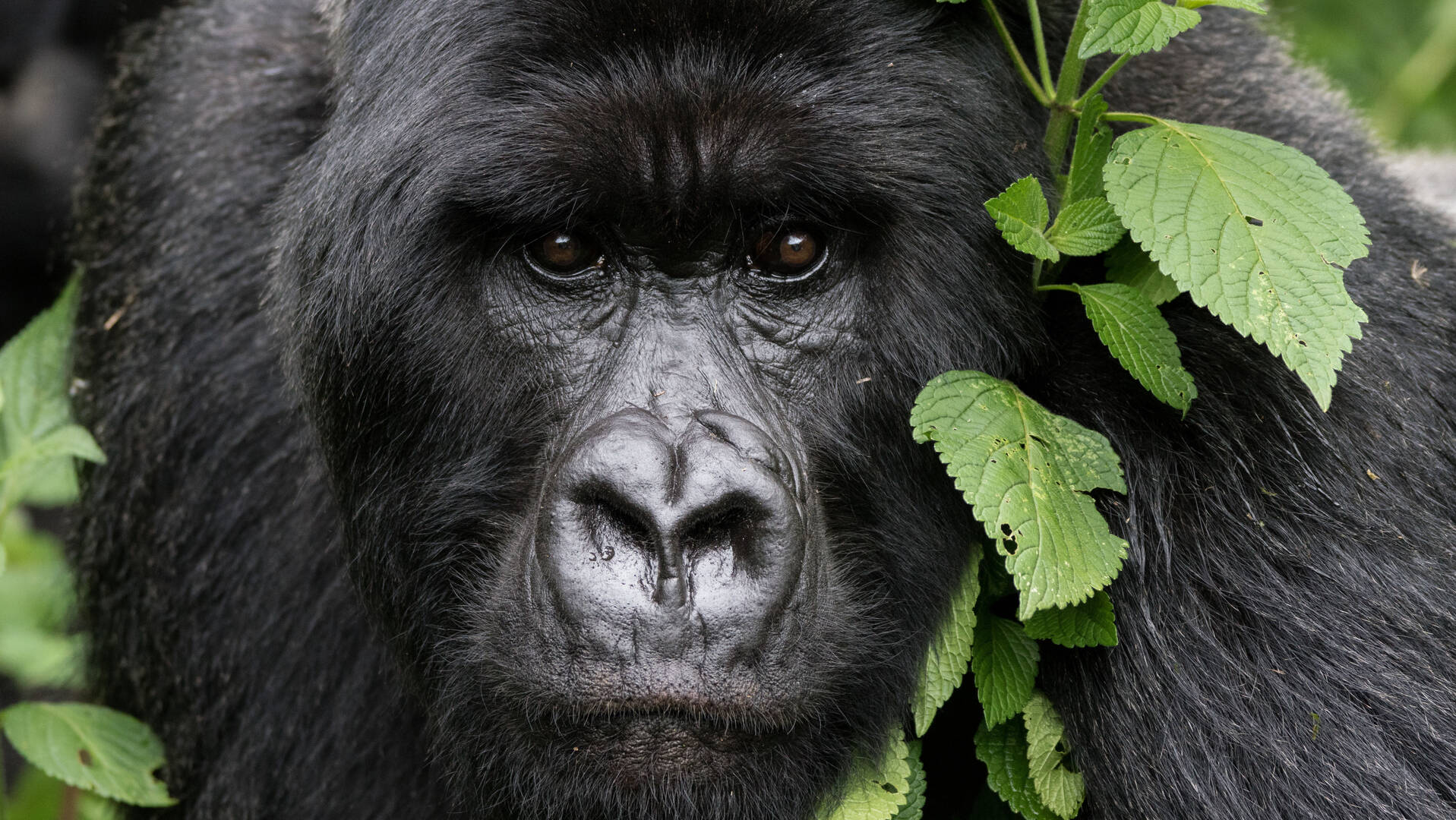



Gorilla trekking in the Volcanoes National Park...
...can be challenging...
...with treks lasting between one and four hours each way...
...but the rewards are truly magical.
Meeting gorillas is viewed by many as the holy grail of wildlife safaris.
Expect to get stunning pictures...
... and witness the remarkably human interactions of these gentle giants
If you're lucky you may get a close encounter with a silver-back male...
...or even some of the younger members of the family.
Gorilla family groups can range from a couple of individuals to more than 40 members.
Females have a gestation period of 8.5 months and nurture their young for several years.
Adult male gorillas weigh up to 440 pounds and can reach a height of six feet when standing on two legs.
Bamboo makes up the majority of the gorillas diet...
...and there is plenty of it.
Leave with your cameras full and memories to last a lifetime.
However, Rwanda is a mountainous country
...and the weather is not always on your side, so bring a waterproof!
Mountain gorilla groups in Rwanda’s Volcanoes National Park
The various gorilla groups and their locations will obviously change from time to time. Mountain gorillas often climb higher in the dry season and descend during the rains; they might move on due to pressure from wild gorillas, and individuals will often join other groups.When tracking gorillas, it's possible to request to visit a specific group once you are at the park headquarters, but this can never be guaranteed. These are some of the families currently habituated for gorilla safaris in Volcanoes National Park:
- Originally studied by Dian Fossey, the Susa Group – also known as the Kurira Group – is the largest, with 38 individuals, including three silverbacks. In the summer months in particular it can be a tough trek to reach the Susa Group high up on Mount Karisimbi, but it’s well worth the effort because of their number and because, uniquely, it has a set of twins, a very rare occurrence in the world of gorillas.
- The Sabyinyo Group has about 17 individuals, including two silverback gorillas, one of which, Guhonda, is the largest in the park. The group is usually found relatively close to the edge of the forest (about 20–40-minutes' walk), between Sabyinyo and Gahinga.
- Agashya Group, also known by its former name Group Thirteen, was re-named when the dominant silverback Agashya won leadership over Nyakairima in 2010. The group usually lives close to the Sabyinyo Group but can range very far and high. It numbers about 22 gorillas.
- Usually living between the Karisoke and Bisoke peaks are the Amahoro Group, its 19 individuals under the calm leadership of Ubumwe, and the Umubano Group, which currently has 13 members. Both are usually further away from the headquarters than the Sabyinyo and Agasha groups, but easier to reach than the Susa Group.
- The Kwitonda Group has around 23 members and was habituated in the DRC. Having crossed the border into Rwanda in 2005, the group is known to have a much wider range than others. It was named for their dominant silverback, Kwitonda, who died in 2012; silverback Akarevuro is now in charge.
- The Hirwa Group, meaning “lucky”, has around 18 gorillas, which came together from the Agashya and Sabyinyo groups. The group includes one silverback and one of only a few surviving pairs of mountain gorilla twins, Isango Gakuru and Isango Gato.
Our top picks for holidays to Rwanda
We'll always tailor-make your Safari for you. Here are some of our favourites to inspire you.
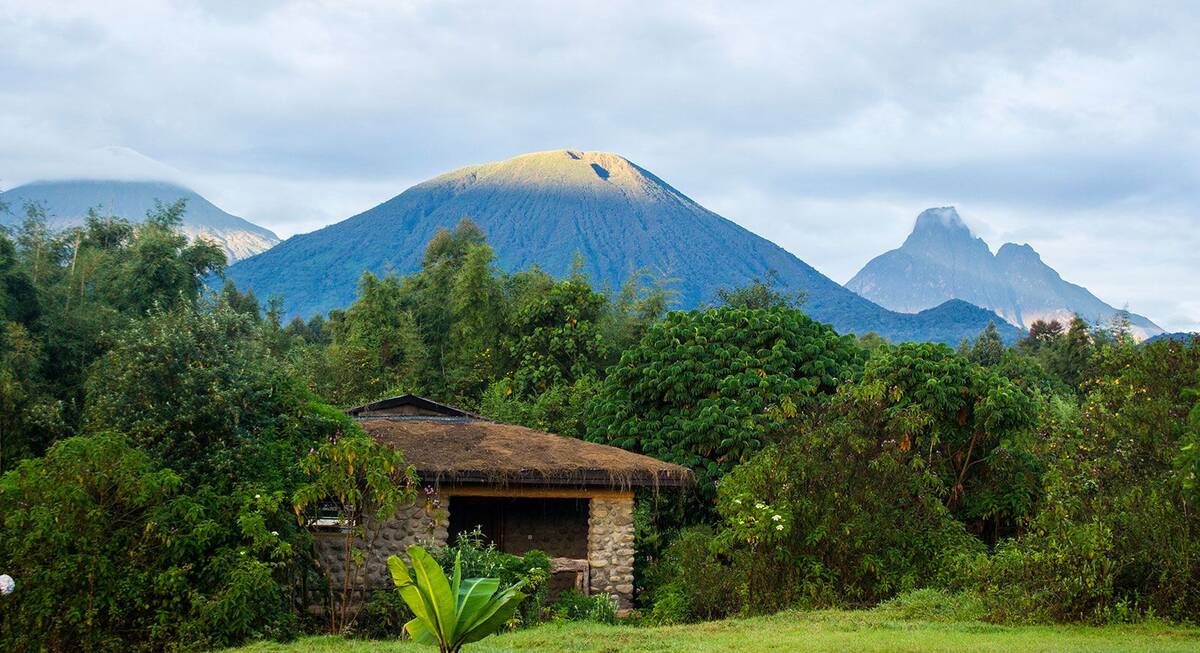
Golden Monkey Safari
12 days • 5 locations
KIGALI AIRPORT TO KIGALI AIRPORT
Combine four key areas of Rwanda on this excellent-value trip, for a true wildlife and cultural experience. The perfect itinerary for those who want to see all the highlights of Rwanda.
US$9,710 - US$11,270 per person

Mona Monkey Safari
9 days • 3 locations
KIGALI AIRPORT TO KIGALI AIRPORT
This example of a luxury holiday explores the wildlife of Nyungwe Forest, the scenic shores of Lake Kivu and the mountain gorillas of Volcanoes National Park, all accompanied by a private guide and vehicle.
US$12,160 - US$17,600 per person

L'Hoest's Monkey Safari
7 days • 3 locations
KIGALI AIRPORT TO KIGALI AIRPORT
Meet three iconic primates – gorillas, chimps and golden monkeys – and explore Rwanda's fascinating culture on this excellent value privately guided adventure.
US$5,570 - US$6,320 per person

Gorillas and Serengeti Safari
11 days • 4 locations
KIGALI AIRPORT TO KILIMANJARO AIRPORT
Combine three iconic experiences – mountain gorillas in Rwanda, and the Serengeti plains and awe-inspiring Ngorongoro Crater in Tanzania.
US$12,620 - US$14,390 per person
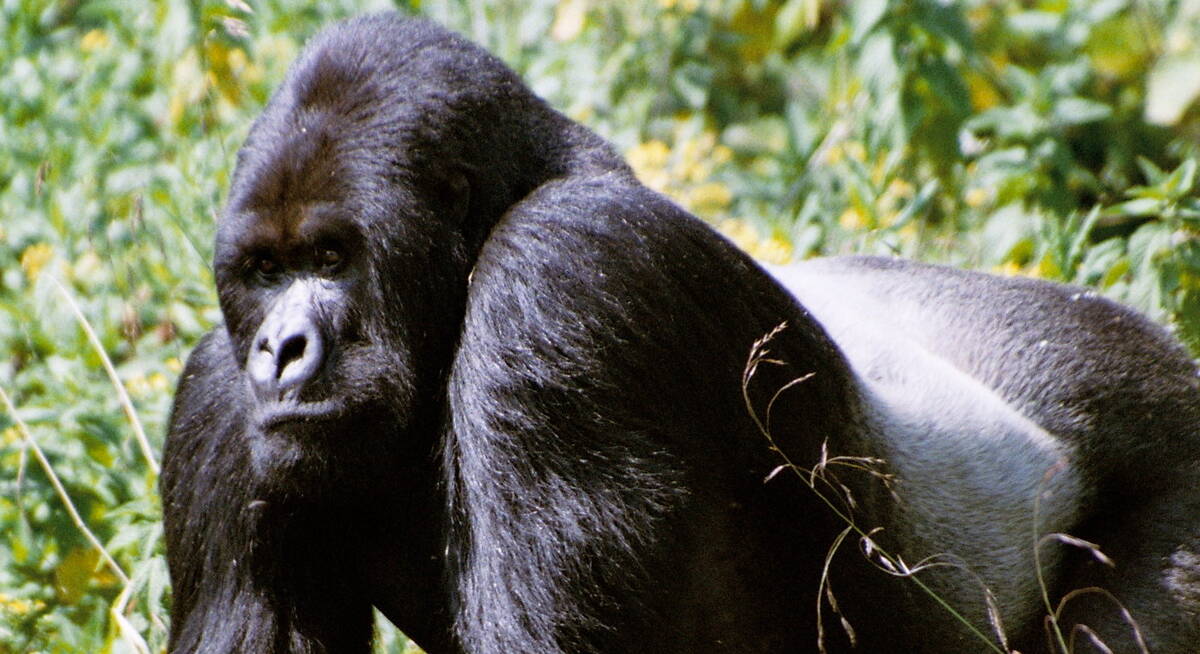
Gorillas and Maasai Mara Safari
9 days • 3 locations
KIGALI AIRPORT TO NAIROBI AIRPORT
This trip combines two of Africa's most unforgettable wildlife experiences – Rwanda's mountain gorillas and Kenya's Maasai Mara.
US$10,590 - US$13,490 per person

Mountain Gorilla Safari
5 days • 2 locations
KIGALI AIRPORT TO KIGALI AIRPORT
Staying in great-value lodges, with a private driver-guide and 4WD, this adventure includes two treks to get up close with groups of mountain gorillas.
US$5,830 - US$6,120 per person

Gorillas and Migration Safari
9 days • 3 locations
KIGALI AIRPORT TO KILIMANJARO AIRPORT
This luxury safari combines two iconic wildlife experiences: trekking to see the mountain gorillas in Rwanda, then flying to the northern Serengeti in search of the wildebeest migration and spectacular river crossings.
US$17,070 - US$23,410 per person
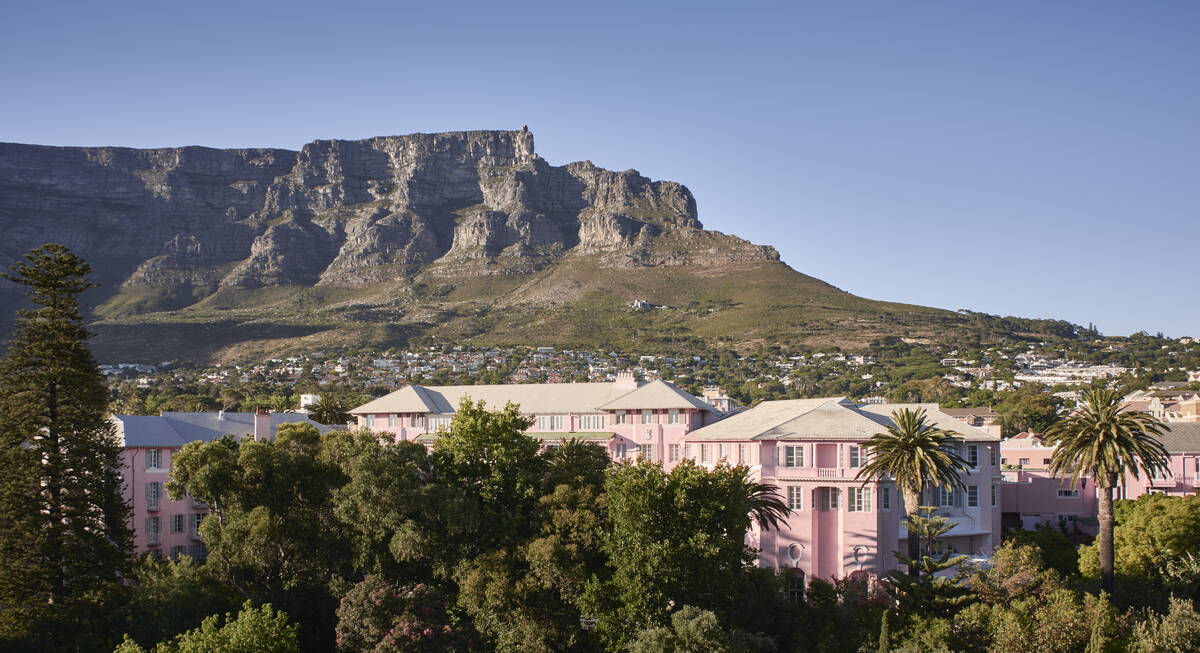
The Highlights of Africa
17 days • 7 locations
CAPE TOWN AIRPORT TO KIGALI AIRPORT
An epic adventure taking in some of Africa’s most incredible sights and wildlife experiences, from Cape Town to the Okavango Delta, Victoria Falls, the Maasai Mara and an encounter with mountain gorillas.
US$14,280 - US$18,140 per person

Silverback Gorilla Safari
4 days • 1 locations
KIGALI AIRPORT TO KIGALI AIRPORT
Fly into Rwanda and you can be trekking to meet a family of mountain gorillas the next morning. An itinerary like this could easily be combined with a safari in Kenya or Tanzania.
US$10,170 - US$13,040 per person
