
Robin Pope Safaris Mobile Safari Camp: Our full report
Robin Pope Safaris offers the only real mobile-camping option in Zambia's South Luangwa National Park.
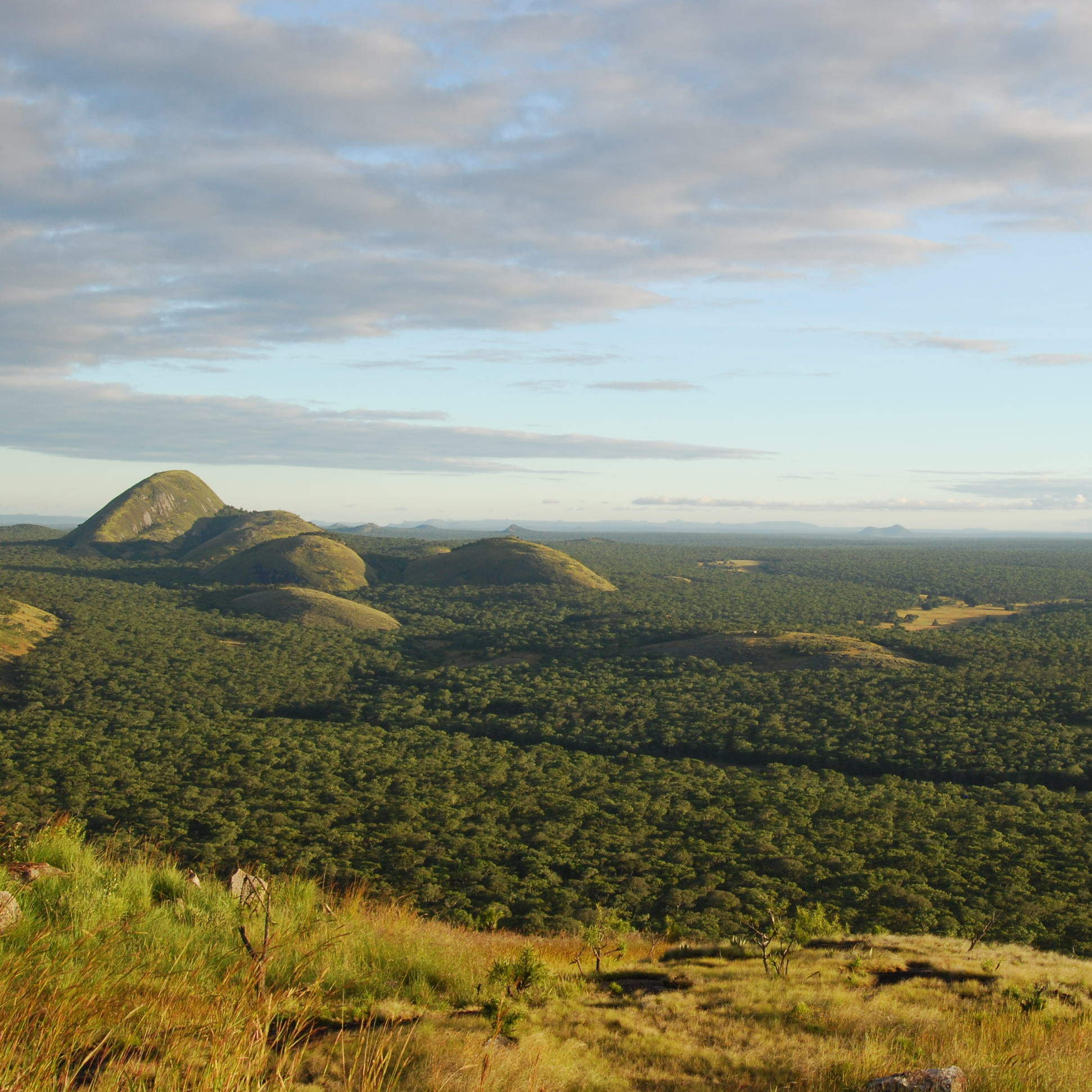
Staying in their simple, but comfortable, mobile camps gives you the opportunity to immerse yourself in the wilderness, connect with nature and discover the essence of this exceptional park entirely on foot, without resorting to a vehicle.At the heart of a unique walking safari operated by Robin Pope Safaris (RPS), these mobile camps are set up in the remote far north of the South Luangwa, in an area of varied terrain close to the languid Mupamadzi River.
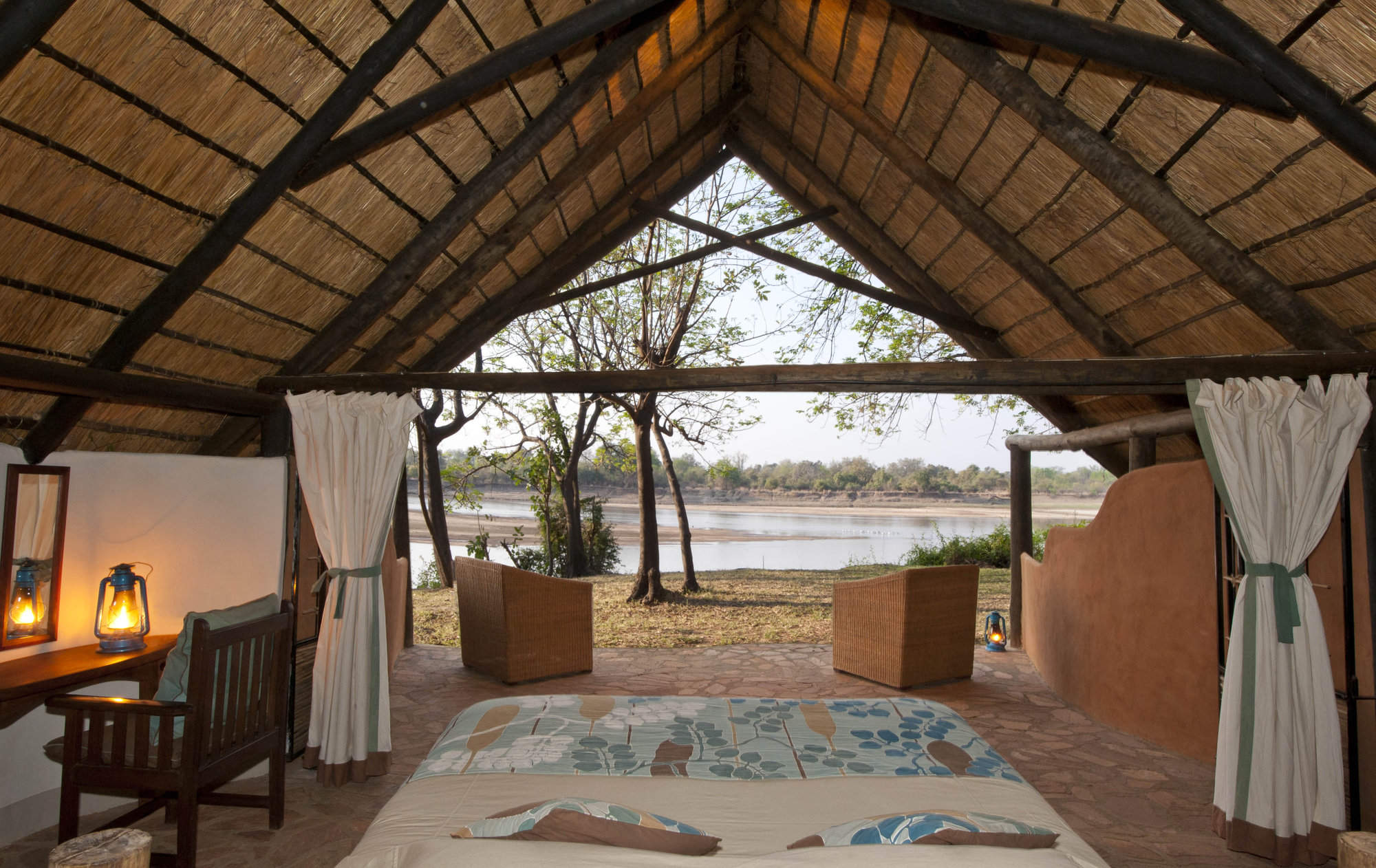
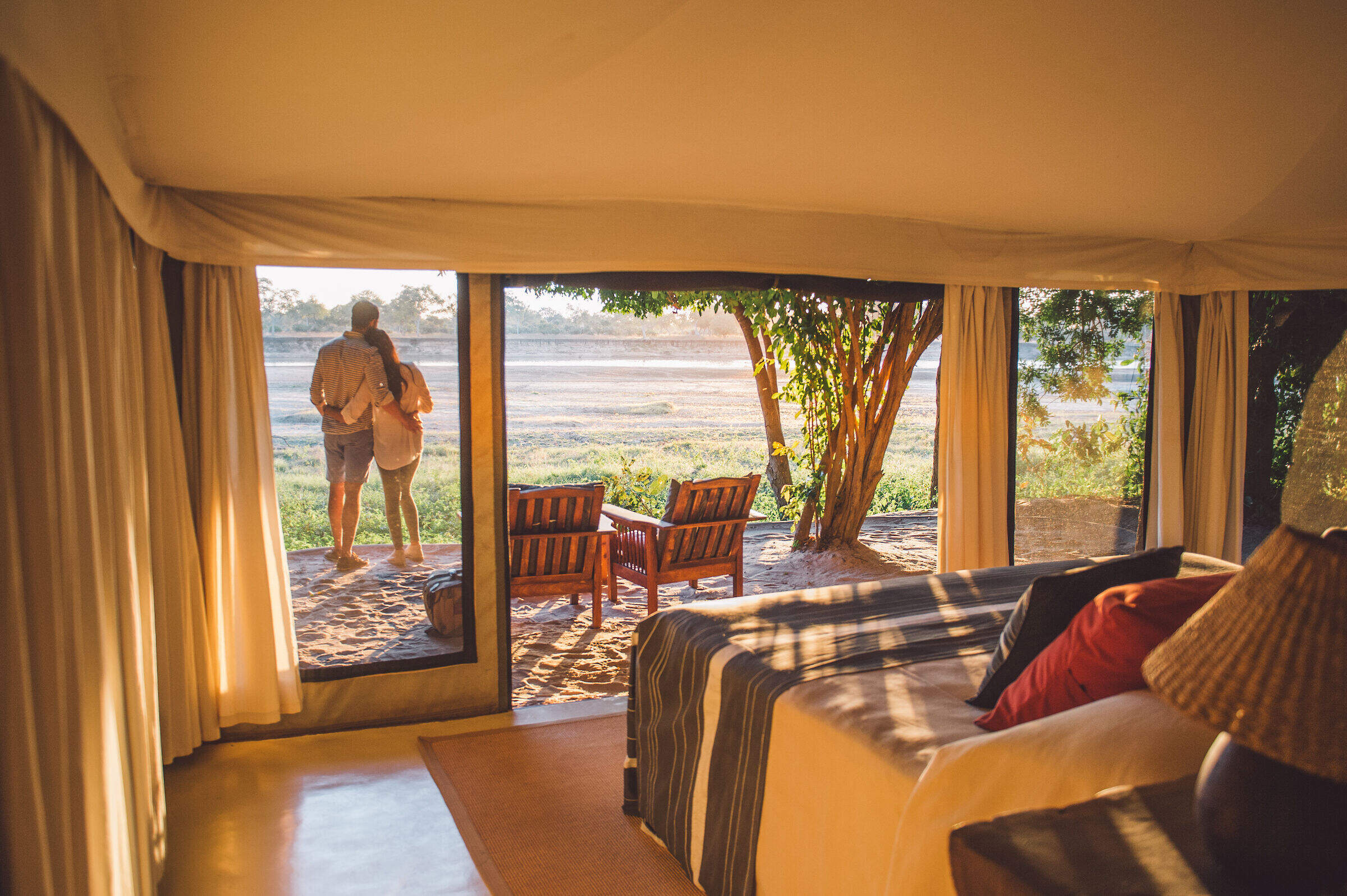
Each camp is “pitched” by an experienced team from RPS only when travellers are staying, and taken down immediately after they leave, making their environmental footprint exceptionally small. Yet their three walk-in tents are far from basic: proper, comfortable twin beds are draped in attractive throws; rush mats cover the sand floors; folding chairs and tables ensure that you have somewhere to sit and read, with a drink at hand.
Step outside and you’ll find a bush shower under the shade of a tree, with hot water on request; even the long-drop toilet is transformed by a regal-looking throne. The long-drop toilet and bucket shower are communal, but always clean and with a system that works well!
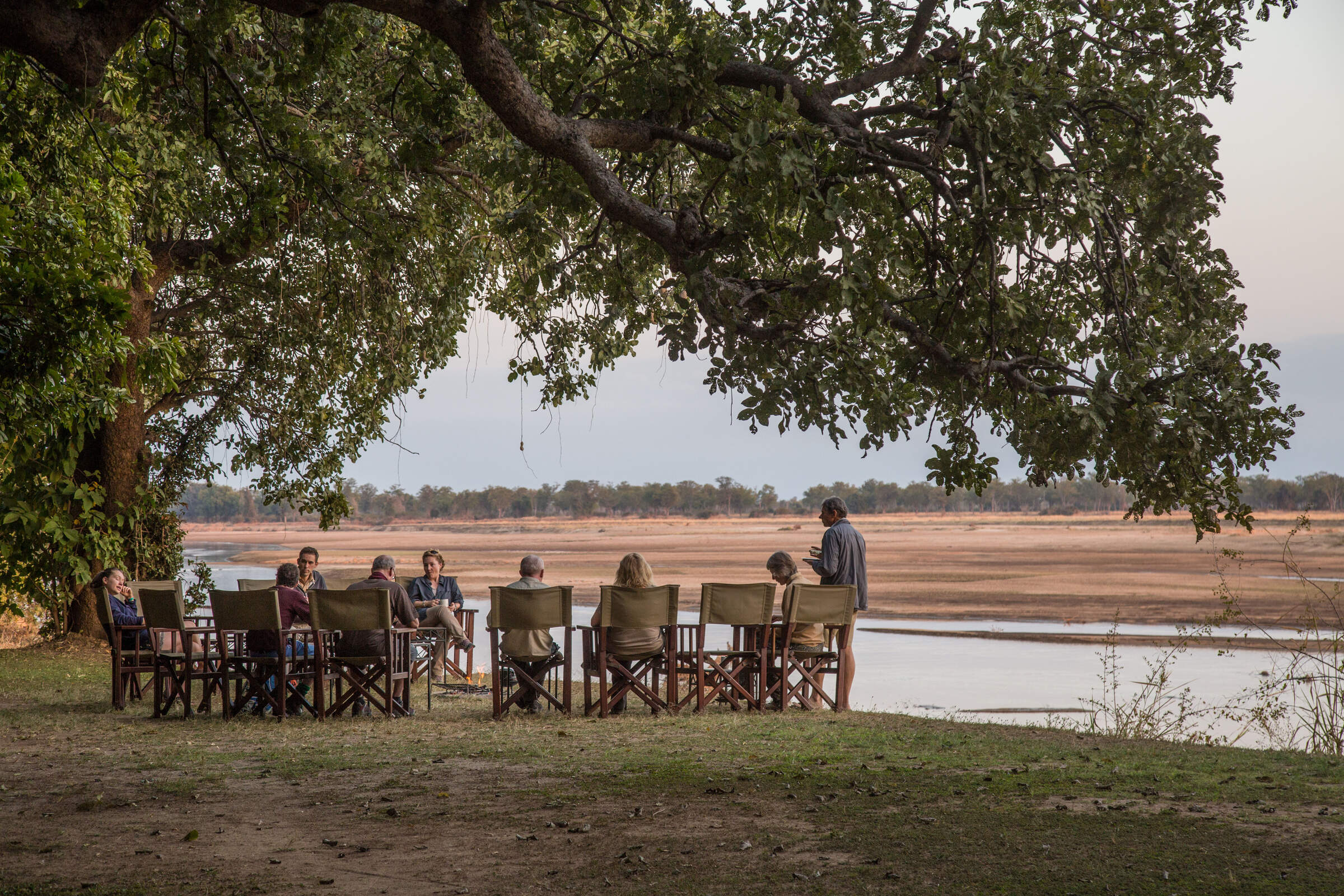
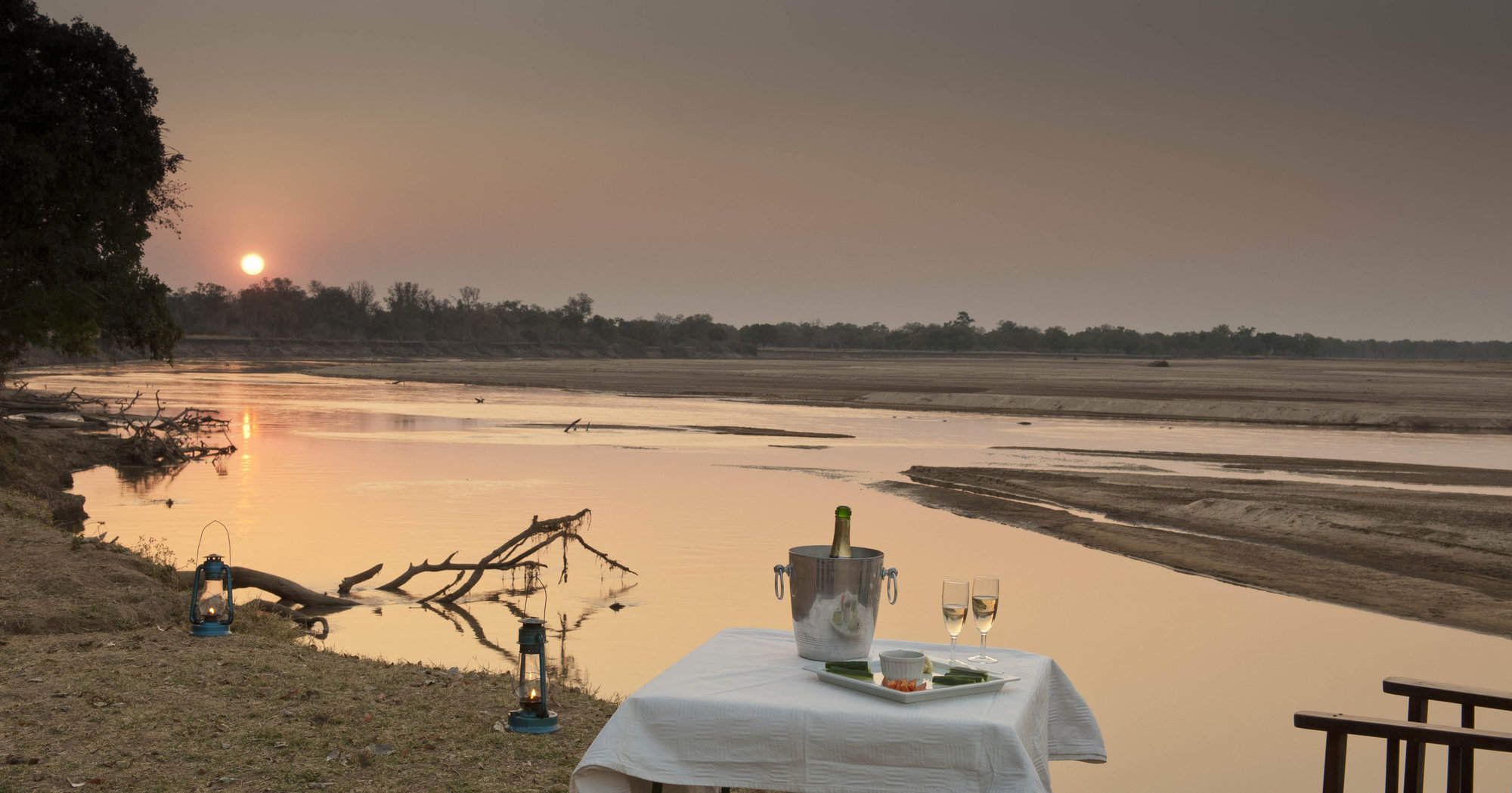
Meals are all taken in the open air, perhaps in the cool shade of a tree or – after dark – under the stars. There are no fences, so you can expect to hear and even see animals in camp, especially at night, when a national park scout will remain on watch throughout.
The camps themselves form part of an intimate seven-day set-departure itinerary , with a maximum of six people, led throughout by one highly trained and exceptionally knowledgeable guide. Each itinerary starts and ends at one of RPS’ permanent camps on the Luangwa River, with the central five days focused on the mobile camps.
Key to the appeal of these mobile camps is their wilderness setting, some 4–5 hours’ drive from RPS’ permanent camps within the park, well away from game-drive vehicles and in an area where the wildlife is not used to the presence of humans.
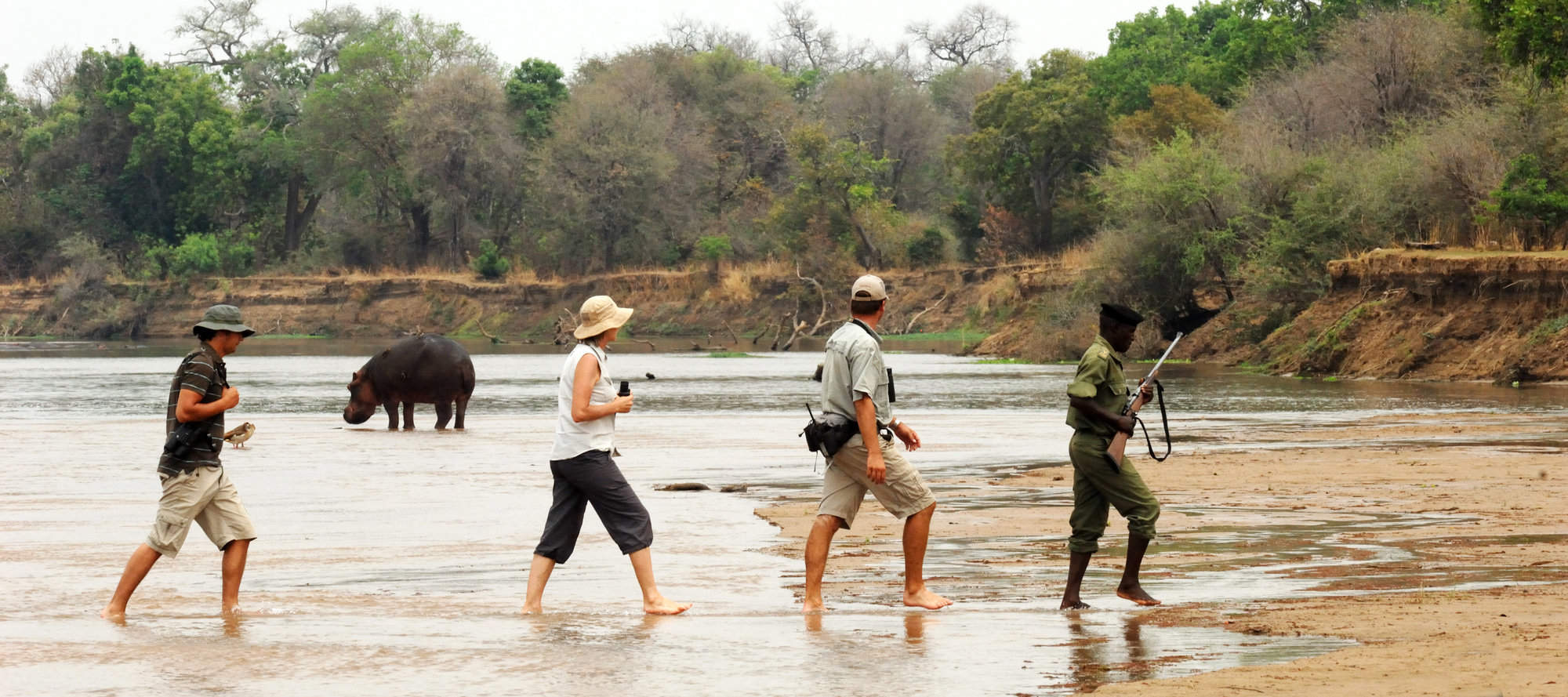
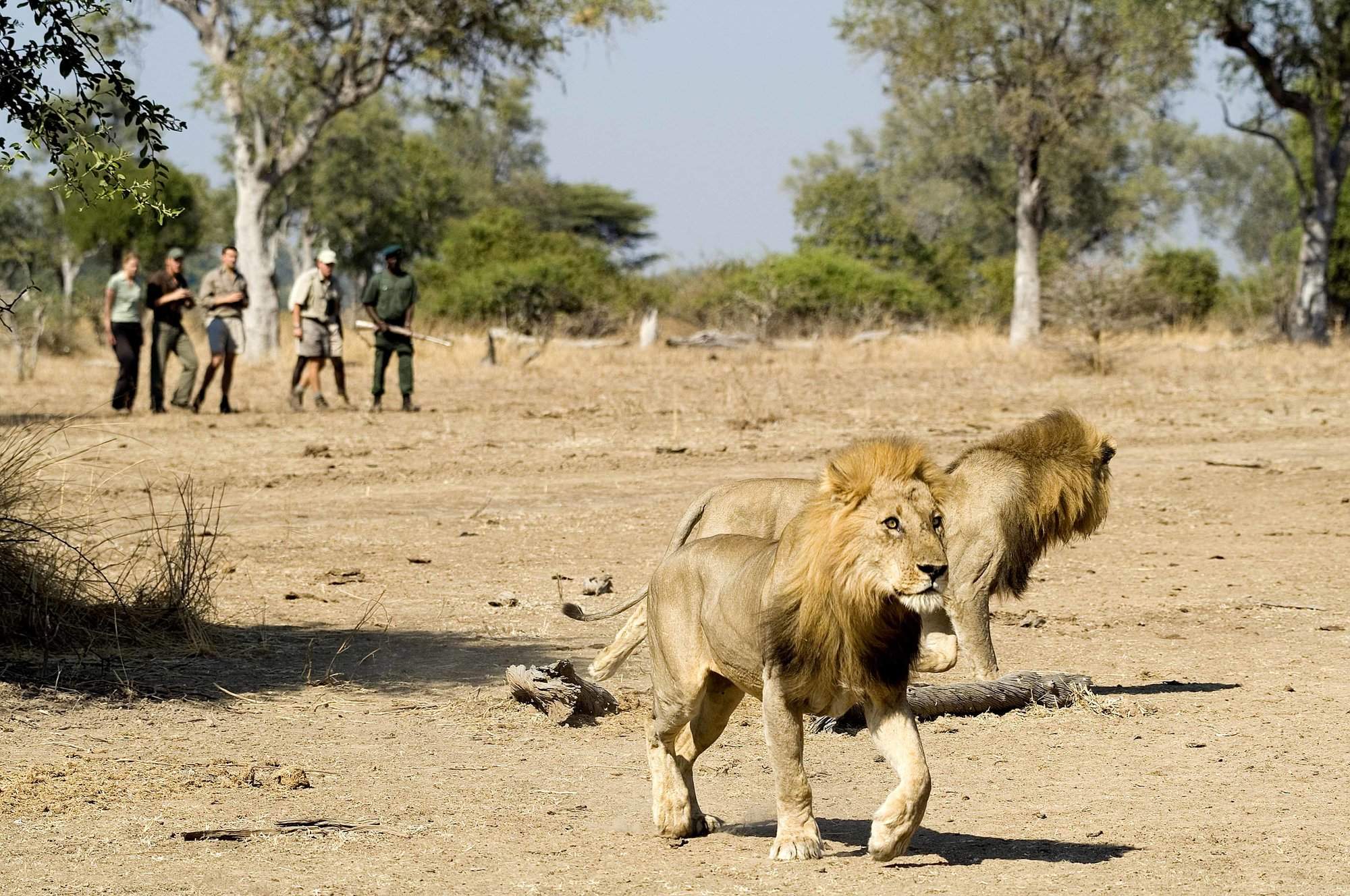
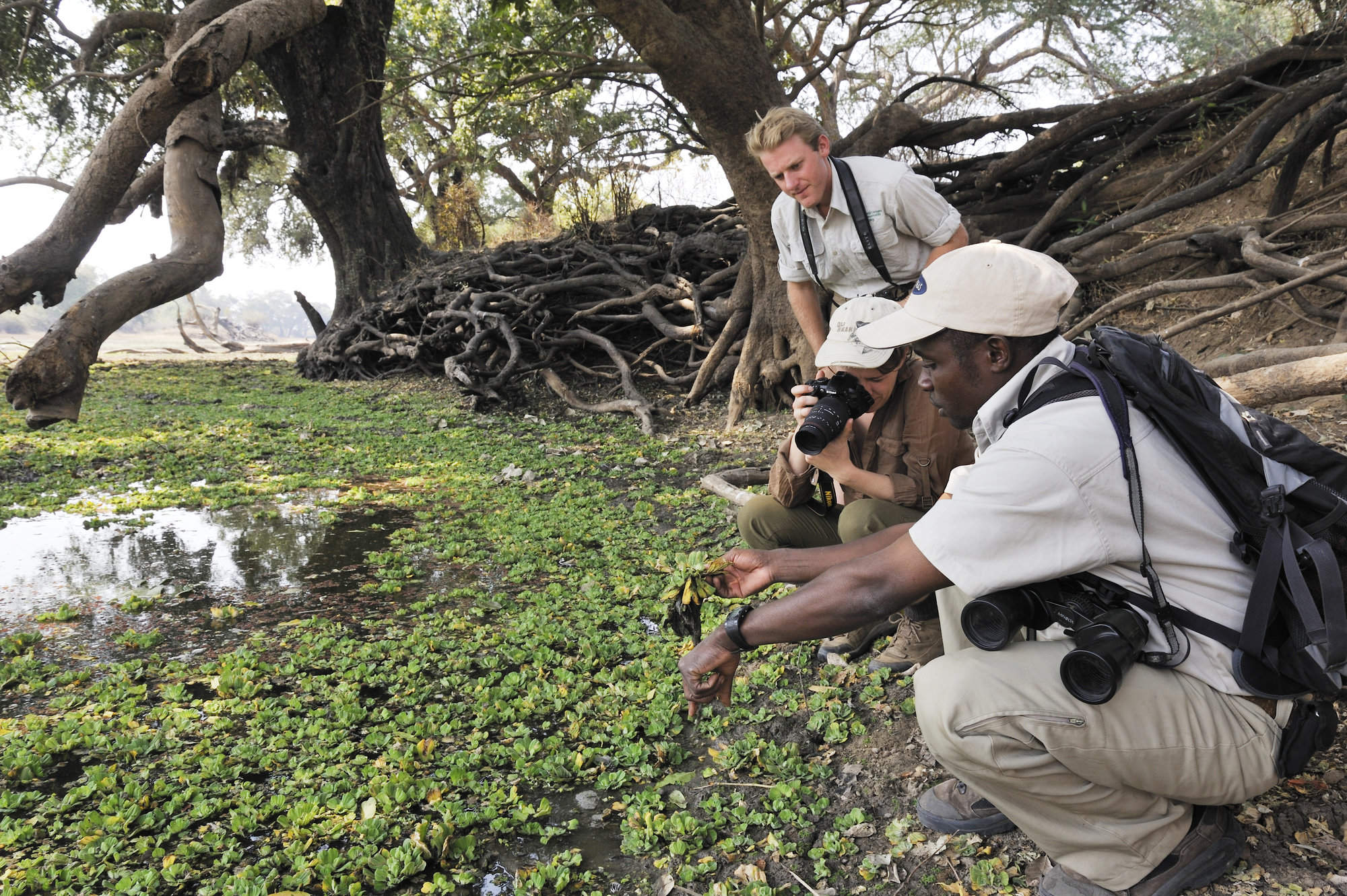
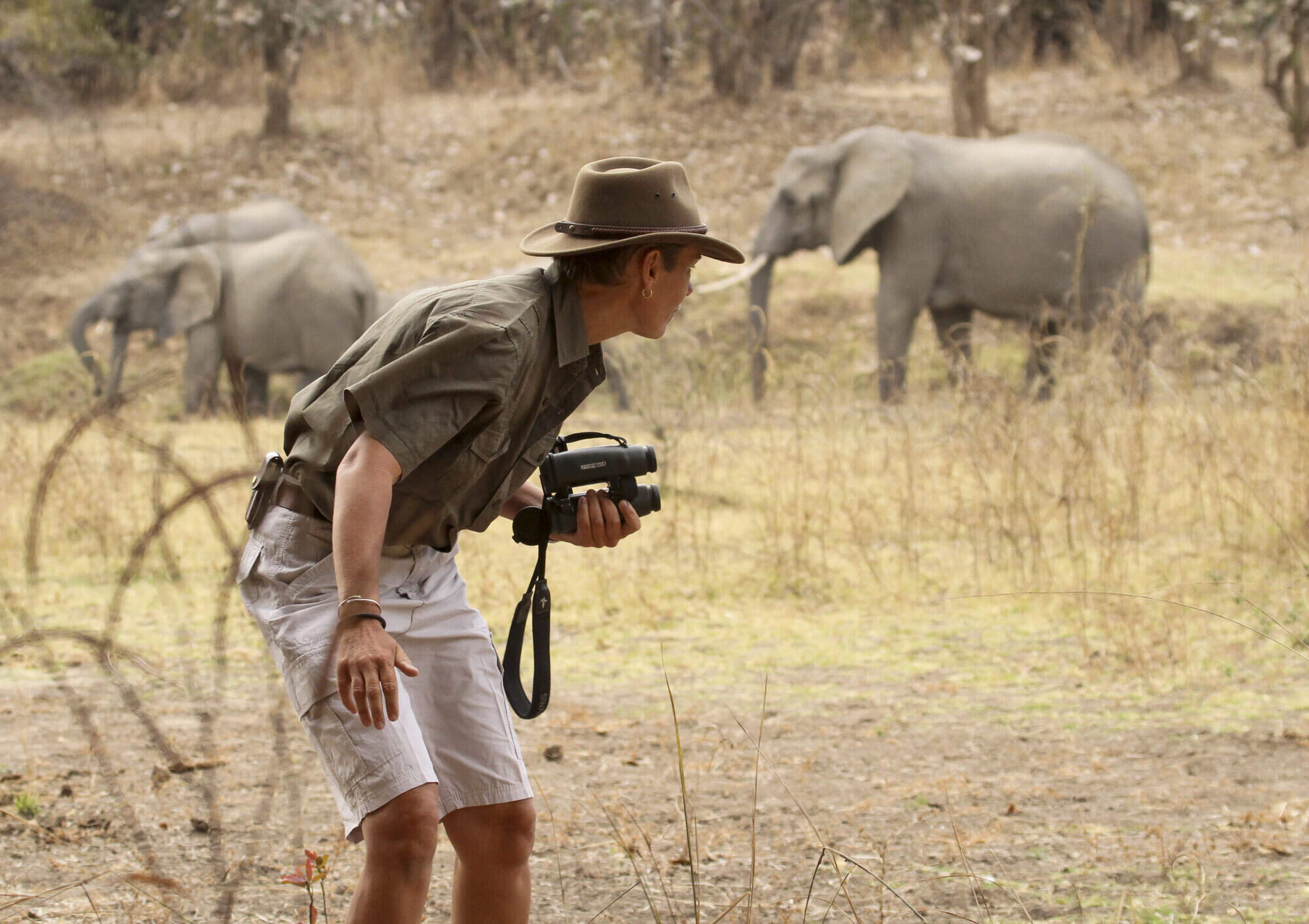
Walking in this environment – the raison d’être of the camps – can be truly thrilling for the adventurous-minded traveller. During the day, you'll walk with experienced guides, armed spotters and a “tea-bearer” – a member of the camp's staff who acts as another experienced pair of eyes, whilst carrying vital supplies of tea, coffee, cold drinks and delicious cakes for refreshment stops along the way. On the days when you change camps, the rest of the staff move on ahead to set up the camp for your arrival, transporting your luggage so that you are carrying just your camera and binoculars.
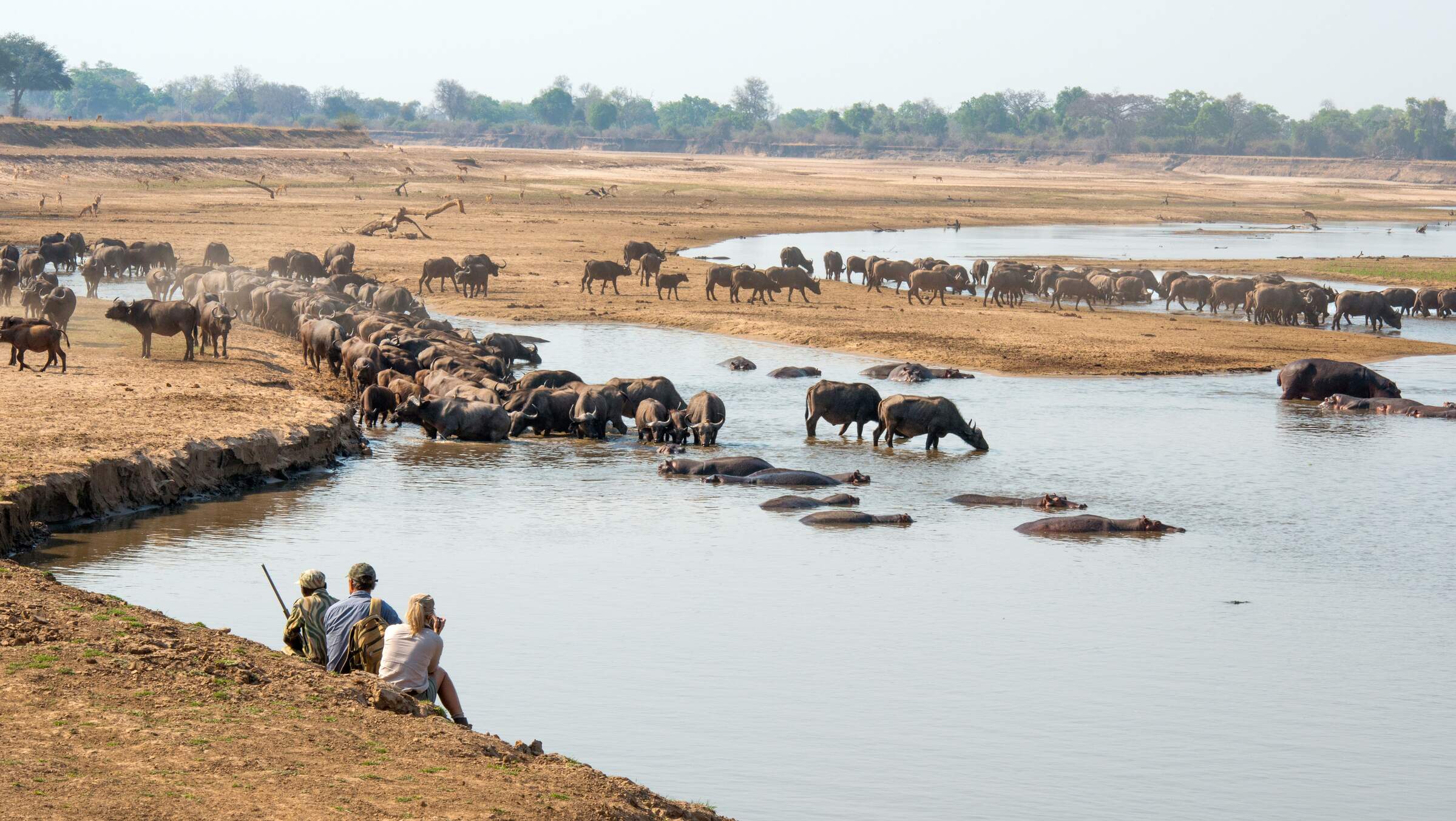
Typically you’ll follow the Mupamadzi River, sometimes fording its shallow waters – a delicious way to cool off as the temperature rises. Distances vary from 3km to 10km, but each walk will be at a leisurely pace, stopping frequently to watch and listen. Lunch is usually in camp before the second walk of the day, when the sun is losing its heat, then you’ll return to camp to freshen up in time to mull over the day’s adventures during dinner around the campfire.
Staying at these mobile camps during a walking safari highlights the African bush at its best: a live, sharp, spine-tingling experience that's hard to beat and very addictive. Be careful though: watching game from a vehicle may never be the same again!
Walking Safaris
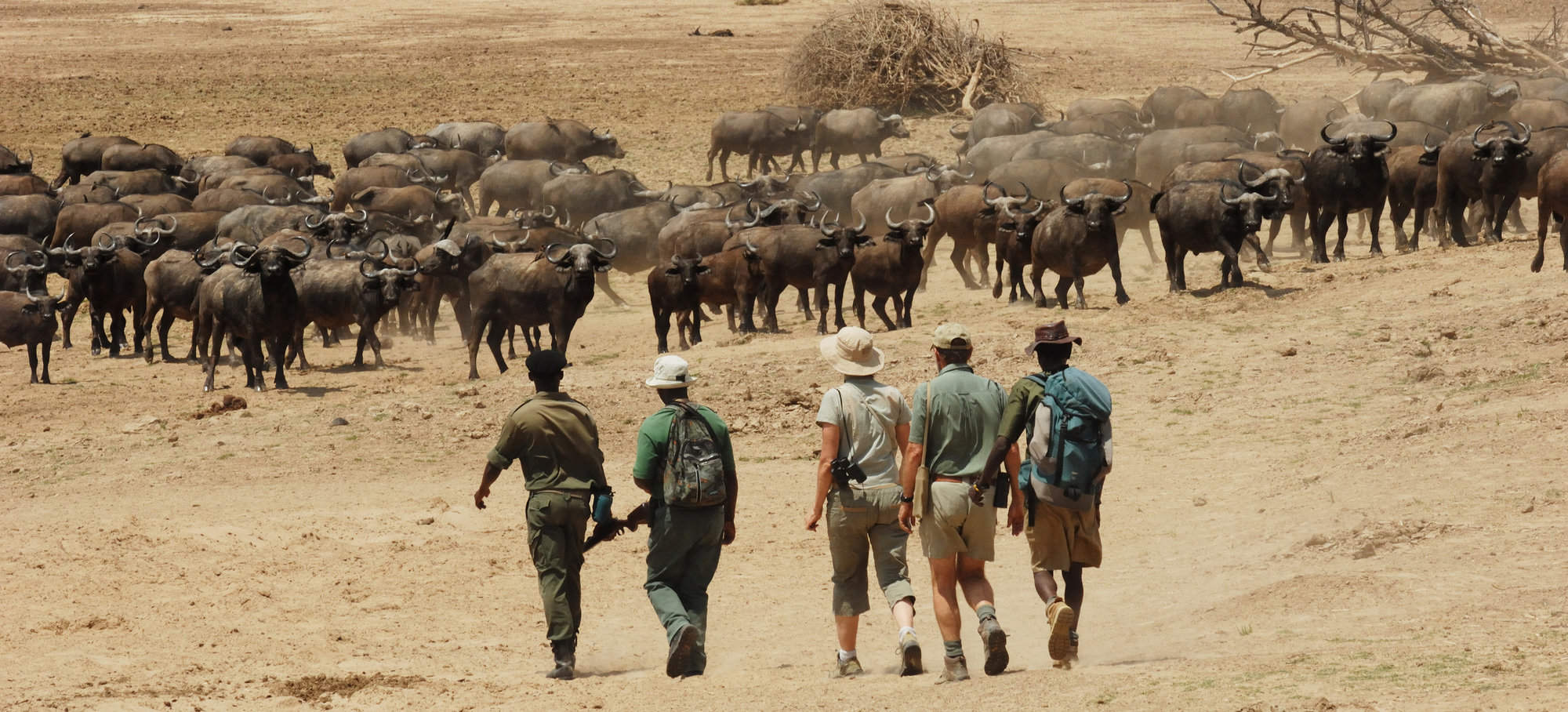
Walking in the bush is totally different to game viewing from a vehicle – and it's not for everyone. If you want to “tick off” big-game animals, photograph them from close quarters and swiftly go from one large herd of game to the other, then walking is not for you.You cannot approach animals as closely, or as easily, on foot as you can in a vehicle – but we guarantee you will learn more. You may start off a little sleepy from your early start, but you'll soon be on high alert. There are no noises except you and the wildlife, so everything you hear must be an animal, a bird, or an insect. With time, patience and a good guide, you can learn to interpret the sounds and secrets of the bush. You'll smell the presence of elephants, perhaps follow the honey-guide bird, and learn about animals from their spoor.
A morning's walk could be anything from 3km to 10km, and more like a nature ramble than a strenuous hike. Your guide might lead you to follow fresh tracks, or to sit under a tree to watch elephants bathing – deciding with the group at the time what looks most promising. With such small groups, these walks are always flexible; there are seldom pre-arranged routes or fixed plans.
If you find the prospect of walking in the bush a little daunting, that's a good sign. A healthy respect for wildlife is vital. Animals can be unpredictable and, occasionally, dangerous. However, the expert level of guiding on all these trips should reassure you. The Luangwa Valley has become the centre for walking safaris because of its stringent tests for guides, and the park rules that dictate that an armed game scout and a guide must accompany every group. It's one of the safest places to walk in Africa.
If you like the idea of fly-camping, but want a much shorter experience of this kind of trip, then consider slotting a night or two at an RPS Bushcamp into your itinerary.
Our view
Staying in RPS mobile safari camps as part of a walking safari is a brilliant way to experience the wilderness of the South Luangwa. Purely walking safaris don't suit everyone, so if luxury and four walls are a priority, it might be worth looking at some of our permanent tented camps in the national park. However, if you are looking for adventure in remote, untouched areas of the park, sleeping out under the stars, with no vehicles in sight, we would highly recommend this option.
Country manager: Zambia
Geographics
- Location
- South Luangwa National Park, Zambia
- Ideal length of stay
- Note that these trips run on set-date departures lasting either seven or nine nights.
- Accessible by
- Fly-and-Transfer
Food & drink
- Usual board basis
- Full Board & Activities
- Dining style
- Group Meals
- Dining locations
- Outdoor Dining
- Drinks included
- Soft drinks, house wine and local spirits are included in the rates, but fine wines, champagne and imported spirits and liqueurs will be charged as extras.
Special interests
- Solo Travel
- Staying at an RPS mobile safari camp, as part of a walking safari, is a very social experience. With busy days, groups or no more than six like-minded travellers and no single-person supplements, these trips are perfect for solo travellers.
- See ideas for Solo Travel
- Birdwatching
- South Luangwa’s birding is varied and the guides on these mobile safaris are often "best in class", so you can expect them to be very knowledgeable about the birds, the plants, the animals, and almost everything else in the ecosystem.
- See ideas for Birdwatching
- Walking safaris
- Photographic walking safaris were pioneered in Zambia’s Luangwa Valley – where Robin Pope’s operation is la crème de la crème. It’s a trip for purists, who can expect great guiding and like-minded company from other enthusiasts of bush walking.
- See ideas for Walking safaris
- Wildlife safaris
- Immersed in nature, this temporary mobile walking camp offers the ultimate in a truly remote safari – a time to connect with the bush and the wildlife in one of Africa’s top safari areas, by simply walking around with an expert guide and naturalist.
- See ideas for Wildlife safaris
- Walking
- The main activity and key focus of this mobile camp is walking safaris. More an extended nature ramble than a route march or a gruelling hike, they'll stop to marvel at creatures great and small in the context of their natural environment.
- See ideas for Walking
Children
- Attitude towards children
- The minimum age would be 18 years old - and most participants will be in their 50s and 60s.
- Generally recommended for children
- No
Our travellers’ wildlife sightings from Robin Pope mobile
Since mid-2018, many of our travellers who stayed at Robin Pope Safaris Mobile Safari Camp have kindly recorded their wildlife sightings and shared them with us. The results are below. Click an animal to see more, and here to see more on our methodology.

100% success

100% success

100% success

100% success

100% success

100% success

100% success

75% success

75% success

67% success

60% success

50% success

33% success

0% success

0% success
Communications
- Communications
- Camp staff and your guide can contact RPS head office when necessary.
- TV & radio
- None
- Water supply
- Transported in
Health & safety
- Malarial protection recommended
- Yes
- Dangerous animals
- High Risk
- Security measures
- All walks are accompanied by an armed scout, and a national-park scout is on duty throughout the night.
- Fire safety
Activities

4WD Safari

Birdwatching

Cultural excursion

Fly-camping

Guided walking safari

Night drive
Extras
- Disabled access
- Not Possible
Other lodges in South Luangwa National Park
Alternative places to stay in this same area.
Tafika
One of the best camps in Zambia, Tafika is naturally built, combining excellent service and food with top guiding skills for a superb wildlife experience.
Nkwali
On the banks of the Luangwa River, with its own access to the national park, the intimate Nkwali is open year round.
Kaingo Camp
Small and owner-run, the riverside Kaingo occupies a a quiet but excellent game area, with a series of wildlife hides and a focus on photography.
Nsefu
One of the Luangwa's oldest camps, Nsefu is a great safari camp in a remote, beautiful and game-rich location with top-rate guiding.
Tena Tena
One of the Luangwa's best camps, in a beautiful, remote bush location, Tena Tena is very small, exceedingly well-run and has top-rate guiding.
Mwamba Bushcamp
Small, remote and owner-run, Mwamba offers first-class walking, 4WD safari drives and superb hides, with excellent guides and a real bush feel.
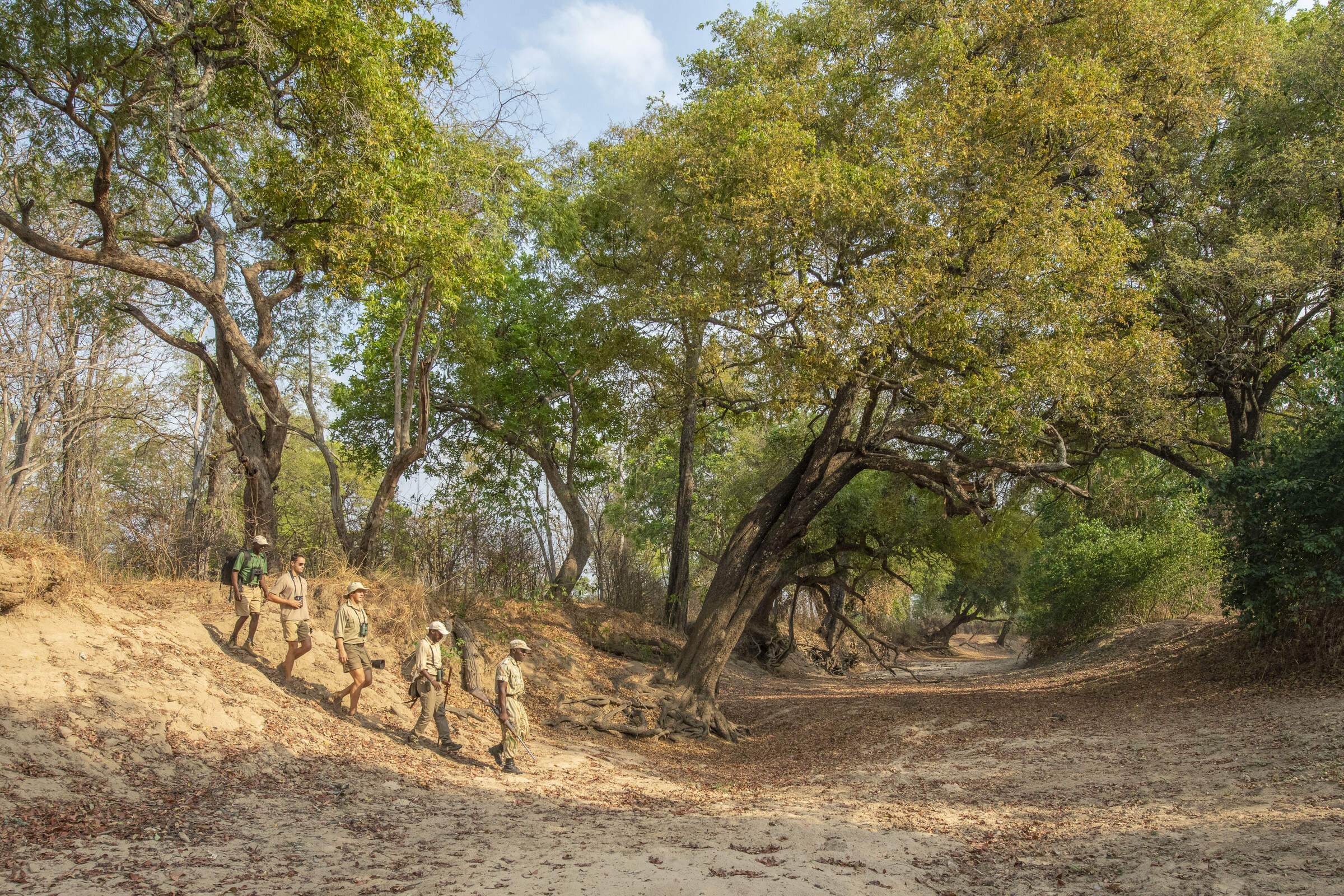
Chikoko Tree Camp
Chikoko Tree Camp is an excellent small, rustic bushcamp that concentrates on walking safaris, and is run by a top-quality operation.
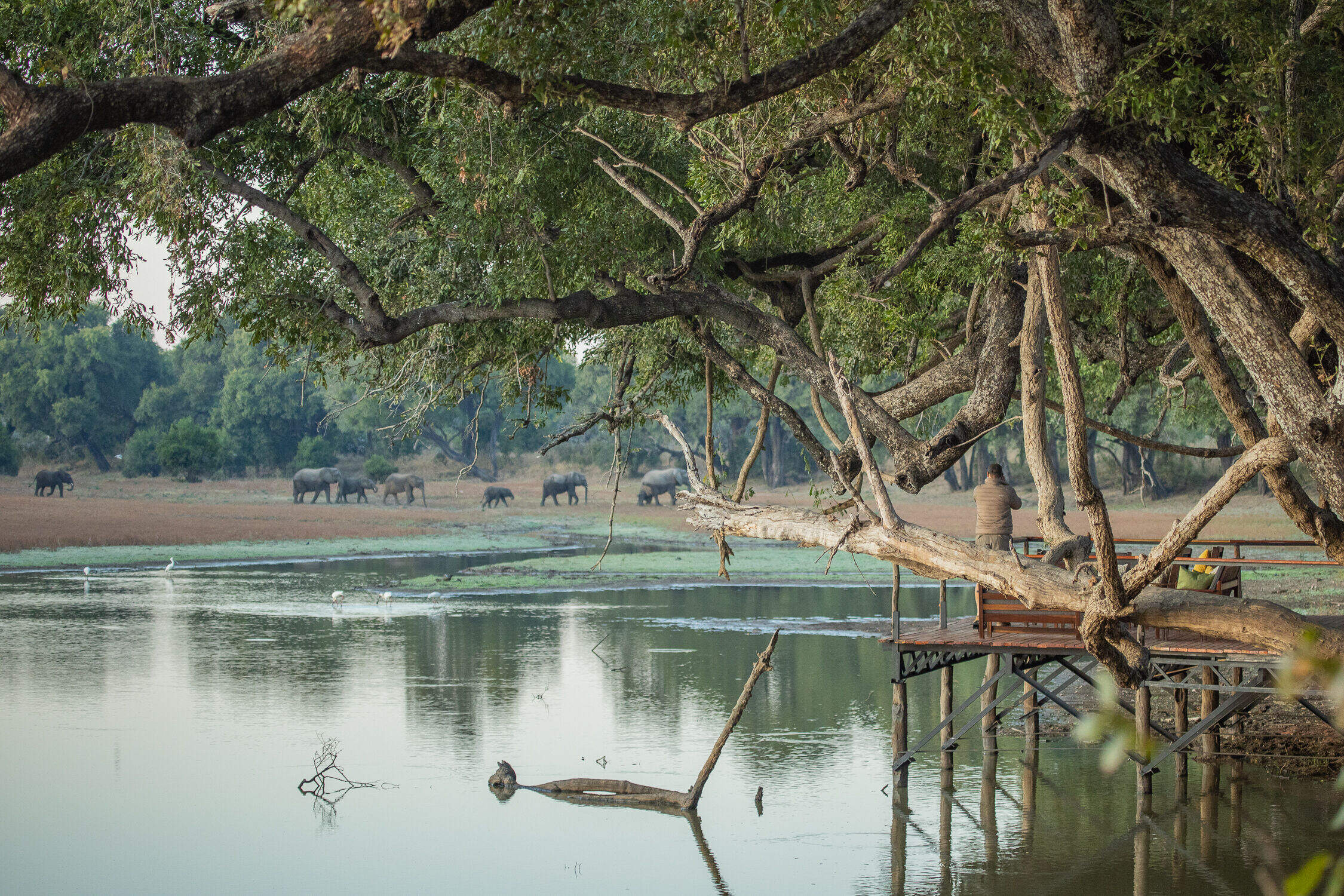
Big Lagoon Camp
Big Lagoon Camp is a great little rustic bushcamp built to high standards that focuses on excellent walking safaris, with the emphasis on top wildlife guides.
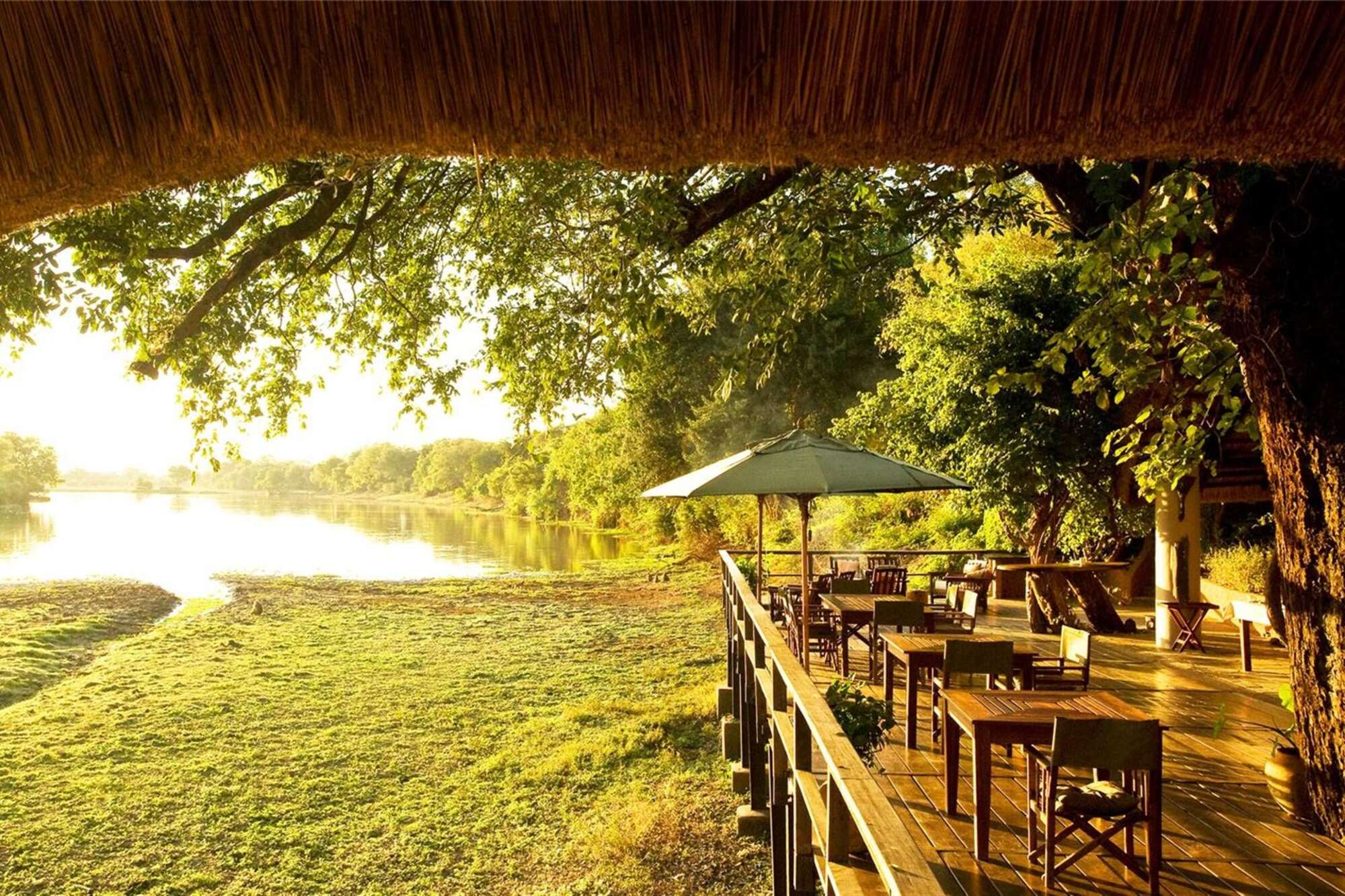
Kapani Lodge
Kapani Lodge is now the main office base for Norman Carr Safaris, one of the Luangwa's oldest safari operations.
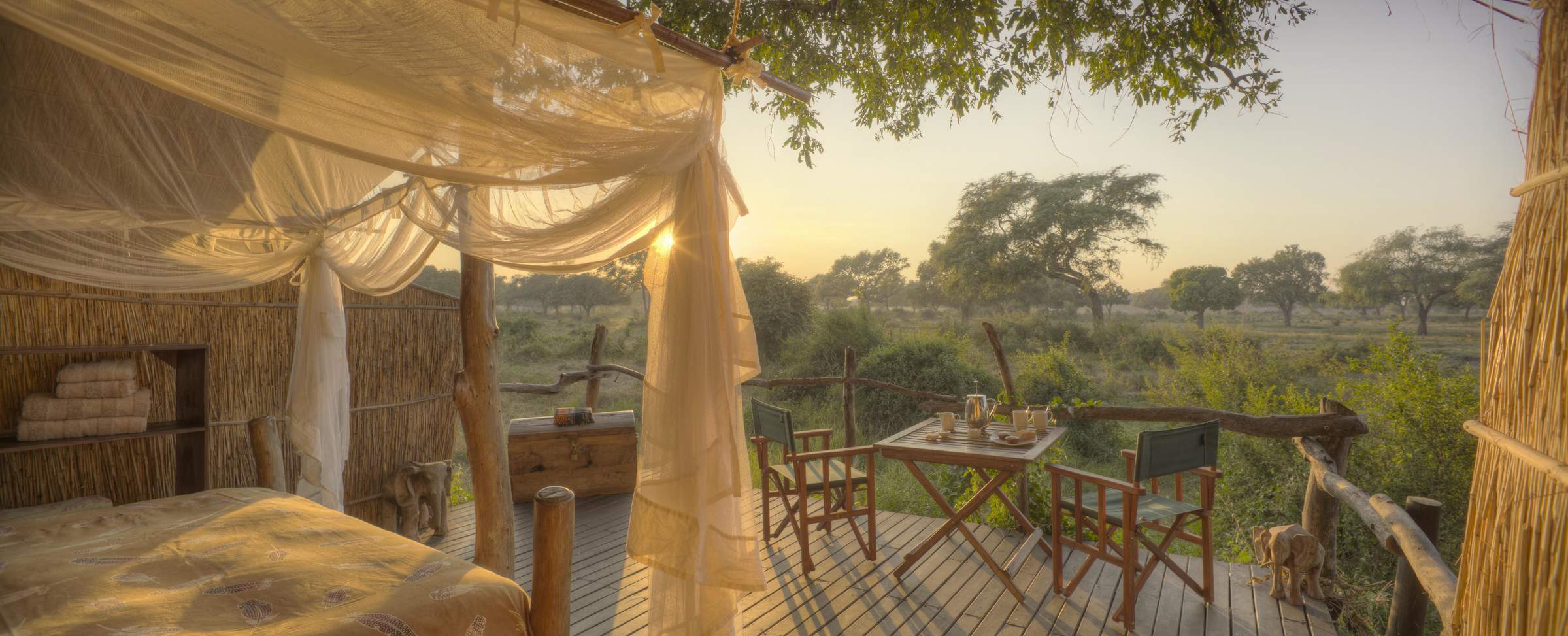
Flatdogs Camp
A relatively big safari camp, Flatdogs offers value for money with great guiding and good food in a comfortable, relaxed setting.
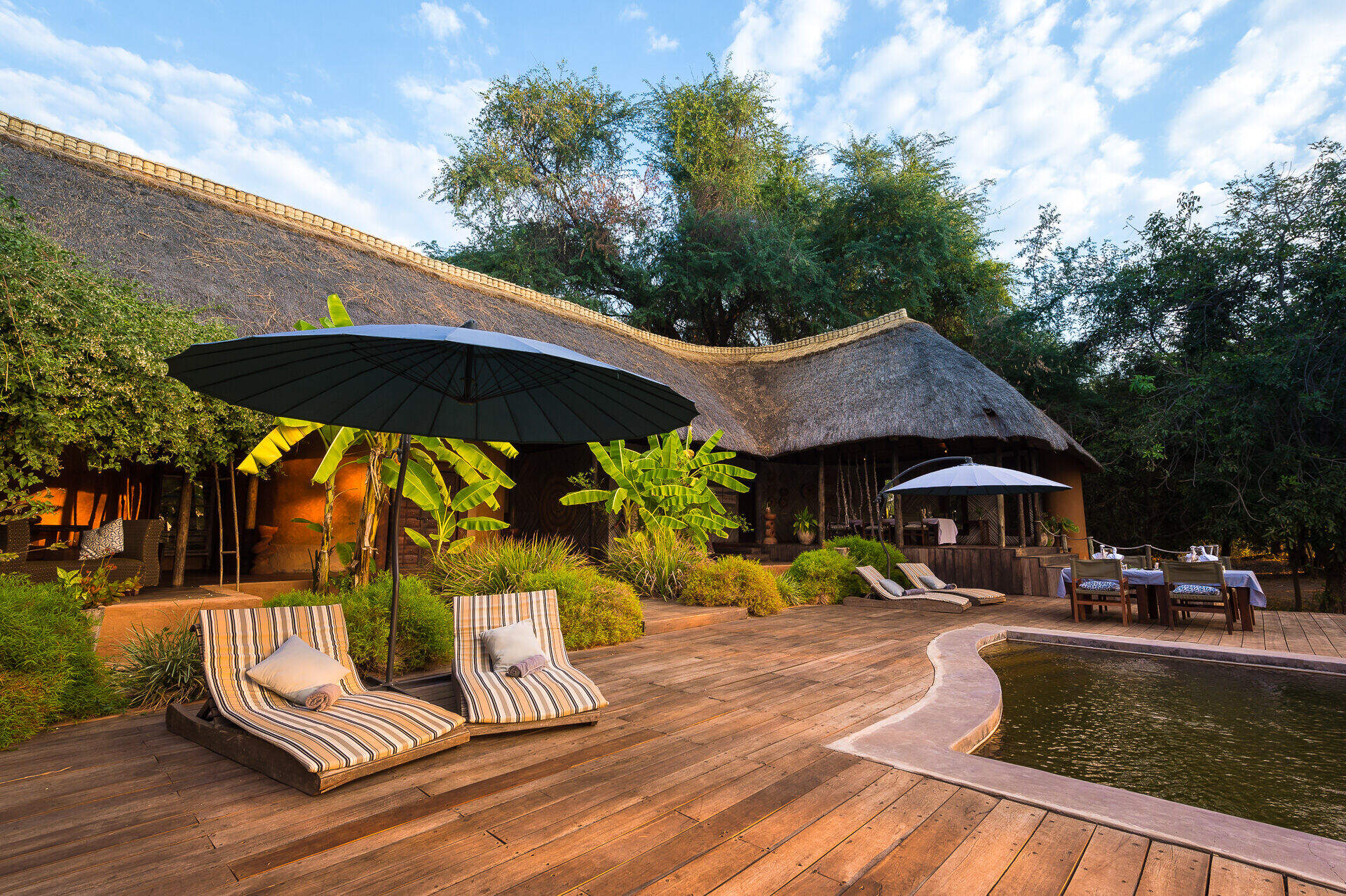
Luangwa River Camp
Luangwa River Lodge is a small and consciously stylish lodge in the Mfuwe area, overlooking the Luangwa River and the South Luangwa National Park beyond – an area renowned for great game.
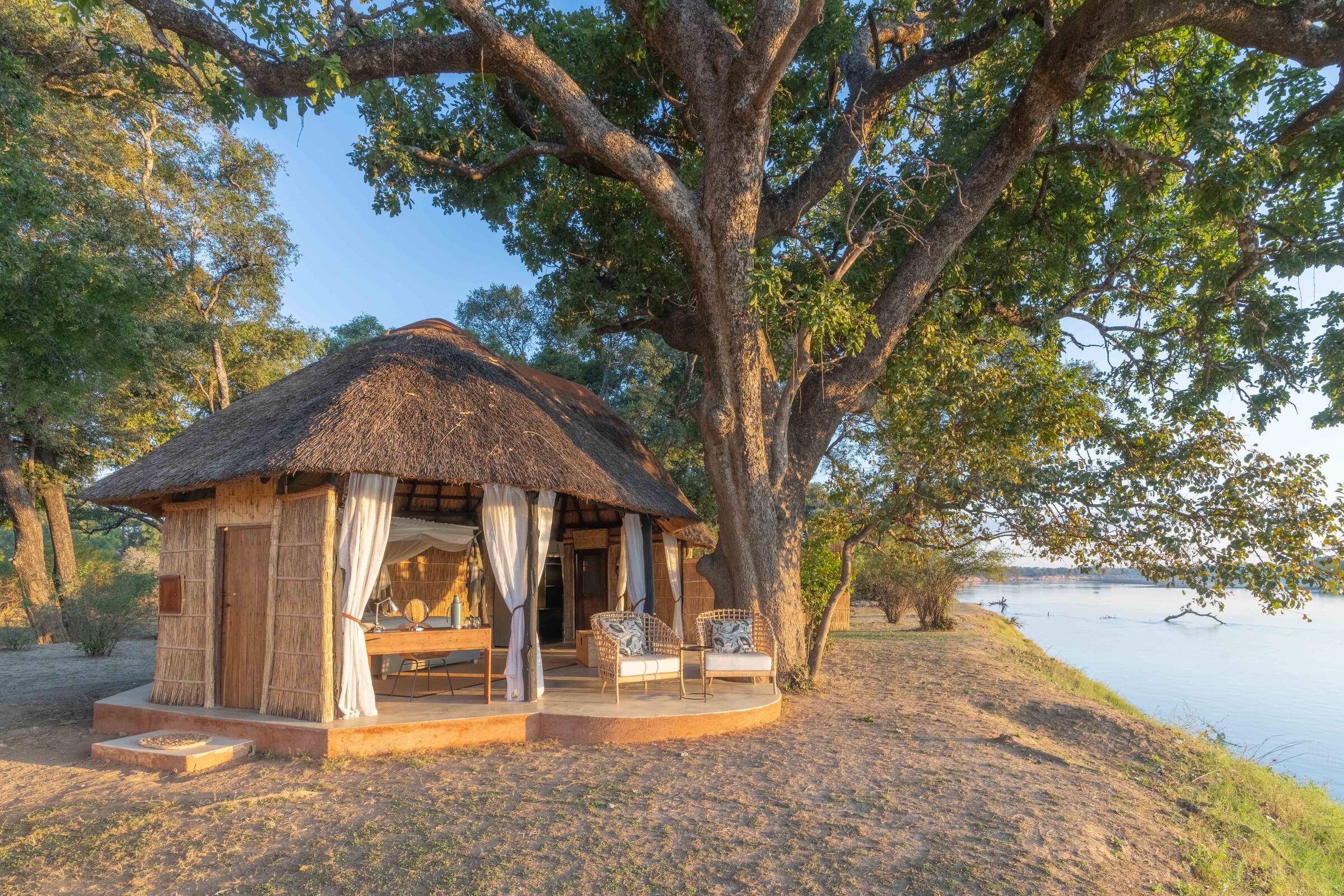
Mchenja Bushcamp
Set in a shady ebony grove on the banks of the Luangwa, Mchenja is a smart tented bushcamp. It combines well with Kakuli and Nsolo – its sister camps with a focus on walking safaris.
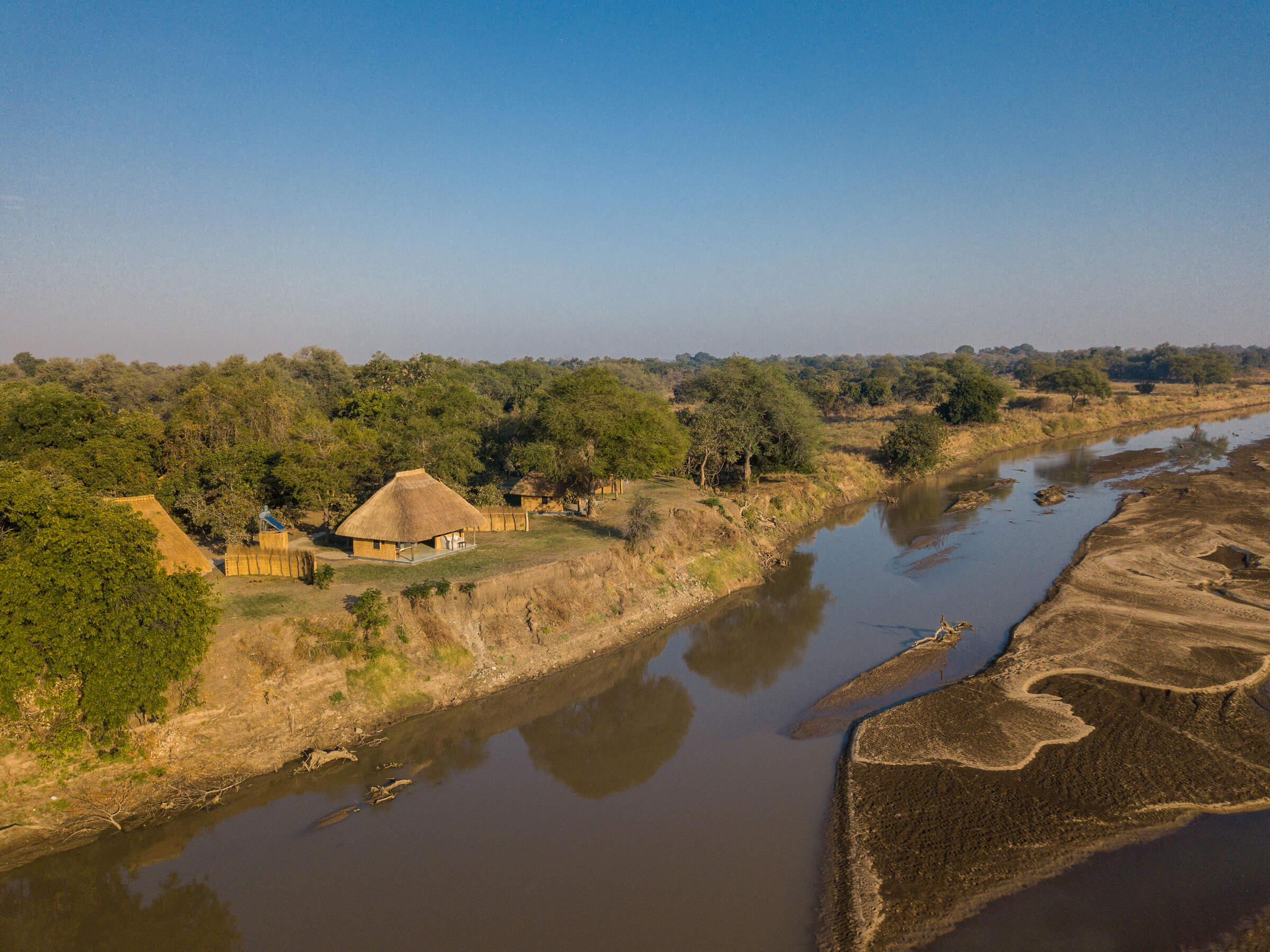
Kakuli Bushcamp
Beside the Luangwa River, Kakuli is a comfortable tented bushcamp offering 4WD safaris and walking safaris – the best of which are camp-to-camp walks linking Kakuli with its nearby sister camps.
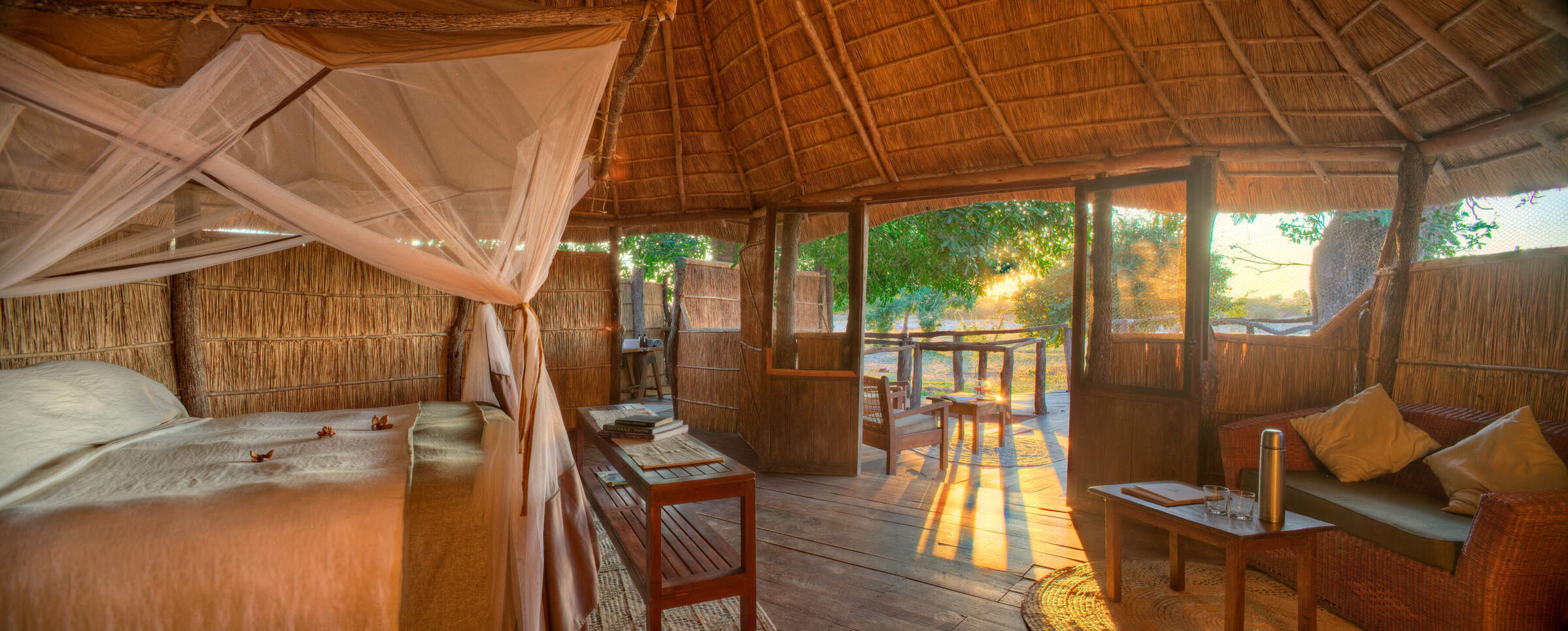
Nsolo Bushcamp
Nsolo is a small, comfortable bushcamp overlooking one or two pools in the usually dry Luwi riverbed. It concentrates on walking safaris in an interesting and diverse area, led by a knowledgeable guide.
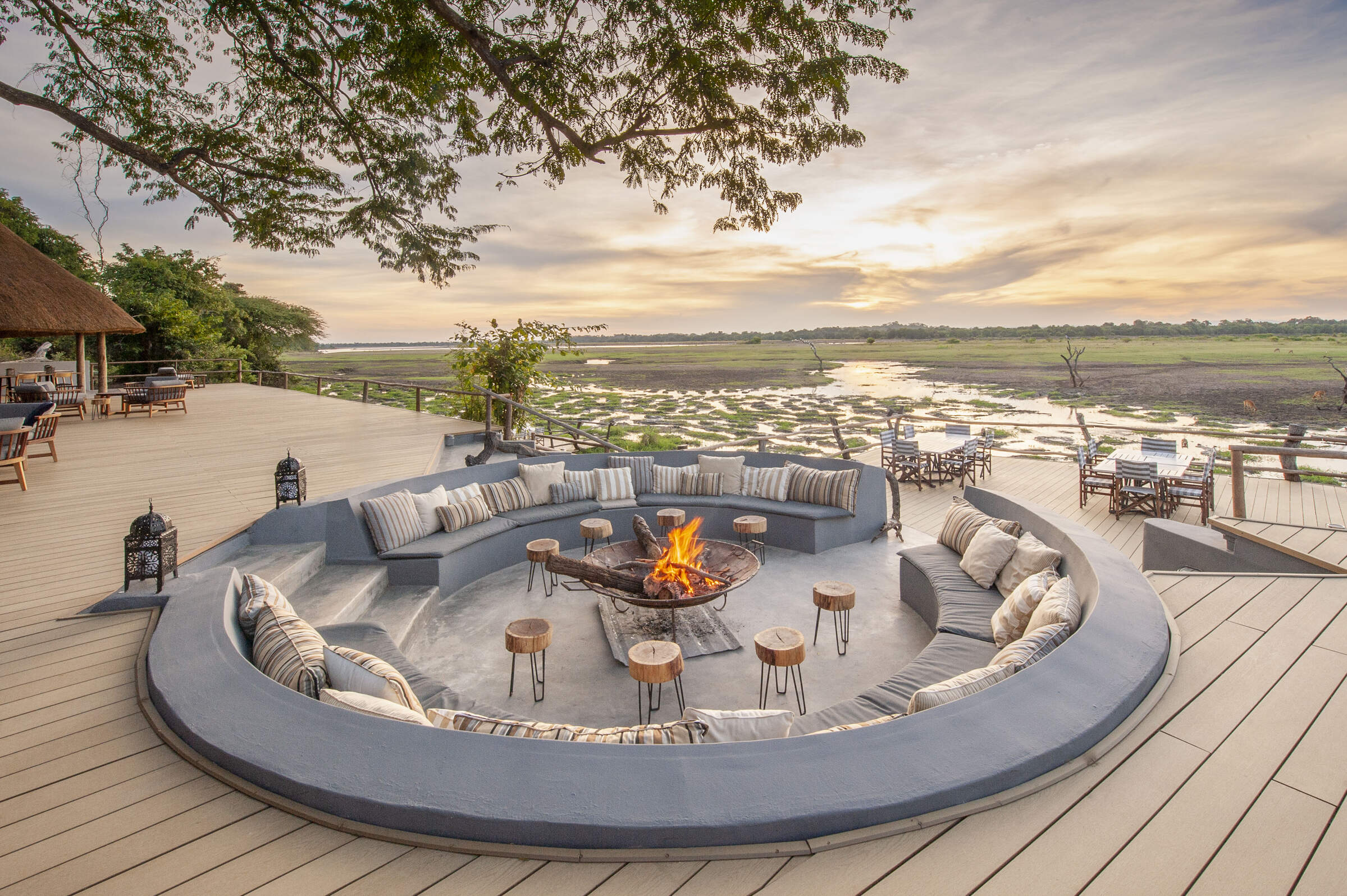
Kafunta River Lodge
Kafunta is a laid-back, friendly and good-value lodge on the outskirts of South Luangwa National Park.
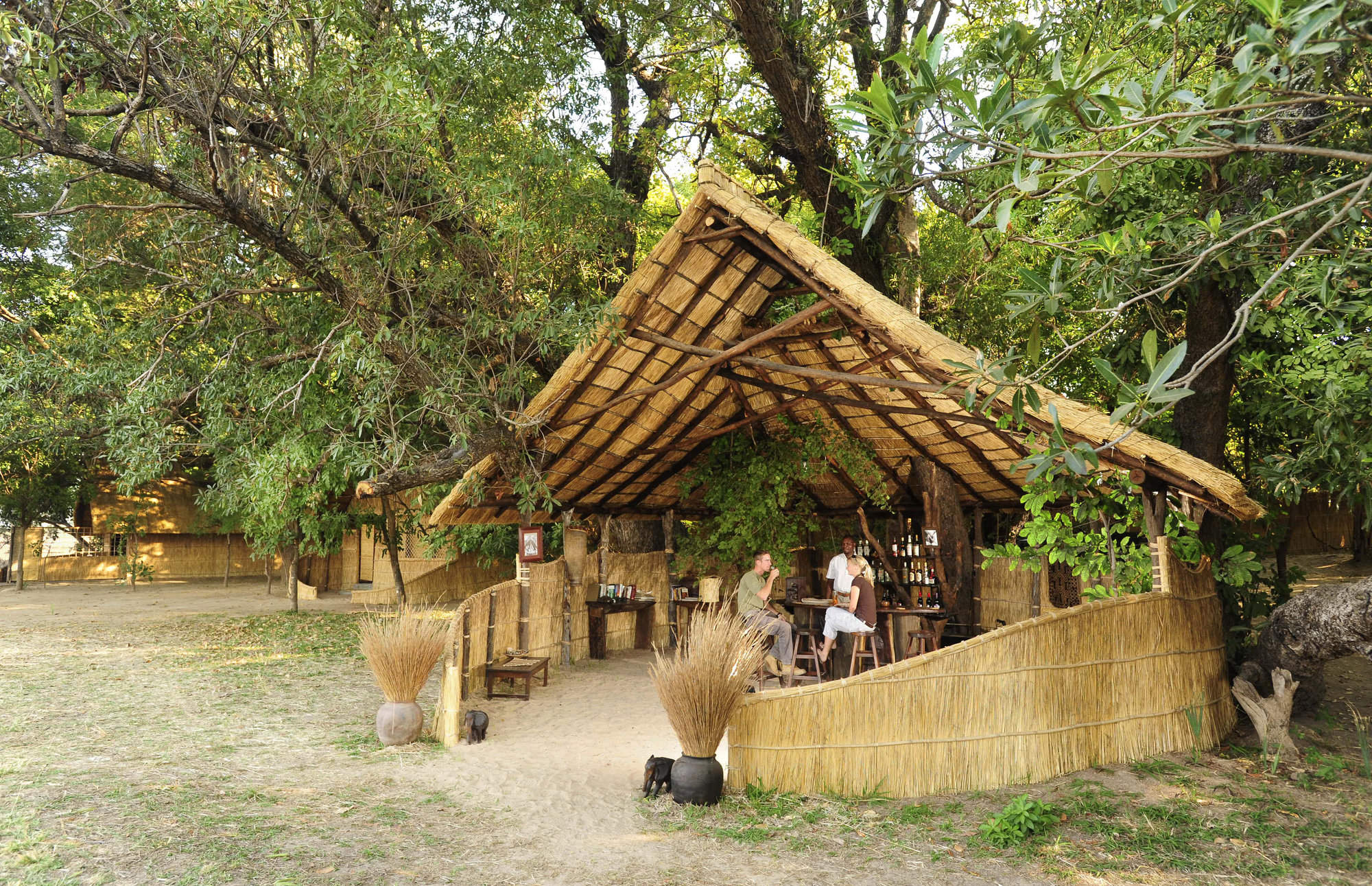
Luwi Bushcamp
In a remote part of the South Luangwa National Park, Luwi is a rustic bushcamp whose emphasis is on walking safaris with great guiding and a chance of seeing some rarely seen and elusive antelope.
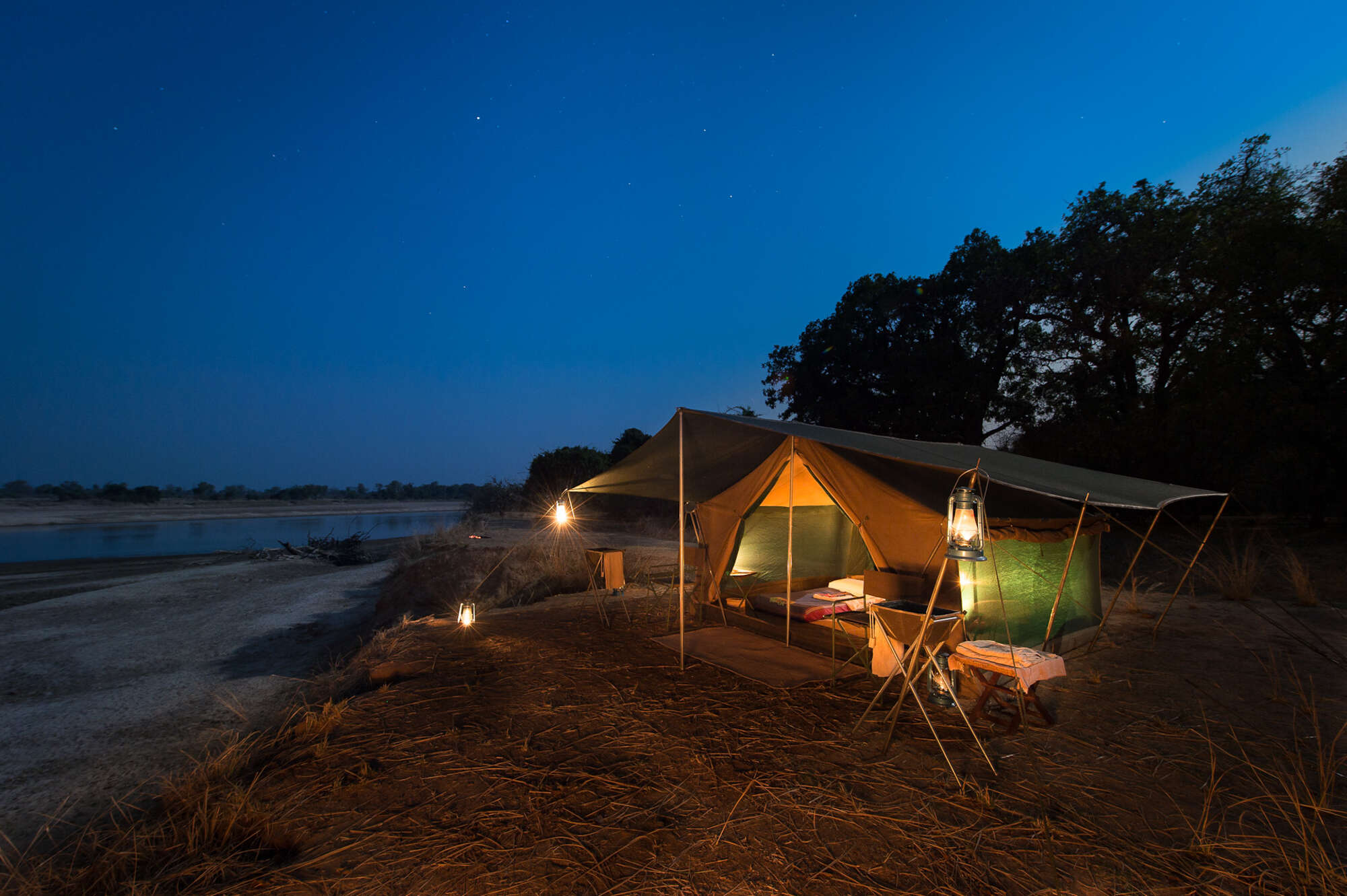
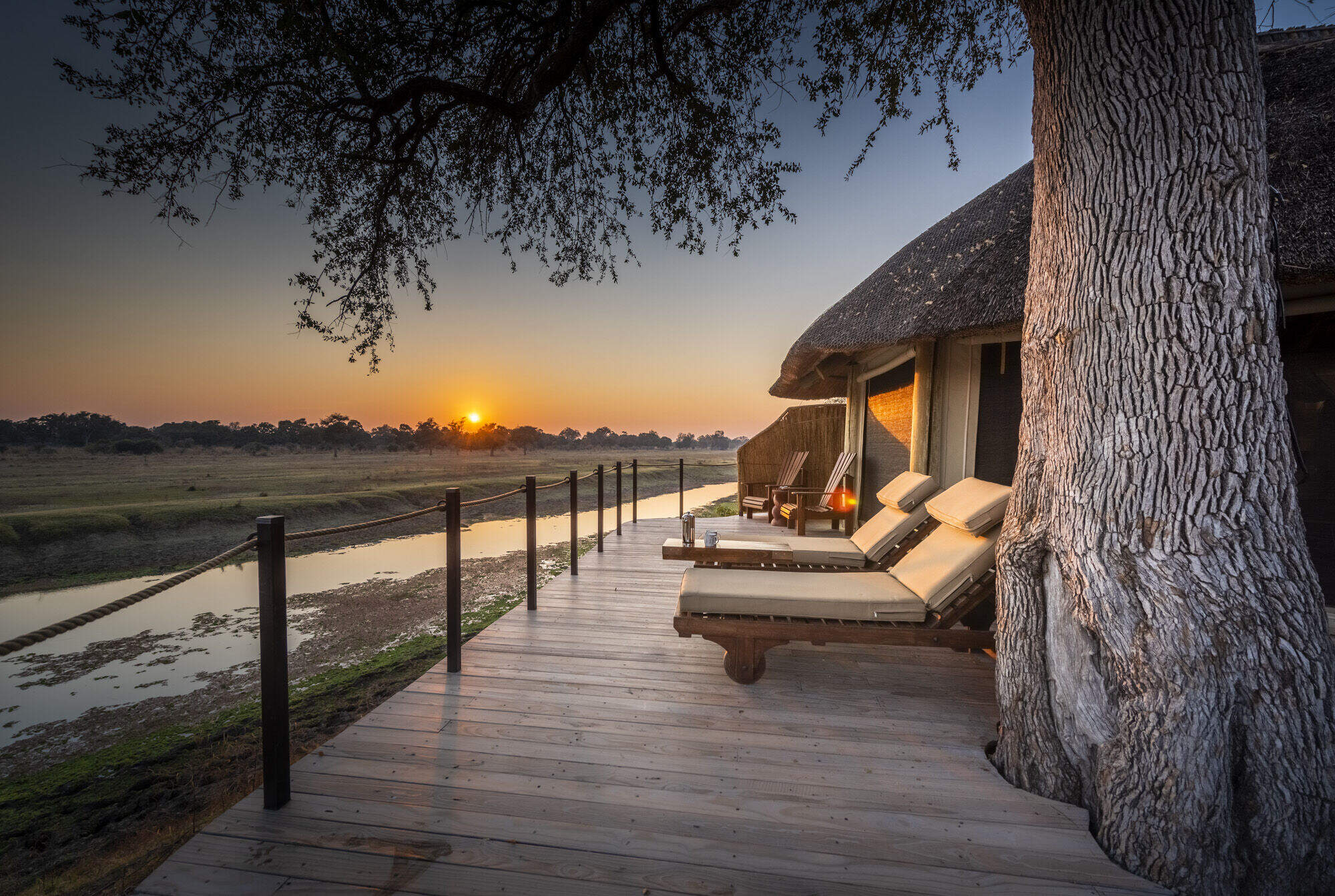
Lion Camp
Lion Camp is an established and comfortable camp with a swimming pool, located near to the game-rich Lion Plain in the northern part of South Luangwa National Park.
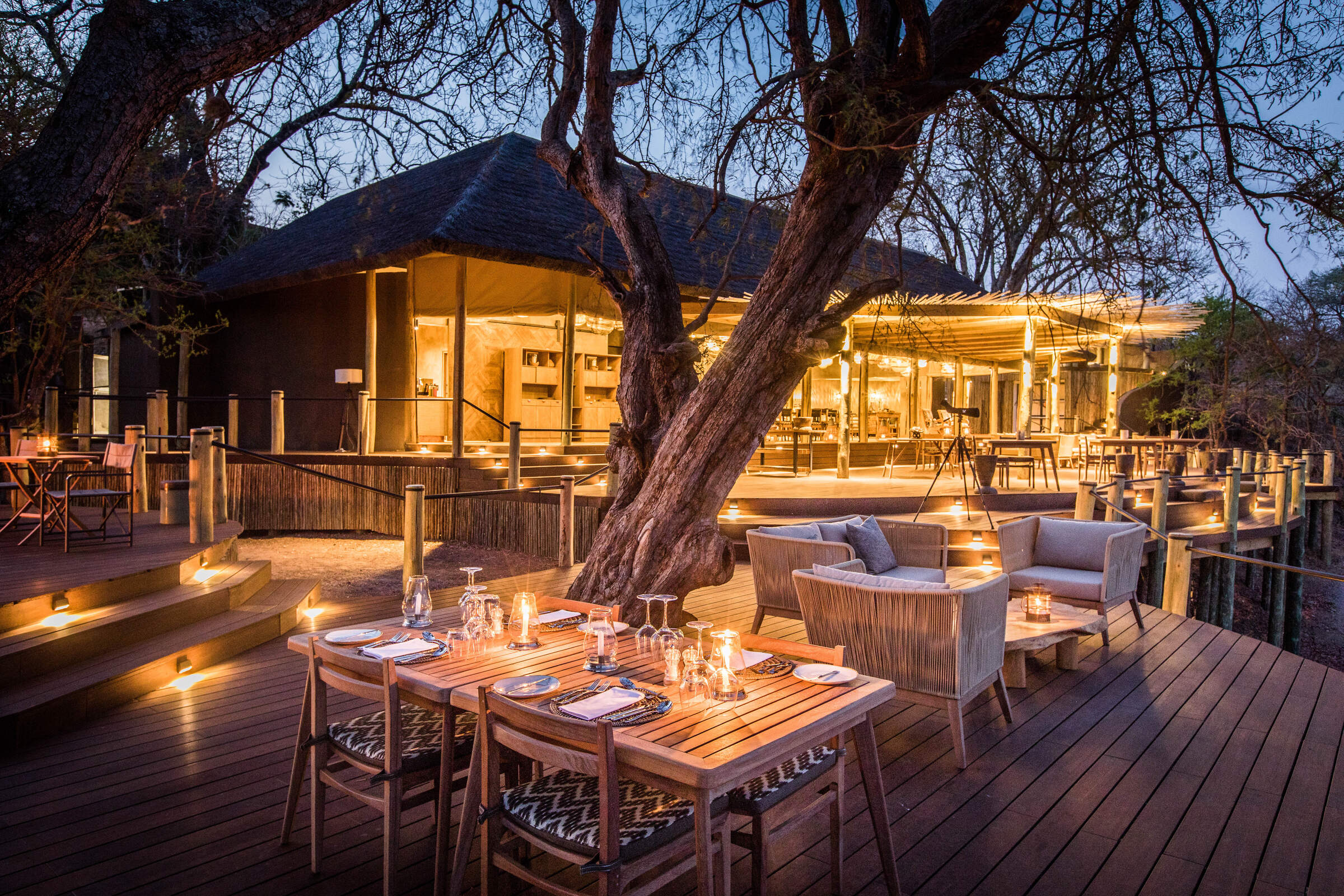
Puku Ridge
Puku Ridge is a luxurious designer camp set in a stunning location, high on a hill overlooking a floodplain within South Luangwa. Explore from here on 4WD safaris and walks.
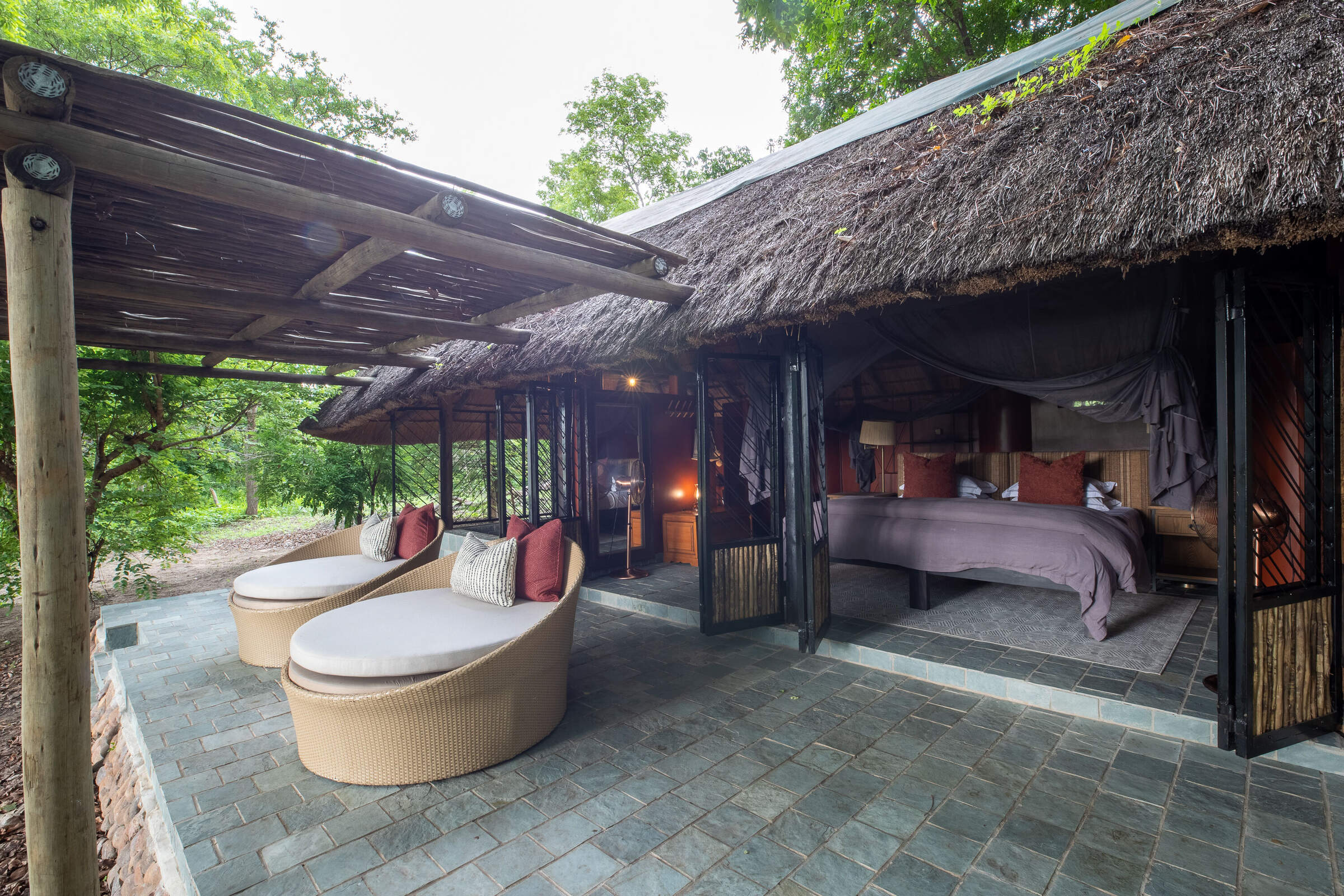
Kapamba Bushcamp
In the remote far south of South Luangwa National Park, Kapamba is a small and very comfortable bushcamp offering good walks and game drives.
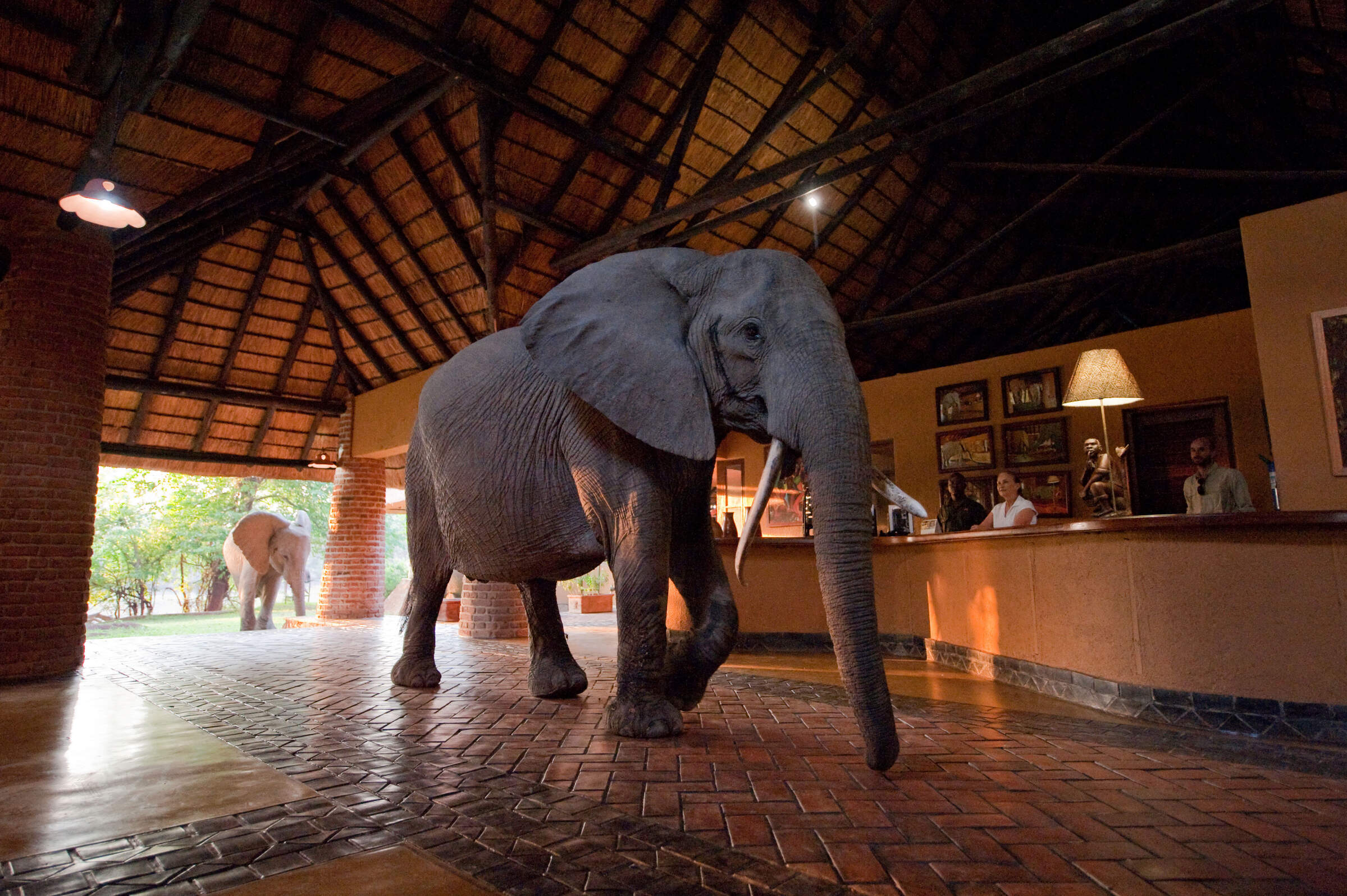
Mfuwe Lodge
In a game-rich area close to the South Luangwa’s main Mfuwe Gate, Mfuwe Lodge is relatively large by park standards, but it’s stylish, modern and family friendly.
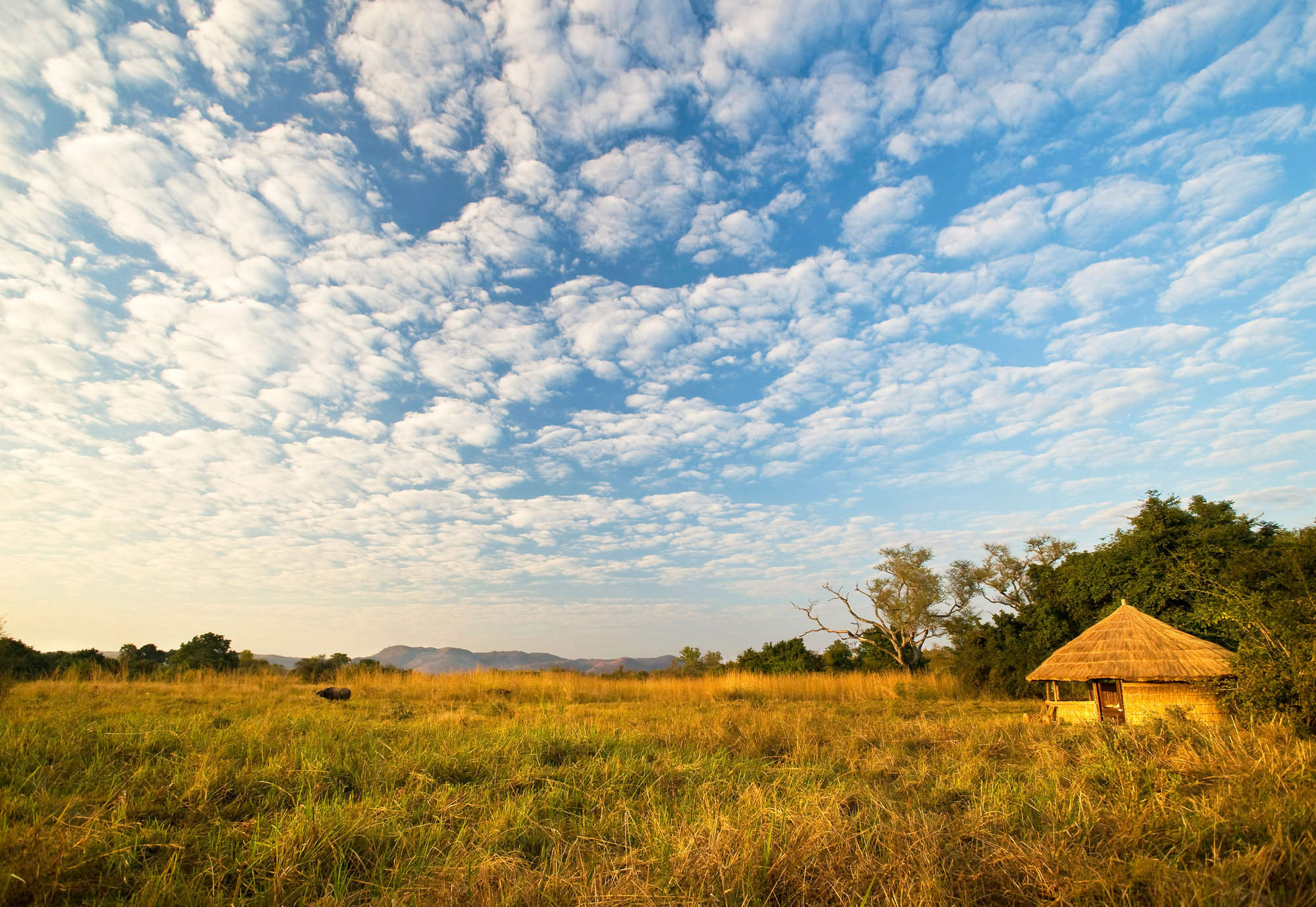
Kuyenda Bushcamp
Kuyenda Bushcamp is a classic bushcamp with particularly delightful hosts and offers top-class walking safaris in South Luangwa National Park.
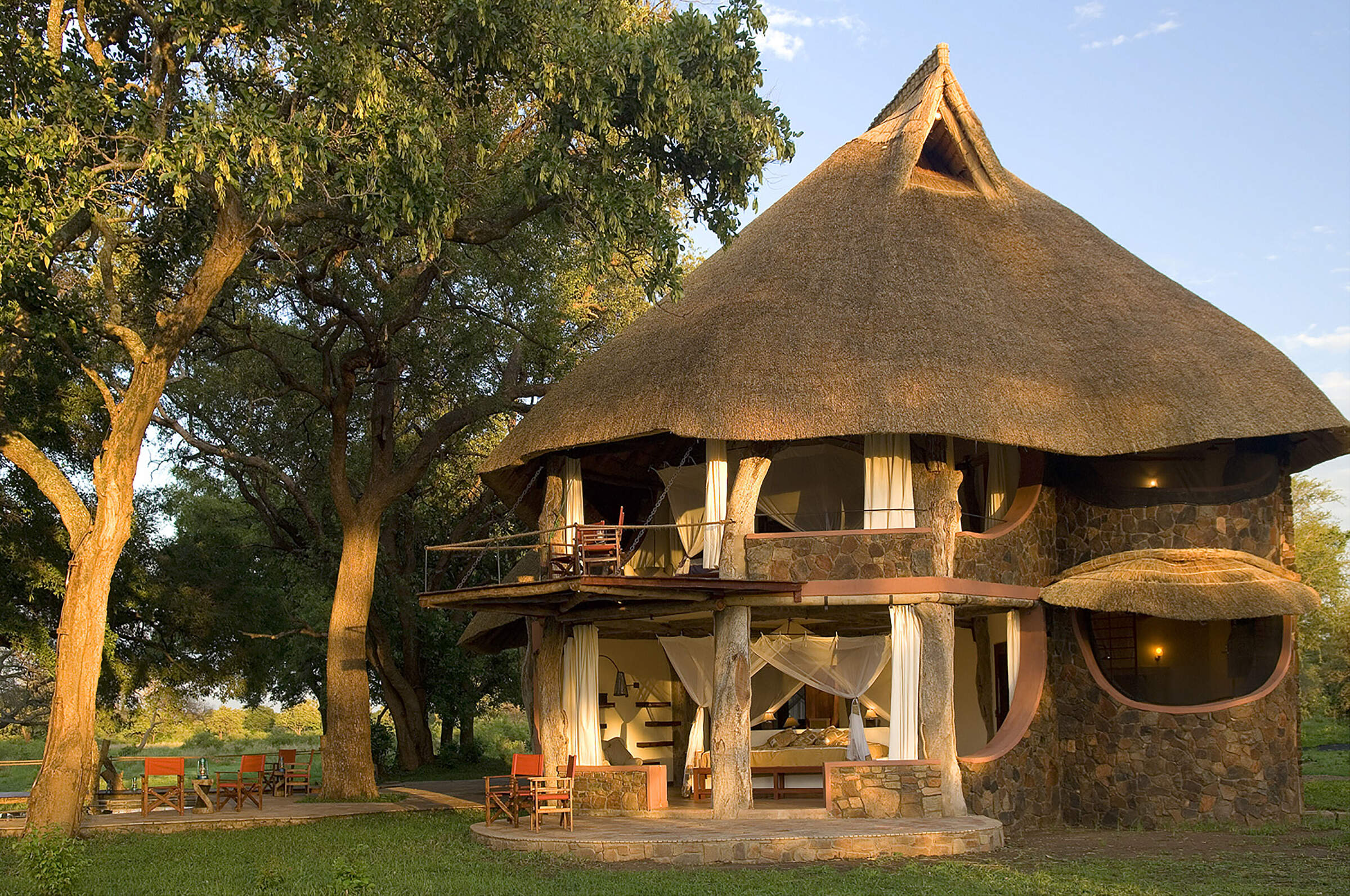
Luangwa Safari House
Luangwa Safari House is a vast and very smart four-bedroom house specifically designed for families and small groups, and offering an exclusive and flexible safari experience.
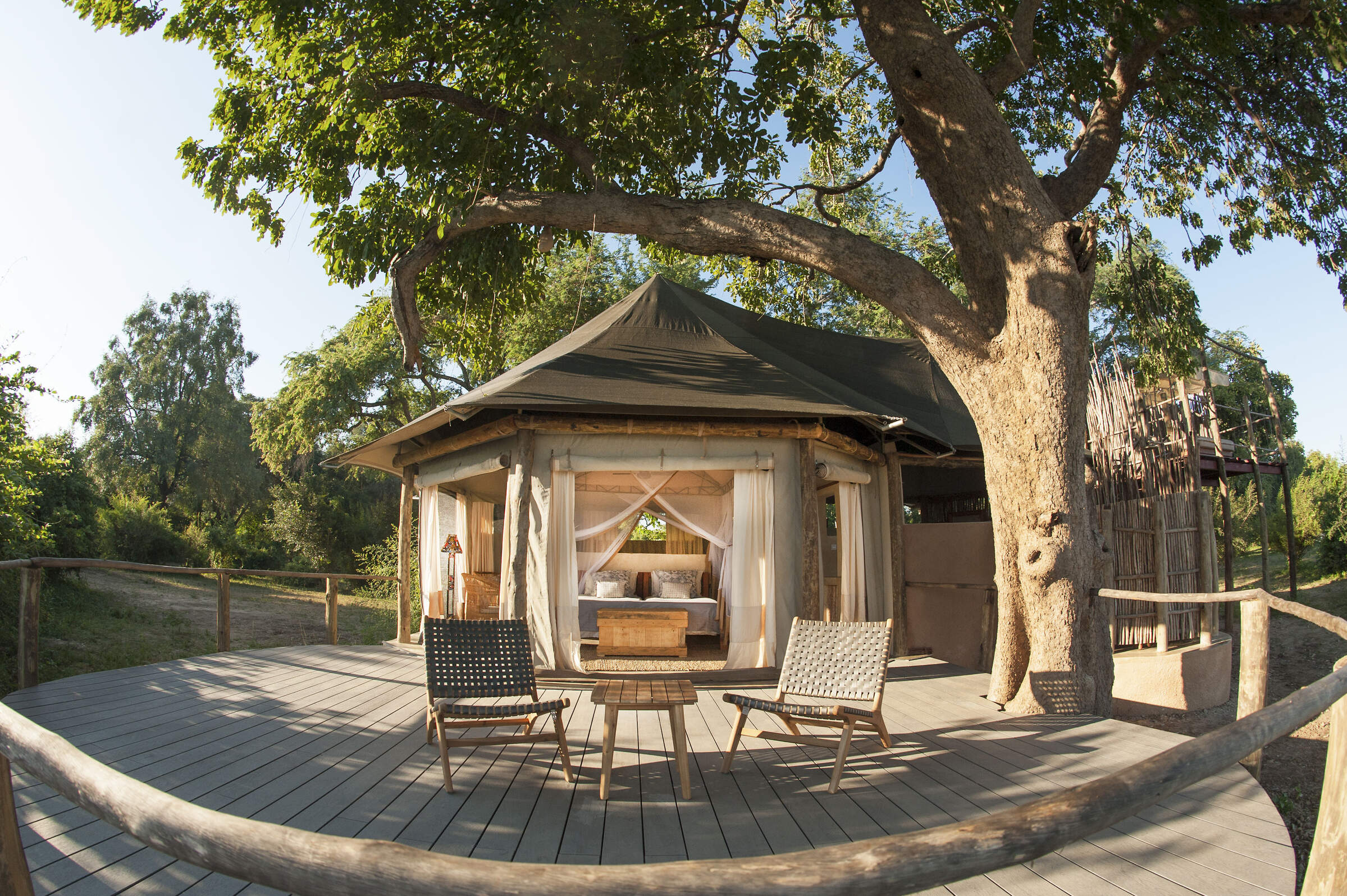
Three Rivers Camp
In the remote far south of South Luangwa National Park, Three Rivers Lodge sits at the confluence of three of the valleys rivers.
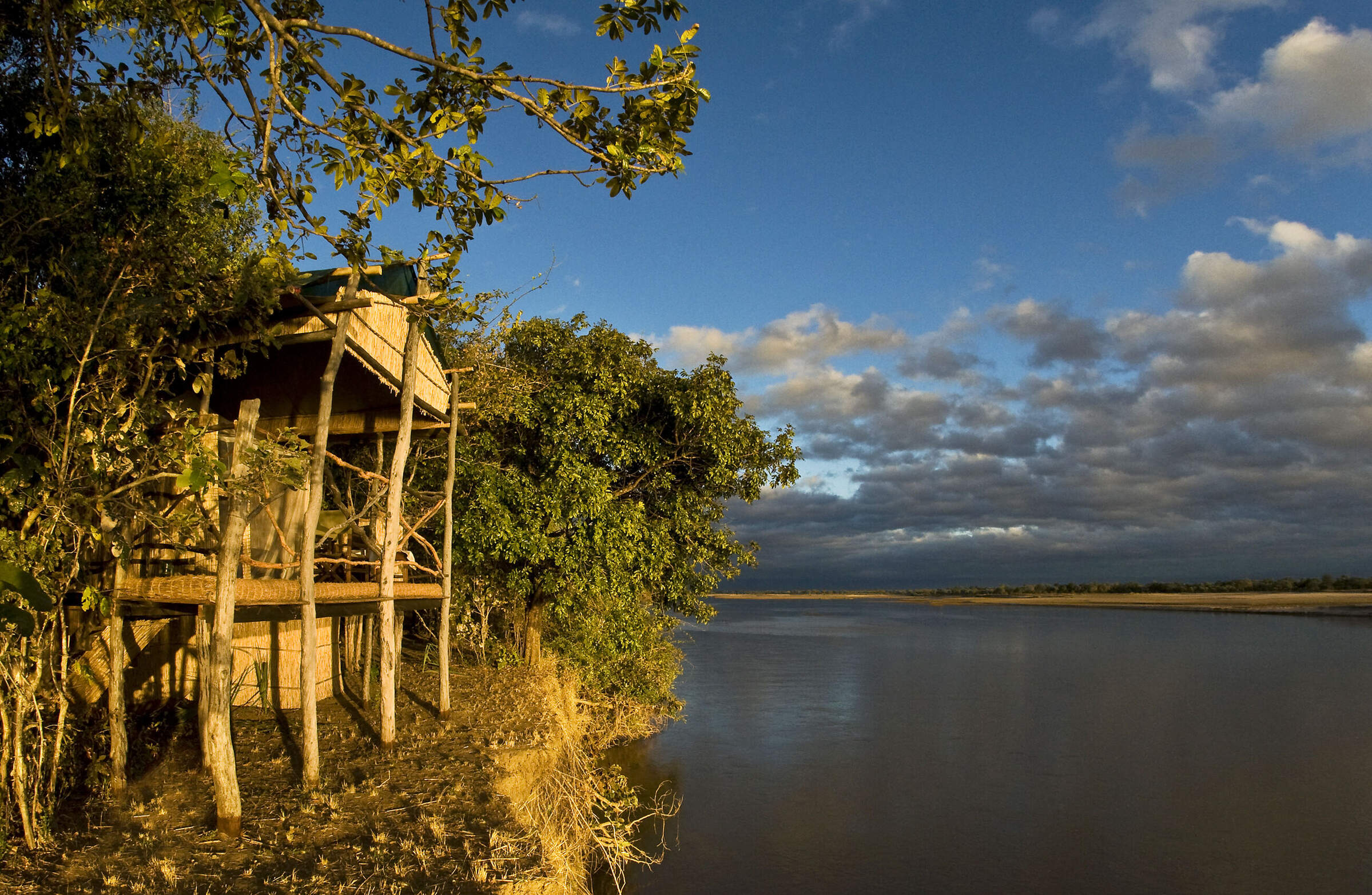
Island Bush Camp
Island Bushcamp is a good-value, rustic, walking-only camp, in arguably one of the most remote parts of the South Luangwa, well away from all other camps.
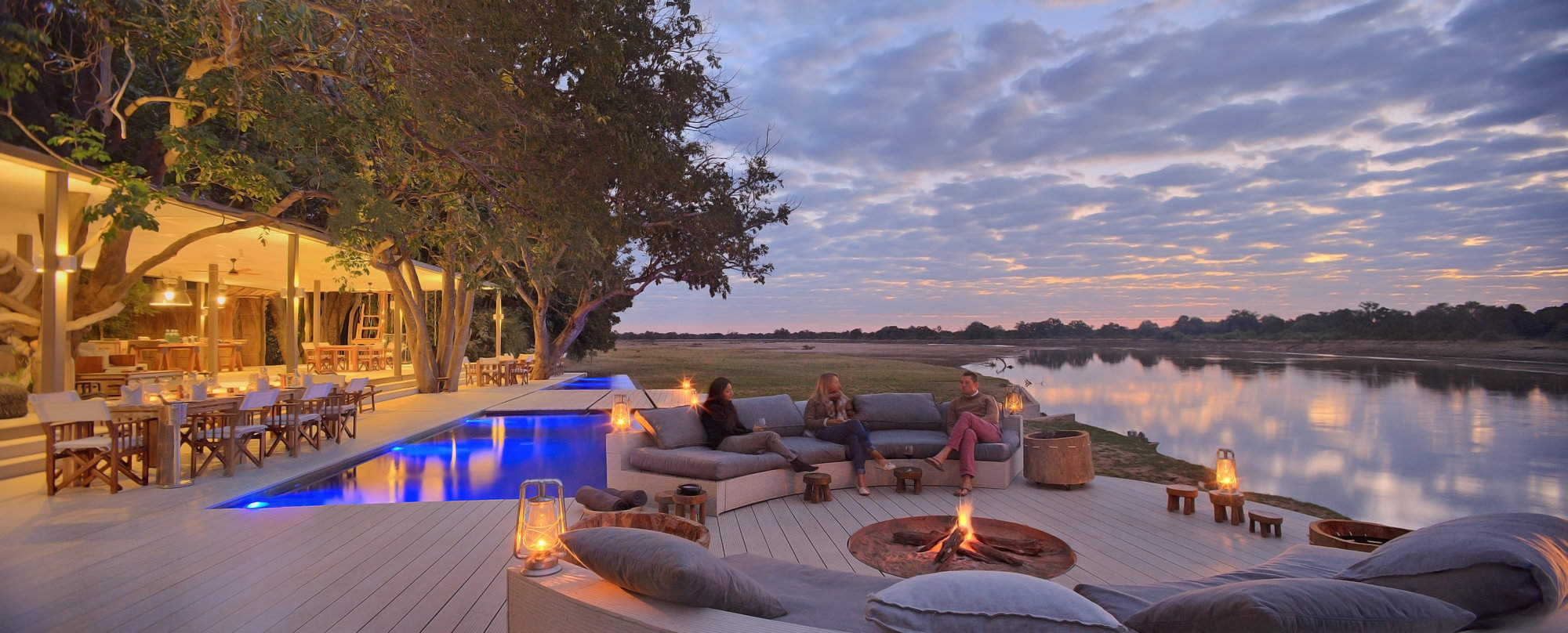
Chinzombo
Opened in early June 2013, Chinzombo offers luxurious and stylish accommodation with very high levels of service and excellent guiding.
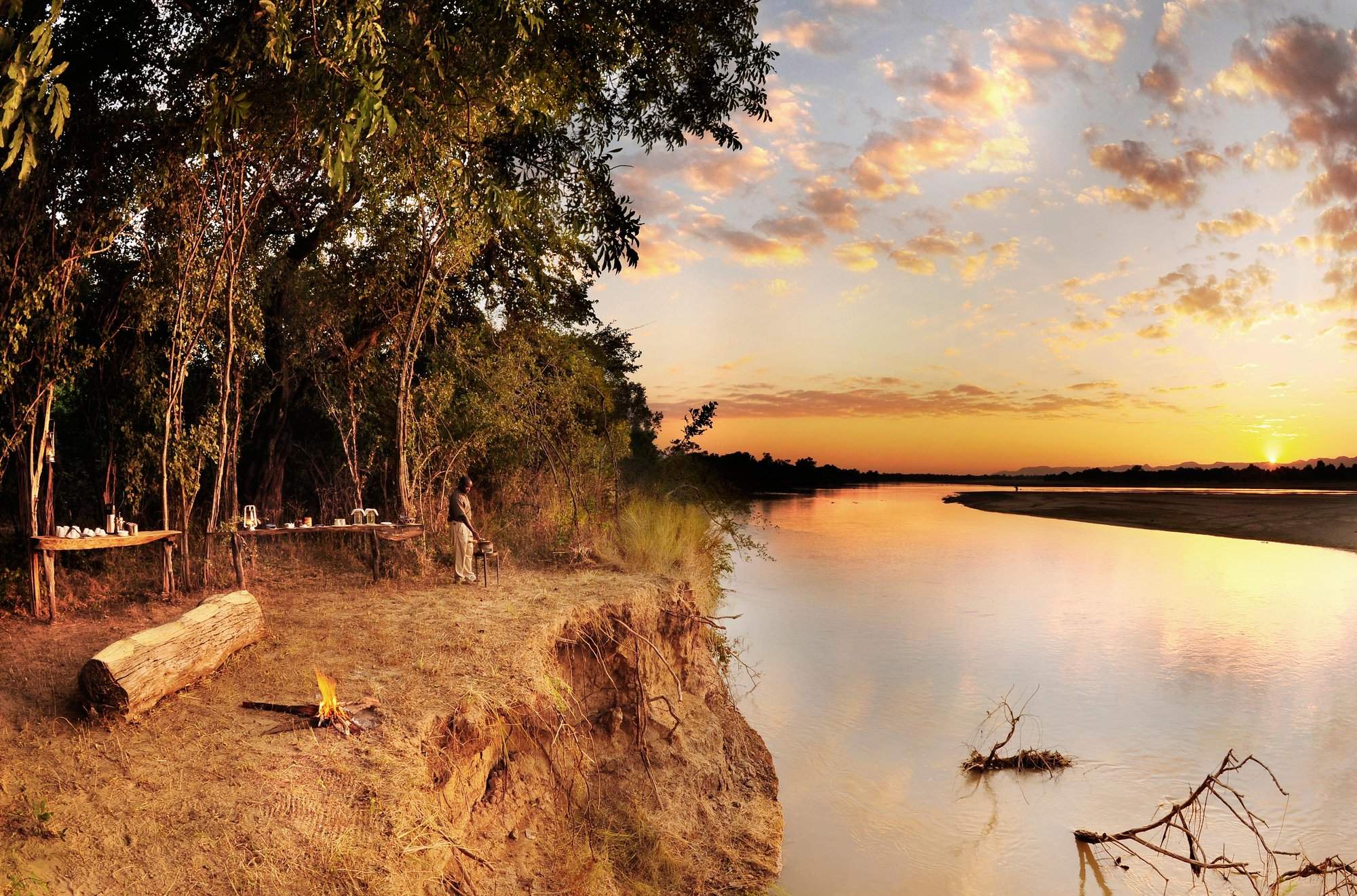
Bilimungwe Bushcamp
A smart bushcamp with four very spacious chalets, Bilimungwe offers interesting walking safaris in pretty riverine woodland, as well as day and night safari drives.
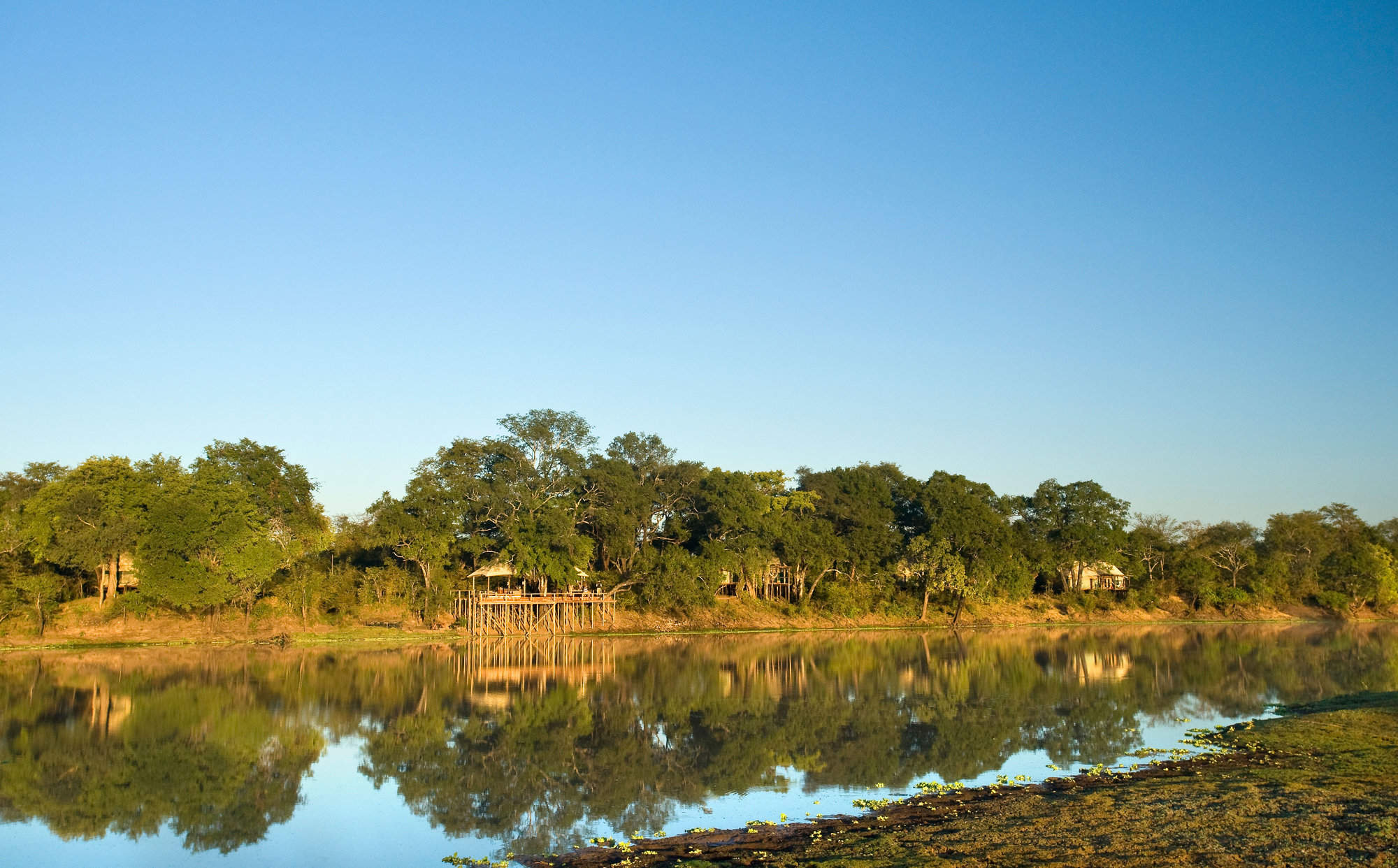
Chindeni
Chindeni Bushcamp is a very modern and minimalist camp, which is a far cry from your traditional bushcamp and unlike most of the other camps in South Luangwa.
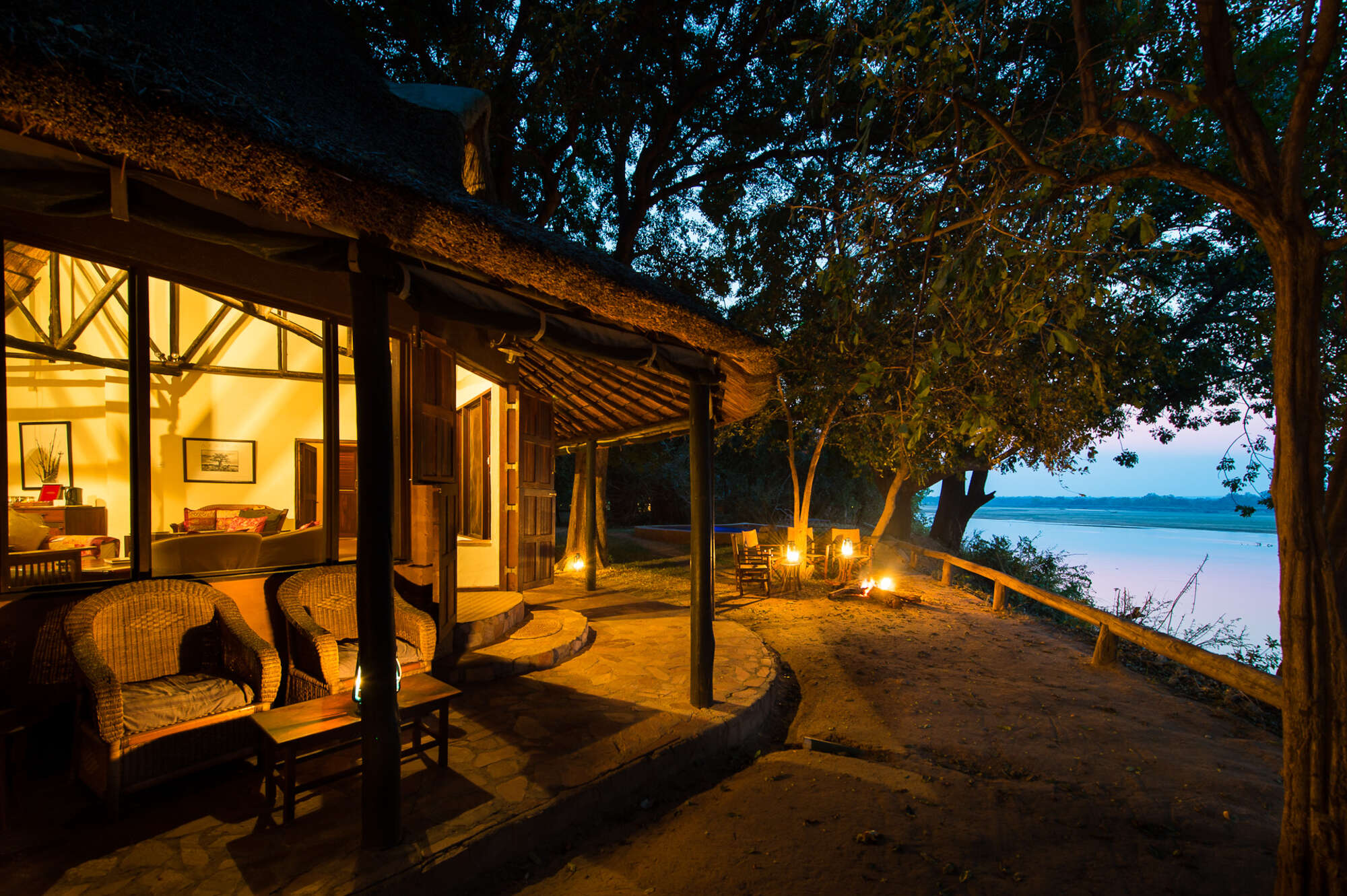
Robin's House
With your own expert guide, private vehicle, chef and valet, the two-bedroom Robin's House offers an exclusive, flexible safari experience – and is open year round.

Kawaza Village
Kawaza Village – beside the South Luangwa National Park, offers guests the rare opportunity to appreciate local village life. Visit for a few hours or stay overnight.
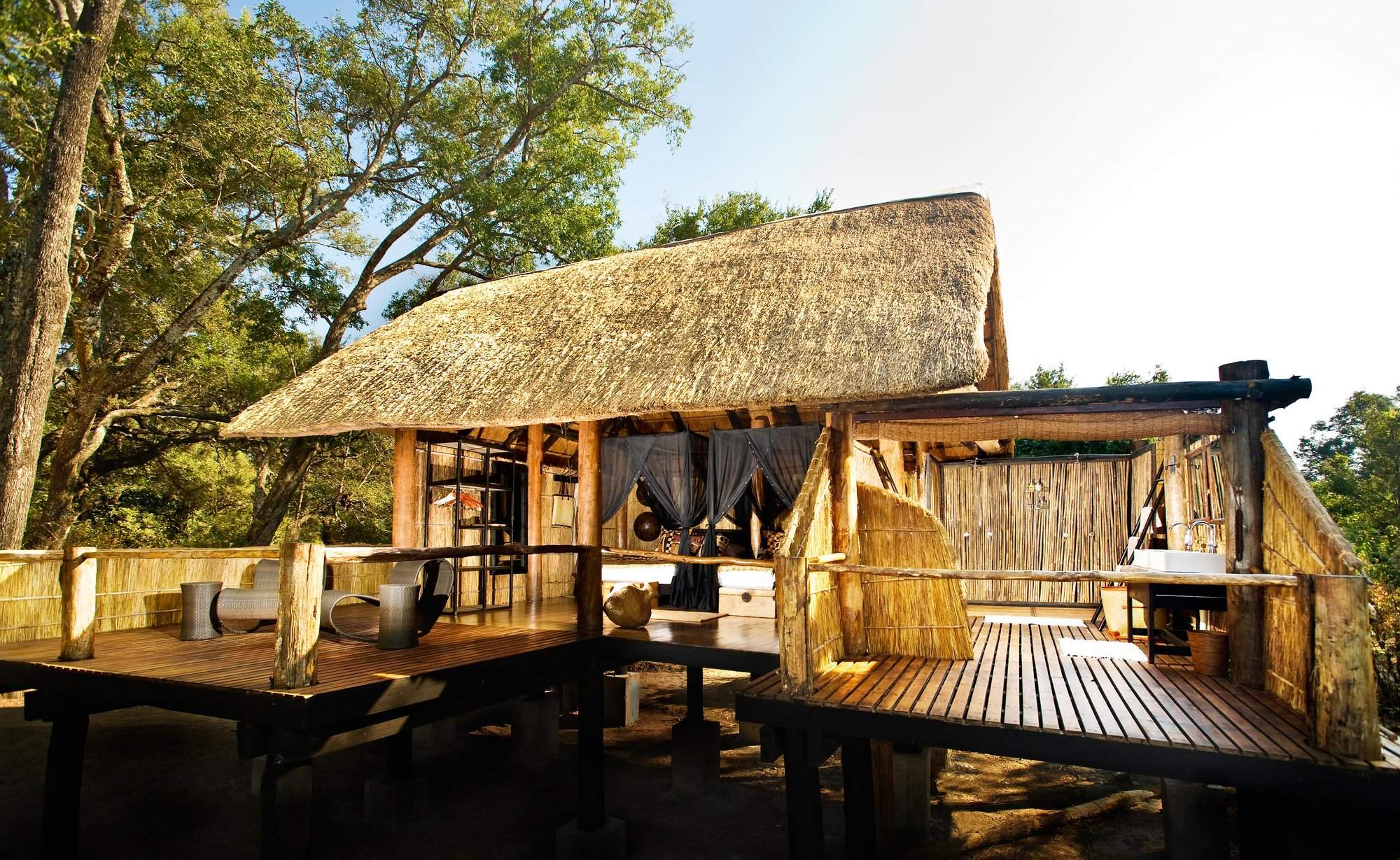
Chamilandu Bushcamp
A comfortable little bushcamp, Chamilandu has a picturesque setting by the Luangwa River, in an area with a range of habitats to explore on foot and by 4WD.
Mwamba Camp-out
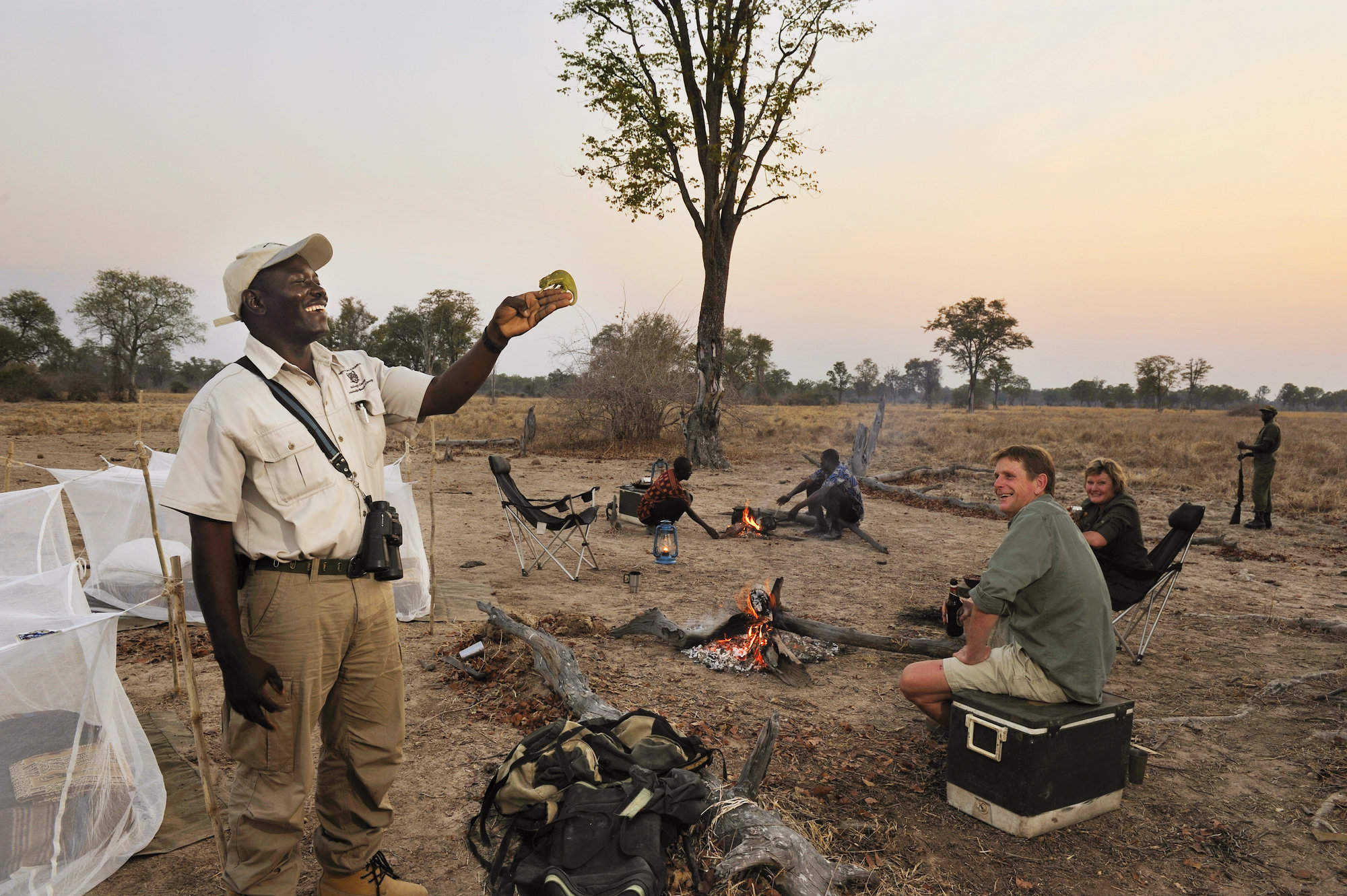
The Mwamba-Camp Out allows you to have an incredibly adventurous night in the bush, sleeping under mosquito nets with activities led by some of the best guides in Zambia.
Zungulila
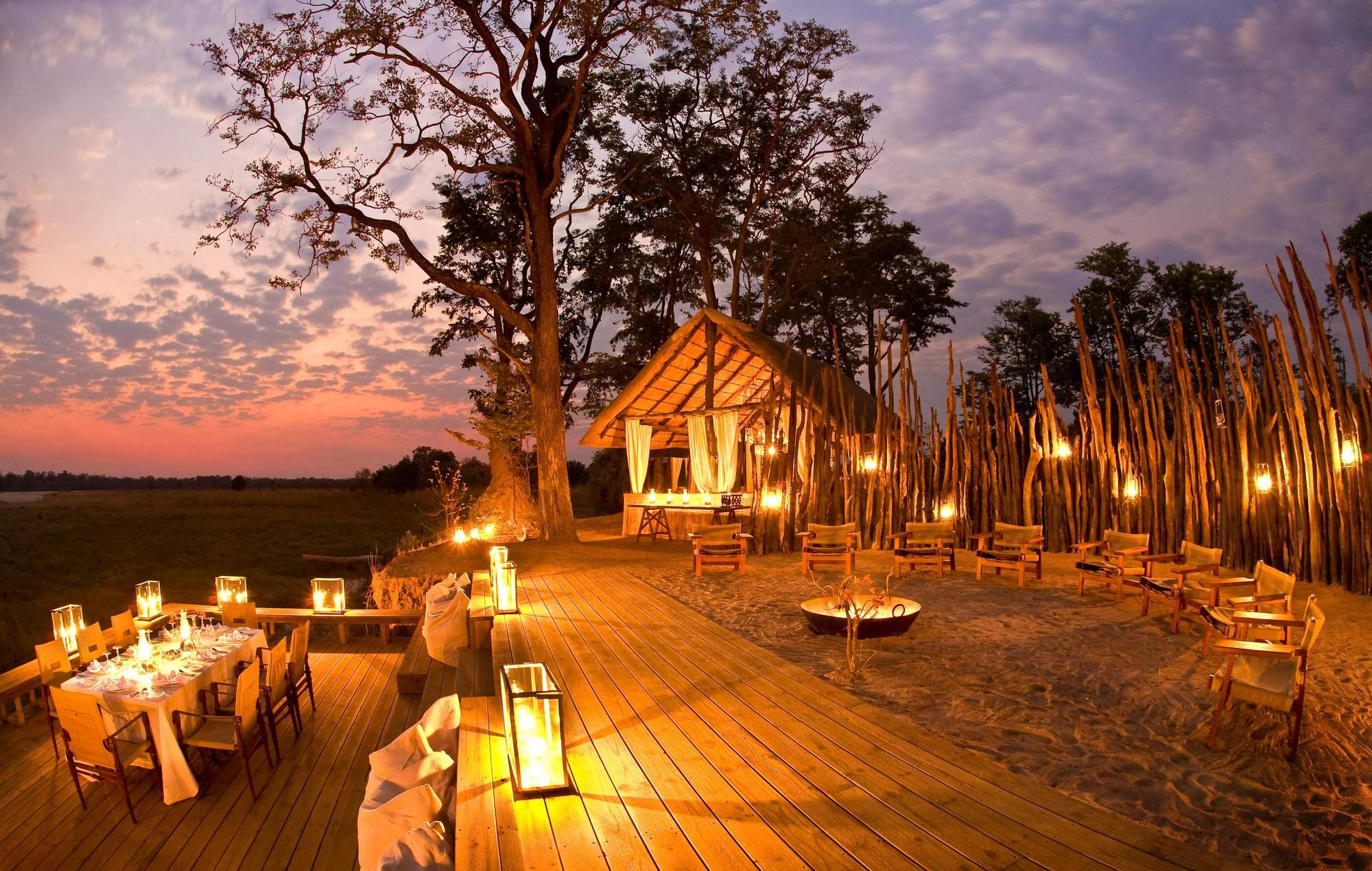
Zungulila is a small, comfortable tented bushcamp with an emphasis on walking safaris, in the remote southern section of the South Luangwa.
Shawa Luangwa
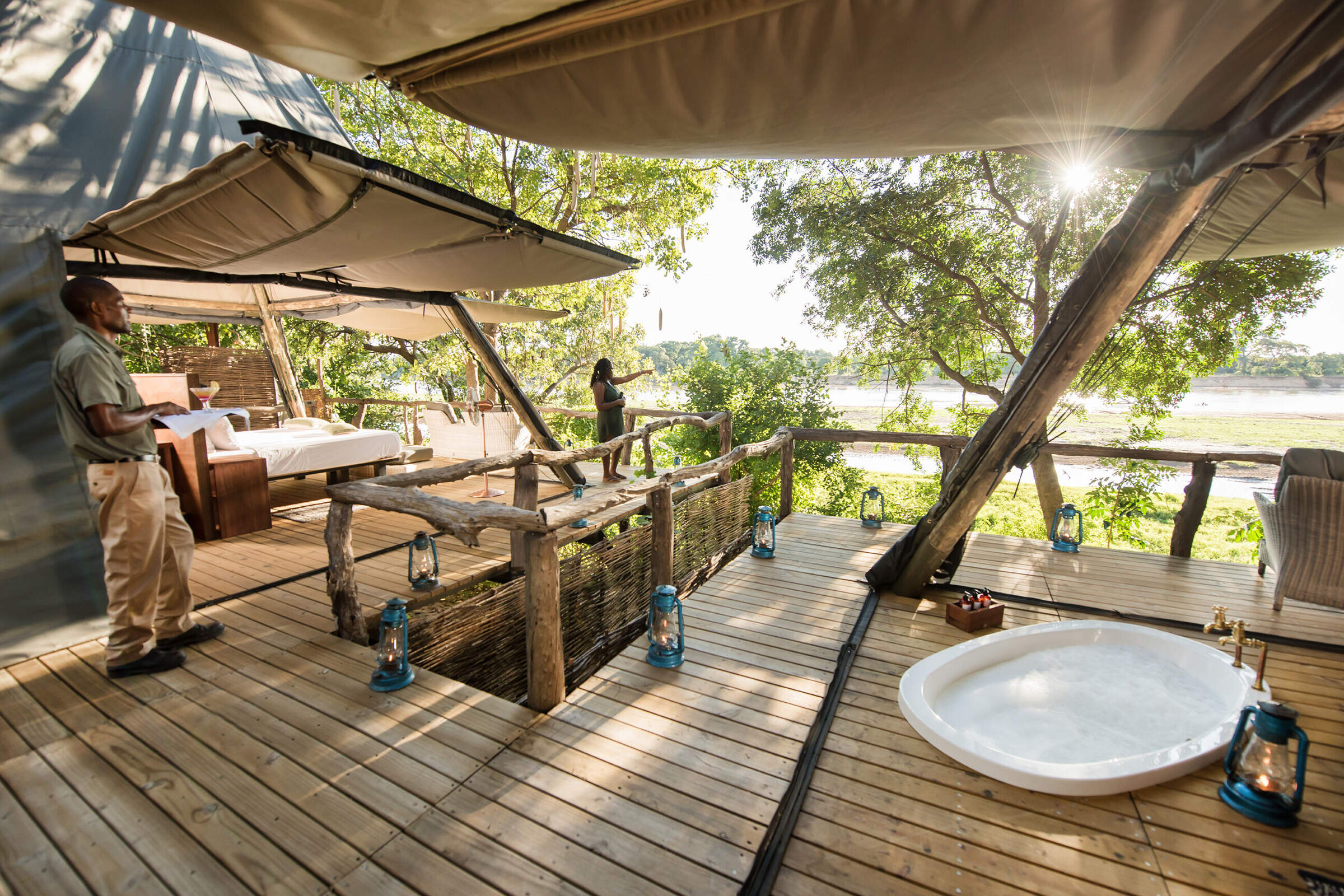
Opened in June 2021, Shawa Luangwa Camp is a small, intimate and rustic camp, with a good location in a remote section of the South Luangwa National Park.

Chichele Lodge
Currently undergoing renovations, Chichele Presidential Lodge stands high within the park, with superb views, and is due to reopen in late 2022.
Luwi Riverbed Sleepout
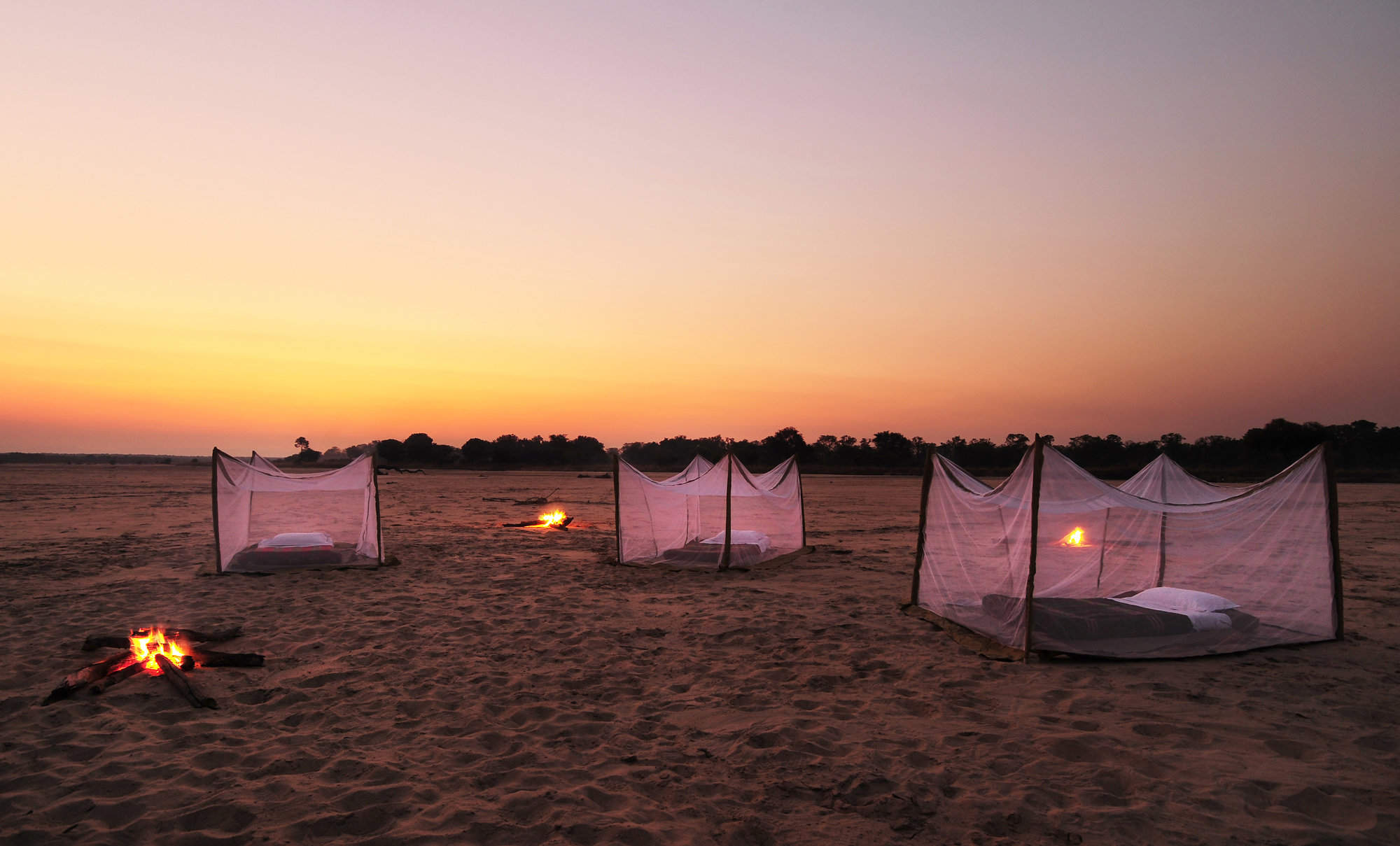
For an adventurous night in South Luangwa National Park, come and sleep out in the bush, around a campfire, with an experienced guide and game scout.
Mapazi Camp
Mapazi Camp is a basic safari camp in the far north of the South Luangwa, with walking safaris led by renowned guide Deb Tittle.
Chikunto
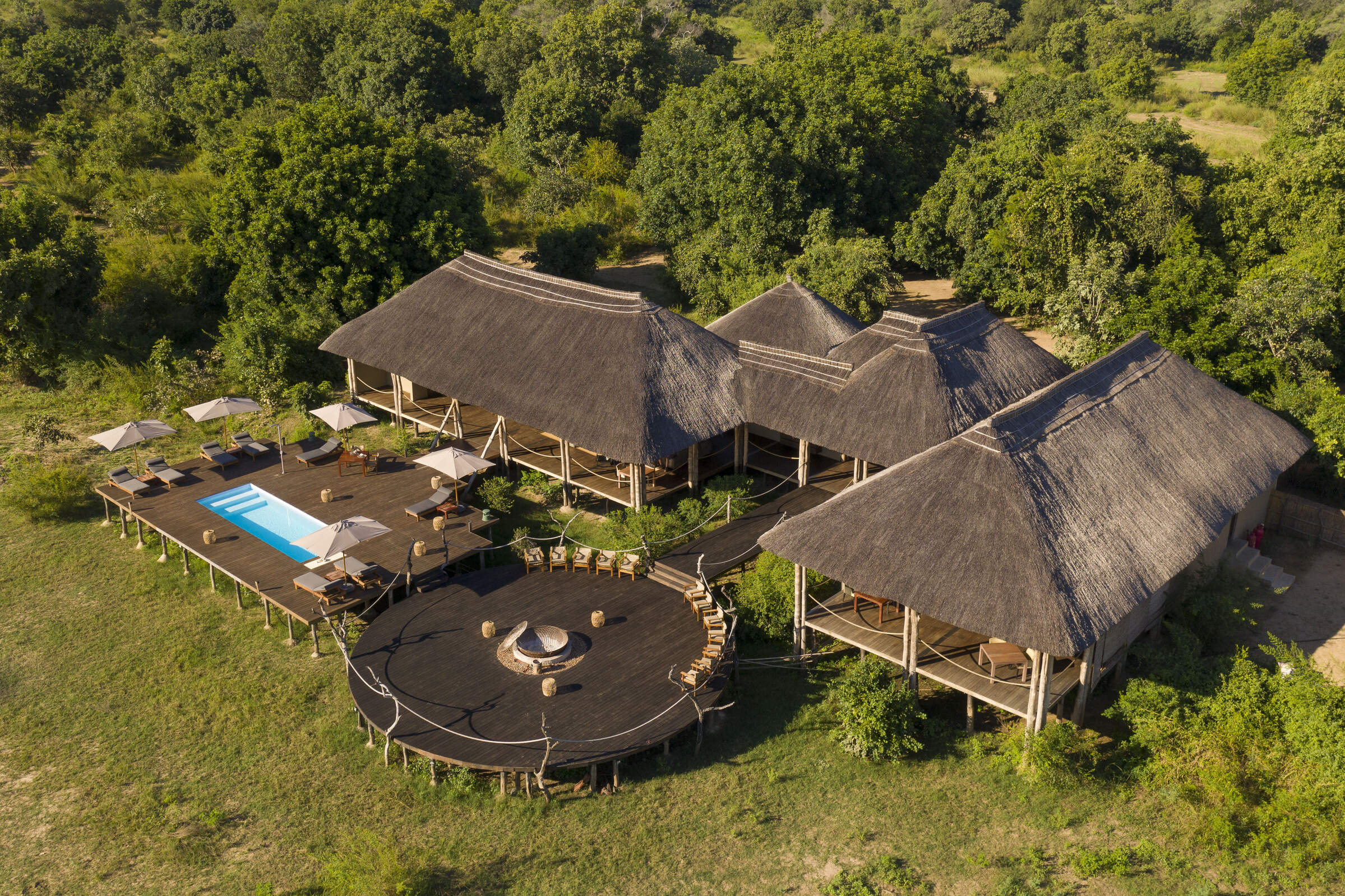
Chikunto Safari Lodge is a more traditional property in the South Luangwa National Park, sitting on a peninsula of land created by the meandering Luangwa River.