
Kalahari's Salt Pans
Kalahari Salt Pans
The salt-encrusted surface of the pans glints in the light, shimmering like water in the heat haze.
Vast, endless emptiness stretches to the horizon in every direction, where the land is cracked and parched beneath the unrelenting sun. Vegetation is sparse, scrubby grasslands punctuated by the occasional stand of palm trees, their silhouettes rising like a mirage against the sky.
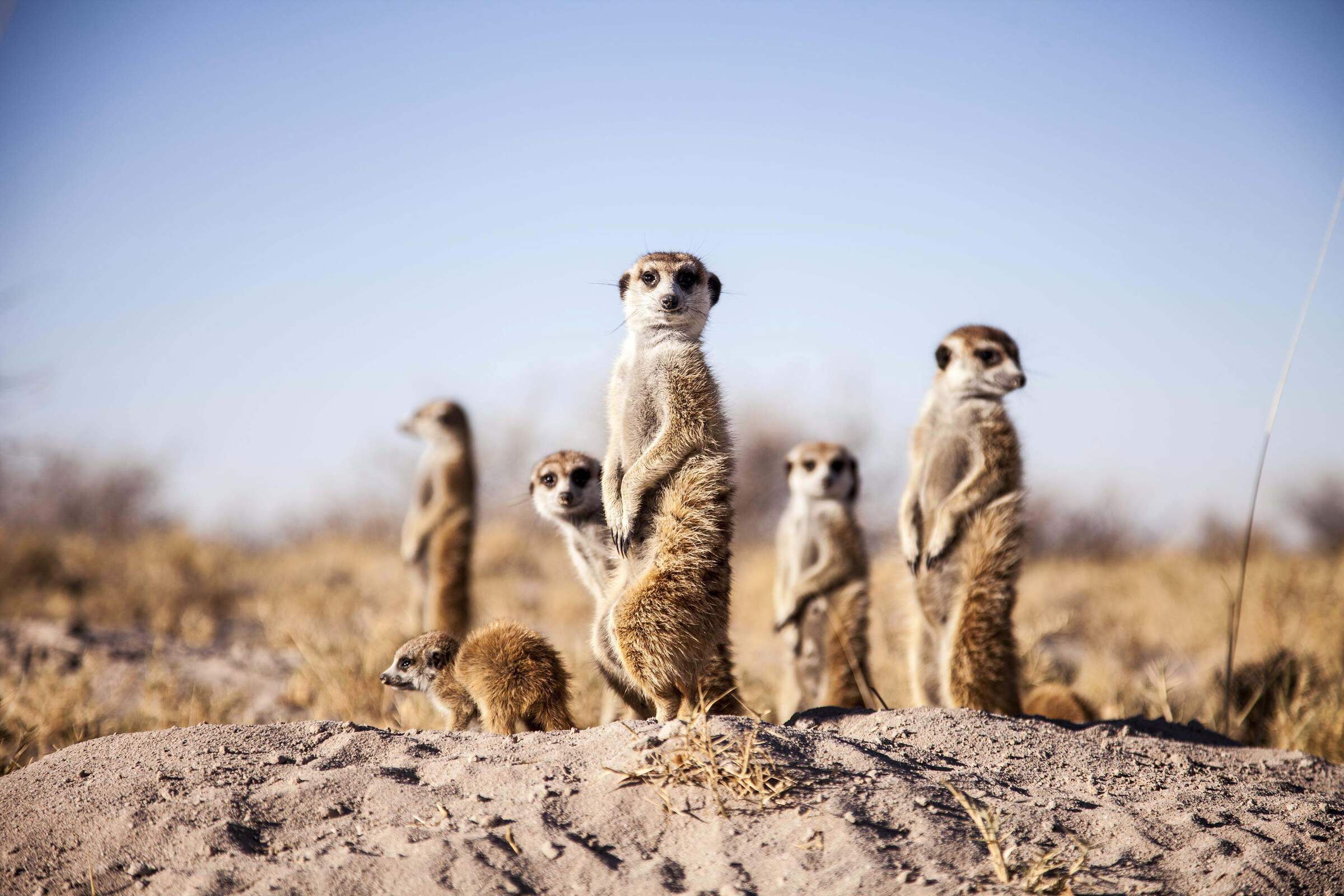
The Makgadikgadi Pans, remnants of an ancient super-lake that once covered much of central Botswana, now span over 12,000km² of the Kalahari. For much of the year, this is a place of striking desolation, a fossil desert where Stone Age tools lie undisturbed, meerkats keep watch by day, and brown hyenas patrol by night.
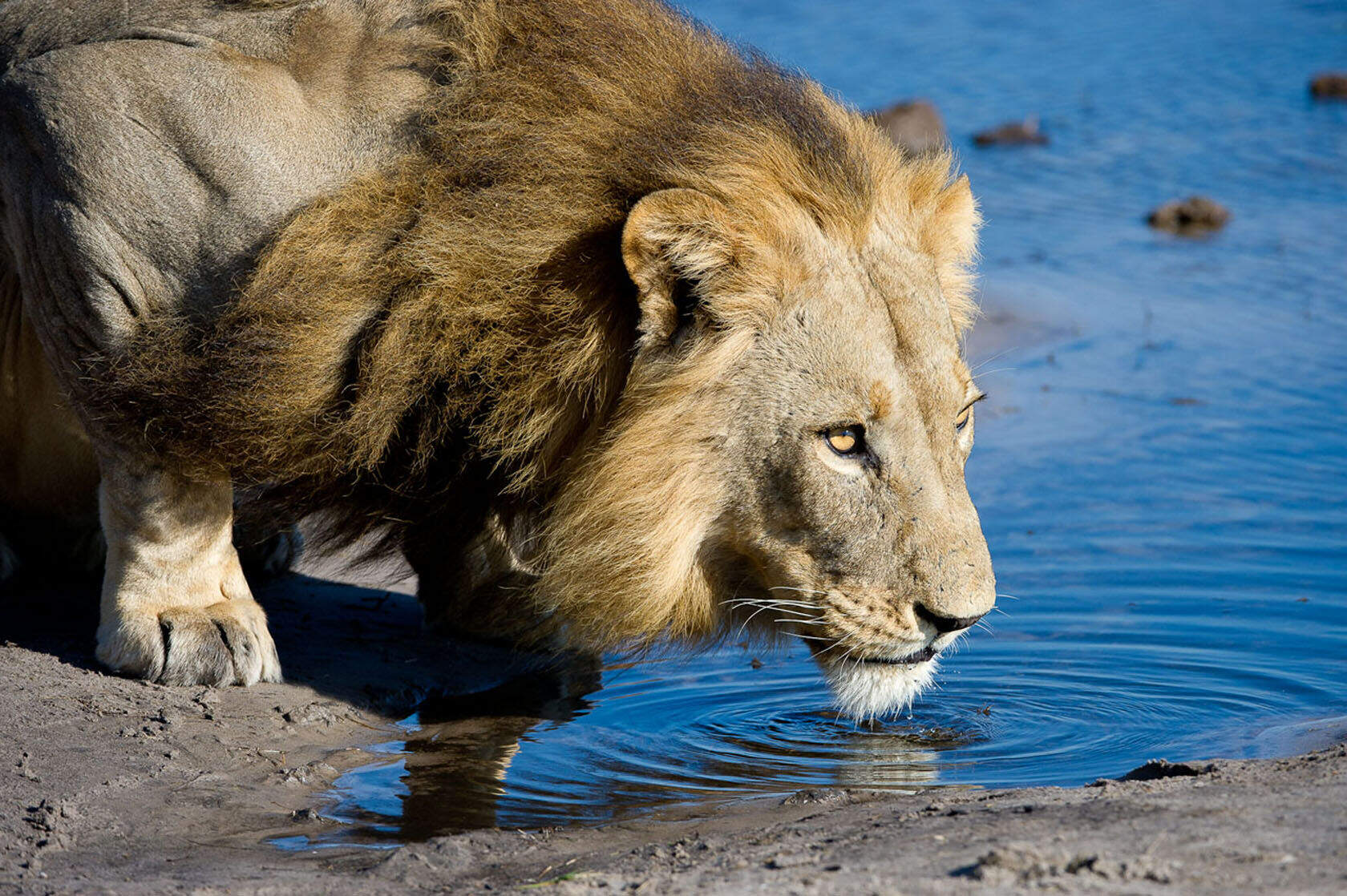
The hard, flat terrain is perfect for exploration—on foot, horse, 4WD, or on the back of a quad bike, racing across the endless white expanse. Then, when the rains arrive, the transformation is breathtaking. Water gathers in the pans, attracting thousands of flamingos, their pink plumage staining the horizon. The great migration of zebra and wildebeest return, feeding on the fresh grasses of the surrounding plains, stalked by lions and cheetahs.
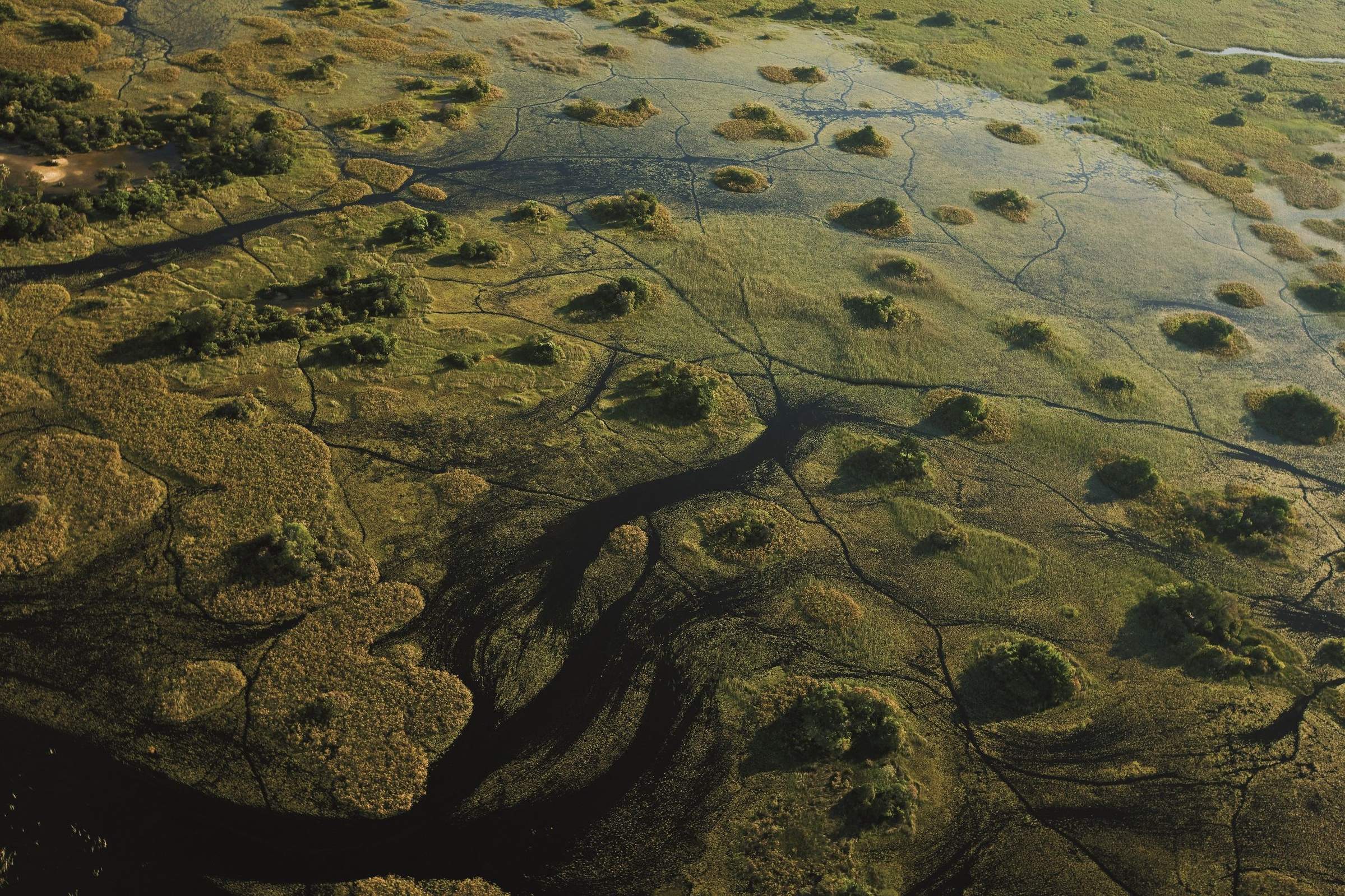
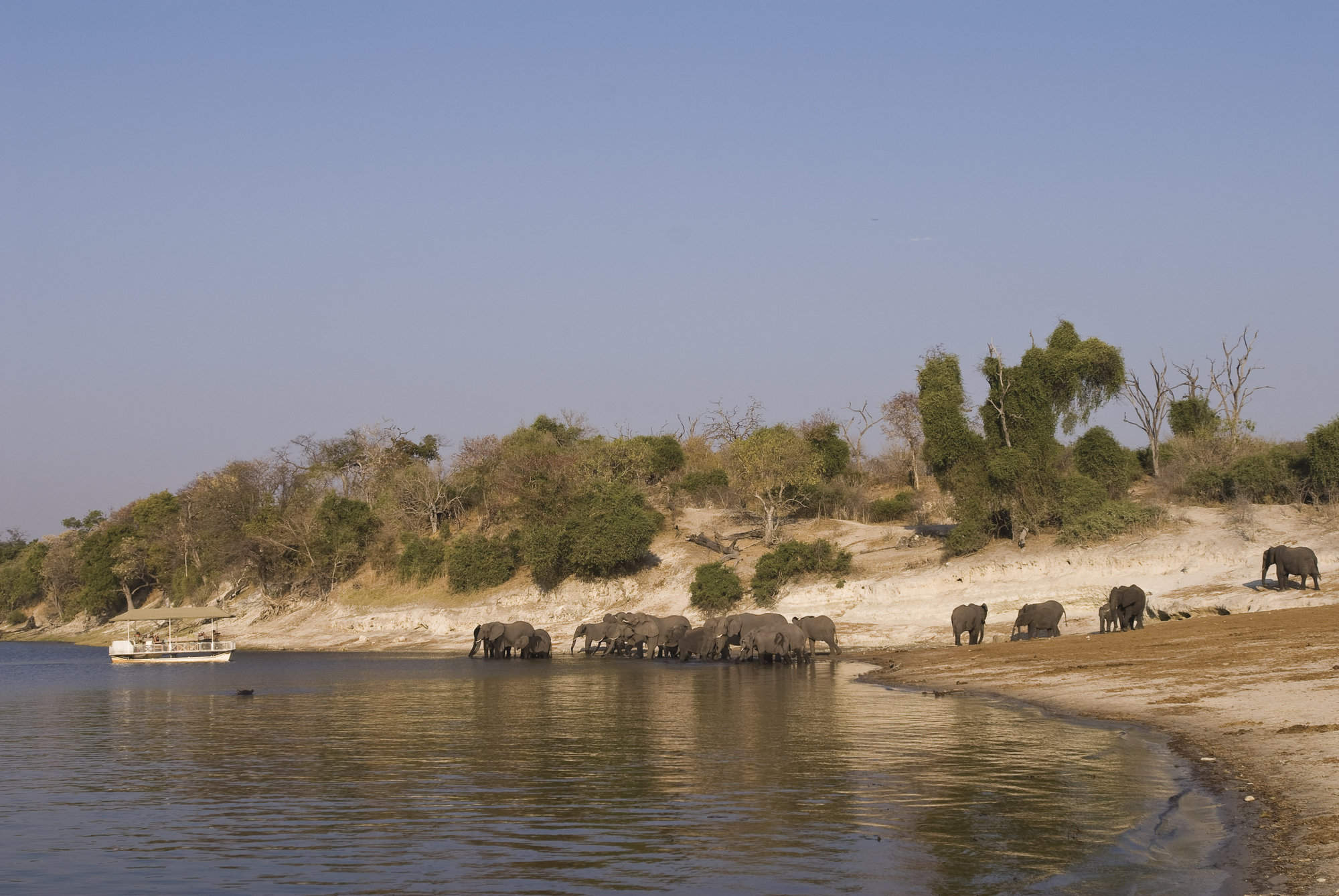
To the west, the Boteti River, which marks the boundary of Makgadikgadi Pans National Park, was dry for years but now flows once more, drawing elephants and hippos to its banks. As the land nears the river, the scrub gives way to denser woodlands, home to an entirely different world of life. Here, shaft-tailed whydahs flit between the branches, and carmine and blue-cheeked bee-eaters add flashes of colour to the landscape. And lodges perch on the clifftop, providing perfect vistas of the watercourse
Further north lies Nxai Pan National Park, a grass-covered fossil lakebed attracting large numbers of plains game, especially zebra, springbok, and gemsbok, and predators during the green season (late November to April). The park is also home to the renowned Baines' Baobabs, a cluster of ancient baobab trees that have stood sentinel over the landscape for millennia.
Few travellers make it to this isolated wilderness, yet those who do are rewarded with one of Africa’s most surreal and photogenic landscapes.

Safaris visiting Kalahari Salt Pans
The Kalahari Salt Pans offer some of Botswana’s most unique and immersive safari experiences, from the vast, shimmering expanses of the Makgadikgadi Pans, to the wildlife-rich grasslands of Nxai Pan National Park, and the seasonal herds along the Boteti River. Each area has its own distinct landscape, activities, and appeal.
Botswana’s commitment to low-impact tourism ensures that visitors can experience these remote wildernesses in an exclusive and meaningful way. Whether you’re drawn to the thrill of quad biking across the endless salt flats, tracking meerkats and brown hyenas, or witnessing zebra migrations in Nxai Pan, we can tailor a safari to match your interests.
Talk to our safari experts about planning your perfect Kalahari adventure, perhaps in combination with the Okavango Delta or Chobe National Park, for a truly diverse Botswana experience.
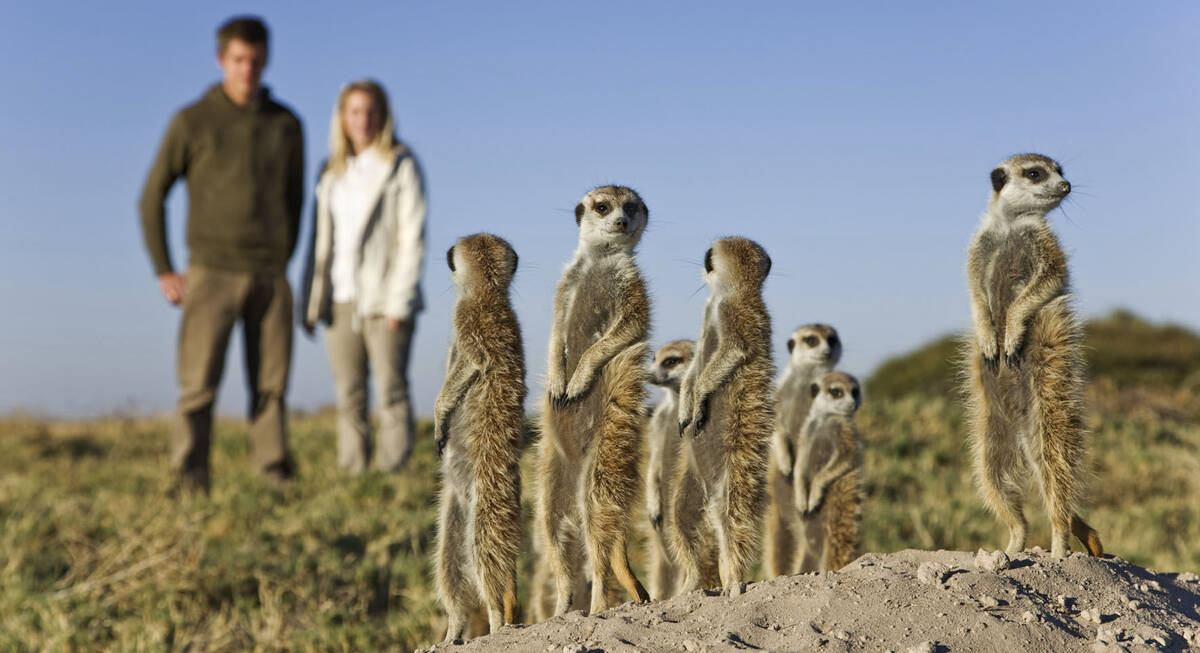
Red Lechwe Safari
9 days • 3 locations
MAUN AIRPORT TO MAUN AIRPORT
Superb guiding from three fabulous camps full of character in three contrasting areas for a fabulous safari to the Okavango Delta and Kalahari Desert.
US$17,600 - US$28,240 per person
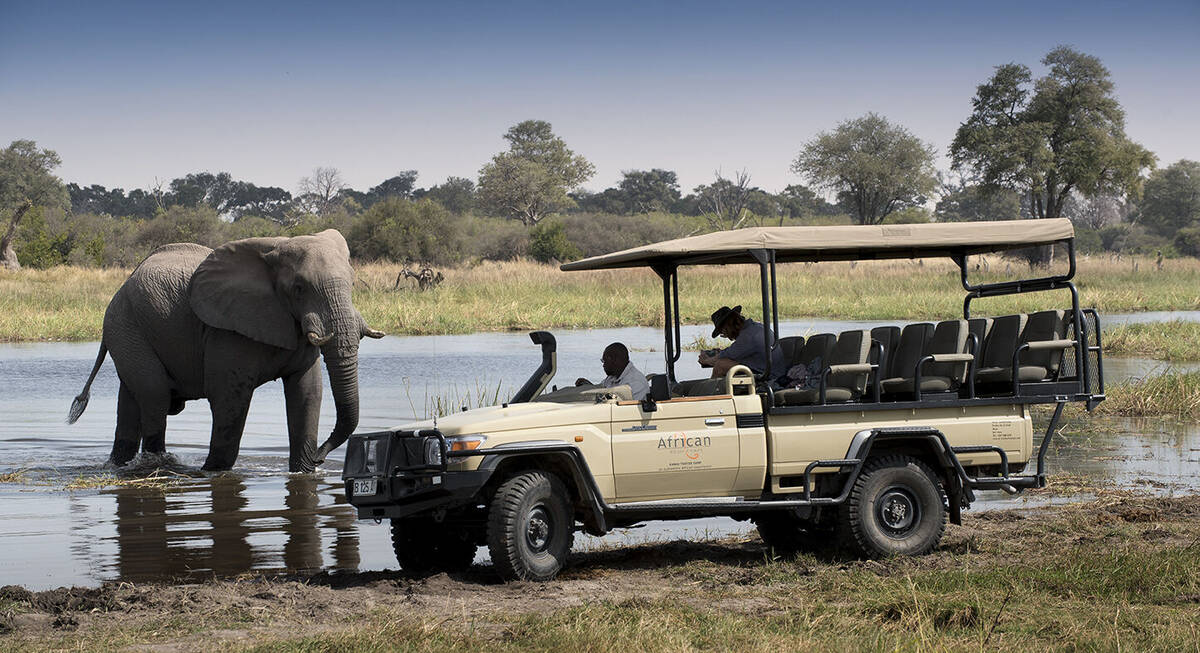
African Jacana Safari
7 days • 3 locations
MAUN AIRPORT TO MAUN AIRPORT
An adventurous introduction to Botswana blending prolific wildlife, incredible landscapes and varied activities staying at relaxed camps in the Chobe Enclave, a community-owned reserve bordering the Moremi, and Makgadikgadi Pans.
US$8,550 - US$12,280 per person
Recent reviews of our safaris to the Kalahari Salt Pans
We specialise in crafting unforgettable safaris to the Kalahari Salt Pans, but don't just take our word for it - hear from our travellers! With hundreds of genuine reviews from the Kalahari region alone, you can trust in the genuine feedback from those who've experienced it firsthand.
Whether it's the thrill of quad biking across the vast salt flats, the delight of interacting with habituated meerkats, or the profound insights gained from Bushman walks, our travellers consistently praise the unique experiences offered in this extraordinary landscape. Read their unedited reviews about tailor-made Kalahari safaris, then let us create the perfect adventure for you too!
The best camps and lodges in the Kalahari Salt Pans
The Kalahari Salt Pans offer a range of camps, each providing a unique experience of this vast landscape.
For luxury and heritage, Jack’s Camp and San Camp blend old-world charm with lavish tents, a natural history museum, sweeping views and super meerkat encounters. For a more adventurous stay, Camp Kalahari provides a rustic, family-friendly base, ideal for quad biking and cultural walks, while Nxai Pan Camp provides access to fossilised lakebeds, seasonal zebra migrations, and Baines’ Baobabs.
Along the Boteti River, Meno A Kwena and

Camp Kalahari
Overlooking the Makgadikgadi Pans, Camp Kalahari is great value; come for quadbiking excursions on the salt pans, cute meerkats, excellent Bushman walks, and interesting 4WD safaris.

Nxai Pan Camp
Offering good summer game viewing and visits to Baines Baobabs, the comfortable Nxai Pan Camp is currently the only permanent camp in Nxai Pan National Park.

Jack's Camp
Jack's Camp was the original camp in the Makgadikgadi area, and many still consider it the best. Come for a unique and memorable experience, but not for prolific game viewing.

San Camp
The simple but stylish San Camp lies in a stunning location beside the Makgadikgadi Salt Pans, where highlights are quadbiking, meerkats, and Bushmen walks.

Meno A Kwena
Meno A Kwena Tented Camp is an old-style safari camp, run by an experienced Botswana expert. Overlooking the bed of the Boteti River, it's a great place to relax and watch wildlife at the camp's waterhole.

Leroo La Tau
From the western bank of the Boteti River, Leroo La Tau overlooks the Makgadikgadi Pans National Park, where game concentrations are highest from July to October.
Wildlife hotspots in the Kalahari Salt Pans
The Kalahari Salt Pans undergo a dramatic seasonal transformation. In the dry season, the vast salt flats appear lifeless, but after the rains, they become a thriving ecosystem. The Makgadikgadi and Nxai Pans host one of Southern Africa’s largest zebra and wildebeest migrations, attracting lions, cheetahs, and hyenas. Seasonal lakes fill with flamingos, creating a breathtaking spectacle.
Our citizen-science wildlife tracking project has gathered real-time sightings since 2018. Based on Expert Africa traveller reports, the most commonly seen species in this area of the Kalahari include zebra, springbok, bat-eared foxes, brown hyenas, and meerkats. Predators such as cheetahs and Kalahari black-maned lions are frequently spotted, especially in the wet season. This data helps us tailor safaris for the best wildlife viewing. Click on an animal below for the latest sightings. How we work this out.

98% success

94% success

83% success

79% success

57% success

43% success

41% success

37% success

33% success

30% success

18% success

6% success

2% success

2% success

0% success

0% success
When to go to Kalahari's Salt Pans
The Kalahari Salt Pans experience dramatic seasonal changes that greatly influence wildlife movements and visitor experiences.
The rainy season (November–March) brings shallow lakes and lush vegetation, drawing migrating zebra, wildebeest, and flamingos to the Makgadikgadi and Nxai Pans. This period offers spectacular wildlife photography opportunities, with predator-prey interactions heightened due to the abundance of herbivores.
The dry season (April–October) transforms the region into a vast salt desert, with wildlife concentrating around permanent water sources like the Boteti River. This is the best time for quad biking, cultural experiences with the San Bushmen, and unparalleled stargazing under crystal-clear skies. The famous Baines’ Baobabs in Nxai Pan stand out beautifully against the barren landscape.
Read our month-by-month detailed descriptions of the weather below, to understand how the seasons impact the wildlife and your safari experience:
Jan
Feb
Mar
Apr
May
Jun
Jul
Aug
Sep
Oct
Nov
Dec
Kalahari's Salt Pans in January
January is the peak of the rainy season, bringing short but intense downpours that flood the pans, transforming the landscape into a lush paradise. The Makgadikgadi and Nxai pans become vast grasslands, attracting large herds of zebra and wildebeest as part of their annual migration. The Boteti River swells, supporting a diversity of wildlife.
Birdwatching is exceptional, with migratory birds and flamingos breeding in Sua Pan. While game viewing can be challenging due to dispersed wildlife, patient observers can spot predators like lions and cheetahs taking advantage of newborn prey.
Low-season rates make this an attractive time for budget-conscious travellers.
- Salt pans flood, creating a dramatic transformation
- Zebra migration draws predators
- Flamingo breeding season in Sua Pan
- Exceptional birdwatching and photography opportunities
- Low visitor numbers, offering an exclusive experience
Our view
A good time to visit, with pros & cons
Weather in January
Kalahari's Salt Pans in February
February remains lush and vibrant, with the zebra migration in full swing across the pans. Nxai Pan National Park is particularly rewarding, as grasslands attract large herbivore herds and their predators. The famous Baines’ Baobabs stand starkly against the green backdrop, making for breathtaking photography.
With water sources abundant, birdwatching is at its peak, and flamingos continue to thrive in Sua Pan. The Boteti River remains active, drawing thirsty wildlife. However, thick vegetation can make spotting large animals more challenging.
Camps and lodges offer excellent availability and value during this period.
- Peak of the rainy season, pans fully flooded
- Zebra migration at its most dramatic
- Flamingos still abundant in Sua Pan
- Green season rates offer excellent value
- Lush landscapes provide an ideal setting for photography
Our view
A good time to visit, with pros & cons
Weather in February
Kalahari's Salt Pans in March
March is a transitional month: the main rains beginning to taper off but the Makgadikgadi and Nxai Pan landscapes remain lush and teeming with life. The zebra migration starts moving northward from Makgadikgadi and Nxai, but large herds are still present, making this a great time for game viewing.
If it’s accessible, this is a lovely time to visit Kubu Island, as the contrast between the granite outcrops and the surrounding greenery can be striking. Predators remain highly active, particularly around Nxai Pan and Kukome Island, where they hunt the last of the young antelope. Birdwatching is still rewarding, and as water begins to recede, quad biking opportunities start opening up in drier areas.
- Rains begin to taper off, but pans remain lush
- Final opportunity to witness the zebra migration
- Flamingos start to disperse from Sua Pan
- Good predator-prey interactions
- Shoulder season begins, with fewer tourists
Our view
A good time to visit, with pros & cons
Weather in March
Kalahari's Salt Pans in April
While occasional late rains may occur, April marks the end of the rainy season, with floodwaters receding and the landscape drying out. The Makgadikgadi Pans begin transitioning back to their iconic white salt flats as the water evaporates, creating striking contrasts for photography. This creates a unique landscape where wildlife is easier to spot against the increasingly barren backdrop.
Wildlife concentrates around the remaining waterholes in Nxai Pan, while the Boteti River can becomes a valuable lifeline for thirsty animals. Walks with San Bushmen and quad biking adventures on the salt pans become more accessible.
Night-time temperatures begin to drop, especially in the Central Kalahari area, making for comfortable evening game drives to spot nocturnal animals.
- Floodwaters recede, exposing salt flats
- Wildlife concentrates around remaining water
- Clear skies and mild temperatures perfect for game drives
- Baines’ Baobabs surrounded by seasonal water, ideal for photography
- Last month for good green season game viewing
Our view
A good time to visit, with pros & cons
Weather in April
Kalahari's Salt Pans in May
May is a popular month to visit the Kalahari Salt Pans region. The landscape has transformed, with the vast white expanses of Makgadikgadi Pans becoming more prominent. This creates surreal, otherworldly vistas perfect for photography. Wildlife concentrates around permanent water sources like the Boteti River, offering excellent game viewing opportunities. In Nxai Pan National Park, the famous Baines Baobabs stand out starkly against the drying landscape.
This is an ideal time for quad biking adventures across the salt pans. Cooler temperatures, especially in the mornings and evenings, lead to increased predator activity, and meerkat interactions are particularly rewarding, as they are active in the open plains. The skies remain crystal-clear, making for spectacular stargazing and astrophotography.
- Salt flats dry out, creating surreal landscapes
- Wildlife gathers at permanent water sources
- Perfect temperatures for safaris
- Quad biking becomes widely available
- Meerkat encounters highly rewarding
Our view
A very good time to visit
Weather in May
Kalahari's Salt Pans in June
June marks the official start of the dry season in the Kalahari Salt Pans region, bringing crisp, cool mornings and clear skies. The Makgadikgadi and Nxai pans are now vast, shimmering white expanses, offering incredible photographic opportunities. Wildlife viewing is excellent as animals congregate around the Boteti River.
Night-time temperatures can reach freezing, but daytime temperatures are pleasant. The clear, crisp air enhances visibility, making this a favourite time for serious photographers and one of the best months for stargazing. The atmosphere in June is at its clearest, allowing for spectacular views of the Milky Way. Meerkat encounters continue to be a highlight, with the animals more active in the cooler weather. The salt pans are now bone-dry, opening up thrilling quad biking excursions.
- Cold mornings, comfortable days for safaris
- Wildlife highly visible along the river and scarce waterholes
- Best time for quad biking across the salt pans
- Exceptional stargazing with crystal-clear skies
- Meerkats remain highly active and visible
Our view
Fantastic: the very best time to visit
Weather in June
Kalahari's Salt Pans in July
July offers excellent conditions for exploring the Kalahari Salt Pans. The Makgadikgadi Pans present a stark, lunar-like landscape, perfect for atmospheric photography. Wildlife viewing is superb, with animals concentrated around permanent water sources like the Boteti River. This is an excellent time to visit Nxai Pan National Park, where the famous Baines Baobabs stand out dramatically against the dry landscape.
The clear night skies offer phenomenal stargazing opportunities. Quad biking adventures across the salt pans are popular, providing a thrilling way to experience the vast, otherworldly terrain. Meerkat encounters continue to be a highlight, with these charismatic animals easily observable in the sparse vegetation. Guided walks with San Bushmen offer insights into traditional survival skills in this harsh environment.
- Peak dry season, best time for game viewing
- Ideal conditions for astrophotography
- Wildlife highly concentrated around water sources
- Quad biking across vast salt flats remains a highlight
- Bushmen cultural experiences highly recommended
Our view
Fantastic: the very best time to visit
Weather in July
Kalahari's Salt Pans in August
August marks the height of the dry season and is a popular time to visit the Kalahari Salt Pans, coinciding with northern hemisphere summer holidays. Mornings are cool and days are warm, making it perfect for a range of activities.
The Makgadikgadi and Nxai pans are at their driest, offering surreal, moon-like landscapes. Wildlife viewing is excellent, with animals congregating around the few remaining water sources, particularly along the Boteti River. This is a good time for exciting quad-biking adventures across the vast salt pans – though nights are cold.
For something more sedate, meerkat encounters continue to be a highlight, with clear visibility in the sparse vegetation, and evening stargazing is spectacular due to cloudless skies. The contrast between the white salt pans and the silhouettes of Baines Baobabs in Nxai Pan make for stunning photographic opportunities.
- Peak dry season, animals concentrated at the Boteti River
- Quad biking and guided walking safaris are at their best
- Clear night skies offer stunning stargazing conditions
- Wildlife sightings include elephants, lions, and plains game
- Meerkat encounters continue to be excellent
Our view
Fantastic: the very best time to visit
Weather in August
Kalahari's Salt Pans in September
September brings rising daytime temperatures to the Kalahari Salt Pans, while nights remain cool. The landscape is at its driest, with Makgadikgadi and Nxai pans offering vast, shimmering expanses. This creates ideal conditions for quad biking adventures and stunning photography, especially during the golden hours.
Wildlife activity remains high around permanent water sources, and the dry conditions make it easier to spot predators, particularly around the Boteti River and remaining waterholes. Nxai Pan National Park offers great opportunities to see desert-adapted species. This is a prime time for meerkat encounters, as these charismatic creatures are highly active. San Bushmen cultural experiences are particularly insightful at this time, as they demonstrate survival techniques in one of the driest landscapes of the year.
- Excellent predator viewing as dry conditions continue
- Elephants and large herbivores still frequent waterholes
- Sunsets are especially dramatic due to dust in the air
- Prime month for San Bushmen-guided experiences
- Stargazing and astrophotography remain outstanding
Our view
Fantastic: the very best time to visit
Weather in September
Kalahari's Salt Pans in October
October is one of the hottest and driest months in the Kalahari Salt Pans region, with daytime temperatures often exceeding 40°C/104°F. The Makgadikgadi and Nxai pans are vast, shimmering expanses, creating surreal, mirage-like vistas. This marks the last peak of wildlife concentration at the few remaining water sources before the first rains arrive. Predator-prey interactions along the Boteti River can become particularly dramatic.
Quad biking across the salt pans offers exhilarating adventures and unparalleled views of the lunar-like landscape. Meerkat encounters continue to be a highlight, with clear visibility in the sparse vegetation. As the month progresses, the chances of seeing dramatic dust storms increases, creating otherworldly scenes on the dry pans. The extreme conditions showcase the remarkable adaptations of desert wildlife. Stargazing is exceptional due to very clear skies.
- Hottest and driest month of the year
- Wildlife congregates along river and shrinking water sources
- Predator activity at its peak due to prey vulnerability
- Dramatic sunsets and striking landscape photography
- Quad biking and walking safaris continue to be a highlight
Our view
Fantastic: the very best time to visit
Weather in October
Kalahari's Salt Pans in November
November signals the start of the rainy season, with occasional early showers rejuvenating the arid landscape of the Makgadikgadi and Nxai pans. These rains are often short but heavy, creating spectacular storm clouds and lightning shows. The parched earth quickly absorbs the moisture, and the first flush of green begins to appear. Zebra herds begin returning to the salt pans, following the first shoots of fresh growth.
As water sources become more available, wildlife disperses slightly, but this is still an excellent time to visit. The mix of dry and wet conditions creates a striking contrast for photographers, and birdwatching improves as migratory species return.
- First signs of the wet season with sporadic rain showers
- Early zebra herds return to the pans
- Birdwatching season begins with new arrivals
- Beautiful contrasts between dry and green landscapes
- Shoulder season rates offer good value
Our view
A good time to visit, with pros & cons
Weather in November
Kalahari's Salt Pans in December
The rains in Botswana have now started, bringing some respite to the high temperatures. Game viewing becomes harder as wildlife is more dispersed but great sightings can still be had in the right areas such as Khwai and the Kwara and Mombo concessions.
Areas such as the Makgadikgadi Pans change completely with the salt pans becoming covered in a shallow layer of water attracting large numbers of breeding flamingos. Low-season rates at many camps are a draw.
- Temperatures starting to fall from the highs of October/November
- Very high chance of rain, usually large heavy storms for short periods
- Flamingos return to breed at the Makgadikgadi Pans
- Wildlife more dispersed, so game viewing more challenging
- Typically low-season rates in the camps
Our view
A good time to visit, with pros & cons
Weather in December
Kalahari's Salt Pans: In detail
Kalahari Salt Pans – Landscape & Wildlife
The Kalahari Salt Pans form one of the most dramatic and unique landscapes in Africa, covering vast stretches of Botswana’s central interior.
These ancient remnants of a prehistoric superlake include the famous Makgadikgadi and Nxai Pans, which transform with the seasons, offering a diverse range of safari experiences. Whether you're drawn to the stark beauty of the dry salt flats and the opportunity to get close to meerkats, or the spectacular zebra migration that comes with the rainy season, each area and time of year has its own distinct appeal.
Check out the information in these sections to really understand the different areas within the Kalahari’s Salt Pans, the wildlife you can expect to see, the incredible plants that survive in this lunar environment
Makgadikgadi Pans
The Makgadikgadi National Park, which protects the western fringes of the pans, is an excellent place to experience this contrast. The park provides access to incredible wildlife, particularly around the Boteti River, and offers a sense of true wilderness that few other destinations can match.
At the heart of the Makgadikgadi lies the vast salt expanse of Sua Pan (to the east) and Ntwetwe Pan (to the west). These enormous, flat salt beds are the most recognisable part of the Makgadikgadi, forming a surreal, desolate environment that is unlike any other safari destination. This area is best explored from the trio of exclusive camps - Jack’s Camp, San Camp, and Camp Kalahari - which are situated on palm-dotted islands on the edges of Ntwetwe Pan.
Visitors to the Central Pans can experience some of the most unusual safari activities in Botswana. Quad biking across the pans in the dry season provides an exhilarating way to take in the vastness, while walking safaris with habituated meerkats offer magical encounters with these curious, charismatic creatures. For those looking for a deeper cultural experience, guided walks with the San people provide insight into the survival techniques of one of Africa’s oldest cultures. The stargazing here is world-class, with no light pollution allowing for breathtaking views of the Milky Way.
Nxai Pan
From December to April, when the rains arrive, Nxai Pan undergoes a stunning transformation, turning into a lush green oasis that attracts thousands of migrating zebra - a spectacular sight for those seeking an alternative to Botswana’s better-known migrations. The park is also home to the legendary Baines’ Baobabs, a cluster of ancient trees immortalised by 19th-century explorer and artist Thomas Baines. The park’s only permanent lodge, Nxai Pan Camp, offers guided safaris and walking excursions in this pristine environment, but it can also be visited as part of a mobile safari.
Boteti River Area
Lodges such as Meno A Kwena Tented Camp and Leroo La Tau offer excellent vantage points over the river, allowing visitors to watch the action from their rooms or while enjoying a boat safari. The Boteti River area is an ideal choice for those seeking both high concentrations of wildlife and a sense of solitude away from the more frequently visited parks.
Makgadikgadi, Nxai & the Boteti River – which is best?
Each part of the Kalahari Salt Pans offers something unique, making it essential for travellers to choose based on their interests:
- For adventure seekers: The Central Pans are ideal, with quad biking, meerkat encounters, and sleeping under the stars.
- For wildlife enthusiasts: The Boteti River area provides excellent game viewing, particularly during the dry season.
- For those interested in migrations: The wet season in Makgadikgadi or Nxai Pan offers stunning zebra and flamingo migrations.
- For cultural experiences: Walks with the San people in the Makgadikgadi provide deep insights into survival in the Kalahari.
- For off-the-beaten-track explorers: Nxai Pan is perfect for those seeking remote wilderness, diverse wildlife, and stunning landscapes.
Wildlife of the Kalahari Salt Pans
Whether visiting in the lush, wildlife-rich wet season or the stark, dramatic dry season, the Kalahari Salt Pans offer a safari experience like no other, with spectacular migrations, unique desert species, and a sense of wilderness that few places can match.
Wildlife migration & birdlife
Between December and April, the summer rains transform the Makgadikgadi and Nxai Pans into shallow, reflective lakes, the region comes alive. Tens of thousands of zebra and wildebeest migrate here, forming one of Africa’s largest mammal migrations—a breathtaking spectacle as the herds graze on the fresh grass. These vast gatherings attract predators, including lions, cheetahs, and spotted hyenas, while the elusive brown hyena scavenges on the fringes.
The seasonal wetlands also become a birdwatcher’s paradise. Flamingos arrive in the thousands, feeding on nutrient-rich algae, their pink hues contrasting with the shimmering water. Great white pelicans, storks, avocets, and other waders flock to the area, while raptors such as pale chanting goshawks and martial eagles soar overhead, taking advantage of the seasonal abundance. It’s a superb time for striking photography too.
Desert adaptations and river life
Between May and November, as the water evaporates, the salt flats become a vast, arid expanse, and the focus shifts to the hardy desert-adapted species that inhabit the region year-round. Meerkats, one of the area’s most beloved residents, can be spotted standing sentry, scanning for danger. Bat-eared foxes, aardwolves, and caracals become more visible in the sparse vegetation, and ostriches stride across the plains.
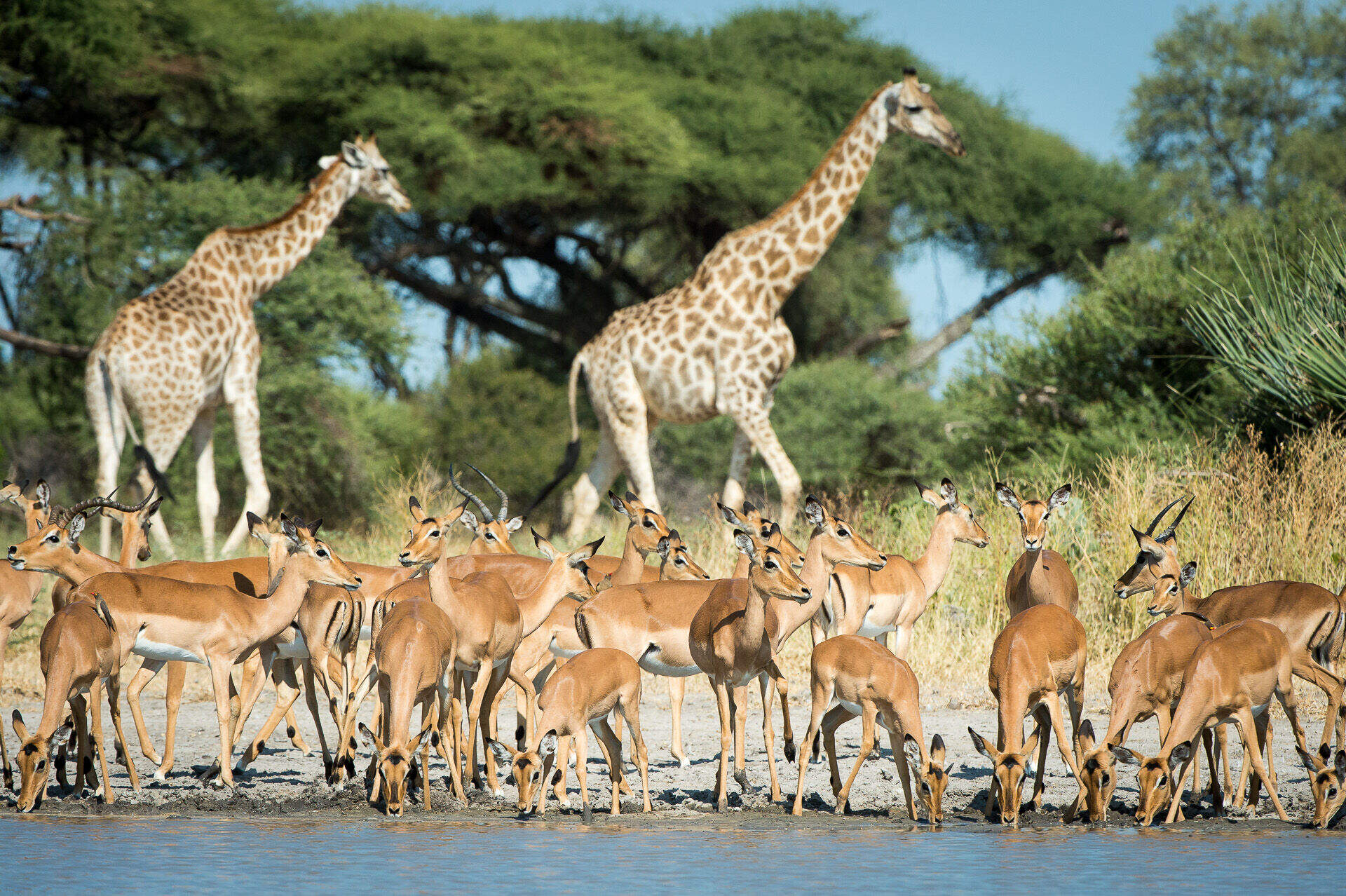
The Boteti River, which marks the western boundary of Makgadikgadi National Park, becomes a lifeline for wildlife in the dry season. As water sources elsewhere disappear, large numbers of zebra, wildebeest, elephants, and giraffes congregate along the riverbanks, drawing predators such as lions and leopards. Hippos and crocodiles take advantage of the permanent pools, while fish eagles and kingfishers patrol the waters.
For those on night drives, the Kalahari reveals some of its most elusive creatures. Aardvarks, porcupines, bush babies, and pangolins emerge under the cover of darkness, offering a rare glimpse of Africa’s lesser-seen nocturnal wildlife.
Best time for wildlife viewing
The wet season (December to April) is ideal for seeing large migrations of zebra and wildebeest, as well as flamingos and other waterbirds that flock to the seasonal lakes. This time also brings lush landscapes and unique photographic opportunities, though accessibility can be challenging due to flooded tracks.
The dry season (May to November) offers clearer skies, easier travel conditions, and unique desert-adapted species. While large game might be more dispersed, you’ll have exceptional opportunities to track meerkats, enjoy quad biking across the salt flats, and experience the stark beauty of the vast, shimmering landscape.
Flora of the Kalahari Salt Pans
Salt-tolerant plants and grasslands
Around the edges of the pans, salt-resistant grasses and halophytic (salt-loving) plants thrive, particularly during the wet season when moisture levels are higher. Key species include:
- Sporobolus: A robust, salt-tolerant grass that provides grazing for zebra, wildebeest, and springbok during the green season.
- Suaeda: A halophytic shrub that survives in the saline soils and provides cover for smaller animals.
- Saltbush (Atriplex spp.): Found in drier areas, this plant is an important food source for desert-adapted herbivores.
Kalahari Savannah
Beyond the pans, the landscape transitions into the arid savannah and dry woodland typical of the Kalahari ecosystem. Here, resilient tree species provide shelter and sustenance for wildlife:
- Camelthorn (Vachellia erioloba): A keystone species of the Kalahari, this drought-resistant tree provides shade, seed pods for grazing animals, and nesting sites for birds such as owls and sociable weavers.
- Umbrella Thorn Acacia (Vachellia tortilis): Another important food source for giraffes, antelopes, and elephants, recognised by its flat-topped canopy.
- Shepherd’s Tree (Boscia albitrunca): Found in the Nxai Pan region, this tree is known for its deep roots, which allow it to survive in arid conditions, while its leaves are browsed by many herbivores.
- Baobabs (Adansonia digitata): In Nxai Pan National Park, the famous Baines’ Baobabs stand as ancient sentinels, their massive trunks storing water to withstand long dry periods.
Spending time with the San people on a guided walk offers a fascinating insight into how these plants have been used for centuries as food, medicine, and survival tools. The roots of the Shepherd’s Tree provide water during drought, the Camelthorn’s pods serve as nutritious food, and certain shrubs are used for their healing properties. Learning from the San adds a deep cultural layer to a safari in the Kalahari, highlighting the delicate balance between people and nature in this extreme environment.
Seasonal Vegetation Changes
During the wet season (December to April), the entire region transforms, with grasses and flowering plants sprouting rapidly, attracting herbivores and pollinators. The landscape is lush and green, a stark contrast to the dry season (May to November) when many trees shed their leaves, and the grasses turn brittle and golden, emphasising the region’s vast, arid beauty.
Despite its harsh conditions, the Kalahari Salt Pans support a remarkable diversity of plant life, each species finely adapted to the challenges of an extreme desert climate.
Birdwatching in the Kalahari Salt Pans
As seasonal rains transform the arid landscape into a network of shallow lakes and grassy wetlands, the pans become a haven for migratory waterbirds, attracting thousands of species that take advantage of the abundant food supply.
Waterbirds and seasonal visitors
The influx of water in the wet season creates ideal breeding conditions for greater and lesser flamingos, which arrive in astonishing numbers when water levels are sufficient. Their striking pink plumage contrasts beautifully with the shimmering white salt flats, particularly around Sua Pan and Nata Sanctuary. These shallow, nutrient-rich waters also support pelicans, pied avocets, stilts, ibises, and a variety of storks, including the yellow-billed stork and the saddle-billed stork.
In addition, the area hosts various species of ducks and geese, such as red-billed teals, Cape teals, and spur-winged geese. The presence of these birds makes the salt pans a prime feeding ground for raptors and scavengers, adding to the dramatic birdwatching opportunities.
Birds of prey
Birds of prey are present year-round, taking advantage of the open terrain for hunting. The pale chanting goshawk, one of the most commonly seen raptors of the region, can often be spotted perched on isolated trees or fence posts, scanning for rodents and small reptiles. The martial eagle, one of Africa’s largest and most powerful eagles, is another frequent sight, soaring high above the plains in search of prey, including small antelope.
Other notable raptors include:
- Lanner falcon: A fast and agile hunter often seen swooping after doves and smaller birds.
- Bateleur eagle: Easily recognisable by its short tail and bold black, chestnut, and red coloring.
- Brown snake eagle: A specialist in catching snakes, commonly seen on dead trees near the pans.
- Secretary bird: An iconic bird of prey that hunts on foot, preying on snakes, insects, and small mammals in the grasslands.
Beyond the wetland areas, the surrounding grasslands and dry scrub provide habitat for some of Botswana’s most iconic terrestrial birds. The Kori bustard, the heaviest flying bird in the world, is a common sight, often seen strutting through the plains. Their elaborate courtship displays during the breeding season are particularly fascinating. Ostriches, the world’s largest bird species, are also abundant, their towering forms easily visible as they roam across the open savannah.
Other notable grassland species include:
- Double-banded courser: Well-camouflaged against the sandy terrain.
- Temminck’s courser: Another ground-dwelling bird often seen in drier areas.
- Crowned lapwing: A noisy and defensive species, frequently found near water sources.
- Northern black korhaan: Known for its loud, cackling call, particularly in the early morning and evening.
For serious birdwatchers, the Kalahari Salt Pans offer an both rare and charismatic African bird species. Whether witnessing the breathtaking sight of flamingos in flight over the pans, spotting a powerful martial eagle hunting, or tracking the movements of a secretary bird across the grasslands, this region provides incredible photographic and observational opportunities.
While the wet season offers the most diverse birdlife, the dry season (May to October) is still rewarding, with raptors, bustards, ostriches, and desert-adapted species present in good numbers. No matter when you visit, the sheer variety and unique ecology of the salt pans make this an unmissable destination for any birding enthusiast.
What makes the Kalahari Salt Pans special?
A landscape of extremes
The pans present a striking contrast of seasons and environments. For much of the year, they remain an arid, desolate expanse, with cracked salt surfaces stretching endlessly under the African sun. However, during the wet season (November to April), seasonal rains transform parts of the salt flats into shallow lakes, attracting an extraordinary abundance of life. The once-barren terrain becomes a crucial refuge for migratory birds, grazing herbivores, and formidable predators.
A unique ecosystem
Despite the harsh, unforgiving conditions, the Makgadikgadi and Nxai Pans support an array of specialist wildlife, uniquely adapted to extreme temperatures and scarce water sources. The wet season sees an influx of thousands of flamingos, turning the flooded pans into vast breeding grounds. Other waterbirds, such as pelicans, avocets, and storks, thrive in the seasonal waters, while the surrounding grasslands host zebra, wildebeest, and springbok, drawing in predators such as lions, cheetahs, and hyenas.
One of the region’s most spectacular wildlife spectacles is the second-largest zebra and wildebeest migration in Africa, second only to the Serengeti. These herds traverse vast distances in search of fresh grazing, creating dramatic scenes as predators capitalise on the movement of prey. Even in the dry season, visitors may encounter desert-adapted species, including bat-eared foxes, brown hyenas, aardwolves, and the ever-charismatic meerkats.
Cultural and historical significance
The San people (Basarwa), one of the world’s oldest surviving cultures, have inhabited the Kalahari region for millennia, mastering hunter-gatherer traditions to survive in this challenging environment. The pans hold deep cultural and spiritual significance, with the San’s ancestral knowledge still evident in their tracking skills, folklore, and survival techniques.
Adding to the region’s historical intrigue are the Baobabs of Baines, a group of ancient trees famously painted by 19th-century explorer Thomas Baines. These iconic baobabs serve as natural landmarks, standing as silent witnesses to the history of human and wildlife interaction in this timeless landscape.
An unforgettable experience for you
If you're seeking adventure, solitude, and an unparalleled connection to nature, the Kalahari Salt Pans offer a truly extraordinary wilderness experience. You can embark on thrilling quad bike rides across the vast, unbroken salt flats, walk with the San Bushmen to learn their traditional survival skills, or track meerkats and observe their fascinating social structures up close. As night falls, you can camp under an unpolluted sky, where the Milky Way stretches across the horizon in breathtaking clarity.
Whether you're drawn by the ethereal beauty of the landscape, the incredible wildlife, or the deep cultural heritage, a visit to the Kalahari Salt Pans is guaranteed to be one of the most captivating and immersive experiences in Africa.
How were the salt pans formed?
The pans’ flat surfaces are now covered in salt crusts, a stark reminder of their aquatic past. The ancient lakebed is dotted with archaeological artifacts, including Stone Age tools, providing a glimpse into the region's human history.
Kalahari's Salt Pans: Safaris
Each itinerary below stays quite shortly at only one of a few camps sitting on the edge of the huge, flat Kalahari Salt Pans in the middle of the northern Kalahari. They can easily be combined with others into a whole Botswana safari holiday. Come to the Kalahari Salt Pans for quad biking, walking and 4WD drives. However, don’t expect a Botswana safari holiday full of game sightings – apart from birds and bands of droll meerkats wildlife isn’t dense here. Instead, it’s all about the stunning, photogenic scenery!
Red Lechwe Safari
9 days • 3 locations
MAUN AIRPORT TO MAUN AIRPORT
Superb guiding from three fabulous camps full of character in three contrasting areas for a fabulous safari to the Okavango Delta and Kalahari Desert.
US$17,600 - US$28,240 per person
African Jacana Safari
7 days • 3 locations
MAUN AIRPORT TO MAUN AIRPORT
An adventurous introduction to Botswana blending prolific wildlife, incredible landscapes and varied activities staying at relaxed camps in the Chobe Enclave, a community-owned reserve bordering the Moremi, and Makgadikgadi Pans.
US$8,550 - US$12,280 per person
6 lodges & safari camps in the Kalahari’s Salt Pans
These are grouped in very different three parts of this area, and so sometimes several can combine into the same trip.
Camp Kalahari
Overlooking the Makgadikgadi Pans, Camp Kalahari is great value; come for quadbiking excursions on the salt pans, cute meerkats, excellent Bushman walks, and interesting 4WD safaris.
Nxai Pan Camp
Offering good summer game viewing and visits to Baines Baobabs, the comfortable Nxai Pan Camp is currently the only permanent camp in Nxai Pan National Park.
Jack's Camp
Jack's Camp was the original camp in the Makgadikgadi area, and many still consider it the best. Come for a unique and memorable experience, but not for prolific game viewing.
San Camp
The simple but stylish San Camp lies in a stunning location beside the Makgadikgadi Salt Pans, where highlights are quadbiking, meerkats, and Bushmen walks.
Meno A Kwena
Meno A Kwena Tented Camp is an old-style safari camp, run by an experienced Botswana expert. Overlooking the bed of the Boteti River, it's a great place to relax and watch wildlife at the camp's waterhole.
Leroo La Tau
From the western bank of the Boteti River, Leroo La Tau overlooks the Makgadikgadi Pans National Park, where game concentrations are highest from July to October.
Excursions in Kalahari's Salt Pans
Optional, extra day-trips and excursions that are possible while you’re staying in Kalahari's Salt Pans. Talk to us: these excursions are usually best arranged before you go.
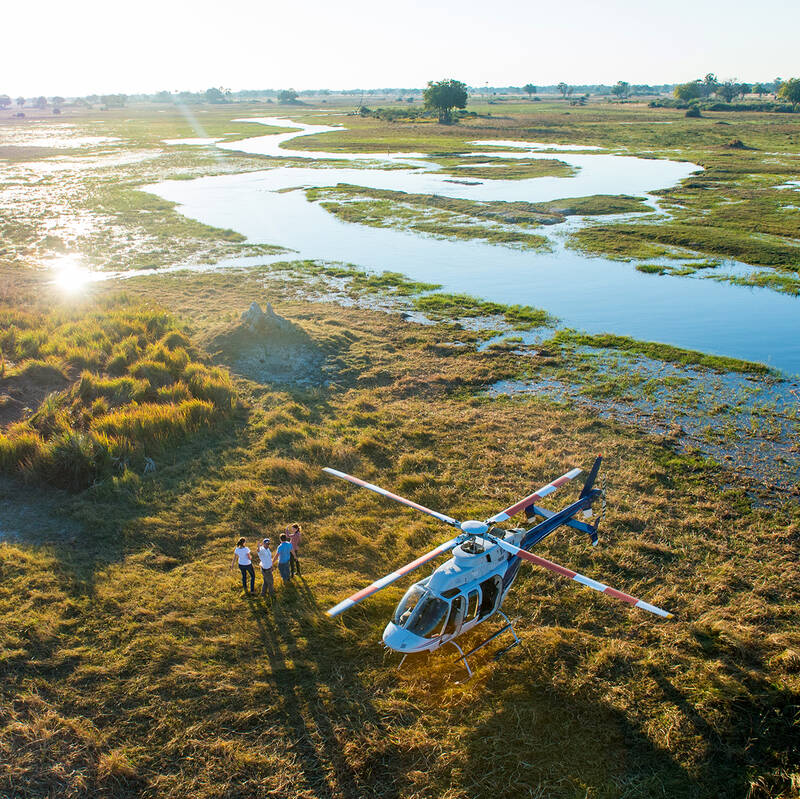
Helicopter Flight - Botswana
Various: from 30 minutes to half a day.
Low-flying, agile and offering superb views, helicopters are an ideal way to move around the Okavango Delta.You can use them instead of fixed-wing inter-lodge transfers or as an addition to other wildlife watching activities, and of course, helicopters can hover to allow that perfect pic, whereas fixed-wings can’t.
More about Helicopter Flight
Looking for inspiration on where to travel next?
Visit our trip chooser to explore your options and find inspiration for your perfect African adventure
Inspire meFrequently Asked Questions
Kalahari Salt Pans FAQ
To help you plan your safari in the Kalahari Salt Pans, we’ve put together a guide covering all the essentials. From how to reach Makgadikgadi to understanding how the wet and dry seasons impact wildlife and accessibility, and much more, we’ve got you covered.
Learn about the most exciting safari activities, from quad biking and meerkat encounters to the surreal experience of stargazing on the pans. Check out why this is a great spot for safaris with your whole family - whatever their age. Plus, find out how the unique landscapes of the salt pans compare to the wildlife-rich Central Kalahari Game Reserve (CKGR) to help you choose the best safari experience for you.
How do you get to the Kalahari Salt Pans?
From Maun to the Kalahari Salt Pans:
- By air: The fastest and most convenient way to reach the Kalahari Salt Pans from Maun is via charter flight. Many operators offer flights directly to airstrips near key lodges or camps, such as Jack's Camp or San Camp. Flight times typically range from 30 to 60 minutes, offering sweeping aerial views of the pans' dramatic landscapes. From the airstrip, lodges will arrange a seamless transfer to your accommodation.
- By road: If you prefer to travel by road, the journey from Maun to the Kalahari Salt Pans is a scenic adventure. The drive is approximately 250km (around 3-4 hours) and requires a 4WD vehicle due to sandy tracks, especially in the dry season. Many self-drive or guided safari tours incorporate stops at fascinating locations en route, such as the Boteti River or wildlife-rich reserves along the way.
- By air: Most visitors travel from their Okavango Delta safari camps to the Kalahari Salt Pans by charter flight. Flights typically take between 45 and 90 minutes, depending on the location of your lodge in the Delta. This efficient option allows you to transition effortlessly from the water-rich Delta to the unique arid beauty of the pans. Lodges in both regions will coordinate transfers to ensure a smooth journey.
- By road: While less common, overland routes from the Okavango Delta to the Kalahari Salt Pans are possible as part of a multi-day mobile safari. This adventurous route provides opportunities to explore diverse landscapes and wildlife areas, but the journey requires careful planning and a capable 4WD.
- By air: Charter flights from Kasane to airstrips near the Kalahari Salt Pans are available for those looking to save time or enjoy a luxurious travel experience. The flight takes approximately 90 minutes, offering breathtaking views of Botswana's varied landscapes. Upon landing, you’ll be transferred directly to your lodge or camp.
- By road: Driving from Kasane to the Kalahari Salt Pans is a longer journey, covering roughly 600km and taking about 7-9 hours, depending on conditions. This route is ideal for travellers on guided overland safaris, offering the chance to explore Botswana’s northern wildlife areas along the way. The journey is best broken up into multiple days, with stops for added comfort and sightseeing.
When to visit the Kalahari Salt Pans: Dry versus wet seasons?
During the dry season (May to November), the arid, cracked surface of the pans provides ideal conditions for adventure activities like quad biking, exceptional stargazing under pristine skies, and encounters with desert-adapted wildlife. Roads are generally accessible, making travel easier and more straightforward.
In contrast, the wet season (December to April) transforms the pans into lush, temporary wetlands, drawing dramatic wildlife migrations and prolific birdlife, including thousands of flamingos. However, the rains can render roads muddy and impassable, making experienced guides and robust 4WD vehicles essential for exploration.
For more detailed guidance on the wildlife, landscape, safari activities and camp options, do read on here…
Wildlife
The Kalahari Salt Pans transform dramatically between the dry and wet seasons, each offering unique wildlife experiences.
- Dry season: The pans themselves appear barren during this time, with their cracked, parched surface stretching as far as the eye can see. Wildlife tends to concentrate around the edges of the pans or in the surrounding grasslands. You may spot iconic species such as oryx, springbok, and ostriches, as well as smaller animals like bat-eared foxes and aardwolves. Meerkats are particularly active during this season, and their burrow systems are easier to observe on the dry terrain. The scarcity of water draws nocturnal creatures like aardvarks and porcupines into view, making night drives particularly rewarding.
- Wet season: With the arrival of the rains, the pans fill with shallow water, transforming into temporary wetlands that support an incredible array of life. Massive herds of zebra and wildebeest migrate to the area, creating dramatic spectacles of movement. Predators such as lions and cheetahs follow closely behind, taking advantage of the concentration of prey. Birdlife reaches its peak, with flamingos, pelicans, and a variety of waders arriving to breed and feed on the nutrient-rich waters. This season offers visitors the rare chance to witness the cycle of life in this fragile ecosystem.
Each season offers a different array of activities tailored to the unique conditions of the pans.
- Dry season: The dry, firm surface of the pans is perfect for adventure activities like quad biking, allowing visitors to cover vast expanses and experience the pans’ otherworldly beauty. Walking safaris and meerkat interactions are also popular, with the chance to get close to these curious creatures. Stargazing during the dry season is unparalleled—crystal-clear skies and minimal light pollution reveal the Milky Way in breathtaking detail. Some camps offer "sleep-out" experiences where you can sleep under the stars on the pans.
- Wet season: Activities shift toward game drives and birdwatching during this period. The chance to witness the zebra and wildebeest migration and large flocks of flamingos is a highlight. Photography tours are particularly popular, as the reflections of wildlife and skies in the shallow waters create stunning compositions. Cultural experiences with the San people are available year-round but are especially appealing in the wet season as they share knowledge of survival in these changing conditions.
The landscape of the Kalahari Salt Pans is starkly different between its two seasons.
- Dry season: The pans resemble a white, endless expanse of cracked salt, creating an almost lunar-like landscape. The absence of vegetation emphasizes the vastness of the pans, and the shimmering mirages during the day add an ethereal quality. Sunsets are particularly striking, with the red and orange hues reflecting off the salt.
- Wet season: The scenery becomes lush and vibrant, with the edges of the pans and surrounding areas turning green. The water transforms the pans into a network of shimmering, shallow lakes. Wildlife tracks crisscross the mud, and the horizon is dotted with grazing herds and flocks of birds. The seasonal transformation feels almost magical, a stark contrast to the arid conditions of the dry season.
The availability and cost of accommodations around the Kalahari Salt Pans vary significantly between the dry and wet seasons, largely due to accessibility and the types of activities on offer.
- Dry season (May to November): The dry season is the peak time for visiting the pans, and most camps remain fully operational. Activities like quad biking, stargazing, and meerkat interactions are at their best during this time. Due to high demand, especially in July and August, rates at camps are at their highest. Luxury camps like Jack’s Camp and San Camp often book up well in advance, with prices reflecting the exclusivity and popularity of the season. Budget and mid-range options may also see increased pricing due to the ease of access and popularity of the region during this period.
- Wet season (December to April): During the wet season, some camps around the pans may reduce operations or temporarily close due to accessibility challenges caused by flooding. Those that remain open typically adjust their activity offerings to focus on wildlife drives, birdwatching, and migration tracking, which thrive during this time. Rates during the wet season are generally lower, making it an excellent time for budget-conscious travellers seeking exceptional wildlife experiences without the premium price tag. Visitors should note that self-drive access may become more difficult, requiring reliance on charter flights or guided transfers, which can slightly increase travel costs.
What safari activities are available in the Kalahari Salt Pans?
From interactive wildlife encounters to cultural experiences with the San people, each activity provides a different perspective on this vast, ever-changing environment. Whether it’s walking with habituated meerkats, quad biking across the endless salt flats, or sleeping under a breathtaking night sky, visitors consistently praise the variety of experiences available here.
The perfect balance of adventure, wildlife, and serenity ensures there is something for everyone. Many travellers leave feeling as though they have stepped into another world, with unforgettable memories and a deep appreciation for this remote and mesmerising wilderness.
Here’s we’ve summarised main safari activities available in the Kalahari’s Salt Pans, where it typically takes place, and what our travellers highlight as most memorable from their experiences.
Walking safaris with habituated meerkats
One of the most enchanting activities in the pans, walking safaris with habituated meerkats, offers visitors an up-close and personal look at these fascinating creatures. The meerkat colonies near Jack’s Camp and San Camp are used to human presence, with research scientists having studied them for years. This allows visitors today to observe their behaviour without disturbing their natural routines.
- What to expect: Guests are guided to the meerkat burrows early in the morning to watch the colonies emerge and begin their day. You might see them foraging, standing sentinel, or even climbing onto visitors for a better vantage point. This activity is not just entertaining but educational, providing insights into the social structure and survival strategies of these desert-dwelling animals.
- Our traveller highlights: Many of our travellers describe their meerkat encounters as a highlight of their safari. The playful yet cautious nature of the meerkats, combined with the close proximity, makes for exceptional photo opportunities and unforgettable memories. Young or old, having a sentry meerkat balance on top of your hat for height is pretty magical!
The vast, barren salt flats of the Kalahari are ideal for quad biking adventures, offering a sense of freedom and exploration that is hard to replicate elsewhere. This activity is only possible during the dry season when the pans are firm and dry.
- What to expect: Setting off from lodges like Jack’s Camp or Kalahari Plains Camp, quad biking excursions traverse the endless, shimmering expanse of the salt flats. With no obstacles or wildlife to worry about, riders can let loose and experience the thrill of traveling across this otherworldly landscape.
- Our traveller highlights: Visitors often describe quad biking as exhilarating and surreal, with the sheer scale and silence of the pans enhancing the experience. The sense of isolation and the chance to leave no trace in this untouched environment are particularly appreciated by adventure seekers. For those travelling with young children, they can share a bike with an adult or guide, and generally love the action-movie thrill of the day!
The Kalahari Salt Pans are a vital part of Botswana’s wildlife ecosystem, particularly during the wet season (December to April) when rains fill the pans and attract migrating herds of zebra and wildebeest.
- What to expect: Game drives are conducted in 4WD vehicles, with knowledgeable guides leading visitors through the grasslands and fringes of the pans. During the wet season, you can witness large herds of zebra and wildebeest grazing on the lush grasses, as well as predators like lions and cheetahs following their movements. In the dry season, the focus shifts to desert-adapted species such as oryx, springbok, and ostriches.
- Our traveller highlights: Expert Africa travellers frequently praise the exceptional guiding and the thrill of spotting predators in this dramatic landscape. Many also appreciate the contrast between the wet and dry seasons, noting how the pans’ transformation showcases nature’s resilience.
Available from all the safari camps at Mkgadikgadi Pan and Nxai Pan, cultural tours with the San people, one of Africa’s oldest indigenous communities, provide a rare opportunity to learn about traditional ways of life in the harsh Kalahari environment.
- What to expect: Visitors join San guides for interactive bushwalks, where they learn survival skills such as tracking, foraging, and starting fires using traditional methods. The San share stories and insights into their deep connection with the land, offering a window into a lifestyle that has remained largely unchanged for centuries.
- Our traveller highlights: Guests often cite these interactions as a deeply moving and eye-opening experience. The knowledge and humour of the San guides, combined with their skill in interpreting the environment, leave a lasting impression. Many travellers appreciate the opportunity to engage with a culture so different from their own, and all come away staggered by the depth of understanding these people have of the world around them.
The Kalahari Salt Pans are renowned for their stargazing, offering one of the most pristine views of the night sky on Earth. Sleeping out on the pans takes this experience to the next level.
- What to expect:Stargazing begins with the setting sun, as the sky transitions from orange and pink to an inky black canvas dotted with stars. Guides point out constellations, planets, and shooting stars, often blending celestial knowledge with San mythology. For those opting to sleep out, luxurious bedrolls are set up directly on the pans, allowing visitors to fall asleep under a blanket of stars – we highly recommend this experience!
- Our traveller highlights: Reviewers frequently describe this as one of the most magical experiences of their lives. The clarity of the Milky Way, the profound silence of the pans, and the feeling of complete isolation create an almost spiritual connection with the universe. Visitors often note the novelty of waking up to a 360-degree horizon with no signs of civilization.
Is stargazing good in the Kalahari Salt Pans?
During the dry season (May to November), the salt flats become a vast, reflective surface that seems to stretch endlessly, enhancing the sense of openness and making the sky appear even larger. Visitors often lie directly on the cool, cracked salt flats or on comfortable bedrolls provided by their camps, surrounded by a surreal, silent landscape. The utter stillness and absence of artificial lights make this experience feel as though you are suspended between earth and sky.
What will you see?
- The Milky Way: The Milky Way dominates the night sky in the Kalahari, glowing with a clarity that is often obscured in more populated or humid regions. Its dense clusters of stars, interspersed with dark dust lanes, create a mesmerizing celestial river that stretches from horizon to horizon.
- Constellations: Stargazers can clearly identify Southern Hemisphere constellations, such as the Southern Cross (Crux), Centaurus, and Carina. With the aid of guides or stargazing apps, visitors can learn to locate well-known formations and the myths behind them. Depending on the time of year, constellations like Orion, Scorpio, and Sagittarius are also visible.
- Shooting stars and meteor showers: The dry season is an excellent time to see shooting stars, as meteor activity is often heightened during the mid-year months. Some travelers plan their trips around meteor showers, such as the Eta Aquarids in May or the Perseids in August, for an even more dramatic light show.
- Planets: Venus, Mars, Jupiter, and Saturn are frequently visible with the naked eye and appear as bright, steady points of light. With a telescope or binoculars, Saturn’s rings and Jupiter’s largest moons can often be seen, adding another layer of wonder to the experience.
- Deep sky objects: In such pristine conditions, nebulae, star clusters, and even galaxies beyond the Milky Way are sometimes visible. The Tarantula Nebula, the Magellanic Clouds, and the Jewel Box Cluster are standout sights for astronomy enthusiasts.
Many camps and lodges in the Kalahari Salt Pans offer guided stargazing experiences, led by knowledgeable guides who help visitors identify celestial phenomena. Some camps even provide telescopes for closer views of planets and deep-sky objects. Guides often weave in storytelling, blending San mythology and scientific insights to create a rich, multidimensional experience.
Sleeping under the stars
For a truly immersive experience, many camps provide the option of sleeping out on the pans, under a canopy of stars. Equipped with warm bedding and mosquito netting, guests can enjoy the unmatched thrill of drifting off to sleep with the stars as their ceiling. This activity is particularly popular in the dry season, when the weather is clear and nights are cool but comfortable.
Why it’s special
Stargazing in the Kalahari Salt Pans is more than just observing the night sky—it’s a deeply moving experience that connects visitors to the vastness of the universe. The silence of the pans amplifies the brilliance of the stars, creating a profound sense of peace and awe. For many, this experience becomes a highlight of their journey through Botswana, leaving lasting memories of this magical, star-filled wilderness.
Kalahari Salt Pans or Central Kalahari Game Reserve?
Physical environment
- Kalahari Salt Pans: The Kalahari Salt Pans, including the Makgadikgadi and Nxai Pans, are vast, flat, and starkly beautiful. These ancient lakebeds stretch to the horizon, creating an otherworldly, almost lunar-like landscape. During the dry season, their cracked, parched surfaces provide a surreal setting for adventure activities and stargazing. In the wet season, the pans transform into shallow wetlands, drawing migratory wildlife and birdlife. The surrounding grasslands add to the region's diversity, making it an exceptional seasonal environment.
- Central Kalahari Game Reserve (CKGR): The CKGR is defined by rolling sand dunes, open plains, and fossil river valleys such as the famed Deception Valley. As one of the largest protected areas in Africa, it offers a true sense of remoteness. Unlike the barren pans, the CKGR is home to scattered acacias and grasses that thrive year-round, creating a more consistent habitat for wildlife. The reserve's vastness and isolation make it a pristine wilderness experience.
- Kalahari Salt Pans: Wildlife sightings in the pans vary dramatically between seasons. During the wet season, the pans attract large herds of zebra and wildebeest migrating to graze on fresh vegetation. Flamingos and pelicans arrive to breed in the shallow waters, creating a spectacular avian display. Predators like lions, cheetahs, and hyenas follow the herbivores, creating exciting predator-prey interactions. In the dry season, wildlife is less concentrated, but unique desert-adapted species such as oryx, springbok, and meerkats thrive around the pans’ edges.
- Central Kalahari Game Reserve: The CKGR supports a more permanent population of wildlife, making it a year-round destination. Visitors can expect to see iconic species like gemsbok, giraffe, and springbok, as well as predators such as black-maned Kalahari lions, cheetahs, and leopards. The birdlife is equally diverse, with raptors like bateleur eagles and secretary birds patrolling the skies. The CKGR’s size and remoteness provide opportunities for extended game-viewing far from other vehicles.
- Kalahari Salt Pans: The pans are renowned for their unique activities, including quad biking across the vast salt flats and sleeping under the stars in the dry season. Interactions with habituated meerkats are a highlight, offering visitors a close-up look at these charismatic creatures. During the wet season, game drives focus on migratory herds and birdwatching, while cultural experiences with the San people are available year-round.
- Central Kalahari Game Reserve: Activities in the CKGR focus on traditional game drives, which allow visitors to explore the diverse landscapes and spot resident wildlife. Some camps also offer walking safaris led by San guides, providing an immersive experience in tracking animals and understanding the unique adaptations required to survive in this arid environment. Night drives may also be possible in private concessions, adding the chance to see nocturnal species.
- Kalahari Salt Pans: Camps in the pans, such as Jack’s Camp and San Camp, are designed to provide a luxurious and immersive experience. These seasonal camps often close during the wettest months, but during the dry season, they excel at delivering activities like stargazing and meerkat encounters. Rates vary, with luxury lodges being the primary accommodation style in this exclusive region.
- Central Kalahari Game Reserve: CKGR camps are more spread out and range from mid-range options to luxury lodges. They often remain open year-round due to the reserve's more consistent environment. Camps like Kalahari Plains Camp offer excellent game drives and walking safaris while maintaining a focus on eco-tourism and sustainability.
- Kalahari Salt Pans: The pans are accessed primarily via Maun, either by 4WD vehicles for adventurous road trips or by charter flights to private airstrips near the camps. During the wet season, access by road can be challenging due to muddy conditions, making fly-in options more reliable.
- Central Kalahari Game Reserve: The CKGR is also accessed via Maun, with road trips being a common option for self-drive travelers. The reserve’s sandy tracks require a 4x4 vehicle, and the sheer size of the CKGR means driving distances can be significant. Charter flights are available for those staying at more remote lodges.
The Kalahari Salt Pans and the Central Kalahari Game Reserve each offer a unique safari experience that caters to different interests. The salt pans’ dramatic seasonal transformations and adventure-focused activities like quad biking and stargazing make them a must-see for those seeking something truly out of the ordinary. Meanwhile, the CKGR’s vast landscapes, abundant year-round wildlife, and sense of isolation appeal to traditional safari-goers who value remoteness and solitude. Together, these areas showcase the incredible diversity of Botswana’s wilderness and provide complementary experiences for a well-rounded safari adventure.
Are the Kalahari Salt Pans a good choice for multi-generational family trips?
Whether exploring the surreal salt flats, tracking zebra migrations, or enjoying luxury camps and unique activities, there are opportunities for everyone in the family to take part in different activities each day, and then get-together for starlit dinners to swap stories.
Why we think it works for families:
- Varied activities: Families can enjoy quad biking across the salt flats, interacting with habituated meerkats, cultural walks with the San people, and game drives. For active travellers, horse-riding safaris across the vast open pans provide an exhilarating way to explore the landscape.
- Luxury & comfort: Camps like Jack’s Camp and San Camp provide luxurious, all-inclusive stays, while Camp Kalahari offers a more laid-back, family-friendly environment with flexible activity options. Further west, Boteti River camps such as Meno A Kwena and Leroo La Tau provide excellent access to the seasonal zebra migration and water-based wildlife sightings. For a different setting, Nxai Pan Camp in Nxai Pan National Park offers an alternative to the stark salt flats, with beautiful acacia woodlands and excellent game viewing.
- Safe & unique wildlife encounters: Unlike Big Five reserves, the salt pans provide up-close but low-risk wildlife interactions, such as observing zebra herds, brown hyenas, and meerkats, making it ideal for children and grandparents alike. Nxai Pan also attracts elephants, giraffe, and cheetahs, offering a more traditional safari experience alongside the desert adventure.
- Dry vs. wet season: The dry season (May–October) is best for adventure activities like quad biking and sleeping under the stars, while the wet season (November–April) brings migratory wildlife but can limit access to some areas. See more in the dedicated section on the Pans’ seasonal changes.
- Remote location: The pans are far from major towns, requiring a charter flight or long 4WD transfer. Some family members, particularly young children or older travellers, may prefer fly-in options for a smoother journey.
- Ages & mobility: While older children and active adults may love the thrill of horse-riding or quad biking, younger children and elderly travellers may prefer the gentler pace of game drives and cultural walks. Nxai Pan and Boteti River lodges provide more traditional game-viewing options, which may suit some family members better.
Can you do a private guided safari to Makgadikgadi and Nxai Pans?
What is a private guided safari?
A private guided safari allows you to set your own pace, tailor your activities, and enjoy a completely personalised itinerary. Unlike safari camps, where activity schedules are broadly fixed, a private guide offers the ultimate flexibility.
- Your guide meets you in Maun or at an airstrip near the pans, welcoming you to a tailor-made adventure.
- You might travel by light aircraft or a 4WD, heading straight into the heart of the salt pans for your first glimpse of this otherworldly terrain.
- Your days are planned around your interests - whether that’s tracking wildlife, experiencing the vast silence of the salt pans, or meeting the local San people for a cultural encounter.
- Game drives at dawn and dusk take you into different ecosystems - from the stark, dry pans to the acacia-dotted savannahs where predators lurk.
- Evenings under the stars are a highlight, with your guide pointing out constellations in one of the clearest night skies on earth.
- If you opt for a mobile safari, your entire camp and small team of staff moves with you, ensuring an exclusive and uninterrupted wilderness experience.
- Unrivalled expertise: As our own name suggests, we value expertise highly. This very much applies to our private guides. With in-depth knowledge of Botswana’s ecosystems, wildlife behaviour, and local culture, a private guide provides insights that transform each game drive into an entertaining and educational experience.
- Personalised attention: Whether you’re a keen photographer, an avid birder, or travelling with family, your guide tailors every moment to your interests. We’ll work with you to match the right guide to your group.
- Tracking & wildlife interpretation: From spotting rare desert-adapted species to following the movements of the zebra migration, a guide knows where to look and what to listen for. And when the wildlife is sparce, their knowledge of Botswana’s flora, history, people and daily life, will keep the conversation going.
- Seamless logistics: A private guide ensures your journey flows effortlessly, managing everything from route planning to special requests and tasty meals, so you can simply enjoy the experience in capable hands.
- Your tented camp is set up in a private location, far from crowds and noise, giving you a true wilderness experience.
- Accommodation is comfortable yet authentic, with spacious tents, proper bedding, en-suite bucket showers, and a simple, shaded dining area.
- A dedicated team, including a chef and camp staff, ensures delicious meals are prepared fresh in the bush—often served under the open sky.
- Evenings are spent around the campfire, sharing stories with your guide, listening to the distant calls of nocturnal wildlife, and stargazing.
- The role of a private guide
Your private guide is more than just a wildlife expert - they are your storyteller, navigator, and host, enriching every aspect of your safari. We work with guides we’ve known for a long time to ensure that you have the best experience.
One of the most special ways to experience the Makgadikgadi and Nxai Pans is on a mobile safari—a style of travel that echoes the adventures of early explorers while offering great comfort. Unlike permanent lodges, a mobile camp moves with you, allowing you to stay in the most remote and pristine locations, and offering far greater freedom in your day.
A safari like no other
A private guided safari to the Makgadikgadi and Nxai Pans is an experience unlike any other in Botswana. Whether you come for the mystical beauty of the salt flats, the thrill of tracking predators, or the chance to witness the zebra migration, a private guide ensures you see and understand the landscape in a way few others do.
Tailored, immersive, and deeply personal, this is a safari for those who want to truly explore Botswana, beyond the usual trails, and into the heart of its wild places. It’s just wonderful.