
About Little Tubu
Little Tubu is one of the newest camps in the Jao Concession (NG25), recently rebuilt and re opened in June 2024.
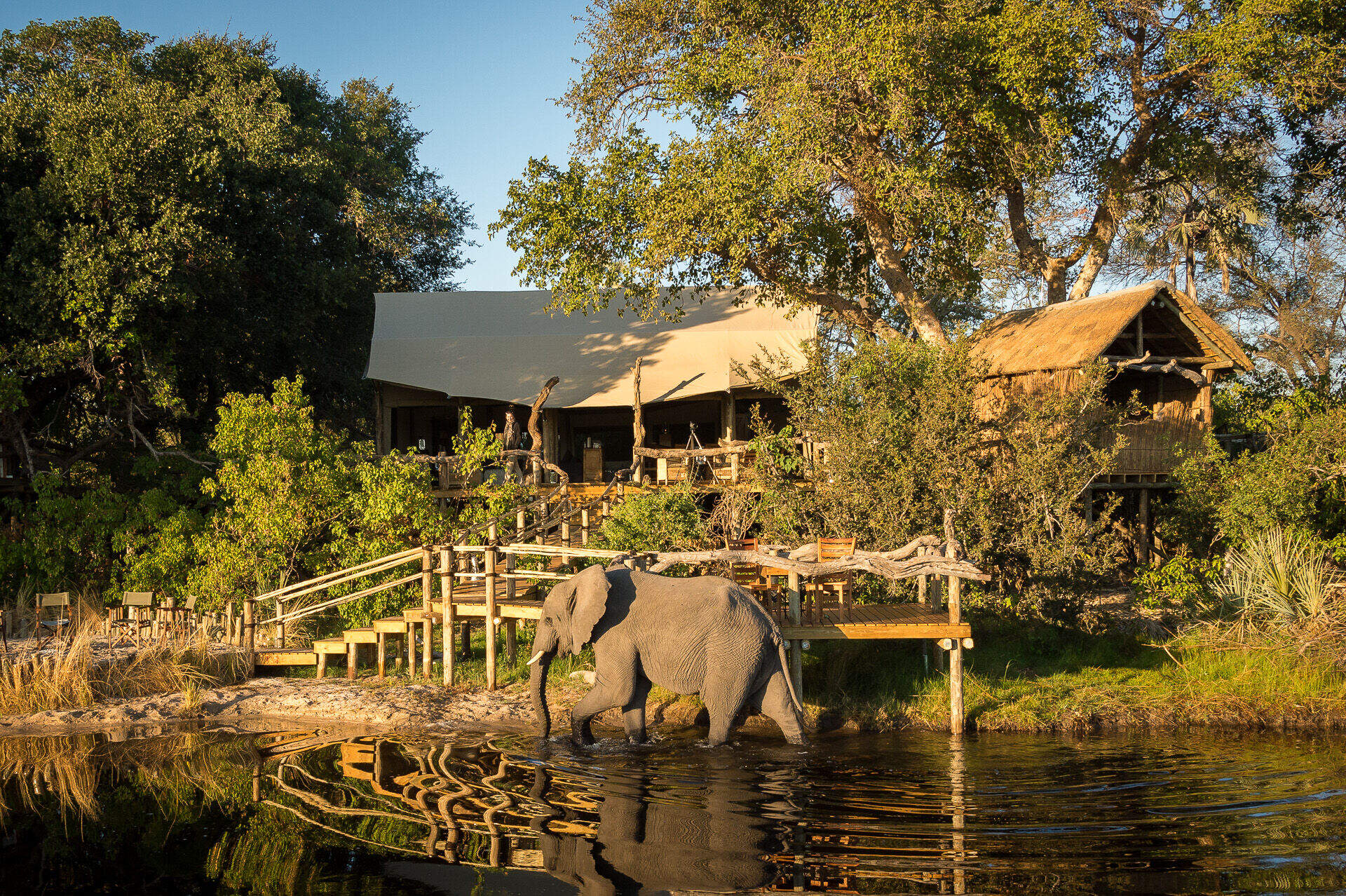
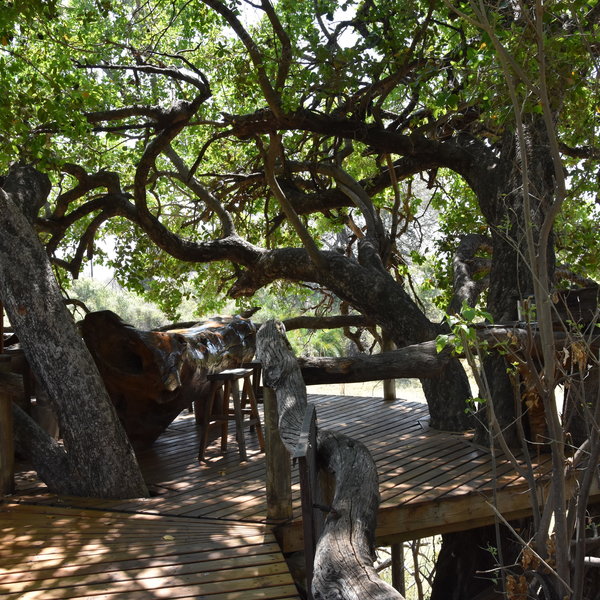
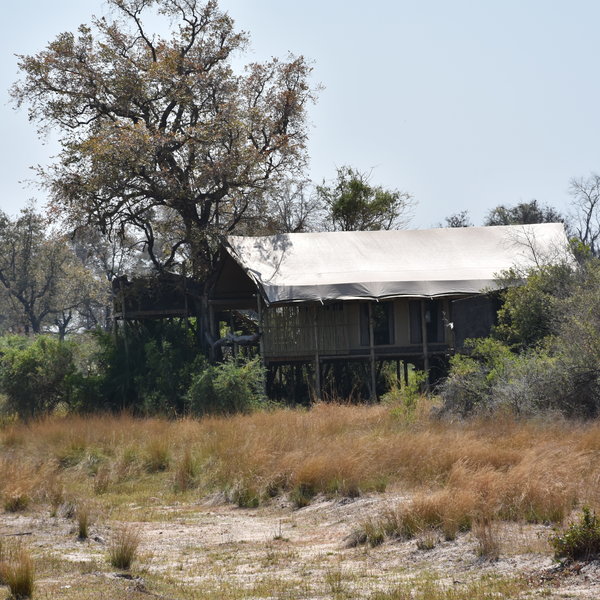
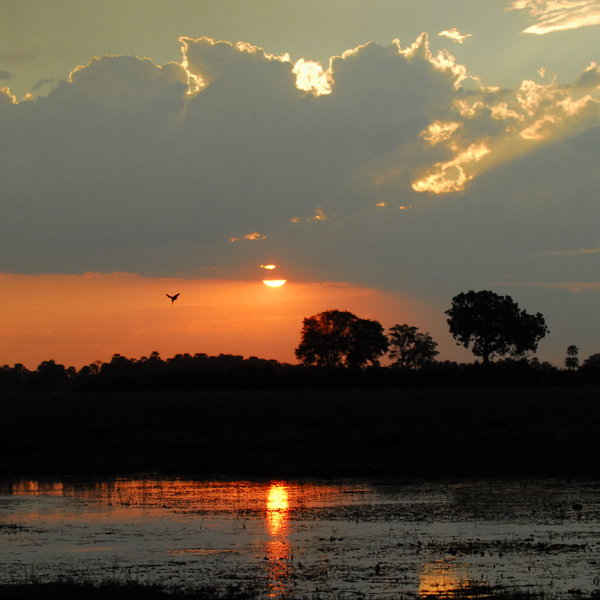
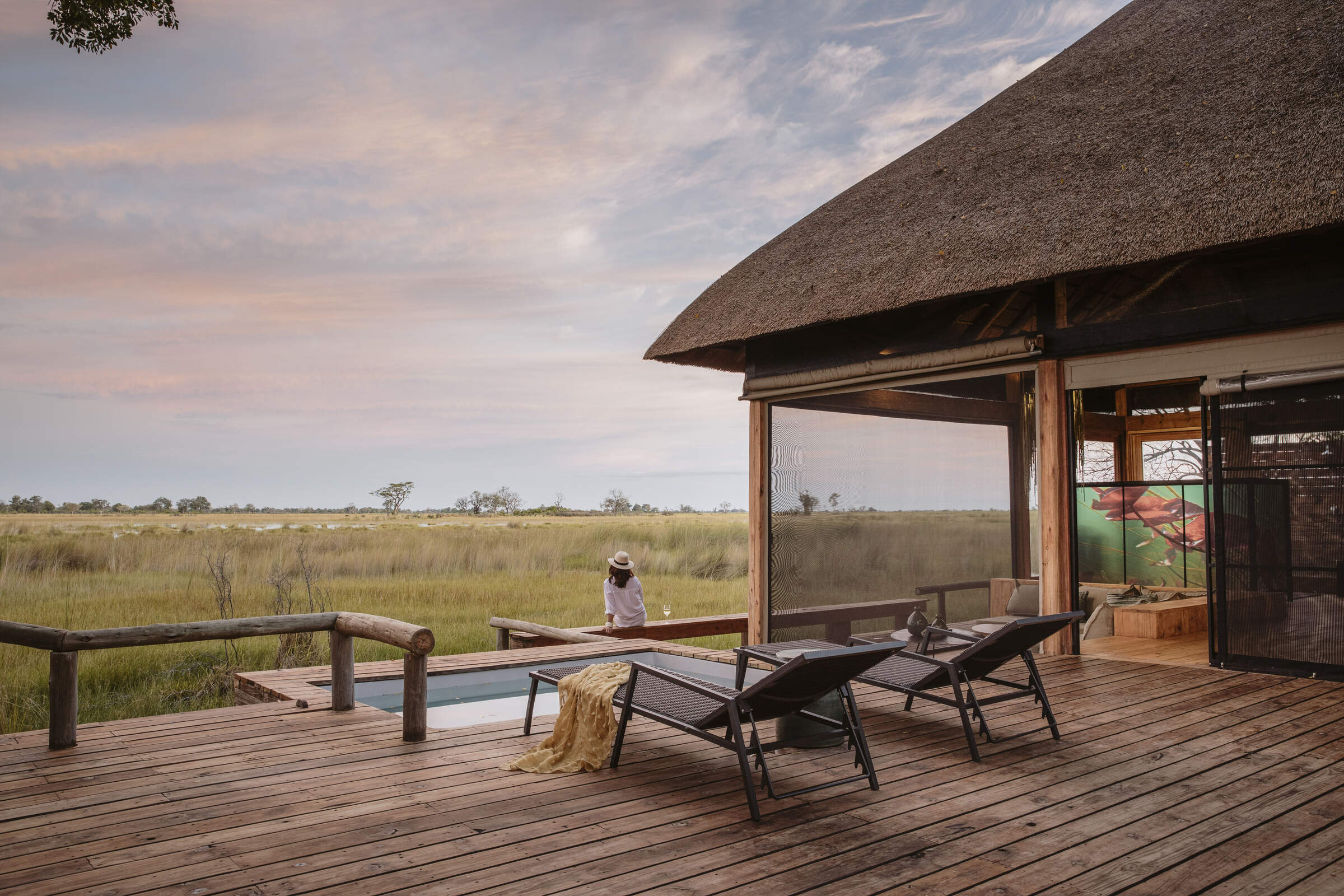
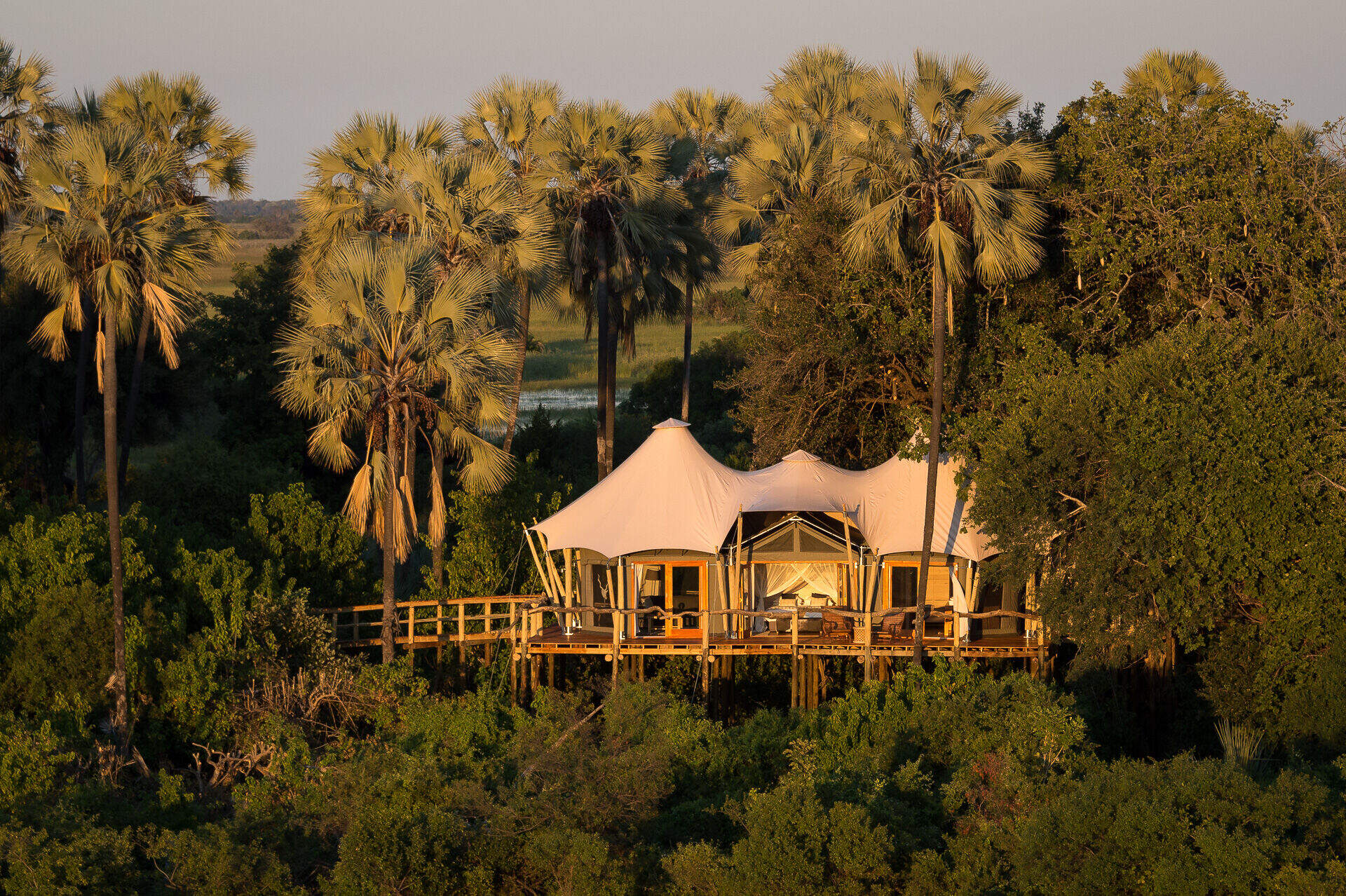
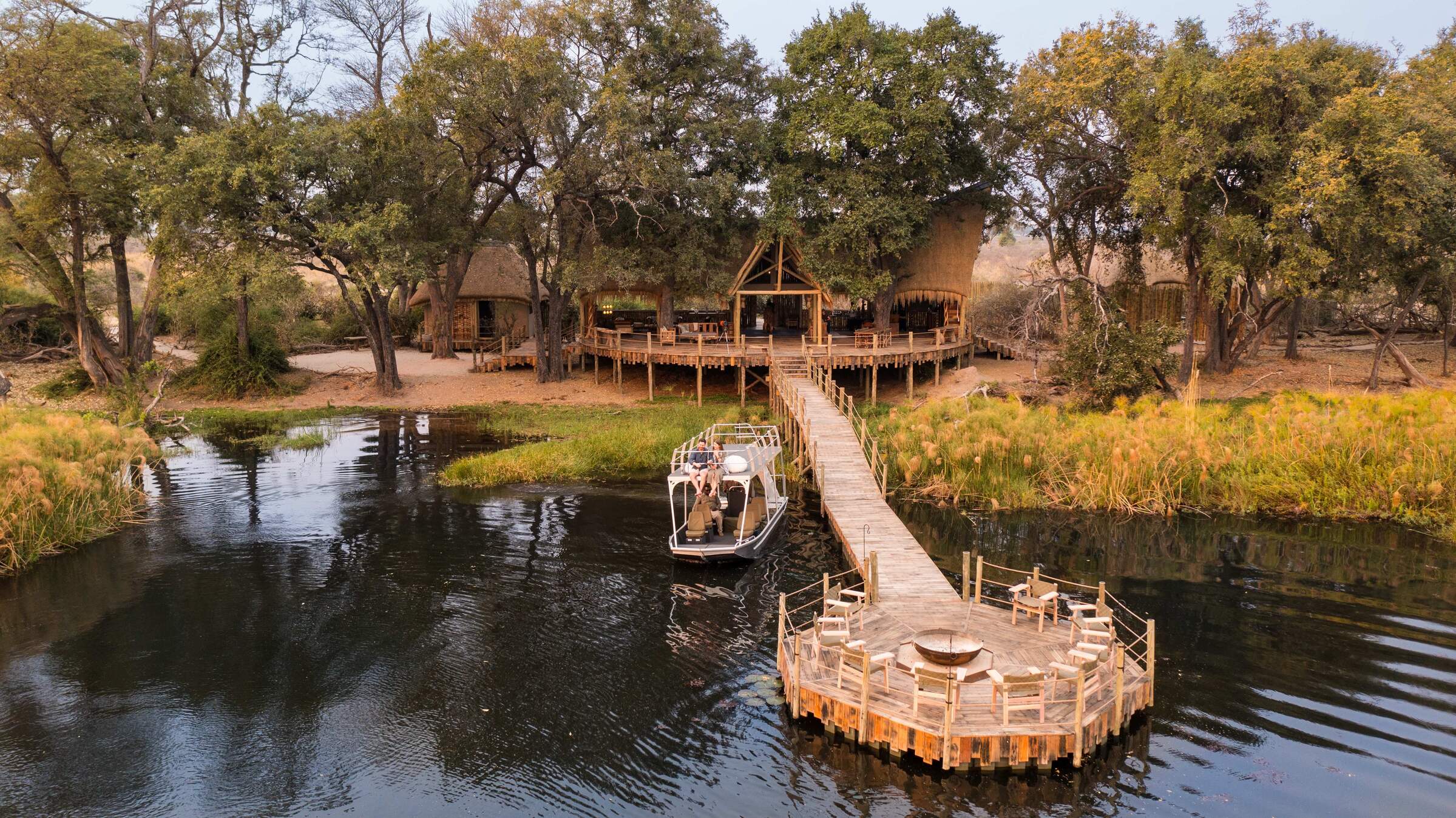
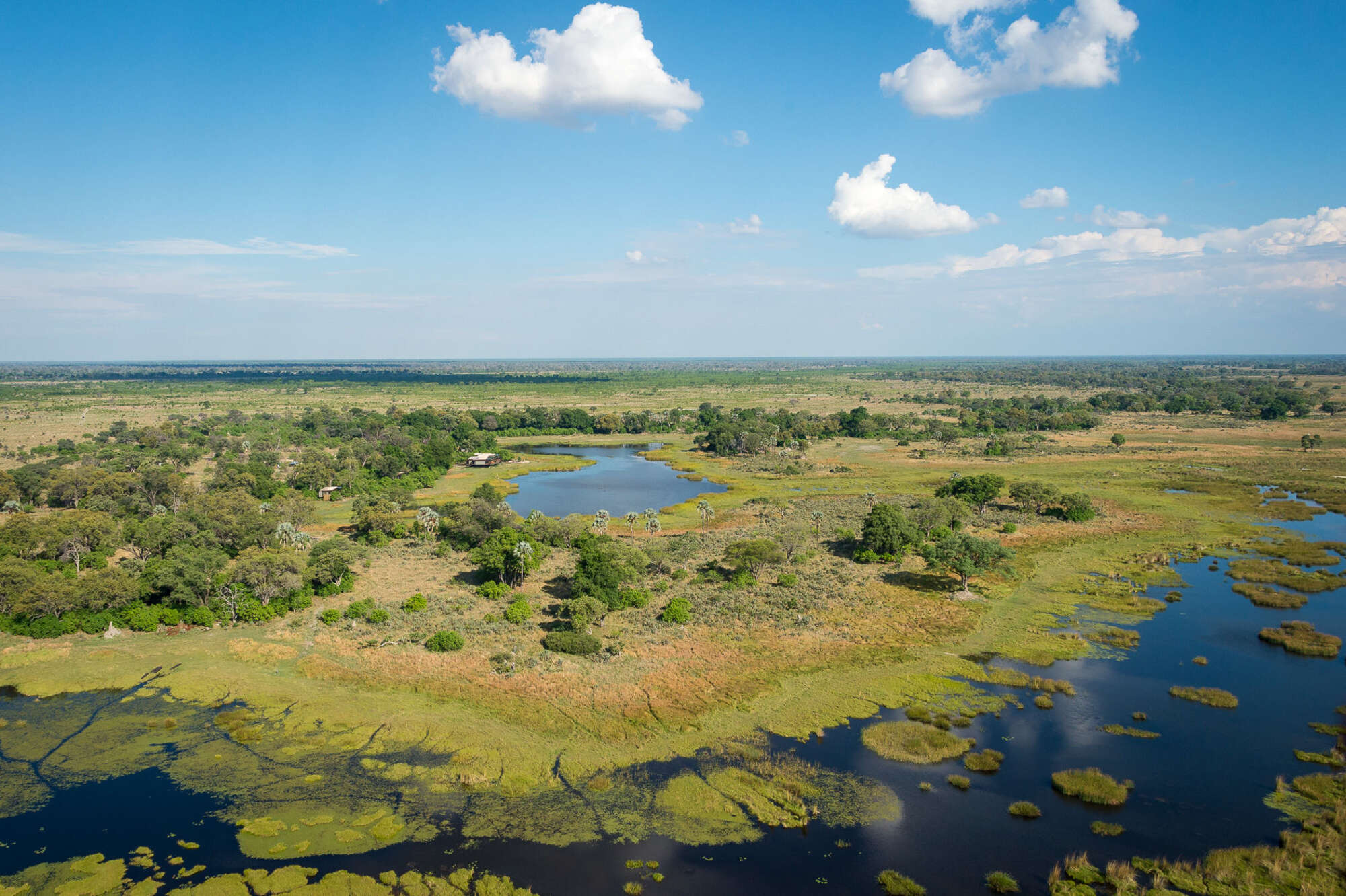
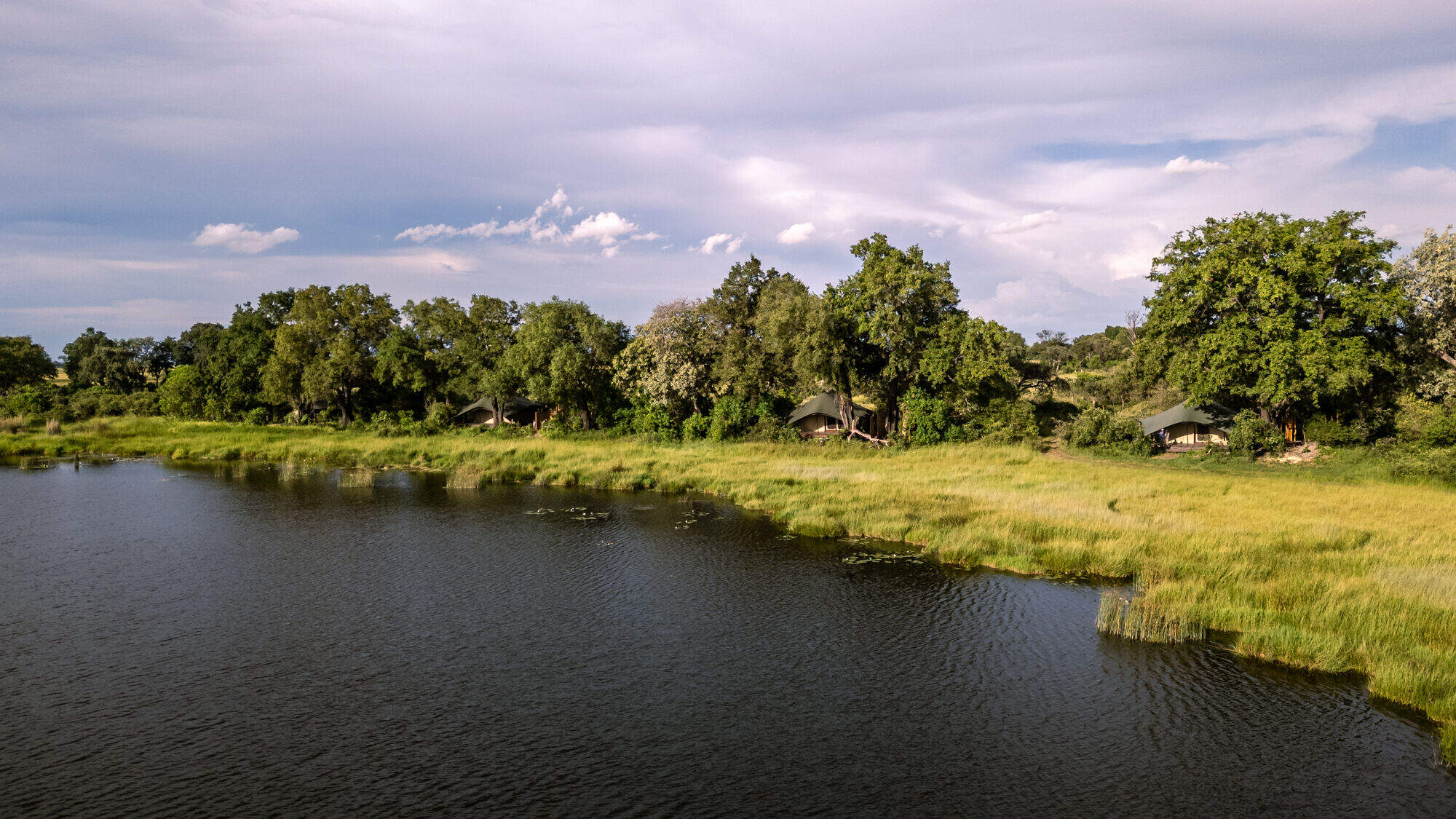
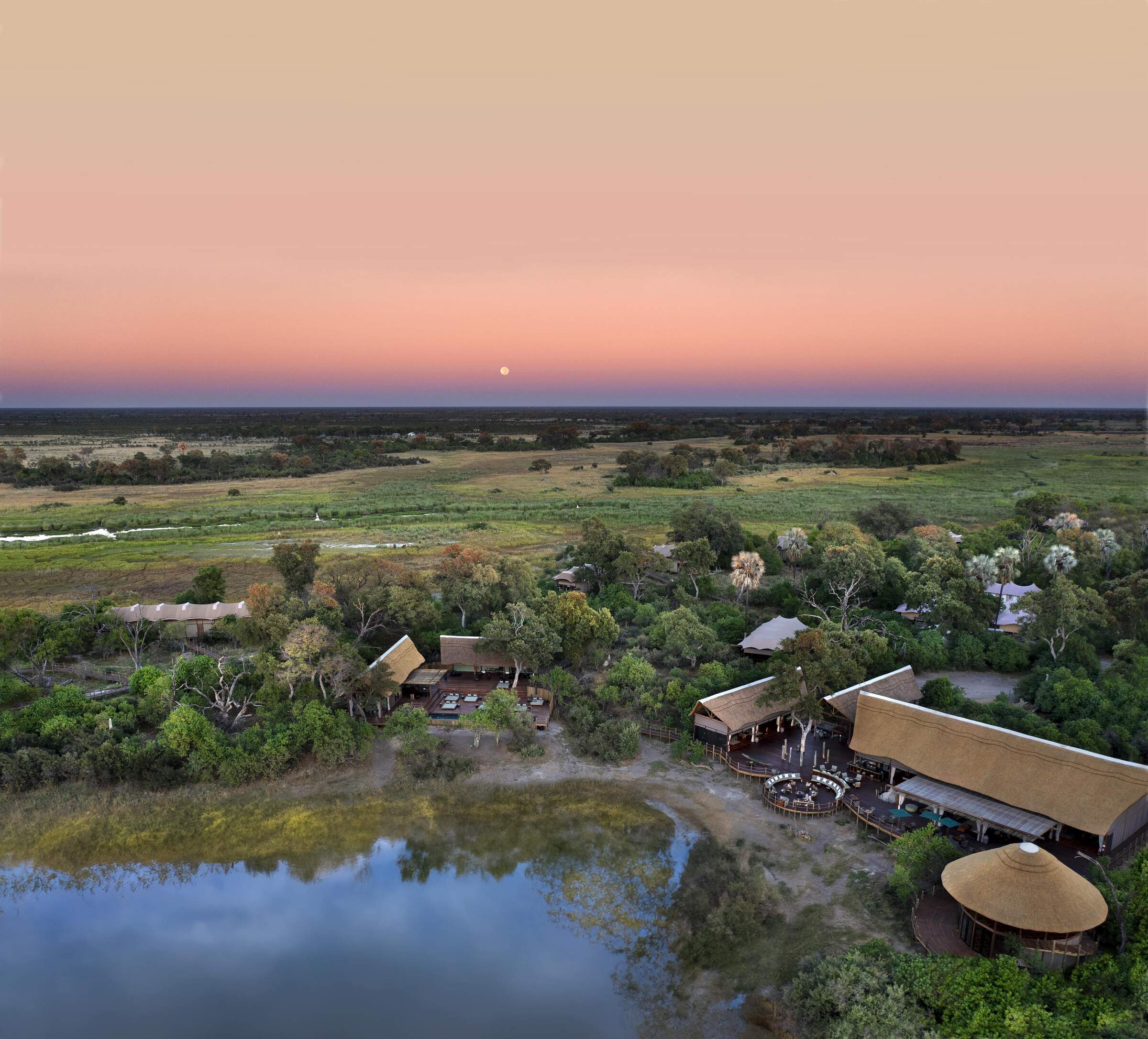
Situated on Hunda Island, deep in the heart of a 600km² private wilderness area, it has something of a tree-house feel, and offers iconic Okavango Delta landscape and scenery: wide, open floodplains dotted with small tree islands separated by deeper, permanent channels.
We were very impressed on our first visit to Little Tubu in October 2013, and have been ever since. The camp’s elevated location affords excellent views across the floodplain and the whole camp has an open and breezy feel to it, with a very relaxed ambiance. The game viewing in this area isn’t always as concentrated as in other, drier areas of the Okavango, particularly when it comes to large predators, but there is still plenty going on. The birding is excellent, particularly in the rainy season (November–March), the leopard population is doing well, and the landscape is some of the most picturesque in the Delta.
Our view
We were very impressed on our first visit to Little Tubu in October 2013, and have been ever since. The camp’s elevated location affords excellent views across the floodplain and the whole camp has an open and breezy feel to it, with a very relaxed ambiance. The game viewing in this area isn’t always as concentrated as in other, drier areas of the Okavango, particularly when it comes to large predators, but there is still plenty going on. The birding is excellent, particularly in the rainy season (November–March), the leopard population is doing well, and the landscape is some of the most picturesque in the Delta.
Country manager: Botswana
Accommodation
3 tented chalets
Children
Best for aged 12+
Open
All year
Activities

4WD Safari

Birdwatching

Boat trip

Fishing

Guided walking safari

Helicopter

Mokoro
Night drive

Private activities
Traveller reviews of Little Tubu
14 real, un-edited reviews from Expert Africa's travellers.
Expert Africa's gallery
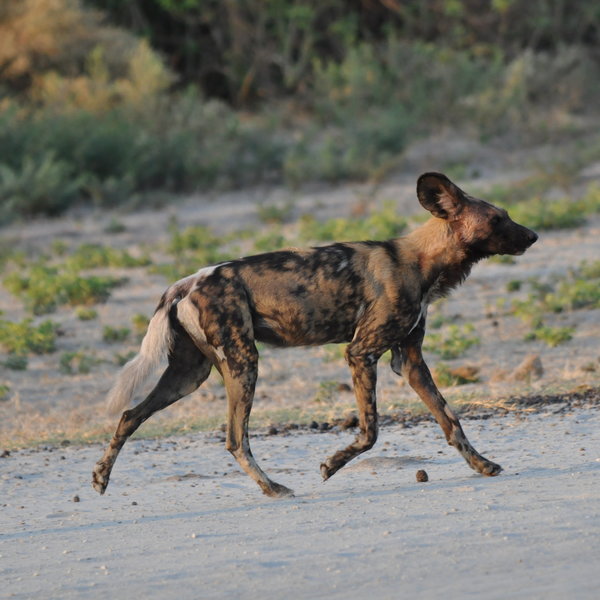
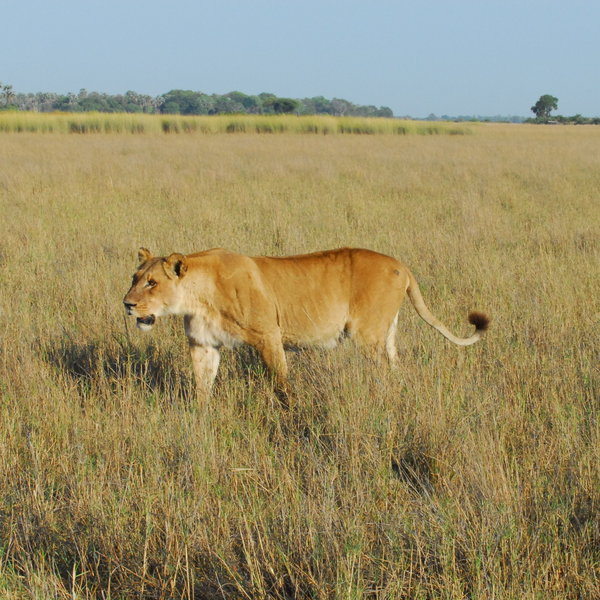
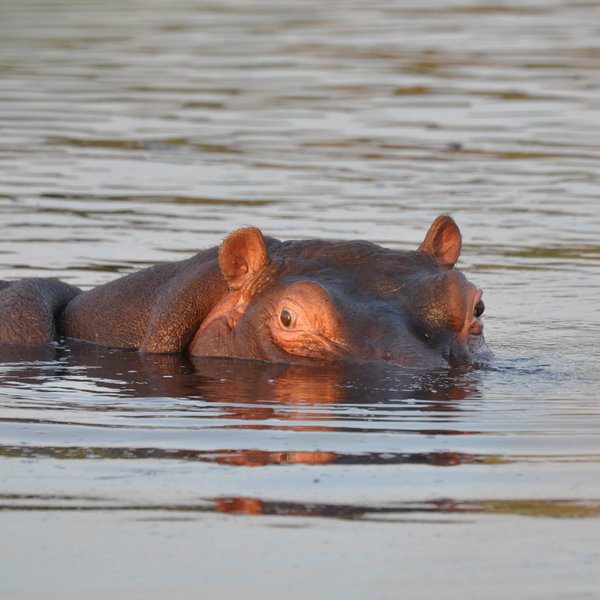
When we travel we take lots of photos ourselves to give you a real and un-edited view of the safaris. See our 27 pictures of Little Tubu to get the candid view.
View galleryLittle Tubu: Our full report
Little Tubu is one of the newest camps in the Jao Concession (NG25), recently rebuilt and re opened in June 2024.
Situated on Hunda Island, deep in the heart of a 600km² private wilderness area, it has something of a tree-house feel, and offers iconic Okavango Delta landscape and scenery: wide, open floodplains dotted with small tree islands separated by deeper, permanent channels.
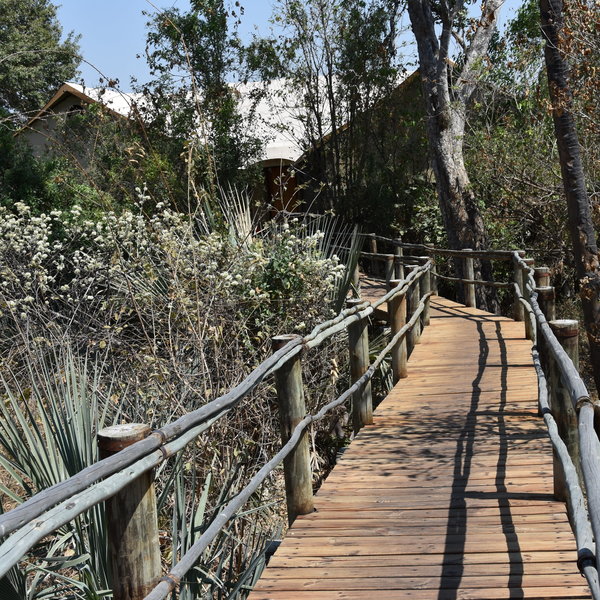
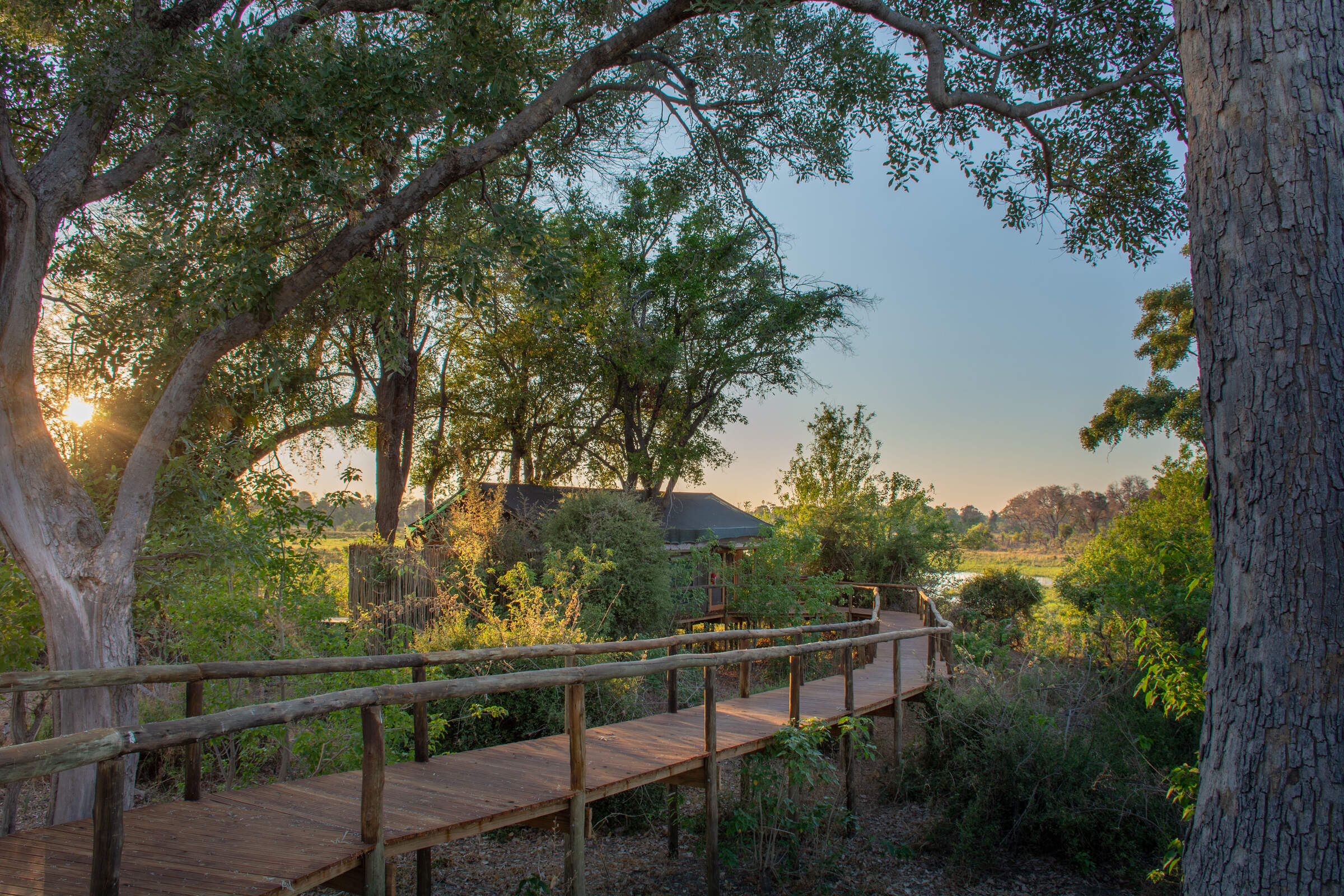
Little Tubu is adjacent to its sister camp, Tubu Tree, which we've visited many times over the years. They're separate camps, but joined by a wooden walkway.
In November 2023 Little Tubu closed for a complete rebuild, only reopening in June 2024. The detail in the report below was from our last visit, and will be updated as soon as we can get one of the team out to the 'new' camp.
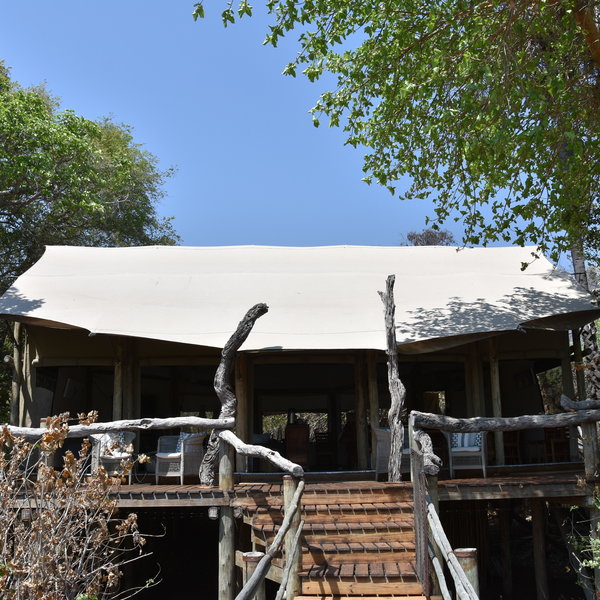
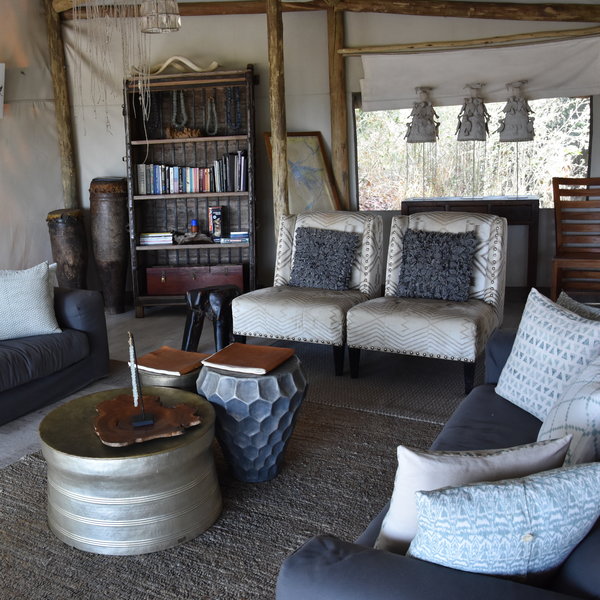
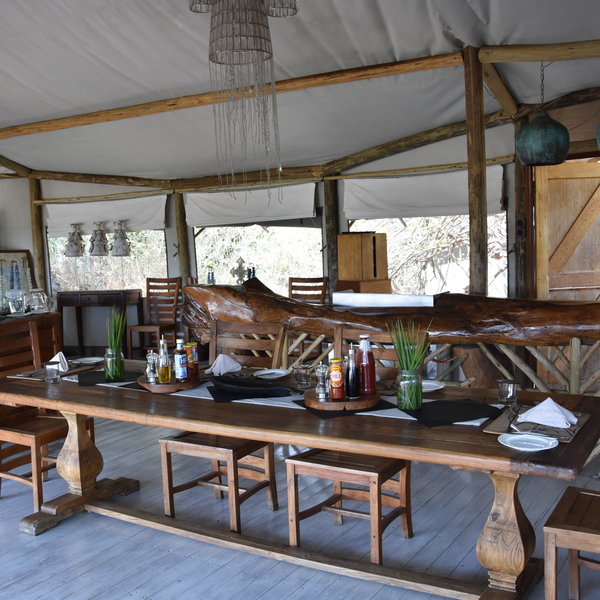
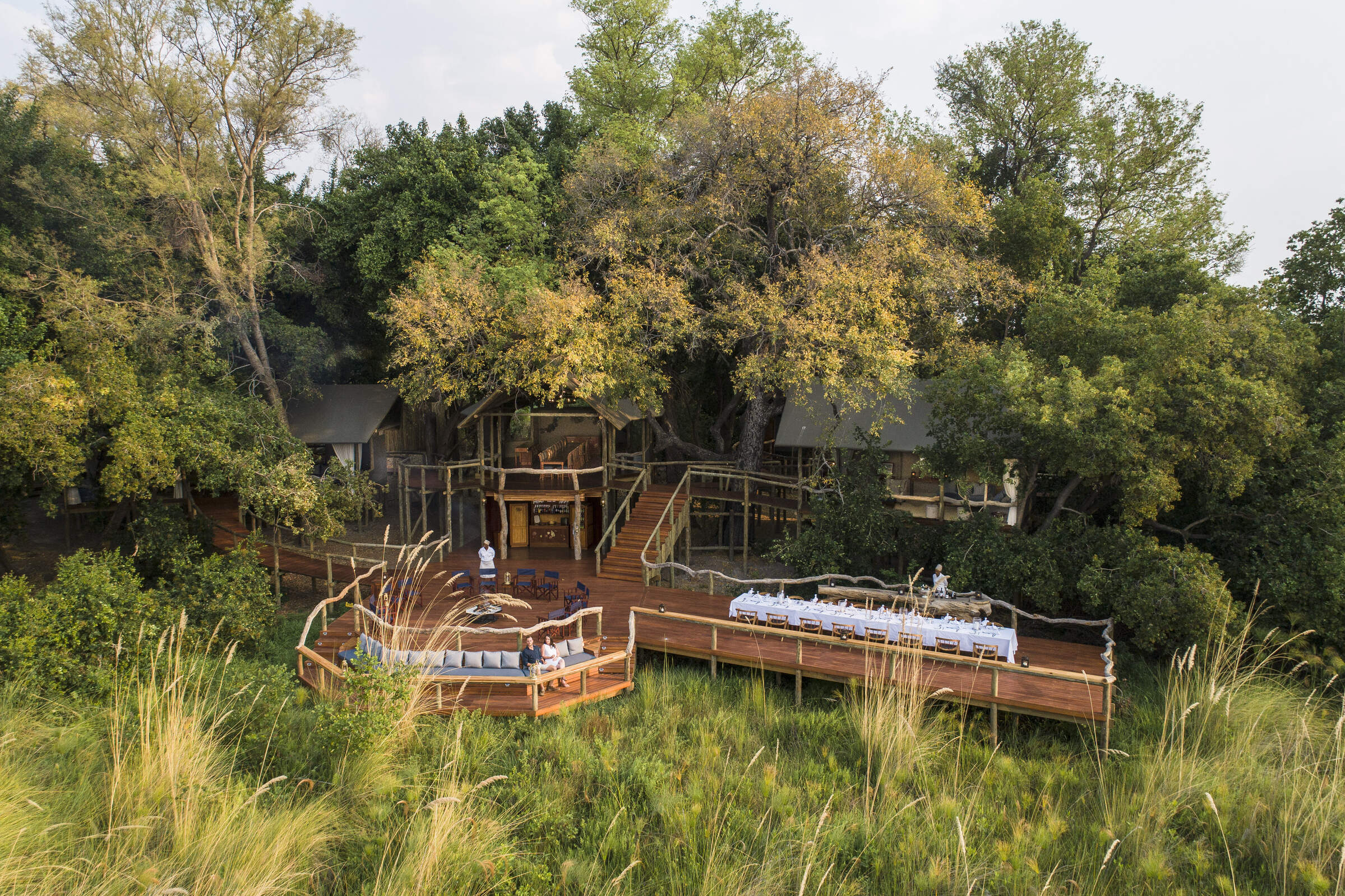
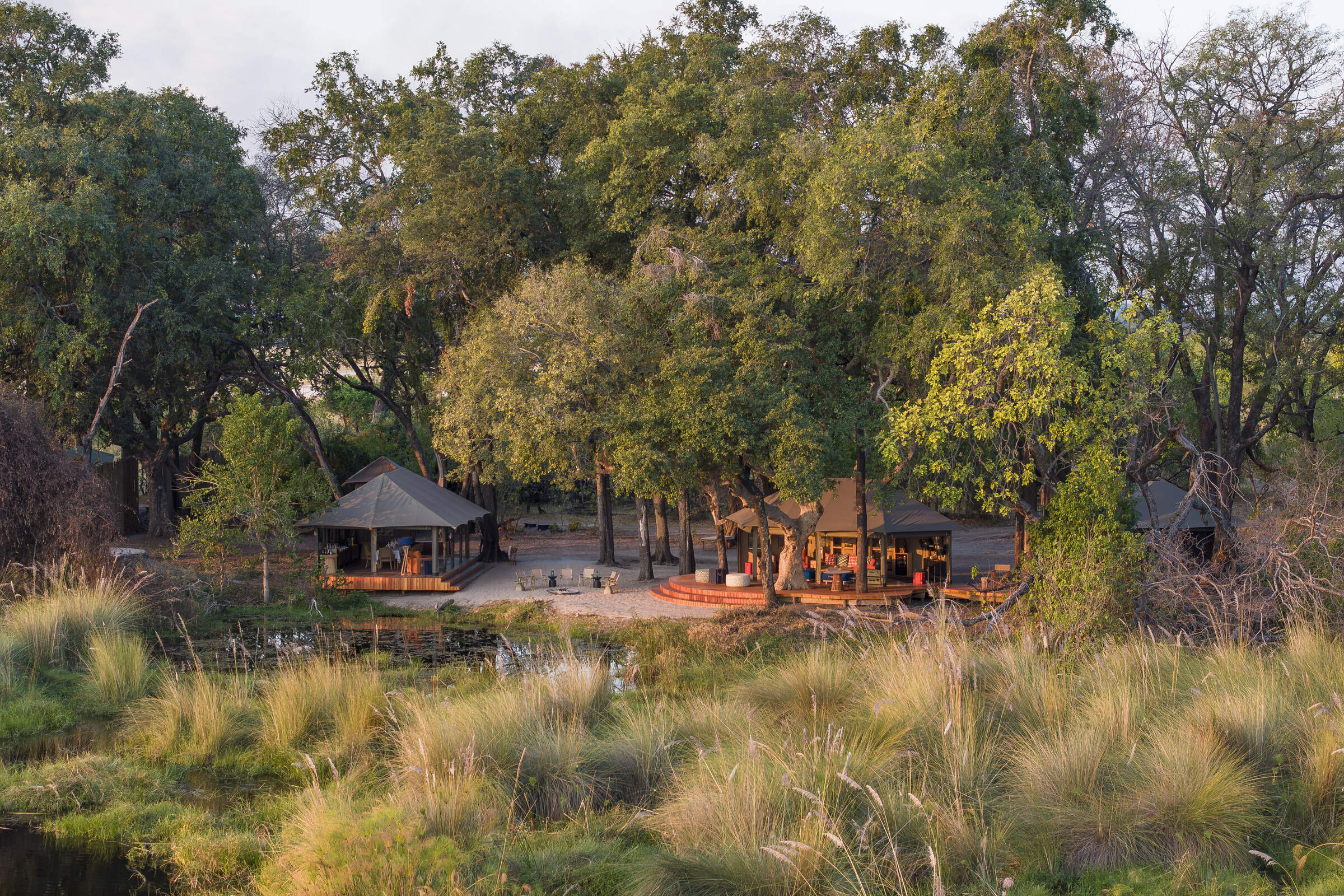
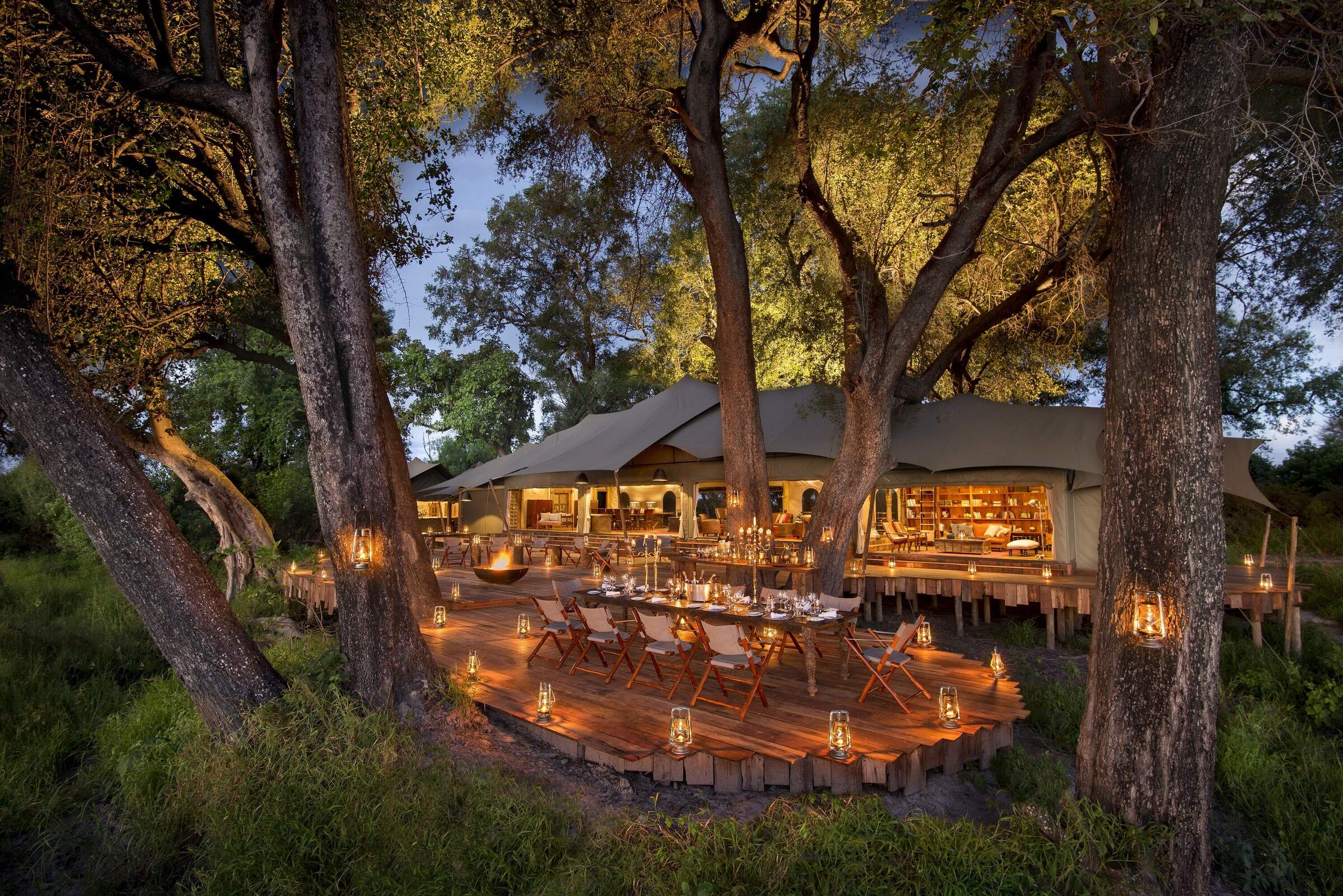
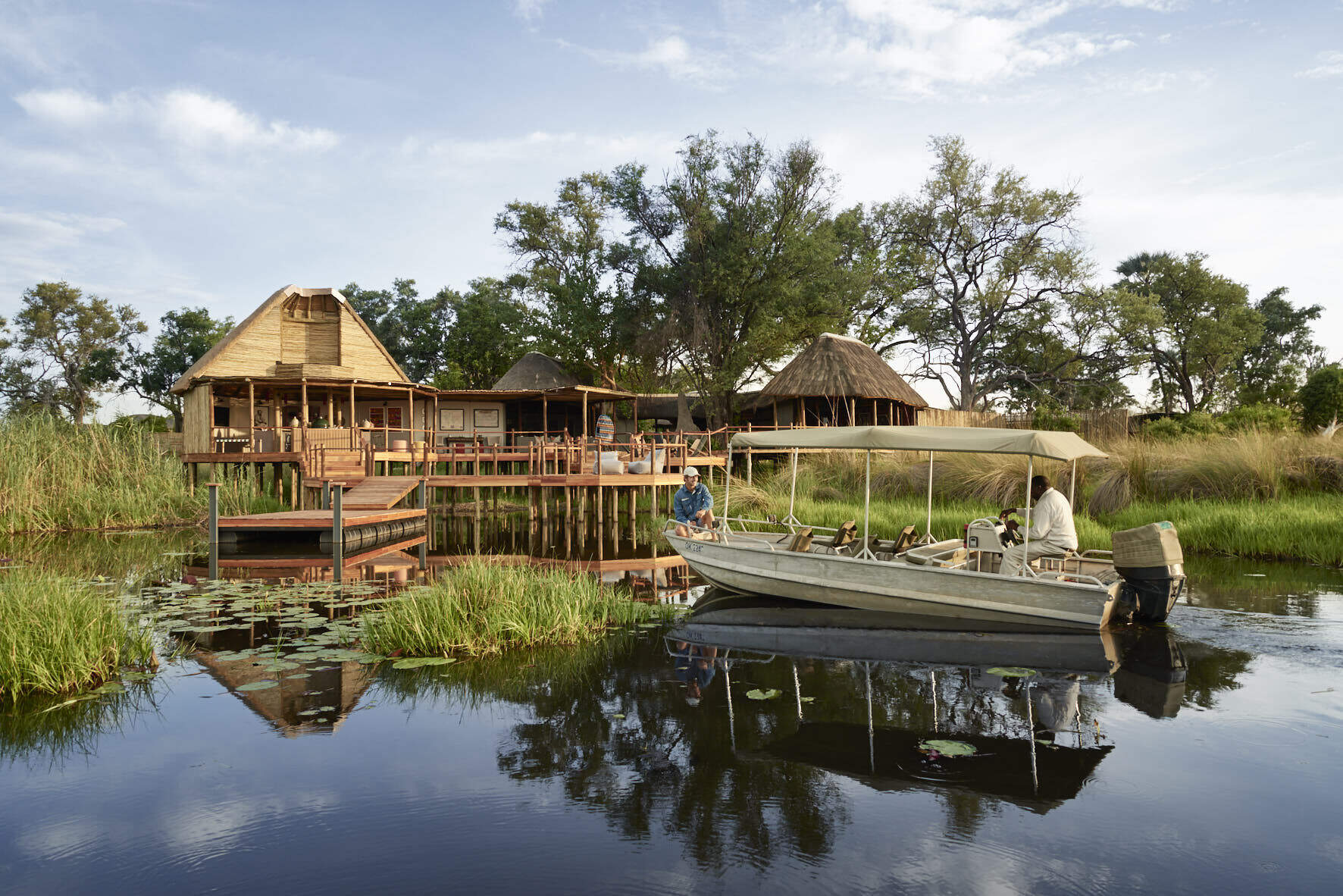
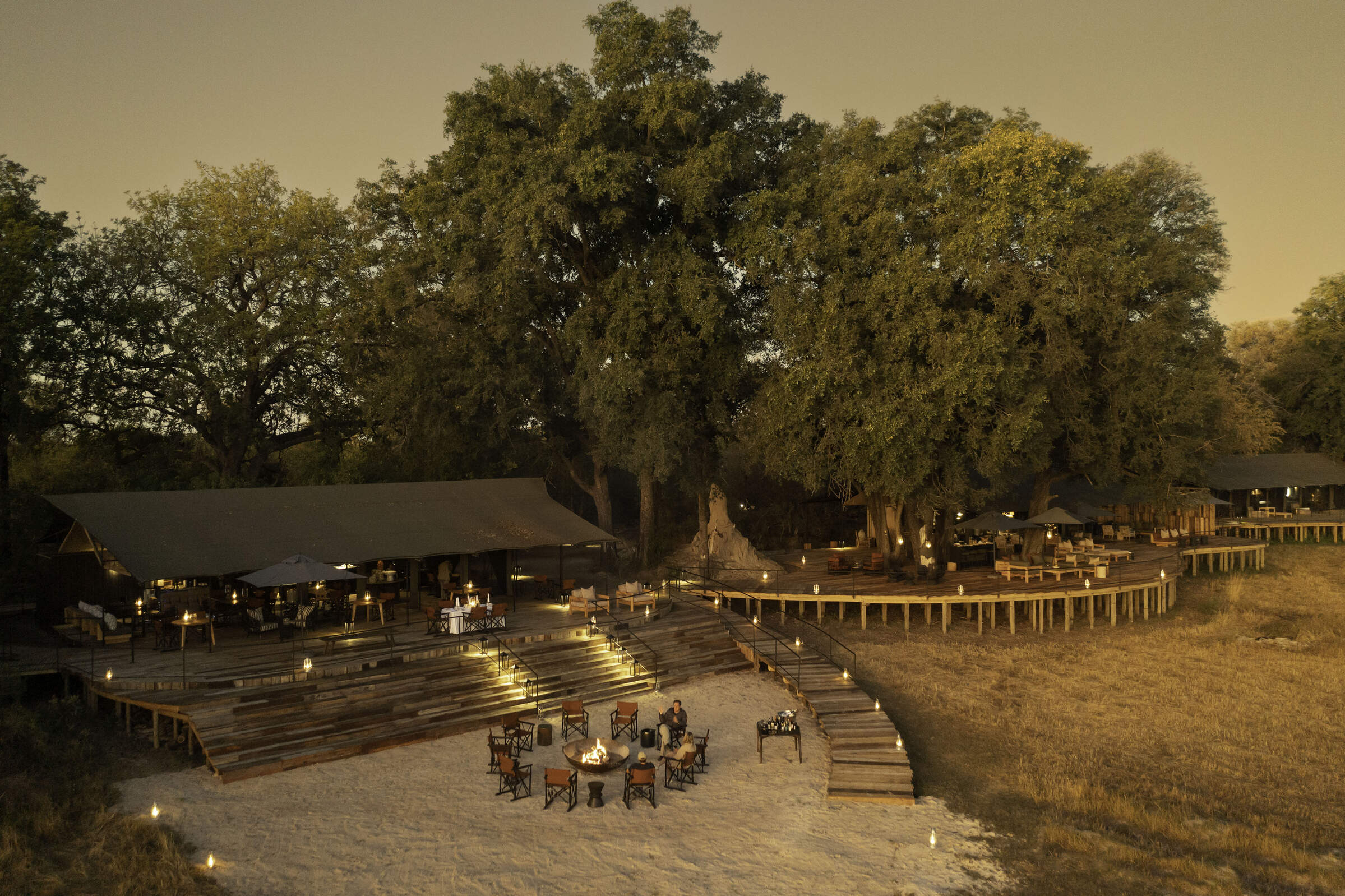
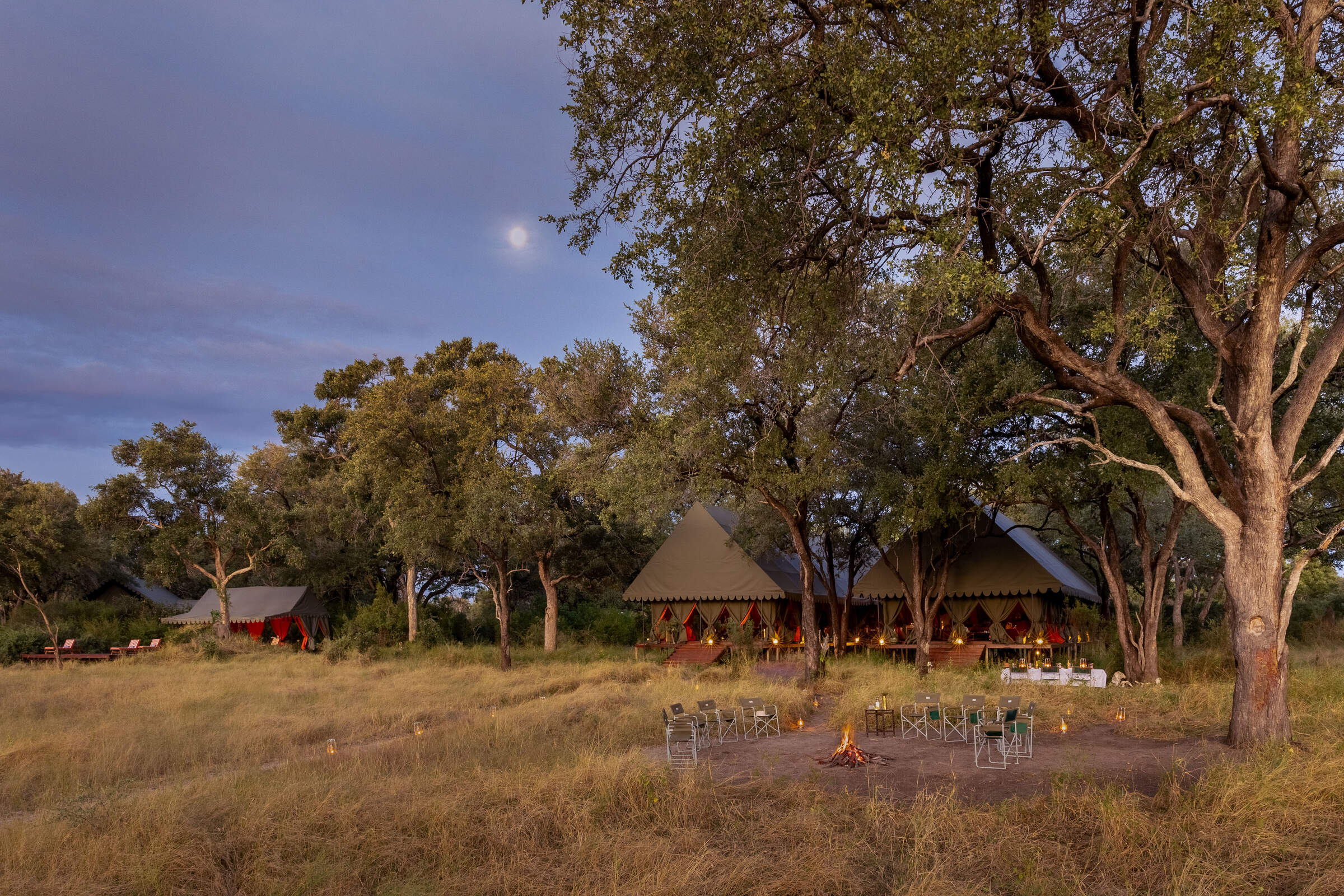
Shaded by a riverine forest, Little Tubu has a light and breezy feel to it, with plenty of light colours and places to chill out. The main area, including the dining area, is slightly elevated in the lower tree canopy to allow great views across the floodplain. Inside this open-fronted canvas-and-timber structure guests will find a couple of seating areas as well as a small reference library with some board games. A spotting scope can be used to pick out game on the floodplain in front of camp and there's a tea and coffee station, which stays topped up throughout the day.
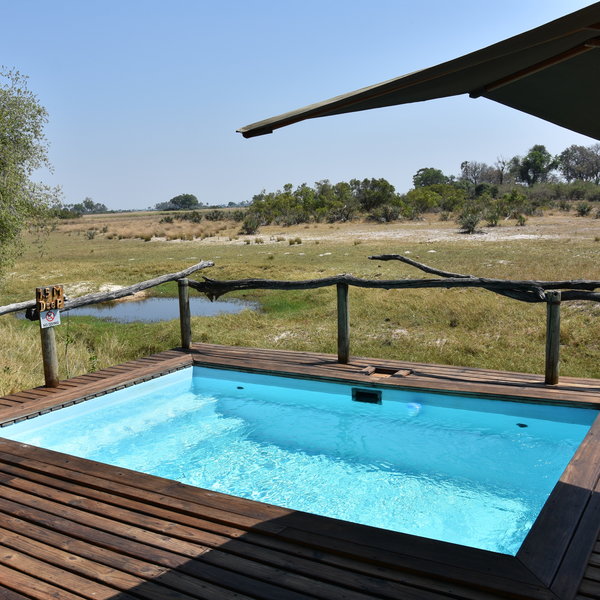
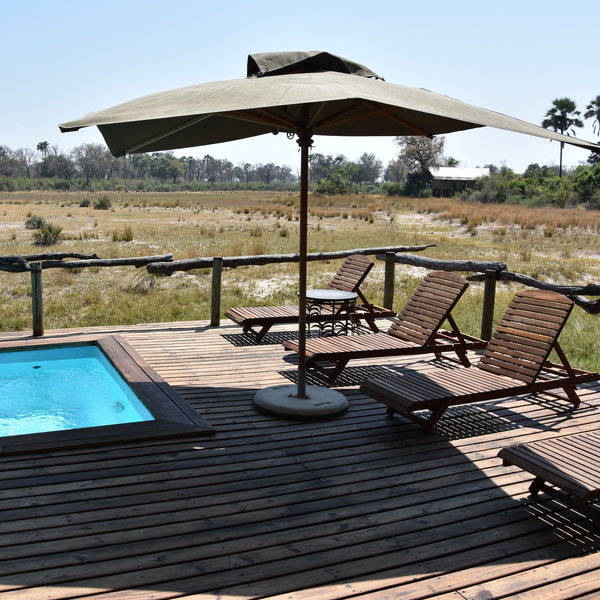
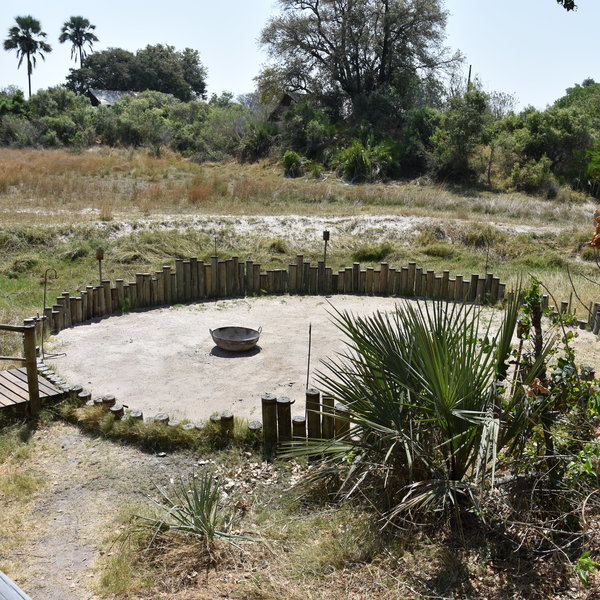
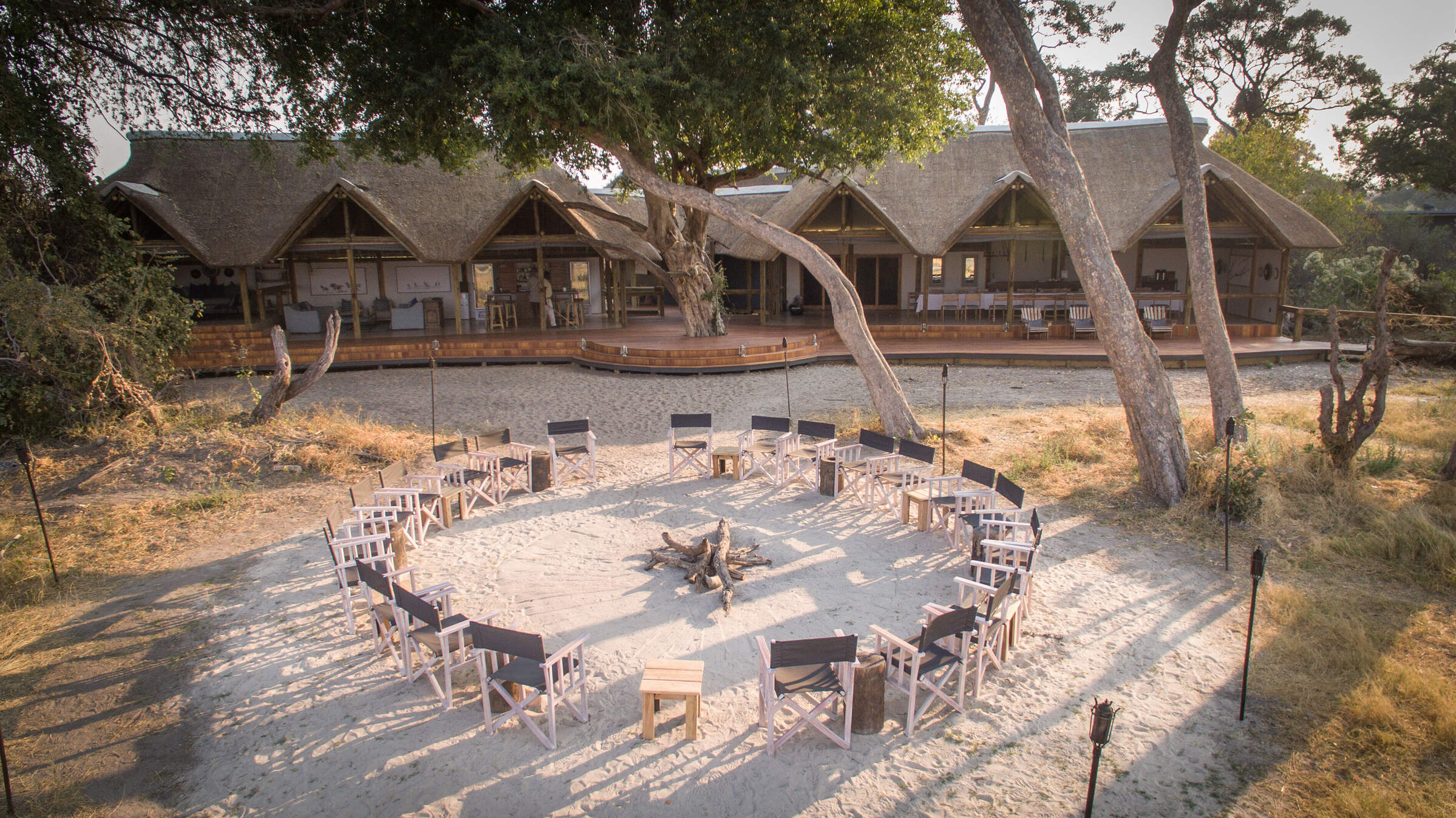
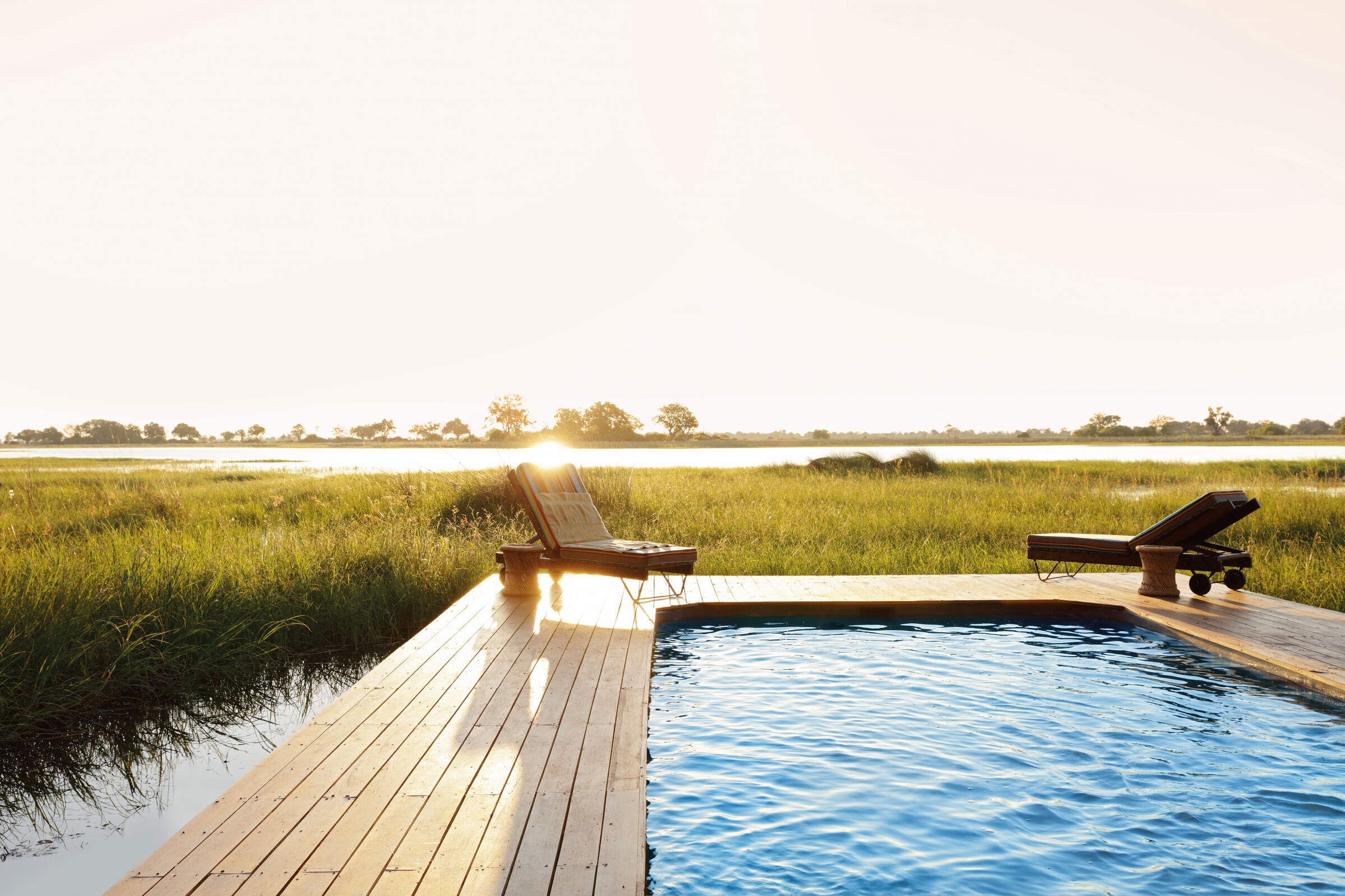
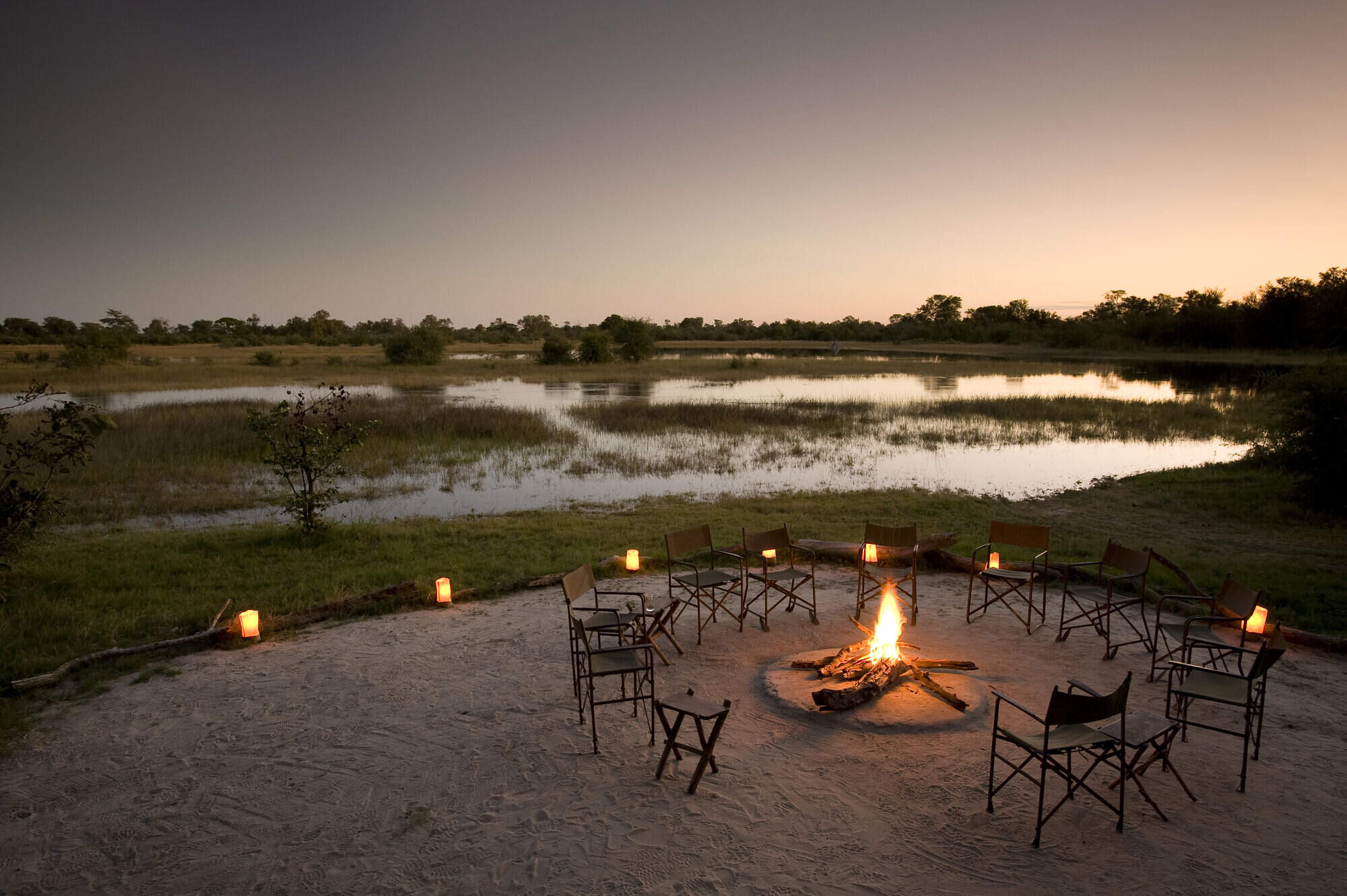
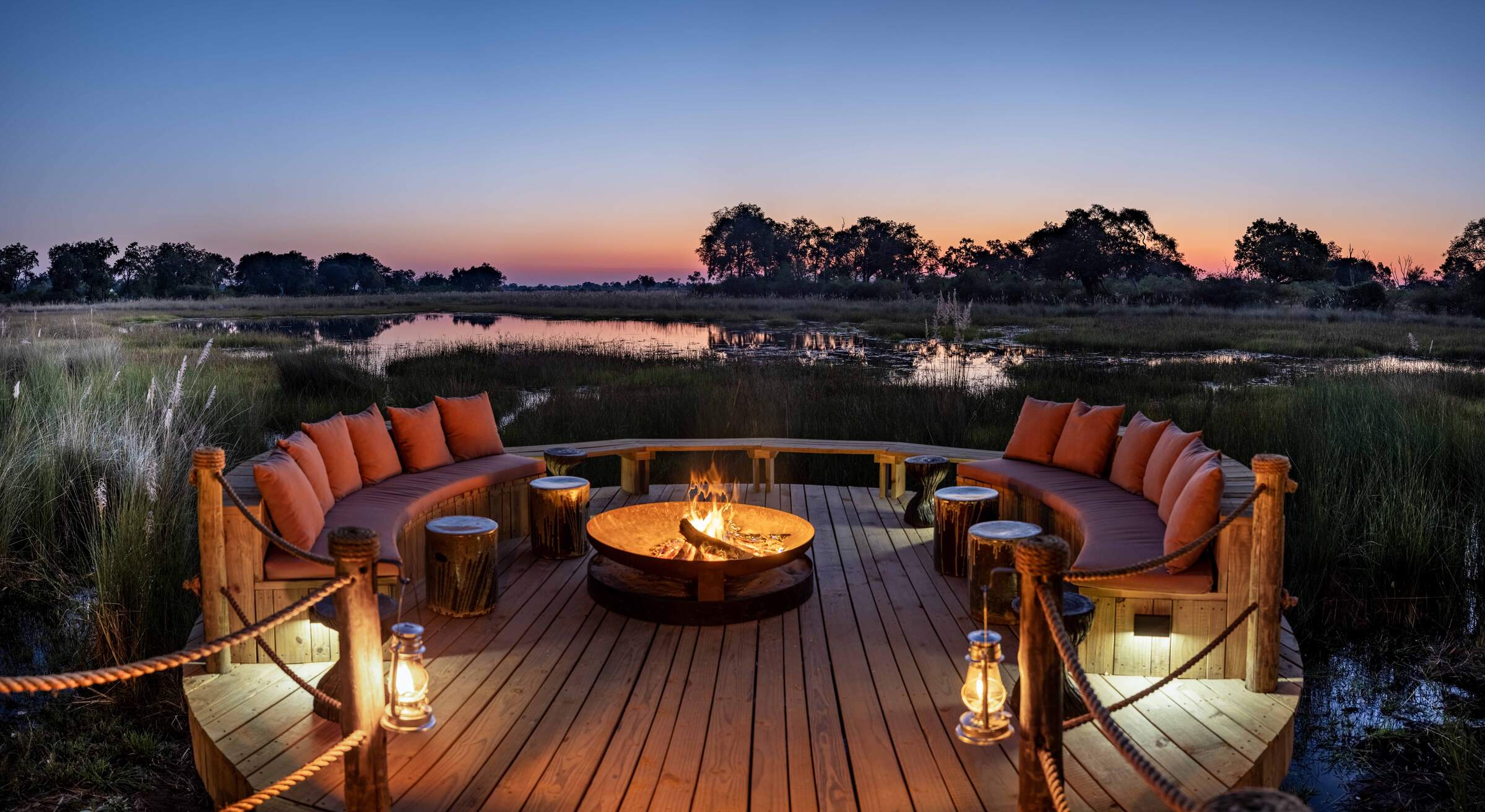
Communal evening meals are usually enjoyed around the large dining table, although private dining can be arranged for special occasions. Lunch, however, is generally taken on an elevated deck area to the front which, when the water levels are high, sits right on the edge of the floodplain. Further adding to the tree-house feel, the bar area is set into a large waterberry tree. Indeed, the only part of the camp located at ground level is the firepit, which forms a focal point for guests in the early mornings and evenings. Slightly away from the main area, pass through the tree line and guests also have access to a private and secluded swimming pool complete with loungers and sun shades.
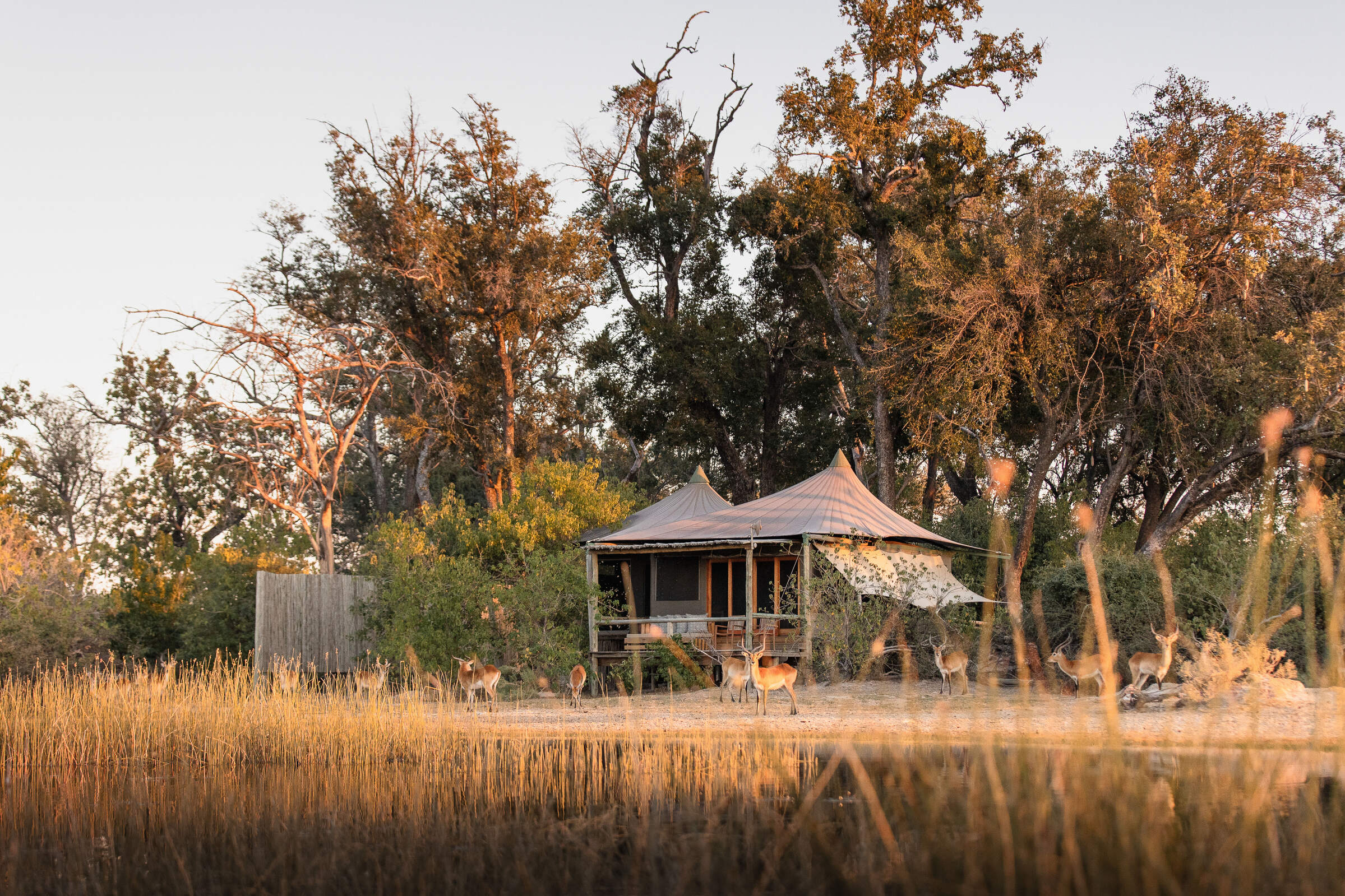
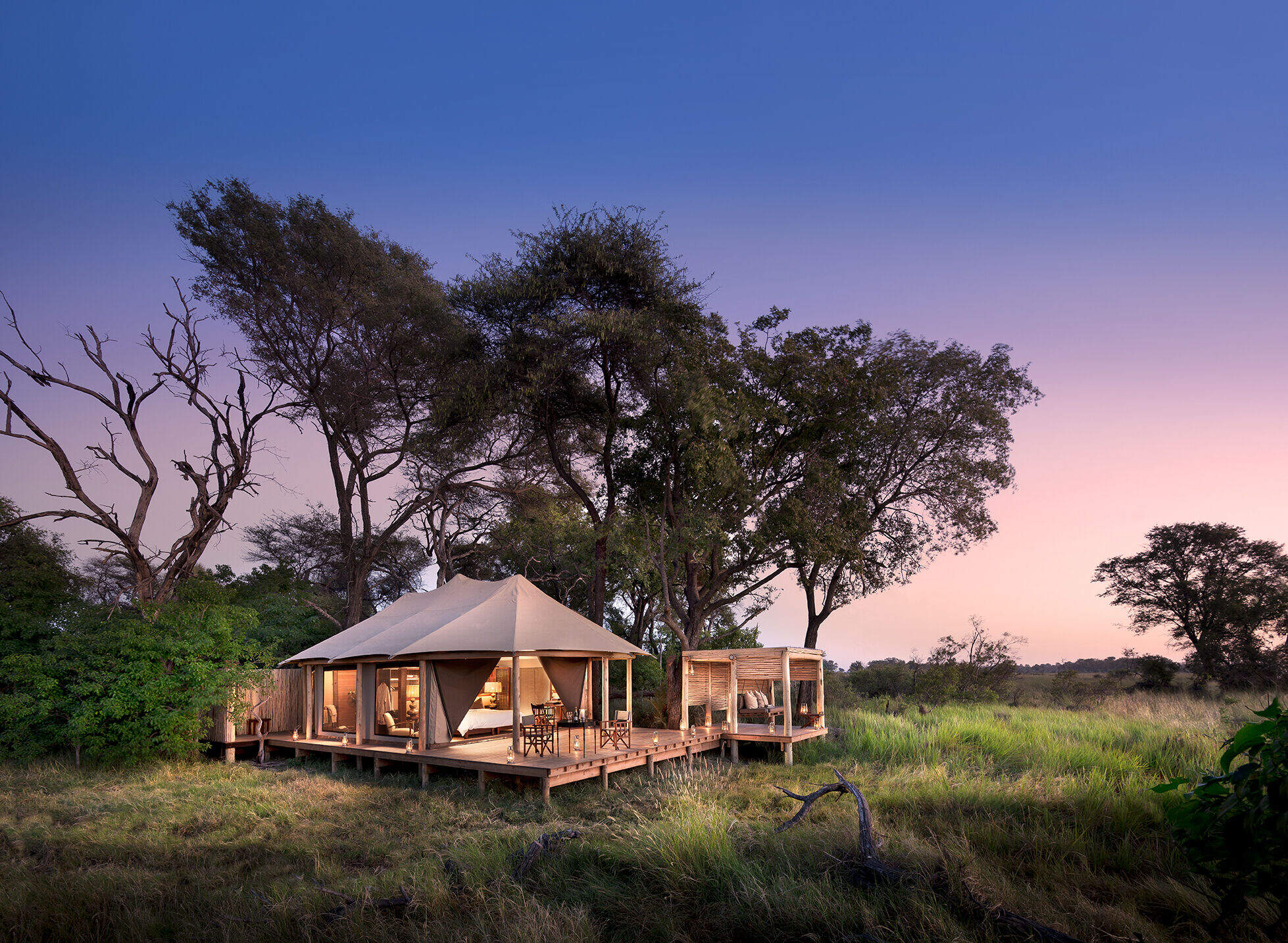
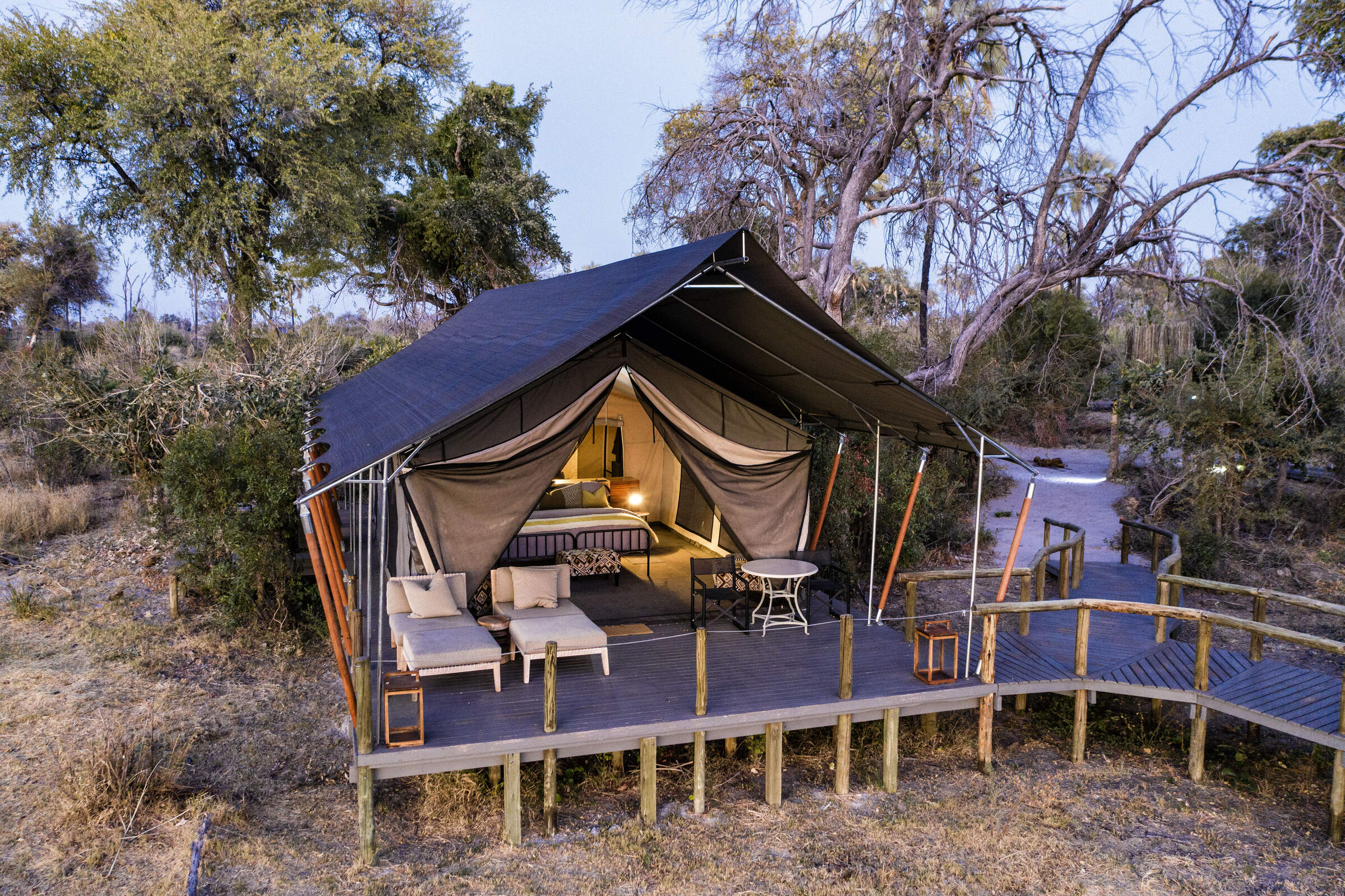
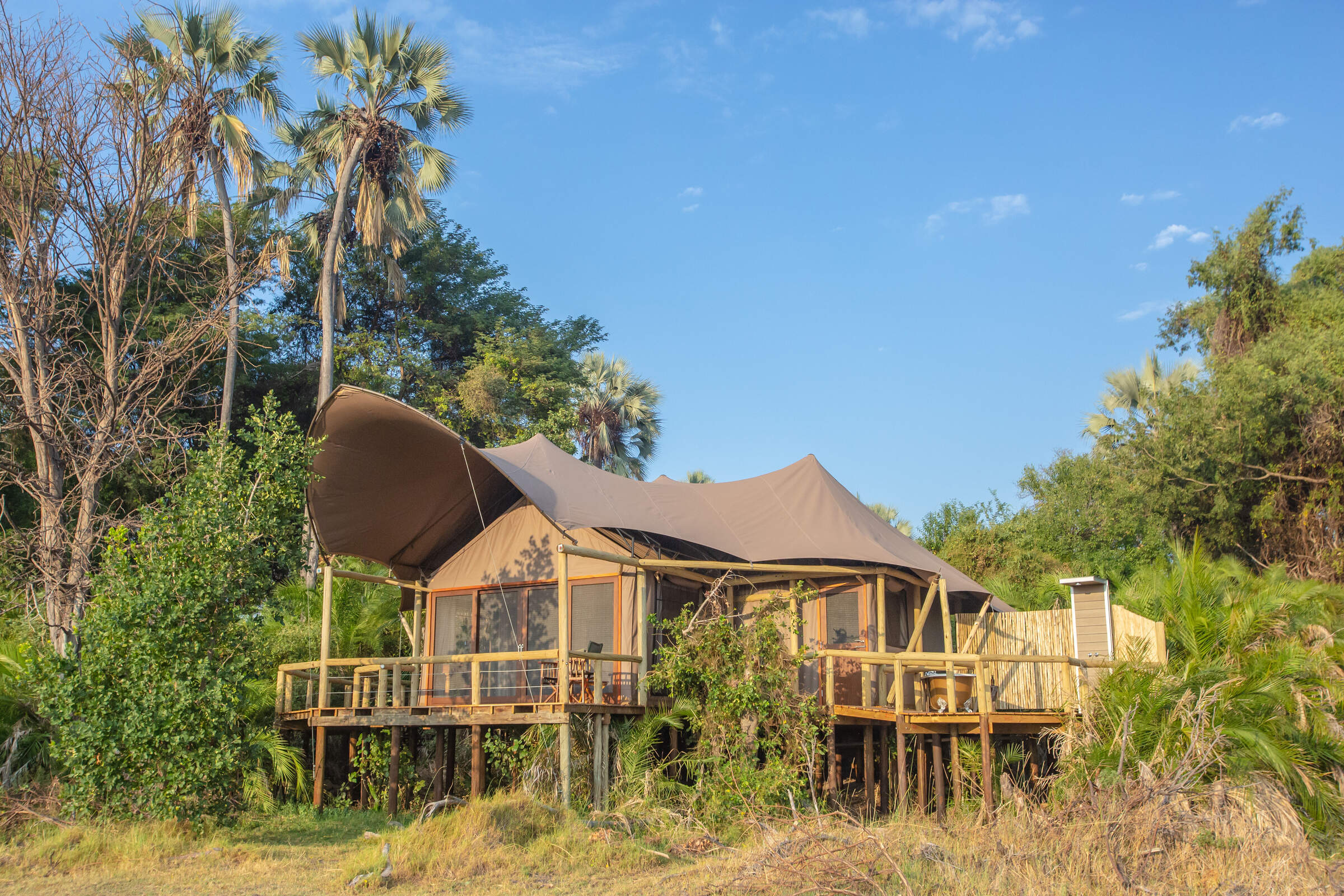
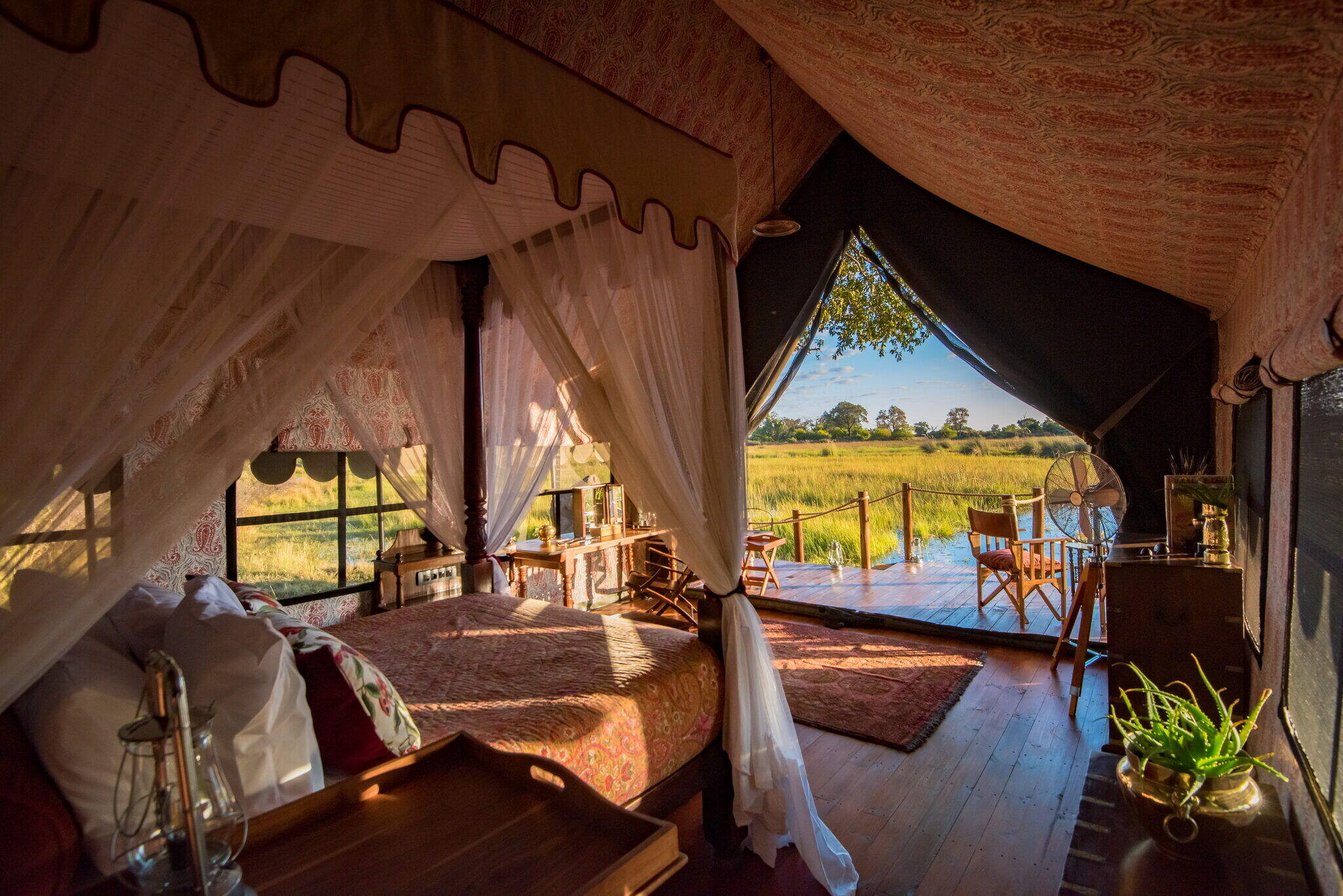
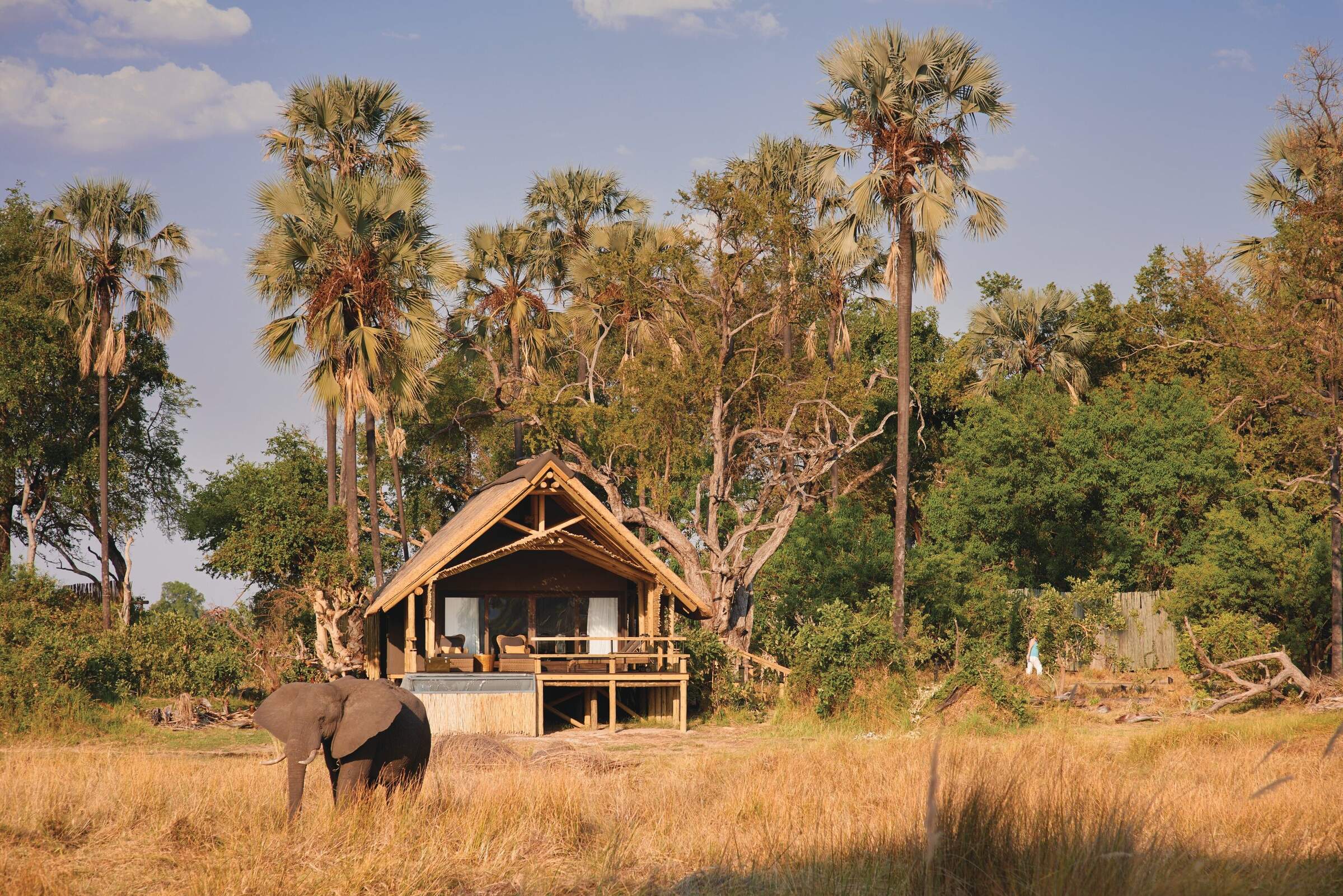
Little Tubu accommodates a maximum of just six guests in just three tented chalets although two chalets from the far end of the main Tubu Tree Camp can be used to allow for the flexibility to cater for family groups of more than six, or those travelling with a guide. One of the three tented chalets serves as honeymoon suite with an extra raised viewing deck and sala bed. Each tent has an open feel due to the timber frame and canvas walls with gauze-mesh windows. A king-size bed draped in mosquito netting forms the centrepiece of each room, which also features a couple of comfortable chairs and a writing table with a tea and coffee station and a few reference books. A large wardrobe cabinet at the head of the bed serves the dual purpose of providing storage space and separating the bedroom from the en-suite bathroom. Complete with an indoor and outdoor shower and his and hers washbasins, each bathroom is spacious, with a separate flush toilet for privacy.
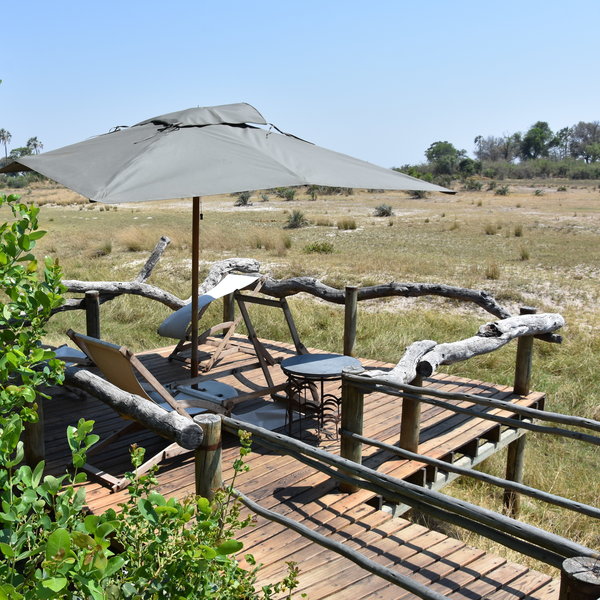
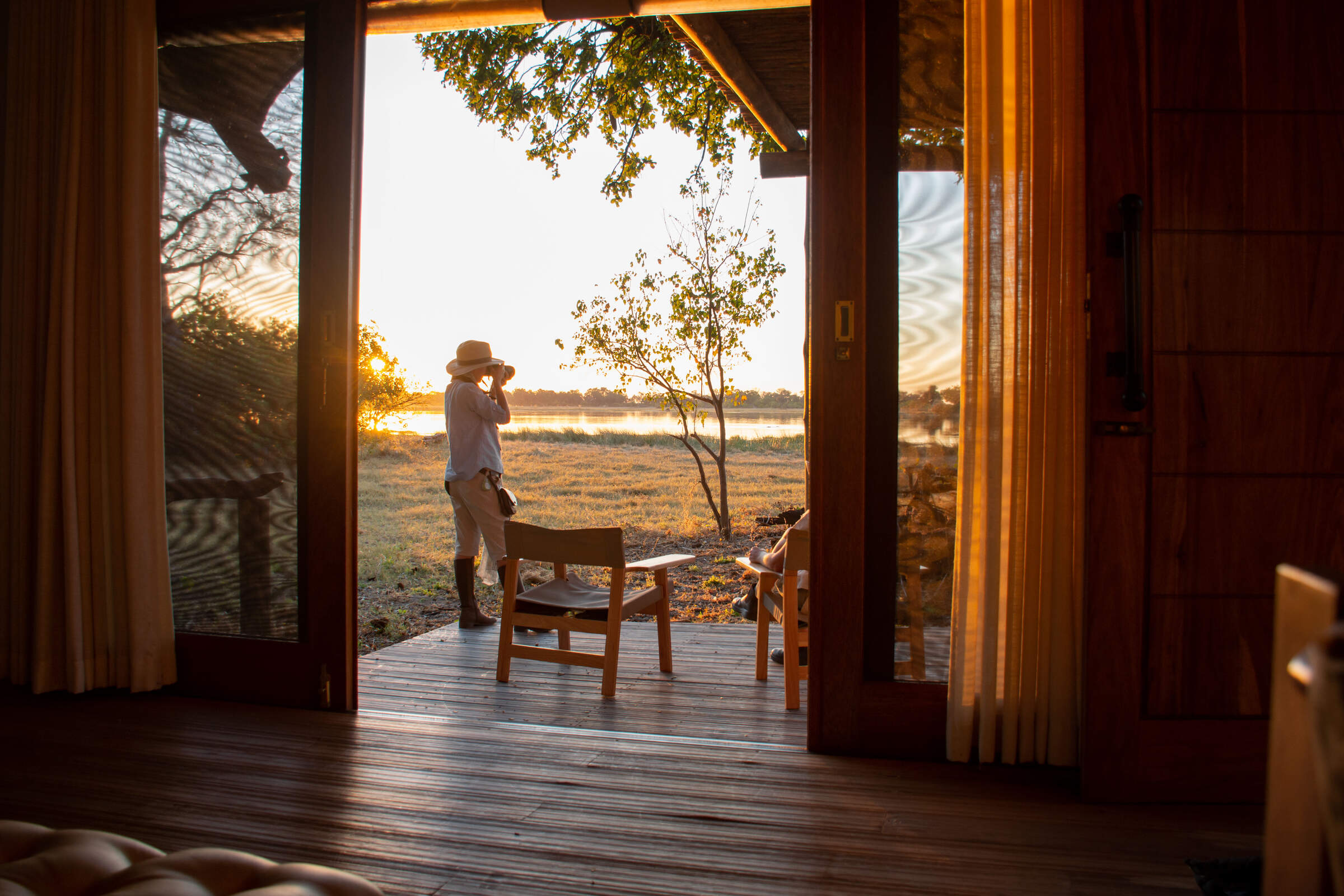
A sliding door at the front of each tented chalet opens onto a private deck with comfortable furniture, a perfect spot to watch game moving past camp in the mid-afternoon.
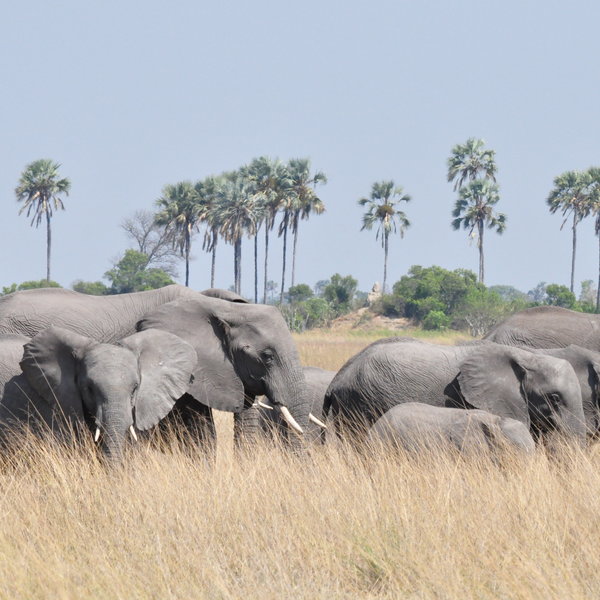
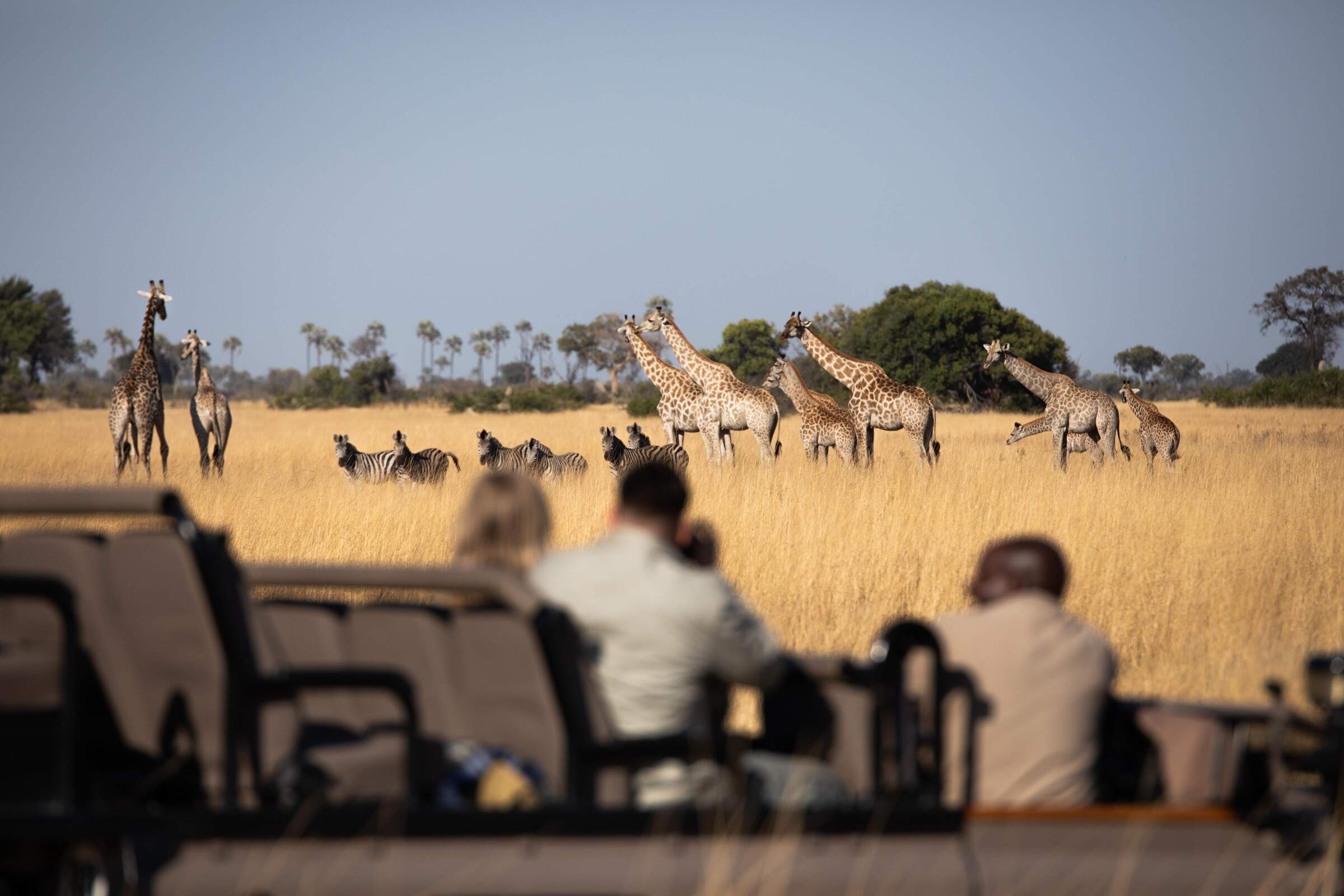
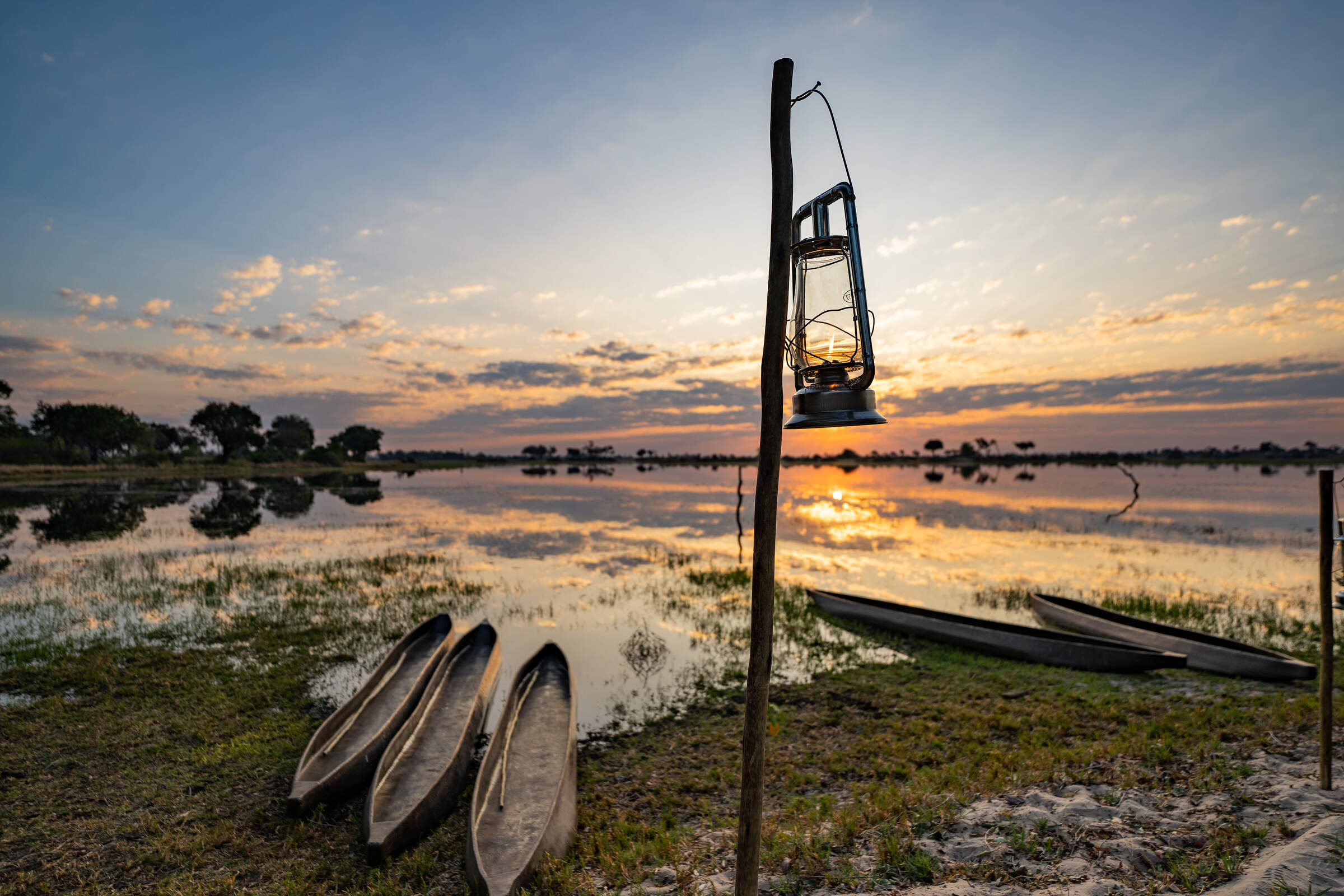
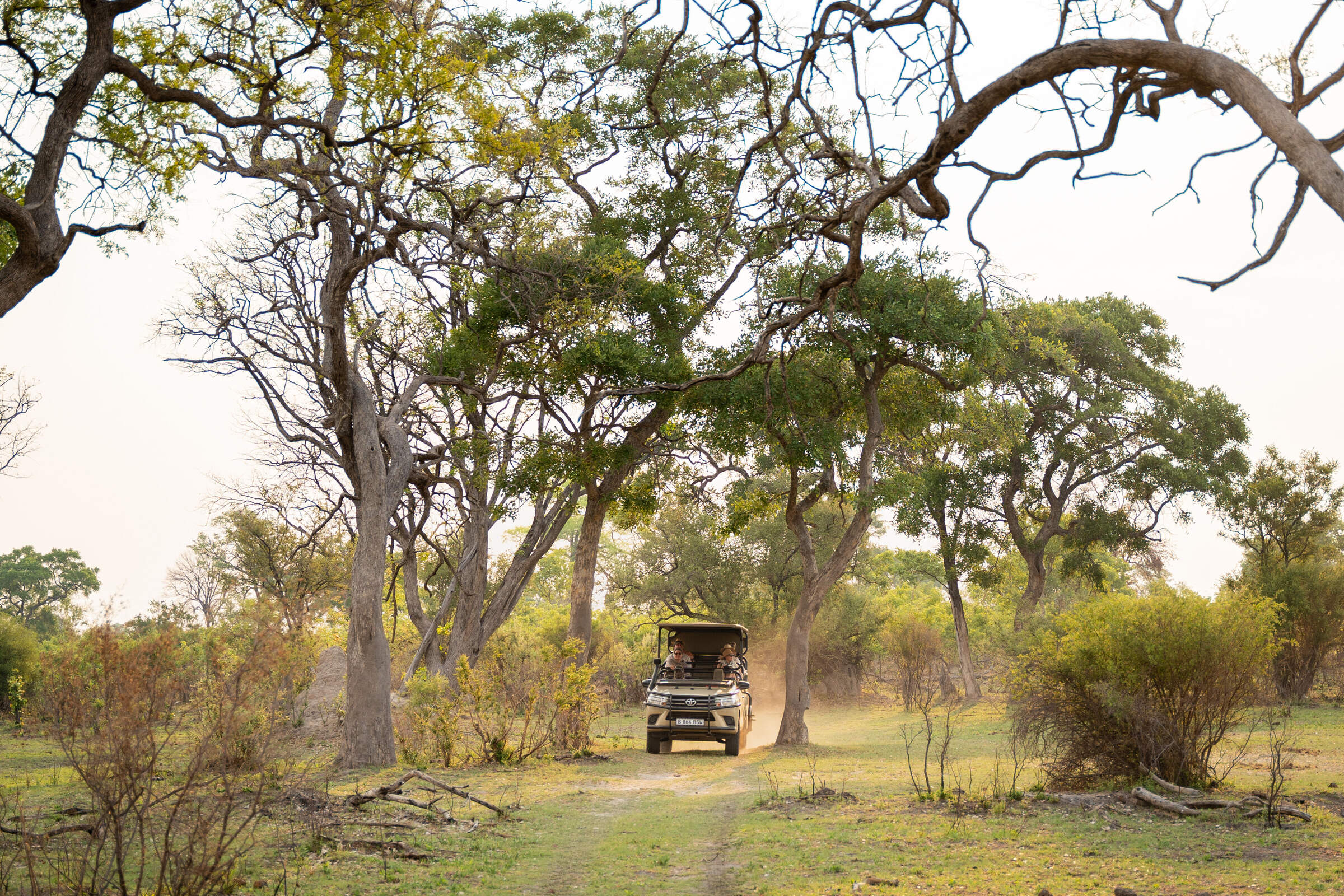
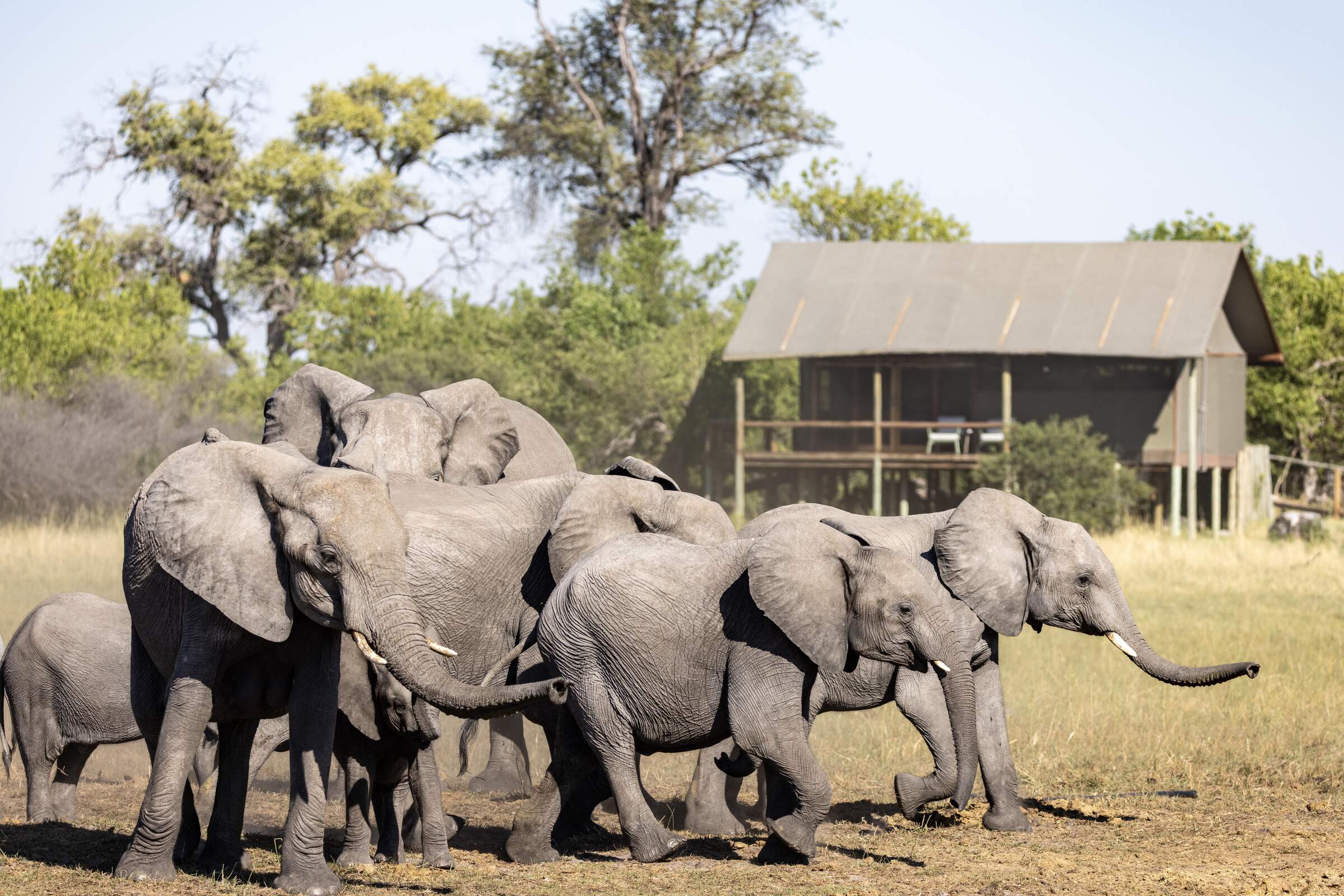
Given the amount of water around Little Tubu (often into the dry season), the emphasis of activities here – much like the other camps in the Jao Concession – is on boating, mokoro and fishing excursions. When water levels are at their highest, mokoro excursions leave from the front of camp, but once the waters recede the mokoro station is moved to a spot just a short drive from camp. That said, Hunda Island is one of the largest in the concession and offers a fair expanse of dry land on which to conduct game drives too, offering immediate access to the best game viewing in the reserve. Most game drives therefore focus on the island, which attracts animals such as giraffe, zebra, kudu and elephant, and the birding is excellent. Although on previous visits Hunda Island has been a reliable place for leopard sightings on our most recent visit in October 2017 it did not seem any better than other areas in the Delta for this typically shy cat. The guides we spoke to thought this might be because of a particularly territorial, but elusive male leopard that had moved into the area and because of the increased population of lions. We did however keep bumping into a pack of five wild dog, including one afternoon following them as they trotted across the grassland in search of prey.
That said, it's important to note that as the Jao Reserve is so wet for much of the year, the game here is often quite spread out, particularly between March and June when the flood waters are at their highest. Thus Little Tubu is best considered as a great place to spend a couple of nights in order to take in the classic Okavango Delta landscape between about March and July: vast floodplains, big skies and small islands formed from ancient ant-hills now vegetated and inhabited mainly by antelope, with a burgeoning leopard population.
Activities
4WD Safari
Birdwatching
Boat trip
Fishing
Guided walking safari
Helicopter
Mokoro
Night drive
Private activities
Families & children
- Attitude towards children
- Children over the age of 12 years are welcome at Little Tubu. The camp may accept children between the ages of six and 12 years old, but private activities must be booked and these will be at an extra cost.
Children younger than six may be accepted by special arrangement, but only if the entire camp is reserved for exclusive use.
Note that minimum age requirements in Botswana mean that children are allowed on boat trips from the age of six years, but on mokoro trips only from the age of 13 years.
Children under 17 years of age must share a room with an adult. - Property’s age restrictions
- Children over the age of 12 are accepted at Little Tubu
- Special activities & services
- There are no special activities or services for children.
- Equipment
- No special equipment is available.
- Generally recommended for children
- Little Tubu is such a small camp that a party of six people, including children, could have exclusive use of it without any extra charges – making it a great choice for one large family or group. Since you would be using the whole camp, you would have ultimate flexibility and private drives at no extra cost. Note however that one adult would have to share with one child as tents do not accommodate two adults and a child.
Generally we think that Little Tubu is suitable for more mature children over the age of 13 years. - Notes
- Little Tubu is unfenced, and dangerous wildlife, including leopard, is known to regularly move through camp. The buildings are all raised up on stilts with only basic railings, which are mostly open except for the handrail. The pool is unfenced. Children must be under the constant supervision of their parents.
Food & drink
- Usual board basis
- Full Board & Activities
- Food quality
- We were thoroughly impressed with the food and level of service at Little Tubu the last time we stayed.
Unfortunately we arrived around mid-afternoon so were unable to experience brunch, but we're informed that this is usually a cooked breakfast served with an accompanying quiche or pizza and lots of salad.
Although too late for brunch there was a delicious lunch awaiting our arrival, consisting of bream served with potato wedges and an avocado salad, along with plenty of bread, fruit and cheese.
Afternoon tea is typically something savoury and something sweet, in this instance mini quiches and a chocolate cake. A selection of iced teas and coffees was on offer.
Dinner consisted of a very nice starter of prawns in a sweet chilli sauce on a bed of lettuce. The main course was roast chicken in a bacon sauce accompanied by salad, mixed vegetables and Pilau rice, rounded off with Melba pudding in a cream sauce. - Dining style
- Group Meals
- Dining locations
- Indoor and Outdoor Dining
- Further dining info, including room service
- None
- Drinks included
- Bottled water, soft drinks, local beers and spirits and a limited selection of (usually) South African red and white wines are included. Champagne and imported wines and spirits will cost extra and may need to be requested in advance.
Our travellers’ wildlife sightings from Little Tubu
Since mid-2018, many of our travellers who stayed at Little Tubu have kindly recorded their wildlife sightings and shared them with us. The results are below. Click an animal to see more, and here to see more on our methodology.

100% success

100% success

100% success

100% success

100% success

0% success

0% success

0% success

0% success

0% success

0% success

0% success

0% success

0% success

0% success

0% success

0% success
Getting there
- Location
- Okavango Delta Safari Reserves, Botswana
- Ideal length of stay
- We’d recommend a stay of three nights at Little Tubu towards the end of the dry season (August to October), but just two at other times of the year.
- Directions
- Access to camp is normally via a light-aircraft to Hunda airstrip, from where it’s approximately ten minutes’ drive to camp. Depending on water levels, the camp can sometimes be accessed by boat from Jao, Kwetsani or Jacana camps.
- Accessible by
- Fly-and-Transfer
Special interests
- Private safari camps & lodges
- Although not a villa or a house, with just three tents Little Tubu can easily be booked out on an exclusive basis for groups or families wanting a little privacy on their Botswana safari.
- See ideas for Private safari camps & lodges in Botswana
Communications
- Power supply notes
- Generator used for kitchen
- Communications
- There is no cellphone reception, direct phone, fax or email at Little Tubu. Communication is maintained with the head office in Maun via radio.
- TV & radio
- There is no TV or radio.
- Water supply
- Borehole
- Water supply notes
- Solar geysers used to heat water.
Health & safety
- Malarial protection recommended
- Yes
- Medical care
- The nearest doctor is in Maun. All management and guides are first-aid trained and medical evacuation is available in case of emergencies. There is a nurse on call (via radio) 24 hours a day. Please note that it is only possible to fly out of camp during daylight hours as the bush airstrips do not have any lighting at night.
- Dangerous animals
- High Risk
- Security measures
- Guests are escorted to their rooms after dark as dangerous wildlife is known to wander through the camp. A thorough safety briefing is given on arrival. ‘Fog horns’ are provided in the rooms to summon help in case of emergency.
- Fire safety
- There are fire extinguishers throughout camp.
Useful info
- Disabled access
- Not Possible
- Laundry facilities
- A laundry service is included. Laundry is collected in the morning and usually returned the same day, weather permitting. For cultural reasons and because the clothing is generally handwashed, the staff do not wash underwear. Detergent is provided in each chalet for guests who wish to do a little handwashing.
- Money
- No exchange facilities are offered at Little Tubu. There are small safes in all the rooms, as well as a larger one in the office.
- Accepted payment on location
- MasterCard and Visa credit cards are accepted; Diners and Amex are not. Cash in the form of South African rand, GB sterling, US dollars, euros and Botswana pula is accepted.
Plan and book your trip with Expert Africa
All of our trips are tailor-made, so we'll always adapt them to suit you. Talk to an Expert and let us plan and arrange your perfect trip.

Talk to an Expert
Call or email us now! We’ll match you with the Specialist in our team who is best suited to help you. Then together we can start planning your trip.

Set up your itinerary
Based on our experience and your ideas, your specialist will create a detailed, costed itinerary. We’ll refine it together, until we have a trip that you’re perfectly happy with.

Prepare for your trip
The same Specialist will make the seamless arrangements for your trip, send you detailed travel documents, and be available to answer any questions before you depart.

Travel with peace of mind
After you set off, you’ll be cared for by our partners in Africa, most of whom have worked with Expert Africa for decades. And if you ever need us urgently, we’re available 24/7.

When you return
We love to learn about your trip, and so will always be grateful if you’ve the time to give feedback to your Specialist when you return.
Little Tubu's location
Look closer at the environment and surroundings of Little Tubu.
Excursions from Little Tubu
Optional extra day-trips and excursions possible whilst you're staying at Little Tubu. Talk to us: these are usually best arranged before you go.
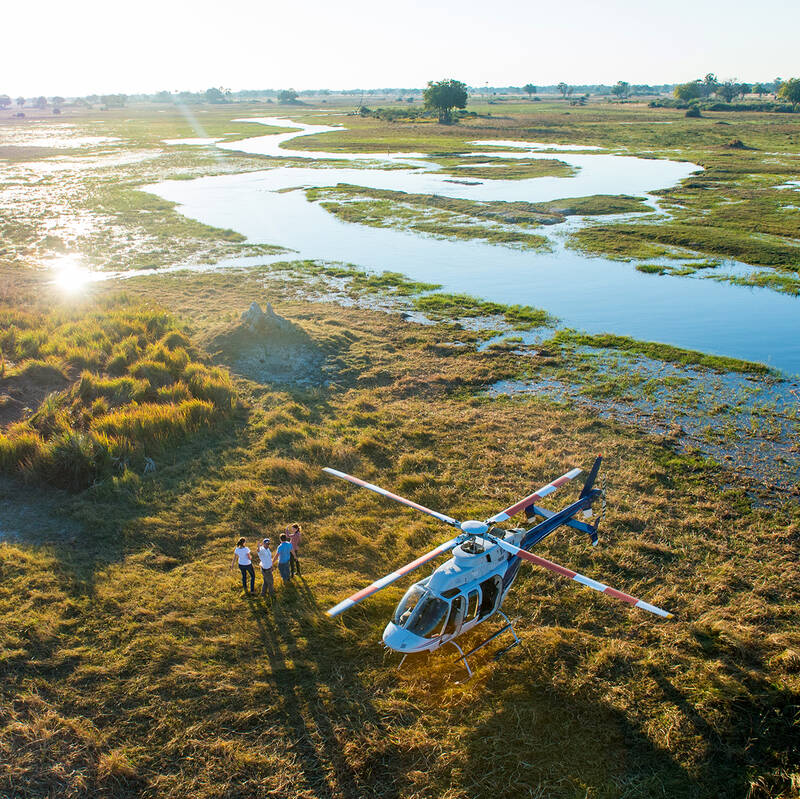
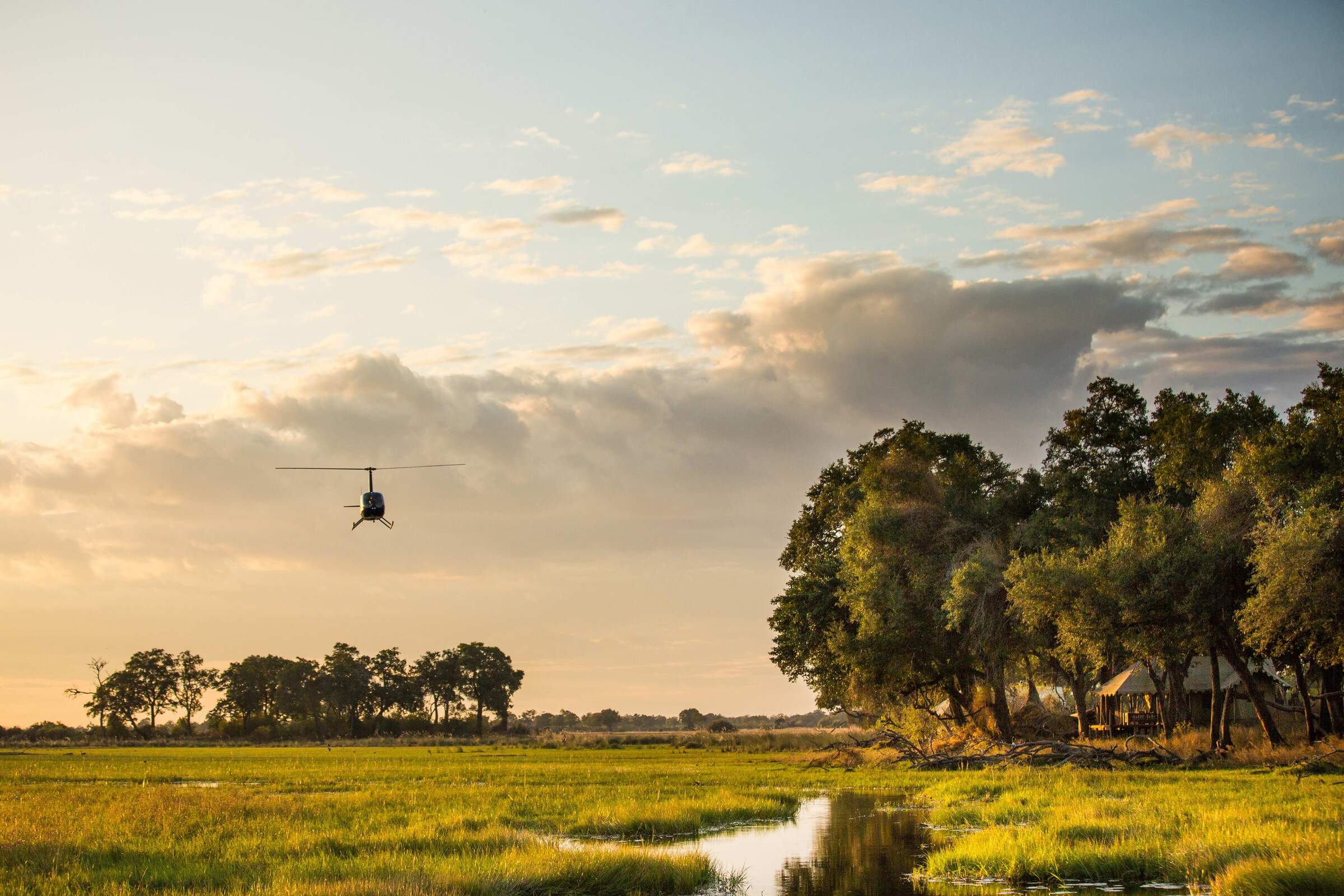
Helicopter Flight - Botswana
Various: from 30 minutes to half a day.
Low-flying, agile and offering superb views, helicopters are an ideal way to move around the Okavango Delta.You can use them instead of fixed-wing inter-lodge transfers or as an addition to other wildlife watching activities, and of course, helicopters can hover to allow that perfect pic, whereas fixed-wings can’t.
More about Helicopter FlightOther lodges in Okavango Delta Safari Reserves
Alternative places to stay in this same area.
Kwara Camp
Kwara Camp's private reserve boasts land and water activities year-round, with excellent game-viewing opportunities and access to permanent channels of the north-east Okavango Delta.
Little Vumbura
On a secluded island within a private reserve, Little Vumbura combines superb game viewing with a broad diversity of habitats in a truly picturesque setting.
Splash Camp
Set in the Kwara Reserve, offering superb wildlife viewing year-round, Splash offers both land and water activities led by guides with a particular knack for tracking big game.
Shinde Camp
With experienced staff and a wealth of activities, Shinde offers a traditional safari in an exceptionally varied and wildlife-rich environment.
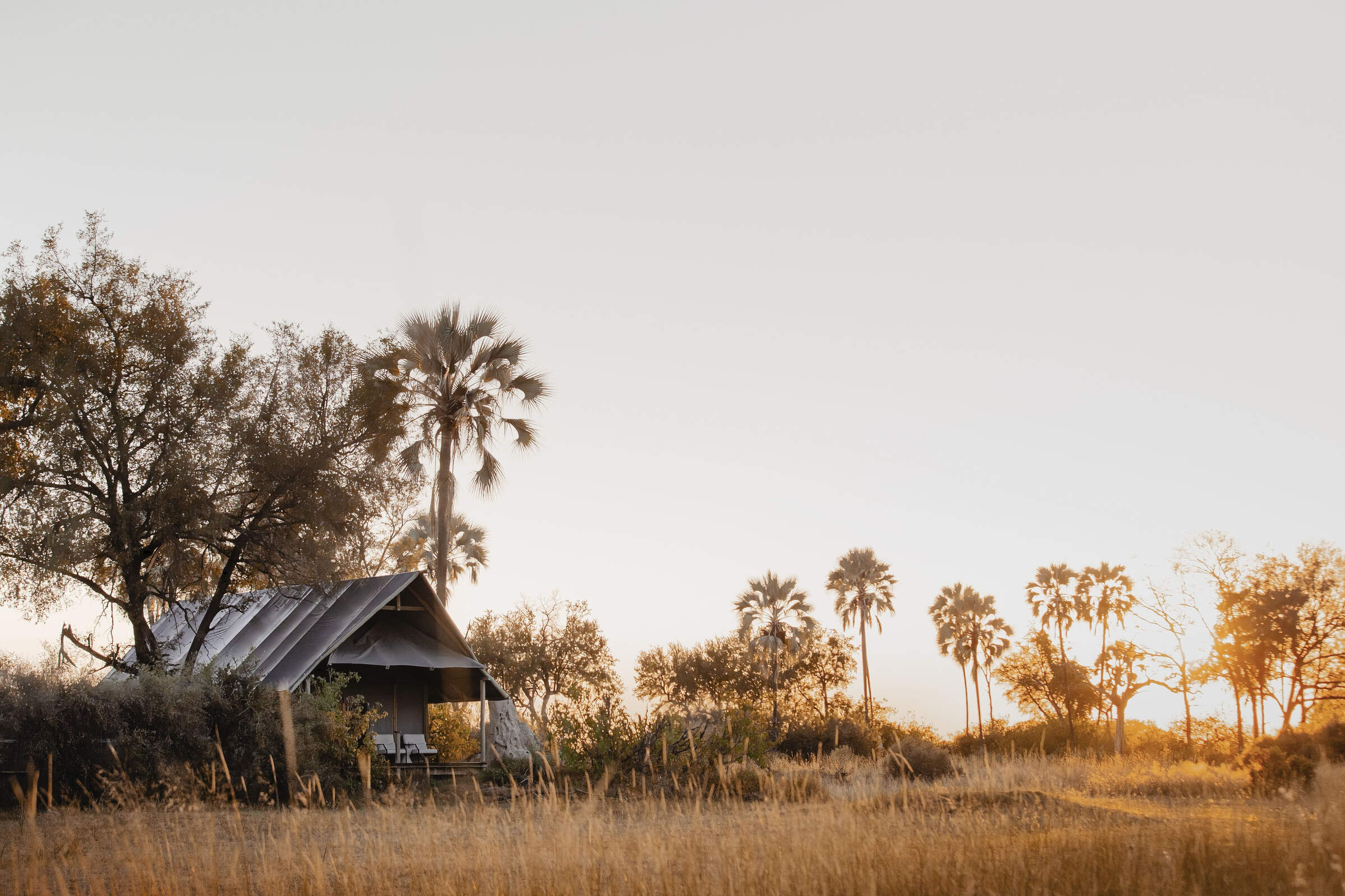
Chitabe Lediba
Chitabe Lediba, in Botswana's southern Okavango Delta, is a small family friendly safari camp; it offers great dry-land safaris and in our experience consistently delivers good game sightings.
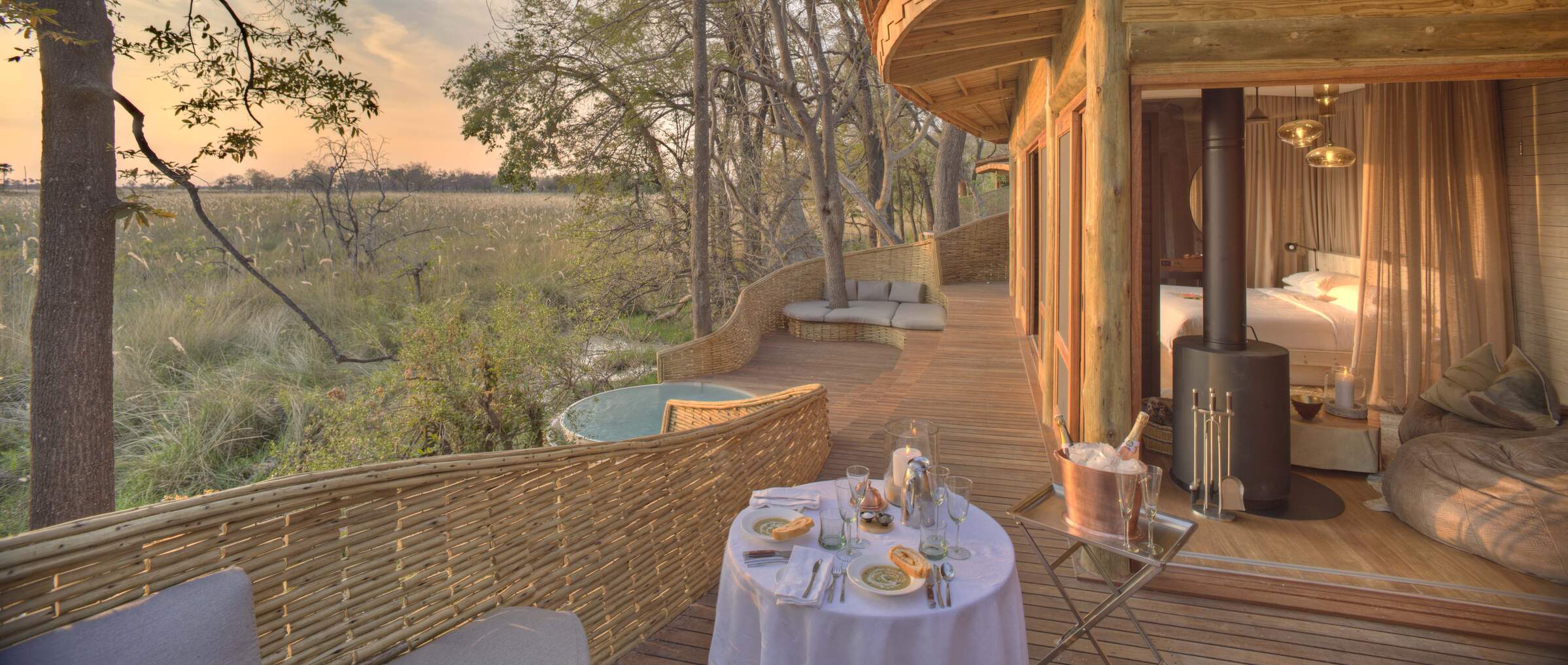
Sandibe Safari Lodge
The luxurious Sandibe Okavango Safari Lodge lies in a private concession in the heart of the Okavango Delta, beside Moremi Game Reserve, with superb big-game viewing.
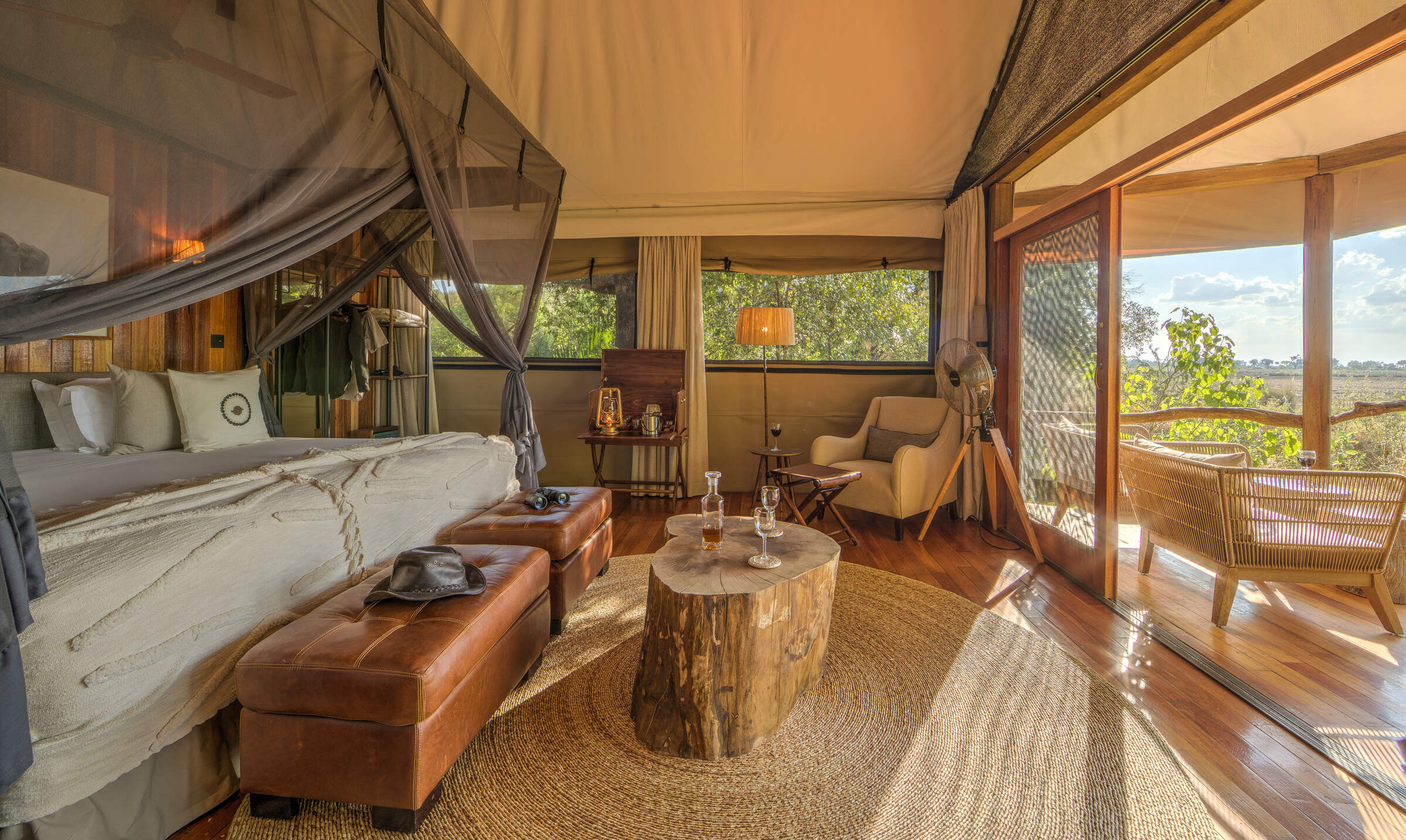
Kanana
In a beautiful part of the Delta, Kanana focuses on fantastic water activities and birding – including exclusive access to an impressive heronry.
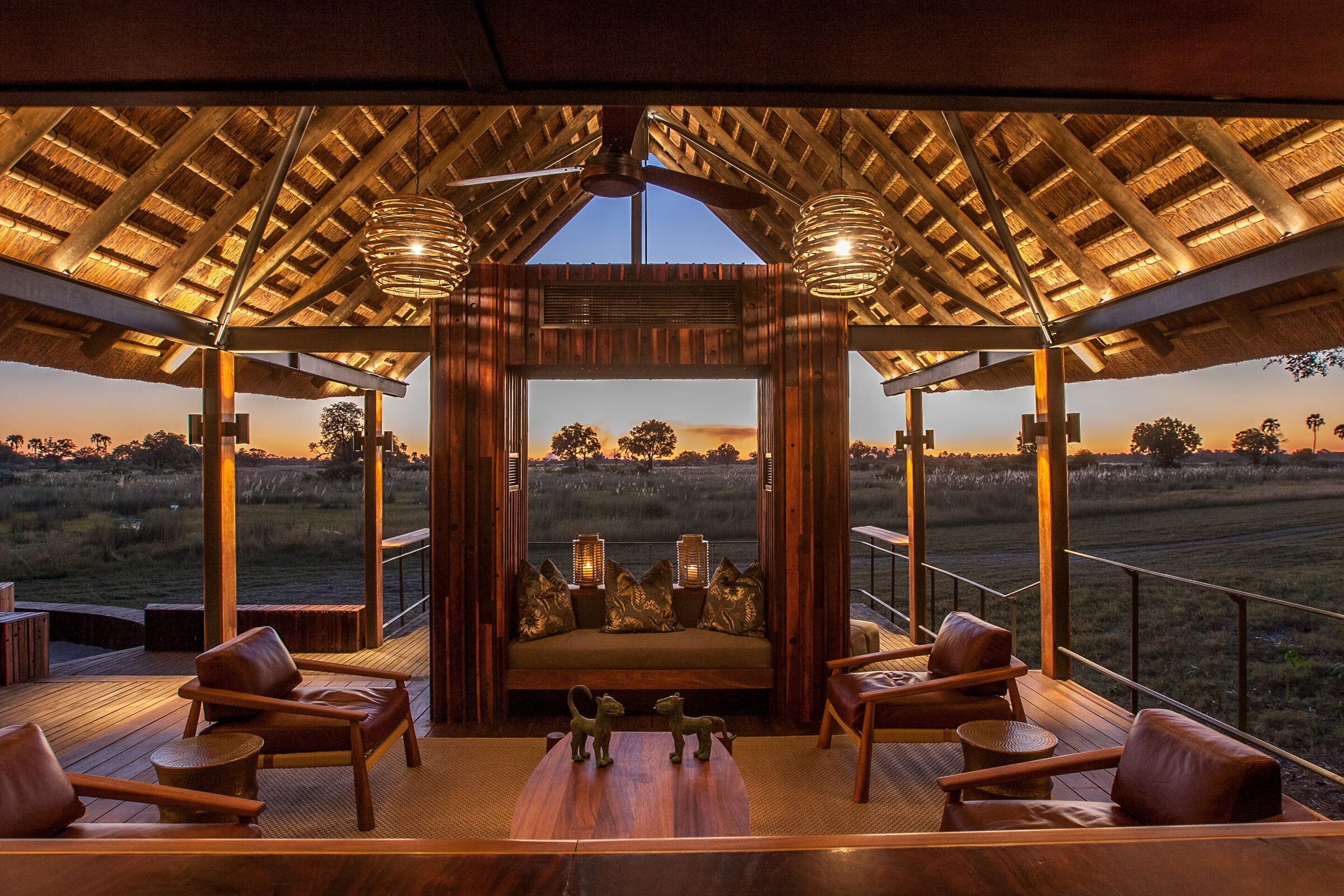
Chitabe Camp
In the southern Okavango Delta, the excellent Chitabe Camp concentrates on dry-land safaris in an area that we've found particularly good for wild dog sightings.
Shinde Footsteps
Small and simple, but comfortable, Shinde Footsteps focuses on walking safaris as well as game drives; it also runs a special children's programme so is particularly suitable for families.
Nxabega Tented Camp
Nxabega offers a selection of both land- and water-based activities, plus very good guiding, food and service, but game viewing can be somewhat erratic.
Gomoti Plains
Overlooking a tributary of the Gomoti River, Gomoti Plains Camp is a classically designed camp with very comfortable tents in a good game-viewing area.
Tubu Tree Camp
A traditional tented camp with a distinctive tree-house feel, Tubu Tree offers some of the best game viewing in the Jao Reserve.
Vumbura Plains
Indulgently stylish and luxurious, Vumbura Plains offers superb game viewing and birding on an exceptionally varied private reserve.
Jacana Camp
Jacana Camp is a small safari camp with an informal island feel; it is ideal for water-based activities in the Delta and offers excellent birdwatching.
Duba Explorers Camp
Intimate and elegant, Duba Explorers Camp promises a firm safari focus in a remote corner of the Okavango, led by a team who value the highest guiding and hosting standards.
Mma Dinare
Beautifully located in a private concession overlooking the Gomoti River, the traditional Mma Dinare is very well-priced for the Okavango Delta.
Kwetsani Camp
Deep in the Delta, overlooking a floodplain, Kwetsani Camp is a small, high-end camp with good access to areas for land and water-based activities.
Pom Pom Camp
Amidst stunning Okavango Delta scenery, Pom Pom offers idyllic mokoro trips in season, great birdwatching, and increasingly good big-game sightings, especially leopards.
Mapula Lodge
For an affordable yet varied safari encompassing a range of eco-systems, the traditional Mapula Lodge takes a lot of beating.
Duba Plains Camp
Duba Plains Camp is a traditional yet luxurious safari camp, best known for the thrilling lion behavior interaction that is often see during the day.
Baines' Camp
Baines' Camp is a well-run, intimate camp in a pretty part of the Okavango, offering a range of activities and the option to spend a morning walking with elephants.
Stanley's Camp
In a private concession south of Moremi Game Reserve, Stanley's Camp offers 4WD game drives, seasonal water activities and a superb elephant interaction.
Rra Dinare
Located in a private concession in the southern reaches of the Okavango Delta, overlooking the Gomoti River, Rra Dinare is a traditional-style, well-priced camp.
4 Rivers
4 Rivers is a new camp in a previously in accessible area of the excellent Kwara concession.
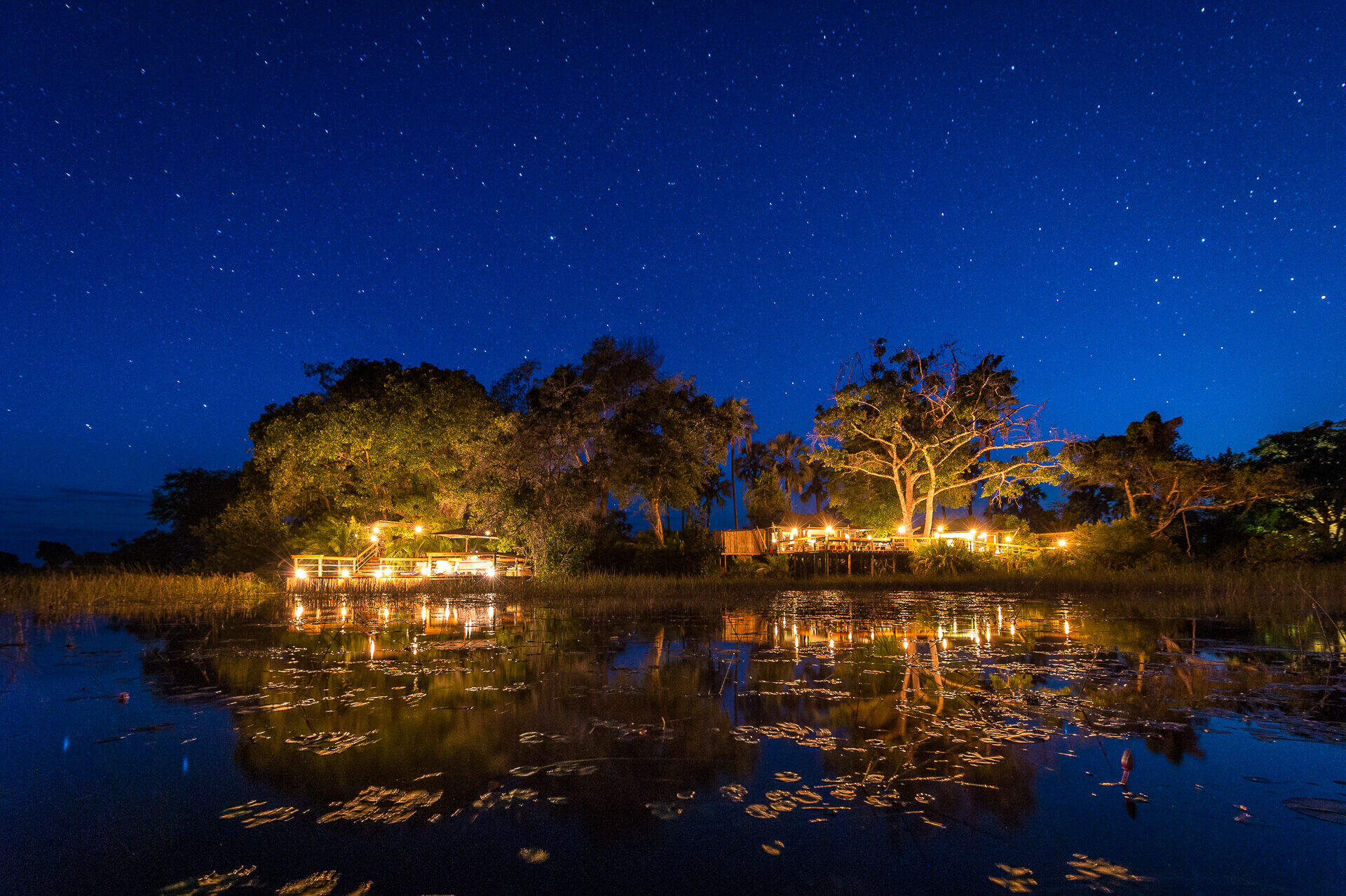
Pelo Camp
In a pristine wilderness environment deep in the Okavango Delta, the seasonal Pelo Camp is tented yet comfortable, with activities focusing on excursions by mokoro.
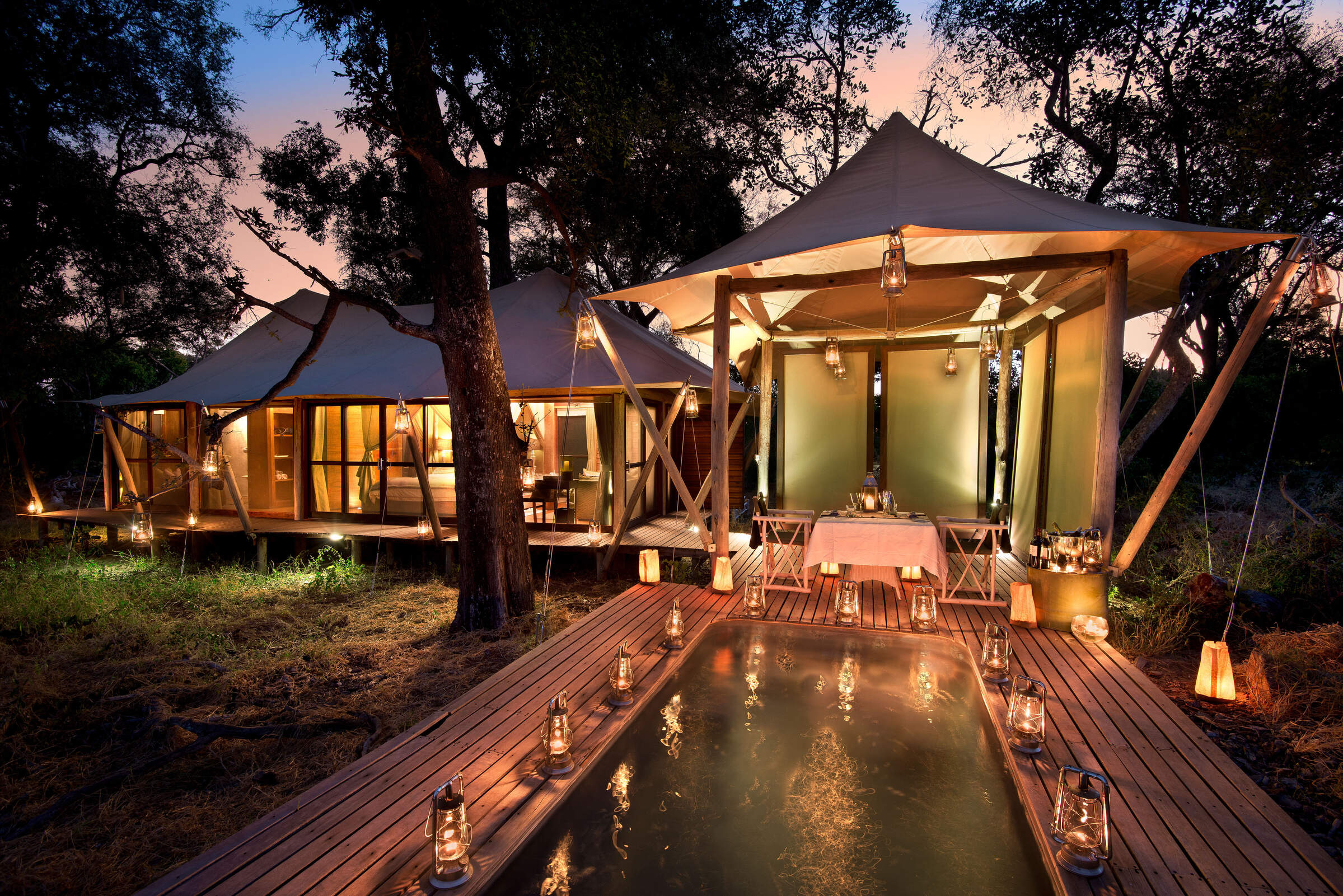
Xaranna
Xaranna is a plush tented camp amongst the idyllic waterways and islands of the Delta. Each air-conditioned tent has a plunge pool. Water activities and pampering are the focus here.
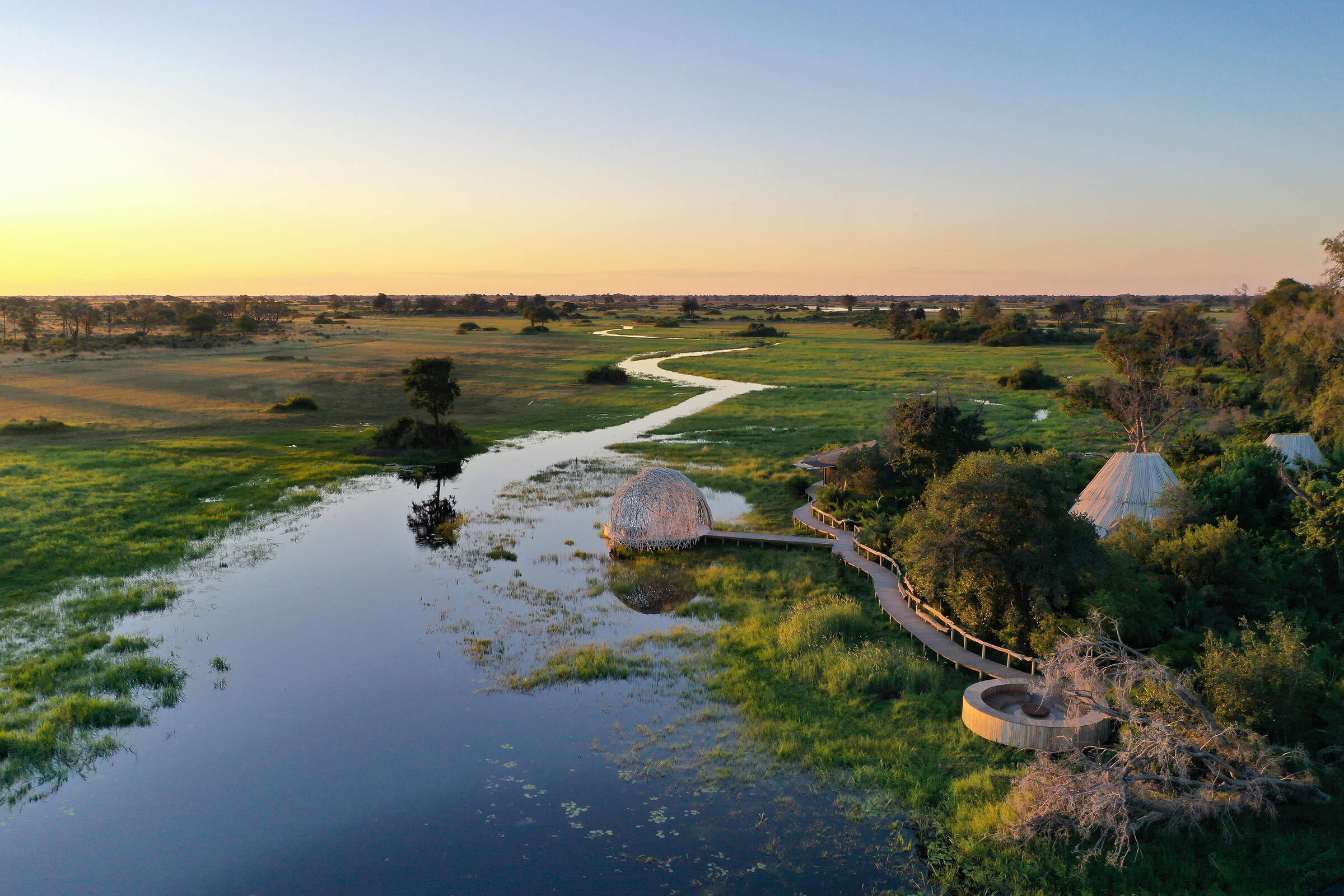
Jao Camp
In a beautiful area with fantastic water activities, Jao combines an idyllic location with high levels of luxury and service, and a top-end spa.
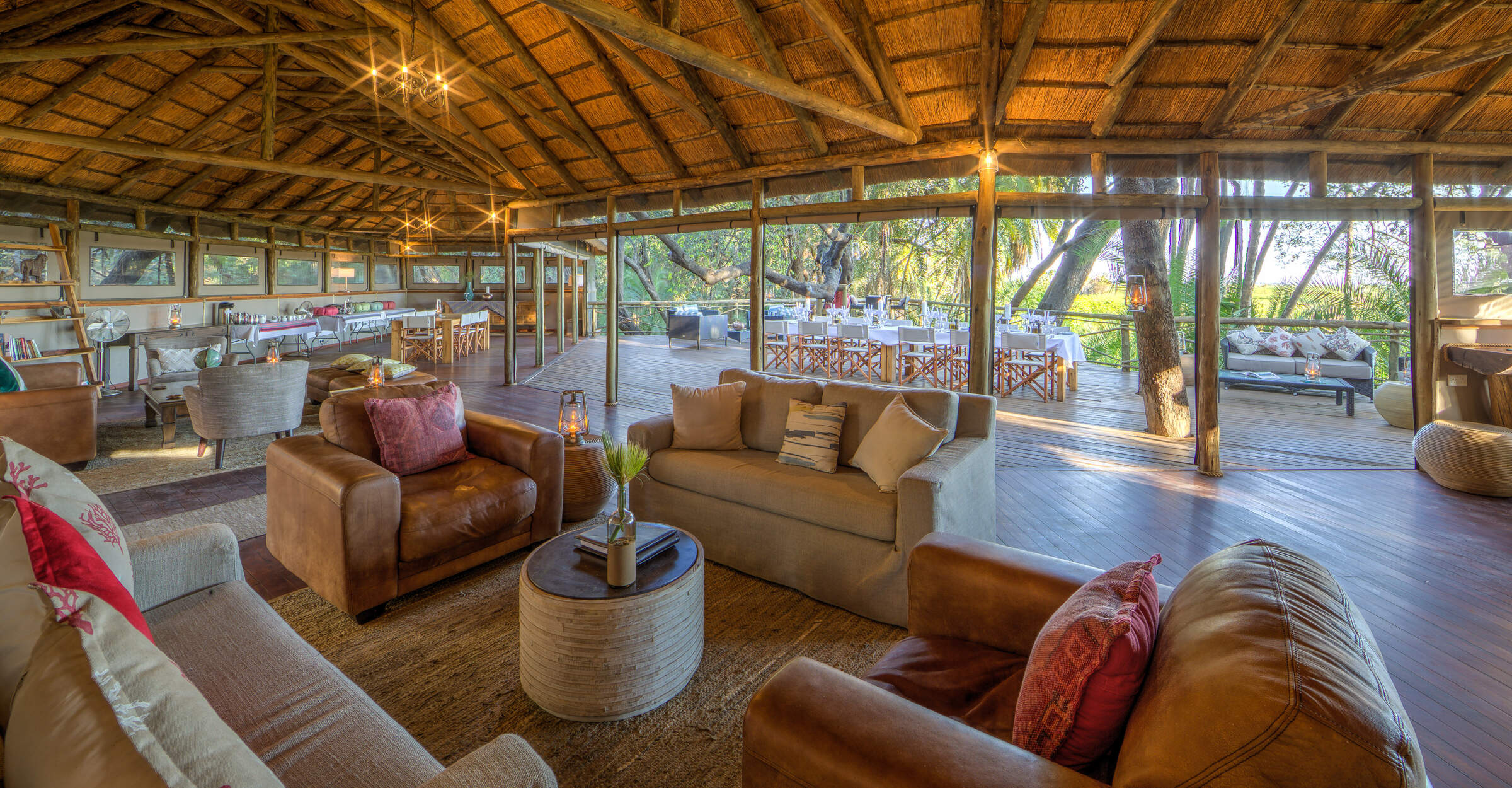
Setari Camp
Setari Camp stands on an island dotted with palm trees, close to the base of the Okavango's 'Panhandle", offering primarily water-based activities.
Okavango Explorers
The traditional, tented Okavango Explorers Camp offers a mix of walking, canoeing and game drives led by great guides in a wildlife-rich area.
Kiri Camp
Kiri Camp is the latest Okavango offering from the excellent team behind Machaba. In an exciting new location in the heart of the Delta we cannot wait to visit this new camp.
Karangoma
New for 2024, Karangoma is a classic, tented camp offering walking, canoeing and game drives, in partnership with the local Bukakwe San clan.
Duke’s Camp
On a remote island within a large concession, the romantic Duke's Camp and smaller Duke’s East are nestled among mature trees overlooking wildlife-rich plains and waterways of the Okavango.
Sitatunga Island Camp
Tucked away in a pristine corner of the Okavango Delta, the exclusive Sitatunga Private Island is a water-based camp offering boating, mokoro trips and fishing.
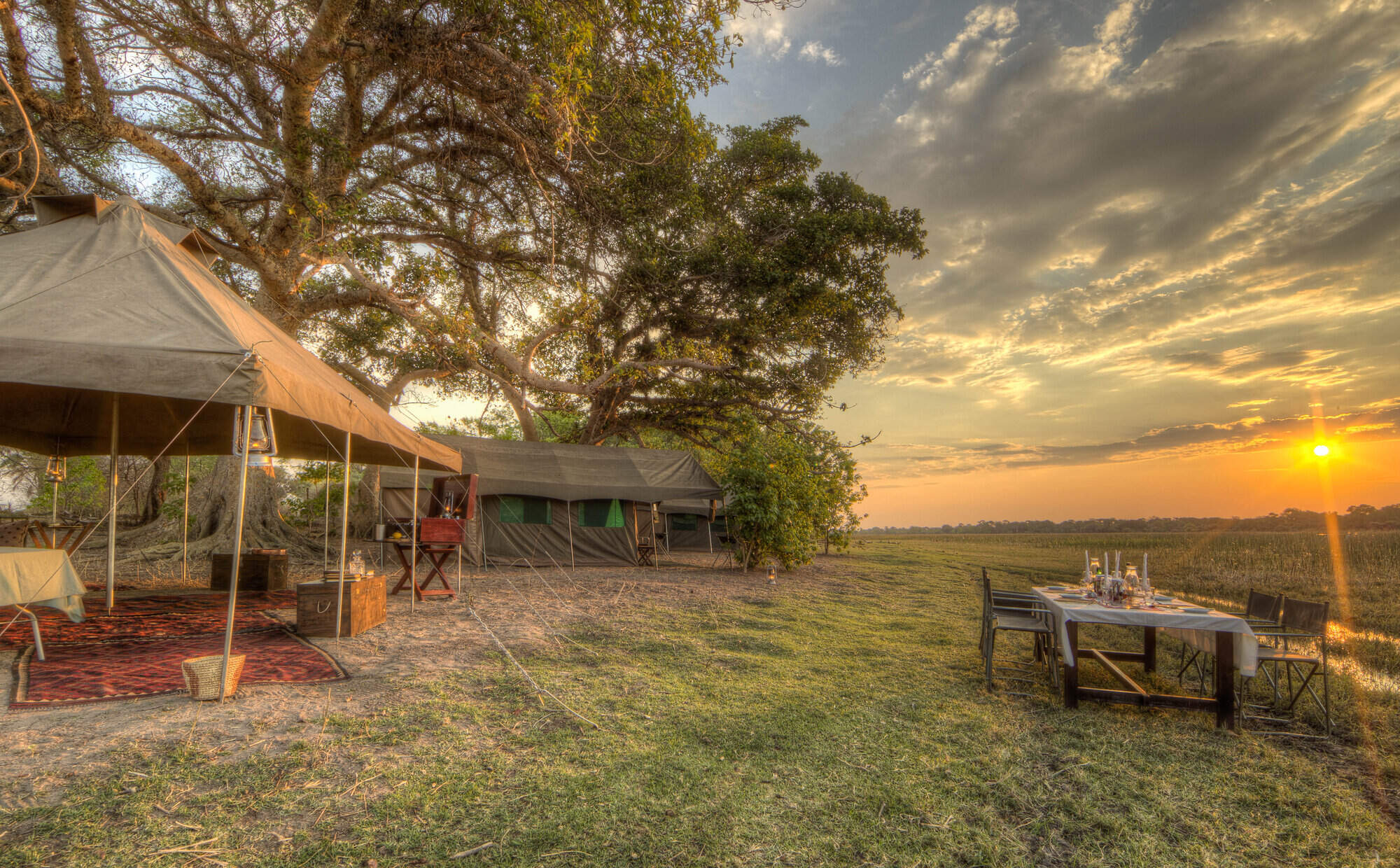
Okavango Walking Safari
The Okavango Delta Walking Safari camps in a secluded Okavango Delta Reserve where there are few roads; the ideal location for a walking trail led by an expert guide.
Eagle Island Lodge
Eagle Island Lodge is a luxurious camp with international-style facilities including air conditioning and intercom in each room; offering water based activities in the Okavango Delta.
Qorokwe Camp
Luxurious and contemporary, the relatively new Qorokwe Camp is a gem in the Okavango Delta, offering land- and occasionally water-based activities in a prime wildlife area.
Maxa
Overlooking the permanent Maxa Lagoon, Maxa has a range of activities on offer, combining understated luxury with comfort in a remote location.
Mbamba
Deep within the northern Okavango, the classically styled Mbamba is located in the same wildlife-rich private concession as its sister camp Dukes.
Singita Elela
Singita Elela is an exclusive safari camp on the western side of the Botswana's Okavango Delta - offering superb wildlife and water based opportunities depending on the seasonality.
North Island Okavango
Deep in quintessentially “Okavango” territory, between deep-water and dry-land habitats, North Island focuses on a luxury safari experience with very good wildlife viewing opportunities.
Atzaro Okavango
With a high level of tasteful luxury promised at Atzaro, we think it will be best suited to travellers seeking a touch of pampering alongside their safari.
Mokolwane
Deep in the heart of the Okavango, the simple Mokolwane focuses on wildlife viewing in a large, untouched area.
When to go to Okavango Delta Safari Reserves
Our month by month guide: What it's like to visit Little Tubu in Okavango Delta Safari Reserves
Jan
Feb
Mar
Apr
May
Jun
Jul
Aug
Sep
Oct
Nov
Dec
Okavango Delta Safari Reserves in January
January marks the peak of the rainy season in the Okavango Delta. Evening rains are often short but heavy, accompanied by occasional dramatic thunderstorms. Temperatures remain high, although cooler than the preceding months of October to December. Wildlife can be harder to spot as animals spread out across the lush floodplains.
This month is a birdwatcher’s paradise, with migratory species in abundance over flooded areas. Rising water levels in parts of the Delta make mokoro safaris possible, offering serene and immersive experiences. The vibrant greenery and dramatic skies provide stunning opportunities for photography. With relatively low rates and fewer visitors, January is ideal for those seeking a quieter, budget-conscious Botswana safari.
- Warm temperatures with frequent evening showers
- Birdlife at its most spectacular in the Delta
- Wildlife dispersed, but insects and smaller creatures abound
- Excellent availability in Delta lodges and camps
Our view
A good time to visit, with pros & cons
Weather in January
Okavango Delta Safari Reserves in February
February mirrors January’s weather patterns, with heavy rains and slightly cooler temperatures. The Delta’s landscape is at its greenest and teeming with life. Smaller animals, insects, and vibrant birdlife dominate, as many species raise their young. The rains create temporary pools and waterholes, further dispersing larger game, while thick vegetation and tall grass adds to the challenge of spotting big wildlife.
However, Moremi Game Reserve and select areas of the Delta still offer excellent game viewing opportunities. Rising water levels enhance water activities, with boat safaris providing unique access to the Delta’s watery beauty. February is particularly rewarding for photographers seeking lush landscapes and dramatic skies and birdwatchers, with many migratory species present.
- Warm with occasional thunderstorms
- Many animals with young in the Delta
- Big game dispersed throughout wetlands
- Big game dispersed, but viewing improves in drier areas
- Lower visitor numbers and great lodge availability
Our view
This is not a great time to visit
Weather in February
Okavango Delta Safari Reserves in March
March marks the gradual end of the main rainy season in the Okavango Delta. Sunny days become more frequent, with occasional afternoon thunderstorms. The Delta remains lush and vibrant, with wildlife activity increasing as animals finish raising their young and begin congregating around permanent water sources.
Rising water levels make boat safaris a highlight, offering intimate access to the Delta’s waterways. Birdwatching is excellent, with both resident and migratory species thriving. With fewer visitors, March offers a quieter, more personal safari experience.
- Rains taper off but temperatures remain warm
- Occasional small thunderstorms in Delta
- Wildlife begins congregating around water sources
- Ideal conditions for boat safaris
- Few tourists and attractive rates at camps
Our view
A good time to visit, with pros & cons
Weather in March
Okavango Delta Safari Reserves in April
April brings clearer skies to the Okavango Delta, with the landscape remaining green and lush. Night temperatures begin to drop, especially in the southern Delta. The annual floods from Angola start to flow through the northern Delta, filling channels and lagoons, creating ideal conditions for water-based activities like boat safaris.
Wildlife viewing improves as vegetation thins and predator activity increases with cooler evenings. Moremi Game Reserve and the private concessions offer rewarding game drives, and walking safaris on the larger islands, such as Chief’s Island, become popular during this time. Birdwatching remains excellent, with many migratory species still present. April’s combination of pleasant weather, wildlife activity, and relatively low rates makes it a rewarding time to visit.
- Cooler evenings and occasional light showers
- Floodwaters begin to fill Delta channels
- Predator-prey interactions increase
- Ideal for walking safaris and boat trips
- Popular shoulder season, rates fairly low
Our view
A good time to visit, with pros & cons
Weather in April
Okavango Delta Safari Reserves in May
May is a popular time to visit the Okavango Delta, marking the last month of the shoulder season. The annual floods continue to spread through the Delta, transforming the landscape. Cooler mornings and evenings encourage predator activity, while thinning vegetation makes wildlife spotting easier, though some tall grasses may still obstruct views.
May offers excellent photographic opportunities with clear, crisp air. It's a favourite time for many visitors, combining good wildlife sightings with pleasant weather. Camp bookings throughout the Delta fill up quickly during this period.
This is a perfect month for scenic flights, offering breathtaking views of the advancing floodwaters. Mokoro trips through the Delta’s tranquil waterways provide a unique perspective on the environment. Camps start to fill quickly as the Delta’s combination of pleasant weather and excellent wildlife sightings makes it a favourite among safari-goers.
- Cool mornings and evenings with little rain
- Improved game viewing as Delta grasses thin
- Predator activity increasing in drier areas
- Scenic flights and water activities highly recommended
- Last month of shoulder season for camps
Our view
A very good time to visit
Weather in May
Okavango Delta Safari Reserves in June
June signals the start of the dry season in the Okavango Delta. Days are warm, with clear skies, while mornings and evenings can be cold, occasionally reaching freezing temperatures. The annual floods reach their peak, creating spectacular conditions for water-based activities like boat safaris along the Khwai River and in private concessions.
Wildlife concentrates around permanent water sources as surface water dries up, improving game viewing. The thinning vegetation and crisp, clear air make June perfect for photography. High demand for camp bookings reflects its popularity, as this month combines great game viewing and pleasant weather.
- Warm days, cold mornings and nights
- Peak floodwaters make boat safaris unforgettable
- Wildlife congregates around permanent water sources
- Excellent conditions for photography
- High demand for camps and lodges
Our view
Fantastic: the very best time to visit
Weather in June
Okavango Delta Safari Reserves in July
July offers cool mornings and evenings with warm, sunny days, making it ideal for wildlife viewing. The floodwaters remain at their peak, providing excellent opportunities for boat safaris. Vegetation continues to thin, enhancing visibility on game drives in Moremi Game Reserve and the Okavango’s private reserves.
Large herds of elephants and buffalo are common sights as they gather near water sources. Predator sightings, including lions and leopards, increase as prey concentrates. Birdwatching is rewarding, and the crisp winter air creates stunning photographic conditions. July is one of the most popular months to visit, with many lodges fully booked well in advance.
- Comfortable days, cold mornings and nights
- Excellent game viewing and predator activity
- Moremi and Khwai areas become busy
- Private concessions offer exclusivity
- High season rates; advance bookings essential
Our view
Fantastic: the very best time to visit
Weather in July
Okavango Delta Safari Reserves in August
August remains a highly sought-after month for visiting the Okavango Delta. Nights are cool, while daytime temperatures rise gradually. Wildlife viewing is exceptional as animals concentrate near water sources, while the Delta’s floods are typically at their peak, offering picturesque settings for excellent boat safaris.
Walking safaris and game drives in areas like Moremi Game Reserve and Chief’s Island are particularly rewarding. Large herds of elephants and buffalo are common sights, and predator activity is high, with increased chances of seeing lions, leopards, and wild dogs hunting. The clear skies and lack of humidity create excellent stargazing conditions. With many travellers visiting during European and North American holidays, lodge availability can be challenging.
- Dry, warm days and cool nights in the Delta
- Fantastic wildlife viewing near water sources
- Excellent opportunities for game drives and boat safaris
- Cloudless skies, spectacular stargazing
- High demand for accommodation – book early
Our view
Fantastic: the very best time to visit
Weather in August
Okavango Delta Safari Reserves in September
September is a favourite for many safari-goers in the Okavango Delta. Daytime temperatures rise, but nights remain cool. The landscape transforms as greenery fades, and hazy conditions create dramatic sunsets. Wildlife viewing peaks as animals cluster around permanent water sources, with especially large numbers of elephants and buffalo. This concentration of prey attracts predators, increasing chances of witnessing exciting hunts.
The return of migratory birds enhances birdwatching. Water levels begin to recede, but boat cruises are still possible. Dusty conditions may challenge photographers, but the stunning landscapes and wildlife action more than make up for it.
- Warm days, cool nights in the Delta
- Prime month for Okavango wildlife viewing
- Migratory birds return, enriching birdwatching
- Spectacular sunsets and dramatic scenery
- High season rates, many Delta camps full
Our view
Fantastic: the very best time to visit
Weather in September
Okavango Delta Safari Reserves in October
October is the hottest and driest month in the Okavango Delta. Wildlife concentrates around the last remaining water sources, creating some of the most dramatic game viewing opportunities of the year. Predator-prey interactions are frequent and visibility is excellent, making for thrilling safaris.
Walking safaris are particularly rewarding, especially on smaller islands, but early starts are essential to avoid the midday heat. Towards the end of the month, the first rains may bring relief and begin rejuvenating the parched landscape. Despite the heat, October offers excellent big-game viewing and dramatic photographic moments of animal interactions.
- Hot days, with late-month chances of rain
- Outstanding big-game viewing near water sources
- Water activities limited as floods recede
- Walking safaris provide unique experiences
- Final month of the peak safari season
Our view
Fantastic: the very best time to visit
Weather in October
Okavango Delta Safari Reserves in November
November marks the start of the green season in the Delta. Rising humidity and temperatures often lead to the first heavy rains; these are typically short, heavy showers in the late afternoon or night, creating spectacular scenes and bringing a flush of green to the parched landscape. Wildlife begins to disperse as waterholes refill, but game drives still offer rewarding sightings.
Water levels may be low, limiting boat activities, but November is exceptional for birdwatching, with the arrival of many migratory species. Scenic flights highlight the contrast between dry and wet areas. The first two weeks are popular for travellers seeking good game viewing at lower rates as the Delta transitions into its shoulder season.
- Hot, humid days in the Delta
- Dramatic rain showers , increasing as month progresses
- Migratory birds arrive in abundance
- Wildlife watching good, but less predictable
- Shoulder season offers mid-range rates
Our view
A good time to visit, with pros & cons
Weather in November
Okavango Delta Safari Reserves in December
December sees the rainy season in full swing across the Okavango Delta, bringing some respite from high temperatures. Game viewing becomes more challenging as wildlife disperses, but great sightings can still be had. The landscape transforms dramatically, with lush vegetation sprouting across the Delta. This period is excellent for birdwatching, with numerous migratory species present.
Water levels begin to rise, gradually improving conditions for boat safaris. The green season offers unique photographic opportunities, with dramatic skies and newborn animals. December is ideal for visitors seeking a more intimate Delta experience, with fewer tourists and lower rates at many camps and lodges. The combination of wildlife, birdlife, and scenic beauty makes it a rewarding time to visit.
- Warm temperatures
- High chance of rain in short, heavy storms
- Wildlife more dispersed across Delta
- Game viewing more challenging in wetlands
- Low-season rates and fewer visitors in most Delta camps
Our view
A good time to visit, with pros & cons
Weather in December

Looking for inspiration on where to travel next?
Visit our trip chooser to explore your options and find inspiration for your perfect African adventure
Inspire me