
Food in Zimbabwe
Zimbabwe's safari camps and lodges serve high-quality European-style food. Their chefs are adept as coping with shortages, and most visitors will never be aware of any!The traditional diet of local Zimbabweans is mainly based on a corn-meal dish called sadza - which is powdered maize, mixed with water and cooked to the consistency of thick mashed potatoes. This is supplemented with relishes, or sauces, which might include beans, squash, pumpkins, yams, peanuts, mapopo (papaya), kapenta (a small, dried fish) – and meats from chicken and beef to biltong (dried meat) and game meats (kudu and impala).
Health in Zimbabwe
Travelling to Zimbabwe, hepatitis B, tuberculosis, cholera and rabies vaccines are sometimes advisable, although not required; a yellow fever vaccination certificate is required from those travellers coming from areas at yellow fever risk. Malaria occurs in the areas below 1200m and in the Zambezi Valley, so you should take anti-malarials when going there.Always check the latest requirements with your own doctor before you travel, although for a useful source of supplementary health information, check with the Scottish NHS.
HIV infection rates are high; AIDS is widespread in Zimbabwe. Usually, this isn't an issue for travellers, but they should be aware of this situation, and take sensible precautions to avoid infection. Expert Africa understand that blood supplies used by Zimbabwe's private hospitals have been carefully screened for years.
Language in Zimbabwe
English is the official language in Zimbabwe, although the majority of Zimbabwe's population also speaks Shona or Ndebele. Most guided safaris are usually conducted in English.Visas for Zimbabwe
Currently (Feb 15), UK and US nationals need visas when travelling to Zimbabwe. These can be obtained on arrival. Please check with your nearest Zimbabwean Embassy or High Commission for the latest regulations, general visa requirements and fees.For those travellers who may wish to combine a visit to Zimbabwe with one to Zambia it is now possible for travellers to obtain a dual visa, known as the Kaza Univisa. This is still very new to us (only commencing on 28th November 2014) so we are not yet familiar with how effective it is – but it seems to be working so far. It is currently available for purchase at both Victoria Falls and Harare Airports as well as at the Victoria Falls border. The cost is U$50 per person and allows entry into both countries. It is valid for 30 days as long as you stay in Zambia and Zimbabwe during this period. It also allows day trips into Botswana through the Kazungula border crossing too.
Weather and climate in Zimbabwe
The weather and climate in Zimbabwe is similar to Malawi's and Zambia's weather pattern – generally very warm and tropical, split into a wet and a dry season.Our top picks for holidays to Zimbabwe
We'll always tailor-make your Safari for you. Here are some of our favourites to inspire you.
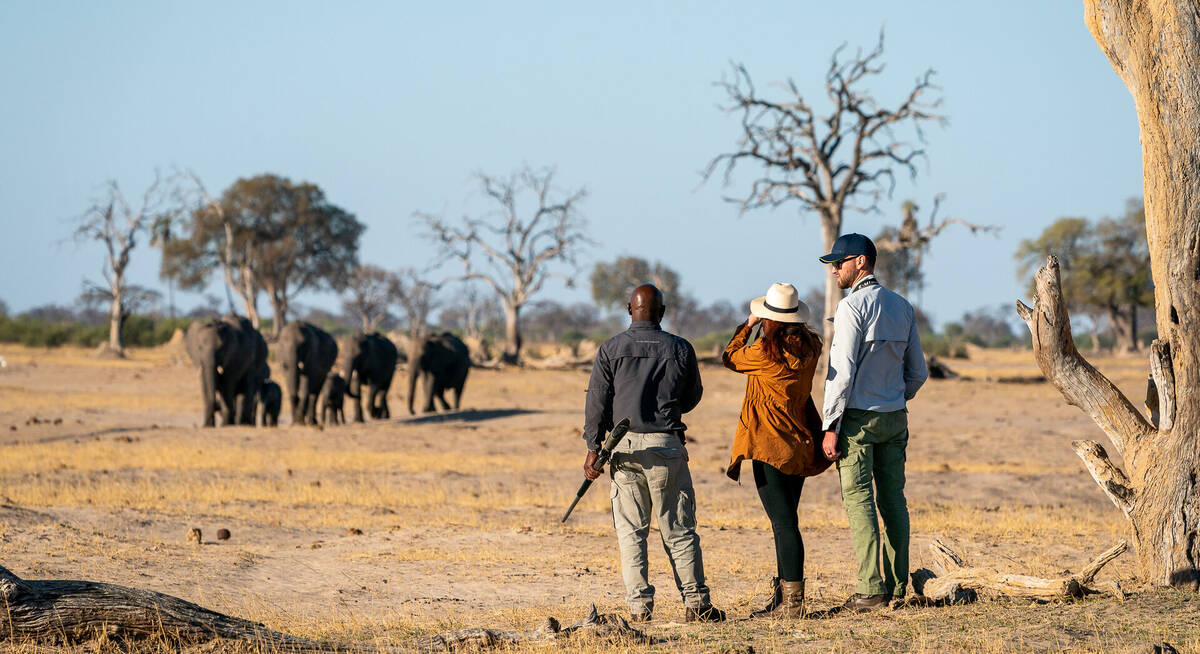
Nyala Safari
10 days • 3 locations
VICTORIA FALLS AIRPORT TO VICTORIA FALLS AIRPORT
A superb luxury safari in iconic Hwange and Mana Pools national parks, staying in a pair of the finest safari camps in Zimbabwe, with a grand finale at Victoria Falls
US$15,710 - US$16,260 per person
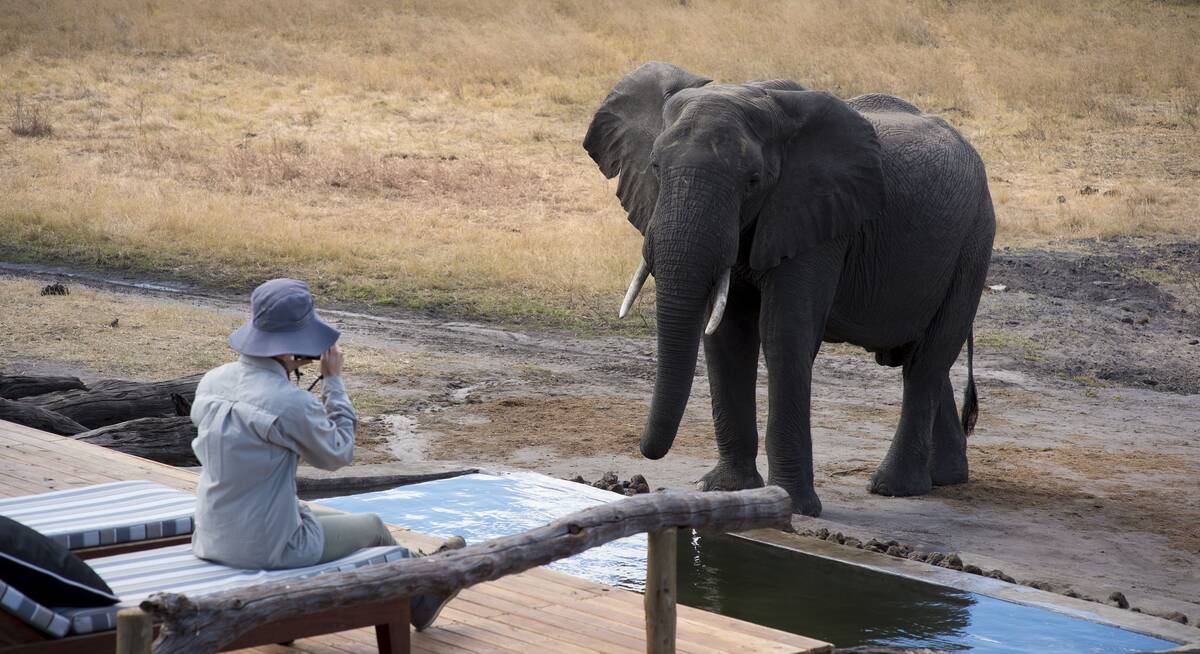
Ground Hornbill Safari
9 days • 3 locations
VICTORIA FALLS AIRPORT TO BULAWAYO AIRPORT
This Zimbabwean odyssey explores Hwange National Park from two small camps, renowned for their great guiding, before ending with insights into cultural history, a little luxury and first-class rhino tracking in the Matobo Hills.
US$5,540 - US$8,560 per person

Buffalo Safari
9 days • 3 locations
HARARE AIRPORT TO VICTORIA FALLS AIRPORT
Combining Zimbabwe’s Mana Pools and Hwange national parks with stays at intimate six-tent safari camps offering excellent walking, canoeing and game drives. Superb wildlife viewing and a real wilderness-focused experience.
US$8,840 - US$11,910 per person
Grysbok Safari
9 days • 3 locations
VICTORIA FALLS AIRPORT TO HARARE AIRPORT
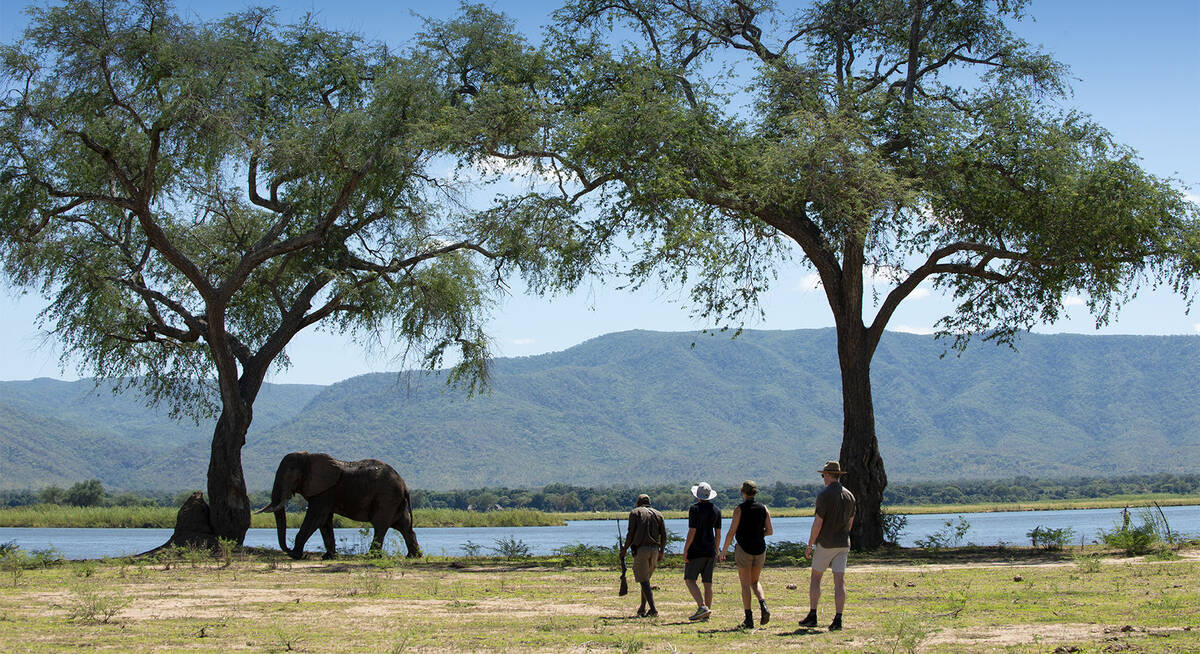
Discover three of Zimbabwe’s iconic destinations in style, flying between Hwange, Mana Pools and Lake Kariba on this varied safari adventure staying at authentic yet luxurious camps.
US$11,070 - US$16,110 per person

Pied Kingfisher Safari
9 days • 3 locations
VICTORIA FALLS AIRPORT TO HARARE AIRPORT
A luxury safari combining three of Zimbabwe's top highlights. The trip uses some of the finest safari camps in Zimbabwe and is perfect for a family or small group.
US$8,470 - US$11,860 per person

Klipspringer Safari
8 days • 3 locations
VICTORIA FALLS AIRPORT TO BULAWAYO AIRPORT
An outstanding-value Zimbabwe safari exploring Victoria Falls and two contrasting locations in western Zimbabwe – Hwange and the Matobo Hills – giving you a real feel for Zimbabwe, its people and wildlife.
US$3,040 - US$3,570 per person
Lion Safari
7 days • 2 locations
VICTORIA FALLS AIRPORT TO VICTORIA FALLS AIRPORT
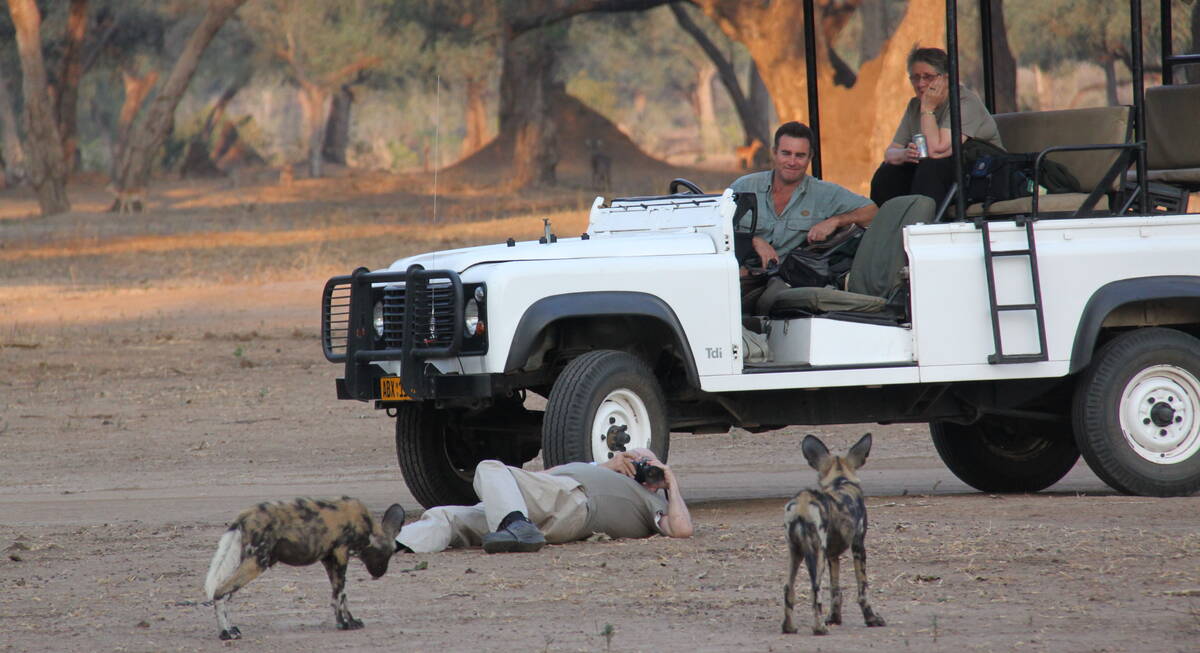
The classic Expert Africa Zimbabwe safari. Combining two of our favourite independent camps, each run by celebrated guides, exciting game drives, world-class walks and canoeing in premier wildlife watching destinations.
US$7,300 - US$10,280 per person

Bat Hawk Safari
7 days • 2 locations
HARARE AIRPORT TO JOHANNESBURG AIRPORT
Explore two areas revered by safari enthusiasts with some of Africa’s best walking and some superb guiding – even by Zimbabwe’s high standards – for a varied and wonderfully immersive wilderness experience.
US$9,130 - US$9,130 per person

Great Egret Safari
12 days • 4 locations
MAUN AIRPORT TO VICTORIA FALLS AIRPORT
This wonderfully varied adventure combines Botswana's Okavango Delta and a live-aboard houseboat safari on the Chobe River, with big game in Zimbabwe's dry Hwange National Park and the stupendous Victoria Falls.
US$10,400 - US$17,470 per person
Side-striped Jackal Safari
6 days • 2 locations
VICTORIA FALLS AIRPORT TO VICTORIA FALLS AIRPORT
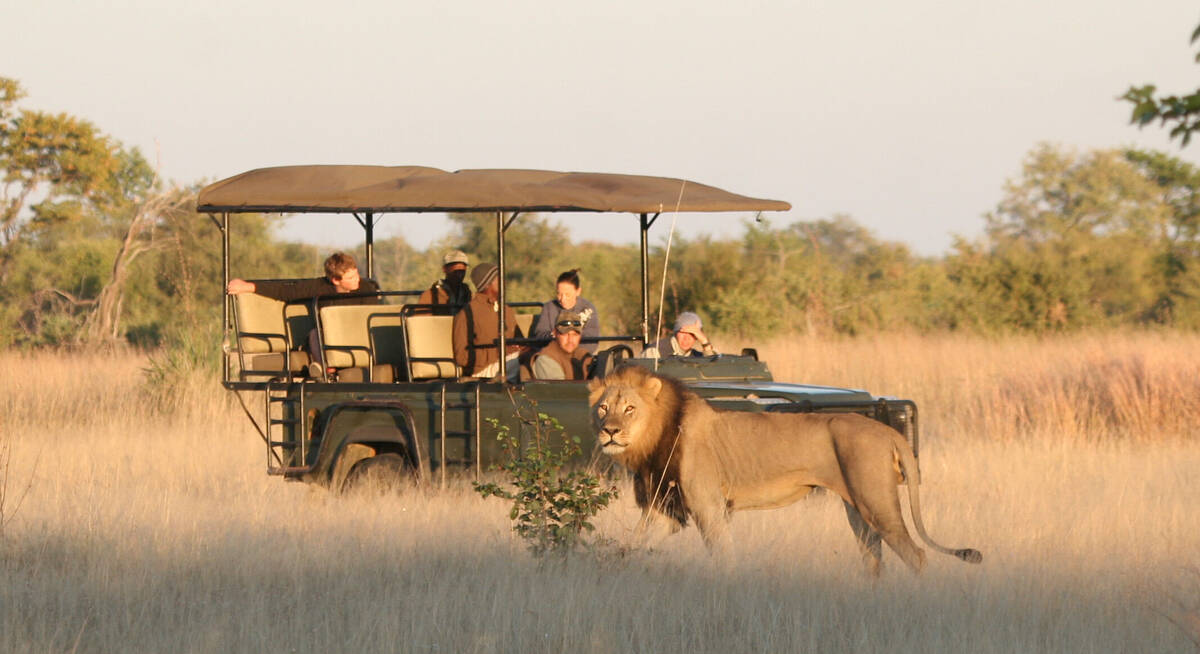
Get an in-depth experience of Zimbabwe’s colossal Hwange National Park, staying at two experience-focused camps with excellent guiding in contrasting areas. An adventurous safari for the real enthusiast.
US$3,930 - US$6,420 per person

Looking for inspiration on where to travel next?
Visit our trip chooser to explore your options and find inspiration for your perfect African adventure
Inspire me