Sable Alley: Our full report
A luxury reincarnation by new owners of the original Banoka Bush Camp, Sable Alley opened in 2017.
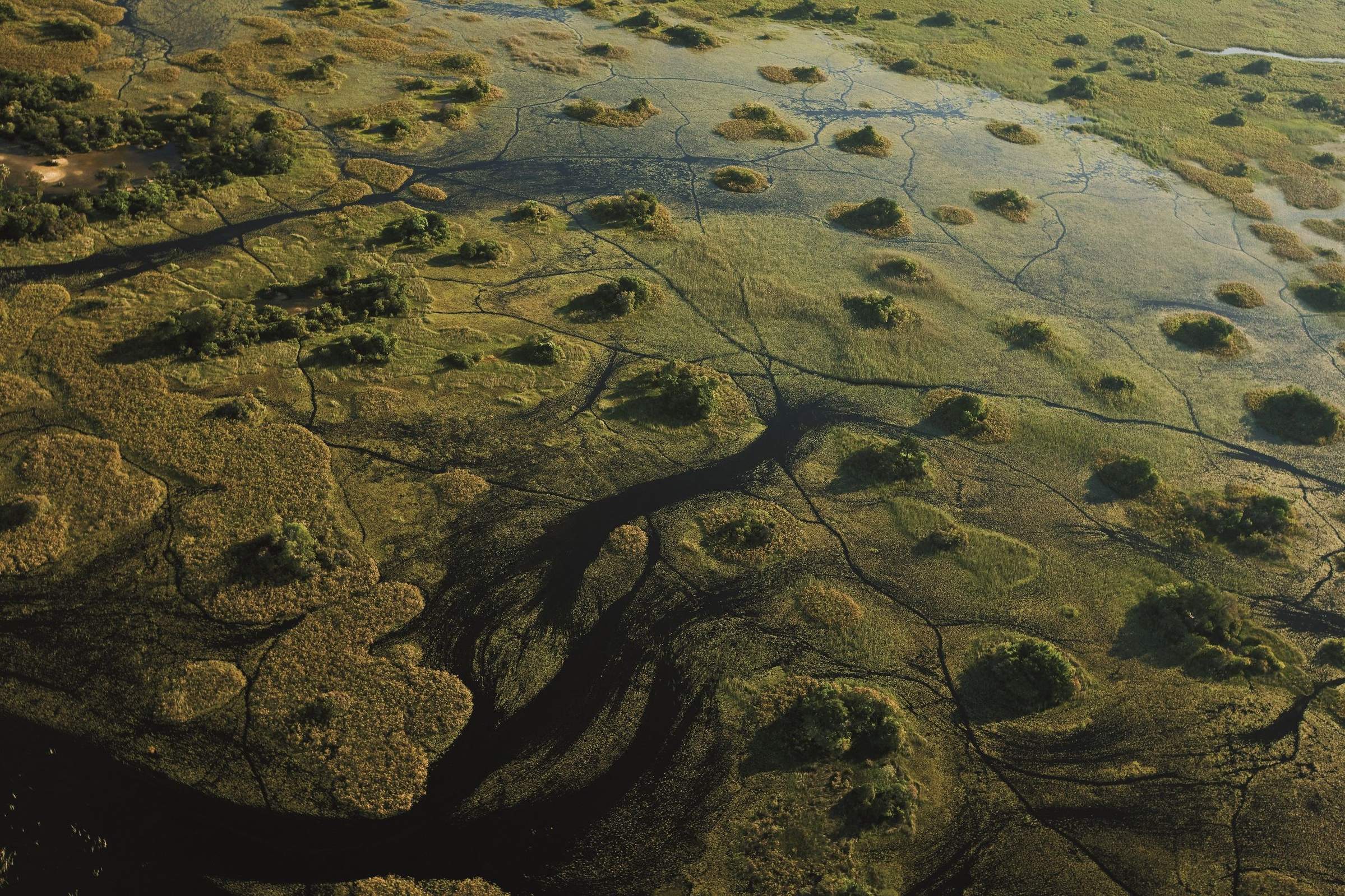
The camp overlooks a beautiful lagoon connected to the Khwai River within the diverse 2,000km² Khwai Private Reserve – which in itself borders Botswana's Moremi Game Reserve to the south and Chobe National Park to the east.Sable Alley is independently owned, and located in the same extensive, private Khwai concession (NG19) as its sister camps, Hyena Pan, The Jackal & Hide and the new Tuludi.
With the name change to Sable Alley came a complete rebuild by an experienced team of people whom we have known for many years. We were already very familiar with the camp's riverine location, and having made several visits since the change, we remain very impressed. The staff are sociable and friendly, yet professional and efficient at the same time – a winning combination.
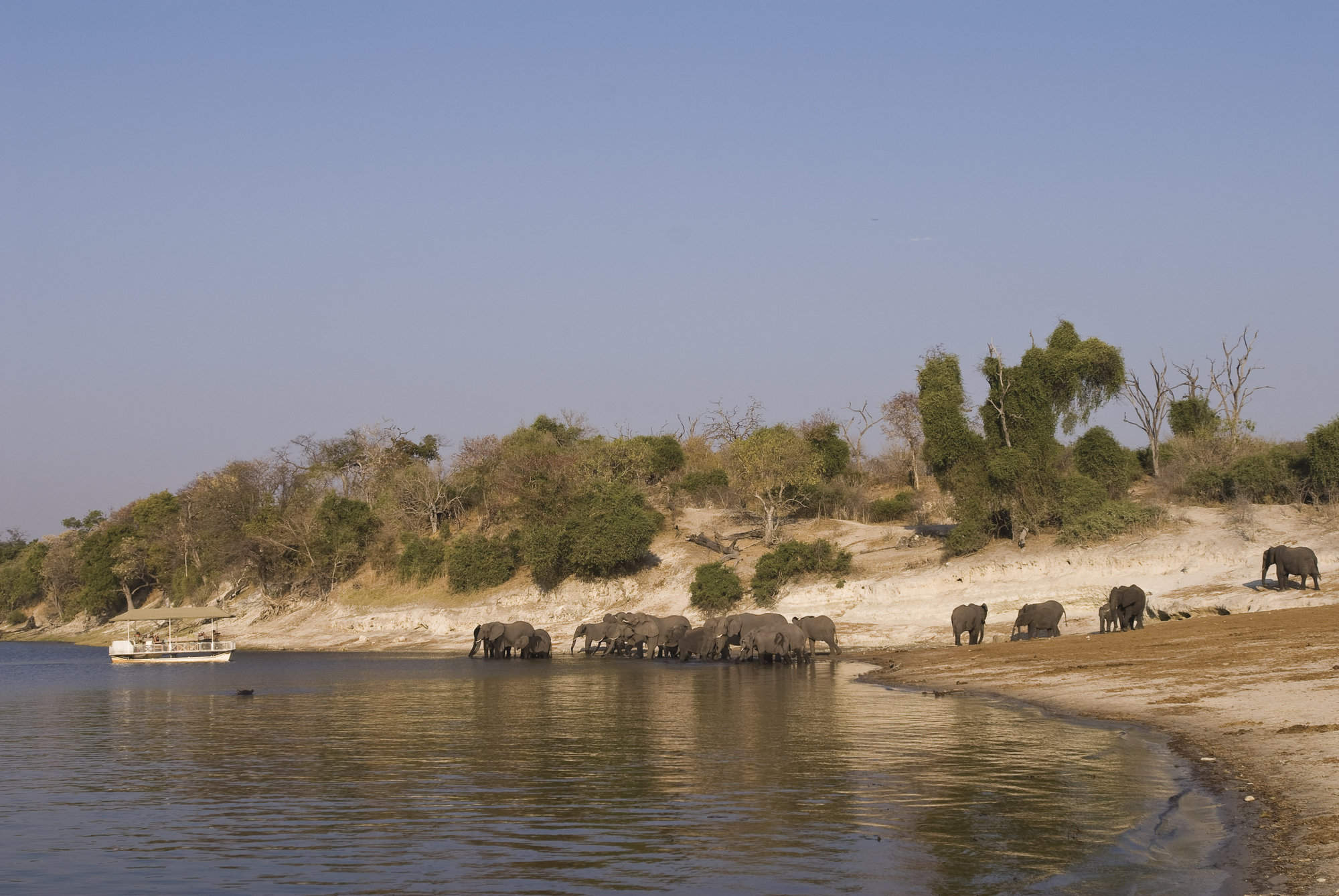
Wherever you are in camp you'll look out over the lily-covered waterway and beyond to Moremi Game Reserve. During our latest stay, in November 2019, the lagoon was filled with resident hippos, with elephants coming down to drink, eat and cool off.
Long, sandy pathways lead out from each side of the main area to Sable Alley's 12 tented chalets: nine twin/double tents, one honeymoon tent, and two family tents which are each made up of two adjoining standard tents. All are spacious, timber-framed and canvas-walled structures, elevated on stilts, with wooden steps up to a veranda complete with a day bed/sofa.
Floor-to-ceiling, wood-framed and mesh double doors slide open to reveal the sleeping area, whose twin or double beds are backed by a large wooden screen with modern bedside lamps and tables, all within a mosquito net. There's also a writing desk with a complimentary decanter of sherry, and a comfy chair. Natural light-wood flooring, pale canvas walls, muted tones and large mesh windows make for a bright and airy room and give a modern and fresh feel.
The en-suite bathroom at the back of the room comes with twin ceramic basins, separate toilet and shower cubicles, and an open wardrobe. You'll also find a full-length mirror – a luxury that's lacking in most safari camps. A door from the indoor shower leads to an outdoor shower, where a semicircle of rough wooden poles gives privacy while leaving great wash-time views. The honeymoon tent, which is furthest away from the main area for extra privacy, has the added bonus of a bath.
Each of the two family tents is essentially two tented chalets linked by a shared veranda. While this makes it suitable for those with teenagers, it would not suit families with younger children unless one parent slept in each chalet, since the tents themselves are not interconnecting.
Central to the camp is a thatch-covered main area, raised on a wooden deck beneath a high ceiling, the apex reaching to about 10m. Several seating areas are spread out under the covered area and beyond, giving it a relaxed, more spacious feel than many Delta camps. The décor is rather stylish, too, with browns, cream, beige and light green offset by local African artefacts and more modern pieces.
Tasteful, contemporary tables and chairs are found in the dining areas; squashy fabric or leather sofas, armchairs and rattan chairs with large cushions furnish the lounge areas and sunken veranda; and outside on the deck you'll find fun hanging chairs. The bar had the widest selection of gins that we have seen in a Botswana camp – not that we sampled them all!
Down some steps you'll come to the firepit – a great meeting place for pre-dinner drinks, and warming breakfasts during the winter months of May to August. As the weather warms up, the plunge pool comes into its own, with some comfortable loungers and a shaded area with chairs. And at the back of camp, a small, air-conditioned curio shop is the hub for their “bush” WiFi.
While you're at the camp, it's worth asking for a back-of-house tour to learn how the camp functions and, in particular, about the efforts being made to promote sustainable and renewable energy usage at the new breed of safari camps like this.
Activities at Sable Alley include day and night game drives in 4WD vehicles, seasonal mokoro (dug-out canoe) excursions and guided walks (with armed guides) for the more adventurous. Wildlife densities in this area are improving as the animals become more relaxed around game-drive vehicles. Although guiding is usually very good, on our last visit it was not quite up to the usual high standard that we would expect here.
On request, and for an additional cost of hiring a private guide and vehicle, you could also take a full-day game drive which allows you to travel further afield to different corners of the reserve. Depending on time and logistics (it’s a drive of about two hours), your guide may also be able to take you to the eye-level hide at sister camp, Hyena Pan. This camouflaged hide, which faces a small pumped waterhole that attracts a steady stream of wildlife, makes a great place to sit and watch whilst the animals come to you, and affords excellent photographic opportunities.
One further option is to sleep under the stars at Skybeds – a magical experience that we loved (though we know it's not for everyone). Such a night ideally needs to be arranged in advance as space is limited to just three “beds”, and they are becoming increasingly popular. Note that it takes around two hours to get to Skybeds and there is a charge for the transfer; please ask us for further details.
Our view
Sable Alley is a comfortable, stylish and well-run camp, with excellent staff and generally good guiding. With improvements in wildlife densities and more relaxed sightings in the Khwai Private Concession, we feel it’s a camp that is definitely worth considering in the Moremi/Okavango Delta area.
Botswana expert
Geographics
- Location
- Moremi Game Reserve, Botswana
- Ideal length of stay
- We'd suggest a stay of two or three nights at Sable Alley, perhaps combined with their fly camp, SkyBeds, or other camps in more watery parts of the Okavango Delta, and possibly also in the Makgadikgadi Pans area.
- Directions
- Access to Sable Alley is via light aircraft to Khwai Private airstrip which is 20 minutes from Maun. From the airstrip it is a 15-minute drive to camp.
- Accessible by
- Fly-and-Transfer
Food & drink
- Usual board basis
- Full Board & Activities
- Food quality
- Each time we have visited Sable Alley, most recently in November 2019, the food has been very good and in general was lighter and healthier than the usual safari meals. Dietary requirements and food intolerances can be catered for, though please do advise us in advance so we can give the lodge prior notice.
A light breakfast buffet with a selection of cereals, fruit and yoghurts is offered before your early-morning game drive, together with tea, coffee, and fruit juice.
Lunch is served buffet style, and because it's individual dining, guests have the flexibility to eat when they like between 12 noon and 2.00pm. You can expect a good array of dishes, including perhaps quiche lorraine or butternut quiche, bacon, sausages, broccoli and sweetcorn salad, beetroot, green salad, baked beans and freshly baked bread, with a selection of fresh fruit and a cheese platter to follow.
If you opt for a full-day game drive, the camp will provide a packed lunch (usually sandwiches, fruit and biscuits).
Afternoon tea, served just before the afternoon activity, is delicious. Ours have included mini pizzas, fish goujons, brie and apricot puffs, mini hot dogs, fruit skewers and carrot cake – although not all at once! These were served with a cool ginger drink with a refreshing kick, as well as iced tea, coffee and fruit juice
Dinner is plated, and usually also served at individual tables, unless you wish to dine with other guests. We started with a tasty crumbed halloumi dish with a cranberry sauce. For the main course we had pork fillet wrapped in bacon, with basmati rice, cauliflower, green beans and gravy. To finish, there was a delicious cheesecake.
Afternoon tea, served just before the afternoon activity, is delicious. Ours have included mini pizzas and a delicious carrot cake served with a cool ginger drink with a refreshing kick, as well as iced tea, coffee and fruit juice
Dinner is plated, and usually also served at individual tables, unless you wish to dine with other guests. We started with a tasty tomato gazpacho soup and fresh bread rolls. The oxtail that followed was a little too fatty (we probably would have preferred the fish); both came with mashed potato, green beans and baby corn. To finish, pudding was a delicious passion-fruit mousse. - Dining style
- Mixture of group dining and individual tables
- Dining locations
- Indoor and Outdoor Dining
- Further dining info, including room service
- Room service is not available, but plenty of private dining options are available in the main area.
- Drinks included
- Bottled water, soft drinks, local beers and spirits and a limited selection of (usually) South African red and white wines are included. Champagne and imported wines and spirits cost extra and may need to be requested in advance.
Guests can help themselves to tea and coffee in the main area throughout the day.
Sable Alley uses a filtration/reverse osmosis system which makes the water safe to drink. Fresh bottled water is available for those who prefer not to drink the tap water.
Children
- Attitude towards children
- Children of six years plus are welcome at Sable Alley. Those aged 6–12 may take part in game drives but a private vehicle must be booked, which will be at an extra cost.
- Property’s age restrictions
- No children under six years.
The minimum age for any mokoro (dug-out canoe) activity is 13 years. - Special activities & services
- None
- Equipment
- None, but Sable Alley does have two family rooms.
- Generally recommended for children
- We think Sable Alley is best suited to older children. Although the camp does have a pool, which we’ve seen a few children enjoying, there are no games or activities for children, and younger children might become a bit bored.
- Notes
- The camp is unfenced and dangerous wildlife can wander through at any time. The tented chalets and main buildings are all raised off the ground on decks, with open railings, and access to the chalets is in part on sandy paths. There is no fence around the pool either. Children need to be closely supervised by their parents/guardians at all times.
Our travellers’ wildlife sightings from Sable Alley
Since mid-2018, many of our travellers who stayed at Sable Alley have kindly recorded their wildlife sightings and shared them with us. The results are below. Click an animal to see more, and here to see more on our methodology.

100% success

100% success

100% success

94% success

89% success

88% success

78% success

75% success

72% success

72% success

47% success

33% success

19% success

6% success

0% success

0% success
Communications
- Power supply notes
- Sable Alley can be 100% solar powered, although it also has a back-up generator, should this be required.
Each chalet has a multi-point plug adaptor. - Communications
- There is no cellphone reception (unless you have a local Botswana SIM card), and no direct phone, fax or email for public use. There is a Wi-Fi hotspot near the main area, though please note that connectivity is not totally reliable and there is limited band width.
- TV & radio
- No TV or radio.
- Water supply
- Borehole
- Water supply notes
- All the tented chalets are plumbed with hot and cold running water and flush toilets.
Sustainability

Inspiring and educating future generations
One of the main priorities at Sable Alley is educating the future generations. This old bush camp which was recently renovated, has kept its privileged location overlooking a hippo-filled lagoon amidst a variety of habitats. The camp retains a tasteful style carefully blending in with its surroundings. All tents are 100% solar-powered and amenities are locally-sourced. However, more importantly, the camp has been working on inspiring younger guests to be more empathetic towards wildlife and the challenges it encounters.
A new exciting project was developed in collaboration with Coaching for Conservation (C4C), a wildlife conservation initiative aimed at instilling a feeling of respect towards nature in Botswana’s future generations. The project uses Natural Selection lodges as the visitor “classrooms” where younger guests can partake in an integrated conservation program similar to what local children experience through the innovative approaches of C4C. Young visitors can spread this conservation messages around their own overseas classrooms and create a long-term relationship with Botswana, its wildlife and its local young conservationists. There’s also a strong focus placed upon having respect for oneself, other people, and the environment.
Earlier this year the C4C trainers visited Sable Alley to work alongside the guides in creating a camp based version of their programme that all the children who visit can enjoy.
See more great sustainability projects in Botswana
Health & safety
- Malarial protection recommended
- Yes
- Medical care
- The nearest doctor is in Maun. All management and guides are first-aid trained and there is a nurse on call (via radio) 24 hours a day. Medical evacuation is available in case of emergency, but please note that it is only possible to fly out of camp during daylight hours as the bush airstrips do not have any lighting at night.
Swimming pool warning: Please be aware that the swimming pool at Sable Alley Camp does not have depth markings or No Diving signs. Bathers need to be careful when entering the pool. - Dangerous animals
- High Risk
- Security measures
- Guests are escorted to their rooms after dark as dangerous wildlife is known to wander through the camp. A safety briefing is given on arrival. “Fog horns” are provided in the chalets to attract attention in case of emergency.
- Fire safety
- There is a firebreak near the camp and a fire extinguisher outside each chalet.
Activities

4WD Safari

Birdwatching

Guided walking safari

Mokoro
Night drive
Extras
- Disabled access
- On Request
- Laundry facilities
- A laundry service is included at Sable Alley. Laundry is collected in the morning and usually returned the same day, weather permitting. Washing powder is provided in the bathroom for you to wash smalls, which, for cultural reasons, will not be handled by the staff.
- Money
- There is a safe in each room. No exchange facilities are offered.
- Accepted payment on location
- Visa and Mastercard are accepted, as are cash payments in US dollars, euros, GB sterling, South African rand and Botswanan pula.
Other lodges in Moremi Game Reserve
Alternative places to stay in this same area.
Private Mobile
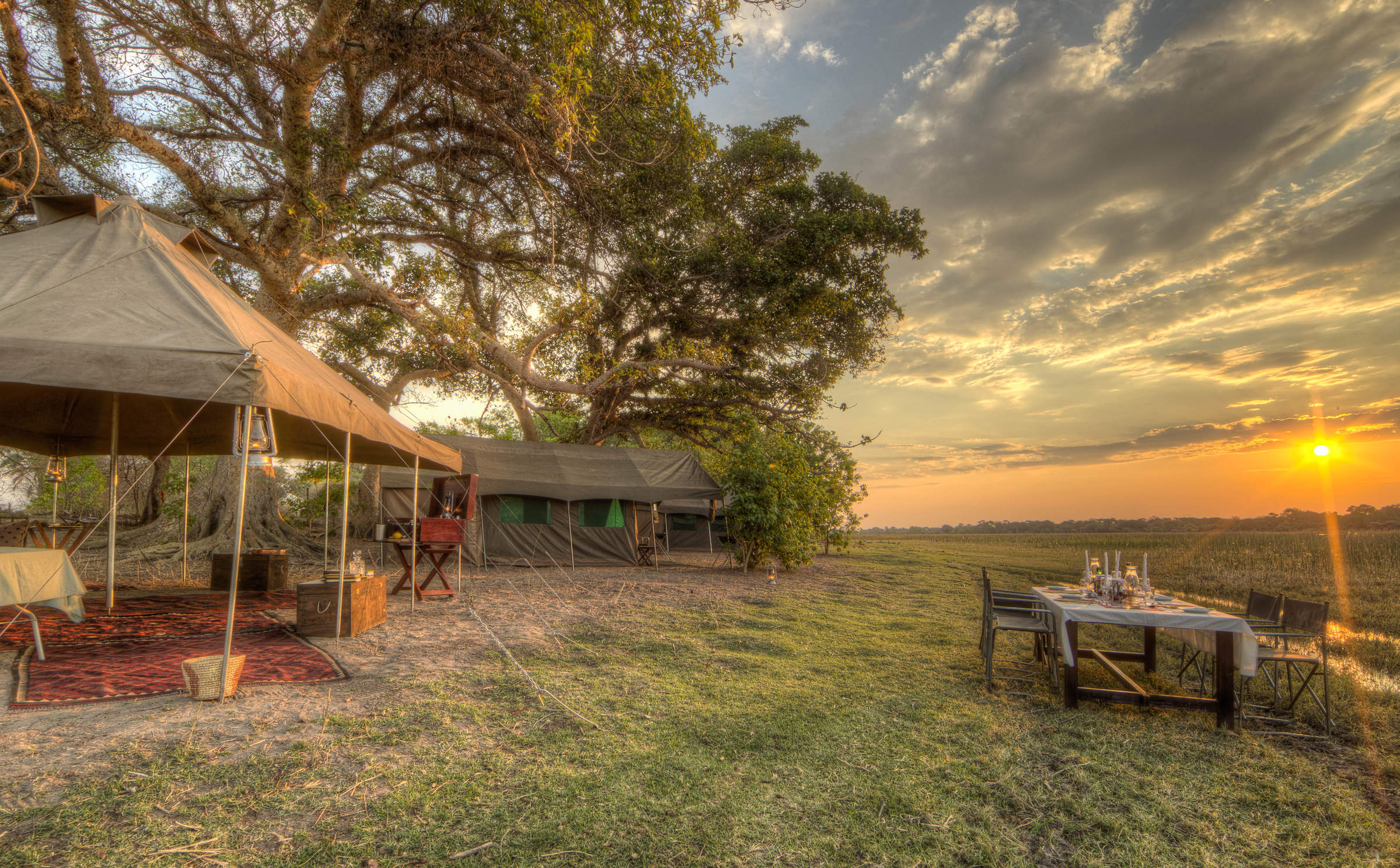
The Botswana Private Mobile Safari has no fixed location; it's exclusive to your group and comes with a top professional guide. Expect comfortable camping, great food, and a superb wildlife experience wherever you decide to go.

Machaba Camp
Overlooking the Khwai River to Moremi Game Reserve beyond, the classic Machaba Camp combines comfort with excellent game viewing.
Xigera Safari Lodge
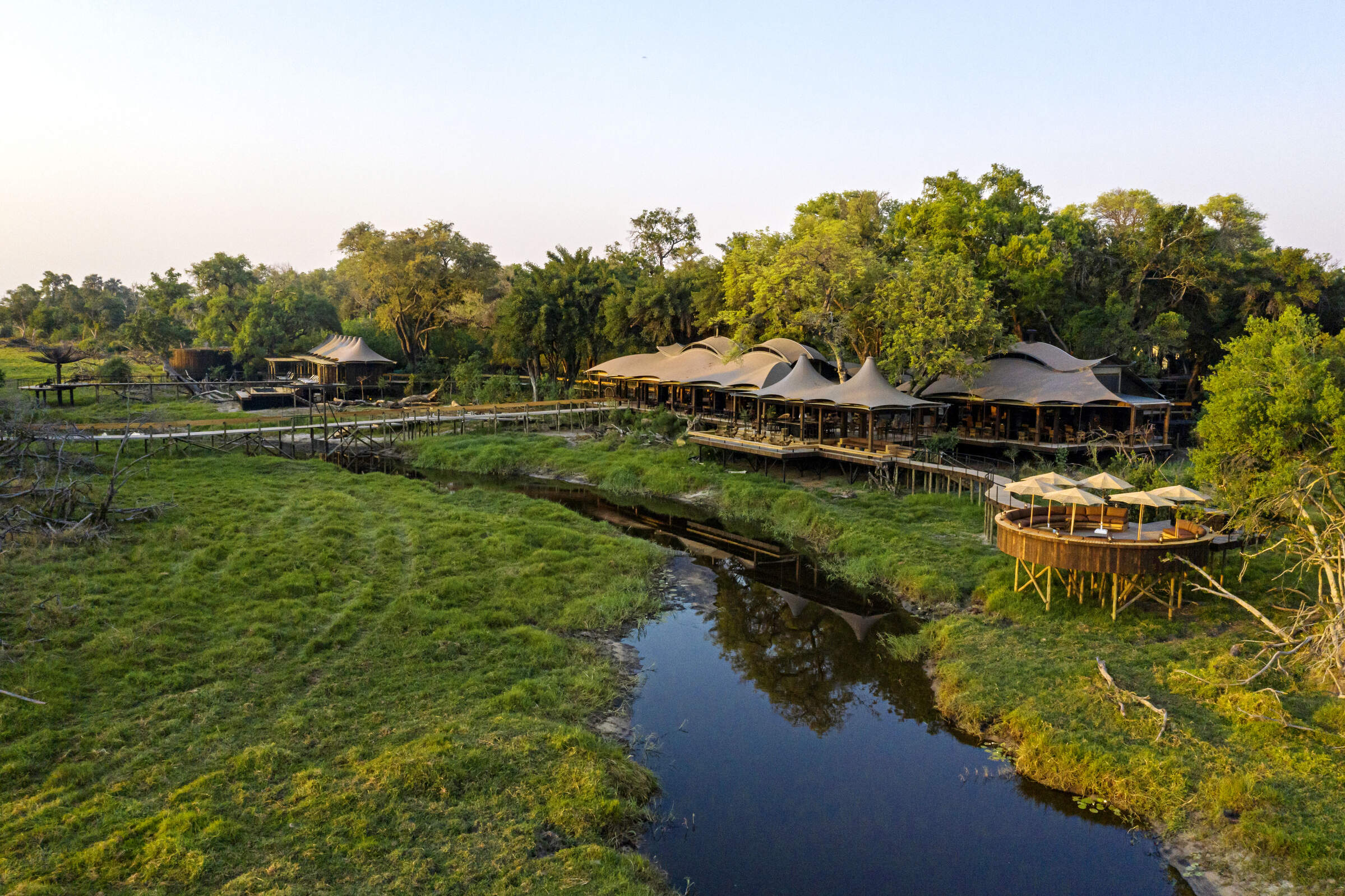
Located deep in Botswana's Okavango Delta, Xigera Camp normally focuses on mokoro excursions and motorboat trips, with 4WD game drives when water levels permit.
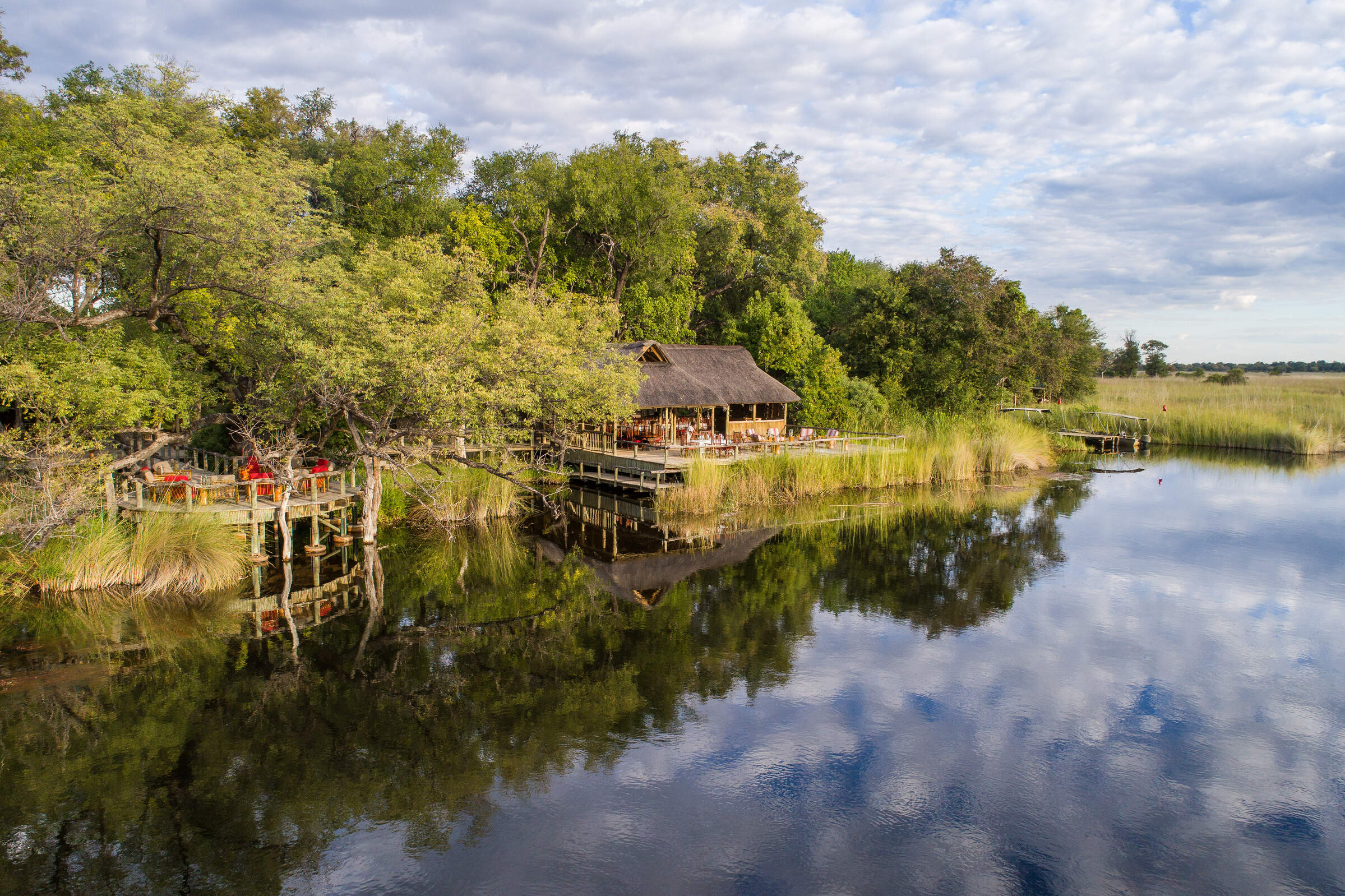
Xakanaxa
Xakanaxa Camp is a well-established traditional camp beside a huge lagoon within the Moremi Game Reserve, with access to some superb game viewing.

Khwai Lediba
Khwai Lediba offers a traditional African safari experience, with very comfortable tented accommodation, in a fantastic game area north of the Moremi Game Reserve.

Okuti
Okuti Camp has an innovative design and offers game drives and boat trips in a beautiful, game-rich part of Moremi Game Reserve.

Mombo Camp
Mombo is one of Botswana's most exclusive safari camps, set in a beautiful, remote location within the Moremi Game Reserve and with exceptional game densities.

Little Machaba
Overlooking the Khwai River and Moremi Game Reserve beyond, Little Machaba is a classically designed camp with very comfortable tents in a great game-viewing area.

Chief's Camp
Chief's Camp is situated on Chief's Island, within the Okavango Delta's Moremi Game Reserve. Experience one of Botswana's top game-viewing areas by 4WD and mokoro.

Hyena Pan
Fairly rustic, and relatively inexpensive, Hyena Pan overlooks a natural waterhole that attracts an almost constant parade of animals.

Camp Moremi
Camp Moremi lies within the Moremi Game Reserve, in one of the best locations for game viewing in Botswana.

Skybeds
Situated in a private reserve close to Moremi Game Reserve, Skybeds offers a simple yet wonderful opportunity to sleep under the stars and watch wildlife from your bed.

Little Mombo
One of Botswana's top safari camps, Little Mombo stands on the north side of Chief's Island, in the heart of the Okavango Delta's Moremi Game Reserve.
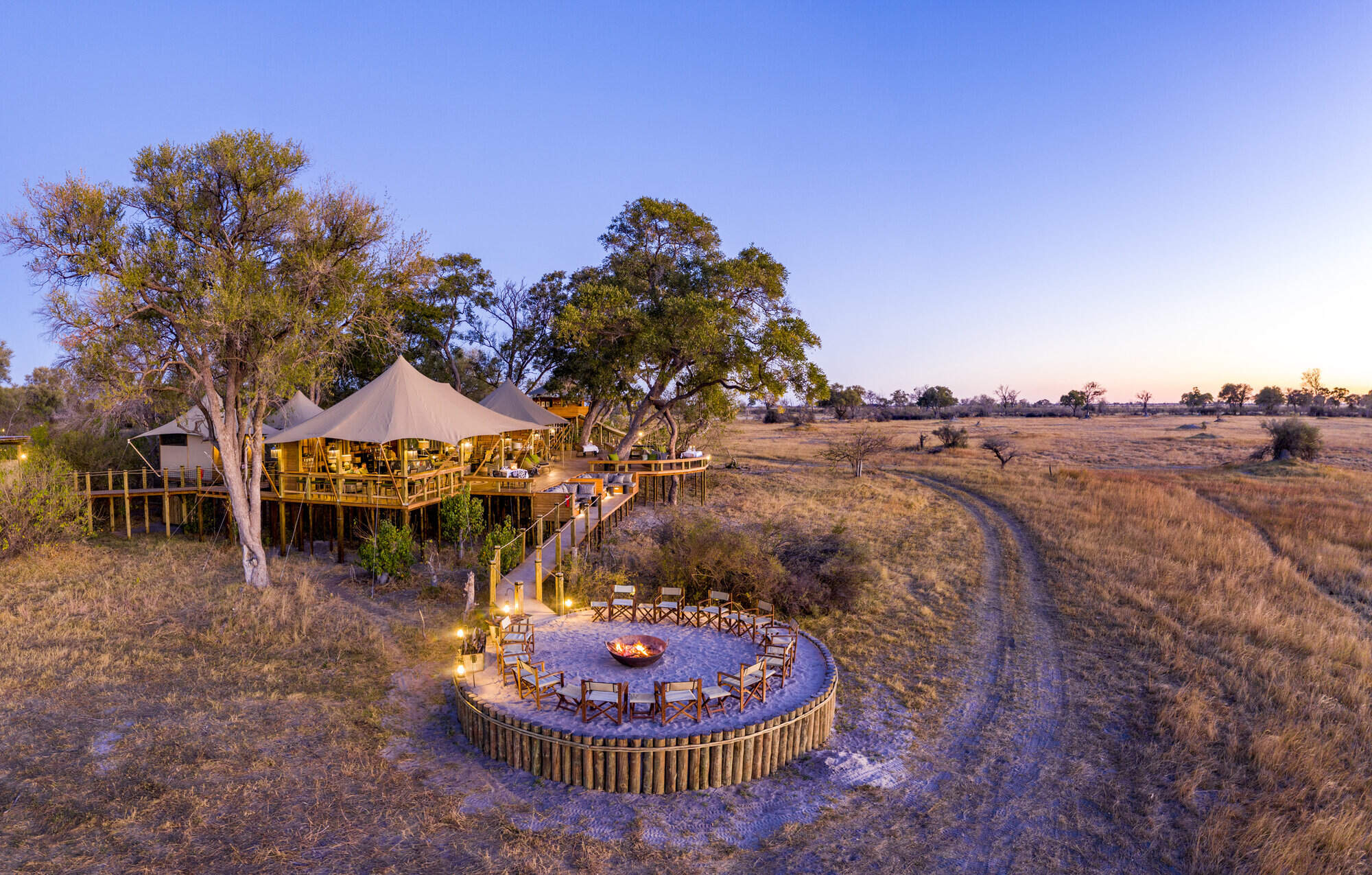
Tuludi
Tuludi is a brand new luxury camp, within the Khwai Private Reserve, built on a site under giant leadwood trees and overlooking the Okavango Delta floodplains.

Sango Safari Camp
Sango offers comfortable tented accommodation, without some of the frills often found in Botswana's camps, with an area that's scenic and gets excellent, consistent game sightings.

Khwai Bush Camp
Kwhai Bush Camp offers great guiding, excellent wildlife watching and simple but comfortable accommodations the productive Khwai community area.

Little Sable
Little Sable camp is located in the Khwai Private Reserve – which borders the Moremi Game Reserve and Chobe

Mokete Camp
New for July 2023, Mokete has 9 luxurious tents, raised on platforms above the surrounding bush and offers an experience of the Kalahari Wilderness.
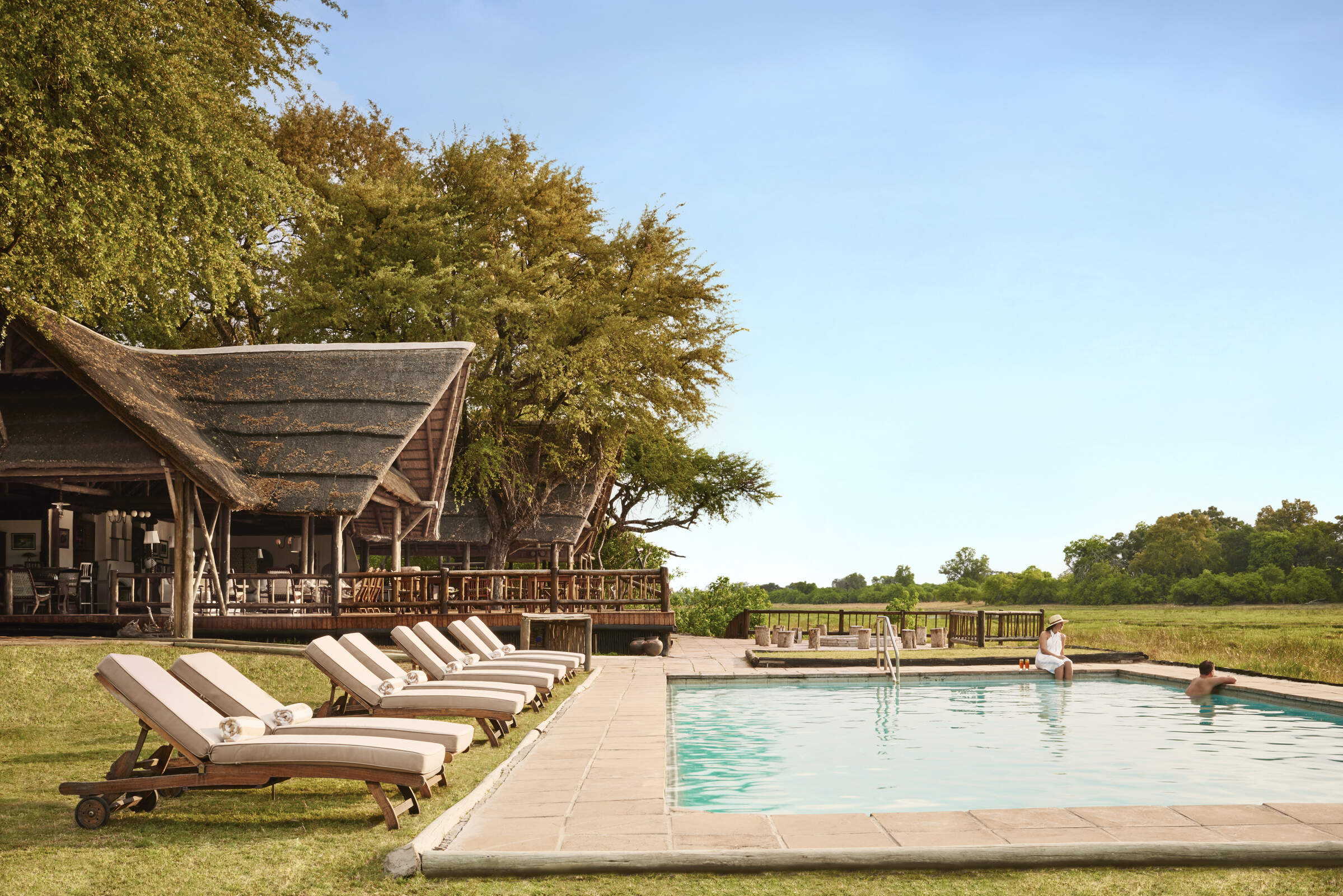
Khwai River Lodge
Khwai River Lodge is a luxurious and well-equipped safari camp, on the northern edge of Moremi Game Reserve. This area isn't exclusive, but it is beautiful and has excellent game.
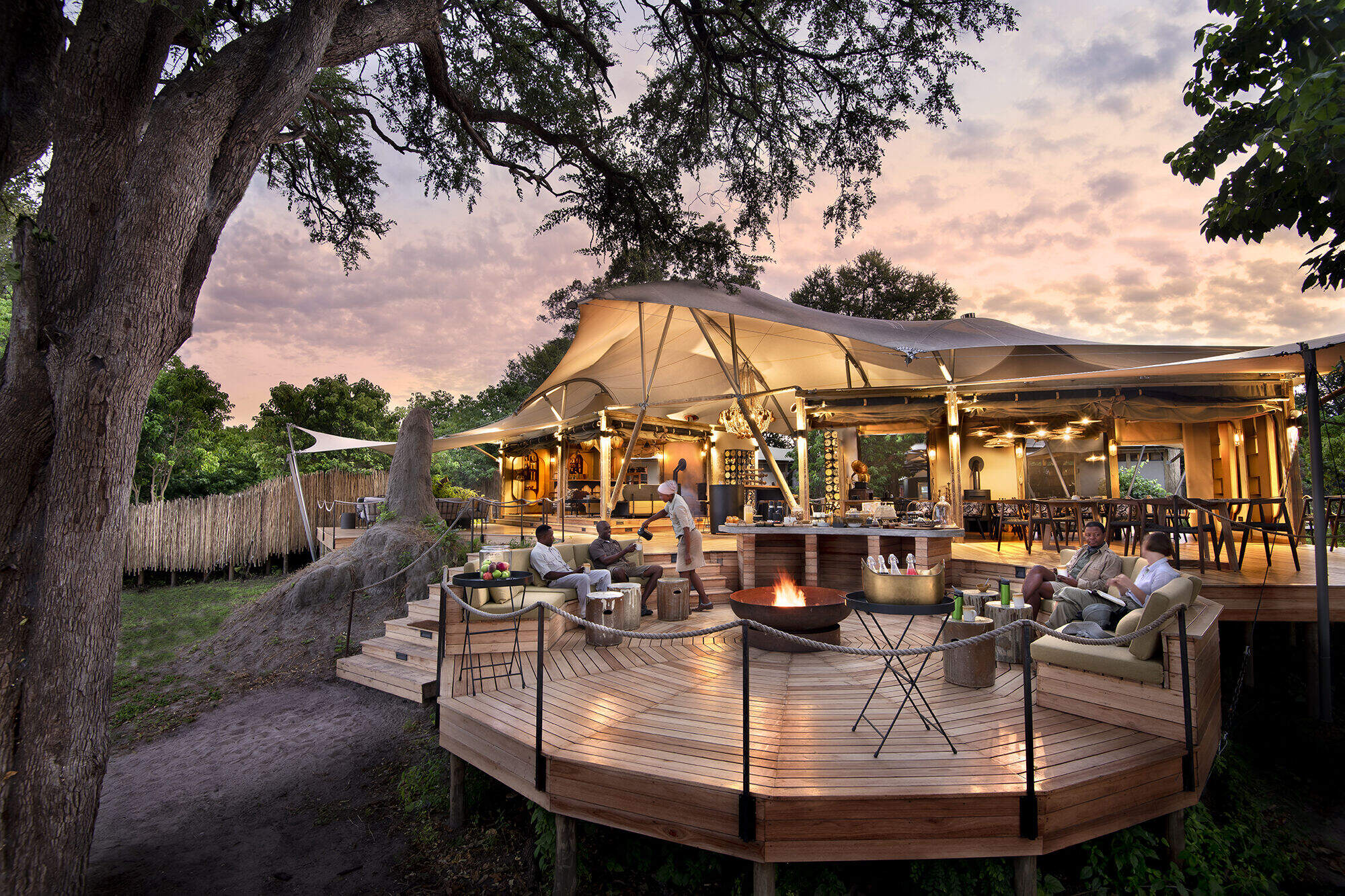
Khwai Leadwood
Khwai Leadwood is a luxurious lodge located in the heart of the Khwai Community Concession, offering guests exceptional service, stunning scenery, and unforgettable wildlife experiences.

Tawana
An exclusive new lodge on the banks of the Gomoti River, Tawana will have just eight very spacious suites.