Satao Camp: Our full report
Spread out among tamarind and acacia trees near the seasonal Voi River, Satao Camp is the only camp in this ...
... area of Tsavo East National Park. Fairly large by safari standards, it is owned and managed by one of Kenya’s most respected safari companies, and is regularly visited by baboons, impalas, giraffe and hippo, while the central area is an oasis for birdlife and various nocturnal creatures, including genets: in the bar, one regular genet drapes himself on an overhead rafter.Somewhat aptly, satao means ‘giraffe’ in the language of the Walingulu, the original, hunter-gatherer inhabitants of this area. As the camp is unfenced, all your movements after dark require an escort – which is a plus, as it gives you a shot of local cultural or natural history insight from your camp guard on every walk to and from the dining area. A paging button in each tent means that you can call an askari for an escort.
The permanent structures of Satao’s main central area are ranged out behind the sandy drop-off area where you arrive. Beyond the simple, open-sided reception building, spacious and shady dining and lounge terraces under high-pitched makuti-tile roofs are set on either side of a raised central bar area, with a campfire directly in front. Open plan and essentially open-air, these main areas are low-key and welcoming, but quite large. Away to the south is a fully open-air lunch area that has good views of the plains and a large waterhole.
Close to the waterhole, a high-level viewing deck known as the Lookout, with a shaded platform and directors’ style, canvas chairs, is accessed up a steer flight of steps. You can ask to be woken in the night if anything you want to see makes an appearance at the waterhole.
- Linked to the main areas by largely natural sand paths are Satao’s 20, large, thatch-shaded tents, which are ranged across the broad, wooded plain around the waterhole. Stretching in a northerly direction from the camp’s central area is one wing of six standard tents plus a larger suite tent (‘Director’s Suite’). These tents face west or north-west, into the sunset, but are furthest from the waterhole (about 150m away).
- In the other direction, nine standard tents range westwards, their verandas facing north or north-east past a large grove of tamarind trees and the lunch area. Beyond are four more suite tents – Tent 17, Sala (the closest to the waterhole, 100m), Neka and Kocha .
- The 15 twin, double or triple standard tents are well- designed, traditional green-canvas safari tents – airy, light and simply constructed. They’re mounted on raised stone-and-concrete platforms, constructed in crazy-paving style that mirrors the floors in the central areas, and each has a veranda with two canvas chairs and a low table. Inside, the tents are floored with soft rush matting and rugs, with a simple writing table and chair, a rustic shelf unit and a basic clothes cupboard. The beds are not fancy but are comfortable and attractively covered, with reading lights on each bedside table. Although there are no mosquito nets, the tents are in theory mosquito-proof and are also mosquito-sprayed during the turn-down service every evening. There’s also a floor fan, which can be positioned wherever you prefer.
- Zipped flaps at the back of each tent lead to a large bathroom of solid construction, with polished stone floors, wood and hessian walls, and makuti-tile roofs. Cold water is plumbed in but the large reservoirs of the overhead safari showers are filled on demand (there’s a hand shower as well); there’s also a washbasin, small pivot mirror and flush toilet. Toiletries are provided in flasks and bottled drinking water is replenished every day.
- The five suite tents are similar to the standard tents but built on a grander scale and with extra furnishings. The verandas benefit from the addition of comfy recliners, double beds are actual double beds rather than joined twins, and each suite has a minibar (with regular Satao bar prices) and two small armchairs. In addition, there is a solid wall with a door separating the bathroom from the main tent. The bathroom itself has two designer washbasins, a bathtub and further hanging and storage space. Hot water to the suite tents is solar heated.
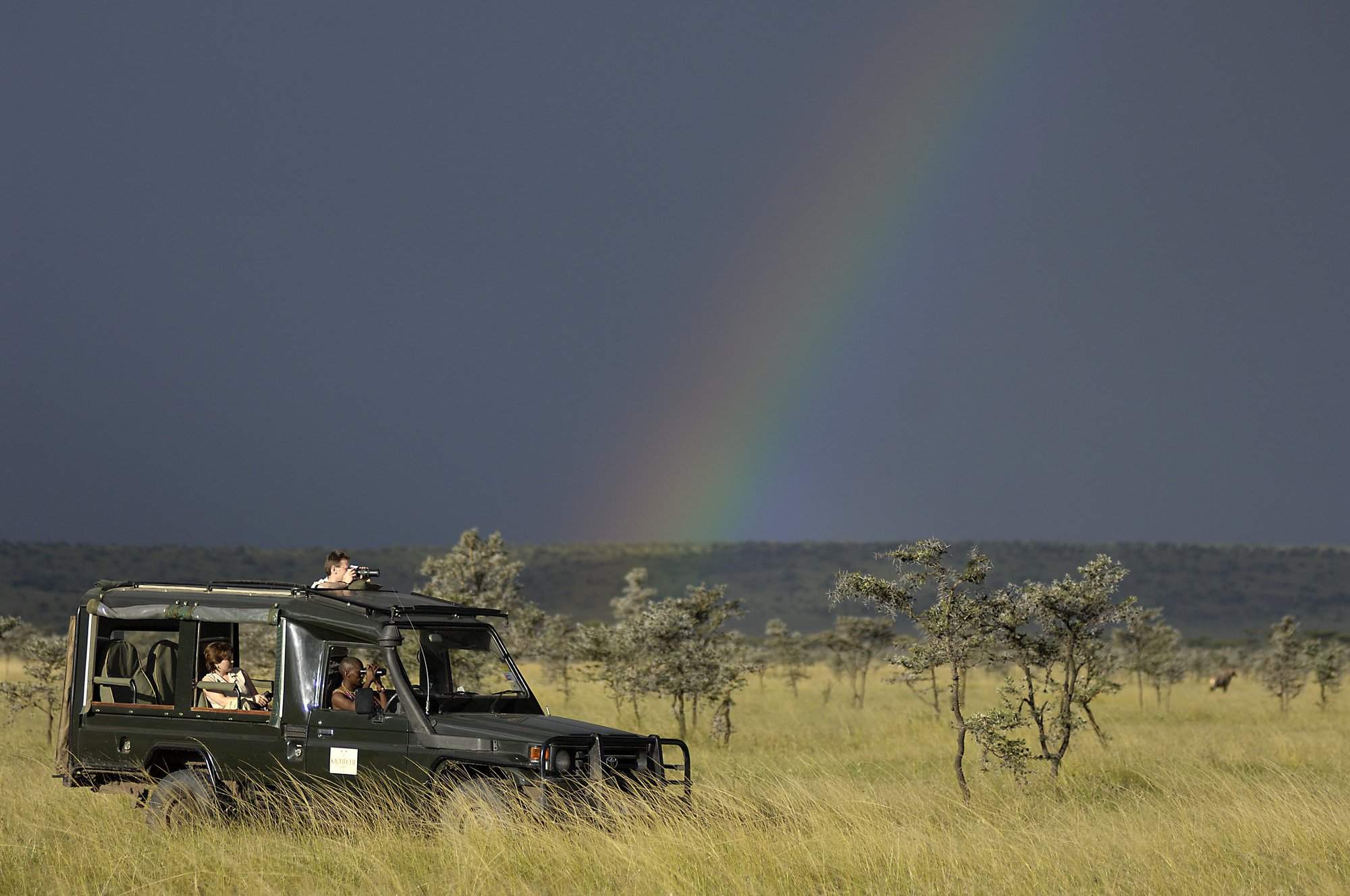
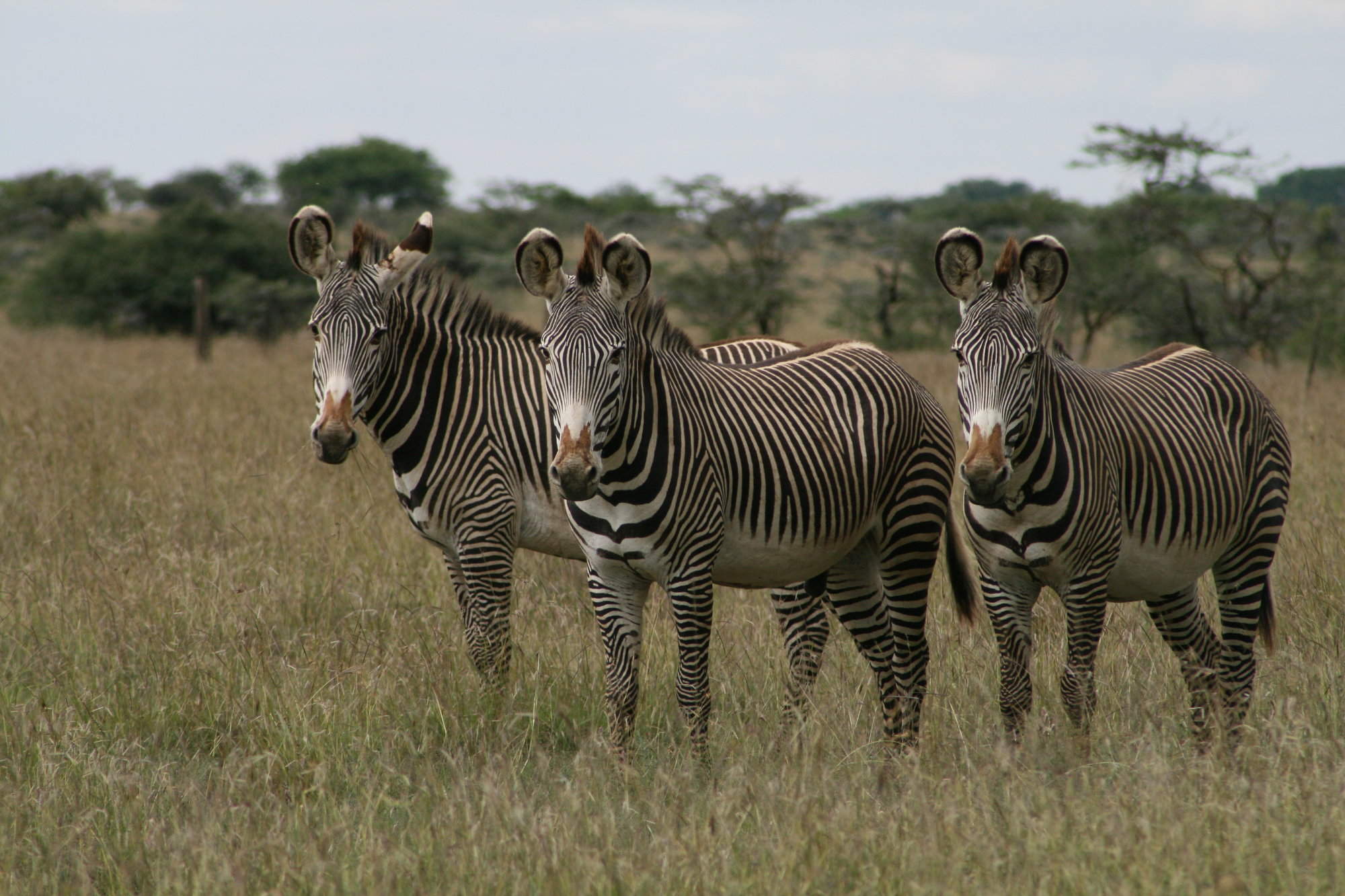
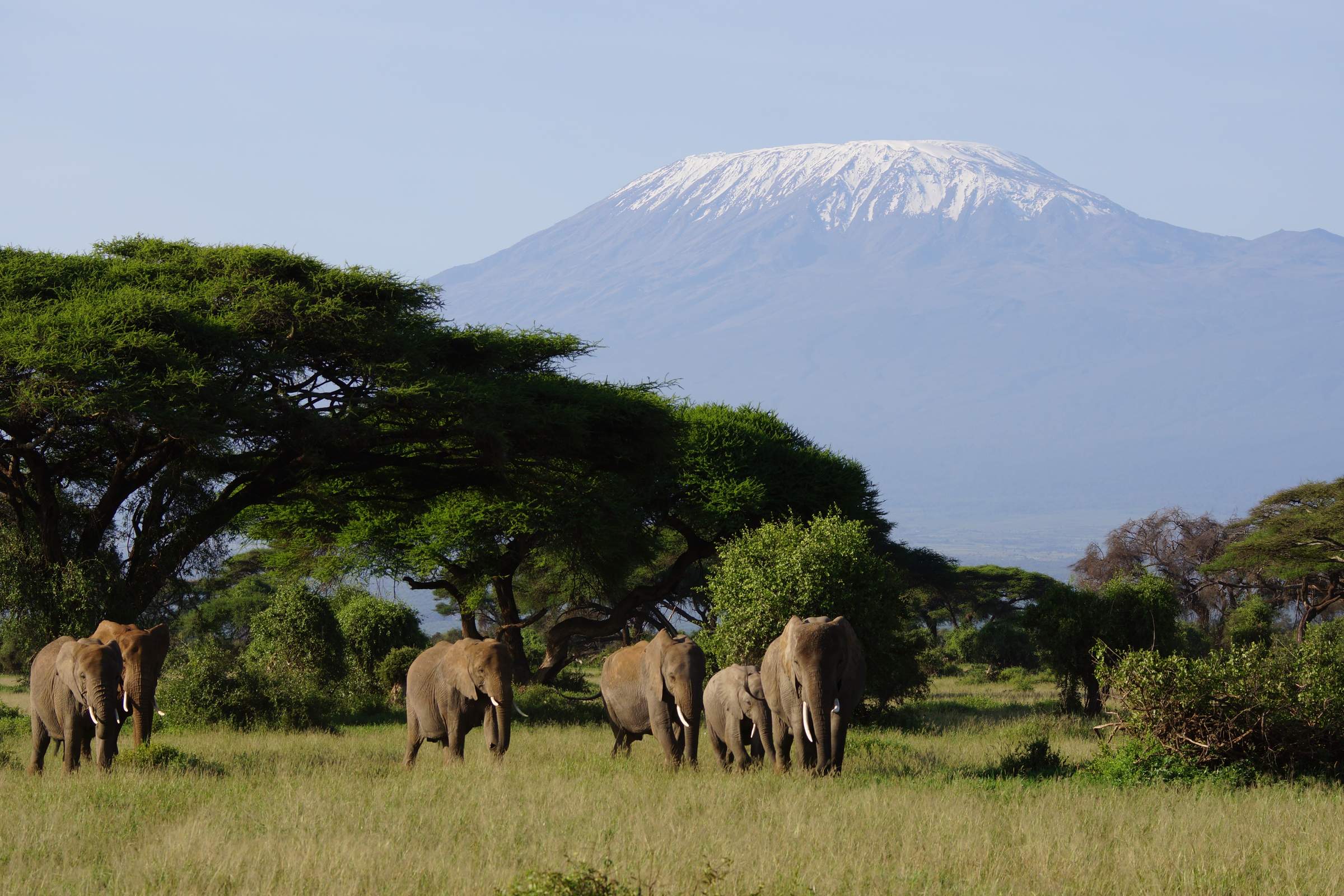
The main activities at Satao Camp revolve around early-morning and late-afternoon game drives in well set-up 4WD vehicles. As Satao is the only camp in this part of Tsavo East – a vast expanse of the park covering more than 1,000km² stretches between the camp and the Mombasa highway – in most of this area you can drive for miles without encountering another vehicle. Tsavo’s famous red elephants, coloured by the iron oxide in the earth, are the most iconic of the park’s animals, which include good numbers of cheetahs and lions, and less common grazers such as gerenuk, lesser kudu and Grevy’s zebra. An hour’s drive to the north of the camp is the Galana River, which flows for nearly 100km through the park and can be closely followed for much of its course. There are several riverside viewpoints including Lugard’s Fall, and Crocodile Point (sometimes described as nature trails, but they’re basically just short footpaths), where you can get out and stretch your legs.
Our view
In the two decades since it was built, Satao Camp has matured into one of the most welcoming camps in southern Kenya. The herds of impala, the bull giraffe that wanders around camp, frequent elephants and lions at the waterhole, and a riot of birdlife together create a magical impact on first-time visitors – and one which doesn’t disappoint experienced travellers. The food at Satao isn’t a stand-out feature, and the high-voltage overhead power lines that run close to the camp detract slightly from the bush feel of the area, but many visitors are so captivated with the place that they barely notice them.

Kenya expert
Geographics
- Location
- Tsavo East National Park, Kenya
- Ideal length of stay
- Three nights
- Directions
- Visitors arrive by road from Mombasa (3 hours) or Malindi (4 hours) or by charter flight to Satao airstrip, about 2km away.
- Accessible by
- Fly-and-Transfer
Food & drink
- Usual board basis
- Full Board & Activities
- Food quality
- Satao’s food is not its most outstanding feature. During our visit in 2012, the standard hotel/restaurant fare at dinner included good vegetable soups and homemade hot rolls, shredded salad with dressing, and a choice of grilled chicken, beef goulash or onion pizza for main course, with roast potatoes, chips or rice, and vegetables. One of us ordered goulash, but was served chicken, and the ‘vegetables’ consisted of just a grilled tomato. Dessert was banana split (ie a banana with vanilla ice cream and choc sauce). Breakfast was better: the passion curd to spread on toast was a nice touch.
Breakfast 6.00–9.00am is a buffet with an egg station and plenty of options, including home-made bread.
Lunch, served 12.30–2.30pm, is also a buffet, with a choice of main dishes.
Dinner, from 7.30–pm to 9.00pm, is a six-course buffet or plated service, incorporating soup, salad, main course, dessert, cheese and coffee – with a choice of three main dishes and always a vegetarian option.
Afternoon tea includes tea, coffee and cakes. - Dining style
- Individual Tables
- Dining locations
- Indoor and Outdoor Dining
- Further dining info, including room service
- Meals can be served on the tent verandas.
- Drinks included
- Extra:
Local beer: Ksh275 (approx U$3.50)
Soda: Ksh135 (approx U$1.50)
Glass of house wine: Ksh300 (approx U$4)
Special interests
- Family holidays
- Satao makes for relaxed family safari holidays in Kenya with children 8+. It has cots and high chairs but no specific children’s activities. However, kids usually have great fun watching impala, baboons and giraffe right by the tents. The staff offers free child minding.
- See ideas for Family holidays
- Photography holidays
- There's lots of wildlife around Satao Camp offering plenty of quirky photo opportunities. On our last visit this included a fairly relaxed bull giraffe, hippos after dark, a genet over the bar, insect life and numerous birds, including feed-from-your-hand hornbills.
- See ideas for Photography holidays
Children
- Attitude towards children
- 'No problem'
- Property’s age restrictions
- No restrictions
- Special activities & services
- There are nature walks in camp, with a naturalist, but there is nothing specifically designed for children.
Babysitting is available on request (no charge), using housekeeping staff or camp guards. Trained babysitters are not available. - Equipment
- Three cots and two highchairs are available.
- Generally recommended for children
- Satao is a family-friendly camp with a relaxed ambience, and is a recommended choice for families, though an enthusiasm for the wildlife and the bush location is always important. With impala, baboons and even giraffe right by the tents, it is great fun for kids. Kicking a ball around isn’t an option, however, as there is wildlife everywhere. There’s no pool.
Our travellers’ wildlife sightings from Satao Camp
Since mid-2018, many of our travellers who stayed at Satao Camp have kindly recorded their wildlife sightings and shared them with us. The results are below. Click an animal to see more, and here to see more on our methodology.

100% success

100% success

100% success

100% success

100% success

100% success

75% success

75% success

75% success

75% success

67% success

50% success

25% success

0% success

0% success

0% success

0% success
Communications
- Communications
- As well as a landline phone, Satao has FM radio, email in the office and adequate WiFi in the lounge.
Each tent has a paging button, to guests can call for an escort or a drink. - TV & radio
- The TV in the staff mess can be viewed by guests for big events.
Sustainability

Employment opportunities for nearby communities
Satao Camp is located inside Tsavo East National Park, surrounded by bushy grassland and open plains, semi-arid acacia scrub and woodlands. Nurturing a positive relationship with locals has been an on-going commitment which aims to provide employment opportunities and develop community empowerment projects. Approximately 85% of all employees are hired from the local Taita and Duruma communities, with a few others from the indigenous Waliangulu community.
Advantages of becoming a member of the family at Satao include adequate remuneration, daily briefing meetings for training and communication purposes as well as a health and safety policy. All kitchen staff benefit from bi-annual medical check-ups, and training on first-aid is provided for every team member. To ensure employee satisfaction, the camp has a staff welfare committee to handle staff issues and affairs.
Empowerment initiatives are extended to provide support to the local Miasenye and Marungu primary schools. Donations include linen, kitchen utensils, clothes and food.
See more great sustainability projects in Kenya
Health & safety
- Malarial protection recommended
- Yes
- Medical care
- Satao has a first-aid box; ‘2 or 3 staff’ have received training and in theory get refresher training annually. Voi hospital is the closest major medical facility and can be reached in about 45 minutes in an emergency. Flying doctors from Nairobi or Malindi can land at Satao airstrip, just minutes from the camp.
- Dangerous animals
- High Risk
- Security measures
- Unarmed askaris patrol the camp day and night. Armed KWS patrols periodically patrol the area near the camp and can always be called quickly.
- Fire safety
- There’s a fire assembly point in the car park and all staff receive fire training twice a year. There are fire extinguishers all over the camp.
Activities

4WD Safari

Birdwatching
Extras
- Disabled access
- In Place
- Laundry facilities
- Full Laundry Service - Extra Charge
- Money
- The cashier has a safe box for safe keeping of valuables, but there are no safes in tents. There’s no formal foreign exchange service.
Other lodges in Tsavo East National Park
Alternative places to stay in this same area.

Kulalu Camp
Kulalu is a small camp on the banks of the Galana River, located on the outskirts of Tsavo East National Park and the Galana Conservancy.

Galdessa
Galdessa is Tsavo East National Park’s best safari camp, sitting in a spectacular location on the banks of the broad Galana River.