
Botswana Safari Holidays
Botswana is a land of raw beauty, protecting one of the last great wildernesses on earth.

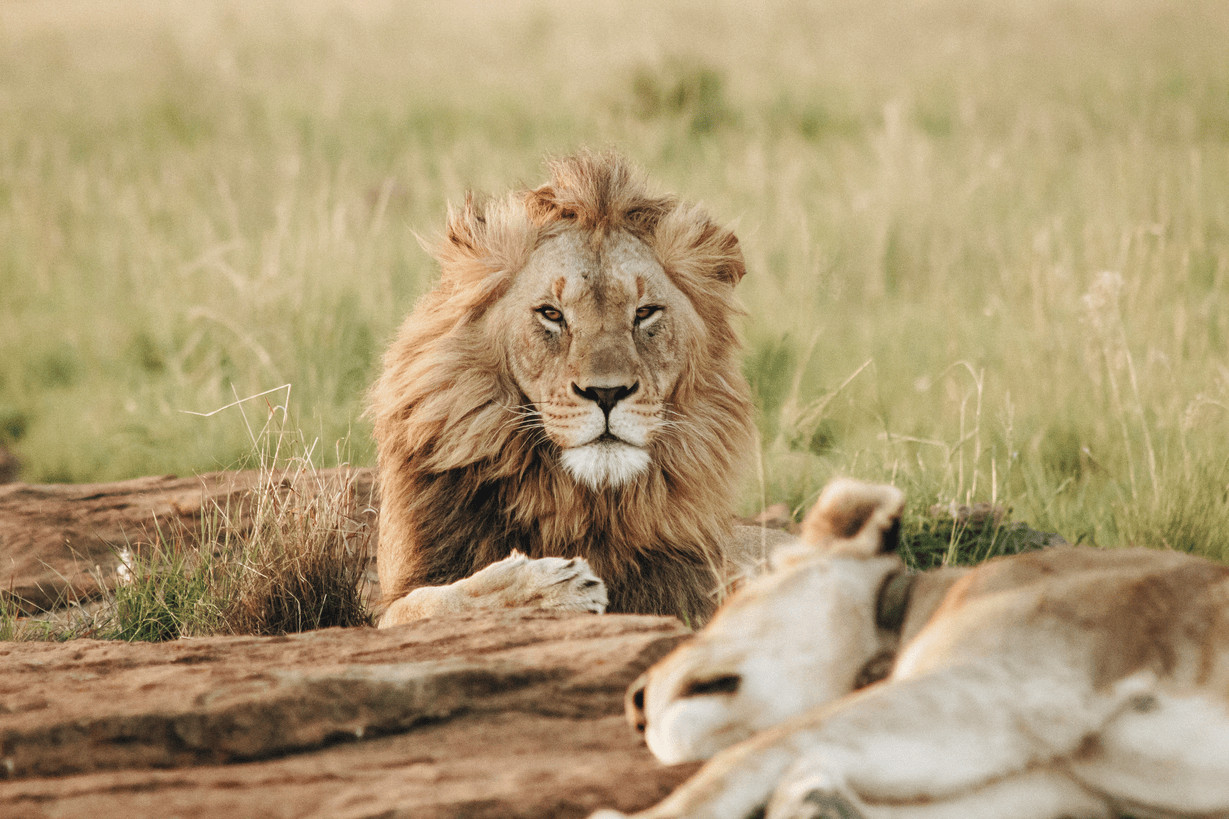
For a safari holiday, Botswana is hard to match. With no fences around the parks, reserves or wildlife concessions, the animals roam free across huge and mostly contiguous areas of the country. This, combined with strong protection of natural habitats, has resulted in healthy and stable wildlife populations.
Here you'll find one of the highest concentrations of elephants in Africa, as well as a wide variety of other big game species, from buffalo and giraffe to the big cats: lions, leopards and cheetahs all thrive here. Botswana is even one of the last strongholds for Africa's most successful predators, wild dogs.
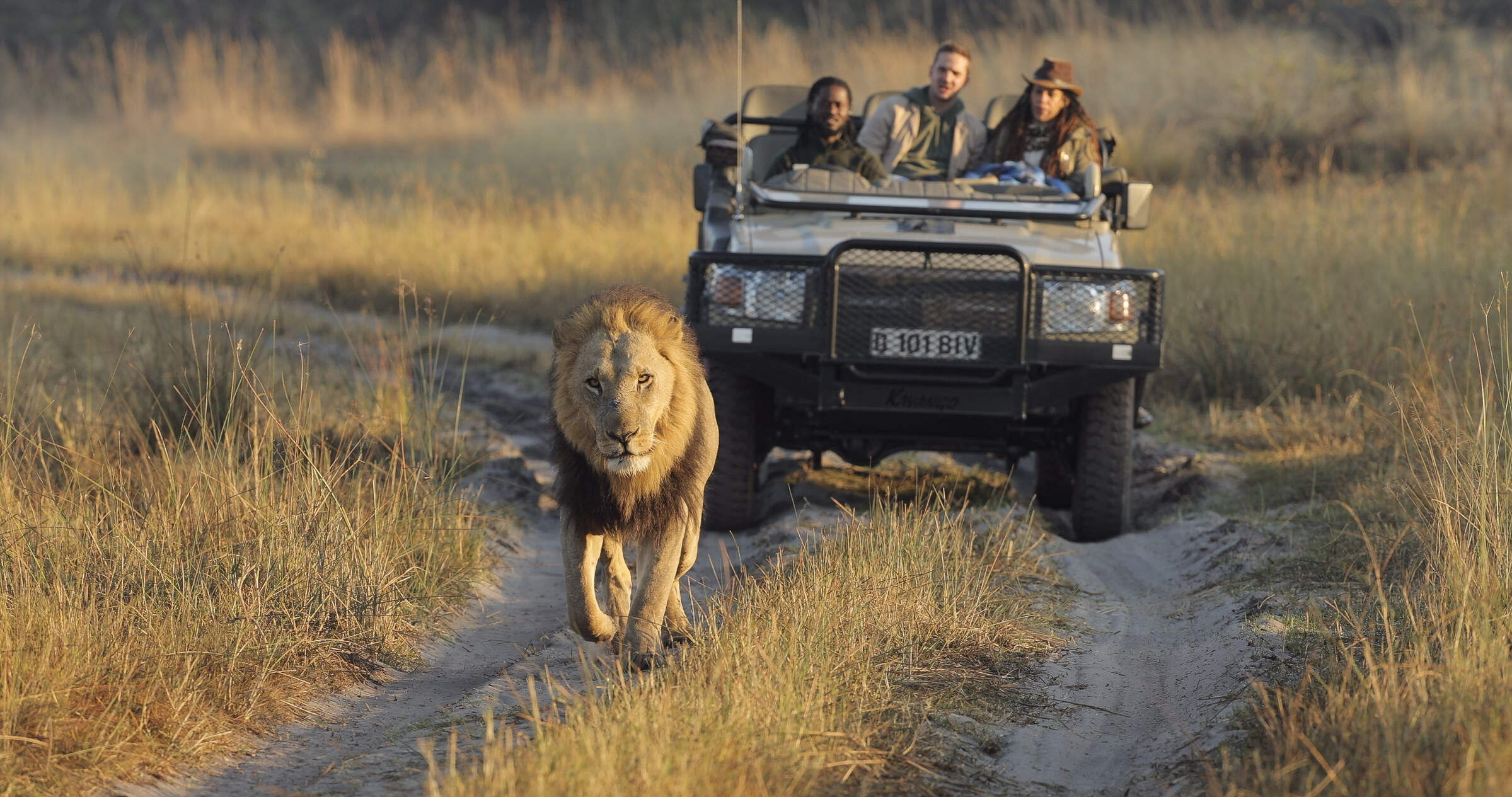
For the visitor on holiday, the exclusivity of Botswana's safaris is a major draw – as is the UNESCO World Heritage-listed Okavango Delta. The government's policy of "low-volume, high-income" tourism has succeeded in spreading relatively few visitors across these vast expanses of wilderness, so you can expect a very private safari experience, one that you’ll share with animals, not people.
If you're looking for a safari destination that offers the best of the best, Botswana is the place for you. With its stunning landscapes, abundant wildlife, and exclusive safari experience, Botswana is a truly unforgettable destination.
Speak to one of our Experts to start planning your dream Botswana safari.
Botswana safari areas: the key destinations
A Botswana safari is often synonymous with the Okavango Delta, yet the entirety of northern Botswana mirrors the Delta's mosaic of ecosystems.
Even the Delta itself offers variety, with the central Moremi Game Reserve and surrounding private concessions providing secluded wildlife encounters. The private reserves in the Kwando-Linyanti area, and the Selinda Spillway, along with the popular Chobe Riverfront, boast impressive game sightings, and the lesser-visited Savuti in Chobe National Park is a magical spot for mobile safaris.
For a different Delta perspective, the more budget-friendly Okavango Panhandle to the north-west offers unique attractions and access to the ancient rock art of the Tsodilo Hills.
A comprehensive Botswana safari experience would also include the the vast, open saltpans like Nxai Pan and Makgadikgadi, set in the Kalahari with its transient wildlife and expansive skies, and the remote Central Kalahari Game Reserve.
Okavango Delta
45 places to stay
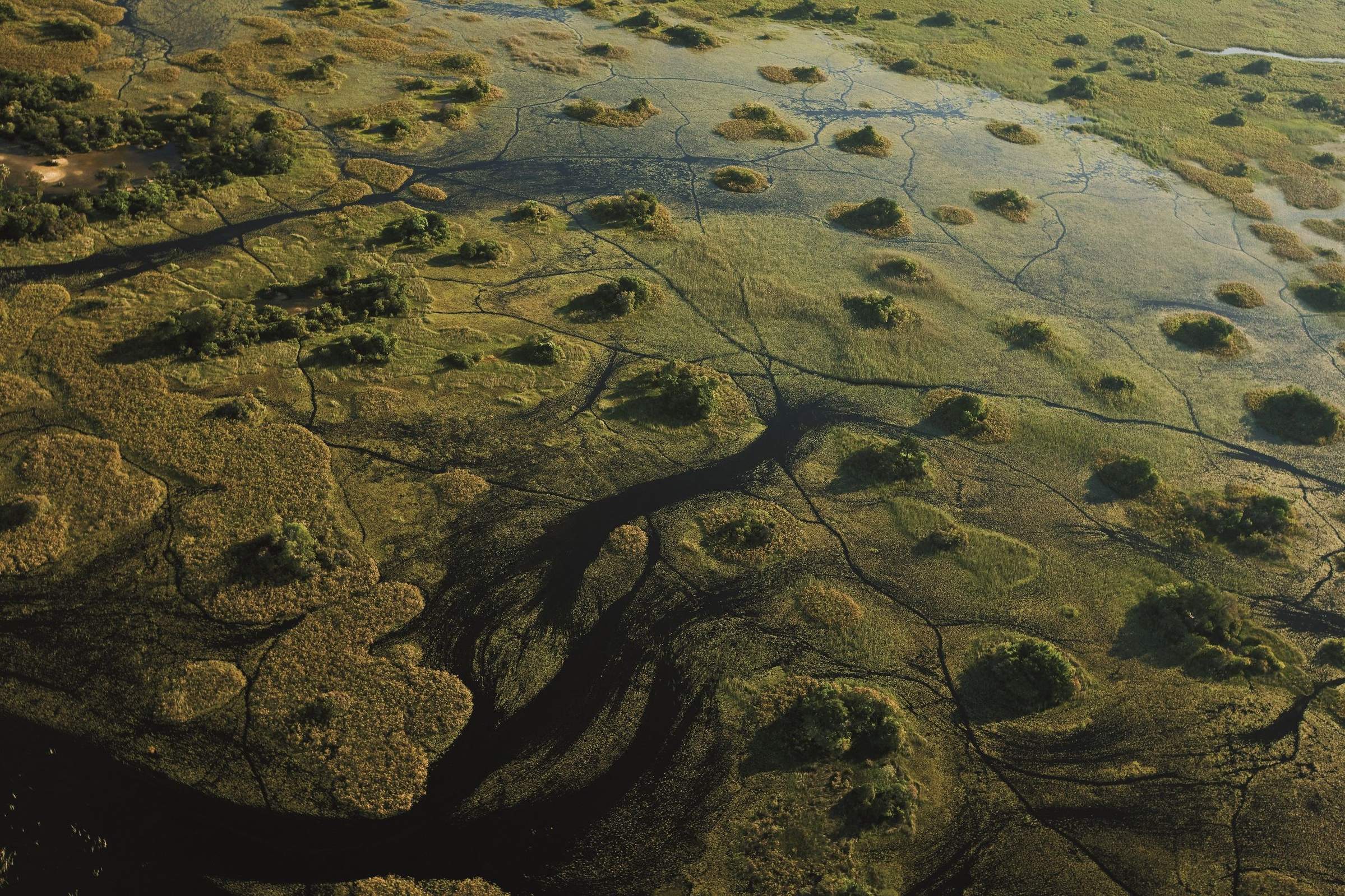
Often glamorous, always exclusive, a safari in the pristine wilderness of the Okavango Delta offers the ultimate in wildlife viewing.
Moremi & Surrounds
22 places to stay
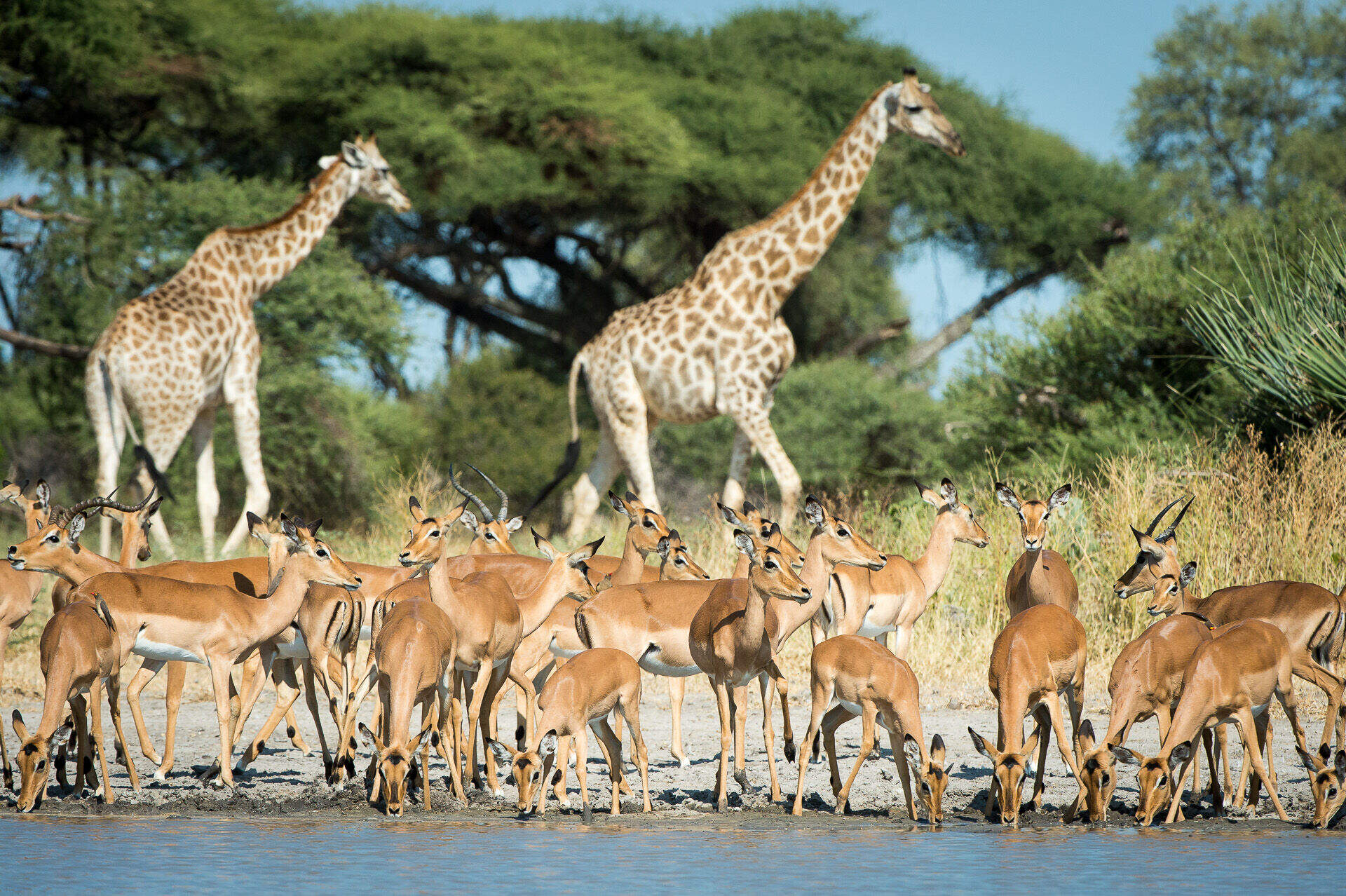
At the heart of the Delta, Moremi and the surrounding private reserves combine classic Okavango scenery with simply superb wildlife.
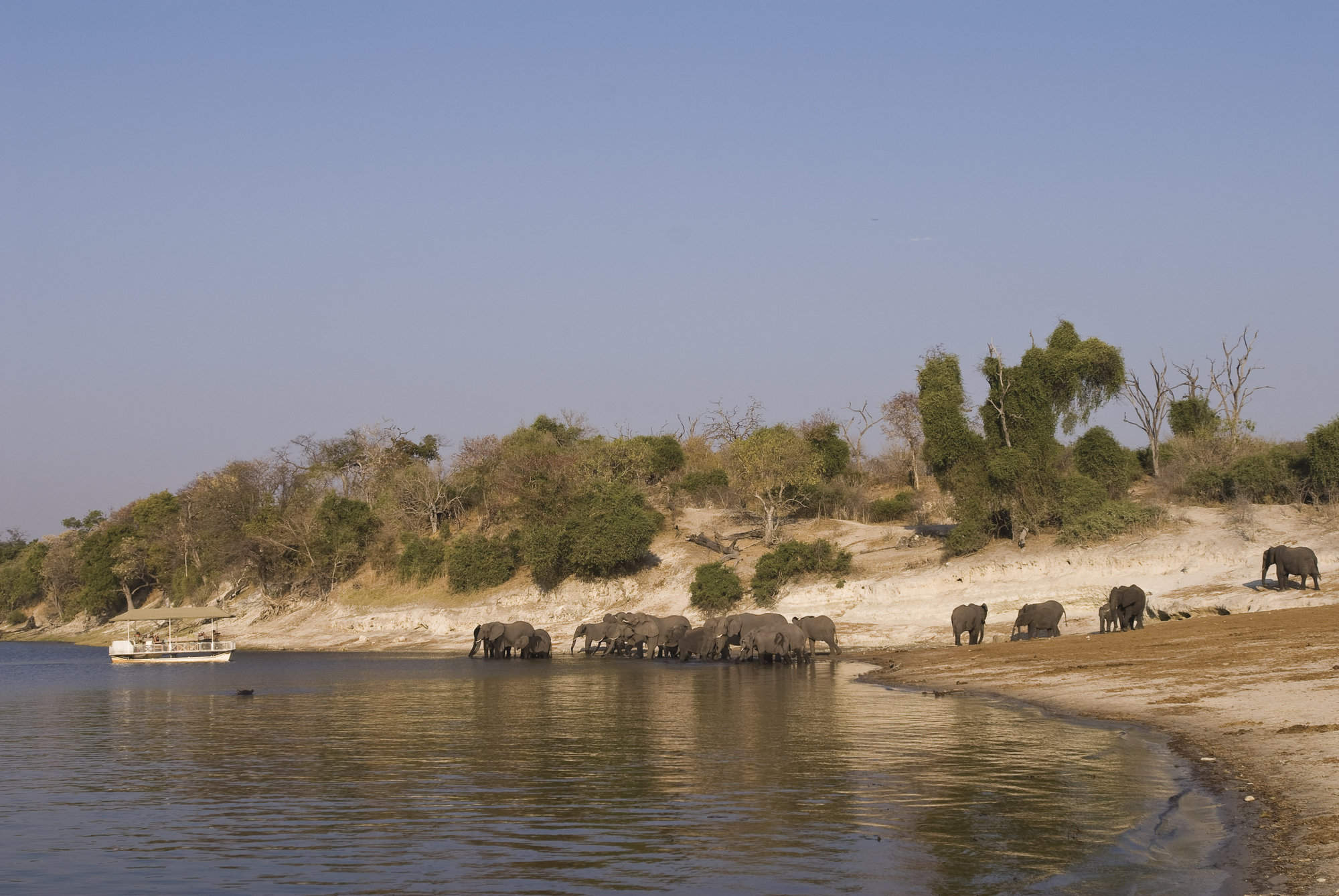
Chobe
13 places to stay
The most long-standing of Botswana’s safari destinations, Chobe is home to huge herds of elephant – and the lion who hunt them.
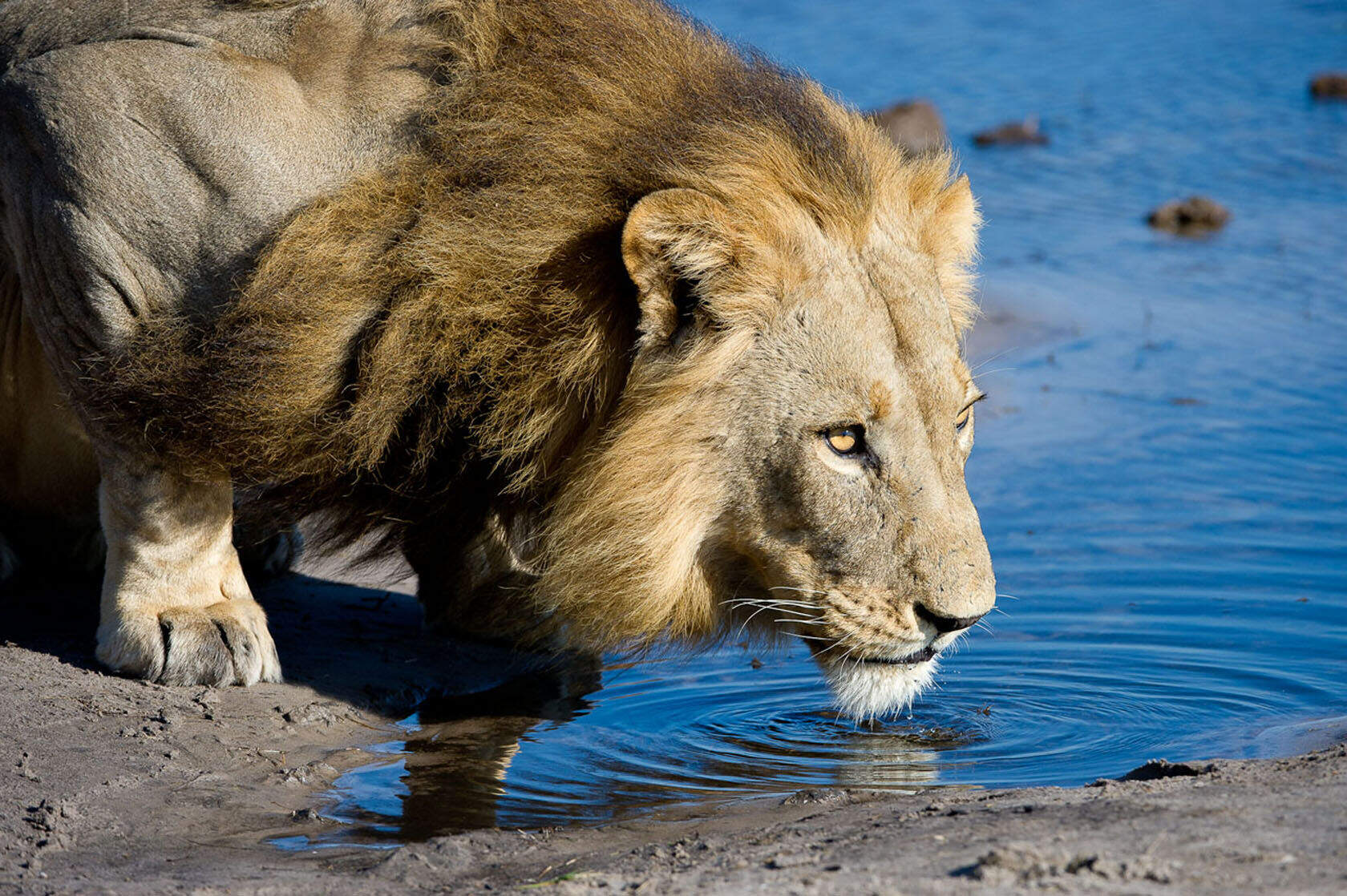
Kwando-Linyanti
12 places to stay
With wildlife aplenty and a heady mix of safari options, the exclusive private reserves of the Kwando-Linyanti area have serious appeal.
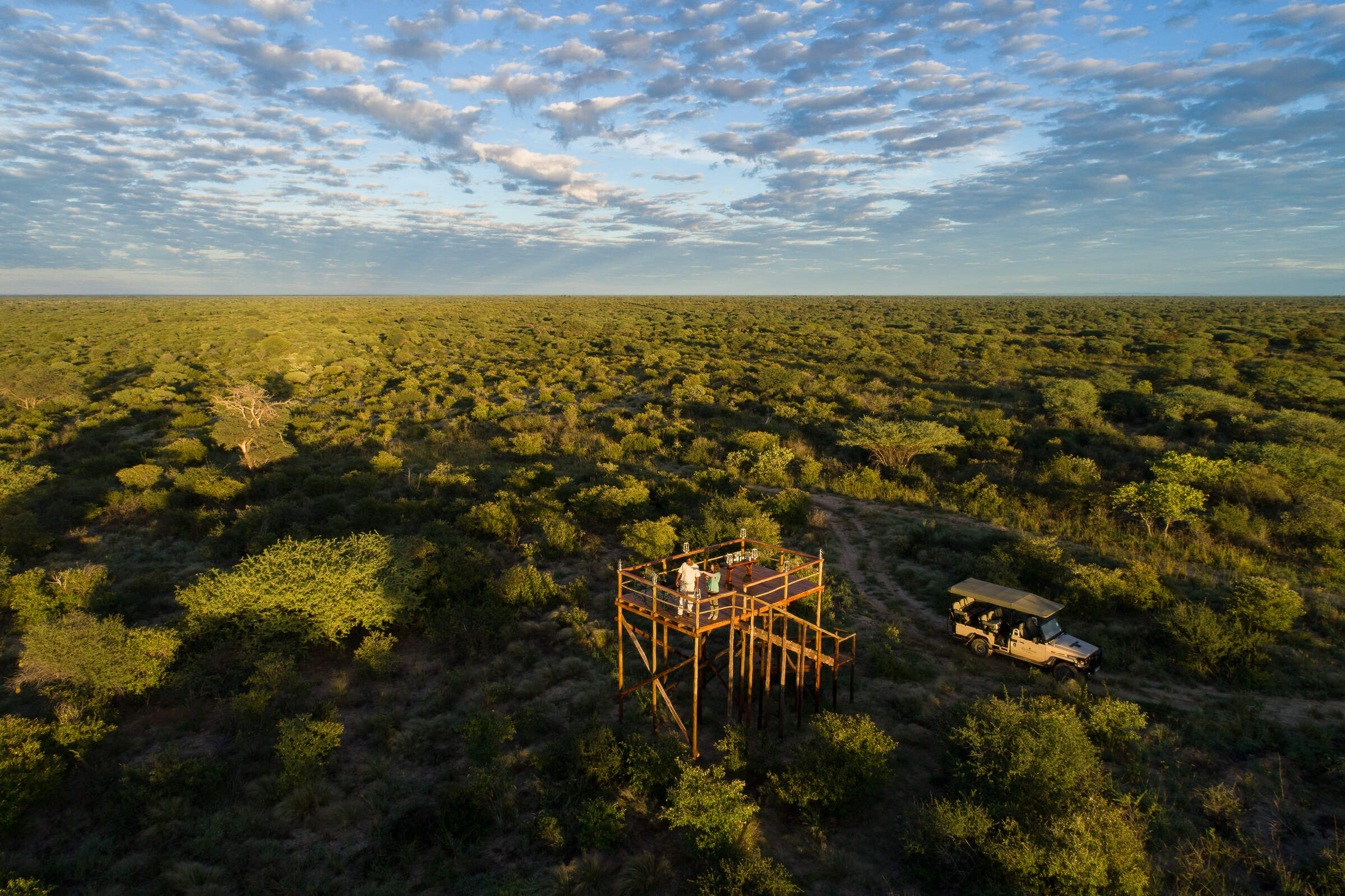
Central Kalahari
7 places to stay
Vast in scale, extreme in climate, the CKGR is the domain of adventurous-minded travellers in search of a very different wilderness.
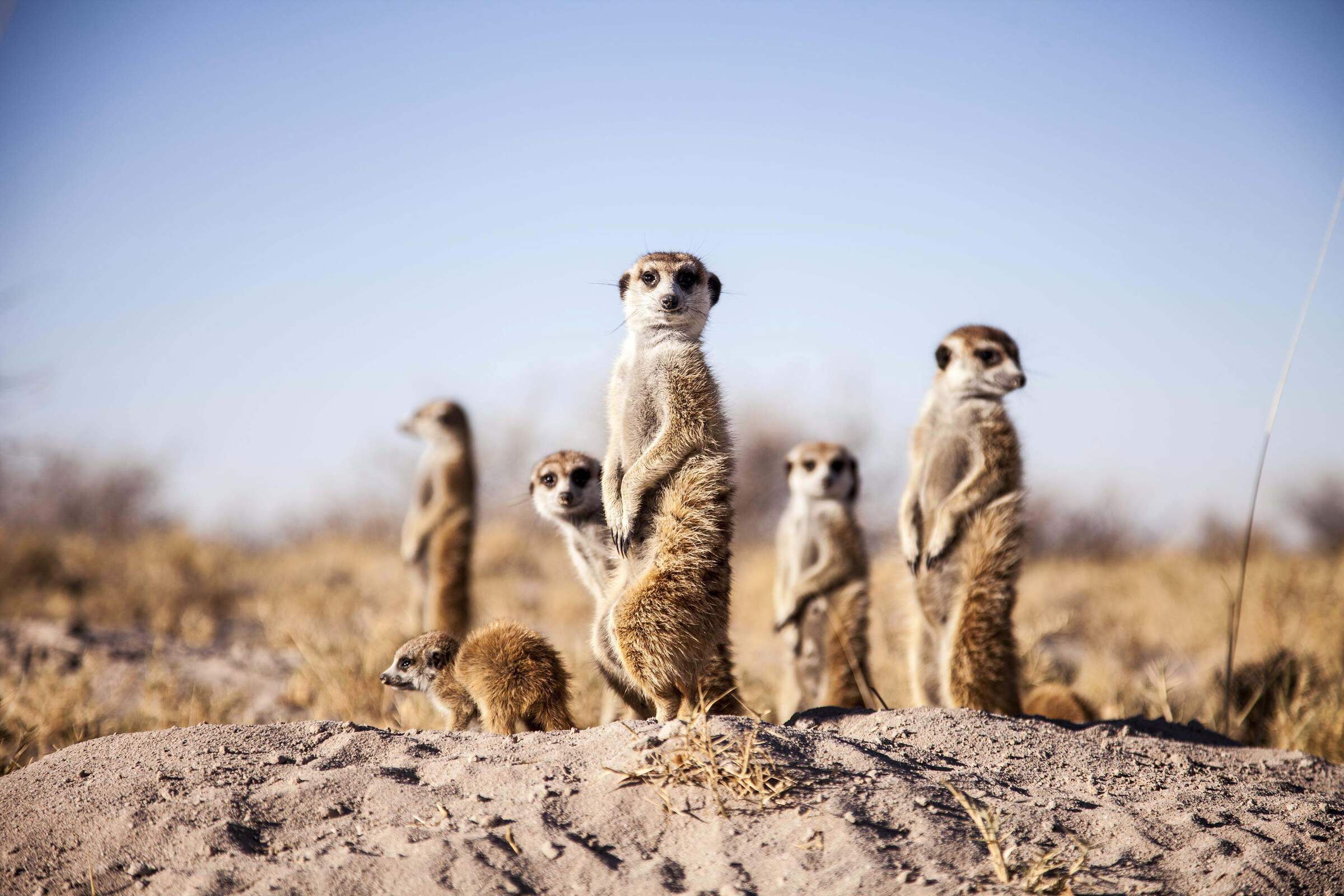
Kalahari Salt Pans
6 places to stay
Often overlooked, the vast, photogenic expanses of the Kalahari Salt Pans present unique rewards for the savvy visitor.
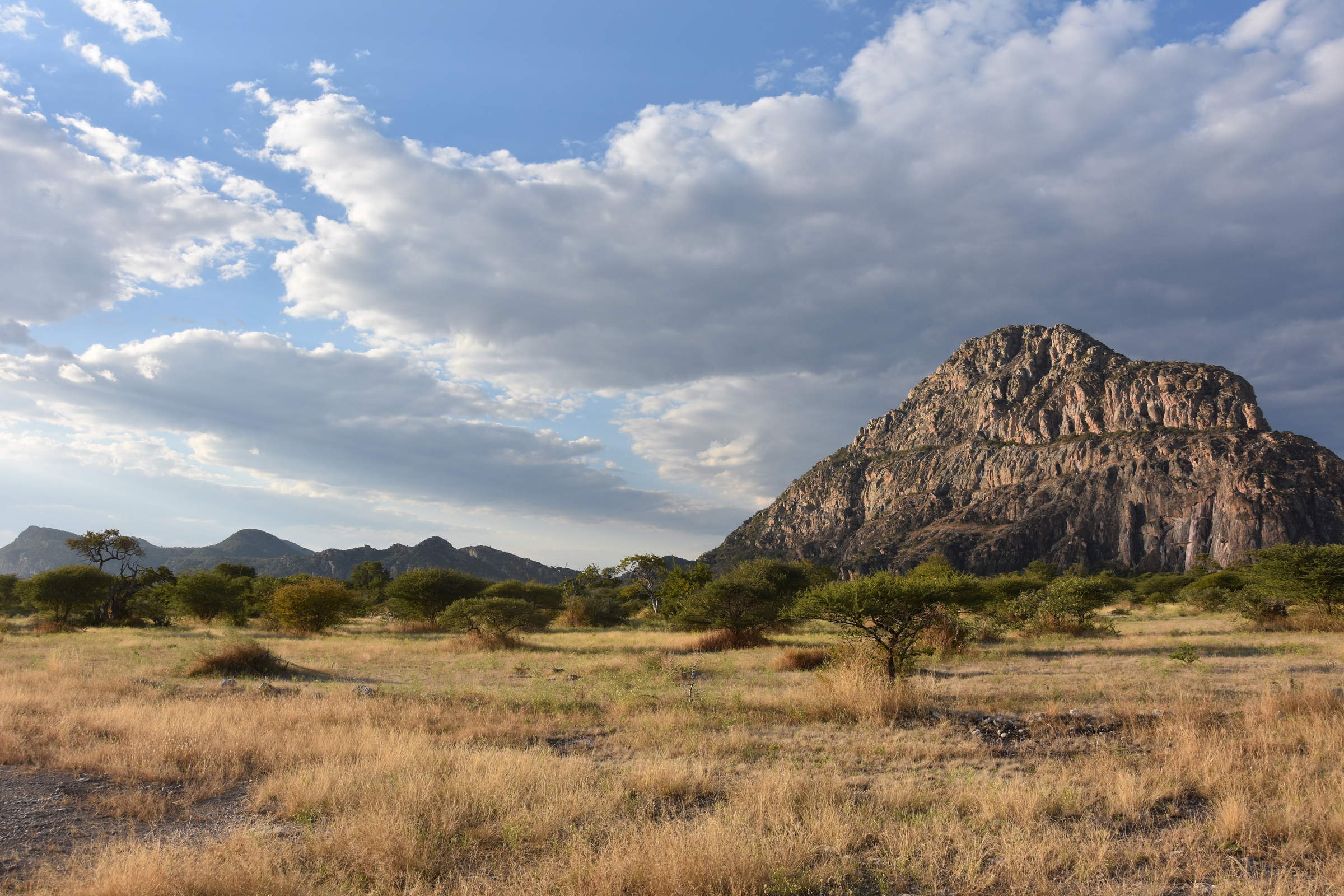
North-west Kalahari
3 places to stay
Much of the north-western Kalahari is very remote. There are a few good lodges here, but it is best visited on a mobile safari.
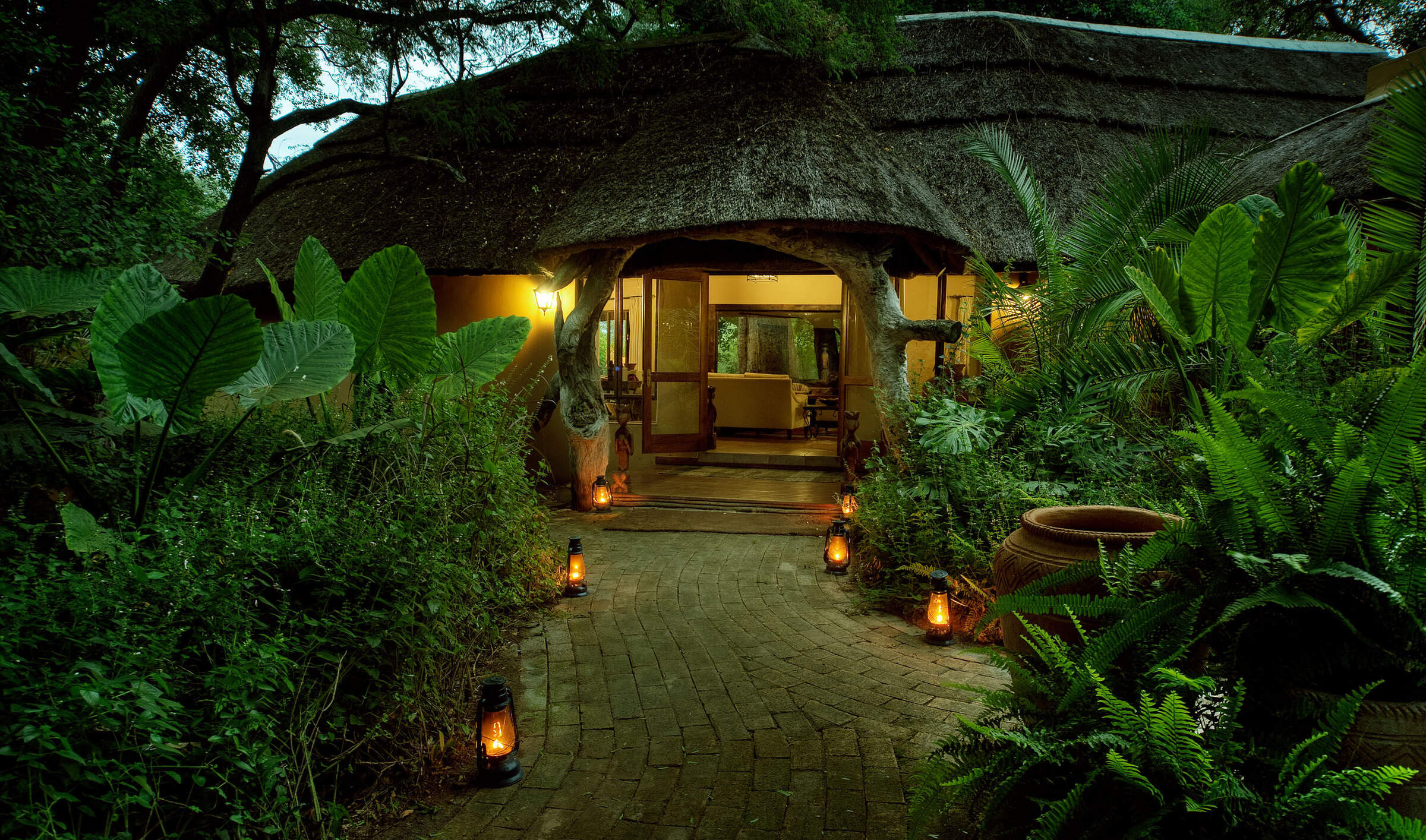
Maun
3 places to stay
Long the starting point for expeditions into the wild, Maun is bustling little town that is still the safari capital of Botswana.
Ten best safari holidays in Botswana
All our wildlife safari tours are tailor-made, but to set the ball rolling we have carefully put together ten popular suggestions here.
These holidays vary, but each features all-inclusive safari lodges, excellent guiding and the incredible diversity of wildlife for which Botswana is renowned. So whether you’re in search of leopard or wild dog, or seeking out a magical mokoro trip along reed-lined channels, or looking for the vast African elephant herds that roam Botswana’s wilderness areas, you'll find all of them here.
Then contact us when you’re ready to delve deeper, and we’ll help to guide you through the complexities to find a trip that will be perfect for you.
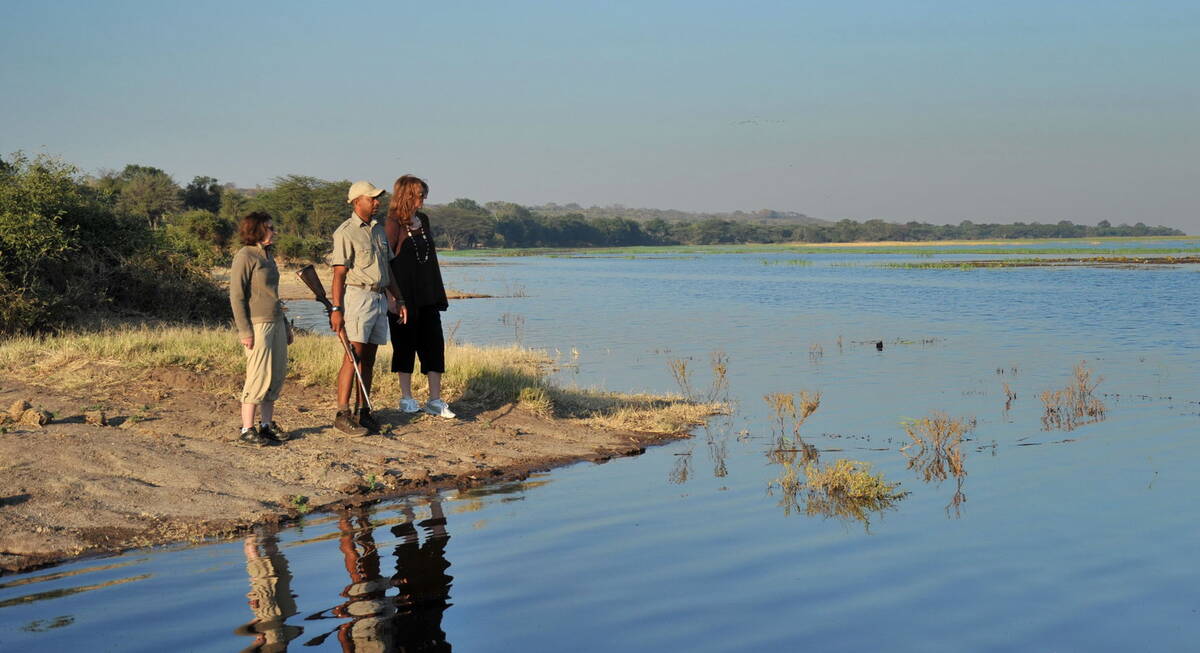
Wild Dog Safari
13 days • 5 locations
KASANE AIRPORT TO MAUN AIRPORT
An in-depth discovery of northern Botswana’s wilderness, from Chobe and the private Kwando Reserve to the Moremi and iconic Okavango Delta with a great variety of activities and wildlife.
US$12,930 - US$21,350 per person
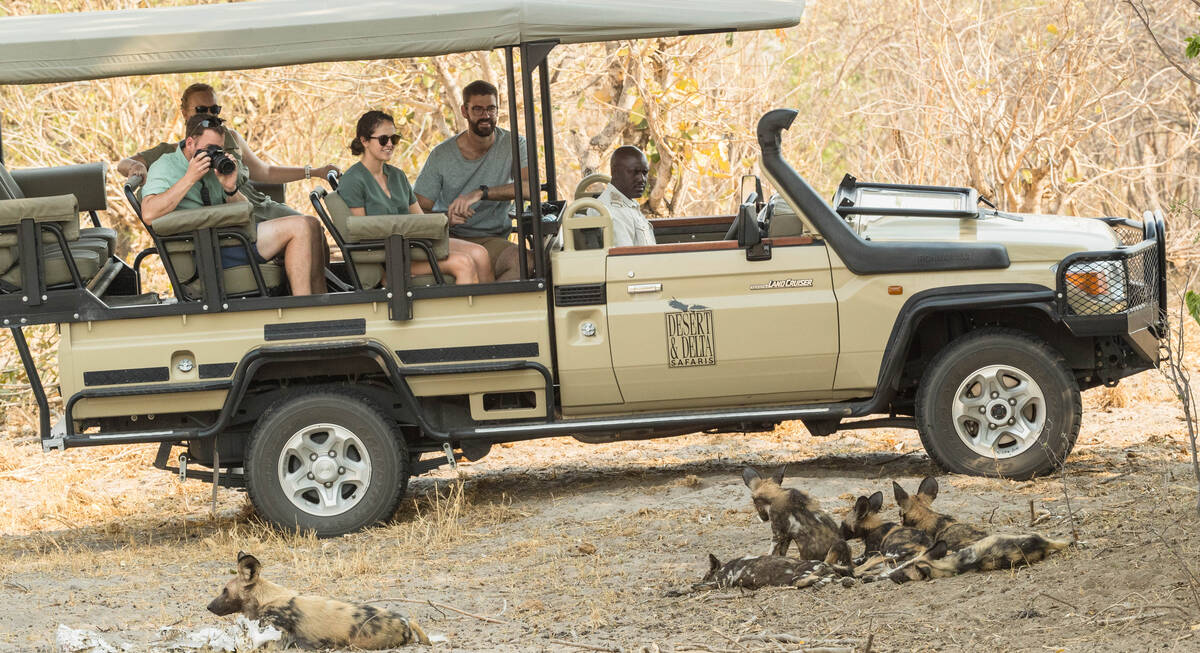
Porcupine Safari
11 days • 4 locations
MAUN AIRPORT TO MAUN AIRPORT
Visit dramatically contrasting landscapes boasting a variety of species during this exploration of Botswana’s top-safari destinations. A combination of national parks and private reserves allows for a range of activities.
US$11,780 - US$16,860 per person
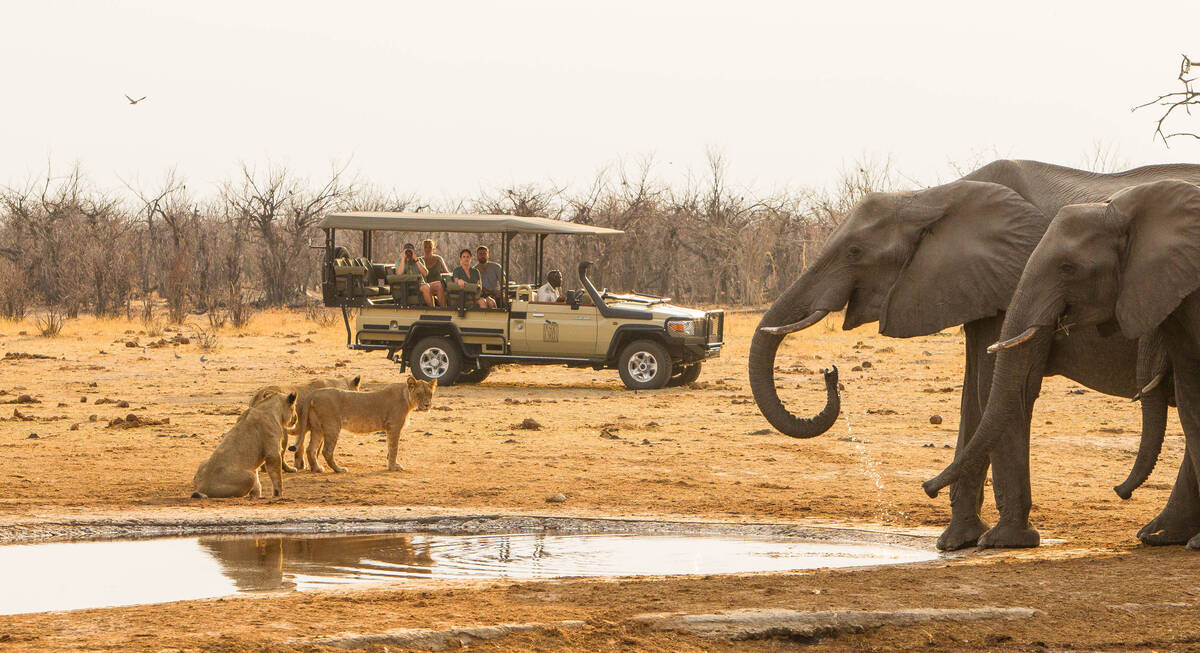
Spring Hare Safari
9 days • 3 locations
KASANE AIRPORT TO MAUN AIRPORT
An authentic and diverse safari to Botswana combining the Chobe Forest Reserve, Savuti Marshes and the Okavango Delta. Strong wildlife viewing, a variety of activities and excellent value camps.
US$8,710 - US$14,180 per person
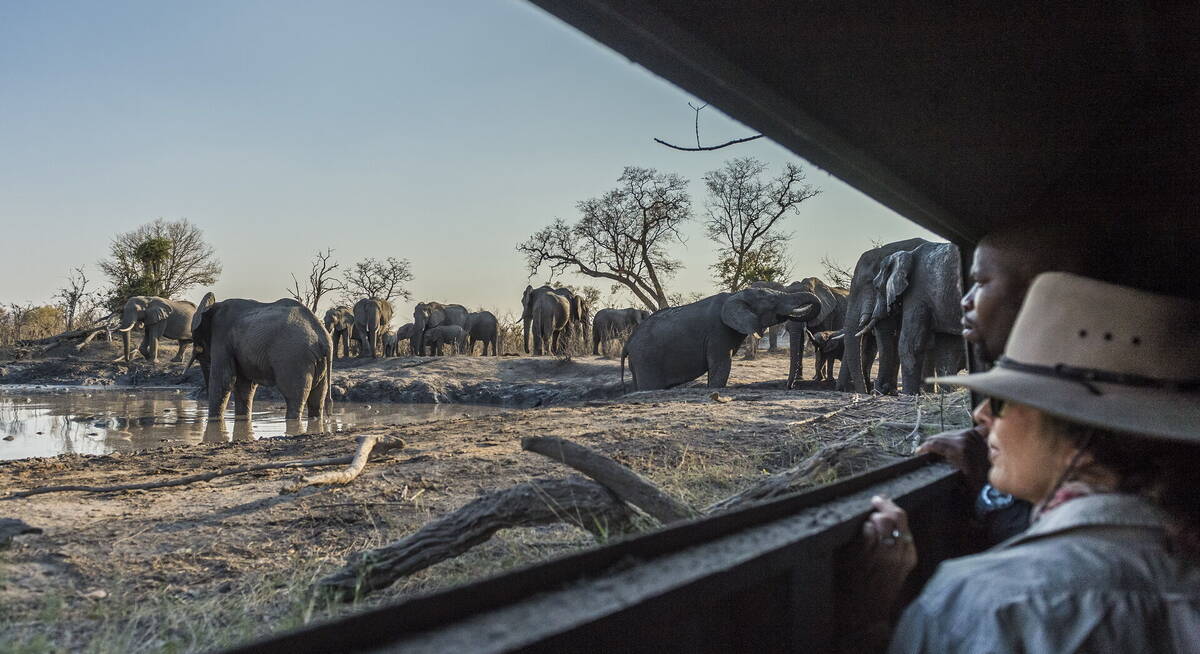
Large-spotted Genet Safari
9 days • 3 locations
MAUN AIRPORT TO MAUN AIRPORT
A luxury safari exploring the Okavango Delta and Linyanti–Savuti, two of the best wildlife viewing areas in Botswana, staying at three top camps renowned for their guiding for a first-class experience.
US$14,230 - US$23,640 per person
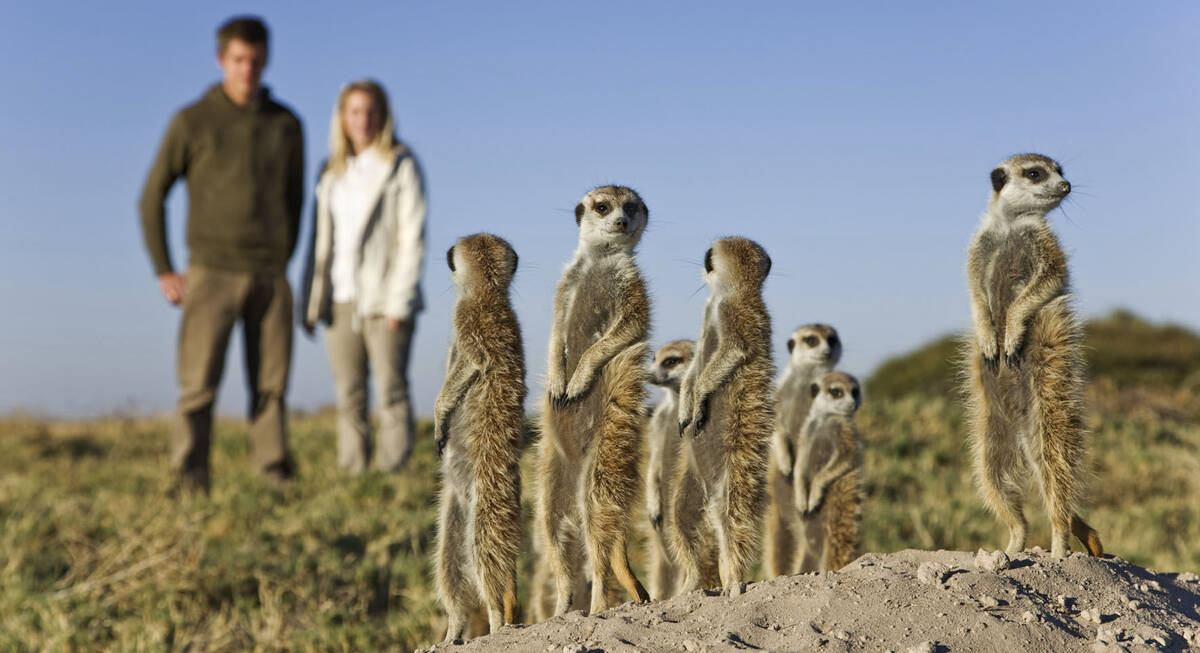
Red Lechwe Safari
9 days • 3 locations
MAUN AIRPORT TO MAUN AIRPORT
Superb guiding from three fabulous camps full of character in three contrasting areas for a fabulous safari to the Okavango Delta and Kalahari Desert.
US$17,600 - US$28,240 per person
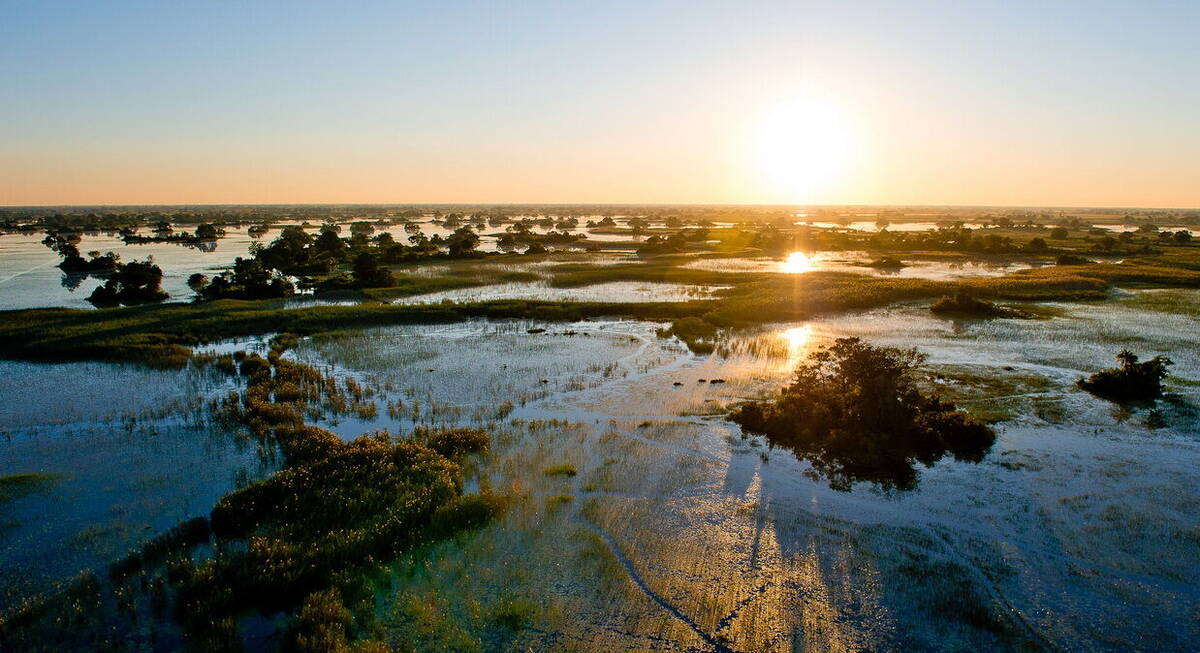
Steenbok Safari
9 days • 3 locations
MAUN AIRPORT TO MAUN AIRPORT
A classic Botswana safari exploring the Moremi, Chobe National Park and Okavango Delta. Excellent wildlife viewing and a variety of activities from three of our favourite traditional tented camps.
US$8,920 - US$13,480 per person
Pangolin Safari
8 days • 3 locations
MAUN AIRPORT TO MAUN AIRPORT
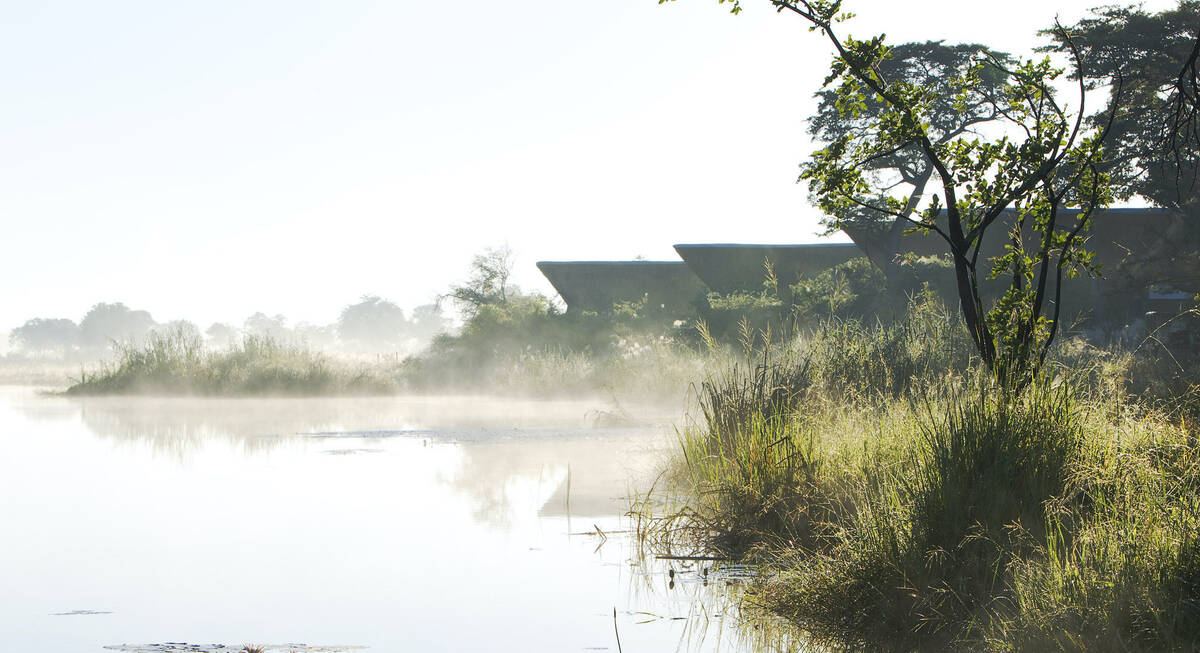
Three relaxed, local feeling camps in pristine settings – the Kwando Reserve and Okavango Delta. Guided by a driver and tracker at each, this a great trip for spotting Botswana’s top predators.
US$9,730 - US$16,340 per person
Bushbuck Safari
8 days • 3 locations
MAUN AIRPORT TO MAUN AIRPORT
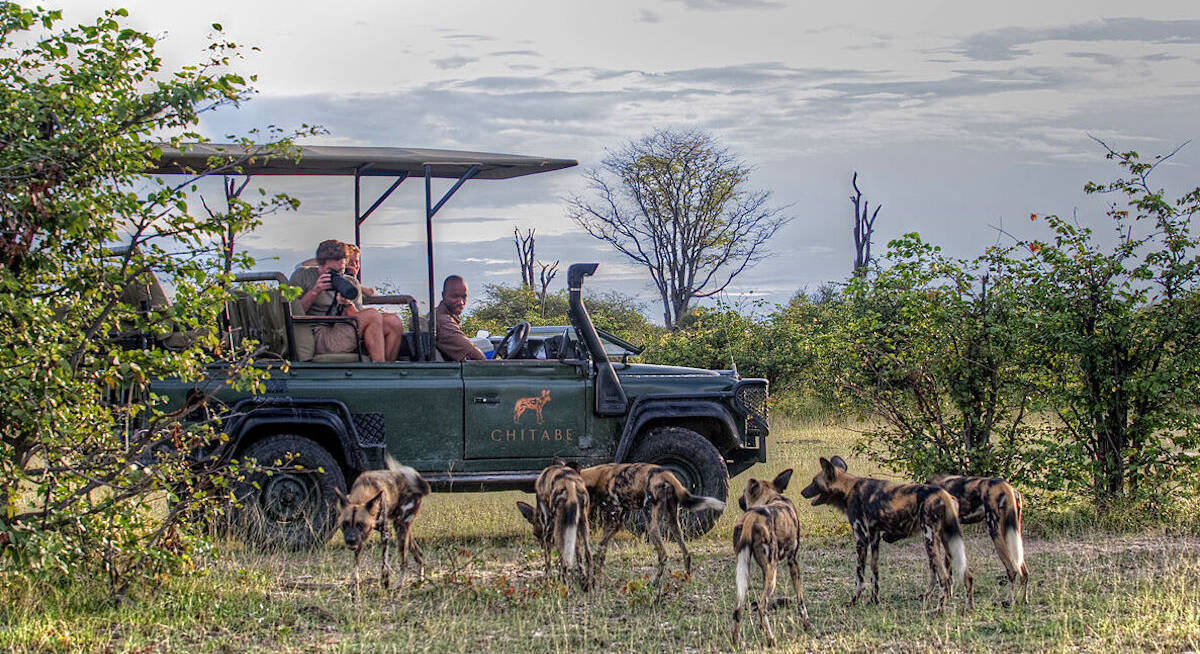
Discover three of Botswana’s best game-viewing regions with stays in the private Linyanti, Chitabe and Vumbura reserves. Intimate, smart camps offer a range of activities by which to discover these stunningly varied habitats.
US$18,020 - US$31,740 per person
Reedbuck Safari
8 days • 3 locations
MAUN AIRPORT TO MAUN AIRPORT
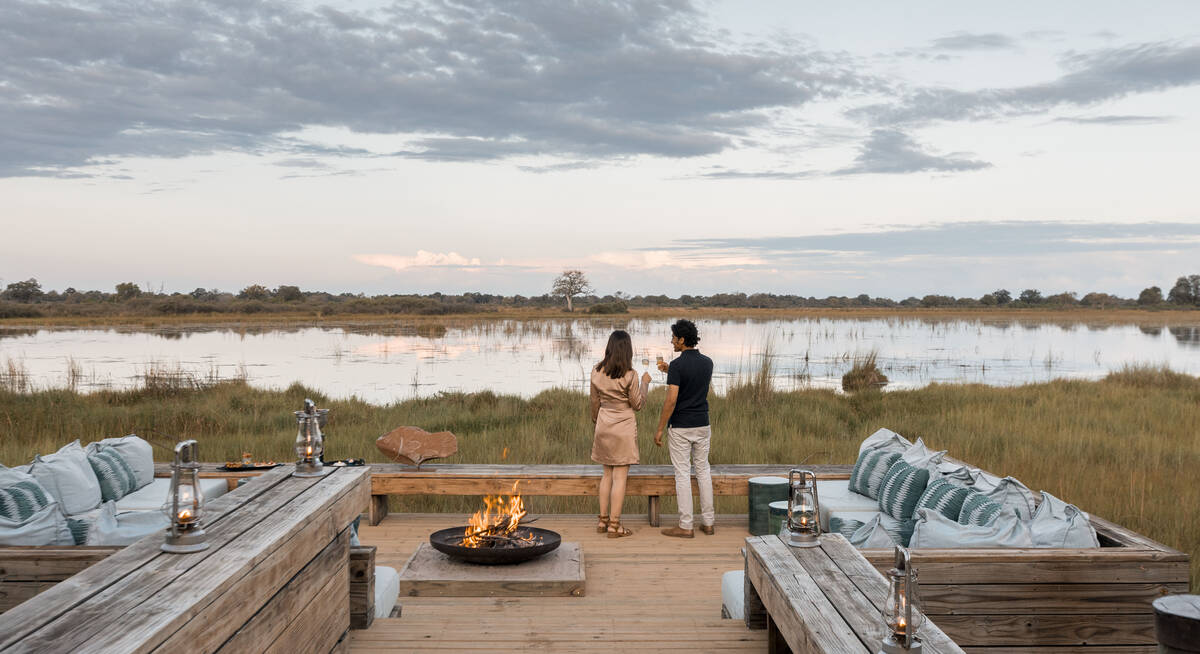
Focussing on the Okavango Delta and combining the crème de la crème of Botswana’s camps – Zarafa, Vumbura Plains and Mombo – this is one of the finest safari experiences in Africa.
US$23,410 - US$36,280 per person
Tsessebe Safari
7 days • 3 locations
MAUN AIRPORT TO MAUN AIRPORT
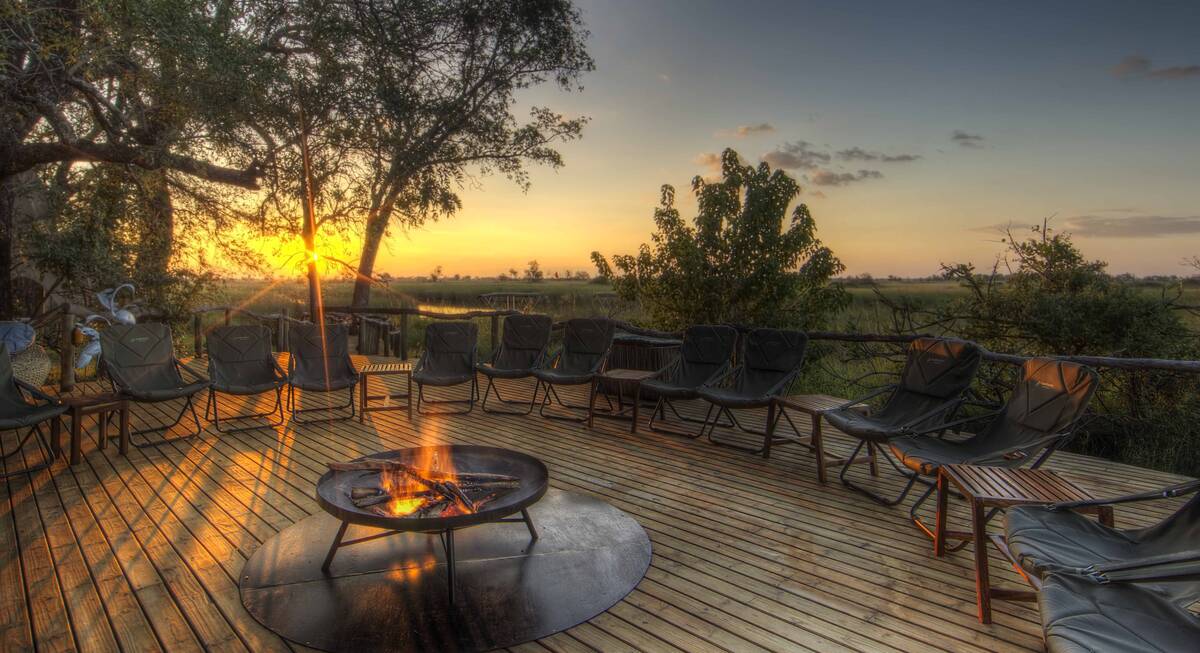
Visit three sister-camps in and around Moremi Game Reserve during this thorough exploration of the Okavango Delta. A range of activities provide excellent opportunity to observe the local birdlife, mammals and fauna.
US$8,520 - US$11,410 per person
Our travellers' most recent reviews of Botswana safari holidays
Feedback from our travellers is exceptionally important for us.
It helps us stay up to date with changes; it helps our travellers to plan their trips; and it even helps us to understand our travellers better. It’s also very valuable to partners running lodges and camps across Africa who appreciate feedback that is guaranteed genuine and often constructive.
All of our Botswana holiday reviews are published in full without us editing them. See all 1366 Botswana safaris reviews here, or click on a card below to read one of our most recent reviews in full.
Our travellers' wildlife sightings across Botswana
Many of our travellers record their wildlife sightings for us – of the big cats, wild dogs, buffalos, elephants, giraffes, etc … – and kindly share these with us after their safari.
This is great citizen science! Analysing the data gives us a unique picture of the distribution of the species, and your chances of sighting a species at a camp on one of our Botswana safari holidays. (Read how this survey works.)
The percentages below just give an ‘average’ percentage showing how likely a visitor on safari is to see each species in Botswana. To see much more detail for individual camps and lodges, see our interactive map showing the best locations for wildlife species in Botswana.

97% success

95% success

95% success

95% success

91% success

87% success

83% success

65% success

60% success

59% success

50% success

48% success

40% success

36% success

31% success

27% success

20% success

17% success

9% success

3% success

2% success

1% success
Where to find Botswana’s key wildlife species
Our travellers’ wildlife reports help us to work out the best camps and lodges to see Botswana’s key wildlife species.
So whether it’s wild dogs or leopard you’re after, or you’re passionate about pangolins, take a look at our data-driven maps which show the best places to seek each species out amongst the abundant wildlife that characterises Botswana’s wilderness.
For a map of the best camps and lodges for sightings of a given species, click on a card:
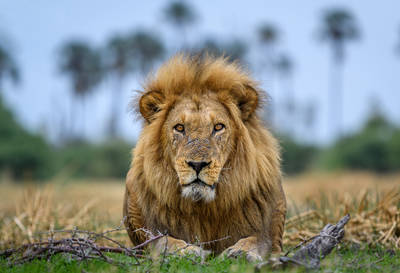
Lion
Panthera leo
Lions are at the top of the food chain and also most safari wish-lists, but with their numbers falling fast, any encounter with these majestic apex predators always feels like a privilege.
81% SUCCESS
3,716 sightings from 4,587 observations
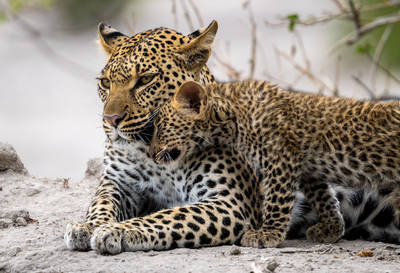
Leopard
Panthera pardus
The most numerous of Africa’s big cats, leopard occur across many habitats, from wild tracts to populated areas. Their grace and their elusive nature make them a unique safari drawcard.
47% SUCCESS
2,395 sightings from 5,094 observations
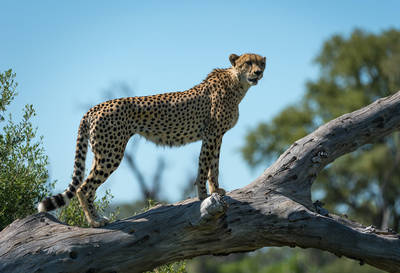
Cheetah
Acinonyx jubatus
The cheetah is the fastest land animal and the only cat that hunts by pure speed. Found largely in open grasslands, its slim, elegant form is today an increasingly rare sight.
33% SUCCESS
1,306 sightings from 3,909 observations
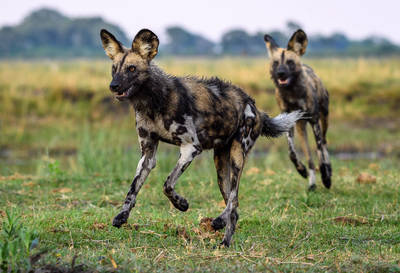
Wild dog
Lycaon pictus
African wild dogs are among the continent’s most compelling animals. Much misunderstood, these rare, tie-dyed canids are amazingly efficient hunters with a fascinating social life.
32% SUCCESS
1,061 sightings from 3,360 observations
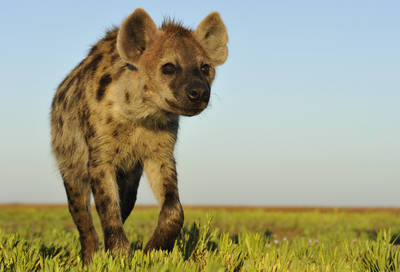
Spotted Hyena
Crocuta crocuta
The spotted hyena may be thought of as ‘ugly’ and ‘cowardly’. In fact, this versatile and intelligent carnivore is one of Africa’s most fascinating and warrants attention on any safari.
55% SUCCESS
2,651 sightings from 4,847 observations

Brown Hyena
Parahyaena brunnea
This largely solitary scavenger is one of the more elusive and little-known of Africa’s carnivores. Shaggier than its spotted cousin, it occurs only in the arid southwest of the continent.
16% SUCCESS
297 sightings from 1,899 observations

Meerkat
Suricata suricatta
These highly sociable little mammals have an endearing appearance and comical antics. Found in the drier areas of Southern Africa, close encounters are a sought-after experience.
20% SUCCESS
103 sightings from 516 observations
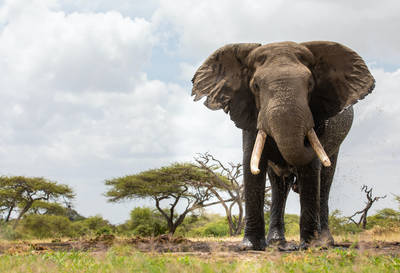
Elephant
Loxodonta africana
By far the biggest of the so-called Big Five – indeed, the largest land animal on the planet – the elephant shapes the very landscape it inhabits and is a defining presence on any safari.
91% SUCCESS
4,480 sightings from 4,924 observations
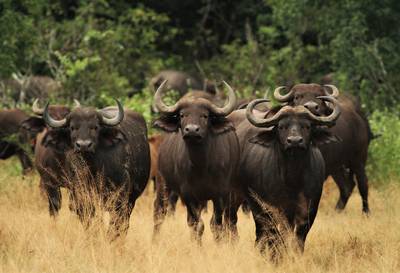
Buffalo
Syncerus caffer
One of the ‘Big Five’, buffalo earned a fearsome reputation in hunters’ tales. By contrast, big herds of these sociable bovids are placid, but mount formidable defences against predators.
83% SUCCESS
3,129 sightings from 3,778 observations
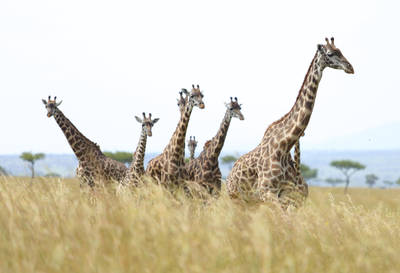
Giraffe
Giraffa camelopardalis
The world’s tallest land mammal, giraffes are herbivores which have evolved many unique adaptations. Their iconic outlines tower above the bush in many of Africa’s wildlife areas.
86% SUCCESS
4,324 sightings from 5,048 observations
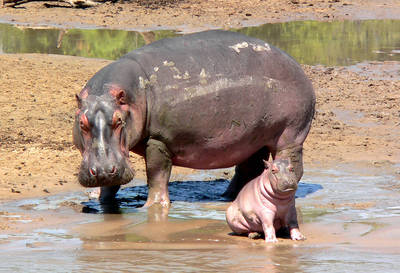
Hippo
Hippopotamus amphibius
The territorial calls of the hippo create a signature soundtrack to Africa’s rivers & wetlands. Despite an endearing smile, this aquatic herbivore has a notoriously aggressive disposition.
89% SUCCESS
3,261 sightings from 3,659 observations
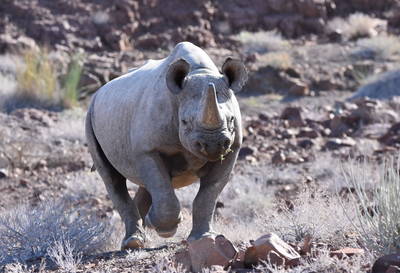
Black Rhino
Diceros bicornis
The black rhino is the smaller and rarer of Africa’s two rhino species but has the more fearsome reputation. Shy and heavily persecuted, it tends to stick to cover.
30% SUCCESS
761 sightings from 2,526 observations
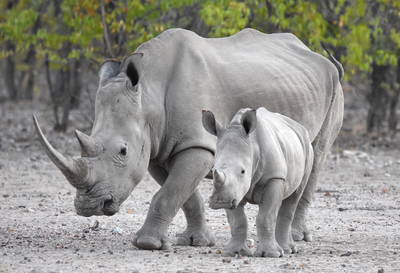
White Rhino
Ceratotherium simum
The white rhino is the largest and most numerous of the world’s five rhinoceros species. They are larger, easier to see and generally more approachable than the black rhino.
43% SUCCESS
624 sightings from 1,435 observations

Oryx
Oryx sp.
Oryx are impressive antelopes, with a powerful physique and elegant markings set off by rapier-like horns. They cut a distinctive dash in some of Africa’s harshest landscapes.
69% SUCCESS
1,626 sightings from 2,358 observations
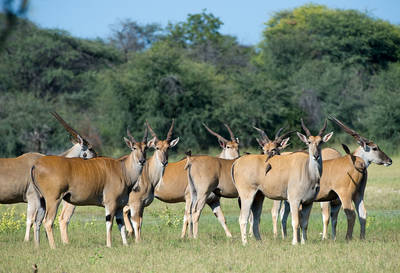
Eland
Taurotragus oryx
Africa’s largest antelope, eland are culturally important from prehistoric rock art to modern game farms. Though widespread, they are also shy so sightings are uncommon and often fleeting.
49% SUCCESS
1,774 sightings from 3,600 observations
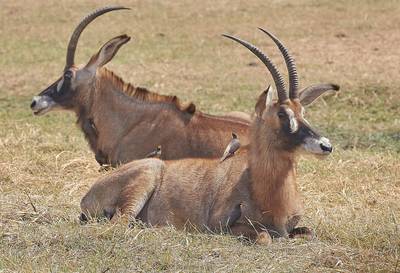
Roan antelope
Hippotragus equinus
Africa’s second largest antelope and one of its most handsome, with a powerful build and distinctive markings, roan are wary of people, but renowned for their bravery against predators.
25% SUCCESS
607 sightings from 2,464 observations
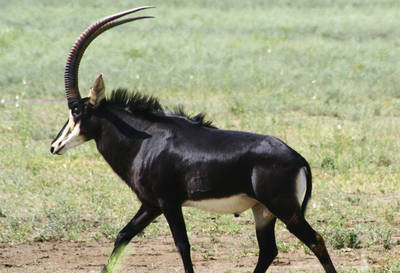
Sable antelope
Hippotragus niger
Perhaps Africa’s most beautiful antelope, sable are renowned for their combative nature, even holding off lions. Shy and restricted in range, sightings of sable are always special.
24% SUCCESS
587 sightings from 2,475 observations
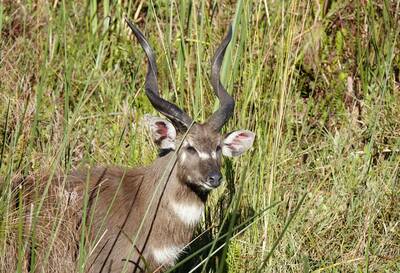
Sitatunga
Tragelaphus spekii
The sitatunga is the most aquatic of Africa’s antelopes and specially adapted to its swampy habitats. Though widespread across Africa, only a handful of places offer reliable sightings.
19% SUCCESS
80 sightings from 426 observations
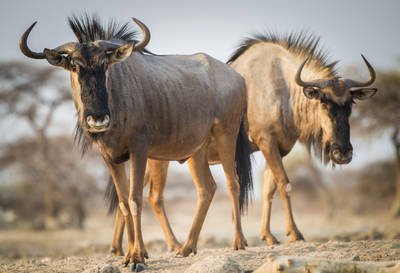
Wildebeest
Connochaetes sp.
Superficially bovine in appearance, wildebeests are known for their spectacular migrations sometimes in huge numbers. These resilient animals are some of Africa’s most successful herbivores.
67% SUCCESS
3,040 sightings from 4,505 observations
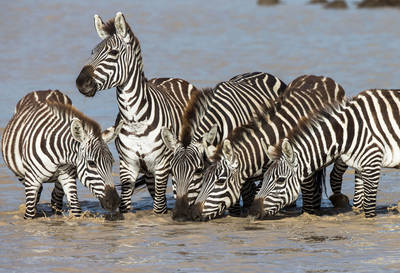
Zebra
Equus sp.
The zebra is a quintessential African animal: the horse in stripy pyjamas at the end of every child’s A–Z. There are three species, of which the plains zebra is much the most common.
84% SUCCESS
4,705 sightings from 5,598 observations
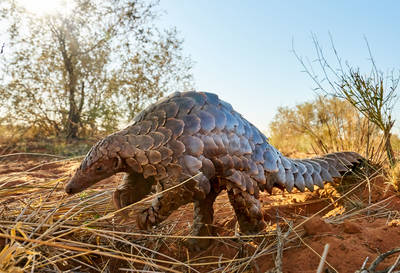
Pangolin
Smutsia sp.
Pangolins appear to be more pine cone than animal in their unique armoury of scales. These nocturnal, ant-eating oddities are not only highly elusive but also increasingly rare.
2% SUCCESS
70 sightings from 4,077 observations
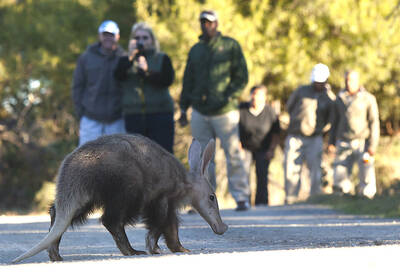
Aardvark
Orycteropus afer
The aardvark is one of Africa’s most bizarre and enigmatic animals. A shy, nocturnal termite-eater, signs of its presence may be scattered about the bush whilst sightings remain elusive.
2% SUCCESS
83 sightings from 4,037 observations
When to go on safari in Botswana
Botswana’s weather is just one of the factors to consider when planning a safari holiday in Botswana.
The country’s climate pattern is typical of southern Africa, with a largely dry season between May and October, as daily temperatures rise to a sticky peak during October. Rain is expected November to April, typically afternoon thunderstorms. Then it can be harder to spot animals, but it’s an excellent time for birders. Click on the months below; see rainfall and temperatures here.
For water activities in the Delta, the Okavango Flood is relevant. Boating and mokoro trips are most likely to be possible between May and September – but choose your camps carefully.
Botswana peak season, when safaris are most expensive, is typically July to October. Wildlife watching can still be excellent during the “shoulder season” months of April, May and November – with the bonus of fewer visitors.
Jan
Feb
Mar
Apr
May
Jun
Jul
Aug
Sep
Oct
Nov
Dec
Botswana in January
January is at the peak of Botswana’s rainy season. These rains are often in the evening and are short but heavy, with occasional thunderstorms. Temperatures will still be high but cooler than October–December. Animals are generally dispersed, and not easy to spot, with the best game viewing found in the north of Chief’s Island and on the eastern and southern sides of the Okavango Delta.
January is also one of the best months to see the zebra and wildebeest migration in the Makgadikgadi salt pans and at Nxai Pan. Migratory birds abound throughout northern Botswana, along with a large number of breeding flamingos in the flooded salt pans. Rates are generally relatively low, making this a good time to visit on a budget.
- Temperatures are still warm, with occasional thunderstorms
- The bush feels alive; birdlife is at its most spectacular
- Big game is dispersed
- Zebra & wildebeest migration at its height
- Availability in lodges and camps is often very good
Our view
A good time to visit, with pros & cons
Weather in January
Botswana in February
The weather in February is very similar to January, with heavy rain most days – often towards evening – and temperatures on the high side, albeit cooling off from the rains and surface water. Across northern Botswana, the landscape feels green and alive; insects and smaller animals are more easily seen, and many birds and animals are raising their young. However, the rains have created pools and waterholes in the bush and thicker vegetation and tall grass makes it trickier to spot larger animals.
Further south, the game viewing is beginning to pick up in the Central Kalahari Game Reserve. Visitor numbers remain low, with attendant rates and availability in camps and lodges.
- Temperatures still warm with occasional thunderstorms
- Many animals with young; birdlife at its most spectacular
- Big game is dispersed
- Game viewing picking up in the Central Kalahari
- Visitor numbers are low, so camp availability can be very good
Our view
This is not a great time to visit
Weather in February
Botswana in March
March usually sees Botswana’s main rains starting to tail off. Many days will be clear, with a strong sun raising temperatures. On some days clouds will build, and the late-afternoon may see a short thunderstorm. Across the country, the landscape is green and alive. Many birds and animals are finishing raising their young. Much of the migration is now moving north towards the Savute area or Chobe National Park, though thick vegetation still makes it trickier to spot even larger animals.
March is one of the best times to be in the Central Kalahari Game Reserve, where many of the pans fill up and animals come to drink, closely followed by predators. With few visitors in most areas, rates may still be relatively low.
- Variable weather: rains tailing off but still hot
- Occasional small thunderstorms
- Many animals finish raising their young; birdlife still spectacular
- The best time to visit the Central Kalahari Game Reserve
- Few tourists visit during March, so rates often low
Our view
A good time to visit, with pros & cons
Weather in March
Botswana in April
During April the rains have usually stopped, though there may be still be the odd late downpour. This results in clear skies and a lovely green, lush landscape. Night-time temperatures usually start to drop during April with this being most noticeable in the Central Kalahari and the Makgadikgadi areas. The Central Kalahari is really coming into its own at this point and from April through to May/June the Savute region is a particular favourite of ours, with good predator/prey interaction.
In much of northern Botswana, the camps are coming into their “shoulder” season, so rates are on the rise but still relatively low.
- Evening temperatures cooling with just the odd shower
- Northern Botswana is green and lush
- Many animals still with young; good predator/prey interaction
- Central Kalahari and Savute the best places for wildlife
- A popular shoulder season time to book. Rates relatively low
Our view
A good time to visit, with pros & cons
Weather in April
Botswana in May
May is a very popular month to visit Botswana, often the last month of the “shoulder” season before camp rates hit their peak. While there is very little chance of rain, the annual floods from Angola are starting to make their way through the northern part of the Delta, and will eventually reach the majority of the Okavango late June.
With cooler temperatures morning and evening, predator activity tends to be higher, although tall grasses can still obstruct game viewing. With cool crisp evenings, and the game viewing really picking up, this is the favourite time to visit for many of our team – and camp bookings throughout Botswana are snapped up quickly.
- Cool mornings and evenings with little chance of rain
- Game viewing is beginning to pick up
- Predator activity increasing, though grasses still quite high
- Last month of “shoulder” season for most camps
- Availability goes quickly throughout Botswana
Our view
A very good time to visit
Weather in May
Botswana in June
June is the real start of the dry season. Temperatures are still cool in the morning and evenings with night-time temperatures sometimes reaching freezing, rising to 25–30 degrees Celsius during the day, with blue skies. Along with this comes a certain clarity to the air, favourable for serious photographers. Surface water and waterholes begin to dry up during this period and many animals begin to congregate around the remaining areas with water.
Visibility is improving as the grass is beginning to die back, and game viewing is very good everywhere, with particular improvement in the Kwando–Linyanti areas. Not surprisingly, camp availability is becoming scarce and rates are high.
- Warm, comfortable days; cold nights, morning & evenings
- Air clarity favours serious photographers
- Wildlife is gravitating to waterholes, making game-viewing productive
- Grasses beginning to die back
- Most camps are into peak season, with rates correspondingly high
Our view
Fantastic: the very best time to visit
Weather in June
Botswana in July
Evenings and mornings are still cool in July, and this combined with great game viewing makes it one of the most popular times to visit Botswana. Vegetation is really thinning out now making game easier to spot, with the few remaining waterholes attracting lots of wildlife. The north-eastern side of Chobe National Park, along the Chobe River, is also very rewarding, although this area can become very busy.
Game viewing is extremely good in the Khwai areas, too, but again, this is a public area and – unlike in the private concessions of the Delta – vehicle numbers can be high. Camps are now very much into the peak season, and tend to be full.
- Comfortable days; cold nights, morning & evenings
- Game viewing very good as vegetation dies back and waterholes dry out
- Chobe Riverfront and Khwai areas become very busy
- Private concessions helps to avoid potentially high vehicle numbers
- Now very much into peak season
Our view
Fantastic: the very best time to visit
Weather in July
Botswana in August
August is a popular time to visit Botswana, coinciding with the European summer holidays, and camp availability is difficult. Temperatures are generally cool at night, and comfortable during the day, although towards the end of the month they can rise above 35 degrees Celsius (albeit with low humidity). Cloudless skies bring spectacular star-gazing. Wildlife has congregated around the few remaining water sources, and much of the vegetation has now died back, so wildlife viewing tends to be varied and rewarding, particularly in the Okavango Delta.
Depending on the rains in Angola this can also be one of the best times to see the delta floods at their peak.
- Dry, warm days, with mainly cool nights
- Cloudless skies with spectacular stars at night
- A fantastic time for wildlife watching, particularly in the Okavango
- Traditionally one of the best times to see the Delta in full flood
- Peak season: so high rates and many lodges full
Our view
Fantastic: the very best time to visit
Weather in August
Botswana in September
September is another favourite month for some of our team members. Daytime temperatures are getting warmer, but nights remain cool. With the drier conditions, most of the greenery has faded from the landscape, and dust or even smoke create hazy conditions that aren’t great for photographers – though this does result in fantastic sunsets.
This is another extremely good month for game viewing, with large numbers of elephant and buffalo congregating in the Chobe region and migrant birds begin to return to Botswana. Rates remain high – and availability correspondingly low.
- Warmer days and cool nights
- One of the best months for wildlife viewing
- Large congregations of elephant & buffalo in the Chobe region
- Hazy conditions less good for photographers, but brilliant sunsets
- High season rates; many lodges & camps are full
Our view
Fantastic: the very best time to visit
Weather in September
Botswana in October
October is the one of the hottest months of the year, and usually one of the driest. Towards the end of the month the chances of rain can increase, and along with this can come greater humidity. The air is usually dry and hazy, making photography more challenging, but the lack of water and vegetation result in very good big-game viewing.
Water levels are now much lower, so water-based activities such as boating, mokoro trips and fishing cease in many of the camps which are not on major tributaries.
- Hot temperatures, with the chance of rain towards the end of the month
- Great big-game viewing
- Less opportunity for water activities in camps as floods recede
- Hazy air not great for photographers
- Final month of the peak season in camps
Our view
Fantastic: the very best time to visit
Weather in October
Botswana in November
November usually marks the end of the dry season in Botswana, when increasing temperatures drive a rise in humidity, sometimes culminating in the first rains. These are often short but very heavy showers in the late afternoon or during the night, and can be spectacular. The rains lower the temperatures slightly but bring a flush of green back into the dry landscapes. As waterholes in surrounding areas fill, wildlife will gradually begin to disperse as it is not restricted by the availability of water.
November is a great time for birdwatching, with the arrival of many migrant birds. The first couple of weeks are very popular with travellers looking for great game viewing at lower rates as Botswana enters the “shoulder” season.
- Hot in the middle of the day; sometimes humid
- Heavy showers increasingly likely as the month progresses
- Wildlife watching still good, but less reliable once it rains
- Migrant birds start to arrive
- “Shoulder” season brings mid-range rates in camps
Our view
A good time to visit, with pros & cons
Weather in November
Botswana in December
The rains in Botswana have now started, bringing some respite to the high temperatures. Game viewing becomes harder as wildlife is more dispersed but great sightings can still be had in the right areas such as Khwai and the Kwara and Mombo concessions.
Areas such as the Makgadikgadi Pans change completely with the salt pans becoming covered in a shallow layer of water attracting large numbers of breeding flamingos. Low-season rates at many camps are a draw.
- Temperatures starting to fall from the highs of October/November
- Very high chance of rain, usually large heavy storms for short periods
- Flamingos return to breed at the Makgadikgadi Pans
- Wildlife more dispersed, so game viewing more challenging
- Typically low-season rates in the camps
Our view
A good time to visit, with pros & cons
Weather in December
Country guide
A guide to visiting Botswana
At first glance, the choices for a Botswana safari are bewildering. Public or private parks? Wet or dry areas? Permanent lodges or guided mobile safaris?
Whatever your choice, Botswana safaris are seldom cheap, but can be good value. Most trips include meals, activities, laundry and park fees; some even include drinks. There are no hidden extras. You'll see superb wildlife and have pristine environments virtually to yourself. For a holiday, a Botswana safari is wild, magical and very exclusive!
Where to go on a Botswana safari holiday
Northern Botswana’s key destinations include the exclusive private reserves of the Okavango Delta Safari Reserves which, like similar reserves along the Kwando and Linyanti rivers, come with a hefty price tag. Two national parks offer similarly excellent wildlife but are slightly less exclusive: Moremi Game Reserve at the heart of the Delta, and the busier but more affordable Chobe Riverfront within the Chobe National Park, while for something seriously remote, make for the big, open skies of the Kalahari's Salt Pans and the Central Kalahari Game Reserve.
Botswana’s best wildlife areas: public parks or private reserves?
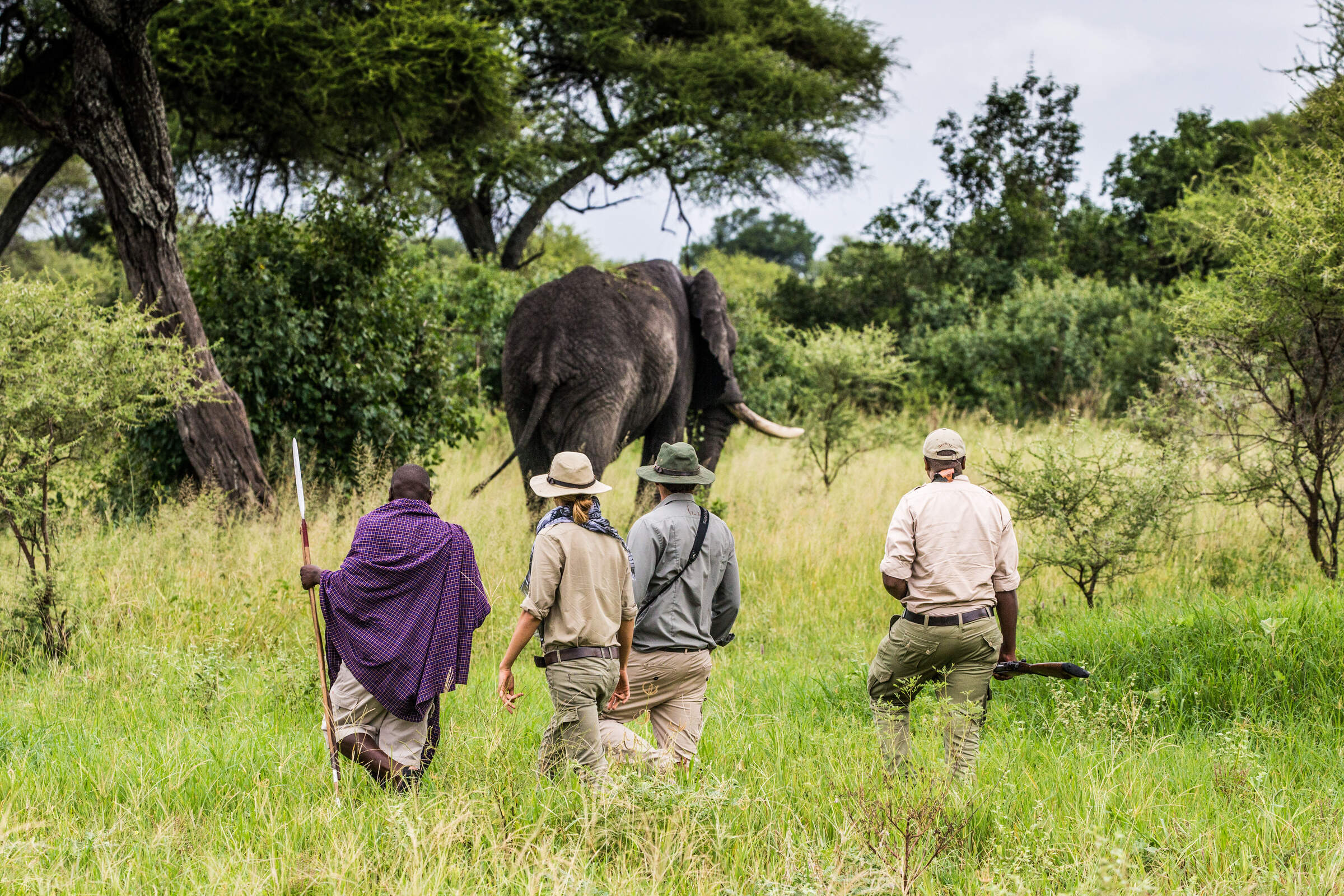
Surrounding these parks, however, is a patchwork of private wildlife reserves or “concessions”. Each covers about 800–2,500 square kilometres (some 300–950 square miles), yet each contains just a handful of small, private safari camps, with guests arriving by air. They have no campsites or public access so wildlife watching is generally undisturbed. They also offer much greater flexibility. Their guides may drive off the tracks when searching for game; most offer night drives; and some offer walking safaris guided by expert armed guides.
Environment: dry or wet areas?
Most camps stand on, or close to, large dry areas, which are easiest to explore by 4WD on a game drive. It's in these drier areas that you'll usually have the best sightings of big game, plus dry-country bird species.
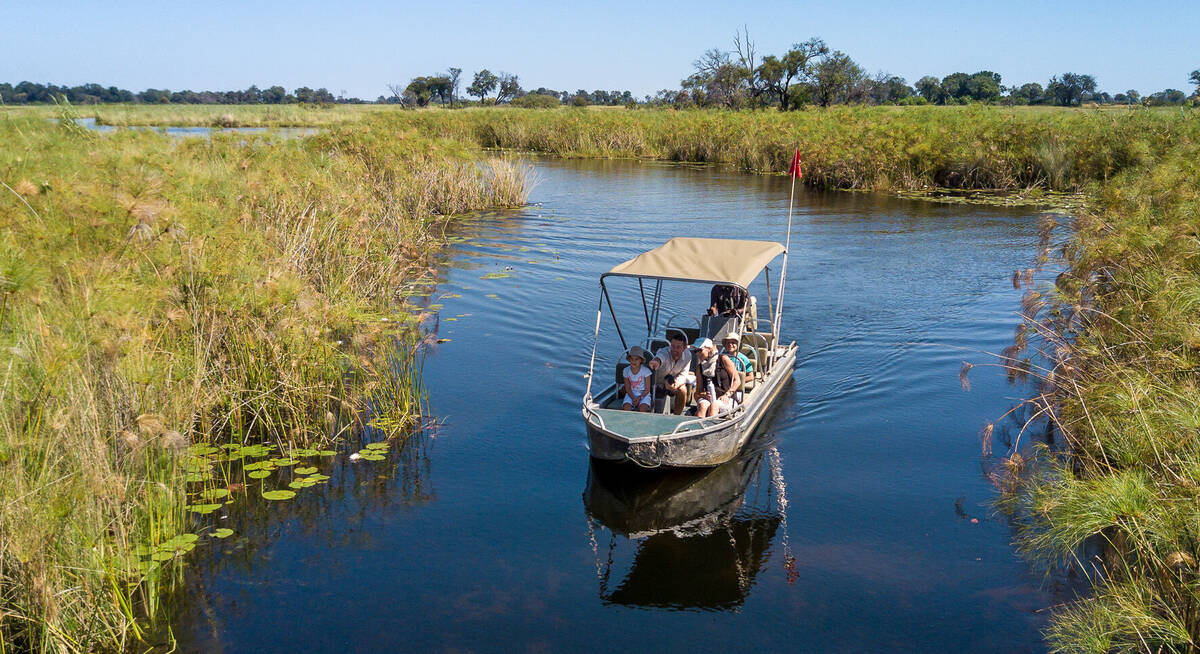
Many camps also have access to wet areas – some with deep water, others with shallow. You'll usually explore areas with deep water by motorboat, driven by a guide. Shallower floodplains are best seen from a mokoro, or dug-out canoe. Birdwatching can be excellent, and the ambience amazing, but you'll usually see less game in a wet area than in a dry one.
Permanent camps or guided mobile safari?
Comfortable camping and luxury tented mobile safaris are a great way to explore the best wildlife areas in Botswana, led by a professional and knowledgeable guide. Join a small group of like-minded travellers on a scheduled holiday or take a private guided mobile safari to a location of your choosing on dates that suit you.
Botswana in context: history, environment & people
A land-locked country just a little larger than France, Botswana consists mainly of a gently undulating sandsheet punctuated by the occasional isolated outcrop of rock. In northern Botswana, two major features stand out: the vast inland river delta of the Okavango and the Kalahari’s enormous saltpans. Botswana’s climate follows a similar pattern to that of most of southern Africa.
The people of Botswana date back some 60,000 years to the hunter gatherers of the Kalahari, whose ancestors are the San (or Bushmen). Today’s society is dominated by the Batswana, whose Bantu language of Setswana is one of the country’s official languages – the other being English. For some general country information, see our General Information on Botswana.
Maps of Botswana: two styles
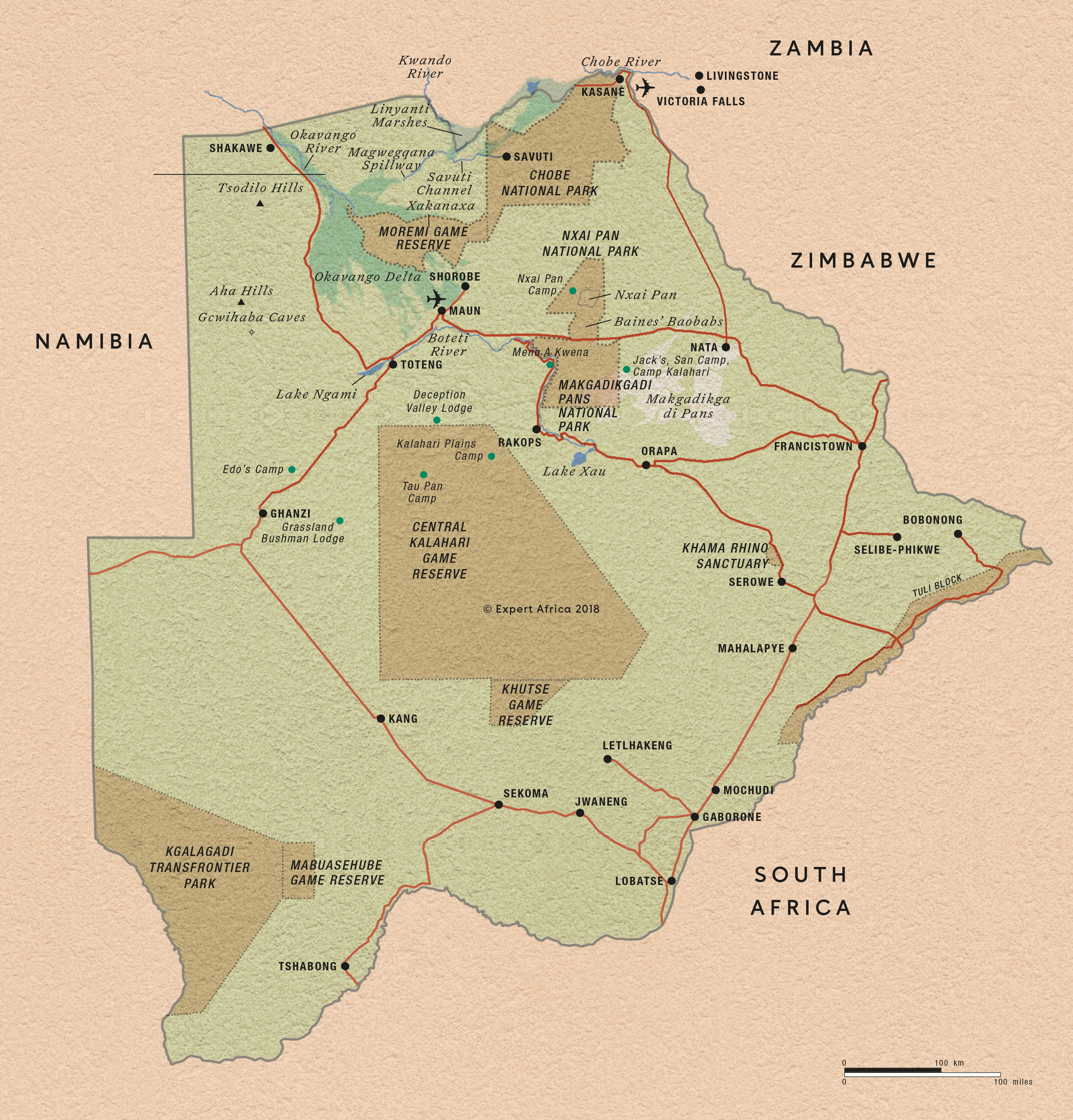
Take a look at the satellite map of Botswana, below, and the geography of northern Botswana is thrown into graphic relief. Even at this scale, the dramatic sweep of the Okavango Delta, fanning out from the broad Panhandle as it enters the country in the north-west, stands out against the surrounding, largely arid terrain. Most of Botswana’s main safari camps are found within the wider parameters of the Delta, but some are clustered in the Kwando-Linyanti area to the north-east and along the Chobe River within Chobe National Park. To find the location of these and other safari camps and lodges, just zoom in on the map.
To the south-east, the huge white expanse of the Kalahari's Salt Pans is clearly visible, while south again is the vast emptiness of the Central Kalahari Game Reserve. With just a handful of safari camps in these areas, visitors are a rarity – but the rewards can be significant.

Looking for inspiration on where to travel next?
Visit our trip chooser to explore your options and find inspiration for your perfect African adventure
Inspire meUnderstand more about Botswana
Information to help you prepare for your trip to Botswana.
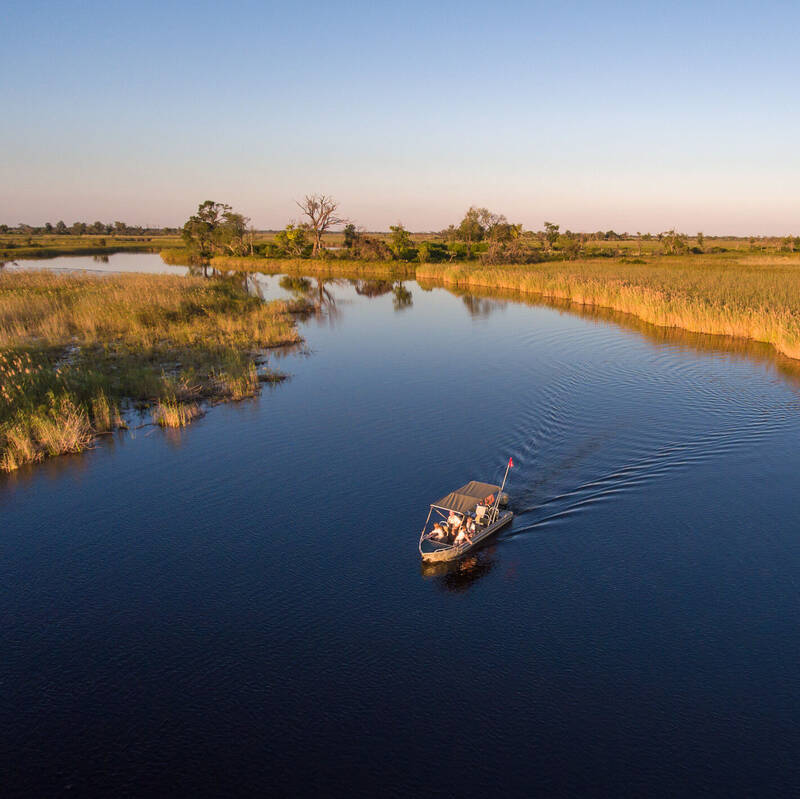
Okavango Delta Flood
This complex variable may seem like a minor point for most visitors – but both the flooding levels, and the levels of local recent rain, will influence your activities and should be taken into account when choosing where you visit in the Delta.
The water levels at any point in the Okavango Delta depend mainly on three variables: first, the local rainfall in your location; second, the height of the seasonal flood of the Okavango; and third, your location within the Okavango Delta. Roughly speaking, the further north and west you are in the Okavango, the higher the flood you’re likely to experience.
So read up more by clicking here, and chat to our Botswana experts who will be able top guide you in much more detail as to the current situation is.

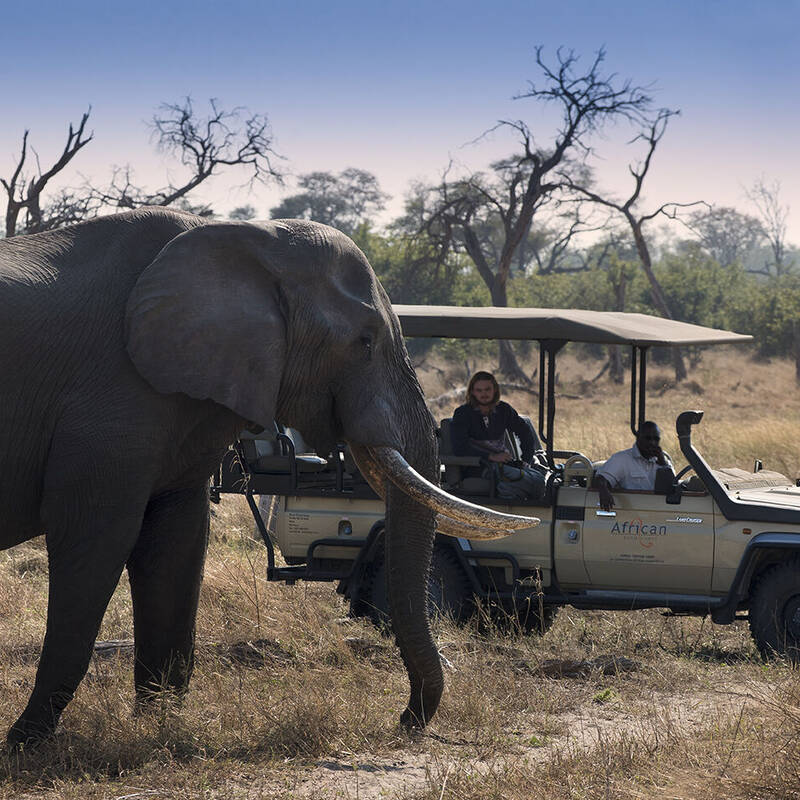
Types of Botswana safaris
Most travellers visit northern Botswana on a fly-in safari, so can explore a combination of environments. Flight transfers between camps are quick and easy, and seeing Botswana’s key safari destinations from the air is a scenic flight in itself: all part of the adventure. Most of our Botswana safari holidays are fly-in safaris, suitable for single travellers, couples, or small groups of friends or family.
We offer a variety of private mobile safaris in Botswana, like our private guided mobile in Moremi. These safaris focus purely on you and your companions, using small, private camps which are exclusive to your group. Expect a team of staff looking after you, spacious tents, excellent food and private guiding.
Visitors who prefer very independent holidays occasionally ask us about self-drive safaris in Botswana – but with routes through the national parks which are barely tracks in the sand. We can’t recommend self-driving holidays in Botswana: best look west, where we there are some great self-drive safaris in Namibia.

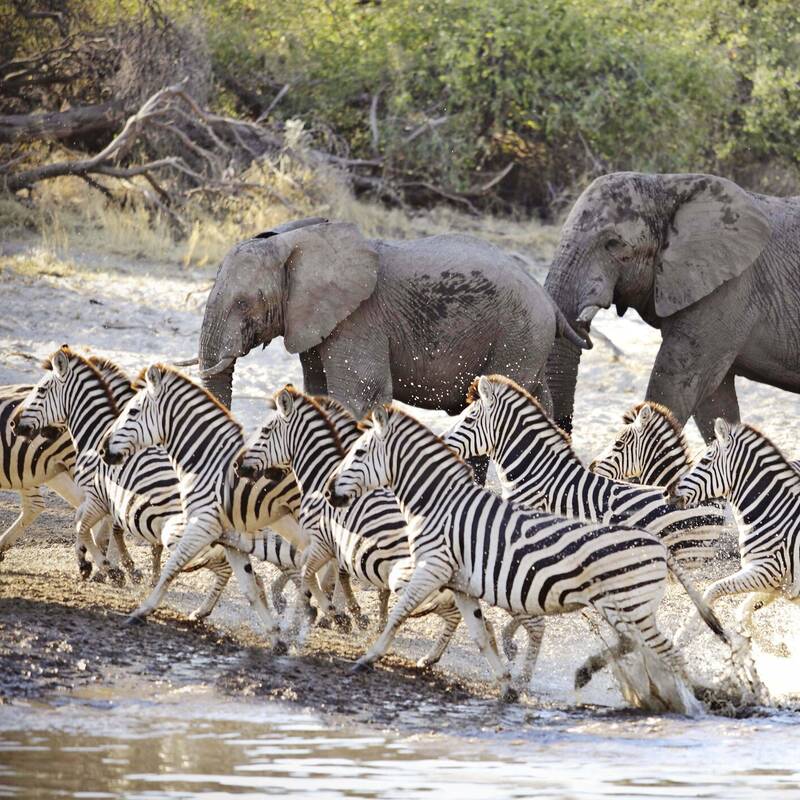
Migrations in Botswana
Much of southern Africa’s wildlife moves with the seasons, including zebras, wildebeest, buffalo and elephants. Large numbers of these animals seem to spend the driest months beside permanent water – the Chobe River, the Kwando–Linyanti rivers and the Okavango Delta – and then move into the vast vegetated sand-sheet of the Kalahari for the wetter months.
During the rainy season, researchers have shown the great Salt Pans in the Kalahari to be the focus of one of the longest terrestrial migrations in Africa, primarily zebra but also including wildebeest and other animals.
Bird migration may have a lower profile, but Botswana’s wet season sees huge numbers of migratory birds arriving into the Okavango Delta from the northern hemisphere, making this a mecca for birders.

Lesbian, Gay, Bisexual and Transgender (LGBT) travel to Botswana
The vast majority of Botswana’s people are very friendly to visitors, and we have never heard of any issues experienced by our travellers, or other travellers in Botswana, due to their sexuality – including any LGBTQ+ travellers.
To put this in context, Botswana has long been recognised as one of Africa’s most stable countries, with the longest continuous multi-party democracy in Africa. The constitution implies freedom of individuals and expression, and while there are some laws against homosexuality, we aren’t aware of them ever having been applied to tourists.
That said, it's important to be aware of both the law and the current climate of opinion. So read on and do please check your government's latest travel advice before you go.

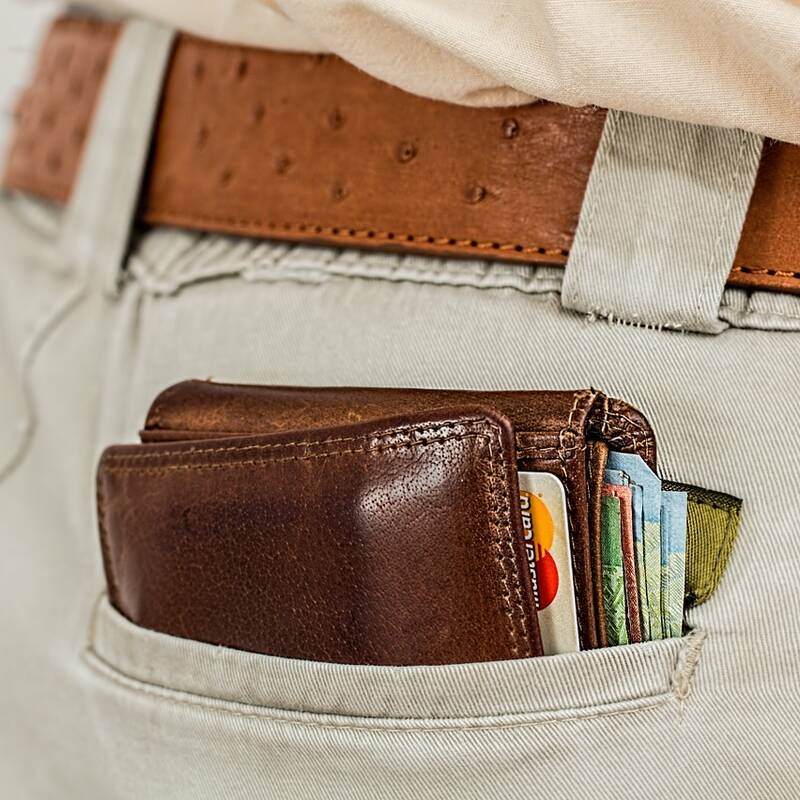
Tipping in Botswana
Tipping in Botswana is always voluntary, and should depend on the quality of service received. While we would encourage visitors to tip in appreciation of good service, we’d also like to point out that excessive tips can throw out the local economic balance.
Before you decide on what to tip, consider who and when. Behind every successful safari is a dedicated team of staff, all of whom have worked hard to ensure that you have enjoyed your trip – so do consider them as well as your guide and your waiter. Usually we would recommend tipping at the end of your stay, perhaps using the staff tip box, or placing your tip in a labelled envelope or series of envelopes so that there can be no misunderstanding.

Ideas for safari holidays in Botswana
In the heart of southern Africa, northern Botswana offers a real variety of options for an unforgettable safari holiday.
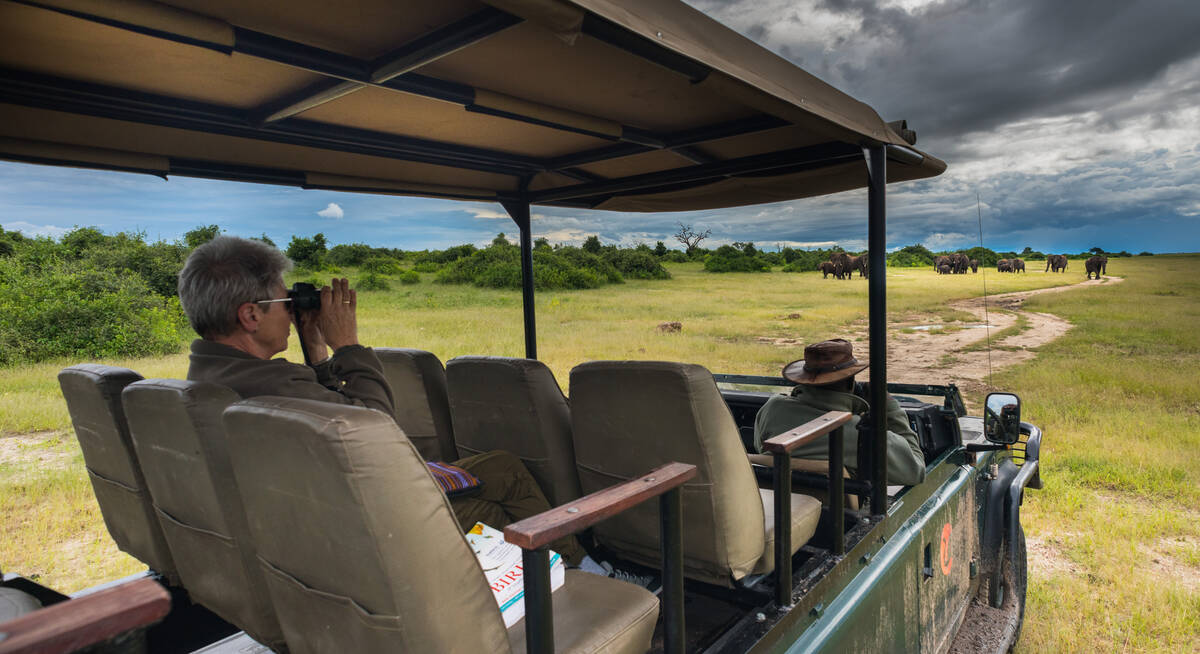
From the arid Kalahari in the south to the well-watered forest glades further north, the region’s varied ecosystems attract the large numbers of big (and small) animals for which Botswana safaris are famous. Huge herds of elephants and buffalos, for example, gravitate to the Okavango Delta , the area close to the Kwando and Linyanti rivers, and the northern Chobe Riverfront . Whilst cheetahs and other dry-country species frequent the drier areas, including the Central Kalahari Game Reserve.
Every bit as impressive as the wildlife on a Botswana holiday is the wilderness: endless pristine areas almost untouched by human influence. The feel of remoteness in the middle of stunning landscapes combined with the constant presence of wildlife make a safari holiday here unique.
Look through the ideas below, then Talk to us; we can create the ideal Botswana safari holiday for you.
Pangolin Safari
8 days • 3 locations
MAUN AIRPORT TO MAUN AIRPORT
Three relaxed, local feeling camps in pristine settings – the Kwando Reserve and Okavango Delta. Guided by a driver and tracker at each, this a great trip for spotting Botswana’s top predators.
US$9,730 - US$16,340 per person
Pygmy Mouse Self-drive Safari
18 days • 10 locations
WINDHOEK AIRPORT TO VICTORIA FALLS AIRPORT
A truly epic southern African self-drive safari adventure from Namibia’s mountains and deserts, along the lush Caprivi Strip to Botswana and Victoria Falls in Zimbabwe, staying at luxury lodges throughout.
US$9,740 - US$10,510 per person

Mopane Squirrel Safari
6 days • 2 locations
MAUN AIRPORT TO MAUN AIRPORT
Visit two wildlife-rich private reserves in an exploration of the Okavango and Kwando regions. Sister camps Splash and Lagoon camp provide a range of immersive activities, and their long-stay discounts make for an excellent-value safari.
US$6,990 - US$11,760 per person

Honey Badger Safari
6 days • 2 locations
MAUN AIRPORT TO MAUN AIRPORT
Two smart sister camps offer access to the Central Kalahari Game Reserve and the heart of the Okavango Delta. Experience a spectacular range of habitats and wildlife through diversely exciting safari activities.
US$7,410 - US$10,800 per person
Wild Dog Safari
13 days • 5 locations
KASANE AIRPORT TO MAUN AIRPORT
An in-depth discovery of northern Botswana’s wilderness, from Chobe and the private Kwando Reserve to the Moremi and iconic Okavango Delta with a great variety of activities and wildlife.
US$12,930 - US$21,350 per person

Great Egret Safari
12 days • 4 locations
MAUN AIRPORT TO VICTORIA FALLS AIRPORT
This wonderfully varied adventure combines Botswana's Okavango Delta and a live-aboard houseboat safari on the Chobe River, with big game in Zimbabwe's dry Hwange National Park and the stupendous Victoria Falls.
US$10,390 - US$17,440 per person
Slaty Egret Safari
4 days • 2 locations
MAUN AIRPORT TO MAUN AIRPORT
Two luxurious, intimate camps provide a highly personalised exploration of the Chitabe concession and private Vumbura reserve within the Okavango Delta. A range of water and land activities allows for stunning sightings.
US$7,920 - US$14,550 per person
The Highlights of Africa
17 days • 7 locations
CAPE TOWN AIRPORT TO KIGALI AIRPORT
An epic adventure taking in some of Africa’s most incredible sights and wildlife experiences, from Cape Town to the Okavango Delta, Victoria Falls, the Maasai Mara and an encounter with mountain gorillas.
US$16,670 - US$19,850 per person
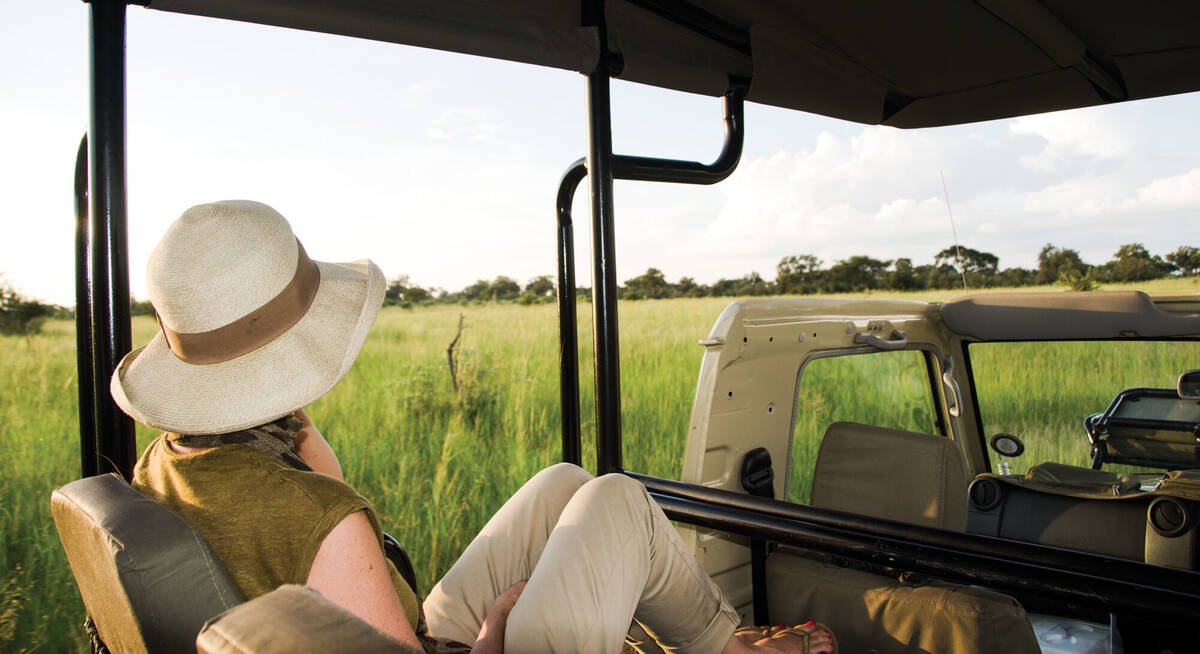
Rock Hare Self-drive Safari
20 days • 12 locations
WINDHOEK AIRPORT TO VICTORIA FALLS AIRPORT
An in-depth look at Namibia from the Namib Desert to the Caprivi, with additional stops in Botswana and Victoria Falls. This three-week adventure includes an unrivalled mix of environments and is great value.
US$7,470 - US$8,450 per person
Bushbuck Safari
8 days • 3 locations
MAUN AIRPORT TO MAUN AIRPORT
Discover three of Botswana’s best game-viewing regions with stays in the private Linyanti, Chitabe and Vumbura reserves. Intimate, smart camps offer a range of activities by which to discover these stunningly varied habitats.
US$18,020 - US$31,740 per person
Spring Hare Safari
9 days • 3 locations
KASANE AIRPORT TO MAUN AIRPORT
An authentic and diverse safari to Botswana combining the Chobe Forest Reserve, Savuti Marshes and the Okavango Delta. Strong wildlife viewing, a variety of activities and excellent value camps.
US$8,710 - US$14,180 per person
Tsessebe Safari
7 days • 3 locations
MAUN AIRPORT TO MAUN AIRPORT
Visit three sister-camps in and around Moremi Game Reserve during this thorough exploration of the Okavango Delta. A range of activities provide excellent opportunity to observe the local birdlife, mammals and fauna.
US$8,520 - US$11,410 per person
Plan and book your trip with Expert Africa
All of our trips are tailor-made, so we'll always adapt them to suit you. Talk to an Expert and let us plan and arrange your perfect trip.

Talk to an Expert
Call or email us now! We’ll match you with the Specialist in our team who is best suited to help you. Then together we can start planning your trip.

Set up your itinerary
Based on our experience and your ideas, your specialist will create a detailed, costed itinerary. We’ll refine it together, until we have a trip that you’re perfectly happy with.

Prepare for your trip
The same Specialist will make the seamless arrangements for your trip, send you detailed travel documents, and be available to answer any questions before you depart.

Travel with peace of mind
After you set off, you’ll be cared for by our partners in Africa, most of whom have worked with Expert Africa for decades. And if you ever need us urgently, we’re available 24/7.

When you return
We love to learn about your trip, and so will always be grateful if you’ve the time to give feedback to your Specialist when you return.
Where to stay: Botswana's best camps & lodges
On this carousel below, you’ll find over 100 of Botswana’s most interesting safari camps and lodges, ranked by their popularity. From the luxurious retreats where every detail whispers opulence, to the simpler charms of a safari experience that's anything but ordinary, they all offer adventures tailored for you.
Whilst even the humblest, like our private mobile camp in Moremi, may not be lavish, it does offer its guests something far more precious – exclusivity amidst the wilderness: an adventure that belongs only to you.
Dive deeper into each camp's story by clicking on it below, or choose one of the areas of Botswana to explore the spectrum of camps and lodges nestled there.
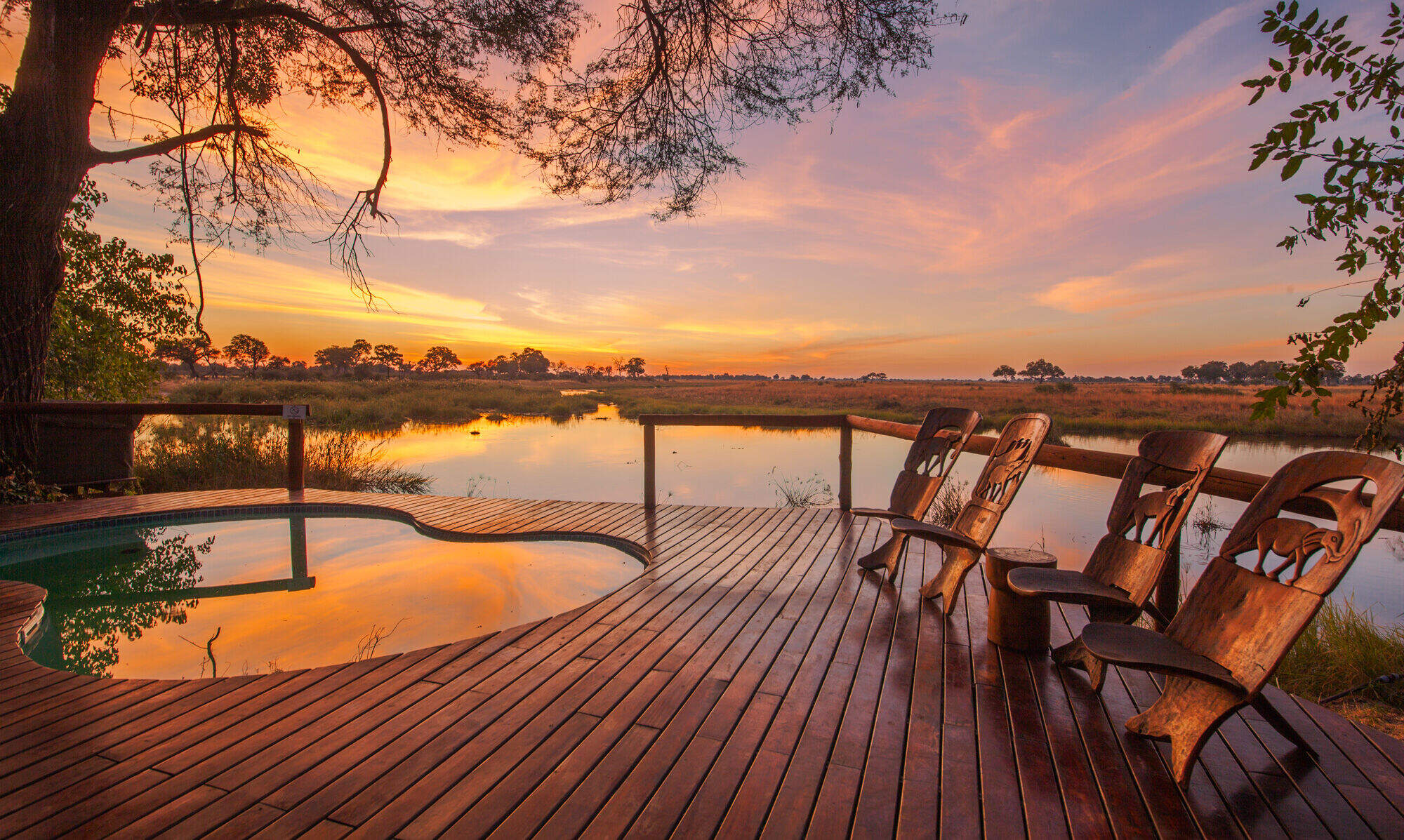
Lagoon Camp
Within the vast Kwando Reserve, renowned for its wild dogs, Lagoon Camp offers excellent game viewing that focuses on predators.
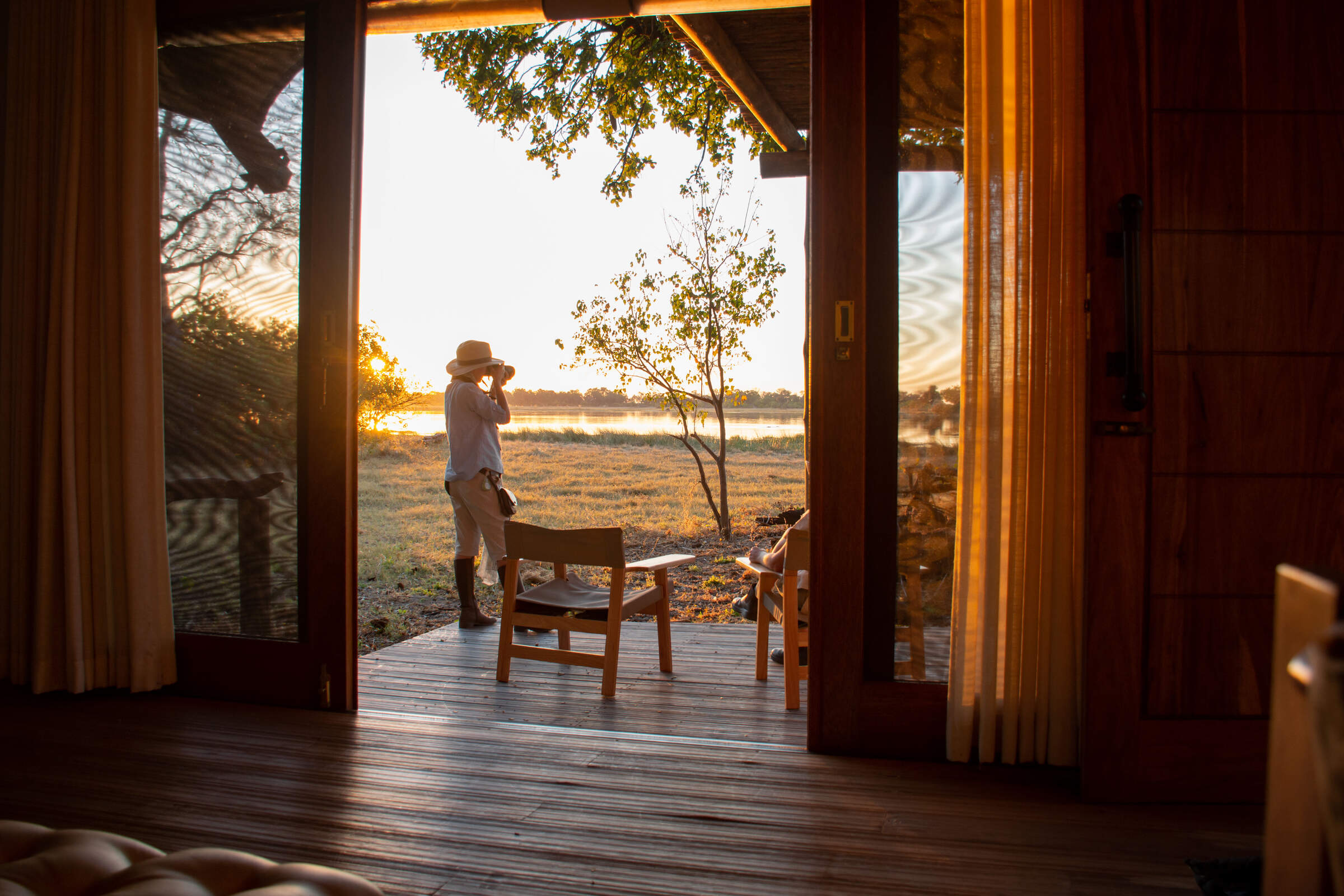
Kwara Camp
Kwara Camp's private reserve boasts land and water activities year-round, with excellent game-viewing opportunities and access to permanent channels of the north-east Okavango Delta.
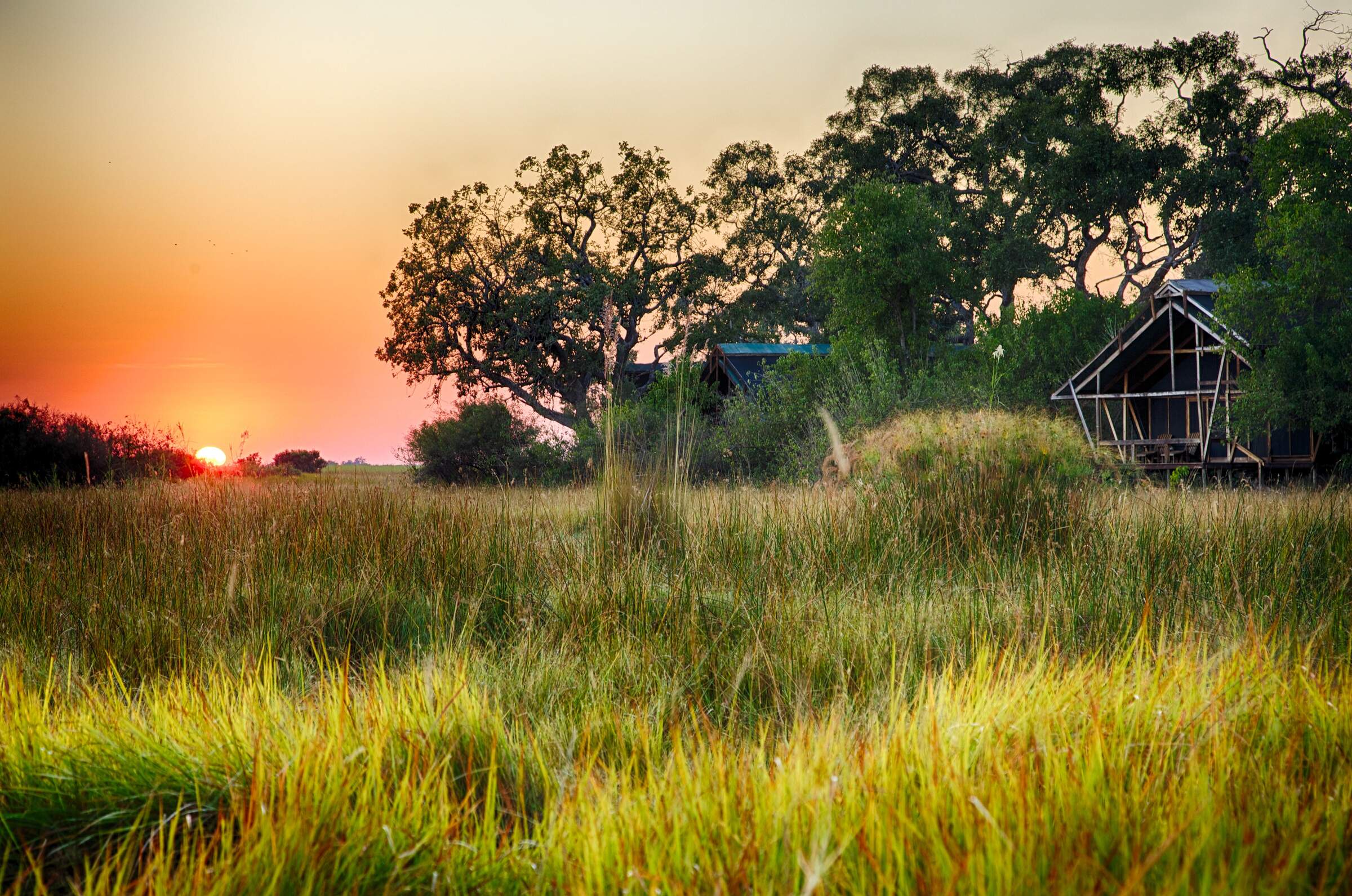
Lebala Camp
With enthusiastic guides and trackers, Lebala – in a vast private reserve – is particularly well-placed for seeking wild dogs.
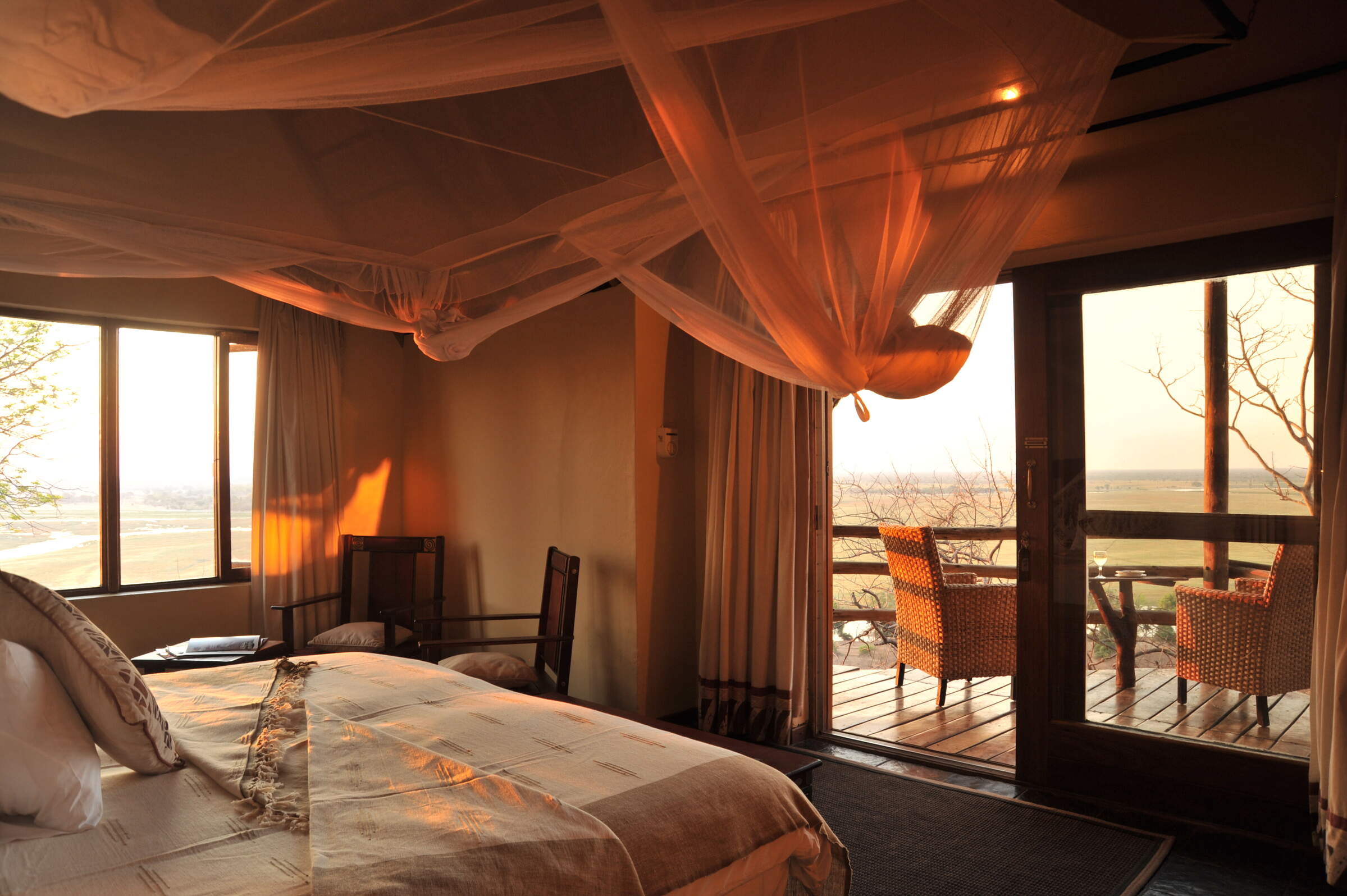
Muchenje Safari Lodge
One of our favourites in the area, Muchenje is a small, welcoming lodge at the quieter, western end of the Chobe Riverfront.
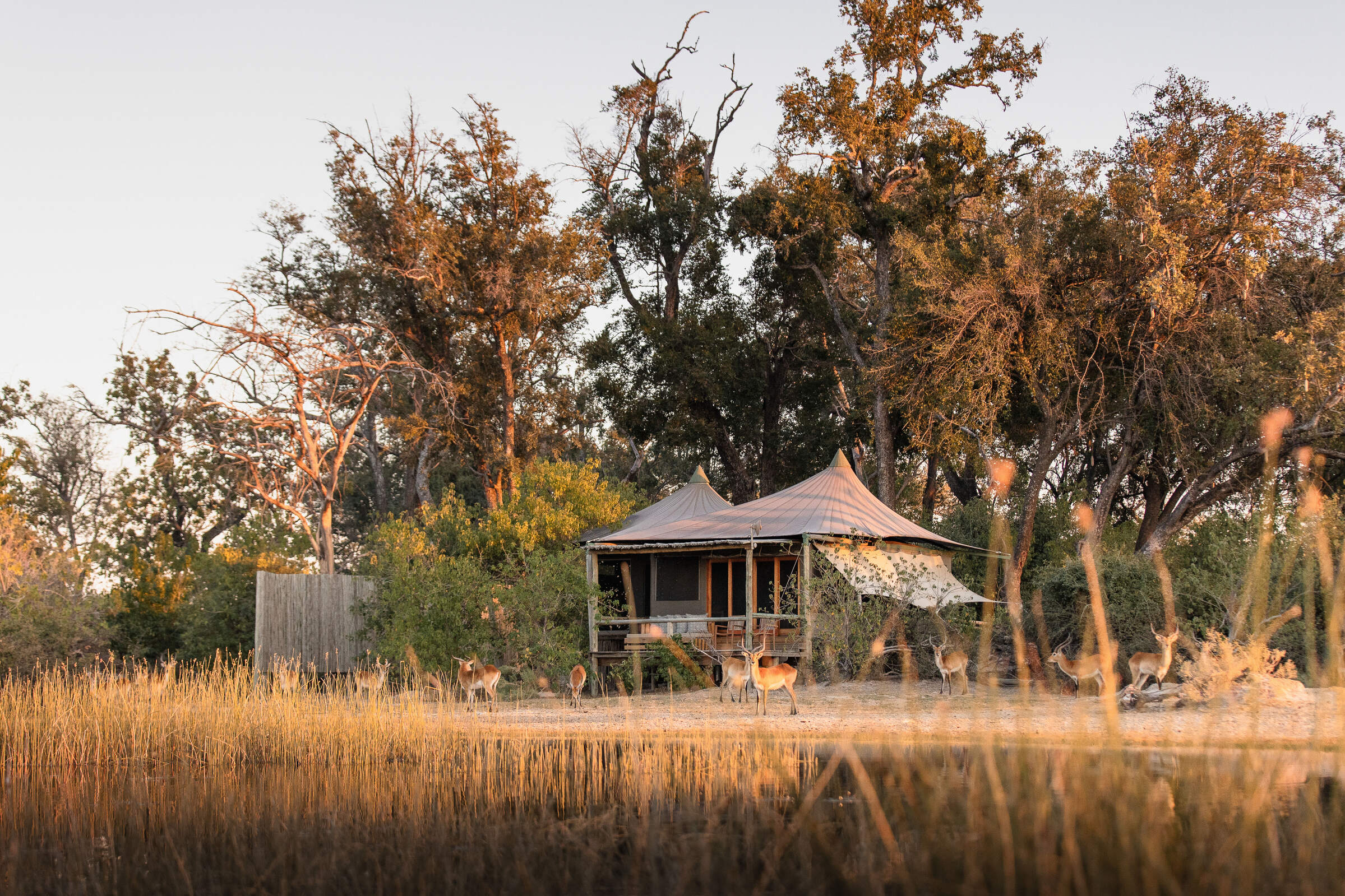
Little Vumbura
On a secluded island within a private reserve, Little Vumbura combines superb game viewing with a broad diversity of habitats in a truly picturesque setting.
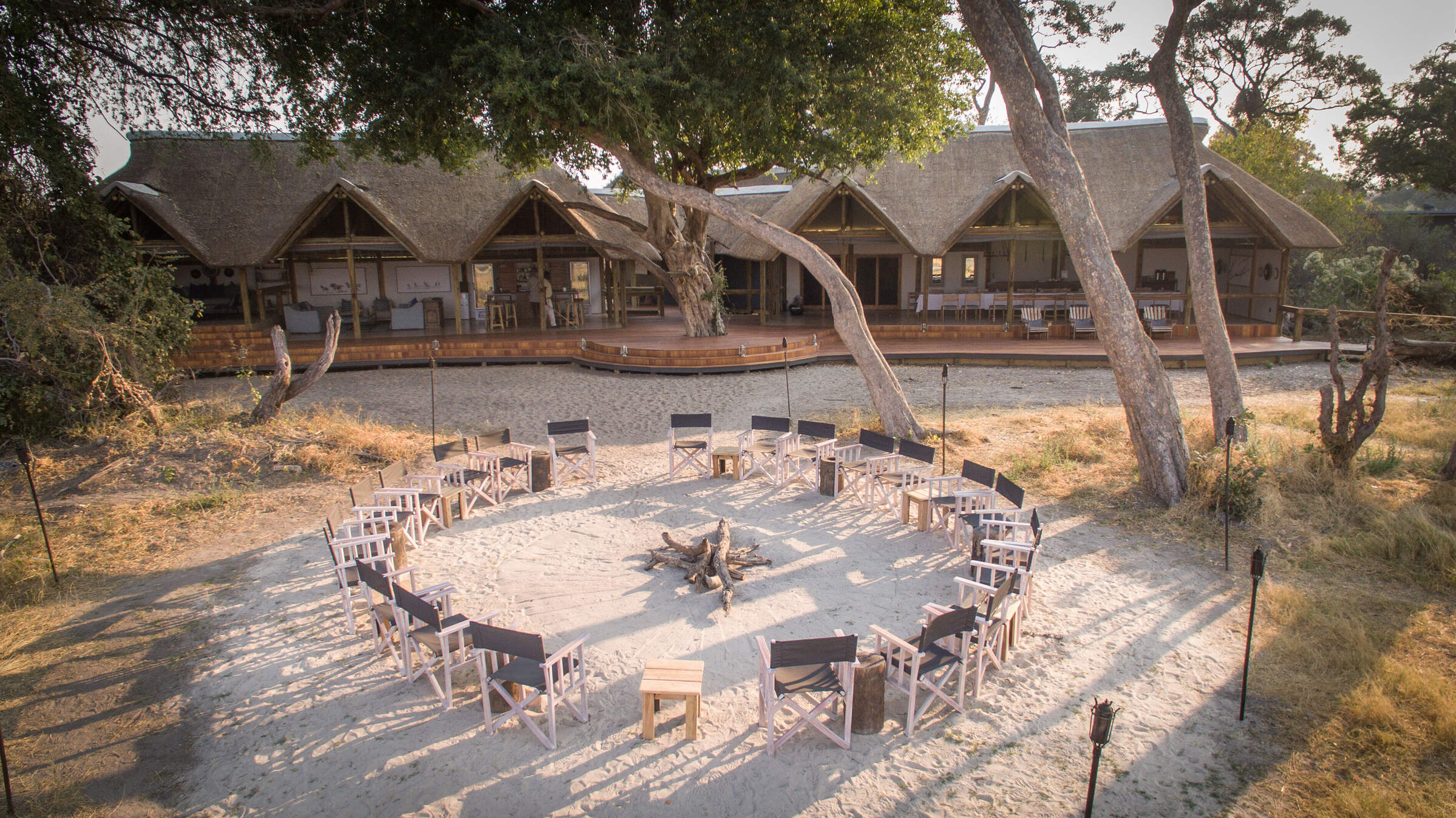
Splash Camp
Set in the Kwara Reserve, offering superb wildlife viewing year-round, Splash offers both land and water activities led by guides with a particular knack for tracking big game.
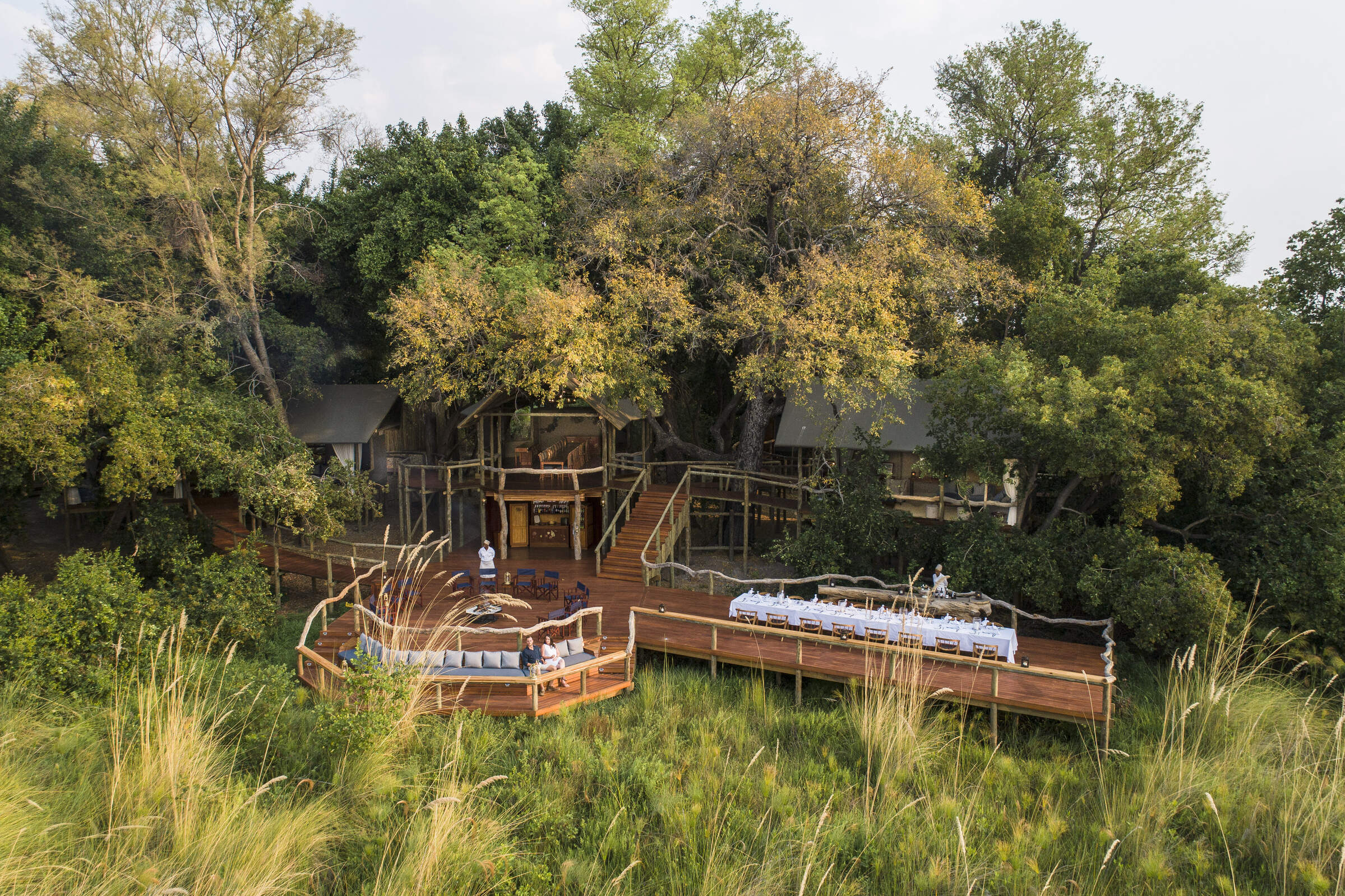
Shinde Camp
With experienced staff and a wealth of activities, Shinde offers a traditional safari in an exceptionally varied and wildlife-rich environment.
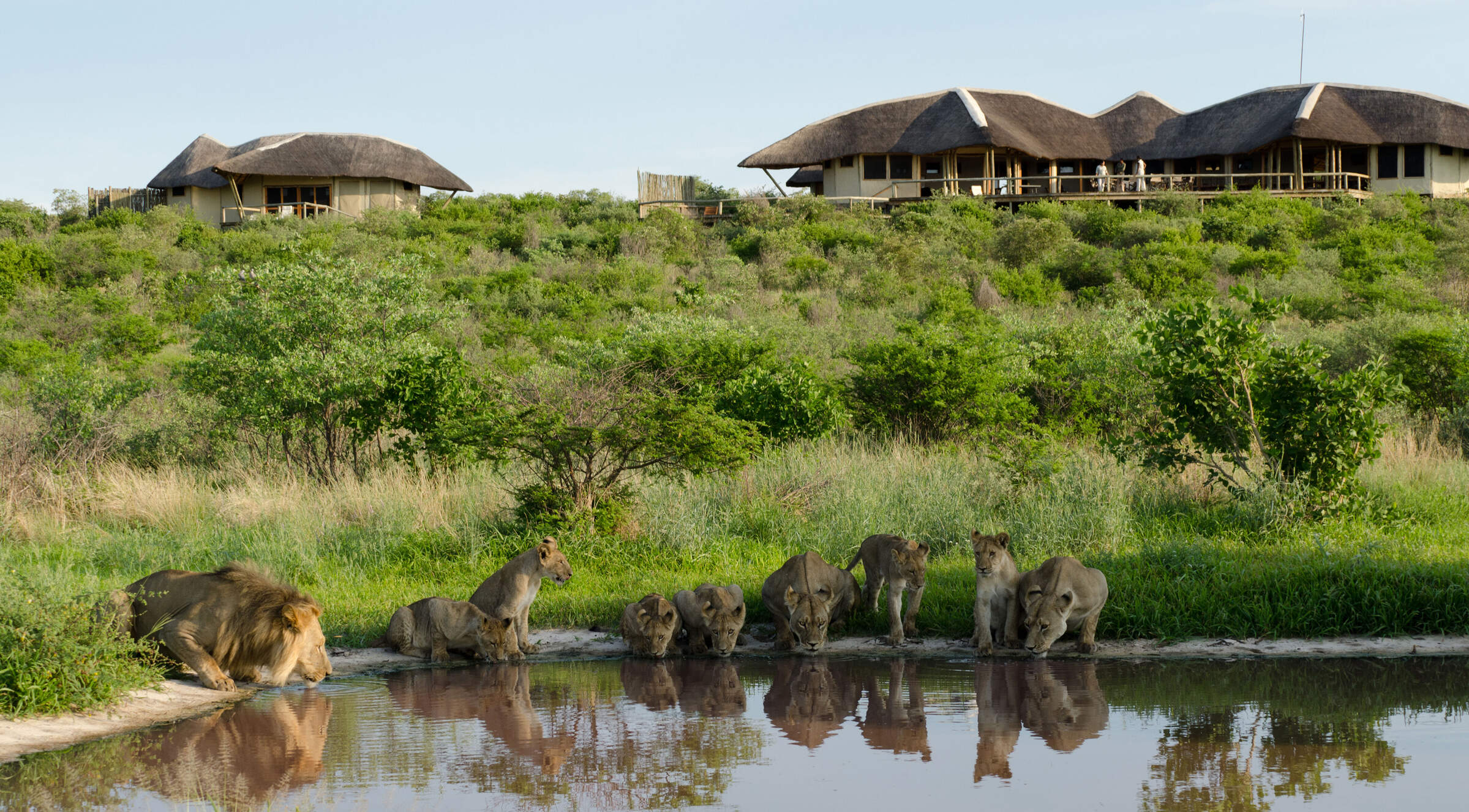
Tau Pan Camp
The comfortable Tau Pan camp inside the Central Kalahari Game Reserve offers some of Botswana's best summer game viewing and birdwatching.
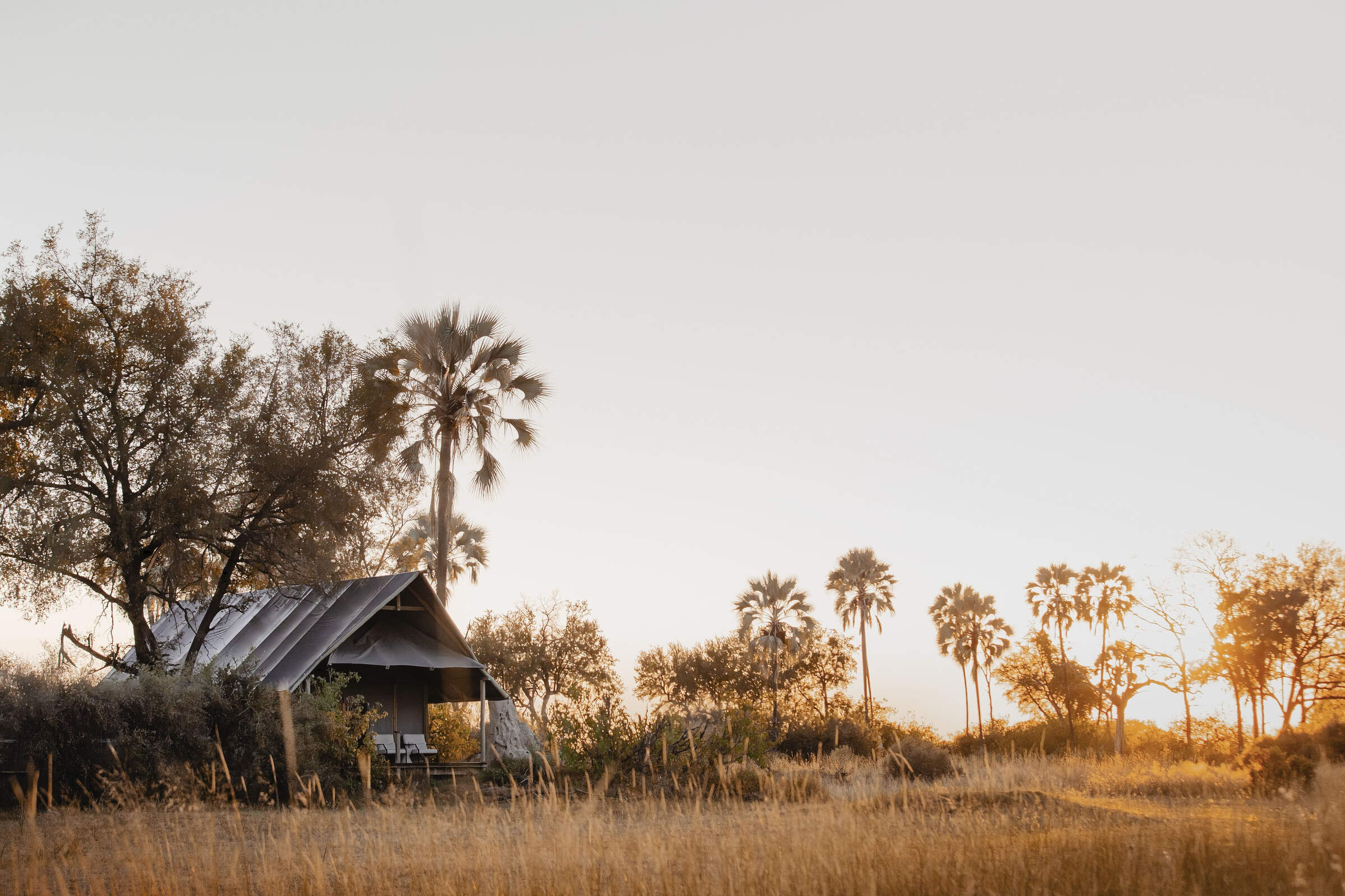
Chitabe Lediba
Chitabe Lediba, in Botswana's southern Okavango Delta, is a small family friendly safari camp; it offers great dry-land safaris and in our experience consistently delivers good game sightings.

Nxamaseri Lodge
From its beautiful island setting, Nxamaseri Lodge offers superb fishing and birdwatching in a relatively affordable area of the Okavango.
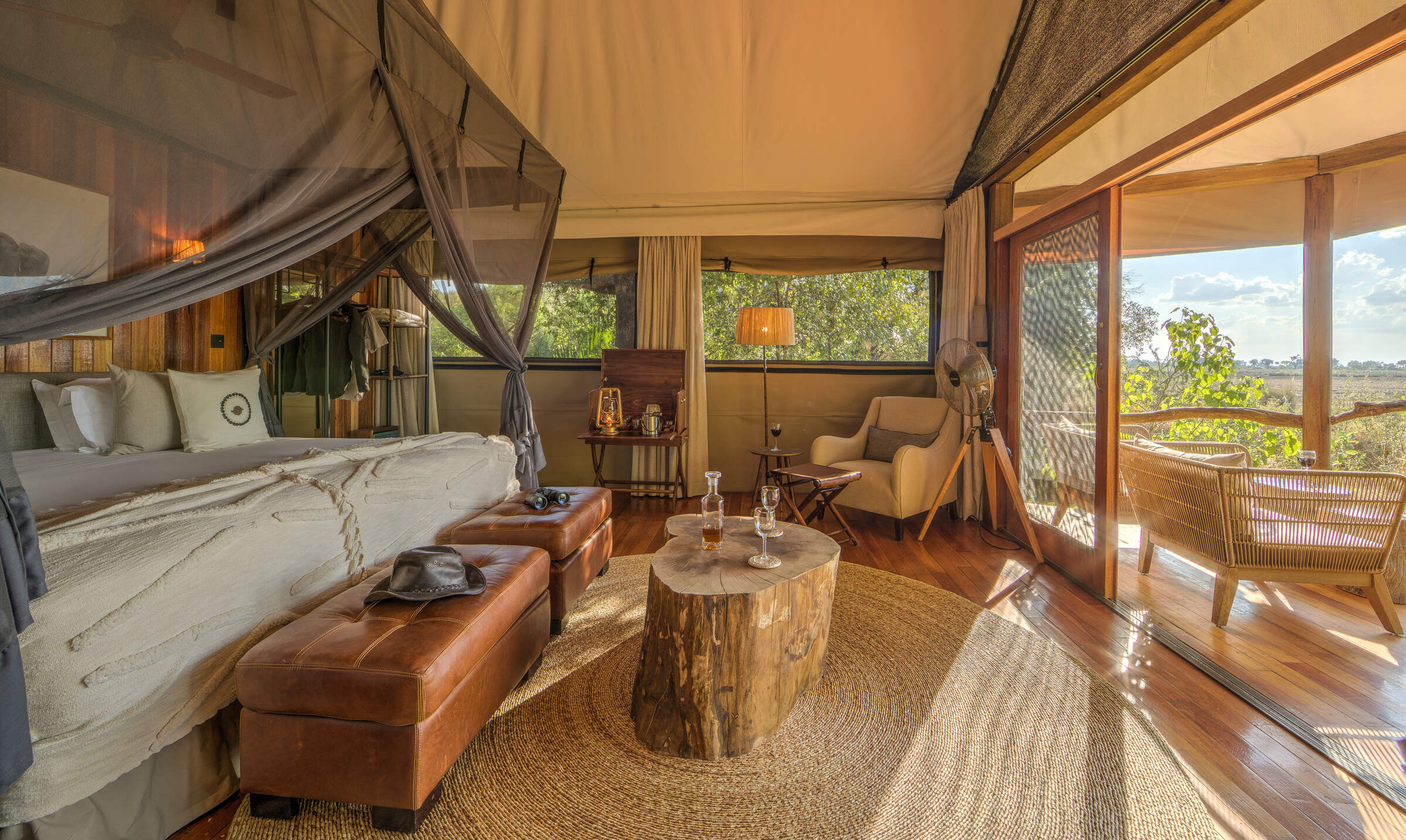
Kanana
In a beautiful part of the Delta, Kanana focuses on fantastic water activities and birding – including exclusive access to an impressive heronry.
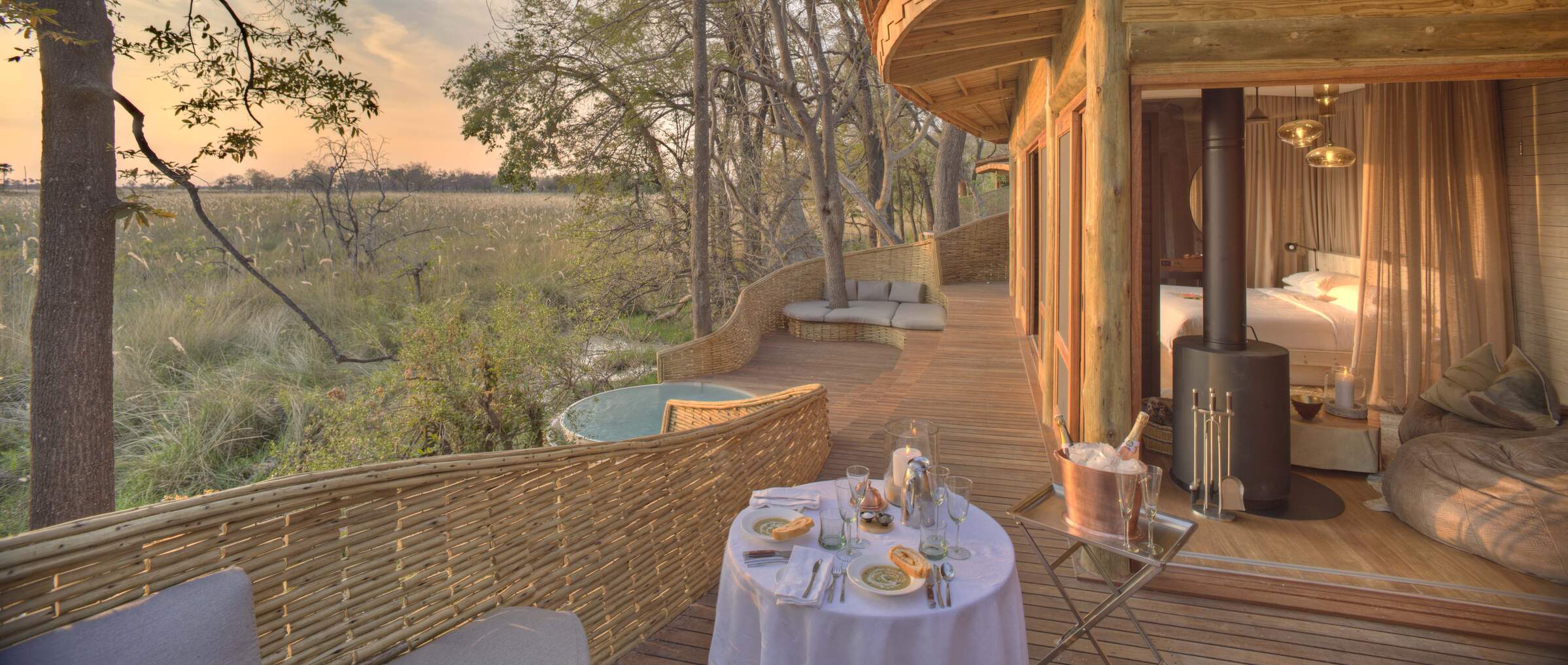
Sandibe Safari Lodge
The luxurious Sandibe Okavango Safari Lodge lies in a private concession in the heart of the Okavango Delta, beside Moremi Game Reserve, with superb big-game viewing.
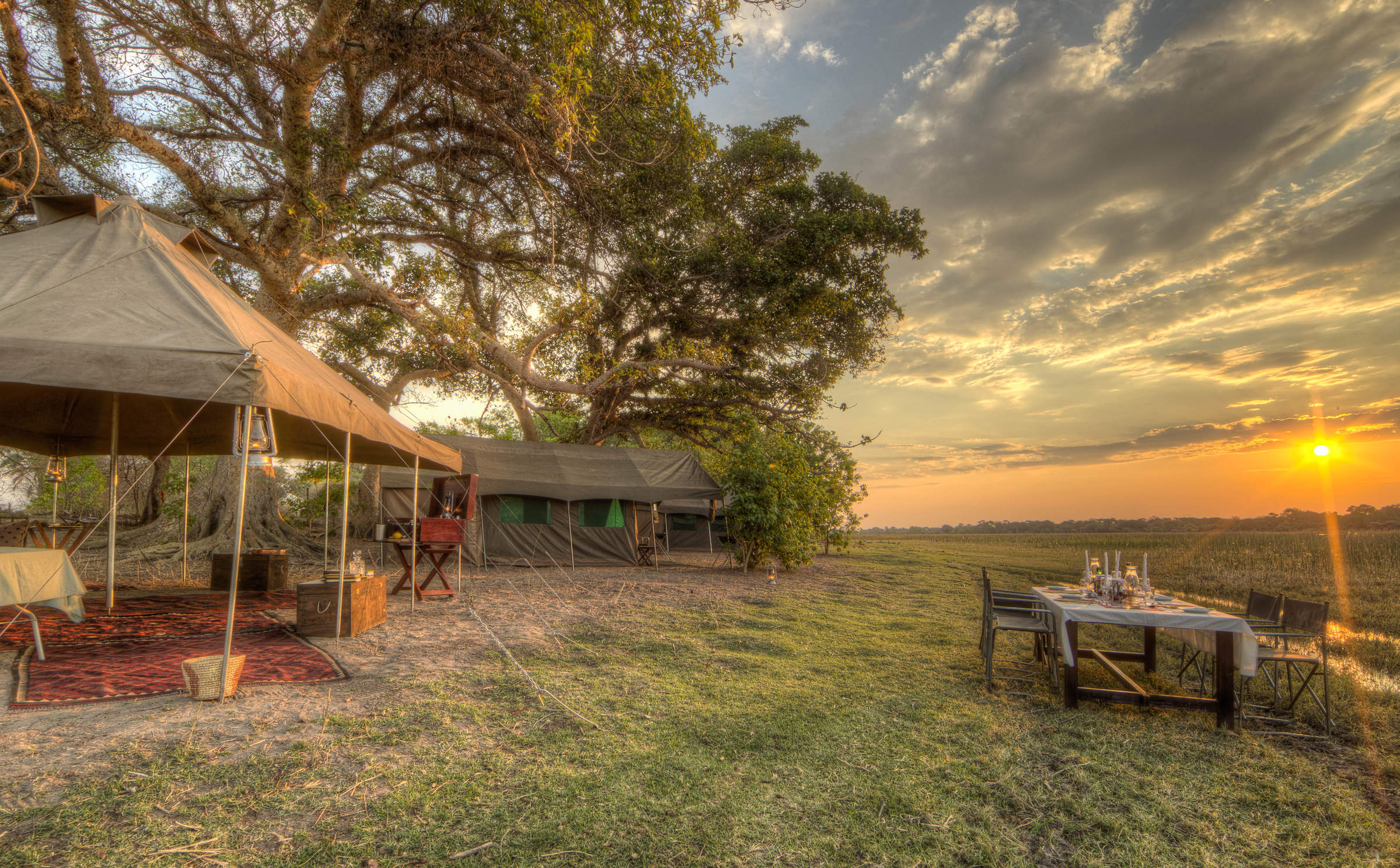
Private Mobile
The Botswana Private Mobile Safari has no fixed location; it's exclusive to your group and comes with a top professional guide. Expect comfortable camping, great food, and a superb wildlife experience wherever you decide to go.
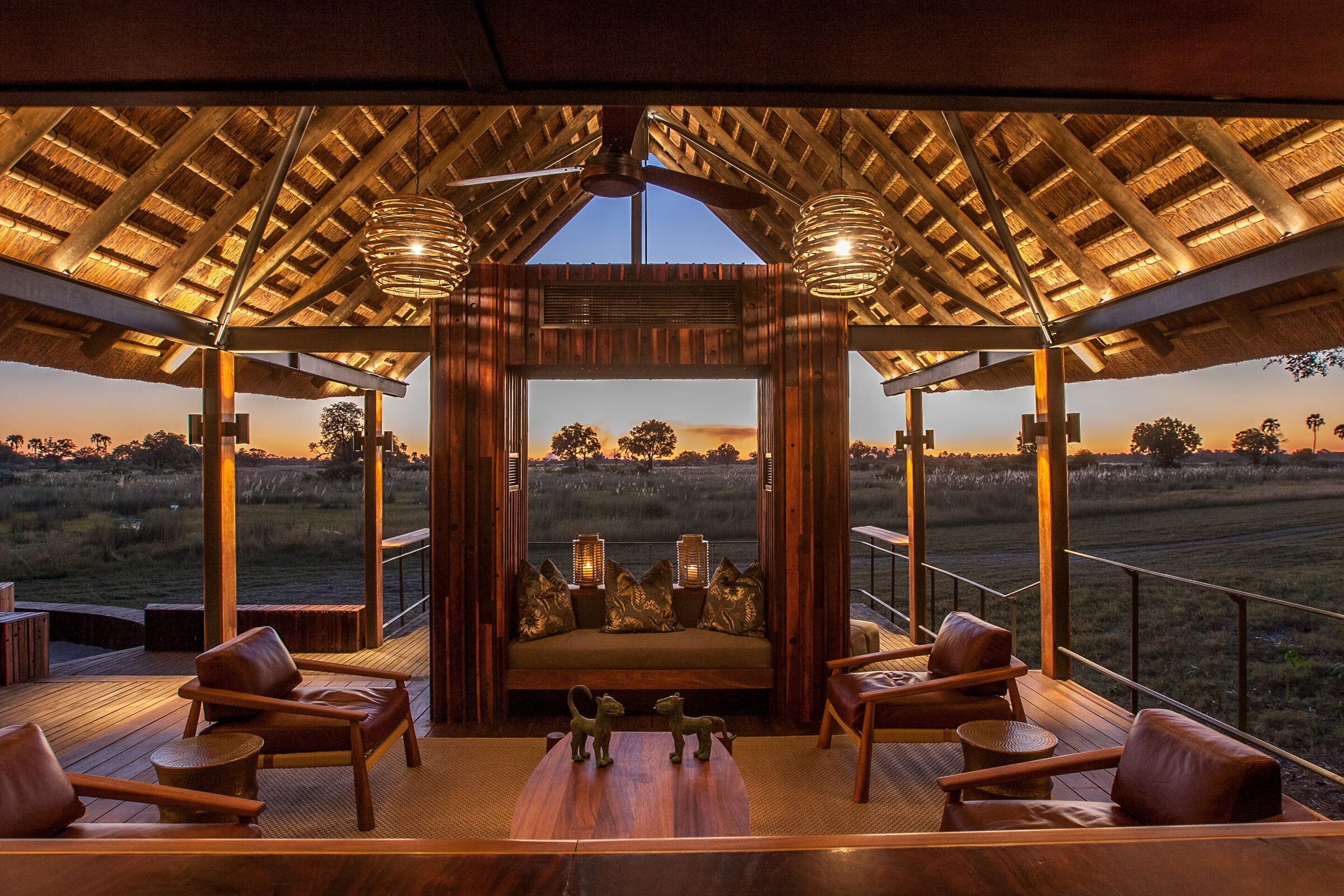
Chitabe Camp
In the southern Okavango Delta, the excellent Chitabe Camp concentrates on dry-land safaris in an area that we've found particularly good for wild dog sightings.

Thamalakane River Lodge
With its tranquil riverside location, Thamalakane makes an excellent buffer between a tiring long-haul flight and the magic of a safari.
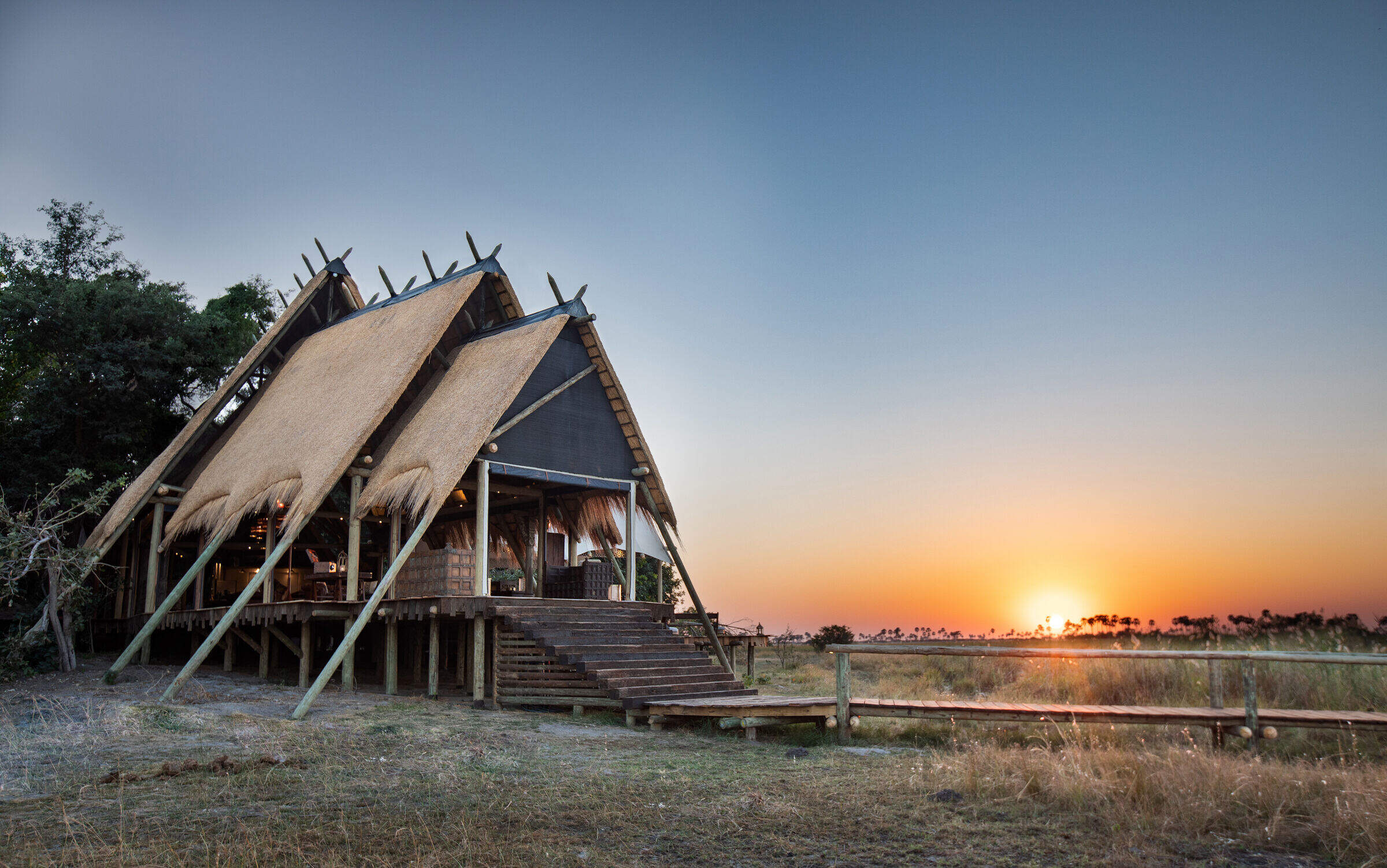
Selinda Camp
In an attractive area that is particularly rich in game between June and November, the luxurious Selinda Camp caters particularly well for photographers.

Camp Kalahari
Overlooking the Makgadikgadi Pans, Camp Kalahari is great value; come for quadbiking excursions on the salt pans, cute meerkats, excellent Bushman walks, and interesting 4WD safaris.
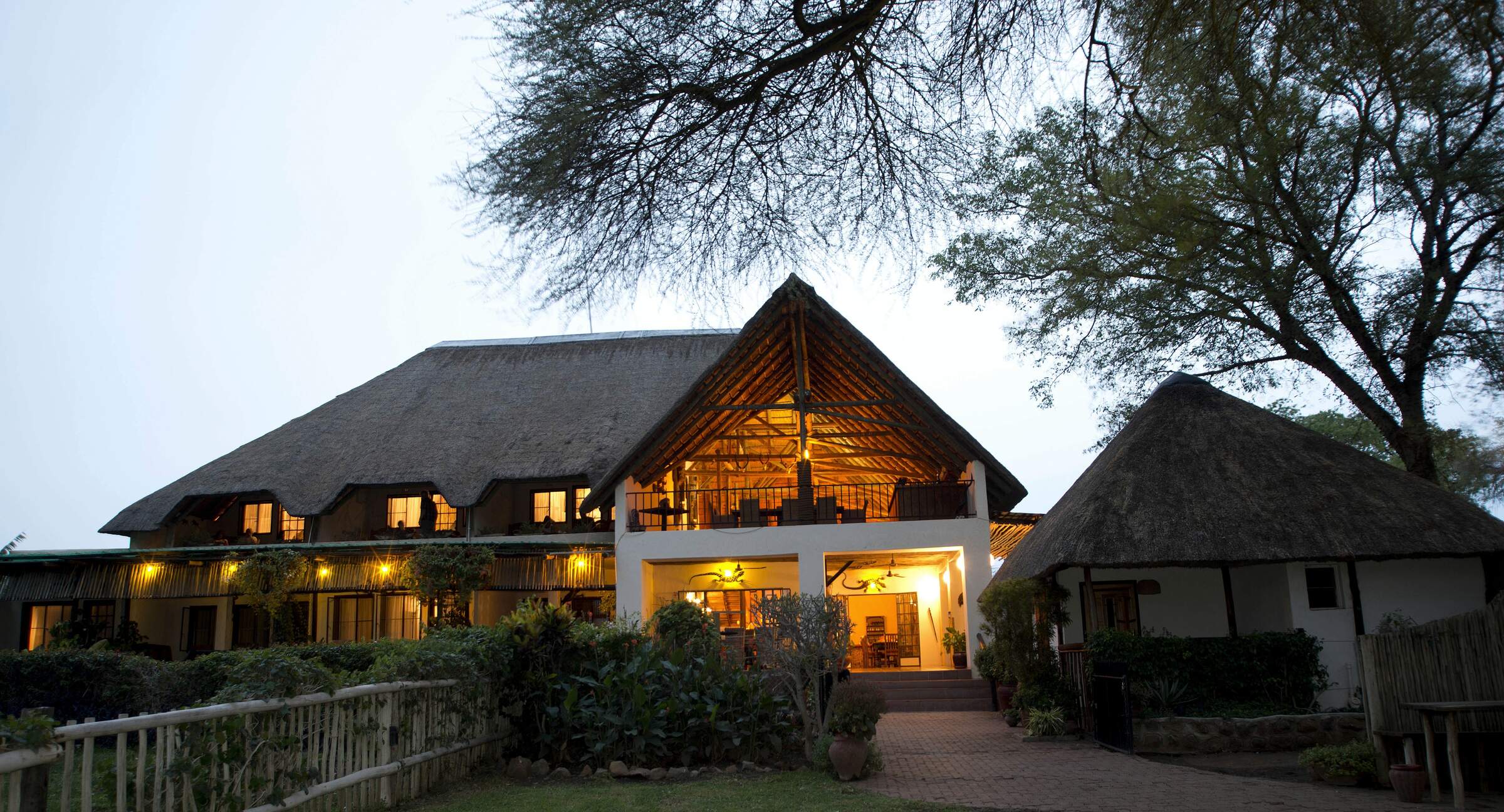
Chobe River Lodge
Overlooking the Chobe River, the intimate Chobe River Lodge is a haven of tranquillity away from the bustle of Kasane.
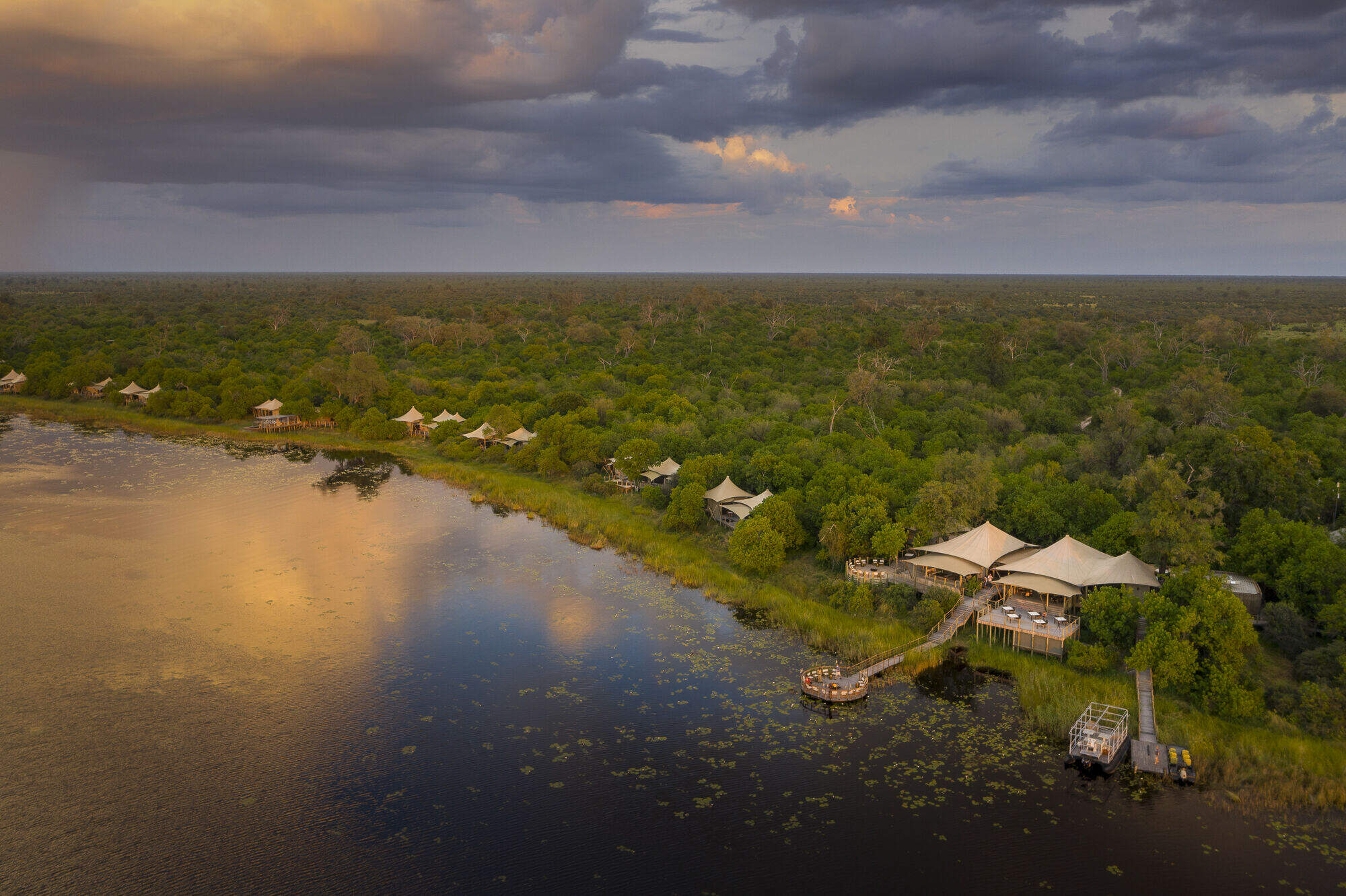
DumaTau
DumaTau, in the private Linyanti Reserve, offers game drives, seasonal boat cruises and walks. Wildlife safaris here are quite seasonal, and are at their best during the height of the dry season, between June and October.
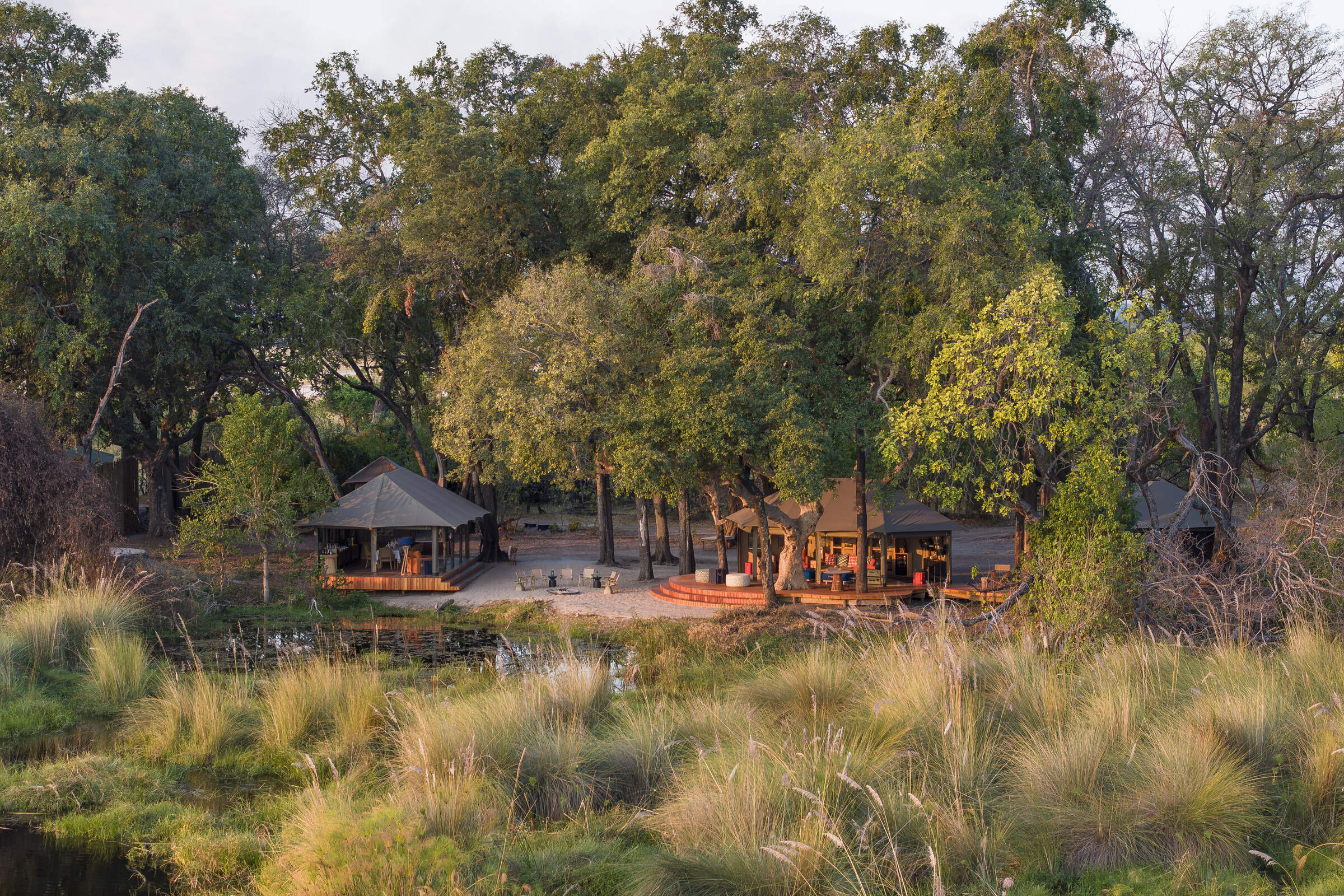
Shinde Footsteps
Small and simple, but comfortable, Shinde Footsteps focuses on walking safaris as well as game drives; it also runs a special children's programme so is particularly suitable for families.

Thamo Telele
On the outskirts of Maun, Thamo Telele is set in a private game reserve with walking trails and a giraffe experience: ideal at the start or end of a safari.
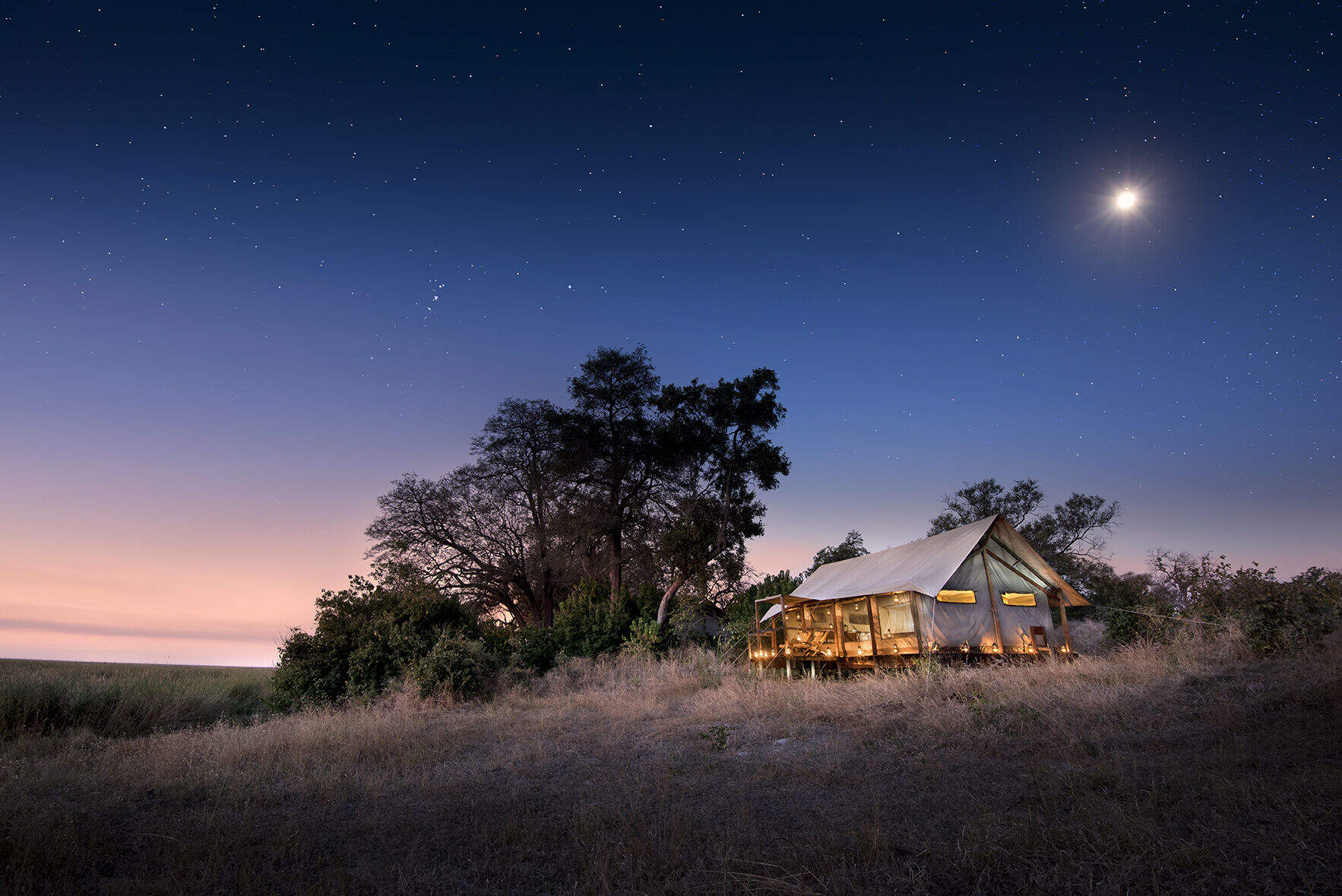
Linyanti Bush Camp
An increasingly rare find in Botswana, Linyanti Bush Camp blends relative simplicity with numerous activities and very good guiding.
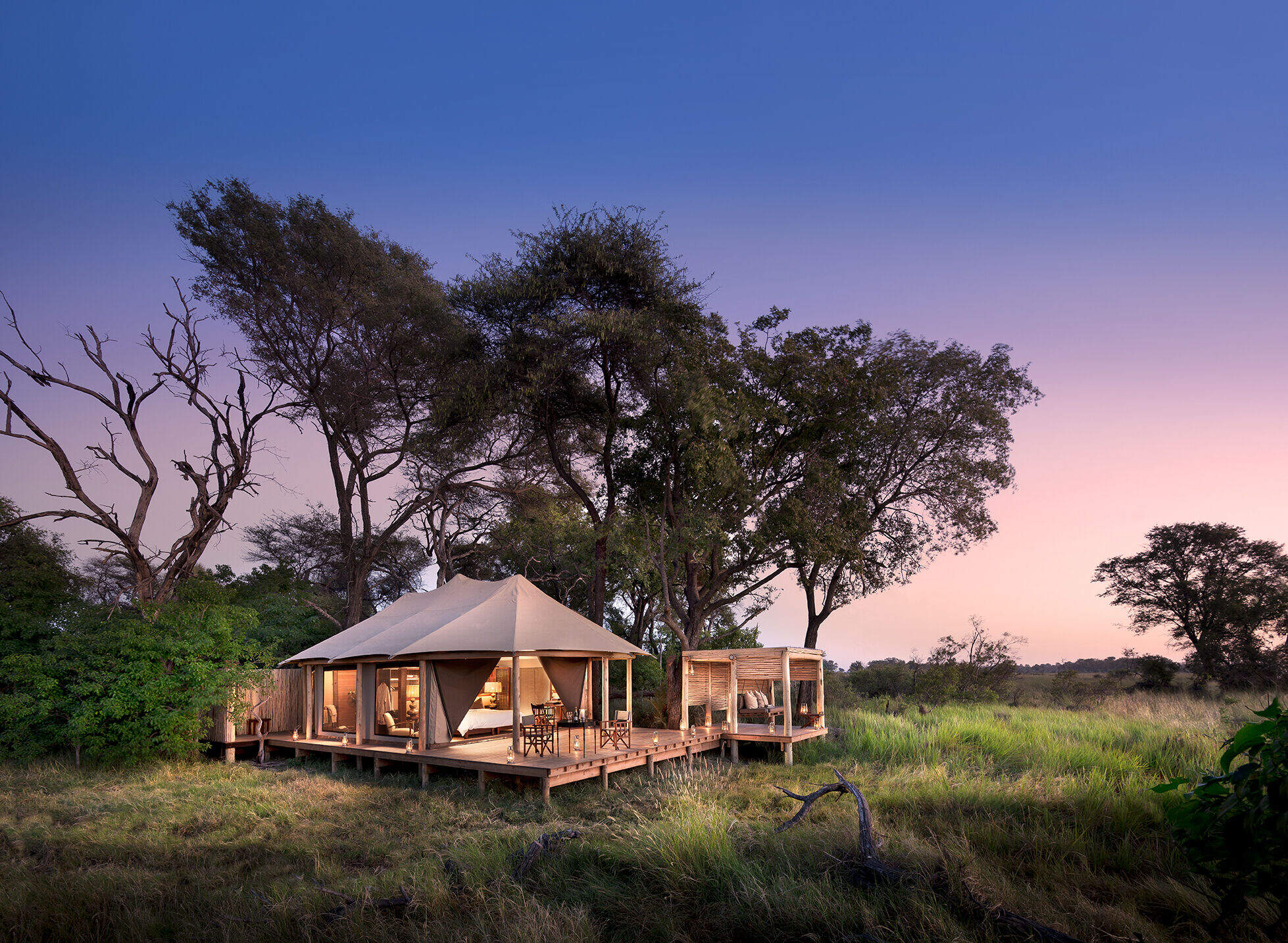
Nxabega Tented Camp
Nxabega offers a selection of both land- and water-based activities, plus very good guiding, food and service, but game viewing can be somewhat erratic.
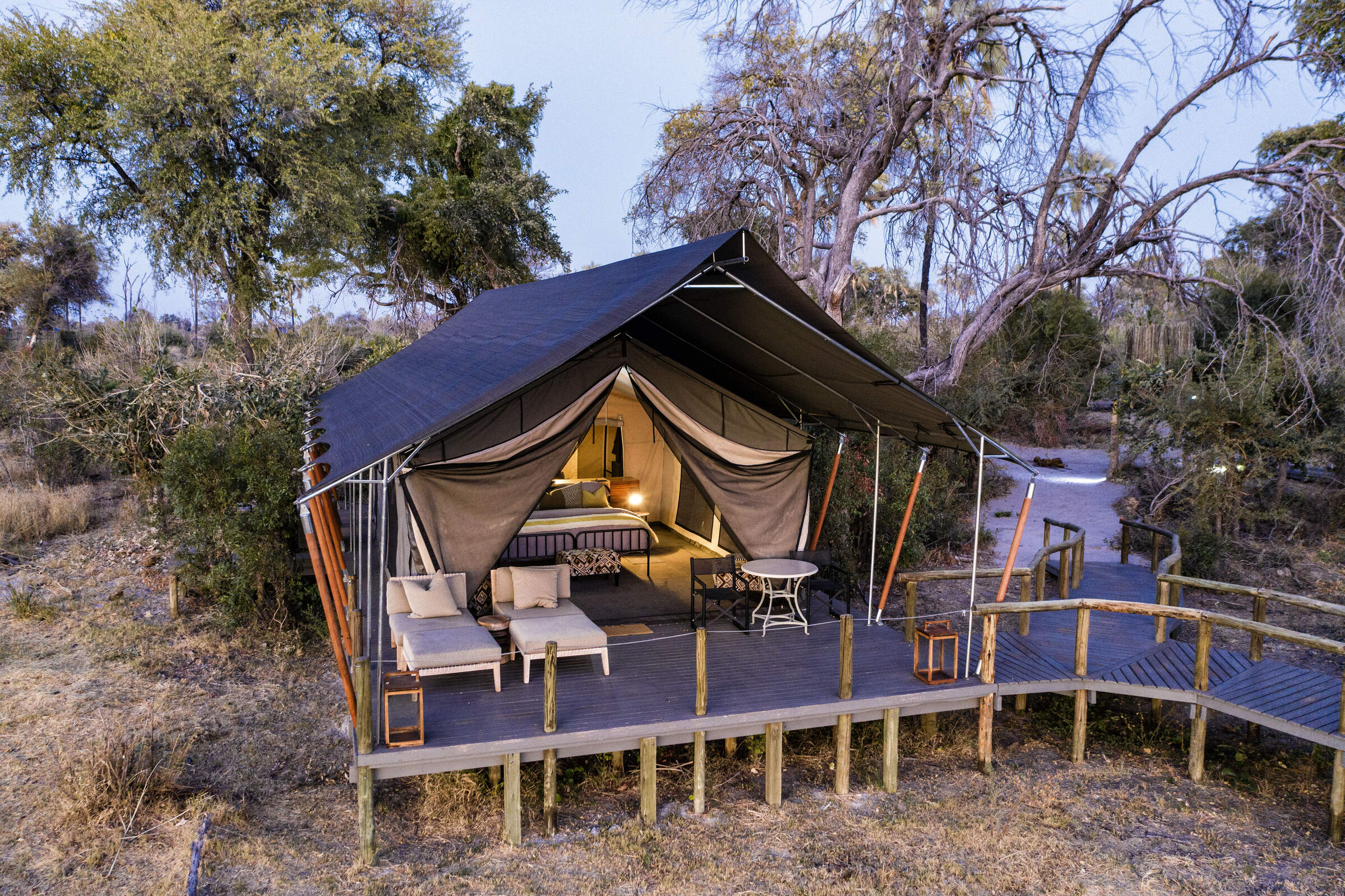
Gomoti Plains
Overlooking a tributary of the Gomoti River, Gomoti Plains Camp is a classically designed camp with very comfortable tents in a good game-viewing area.
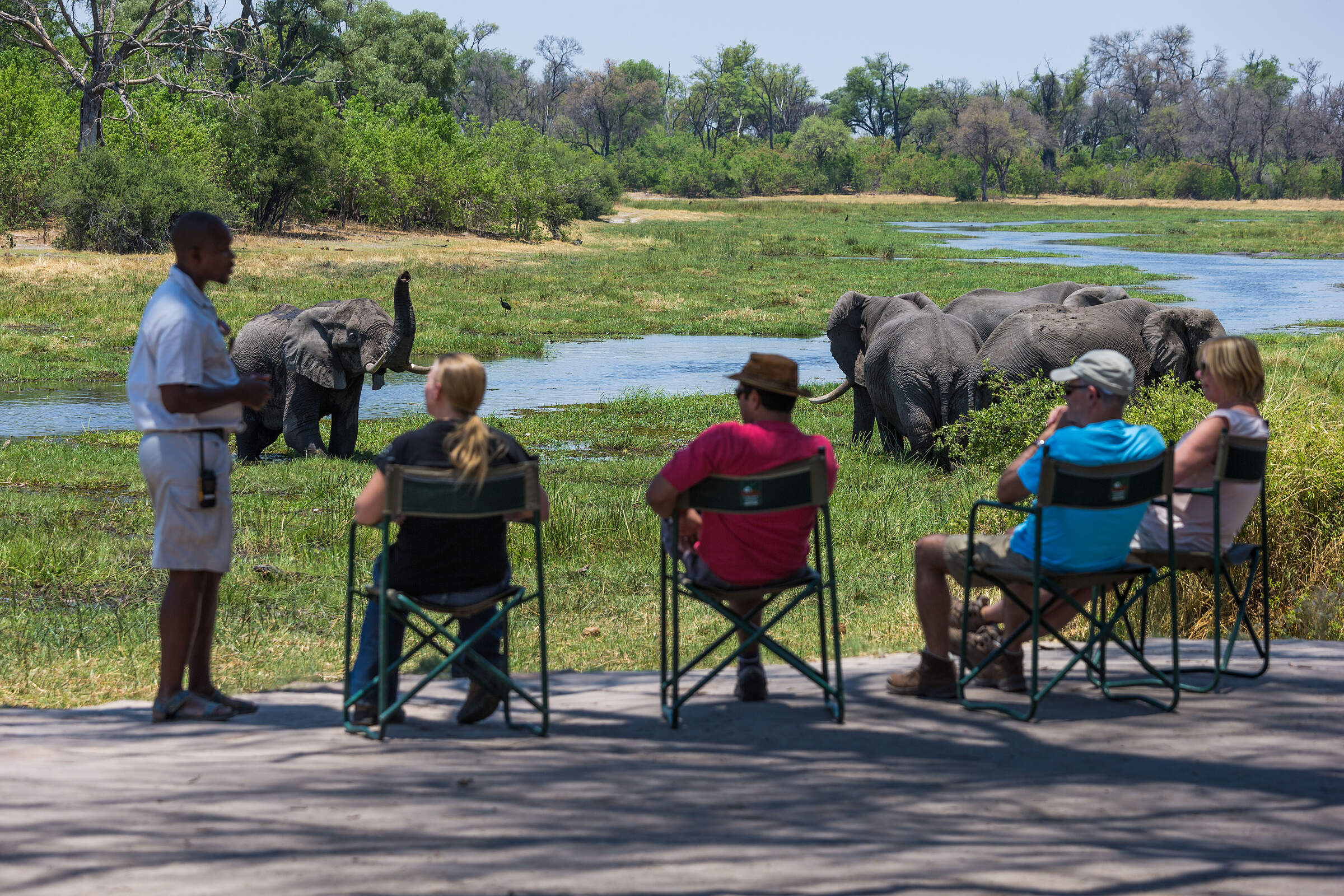
Machaba Camp
Overlooking the Khwai River to Moremi Game Reserve beyond, the classic Machaba Camp combines comfort with excellent game viewing.

Nxai Pan Camp
Offering good summer game viewing and visits to Baines Baobabs, the comfortable Nxai Pan Camp is currently the only permanent camp in Nxai Pan National Park.
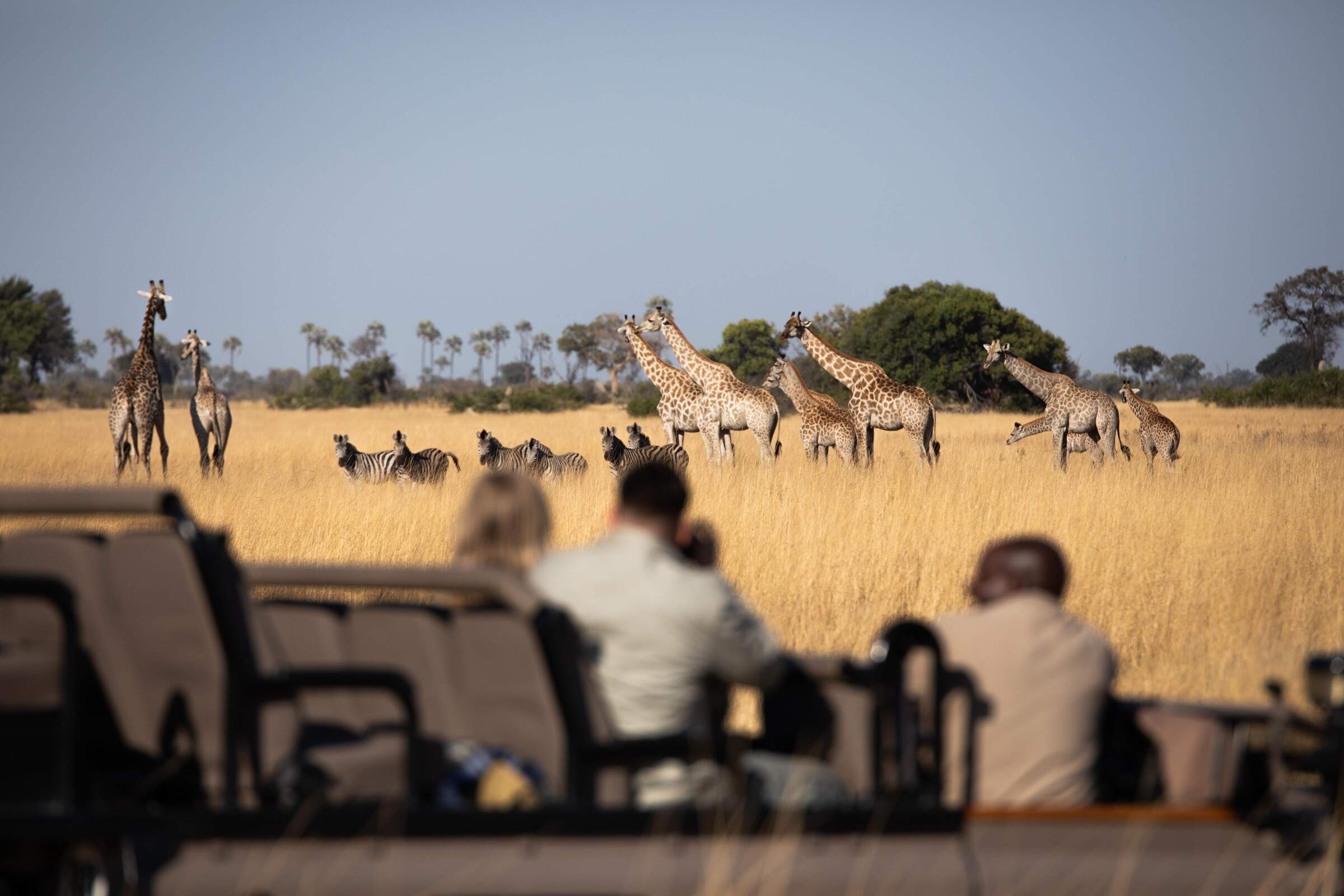
Tubu Tree Camp
A traditional tented camp with a distinctive tree-house feel, Tubu Tree offers some of the best game viewing in the Jao Reserve.
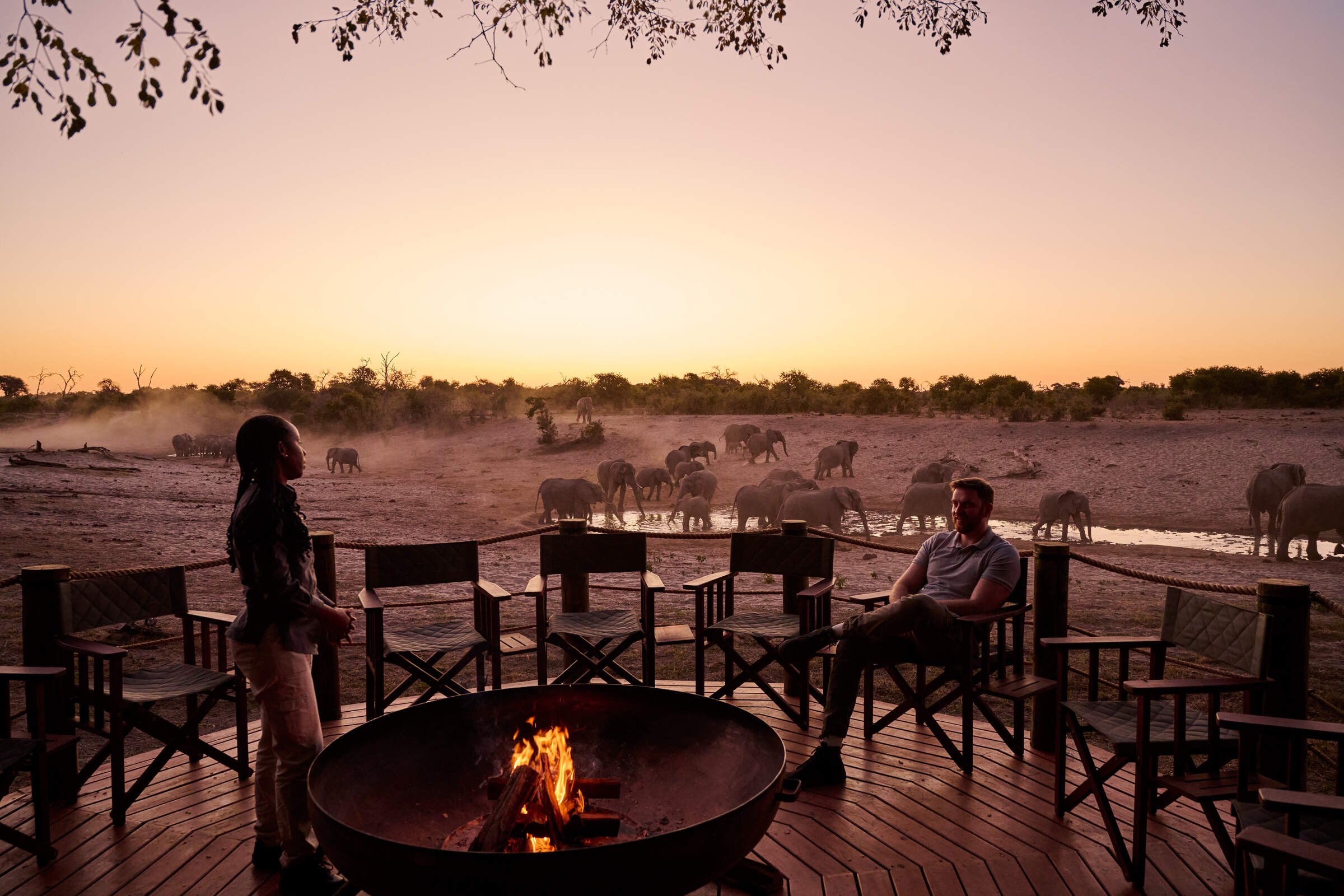
Savute Safari Lodge
Savute Safari Lodge sits on the banks of the Savuti Channel within Chobe National Park, and offers access to excellent game viewing, especially during the dry season.
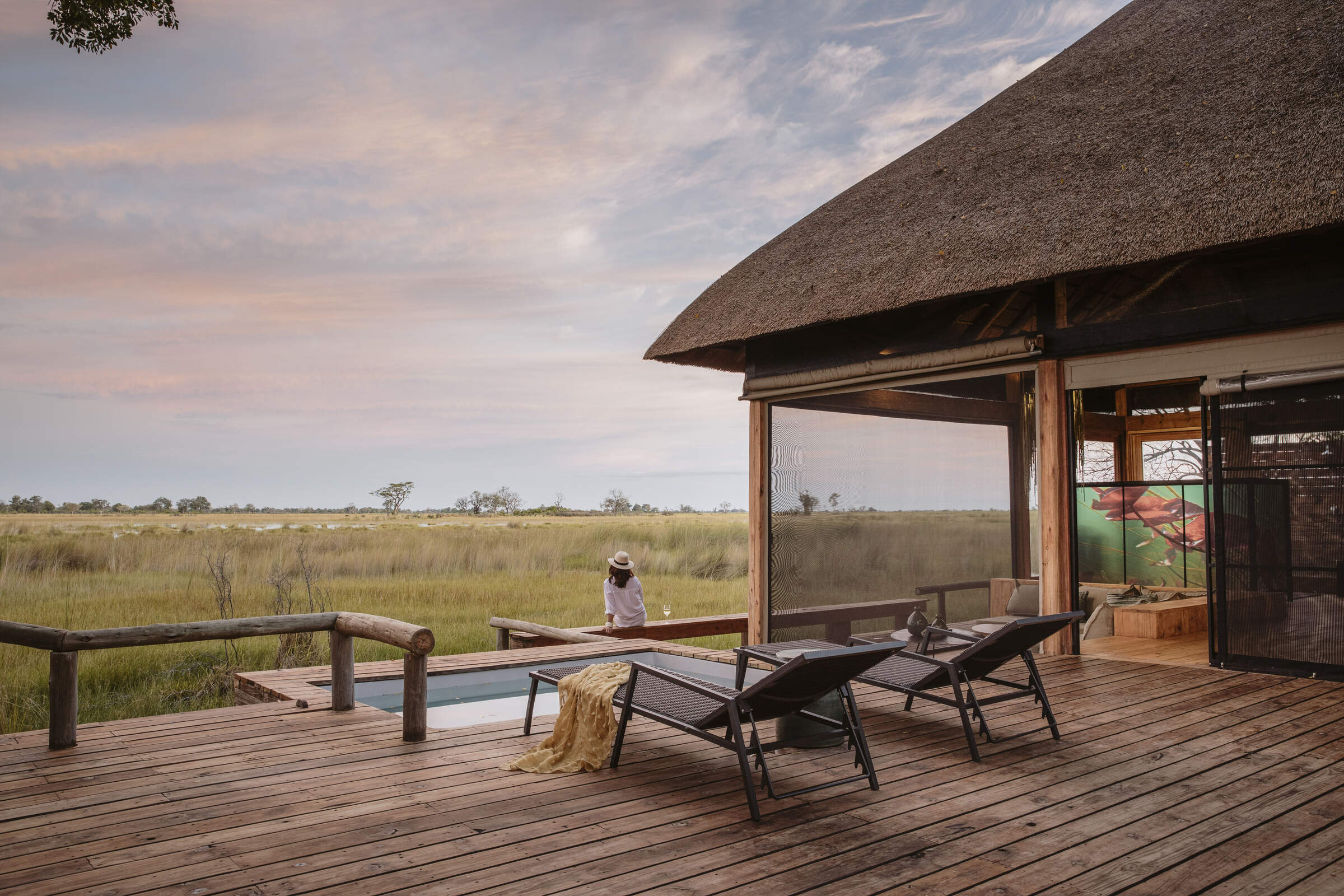
Vumbura Plains
Indulgently stylish and luxurious, Vumbura Plains offers superb game viewing and birding on an exceptionally varied private reserve.
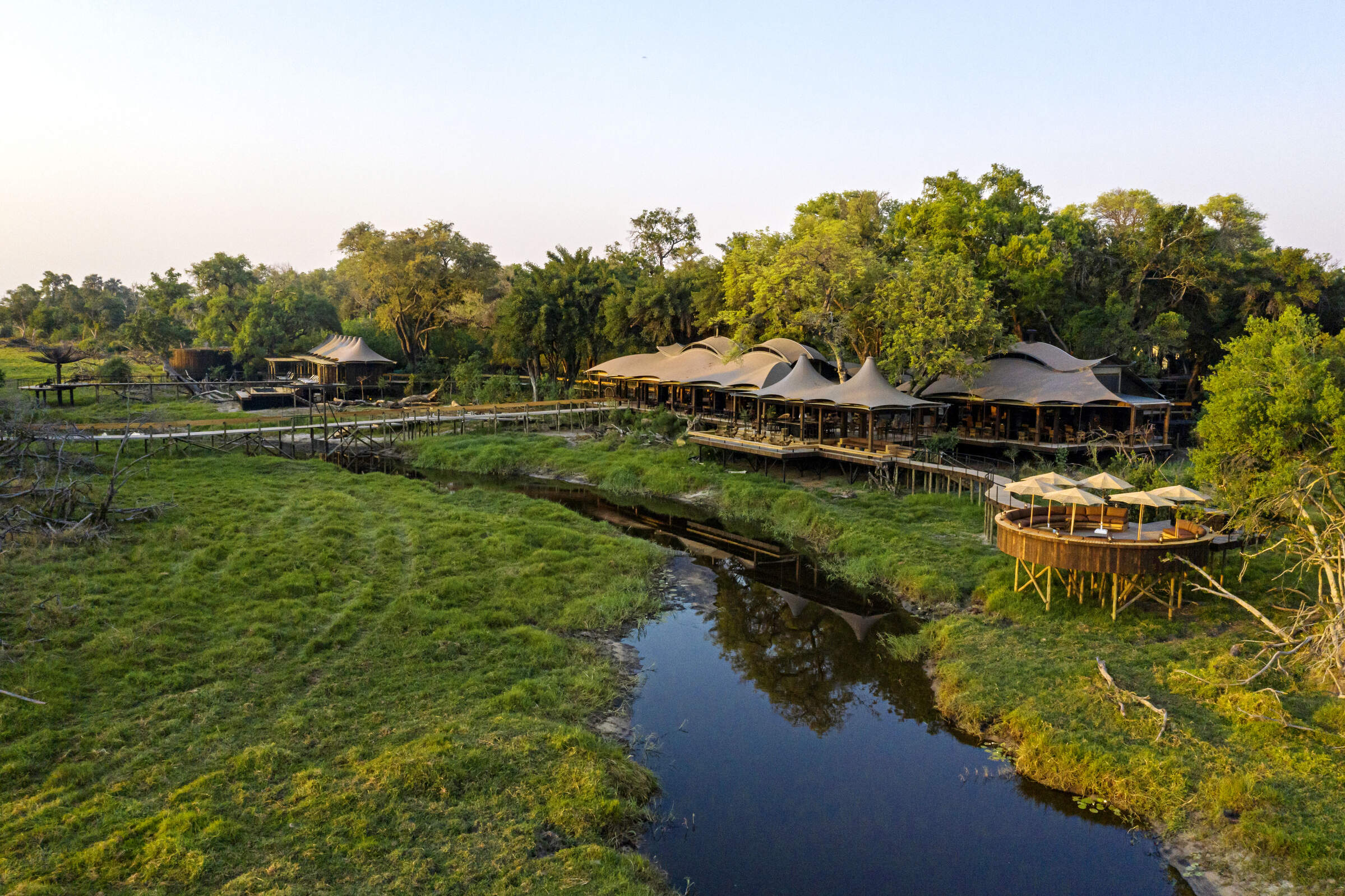
Xigera Safari Lodge
Located deep in Botswana's Okavango Delta, Xigera Camp normally focuses on mokoro excursions and motorboat trips, with 4WD game drives when water levels permit.
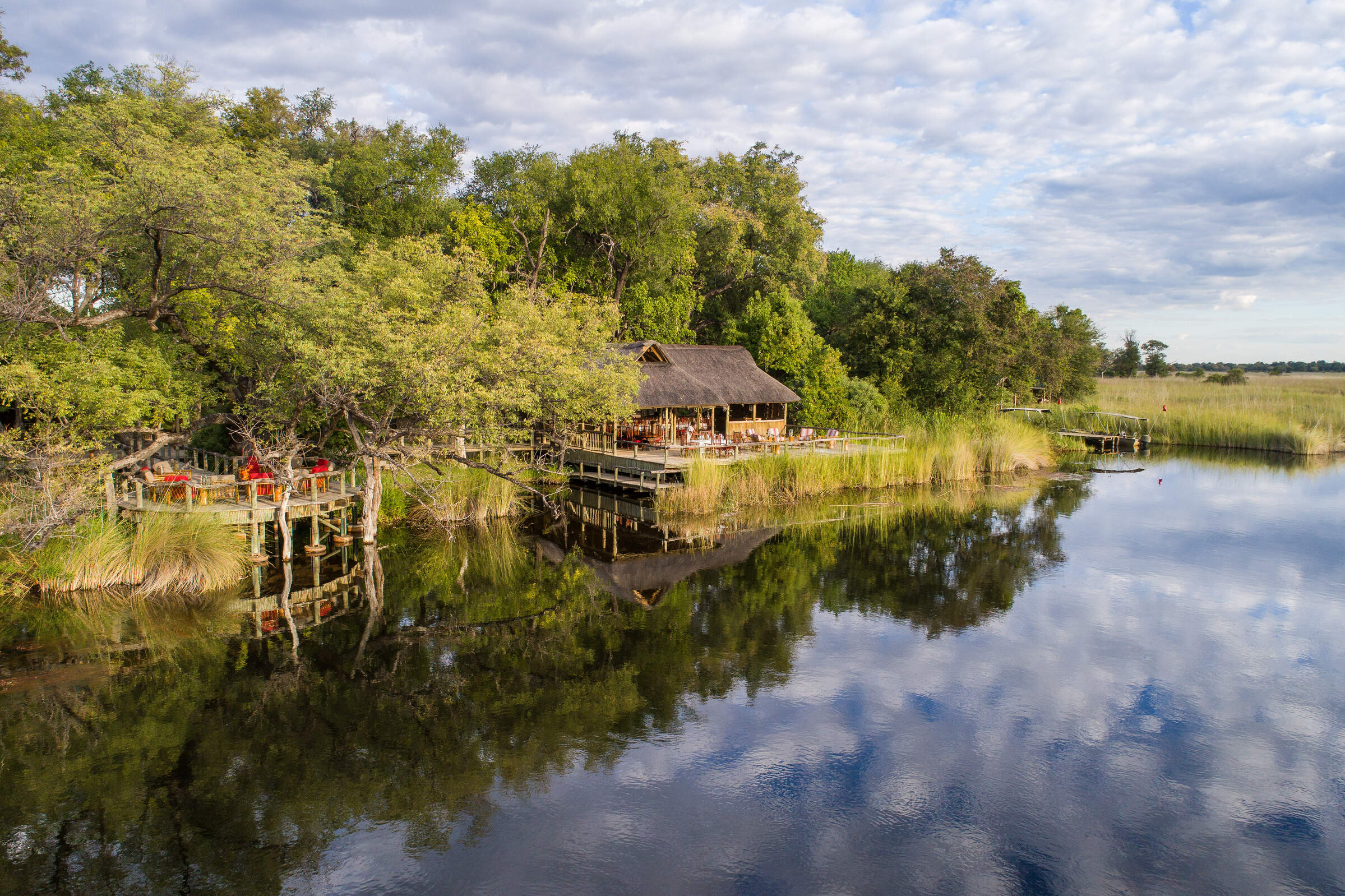
Xakanaxa
Camp Xakanaxa is a well-established traditional camp beside a huge lagoon within the Moremi Game Reserve, with access to some superb wildlife viewing.
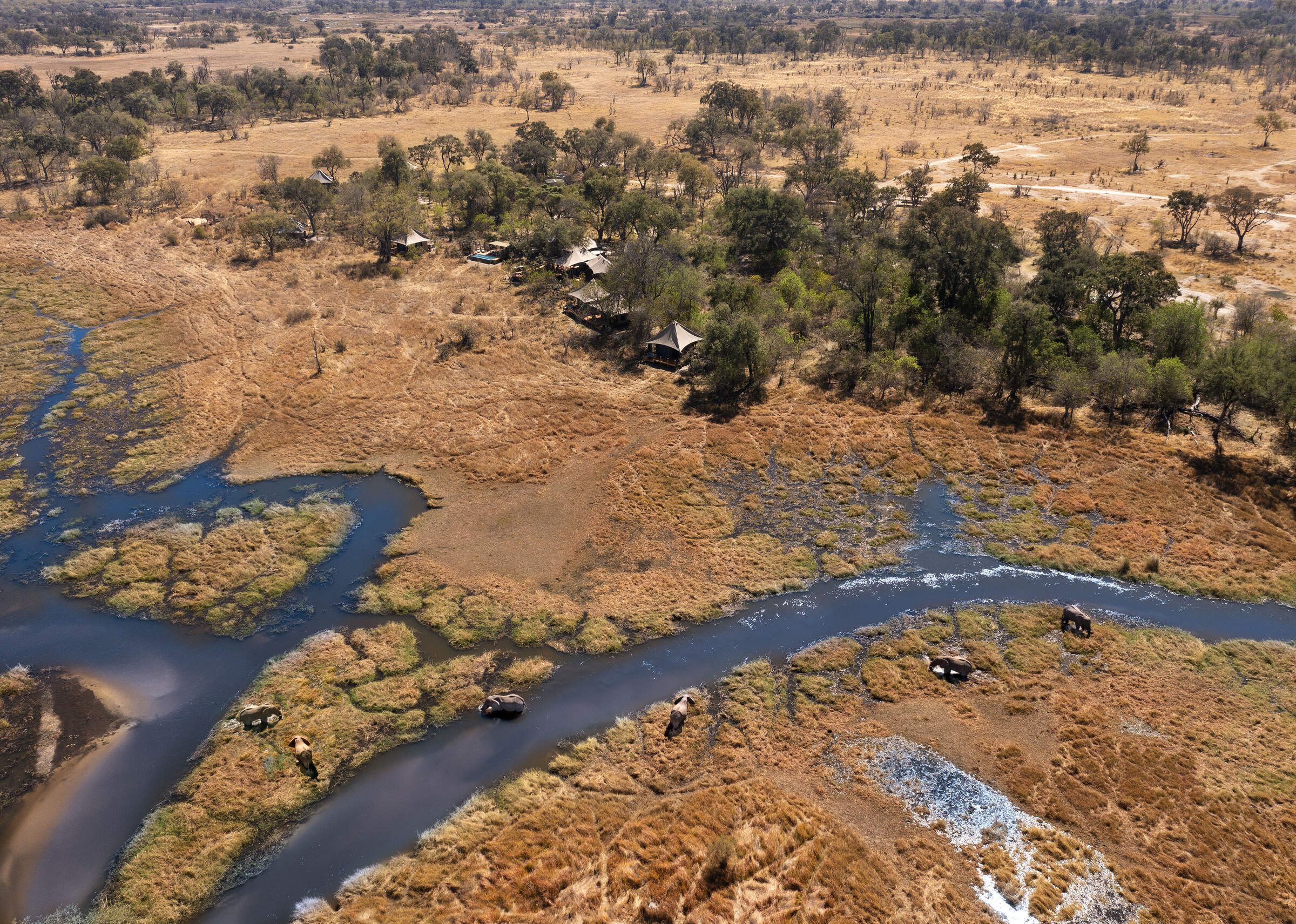
Khwai Lediba
Khwai Lediba offers a traditional African safari experience, with very comfortable tented accommodation, in a fantastic game area north of the Moremi Game Reserve.
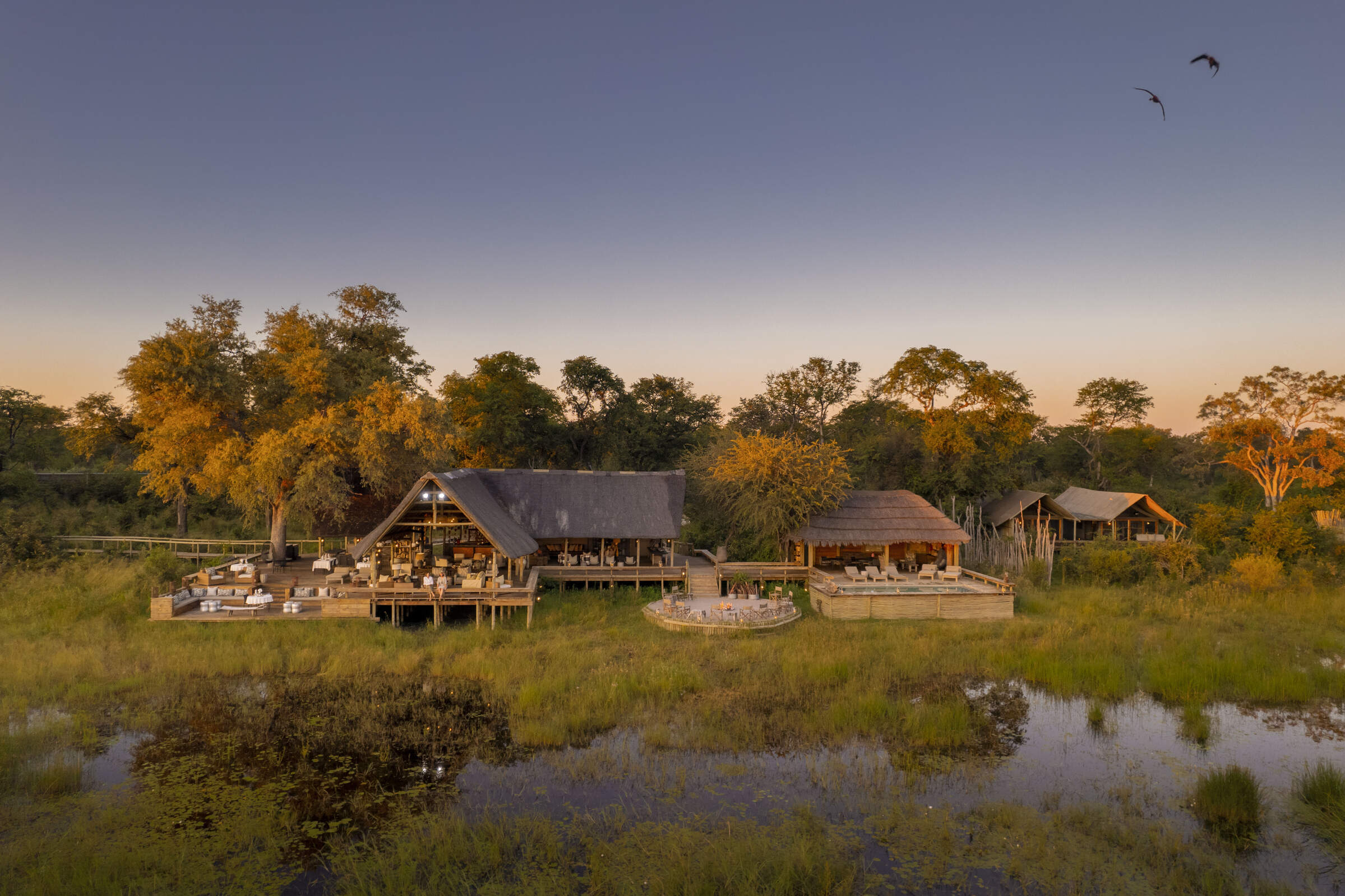
Sable Alley
Smart, independent and well-run, Sable Alley overlooks a beautiful, hippo-filled lagoon within the diverse Khwai Private Reserve.
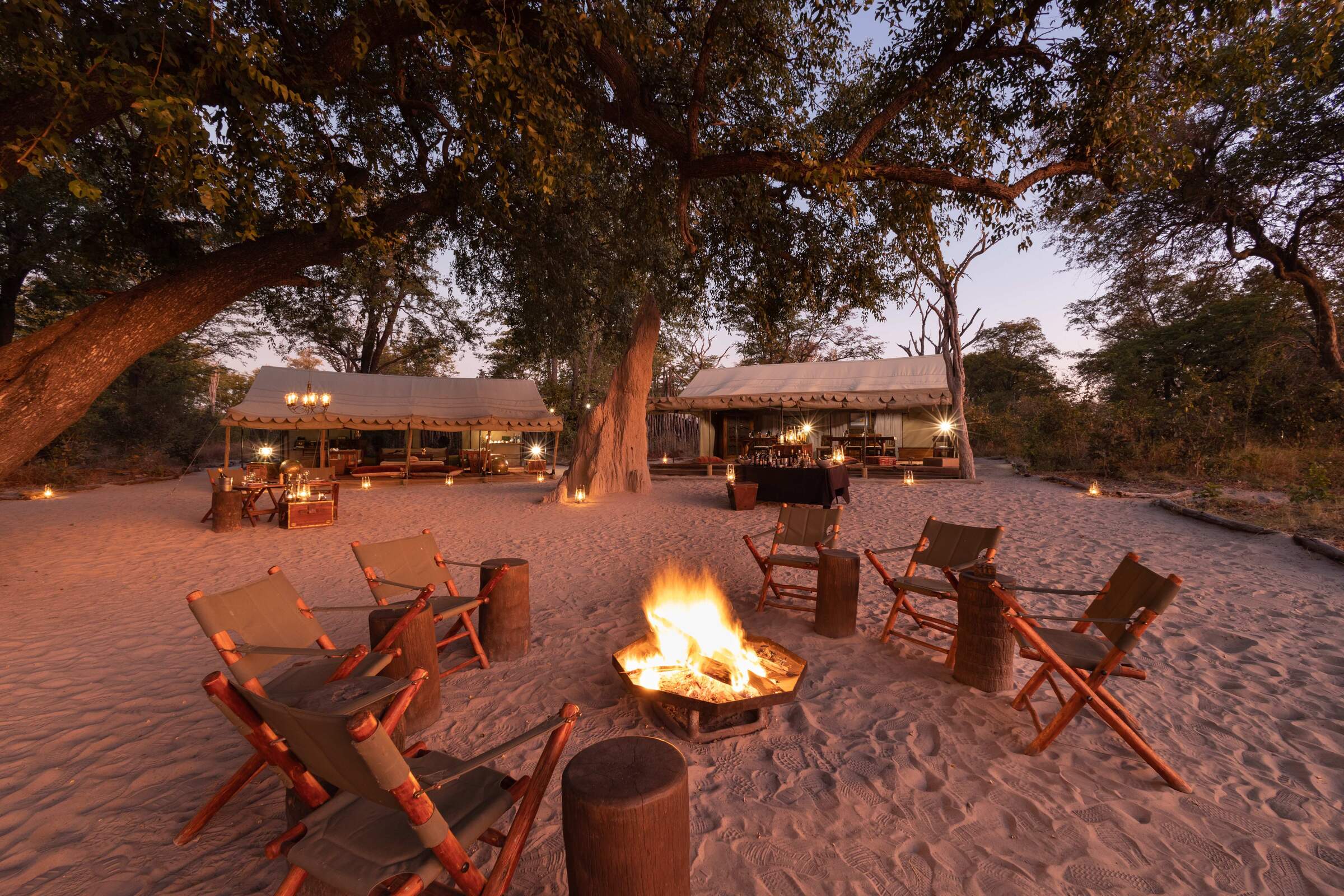
Selinda Explorers Camp
The luxurious, traditional tented Selinda Explorers Camp offers a mix of walking, canoeing and game drives led by really top notch guides in a game-rich area.
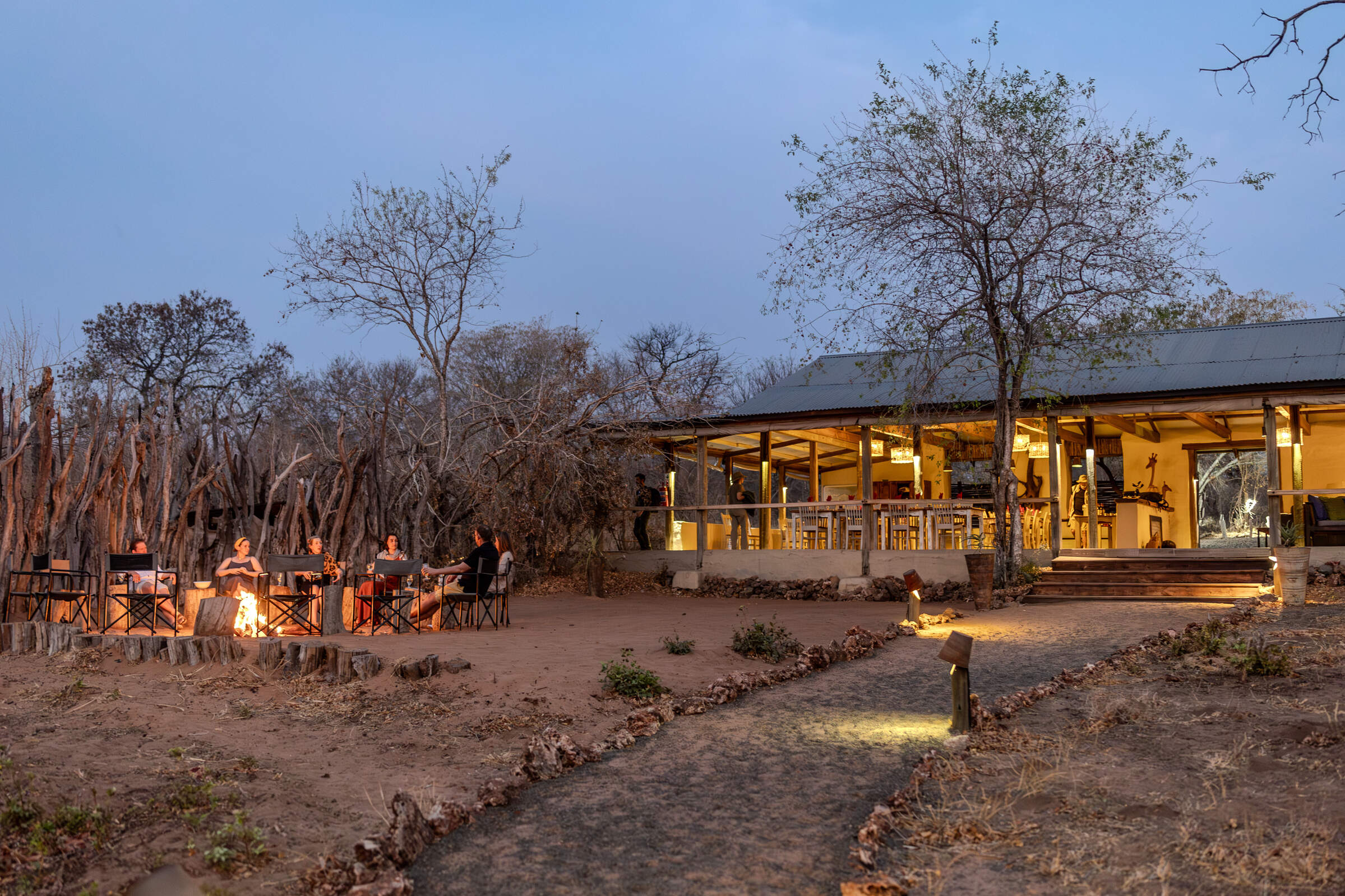
Chobe Elephant Camp
Located in one of our favorite areas of Chobe National Park, Chobe Elephant Camp is a simple but well-appointed camp with a strong bush feel.
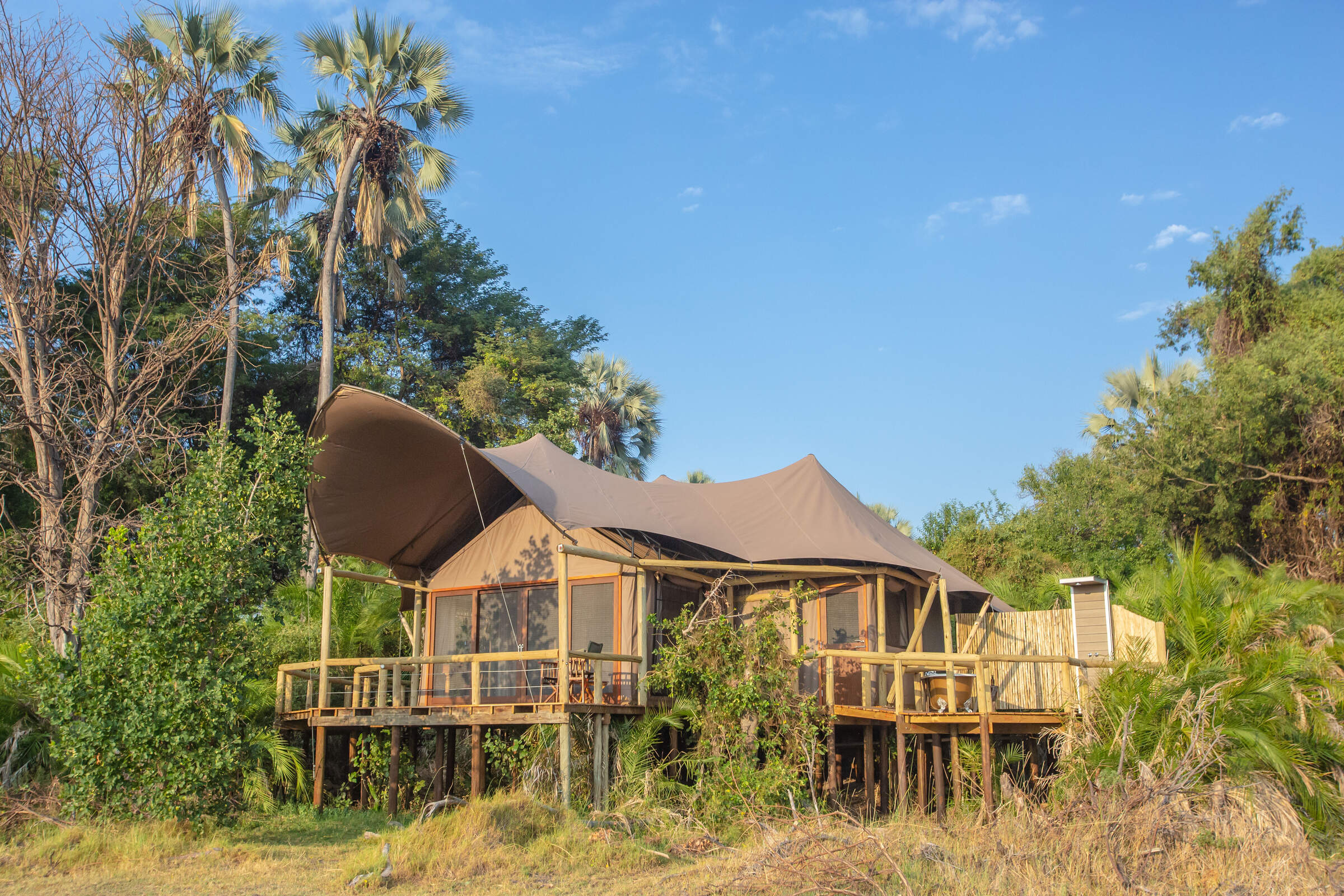
Jacana Camp
Jacana Camp is a small safari camp with an informal island feel; it is ideal for water-based activities in the Delta and offers excellent birdwatching.

Jack's Camp
Jack's Camp was the original camp in the Makgadikgadi area, and many still consider it the best. Come for a unique and memorable experience, but not for prolific game viewing.
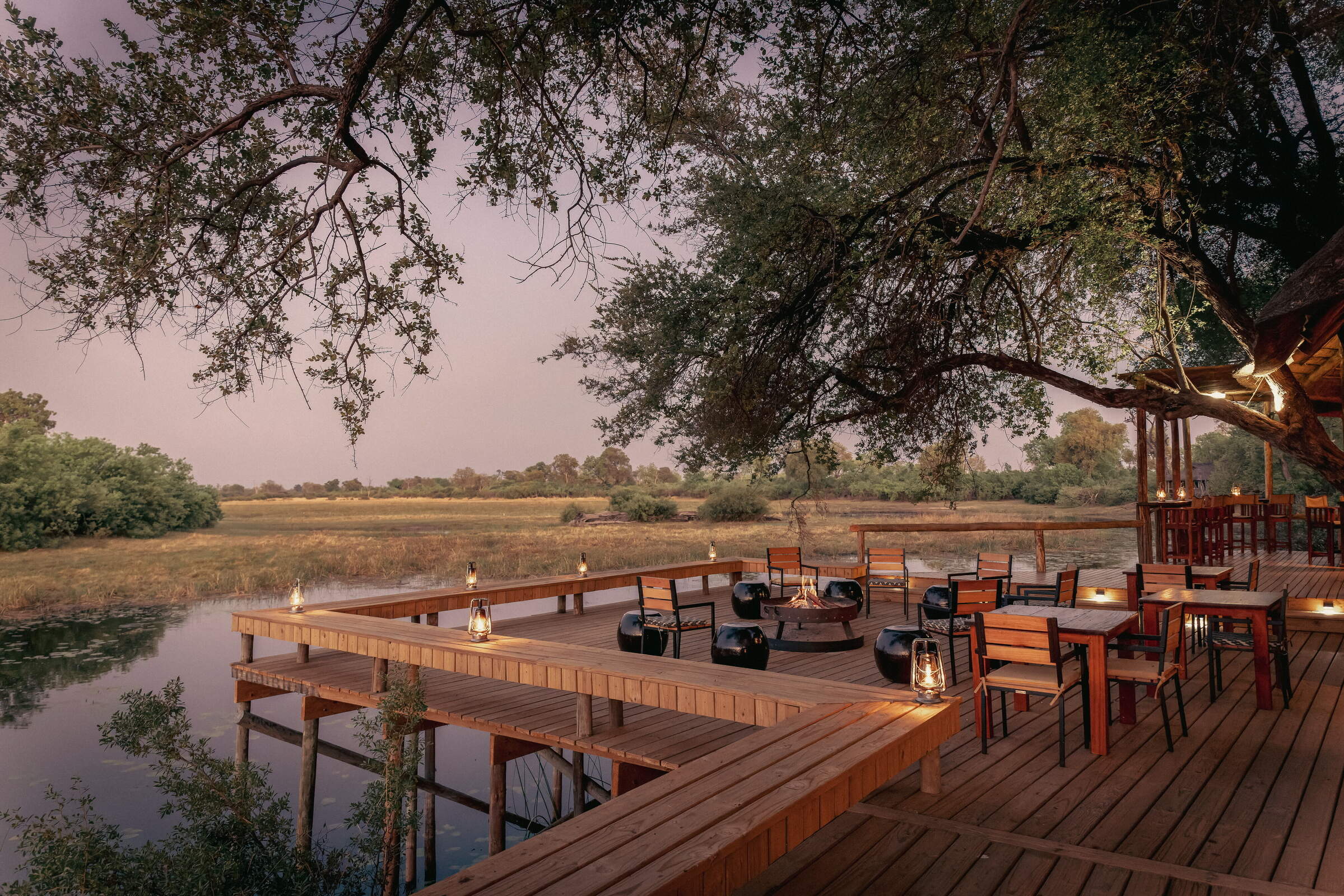
Savuti Camp
Set above the Savuti Channel, the refurbished seven-room Savuti Camp offers the potential for viewing large herds of elephant and significant lion encounters.
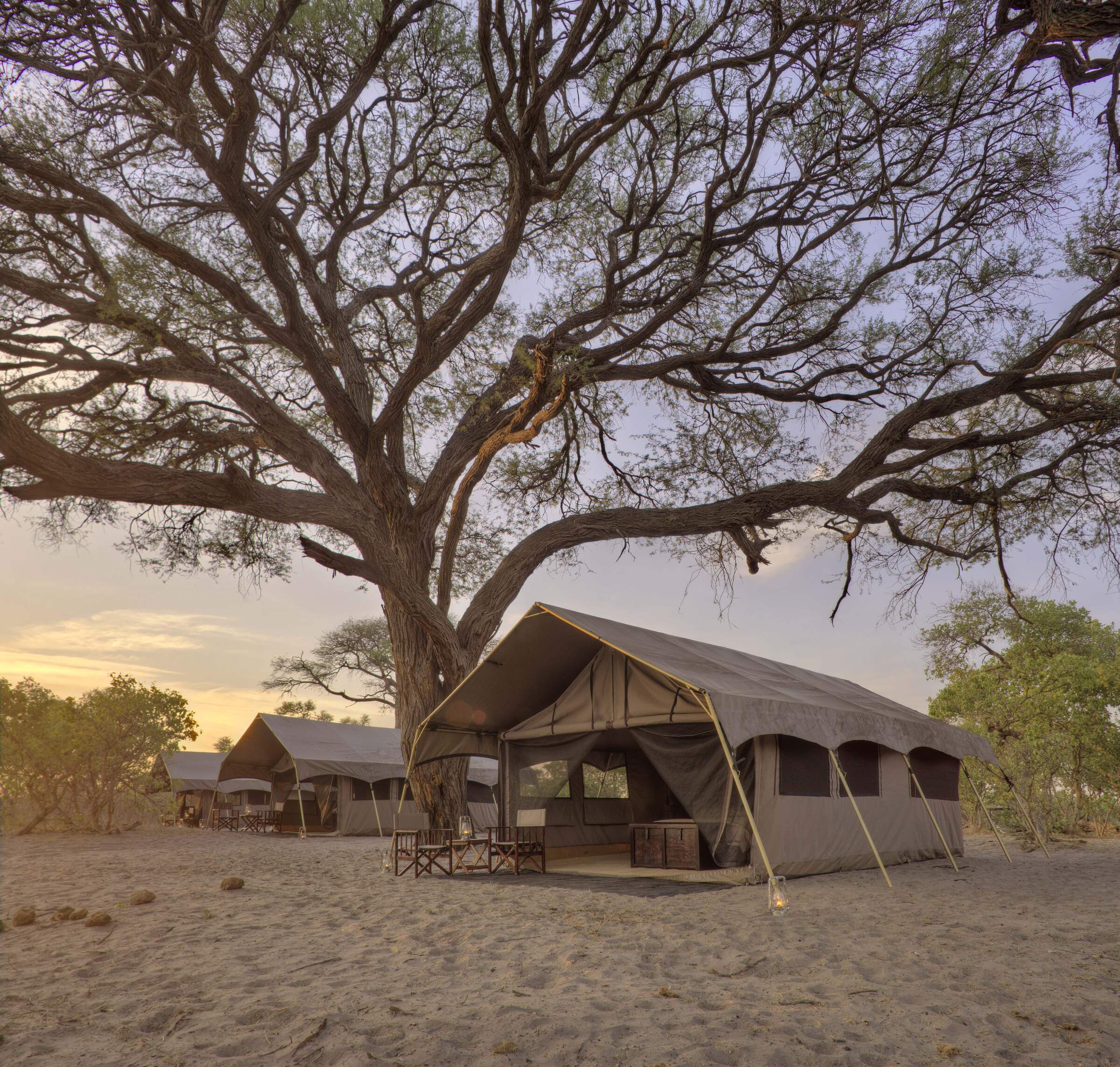
Savute Under Canvas
A mobile camp with the comforts of a semi-permanent tented camp, Savute Under Canvas offers guided game drives within the Savuti region of Chobe National Park.
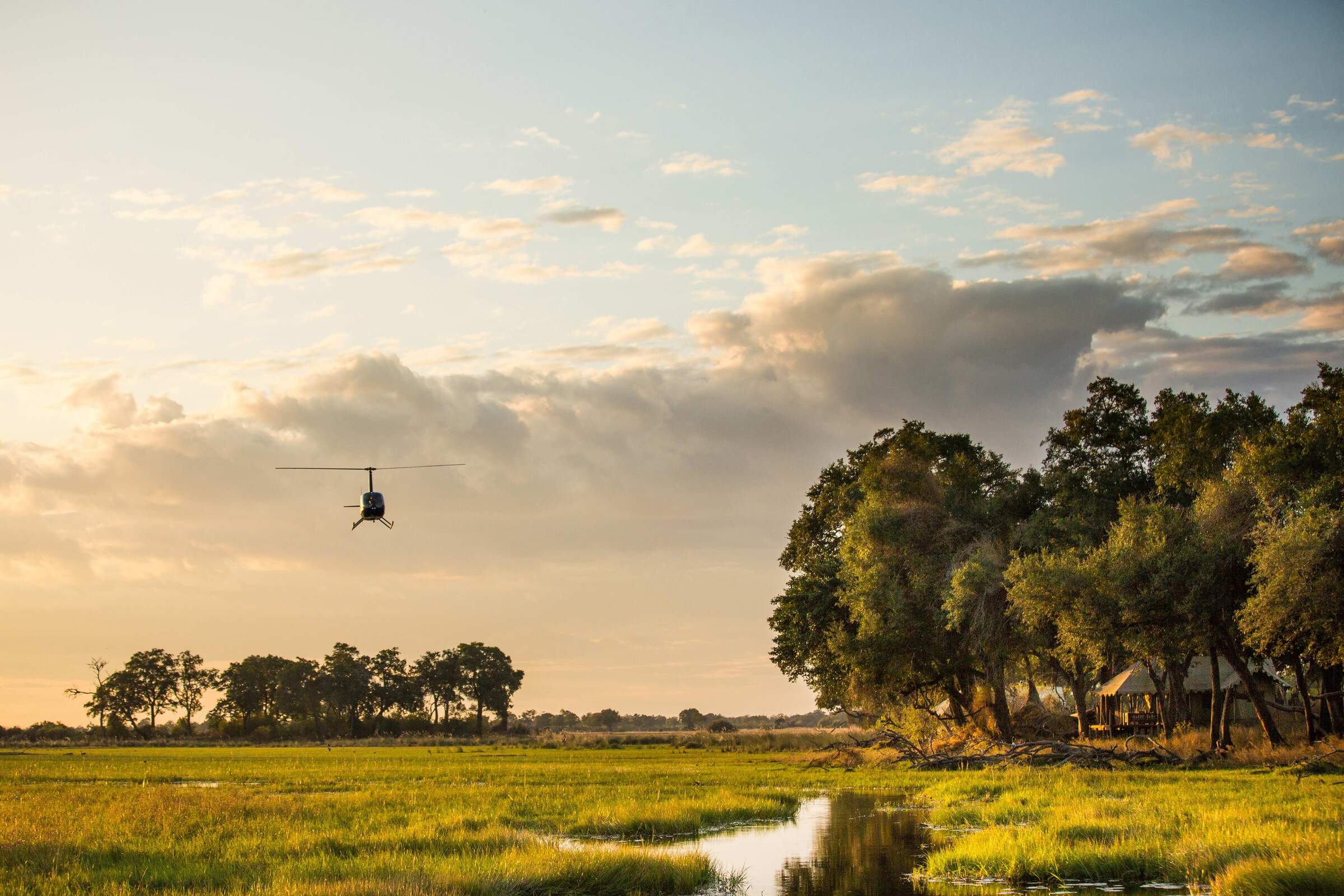
Duba Explorers Camp
Intimate and elegant, Duba Explorers Camp promises a firm safari focus in a remote corner of the Okavango, led by a team who value the highest guiding and hosting standards.
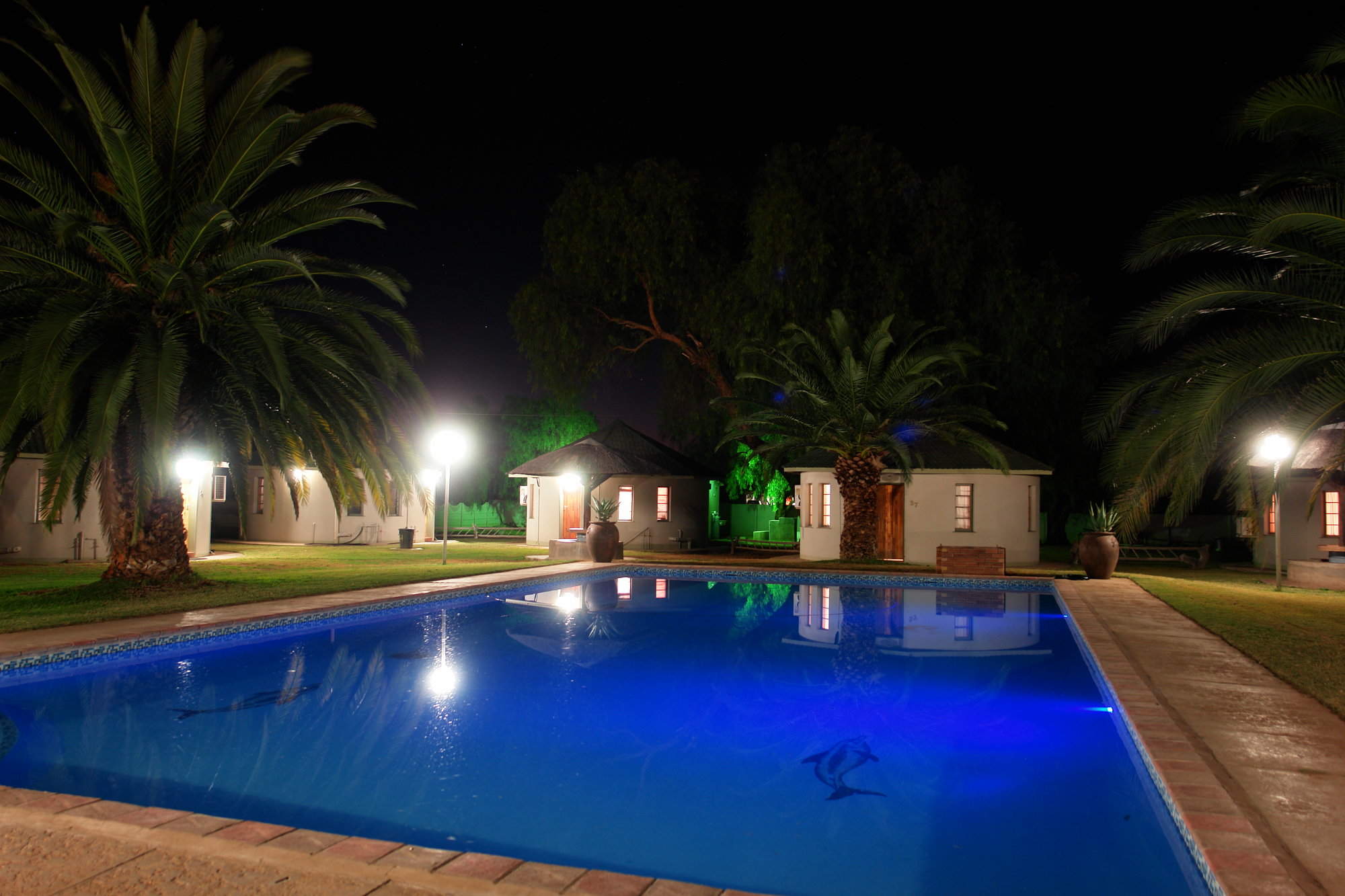
Kalahari Arms Hotel
Kalahari Arms Hotel, in the town of Ghanzi, is a practical overnight stop for travellers crossing the Kalahari to or from Namibia.
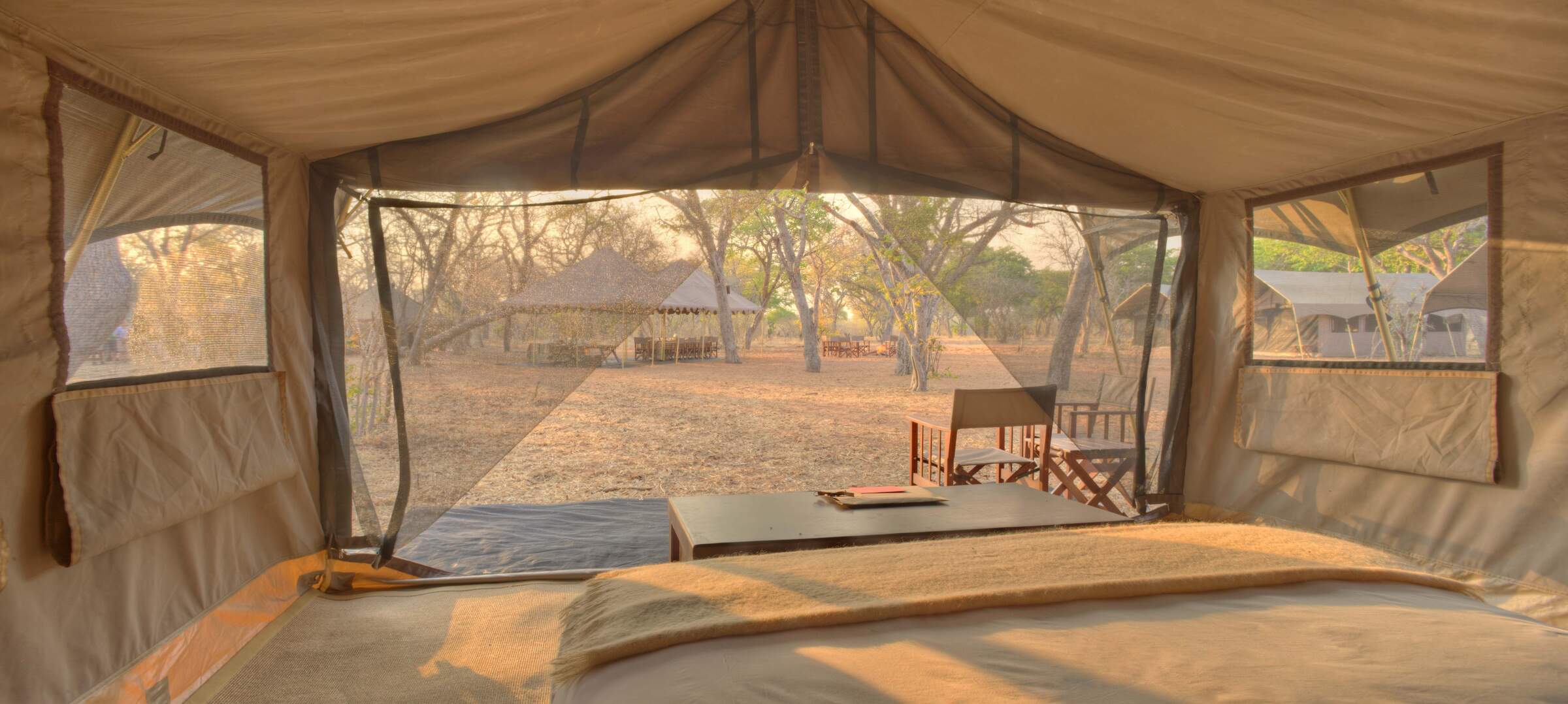
Chobe Under Canvas
This is a typical location for Chobe under Canvas, a small, semi-permanent camp in the Chobe Riverfront area that offers good value for money and high standards of care.
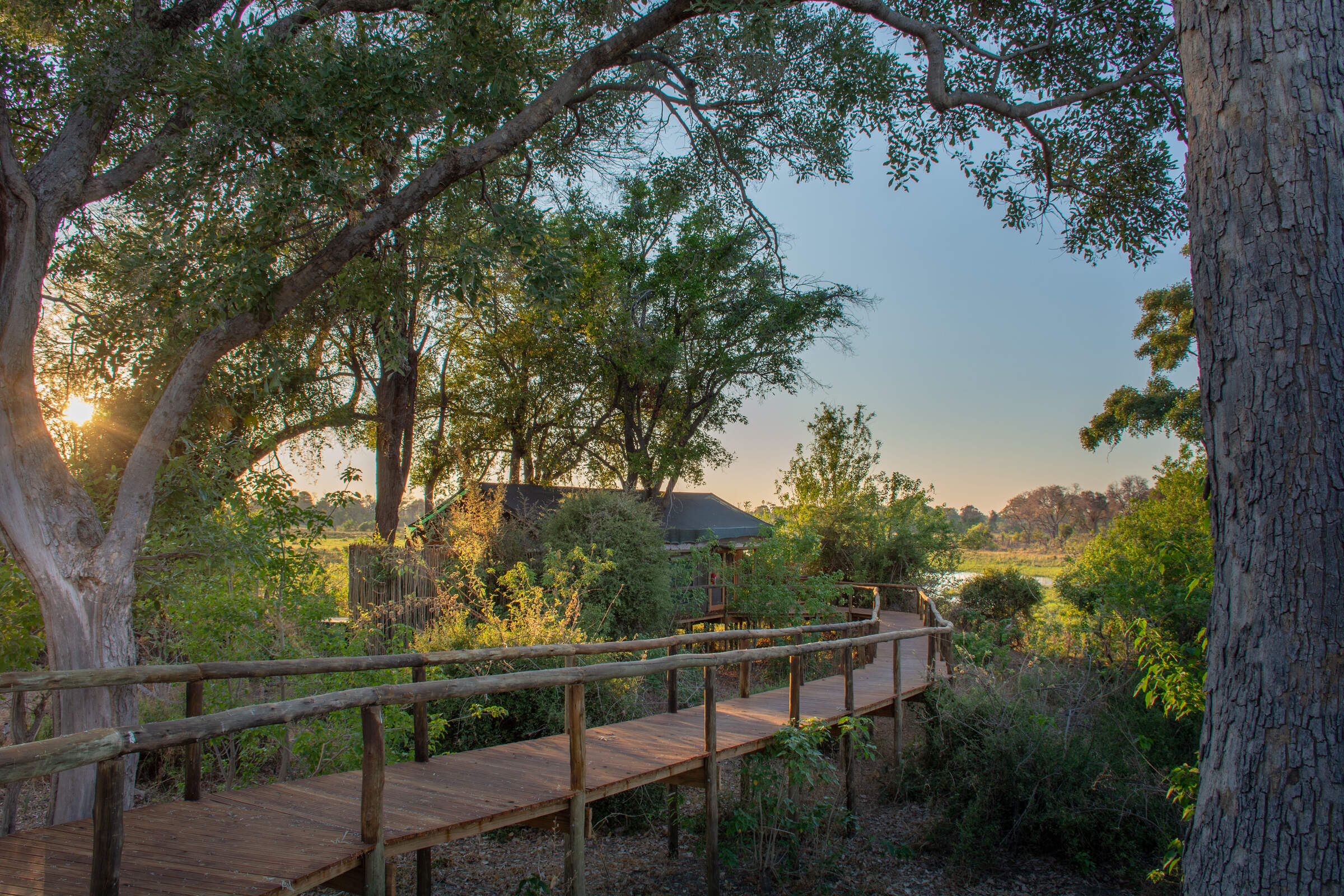
Mma Dinare
Beautifully located in a private concession overlooking the Gomoti River, the traditional Mma Dinare is very well-priced for the Okavango Delta.
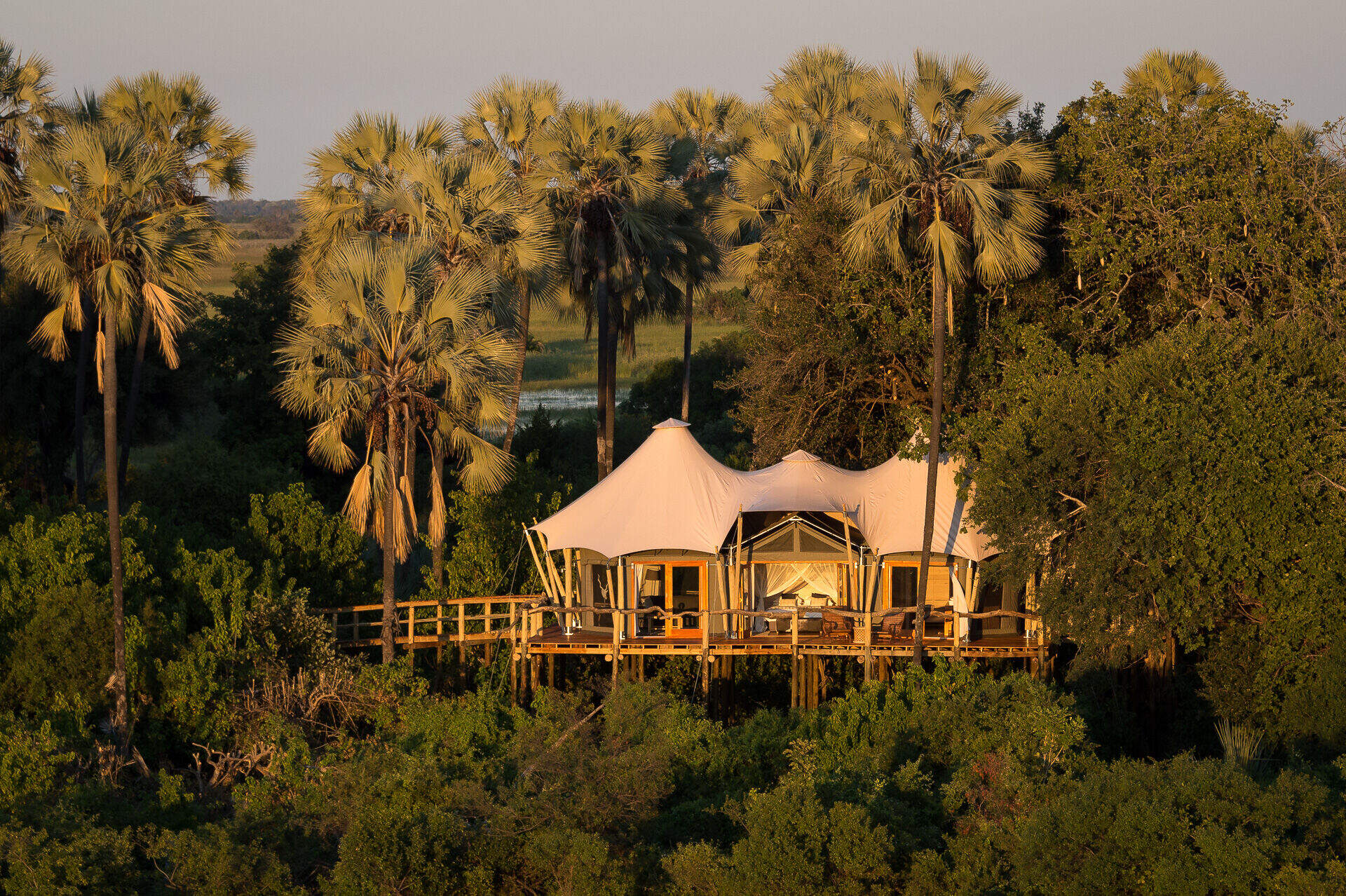
Kwetsani Camp
Deep in the Delta, overlooking a floodplain, Kwetsani Camp is a small, high-end camp with good access to areas for land and water-based activities.
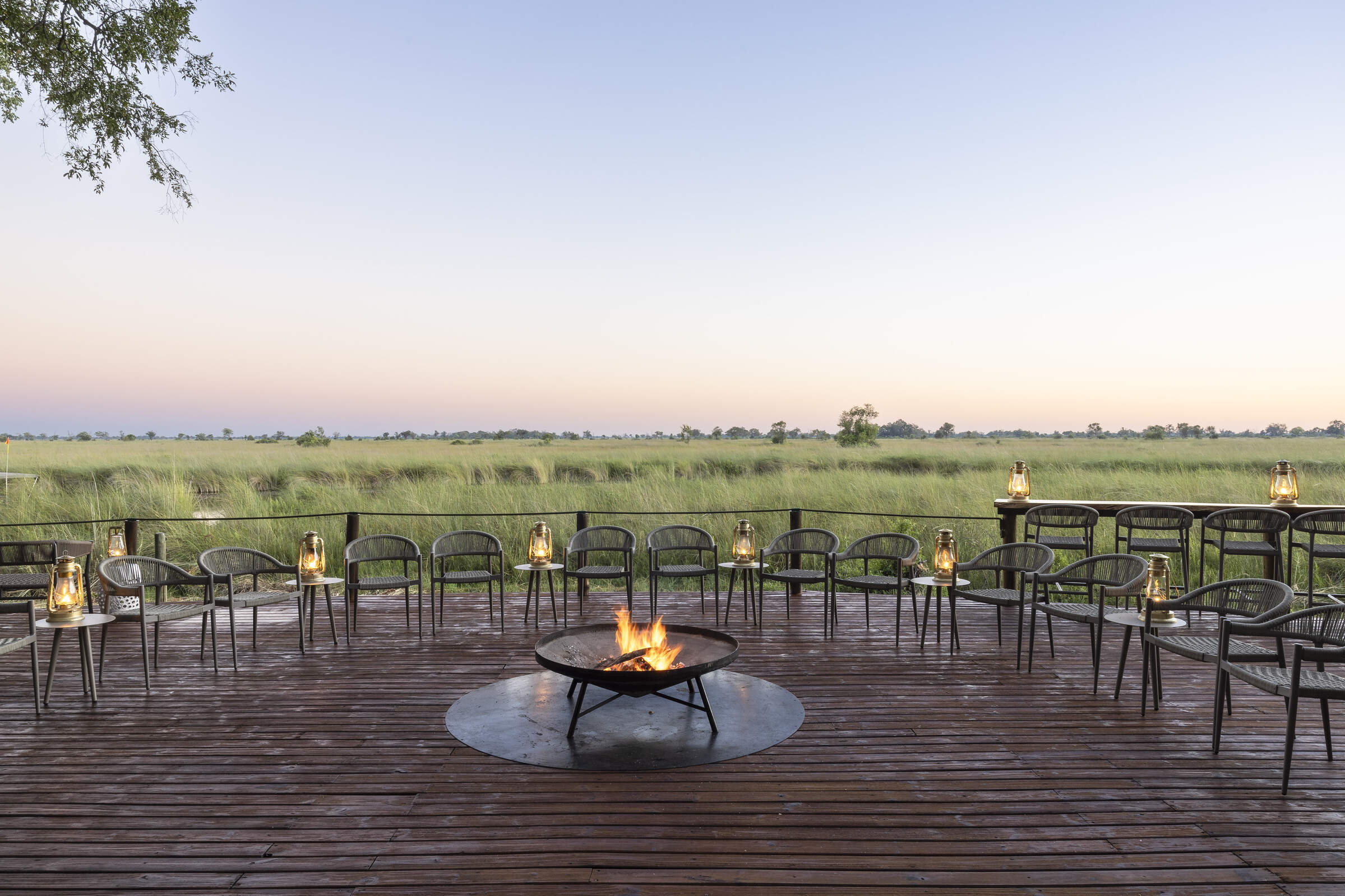
Okuti
With an innovative design and good service, Okuti Camp offers game drives and boat trips in a beautiful, game-rich part of Moremi Game Reserve.

San Camp
The simple but stylish San Camp lies in a stunning location beside the Makgadikgadi Salt Pans, where highlights are quadbiking, meerkats, and Bushmen walks.
Pom Pom Camp
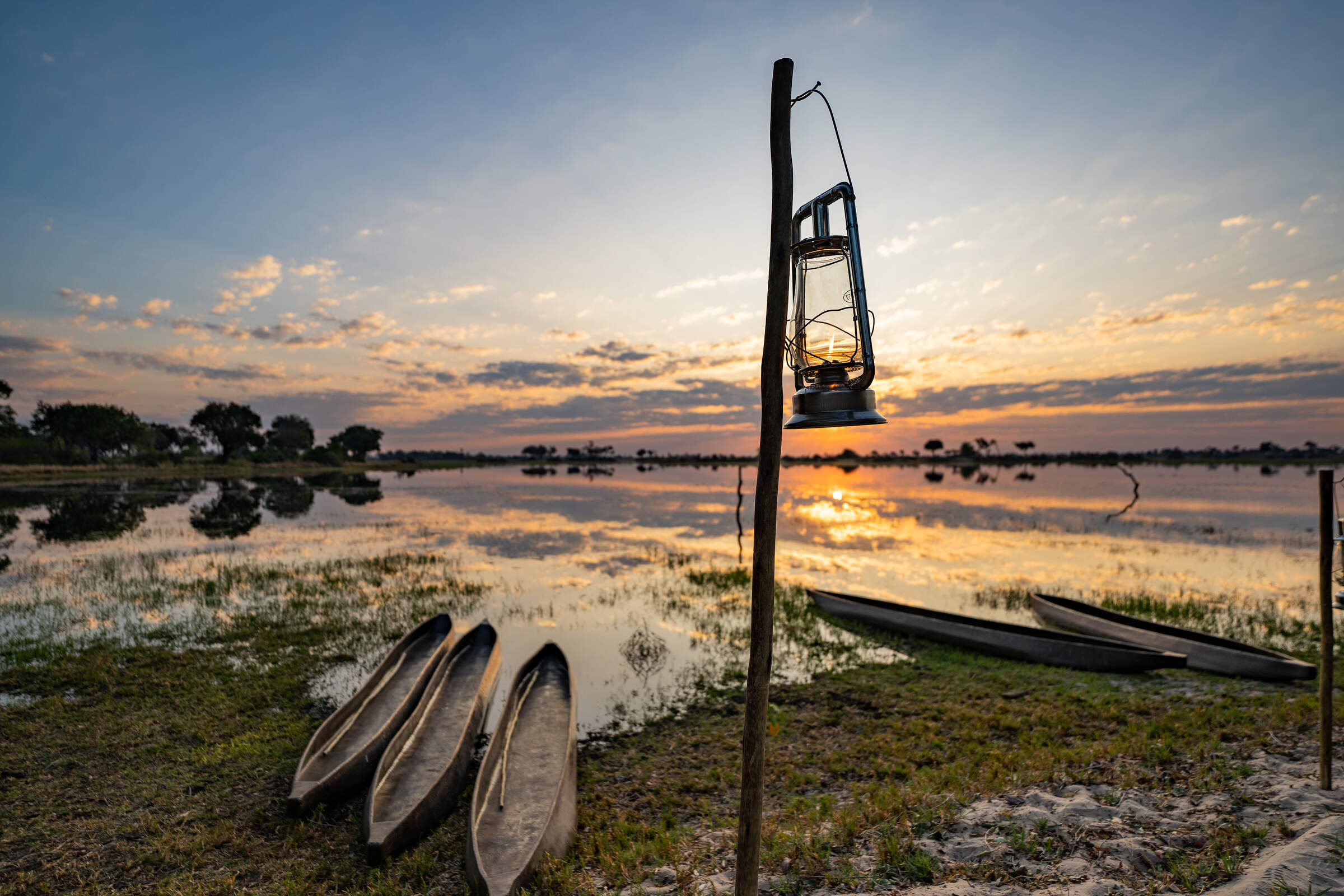
Amidst stunning Okavango Delta scenery, Pom Pom offers idyllic mokoro trips in season, great birdwatching, and increasingly good big-game sightings, especially leopards.
Zarafa Camp
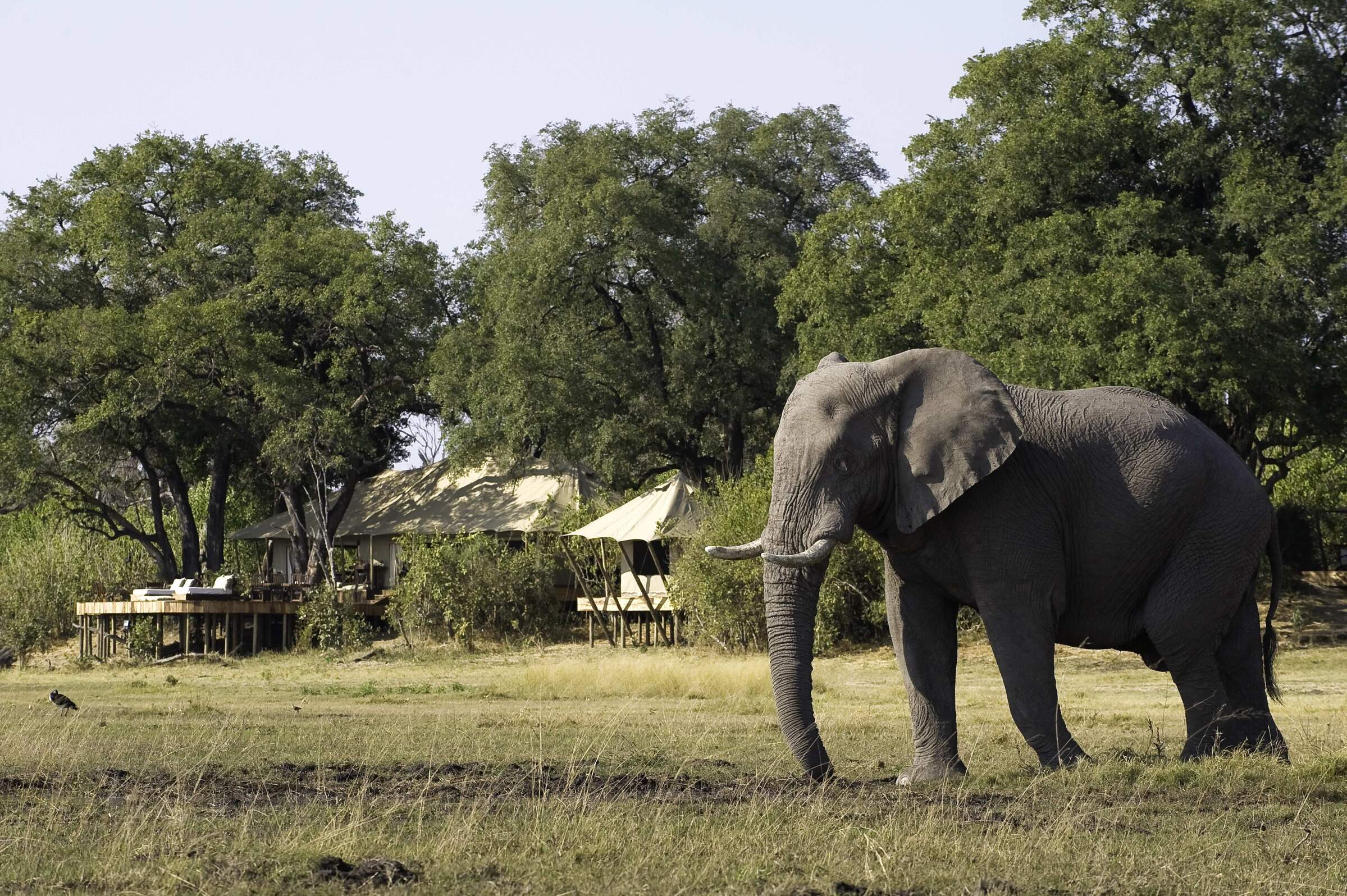
Zarafa is an exclusive camp overlooking the scenic Zibadianja Lagoon within the Selinda Reserve, a particularly game-rich area between June and early November.
Mapula Lodge
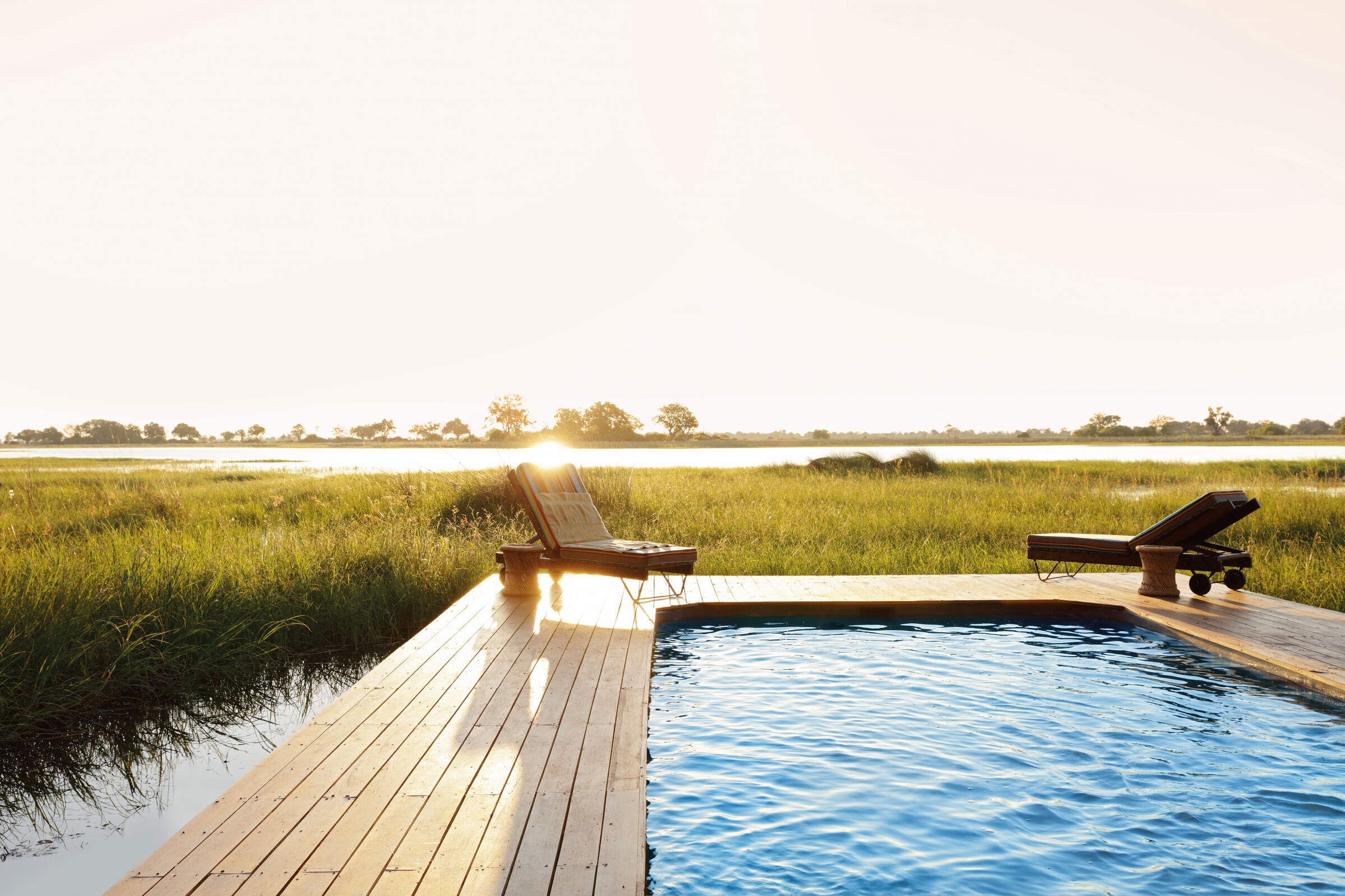
For an affordable yet varied safari encompassing a range of eco-systems, the traditional Mapula Lodge takes a lot of beating.
Chobe Safari Lodge
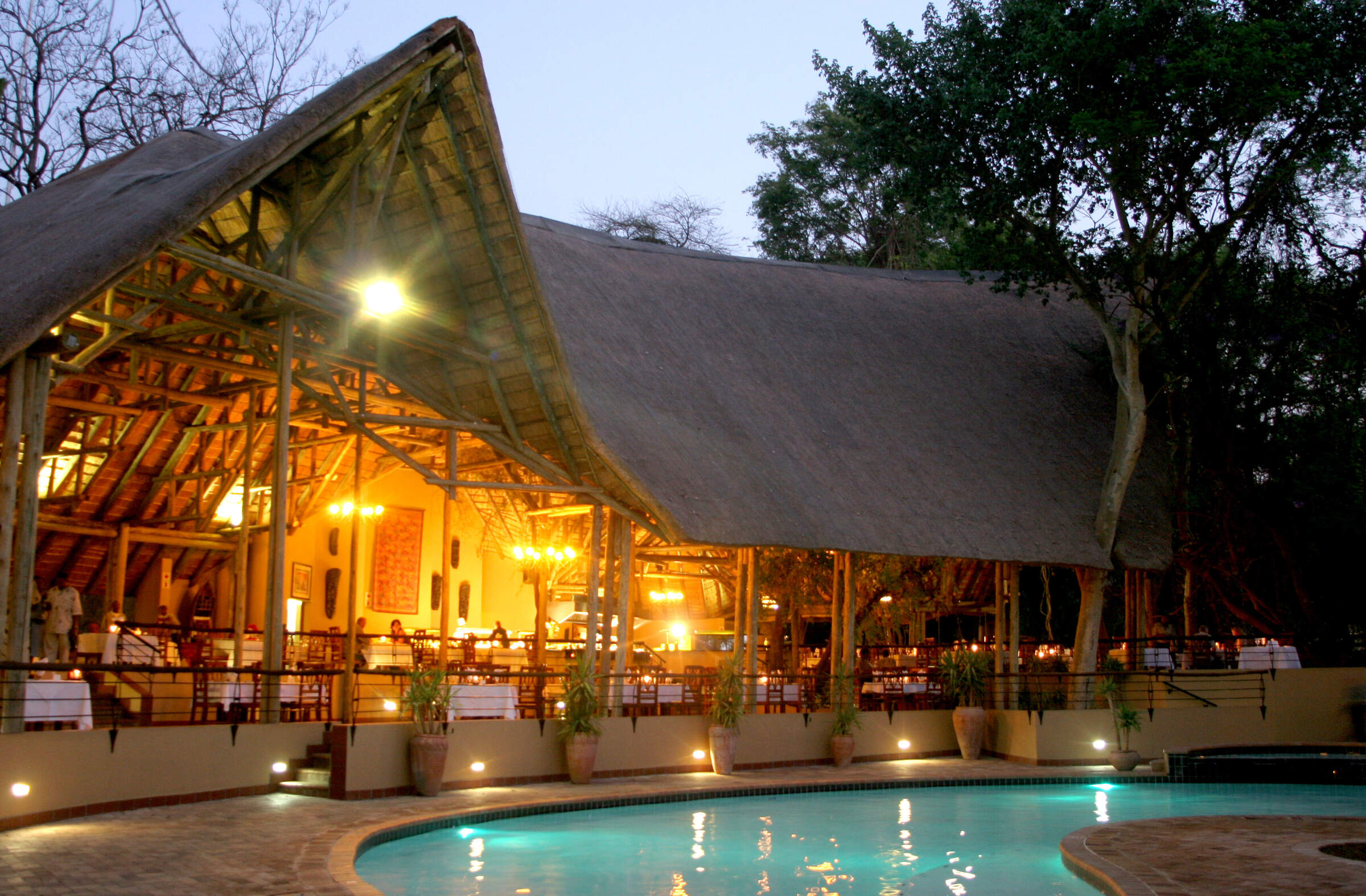
Chobe Safari Lodge is a good value, hotel-style lodge in the heart of Kasane offering game drives, boat cruises and fishing trips.
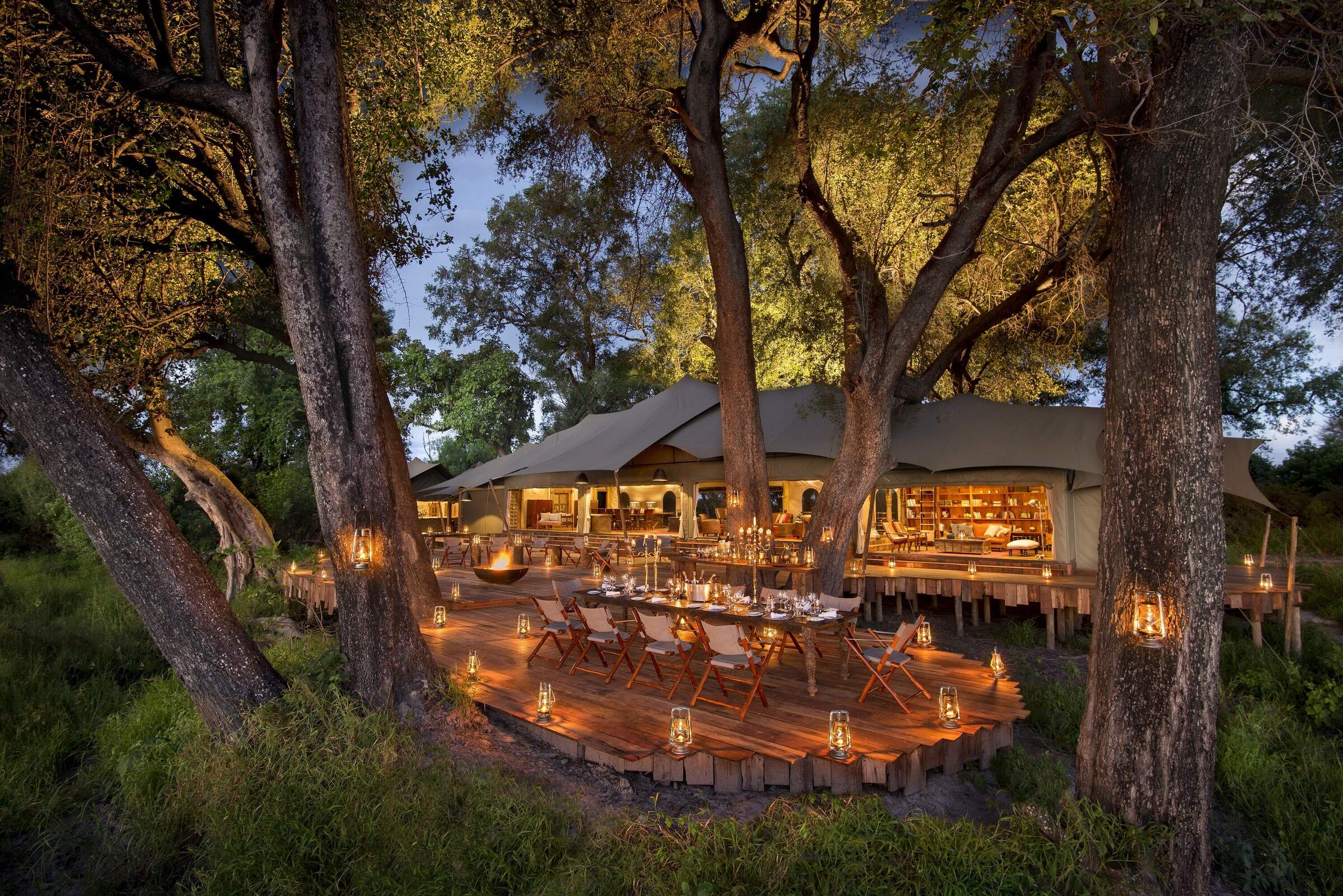
Duba Plains Camp
Duba Plains Camp is a traditional yet luxurious safari camp, best known for the thrilling lion behavior interaction that is often see during the day.
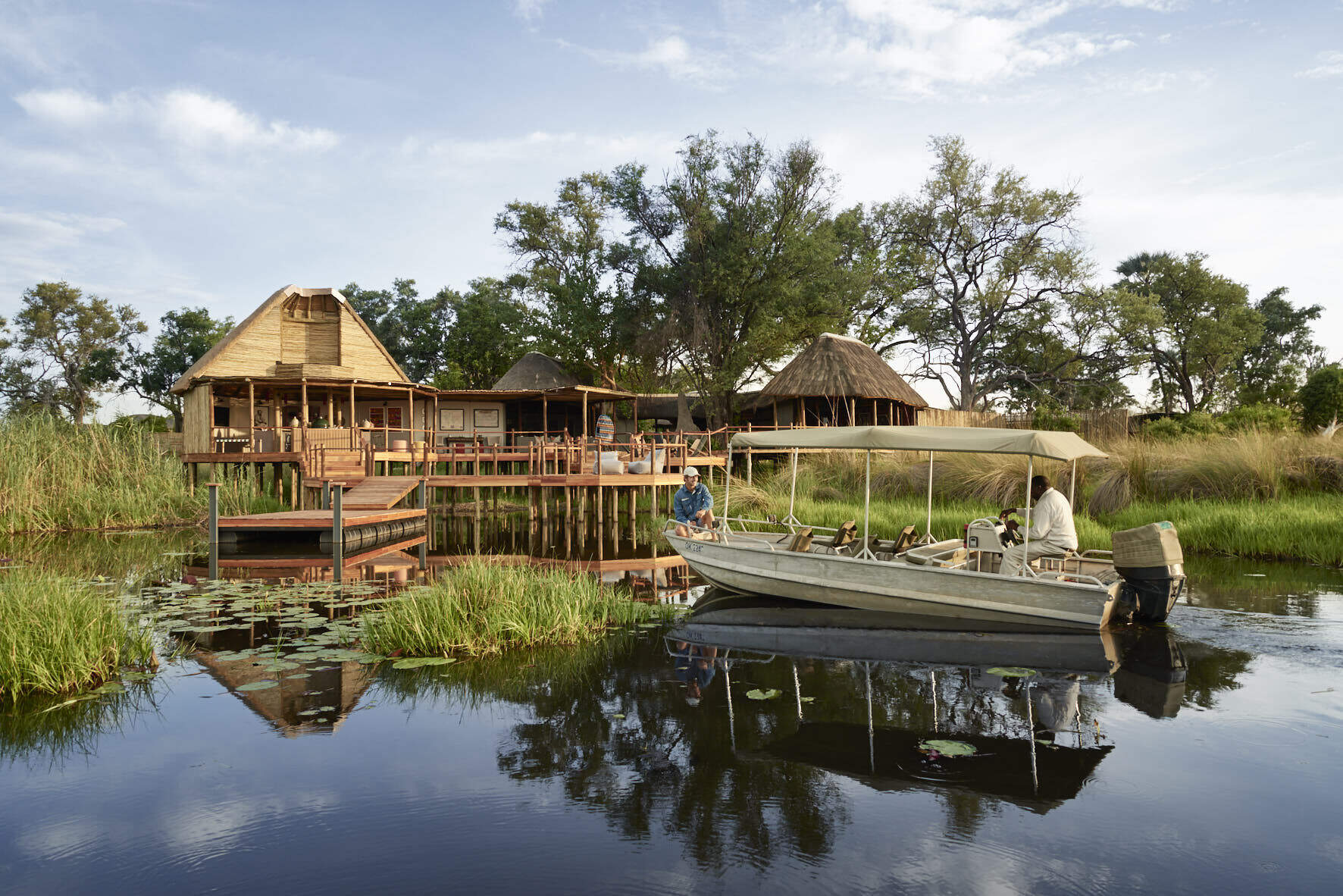
Baines' Camp
Baines' Camp is a well-run, intimate camp in a pretty part of the Okavango, offering a range of activities and the option to spend a morning walking with elephants.

Kalahari Plains Camp
(CURRENTLY CLOSED) Kalahari Plains Camp, situated in the Central Kalahari Game Reserve, is a traditional tented camp offering some of Botswana's best summer (Dec–Mar) game viewing, and an introduction to authentic Bushman culture.
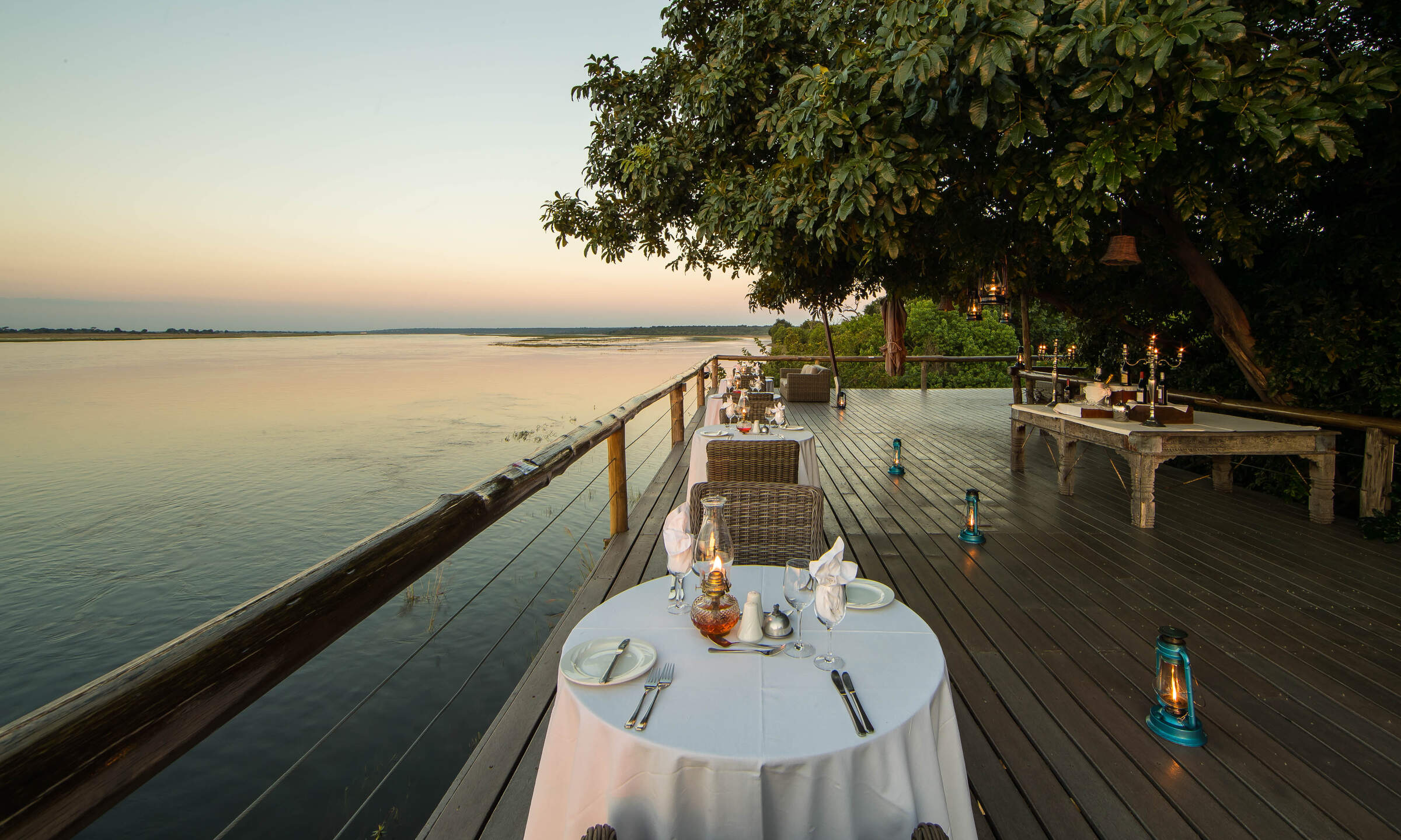
Chobe Game Lodge
Chobe Game Lodge occupies an enviable riverfront location within Chobe National Park and boasts well-earned 'eco' credentials, as well as an excellent all-female guiding team.
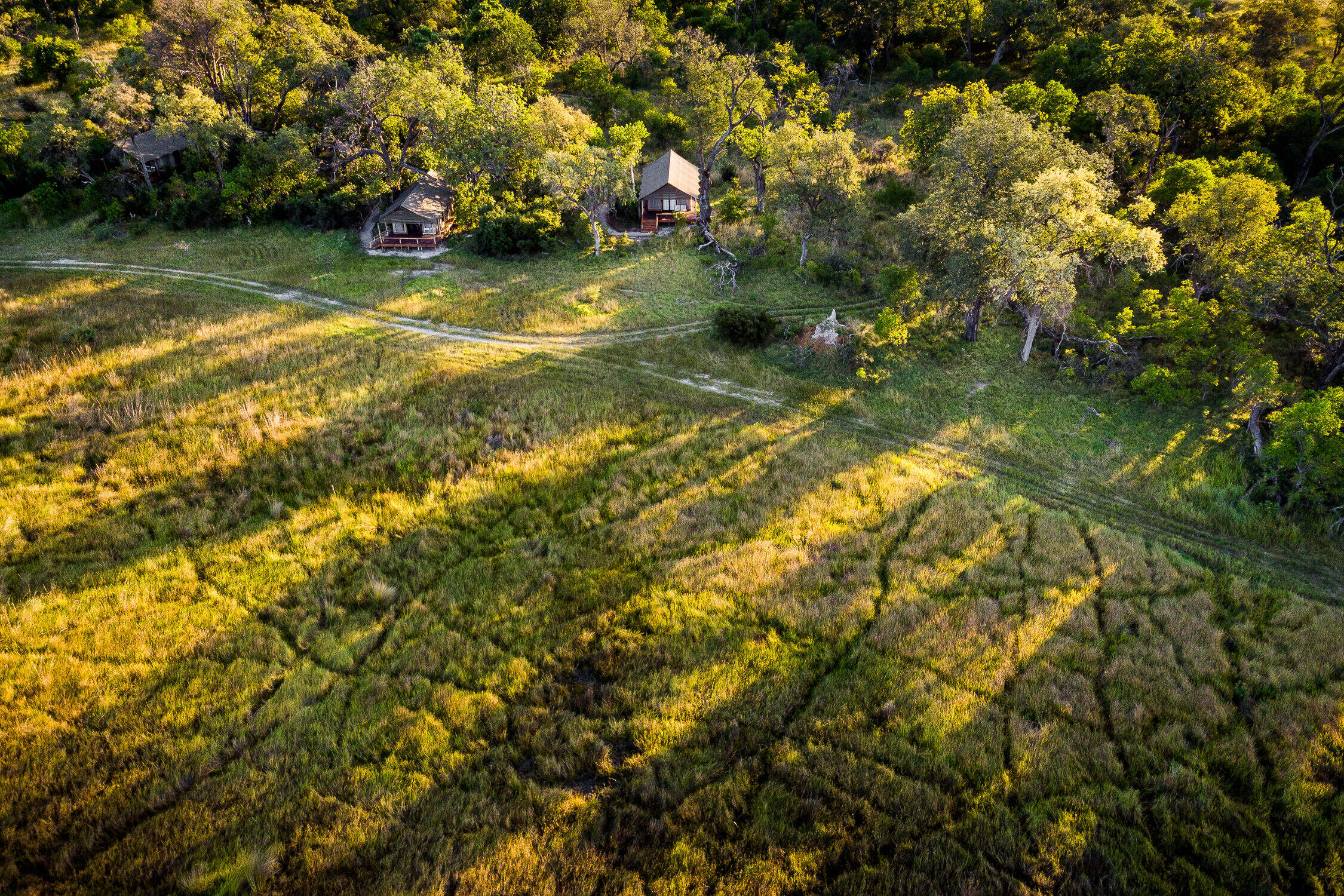
Stanley's Camp
In a private concession south of Moremi Game Reserve, Stanley's Camp offers 4WD game drives, seasonal water activities and a superb elephant interaction.

Meno A Kwena
Meno A Kwena Tented Camp is an old-style safari camp, run by an experienced Botswana expert. Overlooking the bed of the Boteti River, it's a great place to relax and watch wildlife at the camp's waterhole.
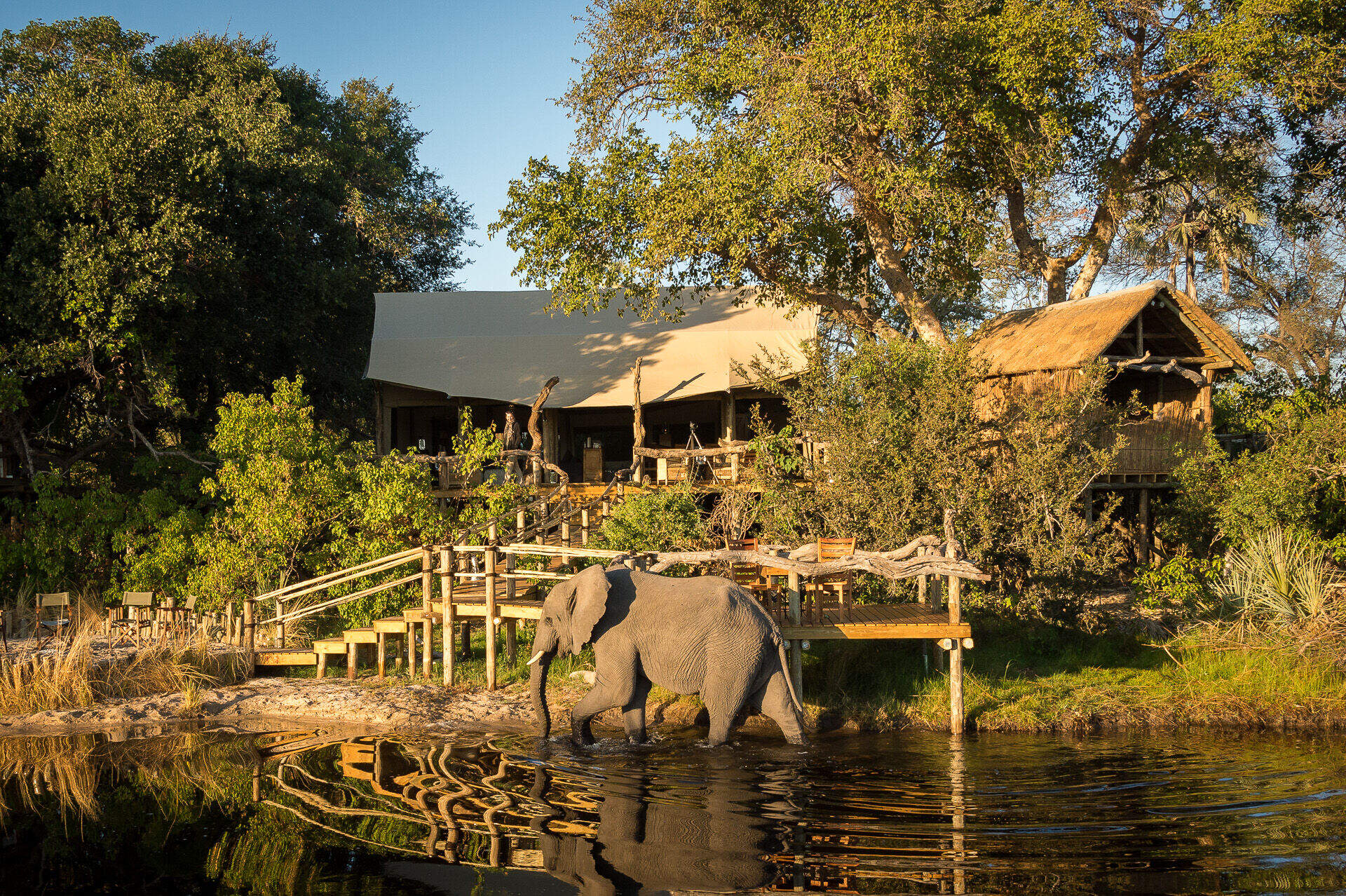
Little Tubu
Little Tubu is a new, traditional camp with just three tented chalets and a distinctive tree-house feel. The areas around it can be explored by water and land-based activities year round.
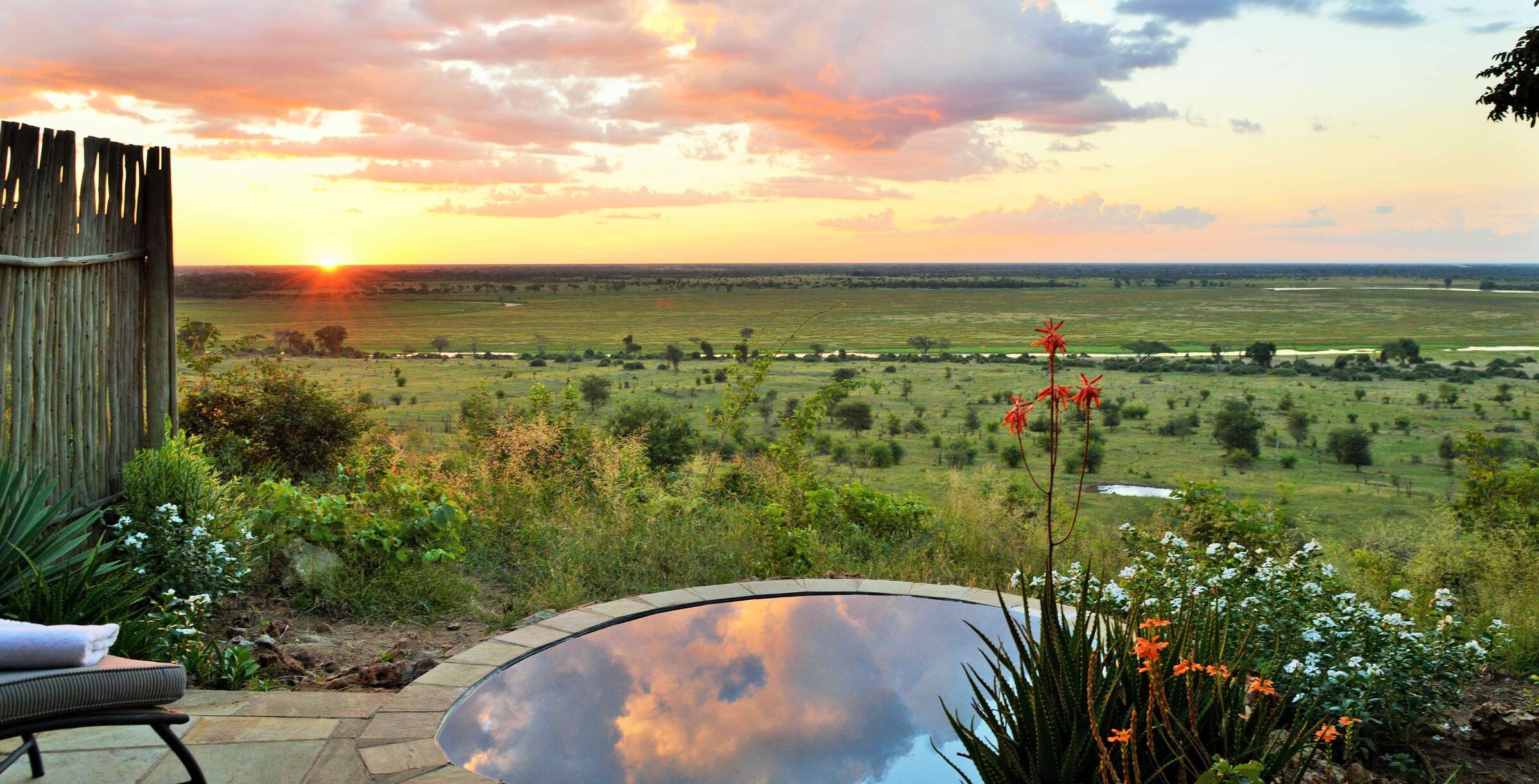
Ngoma Safari Lodge
With sweeping views across the floodplains of the Chobe River, Ngoma offers superb food and flexible safari activities.
Closed for refurbishment 5 Jan - 28 March 2026

Riley's Hotel
In the heart of Maun, about 3km from the airport, Riley’s makes a relatively reliable stopover for one night.
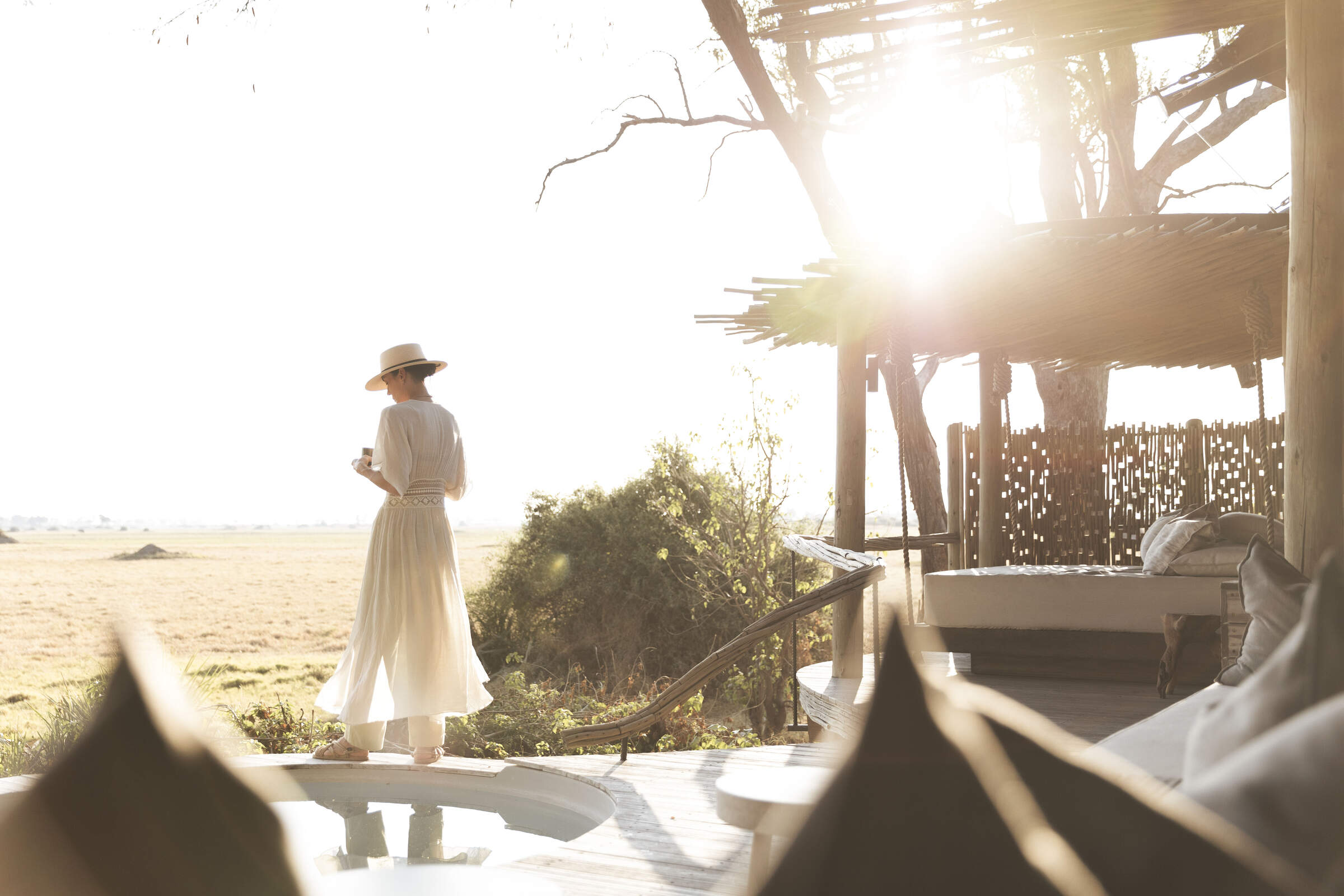
Mombo Camp
Mombo is one of Botswana's most exclusive safari camps, set in a beautiful, remote location within the Moremi Game Reserve and with exceptional game densities.
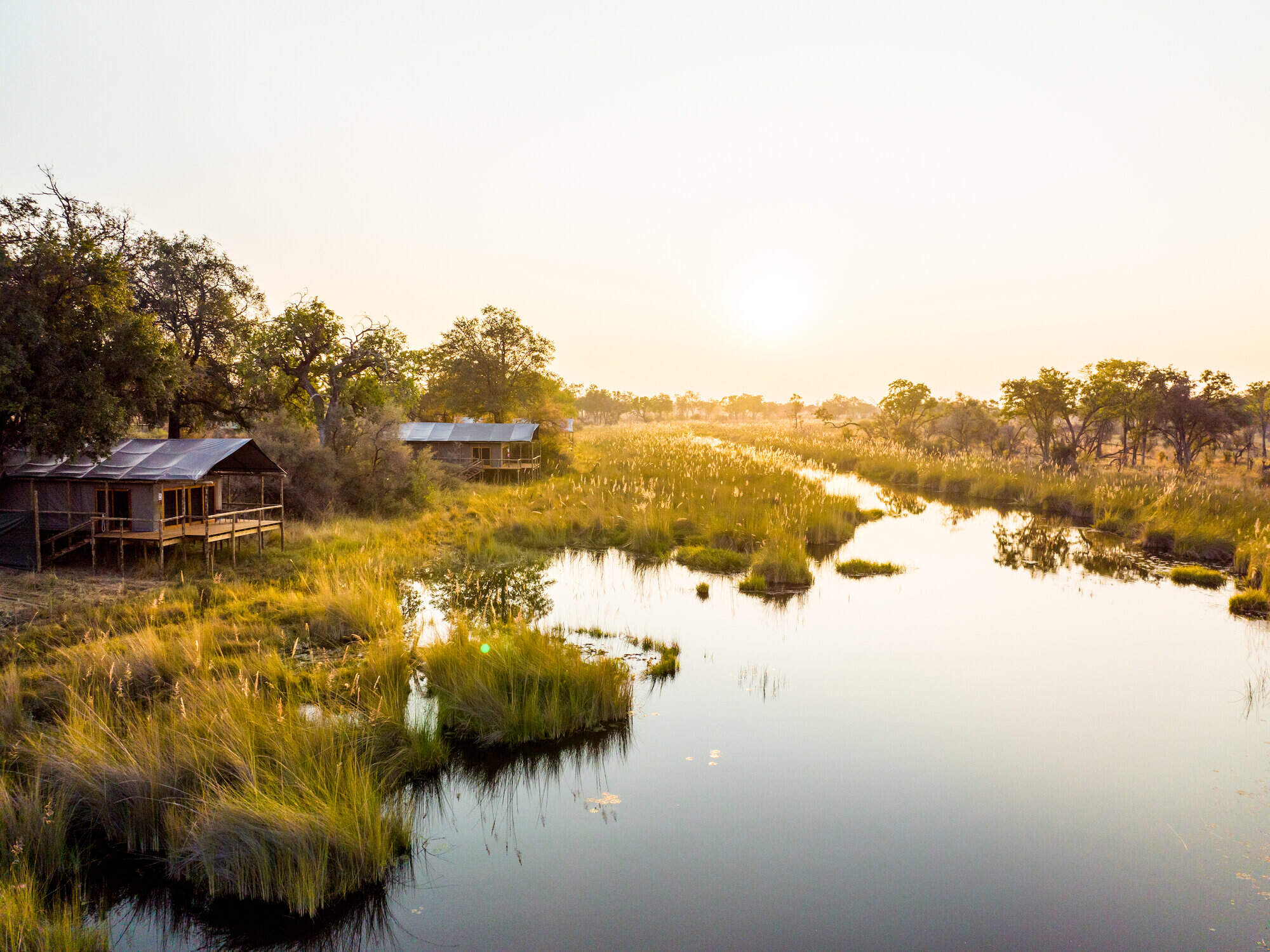
4 Rivers
4 Rivers is a new camp in a previously in accessible area of the excellent Kwara concession.
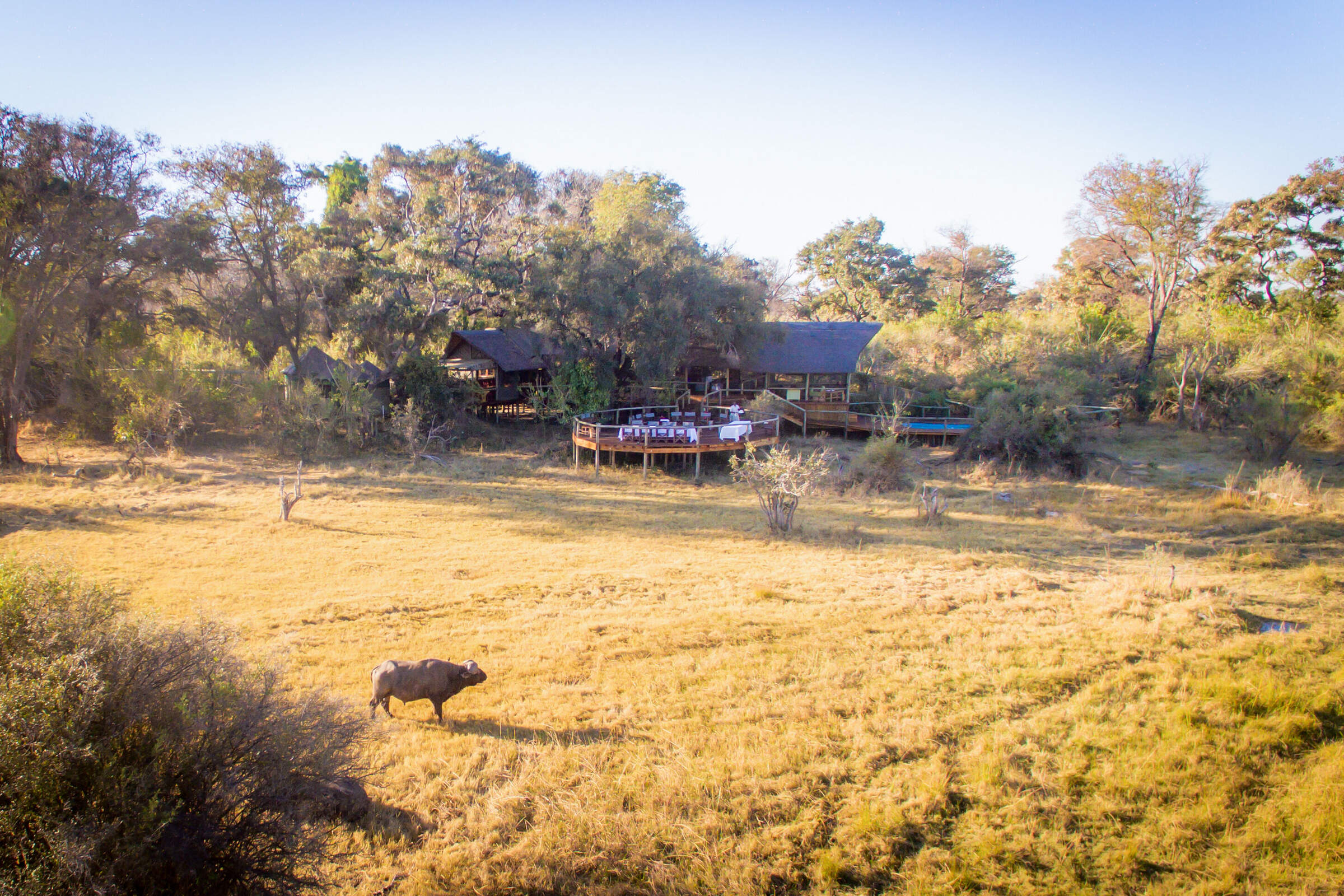
Rra Dinare
Located in a private concession in the southern reaches of the Okavango Delta, overlooking the Gomoti River, Rra Dinare is a traditional-style, well-priced camp.
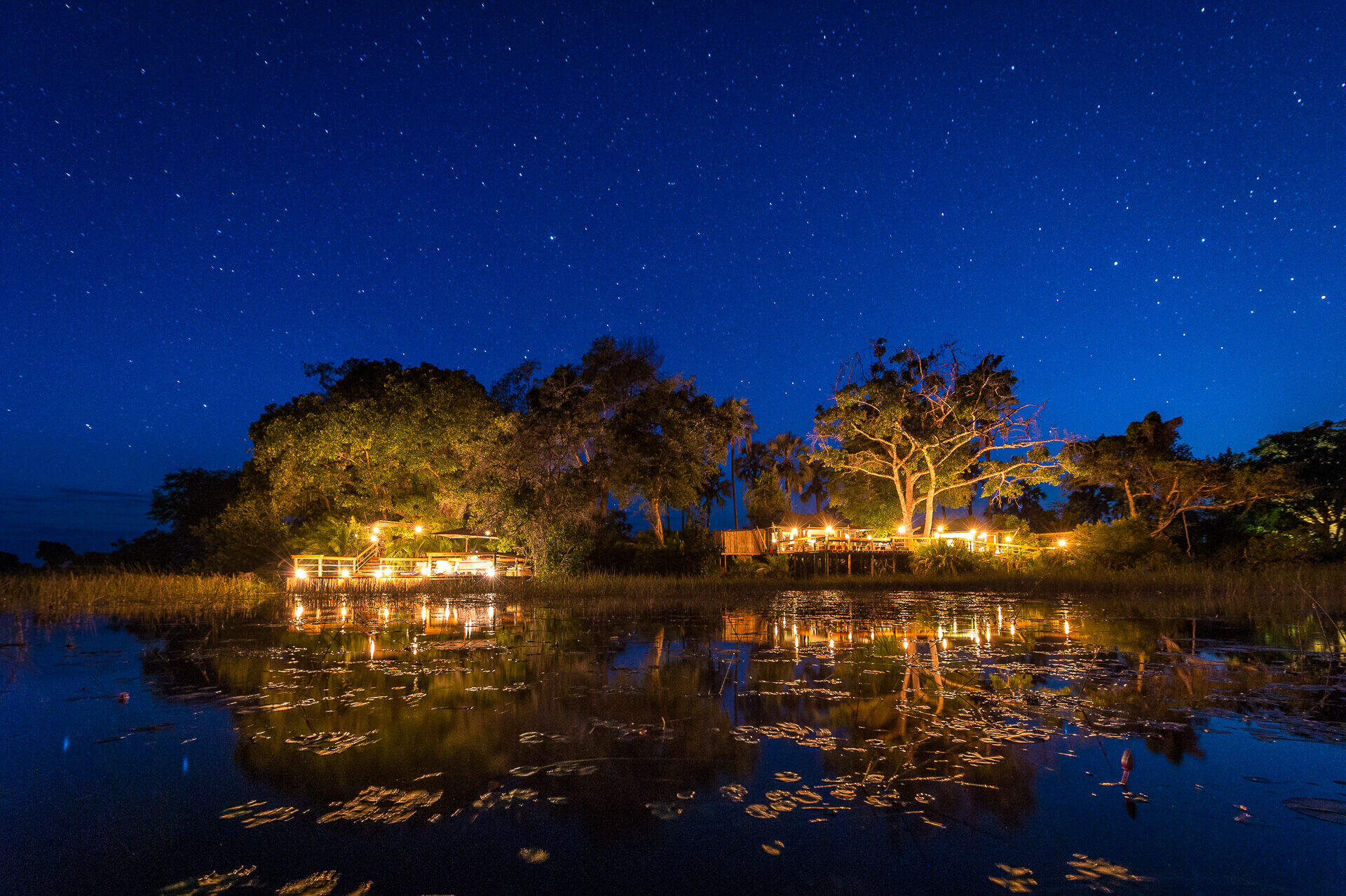
Pelo Camp
In a pristine wilderness environment deep in the Okavango Delta, the seasonal Pelo Camp is tented yet comfortable, with activities focusing on excursions by mokoro.
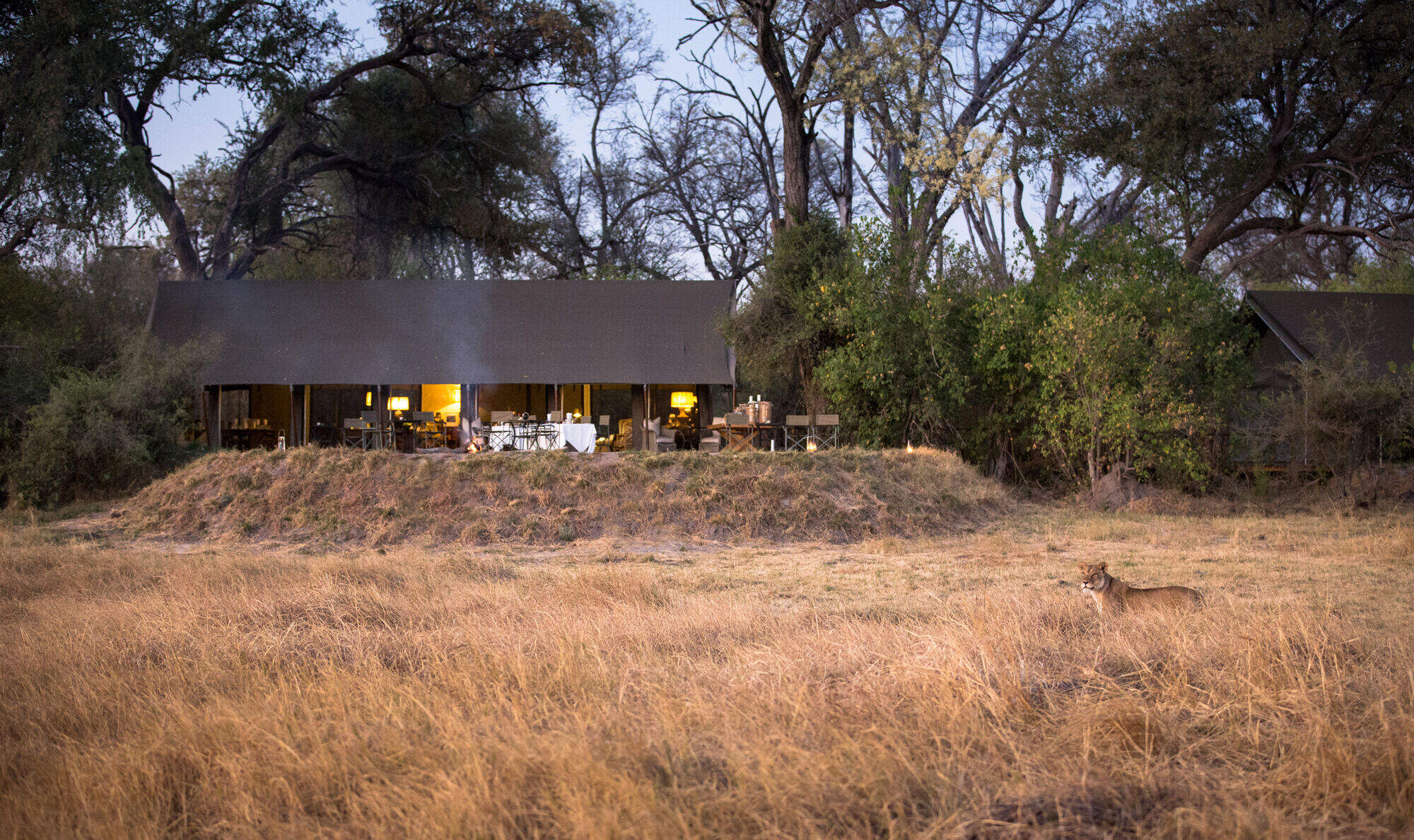
Little Machaba
Overlooking the Khwai River and Moremi Game Reserve beyond, Little Machaba is a classically designed camp with very comfortable tents in a great game-viewing area.
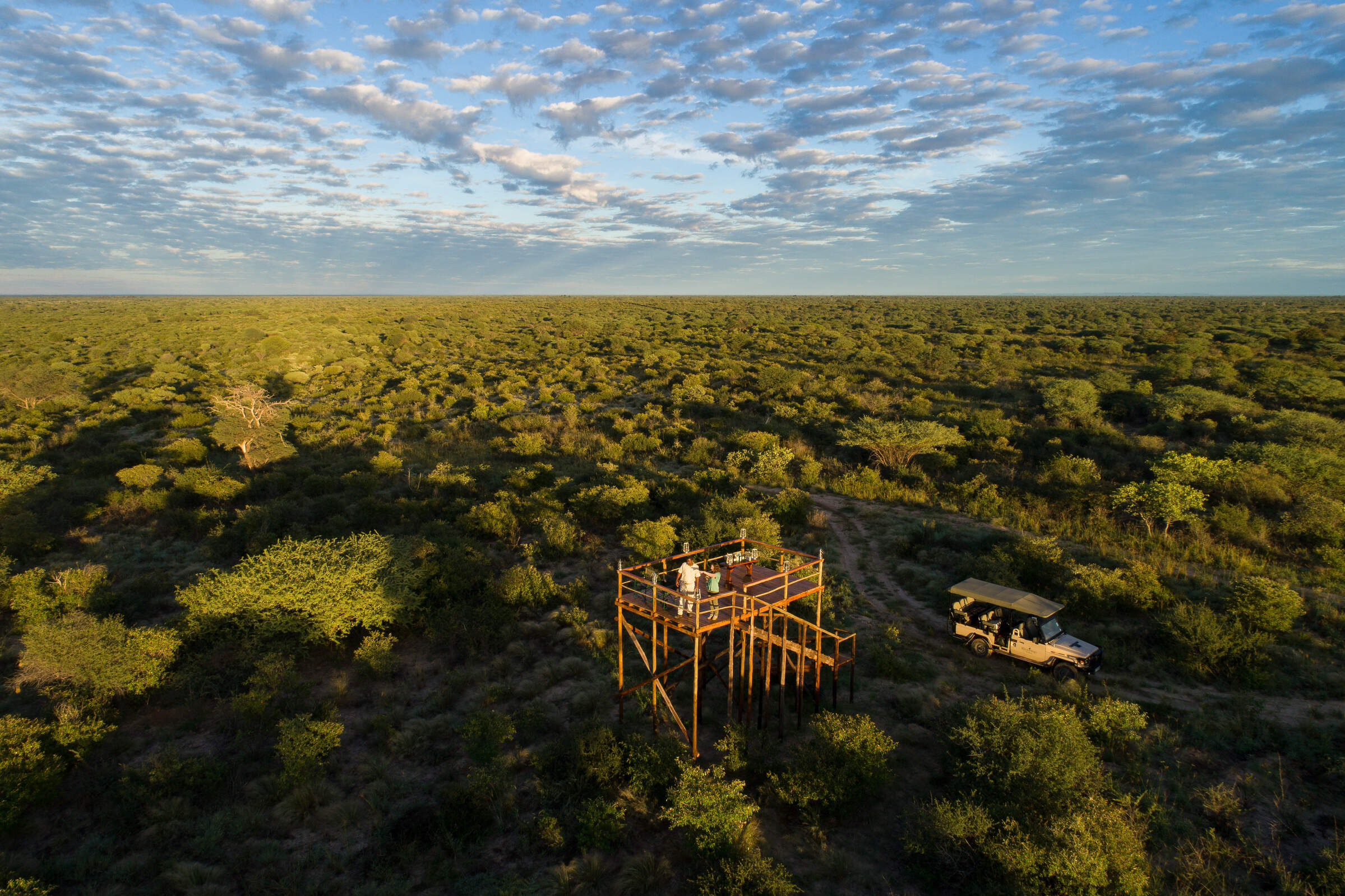
Dinaka
The newest addition to Ker and Downey Botswana’s portfolio, Dinaka is based on a private game reserve on the northern boundary of the CKGR.
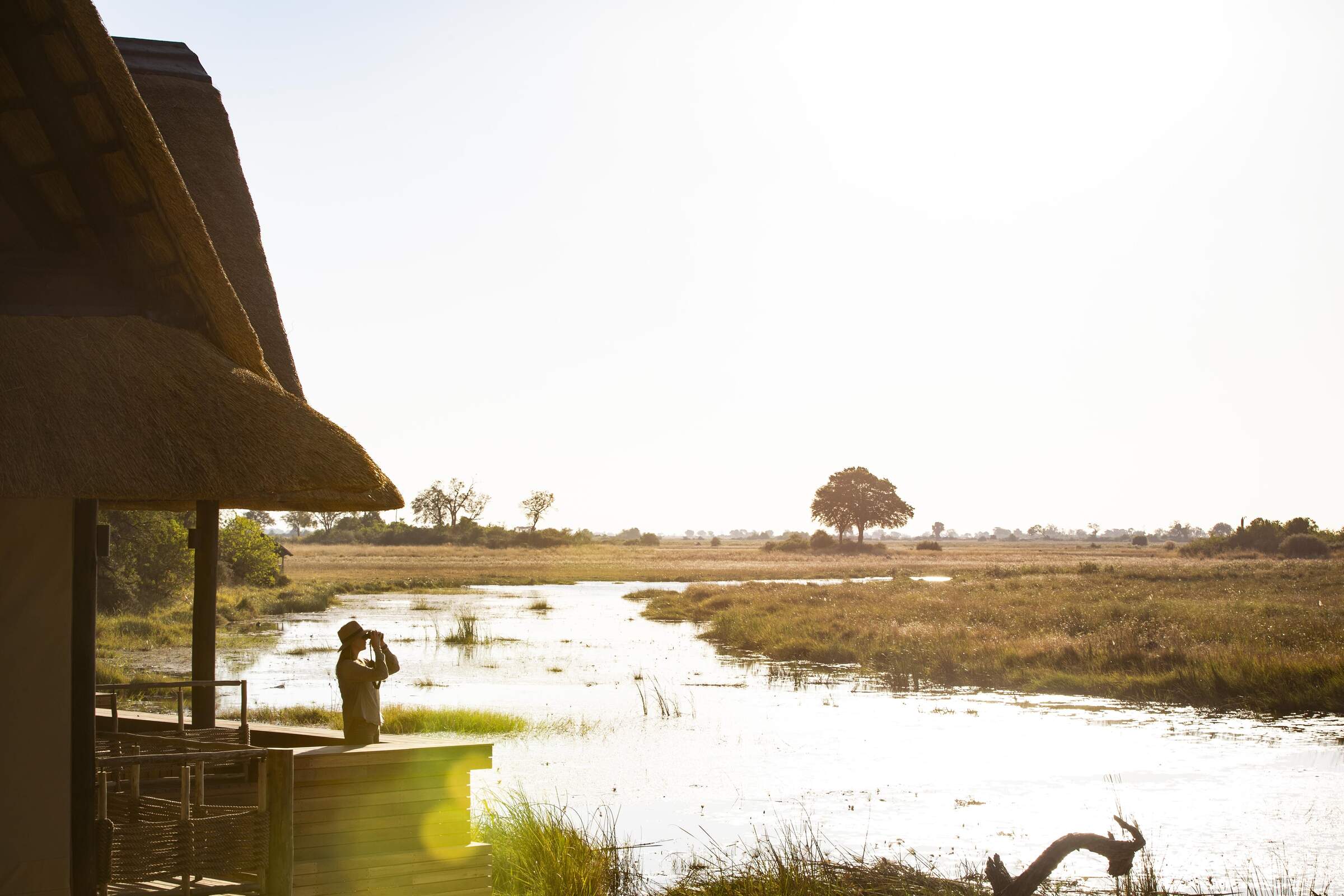
Kings Pool
King’s Pool is a top-end luxury safari camp with a price tag to match; the game viewing can be very good during the dry season.

Edo's Camp
(CURRENTLY CLOSED) Edo's Camp is a small camp with only four spacious tents overlooking a permanent waterhole. Surrounded by 20,000 hectares of private game conservancy you can expect to see white rhino, springbok, oryx and eland here.
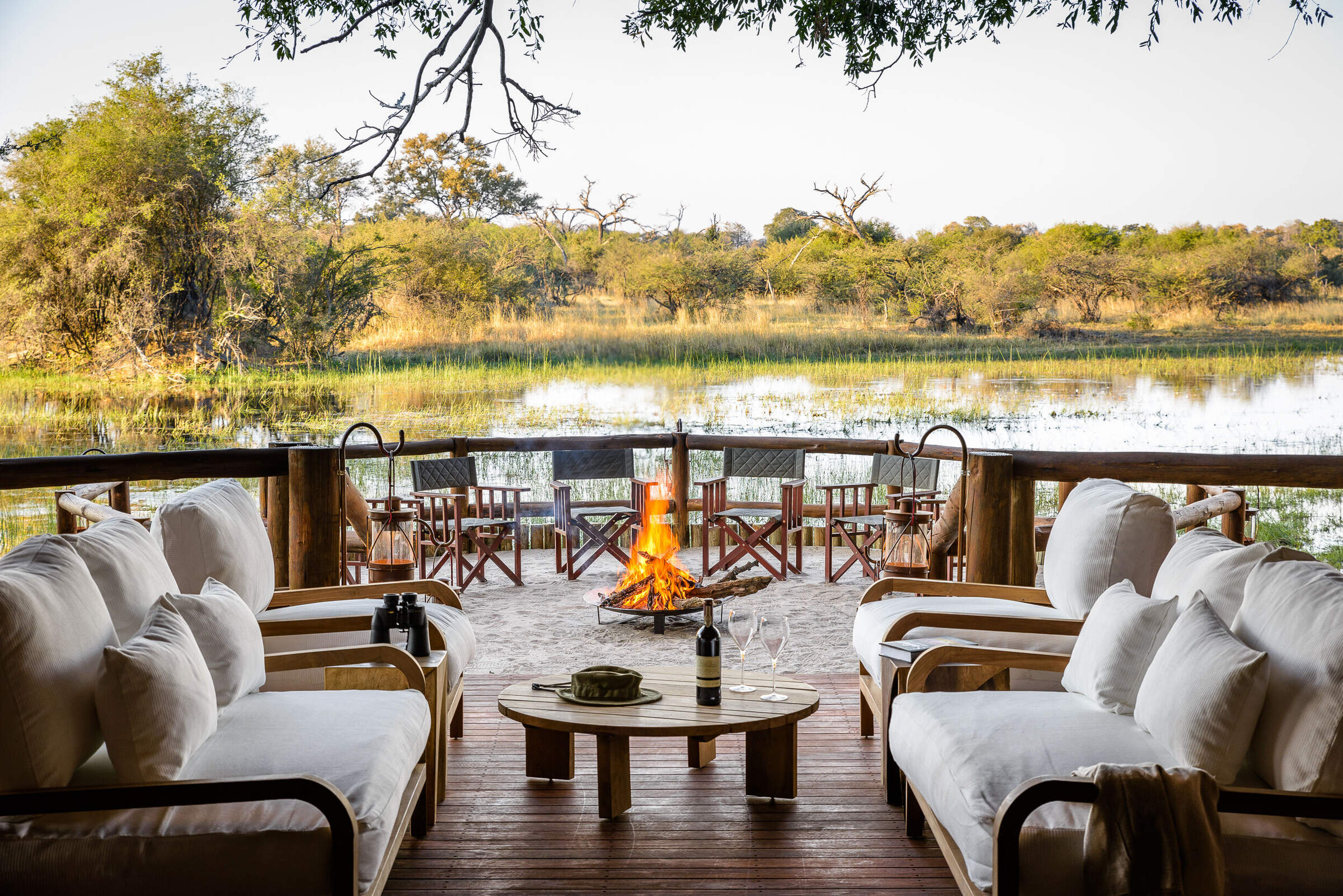
Chief's Camp
Chief's Camp is situated on Chief's Island, within the Okavango Delta's Moremi Game Reserve. Experience one of Botswana's top game-viewing areas by 4WD and mokoro.
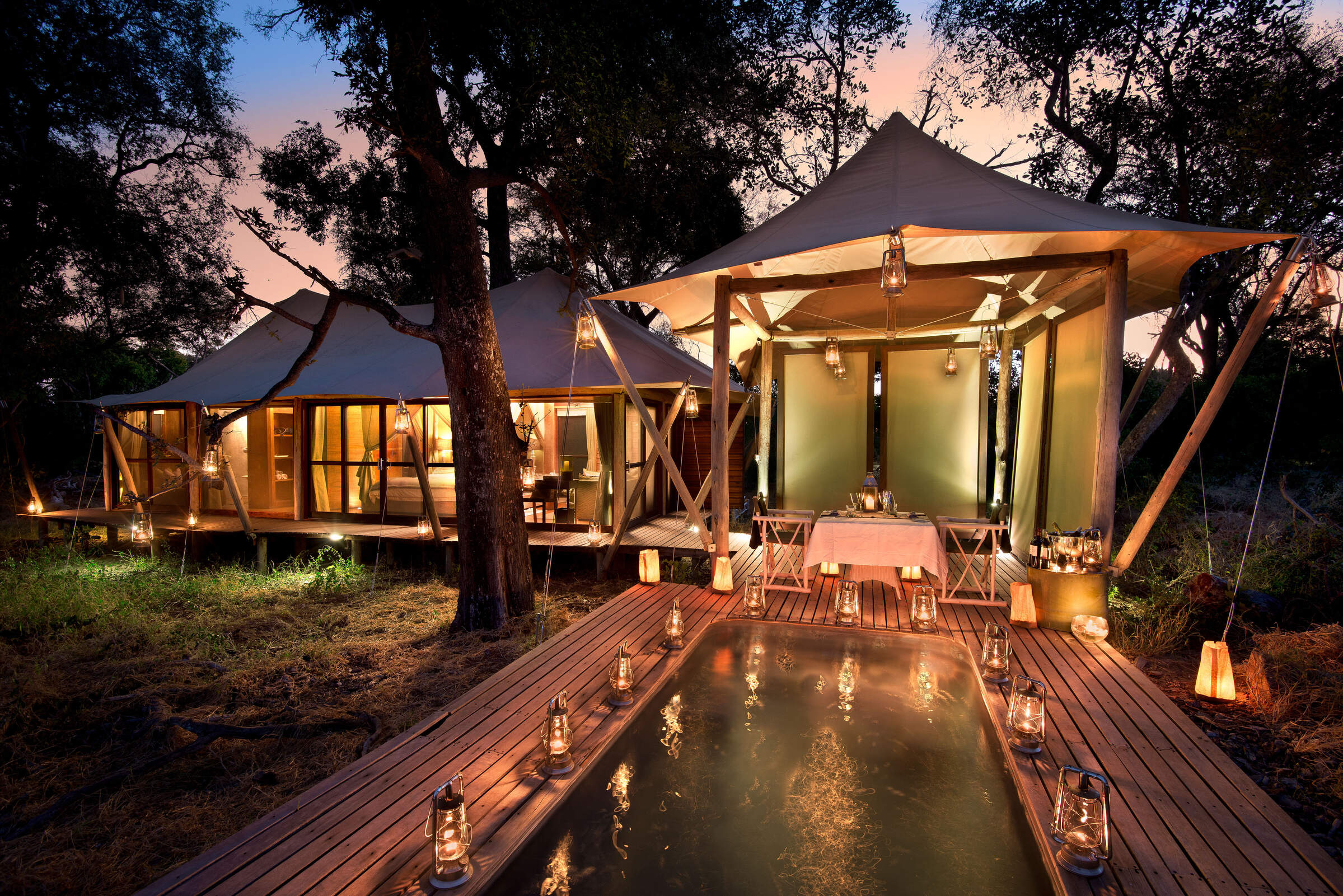
Xaranna
Xaranna is a plush tented camp amongst the idyllic waterways and islands of the Delta. Each air-conditioned tent has a plunge pool. Water activities and pampering are the focus here.
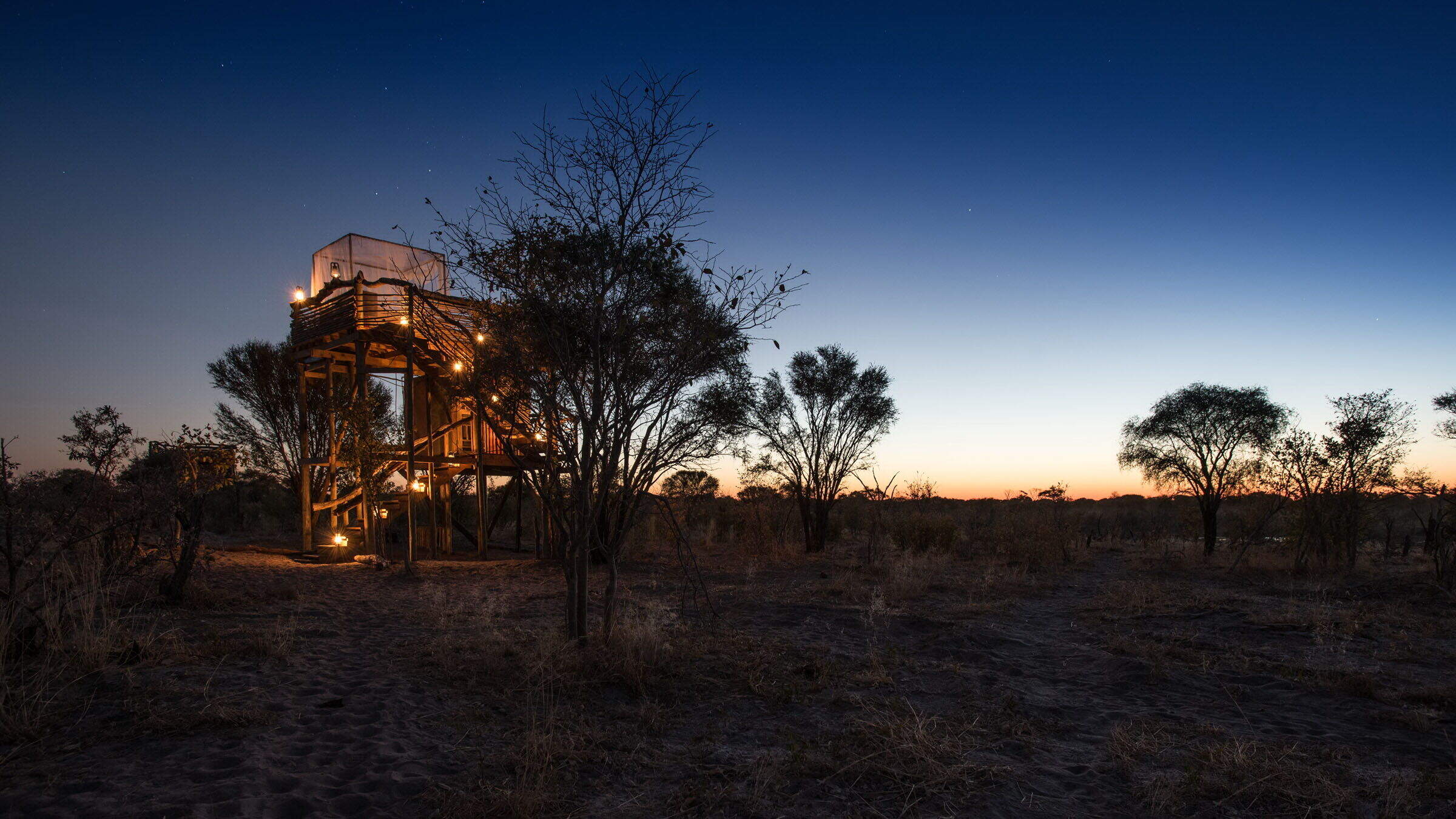
Skybeds
Situated in a private reserve close to Moremi Game Reserve, Skybeds offers a simple yet wonderful opportunity to sleep under the stars and watch wildlife from your bed.
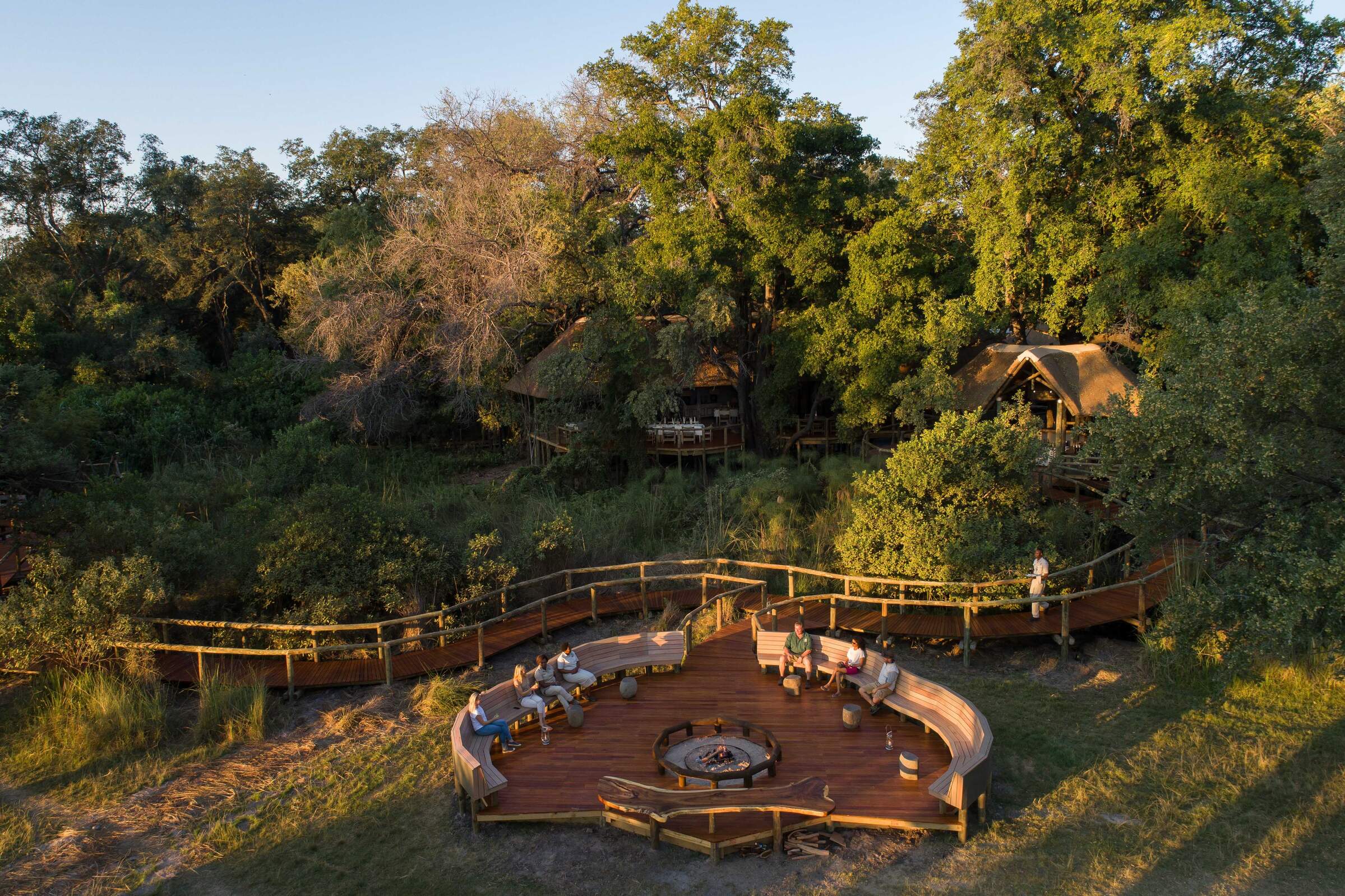
Camp Moremi
In one of the best locations for game viewing in Botswana, Camp Moremi sits at the tip of the Mopane Tongue, overlooking Xakanaxa Lagoon.
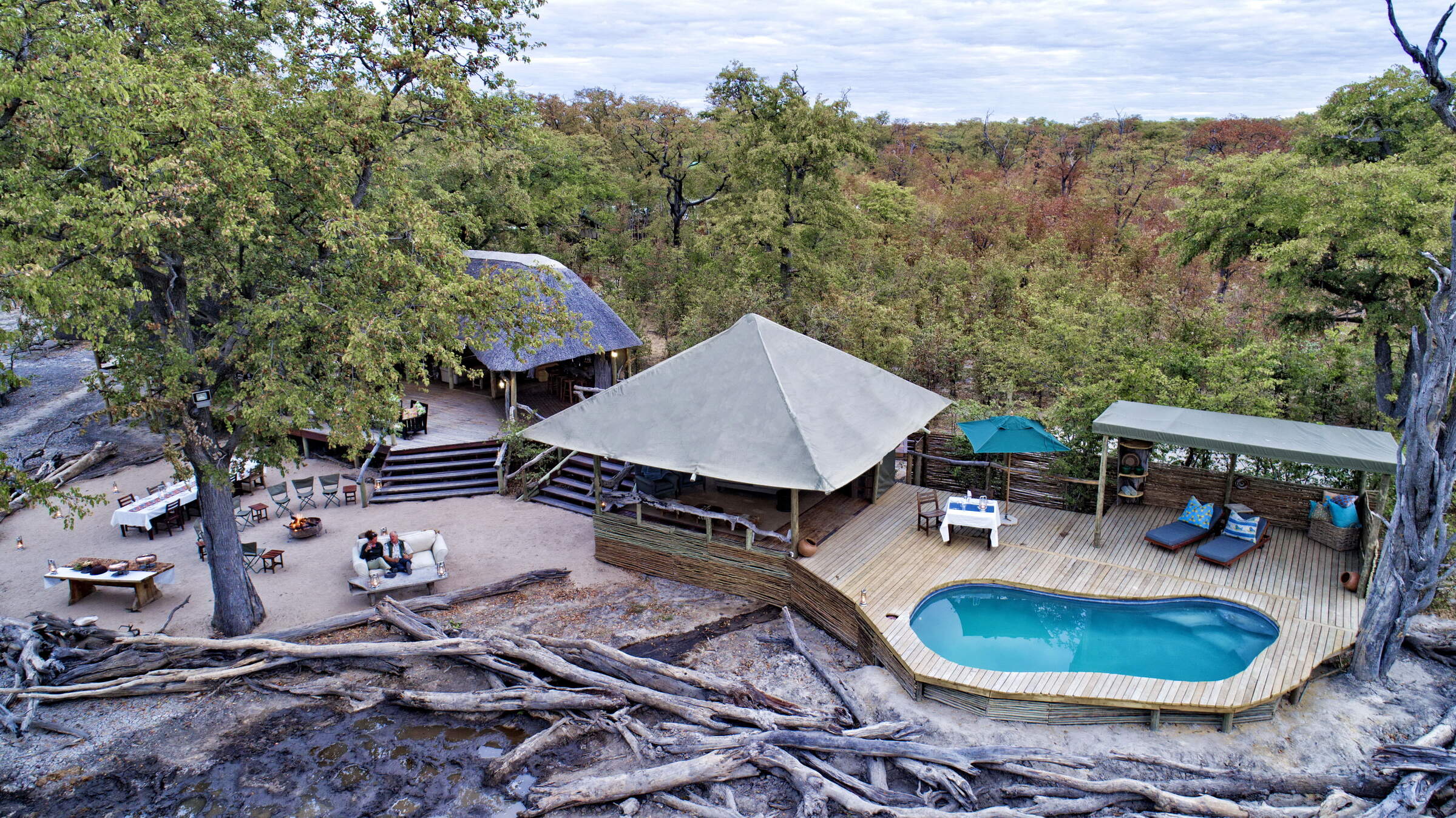
Elephant Pan
Fairly rustic, and relatively inexpensive, Elephant Pan overlooks a natural waterhole that attracts an almost constant parade of animals.
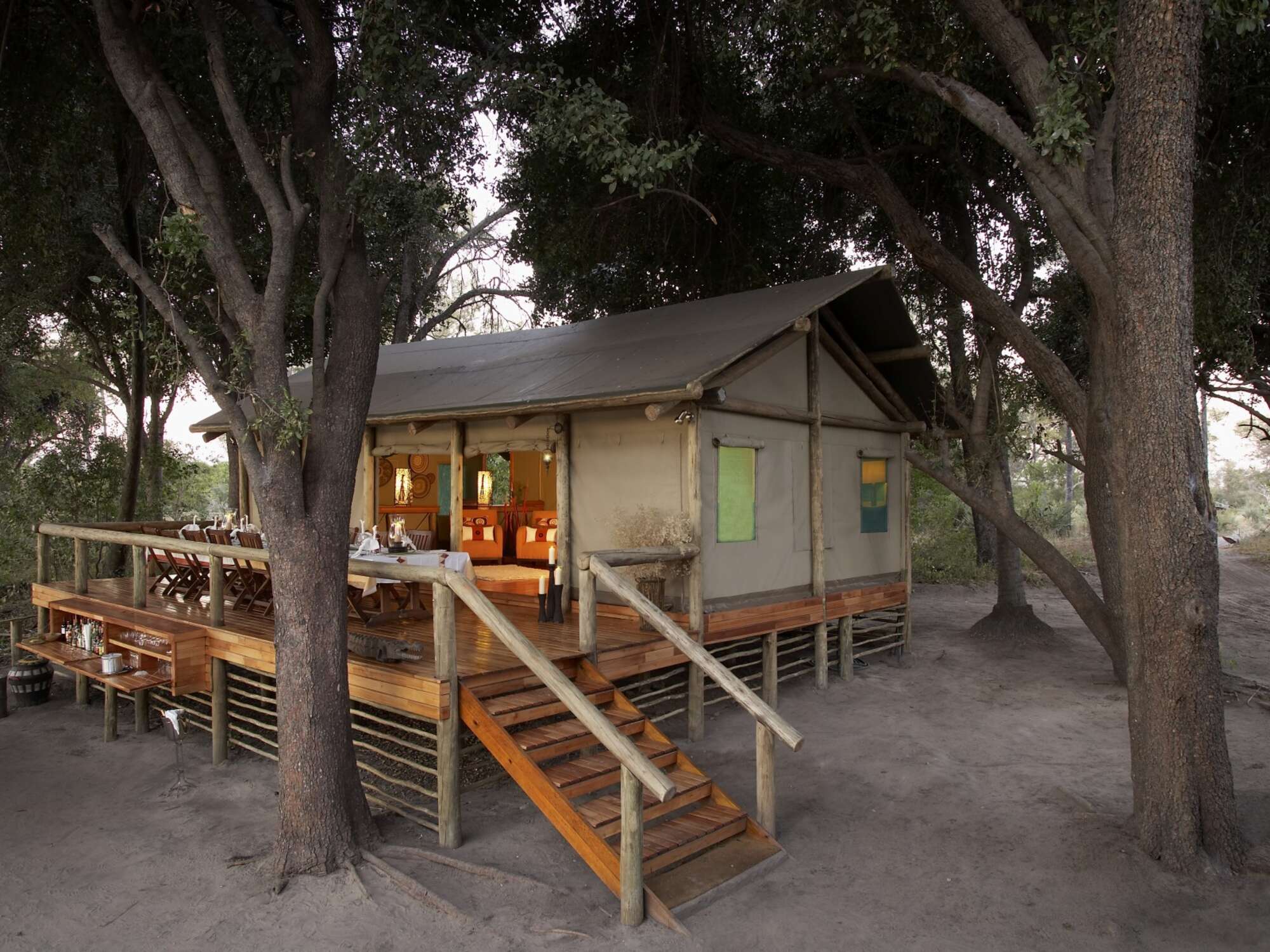
Seba Camp
(CURRENTLY CLOSED) Seba Camp is a luxury camp in a lovely location that offers the full range of water and land safari activities, depending on the time of year. This camp is particularly suitable for families.
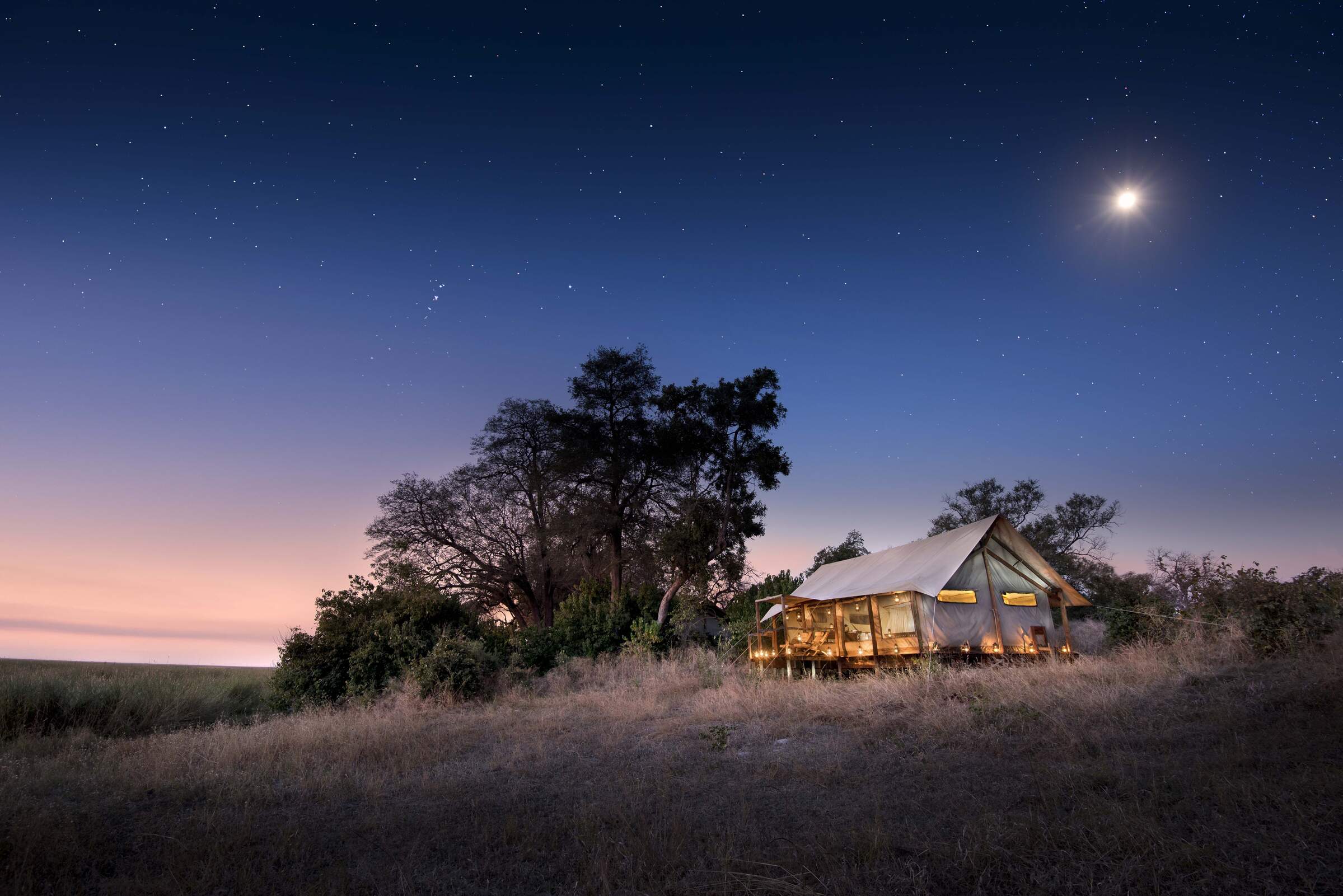
Linyanti Ebony
Independently owned and run, the small Linyanti Ebony sits on the same site as Linyanti Bush Camp, with similarly high standards of guiding, and a strong emphasis on the wildlife experience.
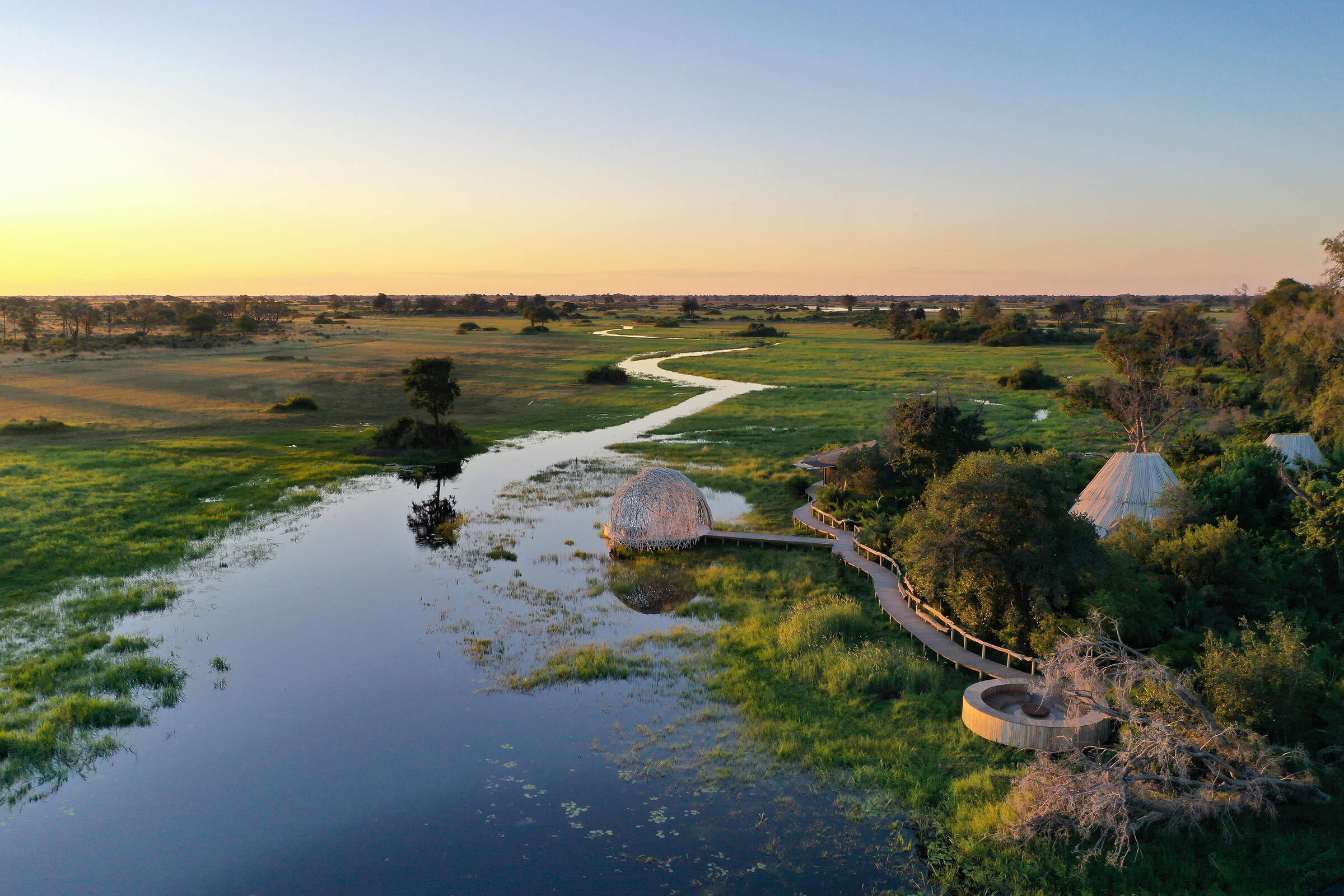
Jao Camp
In a beautiful area with fantastic water activities, Jao combines an idyllic location with high levels of luxury and service, and a top-end spa.
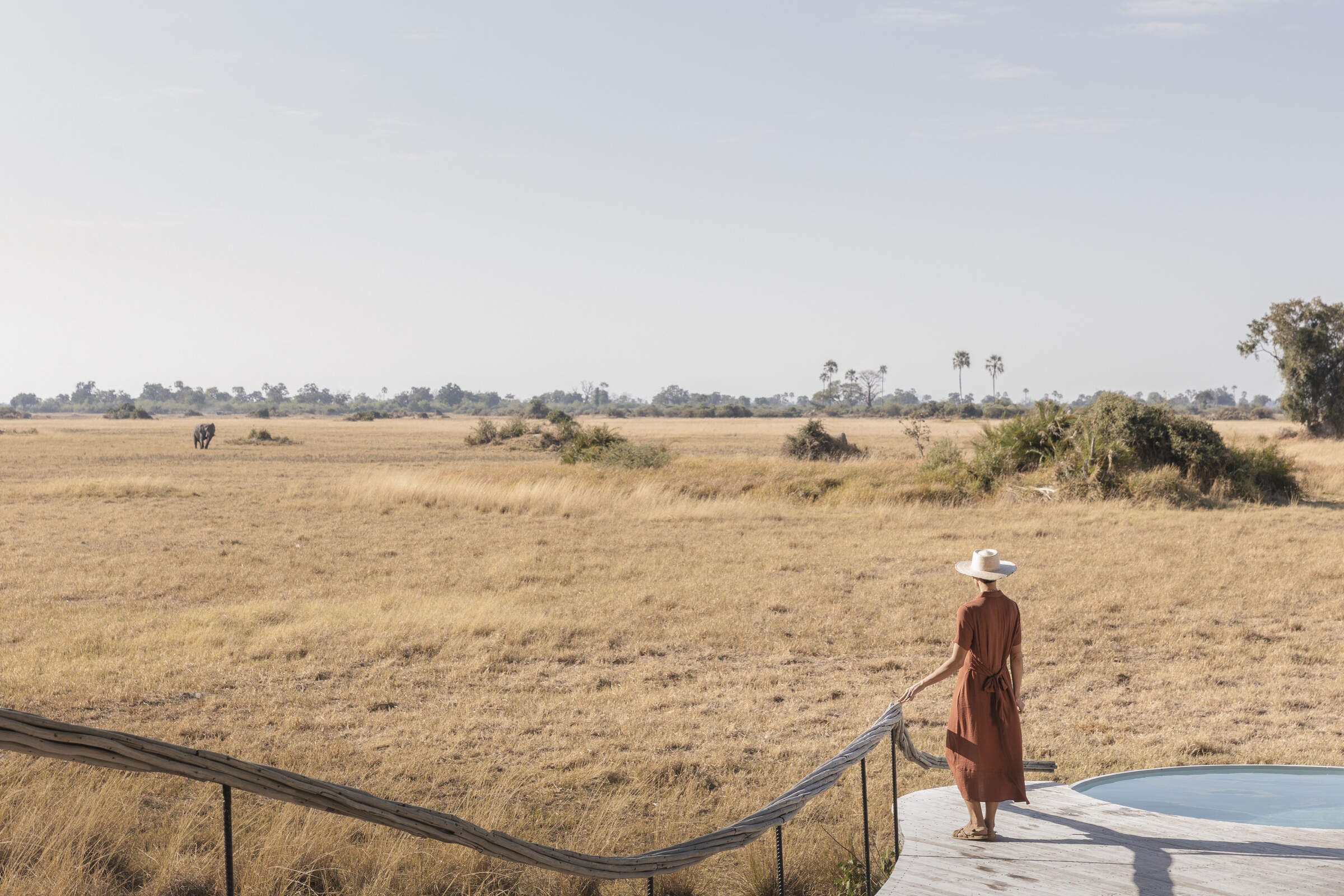
Little Mombo
One of Botswana's top safari camps, Little Mombo stands on the north side of Chief's Island, in the heart of the Okavango Delta's Moremi Game Reserve.
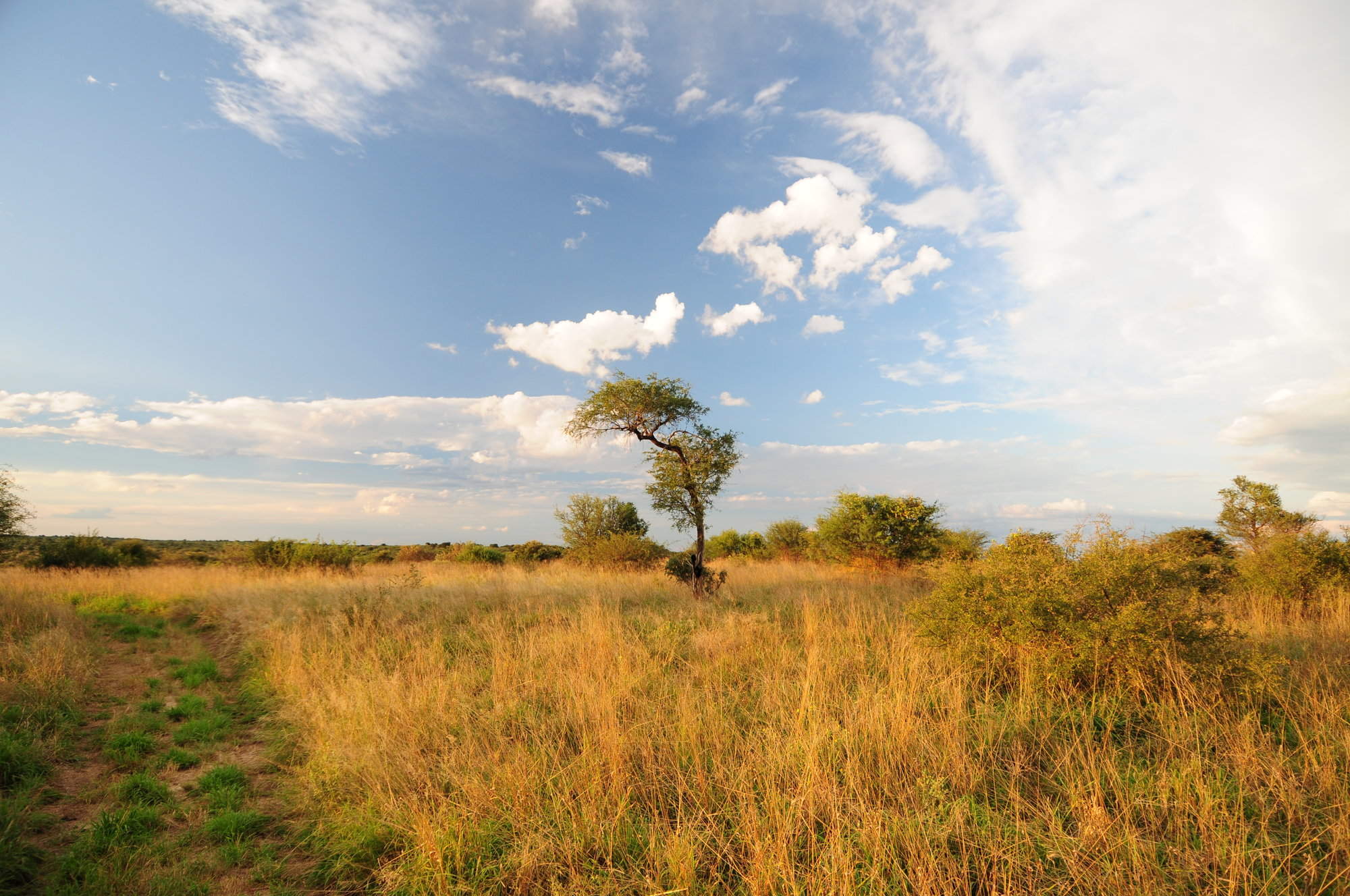
Deception Valley Lodge
A private reserve on the border of the CKGR, Deception Valley Lodge offers more flexible activities than within the reserve and a particularly good Bushman experience.
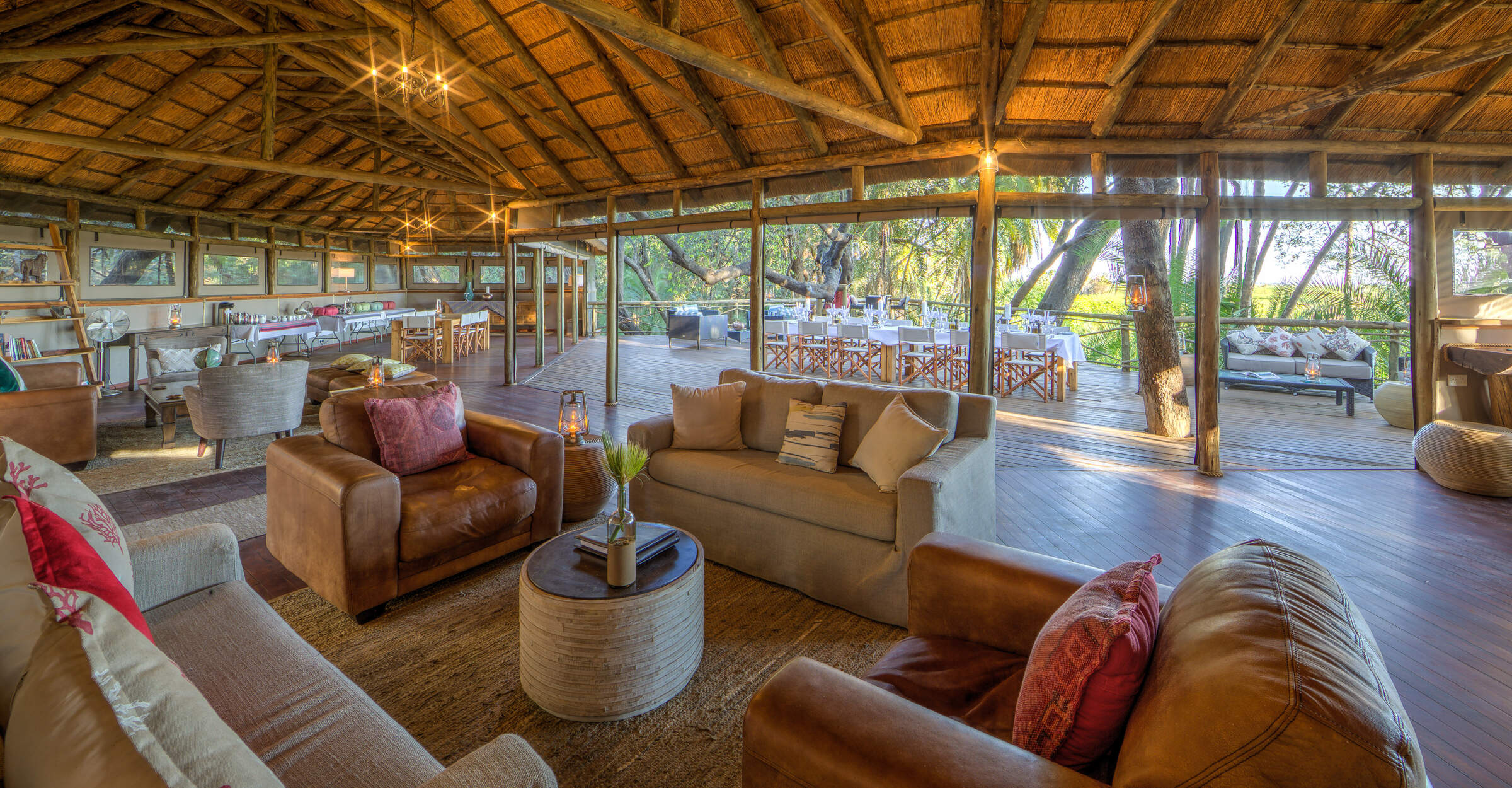
Setari Camp
Setari Camp stands on an island dotted with palm trees, close to the base of the Okavango’s ‘Panhandle"
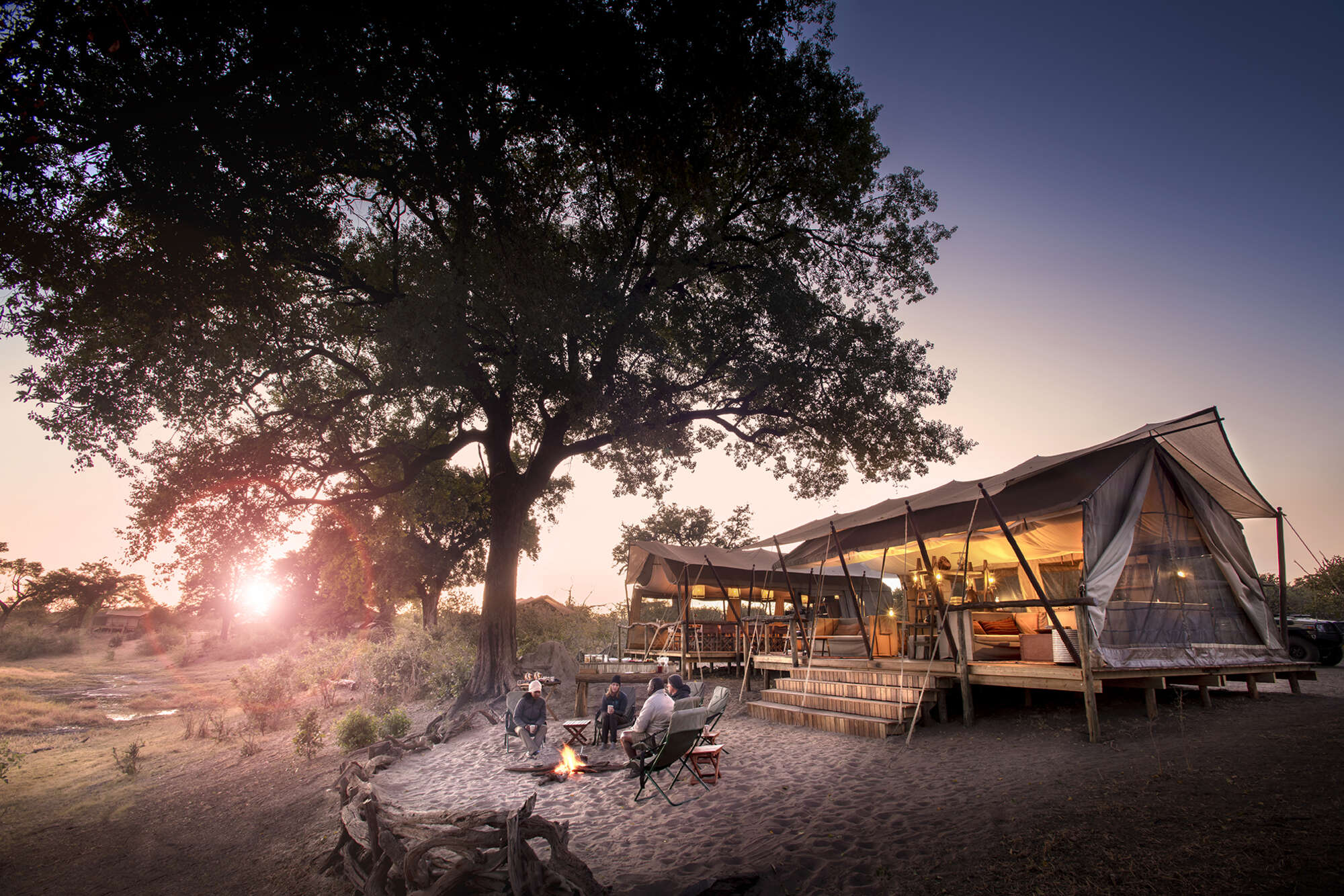
Linyanti Expeditions
Tip-top guiding. In tune with the habitat. Down-to-earth, authentic camp comfort. A place of wilderness safari harmony.
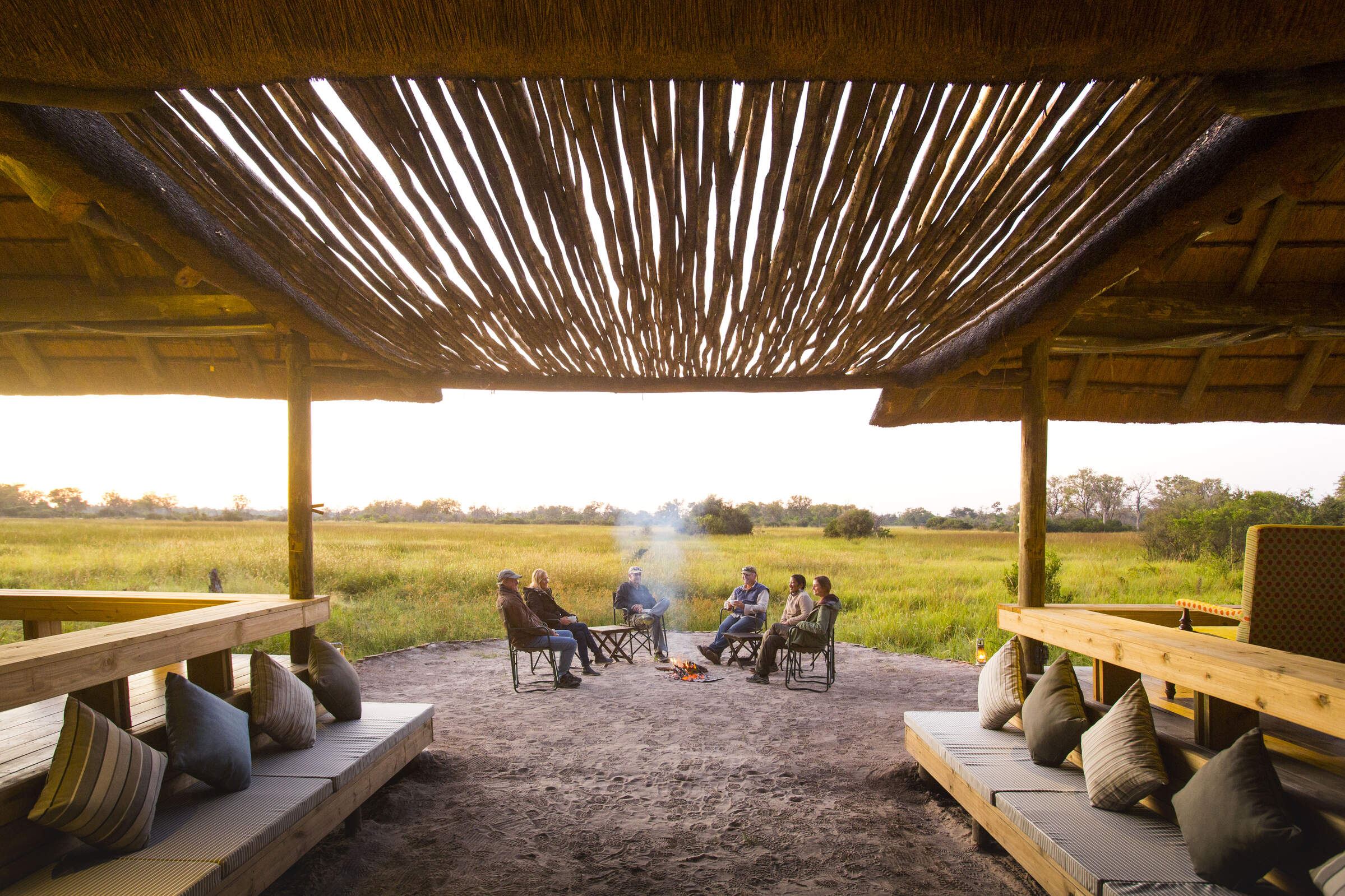
Little Sable
Little Sable camp is located in the Khwai Private Reserve – which borders the Moremi Game Reserve and Chobe
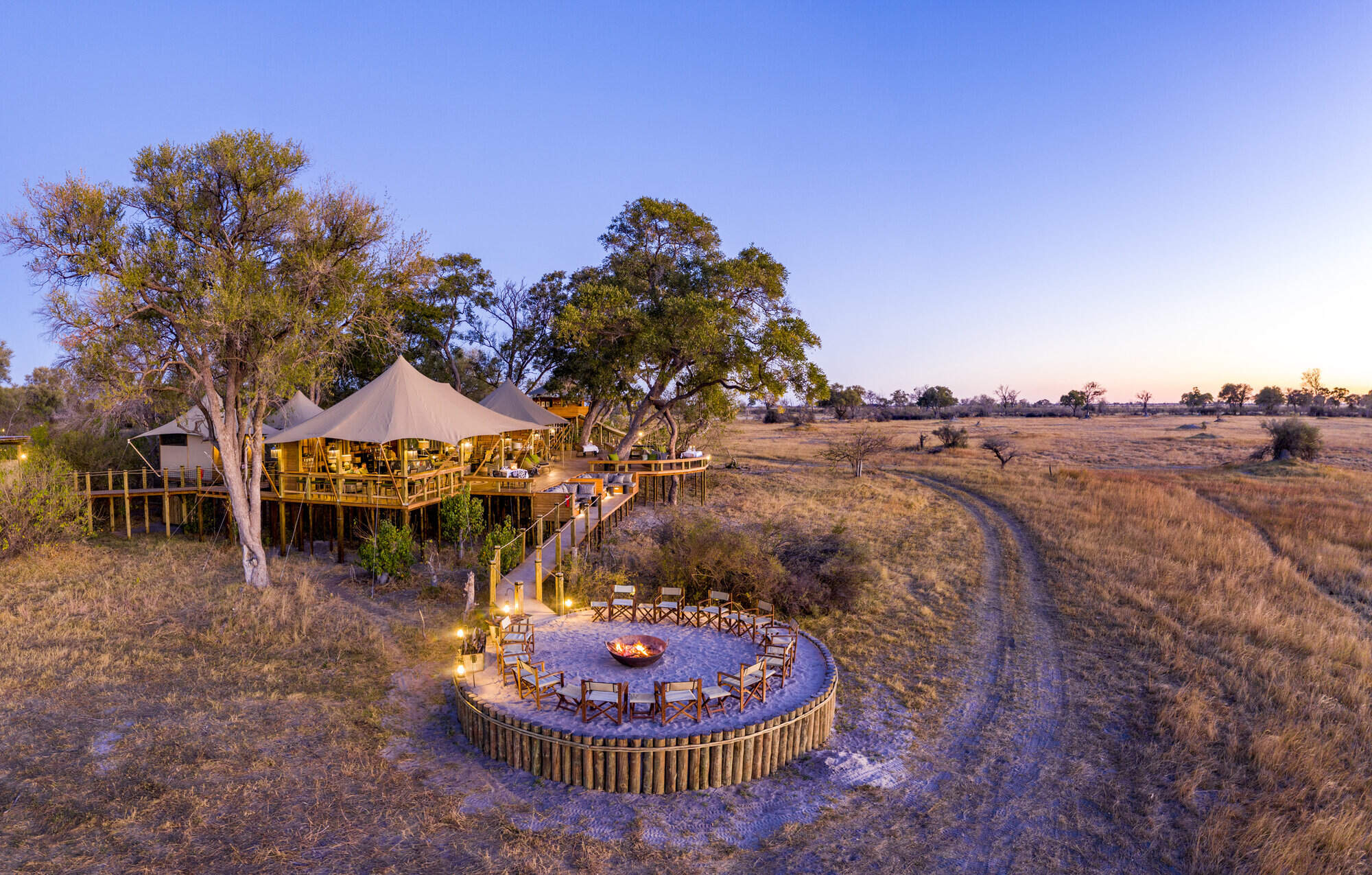
Tuludi
Tuludi is a brand new luxury camp, within the Khwai Private Reserve, built on a site under giant leadwood trees and overlooking the Okavango Delta floodplains.
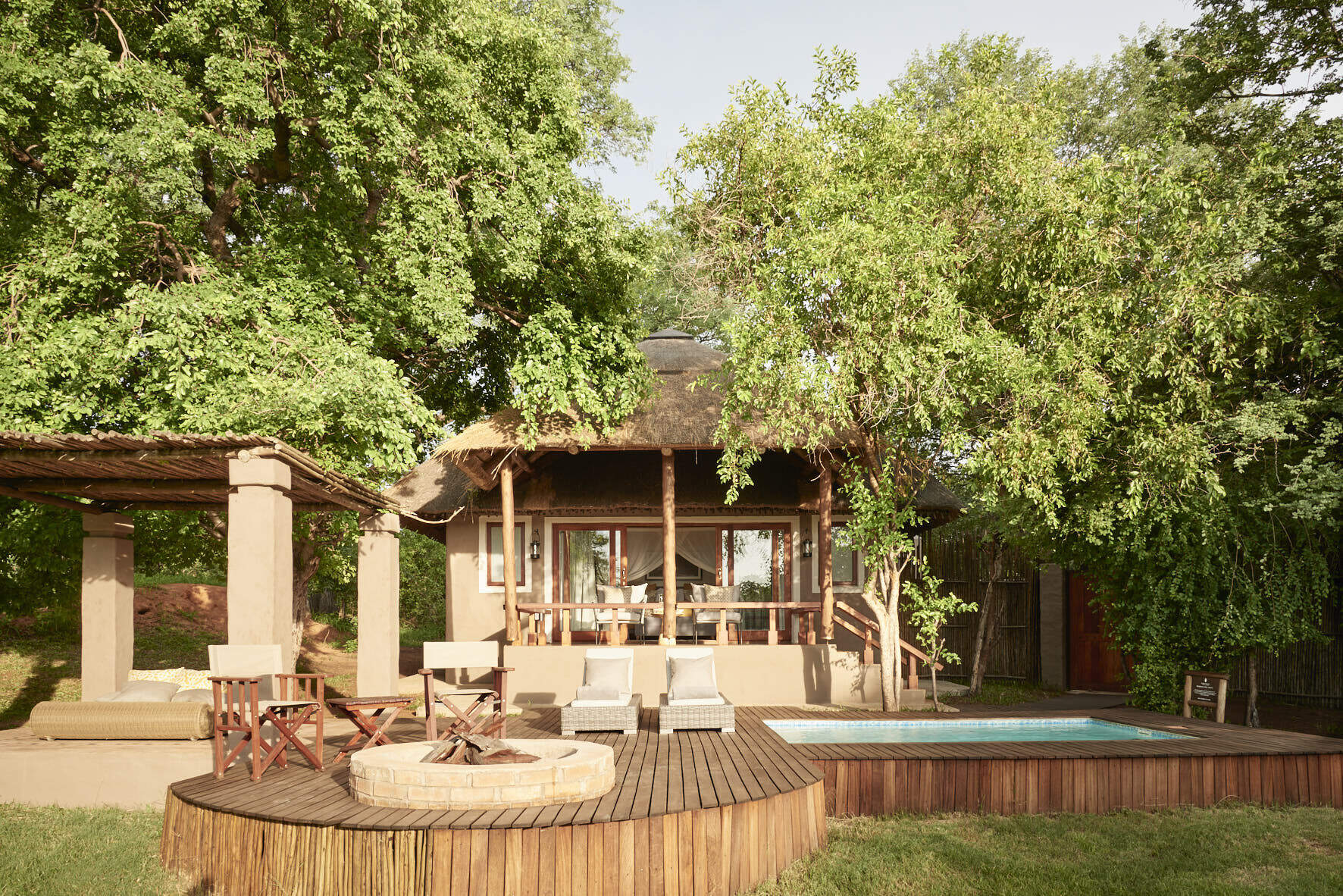
Chobe Chilwero
On the periphery of Chobe National Park, Chobe Chilwero offers luxurious surroundings and excellent food, which complement superb game viewing on game drives and boat trips.
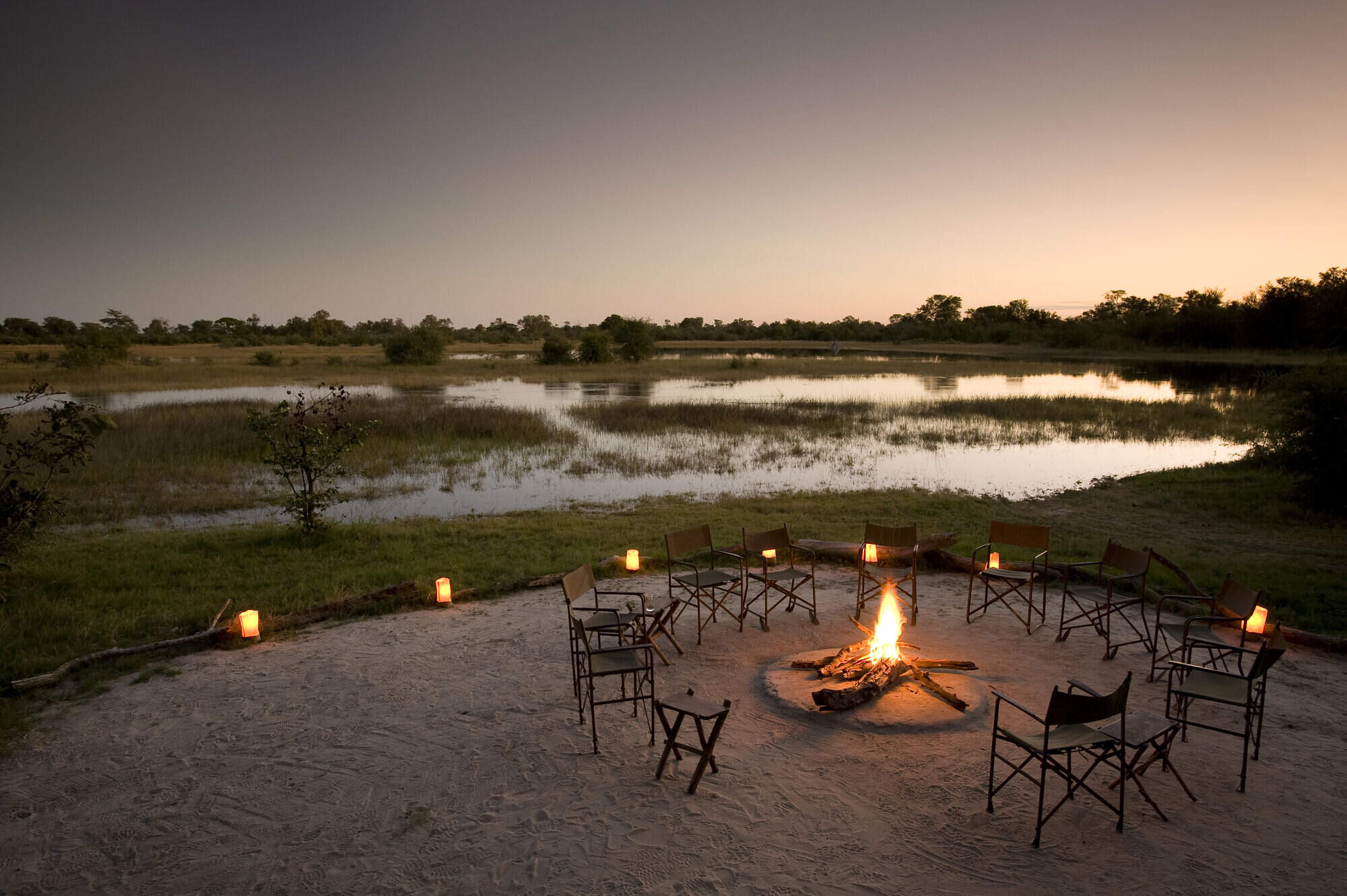
Okavango Explorers
The traditional, tented Okavango Explorers Camp offers a mix of walking, canoeing and game drives led by great guides in a wildlife-rich area.
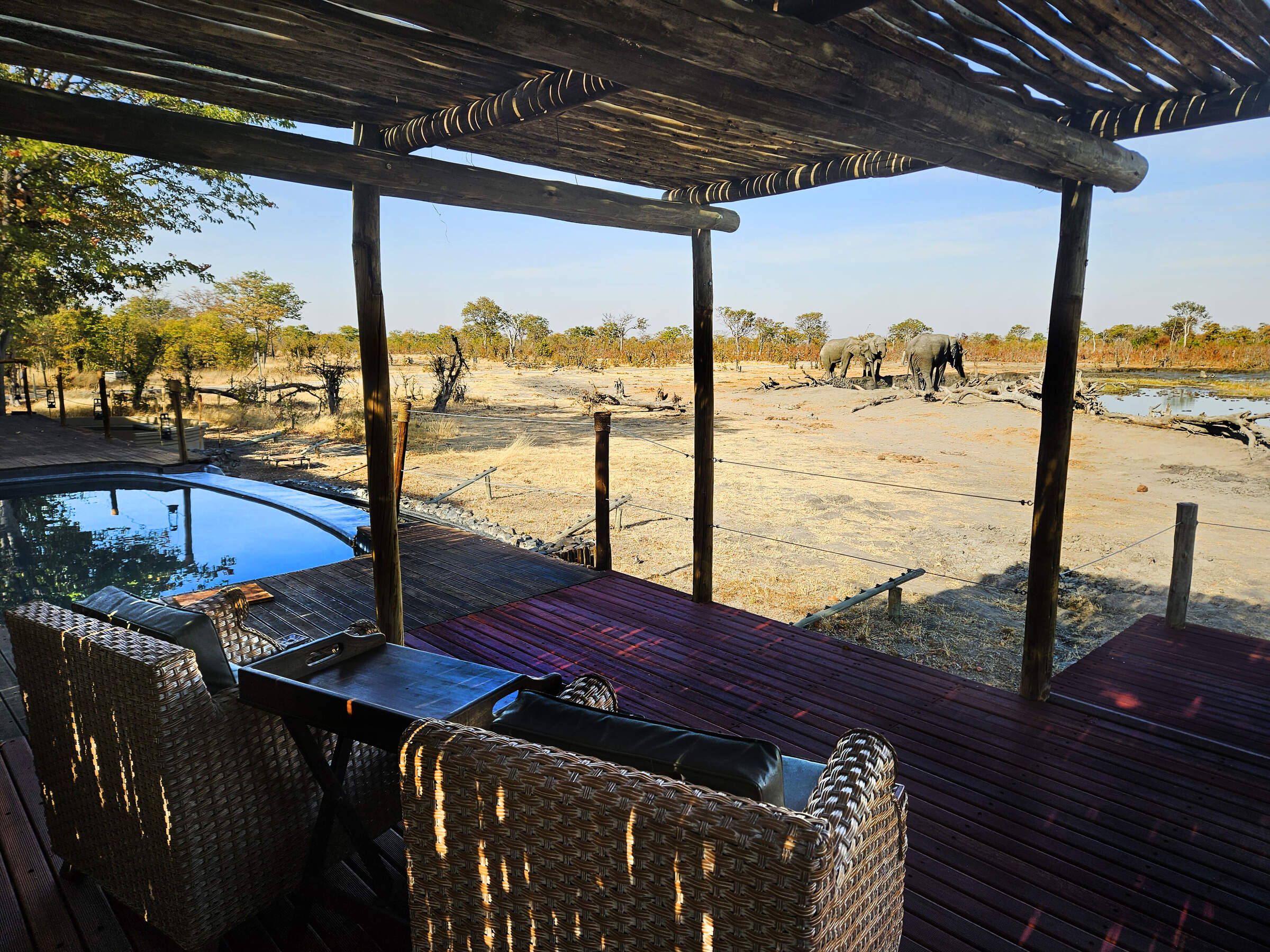
Camp Kuzuma
Camp Kuzuma sits in the Kazuma Forest Reserve and is an excellent place to see elephant in particular. Away from the busier riverfront area of Chobe National Park this camp offers a luxurious base form which to explore this less visited region of northern Botswana.
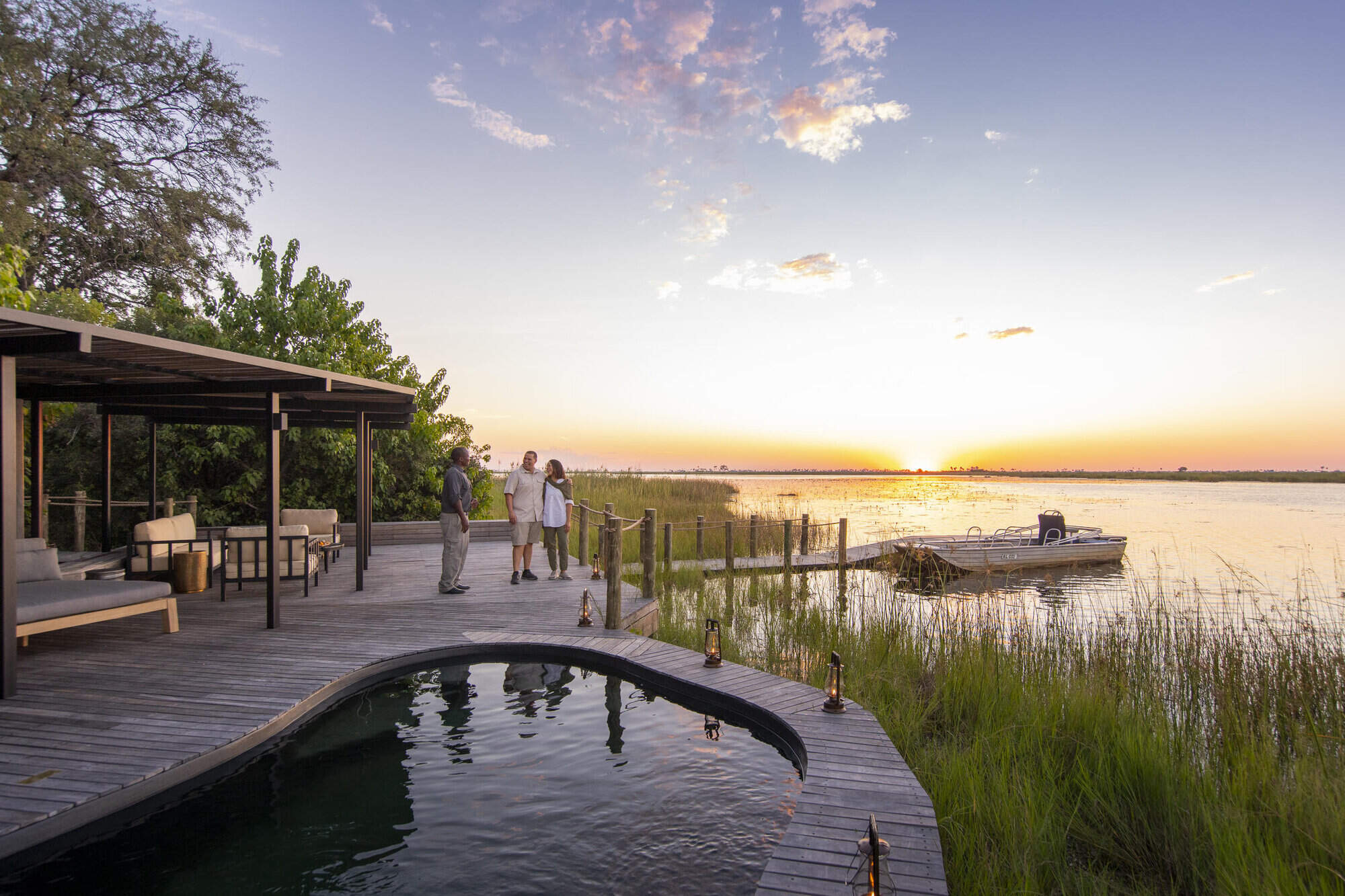
Little DumaTau
Small and sophisticated, Little DumaTau lies adjacent to its larger sibling in the private Linyanti Reserve, overlooking a beautiful lagoon.
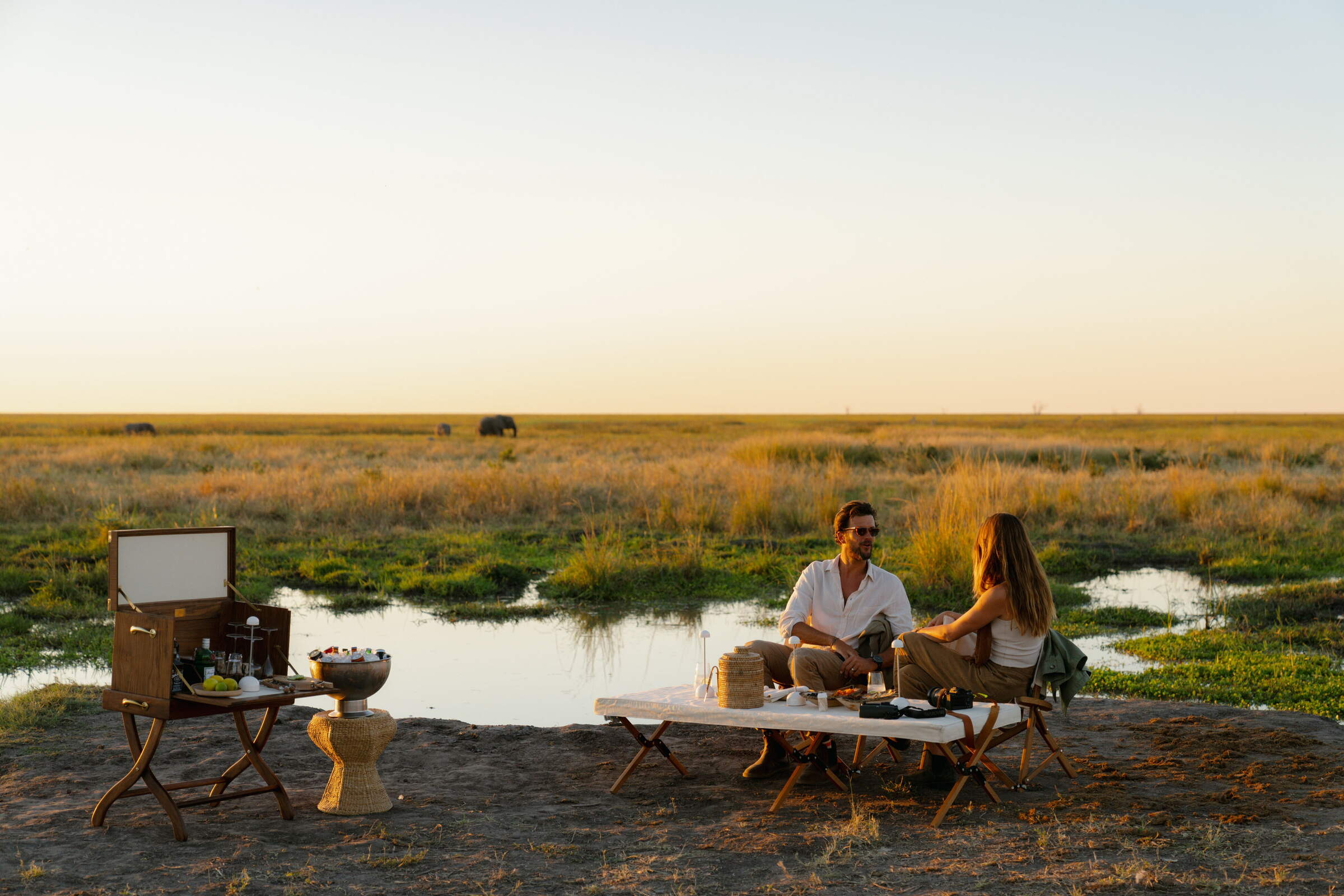
Mokete Camp
New for July 2023, Mokete has 9 luxurious tents, raised on platforms above the surrounding bush and offers an experience of the Kalahari Wilderness.

Leroo La Tau
From the western bank of the Boteti River, Leroo La Tau overlooks the Makgadikgadi Pans National Park, where game concentrations are highest from July to October.
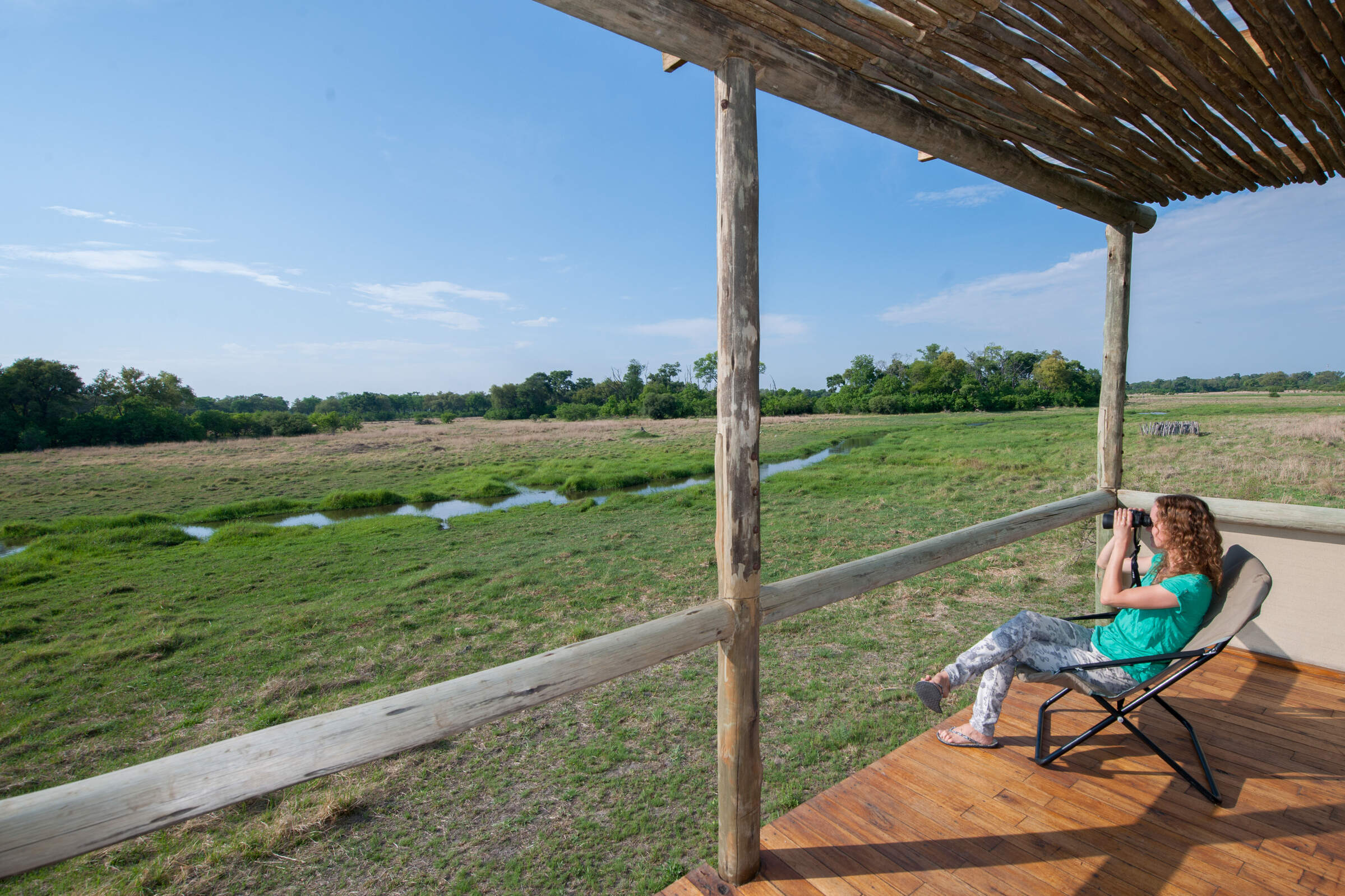
Sango Safari Camp
Sango offers comfortable tented accommodation, without some of the frills often found in Botswana's camps, with an area that's scenic and gets excellent, consistent game sightings.
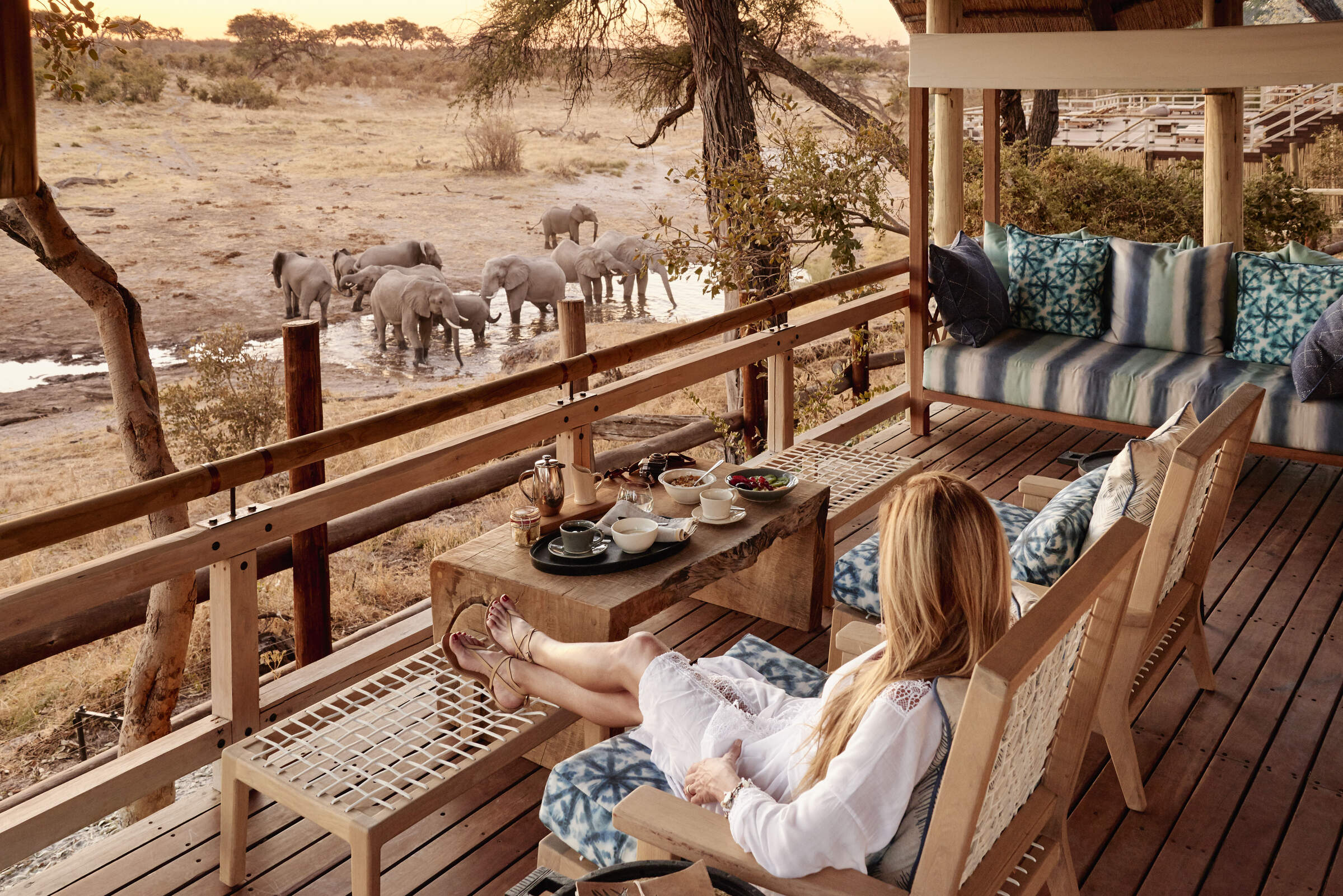
Savute Elephant Lodge
Savute Elephant Lodge is a luxurious camp on the banks of the now flowing Savuti Channel. This is a classic big-game area, although its location within Chobe National Park does limit the activities which are possible here.
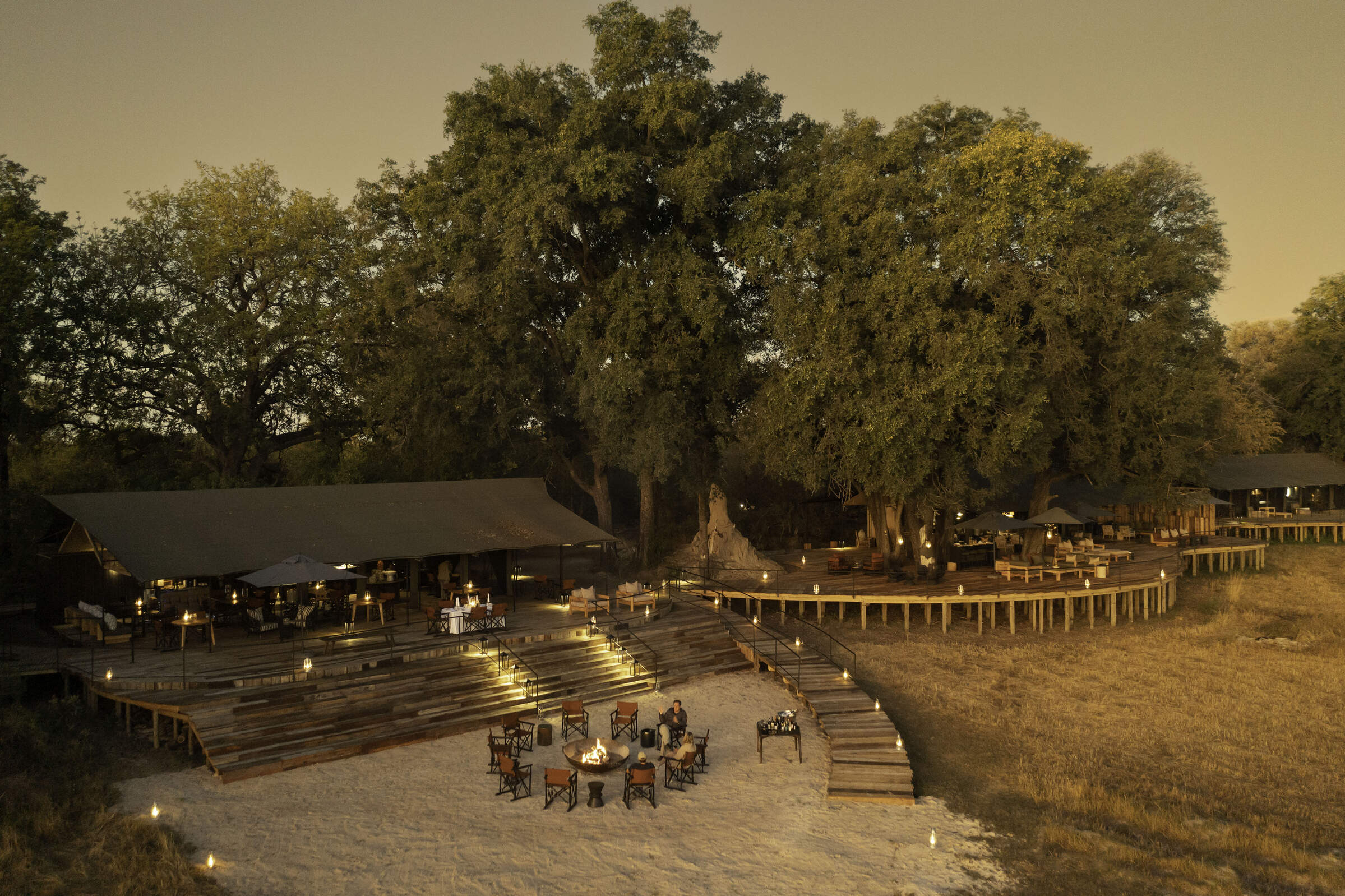
Kiri Camp
Kiri Camp is the latest Okavango offering from the excellent team behind Machaba. In an exciting new location in the heart of the Delta we cannot wait to visit this new camp.
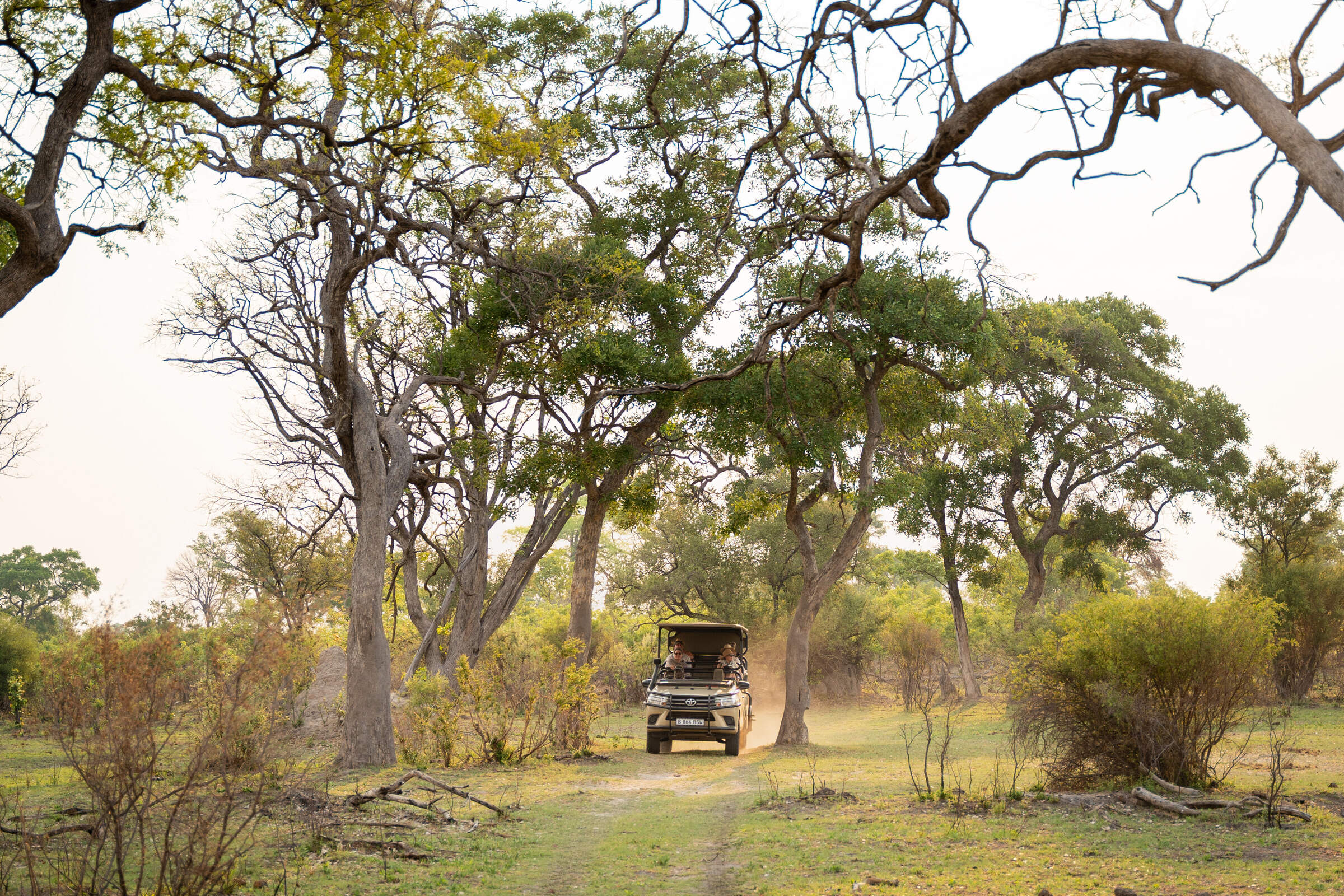
Karangoma
New for 2024, Karangoma is a classic, tented camp offering walking, canoeing and game drives, in partnership with the local Bukakwe San clan.
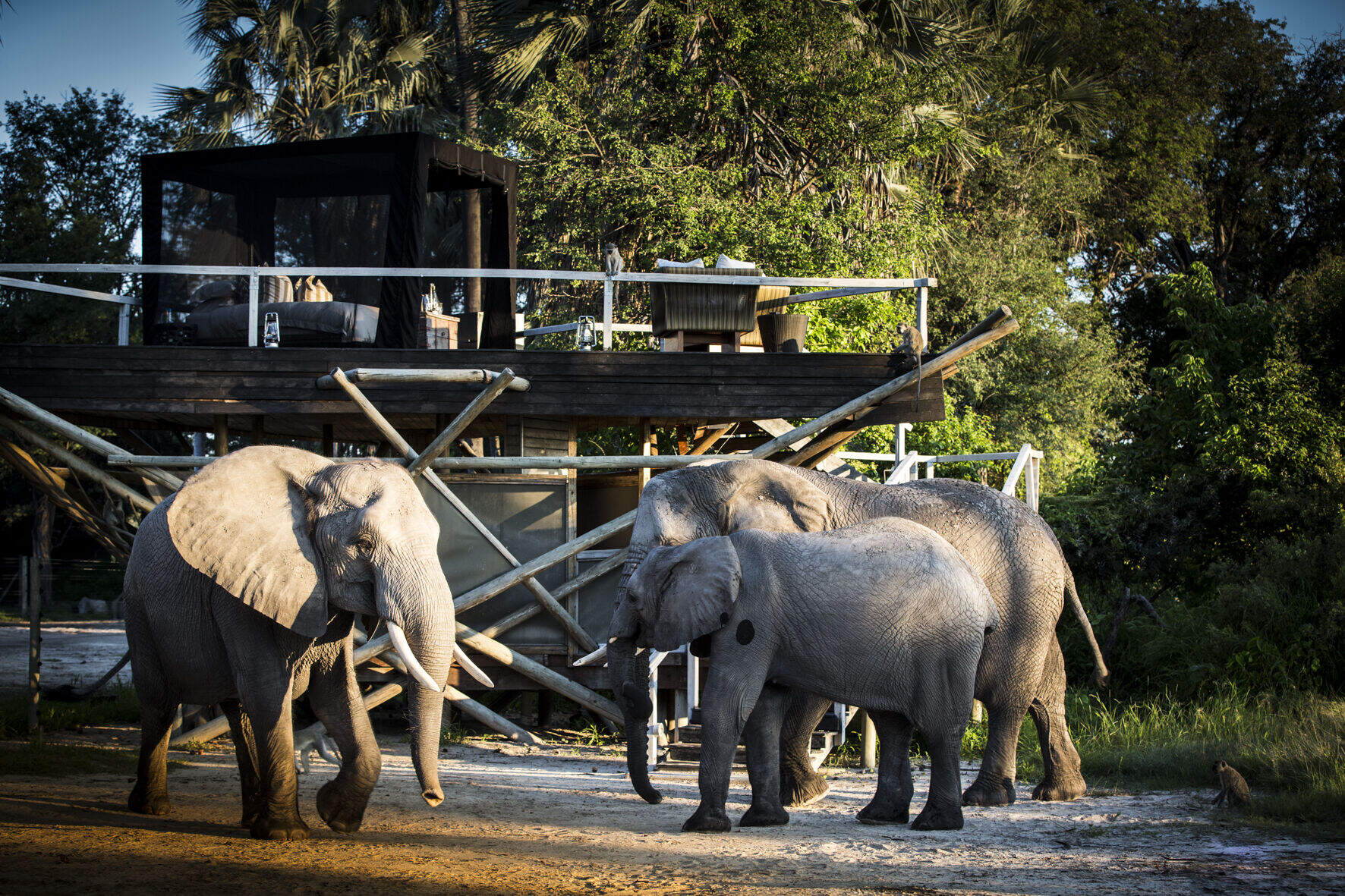
Abu Camp
(CURRENTLY CLOSED) Abu Camp is an exclusive safari camp on the western side of the Botswana's Okavango Delta - offering superb elephant-back safaris and opportunities to walk with them too.
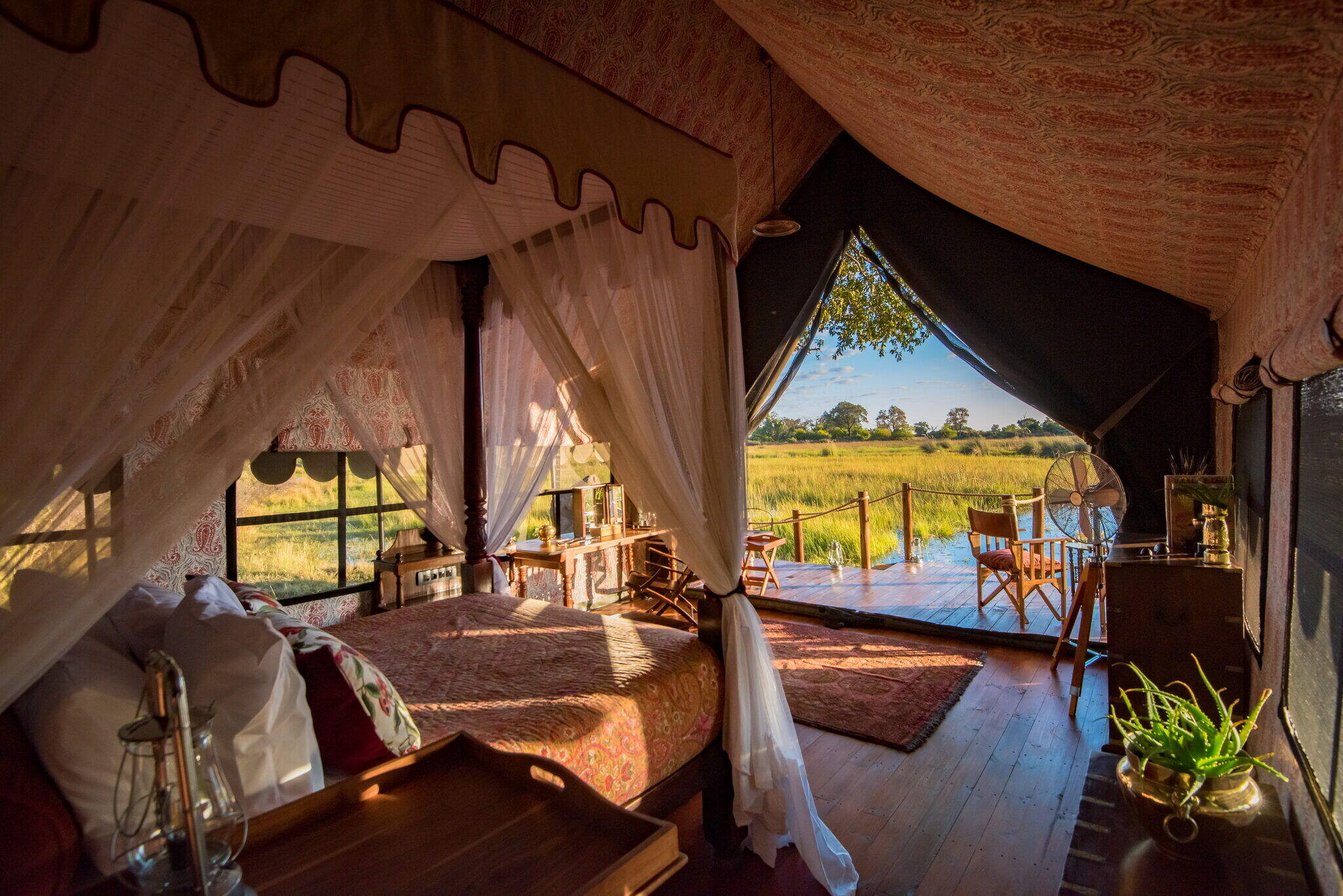
Duke’s Camp
On a remote island within a large concession, the romantic Duke's Camp and smaller Duke’s East are nestled among mature trees overlooking wildlife-rich plains and waterways of the Okavango.
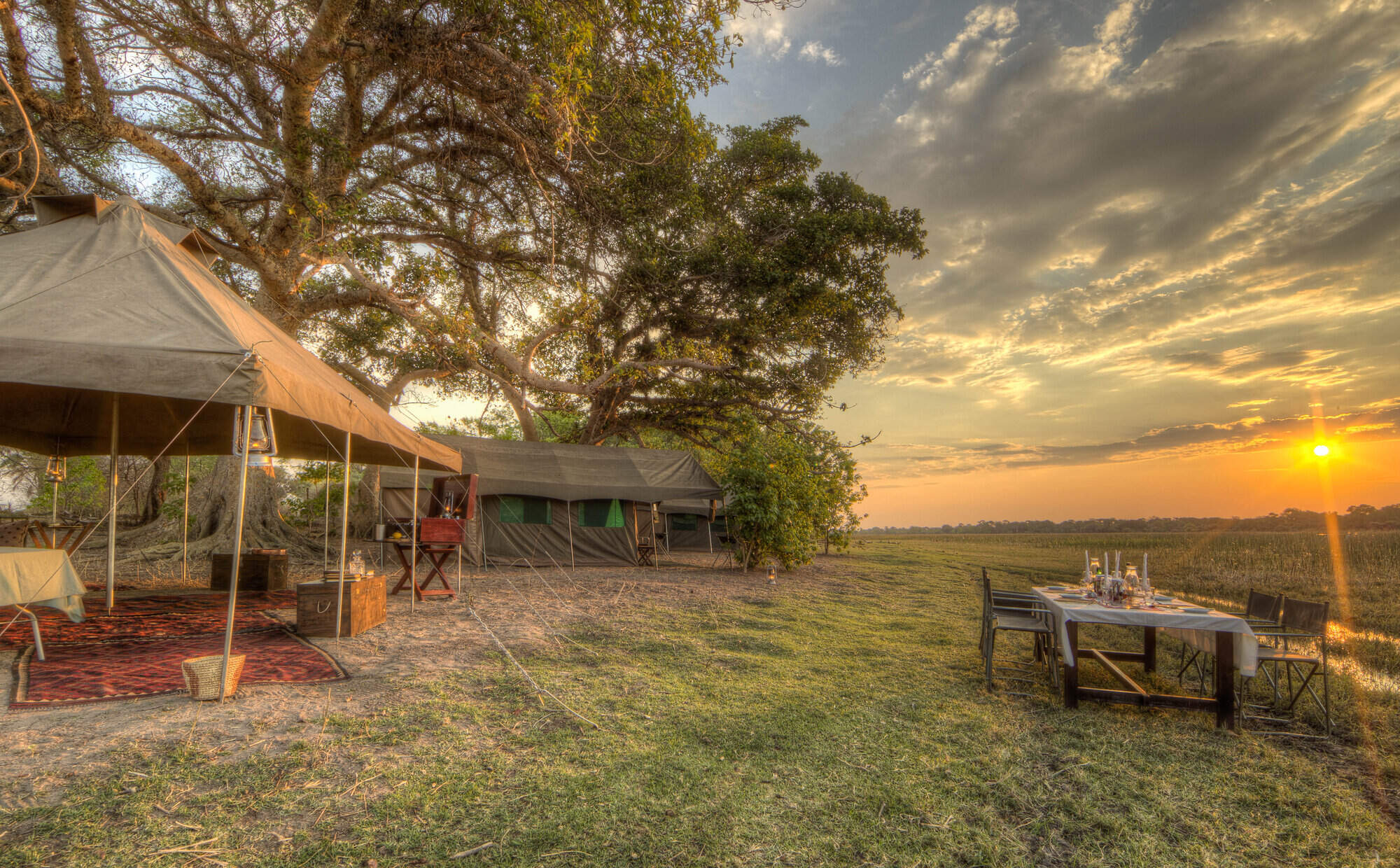
Okavango Walking Safari
The Okavango Delta Walking Safari camps in a secluded Okavango Delta Reserve where there are few roads; the ideal location for a walking trail led by an expert guide.
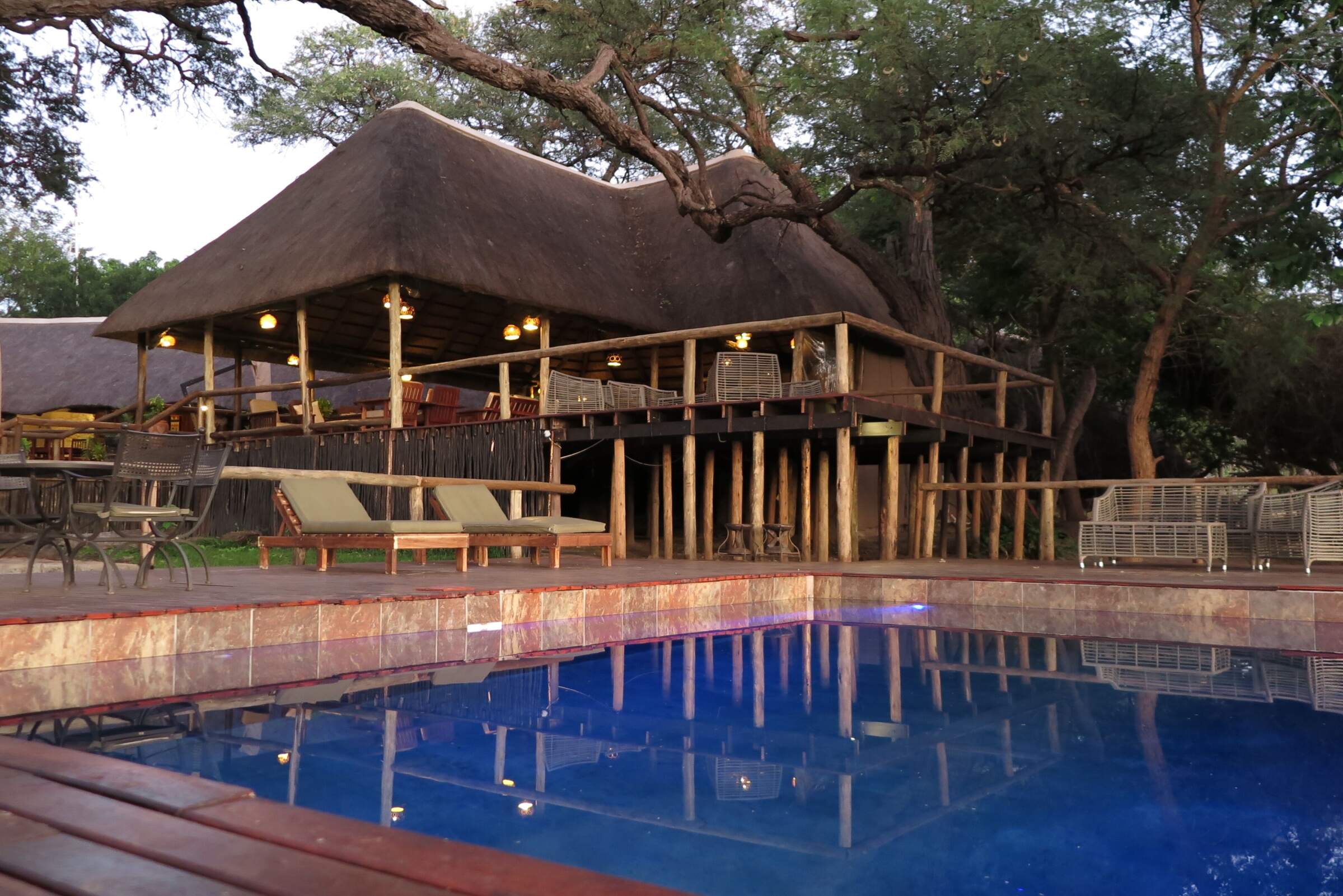
Elephant Valley Lodge
Elephant Valley Lodge is a lovely camp in a beautiful setting – sit in its hide and watch the wildlife come to drink at the waterhole. Activities focus on boating and drives in Chobe which - although very busy, and a long drive from the lodge – is very rich in wildlife.
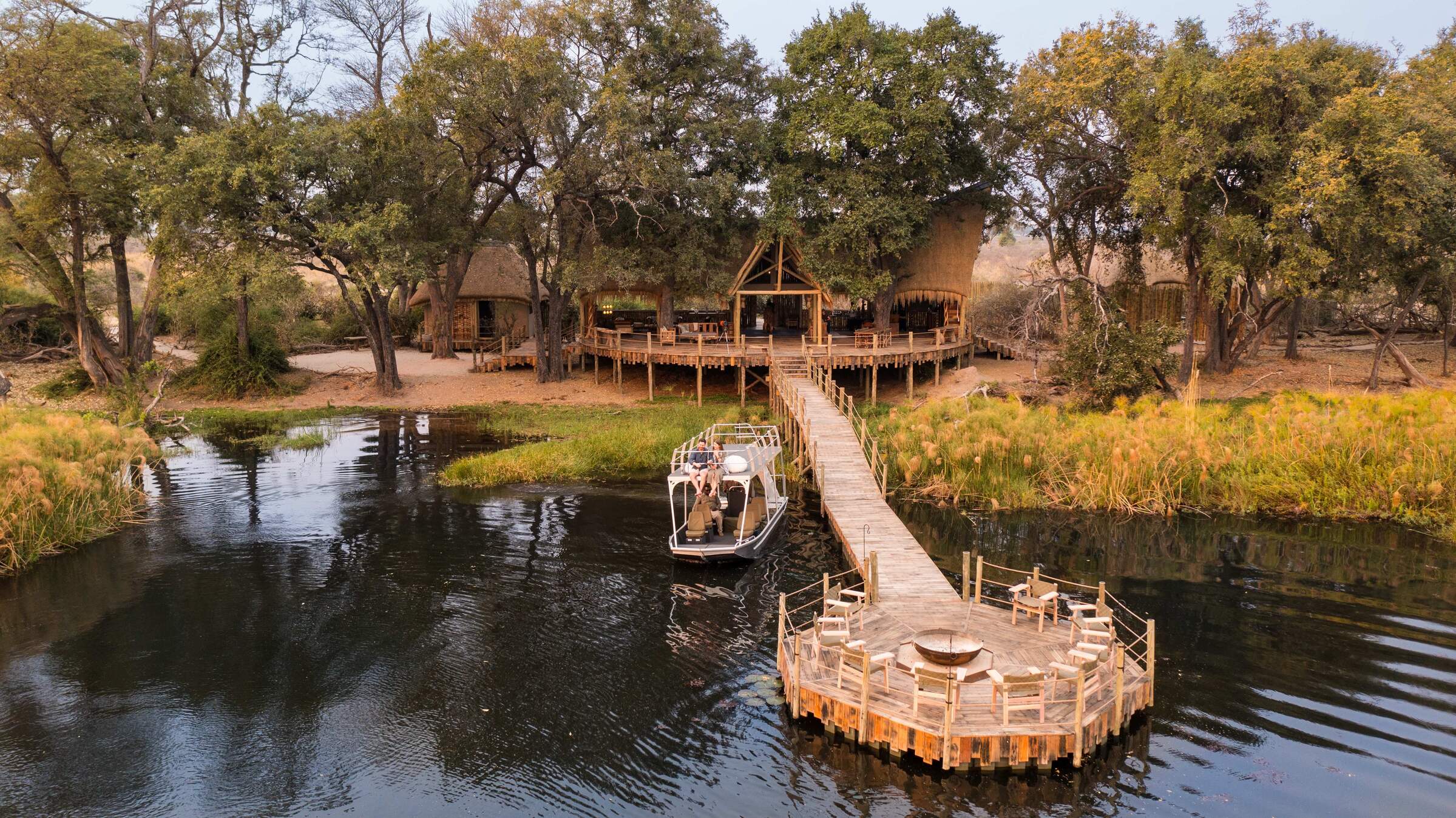
Sitatunga Island Camp
Tucked away in a pristine corner of the Okavango Delta, the exclusive Sitatunga Private Island is a water-based camp offering boating, mokoro trips and fishing.

Feline Fields
In a remote corner of the Kalahari, Feline Fields offers guests a luxurious stay in a seldom-visited part of Botswana.
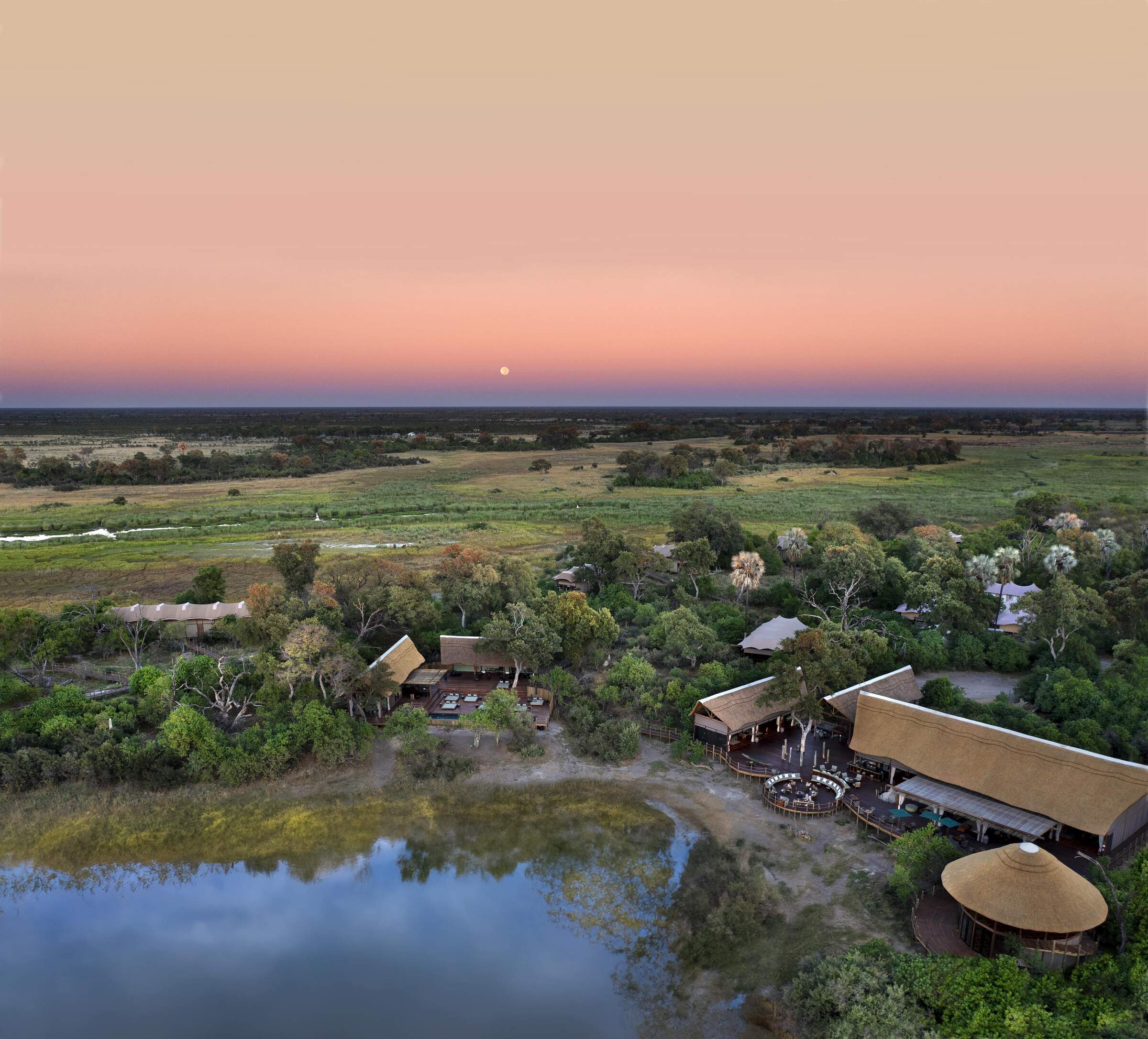
Atzaro Okavango
With a high level of tasteful luxury promised at Atzaro, we think it will be best suited to travellers seeking a touch of pampering alongside their safari.
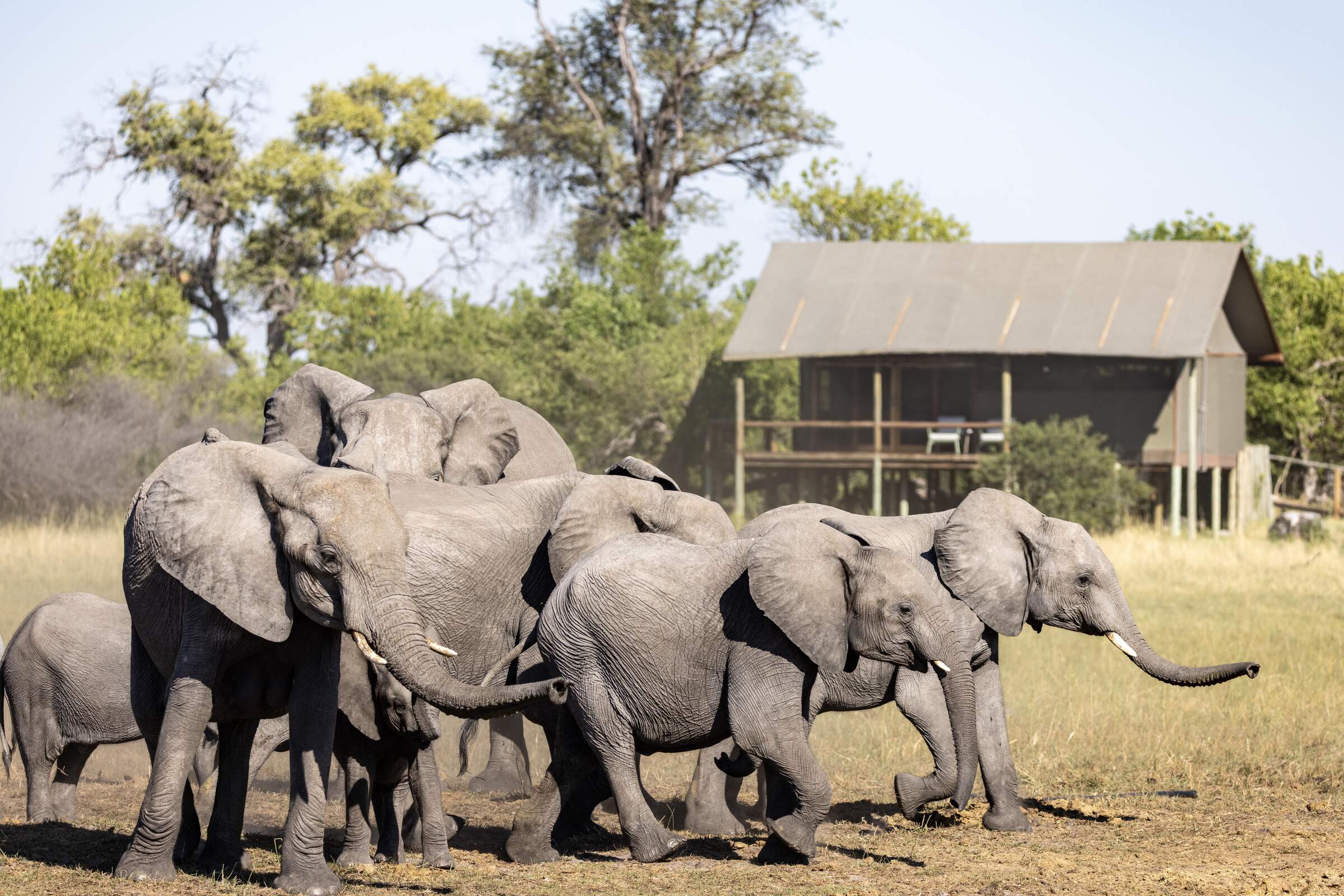
Mokolwane
Deep in the heart of the Okavango, the simple Mokolwane focuses on wildlife viewing in a large, untouched area.
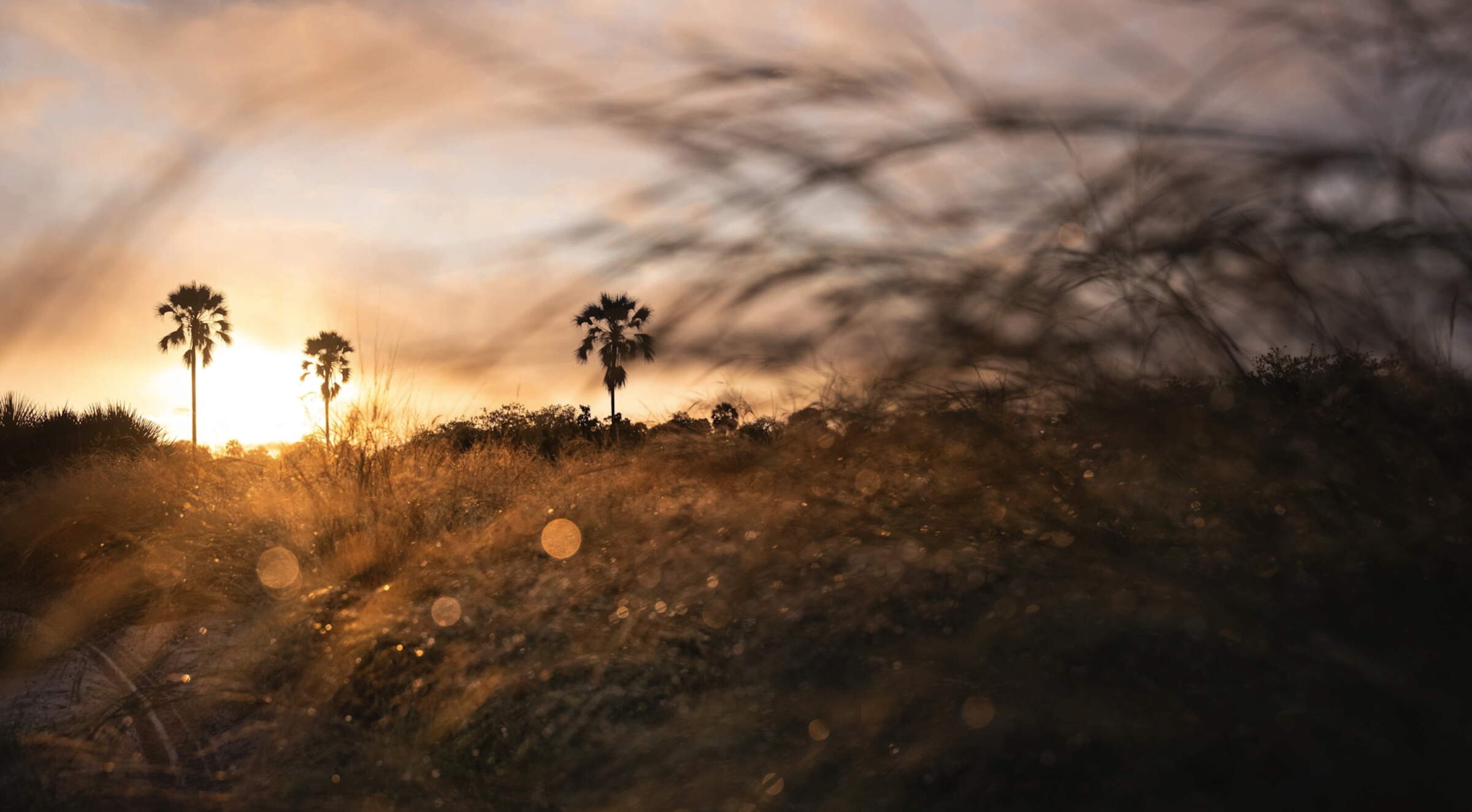
Singita Elela
Singita Elela is an exclusive safari camp on the western side of the Botswana's Okavango Delta - offering superb wildlife and water based opportunities depending on the seasonality.
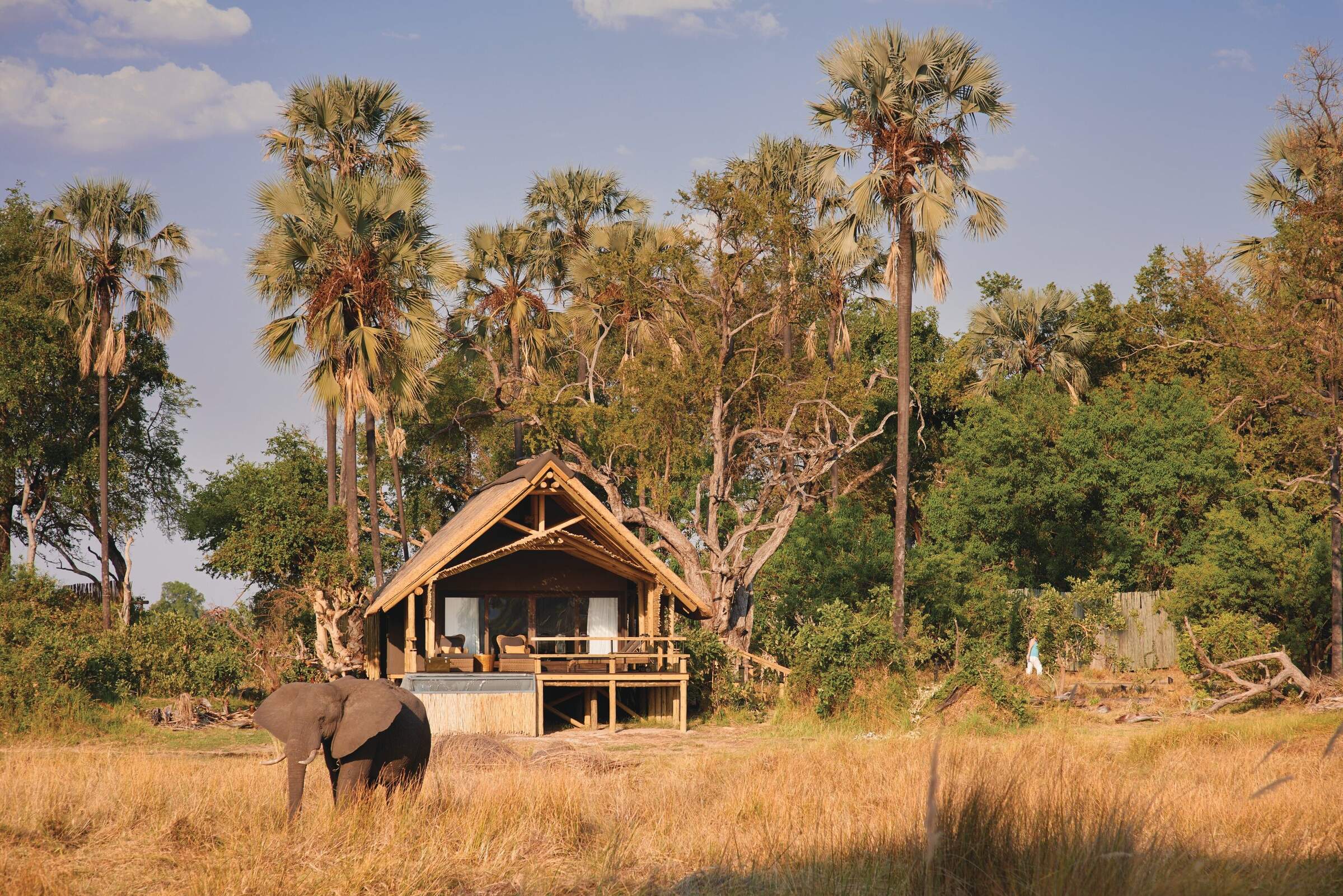
Eagle Island Lodge
Eagle Island Lodge is a luxurious camp with international-style facilities including air conditioning and intercom in each room; offering water based activities in the Okavango Delta.

Tsodilo Sleep-Out
Within walking distance of the region’s ancient rock art, the Tsodilo Hills Sleep-out Camp is an immersive overnight experience for guests at Nxamaseri Island Lodge.
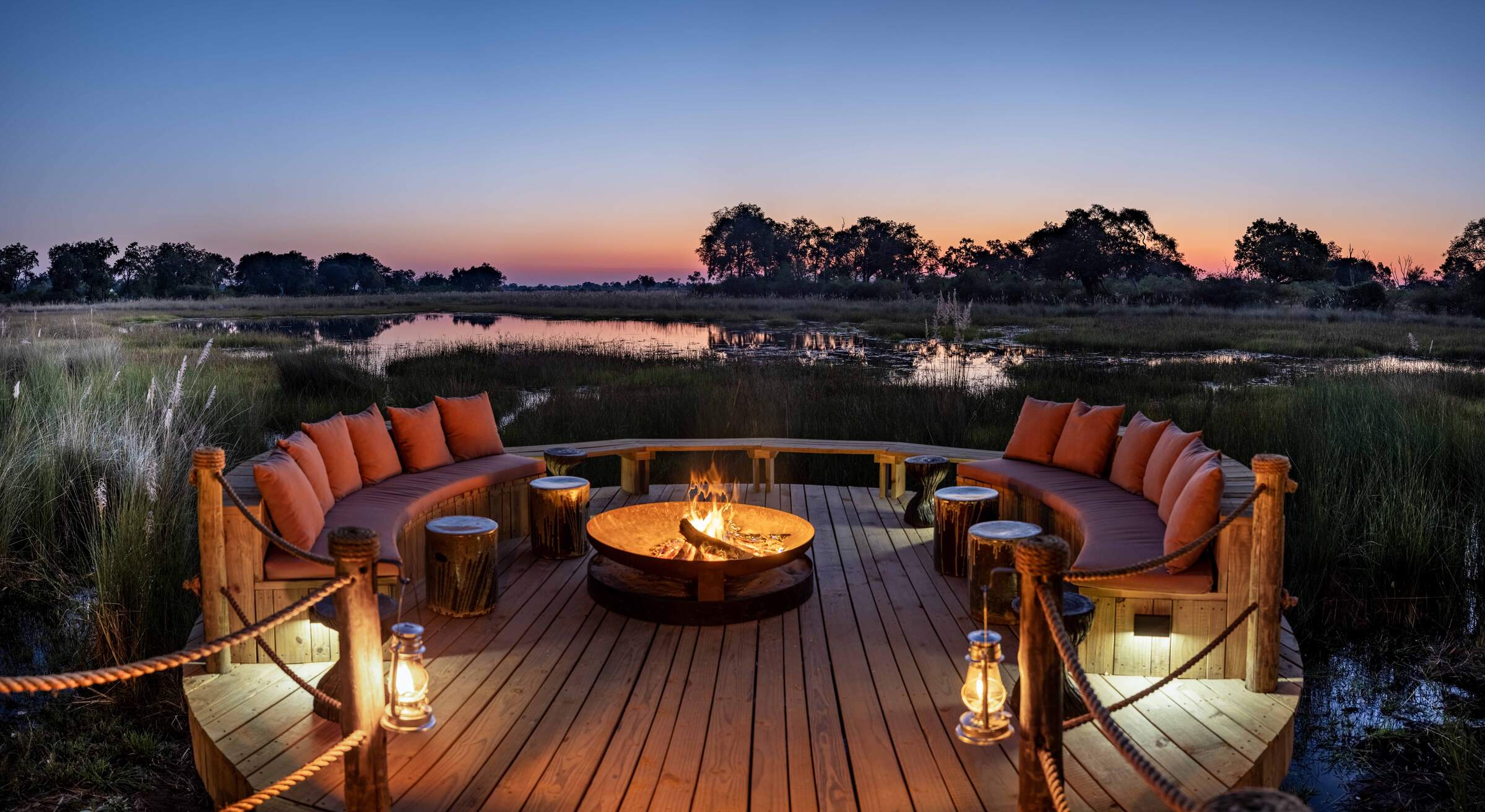
North Island Okavango
Deep in quintessentially “Okavango” territory, between deep-water and dry-land habitats, North Island focuses on a luxury safari experience with very good wildlife viewing opportunities.
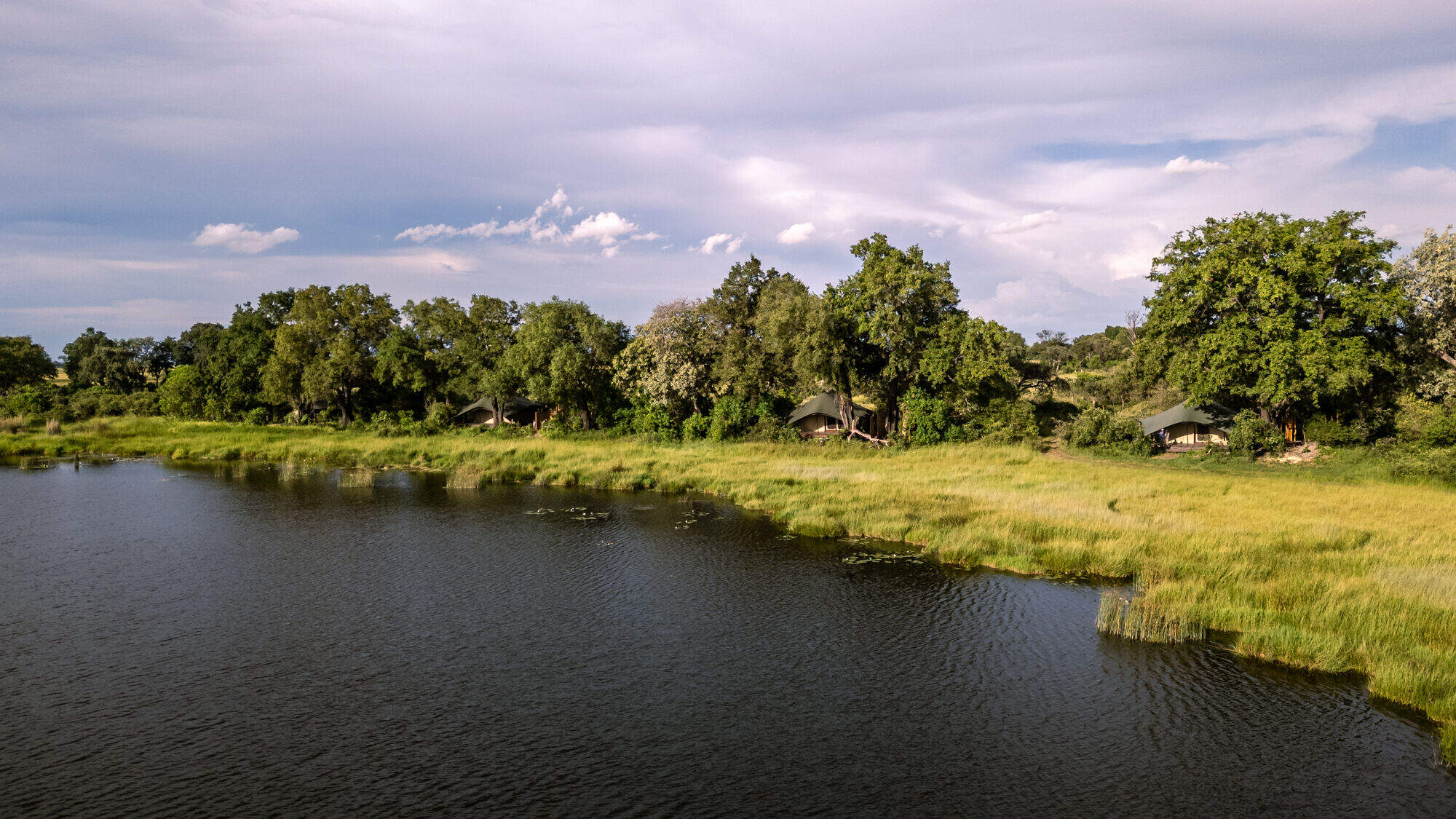
Maxa
Overlooking the permanent Maxa Lagoon, Maxa has a range of activities on offer, combining understated luxury with comfort in a remote location.
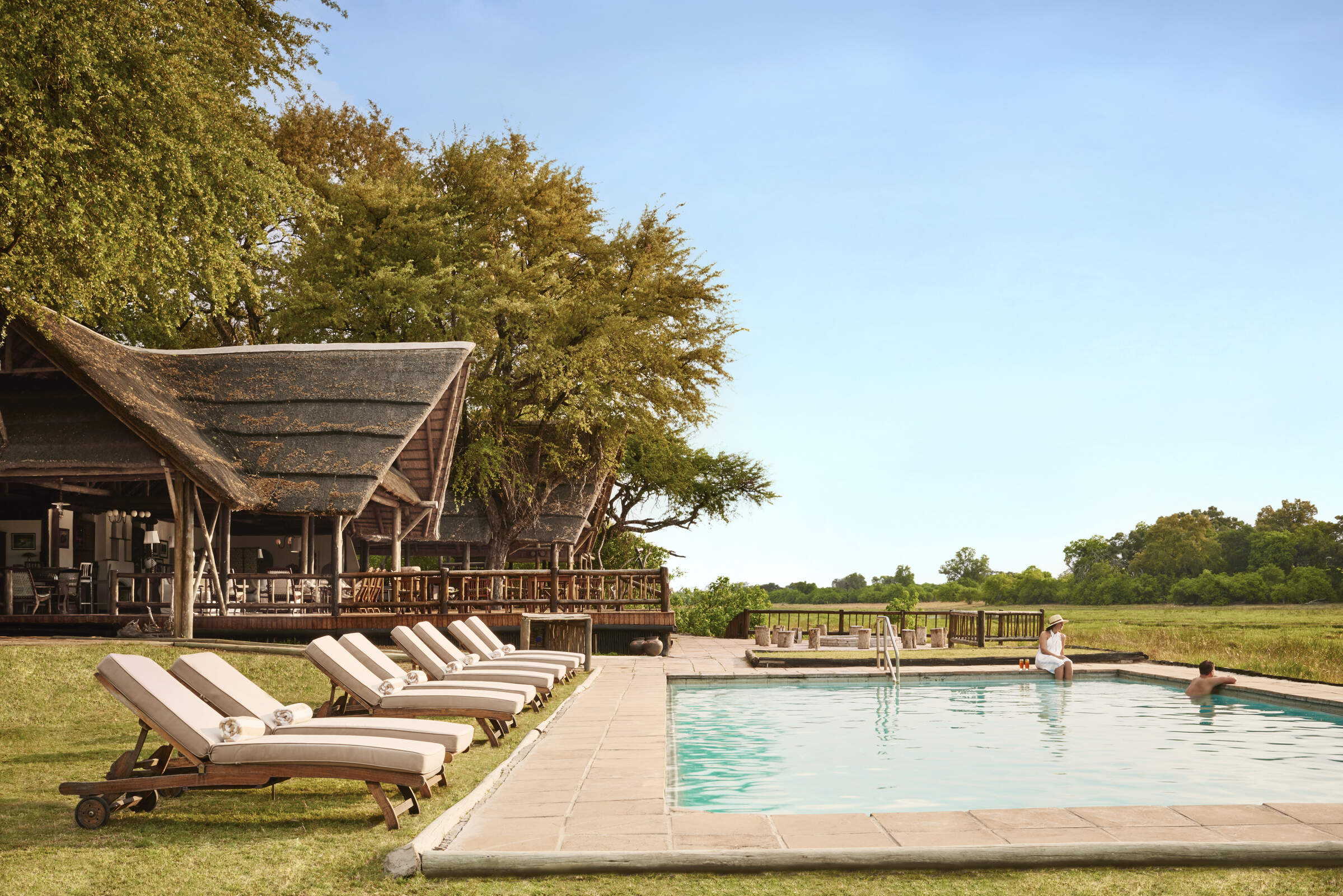
Khwai River Lodge
(CURRENTLY CLOSED) Khwai River Lodge is a luxurious and well-equipped safari camp, on the northern edge of Moremi Game Reserve. This area isn't exclusive, but it is beautiful and has excellent game.
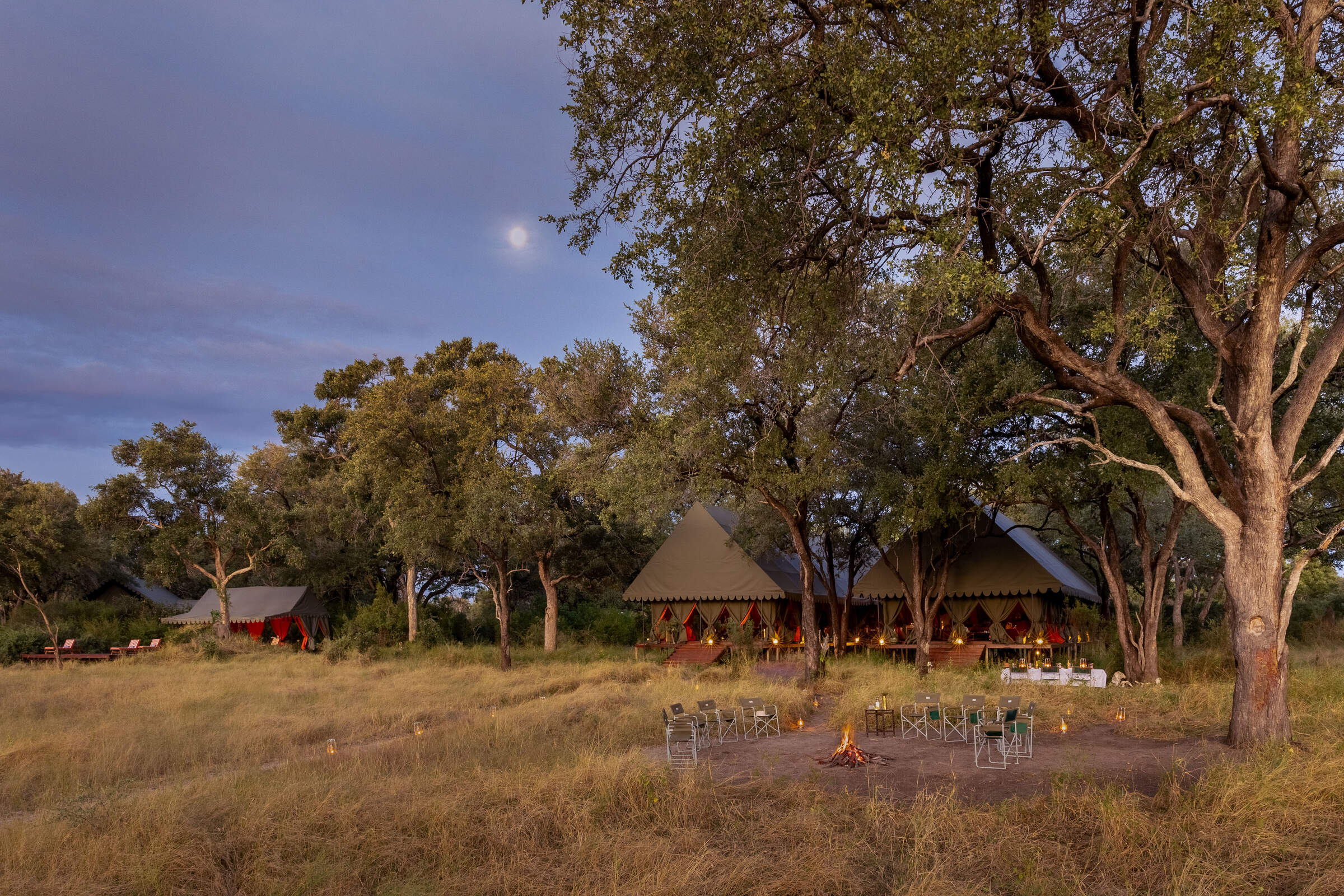
Mbamba
Deep within the northern Okavango, the classically styled Mbamba is located in the same wildlife-rich private concession as its sister camp Dukes.
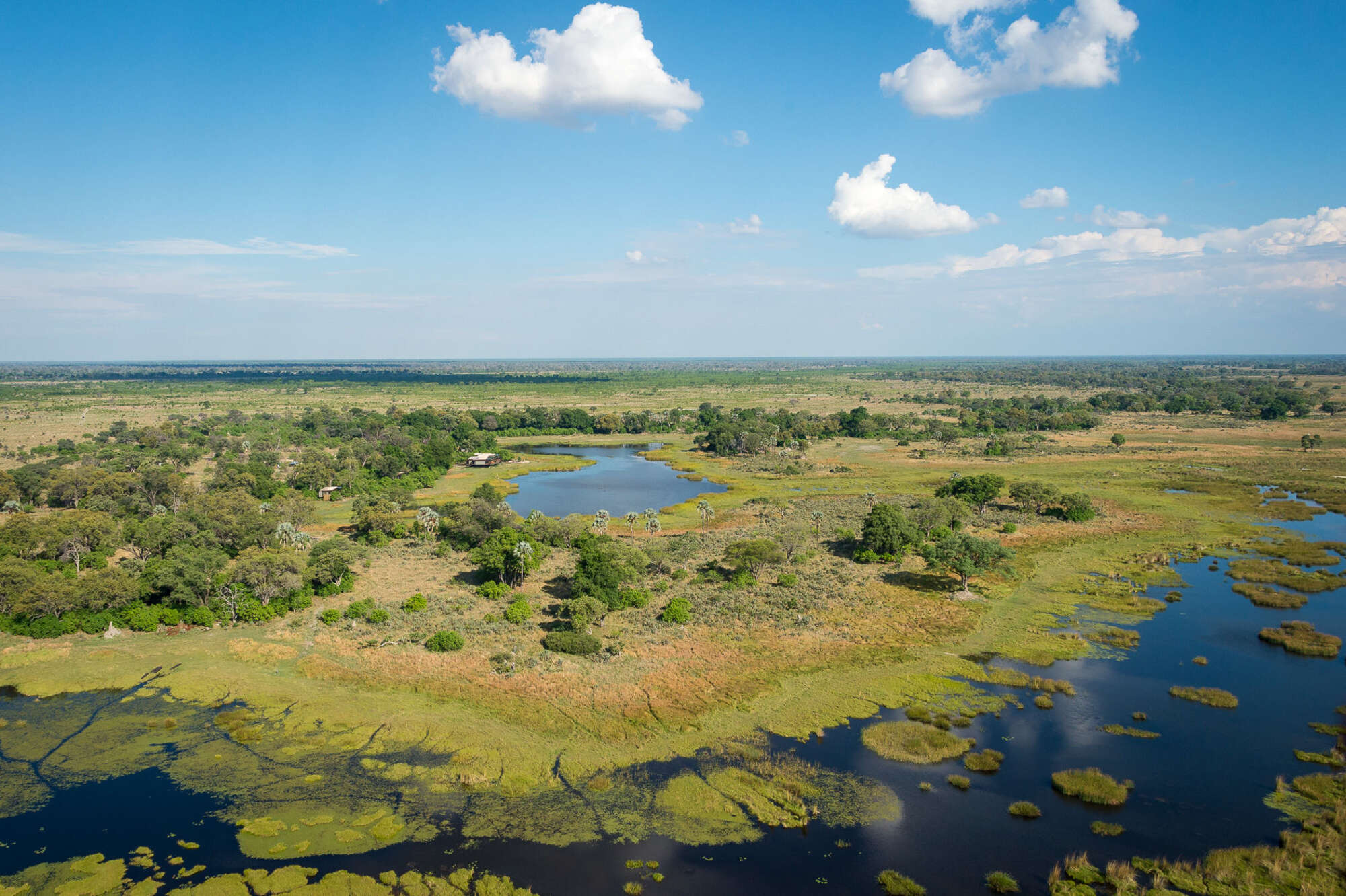
Qorokwe Camp
Luxurious and contemporary, the relatively new Qorokwe Camp is a gem in the Okavango Delta, offering land- and occasionally water-based activities in a prime wildlife area.
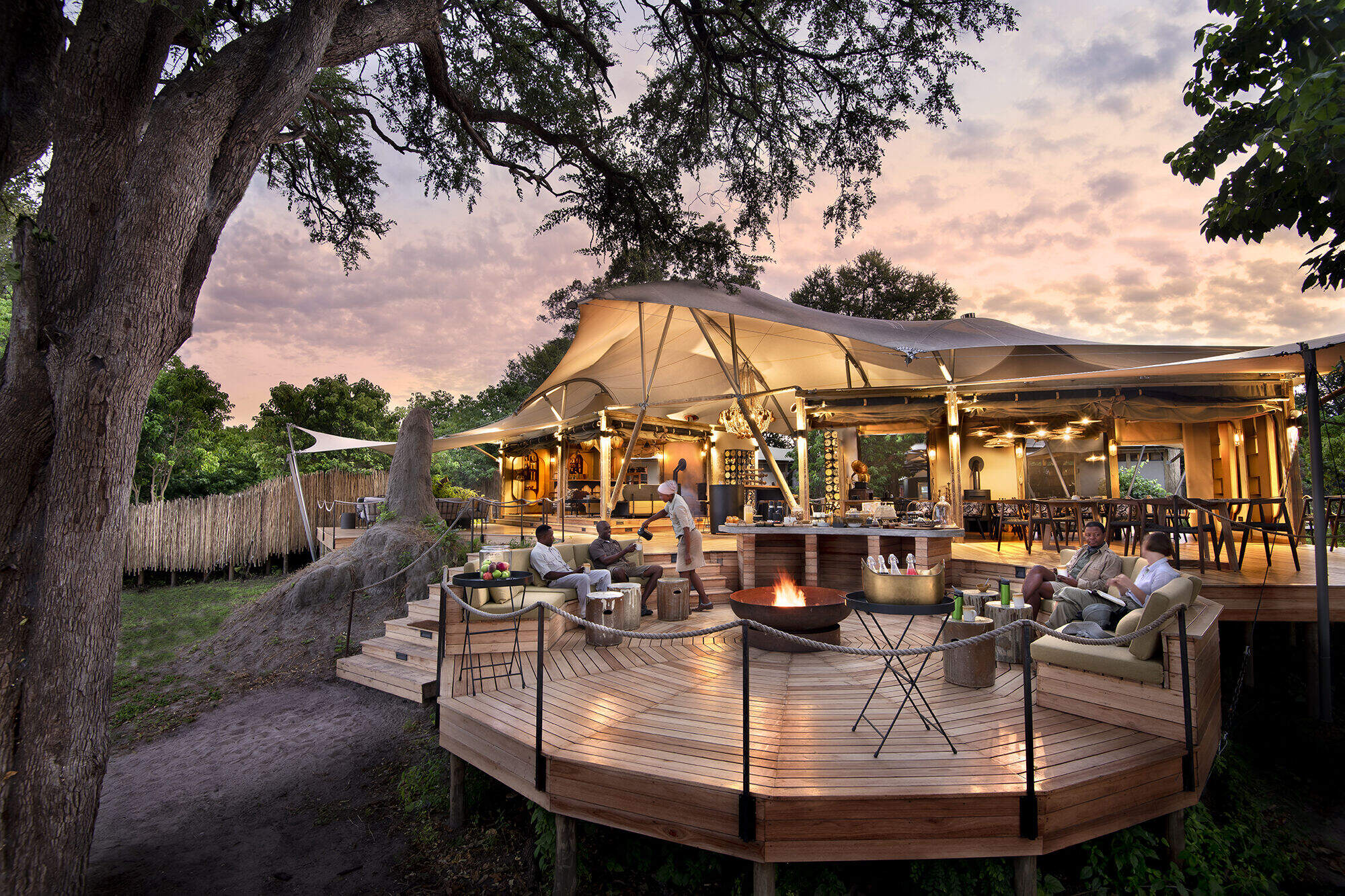
Khwai Leadwood
Khwai Leadwood is a luxurious lodge located in the heart of the Khwai Community Concession, offering guests exceptional service, stunning scenery, and unforgettable wildlife experiences.
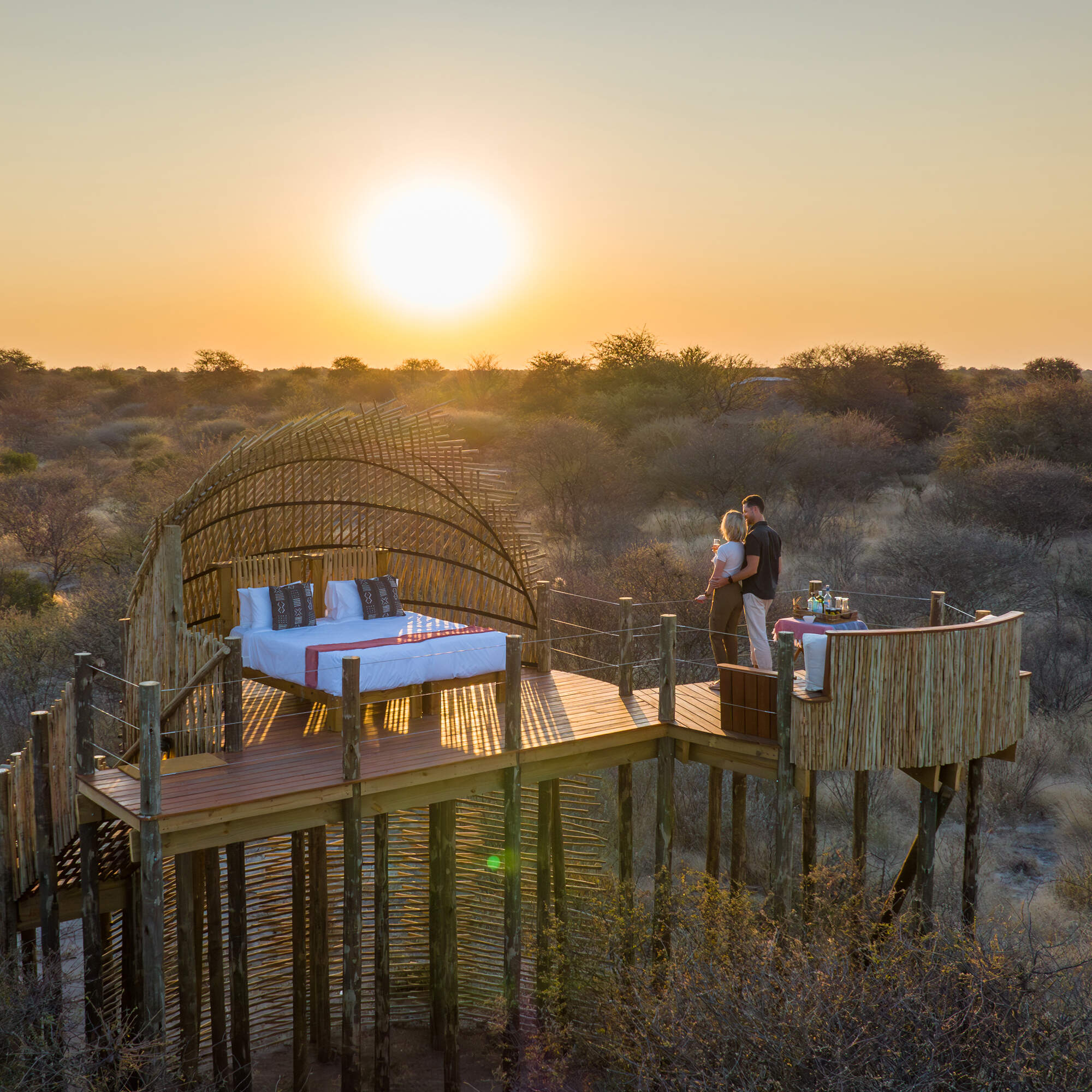
Gham Dhao Lodge
Within a private concession, Gham Dhao Lodge is one of a number of lodges located on the northern boundary of the CKGR, offering a year-round Kalahari experience.
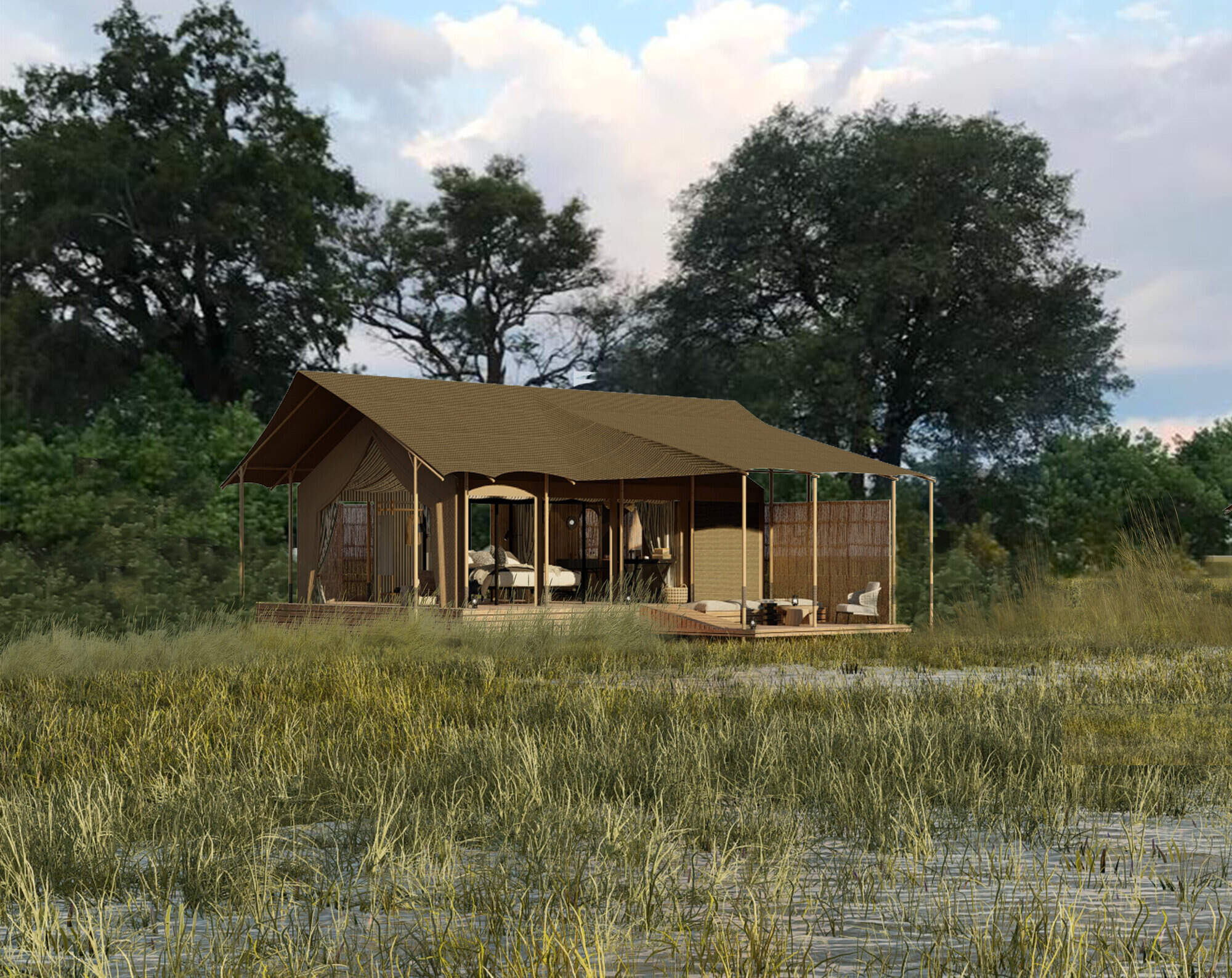
Monachira
A new lodge in Moremi Game Reserve, with a focus on water-based activities, the family-friendly Monachira will be opening in May 2025.
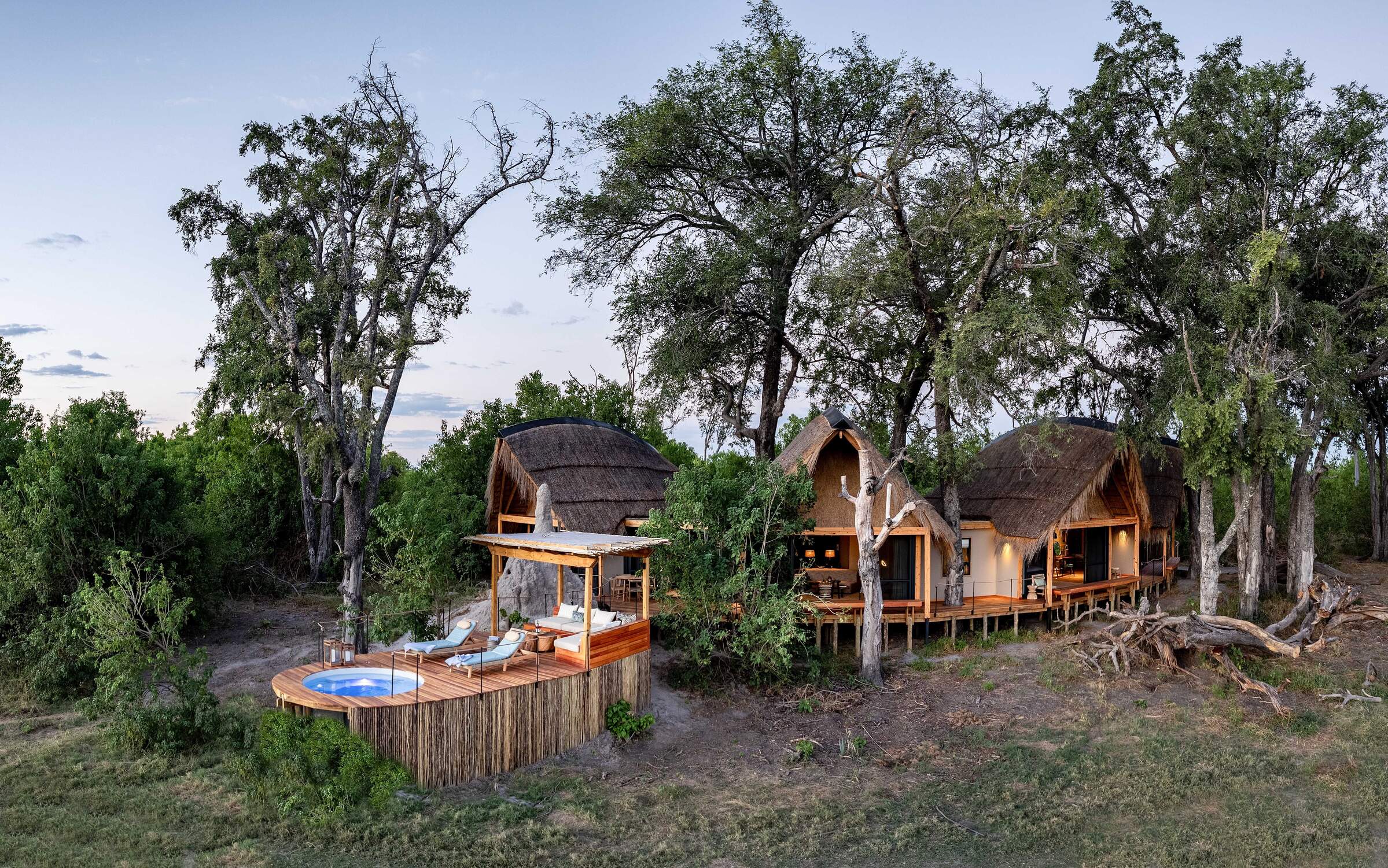
Tawana
An exclusive new lodge on the banks of the Gomoti River, Tawana has just eight very spacious suites.
Special kinds of holidays in Botswana
From Family safari holidays to the most indulgent, luxurious safaris – Botswana has an exceptionally broad appeal.
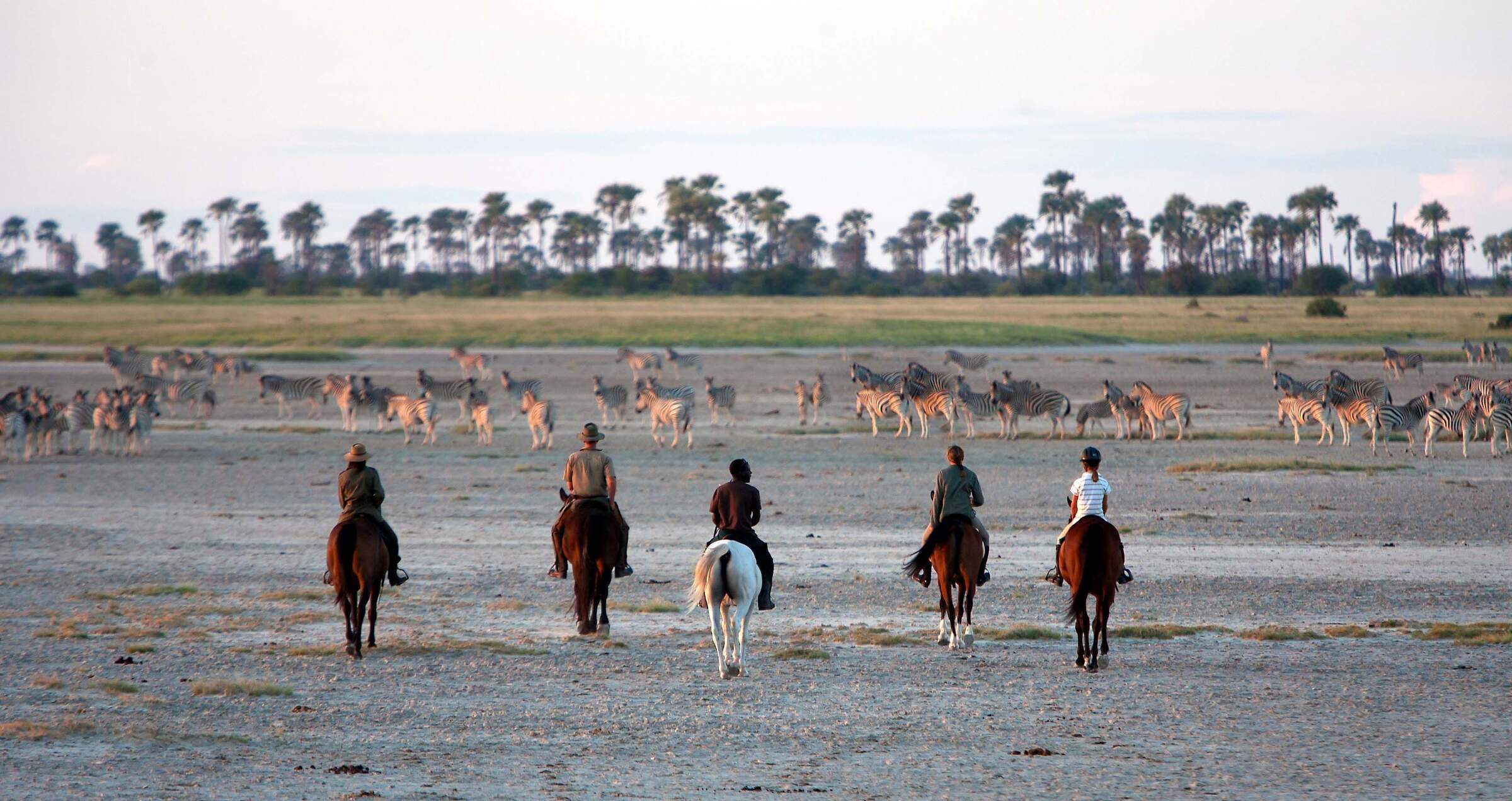
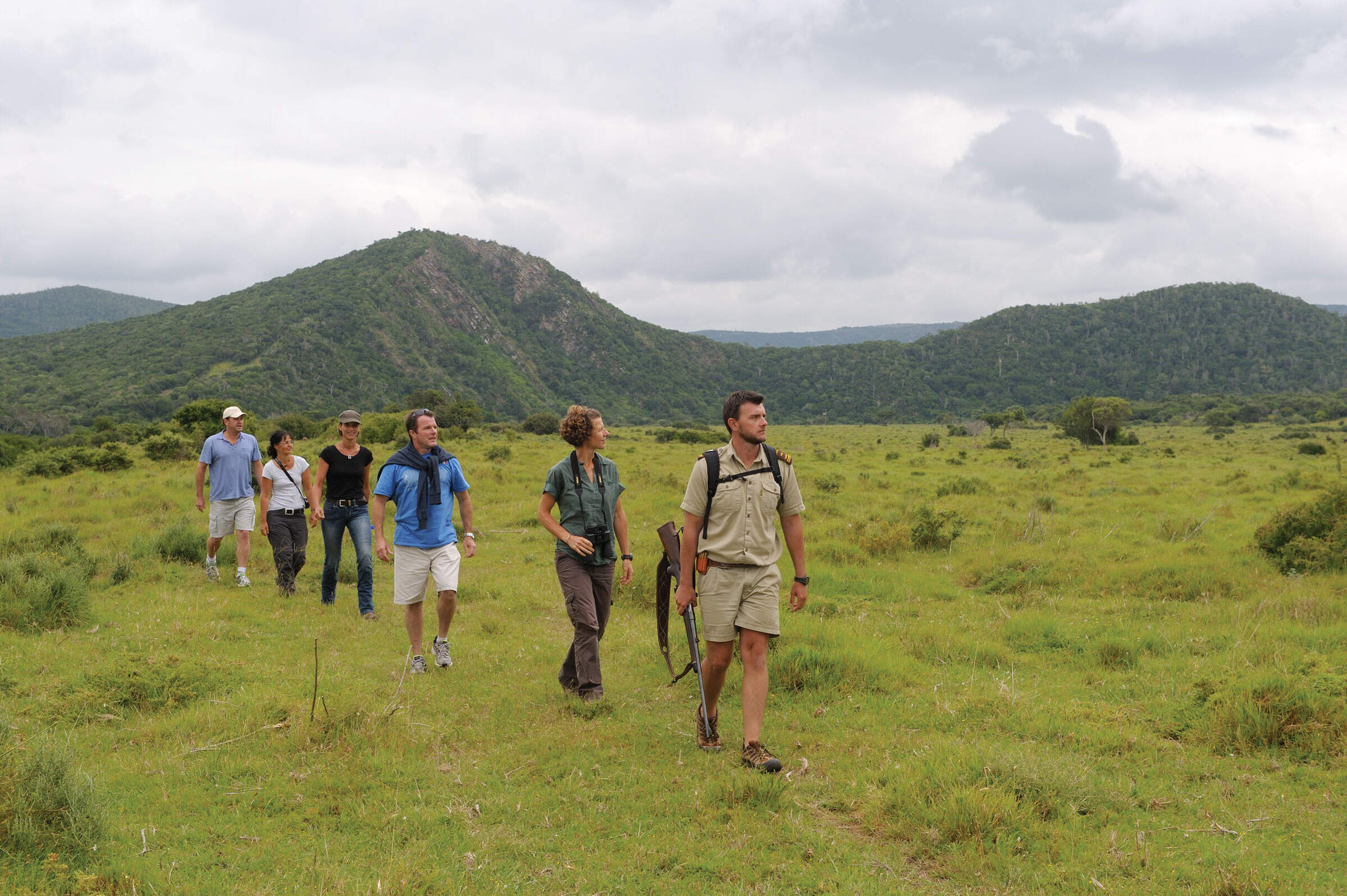
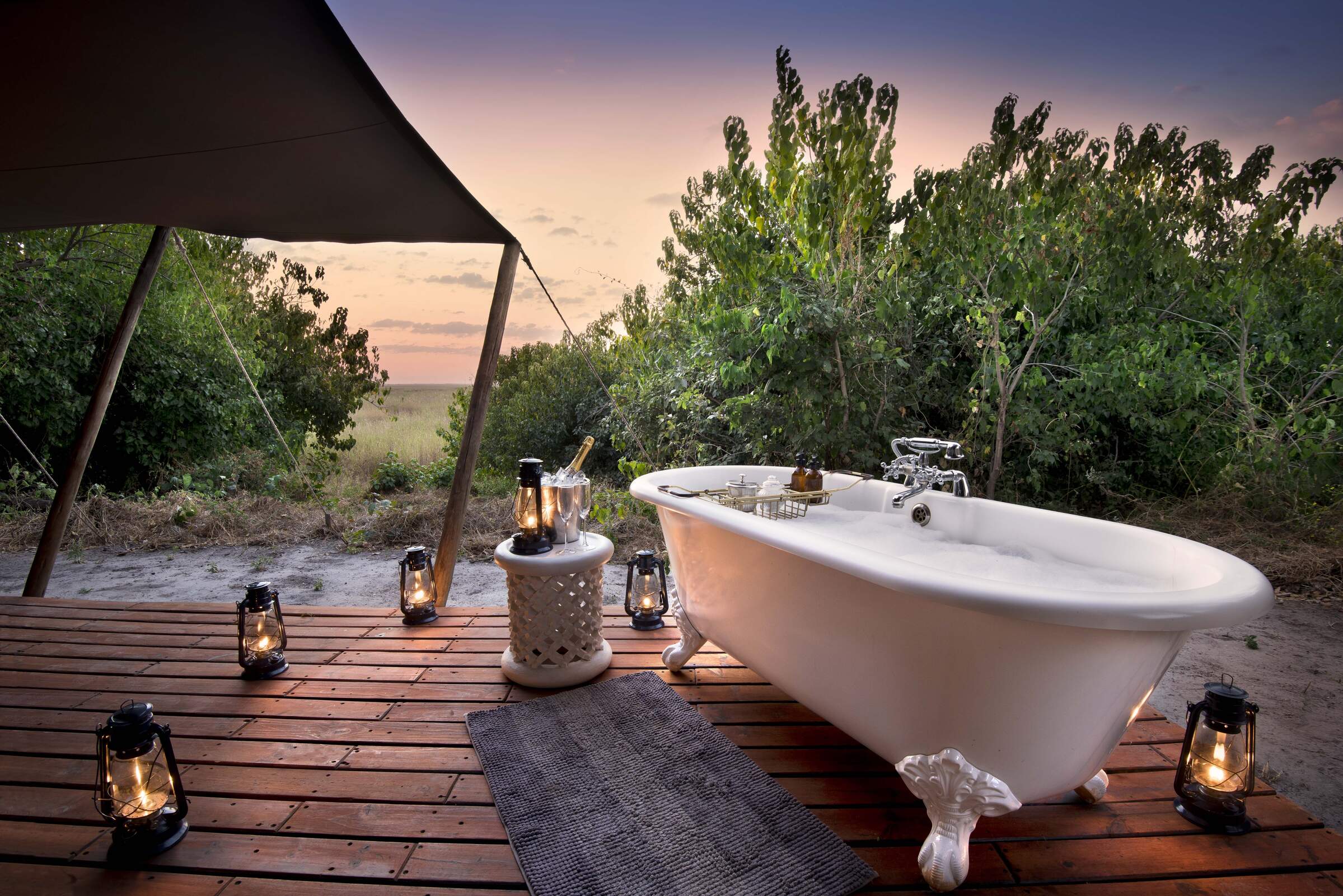
Wildlife is a given, but so are the birds; with more than 400 species to be found in the Okavango Delta alone. Less obvious, perhaps, are adventure activities, all with expert guides, from walking safaris to riding safaris.The exclusive private reserves offer the perfect setting for a Botswana honeymoons safari: think moonlit baths, dinner by candlelight and sleeping under the stars.
Lodges with spas add a further touch of indulgence. At the other end of the spectrum, family-friendly safaris offer real flexibility, with some exciting “bush” school options. Then there are specialist photography holidays in Botswana: camps have specially-adapted game-viewing vehicles and boats; some even have high-end cameras and lenses available to guests.
Whatever matters to you about your safari holiday; talk to us about it and if it can be done – we’ll make it happen.
Frequently Asked Questions
Botswana FAQs
Numerous questions occur when you’re planning a Botswana safari, the sort of thing that you’d like to ask a friend who has been before, but may seem trivial.
Those below are some of the questions that we’re frequently asked, from what to expect on a mobile safari, to why Botswana is expensive. Everyone is different, though, so please do contact us with your questions – however trivial; we’re here to help.
Why are Botswana safaris so expensive?
For the visitor, the rewards are many. Exclusivity is at the heart of a Botswana safari, with only a few lodges and camps in each of the vast private reserves, employing some of the industry’s top guides. Even in Botswana’s national parks and game reserves, safari lodges – and visitors – are limited. A further plus is that except in hotels in places such as Maun and Kasane, most trips include meals, activities, laundry and park fees, and some even include drinks.
So while costs are often high, Botswana safaris can offer very good value for that money.
What are the tents like on a tented safari?
For the most part they’ll be walk-in structures with a metal or wooden framework, with stretched canvas sides and roof. In the simplest, screened windows set into the canvas keep out bugs, and roll back “doors” may open onto a private veranda with a view, while see-through covers and canvas blinds can be rolled down at night or during the rainy season.
At the luxury end of the spectrum, some “tented rooms” may boast sliding glass doors and air conditioning. All will have en-suite bathrooms, ranging from the simple but functional to the seriously hedonistic.
What's a mobile safari like?
Typically you’ll have breakfast in camp, prepared over an open fire, then you’ll set off to explore on a game drive, sometimes with a packed lunch, sometimes returning to camp at midday. Come the evening, you’ll return to camp for a bucket shower in your own tent, followed by drinks and a hearty meal under the stars.
All mobile safaris cater for just small numbers, with some, such as our private guided mobile safari, exclusive to one group of travellers – making them ideal for a family safari or small groups of friends travelling together.
What’s a typical day on safari?
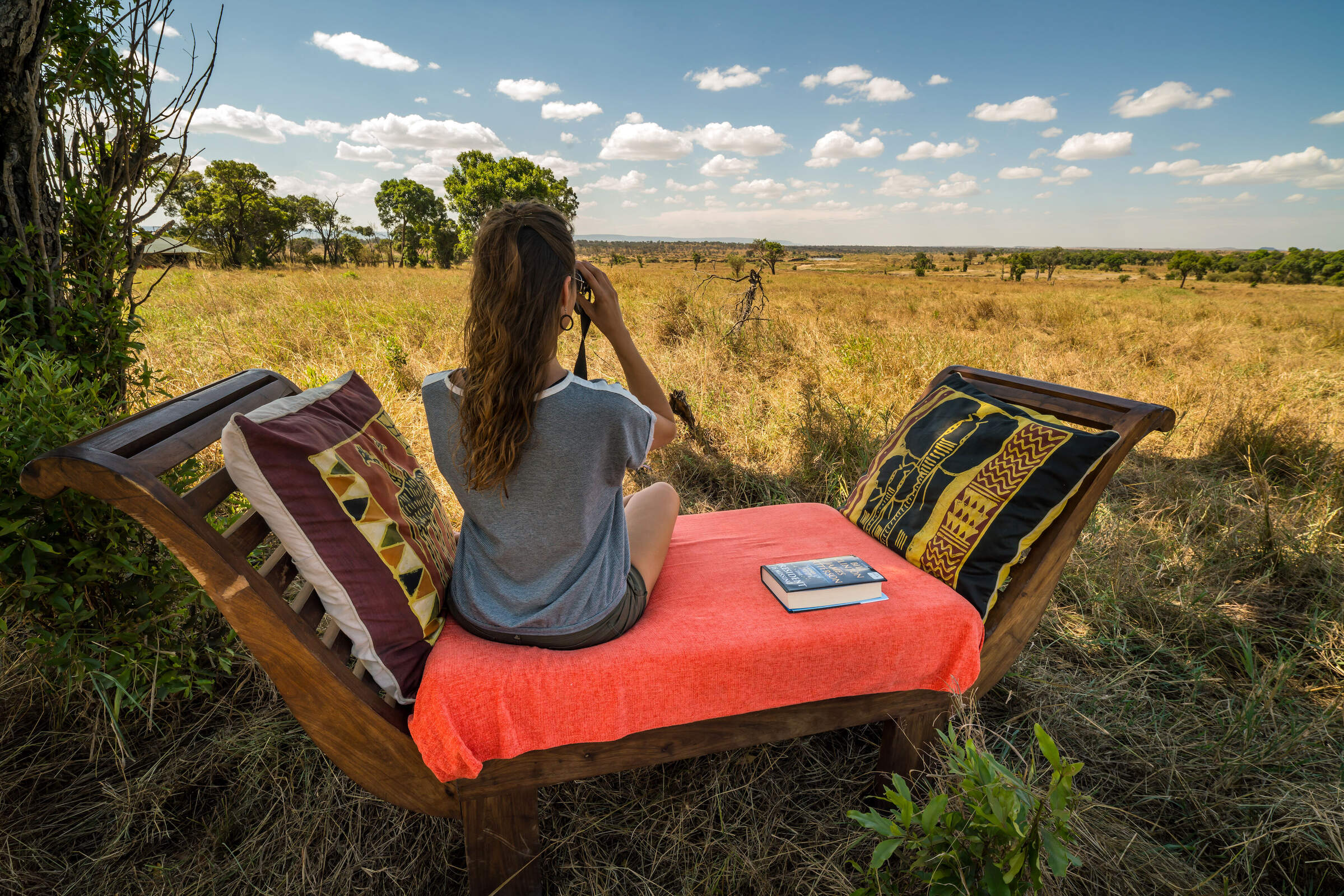
At most lodges you’ll return late morning for a substantial, well-prepared meal, either brunch or lunch. Siesta time follows, the opportunity to sit back with a pair of binoculars and scan the surroundings, or to relax with a book. Mid-afternoon sees tea or coffee with cake, and perhaps a savoury snack, ready for your late-afternoon activity. Sometimes you’ll return to the lodge before sunrise; in the private reserves you may stay out for sundowner drinks before returning for dinner.
Can I self-drive around Botswana?
Firstly, because many of the best safari areas in Botswana are in private reserves, which are completely off-limits to all self-drive travellers. The only way to visit most these is on a fly-in safari.
Self-drive safaris are effective limited to the national parks and reserves – typically Chobe , Moremi , Nxai and Makgadikgadi– which are generally much busier, and more regulated, than the surrounding private reserves. Through these national parks, the “roads” these are scarcely more than sand tracks, which change with the seasons. Trips through these become expeditions on which you must take all of your camping equipment, food and supplies. The complete lack of back-up means that they’re far from relaxing holidays: what do you do if your track is blocked by a fallen tree, or an area is made impassable by a flood?
Without a knowledgeable guide, finding the very wildlife that you’ve come for is simply pot luck on a self-drive – and you’ll spend much of your time focusing on getting around, camping and cooking for yourself.
Whilst several of Expert Africa’s more adventurous Botswana experts have done these trips – and we’ve even written the definitive guidebooks on how to do them – we don’t recommend them and don’t organise them for travellers.
So our safaris in Botswana leave the driving, the cooking and your comfort to the experts, leaving you to enjoy the animals, the landscape, the sheer wilderness that is Botswana’s biggest draw.
How many nights should I stay?
For those with plenty of time, the options are endless. Combine a week on a Botswana wildlife safari with time visiting the lesser-known attractions of the North-west Kalahari, or the Kalahari's Salt Pans, or seek out the rarities – such as sitatunga, Pel’s fishing owl, the slaty egret or sable antelope – in different areas of the Delta. A balance of wildlife and cultural attractions can also be appealing; Botswana has a wealth of ancient rock art just waiting to be explored.
Our other African destinations
At Expert Africa, we're experts in African travel. If Botswana is too pricy, we can guide you to look at several great alternatives.
Zambia stands out with its exceptional wildlife and intimate camps, including several top-notch owner-operated establishments that compete with Botswana's best. Meanwhile, Zimbabwe offers an experience which is often more rustic, but hugely enhanced by the sheer quality of its safari guides.
For an entirely different but equally thrilling safari, consider Namibia. Its vast landscapes allow for self-drive adventures that come at a fraction of Botswana's cost – including world-class safari elements.
For those wishing to pair their safari with aquatic activities or seaside relaxation, the east coast of Africa beckons. We recommend Kenya, Mozambique, Malawi, and South Africa. Island extensions to Zanzibar or the Seychelles are also fantastic options.
And if encountering mountain gorillas is a dream of yours, Rwanda should not be overlooked.
The choices are varied, so contact us; to help you to craft your perfect safari – wherever that may be.
Kenya
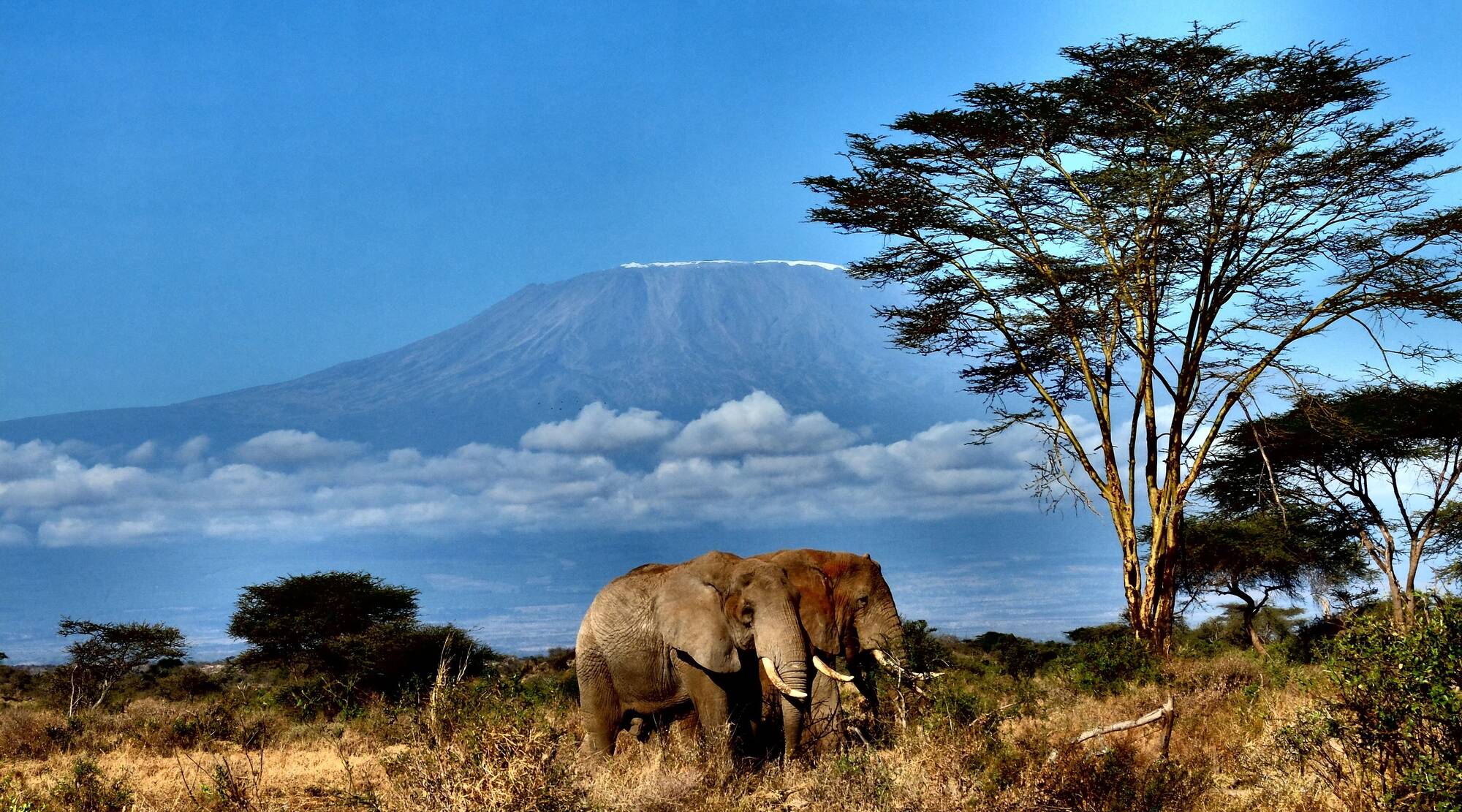
Humanity’s ancestors lived in Kenya, which is now home to people speaking 42 languages, and some of Africa’s rarest, most magnificent wildlife.
Read more about Kenya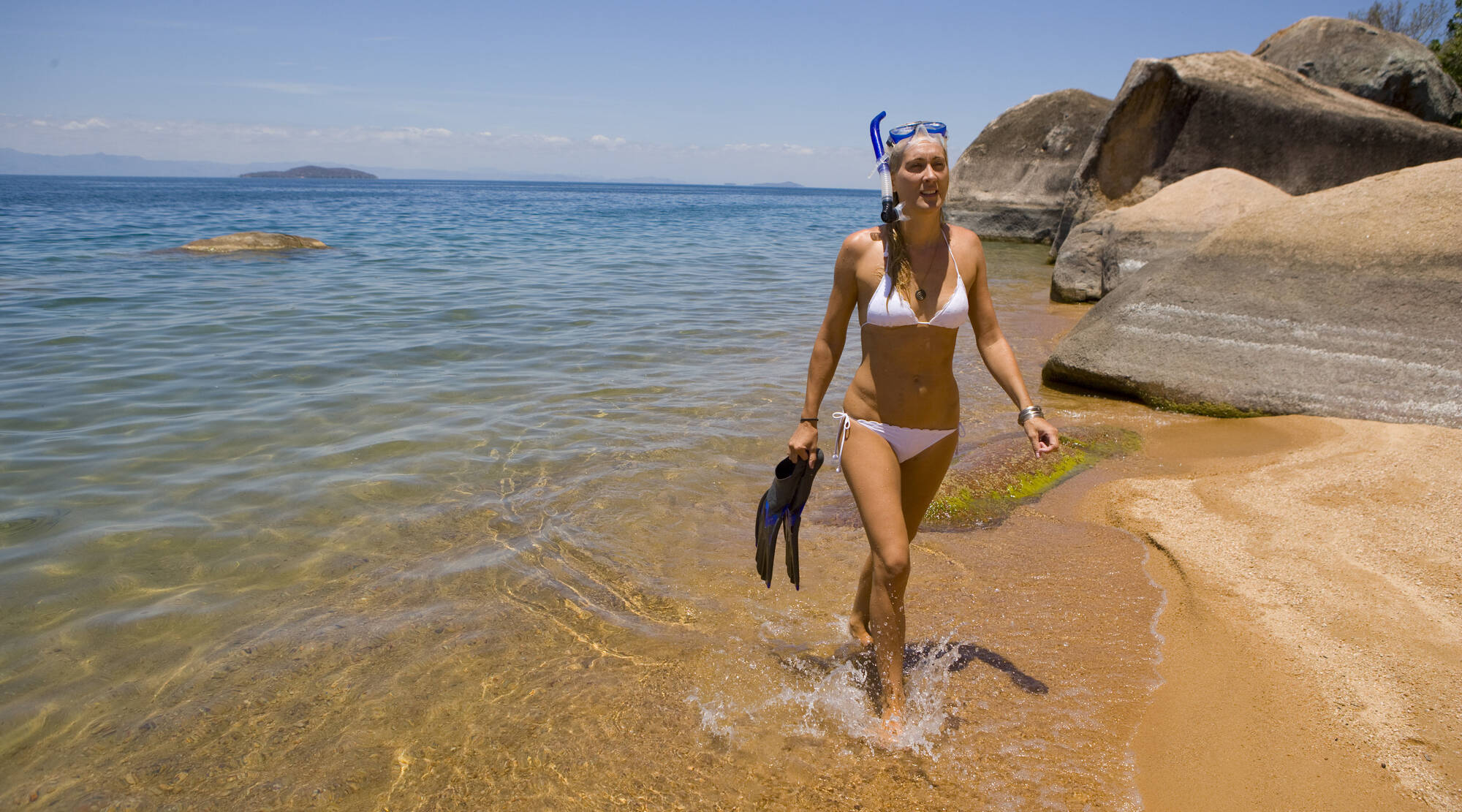
Malawi
With tropical rivers, Rift Valley plateaux, the crystal-clear waters of Lake Malawi and a stunning lakeshore, Malawi invites relaxed exploration.
Read more about Malawi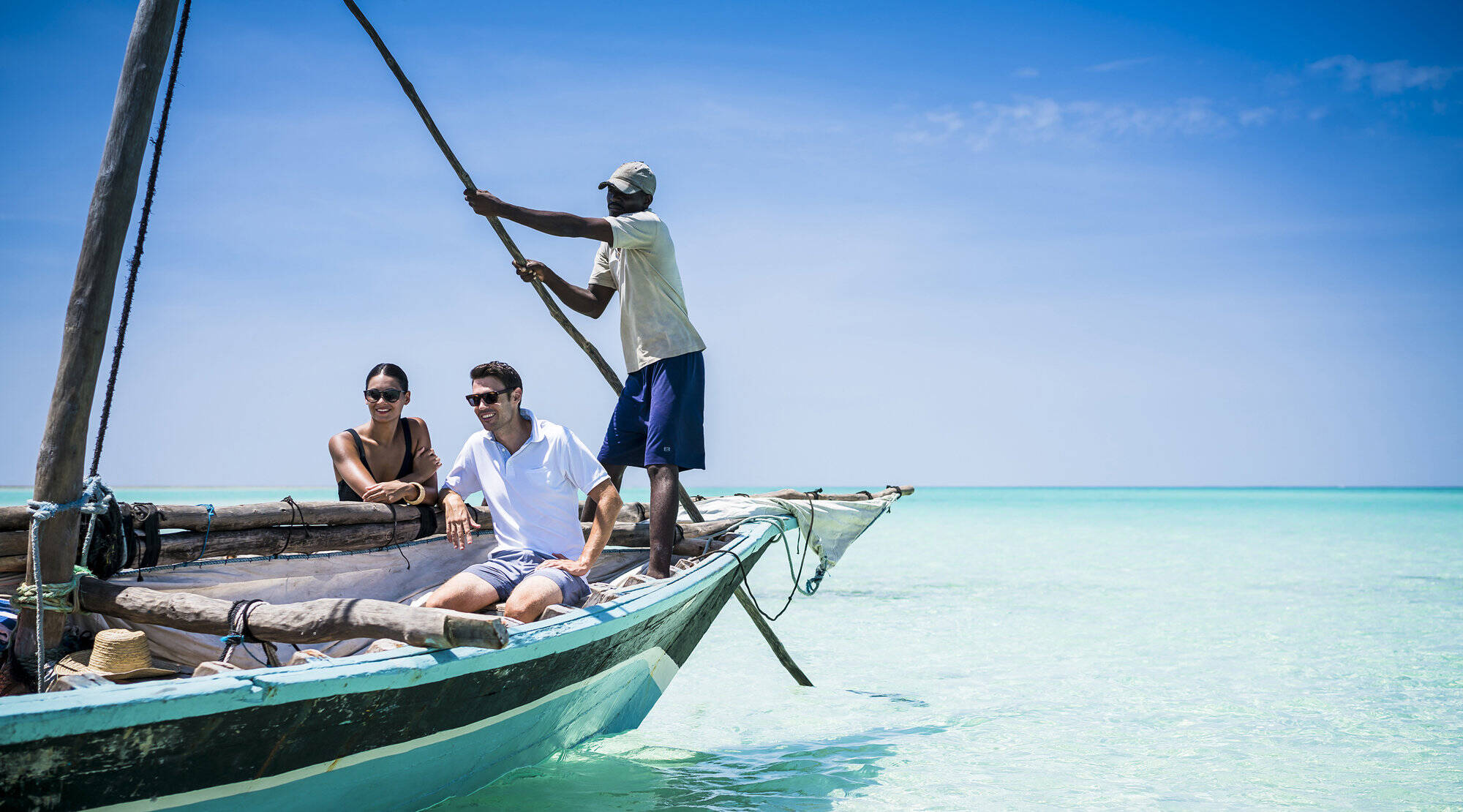
Mozambique
An ocean paradise protected by world-class marine parks, Mozambique’s idyllic archipelagos offer heavenly hideaways, outstanding diving and laid-back luxury.
Read more about Mozambique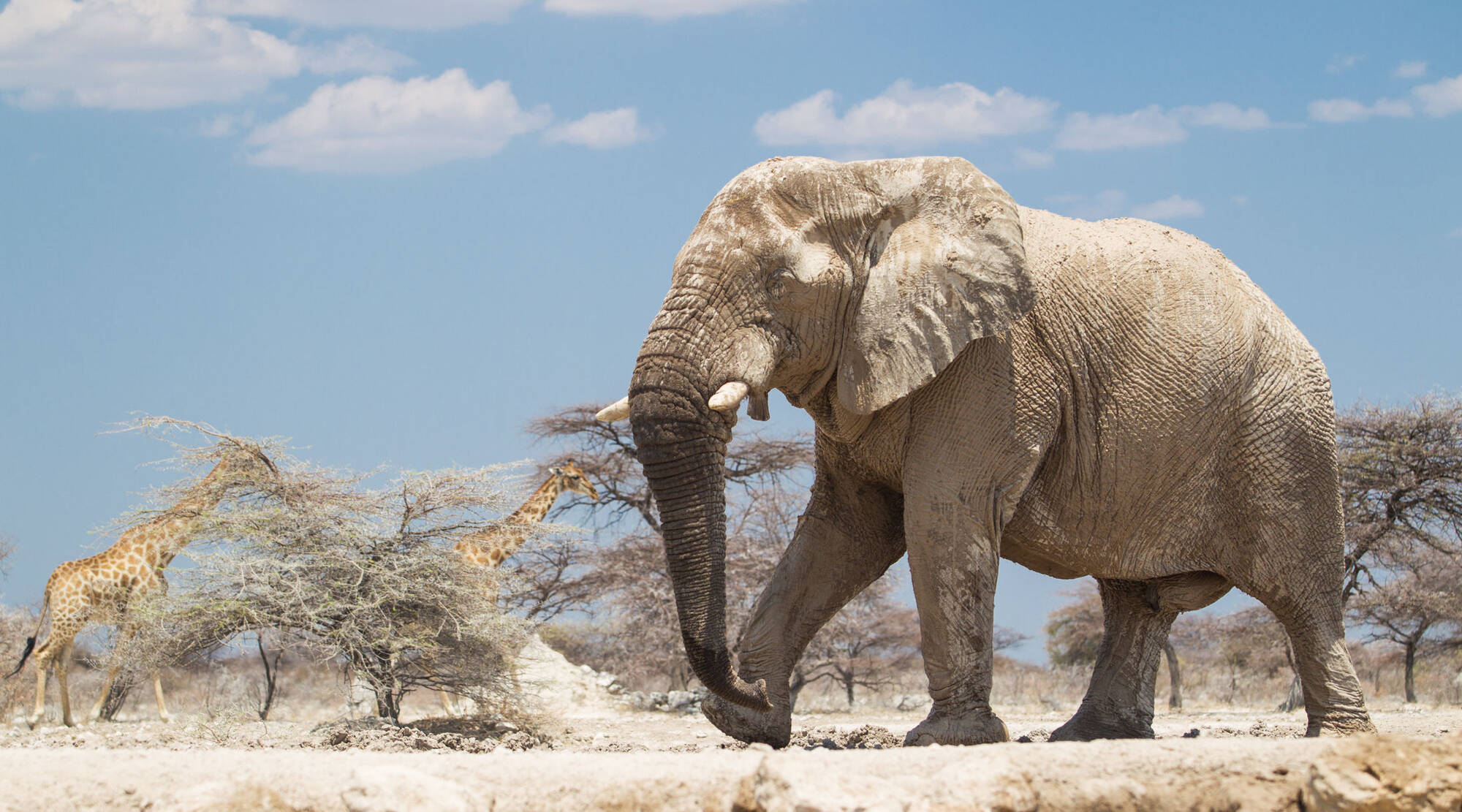
Namibia
Spectacular scenery, diverse wildlife and a rich cultural heritage await discovery by air, with a guide or on a self-drive adventure.
Read more about Namibia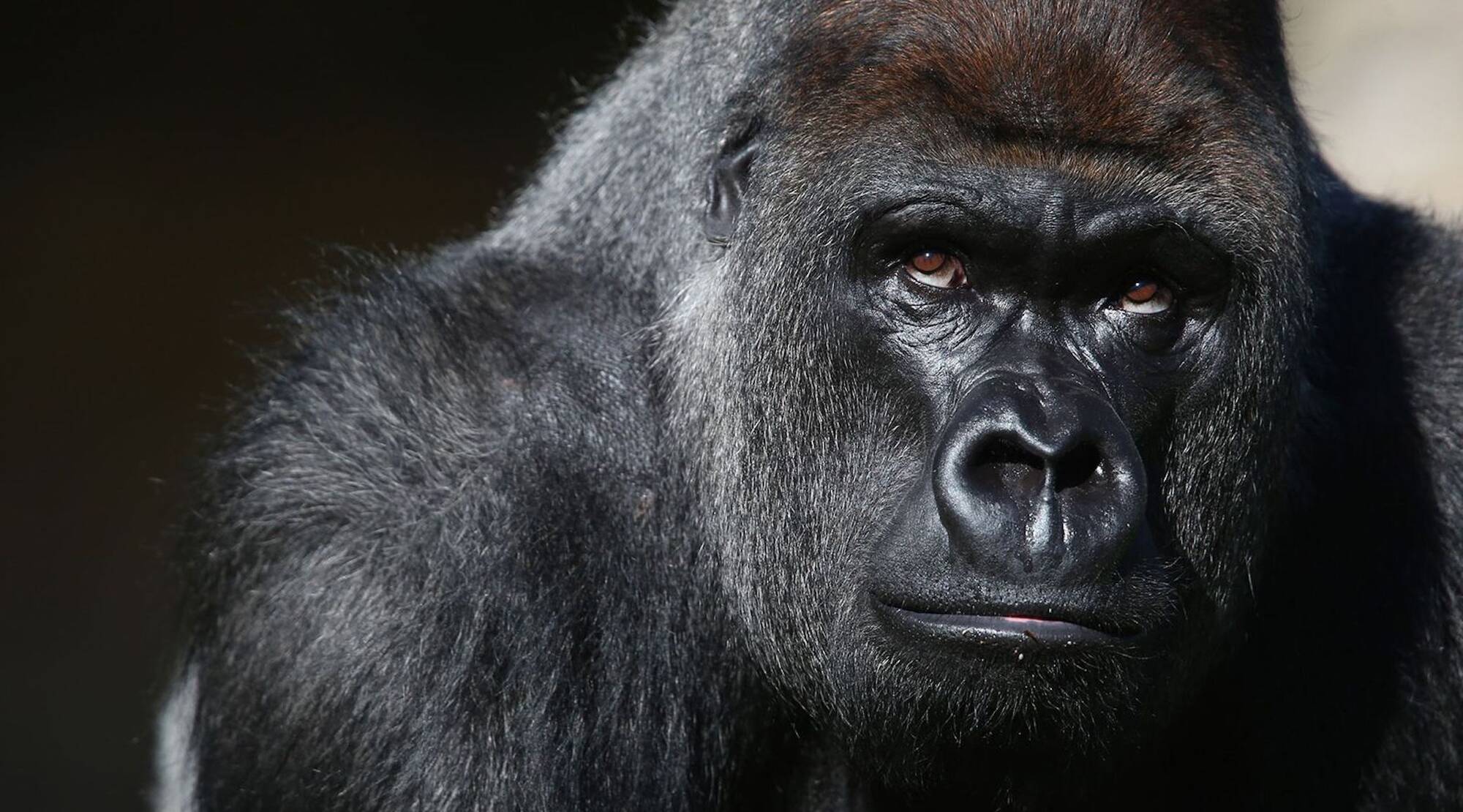
Rwanda
This small, mountainous country offers Africa’s best gorilla treks, other good safari options and a profound human element in every trip.
Read more about Rwanda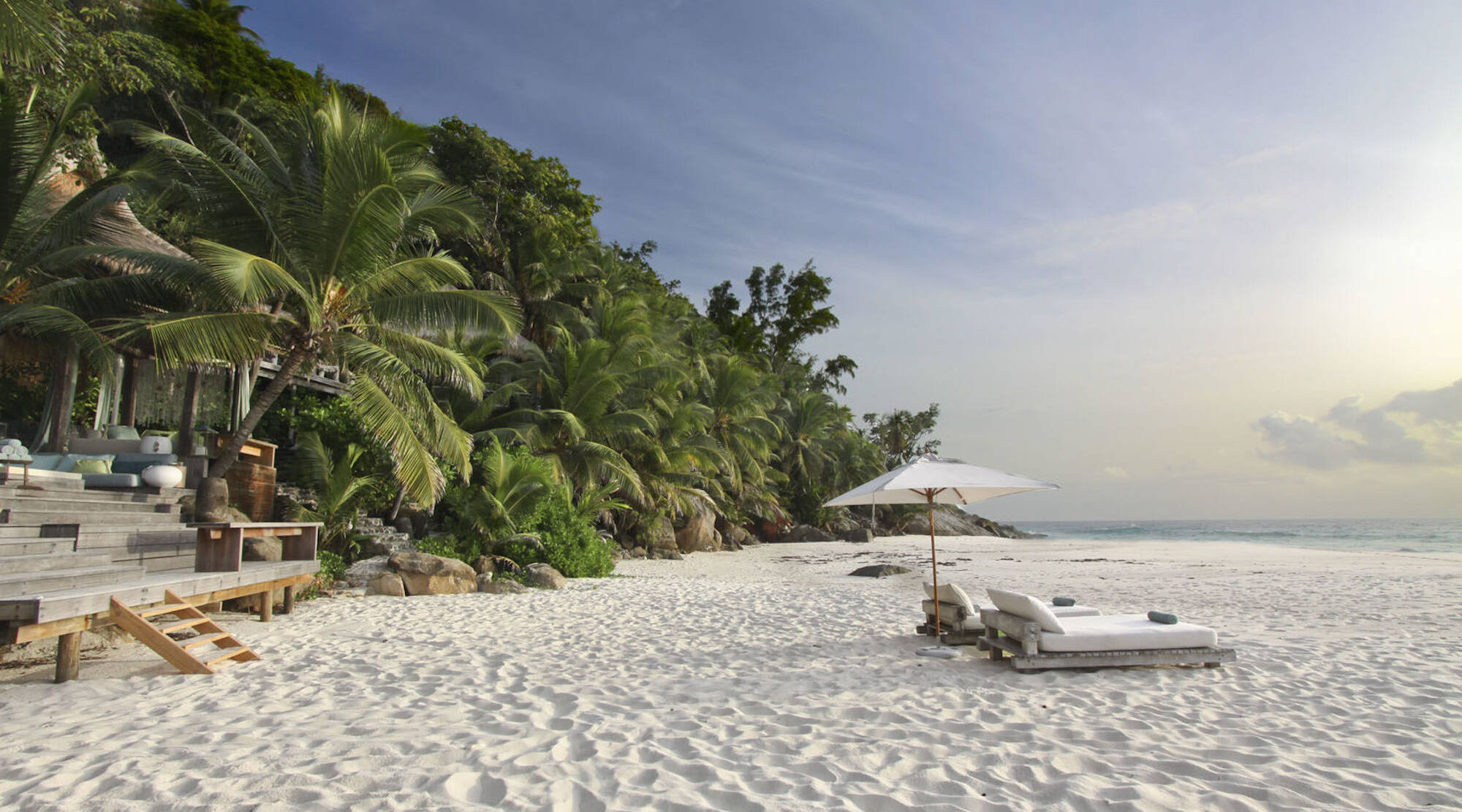
Seychelles
The ultimate glamorous getaway: the lush islands of Seychelles are enchantingly beautiful and stylish sanctuaries for both wildlife and ocean-lovers.
Read more about Seychelles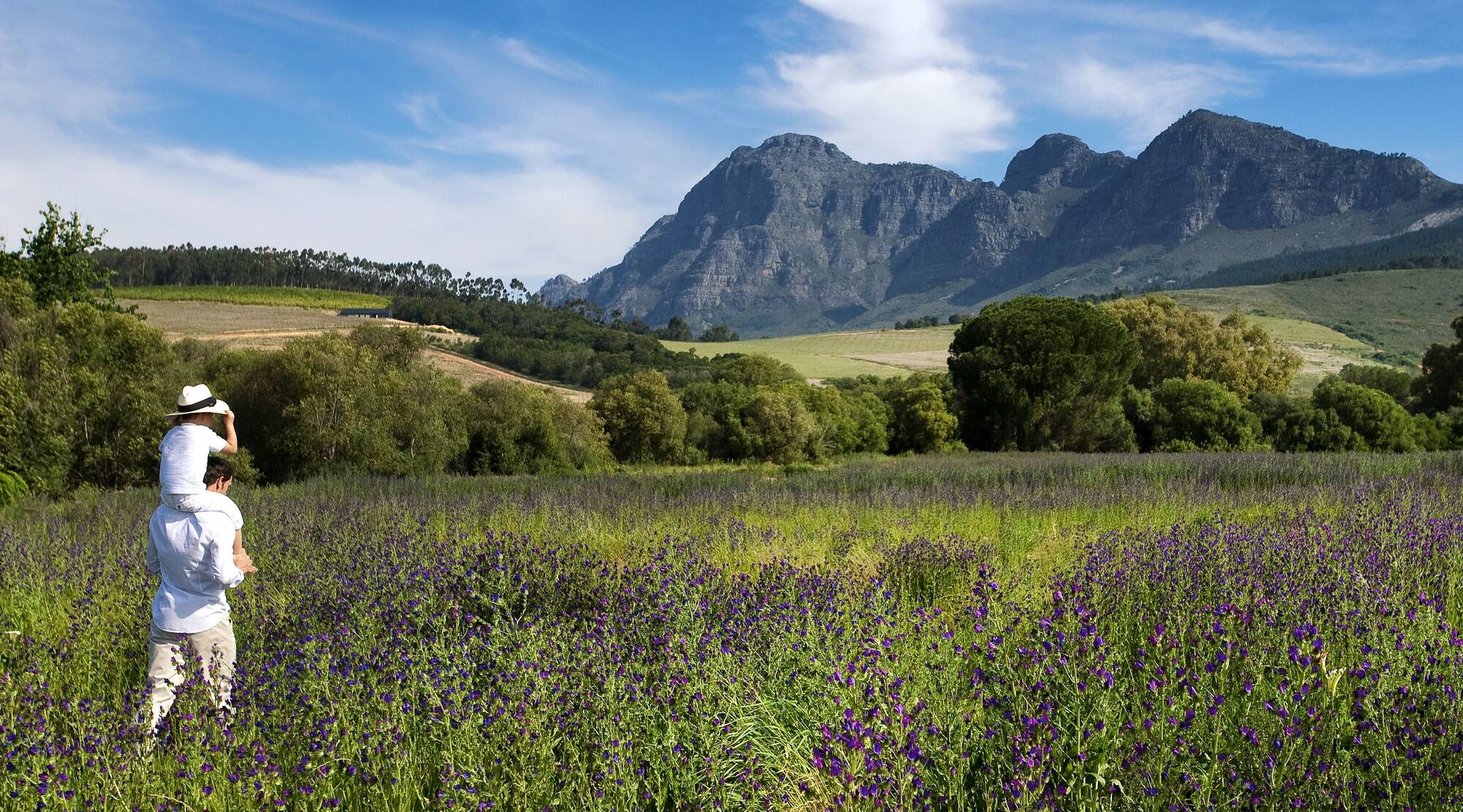
South Africa
Cosmopolitan Cape Town, world-class wineries, brilliant ‘Big Five’ safaris and spectacularly diverse scenery make South African holidays fabulously exciting and enjoyable.
Read more about South Africa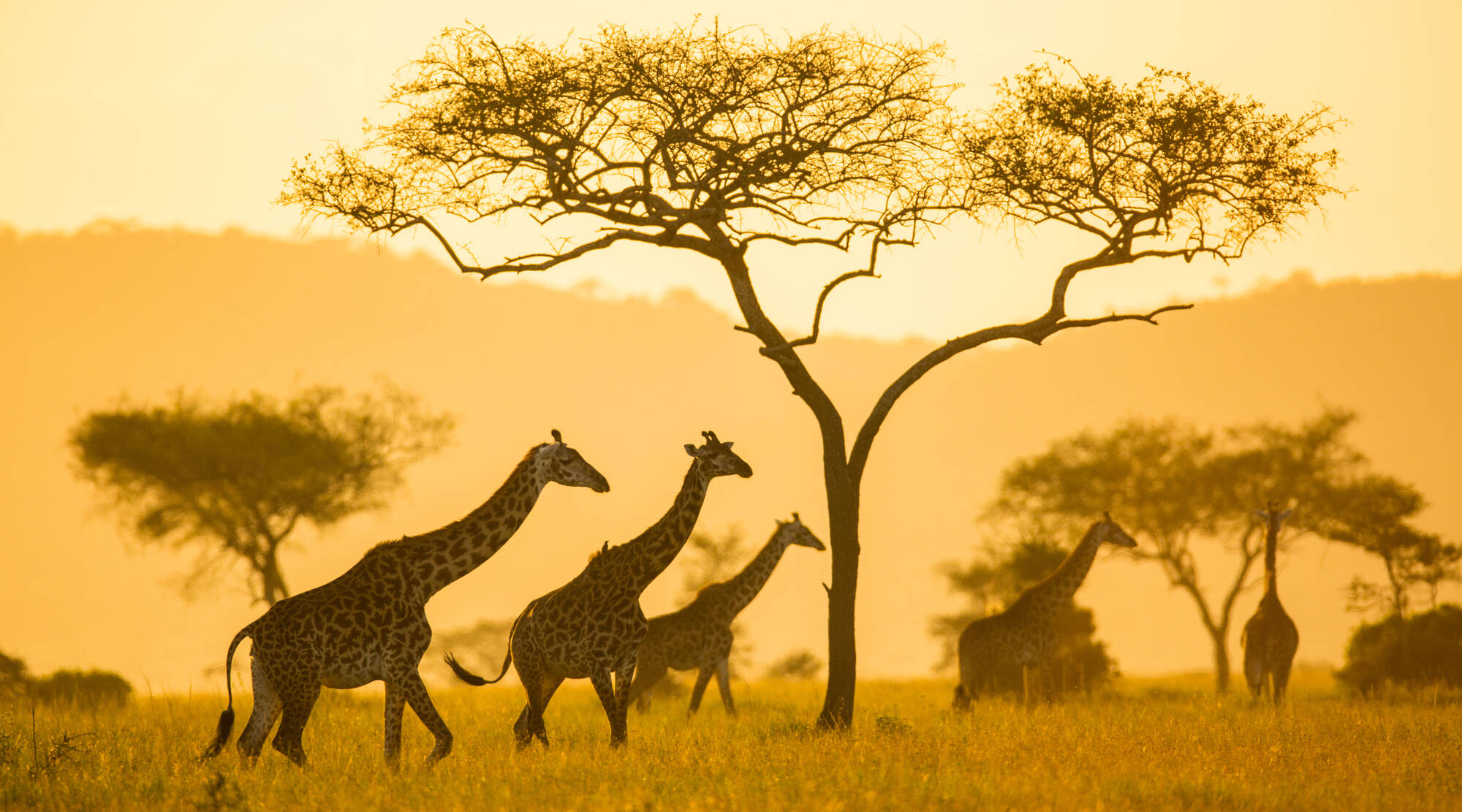
Tanzania
East Africa’s biggest country has a wide range of parks to explore and some of the Indian Ocean’s best island retreats.
Read more about Tanzania
Zambia
Home to walking safaris, exceptional wildlife, superb guiding and the mighty Victoria Falls, Zambia is Africa at its most alluring.
Read more about Zambia
Zanzibar
The ultimate Spice Island: Zanzibar’s mystique, marine life and chic beach retreats make it Africa’s most alluring archipelago.
Read more about Zanzibar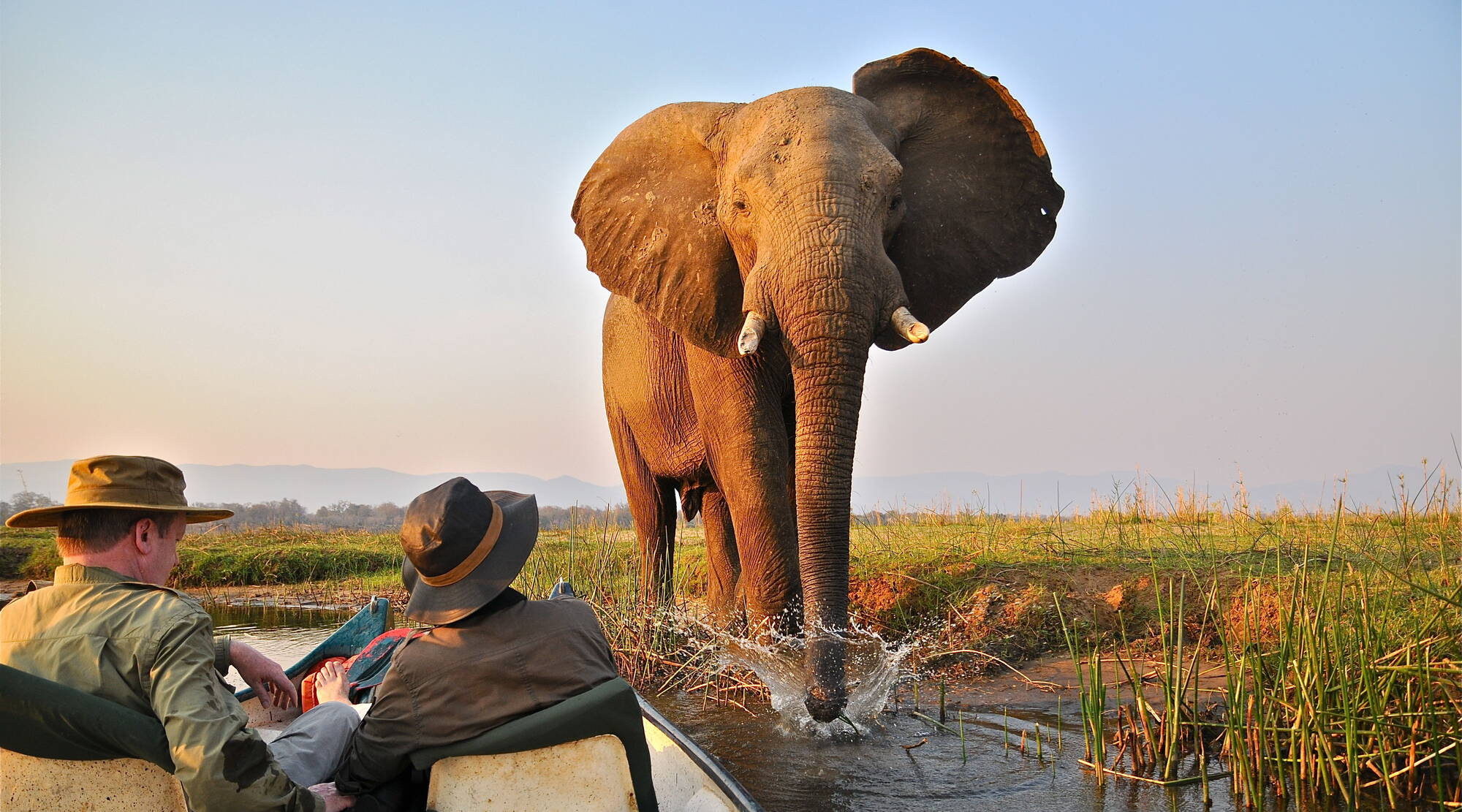
Zimbabwe
Stunning national parks teeming with game, plus Africa's finest professional guides and the spectacular Victoria Falls: Zimbabwe is enthralling.
Read more about ZimbabweElephant safari
in Linyanti
Talk to a Botswana Expert
These members of the Expert Africa team have been to Botswana and can advise you from their own personal experience.
Start a conversation with them today to help plan your trip.

Botswana specialist
I visited Botswana most recently in May 2025. I wrote part of the Bradt Guide to Botswana. I've climbed Kilimanjaro three times I've spent 40 days researching in Botswana.

Botswana specialist
I wrote part of the Bradt Guide to Botswana. I've spent 55 days researching in Botswana.

Botswana specialist
I visited Botswana most recently in Oct 2024. I wrote part of the Bradt Guide to Botswana. I grew up in South Africa and lived in Namibia before heading to the UK I've spent 69 days researching in Botswana.

Destination manager, Botswana
I visited Botswana most recently in Sep 2024. I wrote part of the Bradt Guide to Botswana. The first swear word my dad heard me say was when I was charged by a warthog as a child I've spent 47 days researching in Botswana.