
About Serengeti Migration Camp
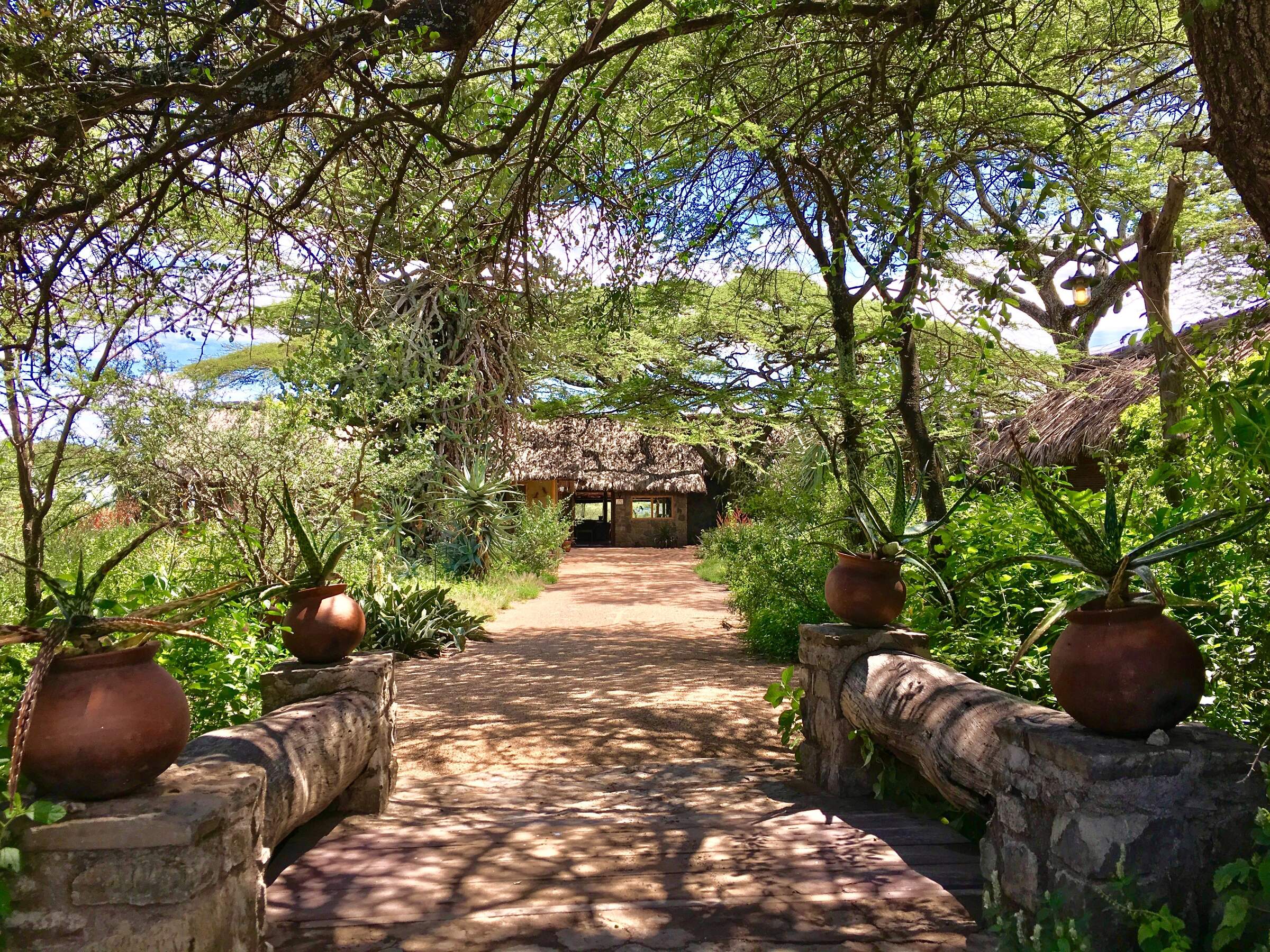
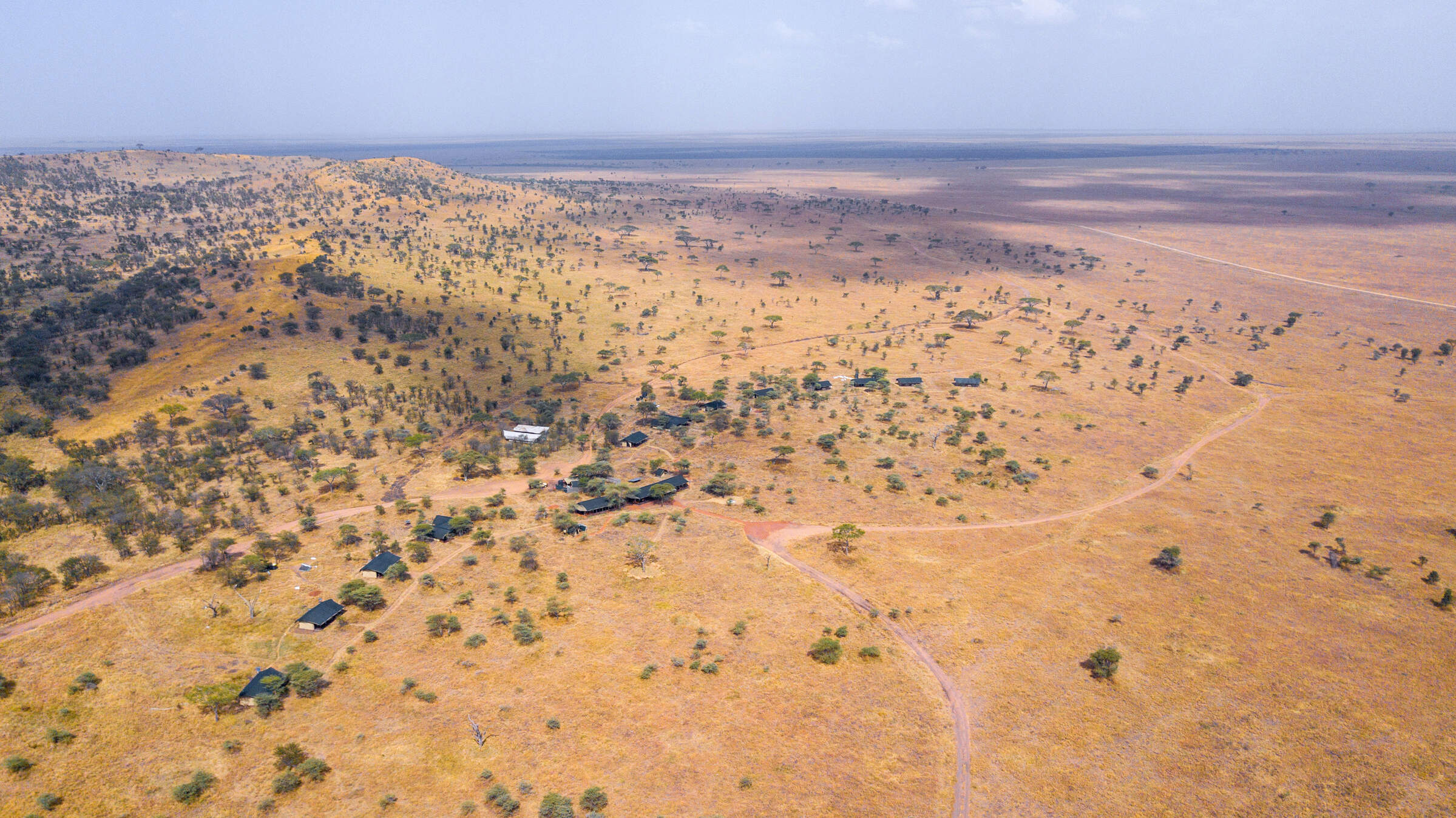
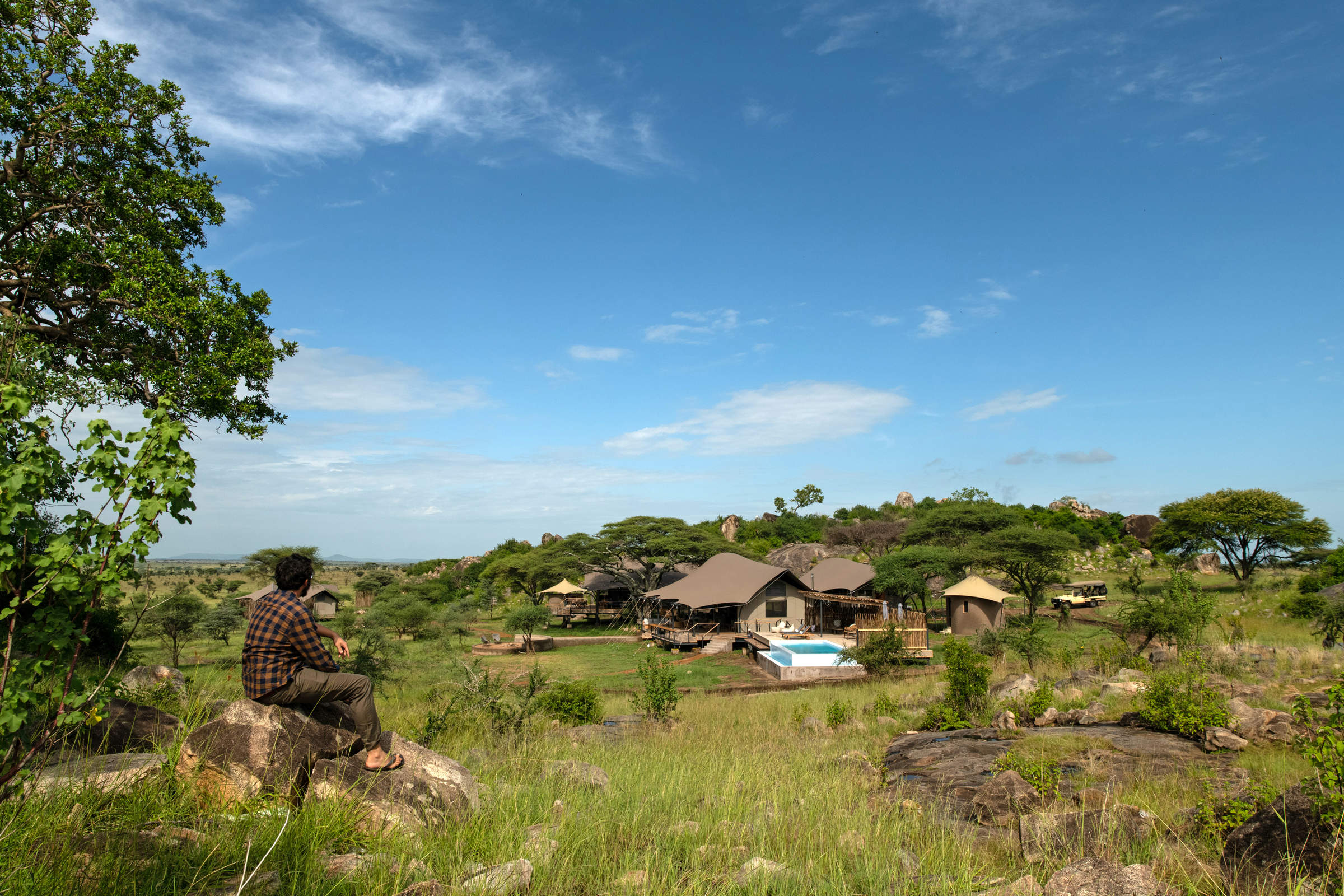
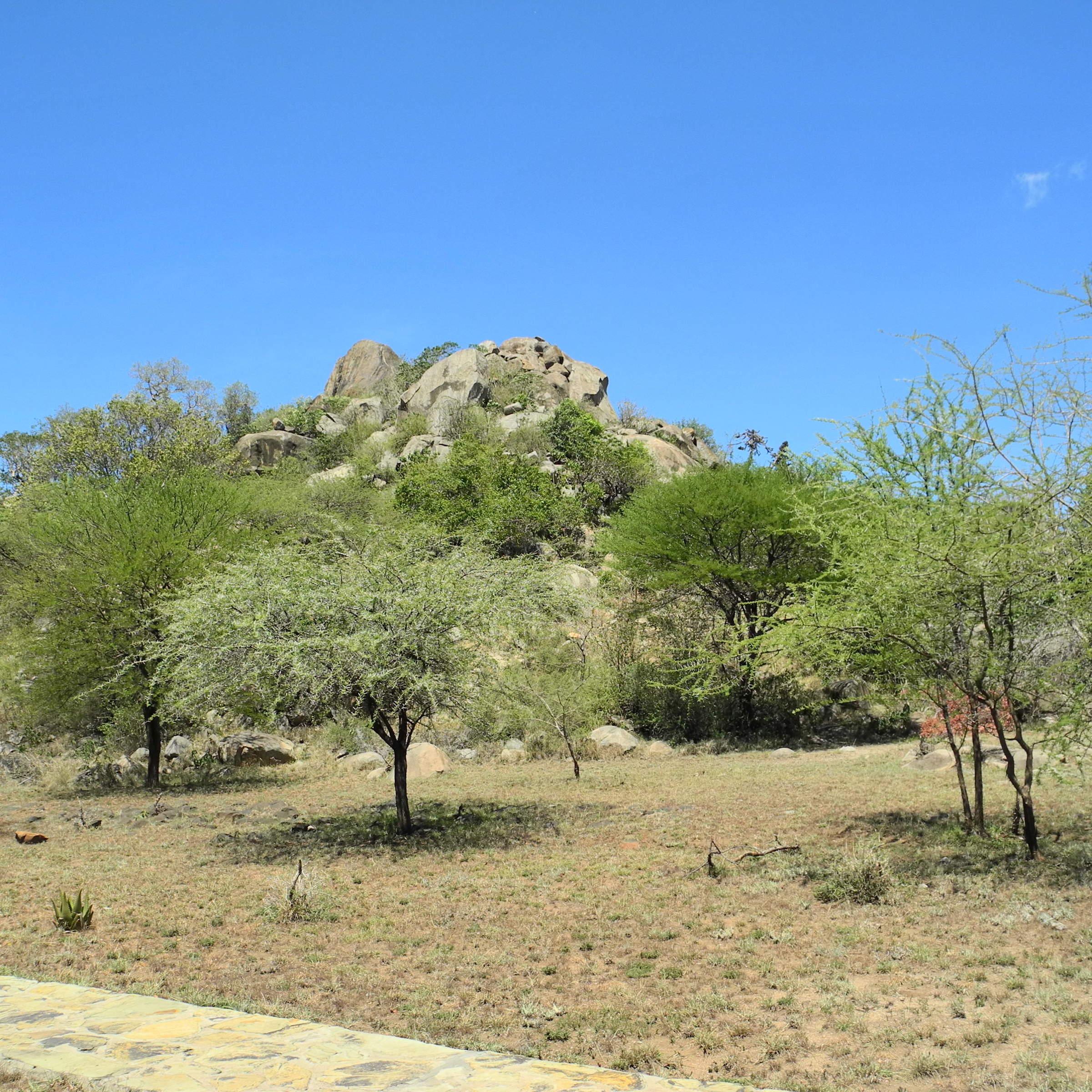
Serengeti Migration Camp is tucked into a rocky outcrop in the northern Serengeti near to the Lobo area.
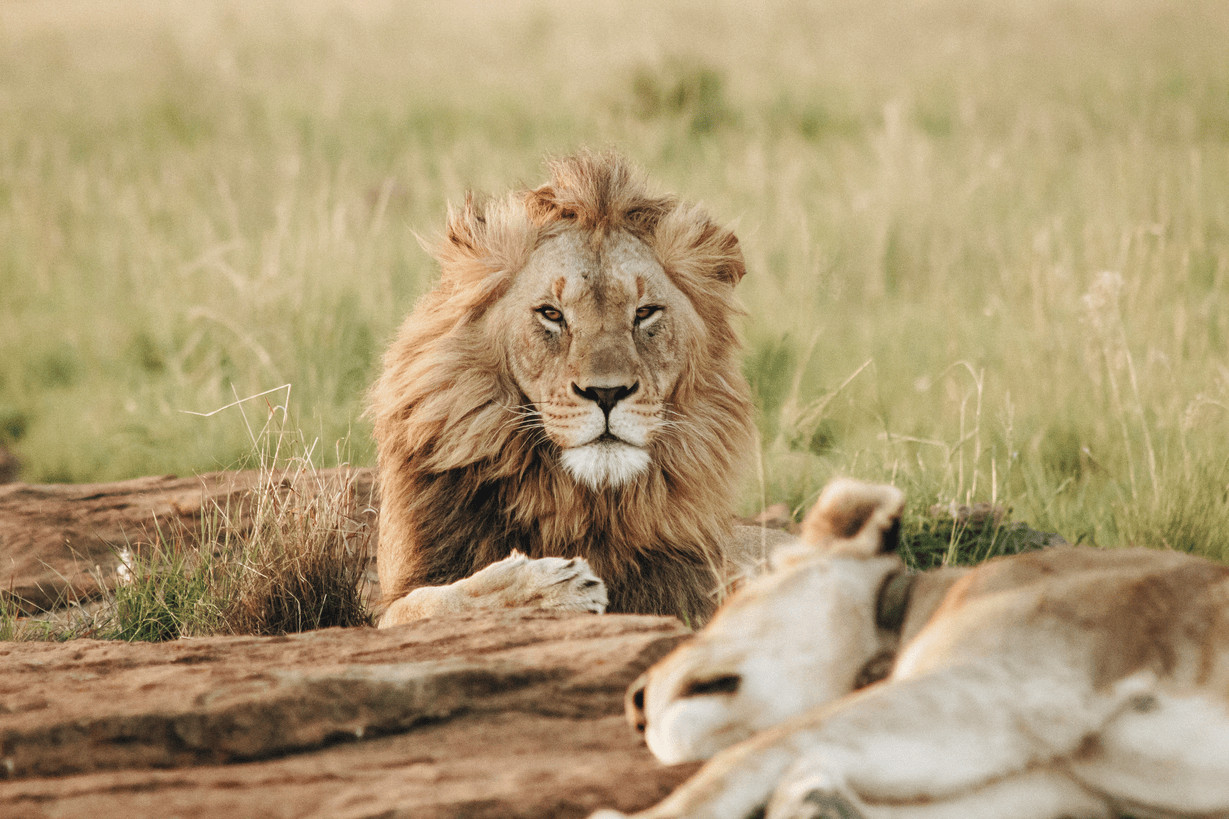
The immediate landscape is really interesting surrounded by kopjes and the Grumeti River. Despite its name this camp is actually only well located for the migration during June – July and October – November; although there is decent game viewing all year round.
Serengeti Migration Camp is a picturesque, top-quality property. The service is friendly and efficient, and on previous visits we thought the food was very good indeed. For those seeking a reasonably comfortable place to stay, this would be a good choice. However, its size means that it hosts a number of groups, so it has a slightly less personal feel than many would wish.
Our view
Serengeti Migration Camp is a picturesque, top-quality property. The service is friendly and efficient, and on previous visits we thought the food was very good indeed. For those seeking a reasonably comfortable place to stay, this would be a good choice. However, its size means that it hosts a number of groups, so it has a slightly less personal feel than many would wish.
Tanzania expert
Accommodation
20 tented rooms
Children
Suitable for all ages.
Open
All year
Activities

4WD Safari

Birdwatching

Hot air ballooning

Private activities
Traveller reviews of Serengeti Migration Camp
3 real, un-edited reviews from Expert Africa's travellers.


Expert Africa's gallery
When we travel we take lots of photos ourselves to give you a real and un-edited view of the safaris. See our 18 pictures and 1 videos of Migration Camp to get the candid view.
View gallerySerengeti Migration Camp: Our full report
Serengeti Migration Camp is tucked into a rocky outcrop in the northern Serengeti near to the Lobo area.
The immediate landscape is really interesting surrounded by kopjes and the Grumeti River. Despite its name this camp is actually only well located for the migration during June – July and October – November; although there is decent game viewing all year round.
Migration Camp is owned and managed by the Elewana Collection who have a number of other top quality properties in Tanzania and Kenya. Migration Camp therefore maintains similar standards to its sister properties: Serengeti Pioneer Camp, Tarangire Treetops, The Manor and Kilindi in Zanzibar.
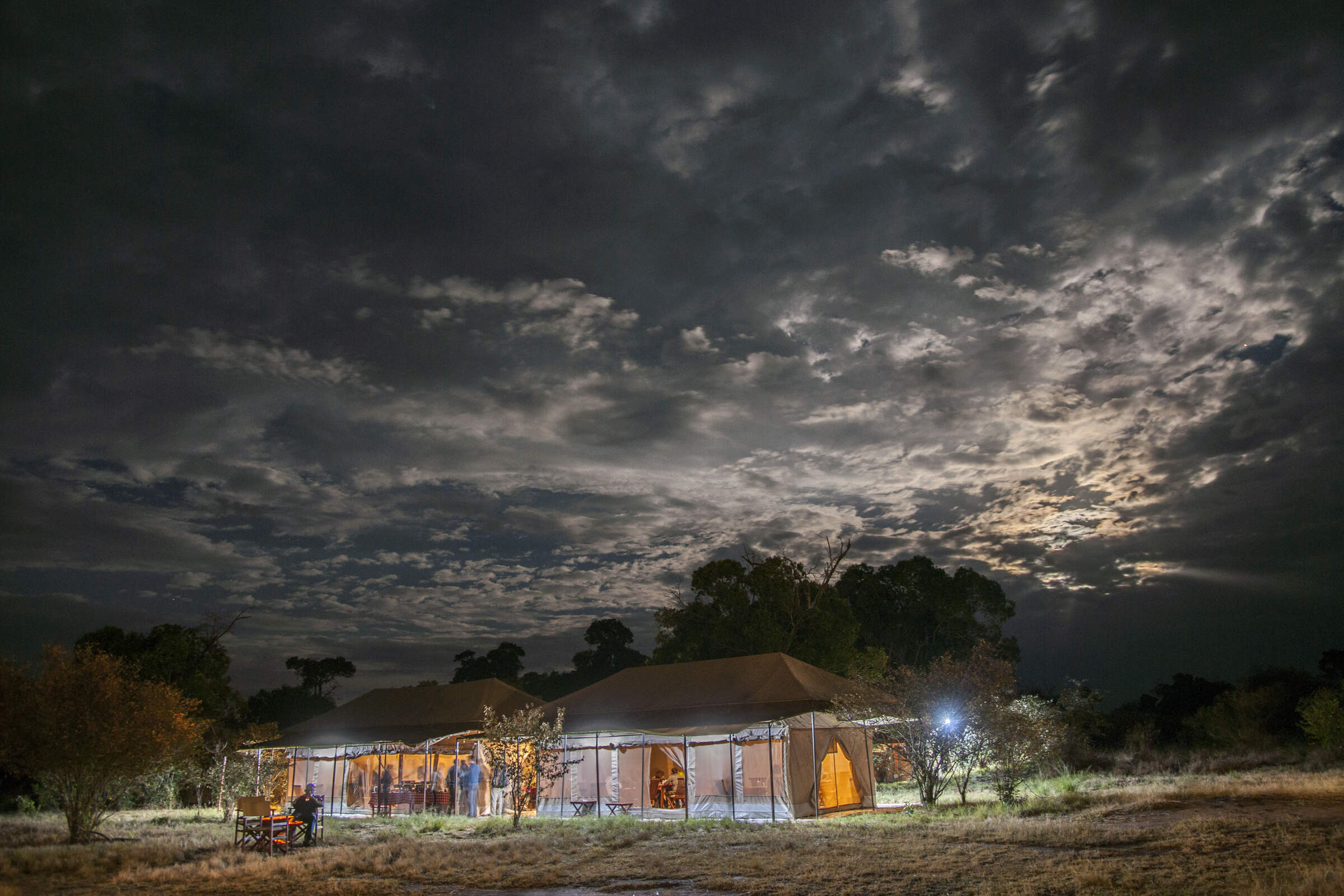
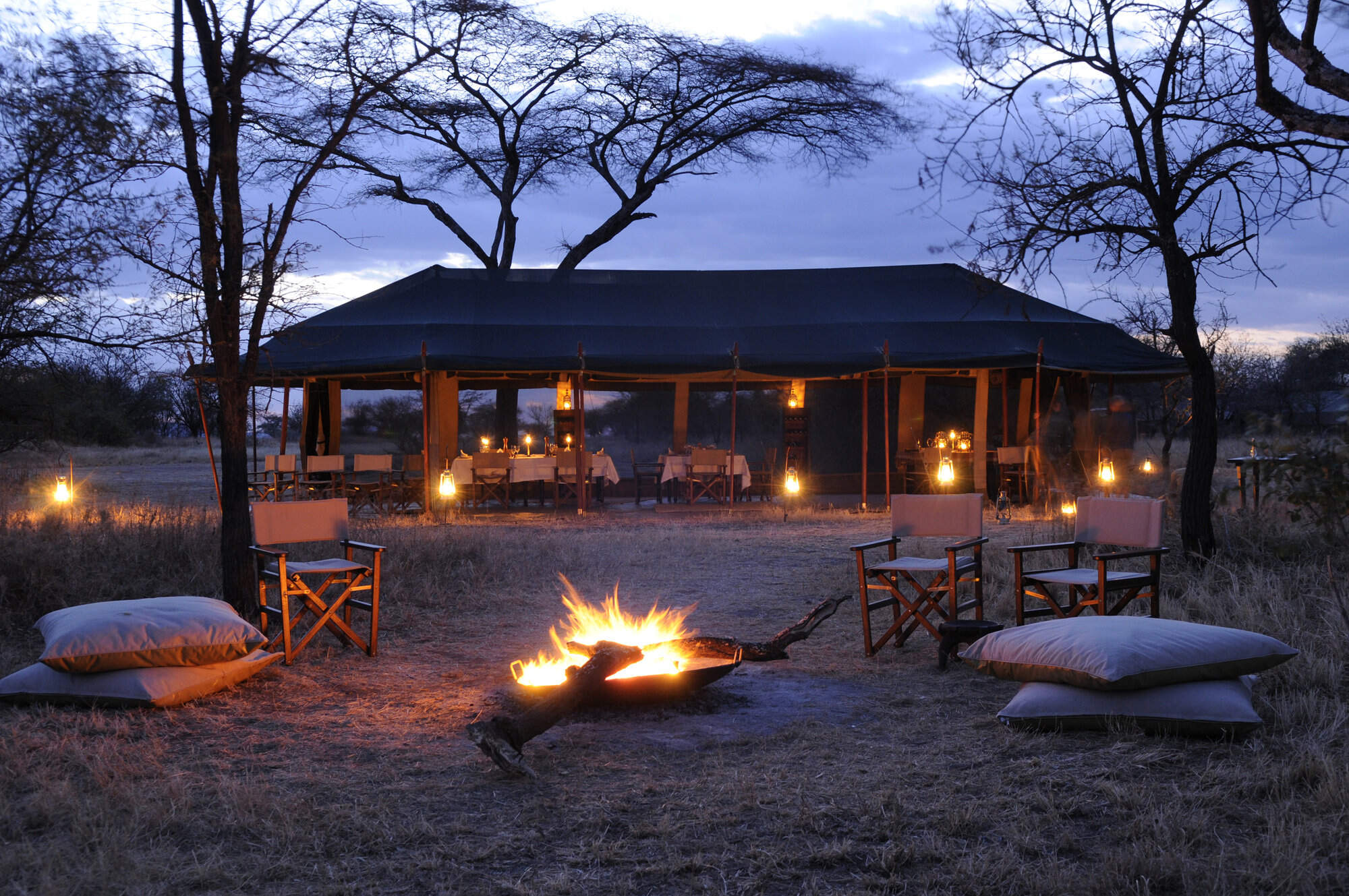
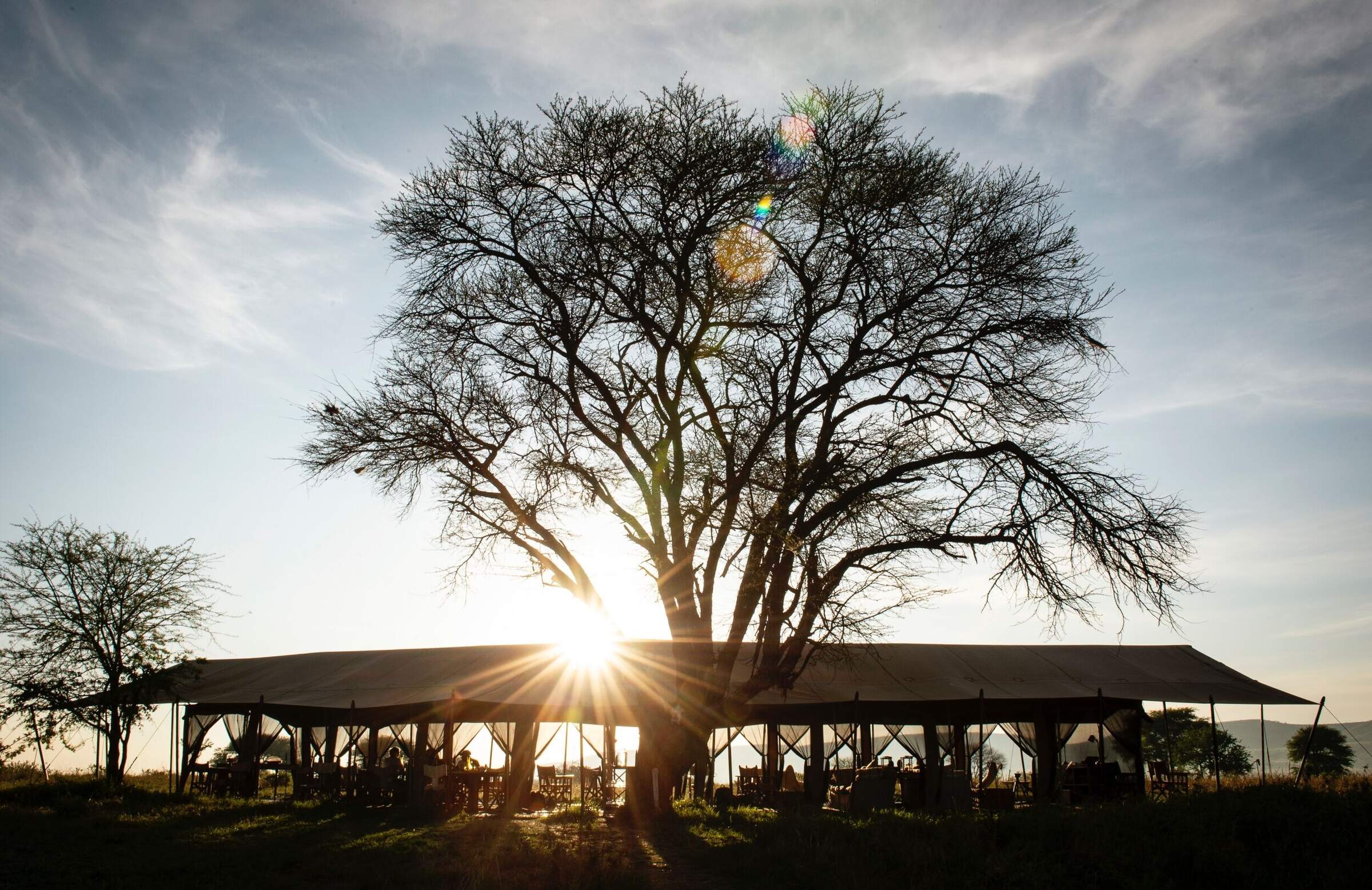
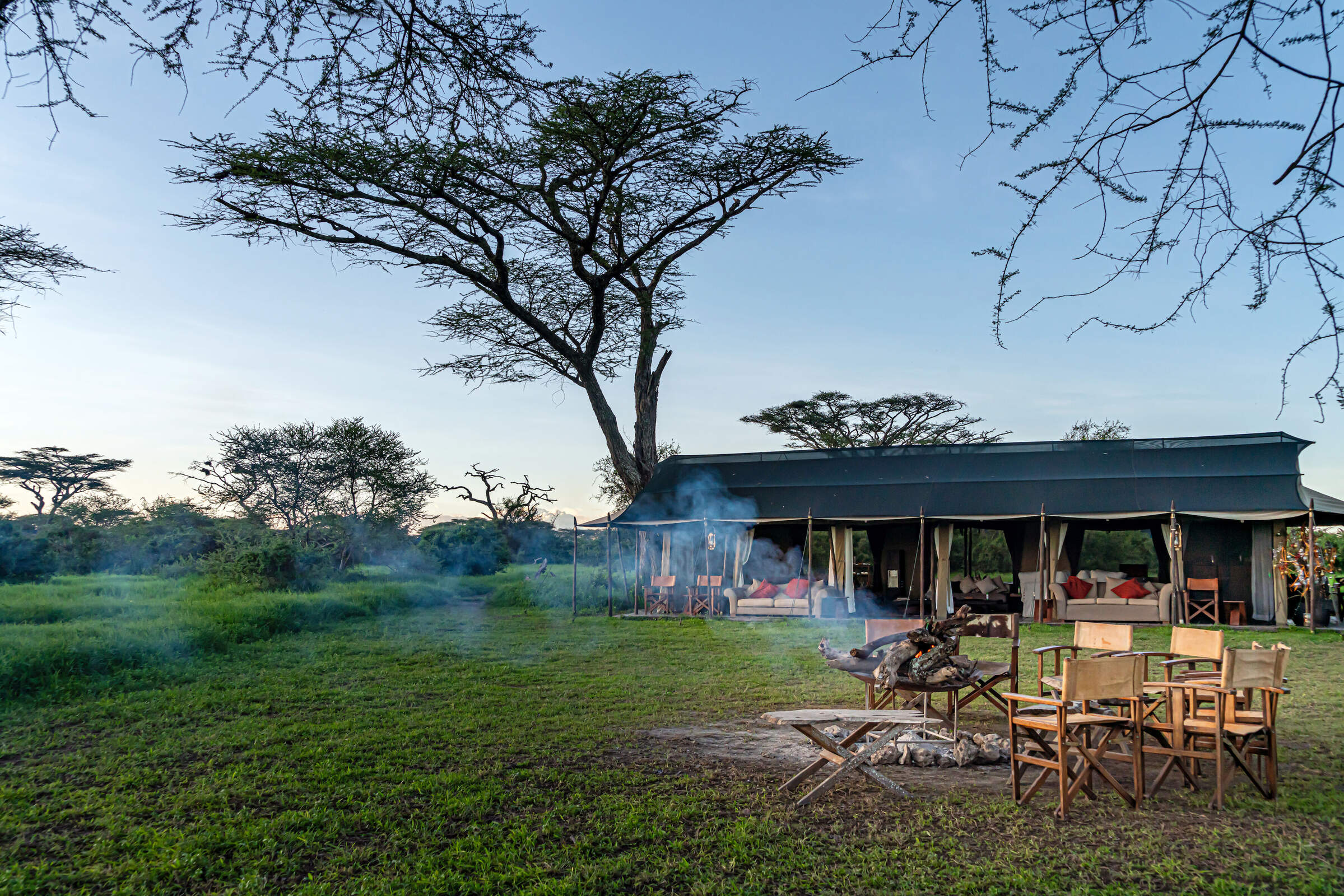
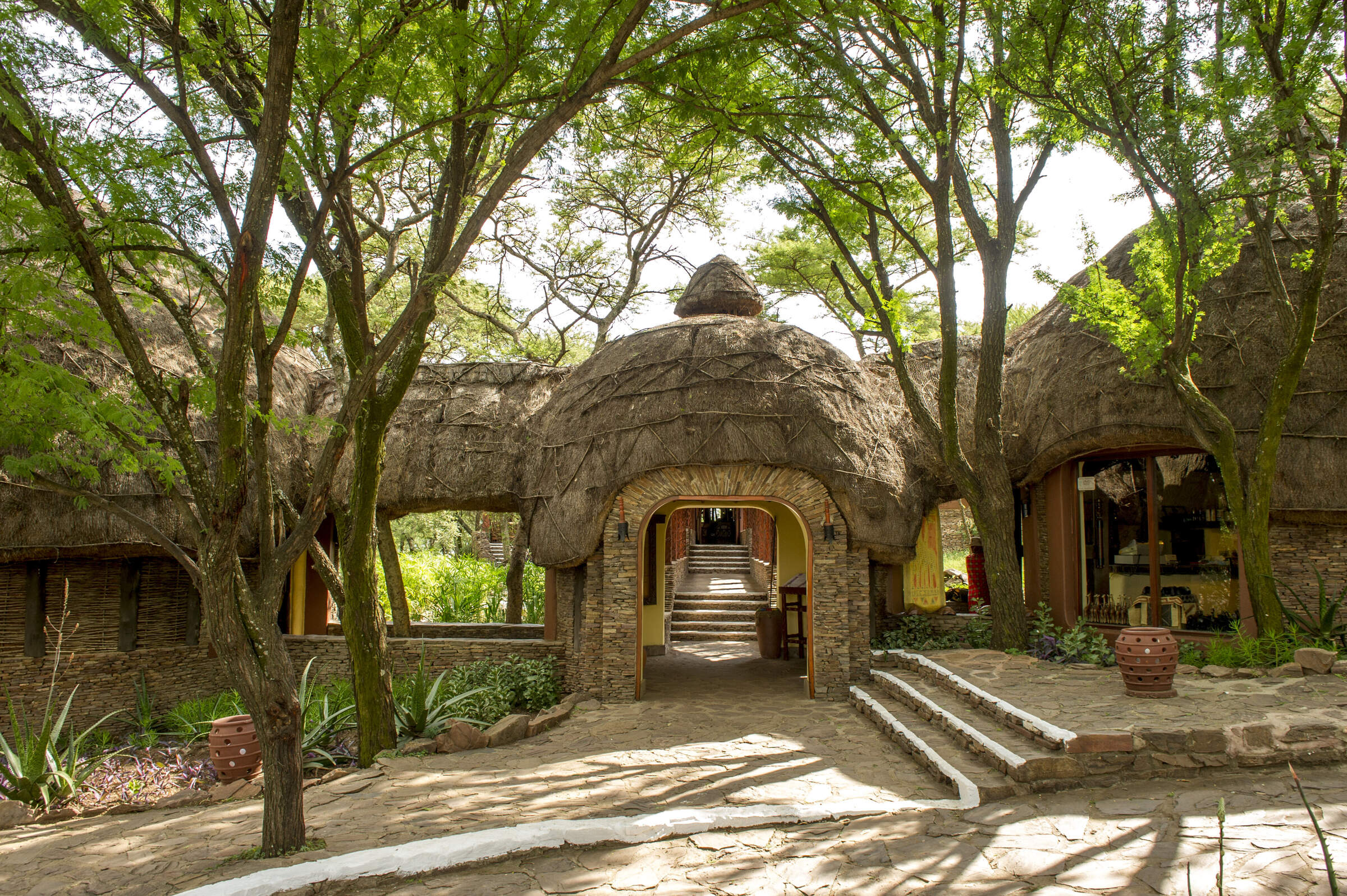
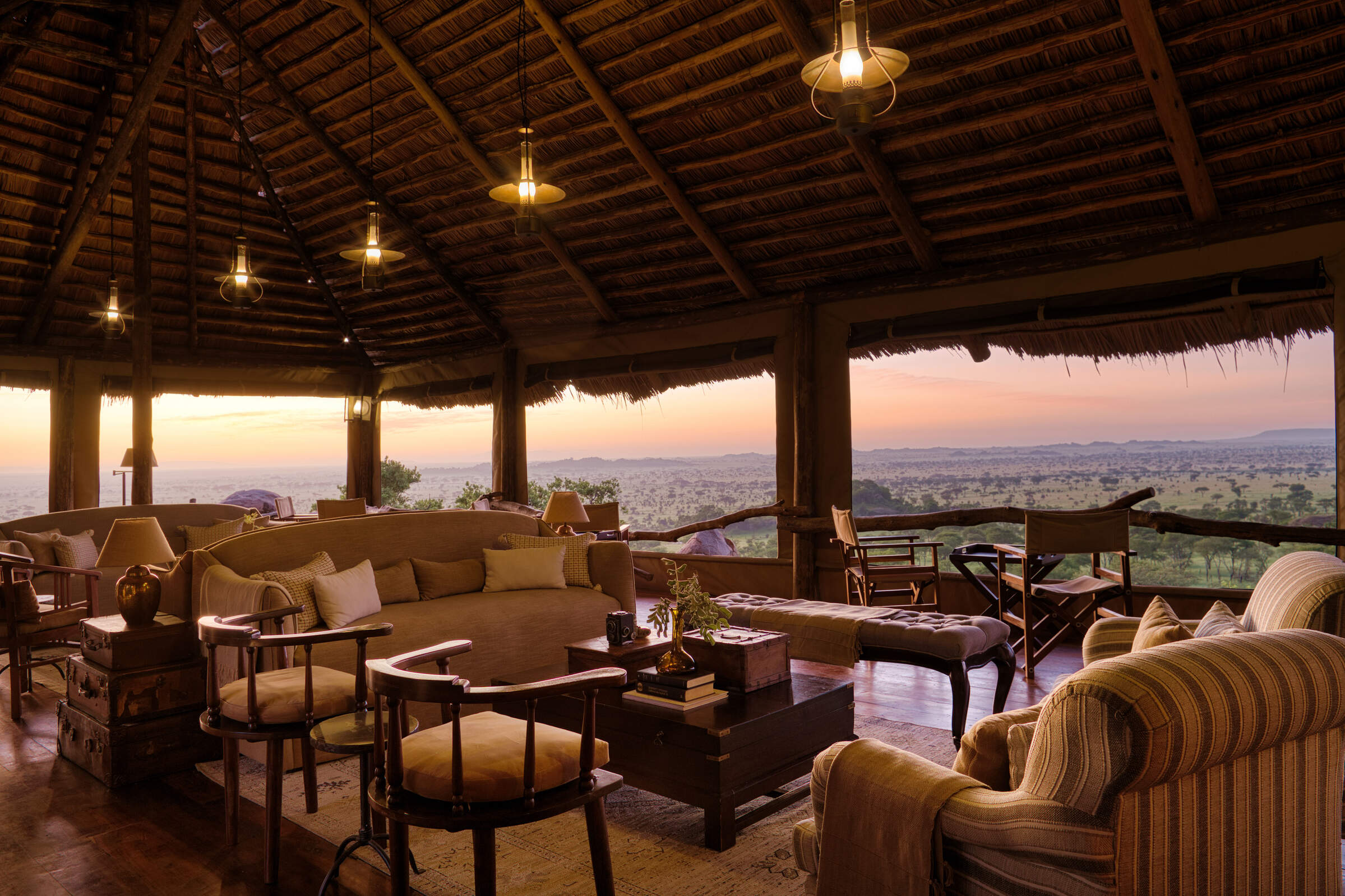
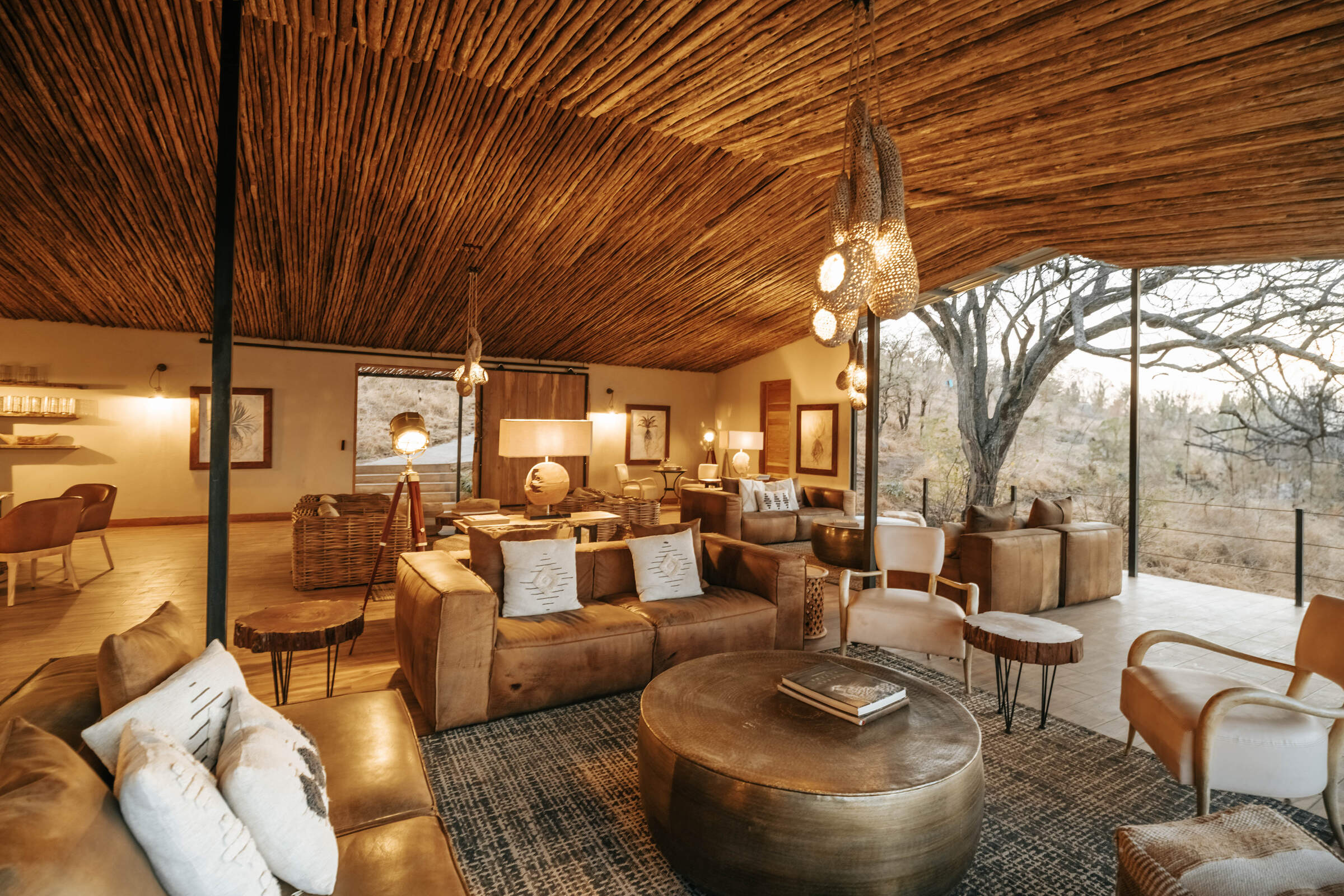
Migration Camp's rustic-yet-stylish reception and lounge area, is housed within a large split-level canvas-and-stone structure whose front is totally open to let the breeze flow through and to show off the views across the Grumeti River and the rugged landscape beyond. Highly polished wooden floors, large comfortable leather sofas and handcrafted bronze statues lend a colonial air. Black-and-white wildlife photographs adorn the walls.
The adjacent curio shop offers a wide variety of African carvings, as well as selling toiletries and other necessities.
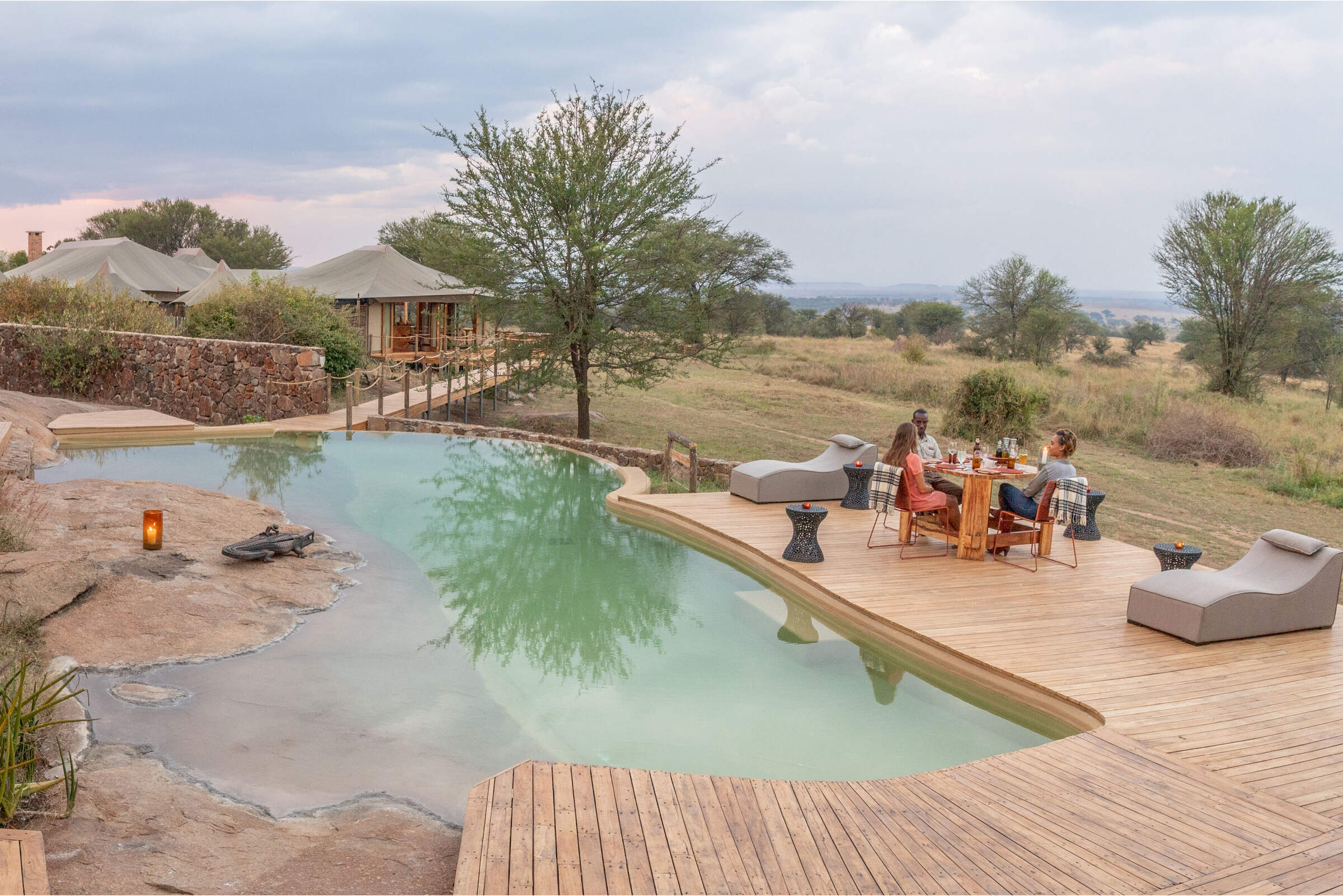
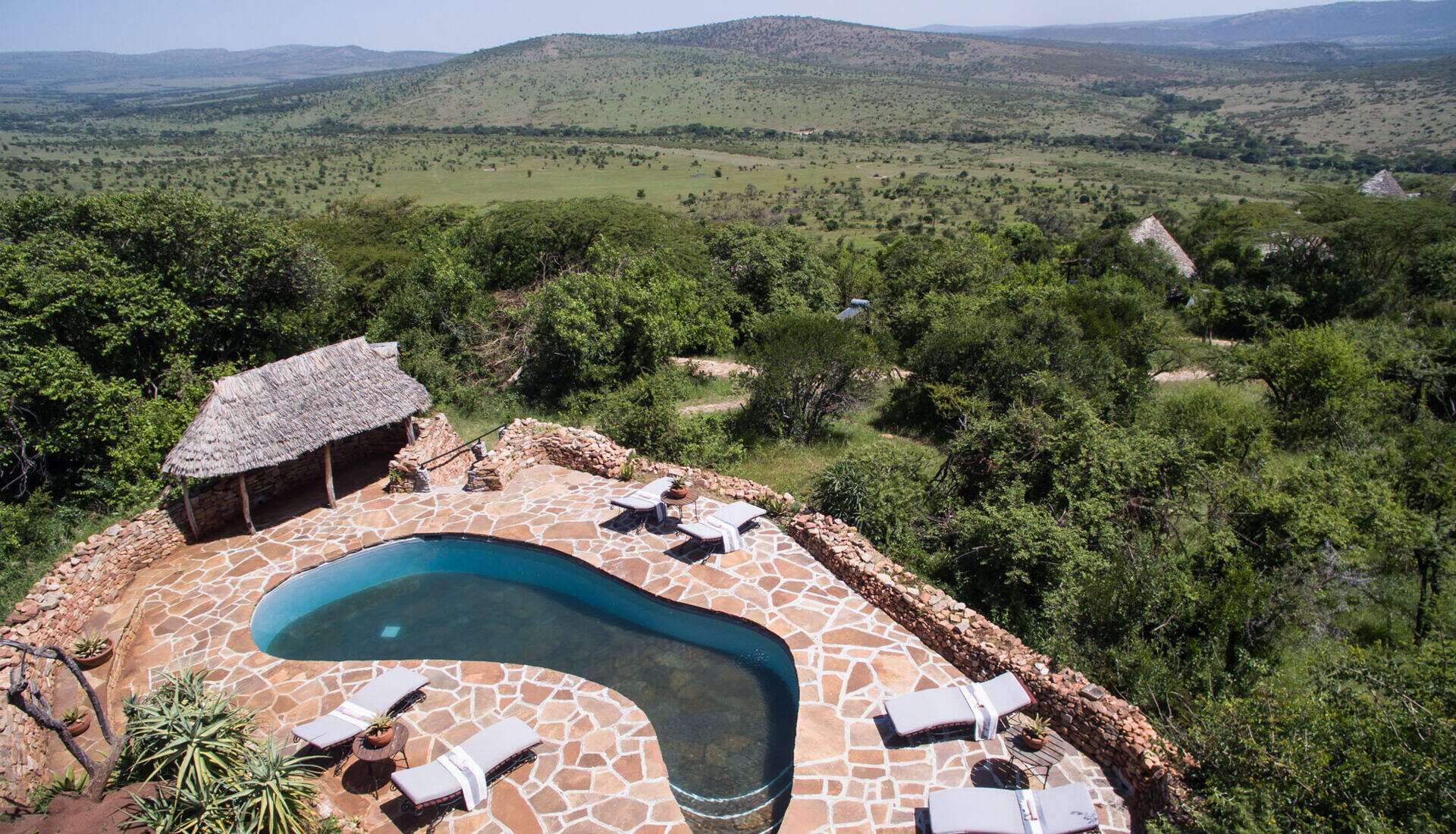
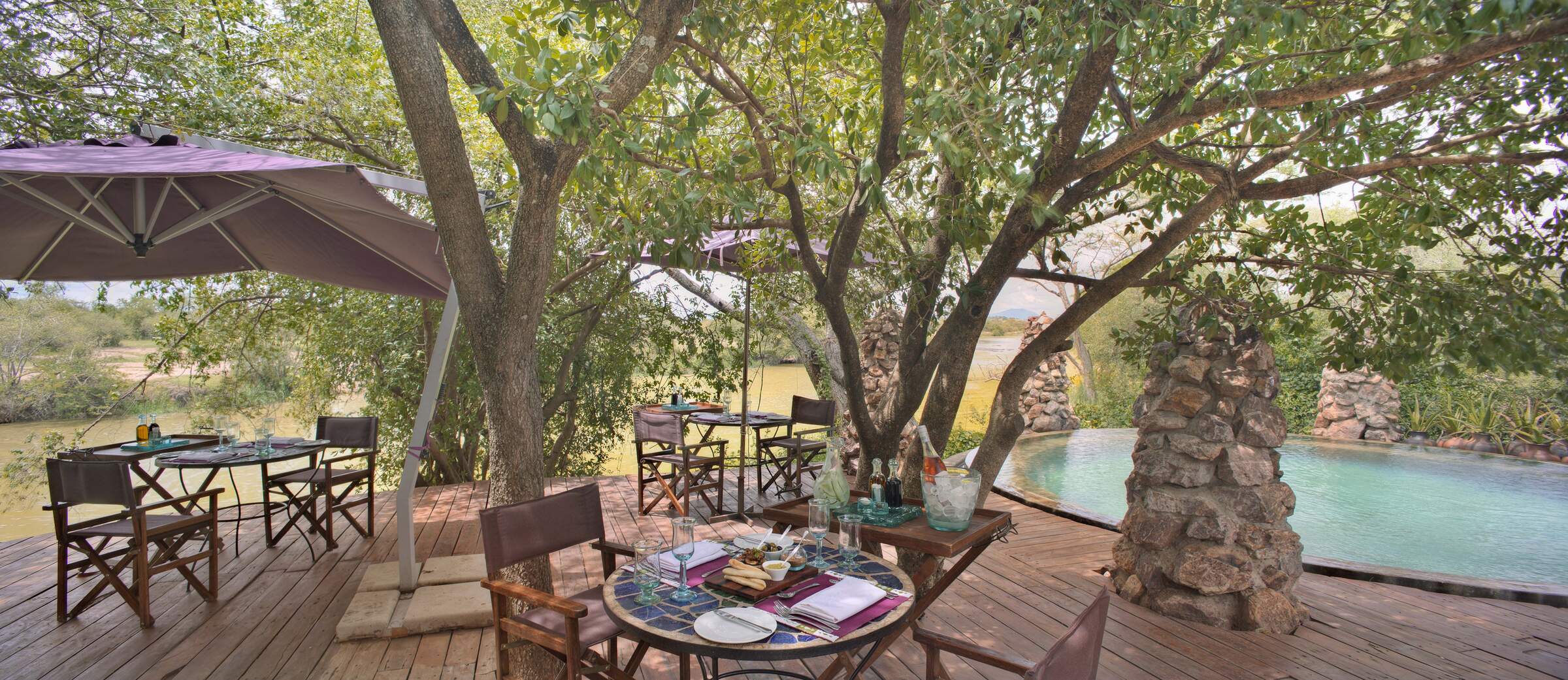
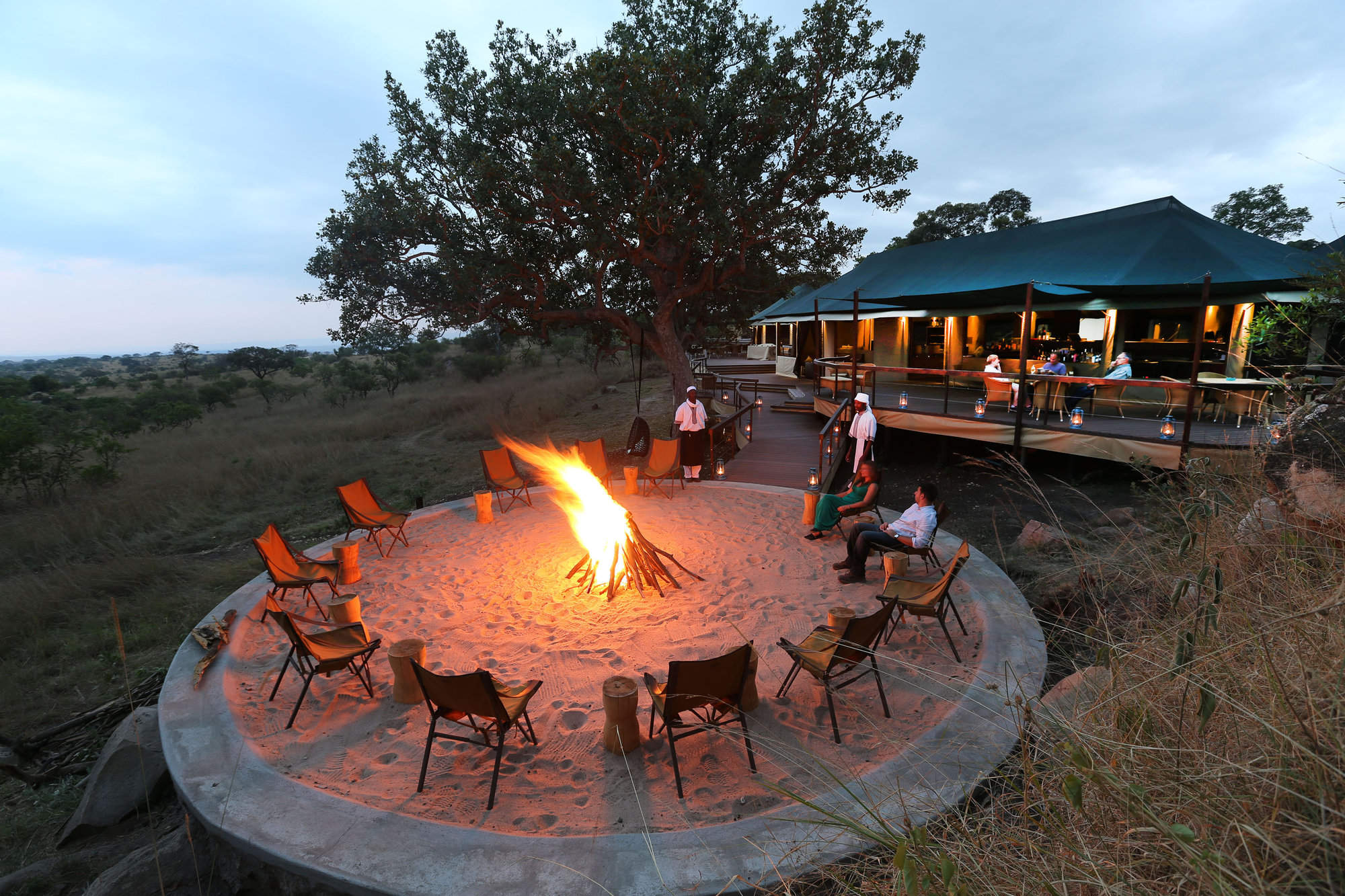
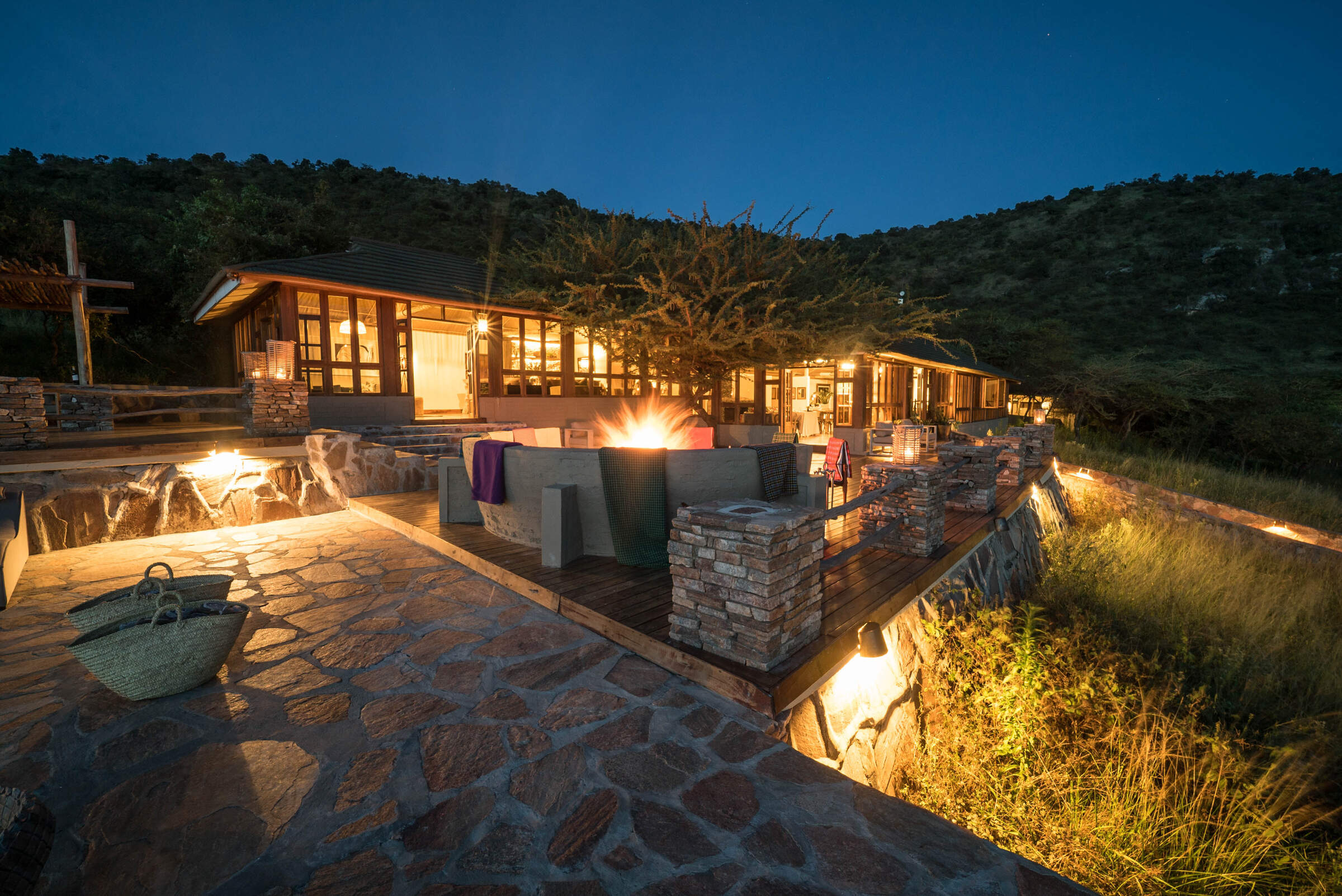
Below the lounge is the swimming pool which has a shaded deck area, sunloungers and umbrellas. To the side of the pool is a raised deck where sundowner drinks are served around a fire. When we visited in November 2015, a new deck had also just been built on top of the curio shop. This is an excellent place for guests to enjoy a drink and the spectacular views as the sun goes down over the Serengeti.
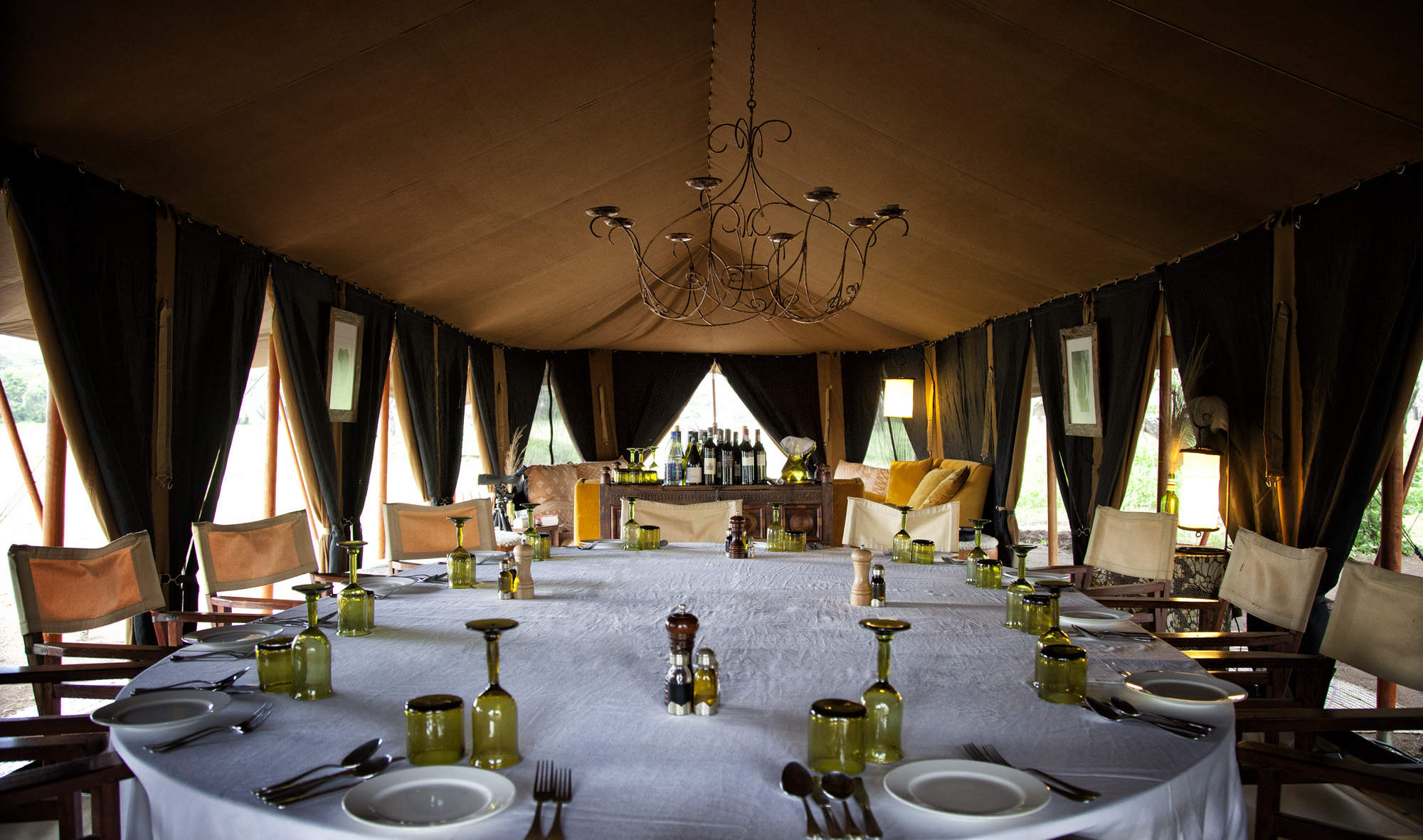
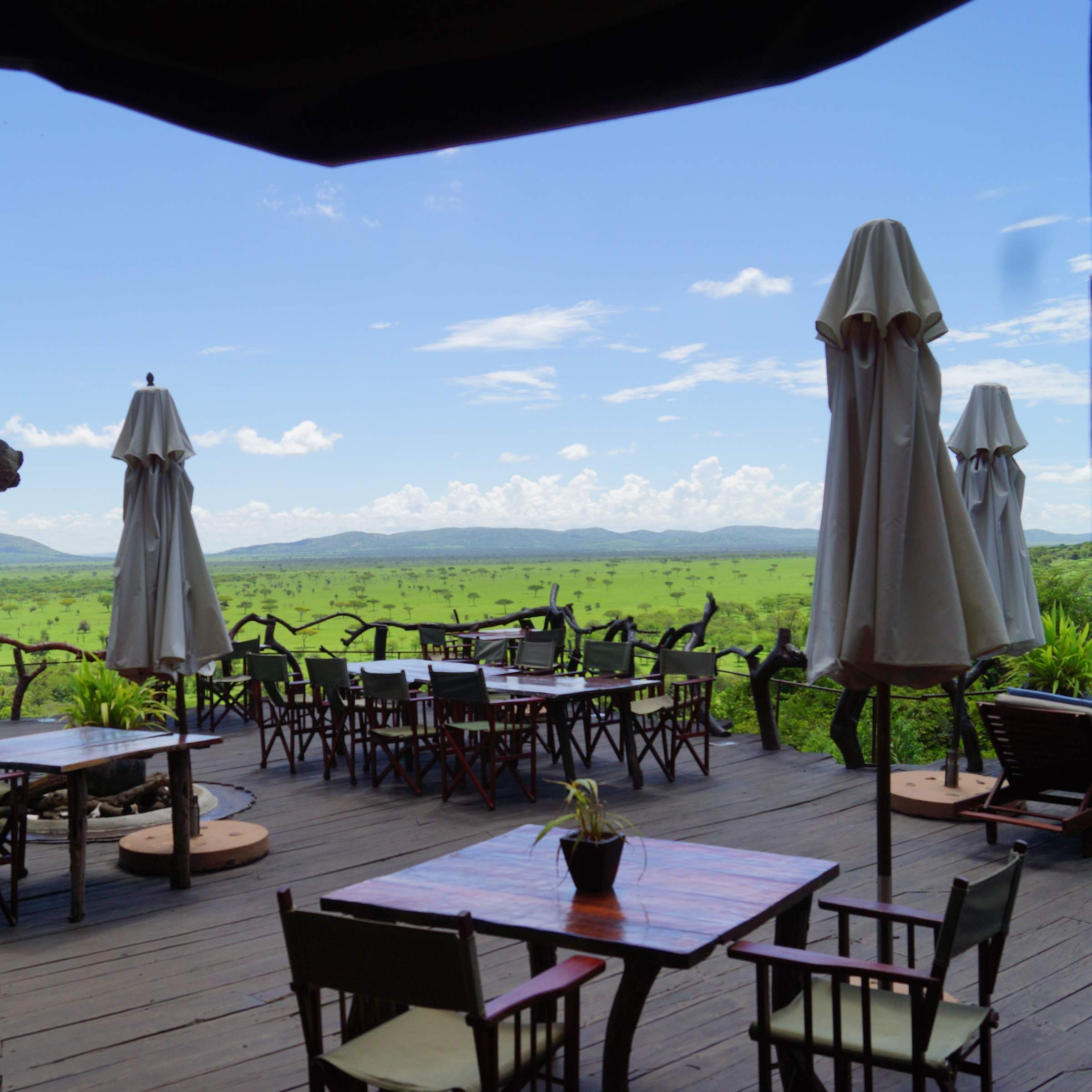
Set on another level, adjacent to the pool, is Migration Camp's dining area. Like the lounge, it is open at the front and has views across the river. Guests dine individually either inside, or outside on the deck at tables shaded by umbrellas during the day.
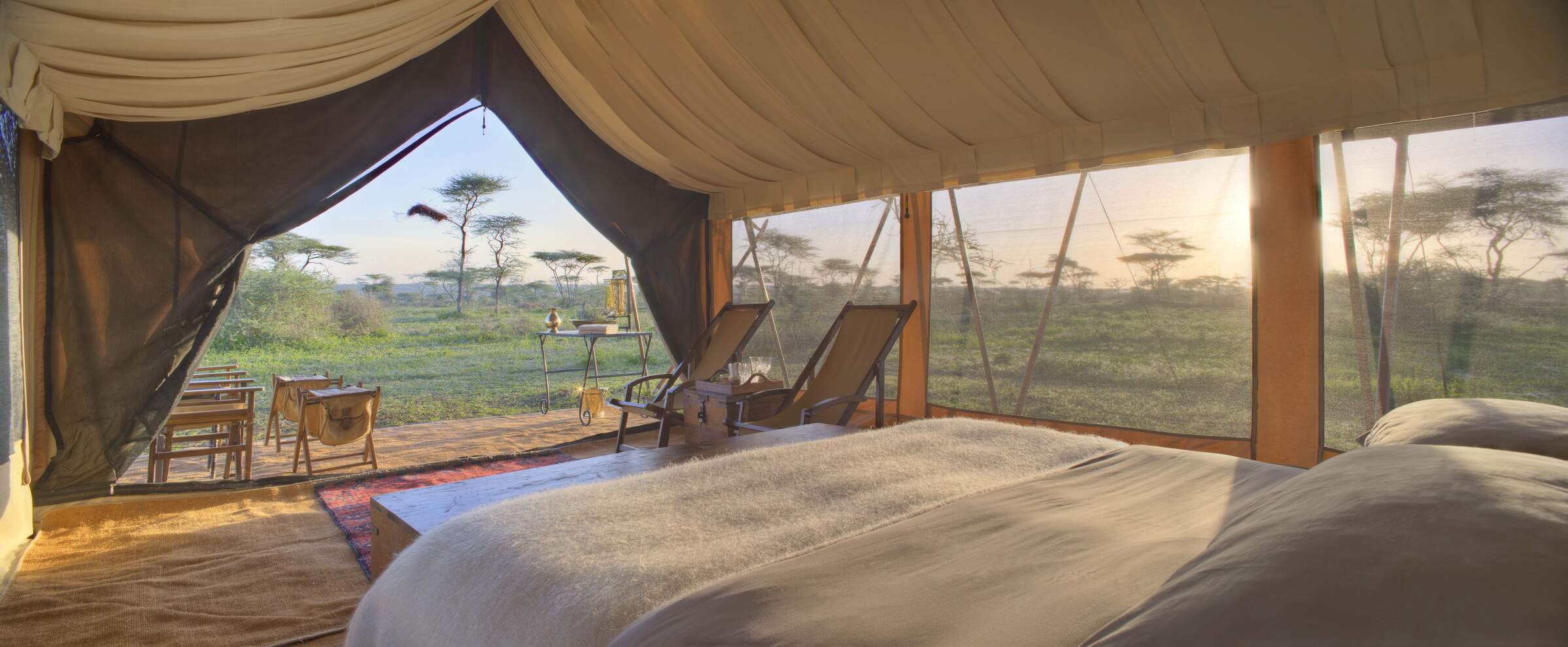
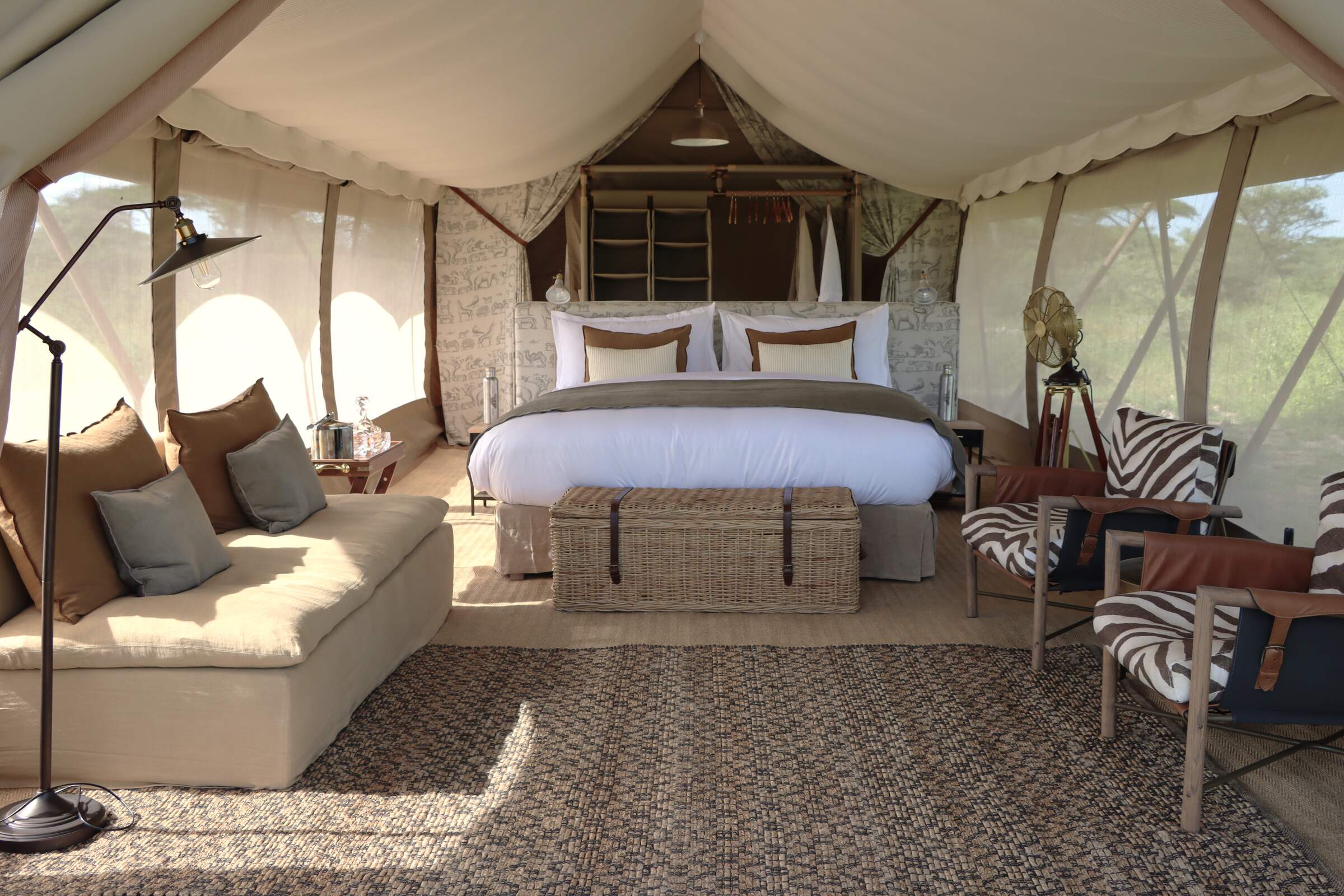
Serengeti Migration Camp's 20 tented rooms are located at the bottom of the hill, below the main areas, and are accessed by stone stairs. This may be a problem for older guests or those with a disability. The rooms are comfortable, spacious and stylish – and the solid doors make this a luxury room rather than a tent!
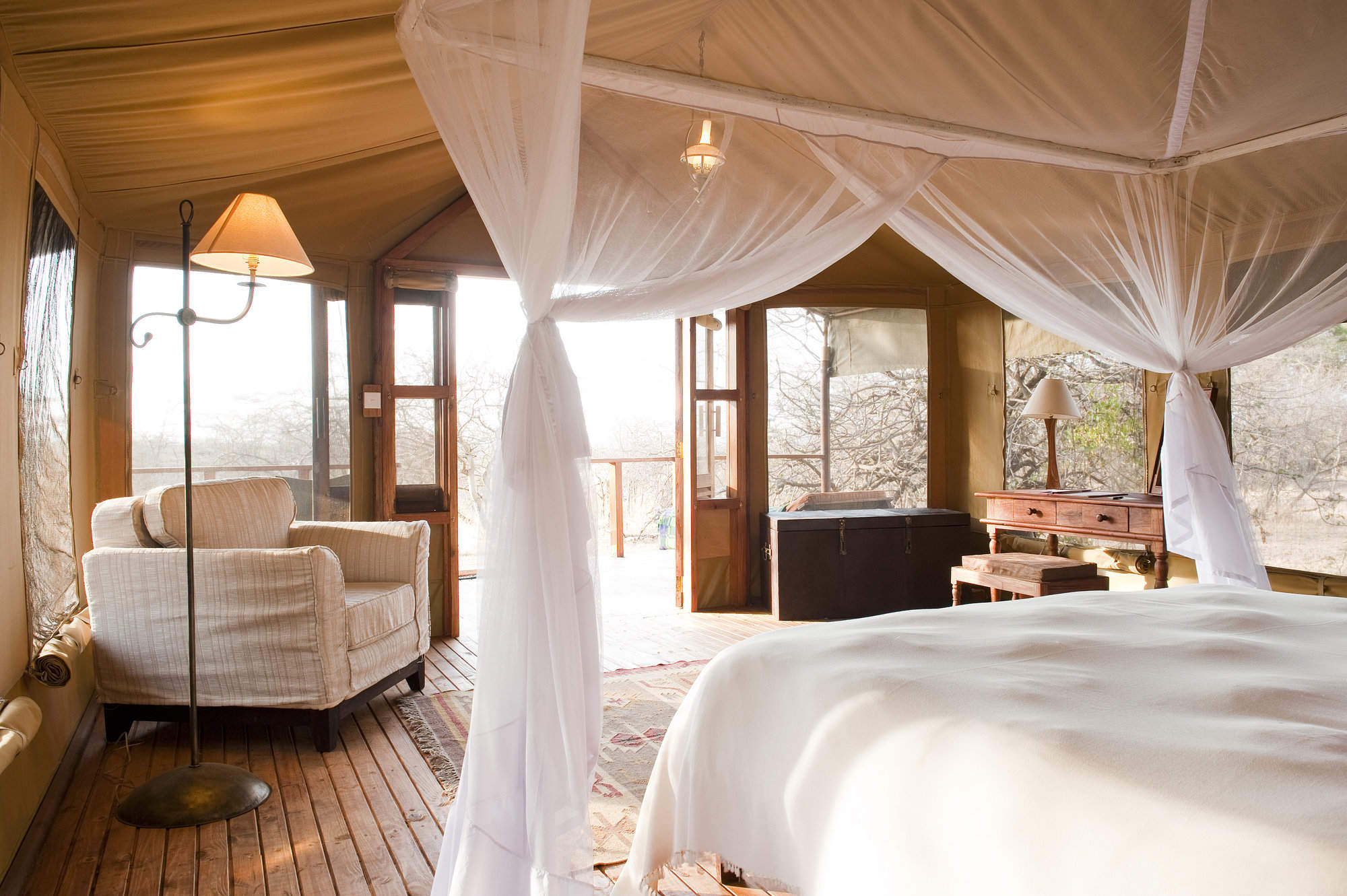
Sitting on raised wooden platforms, the rooms have part stone/part canvas walls and canvas roofs. The rooms are quite close together, and some of the wide verandas are visible from the path between them, so they are not entirely private.
Rooms are furnished with highly polished wooden floors, comfortable beds covered in crisp white linen and a dark African-print throw, and a lounge area with a wide leather armchair, a coffee table, and a writing table. There is even complimentary sherry for guests to enjoy! Gauze windows let in plenty of light and breeze, while fans add an extra boost in hot weather. Double doors lead onto a wide outdoor deck with two canvas chairs and a table.
Canvas curtains separate the bedroom from the en-suite bathroom. Here you will find beautifully crafted pottery double basins set into a dark wooden shelf beneath twin mirrors. Solid wooden panels to each side screen a flush toilet, and, on the opposite side, a powerful hot shower – just what is needed after a long day out on safari. A small number of toiletries are also provided.
Next to the en-suite bathroom you'll find hanging space for clothes, towelling bathrobes and an umbrella – in case of the odd rain shower.
Activities at Serengeti Migration Camp centre around exploring the national park by 4WD. You can do this by arriving with your own private vehicle and guide, or Migration Camp can arrange a safari using its own resident guides and vehicles. They usually run morning and afternoon game drives, but you could also head out with a packed lunch for a full-day safari, giving you the chance to travel deeper into the park.
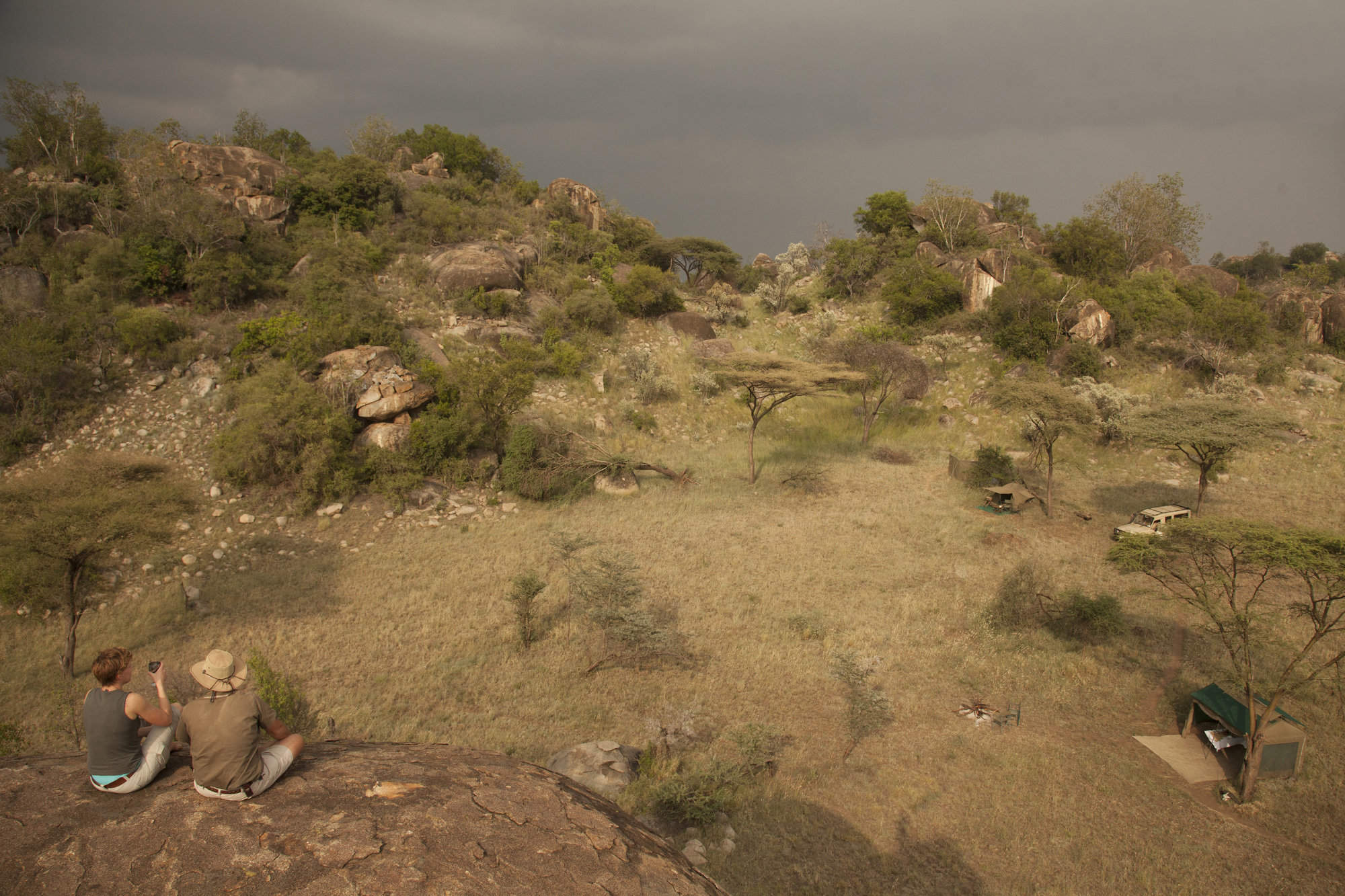
Safari walks are also possible and cost US$95 per person. These typically last about two and a half hours and will concentrate on exploring areas that are not accessible from the road – like the banks of the Grumeti River.
This northern area of the Serengeti is especially exciting to visit during July and November, when the great wildebeest migration passes through the area. Outside of the migration season, you'll probably have to drive about 20km, to the Lobo Kopjies, in order to find reliably good game viewing. As an added bonus, the camp's location in the far north of the national park means there are usually few other vehicles around.
Activities
4WD Safari
Birdwatching
Hot air ballooning
Private activities
Families & children
- Attitude towards children
- Serengeti Migration Camp will happily accept children of all ages.
- Property’s age restrictions
- There are no age restrictions at Serengeti Migration Camp.
- Special activities & services
- Serengeti Migration Camp can provide a babysitter, though parents should be aware that the babysitter will be a male member of the housekeeping team, and will not be professionally trained.
Nature walks for children are available within the confines of the camp. Children under 16 years old are not allowed on safari walks. - Equipment
- There are cots and highchairs available.
- Generally recommended for children
- Migration camp has a nice pool, and the rooms are spacious enough to fit in an extra bed, so this is one of the better options for families.
- Notes
- Parents should be aware that this is a wildlife area and the camp is not fenced. Children should be supervised at all times and should not walk around the camp unattended.
Food & drink
- Usual board basis
- Full Board
- Food quality
- We thought the food was fantastic when we stayed at Migration Camp.
All meals are à la carte and here; Breakfast is an extensive spread, with fresh bread, cereal, yoghurt and fruit. There is also an imaginative selection of cooked breakfast options, which was one of the best breakfasts we’ve had in Tanzania. We went with the ‘Panga’s spiced chapatti’ which consisted of freshly made chapatti filled with mince, coriander, feta, chili and served with an avocado salsa. There is always a range of fresh fruit juices, as well as tea and coffee.
For lunch, you can either take a packed lunch to eat out on safari, or you can come back to camp for lunch. The packed lunch usually consists of sandwiches, fruit and an additional snack such as a piece of cake. Back at camp, there is often a choice of soup, salads, a pasta dish as well as a meat option, such as a burger. Fresh fruit and a dessert usually follow.
Dinner is a four-course meal, with a choice of three starters, three main dishes (meat, chicken or vegetarian) and finished off with a choice of three desserts. We enjoyed ginger and garlic prawns to start, rosemary and red wine lamb shank served with roast potatoes and vegetables for main course, and for desert we had white chocolate baklava. It was all very good. - Dining style
- Individual Tables
- Dining locations
- Indoor and Outdoor Dining
- Further dining info, including room service
- Room service is not available
- Drinks included
- Drinks are included except for champagne, cellar wines and imported spirits.
Getting there
- Location
- Serengeti Migration Area, Tanzania
- Ideal length of stay
- To explore this area fully, it is worth spending three nights at Serengeti Migration Camp.
- Directions
- Serengeti Migration Camp is a 60-minute drive (20km) from Lobo airstrip.
- Accessible by
- Fly-and-Transfer
Special interests
- Wildlife safaris
- Serengeti Migration Camp is tucked into a rocky outcrop in the northern Serengeti near to the Lobo area. The immediate landscape is really interesting surrounded by kopjes and the Grumeti River.
- See ideas for Wildlife safaris in Tanzania
Communications
- Power supply notes
- Rooms have power 24 hours a day, and square three-pin plug sockets are provided so guests can charge batteries.
- Communications
- Serengeti Migration Camp has WiFi in the central lounge areas, and a laptop for guests to borrow free of charge.
- TV & radio
- There is no TV or radio.
- Water supply
- Borehole
- Water supply notes
- Bottled water for drinking is supplied.
Health & safety
- Malarial protection recommended
- Yes
- Medical care
- The managers at Serengeti Migration Camp are first-aid trained and have a first-aid box for minor injuries. There is also a medical officer based on site. For any serious incidents, the camp has links with the flying doctor service to Nairobi.
- Dangerous animals
- High Risk
- Security measures
- There are askaris (guards) on duty 24 hours a day. They will escort you to and from your room at night.
- Fire safety
- There are fire extinguishers in the main areas and all the rooms, and the staff are all trained to use them.
Useful info
- Disabled access
- On Request
- Laundry facilities
- Laundry is included – it is machine washed and tumble dried.
- Money
- Serengeti Migration Camp can usually exchange small amounts of cash, but nothing exceeding US$100.There are safes in the rooms for storing valuables.
There are safes in the rooms for storing valuables. - Accepted payment on location
- Serengeti Migration Camp accepts MasterCard, Amex and Visa cards with a surcharge of 3%.
Travellers' cheques are not accepted.
Serengeti Migration Camp normally accepts MasterCard, Amex and Visa cards with a surcharge of 3%. Travellers' cheques are not accepted. Cash payments may be made in US dollars, British pounds, euros and Tanzanian shillings.
Plan and book your trip with Expert Africa
All of our trips are tailor-made, so we'll always adapt them to suit you. Talk to an Expert and let us plan and arrange your perfect trip.

Talk to an Expert
Call or email us now! We’ll match you with the Specialist in our team who is best suited to help you. Then together we can start planning your trip.

Set up your itinerary
Based on our experience and your ideas, your specialist will create a detailed, costed itinerary. We’ll refine it together, until we have a trip that you’re perfectly happy with.

Prepare for your trip
The same Specialist will make the seamless arrangements for your trip, send you detailed travel documents, and be available to answer any questions before you depart.

Travel with peace of mind
After you set off, you’ll be cared for by our partners in Africa, most of whom have worked with Expert Africa for decades. And if you ever need us urgently, we’re available 24/7.

When you return
We love to learn about your trip, and so will always be grateful if you’ve the time to give feedback to your Specialist when you return.
Serengeti Migration Camp's location
Look closer at the environment and surroundings of Migration Camp.
Excursions from Migration Camp
Optional extra day-trips and excursions possible whilst you're staying at Migration Camp. Talk to us: these are usually best arranged before you go.
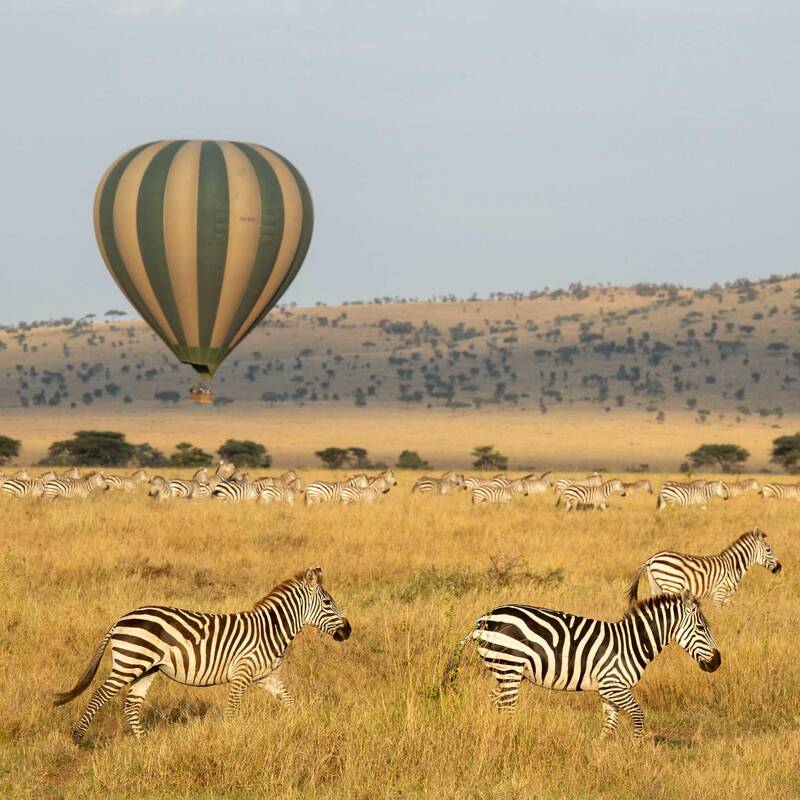
Balloon Safari over the Serengeti
Three hours - approx. one hour flight
As the sun rises over the Serengeti National Park in northern Tanzania, climb aboard for an extraordinary adventure. For an hour you’ll float in a hot air balloon over beautiful savannah and woodland and a diversity of plains wildlife.
More about Balloon SafariOther lodges in Serengeti Migration Area
Alternative places to stay in this same area.
Olakira Camp
Comfortable, friendly and relaxed, Olakira Camp moves between the Mara River and the southern Ndutu area, in line with the wildebeest migration.
Nomad Serengeti Camp
Serengeti Safari Camp is a well-appointed tented camp that moves several times a year to follow the predicted path of the migration.
Sayari Camp
In the northern Serengeti, near the Mara River, luxurious Sayari Camp offers excellent wildife all year – boosted further by the wildebeest migration.
Dunia Camp
Dunia Camp is well located for the migration from December to March, and has excellent game viewing for the rest of the year.
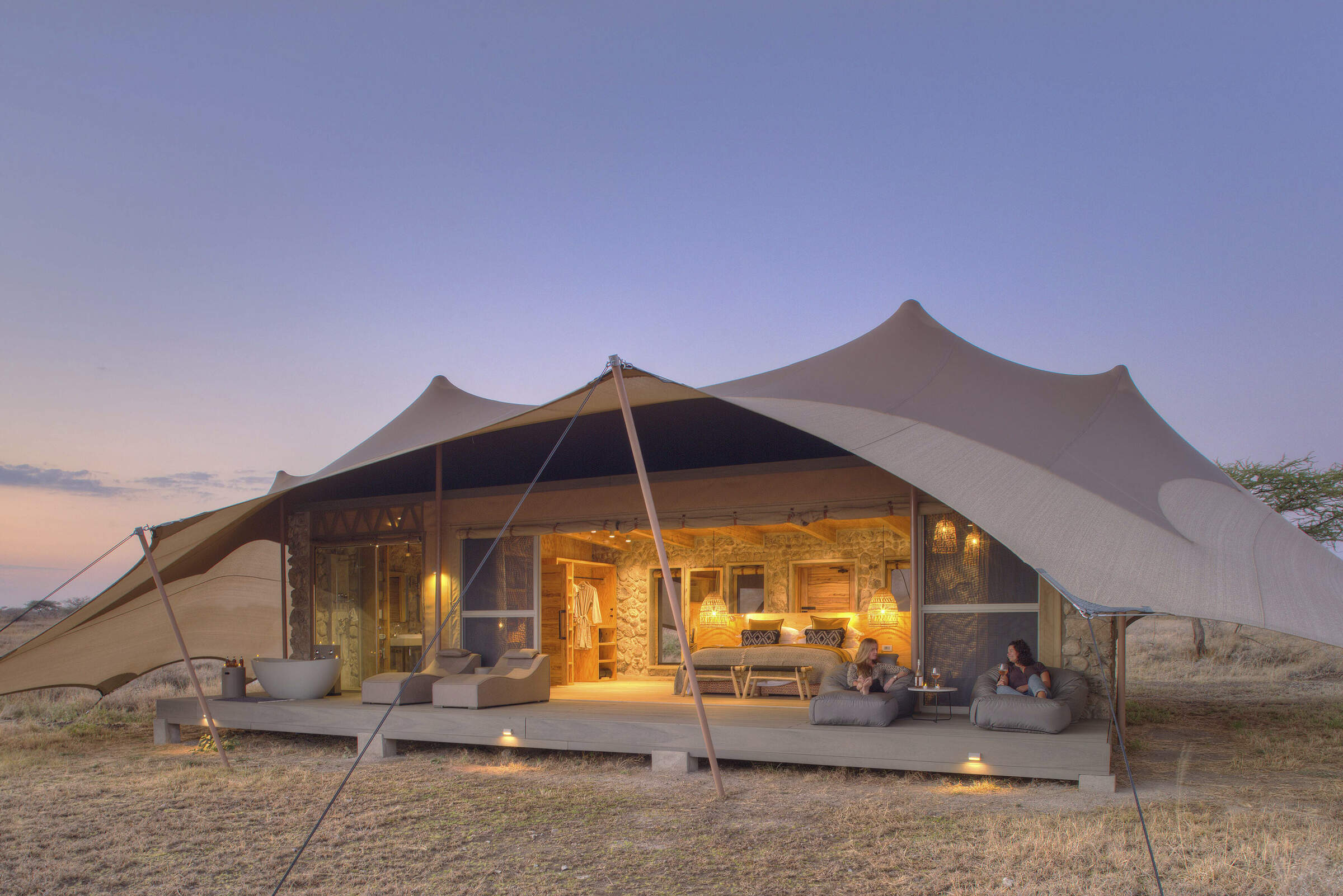
Namiri Plains Camp
Namiri Plains is one of the best camps in the Serengeti and its remoteness ensures a fantastic wildlife experience away from the crowds.
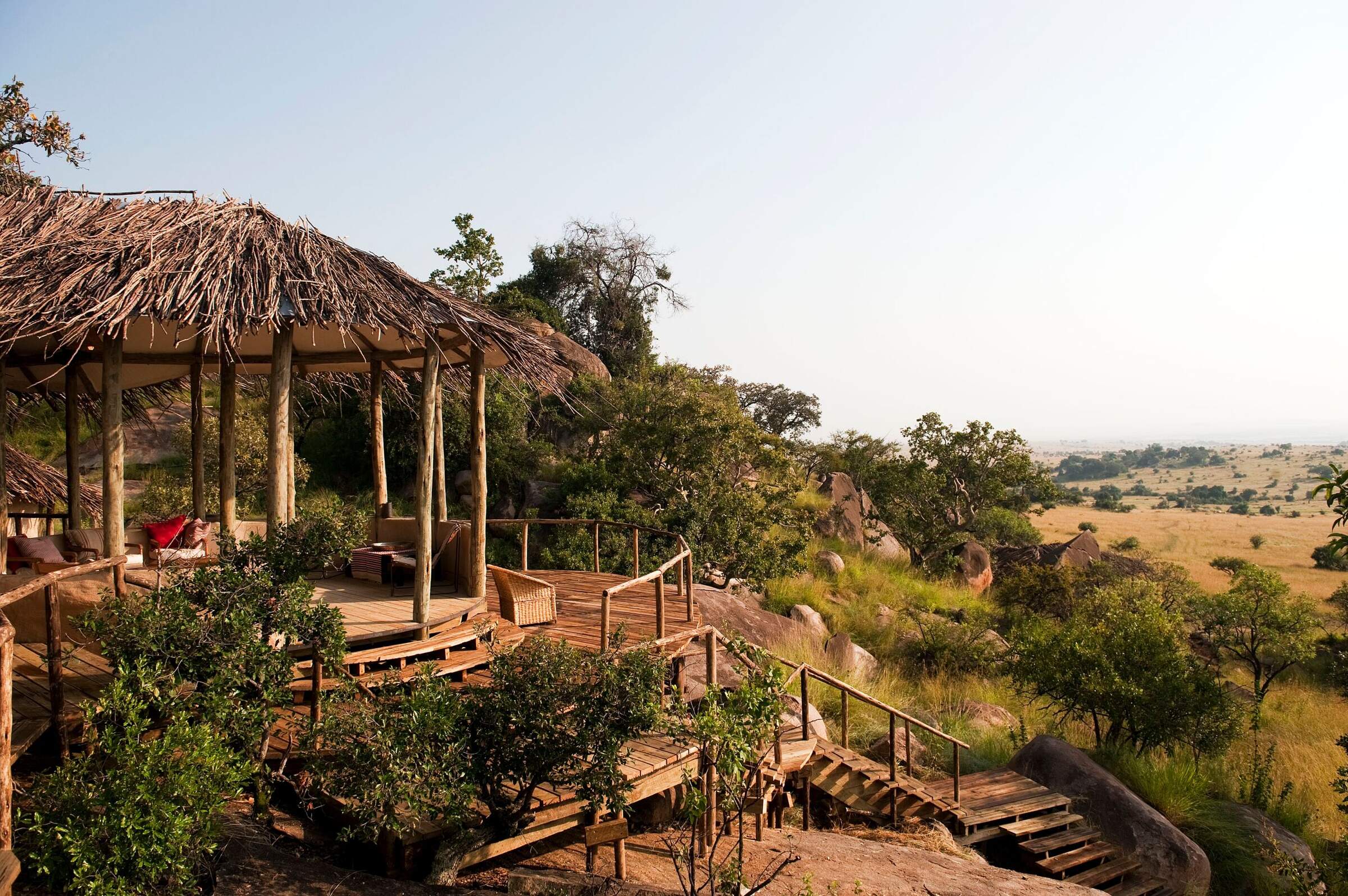
Lamai Serengeti
Set high in the kopjes with fantastic views, Lamai Serengeti offers top service and guiding and good migration sightings from Jul-Oct.
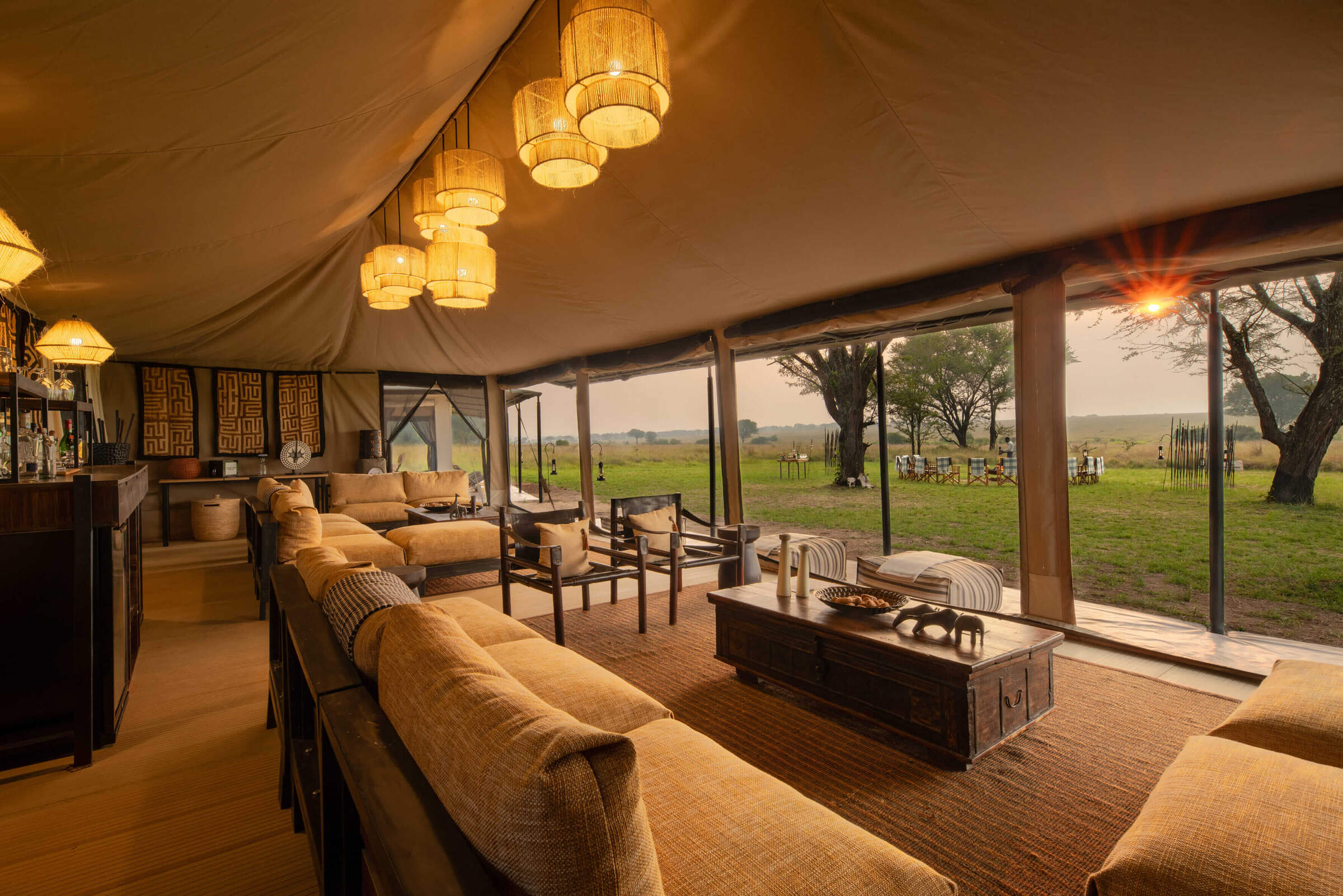
Ubuntu Camp
Ubuntu Camp has several locations in the Serengeti, following the wildebeest migration, so it is often in a great location to see the herds.
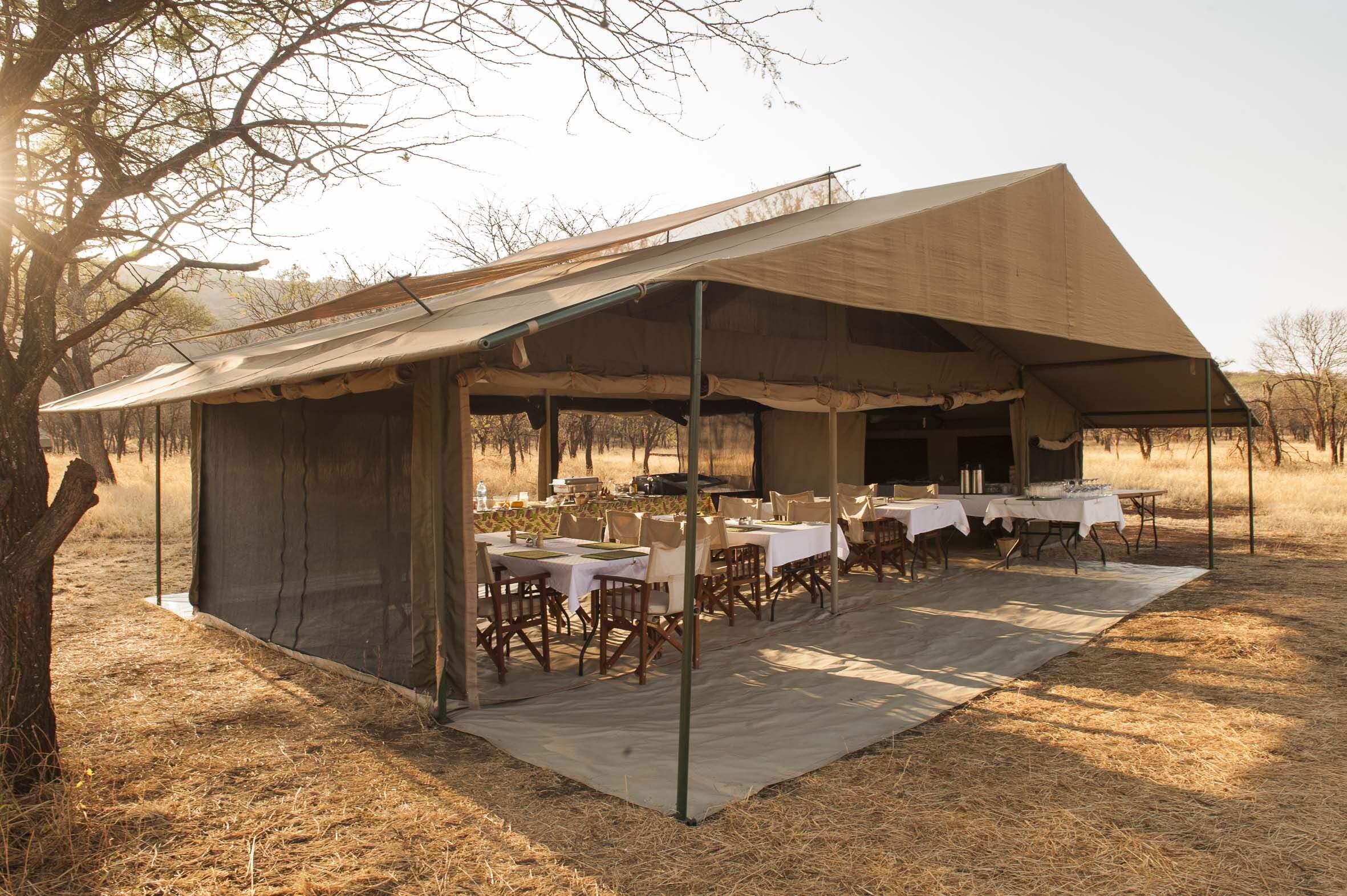
Kati Kati Camp
Kati Kati is a small, very simple bushcamp, which is well-positioned to explore the wildlife-rich Seronera area.
Ndutu Safari Lodge
Large and economical, but not luxurious, Ndutu Safari Lodge is well located in the southern Serengeti, so book early to get space.
Serian Serengeti
Serian Serengeti is a mobile tented operation run by Alex Walker which moves between two locations following the wildebeest migration.
Klein's Camp
Klein's Camp, in a private area of the northern Serengeti, sets high standards. Activities include walks, nights drives and Maasai village visits.
Serengeti under Canvas
Two of the three Serengeti under Canvas camps move through the Serengeti National Park every few months to follow the wildebeest migration.
Grumeti River Camp
Grumeti River Camp offers a laid-back atmosphere combined with top service, first-rate food, expert guiding and an excellent location.
Lemala Mara-Ndutu
Lemala Mara-Ndutu is a semi-permanent camp that moves between the north and south of the Serengeti to witness the wildebeest migration.
Lemala Kuria Hills
Lemala Kuria Hills is a luxury permanent camp that is ideally located for wildlife all year around, but especially during the wildebeest migration.
Lemala Ewanjan
Lemala Ewanjan is a comfortable and stylish tented camp in the Seronera area of the central Serengeti National Park.
Lemala Nanyukie
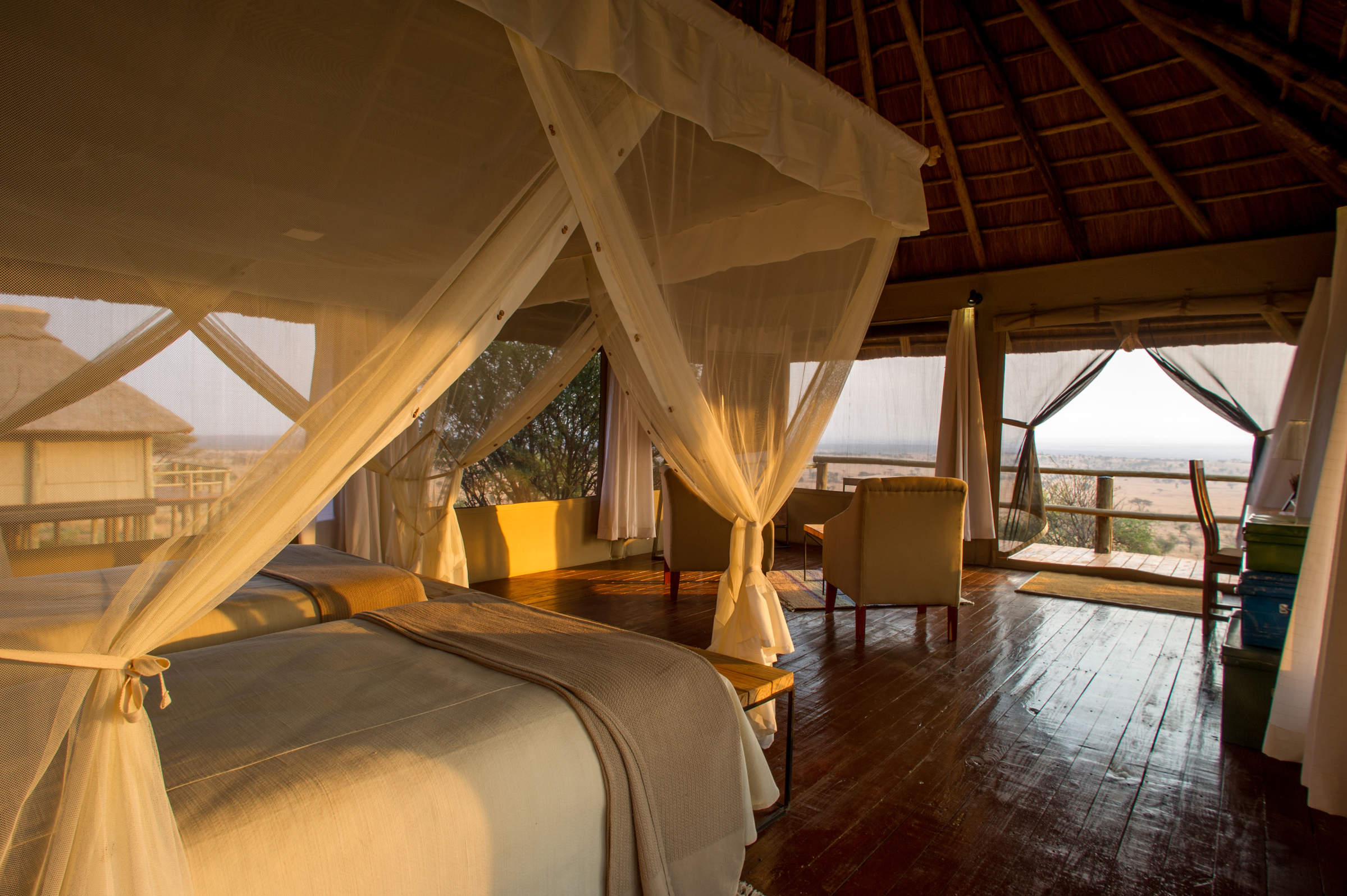
Lemala Nanyukie is a stylish camp located in the quieter part of the central Serengeti.
Kubu Kubu
Kubu Kubu is a contemporary, tented lodge, well located in the central Seronera area of the Serengeti National Park.
Lobo Wildlife Lodge
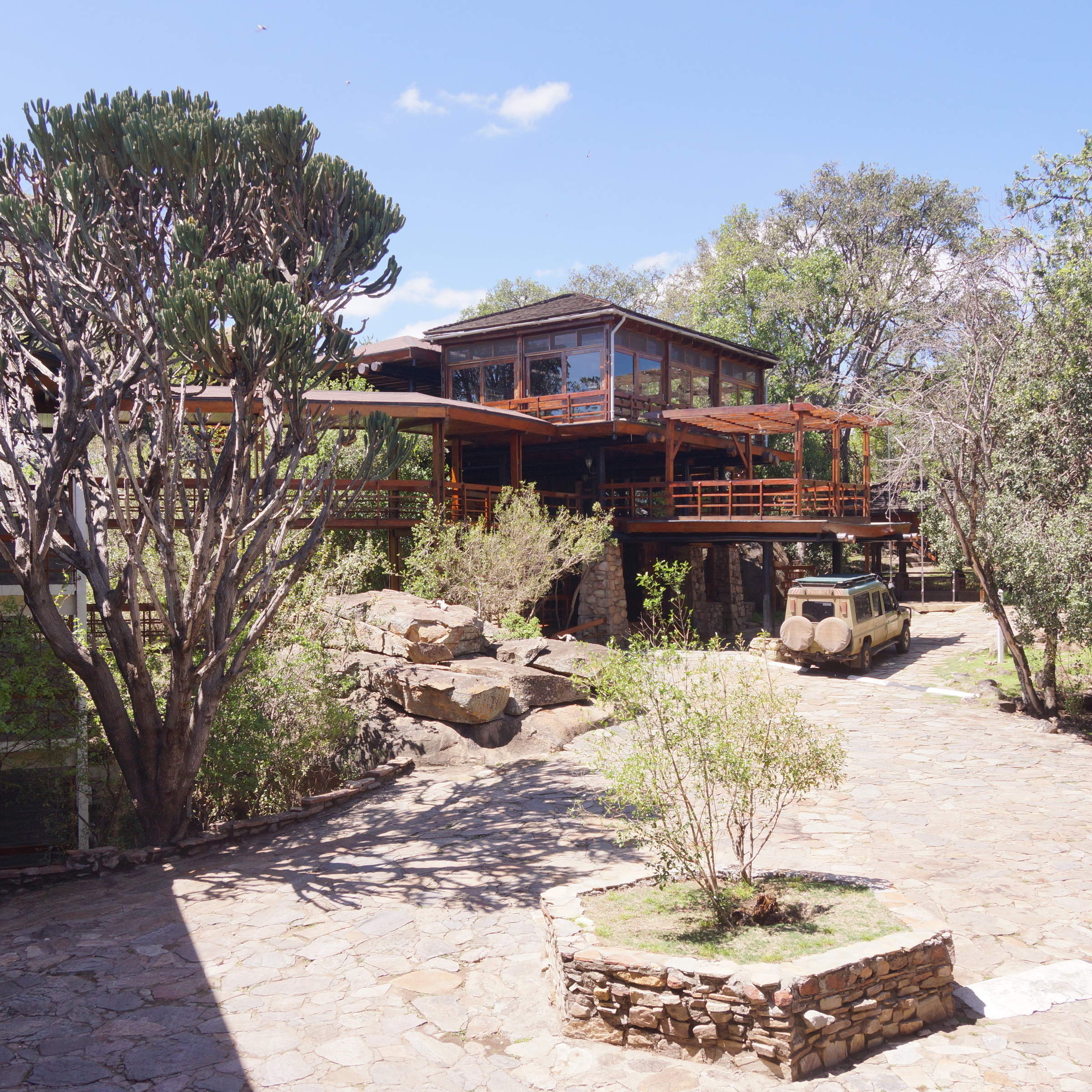
The large Lobo Wildlife Lodge has simple, functional rooms in a stunning location. It's a good base for exploring the north-eastern Serengeti.
Mkombe's House Lamai
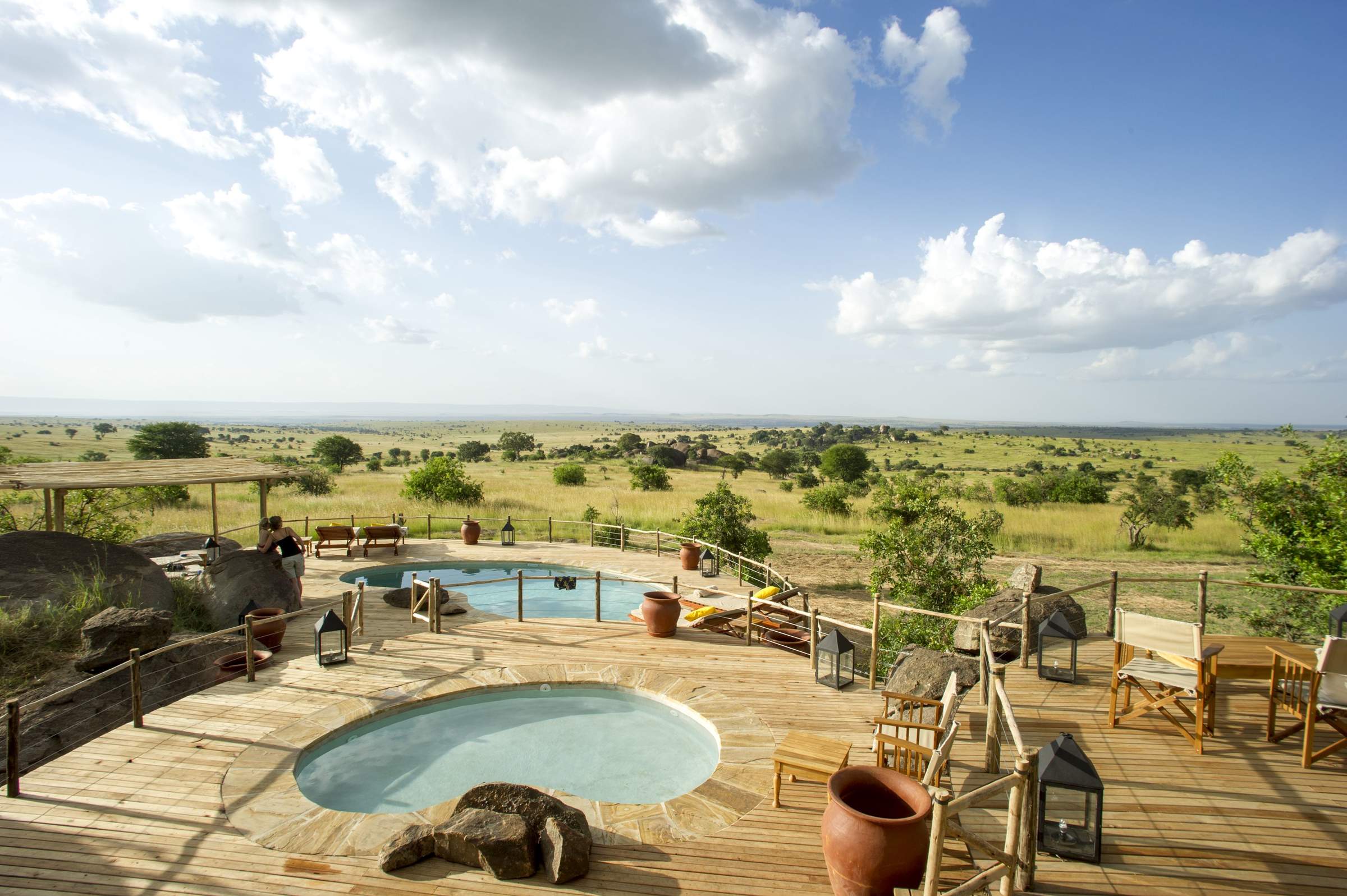
Mkombe's House Lamai is a fully staffed private house in the Wogakuria Kopjes district of Serengeti National Park.
Kusini Camp
Kusini Camp is permanent, luxury camp located on a beautiful kopje in a quiet, wildlife-rich corner of the south-west Serengeti.
Serengeti Walking Mobile
This fairly simple camp offers only walking activities, but it's very well done and combines well with more conventional camps or lodges.
Mbalageti Lodge
Mbalageti is a well-run lodge in a quiet part of the Serengeti's western corridor – an ideal location during the Apr-Jun migration.
Serengeti Serena
The Serengeti Serena Safari Lodge is a large, hotel-style lodge and a good family-friendly base from which to explore the central Serengeti.
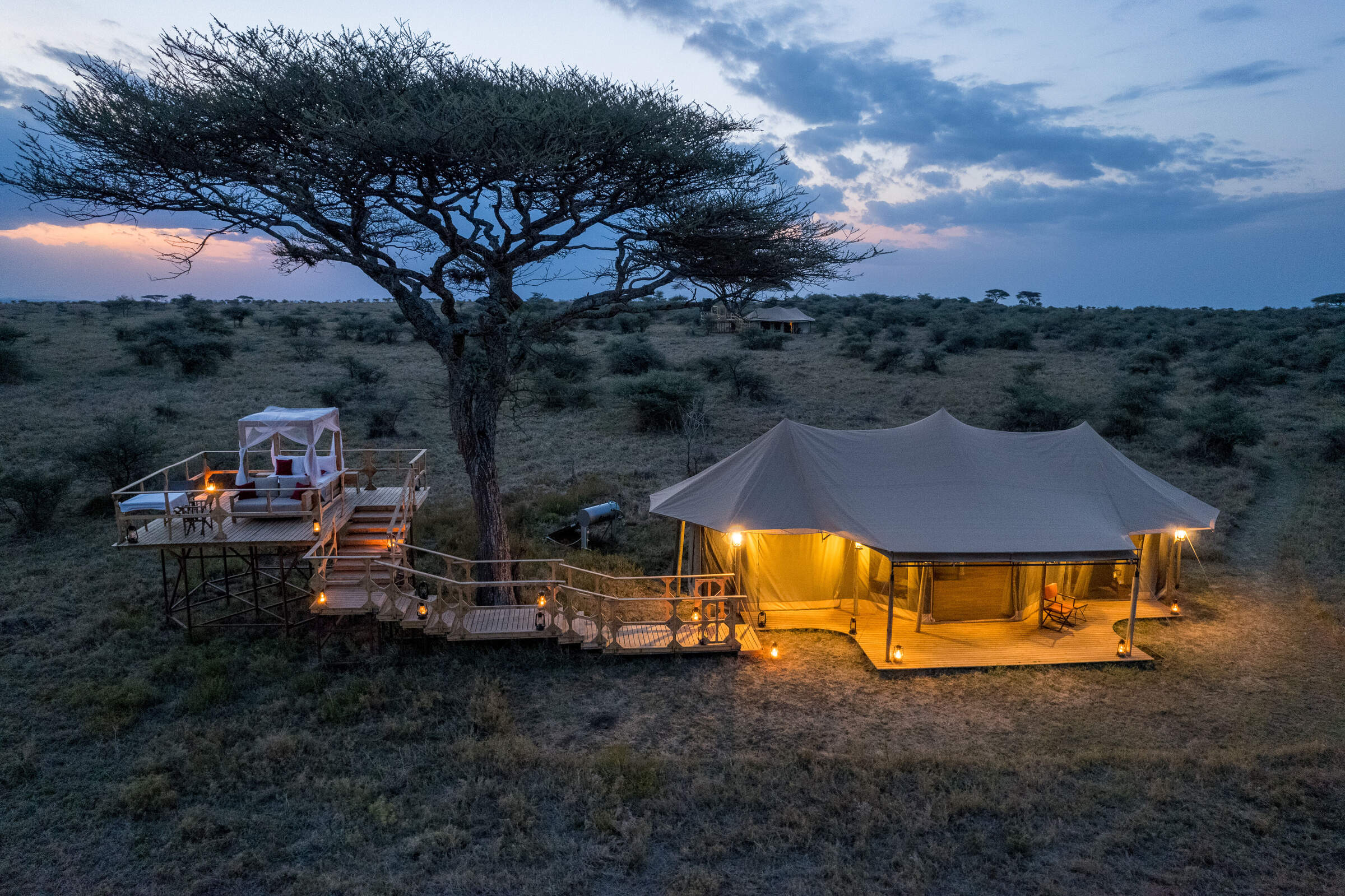
Olmara Camp
With just eight guest tents, including two family tents and three signature stargazer tents, Olmara is a simple, family-friendly camp with a wonderfully attentive team. The camp captures an authentic bush experience, welcoming travellers of every kind.
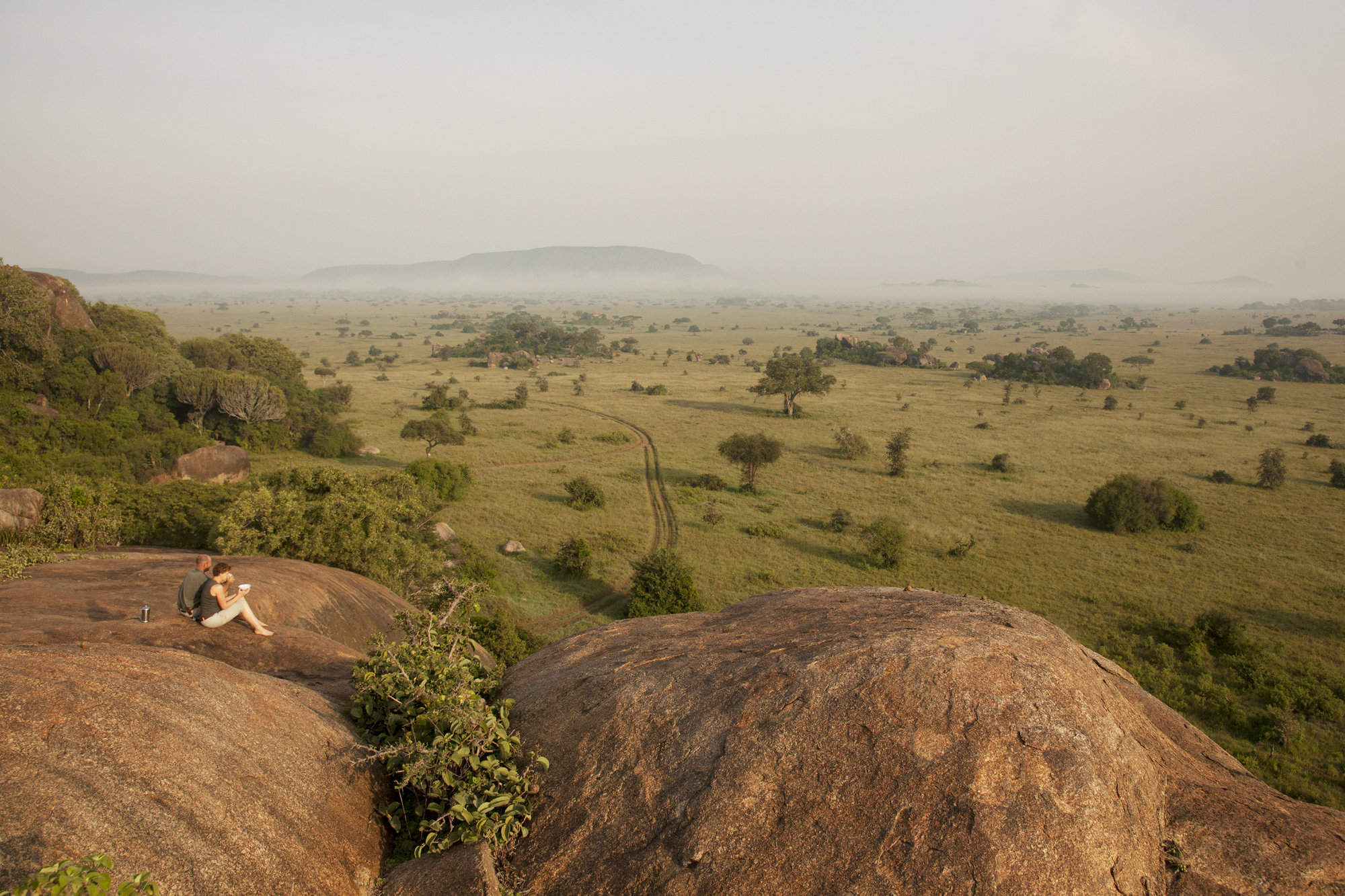
Serengeti Green Camp
Serengeti Green Camp is a comfortable camping experience, in your own private safari camp and at the heart of a great wildlife area.
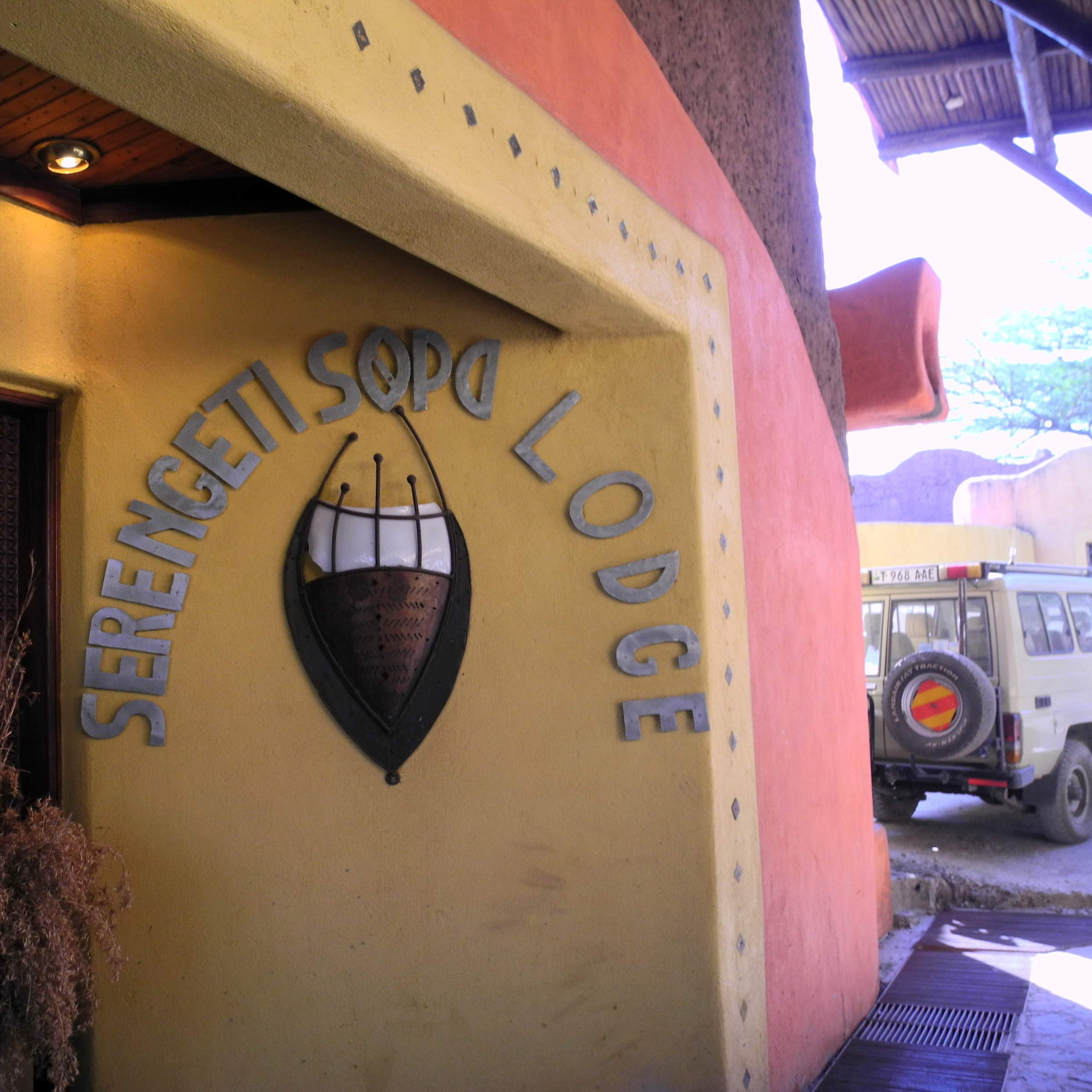
Serengeti Sopa Lodge
Serengeti Sopa Lodge is an international-style hotel offering good-value accommodation in the central Serengeti, with lovely views of the plains.
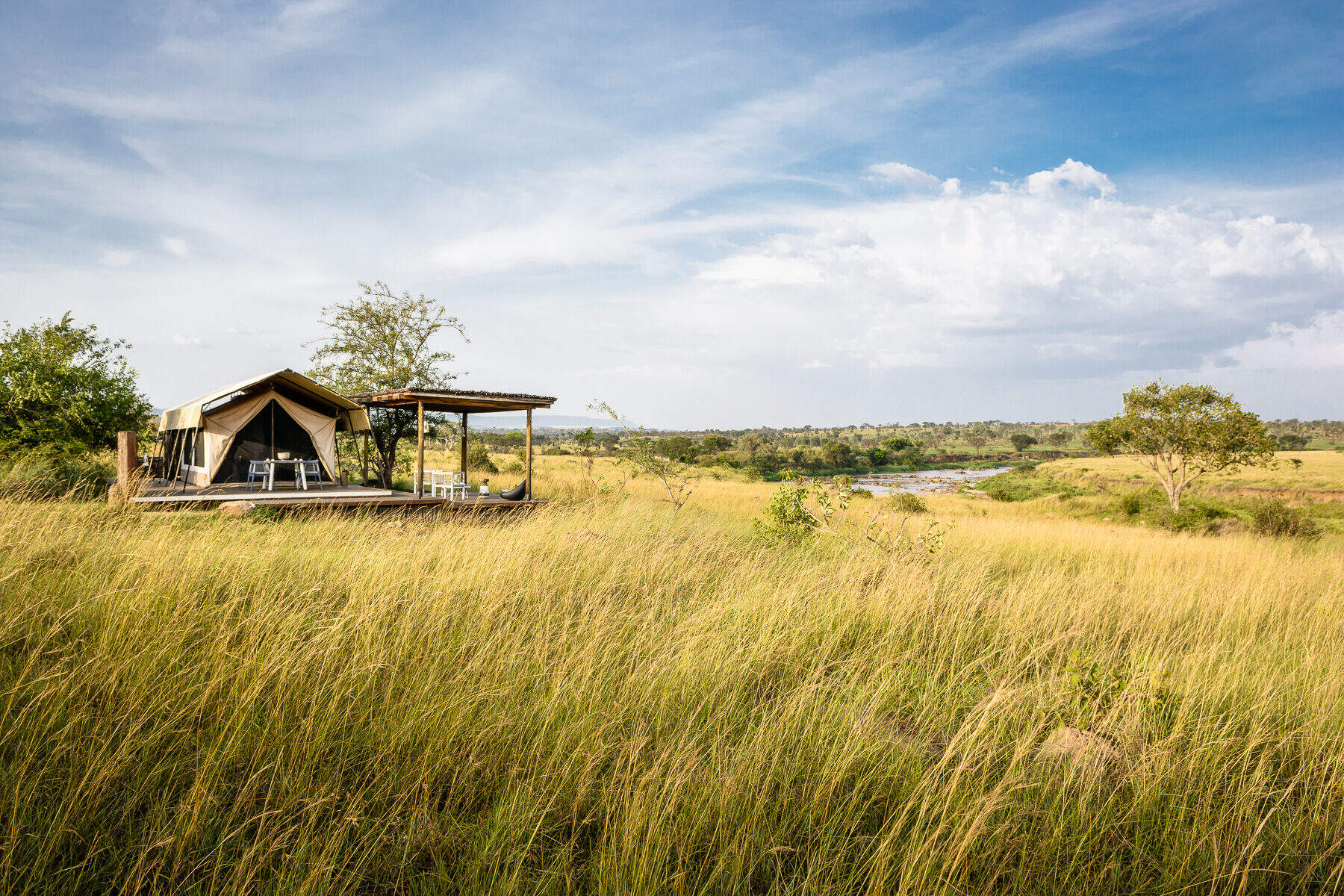
Singita Mara River
Singita Mara River Tented Camp is a luxurious camp in the isolated and rewarding Lamai wedge region of the northern Serengeti.
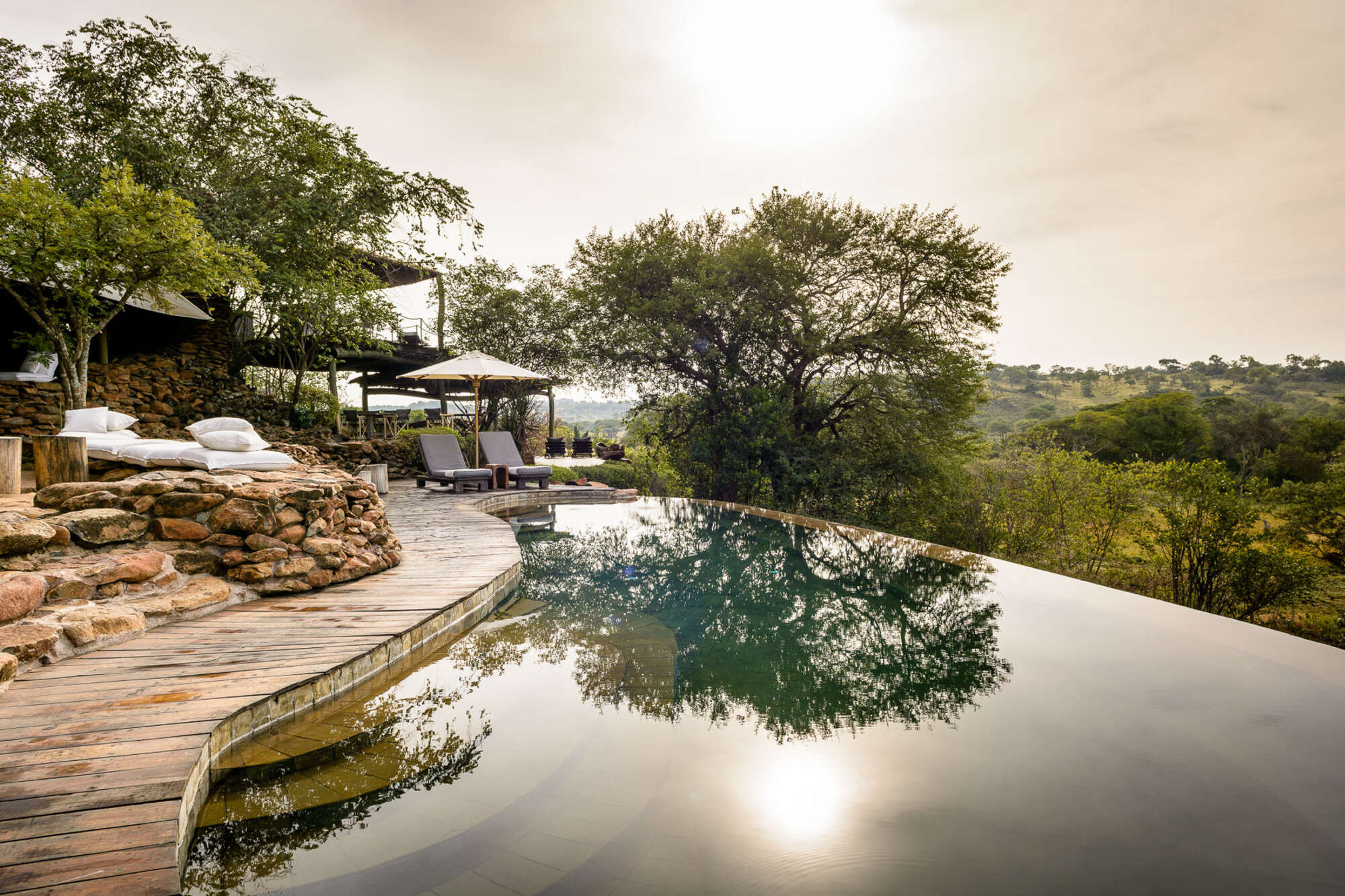
Faru Faru Lodge
On the north bank of the Grumeti River, Faru Faru is a small, chic hideaway in this exclusive corner of the Serengeti.
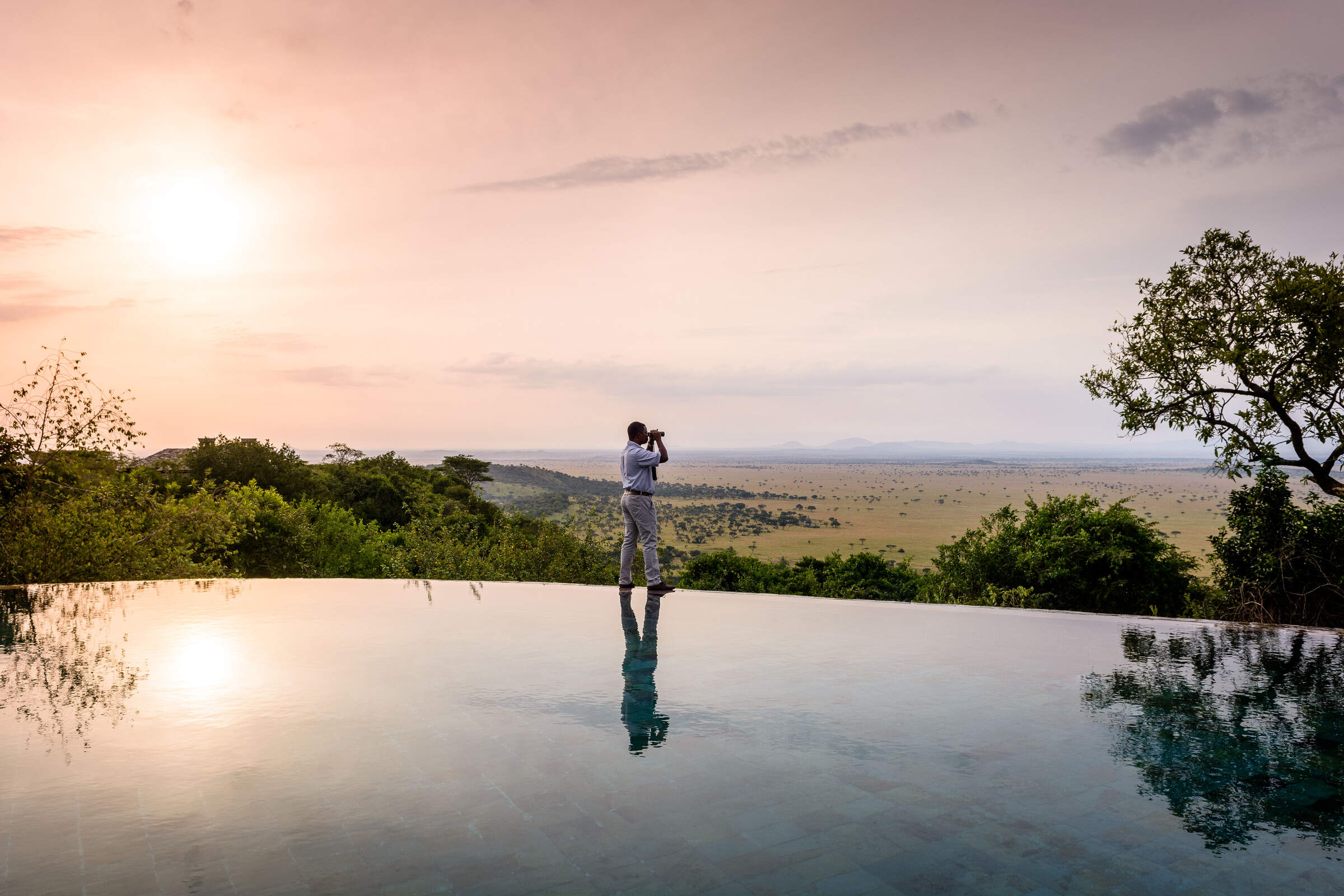
Sasakwa Lodge
On a hill looking over the Serengeti plains, Sasakwa Lodge is grand, luxurious safari camp, one of the most opulent properties in Tanzania.

Sabora Tented Camp
Sabora Tented Camp is a smart tented camp – one of the most luxurious, professional and stylish properties to be found in Tanzania.
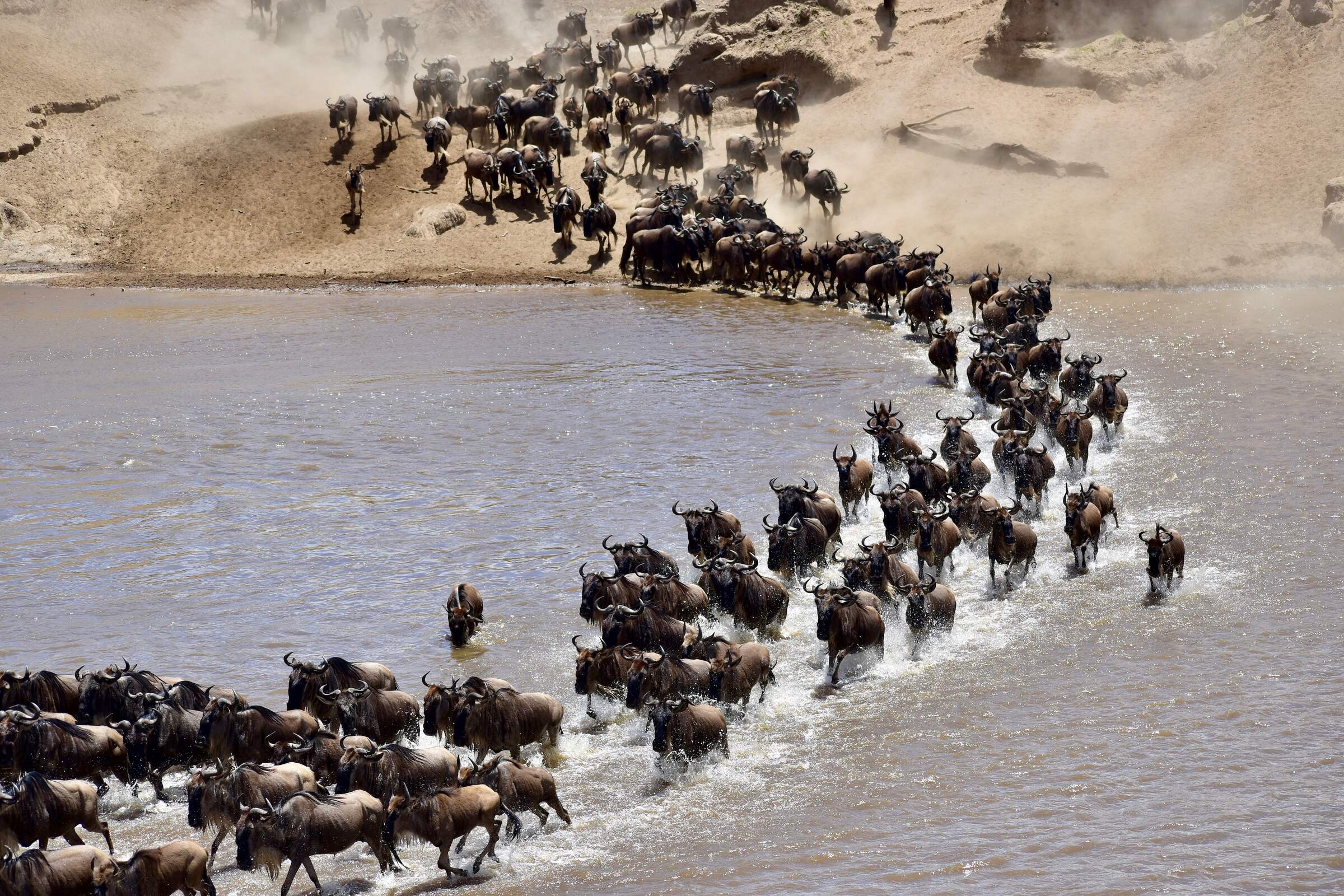
Kirurumu Migration Camp
Kirurumu is a rustic tented camp which moves around the Serengeti twice a year to follow the wildebeest migration.

Four Seasons Serengeti
The Four Seasons Safari Lodge is the only hotel in the Serengeti offering international facilities such as a gym, spa and children’s club.
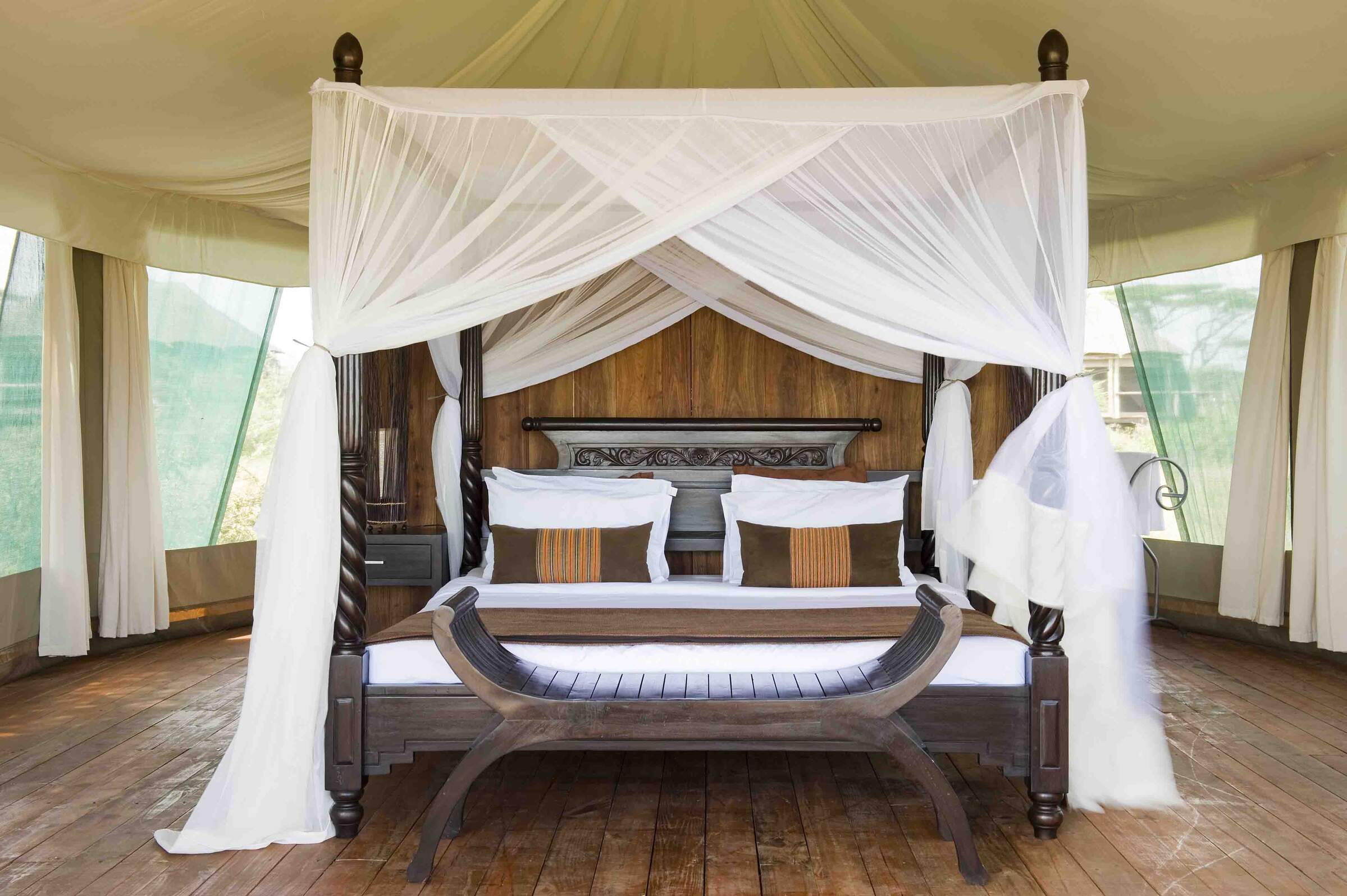
Lake Masek Tented Camp
Ideally located for the wildebeest migration from Dec–Apr, Lake Masek Tented Camp is a good, mid-market safari camp.
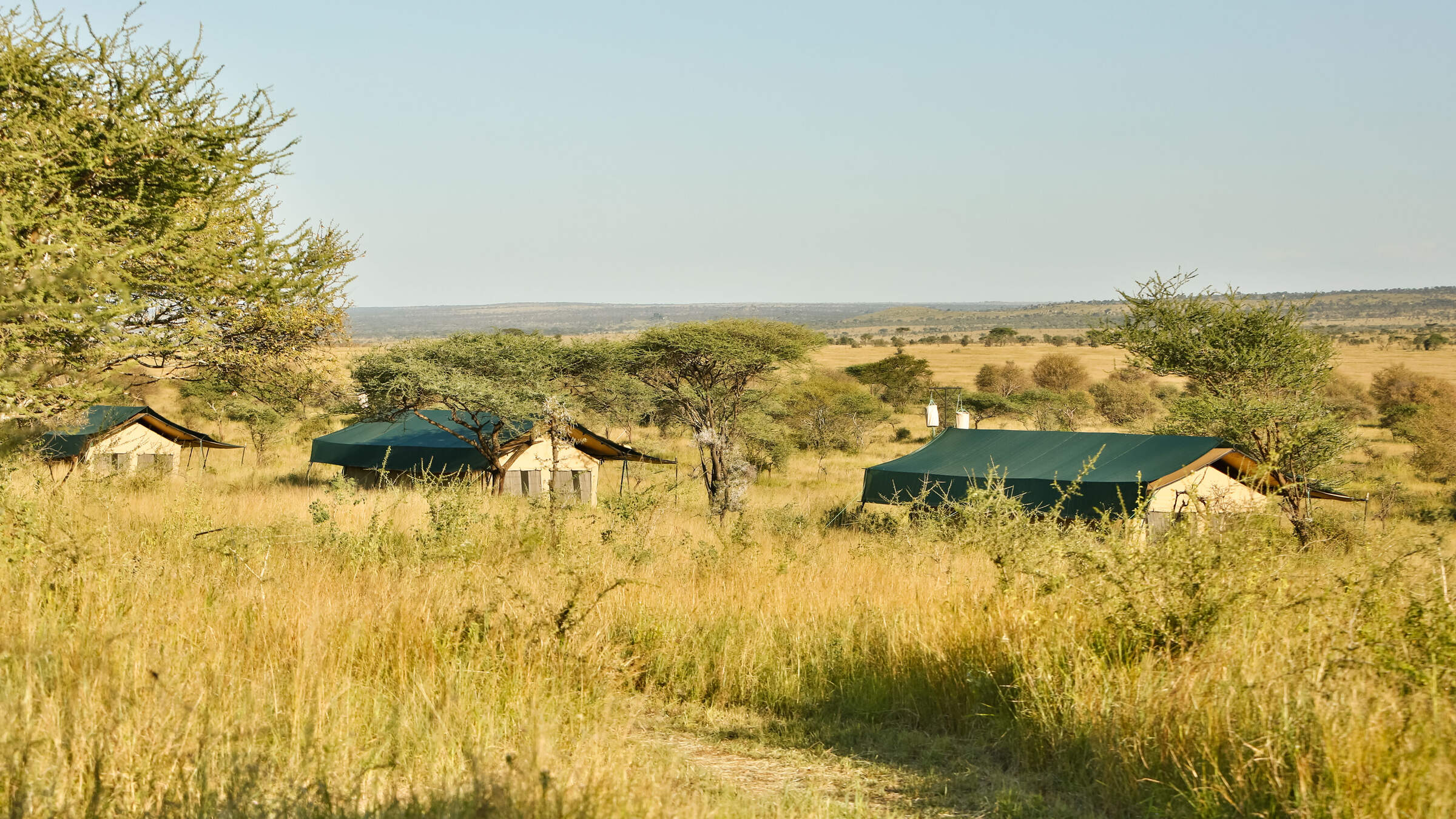
Nyikani Central
Nyikani Central is a comfortable tented camp located in the game-rich Seronera area of the central Serengeti.
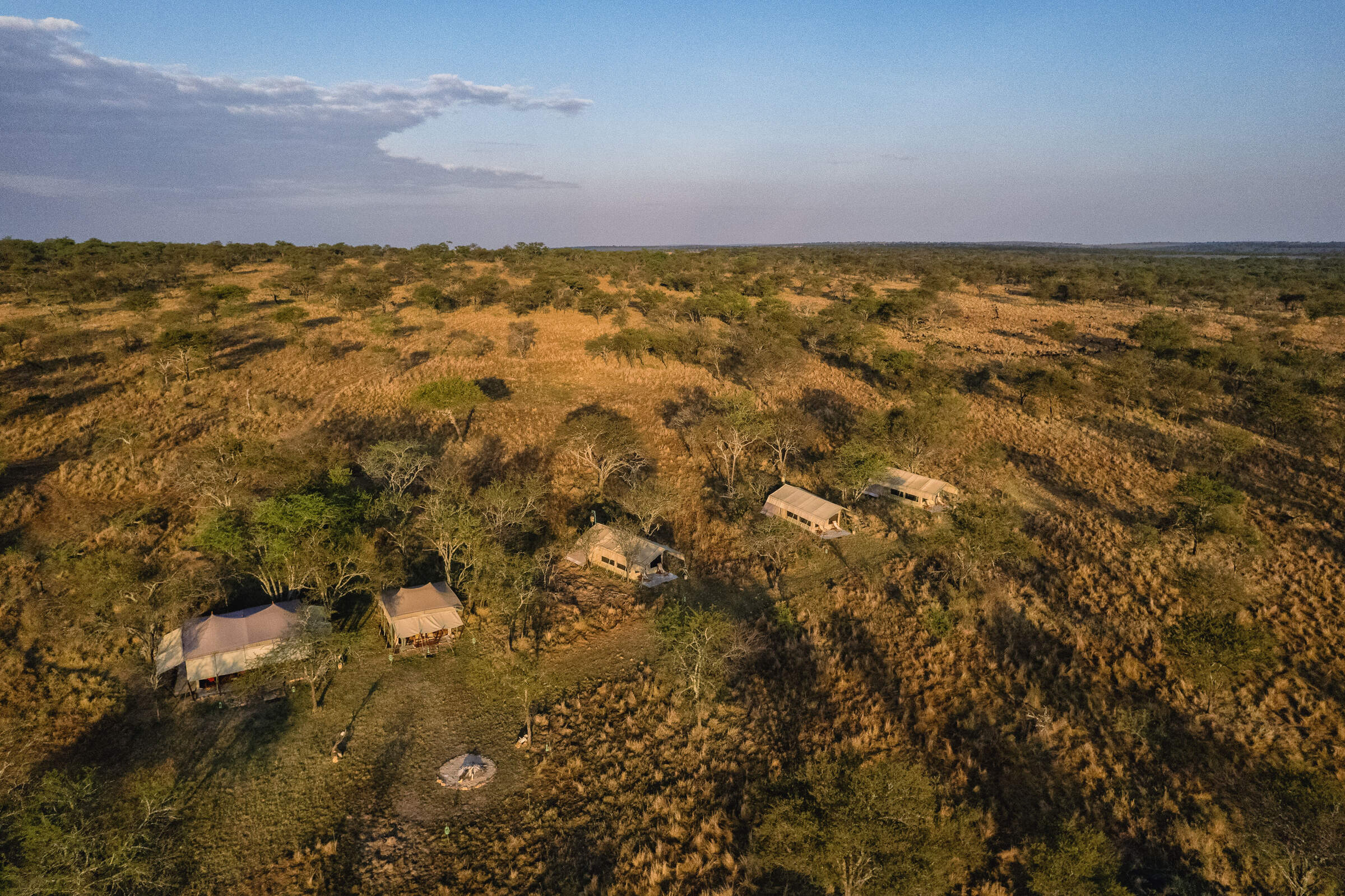
Esirai Migration Camp
A season migration camp, with only 8 tents and 1 family tent and plenty of character. Esirai is ideally placed for excellent wildlife and enjoys a simplistic and comfortable under-canvas experience.
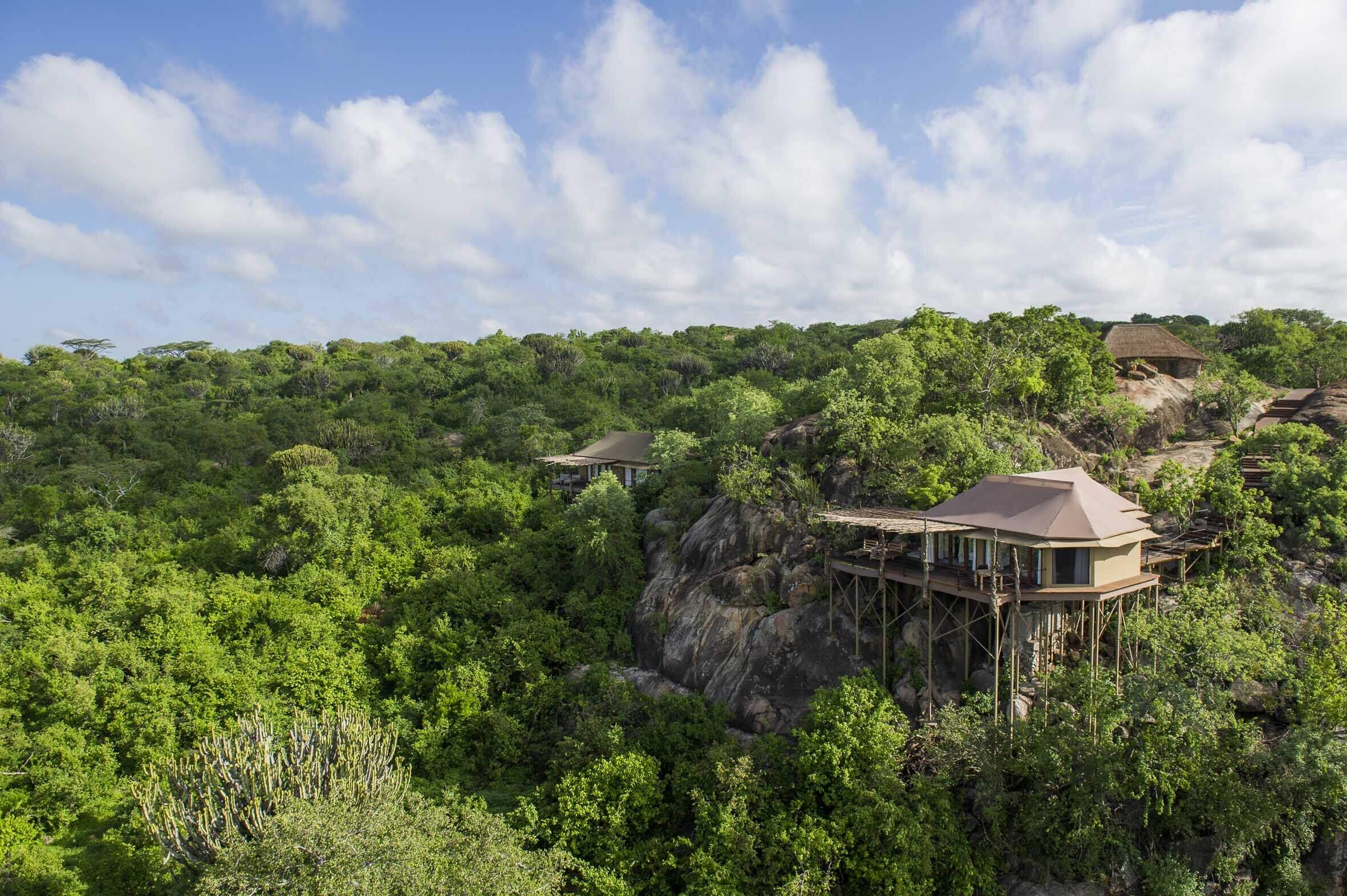
Mwiba Lodge
Mwiba Lodge is a luxurious property located on a private concession on the edge of the southern Serengeti.
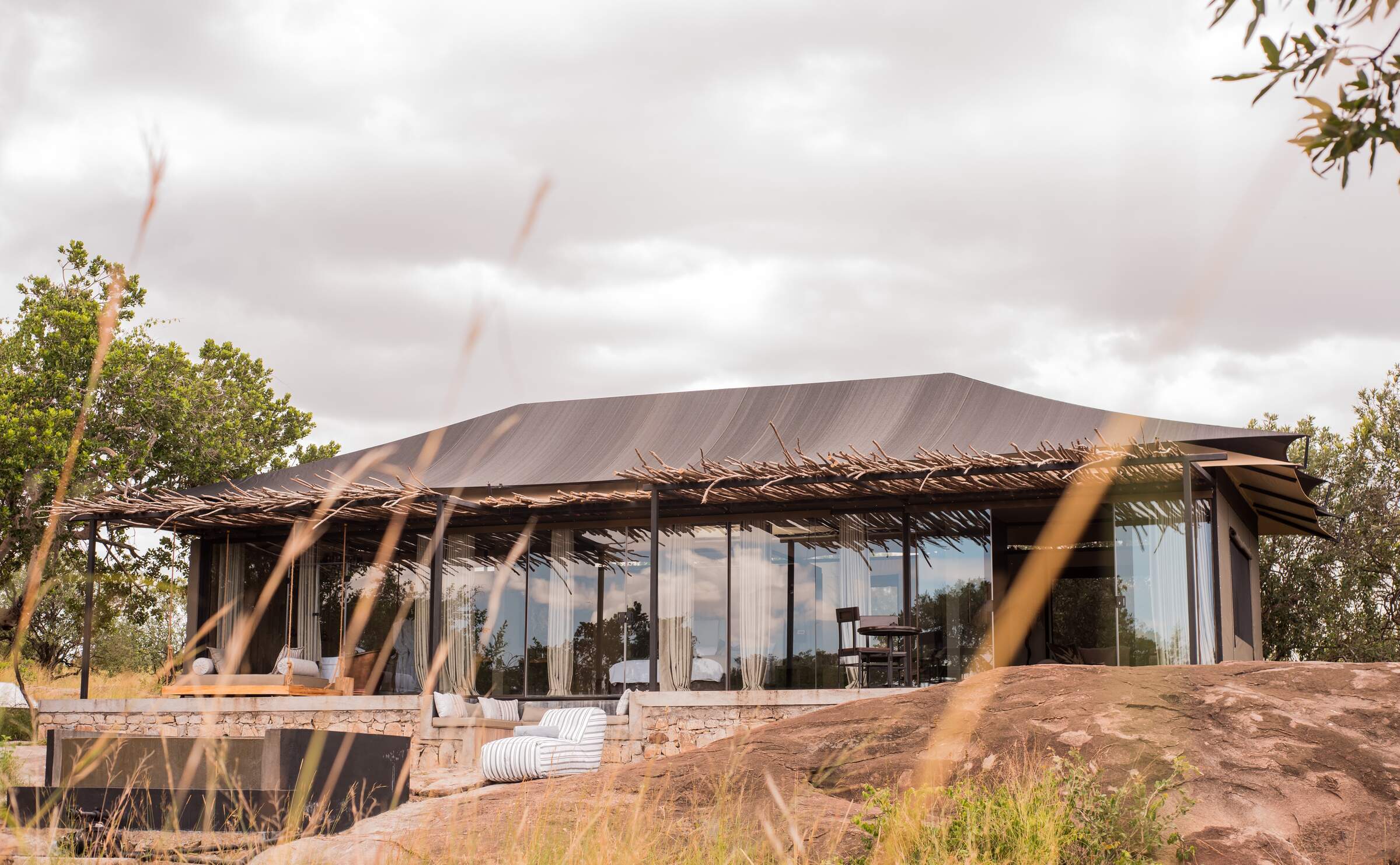
Nimali Mara
Nimali Mara is a luxurious safari lodge in a quiet region of the northern Serengeti with good access to the wildebeest migration.
Mara Mara
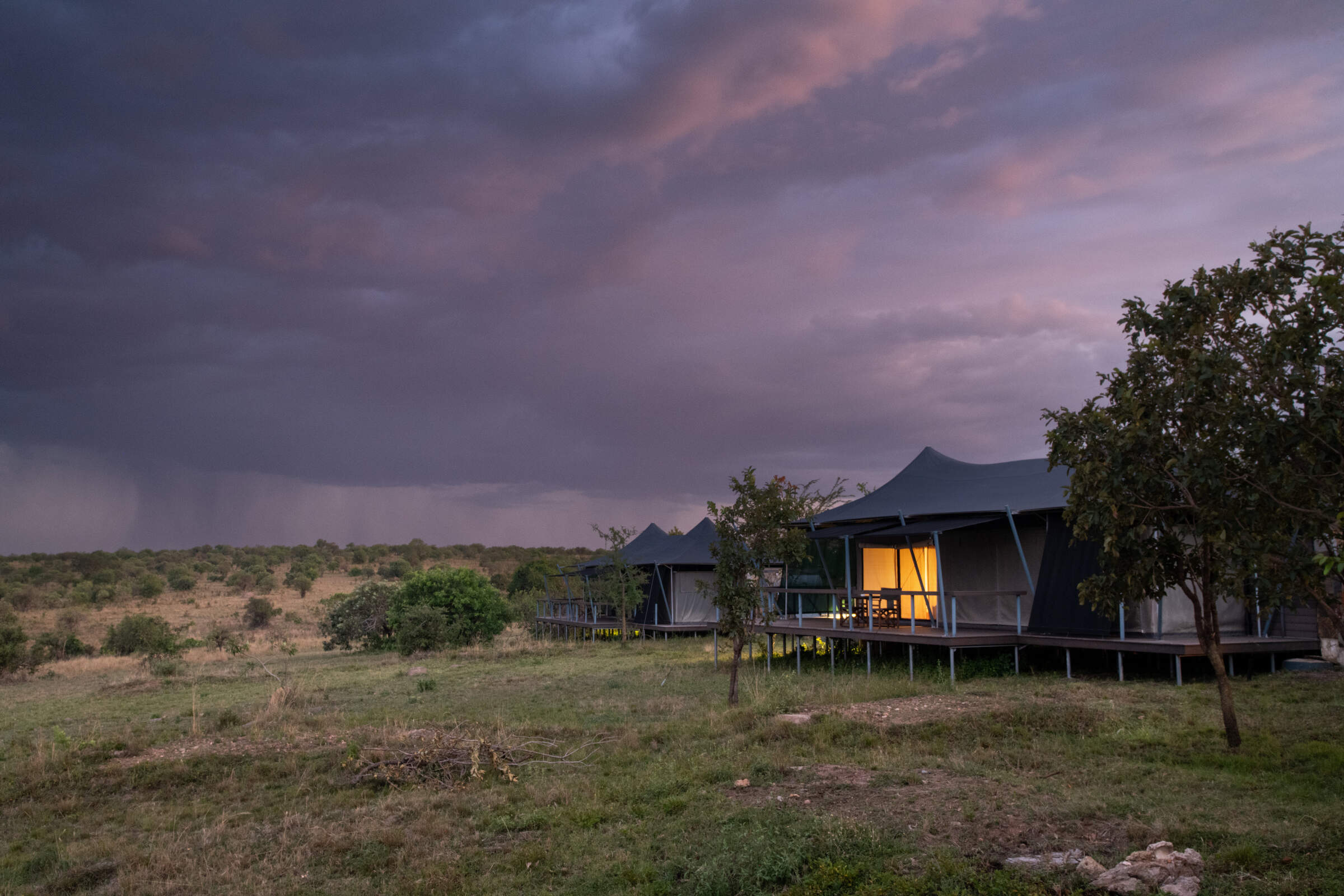
Mara Mara is a smart tented camp in the northern Serengeti, situated on a small hill close to the Mara River.
Ndutu Kati Kati
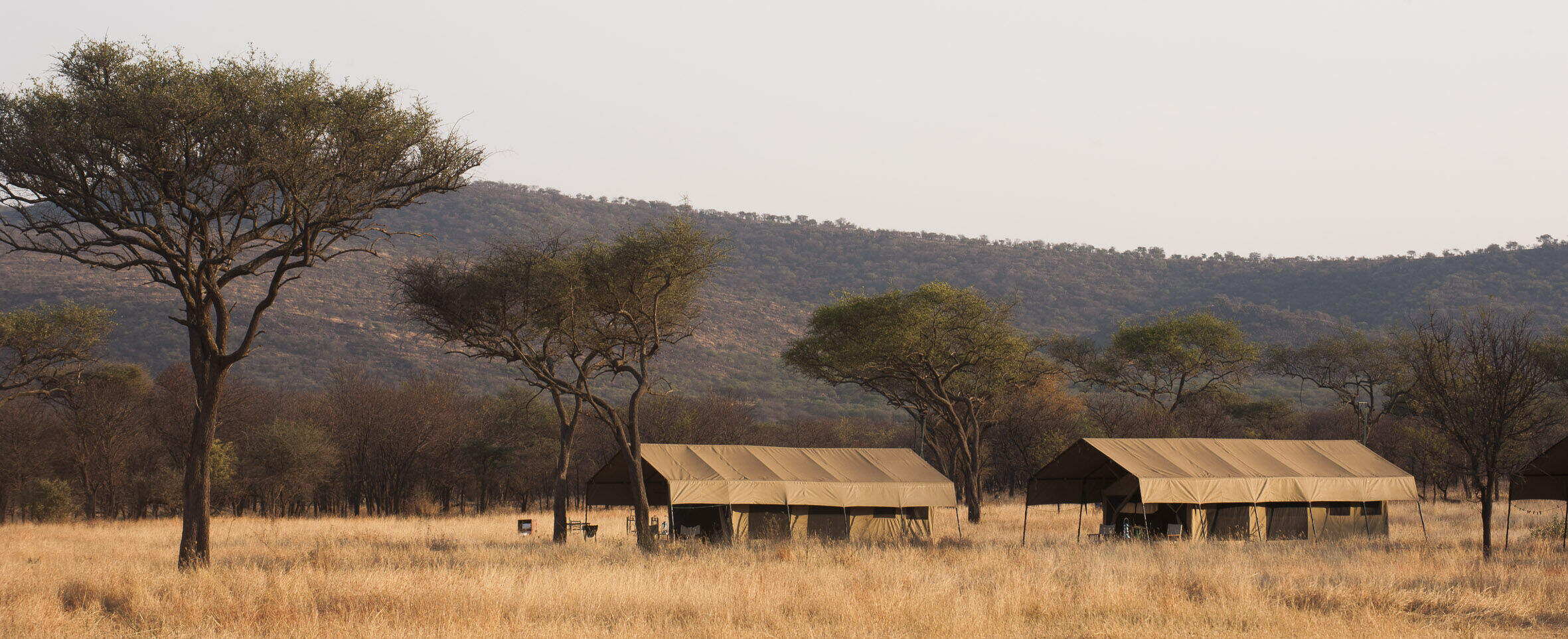
Ndutu Kati Kati is a seasonal tented camp, based in the southern Serenget from Dec-Mar, ideal for the migration as it passes through.
Olduvai Camp
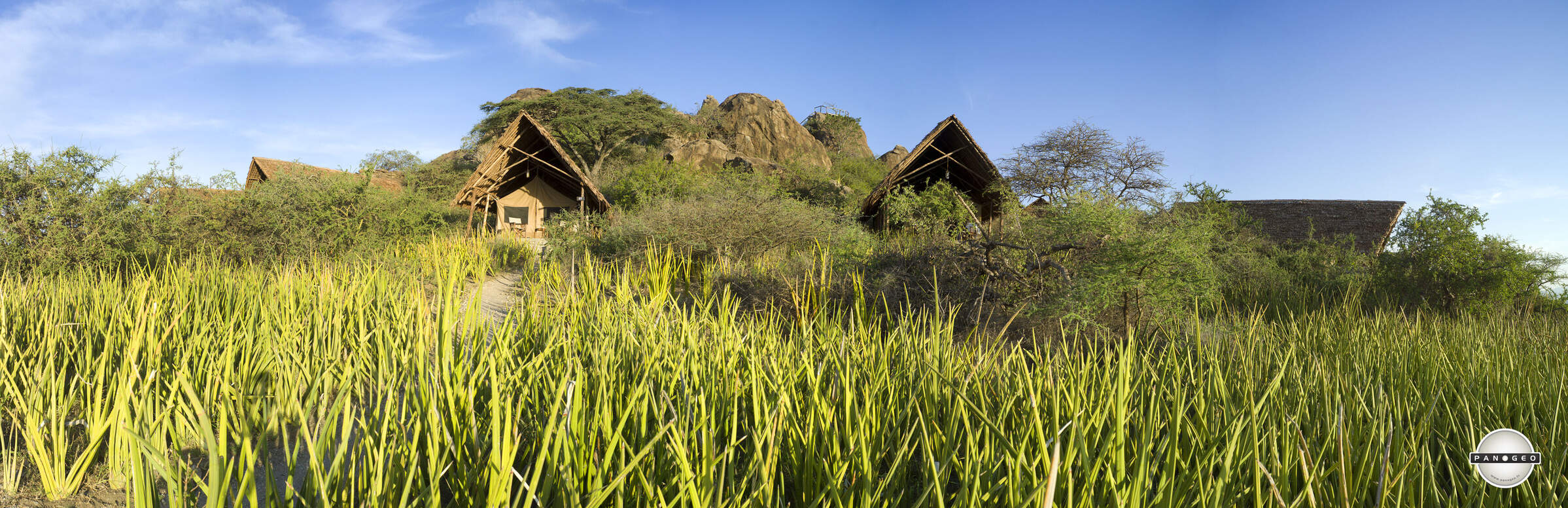
Olduvai Camp lies between Ngorongoro and the southern Serengeti plains. It's a good base for the southern plains during the rainy season.
Bushtops
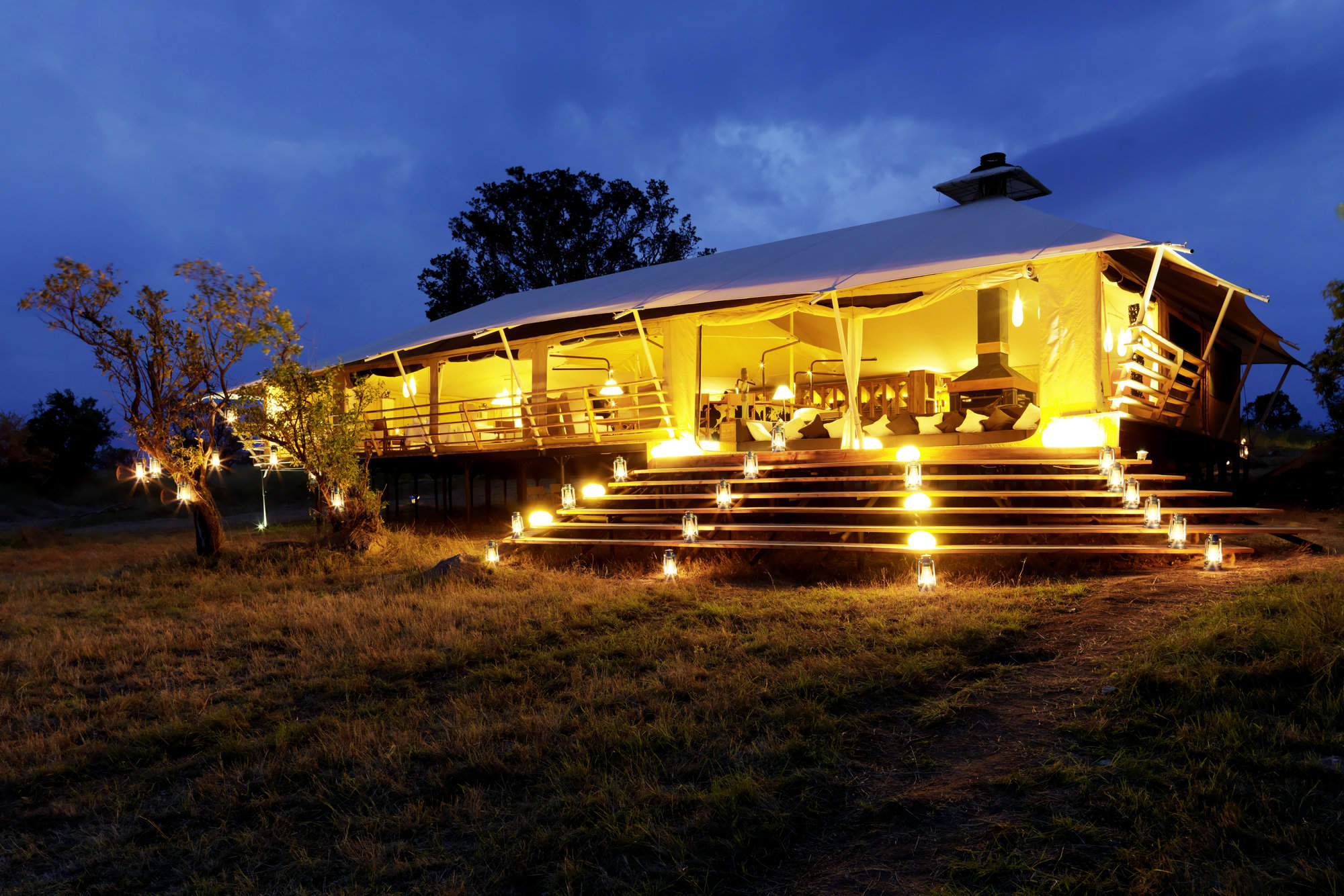
Serengeti Bushtops is a permanent luxury camp in the northern Serengeti, with spacious and private tents with their own hot tubs.
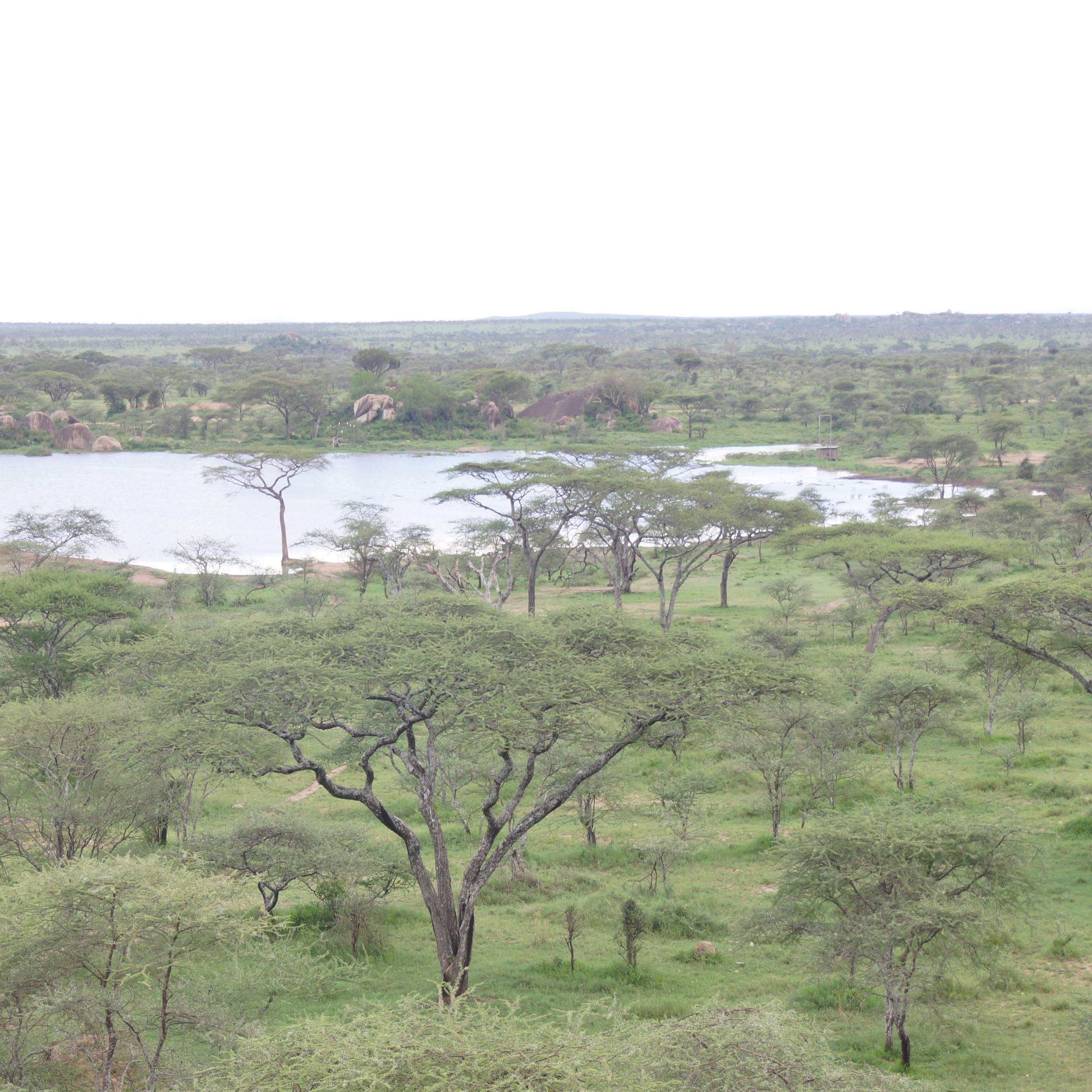
Seronera Wildlife Lodge
Seronera Wildlife Lodge is large hotel-style safari lodge in the heart of the Serengeti, offering good value and a great location.
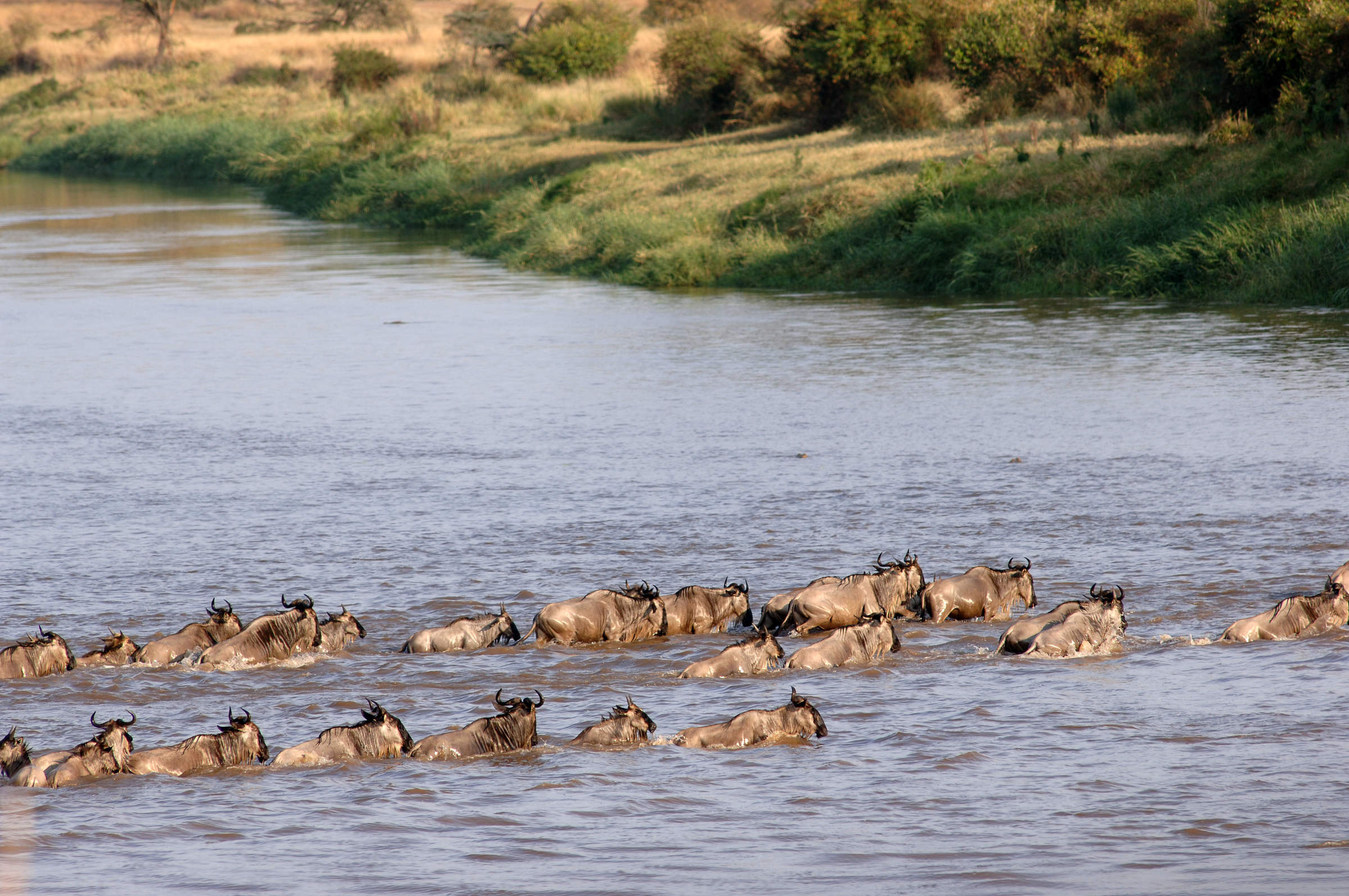
Mara Kati Kati
Mara Kati Kati is a simple bush camp in the northern Serengeti, based from Jul-Oct near the Mara River for the wildebeest migration.
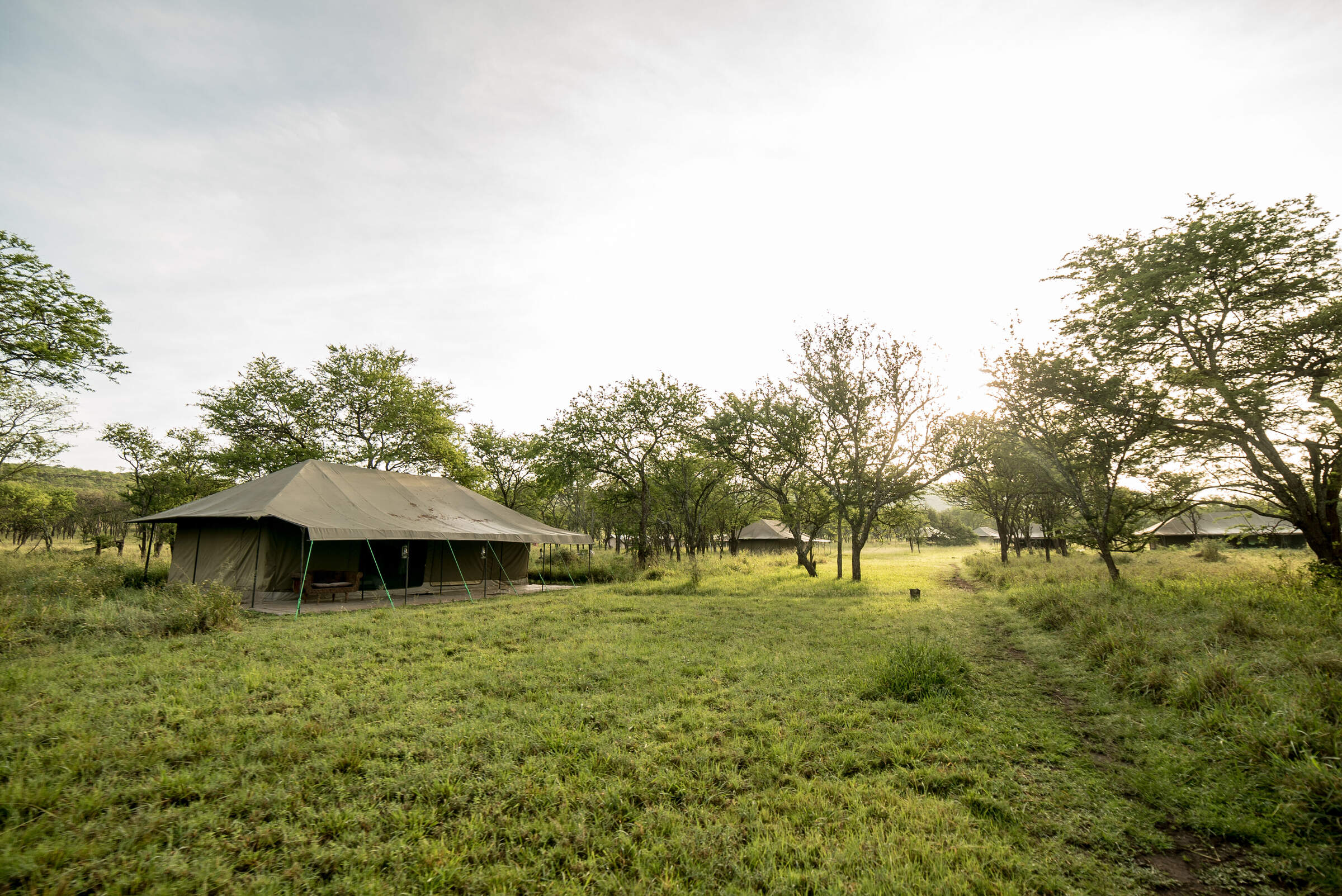
Nasikia Naona
Naona Camp is a small tented camp, located in the Moru Kopjes, west of the Serengeti central area
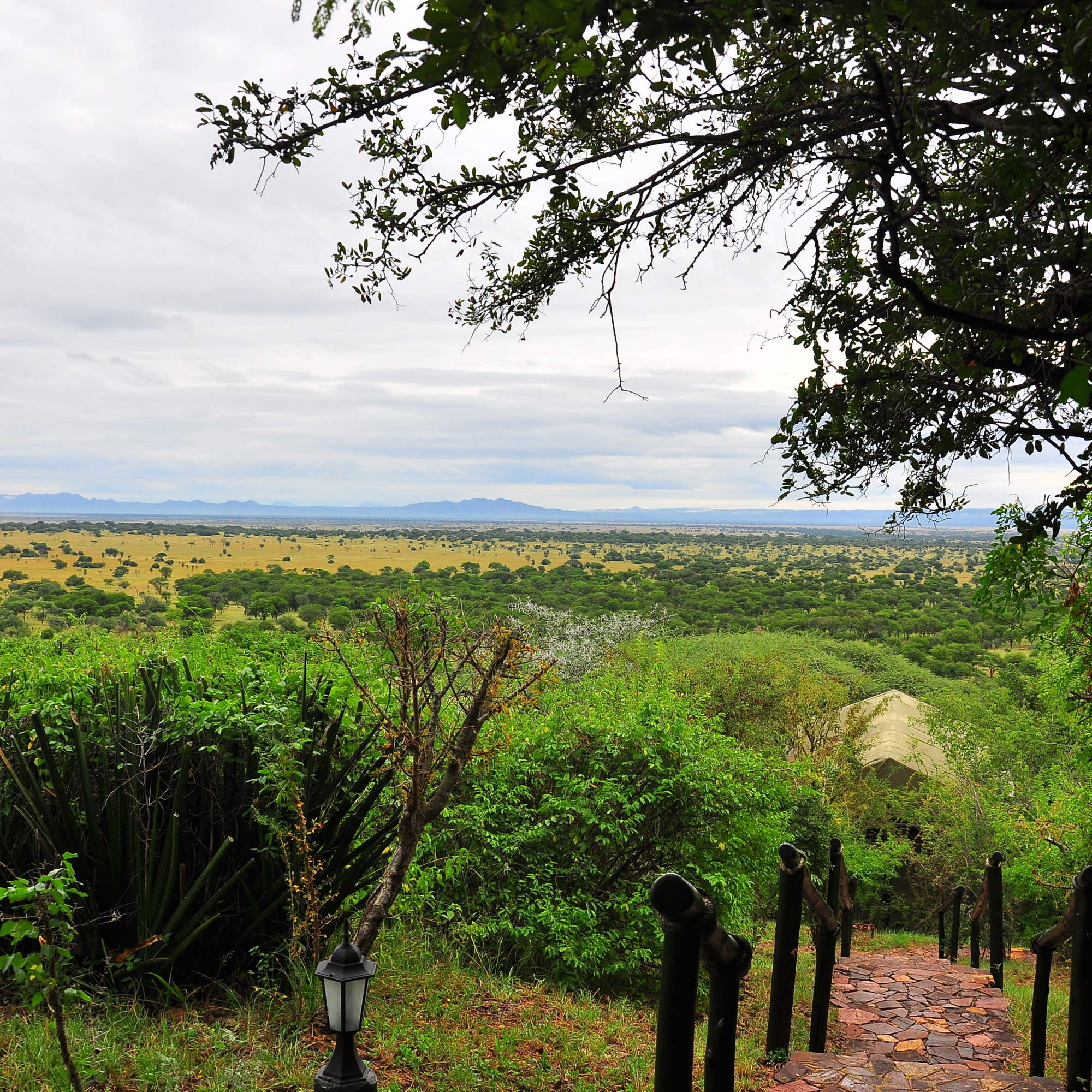
Kirawira Camp
Set high on a hill, in the Serengeti's western corridor, Kirawira is a relatively large tented camp in the Serena group.
Mbuzi Mawe
Mbuze Mawe is a comfortable tented camp in a convenient, central-north location when driving through the Serengeti.
Laba Migration Camp
A luxury mobile camp that moves between the Western Corridor, Mara River and the southern Ndutu area, in line with the wildebeest migration.
Serengeti Pioneer Camp
Serengeti Pioneer Camp is a luxurious tented camp in the central Serengeti, styled on African explorers' camps of the early 20th century.
Taasa Lodge
Taasa Lodge is a slightly quirky option offering guided walks and night game drives, which are not permitted in Serengeti National Park.
Nimali Serengeti
Opened in July 2017, Nimali Serengeti is a smart, permanent tented camp located in the Seronera area of the central Serengeti.
Nomad Walking Camp
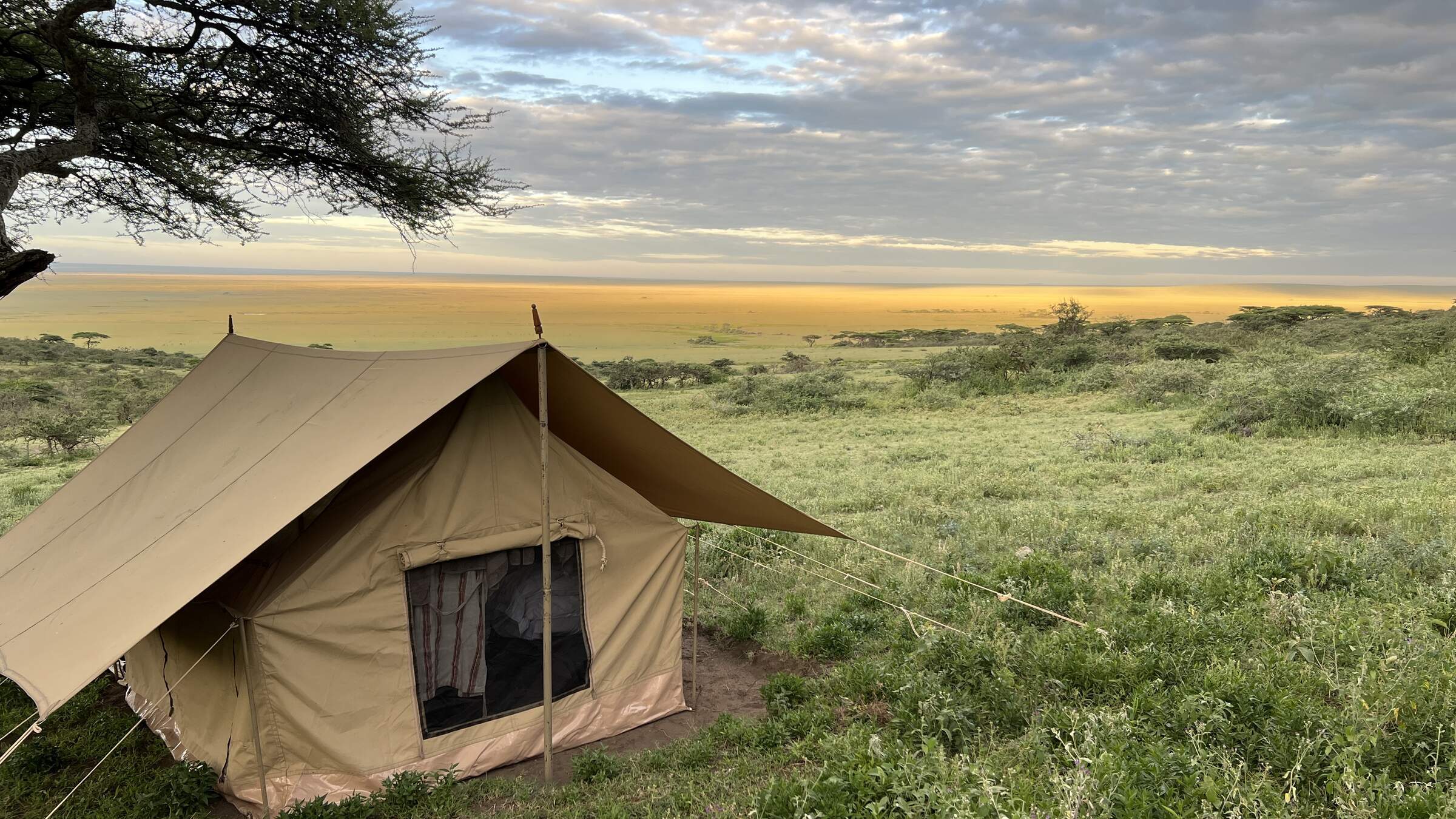
Nomad Expeditionary Walking Camp is a simple camp of up to three tents, plus infrastructure, that changes location to allow guests to do substantial walks between campsites.
When to go to Serengeti Migration Area
Our month by month guide: What it's like to visit Migration Camp in Serengeti Migration Area
Jan
Feb
Mar
Apr
May
Jun
Jul
Aug
Sep
Oct
Nov
Dec
Serengeti Migration Area in January
January marks the start of the Serengeti’s short dry season. In the southern plains, the wildebeest calving season takes centre stage, drawing both predators and eager wildlife enthusiasts. The weather is generally clear and sunny, with rising temperatures, though occasional rainfall may still occur in the southern areas. Birdwatching is particularly rewarding during this time, with resident species in their breeding plumage and migratory birds adding to the variety.
The far southern plains of Ndutu coupled with the central Seronera area remains a reliable choice for game viewing, with lions and cheetahs frequently sighted on the hunt. While the park can be busier early in the month due to New Year visitors, it often becomes quieter later, providing excellent value and a more peaceful experience. Patience may be needed during game drives, as some wildlife becomes more dispersed.
- Variable weather: clear, dry or rainy
- Thunderstorms may occur occasionally
- Prime birding season with migrant species
- Wildebeest gathering in southern Serengeti
- Busy early, quieter later in the month
Our view
A good time to visit, with pros & cons
Weather in January
Serengeti Migration Area in February
February in the Serengeti is hot, with daytime highs reaching around 33°C/91°F, but cooling down significantly in the evening and overnight. It's an excellent time to visit as the northern circuit is comparatively quieter than during peak seasons. The wildebeest calving season, typically occurring in a two-three week window in early-mid February, is a major attraction. Thousands of calves are born daily, attracting a significant number of predators, creating an intense yet fascinating spectacle.
Birdlife is equally vibrant, as migratory species from the northern hemisphere join the park's resident birds. The Ndutu region is especially active, hosting an abundance of wildlife. Hot air balloon safaris offer unparalleled views of the action below. Despite the midday heat, early morning game drives remain comfortable and highly rewarding.
- Hot and dry weather conditions prevail
- Wildebeest calving in southern plains
- Southern Serengeti busy for migration
- Lush, green landscapes across the park
- Ideal for wildlife photography
Our view
A very good time to visit
Weather in February
Serengeti Migration Area in March
March typically sees the arrival of the long rains in the Serengeti, though the exact timing can vary each year. With water becoming more plentiful, migratory animals begin to spread out, making wildlife spotting a bit more challenging in certain areas. The Seronera Valley remains a reliable choice for sightings, thanks to its consistent water sources.
The rains bring a dramatic transformation to the landscape, with lush greenery emerging across the plains, offering stunning photographic opportunities. Birdwatchers are in for a treat, as many species are in their vibrant breeding plumage. Although some mobile tented camps begin winding down operations in preparation for the next season, visitors can still enjoy the park’s quieter atmosphere and its renewed natural beauty.
- Hot with increasing humidity pre-rains
- Wildlife viewing varies as rains begin
- Park quieter with lower visitor numbers
- Excellent time for bird watching
- Green vegetation provides scenic backdrops
Our view
A good time to visit, with pros & cons
Weather in March
Serengeti Migration Area in April
April tends to be the wettest month in the Serengeti, with rainfall averaging around 250mm. The park is transformed into a verdant oasis, alive with birds, insects, and smaller wildlife. However, the dense vegetation can make spotting animals more difficult. Visitor numbers are at their lowest, allowing for a more exclusive safari experience and there can be some good emerald season bargains to be had.
The wildebeest migration typically begins slowly moving toward the Western Corridor, and patient travellers can witness fascinating sights such as newborn animals and predators on the hunt. Rising water levels make the Retina Hippo Pool particularly active. Birdwatching continues to be excellent, and many lodges offer reduced rates, making it an appealing time for those willing to brave occasional downpours.
- Heavy rains with impressive thunderstorms
- Some camps closed due to weather
- Lowest rates and fewest tourists
- Vibrant greenery, wildlife more dispersed
- Not ideal for general wildlife viewing
Our view
This is not a great time to visit
Weather in April
Serengeti Migration Area in May
As the month of May progresses, the rains start to taper off across the Serengeti and temperatures drop slightly. Visitor numbers remain low, and lodge rates are often highly competitive, making it a great time for more value-conscious travellers. The wildebeest migration usually still heading towards the Western Corridor, with some herds nearing the Grumeti River and others still milling around the central area of the park. Predator-prey interactions become more frequent as animals navigate the changing environment.
The Moru Kopjes region offers particularly rewarding wildlife encounters, including the chance to spot black rhinos. The park’s vegetation is at its lushest, providing breathtaking backdrops for photographers. Balloon safaris during this time give a spectacular view of the green plains and migrating herds.
- Rains continue, creating dramatic skies
- Quiet period, great for avoiding crowds
- Lush landscapes with long grasses
- Wildlife more dispersed, fewer sightings
- Affordable safari options available
Our view
This is not a great time to visit
Weather in May
Serengeti Migration Area in June
June signals the end of the rainy season in the Serengeti, with the landscape beginning to dry out. Wildlife starts to gather around permanent water sources, and the Grumeti River becomes a key location for dramatic river crossings. Before the wildebeest migration heads north, the Western Corridor remains a hub of activity.
Many camps will offer shoulder season rates in June, meaning that this is also a more affordable time to visit than later in the year. The Lobo Valley in the north also becomes a productive area for wildlife viewing. With shorter grasses and clearer conditions, June is an excellent time for walking safaris in designated areas. The balance of good weather, exciting wildlife action, and moderate tourist numbers makes it a great month to visit.
- Weather varies: clear, dry or some rain
- Migration moving from west to north
- Parks still green with high grasses
- Wildlife becoming more concentrated
- Good value shoulder season prices
Our view
A good time to visit, with pros & cons
Weather in June
Serengeti Migration Area in July
July is the start of peak season in the Serengeti, with little to no rainfall expected and pleasant daytime temperatures. As the park dries, wildlife congregates in fewer areas, improving game viewing opportunities. The wildebeest migration typically reaches the northern Serengeti, with herds beginning to cross the Mara River. This spectacle draws many visitors, making the northern areas busier.
The Seronera area remains excellent for big cat sightings. In the western corridor, resident game becomes easier to spot as vegetation thins. Balloon safaris are particularly popular this month, offering breathtaking views of the migrating herds. Despite the crowds, July offers some of the year's best wildlife viewing opportunities across the park.
- Dry days, chilly mornings and evenings
- Excellent wildlife viewing opportunities
- Peak season with increasing visitor numbers
- Highest prices due to prime conditions
- Great Migration in full swing
Our view
Fantastic: the very best time to visit
Weather in July
Serengeti Migration Area in August
August in the Serengeti is characterised by clear skies and sunny weather, though cooler nights and mornings call for layered clothing for early morning game drives. It's an extremely popular time to visit, with accommodation prices at their peak. The northern Serengeti is particularly busy as visitors hope to witness migration river crossings – with the Mara and Sand rivers becoming focal points for dramatic wildlife interactions.
In the central Serengeti, predator sightings remain good around the Seronera River. The park's southern regions are now much drier, home to excellent resident game and now fewer visitors. Balloon safaris provide stunning aerial views of the landscape and wildlife. While August is a very busy time, the consistent wildlife activity and reliable weather make it a fantastic month to visit.
- Dry climate, cool mornings and evenings
- Superb general wildlife viewing
- Exciting wildebeest migration period
- Very busy, camps fill up quickly
- Dramatic river crossings may occur
Our view
Fantastic: the very best time to visit
Weather in August
Serengeti Migration Area in September
September continues the Serengeti’s dry season, with wildlife becoming increasingly concentrated around the few remaining water sources. The northern Serengeti still hosts the wildebeest migration, with river crossings at the Mara River offering dramatic predator-prey interactions. The Seronera Valley remains an excellent spot for sightings of resident predators, while the now-parched southern plains offer good chances to see cheetahs.
As the month progresses, visitor numbers begin to drop slightly, making it a quieter time to explore. Birdwatching remains rewarding, and walking safaris provide a more intimate wildlife experience. September’s pleasant weather and exceptional wildlife viewing make it a very good time to visit.
- Fantastic wildlife viewing conditions
- Slightly less crowded than peak months
- Parks becoming dry with less vegetation
- Pleasant temperatures throughout day
- Prices remain high for quality safaris
Our view
Fantastic: the very best time to visit
Weather in September
Serengeti Migration Area in October
October marks the tail end of the dry season in the Serengeti. Wildlife gathers around the last water sources, creating fantastic viewing opportunities. The Mara River may still see some migration activity, while the central Seronera region continues to deliver reliable predator sightings. In the western corridor, large herds of elephants are a highlight, and the dry southern plains can sometimes offer very good opportunities to spot cheetah.
Birdwatching is rewarding, with many resident species easily spotted. Balloon safaris offer breathtaking views of the parched landscape – though photographers need to be prepared for dusty conditions. Prices remain high, but visitor numbers are lower than in July-Sept, providing a more exclusive safari experience.
- Mostly dry with comfortable temperatures
- Excellent game viewing opportunities
- Landscape may appear somewhat barren
- Lower visitor numbers than earlier months
- Chance to see predator action at its best
Our view
A very good time to visit
Weather in October
Serengeti Migration Area in November
November usually signals the start of the short rains in the Serengeti. While lighter and more sporadic than the long rains, they rejuvenate the landscape with fresh grass growth. Wildlife begins to disperse as water becomes more readily available, but game viewing remains strong, particularly in the central Seronera area.
The wildebeest herds start their journey southward from the Mara region, creating opportunities for unique sightings. Birdwatching is excellent, with the arrival of migratory species adding to the variety. Some mobile camps in the north close temporarily, but those who visit in November can enjoy great value with lower rates and quieter conditions.
- Variable weather: clear, dry or rainy
- Parks quieter with lower-end prices
- Some camps close for maintenance
- Wildlife disperses as rains begin
- Migration movement less predictable
Our view
A good time to visit, with pros & cons
Weather in November
Serengeti Migration Area in December
December is a transition month in the Serengeti, falling within the short rainy season. The rains bring life to the southern plains, attracting the wildebeest herds and the predators that follow them. The Ndutu region becomes a focal point for wildlife activity.
Temperatures are comfortable, averaging around 27°C/81°F, with the possibility of occasional thunderstorms. Birdwatching is outstanding, with many migratory species adding to the diversity. Early December offers good value, with lower prices and fewer visitors, but the festive season sees a surge in demand, requiring early bookings. Balloon safaris provide stunning views of the rejuvenated landscape, making December an exciting time to visit the park.
- Weather varies: dry, rainy, or stormy
- Good game viewing in central Serengeti
- Quiet early, extremely busy late month
- Prices rise sharply for holiday season
- Green season begins, landscapes refresh
Our view
A good time to visit, with pros & cons
Weather in December

Looking for inspiration on where to travel next?
Visit our trip chooser to explore your options and find inspiration for your perfect African adventure
Inspire me