

Laundry in Tanzania
Virtually all camps and lodges have a laundry service, although sometimes, because of religious taboos, women's underwear cannot be included.Taking children to Tanzania
A few of Tanzania's safari camps are suitable for children, others aren't. Tanzania's beach destinations are generally very good for relaxed family getaways. For detailed advice, call our expert team, or see our ideas for family holidays in Tanzania.Visas for Tanzania
Most travellers require visas for Tanzania. Always check the latest regulations with your nearest Tanzania embassy high commission before you travel.Weather and climate in Tanzania
Depending on where you are in Tanzania, the weather varies considerably – click on the following link to see a detailed descriptions of the weather and climate in Tanzania.Our top picks for holidays to Tanzania
We'll always tailor-make your Safari for you. Here are some of our favourites to inspire you.
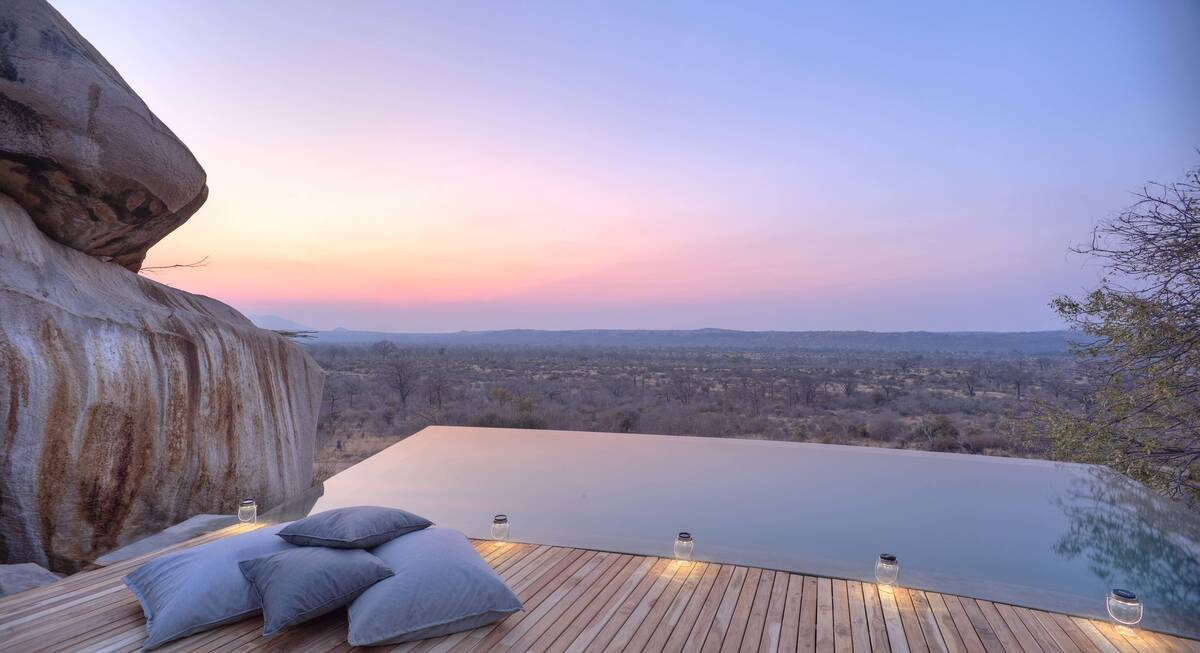
Marabou Stork Fly-in Safari
13 days • 5 locations
KILIMANJARO AIRPORT TO DAR ES SALAAM AIRPORT
Four luxurious camps enable exploration of Tanzania’s north and southern regions. With a range of land- and water-based activities available throughout, decidedly comfortable accommodation and applicable long-stay discounts, this adventurous safari is excellent value.
US$16,050 - US$23,210 per person
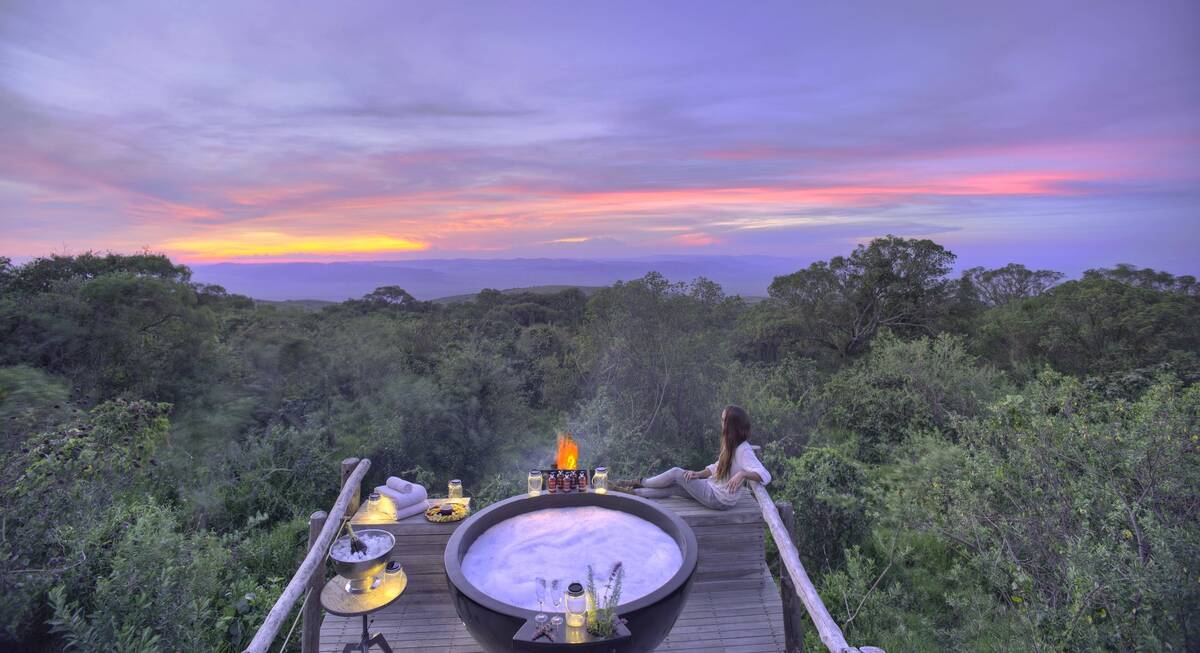
Flufftail Guided Safari
10 days • 3 locations
KILIMANJARO AIRPORT TO KILIMANJARO AIRPORT
Stay in three unique camps as you safari across the Ngorongoro Crater and the iconic Serengeti Plains with your private guide and 4WD vehicle: a trip of comfort and autonomy, with excellent wildlife.
US$11,410 - US$16,860 per person
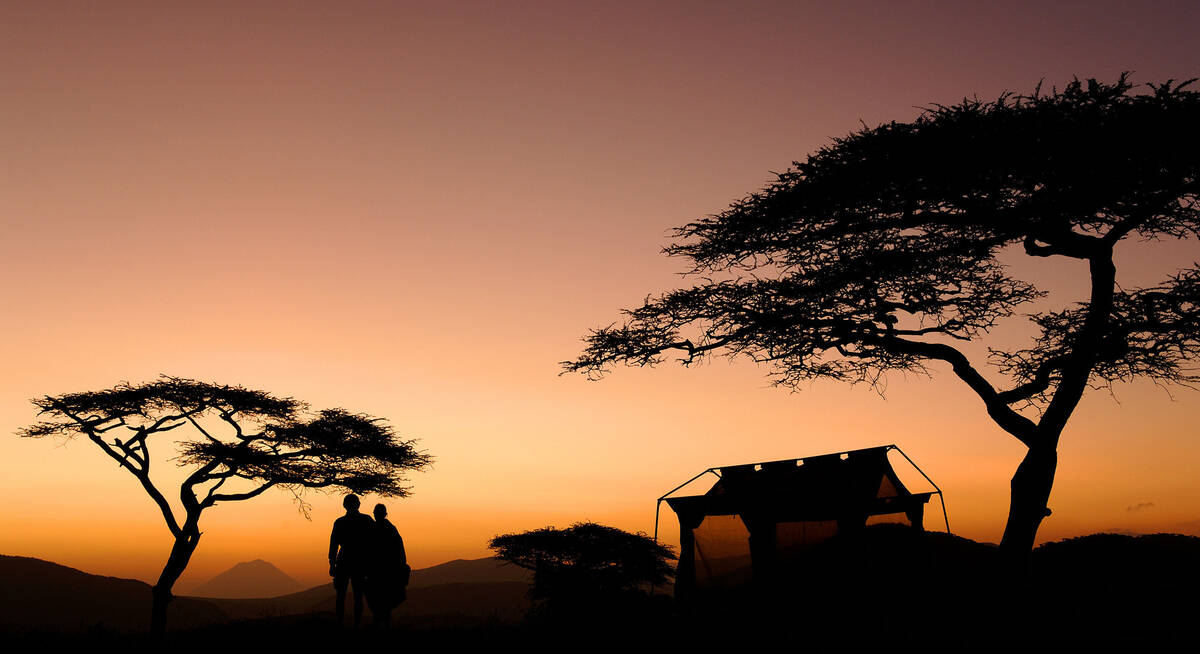
Firefinch Drive-Fly Safari
9 days • 3 locations
KILIMANJARO AIRPORT TO KILIMANJARO AIRPORT
Enjoy a combination of privately guided and shared game drives during this good-value exploration of northern Tanzania. Explore game-dense regions from three comfortable bases which offer a variety of activities.
US$7,440 - US$10,740 per person
Jackal Fly-in Safari
8 days • 2 locations
DAR ES SALAAM AIRPORT TO DAR ES SALAAM AIRPORT
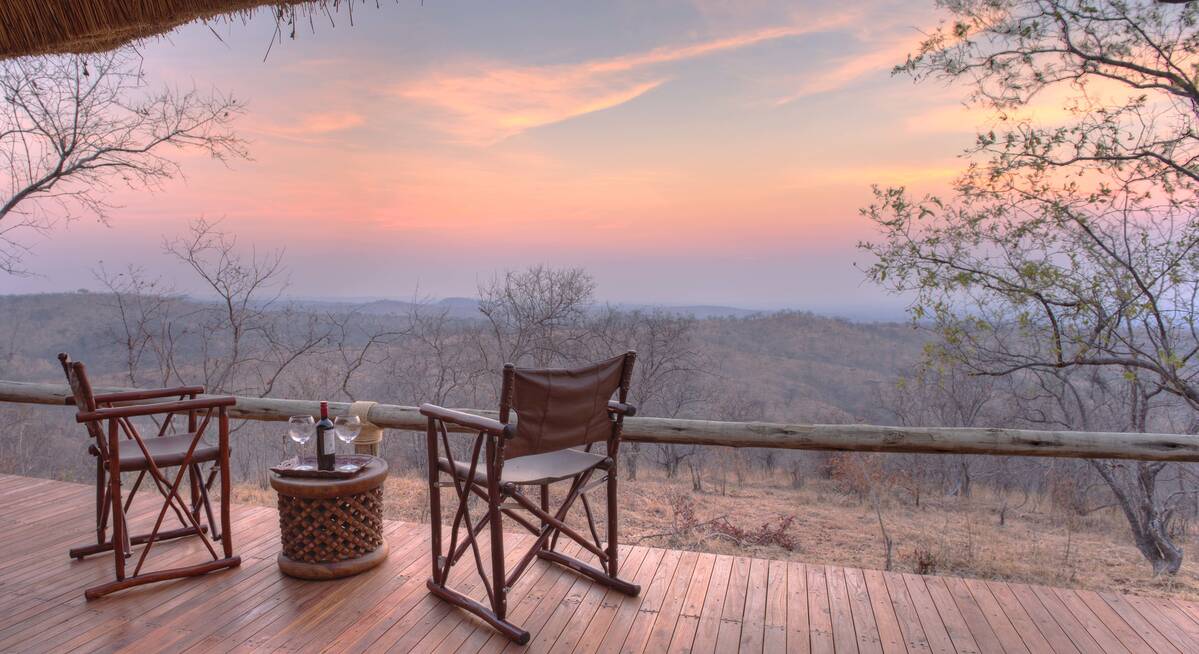
Enjoy a range of activities on this luxury fly-in safari. Explore the remoter regions of Ruaha National Park and Nyerere National Park with phenomenal guides during stays at two impressively comfortable camps that remain perfectly in keeping with their surroundings.
US$7,740 - US$9,960 per person
Chimpanzee Fly-in Safari
8 days • 3 locations
KILIMANJARO AIRPORT TO KILIMANJARO AIRPORT
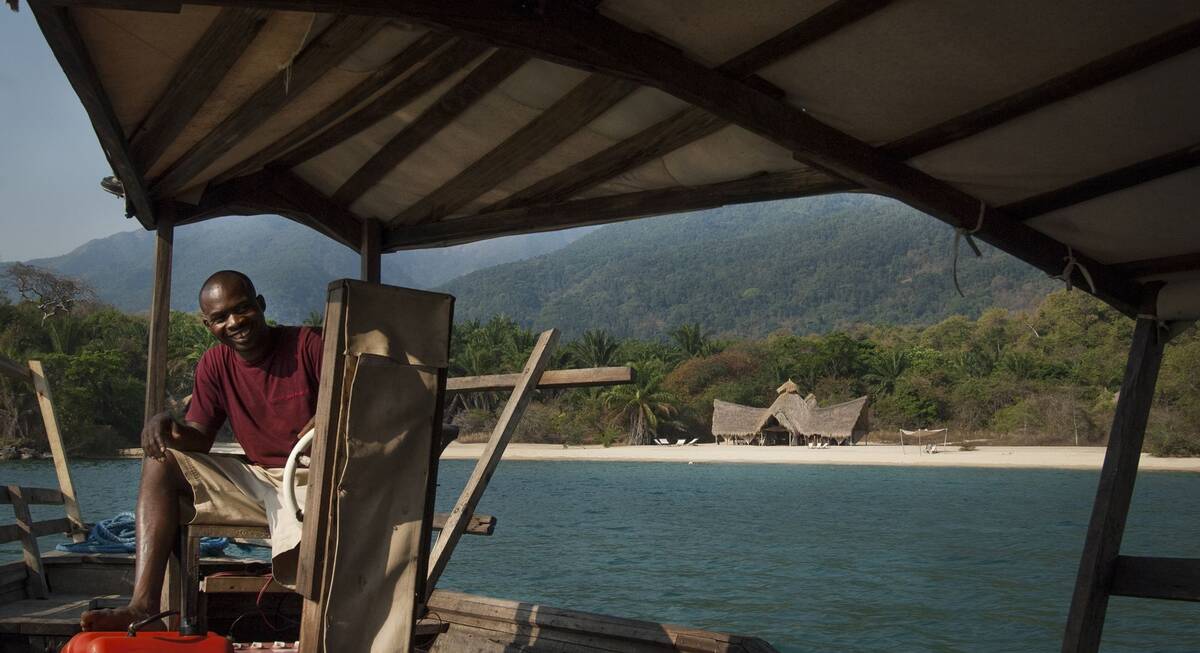
Combining two of the remotest parks in Tanzania, this safari can deliver extraordinary wildlife viewing in Katavi, and East Africa's best chimp treks, on the shores of Lake Tanganyika.
US$10,130 - US$14,810 per person
Tinkerbird Fly-in Safari
8 days • 4 locations
KILIMANJARO AIRPORT TO KILIMANJARO AIRPORT
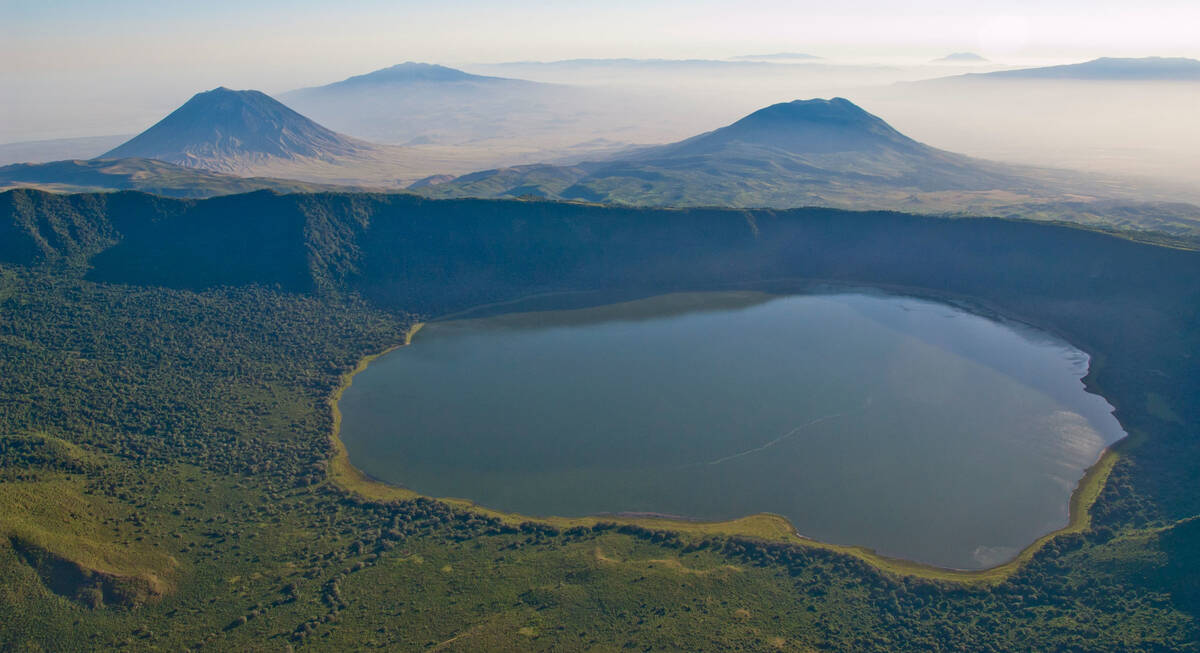
Explore Tanzania’s famous northern circuit in Tarangire National Park, the Ngorongoro Conservation Area and the Serengeti National Park. Four smart sister camps offer a high level of care, first-class guiding and a wide range of activities.
US$10,340 - US$15,100 per person
Secretary Bird Fly-in Safari
8 days • 4 locations
KILIMANJARO AIRPORT TO KILIMANJARO AIRPORT
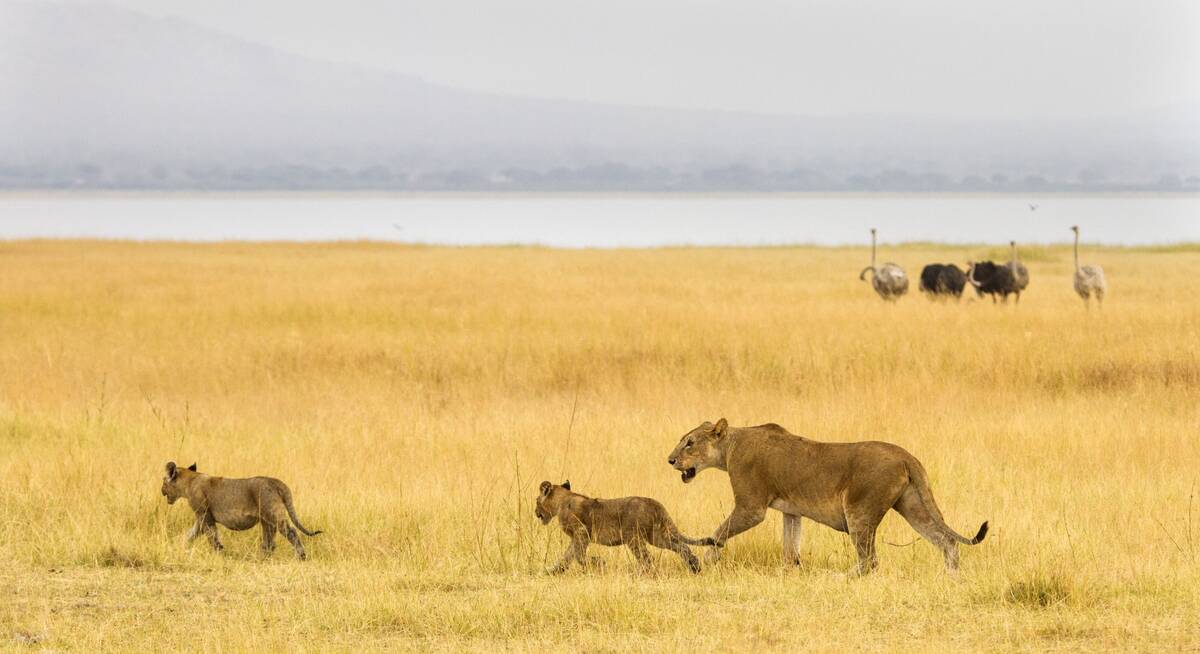
Chosen for comfort and relaxation as much as for its range of activities, this safari makes for a leisurely trip featuring stunning accommodation and swift access to many of northern Tanzania’s best wildlife regions.
US$12,110 - US$16,740 per person
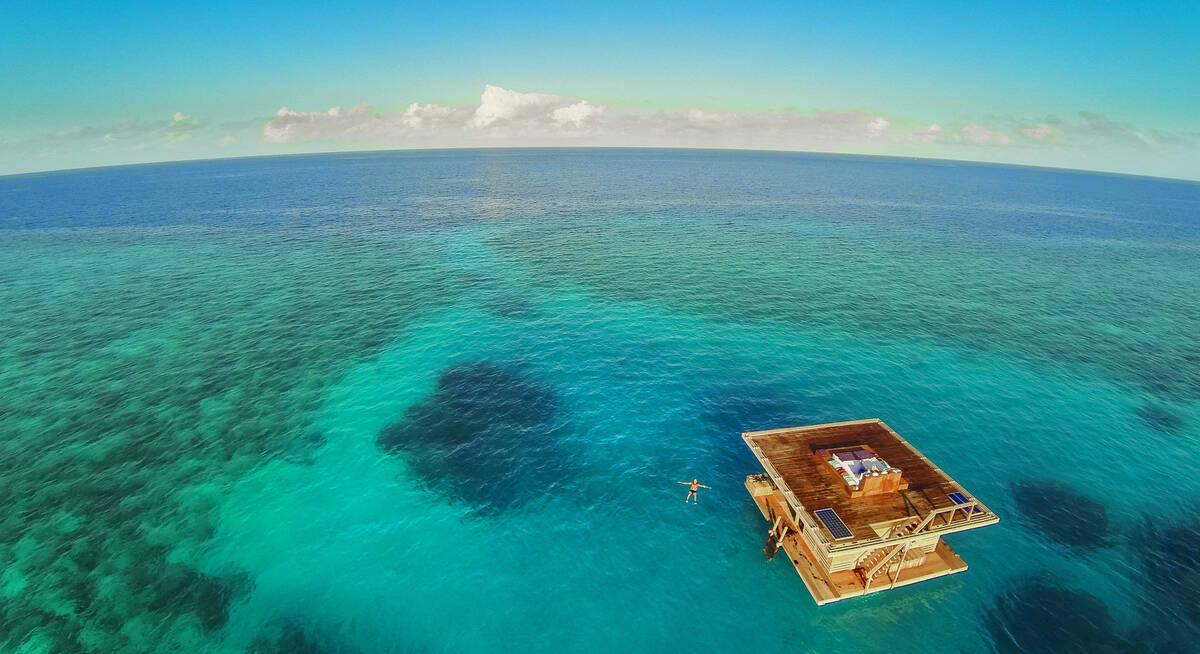
Jasmine Beach Holiday
8 days • 1 locations
DAR ES SALAAM AIRPORT TO DAR ES SALAAM AIRPORT
Relax on Pemba Island’s Manta Resort, a laidback and remote beach retreat with superb views. Enjoy a range of land- and water-based activities, and spend a night in the unique underwater bedroom for a truly special experience.
US$2,710 - US$4,100 per person
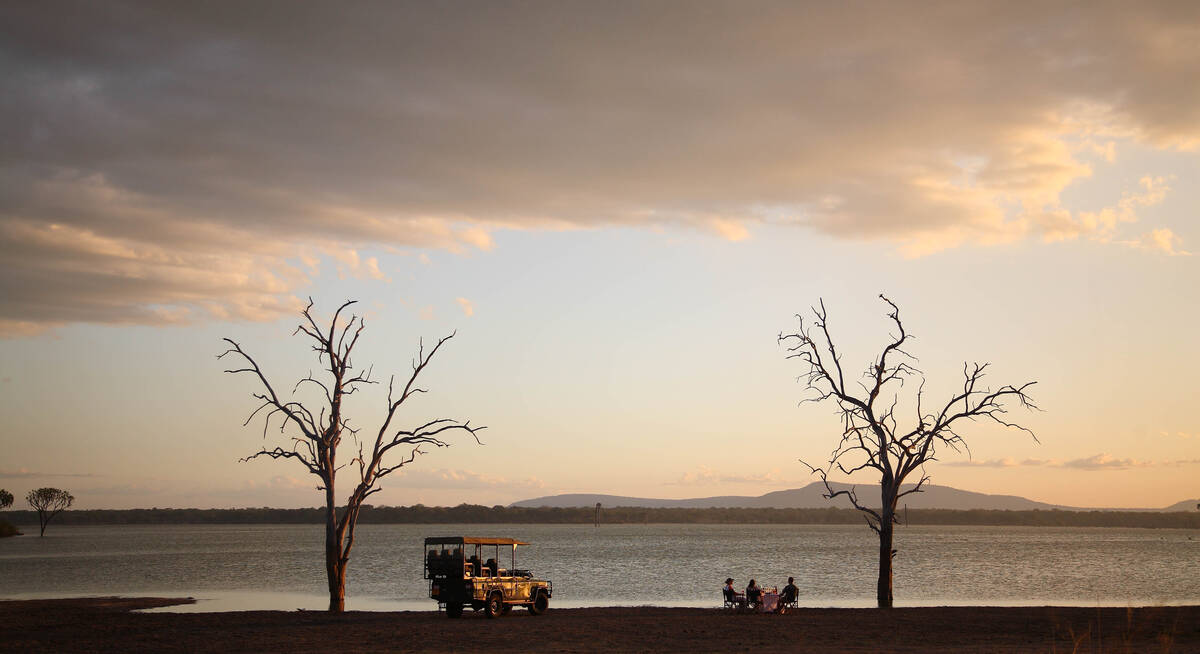
Topi Fly-in Safari
7 days • 2 locations
DAR ES SALAAM AIRPORT TO DAR ES SALAAM AIRPORT
Explore Nyerere National Park and Ruaha National Park from two luxurious, colonially styled camps. Chosen for their access to good game viewing and thrilling remoteness, these camps also offer a range of varied safari activities.
US$6,540 - US$6,870 per person
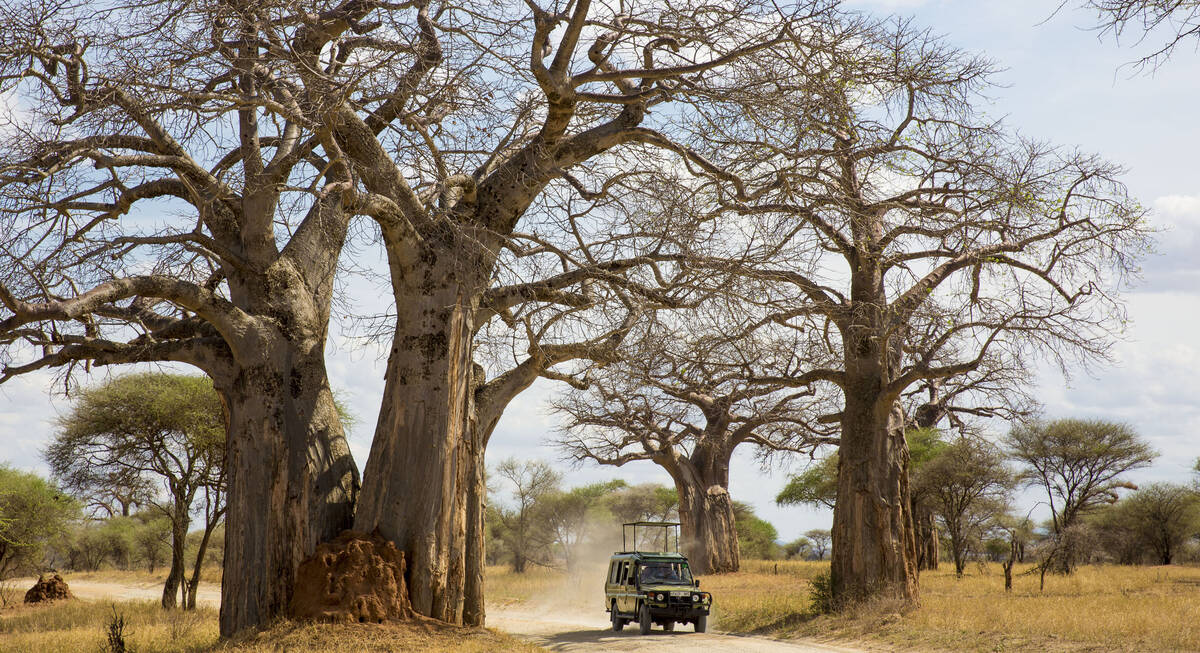
Yellow Baboon Fly-In Safari
7 days • 2 locations
DAR ES SALAAM AIRPORT TO DAR ES SALAAM AIRPORT
Two authentic bushcamps offer access to Ruaha’s remote wildernesses through walking safaris, day and night 4WD drives and fly-camping. Explore in almost utter isolation, with superb guiding to heighten your immersion in nature.
US$7,950 - US$9,220 per person
