
Serengeti Migration Area
Serengeti Migration Area
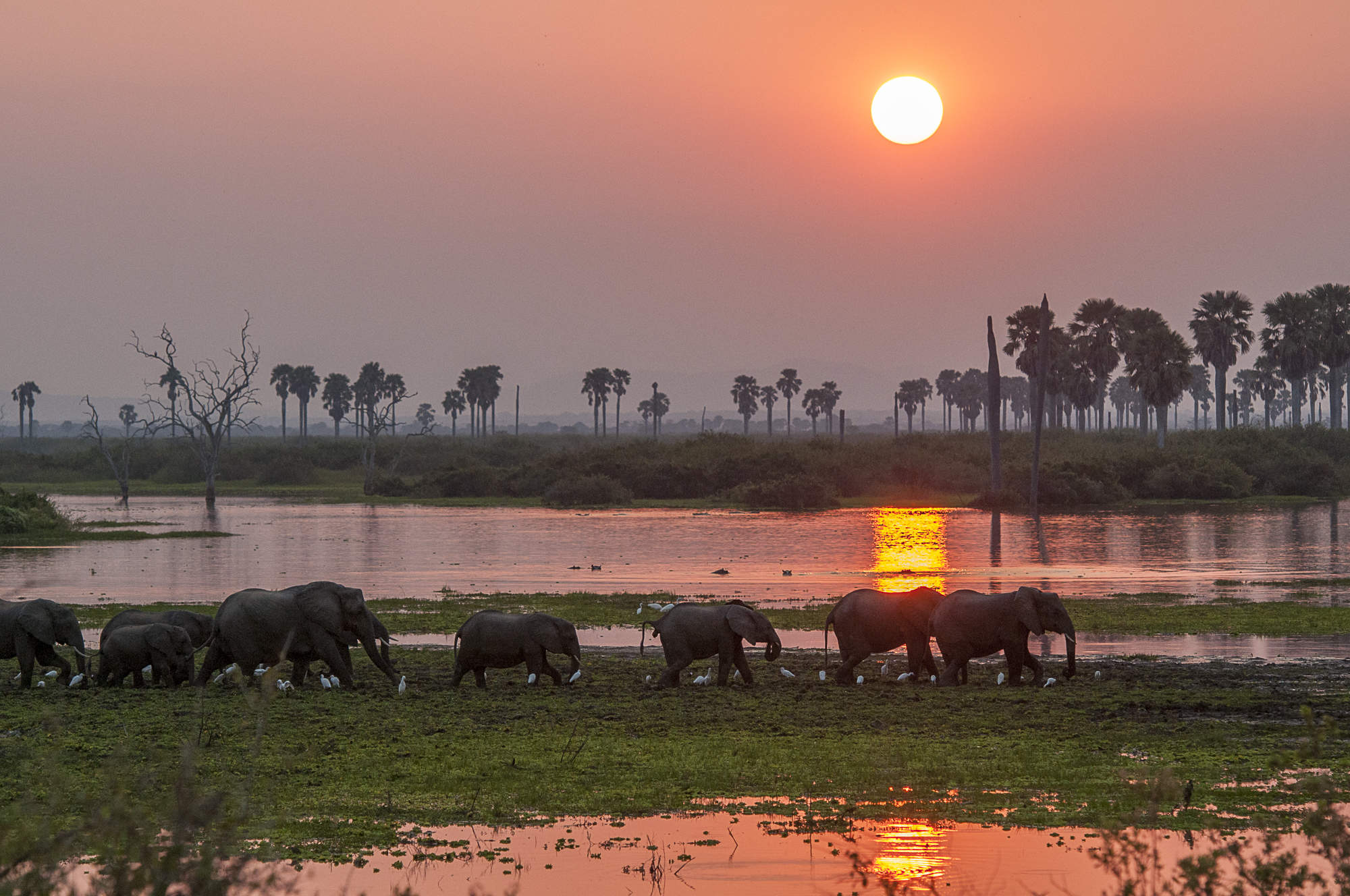
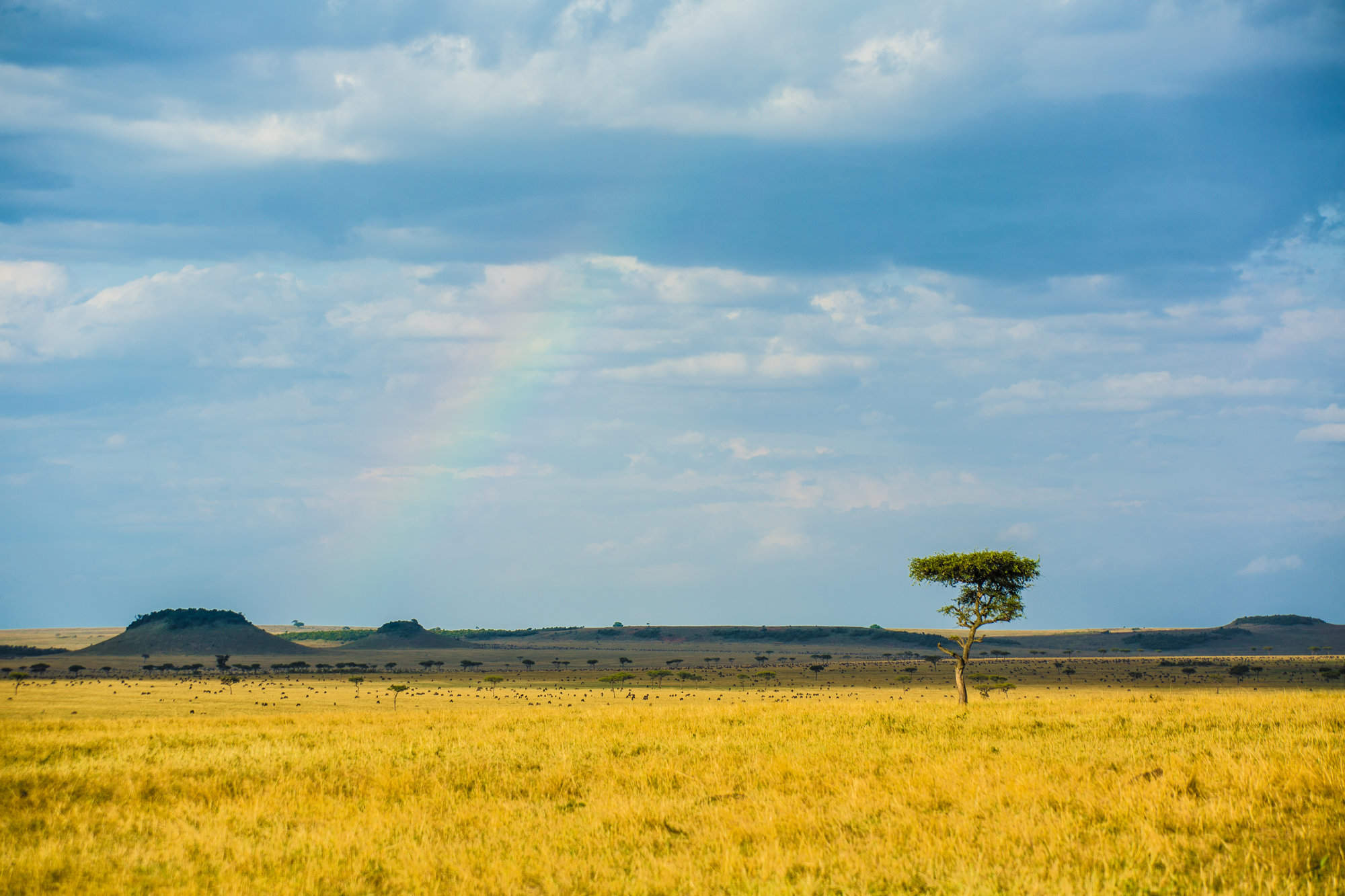
The Serengeti's endless, open plains, scattered with rocky kopjes, are home to astonishing quantities of wildlife.
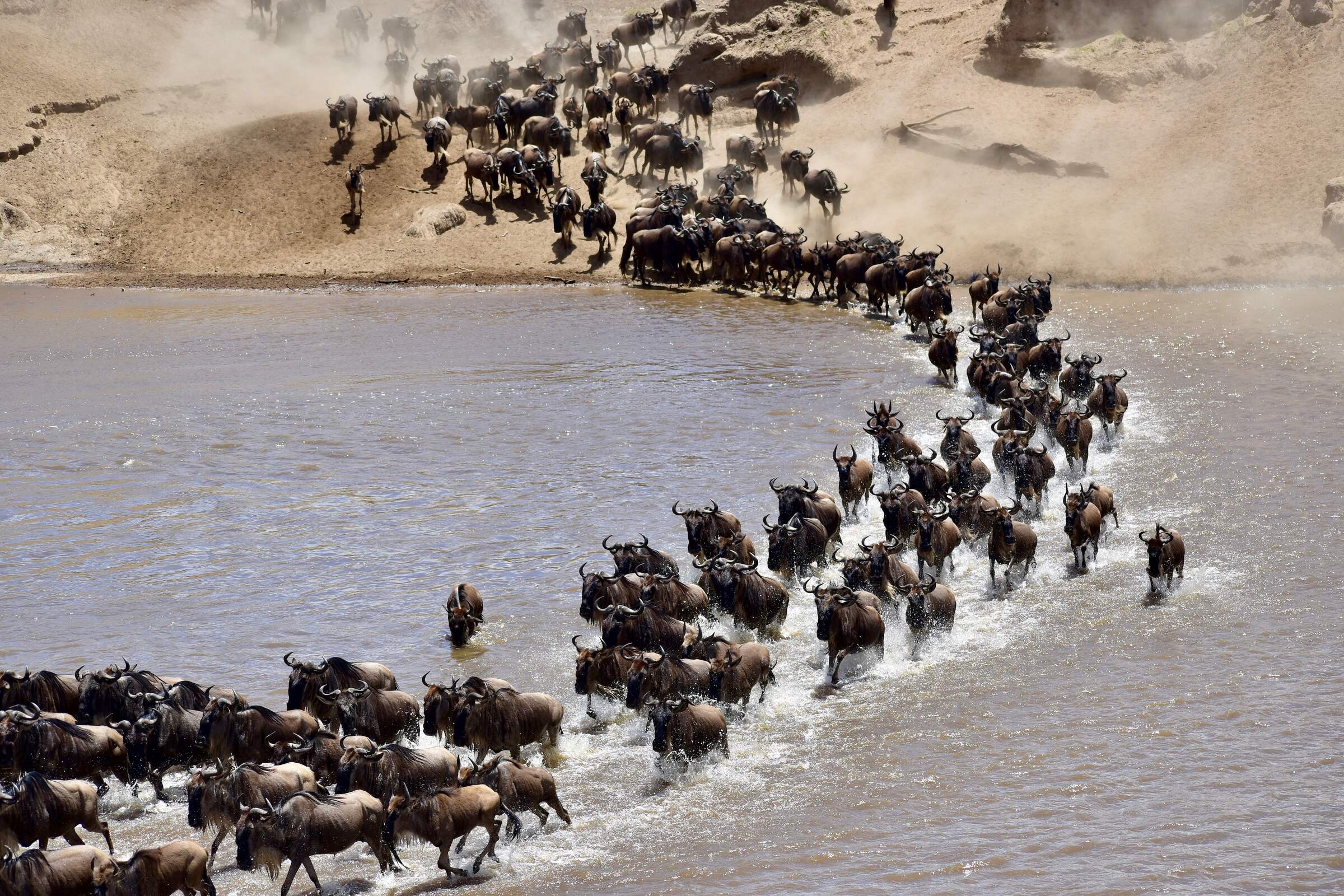
The vast and beautiful Serengeti is one of Africa's most awe-inspiring safari areas. The sheer volume of animals here is extraordinary: estimates suggest around one million wildebeest, hundreds of thousands of zebra and Thomson's gazelle, and tens of thousands of impala, Grant's gazelle, topi, hartebeest, eland and other antelopes live here – all hunted by the predators for which these plains are famous.
Some of these animals resides permanently in home areas, which are excellent for safaris all year round. But most of the wildebeest and good numbers of other species are permananently on the move in the 'Great Migration' – a remarkable spectacle that is one of the greatest wildlife shows on earth. If you plan carefully, it's still possible to witness this in wild and remote areas without too many fellow enthusiasts crowding the scene.

Choosing a safari in the Serengeti
A safari to the Serengeti often includes other regions of Tanzania and can even include neighbouring countries such as Kenya or Rwanda.
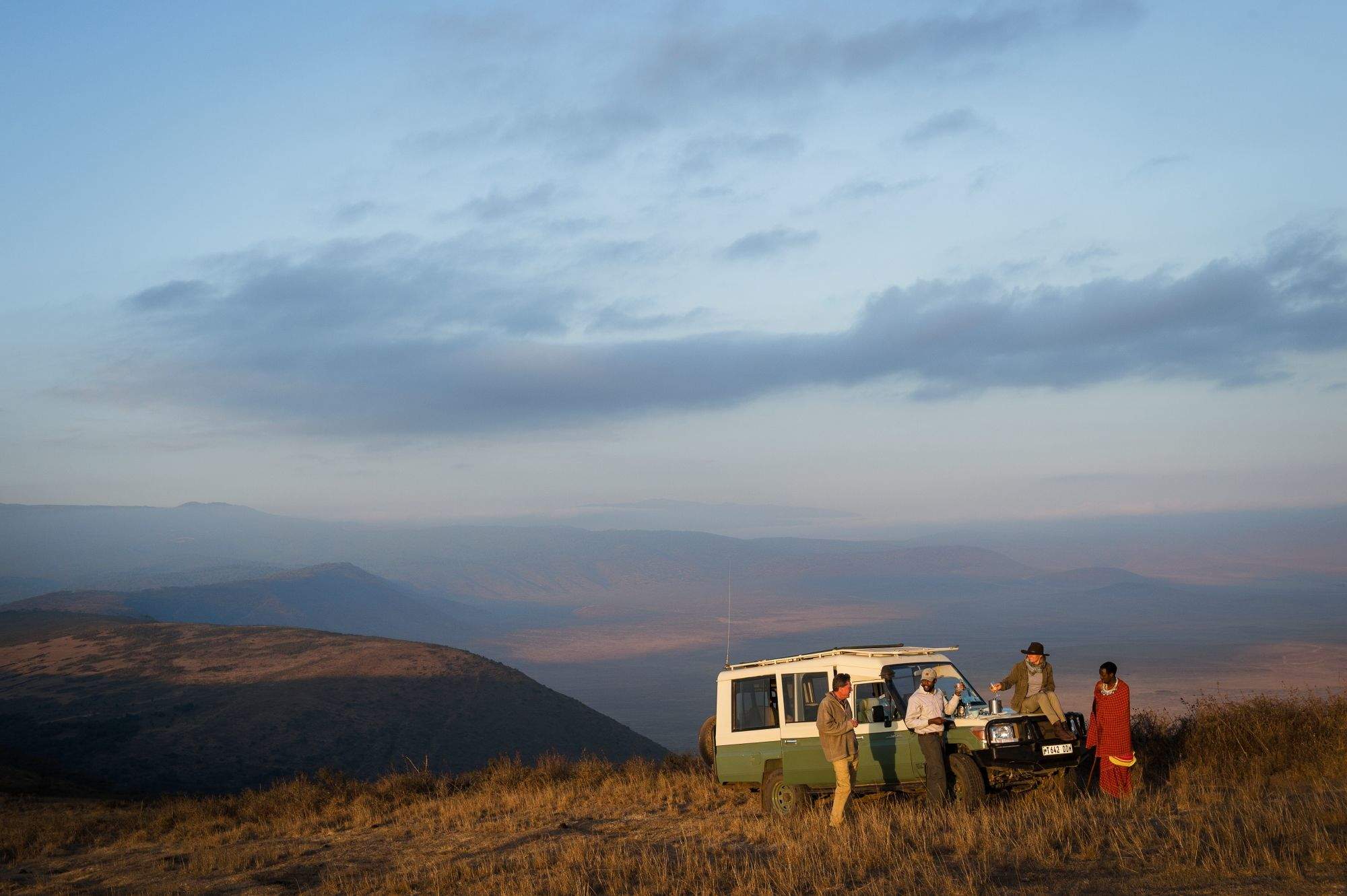
Many of Expert Africa's travellers will include the Ngorongoro Highlands on their trips, visiting the awe-inspiring Ngorongoro Crater before or after exploring the Serengeti. A little further south, the magical swamps and woodland of Tarangire National Park are much less known and comparatively little visited, and deliver outstanding wildlife rewards.
All our trips are custom-made. Contact us and we'll help create a safari that perfectly fits your preferences.
Flufftail Guided Safari
10 days • 3 locations
KILIMANJARO AIRPORT TO KILIMANJARO AIRPORT
Stay in three unique camps as you safari across the Ngorongoro Crater and the iconic Serengeti Plains with your private guide and 4WD vehicle: a trip of comfort and autonomy, with excellent wildlife.
US$12,990 - US$18,900 per person
Martial Eagle Fly-in Safari
9 days • 3 locations
NAIROBI AIRPORT TO KILIMANJARO AIRPORT
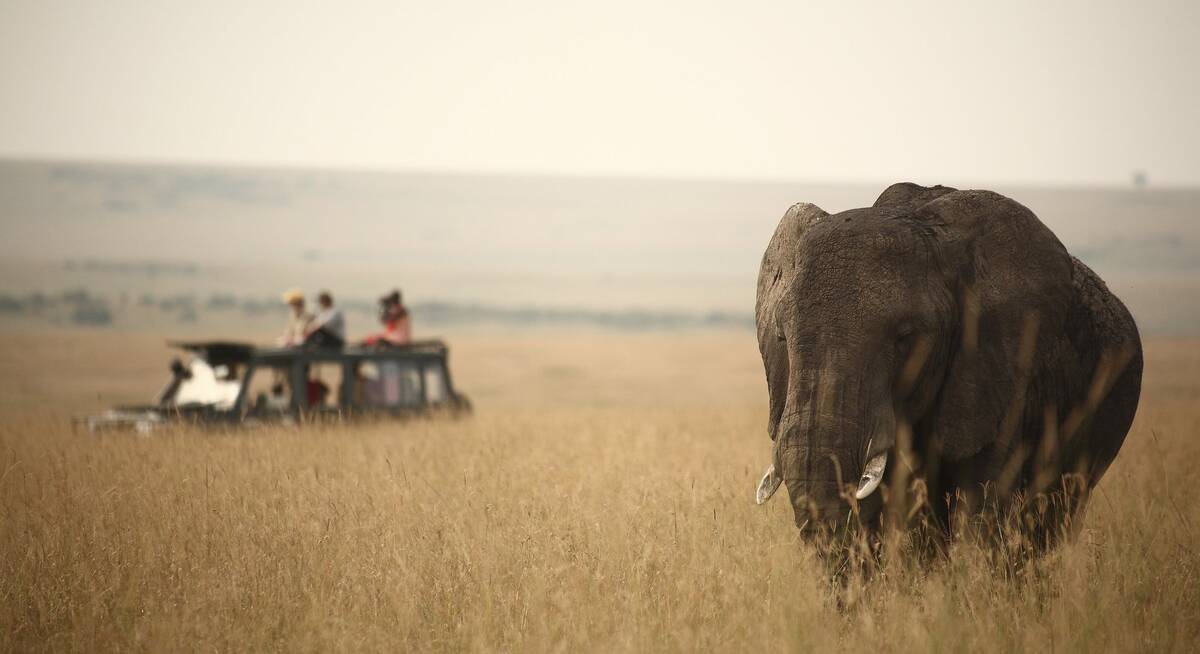
This stylish fly-in safari visits two of Africa’s most iconic parks, the Maasai Mara National Reserve in Kenya and Tanzania's Serengeti National Park.
US$12,720 - US$17,740 per person
Tinkerbird Fly-in Safari
8 days • 4 locations
KILIMANJARO AIRPORT TO KILIMANJARO AIRPORT
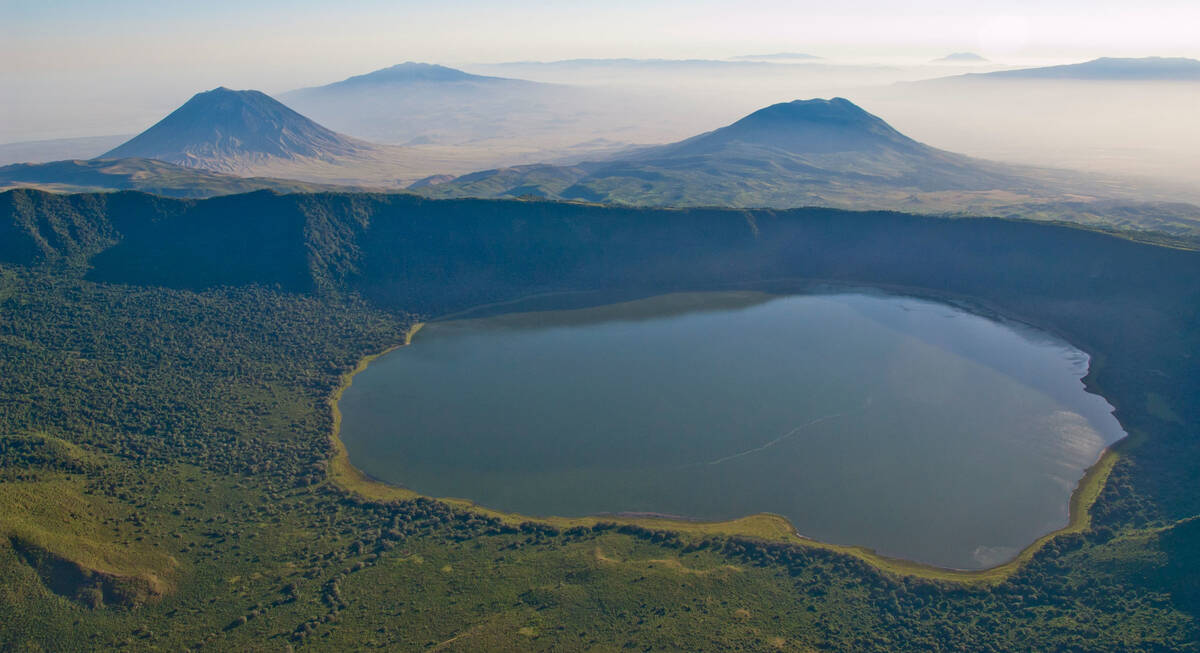
Explore Tanzania’s famous northern circuit in Tarangire National Park, the Ngorongoro Conservation Area and the Serengeti National Park. Four smart sister camps offer a high level of care, first-class guiding and a wide range of activities.
US$10,410 - US$14,140 per person

Gorillas and Migration Safari
9 days • 3 locations
KIGALI AIRPORT TO KILIMANJARO AIRPORT
This luxury safari combines two iconic wildlife experiences: trekking to see the mountain gorillas in Rwanda, then flying to the northern Serengeti in search of the wildebeest migration and spectacular river crossings.
US$19,360 - US$25,280 per person

Gorillas and Serengeti Safari
11 days • 4 locations
KIGALI AIRPORT TO KILIMANJARO AIRPORT
Combine three iconic experiences – mountain gorillas in Rwanda, and the Serengeti plains and awe-inspiring Ngorongoro Crater in Tanzania.
US$14,370 - US$15,540 per person
Firefinch Drive-Fly Safari
9 days • 3 locations
KILIMANJARO AIRPORT TO KILIMANJARO AIRPORT
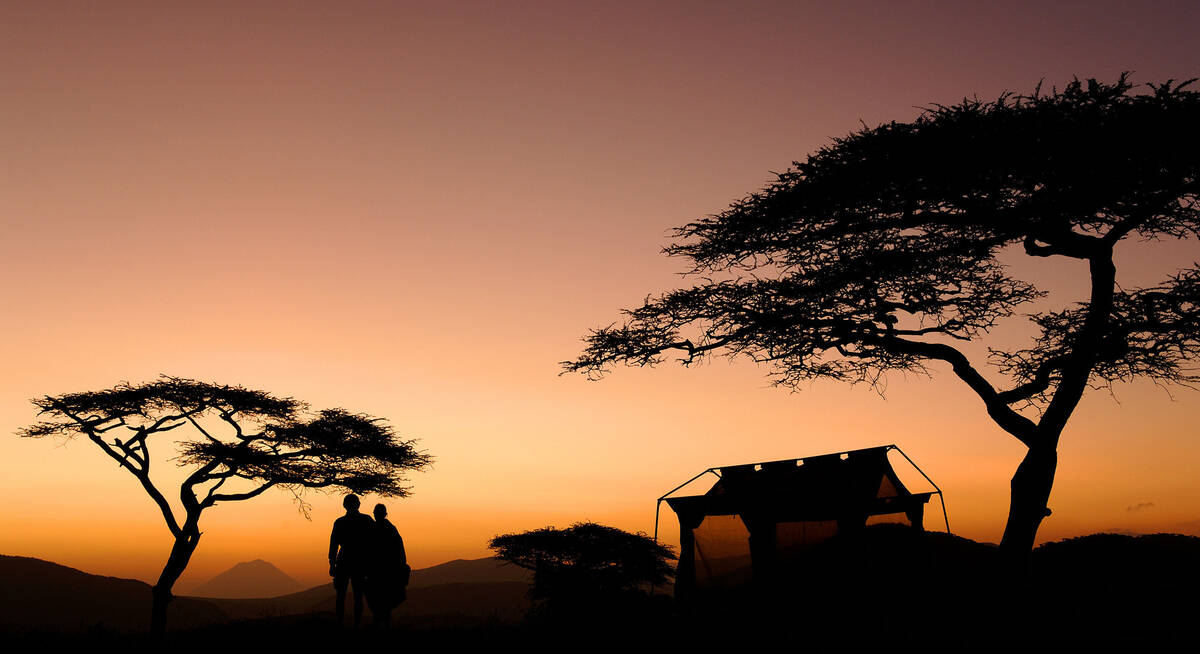
Enjoy a combination of privately guided and shared game drives during this good-value exploration of northern Tanzania. Explore game-dense regions from three comfortable bases which offer a variety of activities.
US$7,720 - US$14,200 per person
Fringe-eared Oryx Fly-in Safari
7 days • 3 locations
KILIMANJARO AIRPORT TO KILIMANJARO AIRPORT
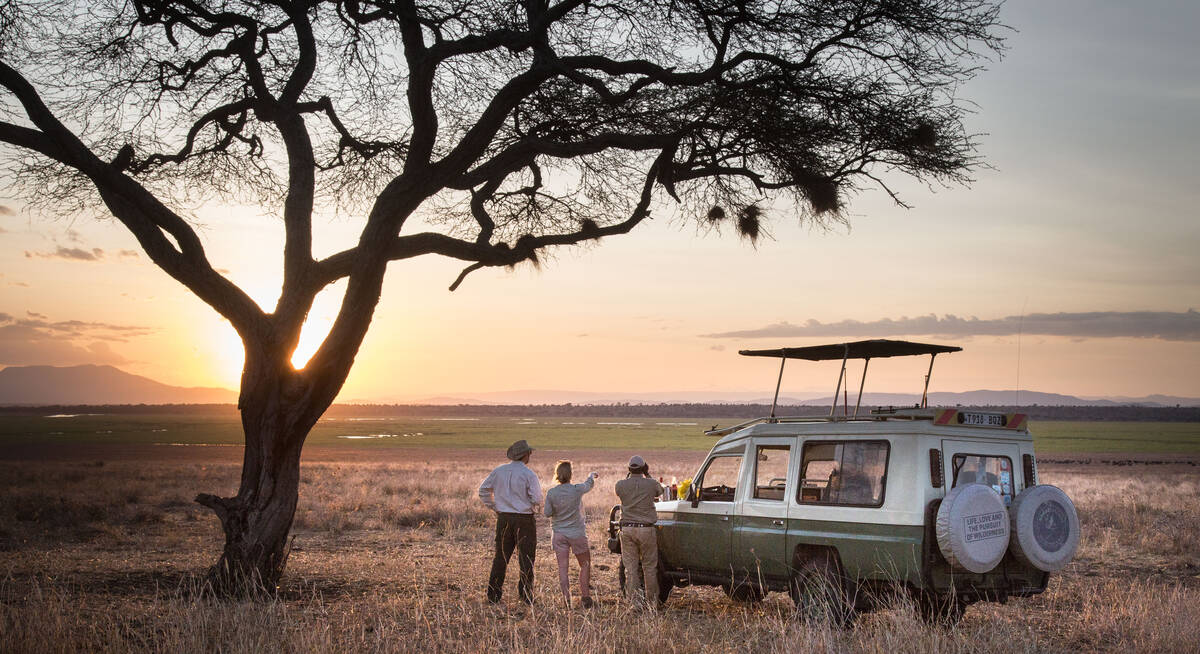
Stay in three superbly positioned camps during this exploration of Tanzania’s famous northern circuit. Excellent views over the surrounding areas, relatively remote locations and game-rich habitat make for an exciting and varied safari experience.
US$7,300 - US$14,860 per person

Regal Sunbird Fly-in Safari
12 days • 5 locations
KILIMANJARO AIRPORT TO DAR ES SALAAM AIRPORT
Experience the highlights of Tanzania with a safari in the country’s famous northern parks followed by historic Stone Town and the palm-fringed beaches of Zanzibar, staying in high-quality accommodation throughout.
US$10,570 - US$16,370 per person
Most recent reviews of our safaris to Serengeti
Click below to browse all 400 reviews from Serengeti Migration Area. All from our travellers; all are in full & unedited.
Where to stay in the Serengeti
Our Tanzania team at Expert Africa have been visiting the safari camps of the Serengeti for two decades, yet every visit surprises us and we’re always ready to advise you. Very often, the choice of which camp you choose will come down to season: perhaps the southern Serengeti in the wildebeest calving season, or the northern Serengeti when the migration is crossing the Mara River.
Other factors also come into play. There’s great year-round wildlife in the central, Seronera region of the park, and good choices there for a range of budgets, while the eastern Serengeti has some remote camps that can offer spectacular big cat sightings.
Whatever your priorities, we’ll guide you with all our knowledge and experience.
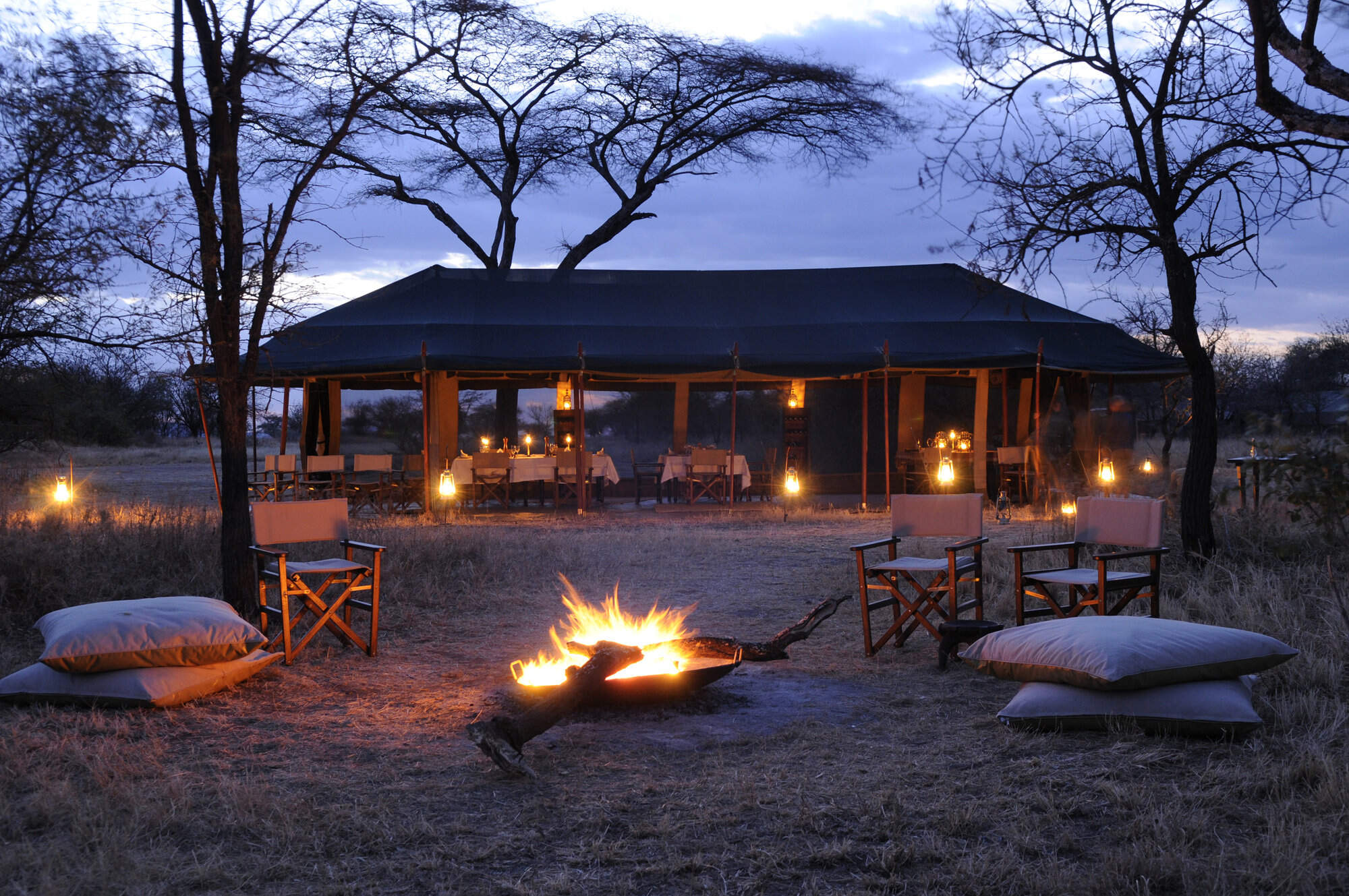
Olakira Camp
Comfortable, friendly and relaxed, Olakira Camp moves between the Mara River and the southern Ndutu area, in line with the wildebeest migration.
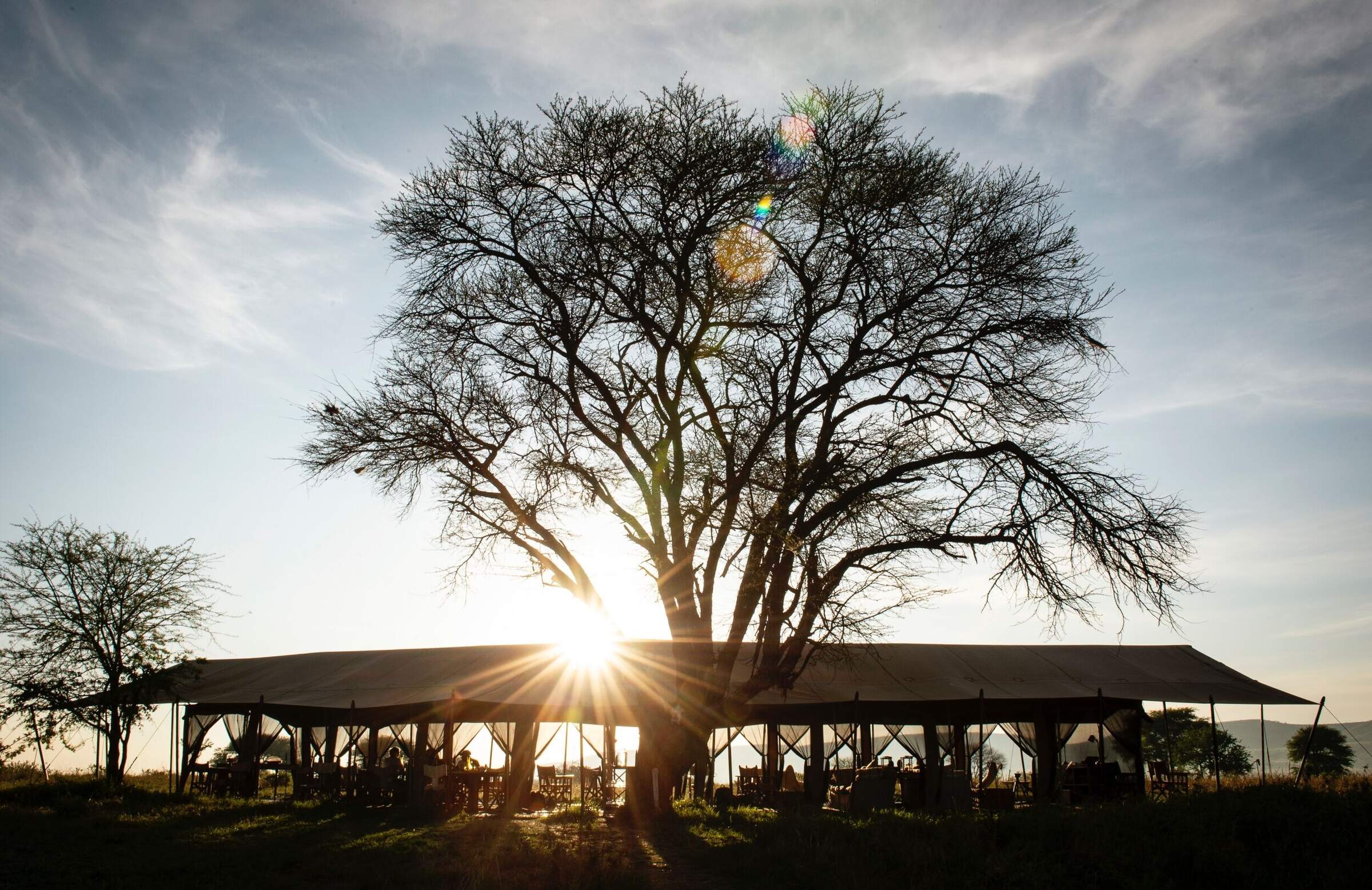
Nomad Serengeti Camp
Serengeti Safari Camp is a well-appointed tented camp that moves several times a year to follow the predicted path of the migration.
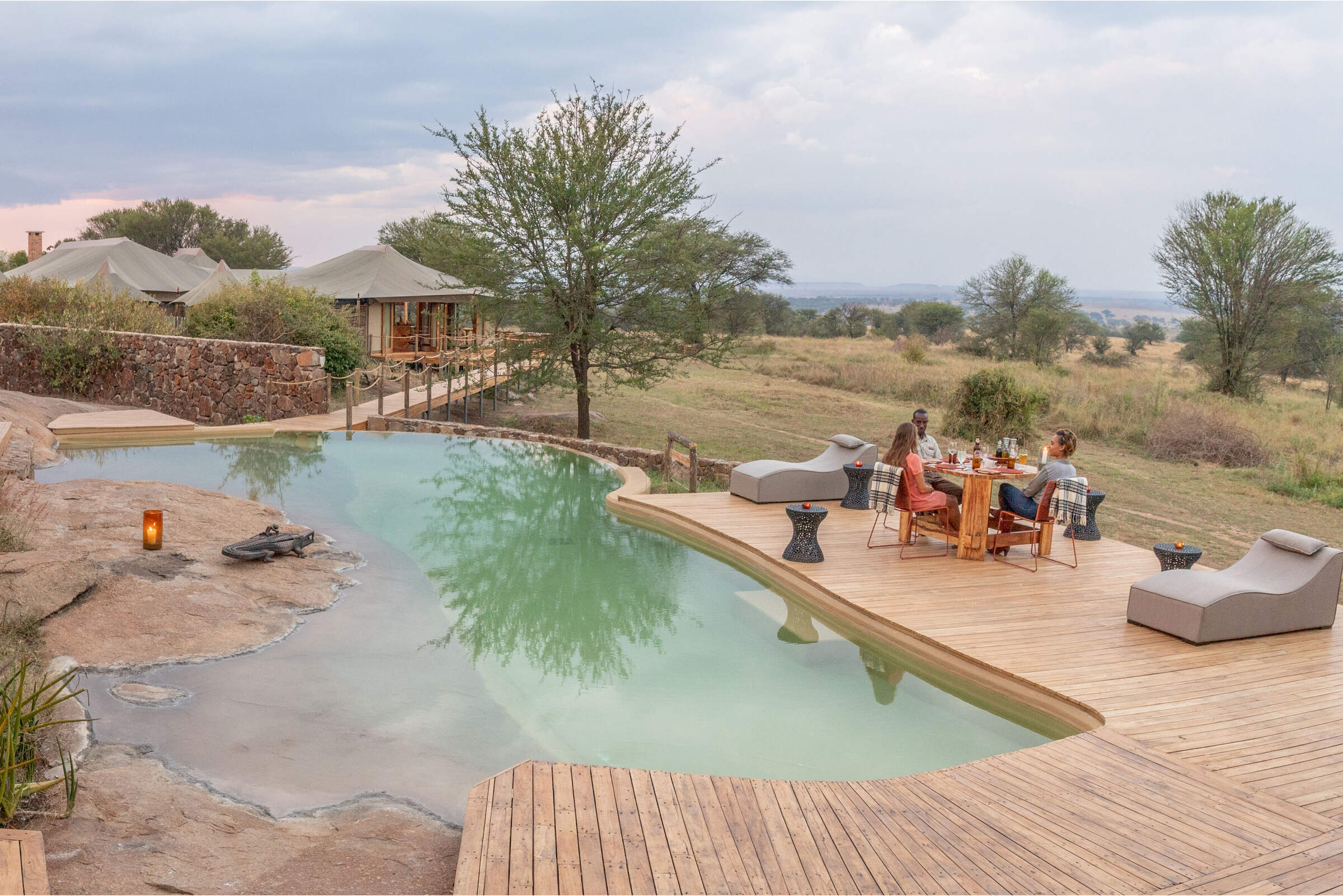
Sayari Camp
In the northern Serengeti, near the Mara River, luxurious Sayari Camp offers excellent wildife all year – boosted further by the wildebeest migration.
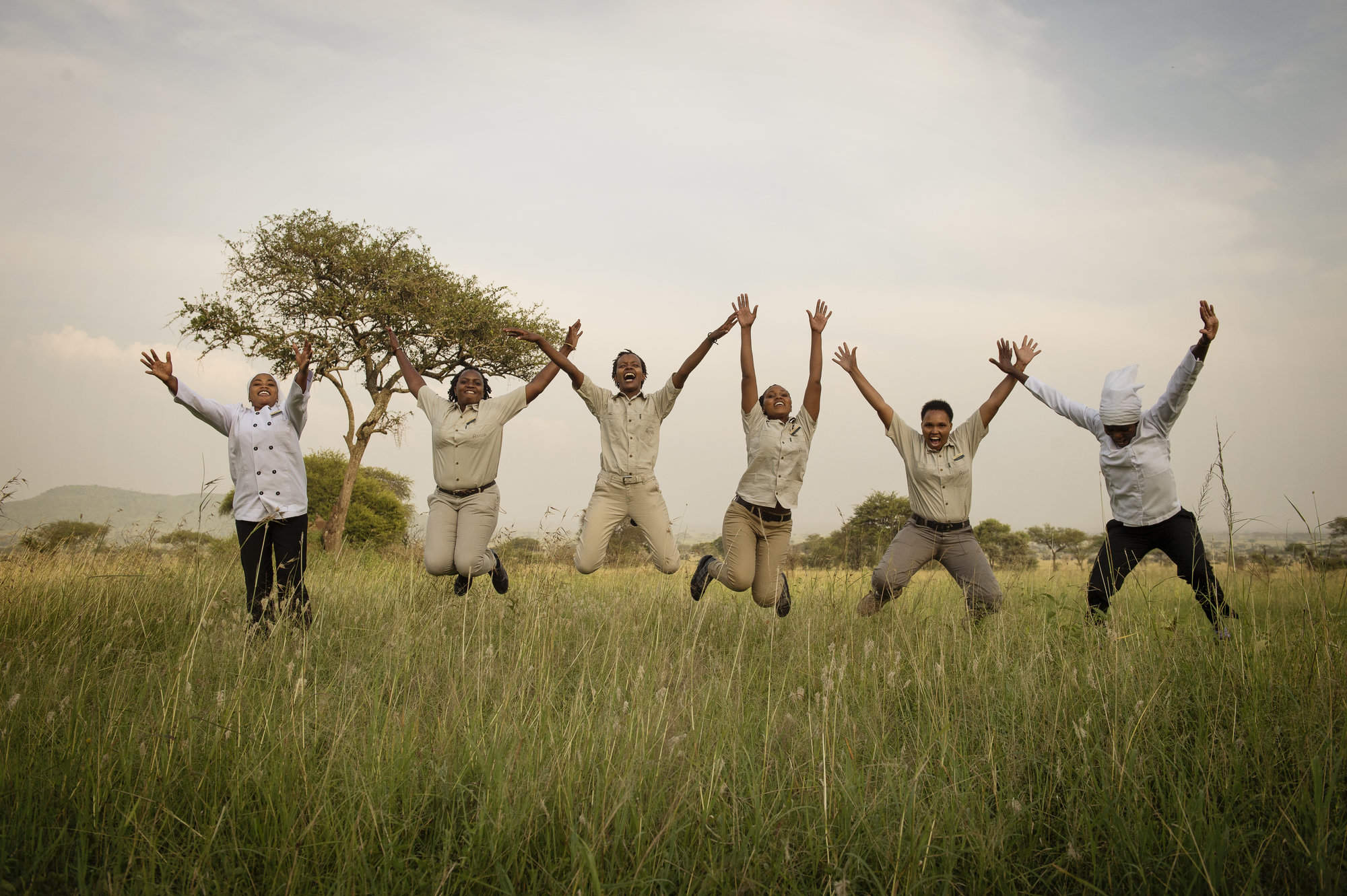
Dunia Camp
Dunia Camp is well located for the migration from December to March, and has excellent game viewing for the rest of the year.
Namiri Plains Camp
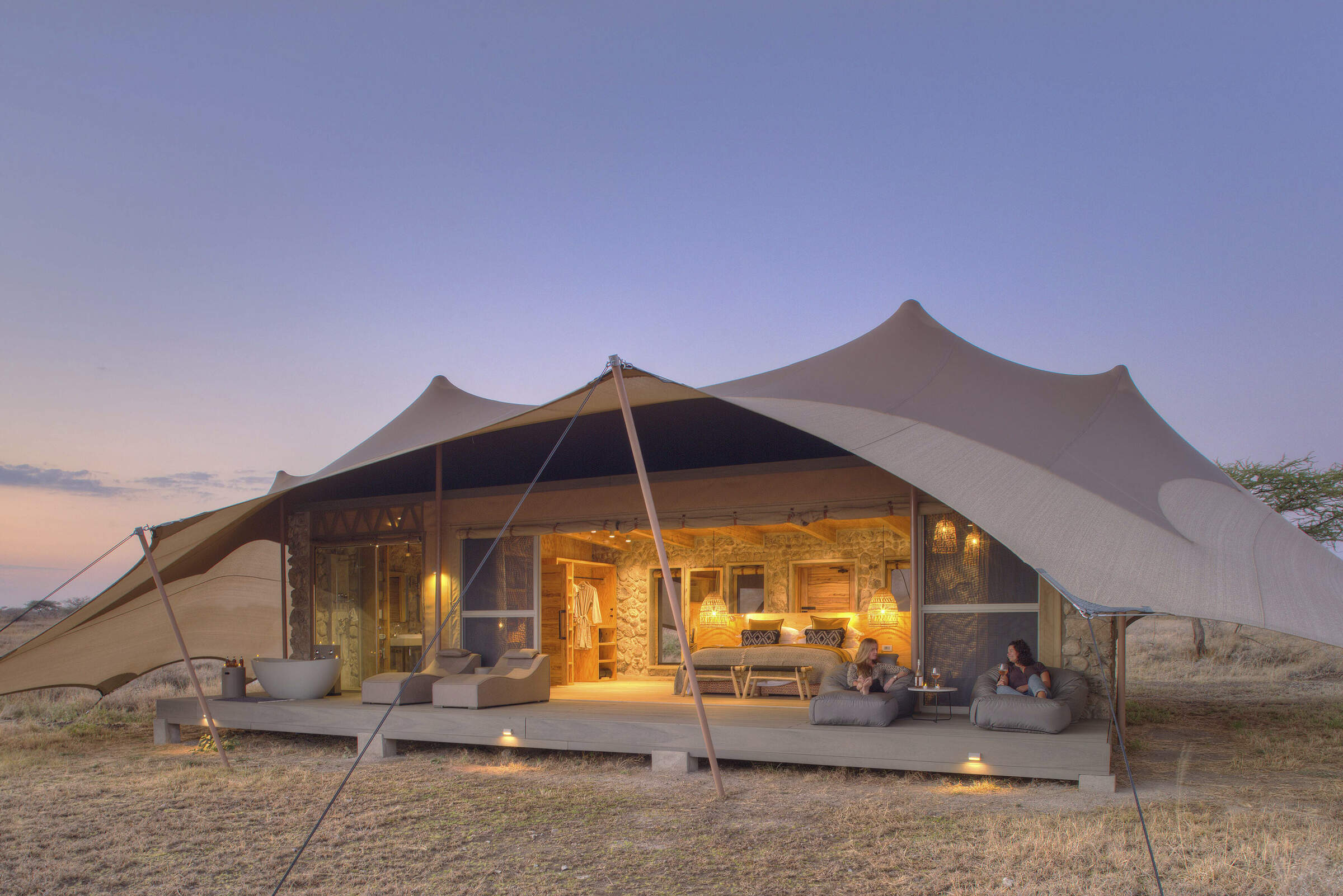
Namiri Plains is one of the best camps in the Serengeti and its remoteness ensures a fantastic wildlife experience away from the crowds.
Lamai Serengeti
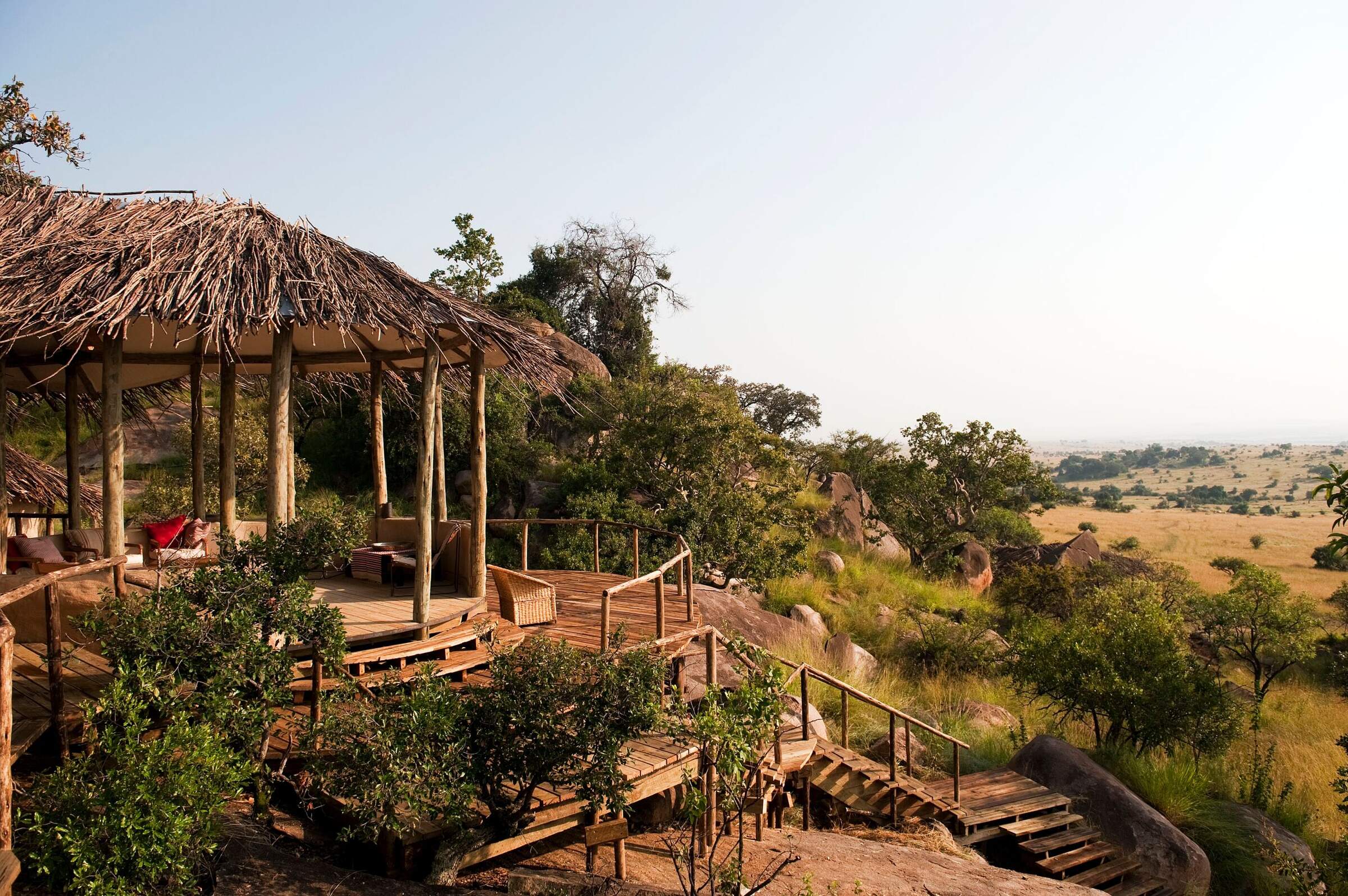
Set high in the kopjes with fantastic views, Lamai Serengeti offers top service and guiding and good migration sightings from Jul-Oct.
Ubuntu Camp
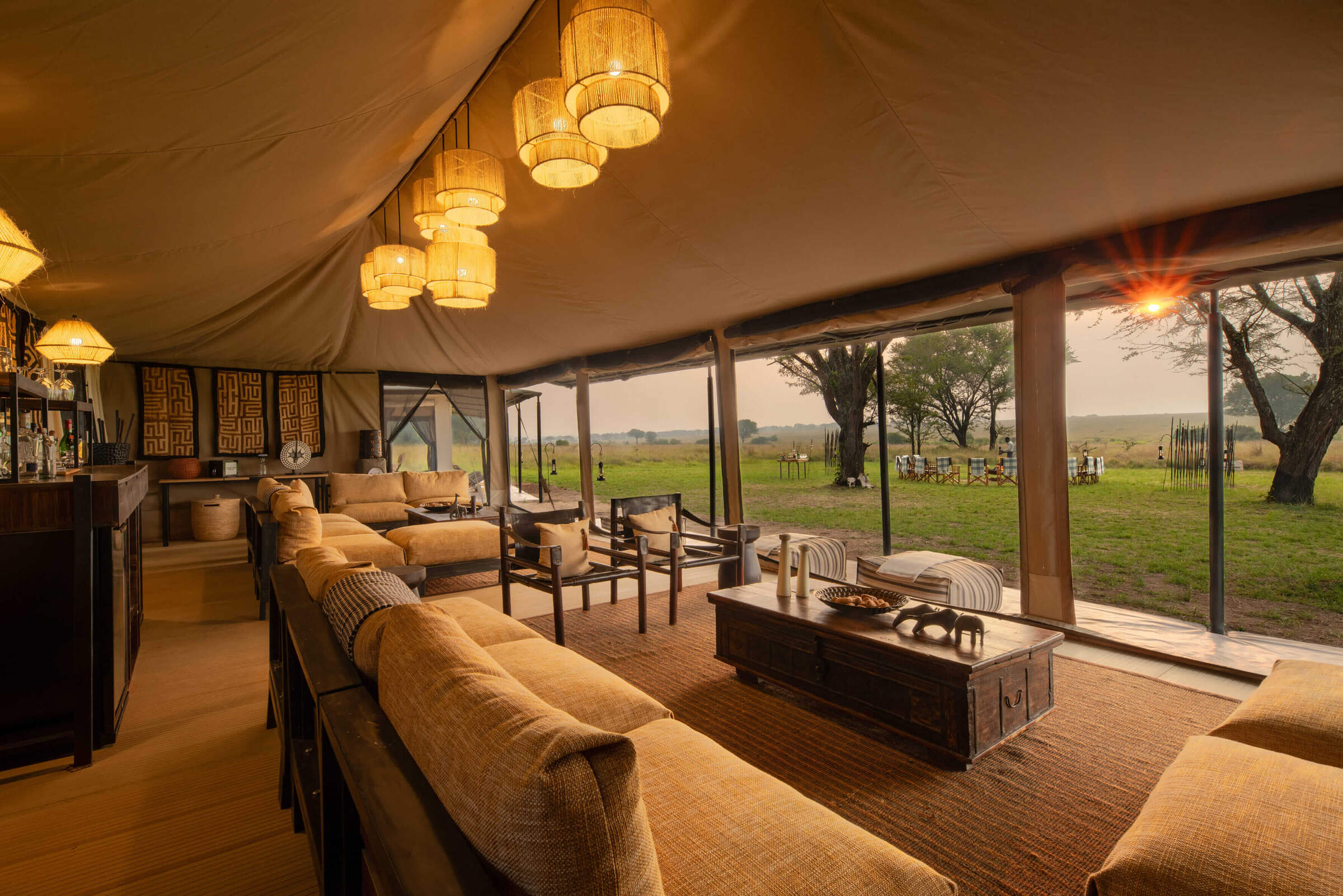
Ubuntu Camp has several locations in the Serengeti, following the wildebeest migration, so it is often in a great location to see the herds.
Kati Kati Camp
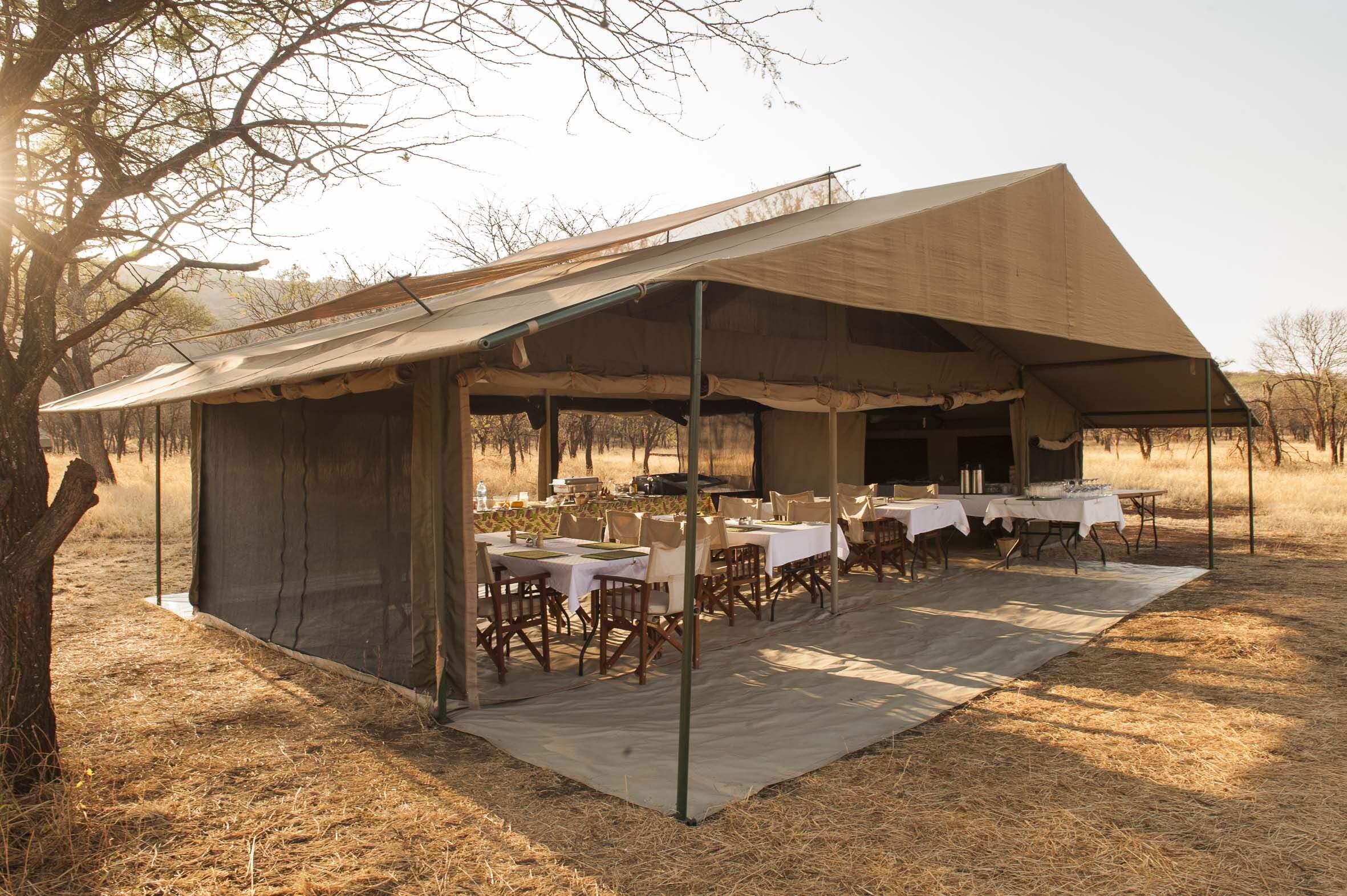
Kati Kati is a small, very simple bushcamp, which is well-positioned to explore the wildlife-rich Seronera area.
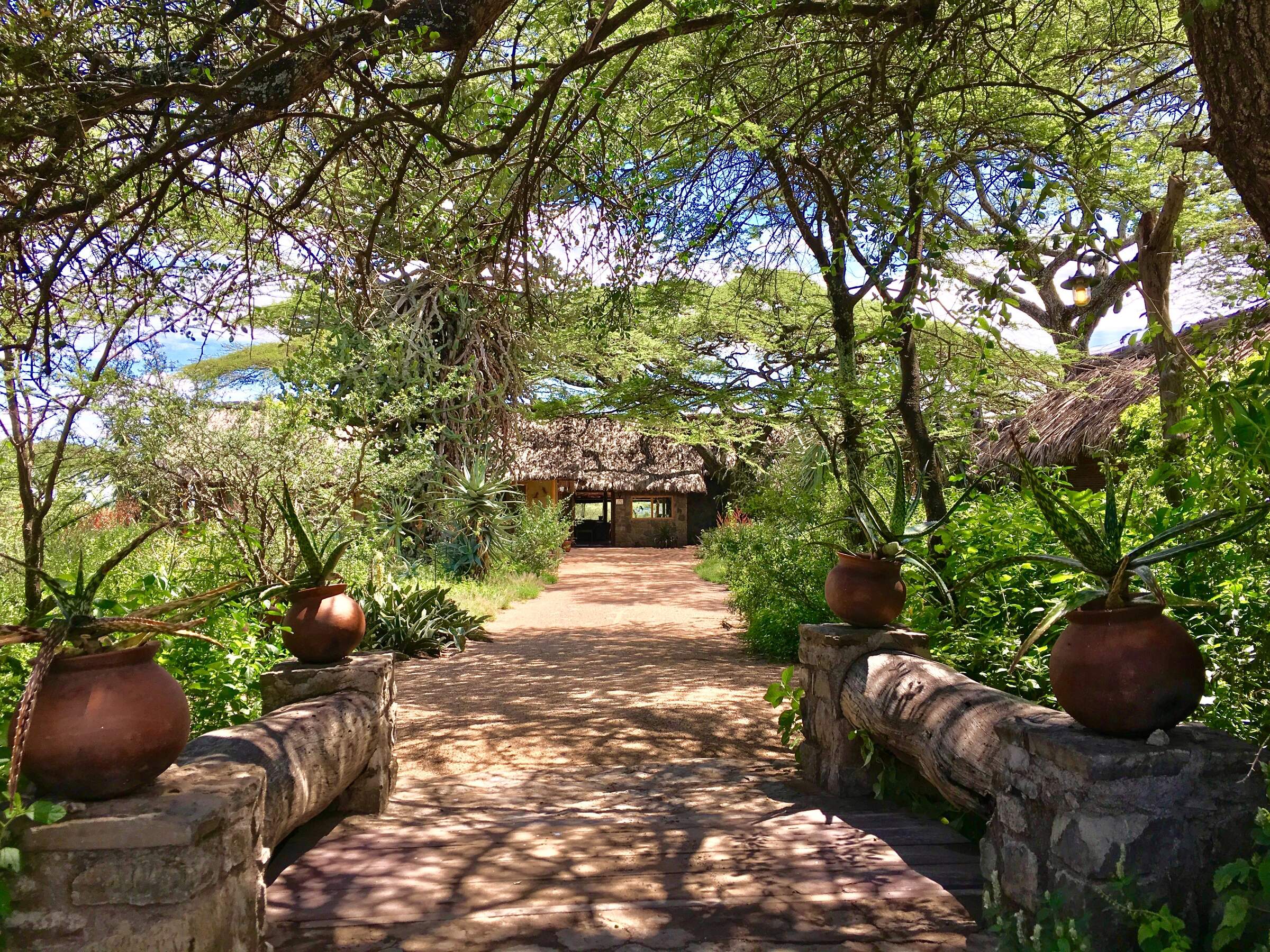
Ndutu Safari Lodge
Large and economical, but not luxurious, Ndutu Safari Lodge is well located in the southern Serengeti, so book early to get space.
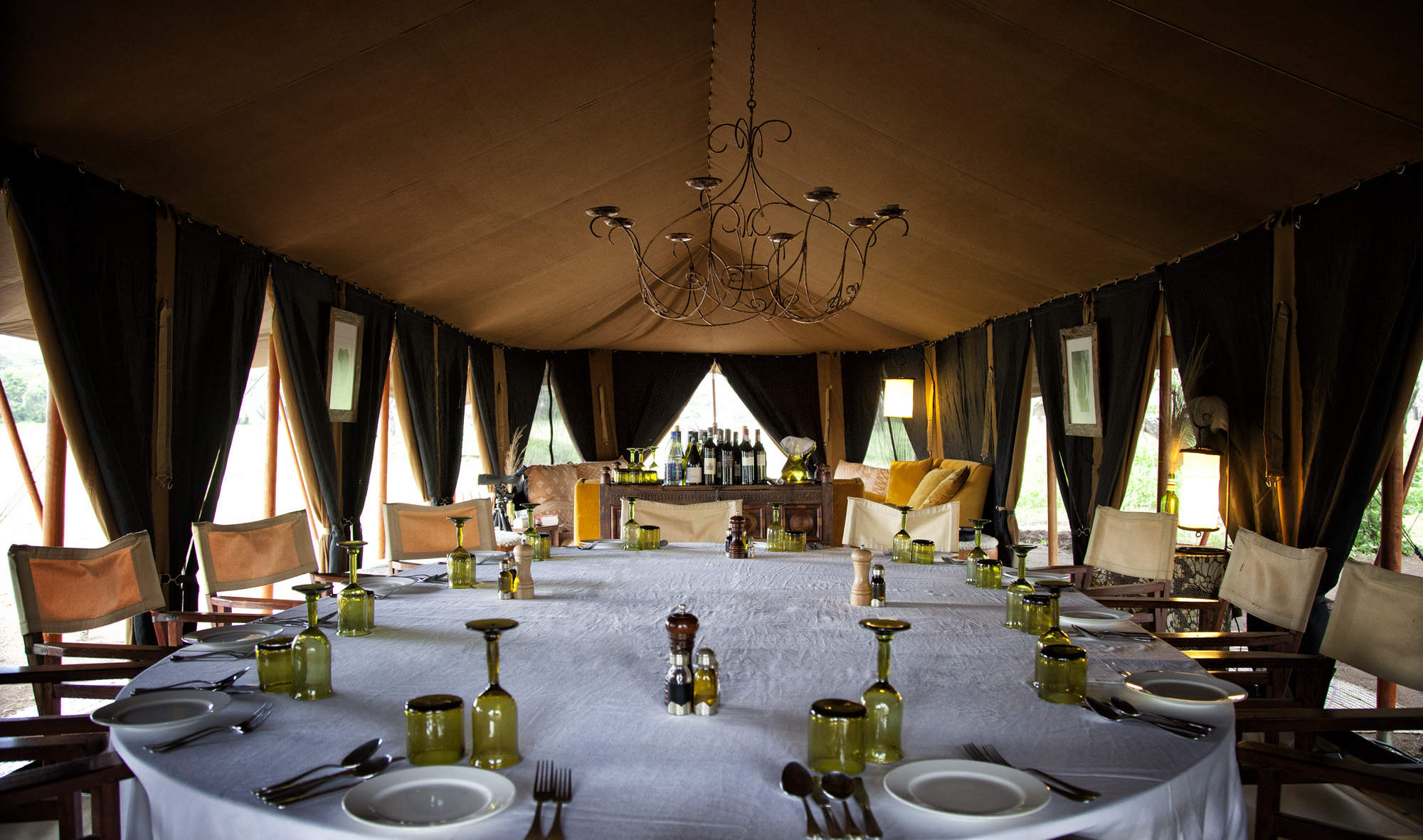
Serian Serengeti
Serian Serengeti is a mobile tented operation run by Alex Walker which moves between two locations following the wildebeest migration.
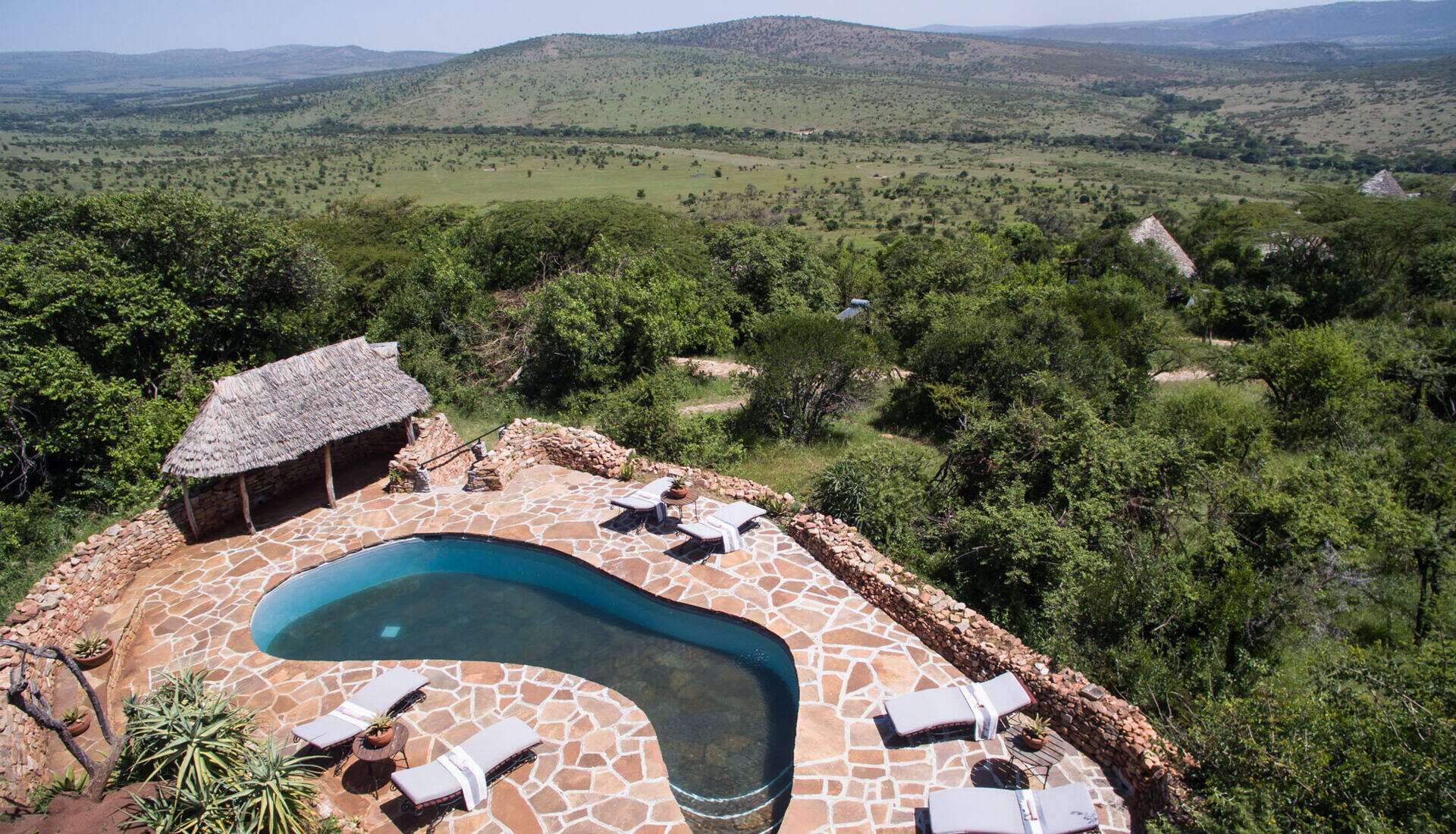
Klein's Camp
Klein's Camp, in a private area of the northern Serengeti, sets high standards. Activities include walks, nights drives and Maasai village visits.
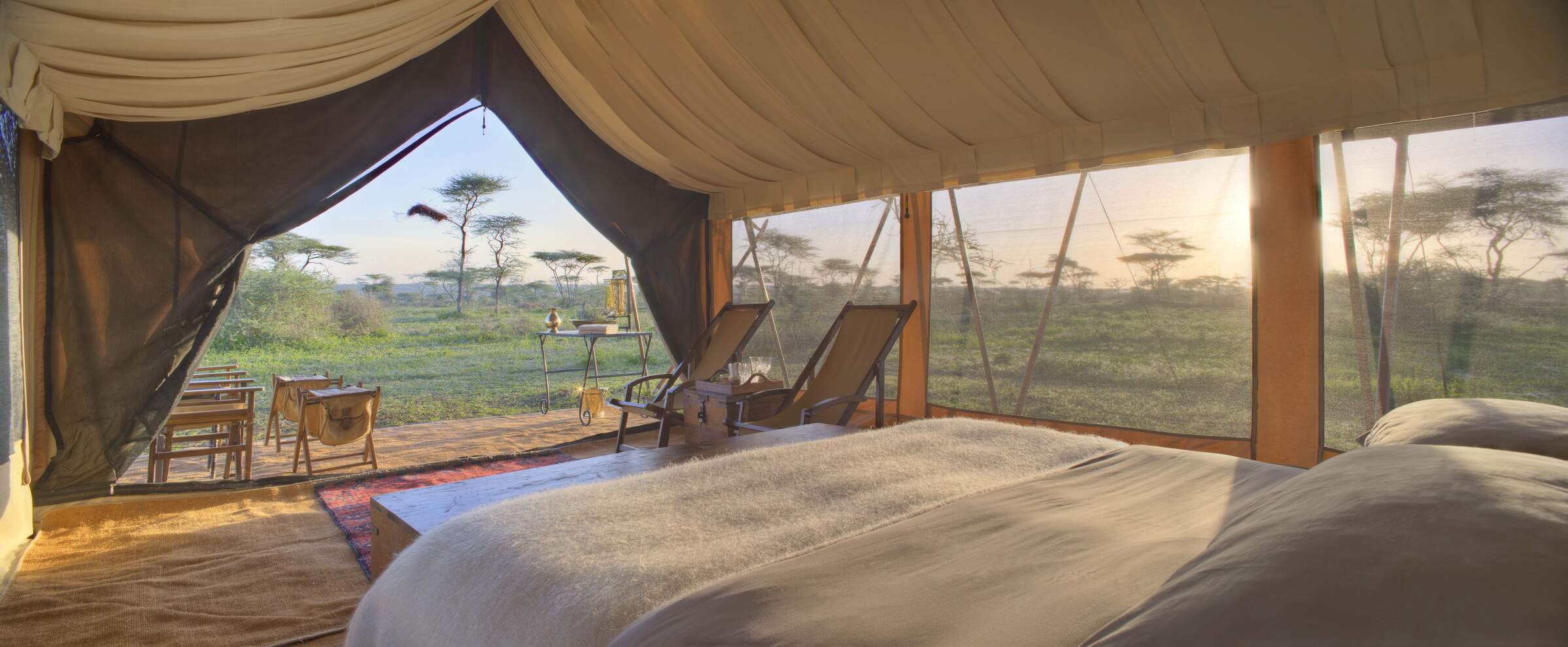
Serengeti under Canvas
Two of the three Serengeti under Canvas camps move through the Serengeti National Park every few months to follow the wildebeest migration.
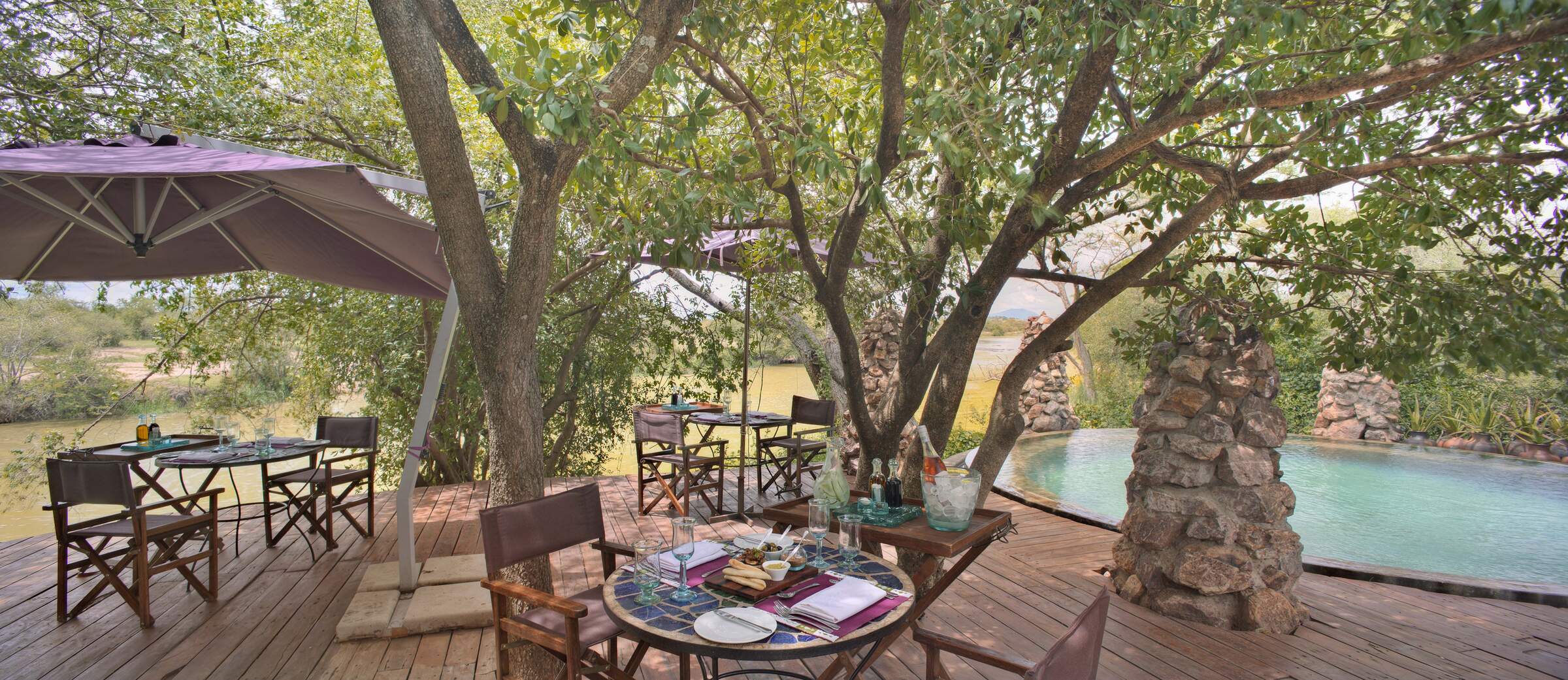
Grumeti River Camp
Grumeti River Camp offers a laid-back atmosphere combined with top service, first-rate food, expert guiding and an excellent location.
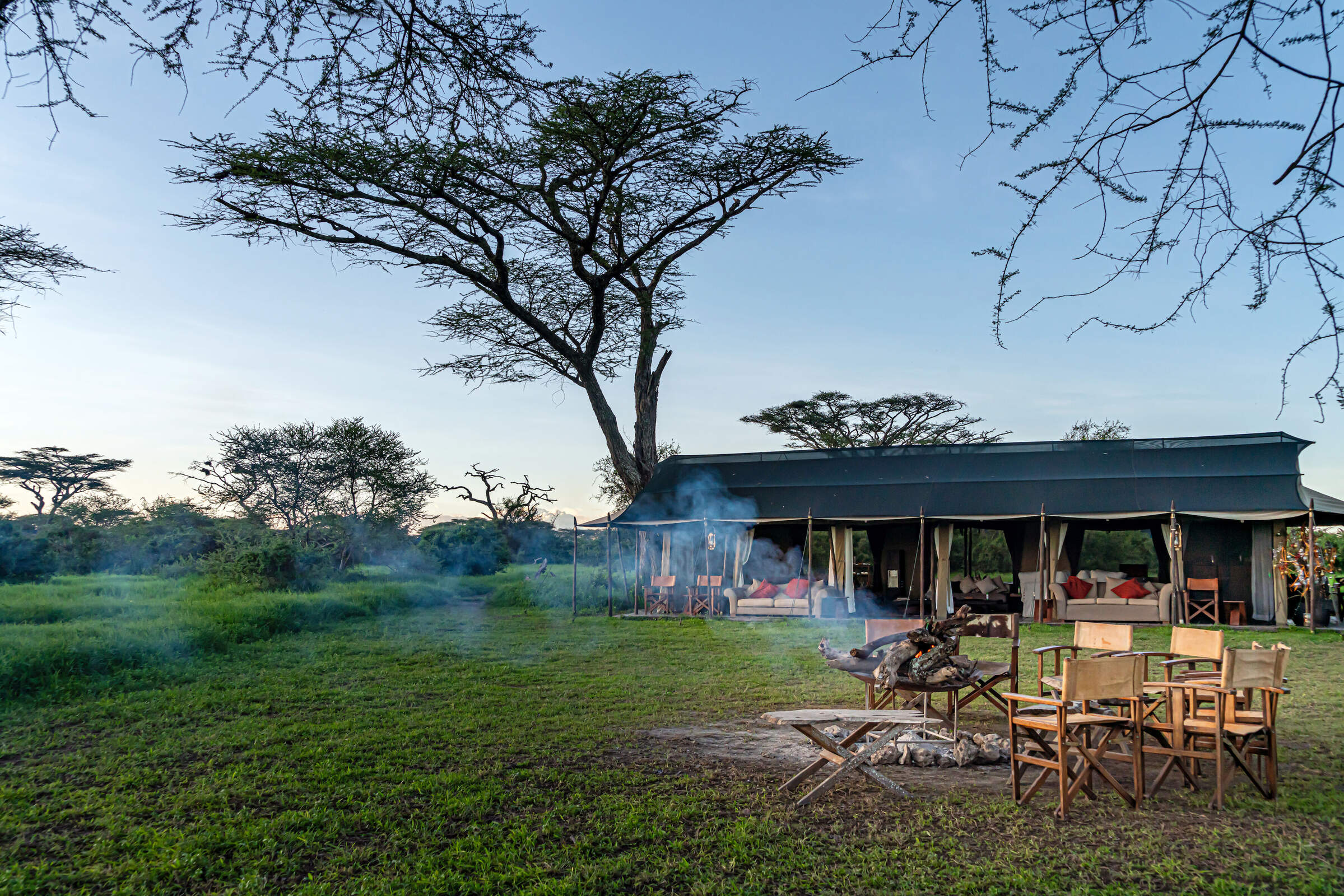
Lemala Mara-Ndutu
Lemala Mara-Ndutu is a semi-permanent camp that moves between the north and south of the Serengeti to witness the wildebeest migration.
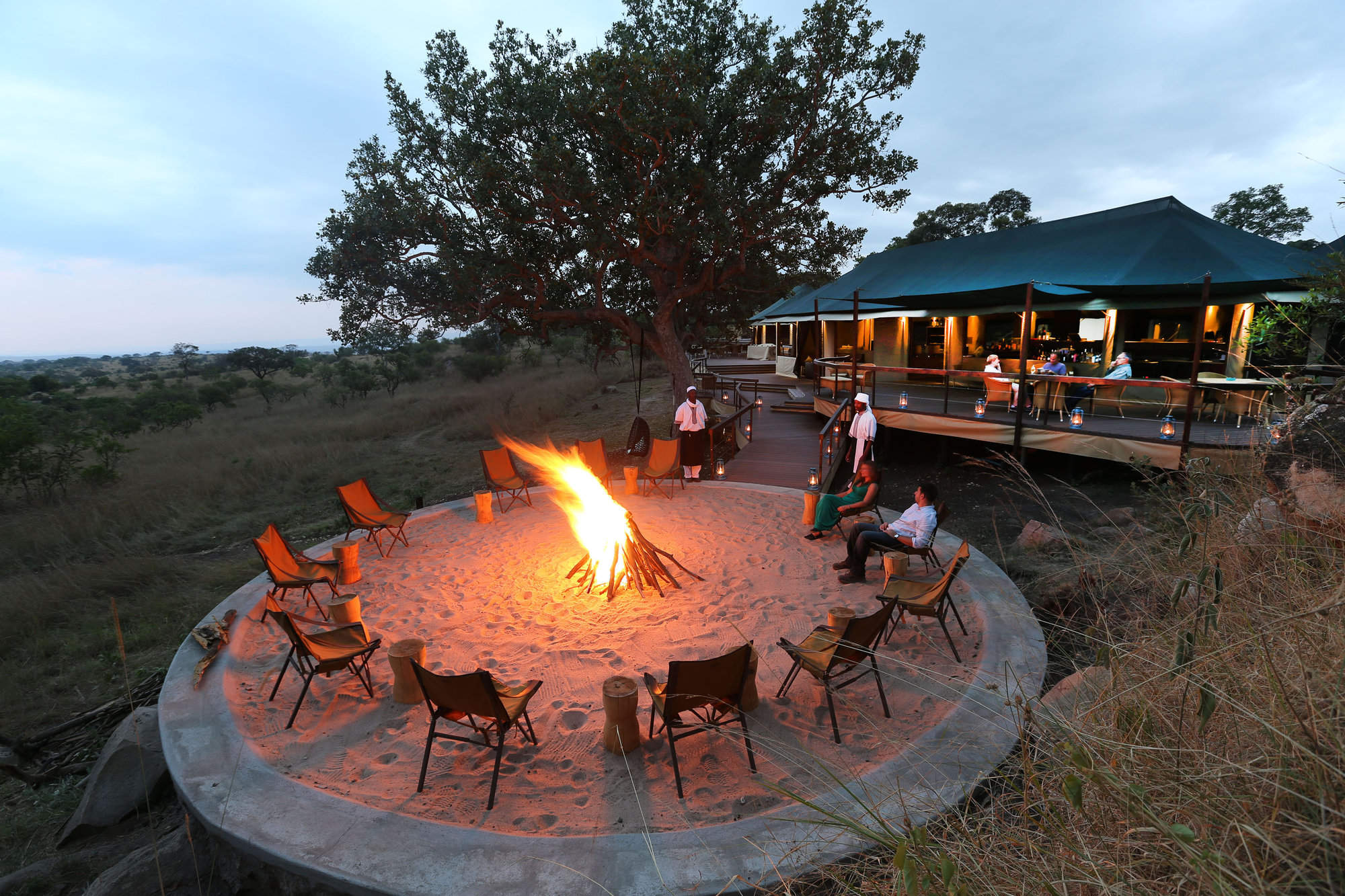
Lemala Kuria Hills
Lemala Kuria Hills is a luxury permanent camp that is ideally located for wildlife all year around, but especially during the wildebeest migration.
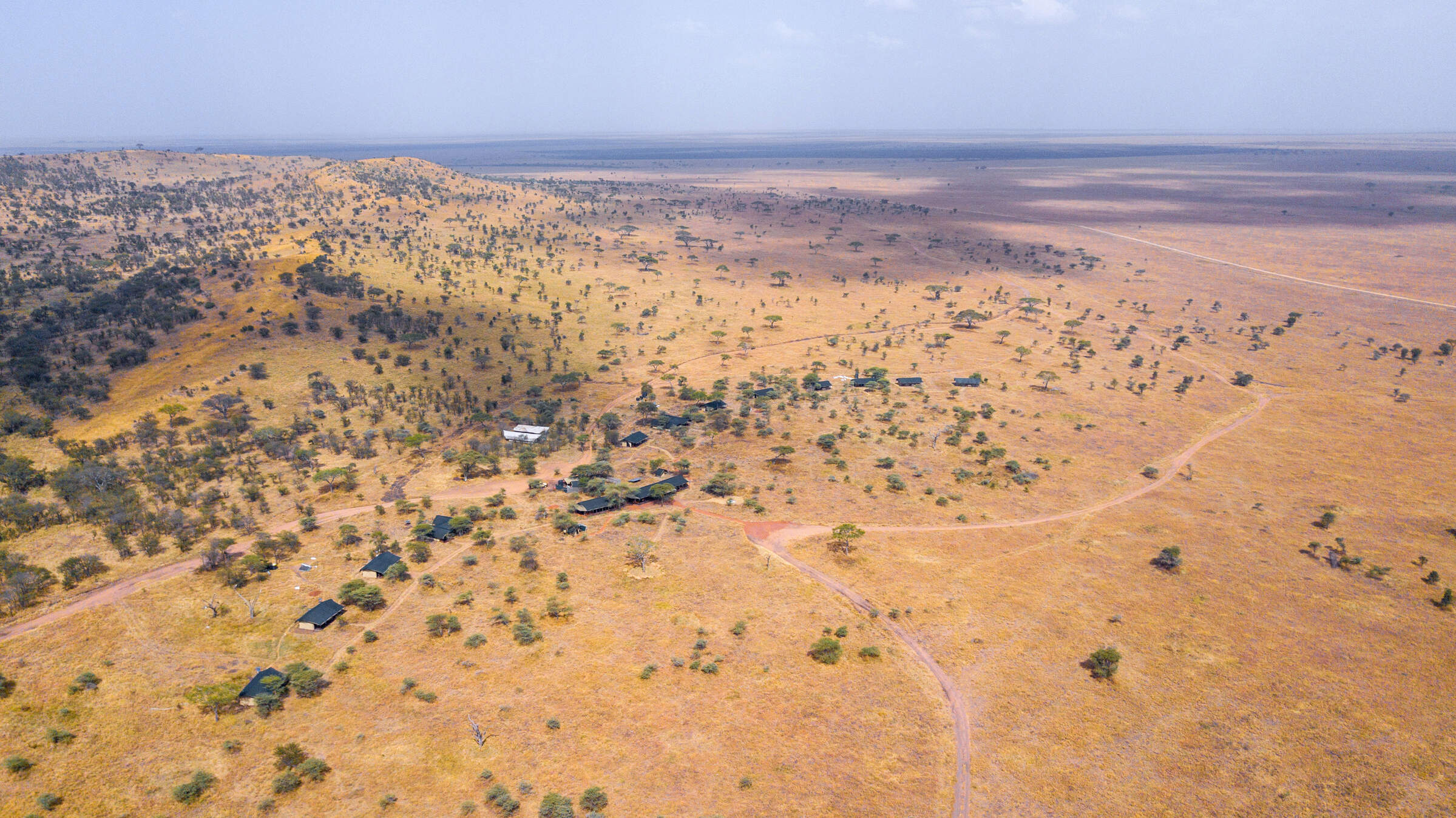
Lemala Ewanjan
Lemala Ewanjan is a comfortable and stylish tented camp in the Seronera area of the central Serengeti National Park.
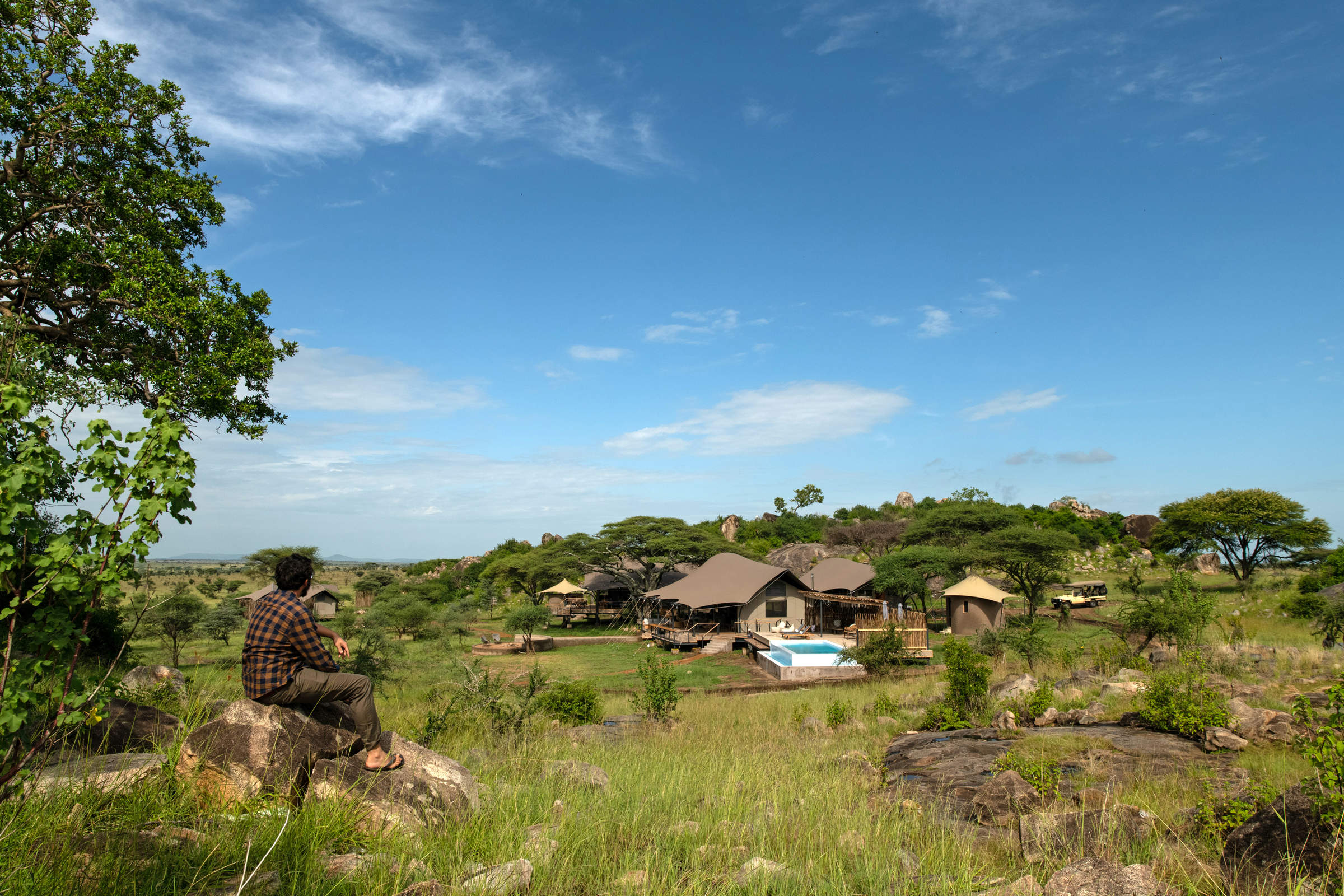
Lemala Nanyukie
Lemala Nanyukie is a stylish camp located in the quieter part of the central Serengeti.
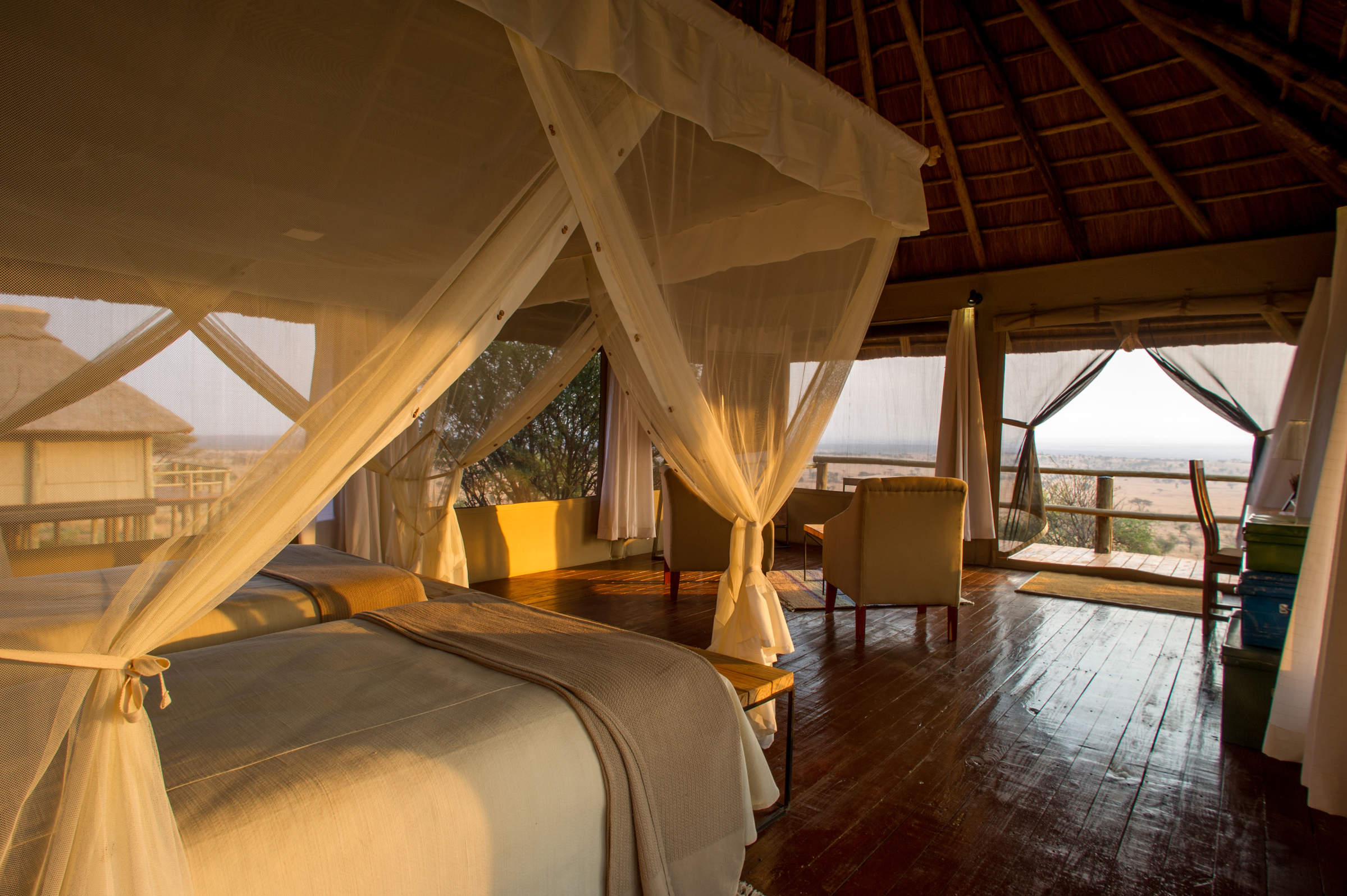
Kubu Kubu
Kubu Kubu is a contemporary, tented lodge, well located in the central Seronera area of the Serengeti National Park.
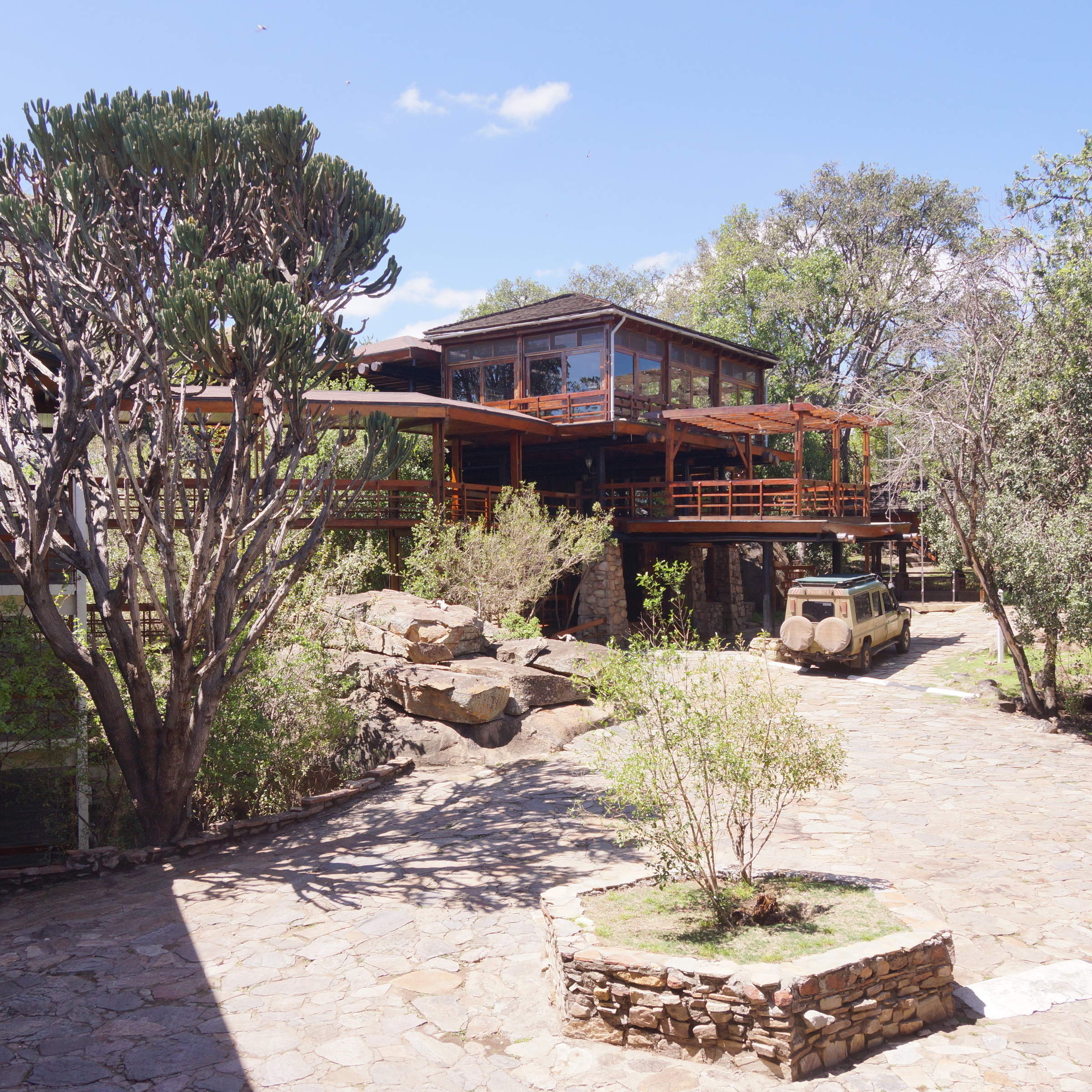
Lobo Wildlife Lodge
The large Lobo Wildlife Lodge has simple, functional rooms in a stunning location. It's a good base for exploring the north-eastern Serengeti.
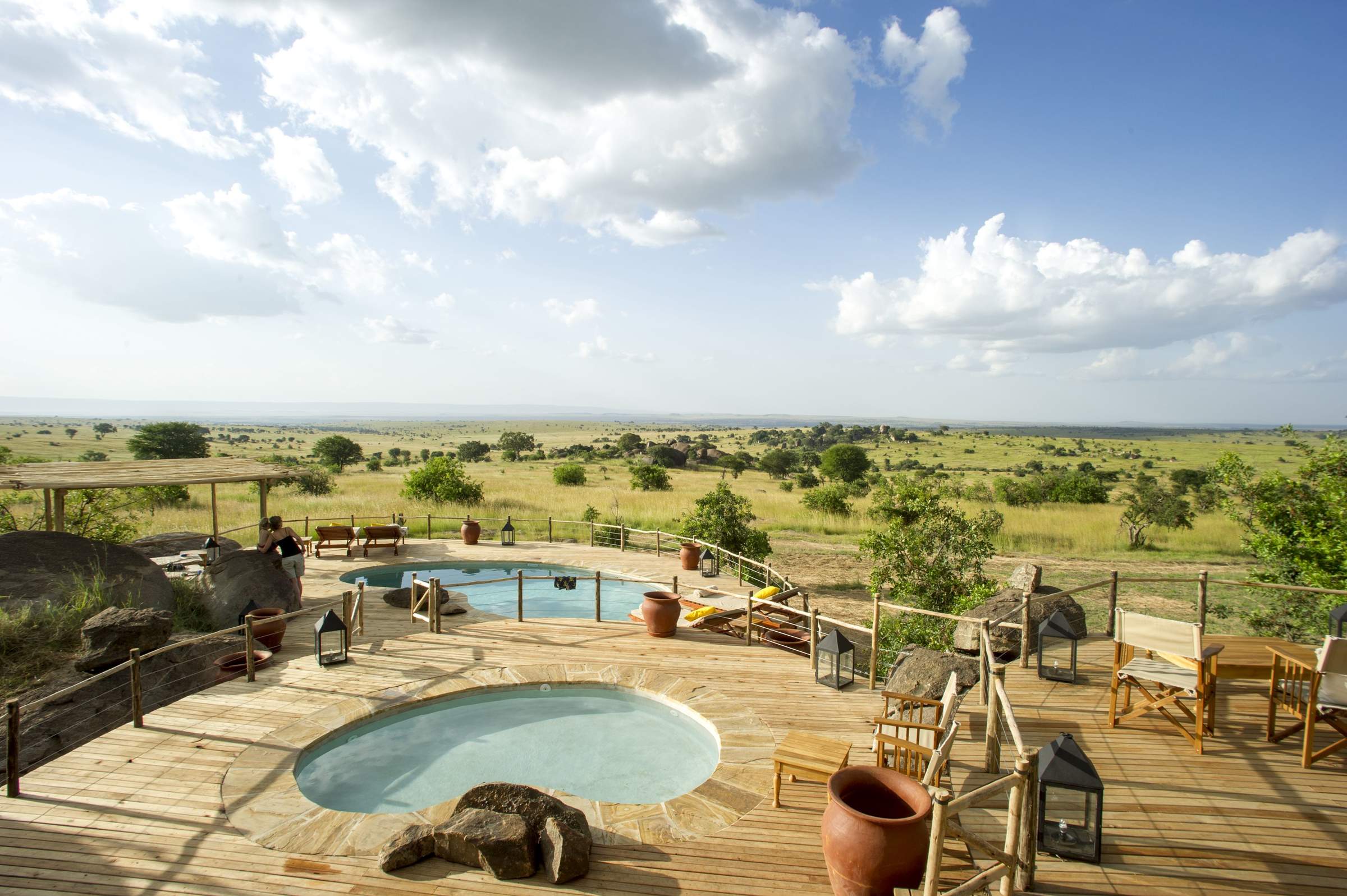
Mkombe's House Lamai
Mkombe's House Lamai is a fully staffed private house in the Wogakuria Kopjes district of Serengeti National Park.
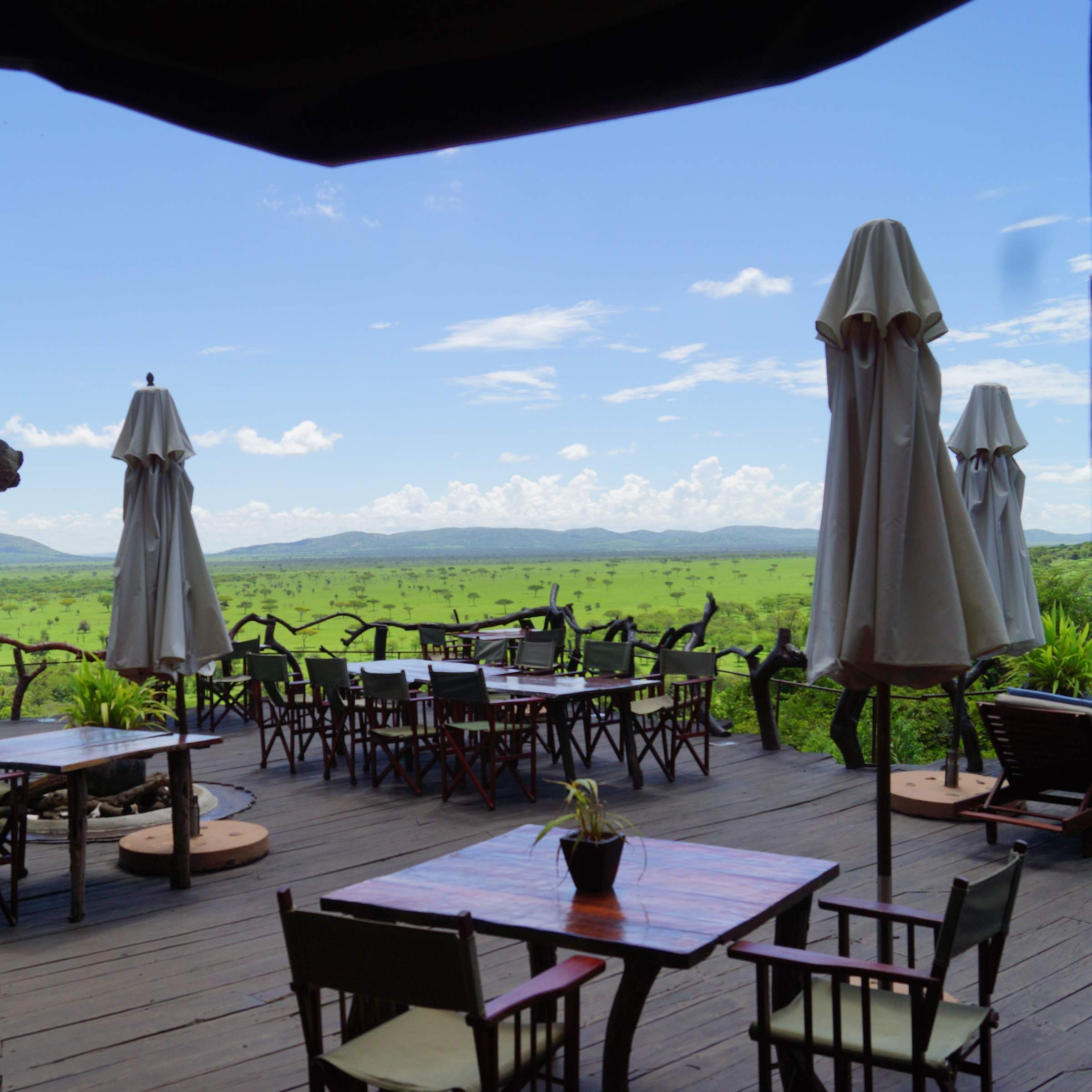
Mbalageti Lodge
Mbalageti is a well-run lodge in a quiet part of the Serengeti's western corridor – an ideal location during the Apr-Jun migration.
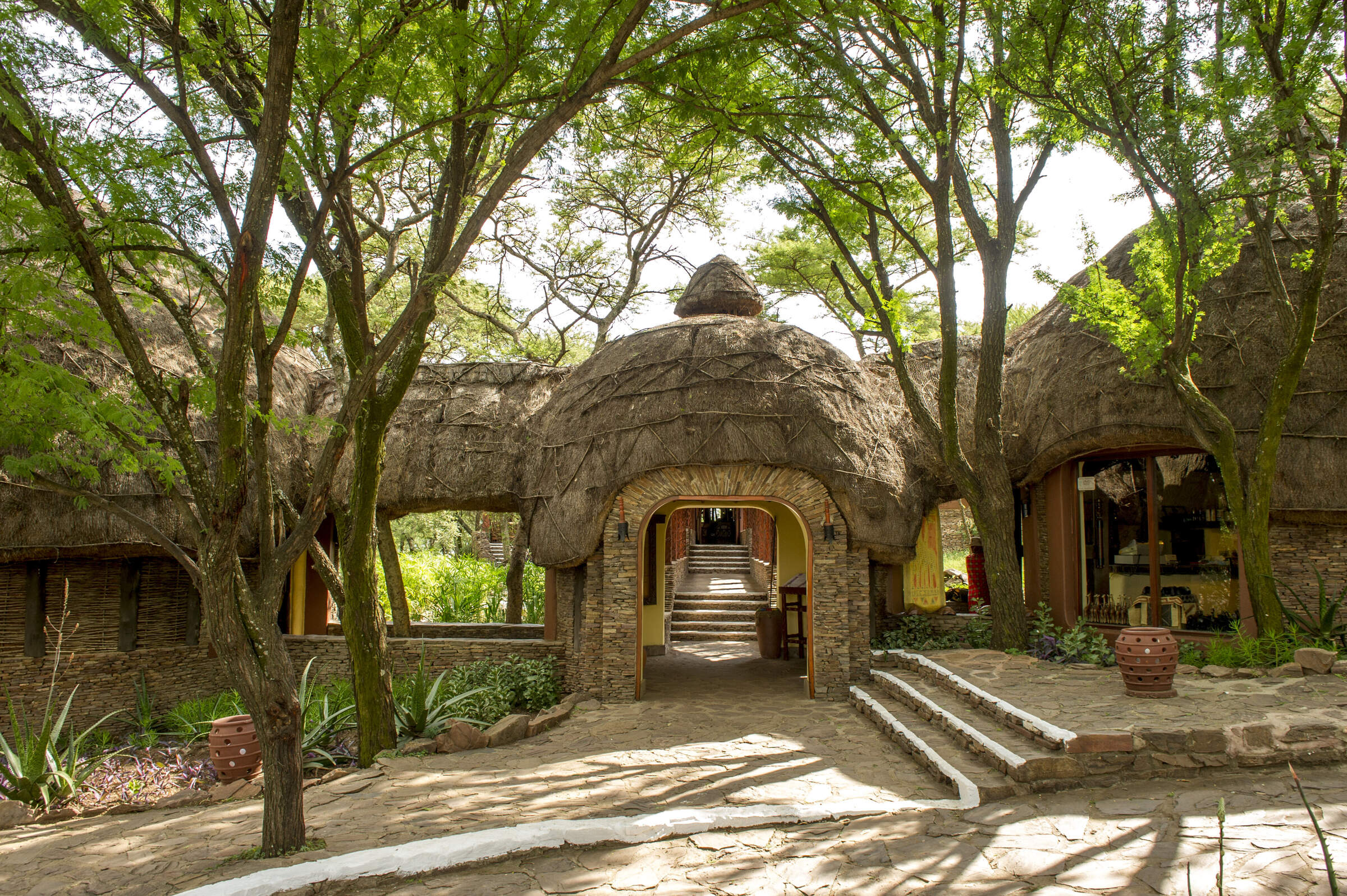
Serengeti Serena
The Serengeti Serena Safari Lodge is a large, hotel-style lodge and a good family-friendly base from which to explore the central Serengeti.
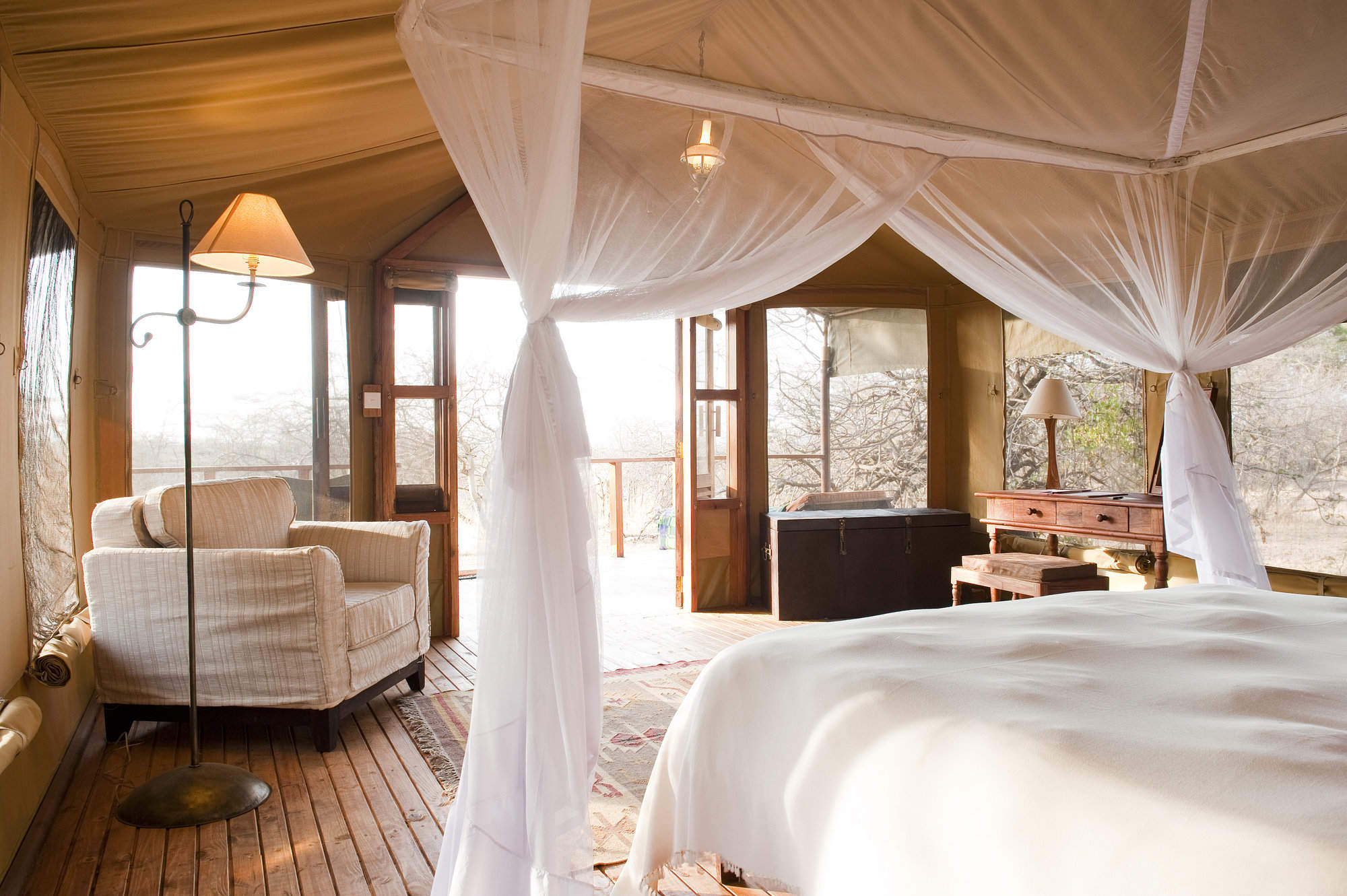
Kusini Camp
Kusini Camp is permanent, luxury camp located on a beautiful kopje in a quiet, wildlife-rich corner of the south-west Serengeti.
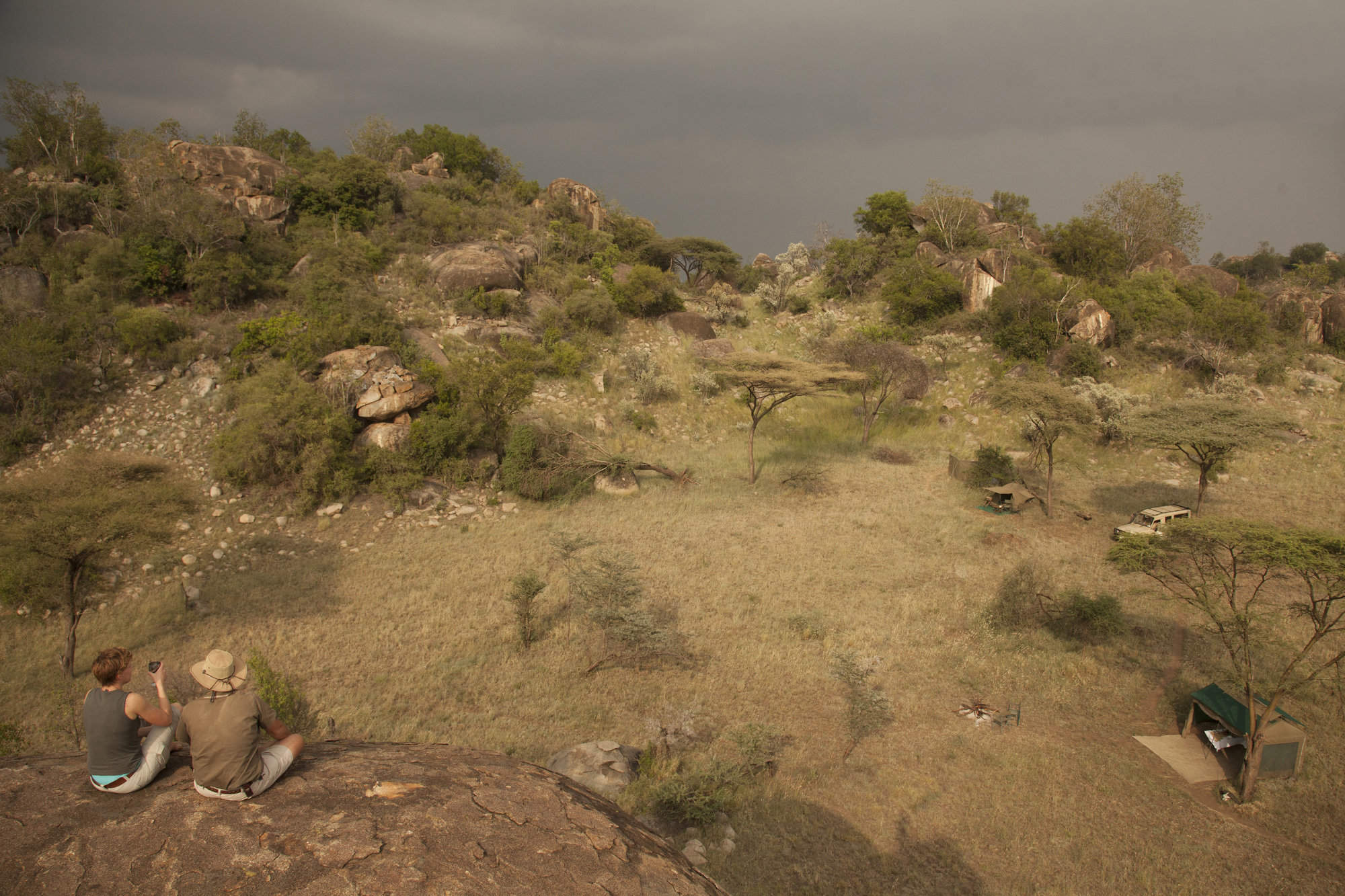
Serengeti Walking Mobile
This fairly simple camp offers only walking activities, but it's very well done and combines well with more conventional camps or lodges.
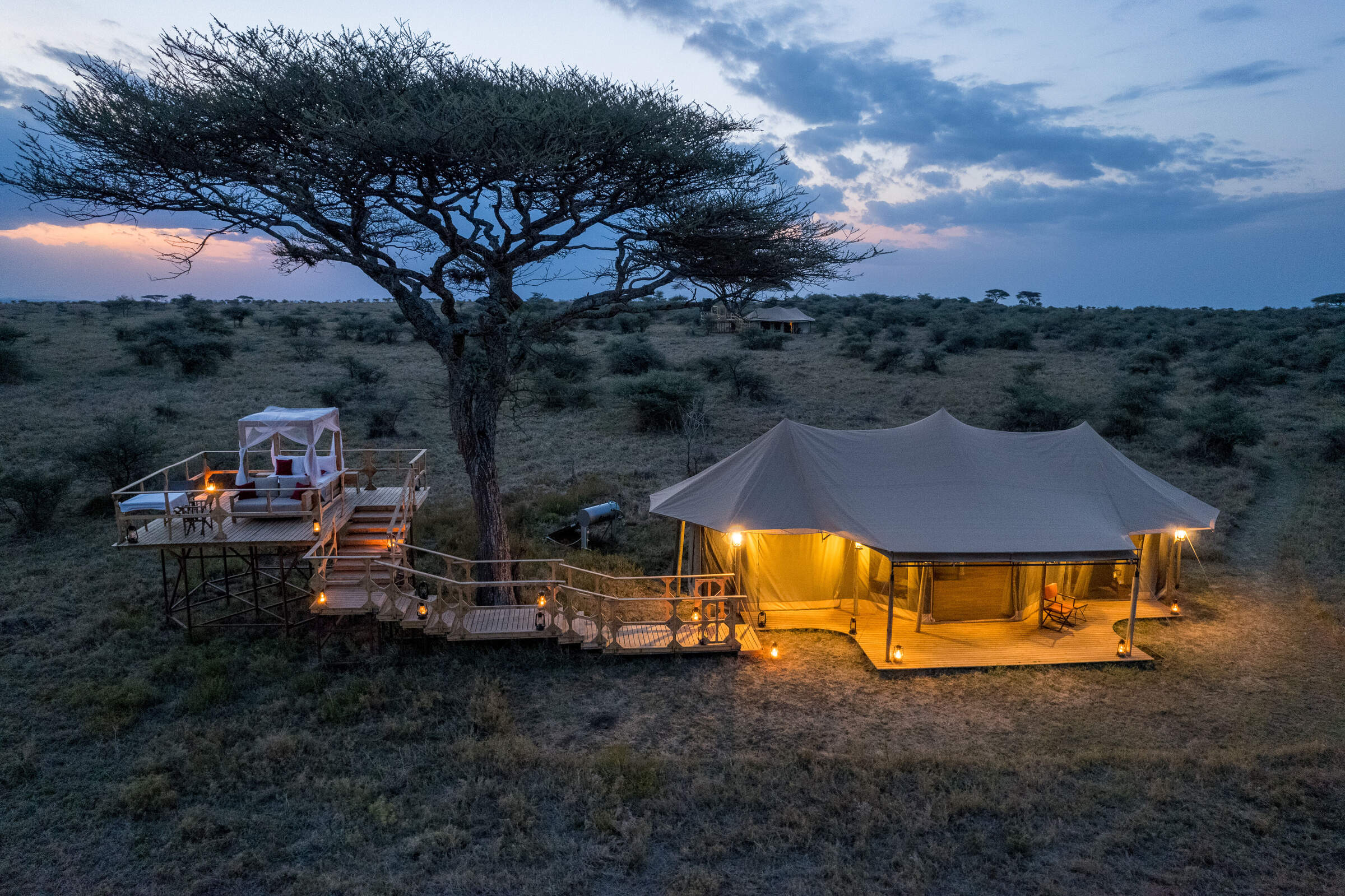
Olmara Camp
With just eight guest tents, including two family tents and three signature stargazer tents, Olmara is a simple, family-friendly camp with a wonderfully attentive team. The camp captures an authentic bush experience, welcoming travellers of every kind.
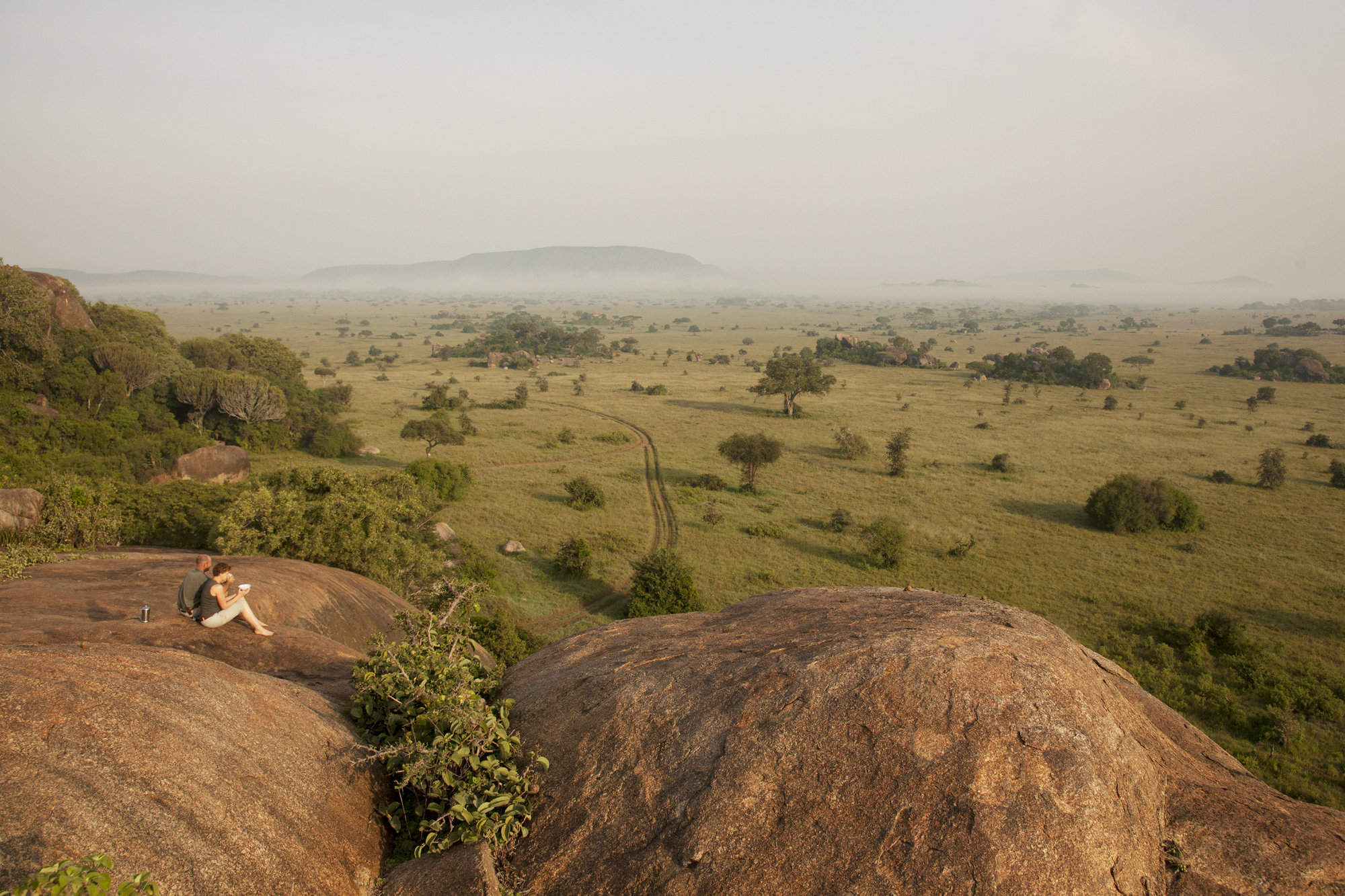
Serengeti Green Camp
Serengeti Green Camp is a comfortable camping experience, in your own private safari camp and at the heart of a great wildlife area.
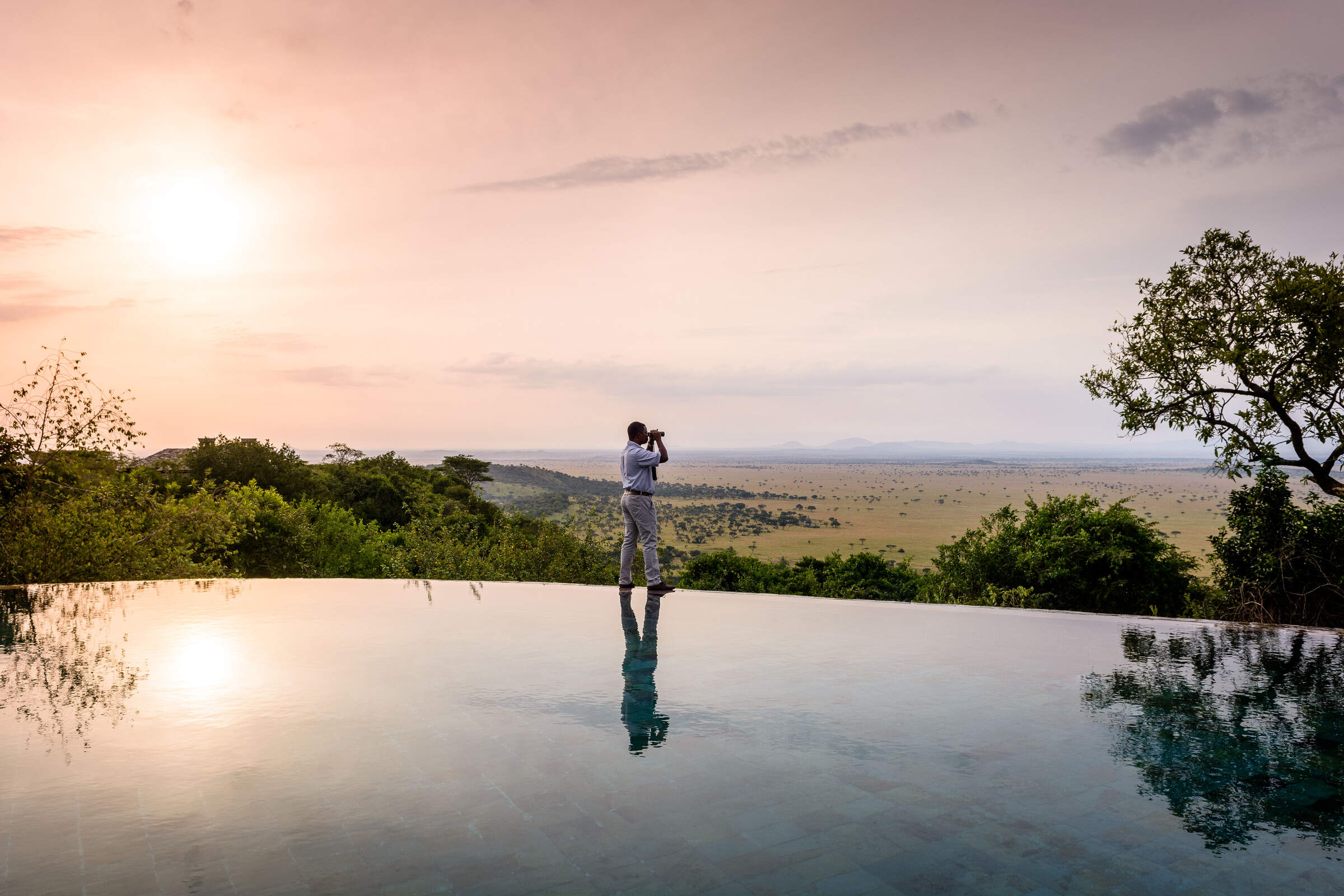
Sasakwa Lodge
On a hill looking over the Serengeti plains, Sasakwa Lodge is grand, luxurious safari camp, one of the most opulent properties in Tanzania.
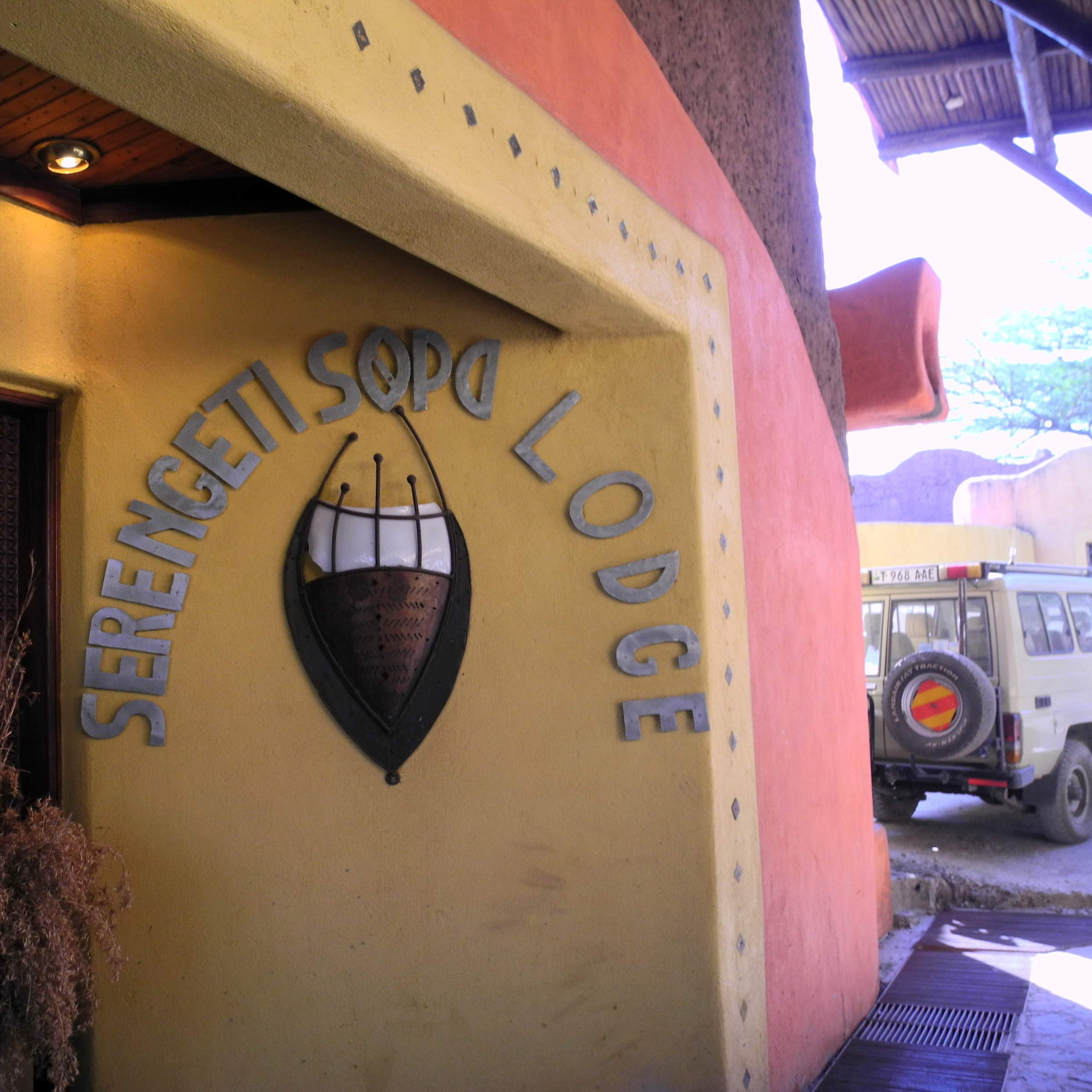
Serengeti Sopa Lodge
Serengeti Sopa Lodge is an international-style hotel offering good-value accommodation in the central Serengeti, with lovely views of the plains.
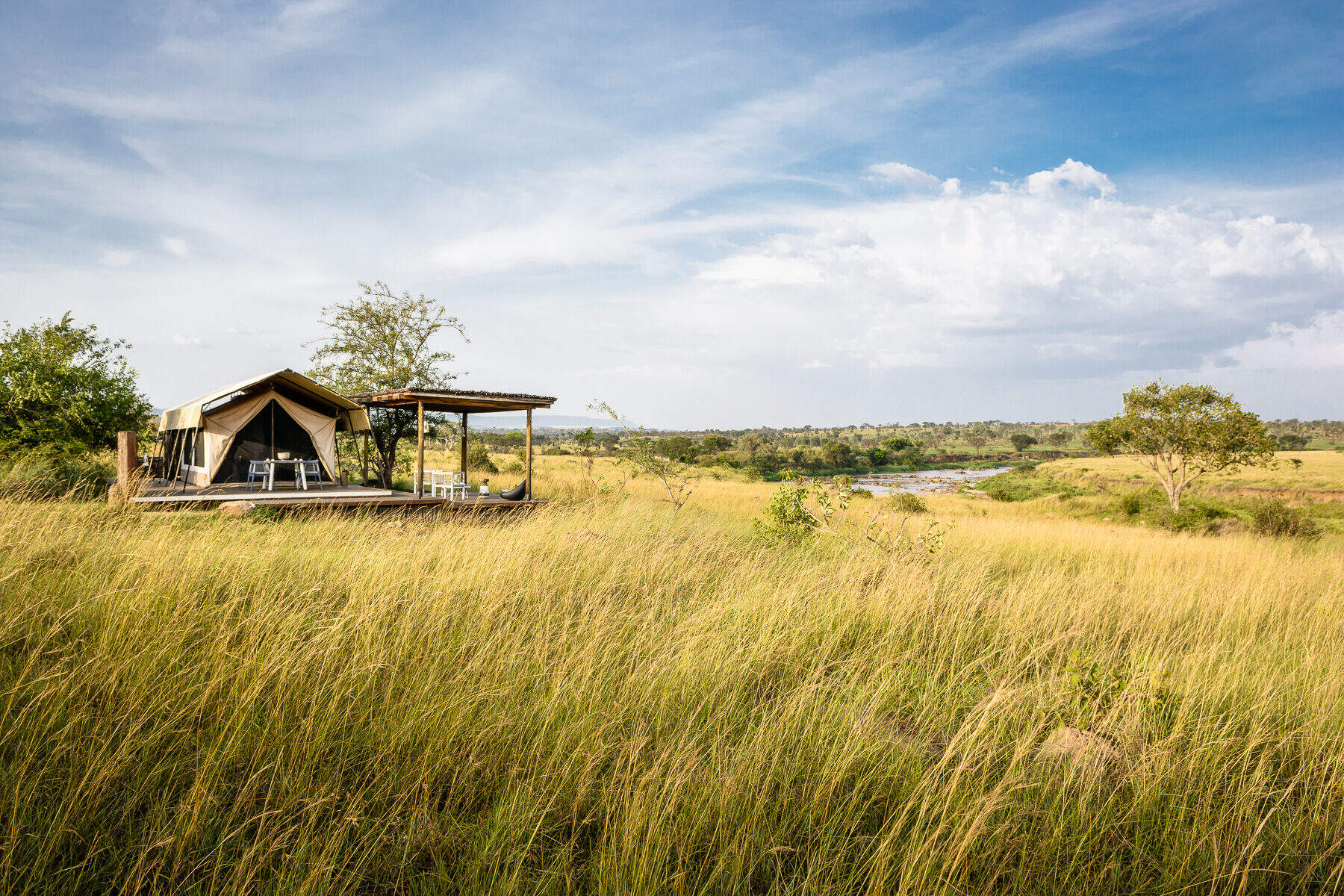
Singita Mara River
Singita Mara River Tented Camp is a luxurious camp in the isolated and rewarding Lamai wedge region of the northern Serengeti.
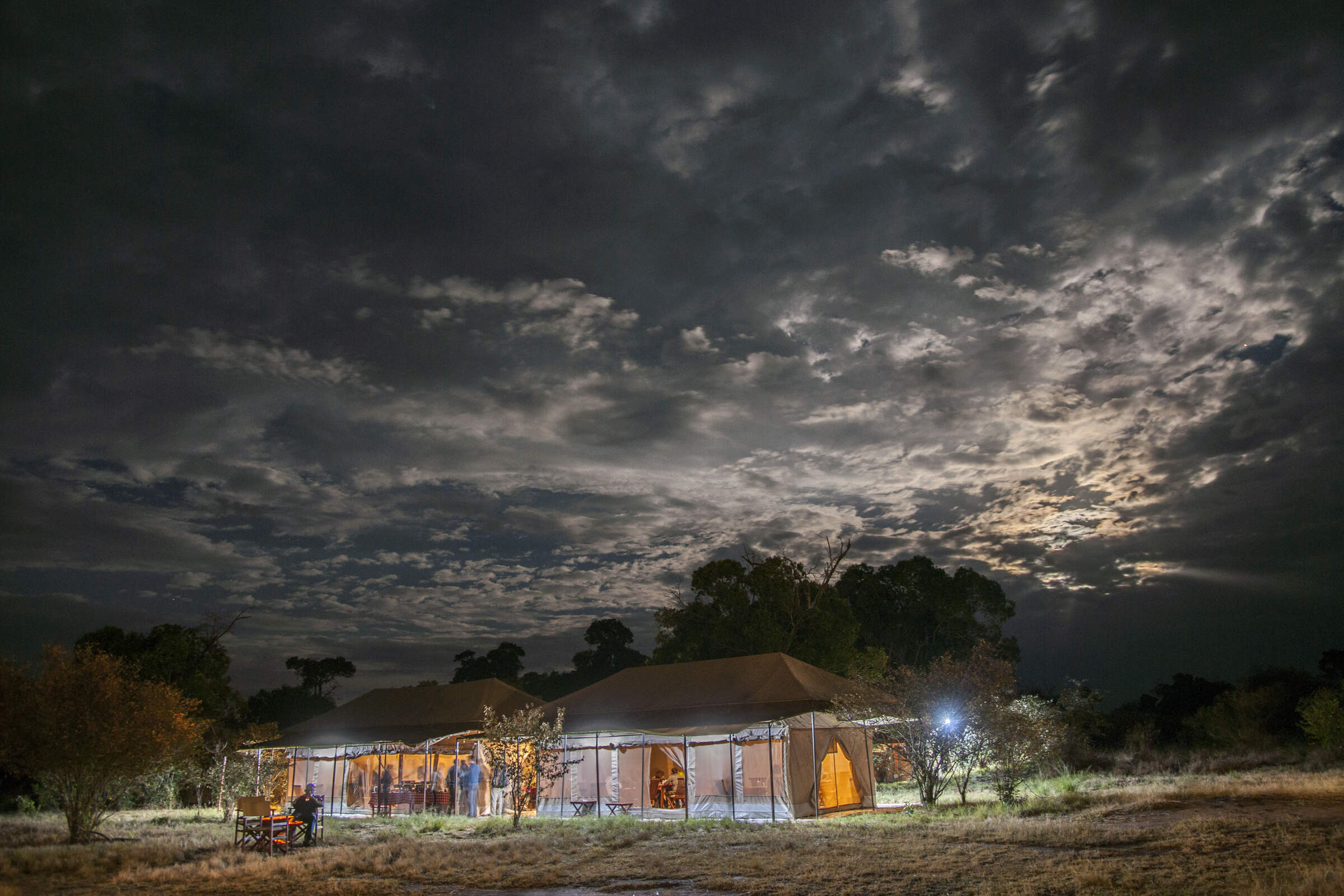
Migration Camp
Serengeti Migration Camp is a smart tented camp, good for the wildebeest migration from Jul–Aug, or to explore the Lobo Kopjes any time.
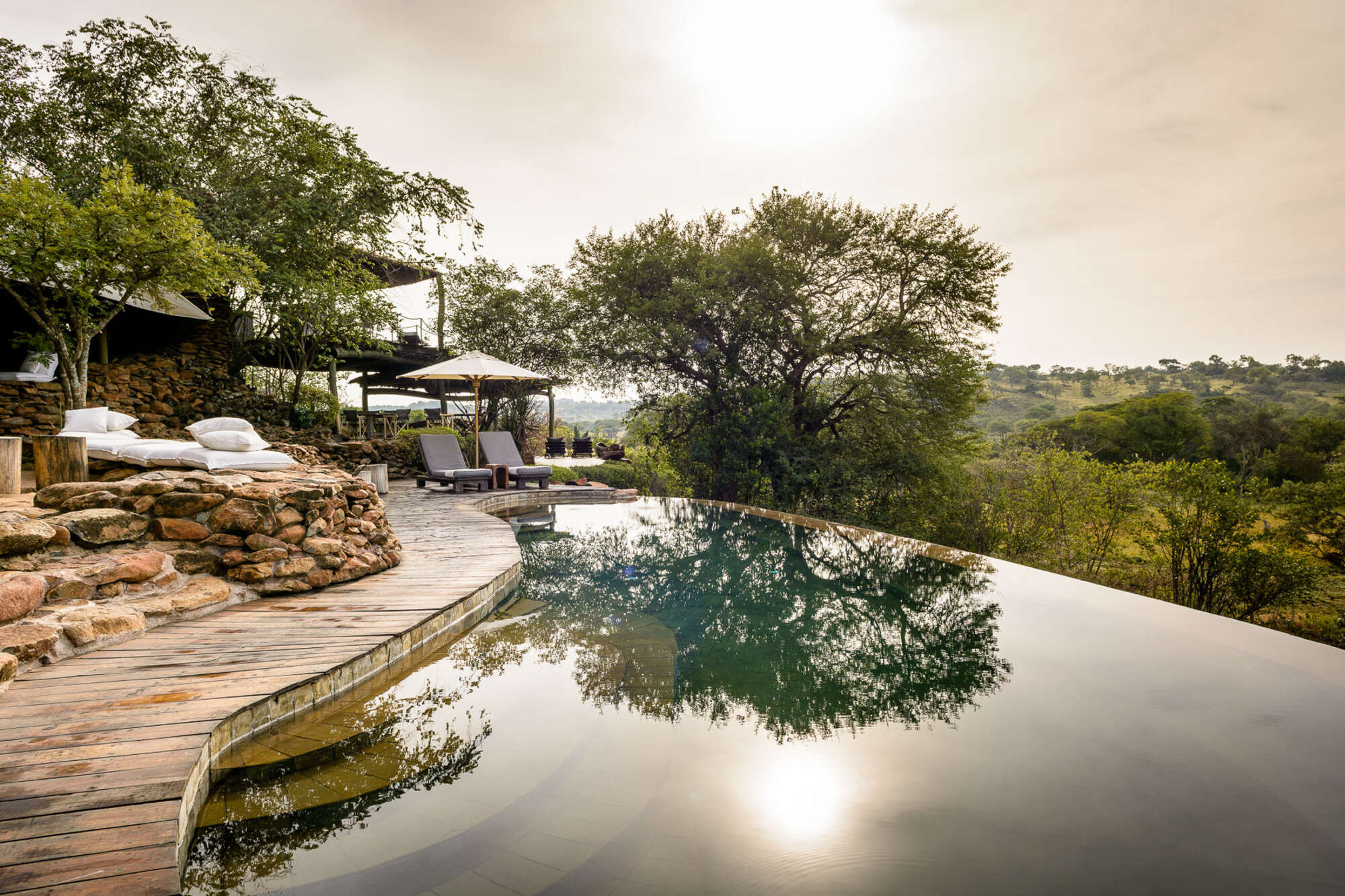
Faru Faru Lodge
On the north bank of the Grumeti River, Faru Faru is a small, chic hideaway in this exclusive corner of the Serengeti.
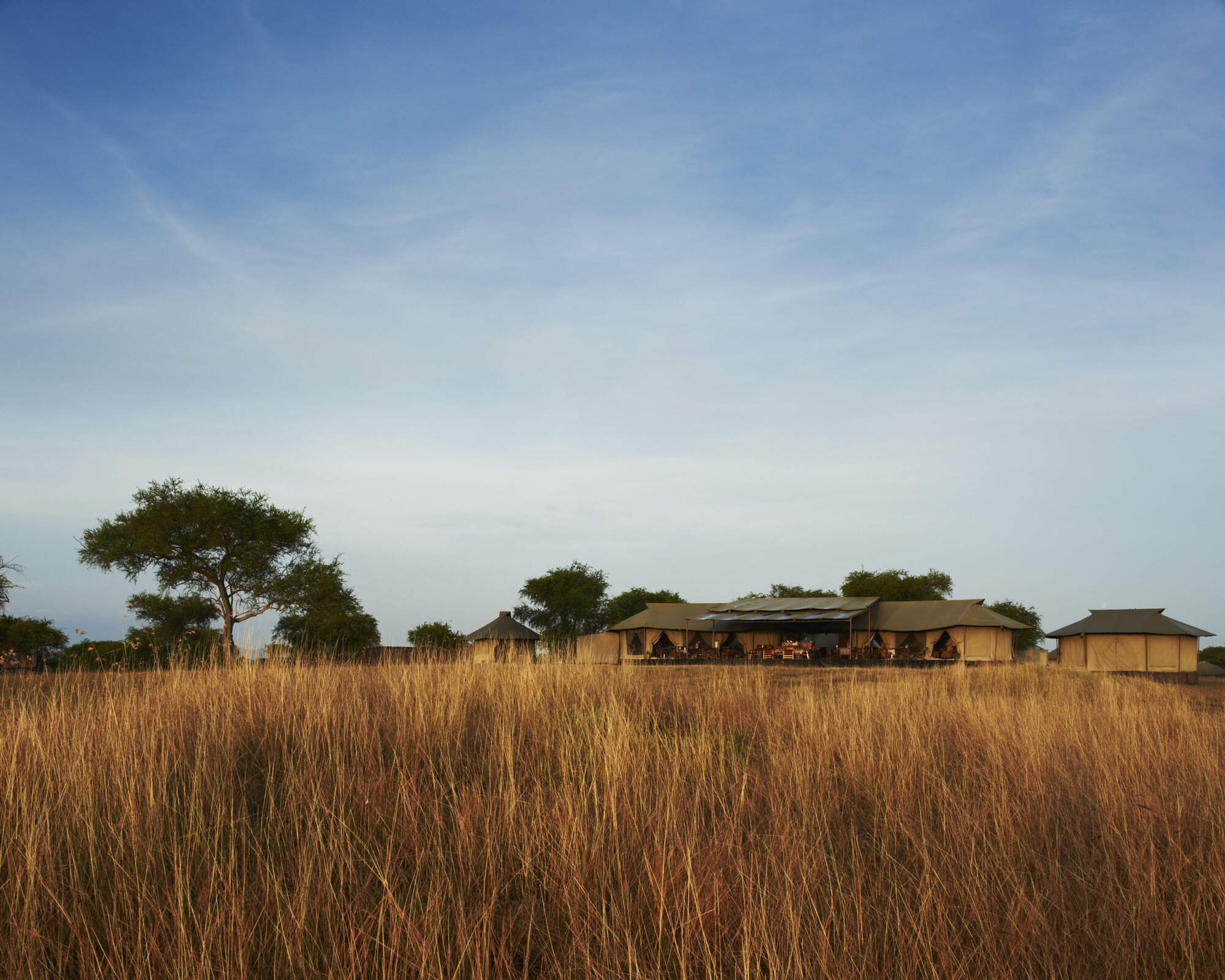
Sabora Tented Camp
Sabora Tented Camp is a smart tented camp – one of the most luxurious, professional and stylish properties to be found in Tanzania.
Kirurumu Migration Camp
Kirurumu is a rustic tented camp which moves around the Serengeti twice a year to follow the wildebeest migration.

Four Seasons Serengeti
The Four Seasons Safari Lodge is the only hotel in the Serengeti offering international facilities such as a gym, spa and children’s club.
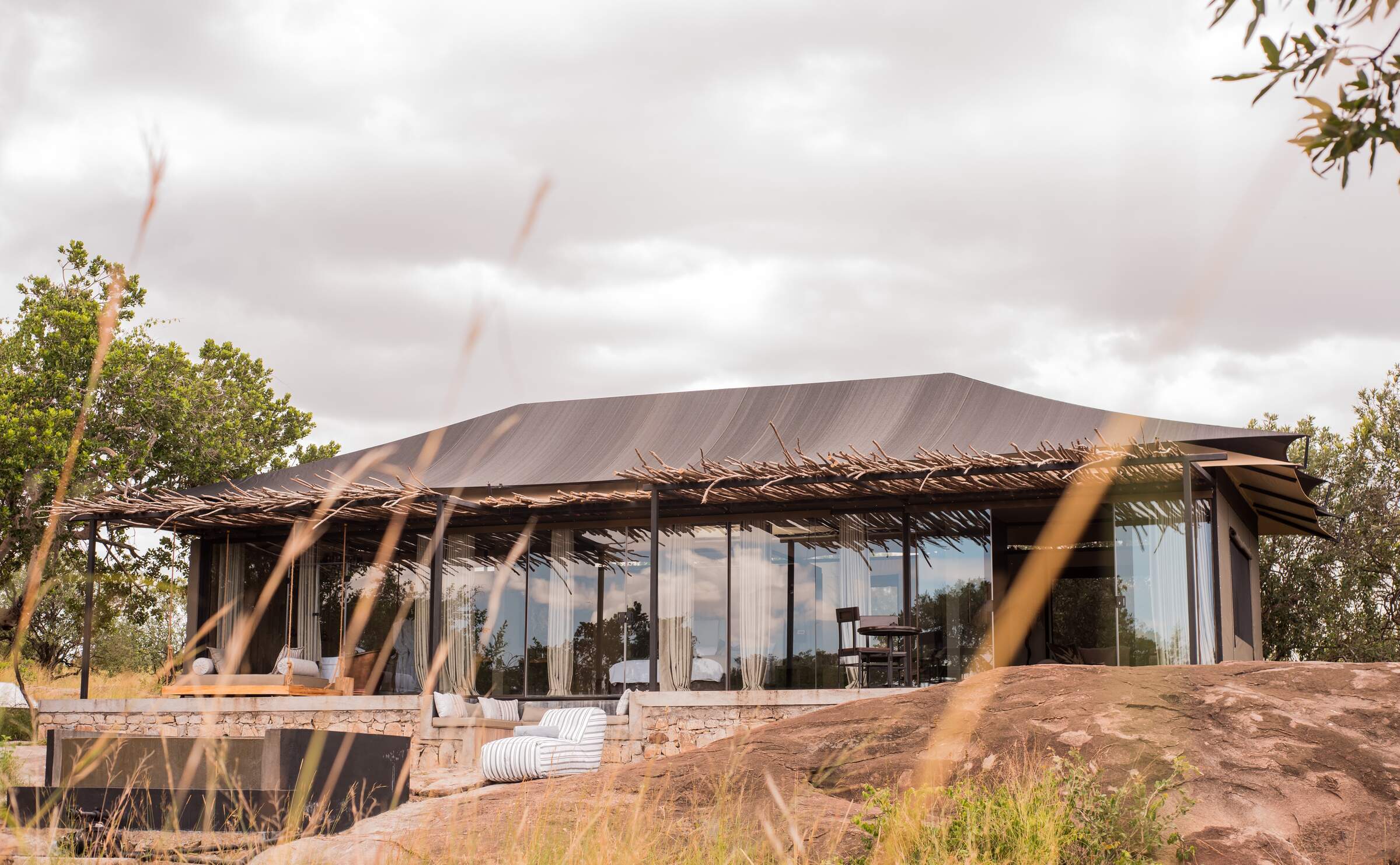
Nimali Mara
Nimali Mara is a luxurious safari lodge in a quiet region of the northern Serengeti with good access to the wildebeest migration.
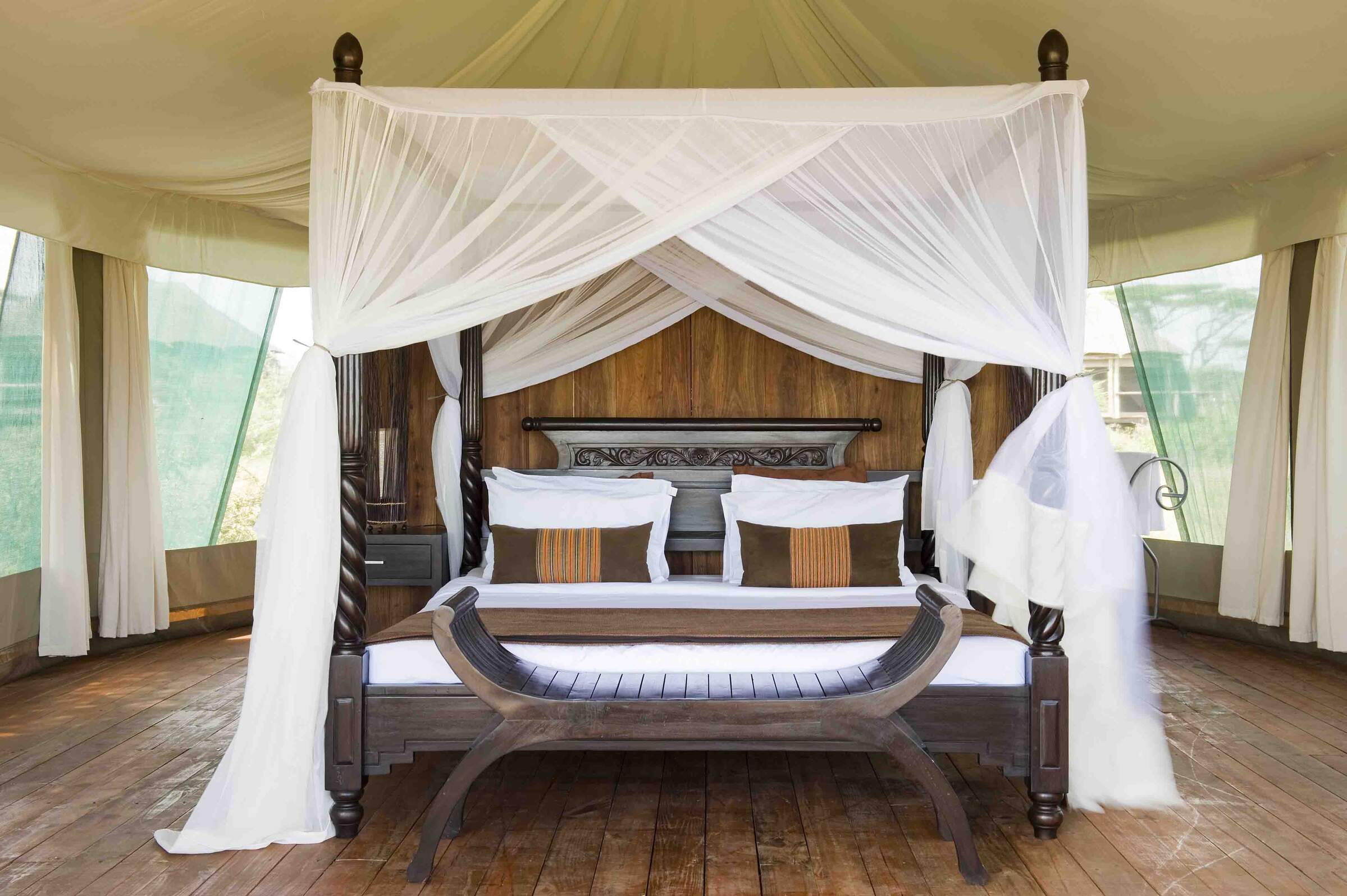
Lake Masek Tented Camp
Ideally located for the wildebeest migration from Dec–Apr, Lake Masek Tented Camp is a good, mid-market safari camp.
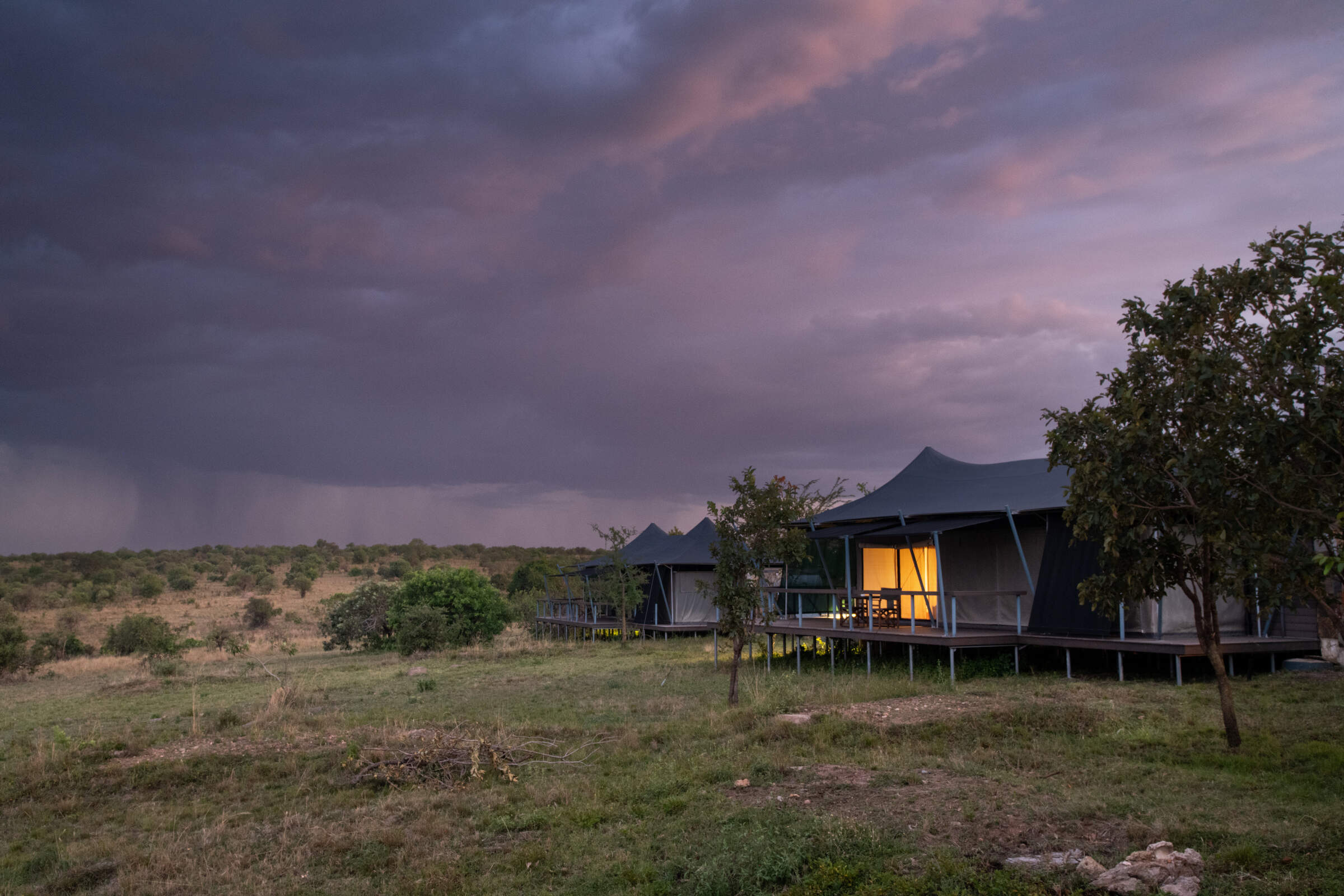
Mara Mara
Mara Mara is a smart tented camp in the northern Serengeti, situated on a small hill close to the Mara River.
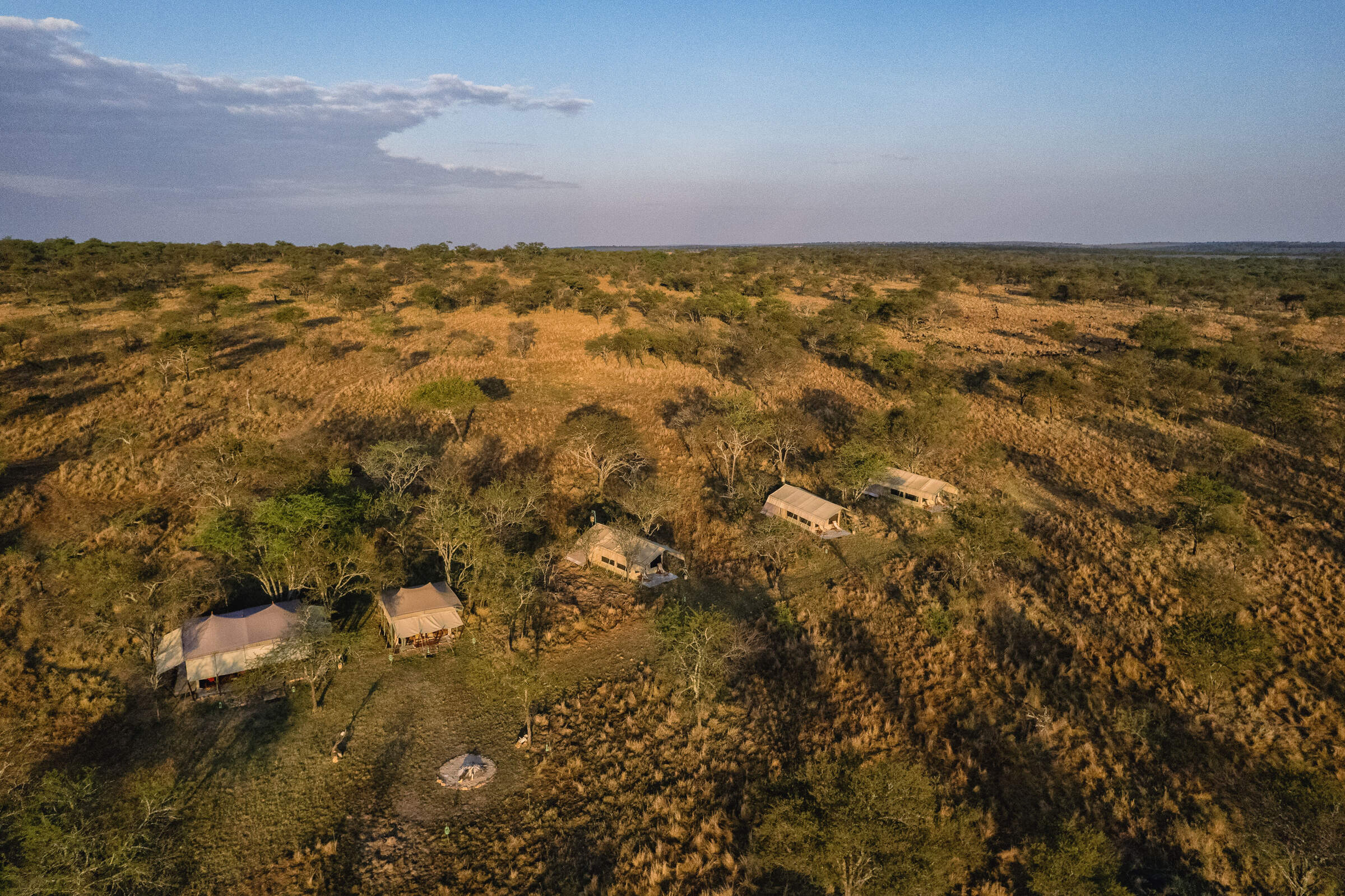
Esirai Migration Camp
A season migration camp, with only 8 tents and 1 family tent and plenty of character. Esirai is ideally placed for excellent wildlife and enjoys a simplistic and comfortable under-canvas experience.
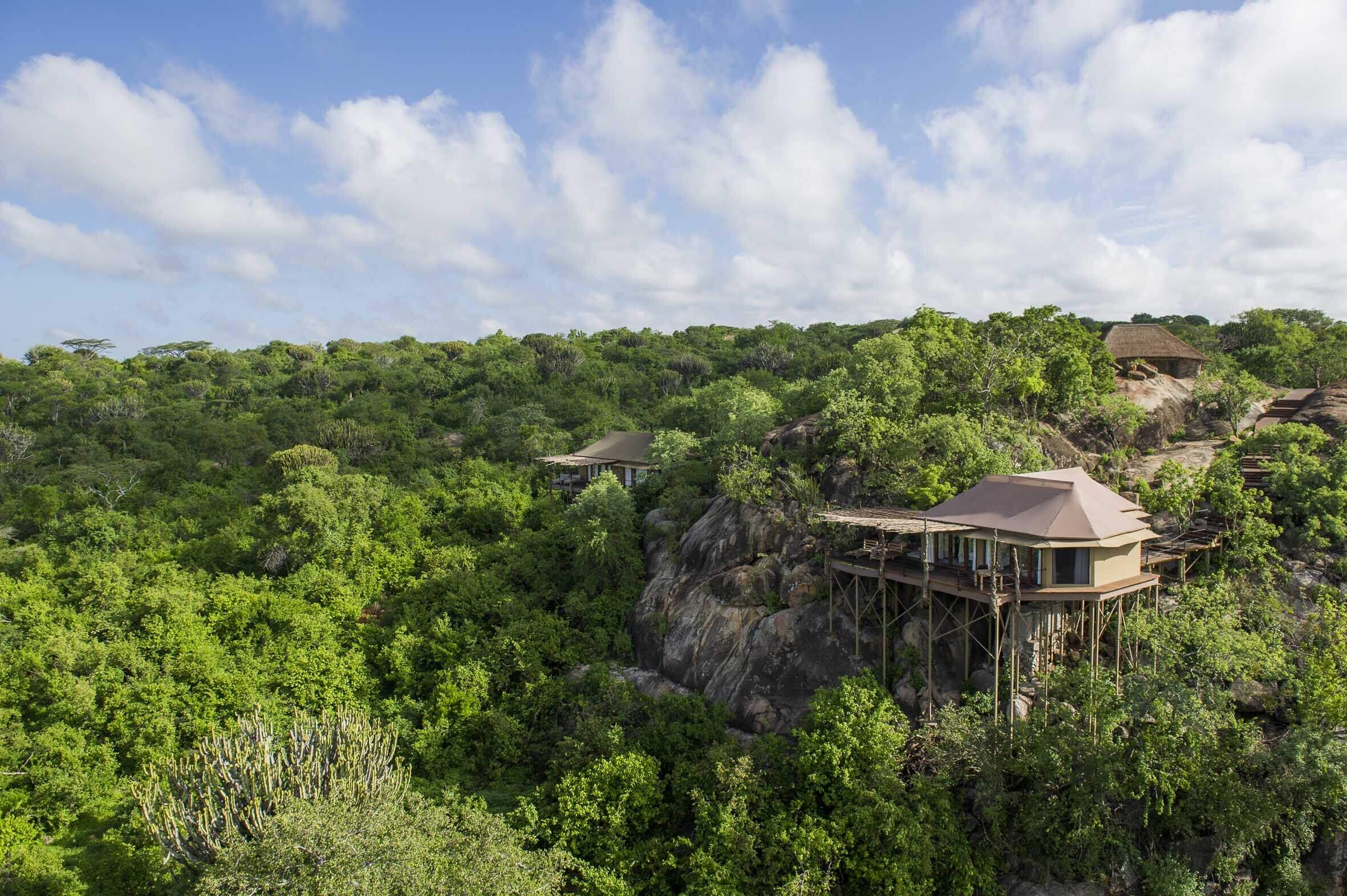
Mwiba Lodge
Mwiba Lodge is a luxurious property located on a private concession on the edge of the southern Serengeti.
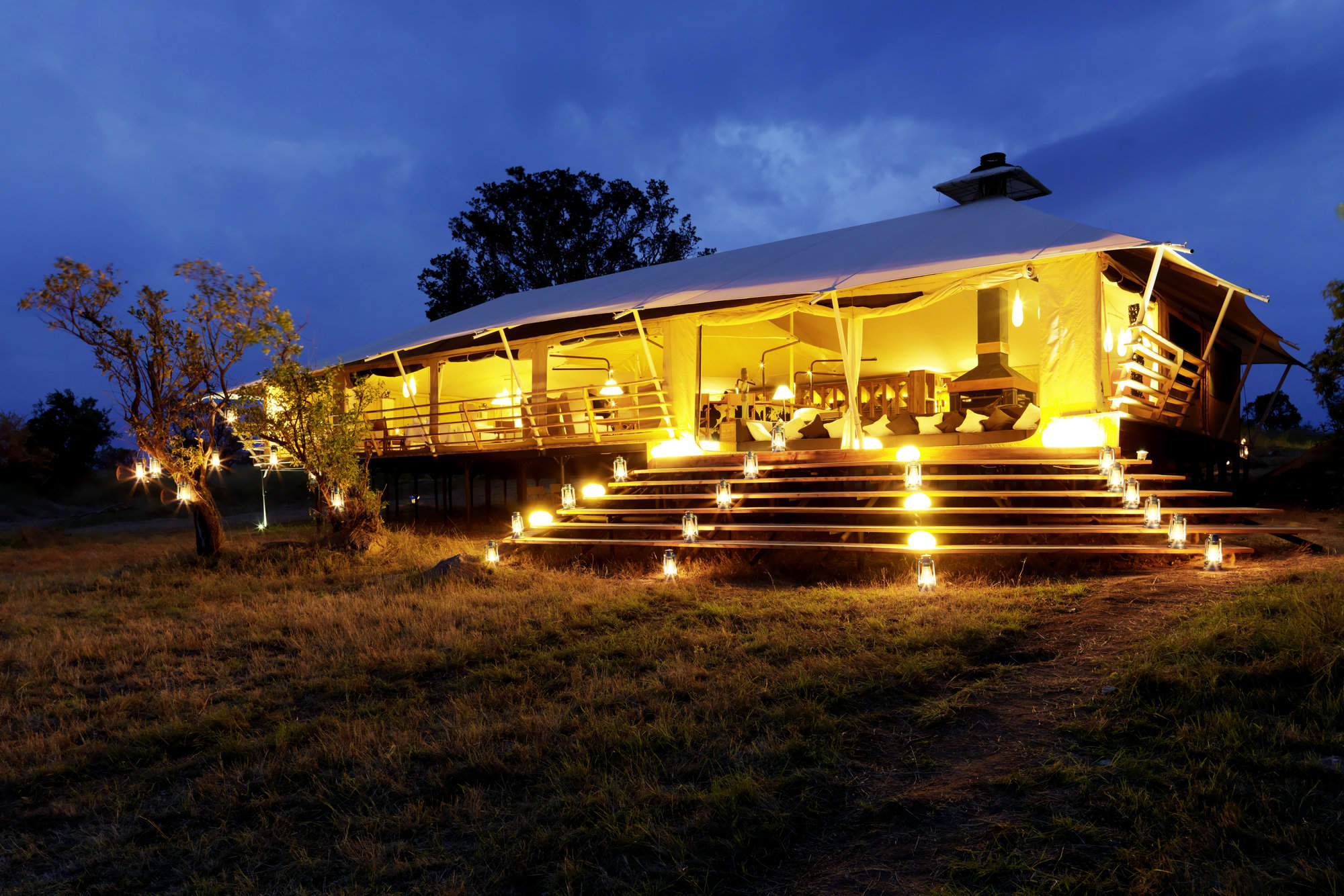
Bushtops
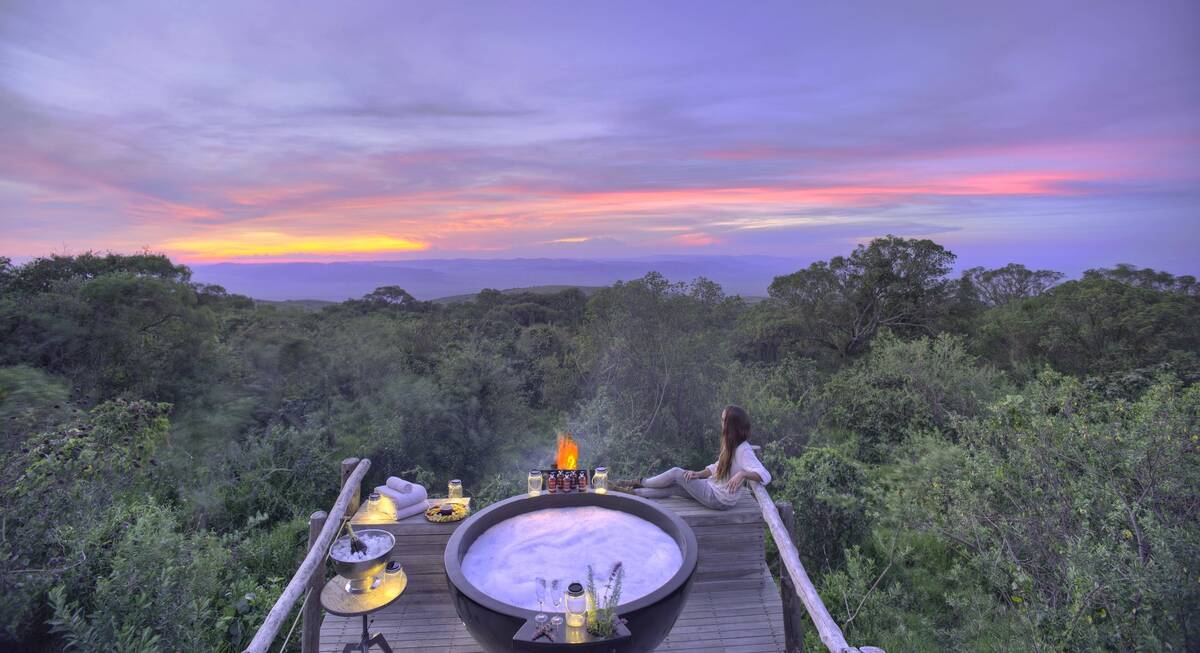
Serengeti Bushtops is a permanent luxury camp in the northern Serengeti, with spacious and private tents with their own hot tubs.
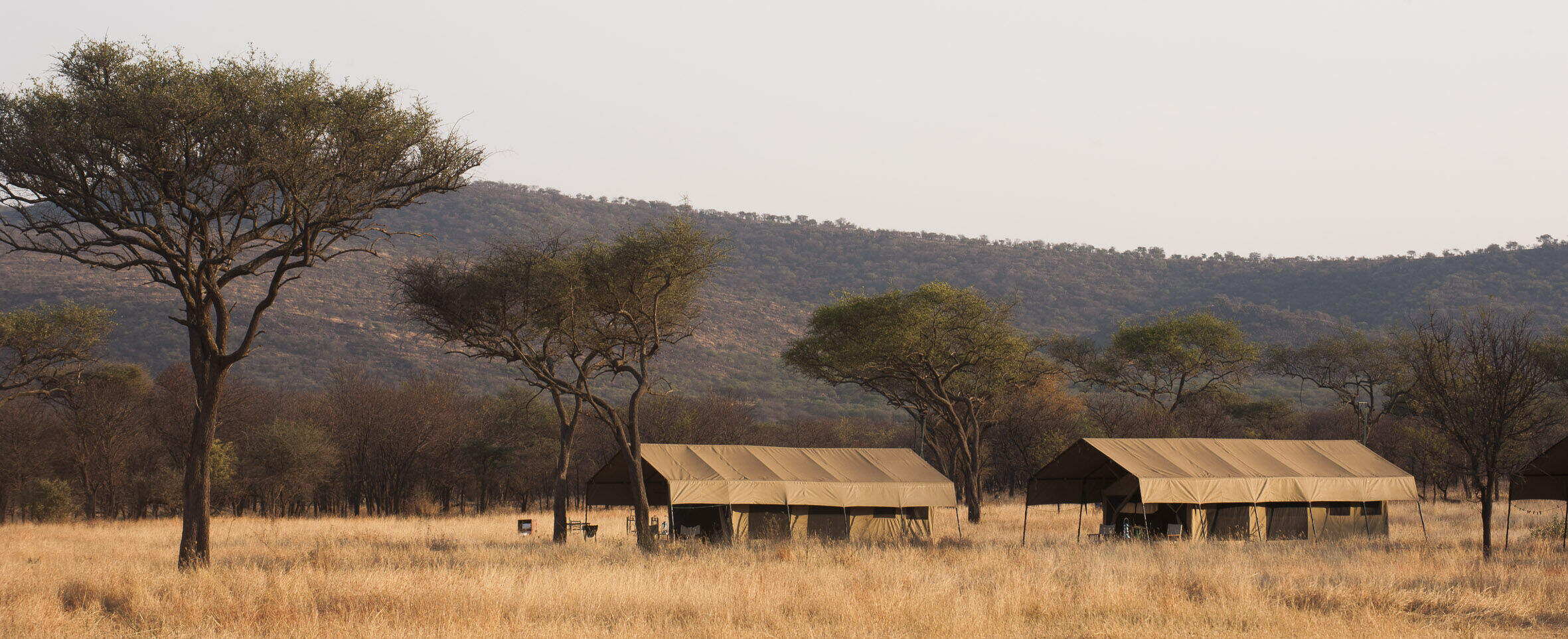
Ndutu Kati Kati
Ndutu Kati Kati is a seasonal tented camp, based in the southern Serenget from Dec-Mar, ideal for the migration as it passes through.
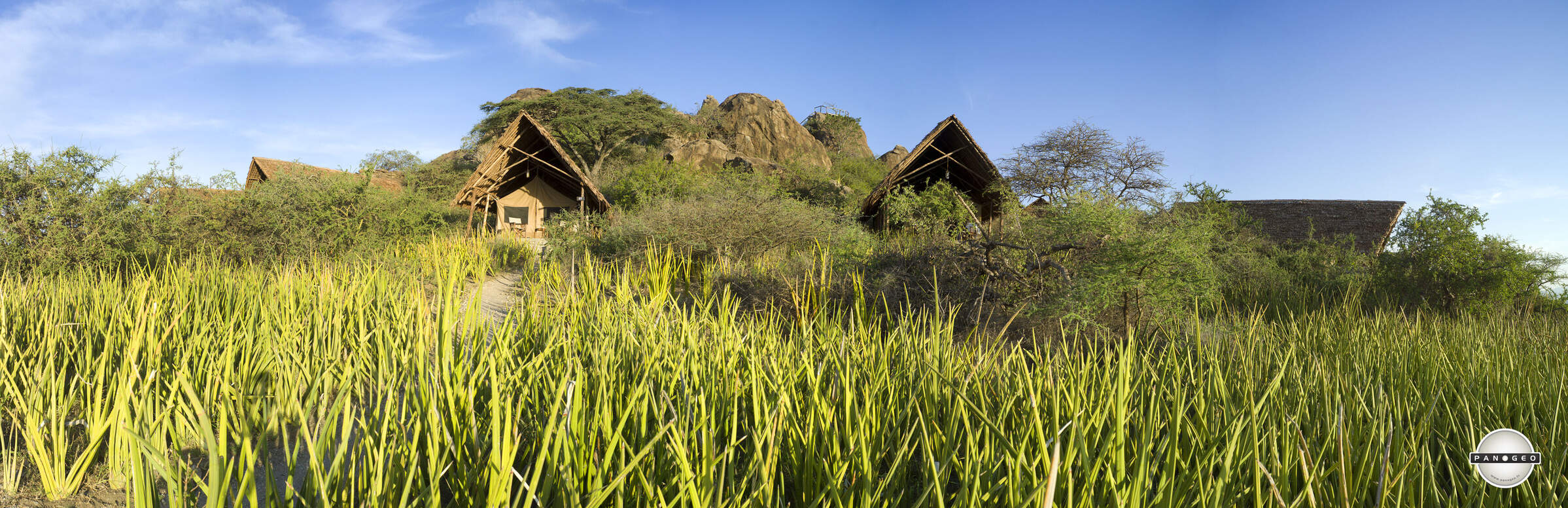
Olduvai Camp
Olduvai Camp lies between Ngorongoro and the southern Serengeti plains. It's a good base for the southern plains during the rainy season.
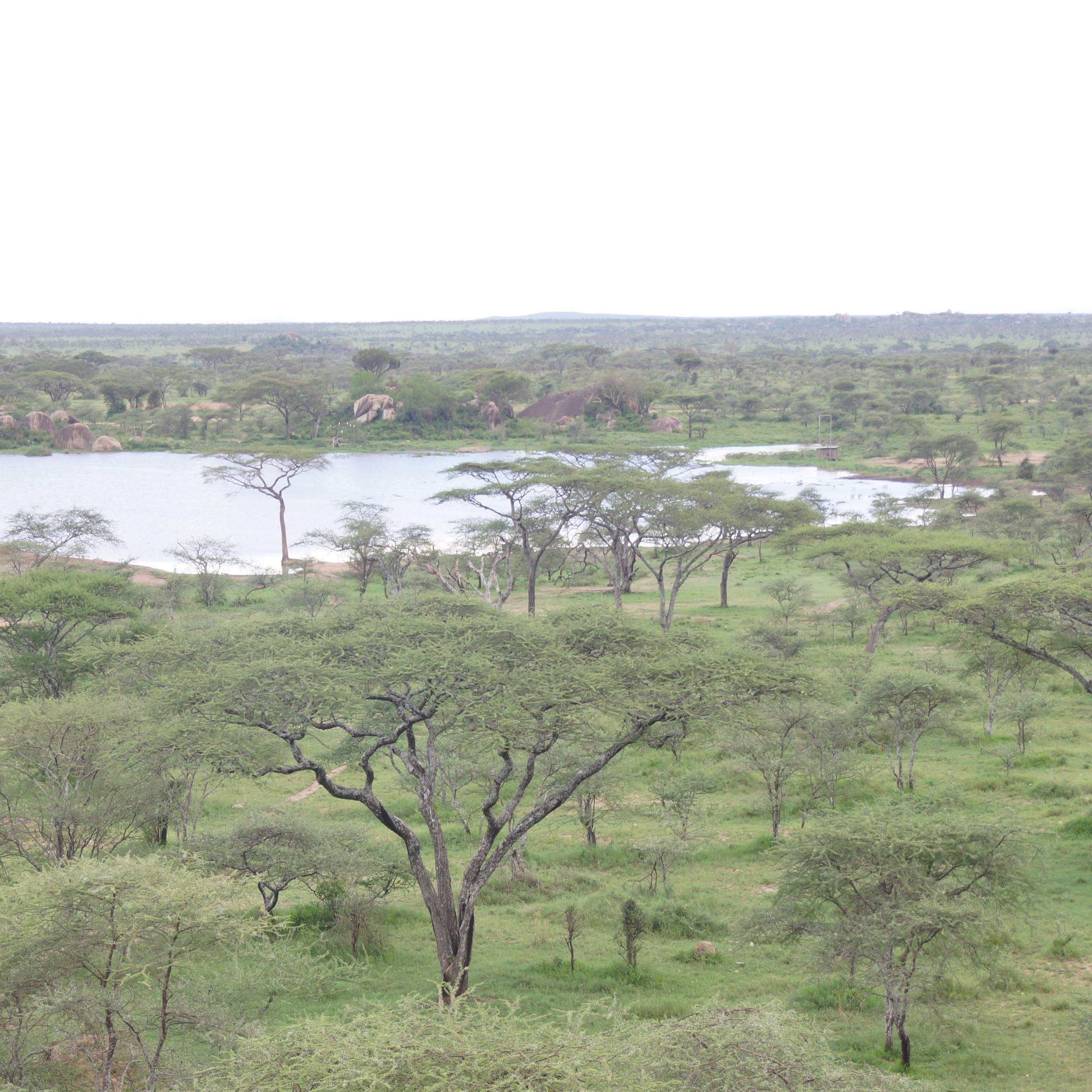
Seronera Wildlife Lodge
Seronera Wildlife Lodge is large hotel-style safari lodge in the heart of the Serengeti, offering good value and a great location.
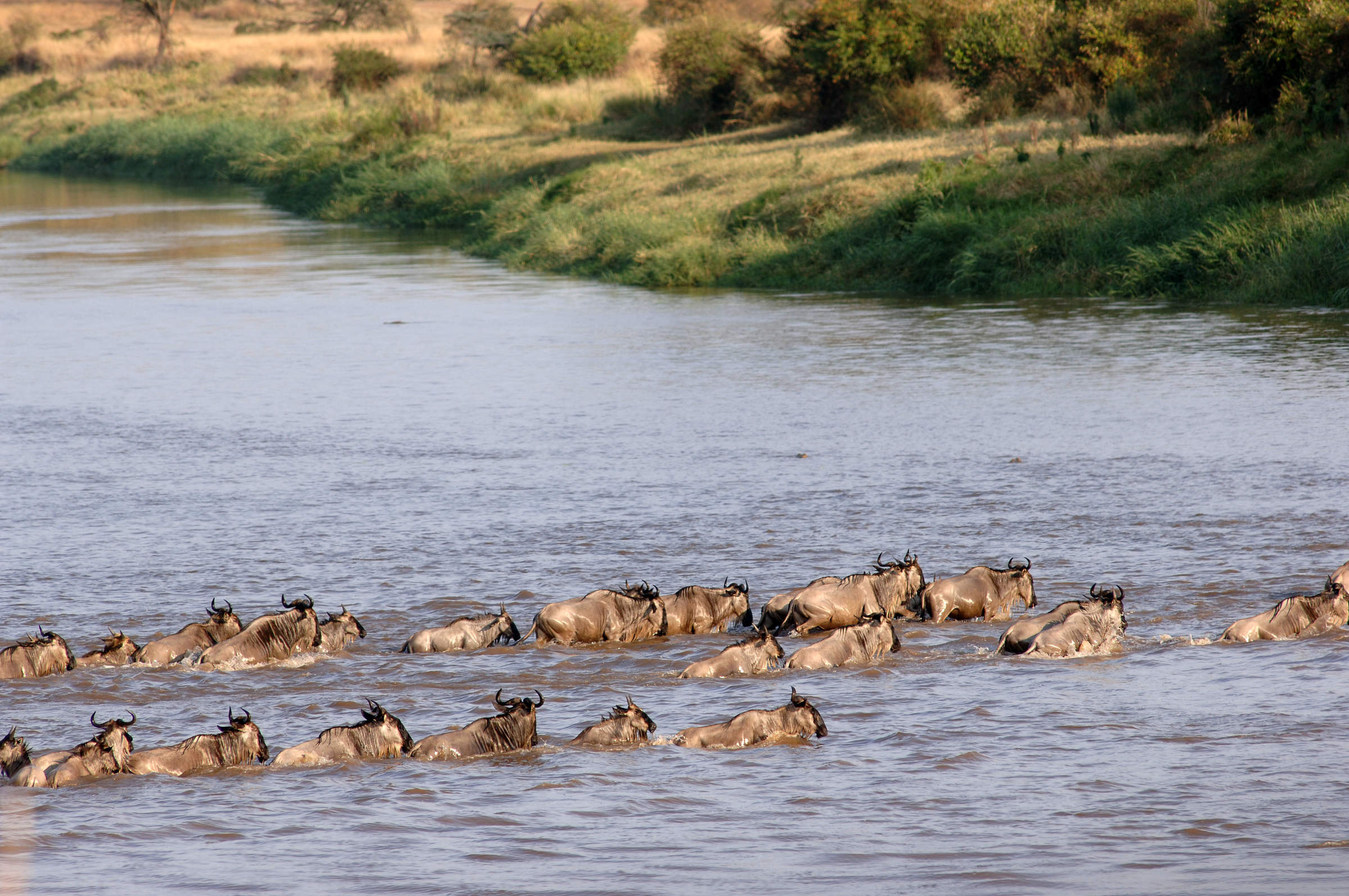
Mara Kati Kati
Mara Kati Kati is a simple bush camp in the northern Serengeti, based from Jul-Oct near the Mara River for the wildebeest migration.
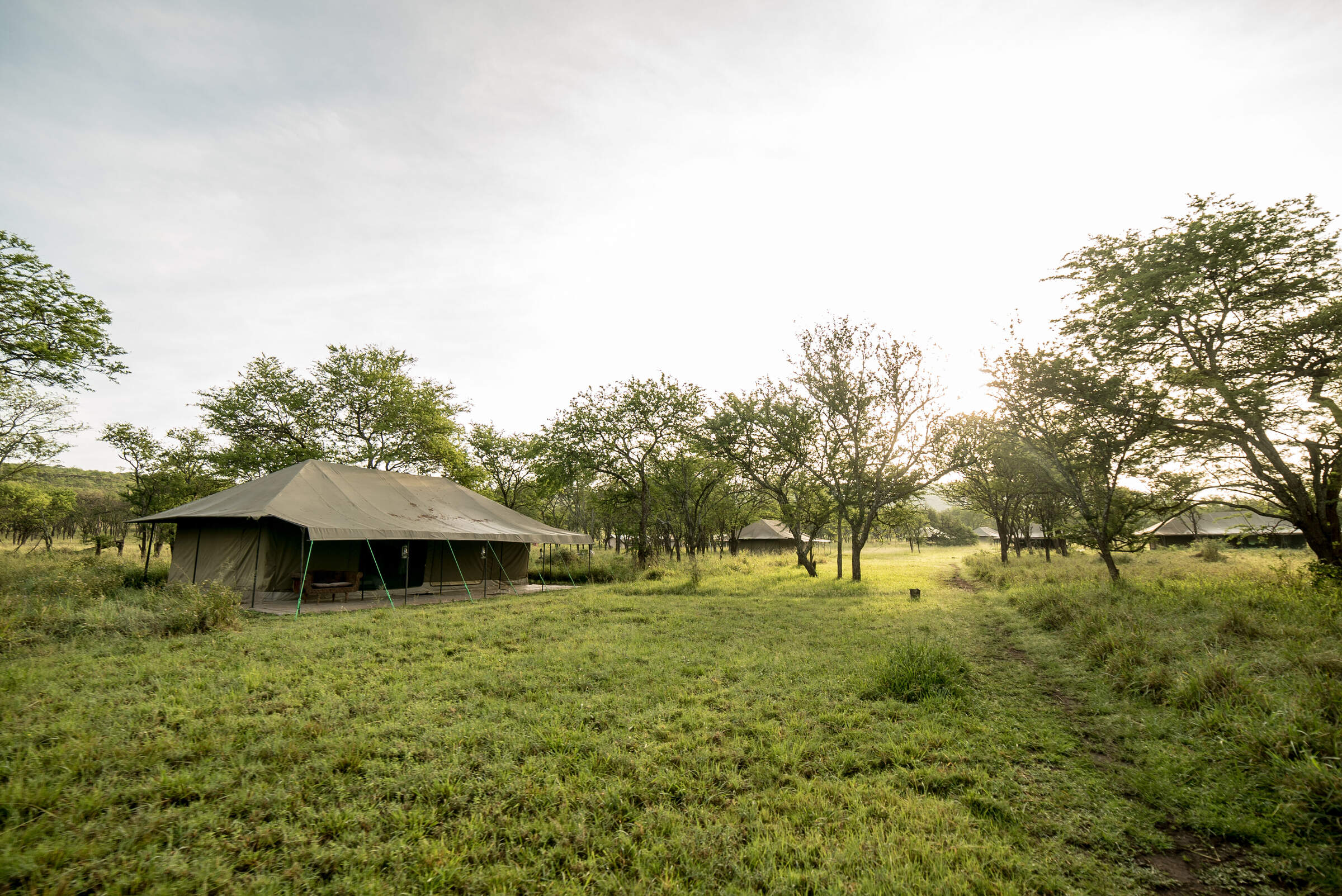
Nasikia Naona
Naona Camp is a small tented camp, located in the Moru Kopjes, west of the Serengeti central area
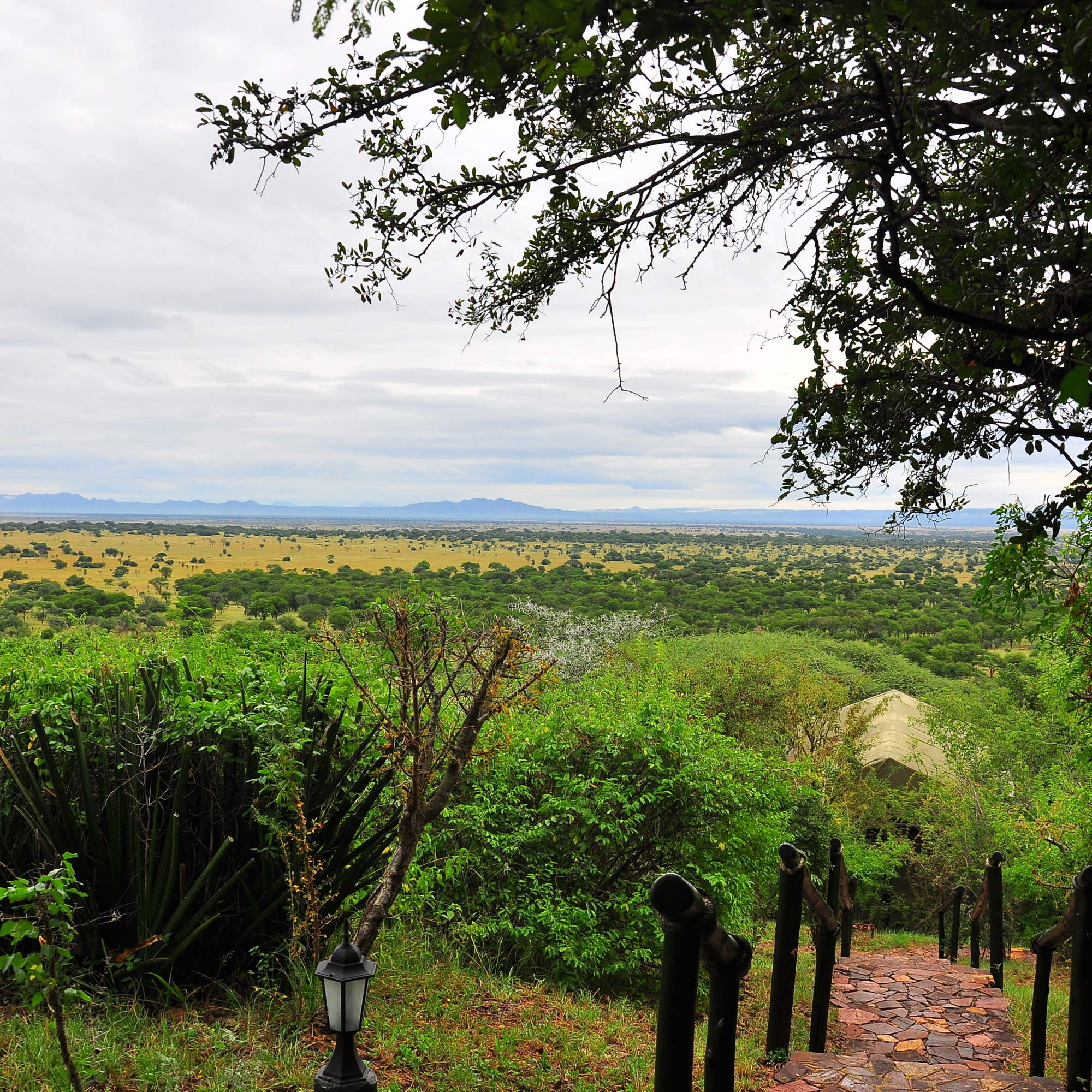
Kirawira Camp
Set high on a hill, in the Serengeti's western corridor, Kirawira is a relatively large tented camp in the Serena group.
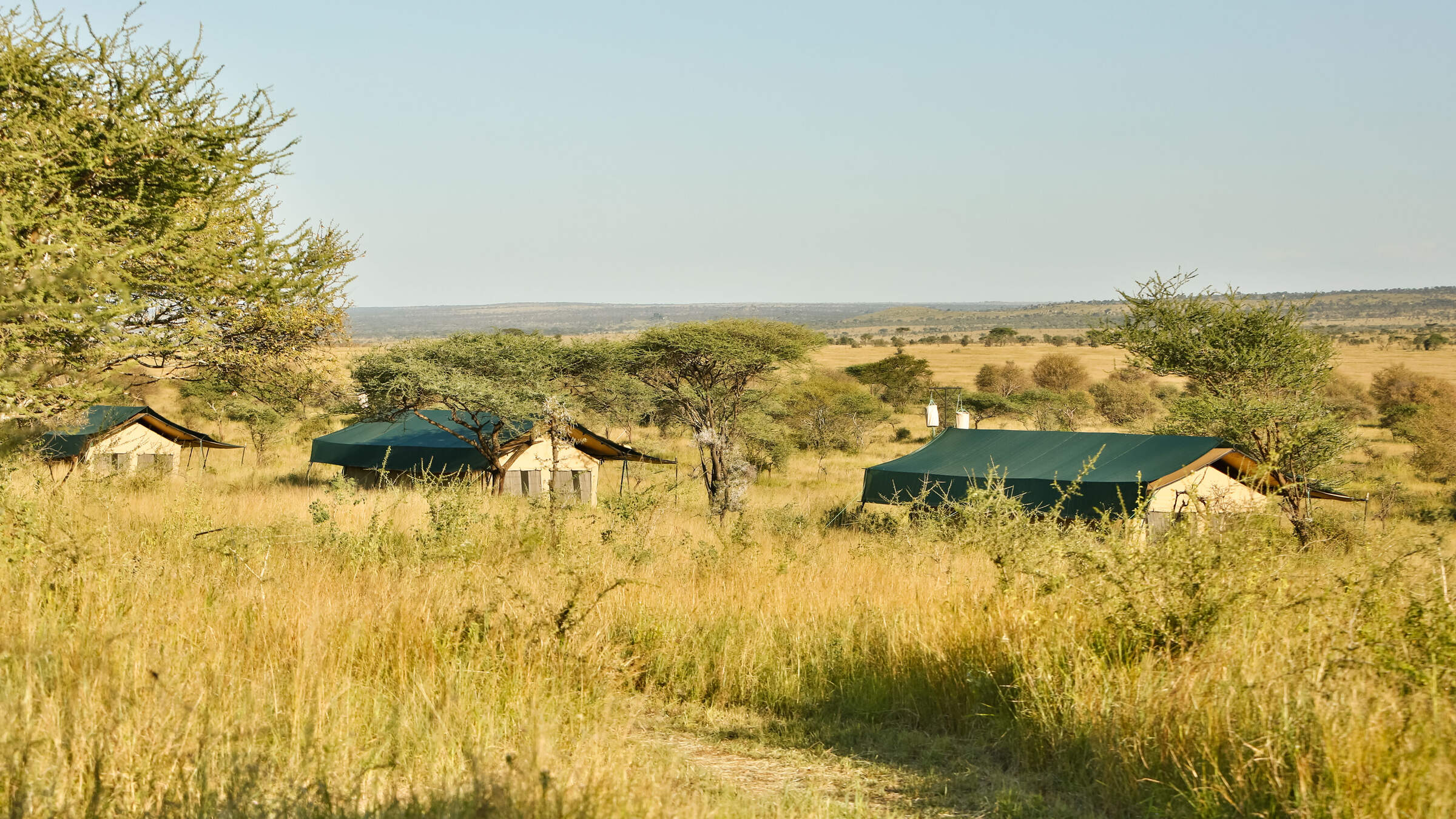
Nyikani Central
Nyikani Central is a comfortable tented camp located in the game-rich Seronera area of the central Serengeti.
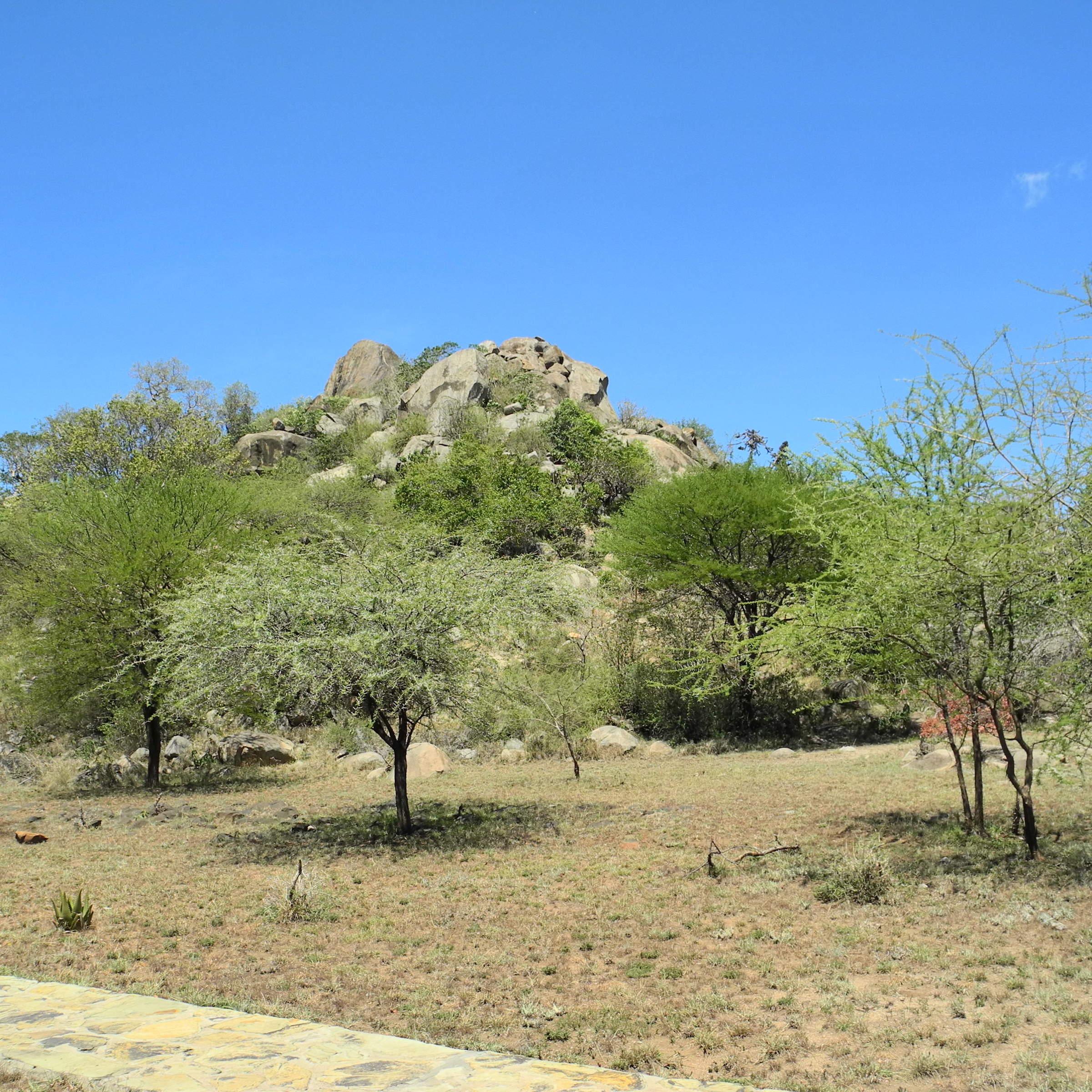
Mbuzi Mawe
Mbuze Mawe is a comfortable tented camp in a convenient, central-north location when driving through the Serengeti.
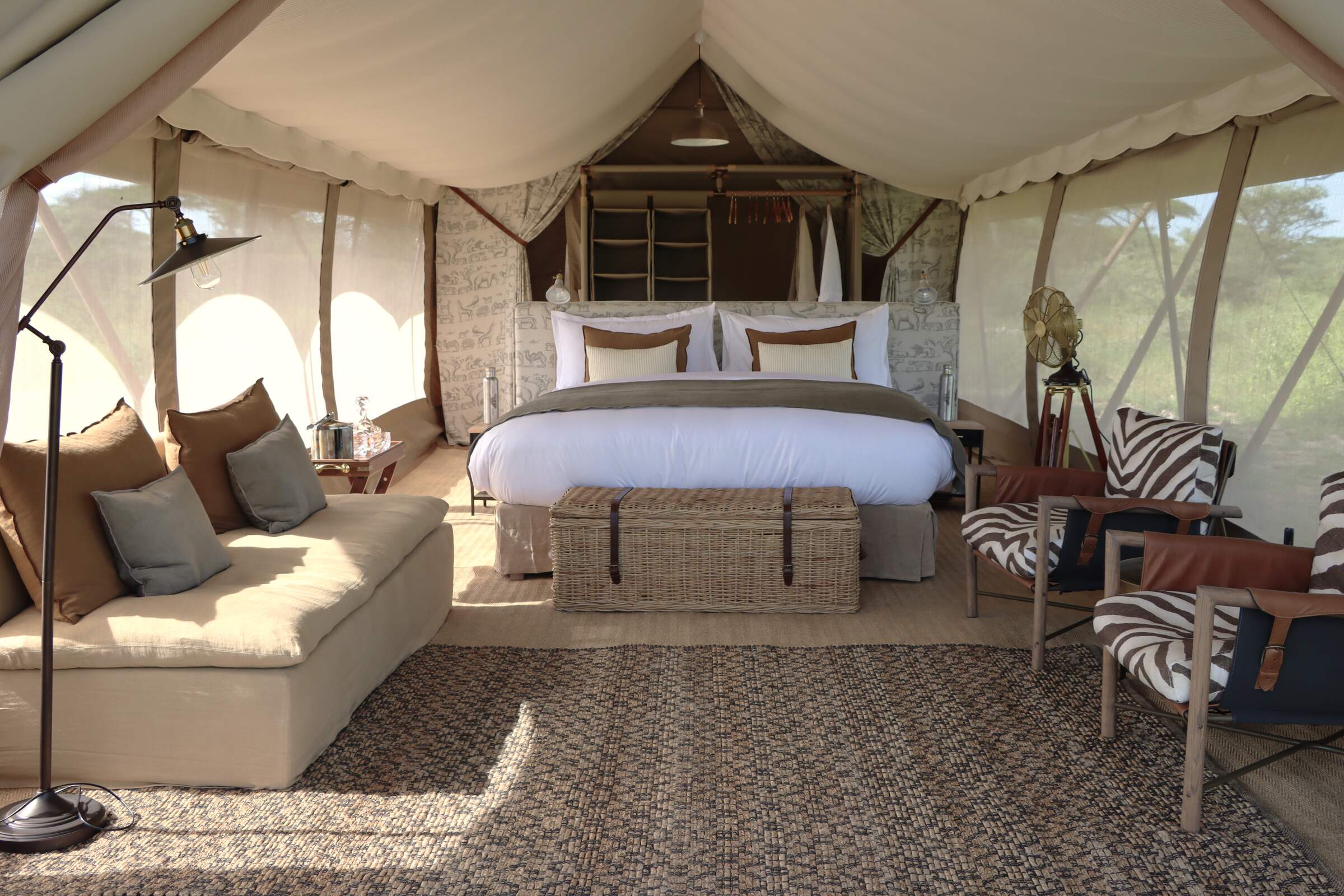
Laba Migration Camp
A luxury mobile camp that moves between the Western Corridor, Mara River and the southern Ndutu area, in line with the wildebeest migration.
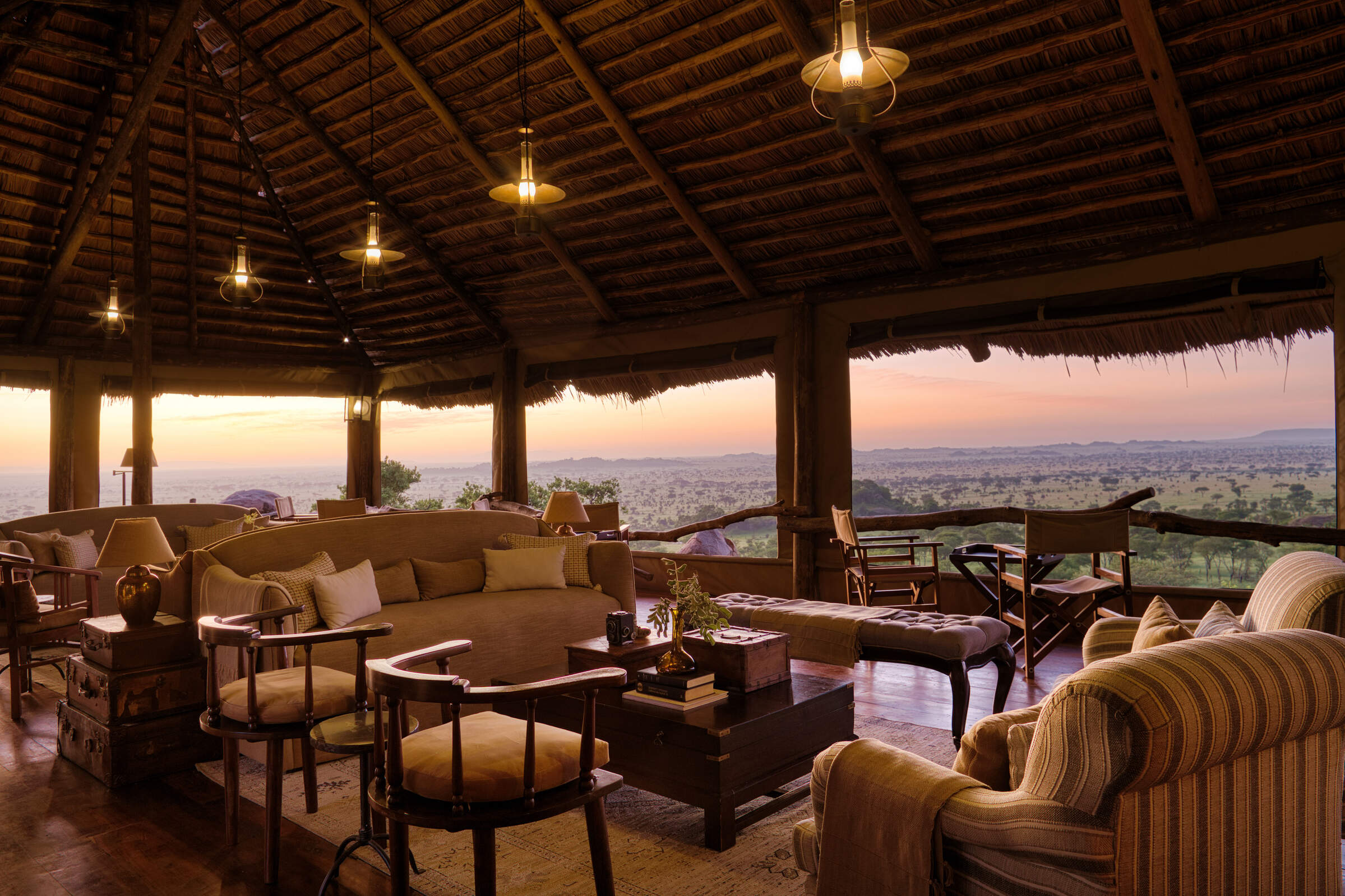
Serengeti Pioneer Camp
Serengeti Pioneer Camp is a luxurious tented camp in the central Serengeti, styled on African explorers' camps of the early 20th century.
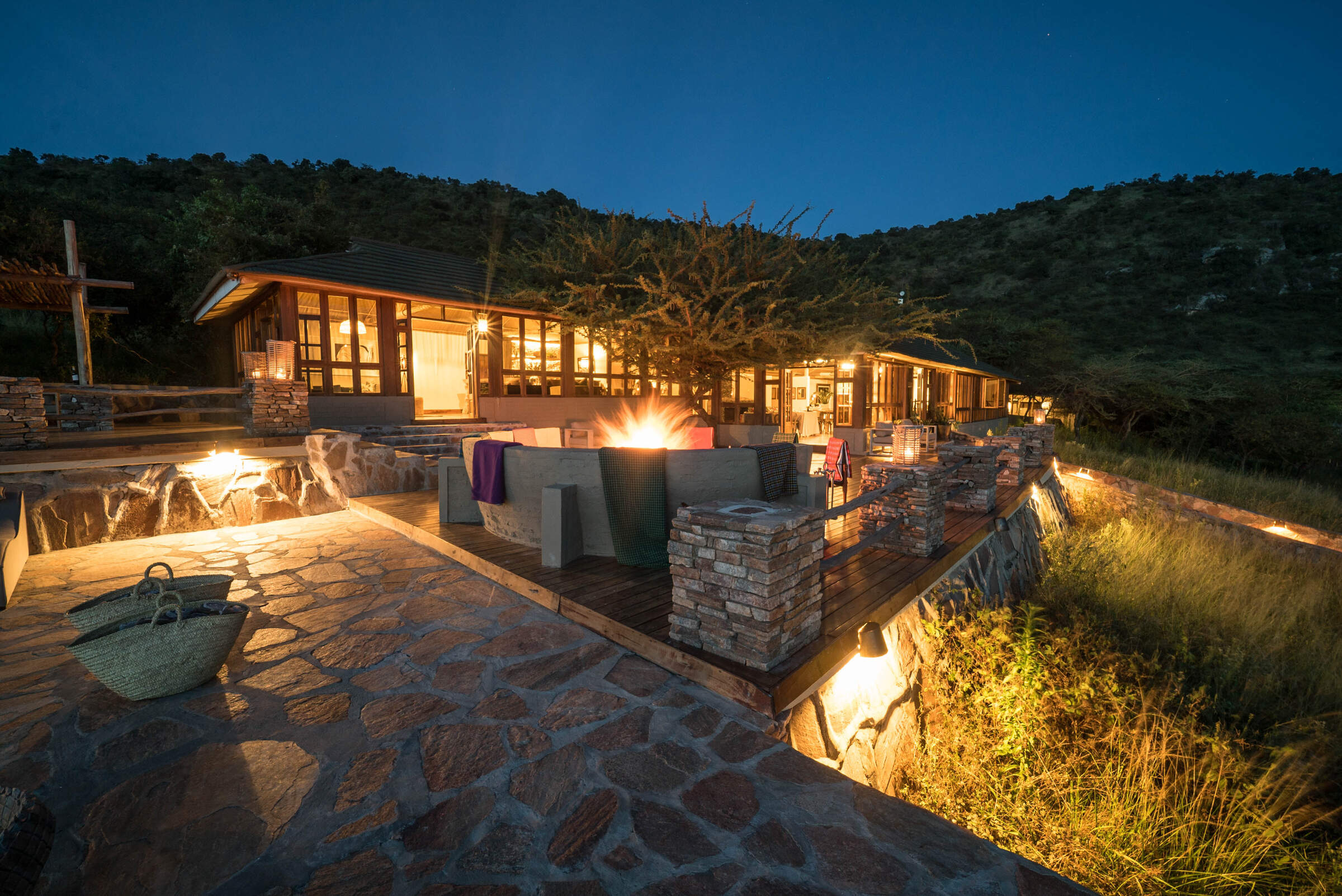
Taasa Lodge
Taasa Lodge is a slightly quirky option offering guided walks and night game drives, which are not permitted in Serengeti National Park.
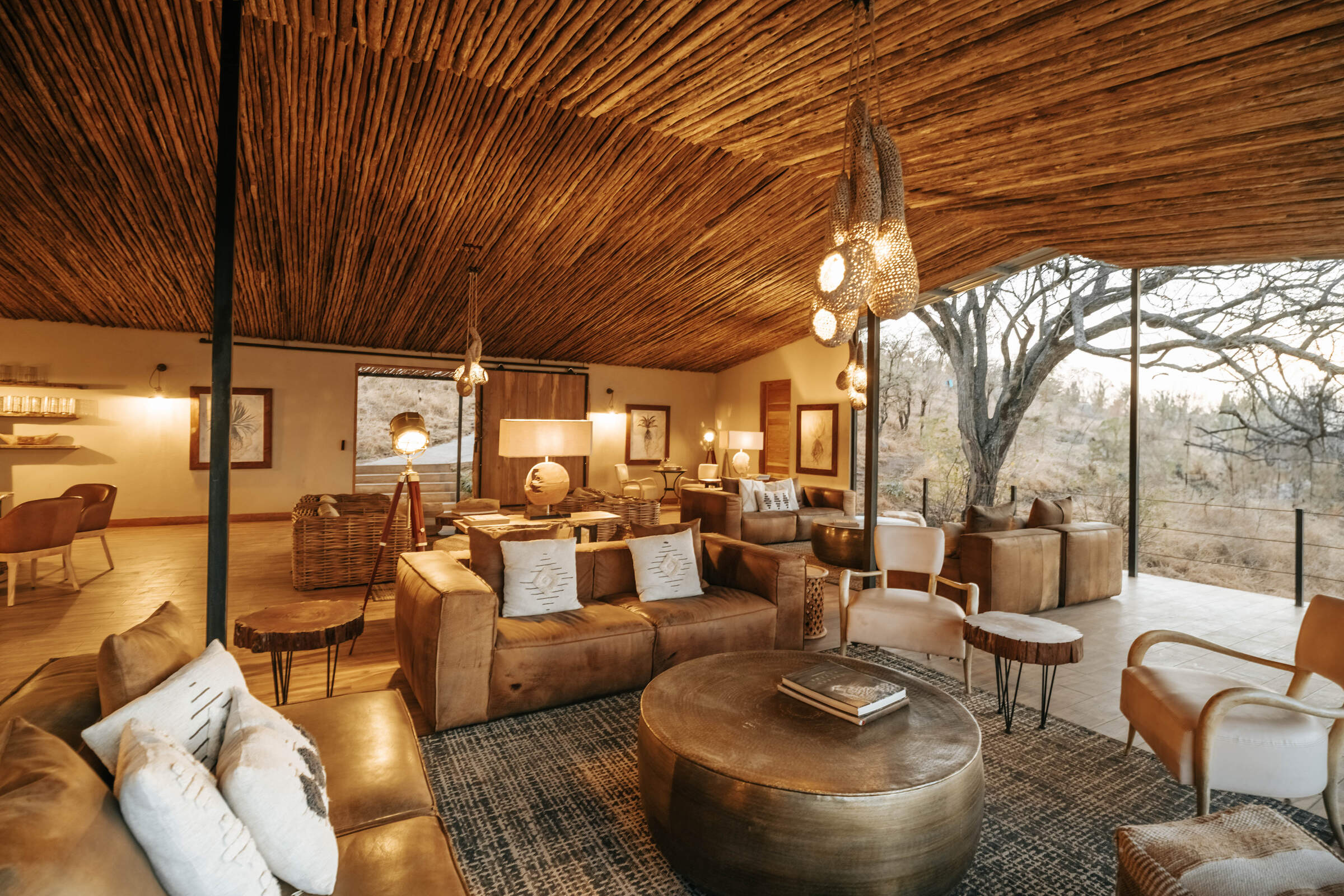
Nimali Serengeti
Opened in July 2017, Nimali Serengeti is a smart, permanent tented camp located in the Seronera area of the central Serengeti.
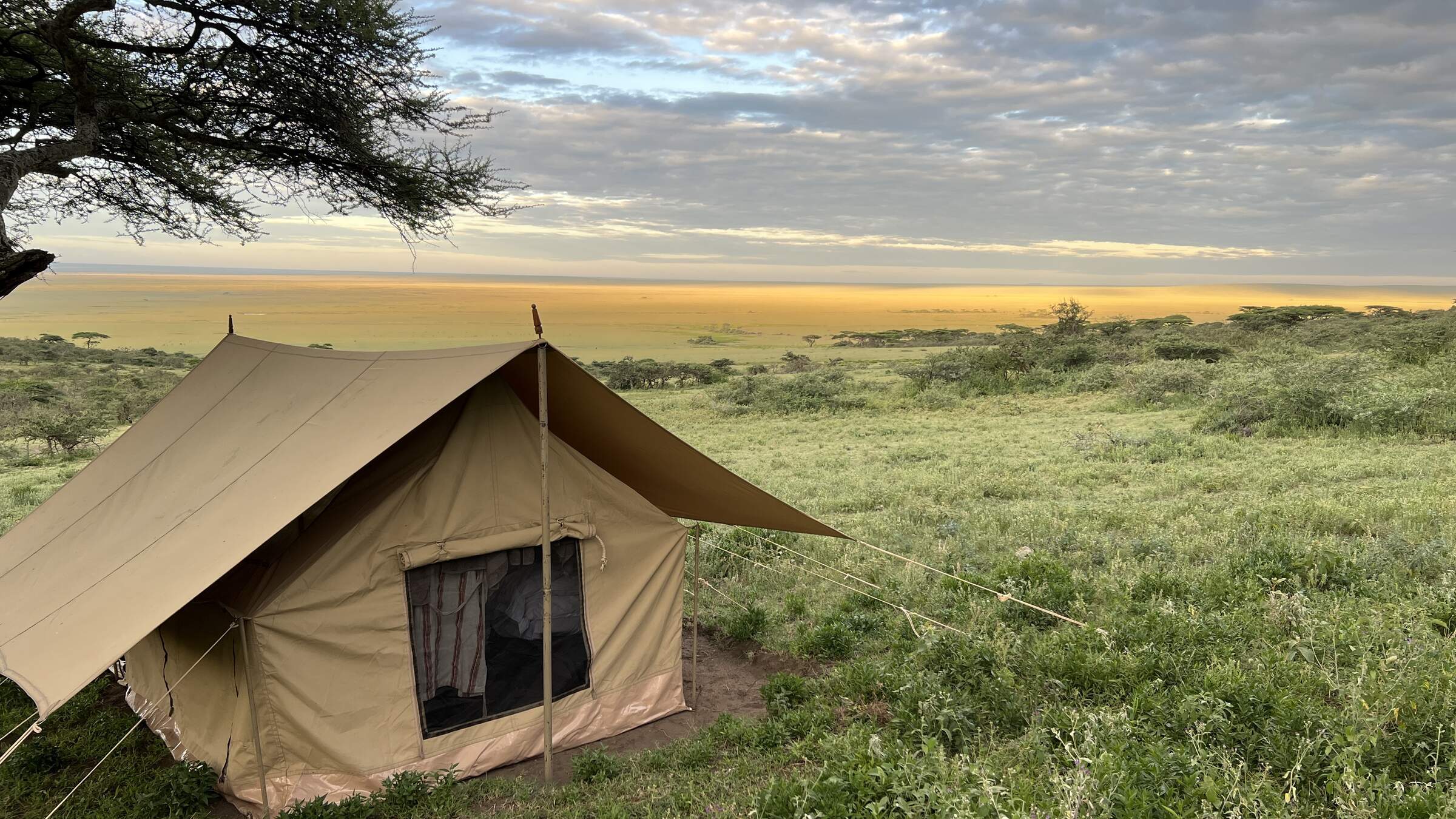
Nomad Walking Camp
Nomad Expeditionary Walking Camp is a simple camp of up to three tents, plus infrastructure, that changes location to allow guests to do substantial walks between campsites.
Our travellers’ wildlife sightings in Serengeti
The Serengeti National Park is a wildlife sanctuary with no permanent human population. Its stunning landscapes and huge biodiversity are world-famous attractions.
The Great Migration is the Serengeti’s defining characteristic. This permanently migrating mega-herd, largely composed of around a million wildebeest, offers a unique spectacle, especially along the banks of the Mara River where every season thousands of crocodiles ambush weak and unlucky animals as they make their perilous crossings.
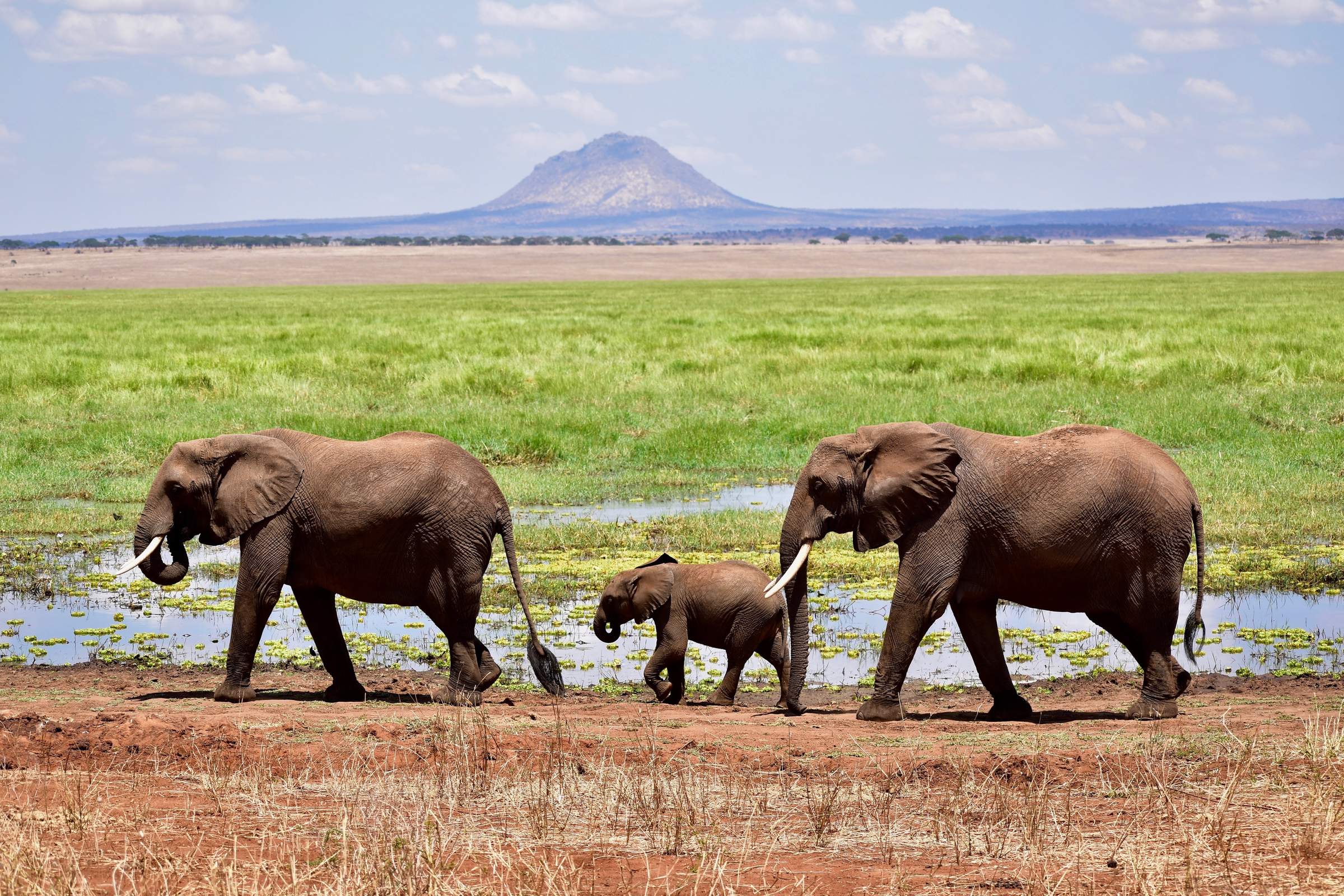
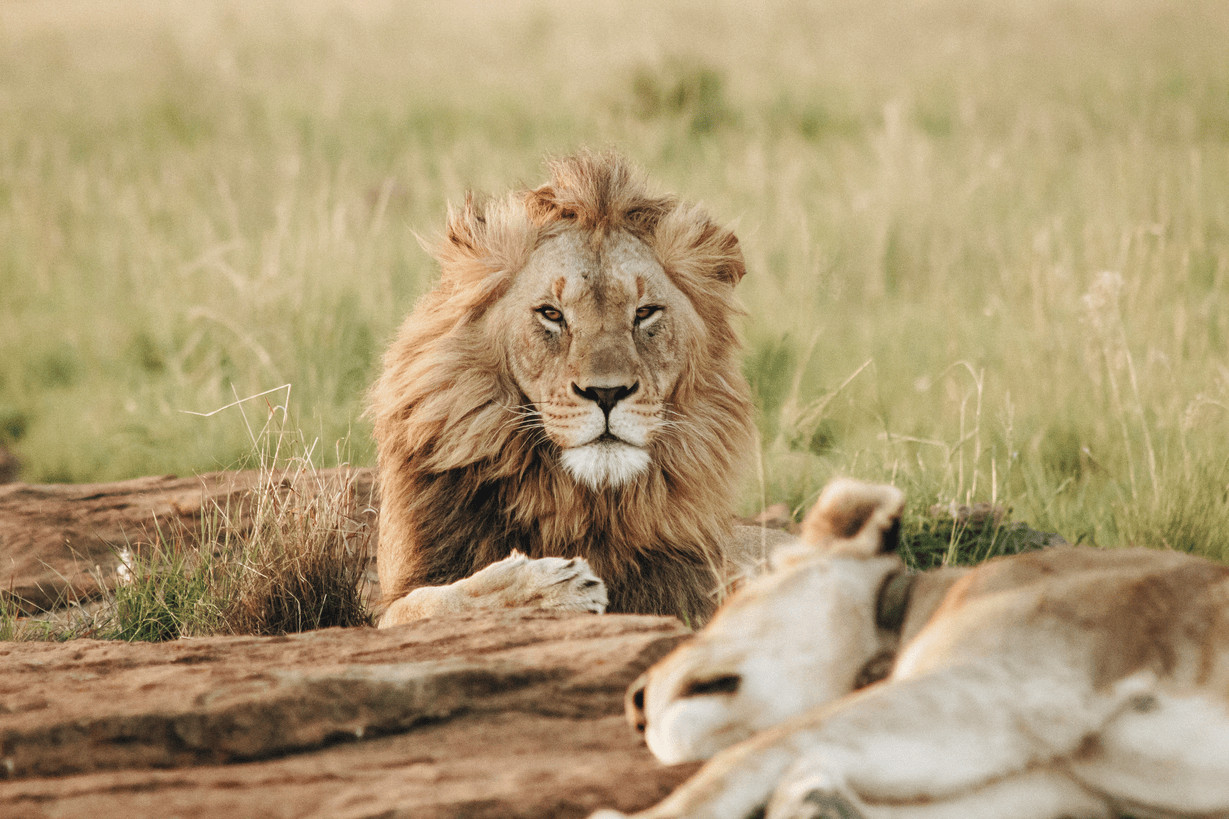
Also home to Africa's largest lion population, the Serengeti provides matchless opportunities to observe these regal predators, among dozens of other species of large mammals. These include large numbers of leopards, cheetahs, hyenas, elephants, giraffes, buffalos and many other grazers and browsers. Black rhinos are recovering in numbers and you may be very lucky and see an aardvark or even a pangolin.
Click on a species below for more information on the top locations in the Serengeti for wildlife sightings, or see our interactive map showing the best locations for individual wildlife species in Tanzania. Read how this wildlife survey works.

98% success

97% success

97% success

95% success

93% success

90% success

88% success

81% success

74% success

73% success

69% success

26% success

21% success

16% success

16% success

7% success

3% success

1% success
When to go to Serengeti Migration Area
Our month by month guide: What it's like to visit Serengeti in Tanzania
Jan
Feb
Mar
Apr
May
Jun
Jul
Aug
Sep
Oct
Nov
Dec
Serengeti Migration Area in January
January marks the start of the Serengeti’s short dry season. In the southern plains, the wildebeest calving season takes centre stage, drawing both predators and eager wildlife enthusiasts. The weather is generally clear and sunny, with rising temperatures, though occasional rainfall may still occur in the southern areas. Birdwatching is particularly rewarding during this time, with resident species in their breeding plumage and migratory birds adding to the variety.
The far southern plains of Ndutu coupled with the central Seronera area remains a reliable choice for game viewing, with lions and cheetahs frequently sighted on the hunt. While the park can be busier early in the month due to New Year visitors, it often becomes quieter later, providing excellent value and a more peaceful experience. Patience may be needed during game drives, as some wildlife becomes more dispersed.
- Variable weather: clear, dry or rainy
- Thunderstorms may occur occasionally
- Prime birding season with migrant species
- Wildebeest gathering in southern Serengeti
- Busy early, quieter later in the month
Our view
A good time to visit, with pros & cons
Weather in January
Serengeti Migration Area in February
February in the Serengeti is hot, with daytime highs reaching around 33°C/91°F, but cooling down significantly in the evening and overnight. It's an excellent time to visit as the northern circuit is comparatively quieter than during peak seasons. The wildebeest calving season, typically occurring in a two-three week window in early-mid February, is a major attraction. Thousands of calves are born daily, attracting a significant number of predators, creating an intense yet fascinating spectacle.
Birdlife is equally vibrant, as migratory species from the northern hemisphere join the park's resident birds. The Ndutu region is especially active, hosting an abundance of wildlife. Hot air balloon safaris offer unparalleled views of the action below. Despite the midday heat, early morning game drives remain comfortable and highly rewarding.
- Hot and dry weather conditions prevail
- Wildebeest calving in southern plains
- Southern Serengeti busy for migration
- Lush, green landscapes across the park
- Ideal for wildlife photography
Our view
A very good time to visit
Weather in February
Serengeti Migration Area in March
March typically sees the arrival of the long rains in the Serengeti, though the exact timing can vary each year. With water becoming more plentiful, migratory animals begin to spread out, making wildlife spotting a bit more challenging in certain areas. The Seronera Valley remains a reliable choice for sightings, thanks to its consistent water sources.
The rains bring a dramatic transformation to the landscape, with lush greenery emerging across the plains, offering stunning photographic opportunities. Birdwatchers are in for a treat, as many species are in their vibrant breeding plumage. Although some mobile tented camps begin winding down operations in preparation for the next season, visitors can still enjoy the park’s quieter atmosphere and its renewed natural beauty.
- Hot with increasing humidity pre-rains
- Wildlife viewing varies as rains begin
- Park quieter with lower visitor numbers
- Excellent time for bird watching
- Green vegetation provides scenic backdrops
Our view
A good time to visit, with pros & cons
Weather in March
Serengeti Migration Area in April
April tends to be the wettest month in the Serengeti, with rainfall averaging around 250mm. The park is transformed into a verdant oasis, alive with birds, insects, and smaller wildlife. However, the dense vegetation can make spotting animals more difficult. Visitor numbers are at their lowest, allowing for a more exclusive safari experience and there can be some good emerald season bargains to be had.
The wildebeest migration typically begins slowly moving toward the Western Corridor, and patient travellers can witness fascinating sights such as newborn animals and predators on the hunt. Rising water levels make the Retina Hippo Pool particularly active. Birdwatching continues to be excellent, and many lodges offer reduced rates, making it an appealing time for those willing to brave occasional downpours.
- Heavy rains with impressive thunderstorms
- Some camps closed due to weather
- Lowest rates and fewest tourists
- Vibrant greenery, wildlife more dispersed
- Not ideal for general wildlife viewing
Our view
This is not a great time to visit
Weather in April
Serengeti Migration Area in May
As the month of May progresses, the rains start to taper off across the Serengeti and temperatures drop slightly. Visitor numbers remain low, and lodge rates are often highly competitive, making it a great time for more value-conscious travellers. The wildebeest migration usually still heading towards the Western Corridor, with some herds nearing the Grumeti River and others still milling around the central area of the park. Predator-prey interactions become more frequent as animals navigate the changing environment.
The Moru Kopjes region offers particularly rewarding wildlife encounters, including the chance to spot black rhinos. The park’s vegetation is at its lushest, providing breathtaking backdrops for photographers. Balloon safaris during this time give a spectacular view of the green plains and migrating herds.
- Rains continue, creating dramatic skies
- Quiet period, great for avoiding crowds
- Lush landscapes with long grasses
- Wildlife more dispersed, fewer sightings
- Affordable safari options available
Our view
This is not a great time to visit
Weather in May
Serengeti Migration Area in June
June signals the end of the rainy season in the Serengeti, with the landscape beginning to dry out. Wildlife starts to gather around permanent water sources, and the Grumeti River becomes a key location for dramatic river crossings. Before the wildebeest migration heads north, the Western Corridor remains a hub of activity.
Many camps will offer shoulder season rates in June, meaning that this is also a more affordable time to visit than later in the year. The Lobo Valley in the north also becomes a productive area for wildlife viewing. With shorter grasses and clearer conditions, June is an excellent time for walking safaris in designated areas. The balance of good weather, exciting wildlife action, and moderate tourist numbers makes it a great month to visit.
- Weather varies: clear, dry or some rain
- Migration moving from west to north
- Parks still green with high grasses
- Wildlife becoming more concentrated
- Good value shoulder season prices
Our view
A good time to visit, with pros & cons
Weather in June
Serengeti Migration Area in July
July is the start of peak season in the Serengeti, with little to no rainfall expected and pleasant daytime temperatures. As the park dries, wildlife congregates in fewer areas, improving game viewing opportunities. The wildebeest migration typically reaches the northern Serengeti, with herds beginning to cross the Mara River. This spectacle draws many visitors, making the northern areas busier.
The Seronera area remains excellent for big cat sightings. In the western corridor, resident game becomes easier to spot as vegetation thins. Balloon safaris are particularly popular this month, offering breathtaking views of the migrating herds. Despite the crowds, July offers some of the year's best wildlife viewing opportunities across the park.
- Dry days, chilly mornings and evenings
- Excellent wildlife viewing opportunities
- Peak season with increasing visitor numbers
- Highest prices due to prime conditions
- Great Migration in full swing
Our view
Fantastic: the very best time to visit
Weather in July
Serengeti Migration Area in August
August in the Serengeti is characterised by clear skies and sunny weather, though cooler nights and mornings call for layered clothing for early morning game drives. It's an extremely popular time to visit, with accommodation prices at their peak. The northern Serengeti is particularly busy as visitors hope to witness migration river crossings – with the Mara and Sand rivers becoming focal points for dramatic wildlife interactions.
In the central Serengeti, predator sightings remain good around the Seronera River. The park's southern regions are now much drier, home to excellent resident game and now fewer visitors. Balloon safaris provide stunning aerial views of the landscape and wildlife. While August is a very busy time, the consistent wildlife activity and reliable weather make it a fantastic month to visit.
- Dry climate, cool mornings and evenings
- Superb general wildlife viewing
- Exciting wildebeest migration period
- Very busy, camps fill up quickly
- Dramatic river crossings may occur
Our view
Fantastic: the very best time to visit
Weather in August
Serengeti Migration Area in September
September continues the Serengeti’s dry season, with wildlife becoming increasingly concentrated around the few remaining water sources. The northern Serengeti still hosts the wildebeest migration, with river crossings at the Mara River offering dramatic predator-prey interactions. The Seronera Valley remains an excellent spot for sightings of resident predators, while the now-parched southern plains offer good chances to see cheetahs.
As the month progresses, visitor numbers begin to drop slightly, making it a quieter time to explore. Birdwatching remains rewarding, and walking safaris provide a more intimate wildlife experience. September’s pleasant weather and exceptional wildlife viewing make it a very good time to visit.
- Fantastic wildlife viewing conditions
- Slightly less crowded than peak months
- Parks becoming dry with less vegetation
- Pleasant temperatures throughout day
- Prices remain high for quality safaris
Our view
Fantastic: the very best time to visit
Weather in September
Serengeti Migration Area in October
October marks the tail end of the dry season in the Serengeti. Wildlife gathers around the last water sources, creating fantastic viewing opportunities. The Mara River may still see some migration activity, while the central Seronera region continues to deliver reliable predator sightings. In the western corridor, large herds of elephants are a highlight, and the dry southern plains can sometimes offer very good opportunities to spot cheetah.
Birdwatching is rewarding, with many resident species easily spotted. Balloon safaris offer breathtaking views of the parched landscape – though photographers need to be prepared for dusty conditions. Prices remain high, but visitor numbers are lower than in July-Sept, providing a more exclusive safari experience.
- Mostly dry with comfortable temperatures
- Excellent game viewing opportunities
- Landscape may appear somewhat barren
- Lower visitor numbers than earlier months
- Chance to see predator action at its best
Our view
A very good time to visit
Weather in October
Serengeti Migration Area in November
November usually signals the start of the short rains in the Serengeti. While lighter and more sporadic than the long rains, they rejuvenate the landscape with fresh grass growth. Wildlife begins to disperse as water becomes more readily available, but game viewing remains strong, particularly in the central Seronera area.
The wildebeest herds start their journey southward from the Mara region, creating opportunities for unique sightings. Birdwatching is excellent, with the arrival of migratory species adding to the variety. Some mobile camps in the north close temporarily, but those who visit in November can enjoy great value with lower rates and quieter conditions.
- Variable weather: clear, dry or rainy
- Parks quieter with lower-end prices
- Some camps close for maintenance
- Wildlife disperses as rains begin
- Migration movement less predictable
Our view
A good time to visit, with pros & cons
Weather in November
Serengeti Migration Area in December
December is a transition month in the Serengeti, falling within the short rainy season. The rains bring life to the southern plains, attracting the wildebeest herds and the predators that follow them. The Ndutu region becomes a focal point for wildlife activity.
Temperatures are comfortable, averaging around 27°C/81°F, with the possibility of occasional thunderstorms. Birdwatching is outstanding, with many migratory species adding to the diversity. Early December offers good value, with lower prices and fewer visitors, but the festive season sees a surge in demand, requiring early bookings. Balloon safaris provide stunning views of the rejuvenated landscape, making December an exciting time to visit the park.
- Weather varies: dry, rainy, or stormy
- Good game viewing in central Serengeti
- Quiet early, extremely busy late month
- Prices rise sharply for holiday season
- Green season begins, landscapes refresh
Our view
A good time to visit, with pros & cons
Weather in December
Serengeti Migration Area: In detail
Serengeti Migration Area
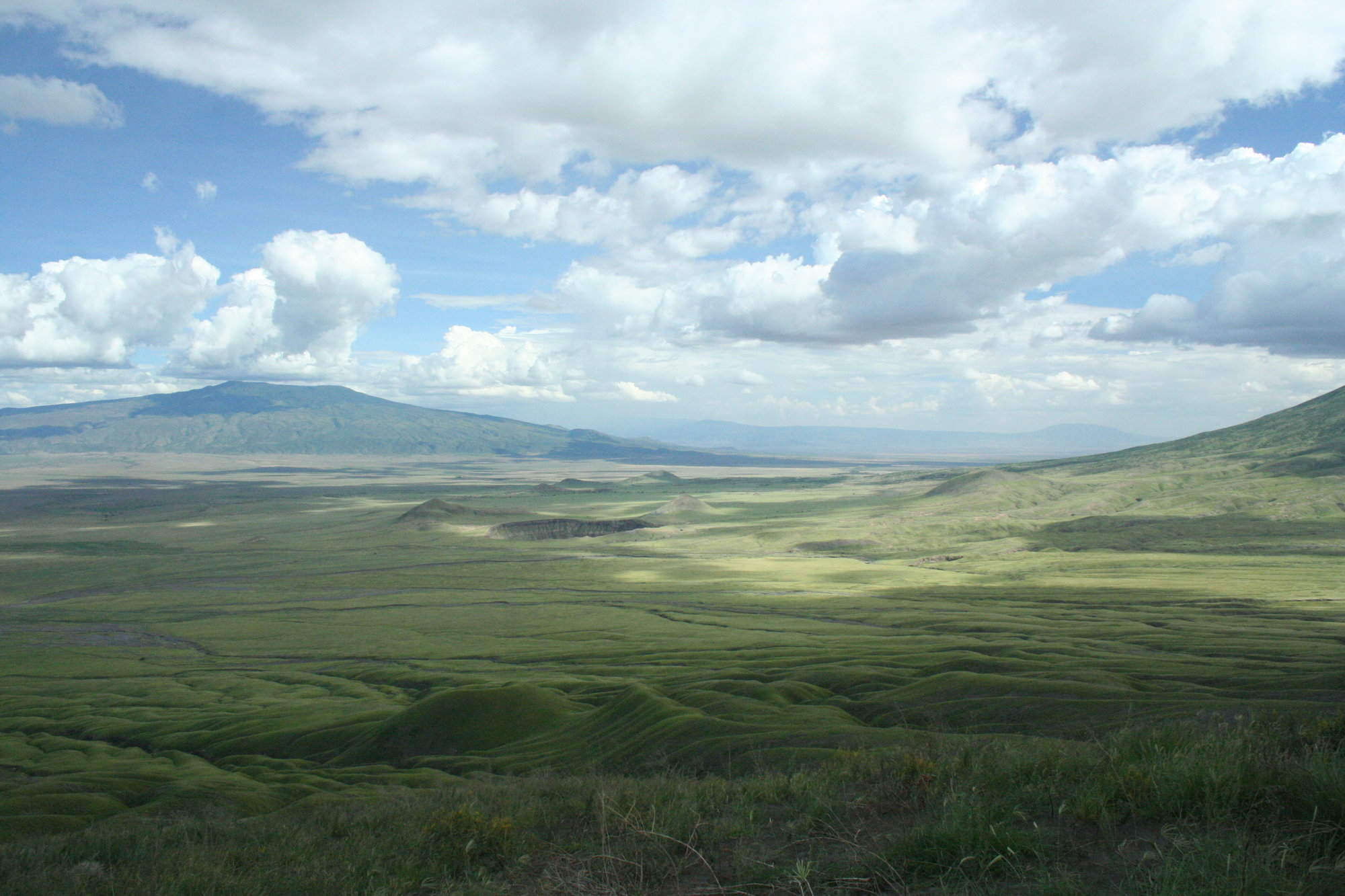
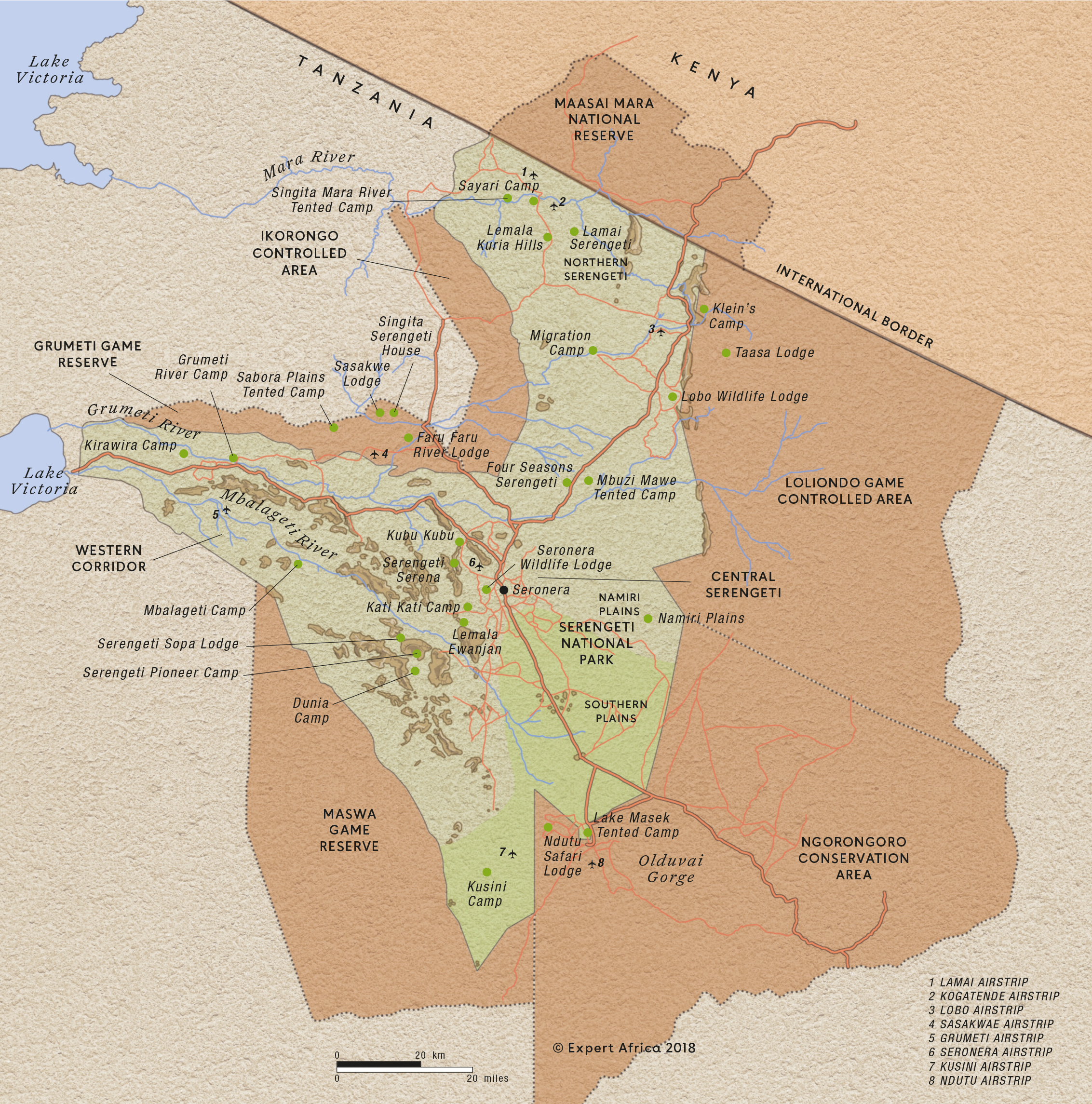
The Serengeti National Park itself covers about 15,000km2 of mostly flat or gently rolling grasslands, interspersed with occasional rock outcrops, known as kopjes, from the Afrikaans.
But this is just the centre of a whole ecosystem which covers more than double that area, and includes Grumeti Reserve, Ikorongo Game Reserve, Loliondo Controlled Area, Maswa Game Reserve, part of the Ngorongoro Conservation Area and also Kenya's relatively small Maasai Mara Game Reserve. This combined area is often referred to as the Greater Serengeti area, or the Serengeti-Mara ecosystem.
Southern plains
The area’s fertile plains owe their formation to volcanic ash deposited over millennia, particularly from the Ngorongoro volcanoes. The ash enriched the soil with nutrients, making it highly conducive to the growth of short, nutritious grasses. This environment supports massive herds of herbivores, particularly wildebeests, zebras, and gazelles, which in turn attract a variety of predators such as lions, cheetahs, and hyenas.
The southern plains are characterised by vast, open grasslands dotted with occasional rocky outcrops (kopjes) that serve as vantage points and shelter for wildlife. During the wet season, from November to May, the plains transform into lush green fields, attracting millions of migratory animals. The area is a critical calving ground for wildebeests, with thousands of young born in February and March, providing ample prey for predators. The dry season, from June to October, sees most of the wildlife migrating northward in search of water, leaving the plains relatively empty.
Visitors during the wet season can witness the calving spectacle and large predator activity, while the dry season offers quieter landscapes with resident species like ostriches, secretary birds, and smaller mammals. The stark beauty of the southern plains and their role in the Great Migration make them a must-visit for those seeking a true Serengeti experience.
The Seronera area
Scenically, it's a lovely area – with open plains, occasional kopjes and lines of hills to add interest. The resident game here is phenomenal, with high densities of relaxed leopards, cheetah and lion. These live off the resident herbivores, as well as the migrating game. The migration passes through here in April/May, but Seronera is within reach of both the Southern Plains and the Western Corridor – so from about November to June, it can be used as a base to see the migration. Seronera's big drawback is that it is always busy.
Western Corridor
The key feature of this area is the two rivers, the Grumeti and the Mbalageti, which run almost parallel, each supporting a band of most, evergreen riparian forest. This area sustains a very good permanent game population, including plenty of zebra and wildebeest, all the predators and forest 'specialists' like colobus monkeys.
The birdlife is particularly varied. The migration passes through between about May and July – pausing to gather momentum before crossing the crocodile-rich waters of the Grumeti River, into the Grumeti Reserve.
Northern Serengeti
The further you go north, the fewer vehicles you see. Even when the migration is here, between about August and October, you can still enjoy spectacular crossings of the Mara River. A particularly stunning are is the wild Lamai Wedge – the area of land between the Mara River and the Kenya Border – which includes the picturesque Wogakuria Kopje, and a beautiful series of game-rich valleys and plains. This is the only area of the national park where off-road driving is acceptable.
Grumeti Reserves
All offer unrivalled exclusivity for watching the migration as it journeys north, and recycle all of their profits into local conservation and community development initiatives.
Loliondo Reserve
There are a few camps here which have the flexibility to offer night drives and walks, often using Maasai guides – and visits to local Maasai villages. Around about October and November, there's a good chance to see part of the migration here, as it returns south.
Mobile Tented Camps
For a premium, we can arrange for a private mobile fly-camp to be set up, just for you. You'll sleep in a simple, mosquito-gauze tent and eat around the camp fire with your own guide. These can be set up anywhere, although Loliondo is perfect if you want to use them as a base for walking safaris.
Trips to the Serengeti
Because of this, planning a safari here can be complicated; we need to guide you to choose the right camps at the right time of year, and get the best experience possible – especially when the wildebeest migration does vary every year.
Some of our trips include a private guide and vehicle, others fly in and out of the lodges, and many are a combination of the two. For ideas of possible combinations see our trip ideas to the Serengeti.
Map of Serengeti Migration Area
Choices for where to stay in Serengeti Migration Area
Serengeti Migration Area: Safaris
The Serengeti National Park is one of Africa’s most famous safari destinations, and justifiably so: the sheer volume of wildlife on the Serengeti’s vast, grassy plains is amazing. At the heart of its appeal, the region’s Great Migration of up to a million wildebeest and zebras is one of the world’s most iconic wildlife spectacles. So it’s not surprising that many of our safari itineraries in Tanzania visit this region.
The sample itineraries we’ve created here include luxurious camps and lodges as well as more down-to-earth mobile safari camps that move two or three times a year to track the migration. These possible trips range from four-night mini-safaris to complete two-week itineraries encompassing the Serengeti and other parts of Tanzania and further afield in East Africa.
Some of these examples are privately guided with a private safari vehicle for ultimate flexibility. Others are fly-in safaris, where the camp or lodge provides the vehicles and the guides often have uncanny expertise in finding their local animals and positioning their vehicles for the best experience.
Remember, these are just ideas; Expert Africa will always tailor-make a trip that’s perfect for you.
Gorillas and Serengeti Safari
11 days • 4 locations
KIGALI AIRPORT TO KILIMANJARO AIRPORT
Combine three iconic experiences – mountain gorillas in Rwanda, and the Serengeti plains and awe-inspiring Ngorongoro Crater in Tanzania.
US$14,370 - US$15,540 per person
Martial Eagle Fly-in Safari
9 days • 3 locations
NAIROBI AIRPORT TO KILIMANJARO AIRPORT
This stylish fly-in safari visits two of Africa’s most iconic parks, the Maasai Mara National Reserve in Kenya and Tanzania's Serengeti National Park.
US$12,720 - US$17,740 per person
Firefinch Drive-Fly Safari
9 days • 3 locations
KILIMANJARO AIRPORT TO KILIMANJARO AIRPORT
Enjoy a combination of privately guided and shared game drives during this good-value exploration of northern Tanzania. Explore game-dense regions from three comfortable bases which offer a variety of activities.
US$7,720 - US$14,200 per person
Tinkerbird Fly-in Safari
8 days • 4 locations
KILIMANJARO AIRPORT TO KILIMANJARO AIRPORT
Explore Tanzania’s famous northern circuit in Tarangire National Park, the Ngorongoro Conservation Area and the Serengeti National Park. Four smart sister camps offer a high level of care, first-class guiding and a wide range of activities.
US$10,410 - US$14,140 per person
Flufftail Guided Safari
10 days • 3 locations
KILIMANJARO AIRPORT TO KILIMANJARO AIRPORT
Stay in three unique camps as you safari across the Ngorongoro Crater and the iconic Serengeti Plains with your private guide and 4WD vehicle: a trip of comfort and autonomy, with excellent wildlife.
US$12,990 - US$18,900 per person
Fringe-eared Oryx Fly-in Safari
7 days • 3 locations
KILIMANJARO AIRPORT TO KILIMANJARO AIRPORT
Stay in three superbly positioned camps during this exploration of Tanzania’s famous northern circuit. Excellent views over the surrounding areas, relatively remote locations and game-rich habitat make for an exciting and varied safari experience.
US$7,300 - US$14,860 per person
Marabou Stork Fly-in Safari
13 days • 5 locations
KILIMANJARO AIRPORT TO DAR ES SALAAM AIRPORT
Four luxurious camps enable exploration of Tanzania’s north and southern regions. With a range of land- and water-based activities available throughout, decidedly comfortable accommodation and applicable long-stay discounts, this adventurous safari is excellent value.
US$19,410 - US$25,560 per person
Regal Sunbird Fly-in Safari
12 days • 5 locations
KILIMANJARO AIRPORT TO DAR ES SALAAM AIRPORT
Experience the highlights of Tanzania with a safari in the country’s famous northern parks followed by historic Stone Town and the palm-fringed beaches of Zanzibar, staying in high-quality accommodation throughout.
US$10,570 - US$16,370 per person

Lovebird Fly-in Safari
5 days • 2 locations
KILIMANJARO AIRPORT TO KILIMANJARO AIRPORT
Visit two consistently impressive wildlife destinations during this excellent-value safari in northern Tanzania. Enjoy a range of walks and cultural visits from sister camps at the Ngorongoro Crater and in the heart of the Serengeti.
US$3,520 - US$4,900 per person
Gorillas and Migration Safari
9 days • 3 locations
KIGALI AIRPORT TO KILIMANJARO AIRPORT
This luxury safari combines two iconic wildlife experiences: trekking to see the mountain gorillas in Rwanda, then flying to the northern Serengeti in search of the wildebeest migration and spectacular river crossings.
US$19,360 - US$25,280 per person

Avocet Fly-in Safari
7 days • 3 locations
KILIMANJARO AIRPORT TO KILIMANJARO AIRPORT
This luxurious safari explores three iconic African reserves from exclusive lodges in unbeatable locations. A very high standard of food, care and guiding ensure that you can focus on this amazing experience.
US$10,520 - US$15,860 per person

Hadeda Ibis Guided Safari
7 days • 3 locations
KILIMANJARO AIRPORT TO KILIMANJARO AIRPORT
This great-value safari, in a private 4WD with your own driver-guide, journeys through the stunning landscapes of northern Tanzania’s Great Rift Valley, focusing on its three top national parks.
US$5,280 - US$6,110 per person
Expert Africa’s best 53 lodges and safari camps in the Serengeti Migration Area
The Serengeti region has hundreds of safari camps and lodges: after Expert Africa’s many visits we have selected a few dozen of the very best, across a range of budgets from mid-range to top-end. Whether you want a simple mobile camp tucked into the bush where the migration is passing, or a luxury safari lodge in an outstanding big cat area, we can advise. Ask us for details of which camps are where, and which ones are likely to suit you best.
Olakira Camp
Comfortable, friendly and relaxed, Olakira Camp moves between the Mara River and the southern Ndutu area, in line with the wildebeest migration.
Nomad Serengeti Camp
Serengeti Safari Camp is a well-appointed tented camp that moves several times a year to follow the predicted path of the migration.
Sayari Camp
In the northern Serengeti, near the Mara River, luxurious Sayari Camp offers excellent wildife all year – boosted further by the wildebeest migration.
Dunia Camp
Dunia Camp is well located for the migration from December to March, and has excellent game viewing for the rest of the year.
Namiri Plains Camp
Namiri Plains is one of the best camps in the Serengeti and its remoteness ensures a fantastic wildlife experience away from the crowds.
Lamai Serengeti
Set high in the kopjes with fantastic views, Lamai Serengeti offers top service and guiding and good migration sightings from Jul-Oct.
Ubuntu Camp
Ubuntu Camp has several locations in the Serengeti, following the wildebeest migration, so it is often in a great location to see the herds.
Kati Kati Camp
Kati Kati is a small, very simple bushcamp, which is well-positioned to explore the wildlife-rich Seronera area.
Ndutu Safari Lodge
Large and economical, but not luxurious, Ndutu Safari Lodge is well located in the southern Serengeti, so book early to get space.
Serian Serengeti
Serian Serengeti is a mobile tented operation run by Alex Walker which moves between two locations following the wildebeest migration.
Klein's Camp
Klein's Camp, in a private area of the northern Serengeti, sets high standards. Activities include walks, nights drives and Maasai village visits.
Serengeti under Canvas
Two of the three Serengeti under Canvas camps move through the Serengeti National Park every few months to follow the wildebeest migration.
Excursions in Serengeti Migration Area
Optional extra day-drips and excursions possible while you're staying in the Serengeti Migration Area. Talk to us: these are usually best arranged before you go.
Balloon Safari over the Serengeti
Three hours - approx. one hour flight
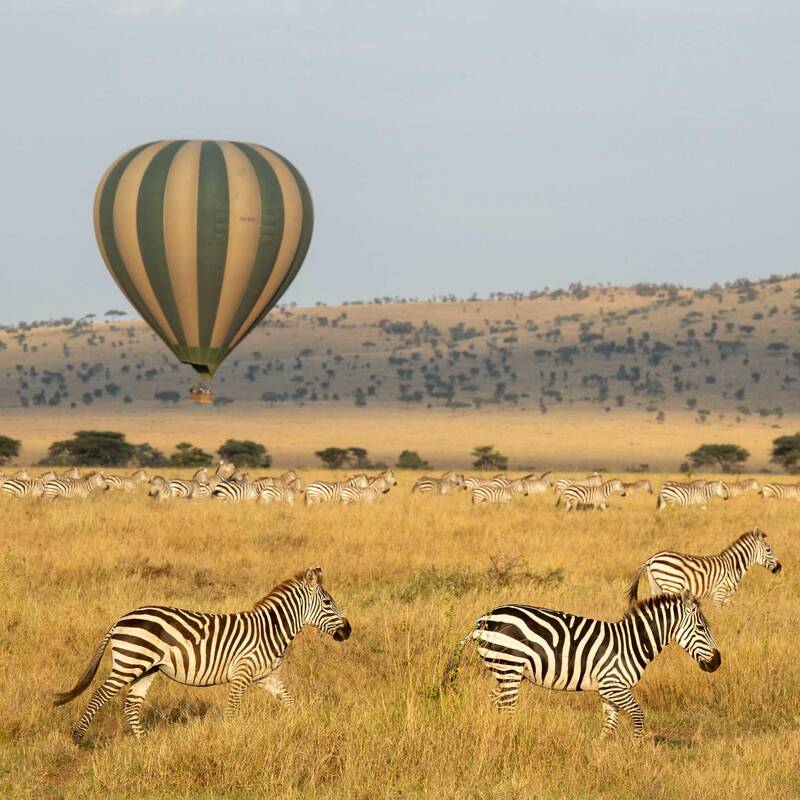
As the sun rises over the Serengeti National Park in northern Tanzania, climb aboard for an extraordinary adventure. For an hour you’ll float in a hot air balloon over beautiful savannah and woodland and a diversity of plains wildlife.
More about Balloon Safari
Looking for inspiration on where to travel next?
Visit our trip chooser to explore your options and find inspiration for your perfect African adventure
Inspire meFrequently Asked Questions
Serengeti FAQs
If you’re planning a trip to the Serengeti, you’re likely to have many questions. Common topics we’re asked about at Expert Africa include the best times to visit, how to get there, and the standards of accommodation you can expect.
To ensure a smooth and enjoyable experience, we recommend browsing through these frequently asked questions. We hope they’ll provide real details and useful insights to help you prepare for a Serengeti adventure.
When is the best time to visit the Serengeti Migration Area?
How do I get to the Serengeti?
Where are the camps and lodges in the Serengeti, and what are they like?
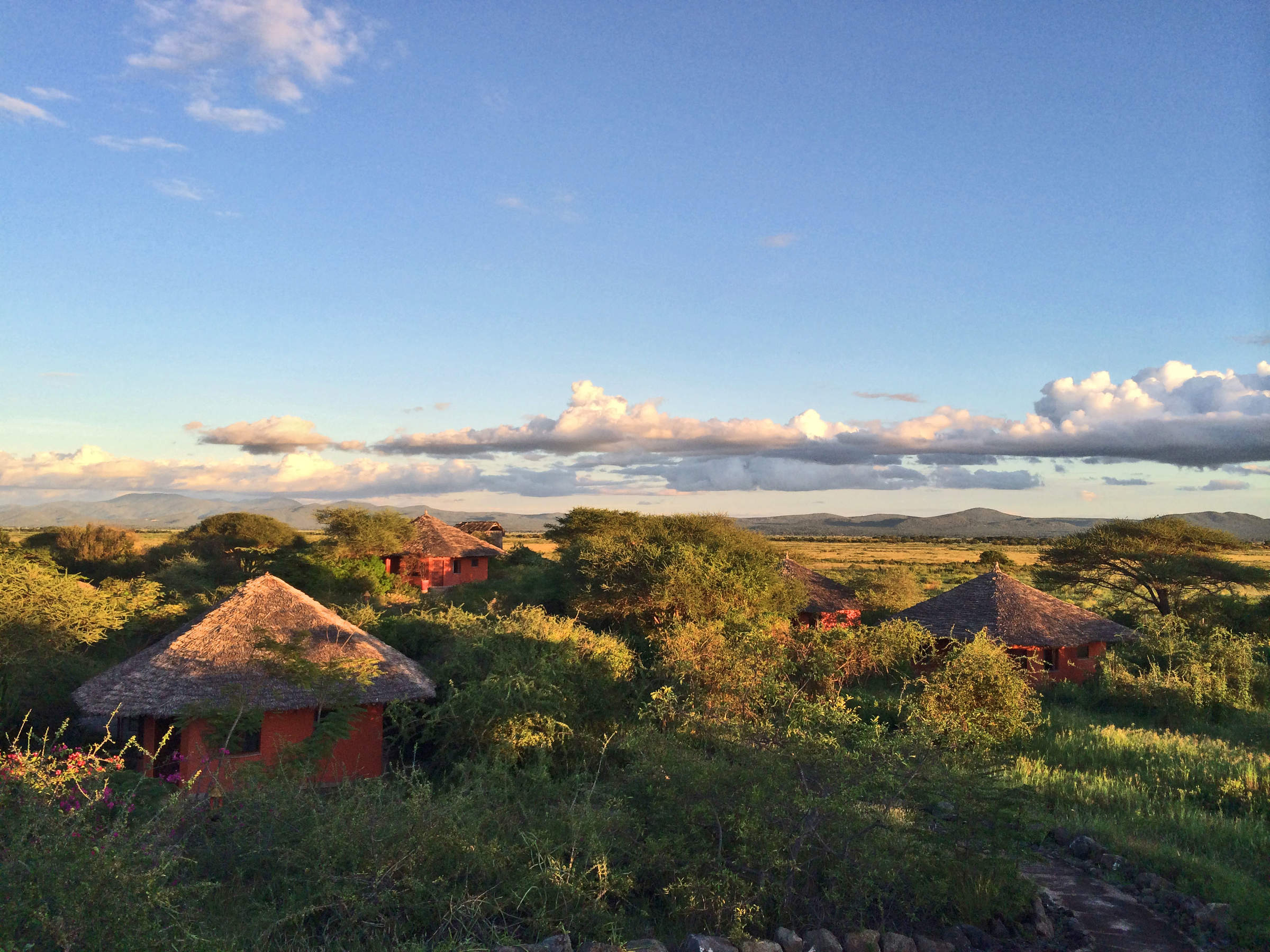
The southern Serengeti is the venue for the calving season at the start of the year. The vast majority of accommodation options are tented camps, with full-furnished, ensuite guest rooms. These can be quite recognisably tents (and in the case of mobile camps move two or three times over the course of the year to track the migration), or more lodge-like, for example incorporating solid bathrooms and possibly sliding glass doors, plunge pools and raised decking.
What activities are available in the Serengeti?
What is the Great Migration, and how does it work?
Videos from Serengeti Migration Area
Watch these videos to learn more about Serengeti Migration Area