

About Chamilandu Bushcamp
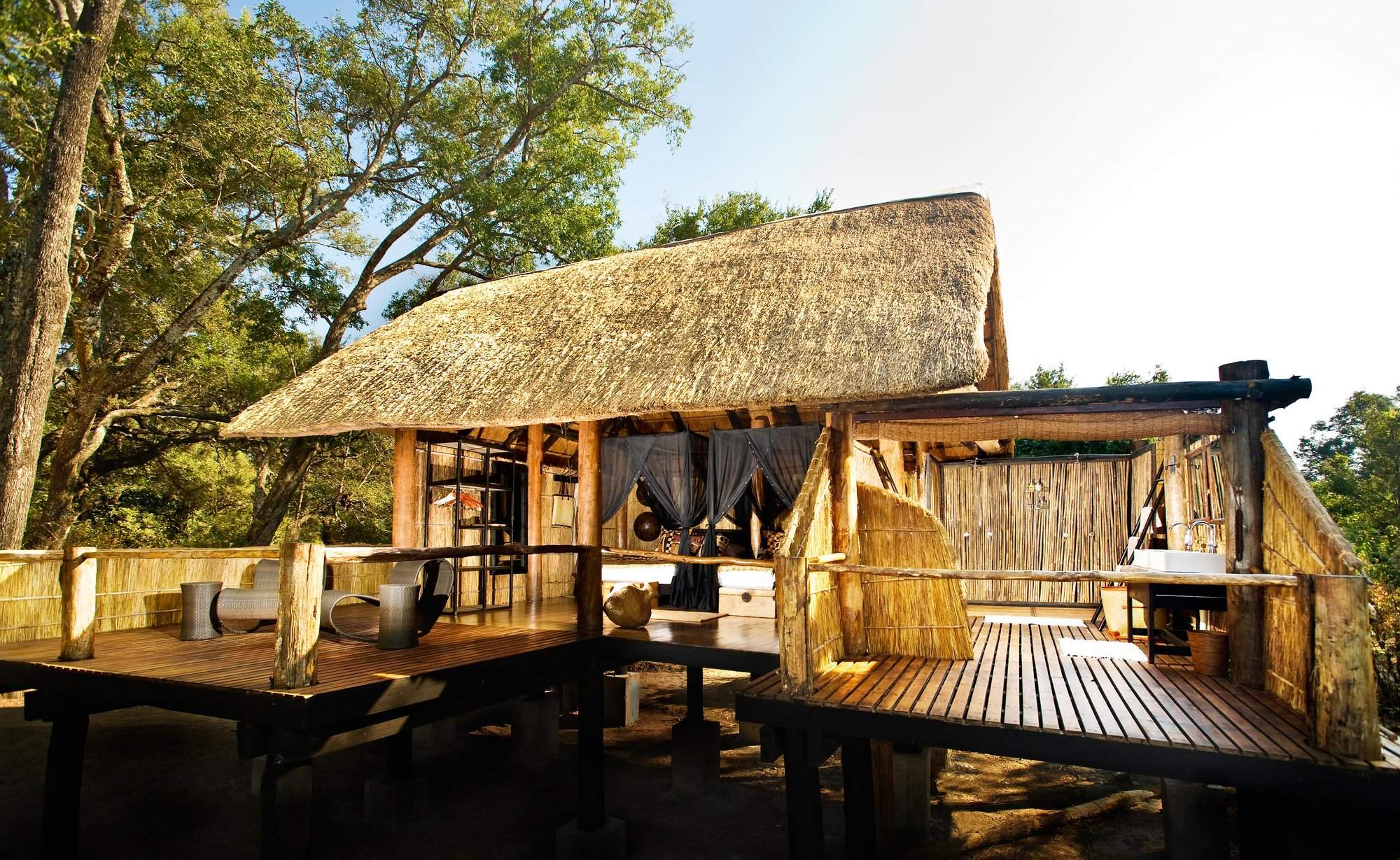
Chamilandu Bushcamp is a small camp set in the shade of some tall African ebony trees, perched on the bank ...
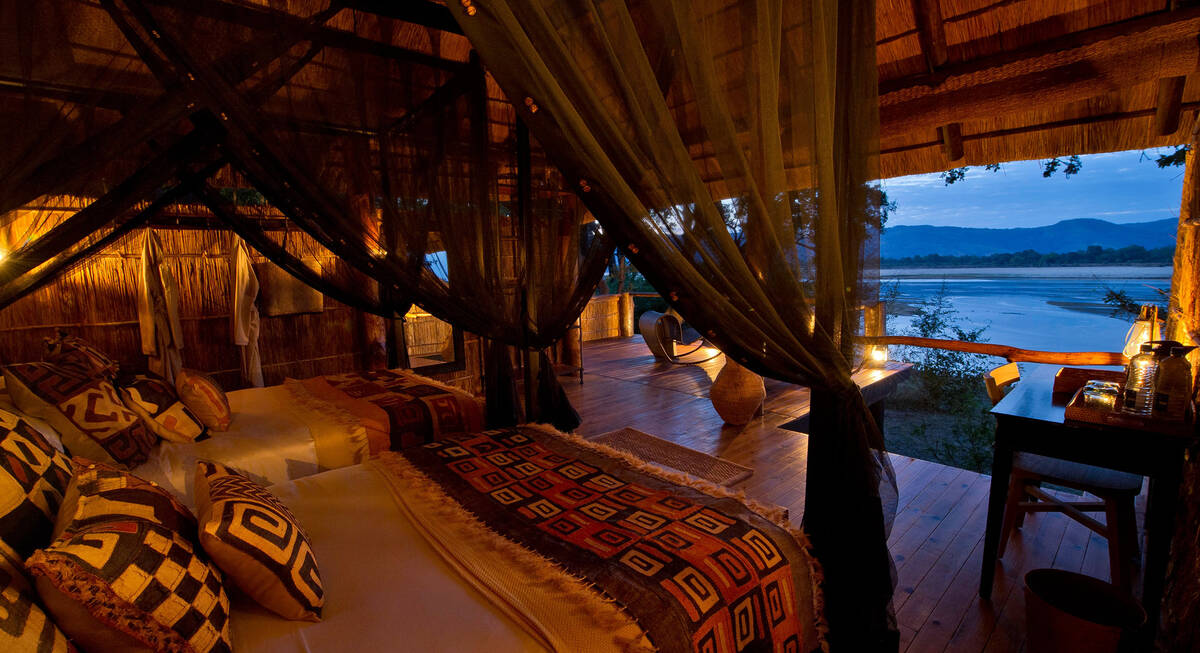
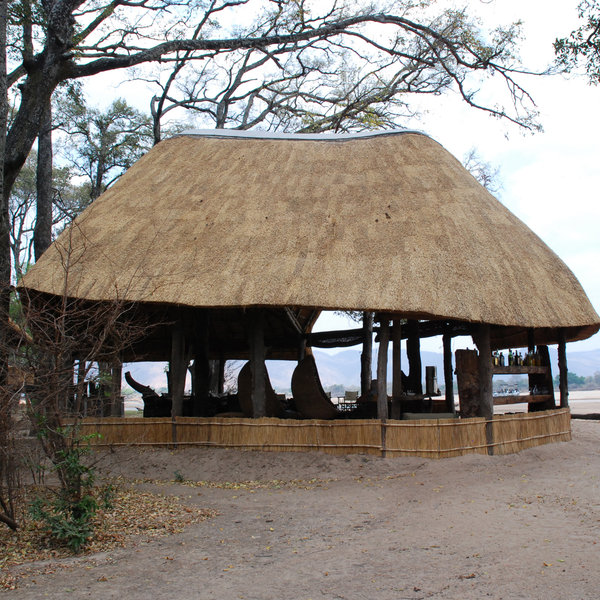
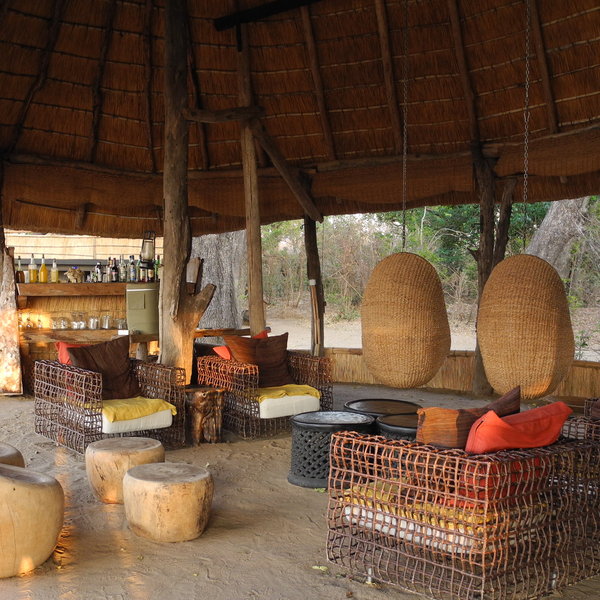
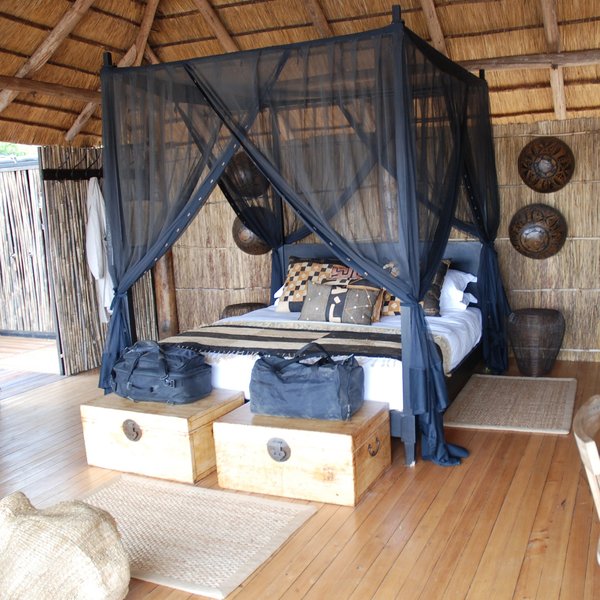
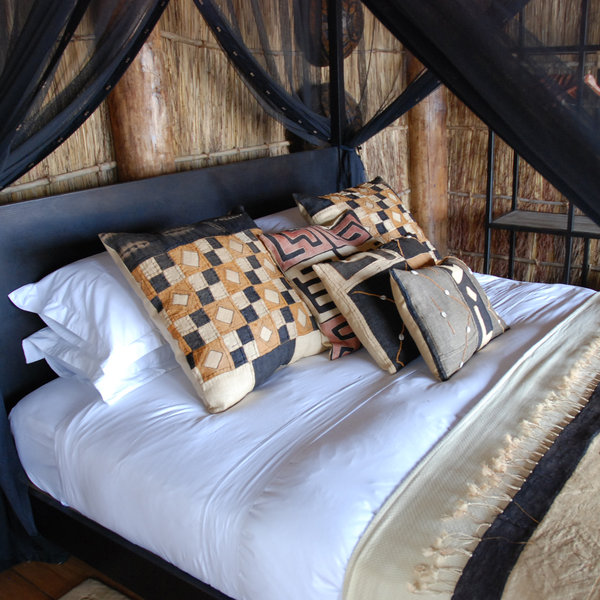
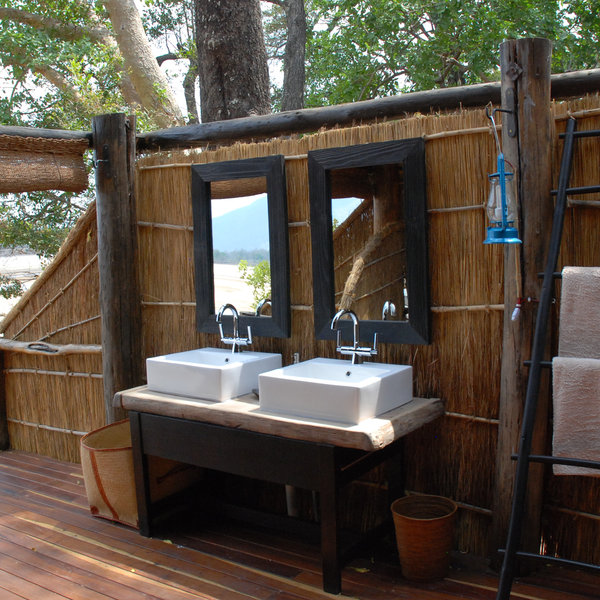
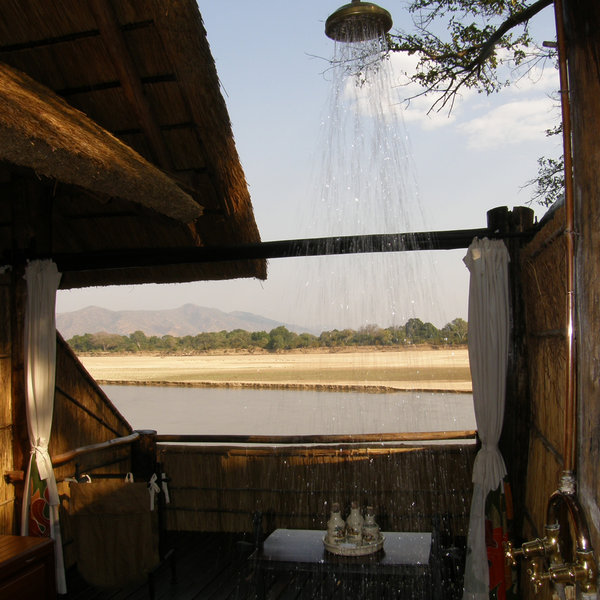
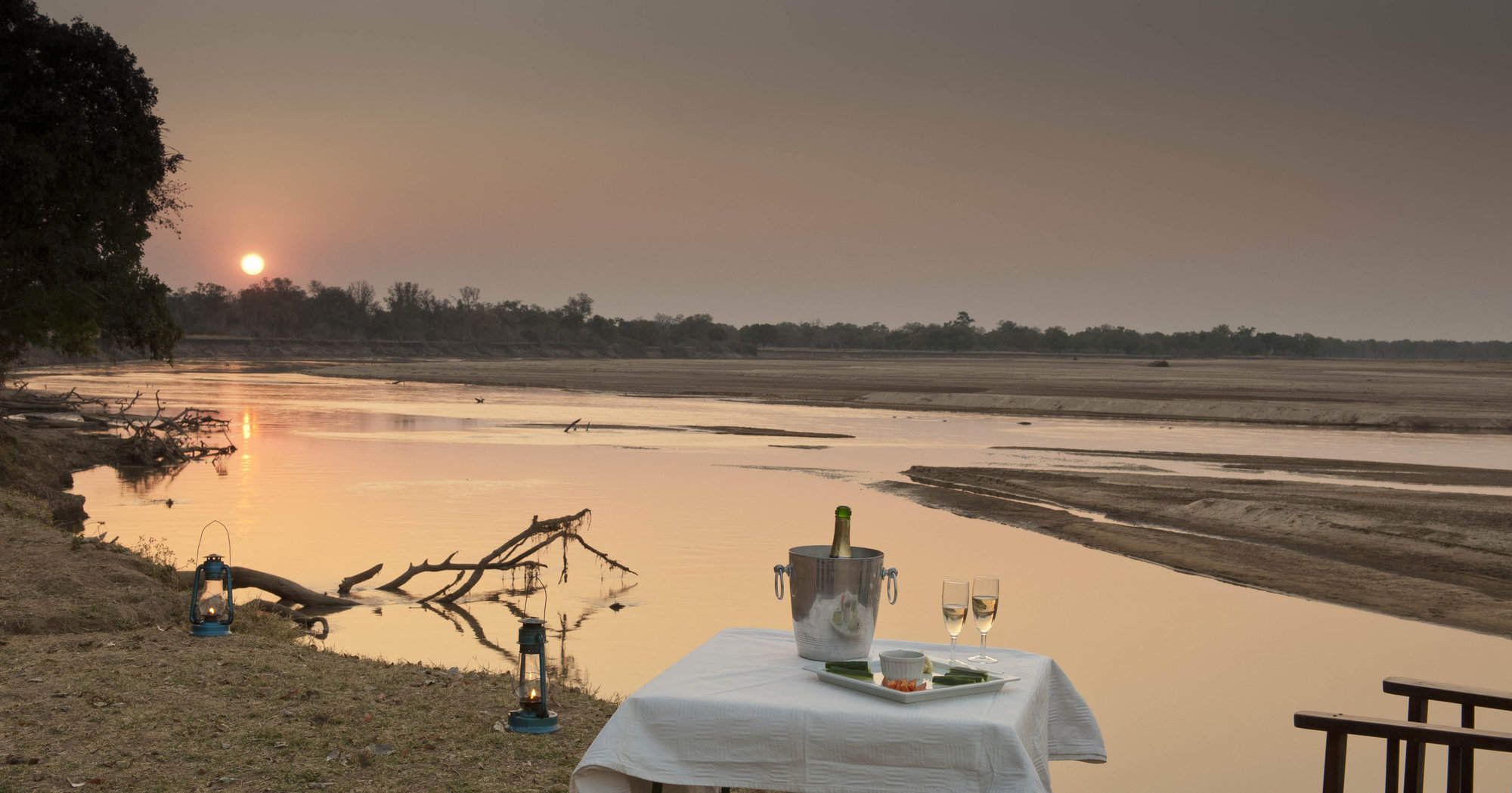
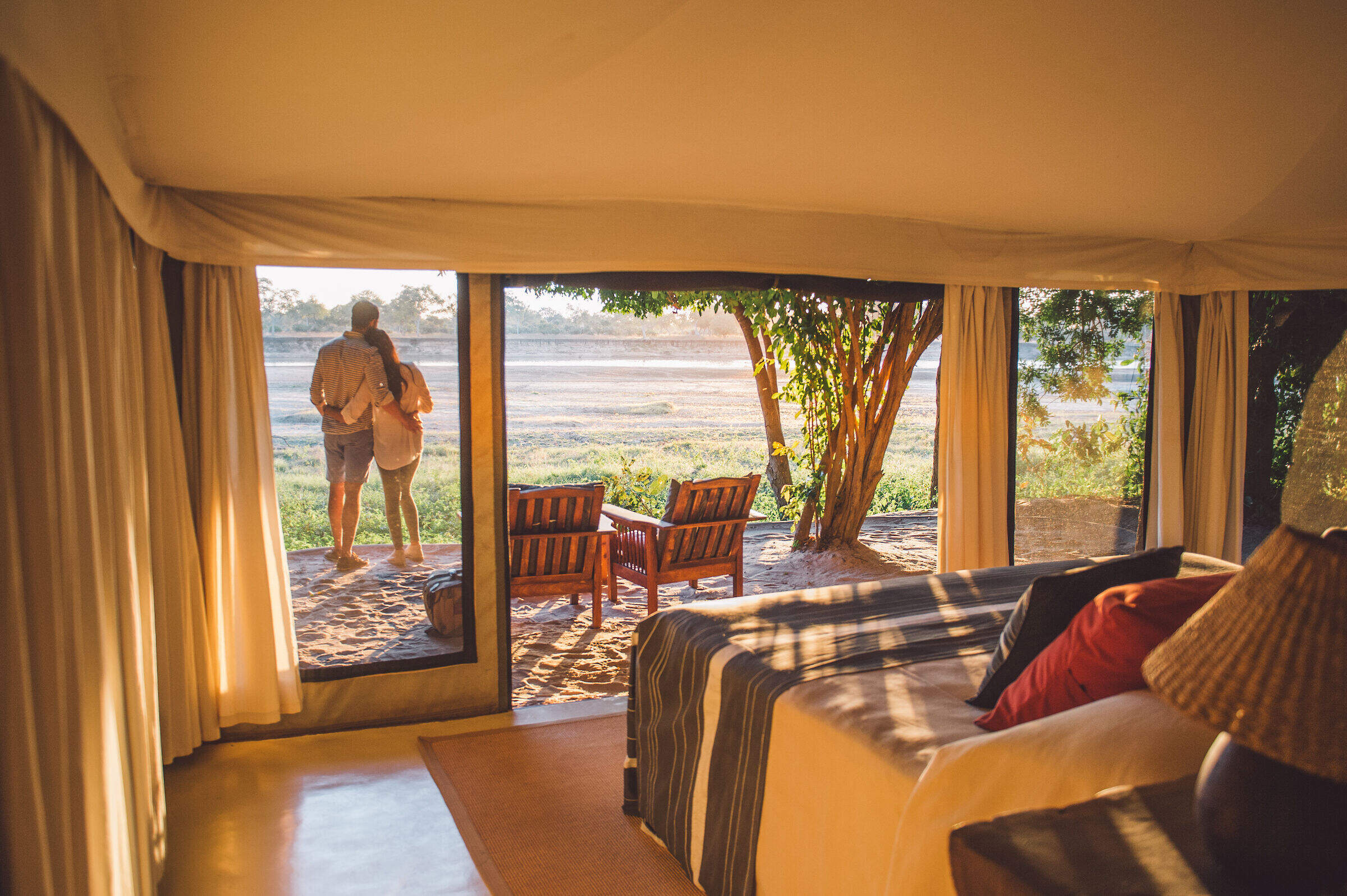
... of a winding section of the Luangwa River. The owners of the camp, Bushcamp Company, have invested in making it stylish and comfortable, whilst working hard to retain a traditional bushcamp feeling, with the reed and thatch chalets completely open to the outside.
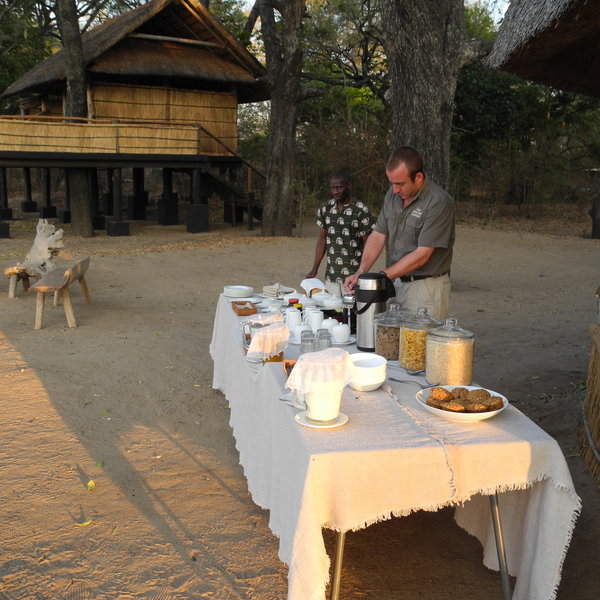
With just three large chalets and a remote location, Chamilandu is a lovely, intimate bushcamp where you don’t need to compromise on luxury. The camp has cleverly managed to keep a classic bushcamp feeling without sacrificing modern comforts such as hot showers, good food and comfortable furniture. If you are looking for a rustic but comfortable camp in a wilderness area then Chamilandu would be a very good choice.
- Accommodation
- Three chalets
- Children
- Best for age 16+
- Open
- 08 June to 01 November
Activities

4WD Safari

Birdwatching

Cultural excursion

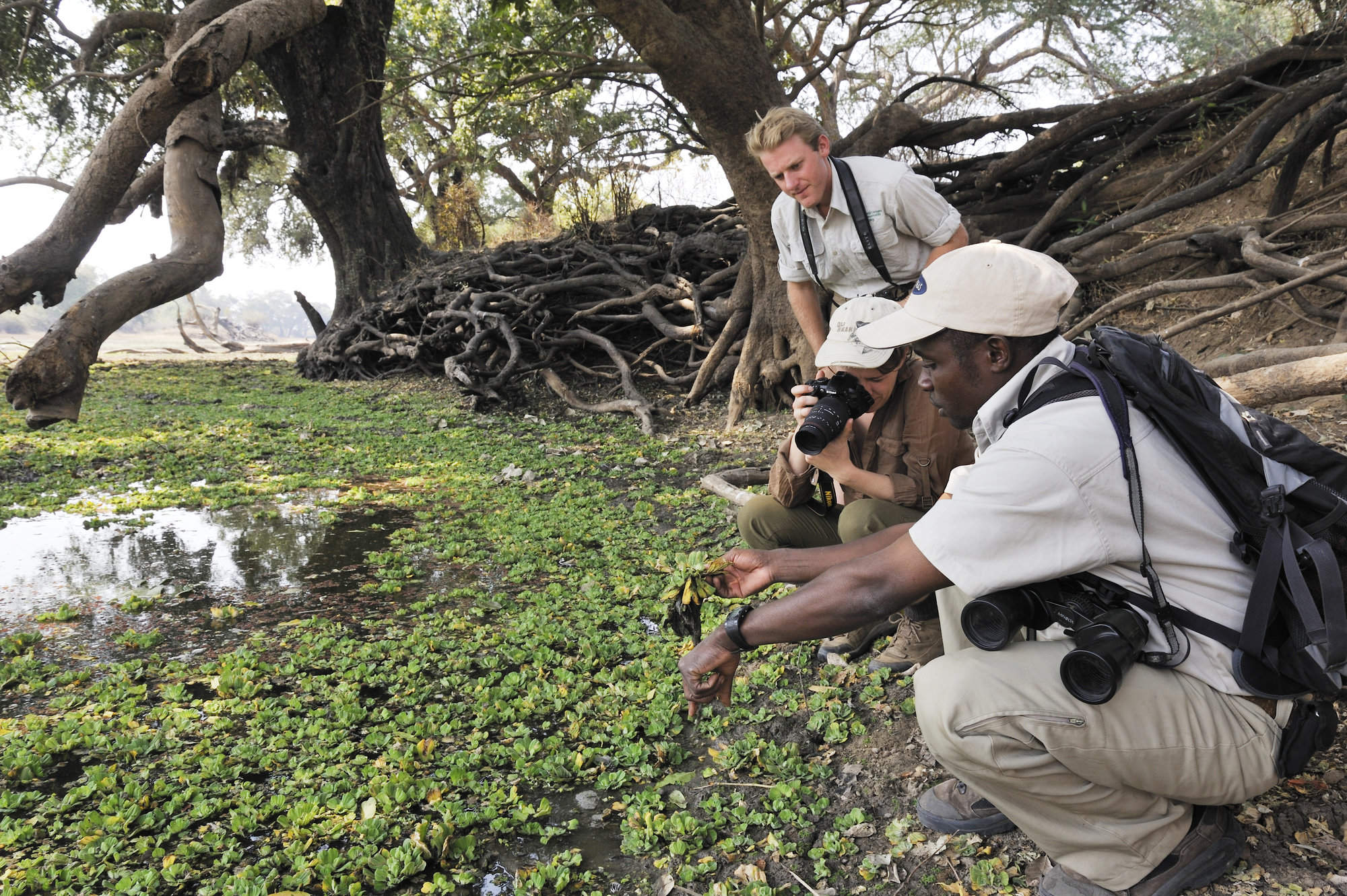
Guided walking safari

Night drive
Safaris visiting Chamilandu Bushcamp
Just ideas, we'll always tailor-make a trip for you
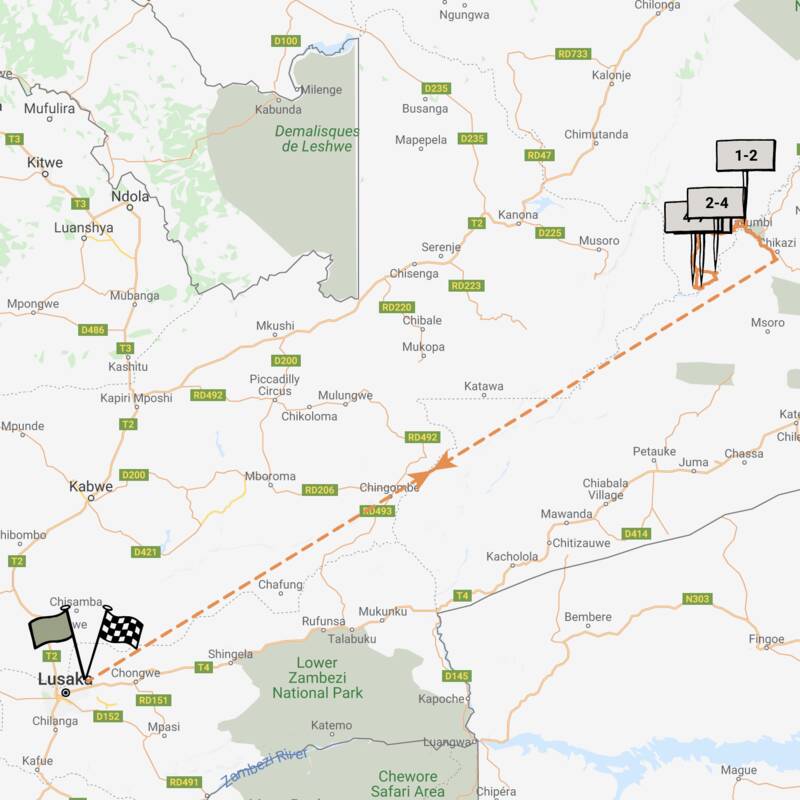
Civet Safari
9 days • 4 locations • 1 country
LUSAKA AIRPORT TO LUSAKA AIRPORT
Combining three intimate bushcamps in the quieter south of the South Luangwa, this safari will appeal to those looking for an interesting mix of walking and vehicle safari.
Visiting South Luangwa
US$7,480 - US$9,230 per person

Traveller reviews of Chamilandu Bushcamp
5 real, un-edited reviews from Expert Africa's travellers.

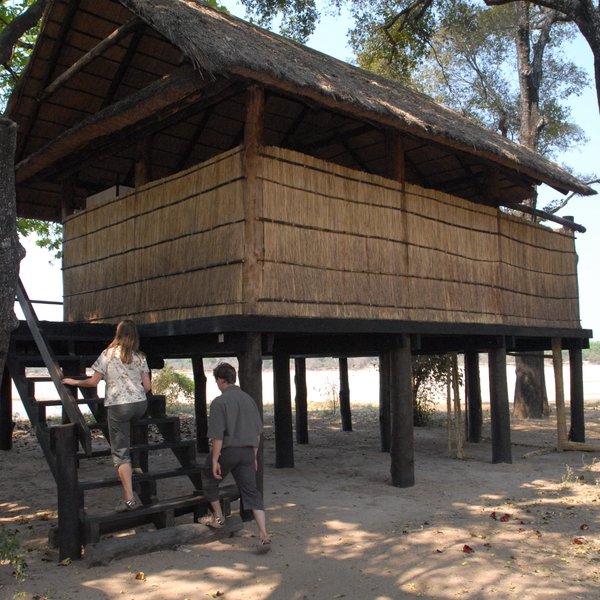





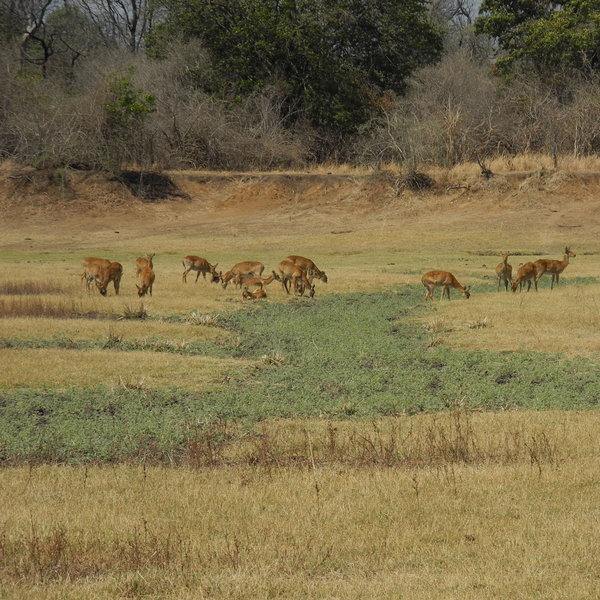

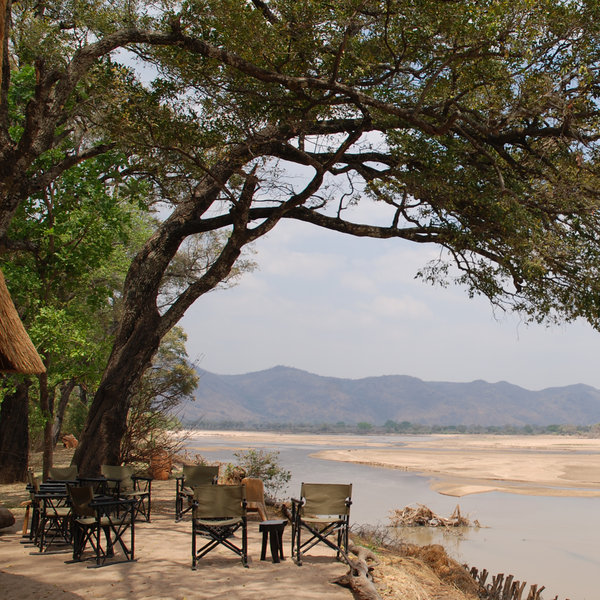
Expert Africa's gallery
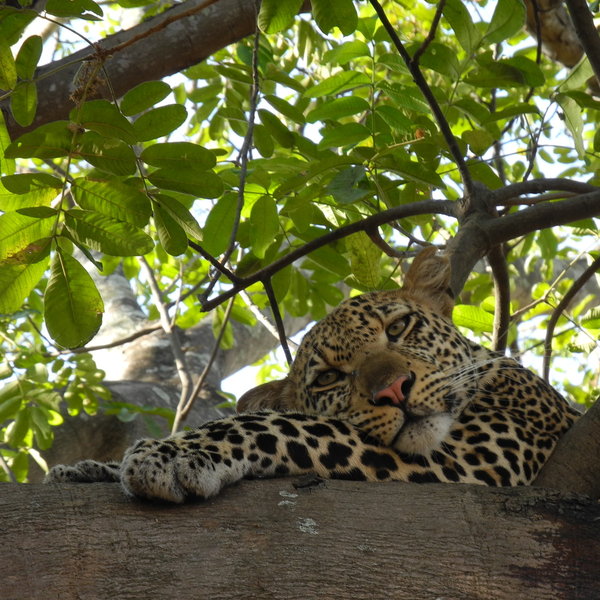
When we travel we take lots of photos ourselves to give you a real and un-edited view of the safaris. See our 30 pictures and 1 videos of Chamilandu Bushcamp to get the candid view.
View galleryOur travellers’ wildlife sightings from Chamilandu Bushcamp
Click an animal to see our traveller's success in sighting them.
How we work this out.

100% success

100% success

100% success

100% success

100% success

100% success

100% success

50% success

50% success

50% success

50% success

0% success

0% success

0% success

0% success
Chamilandu Bushcamp's location
Look closer at the environment and surroundings of Chamilandu Bushcamp.
When to go to South Luangwa National Park
Our month by month guide: What it's like to visit Chamilandu Bushcamp in South Luangwa National Park
Jan
Feb
Mar
Apr
May
Jun
Jul
Aug
Sep
Oct
Nov
Dec
Zambia in January
At the peak of Zambia’s rainy season, you can expect heavy rainfall for a few hours most days, with sunny spells in between. Temperatures remain high, reaching over 30ºC, with high humidity. The rainfall is yet to make a significant difference to the Victoria Falls, and the flow of water here remains low. The landscapes are green and lush and the air crystal clear, but with the abundance of water the wildlife disperses, and the thick bush can restrict sightings. It severely limits walking safaris too. Migrant birds boost the species count at this time.
With seasonal rivers in flood and dirt roads and airstrips unusable, many camps in Zambia become inaccessible, and close. Only a few lodges in the central Kafue and the South Luangwa remain open. Few people visit in January, so the parks are incredibly quiet and the camps charge their lowest rates.
- Peak of rainy season: hot & humid, with rain for a few hours most days
- Majority of camps closed throughout the month
- Bush incredibly green & lush, with clear air – great for photography
- Big game dispersed & thick bush makes sightings difficult
- Very few visitors: the cheapest time to visit
Our view
This is not a great time to visit
Weather in January
Zambia in February
February remains in the heart of the rainy season, with dramatic thunderstorms delivering a few hours of rain most days, interspersed with clear sunny skies. There is still an abundance of water in the environment, dispersing game and closing camps. With the thick bush, game viewing is limited and walking safaris restricted, but the swollen rivers allow some activities that would be unavailable in the dry season, such as boat trips on the Luangwa River.
After a couple of months of rain, water will once more be making its way to the Zambezi River, and the flow of water over the Victoria Falls will start to pick up.
Visitor numbers and costs at the few open camps remain low.
- Peak of rainy season: hot & humid with rain for a few hours most days
- Most camps closed throughout the month
- Bush lush & green: good for photography but poor for game viewing
- Very few visitors, & the cheapest time to visit
- Water levels at Victoria Falls still low, but starting to pick up
Our view
This is not a great time to visit
Weather in February
Zambia in March
March is the last month of the rainy season in Zambia, and there are still heavy downpours most days. Water levels are at their highest making it difficult to get around the country. Temperatures still reach over 30ºC most days, too, with the rain causing high levels of humidity.
Many camps remain closed, and the thick bush limits game viewing and walking safaris. However, many animals are raising young at this time of year, with predators taking advantage of the easy prey, so sightings can be incredible, if sporadic. Wild dogs in the South Luangwa are particularly active at this time of year. With clear air and increasingly frequent blue skies as a backdrop, photography can be spectacular. The birding remains excellent as thousands of birds prepare for their winter migration.
- Peak of rainy season, hot & humid, with rain for a few hours most days
- Majority of camps closed throughout the month
- Bush remains green & lush: good for photography but poor game viewing
- High abundance of animals with young
- Very few visitors, & the cheapest time to visit
Our view
This is not a great time to visit
Weather in March
Zambia in April
As the rains change from intense downpours to lighter and sporadic showers, April is very much a transitionary period in Zambia. The landscape remains exceptionally green and lush, with sparse viewing of larger wildlife.
Although camps start to reopen in April, most remain closed, and others that were open at the start of the year may shut to prepare for the coming dry season. This is the first month of the year when it’s possible to visit the Lower Zambezi.
The Zambezi River will be at its highest level with the Victoria Falls in full flow, but with huge amounts of spray kicked up views of the waterfall are often obscured.
- Tail end of the rainy season; hot & humid with light rain most days
- Some camps reopen; possible to visit the Lower Zambezi
- Bush still green & lush: good for photography; poor for game viewing
- Victoria Falls in full flow but with poor views
- Very few visitors, & the cheapest time to visit
Our view
This is not a great time to visit
Weather in April
Zambia in May
May is typically the first month of the dry season. While there is the chance of an odd shower, the majority of days are clear and sunny. As winter approaches, temperatures start to drop, with most days reaching highs of around 26ºC.
As the landscape dries out, access to the parks improves, and all but the most remote bushcamps reopen. After five months of rain there is still a lot of standing water, but despite the thick bush May marks a distinct improvement in game viewing, and clear air is a continuing bonus for photographers.
The end of the month can be a popular time for visitors, taking advantage of typically good weather, improved game viewing, and the last of the low-season rates offered by the camps.
- Start of the dry season in a typical year, with mostly clear & sunny
- Majority of camps open
- Bush still green & lush, with clear air for photographers
- Game viewing starts to improve
- Last month of low rates at the camps
Our view
A good time to visit, with pros & cons
Weather in May
Zambia in June
Zambia sees virtually no rainfall in June, with a strong chance of sunny days throughout. The humidity drops dramatically and, as winter approaches, temperatures reduce, falling to around 10ºC at night but still warming to 25ºC during the day.
The landscape remains lush but the bush starts to die back significantly, improving visibility for game viewing and walking safaris. All the camps in the South Luangwa and Lower Zambezi are open by the start of June. While some have a ‘shoulder season’, others start charging their highest rates.
The water coming over the Victoria Falls starts to recede, reducing the mist and spray kicked up, providing better views of the waterfall itself.
- Reliably sunny days, but dropping temperatures, especially at night.
- All camps in the South Luangwa, southern Kafue & Lower Zambezi open
- Wildlife viewing continuing to improve
- Increased visibility & cool weather perfect for walking safaris.
- Viewing of the Victoria Falls at its best
Our view
A very good time to visit
Weather in June
Zambia in July
As the dry season continues, vegetation and long grasses have mostly died back and water starts to become scarce. Wildlife starts to cluster around the major sources of water and the game viewing approaches its best.
July is the first month of winter, and while daytime temperatures are in the 20s Celsius, temperatures at night can drop to single digits. Early morning and late evening drives in open vehicles are particularly cold, and blankets and hot water bottles are often provided.
Visitor numbers increase significantly and space at popular/small camps can get tight. Nearly all properties are now charging their highest rates. Even floodwaters on northern Kafue’s Busanga Plains have now receded, and all camps in Zambia are open.
- Warm, dry days; cold, crisp nights
- Significantly improved game viewing
- Walking safaris are unrestricted by vegetation, with good temperatures
- Approaching peak season, so significant increase in costs
- Northern Kafue now accessible
Our view
A very good time to visit
Weather in July
Zambia in August
By August, the vegetation has died back and wildlife is now congregating around the remaining water sources, providing excellent game viewing. With virtually no chance of rain you are almost guaranteed sunny days, although dust and smoke in the air means a visible haze starts to appear on the horizon.
Temperatures can drop below 5ºC at night but climb to the 20s Celsius during the day. Jackets and gloves are recommended for morning and evening drives. This is one of the most popular – and most expensive – months to travel. European school holidays have little impact on travel within Zambia, but they do increase international flight costs, and all camps are charging their highest rates.
- Very dry with warm days but cold nights
- Excellent wildlife viewing, as animals congregate around water holes.
- Haze developing on the horizon, potentially affecting photographs
- Cool temperatures & clear sightlines: ideal for walking safaris
- Peak season: camps & flights at their most expensive
Our view
Fantastic: the very best time to visit
Weather in August
Zambia in September
September is the most popular, and arguably the best, time of year to travel. Rain is almost unheard of so humidity is low, and temperatures are starting to climb. Morning drives are more comfortable, with daytime temperatures normally in the low 30s Celsius.
Water is scarce, so wildlife clusters around the few remaining sources. Game viewing is very nearly at its best, with a good chance of seeing interactions between species. Camps are charging their highest rates and are at their busiest, with popular camps often fully booked more than a year in advance.
A significant haze sometimes appears on the horizon, impacting on landscape views and affecting photography. Depending on the rainfall in the wet season, the Victoria Falls can start looking dry, with more cliff face than waterfall on show.
- Dry hot days with clear skies, & warm nights
- One of the best months for wildlife viewing
- Dust & smoke creates a haze over the landscape
- Peak season: camps are expensive & often full
- Victoria Falls starting to look dry
Our view
Fantastic: the very best time to visit
Weather in September
Zambia in October
As the dry season peaks, the landscape in October is brown and barren, with little ground-level vegetation, though the promise of rain may bring the occasional shower. Temperatures can be uncomfortably hot, reaching over 40ºC in the daytime and rarely dropping below 20ºC at night. This is particularly challenging on walking safaris and in camps without air conditioning.
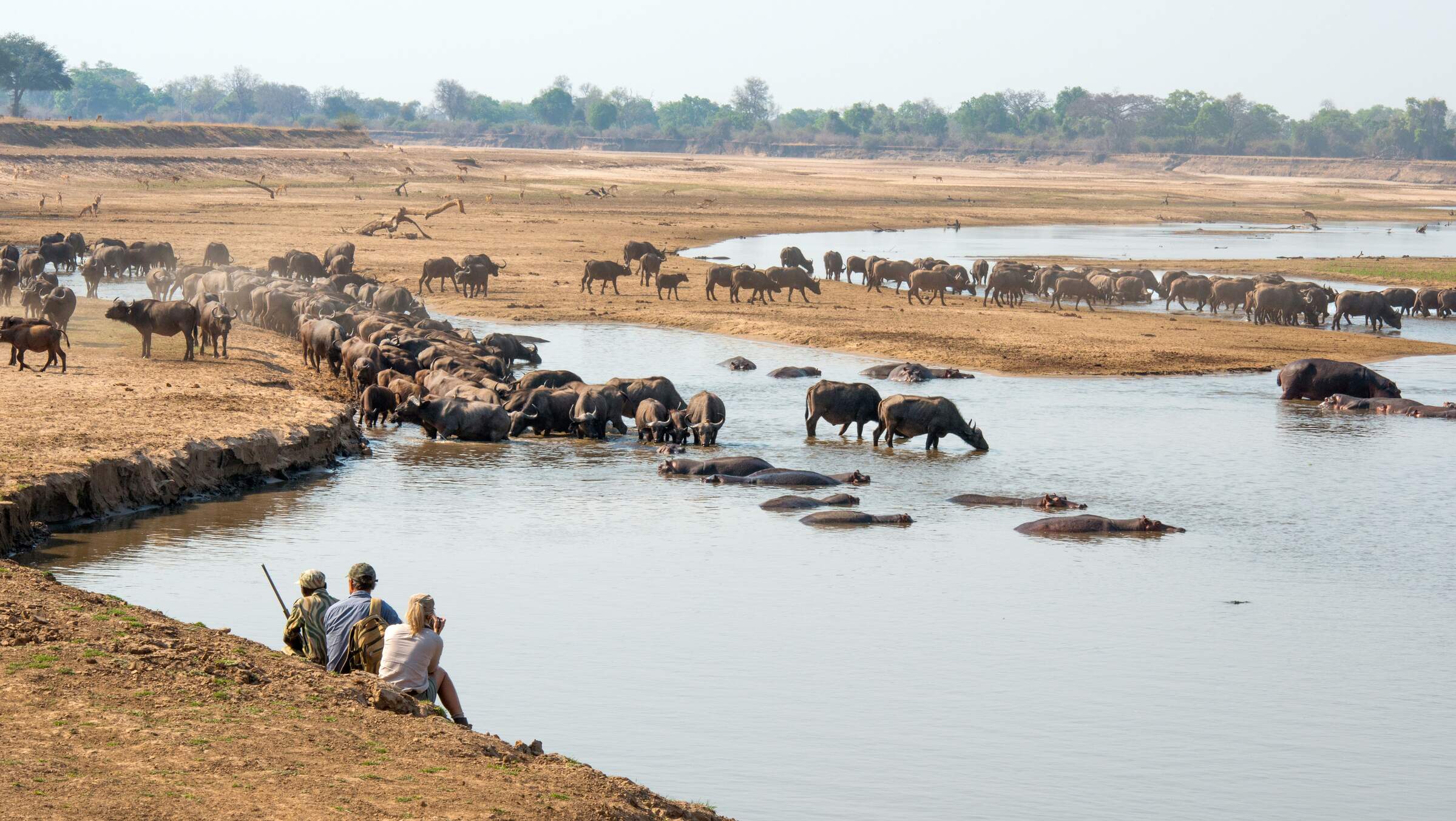
A thick haze on the horizon sometimes turns photographic backgrounds grey-brown rather than sky-blue. The lack of water sees hippos and crocodiles cram themselves into the few remaining shallow rivers, with other wildlife carefully skirting around them in order to drink. Game viewing is at its absolute best, and you’re most likely to see hunts in October.
On the Zambian side, stretches of the Victoria Falls become a dry cliff face.
- The best month for wildlife viewing
- Very hot both night & day, with little chance of rain
- Air can be very hazy with dust & smoke, so not great for photography
- Victoria Falls largely dry on Zambian side
- Camps less busy & some start to drop their rates
Our view
A very good time to visit
Weather in October
Zambia in November
November typically marks the end of the dry season. Although the timing of the rains is always uncertain, temperatures remain reliably high and the humidity builds as the rains approach.
While you may avoid the rains in the first week of November, it’s not unusual to see some spectacularly heavy thunderstorms, followed by an explosion of green growth. Wildlife disperses rapidly after the rains, no longer restricted to limited waterholes closely monitored by predators. However, Kasanka’s bat migration is at its peak, and wildebeest gather on Liuwa Plains.
Many remote camps close, and those that remain open significantly drop their rates. The initial rains have little impact on the Victoria Falls, but do significantly reduce the atmospheric haze.
- Typically the start of the wet season; very hot and humid
- Increased chance of heavy rain as the month progresses
- Greatly diminished game viewing once the rains arrive
- Bat migration in Kasanka, and wildebeest migration in Liuwa
- Camp rates lower, & visitor numbers reduced
Our view
A good time to visit, with pros & cons
Weather in November
Zambia in December
December is typically the first month in Zambia’s rainy season, with heavy thunderstorms most days interspersed by sunny spells. Temperatures start to fall, but still reach over 30ºC in the daytime, with high levels of humidity.
As the rainfall increases it brings plentiful water into the landscape, encouraging the growth of thick green vegetation. Wildlife remains in the national parks and sightings are possible, but overall game viewing is poor. Access to the parks becomes problematic and all but a handful of camps around the entrance to the South Luangwa and the centre of Kafue national parks close. Those that do remain open charge their lowest rates and are very quiet.
The rain removes any smoke and dust from the air, returning the sky to a dazzling blue that is great for photographers.
- Start of rainy season, with hot, humid & wet days
- Poor game viewing as wildlife disperses & bush thickens
- Majority of camps close; others charge their lowest rates
- Landscape green with blue skies; photographic opportunities improve
- Victoria Falls still dry
Our view
This is not a great time to visit
Weather in December
Other areas in Zambia
Zambia fact file
Useful information and advice to help you prepare for a trip including Chamilandu Bushcamp
Flights to Zambia
How to get there & on to safaris camp destinations

LGBT travel in Zambia
Attitude, the law & our experiences

Tipping in Zambia
Expectations & guidelines for tipping
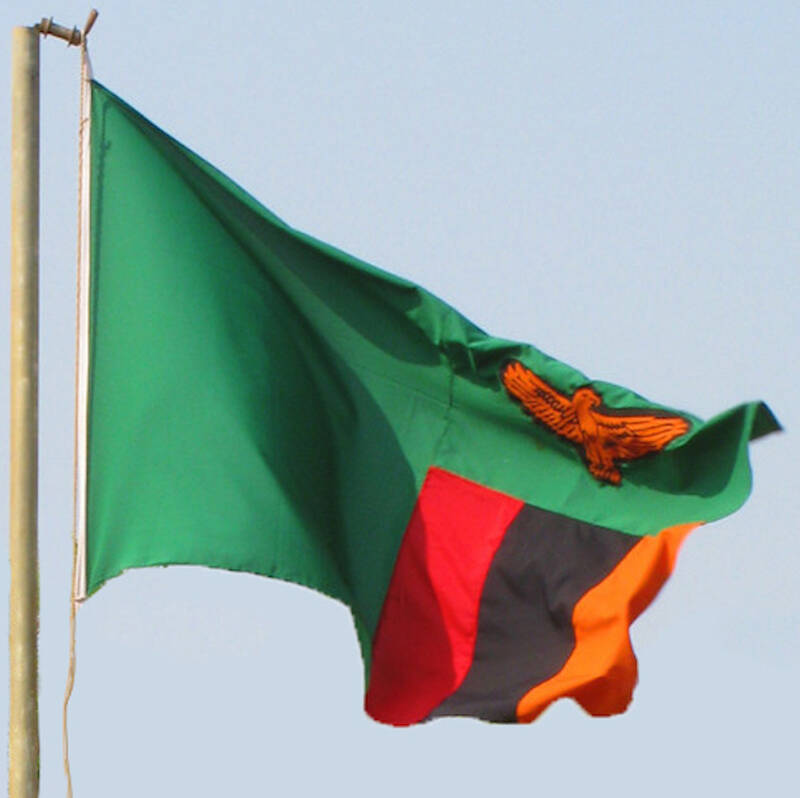
Zambia general info
Essential travel information
Weather & climate
The best time to visit Zambia
Excursions from Chamilandu Bushcamp
Optional extra day-trips and excursions possible whilst you're staying at Chamilandu Bushcamp. Talk to us: these are usually best arranged before you go.
Tribal Textiles Tour
One - two hours
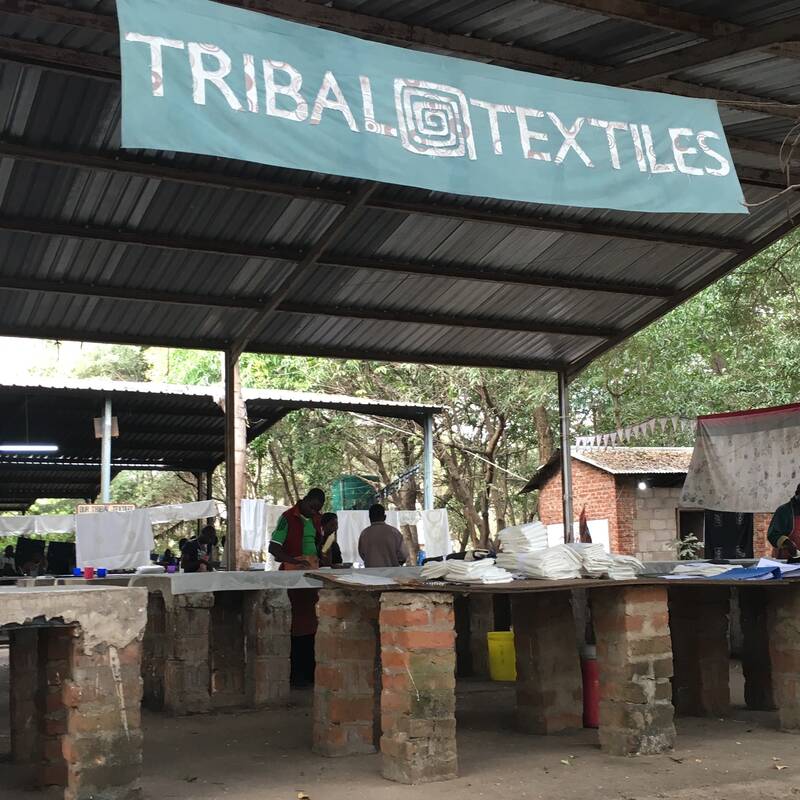
Visit the Tribal Textiles workshop, where hand-painted textiles are produced by more than a hundred local people. The workshop is close to Mfuwe Airport, so is ideally placed for a stop en route to/from the South Luangwa. With products ranging from cushion covers to bags and T-shirts, it's a great place for souvenir shopping while at the same time supporting the local community.
More about Tribal Textiles TourOther lodges in South Luangwa National Park
Alternative places to stay in this same area.
Tafika
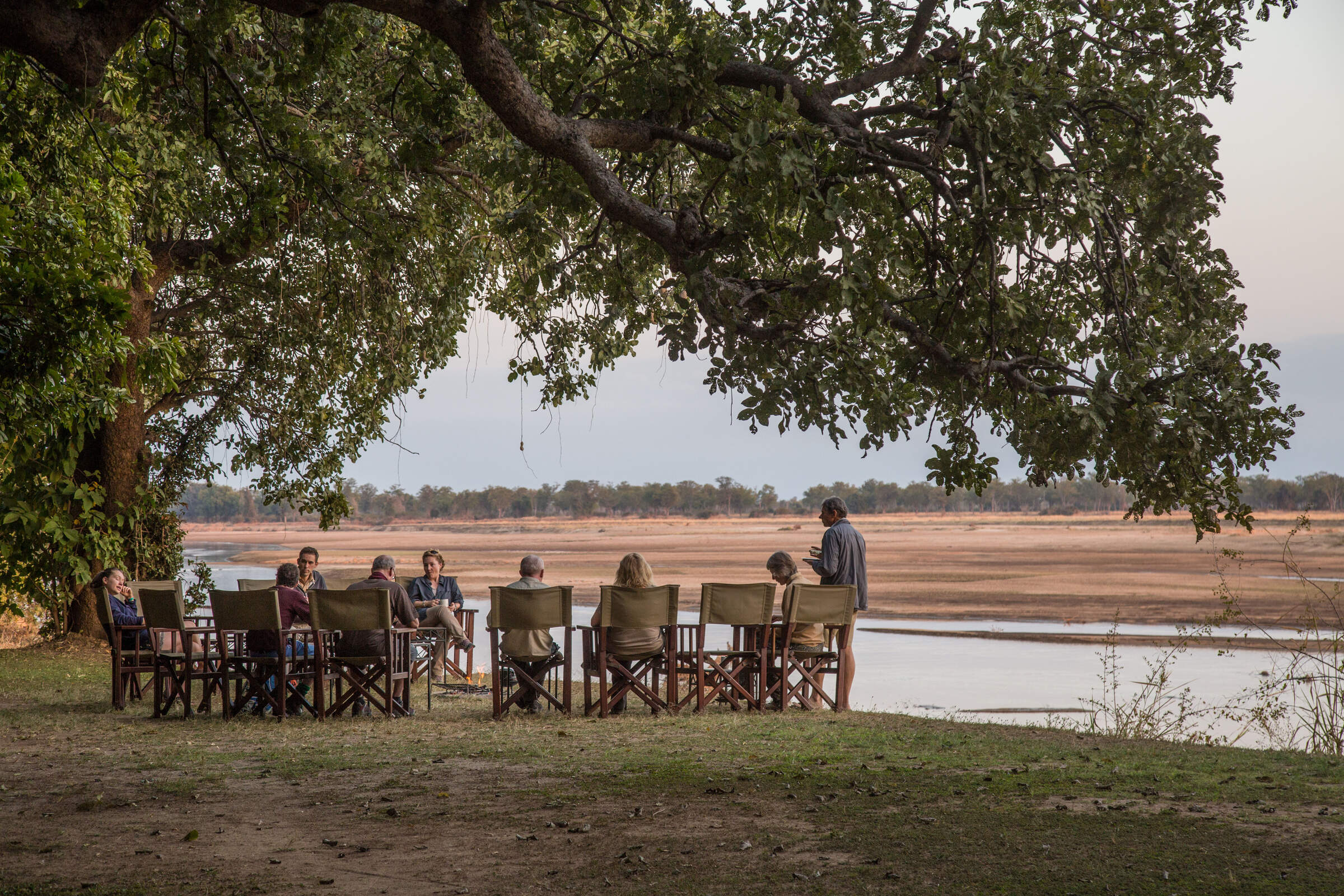
One of the best camps in Zambia, Tafika is naturally built, combining excellent service and food with top guiding skills for a superb wildlife experience.
Nkwali
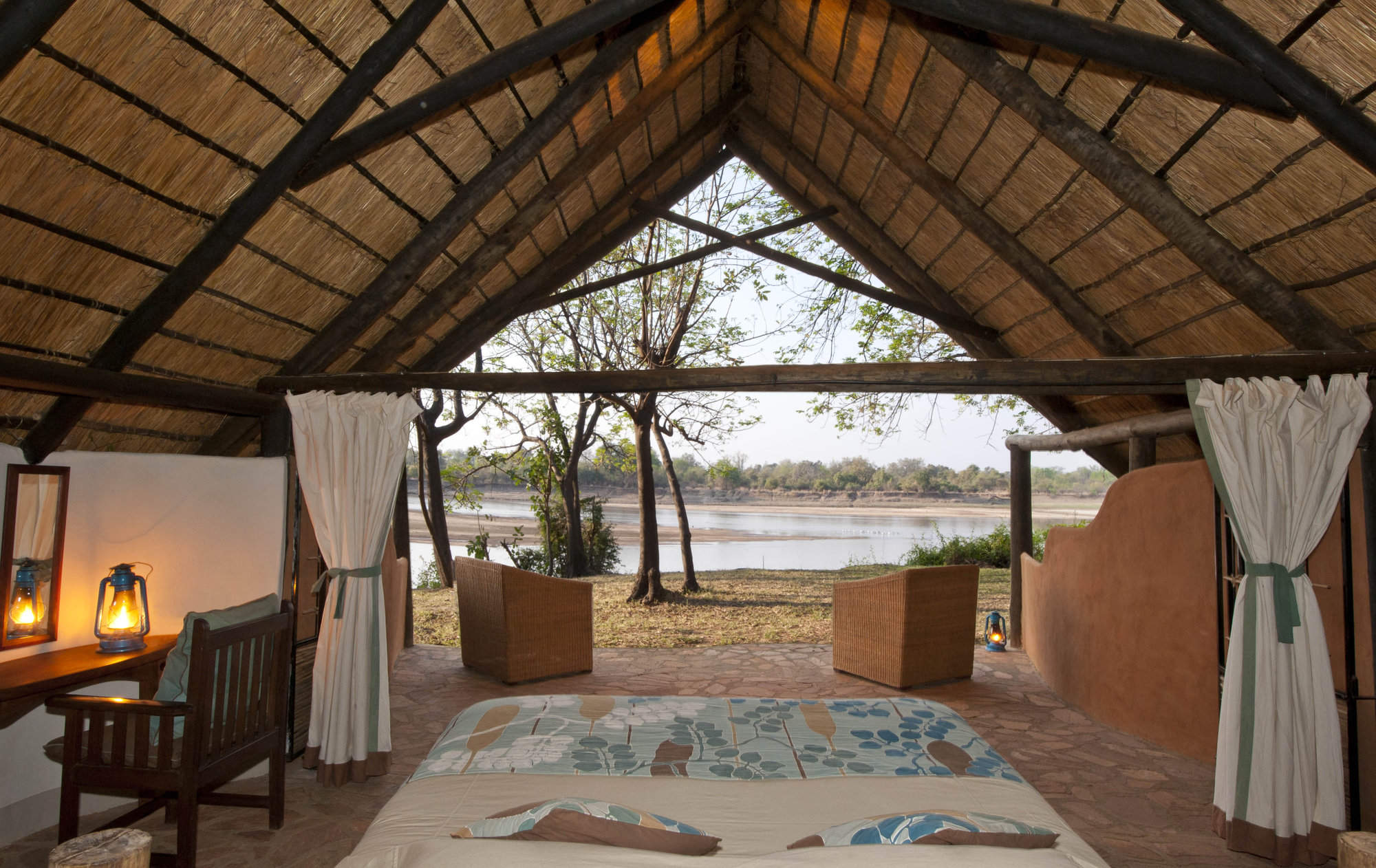
On the banks of the Luangwa River, with its own access to the national park, the intimate Nkwali is open year round.
Kaingo Camp
Small and owner-run, the riverside Kaingo occupies a a quiet but excellent game area, with a series of wildlife hides and a focus on photography.
Nsefu
One of the Luangwa's oldest camps, Nsefu is a great safari camp in a remote, beautiful and game-rich location with top-rate guiding.
Tena Tena
One of the Luangwa's best camps, in a beautiful, remote bush location, Tena Tena is very small, exceedingly well-run and has top-rate guiding.
Mwamba Bushcamp
Small, remote and owner-run, Mwamba offers first-class walking, 4WD safari drives and superb hides, with excellent guides and a real bush feel.
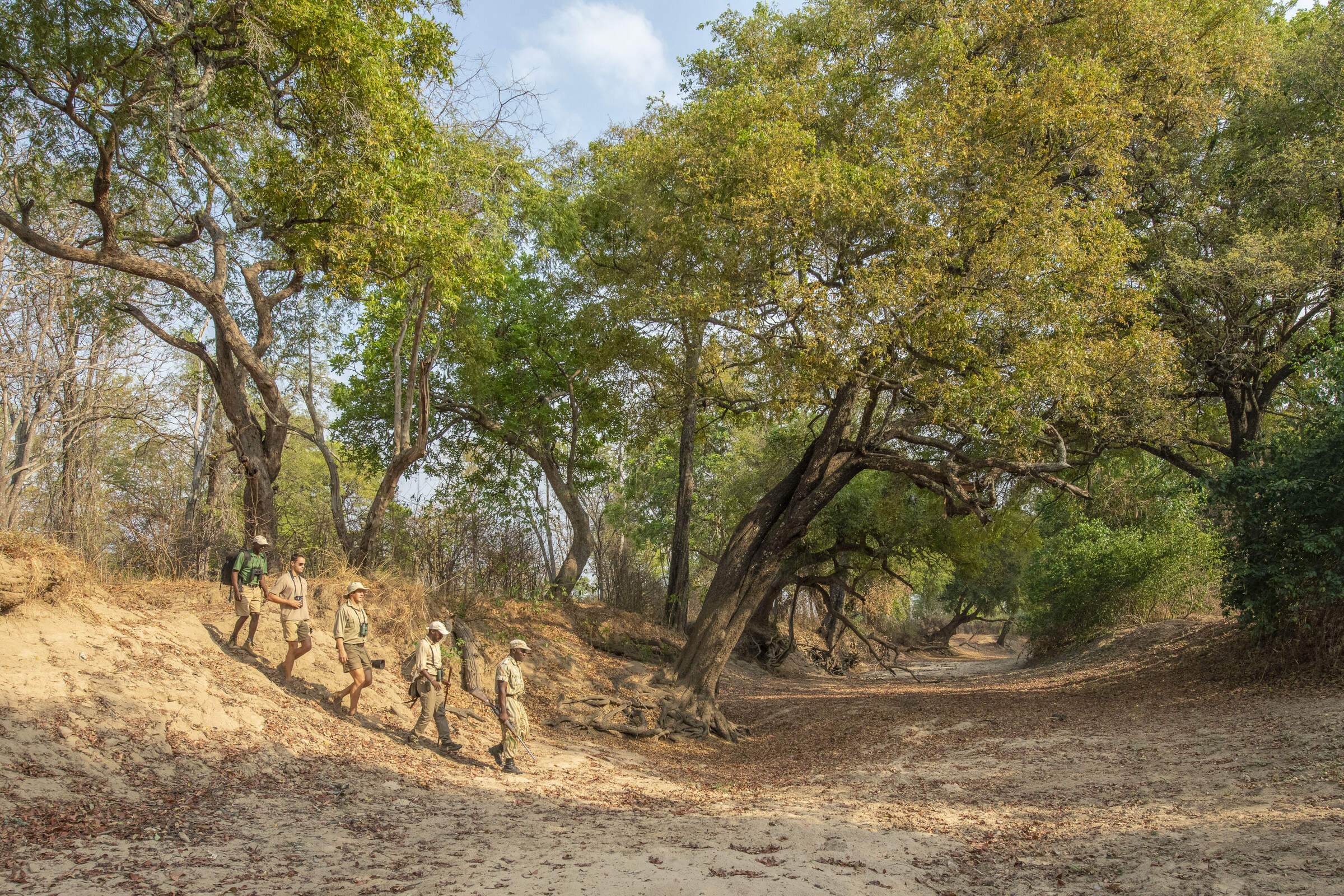
Chikoko Tree Camp
Chikoko Tree Camp is an excellent small, rustic bushcamp that concentrates on walking safaris, and is run by a top-quality operation.
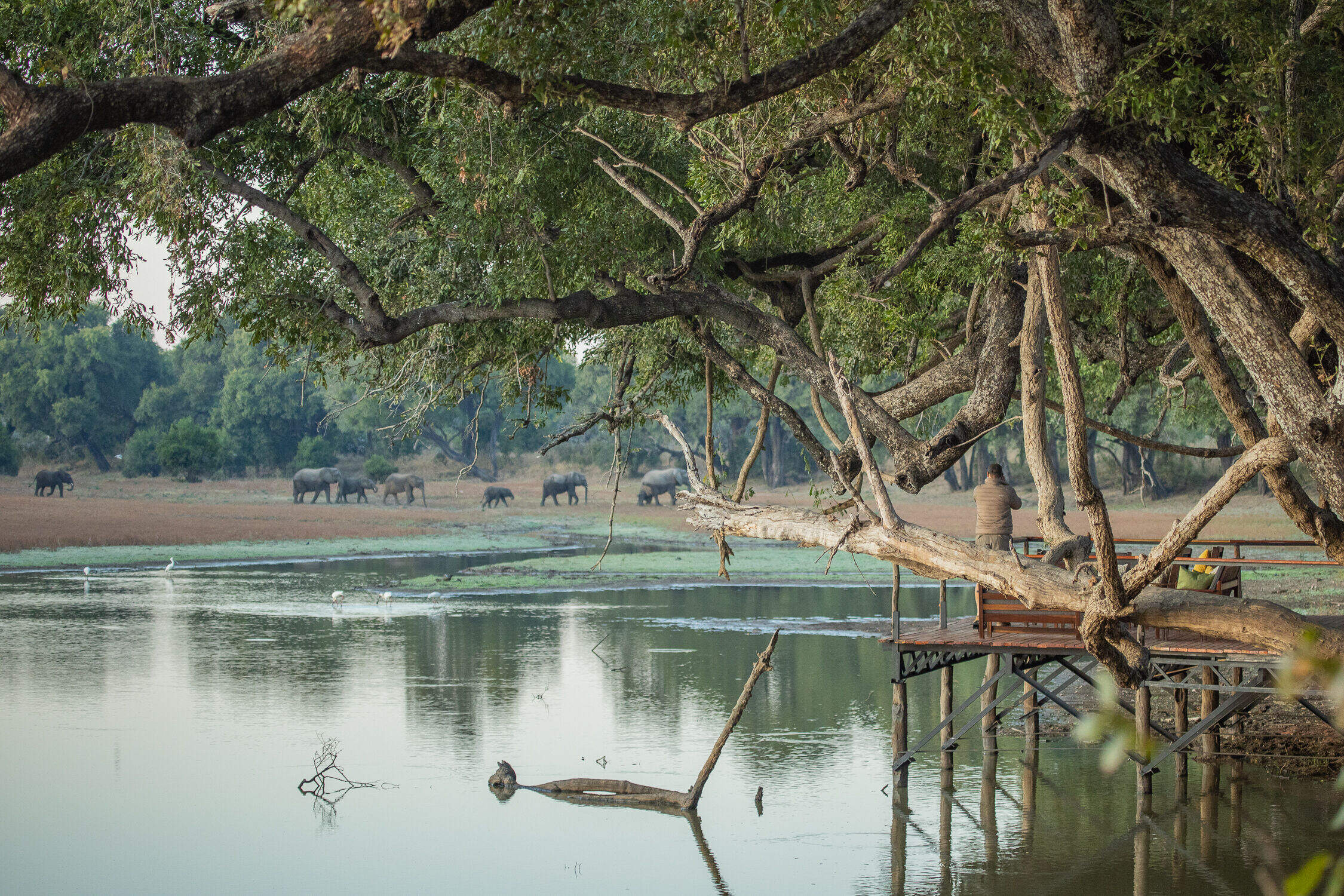
Big Lagoon Camp
Big Lagoon Camp is a great little rustic bushcamp built to high standards that focuses on excellent walking safaris, with the emphasis on top wildlife guides.
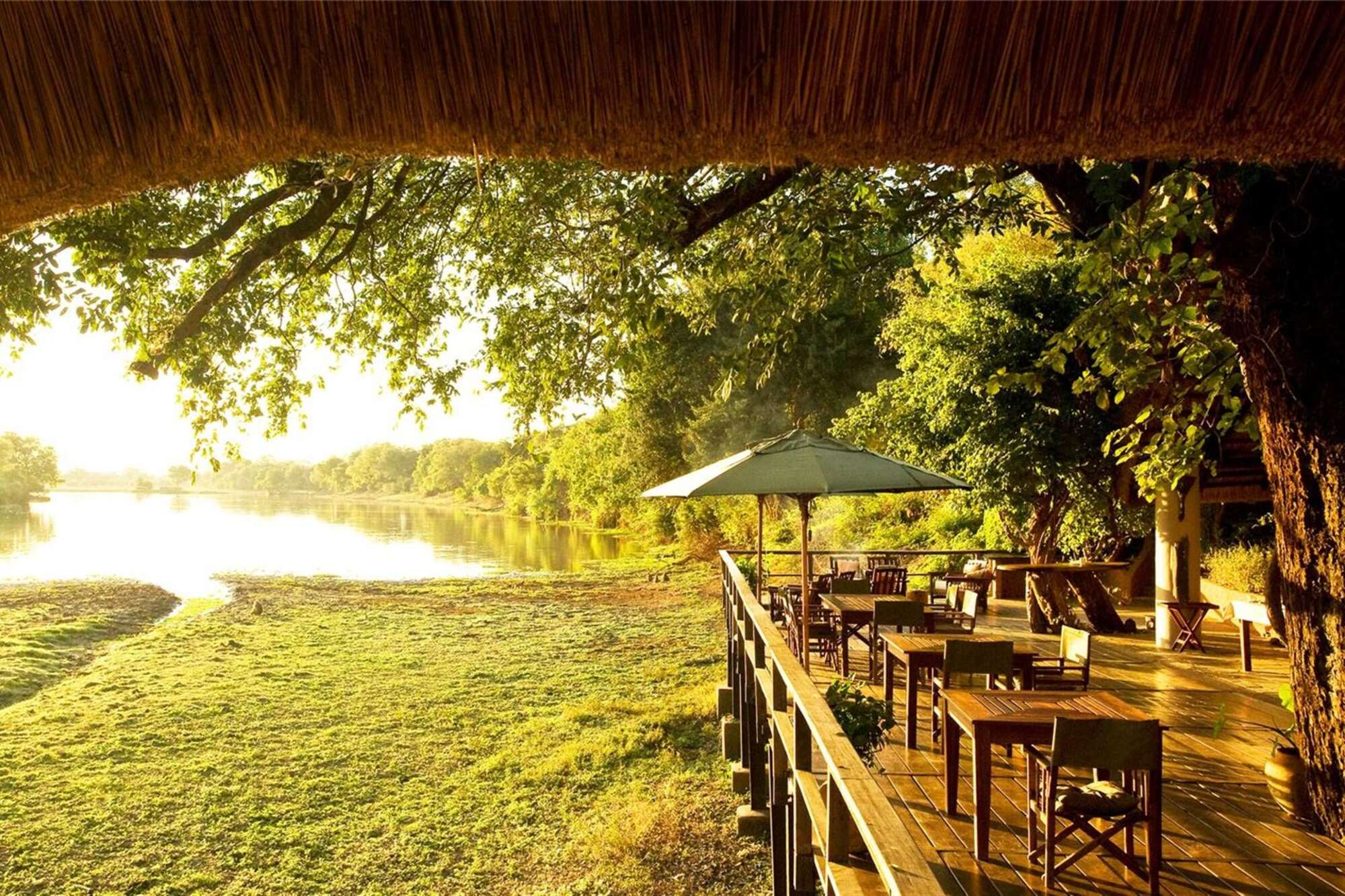
Kapani Lodge
Kapani Lodge is now the main office base for Norman Carr Safaris, one of the Luangwa's oldest safari operations.
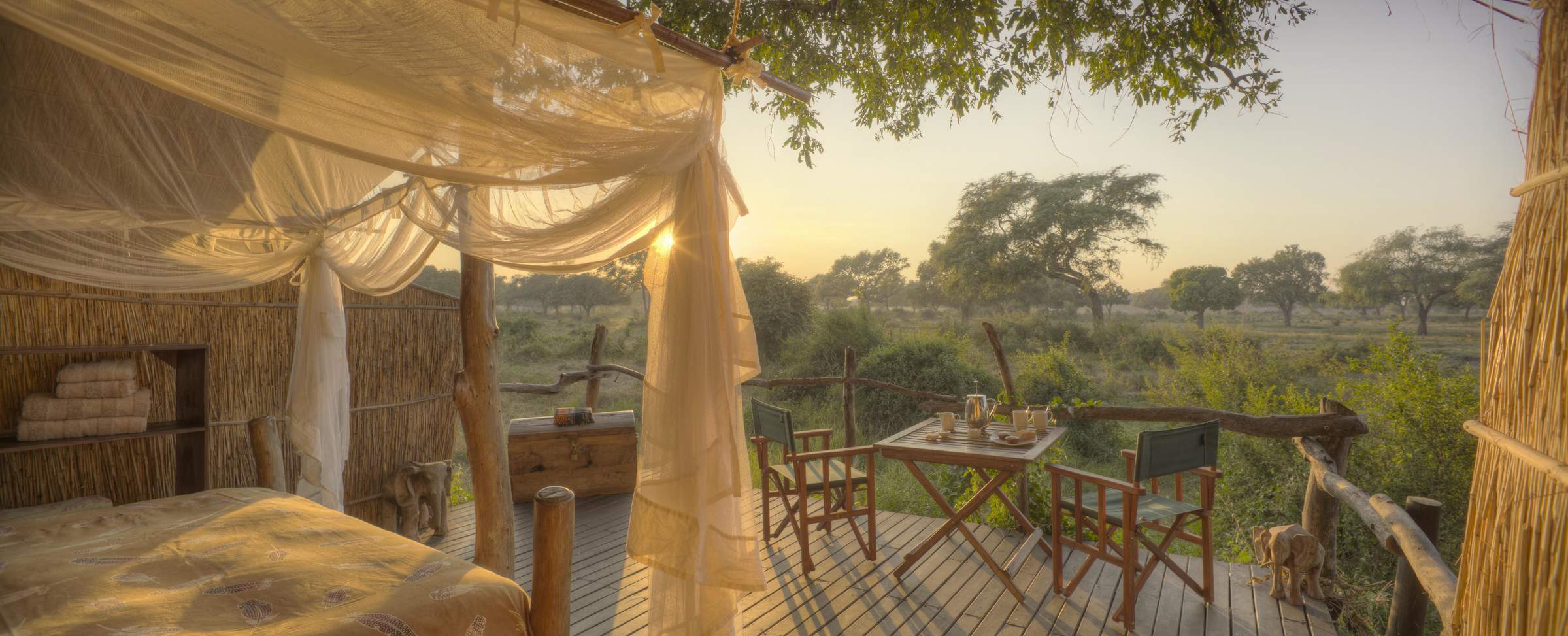
Flatdogs Camp
A relatively big safari camp, Flatdogs offers value for money with great guiding and good food in a comfortable, relaxed setting.
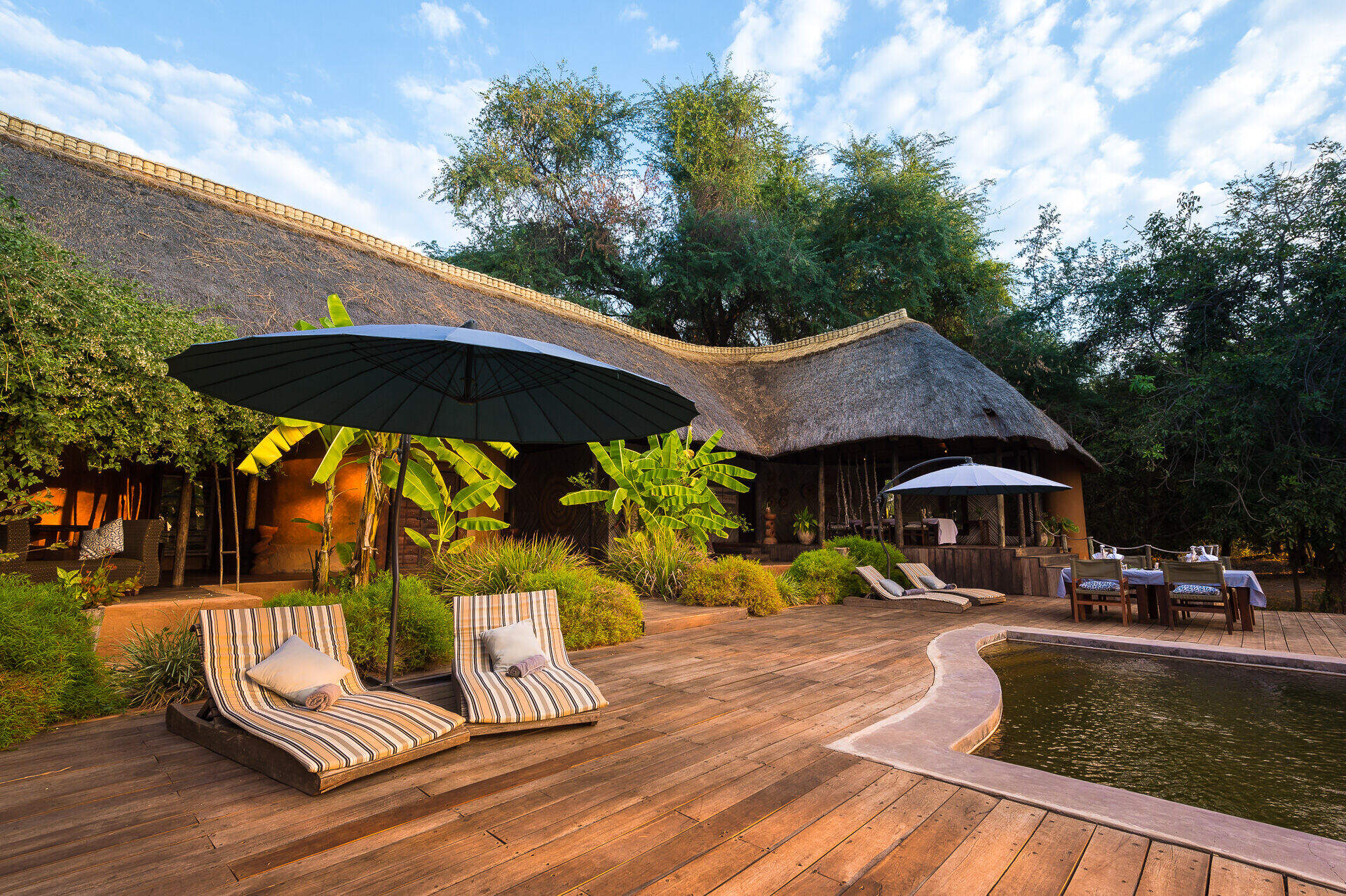
Luangwa River Camp
Luangwa River Lodge is a small and consciously stylish lodge in the Mfuwe area, overlooking the Luangwa River and the South Luangwa National Park beyond – an area renowned for great game.
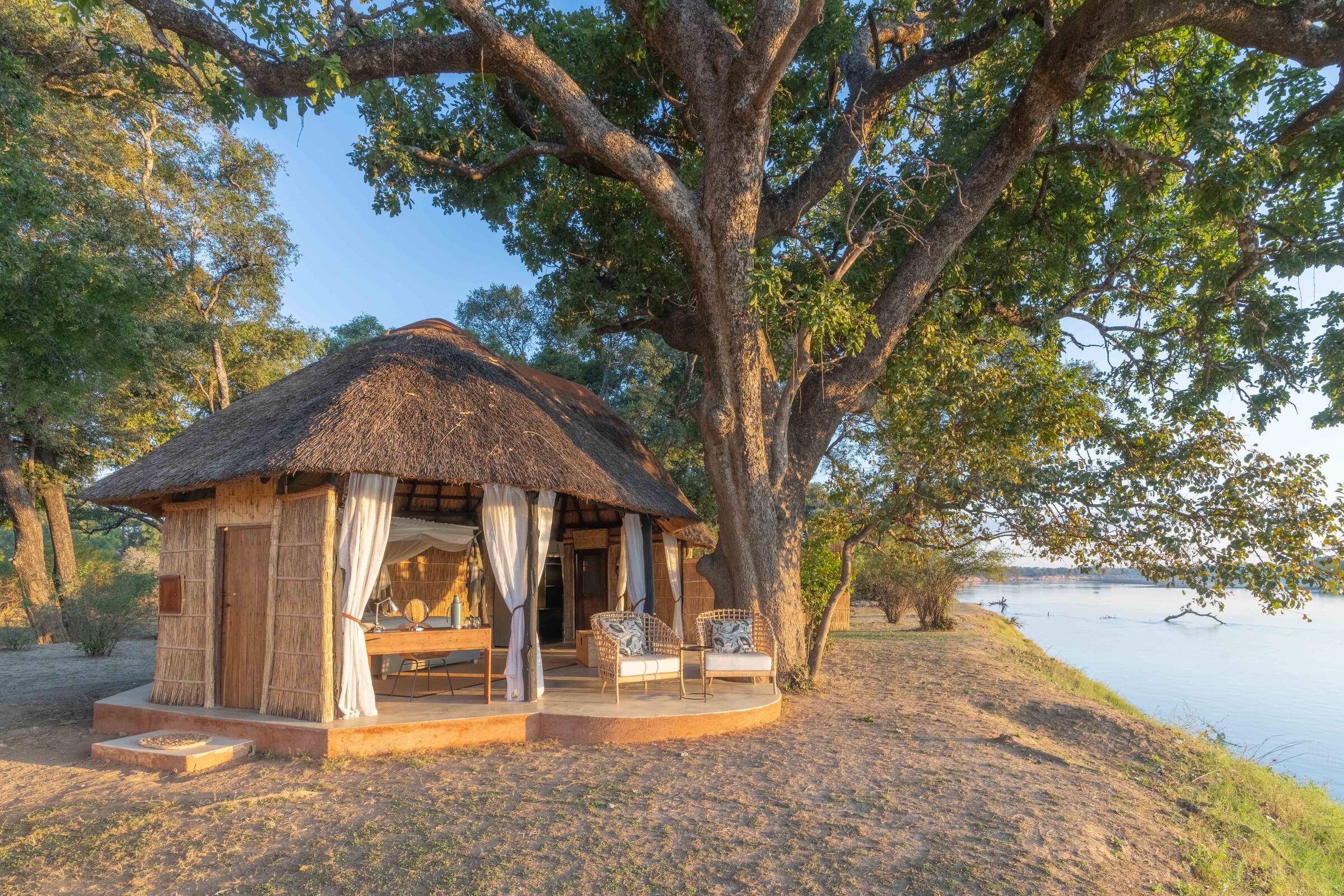
Mchenja Bushcamp
Set in a shady ebony grove on the banks of the Luangwa, Mchenja is a smart tented bushcamp. It combines well with Kakuli and Nsolo – its sister camps with a focus on walking safaris.
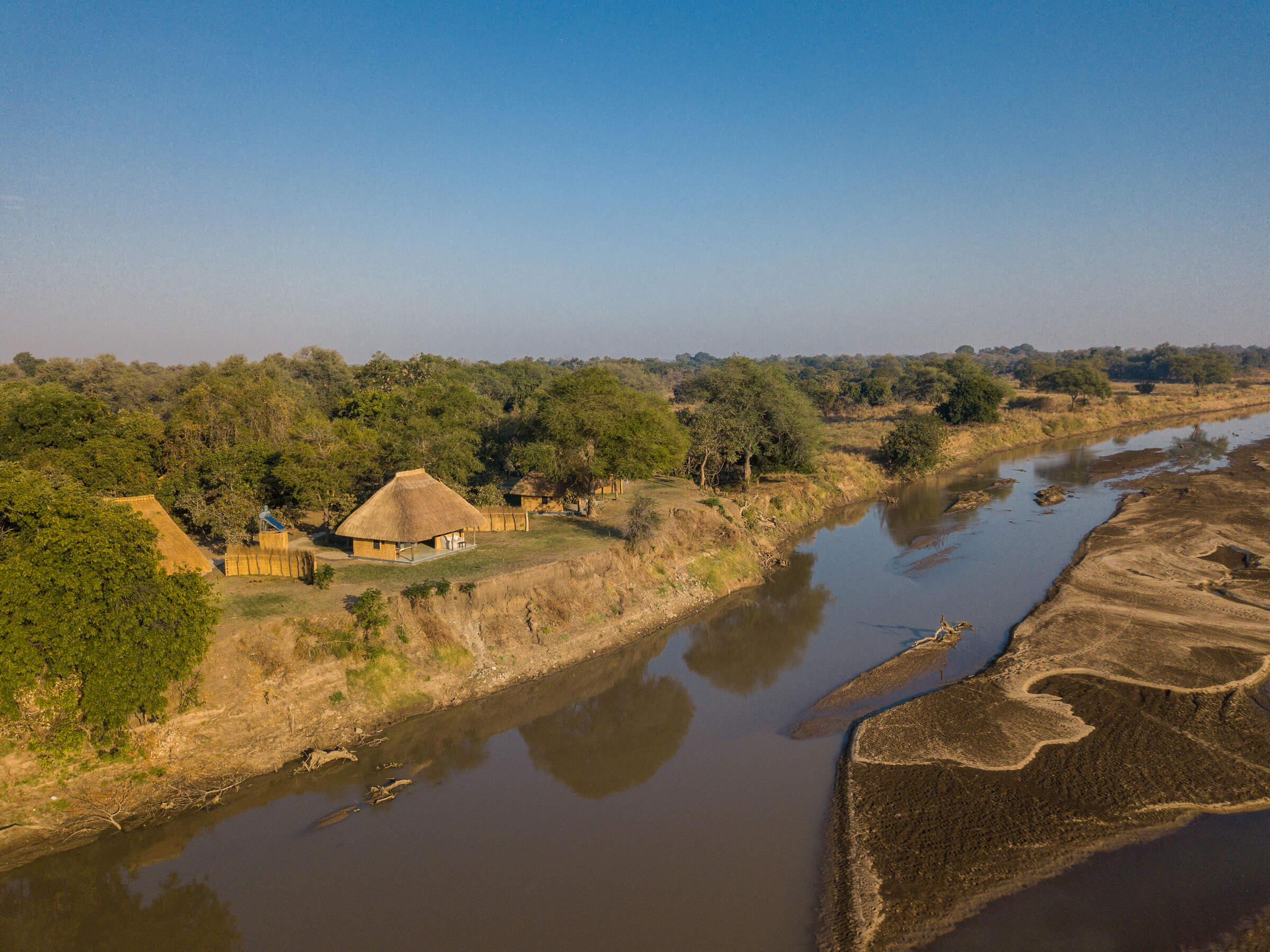
Kakuli Bushcamp
Beside the Luangwa River, Kakuli is a comfortable tented bushcamp offering 4WD safaris and walking safaris – the best of which are camp-to-camp walks linking Kakuli with its nearby sister camps.
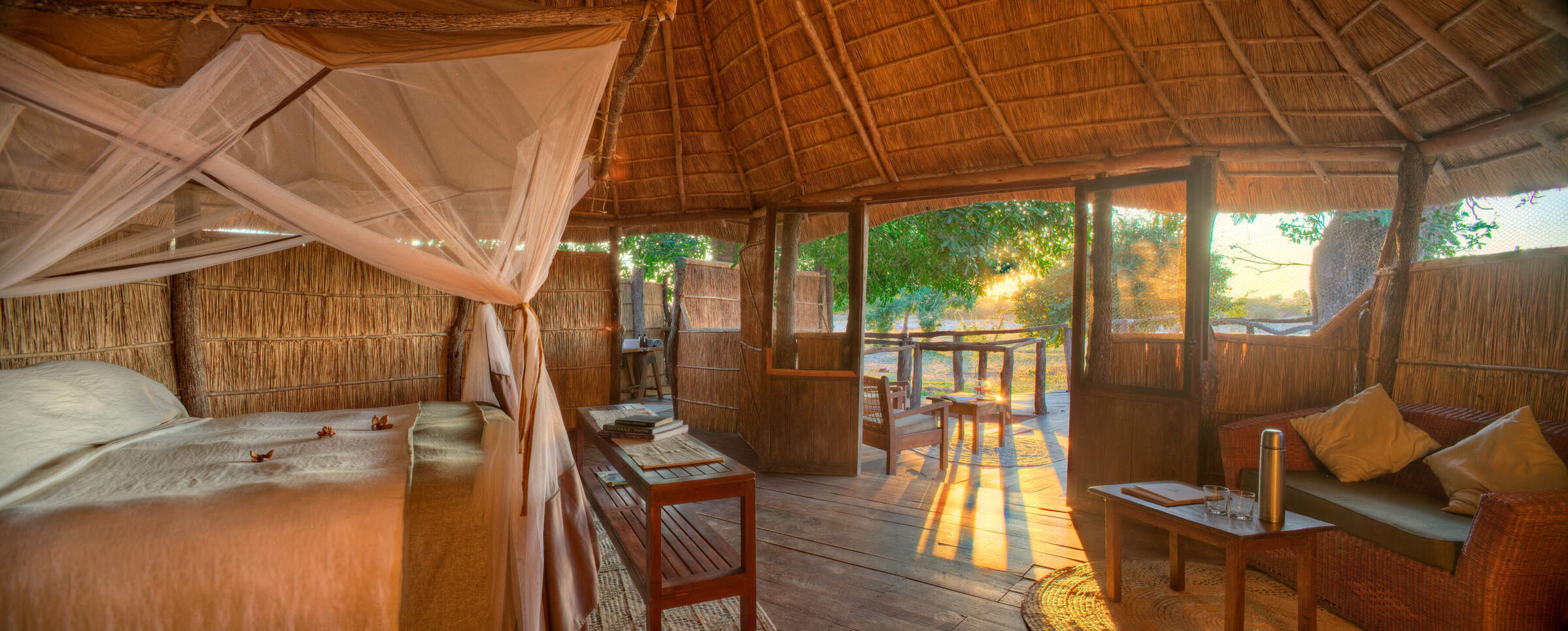
Nsolo Bushcamp
Nsolo is a small, comfortable bushcamp overlooking one or two pools in the usually dry Luwi riverbed. It concentrates on walking safaris in an interesting and diverse area, led by a knowledgeable guide.
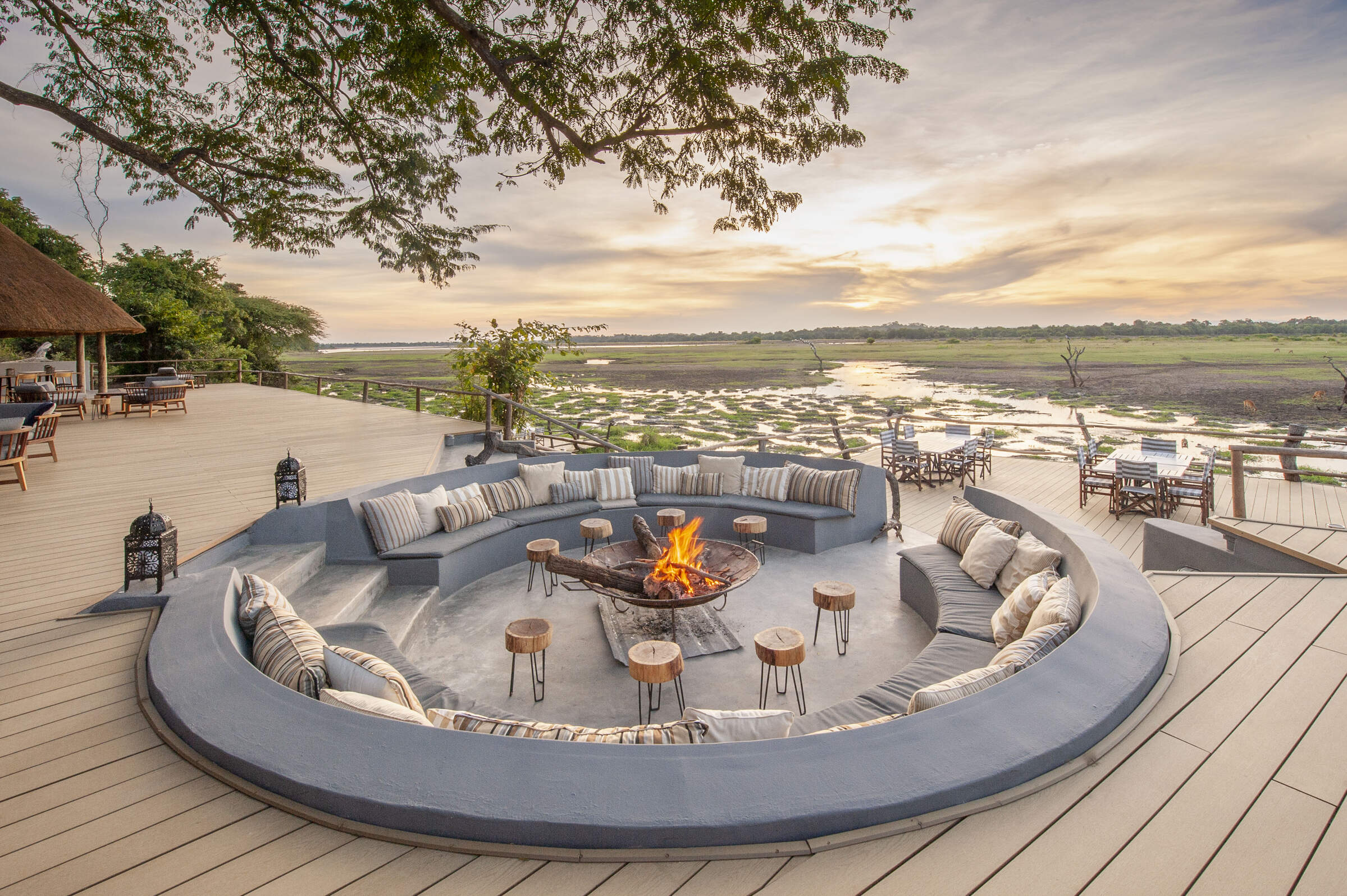
Kafunta River Lodge
Kafunta is a laid-back, friendly and good-value lodge on the outskirts of South Luangwa National Park.
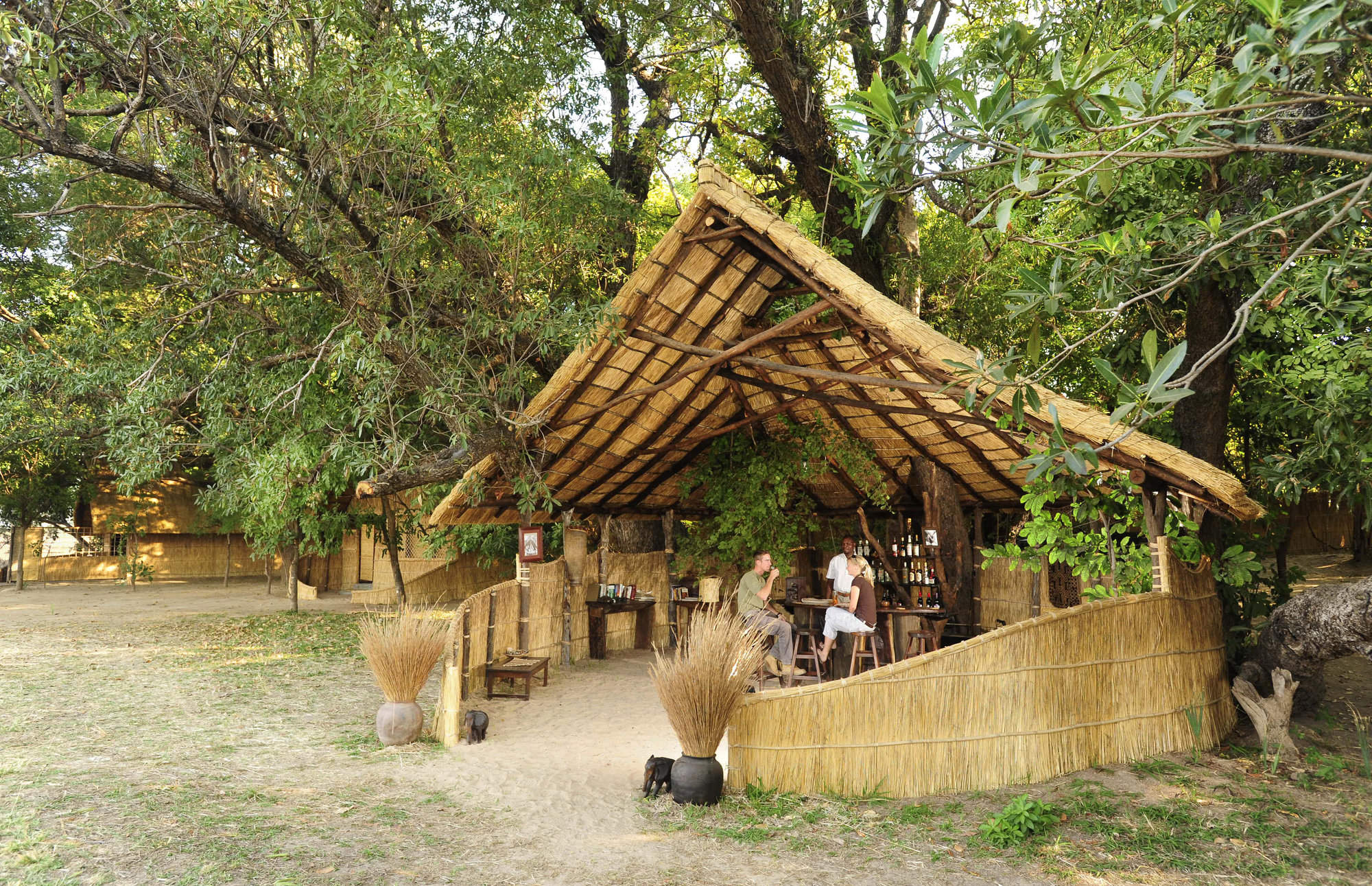
Luwi Bushcamp
In a remote part of the South Luangwa National Park, Luwi is a rustic bushcamp whose emphasis is on walking safaris with great guiding and a chance of seeing some rarely seen and elusive antelope.
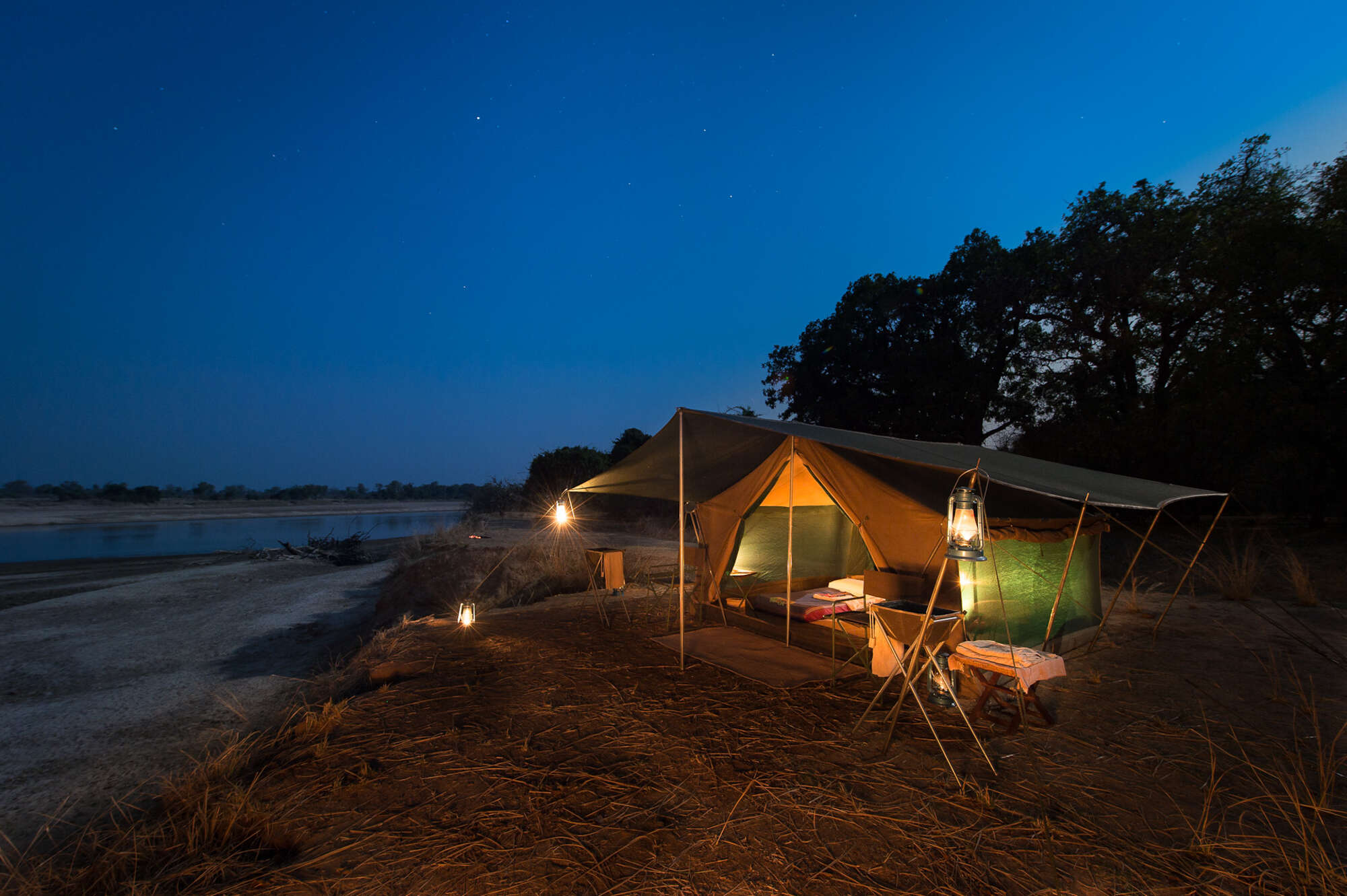
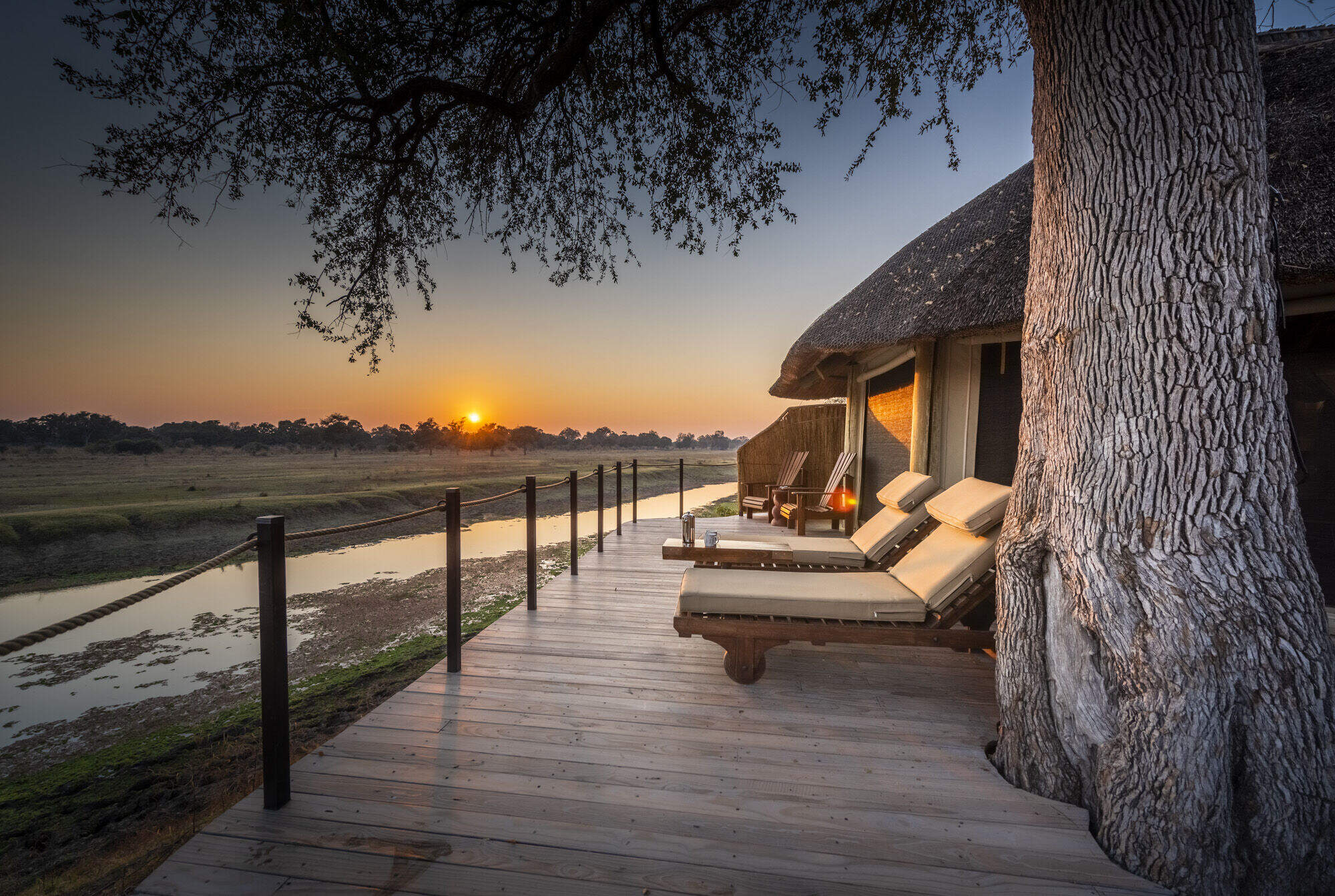
Lion Camp
Lion Camp is an established and comfortable camp with a swimming pool, located near to the game-rich Lion Plain in the northern part of South Luangwa National Park.
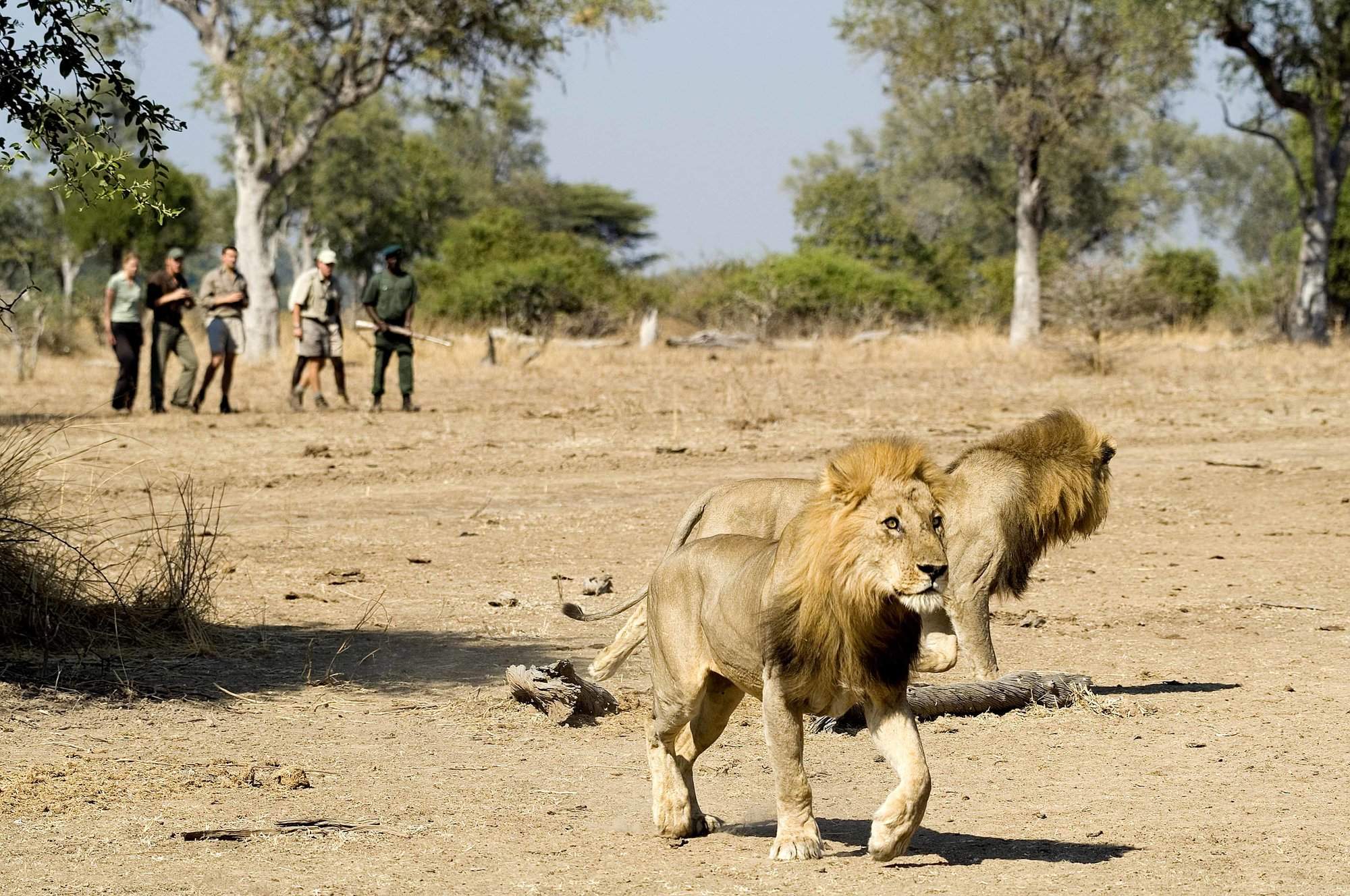
Robin Pope mobile
RPS mobile safari camps are at the heart of their set-itinerary walking safaris in South Luangwa National Park, which start and finish at a permanent camp.
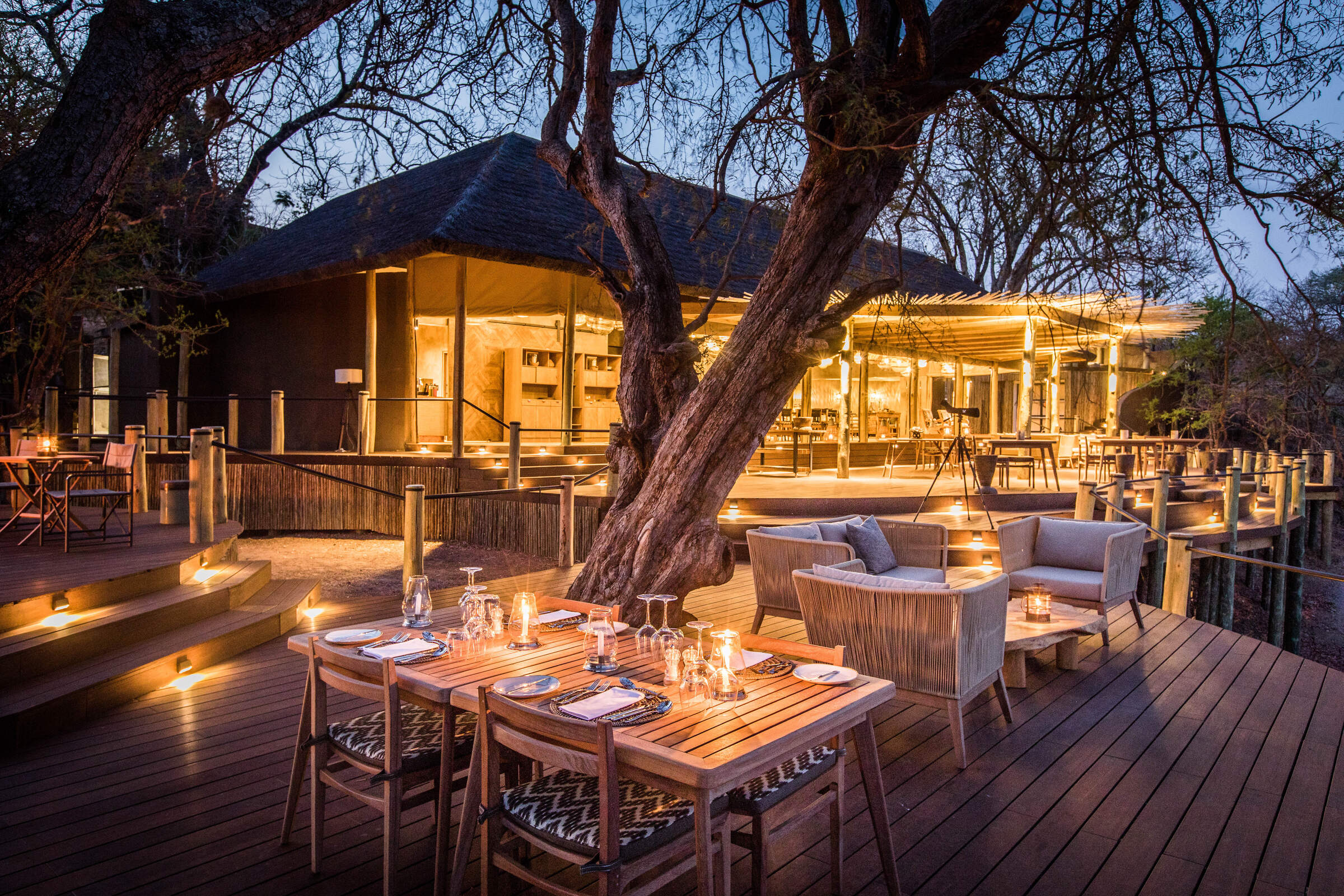
Puku Ridge
Puku Ridge is a luxurious designer camp set in a stunning location, high on a hill overlooking a floodplain within South Luangwa. Explore from here on 4WD safaris and walks.
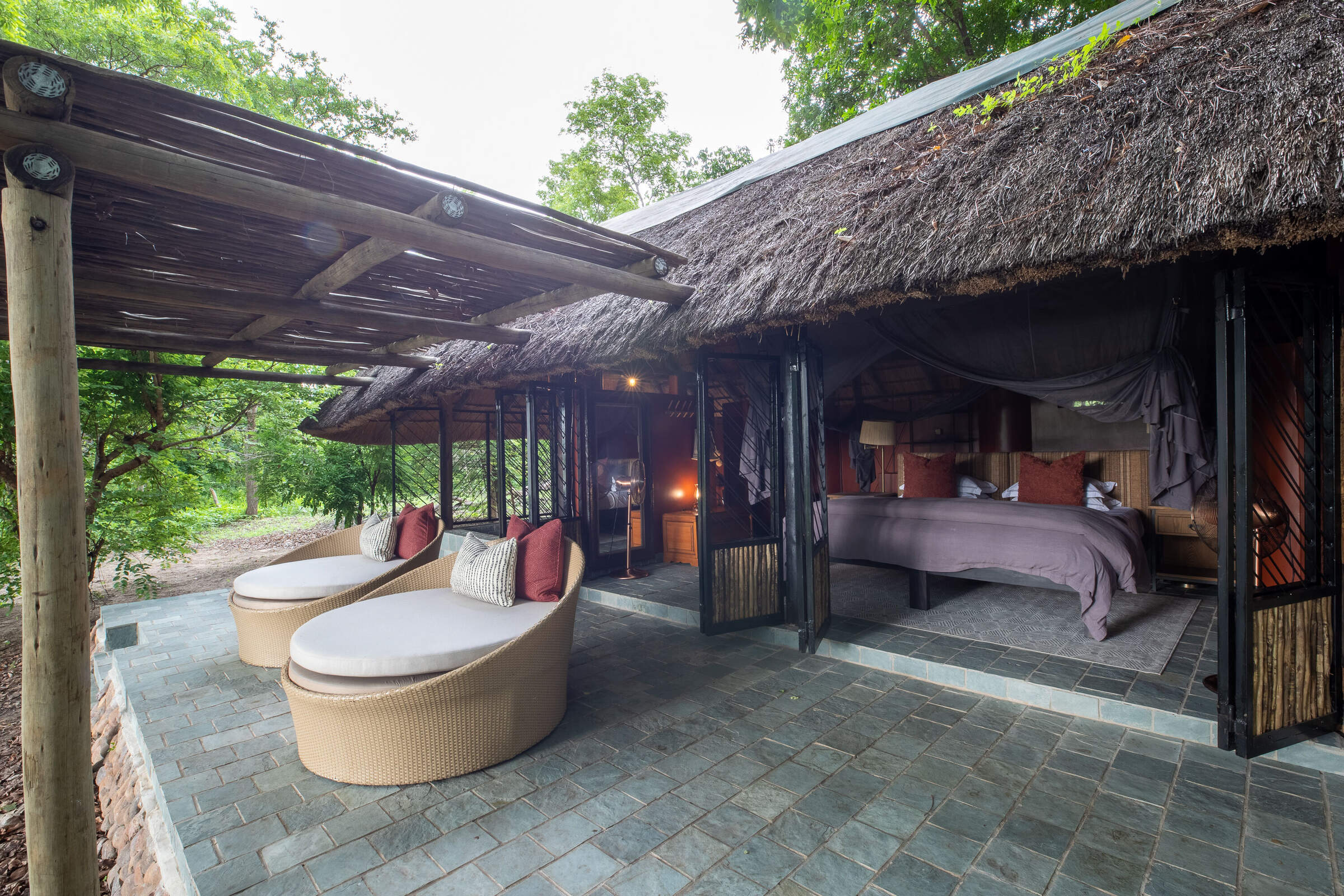
Kapamba Bushcamp
In the remote far south of South Luangwa National Park, Kapamba is a small and very comfortable bushcamp offering good walks and game drives.
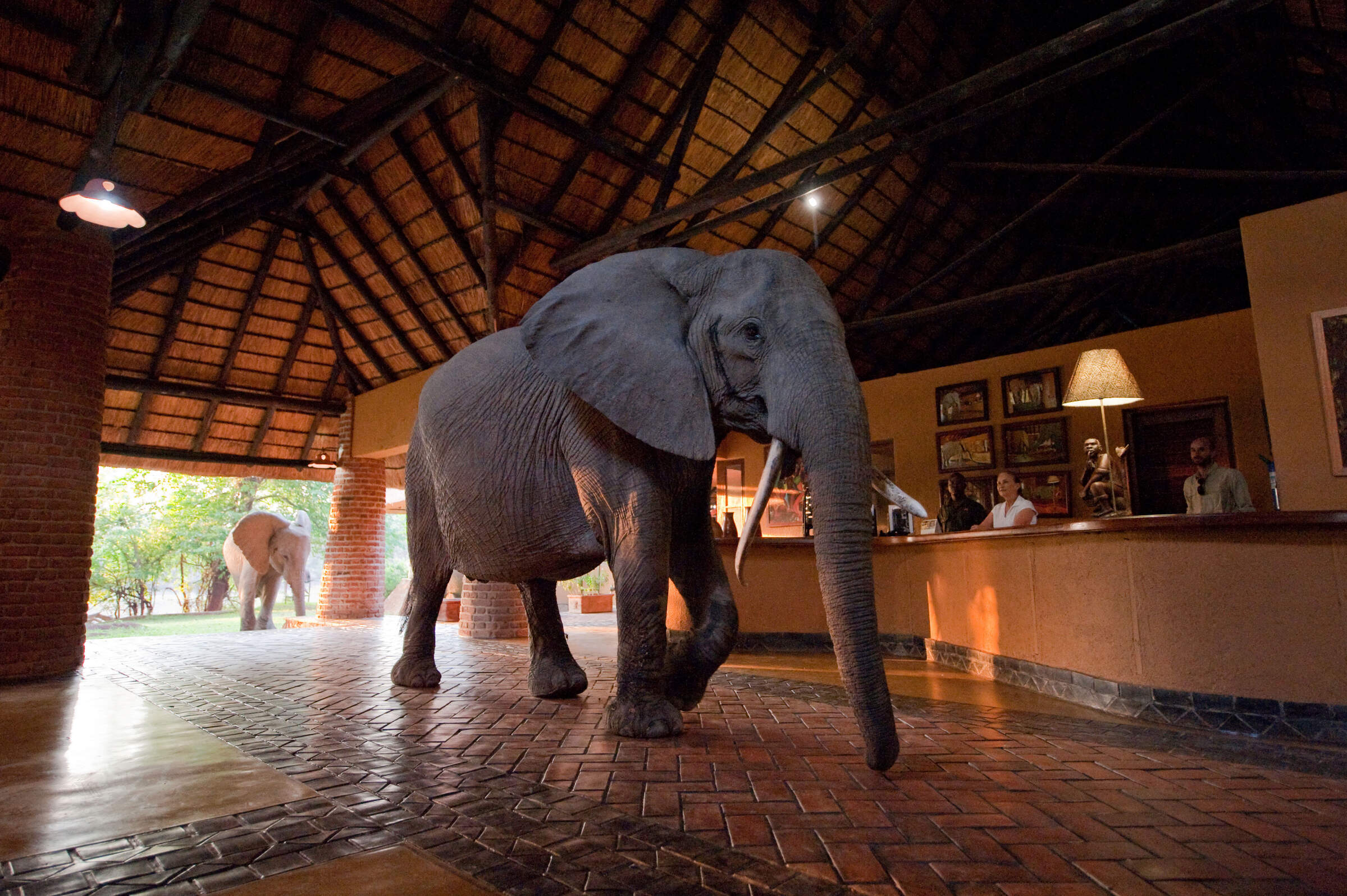
Mfuwe Lodge
In a game-rich area close to the South Luangwa’s main Mfuwe Gate, Mfuwe Lodge is relatively large by park standards, but it’s stylish, modern and family friendly.
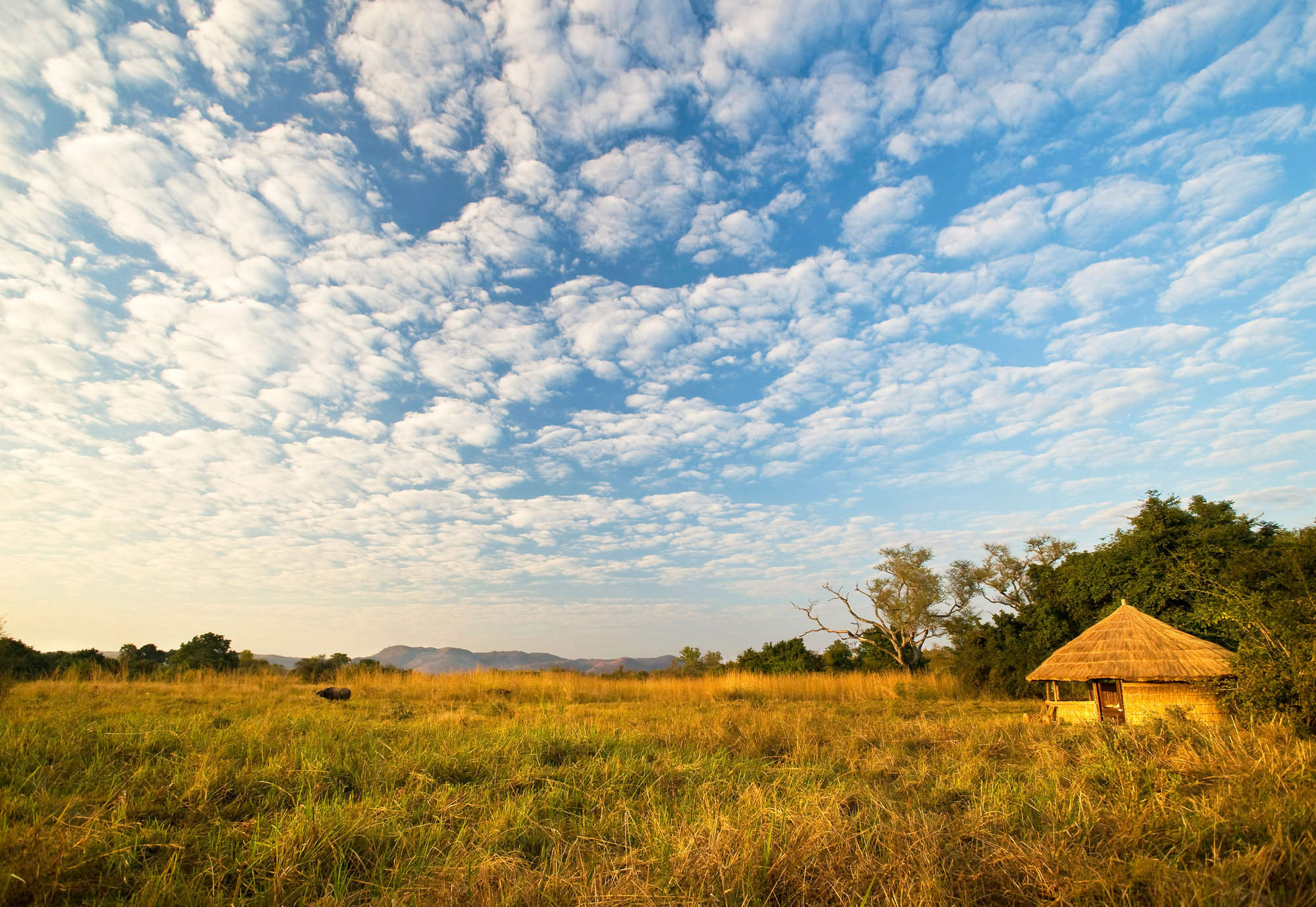
Kuyenda Bushcamp
Kuyenda Bushcamp is a classic bushcamp with particularly delightful hosts and offers top-class walking safaris in South Luangwa National Park.
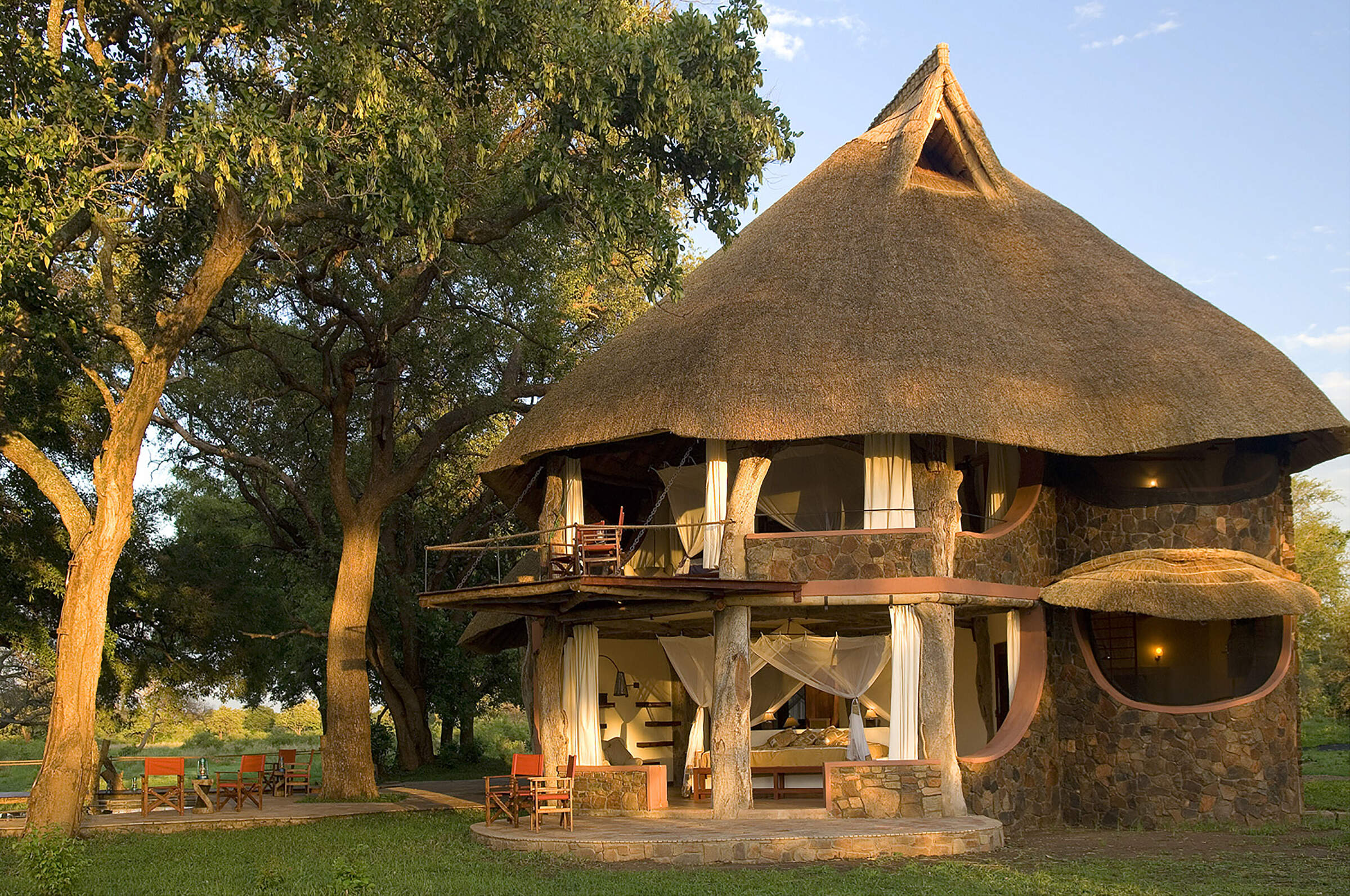
Luangwa Safari House
Luangwa Safari House is a vast and very smart four-bedroom house specifically designed for families and small groups, and offering an exclusive and flexible safari experience.
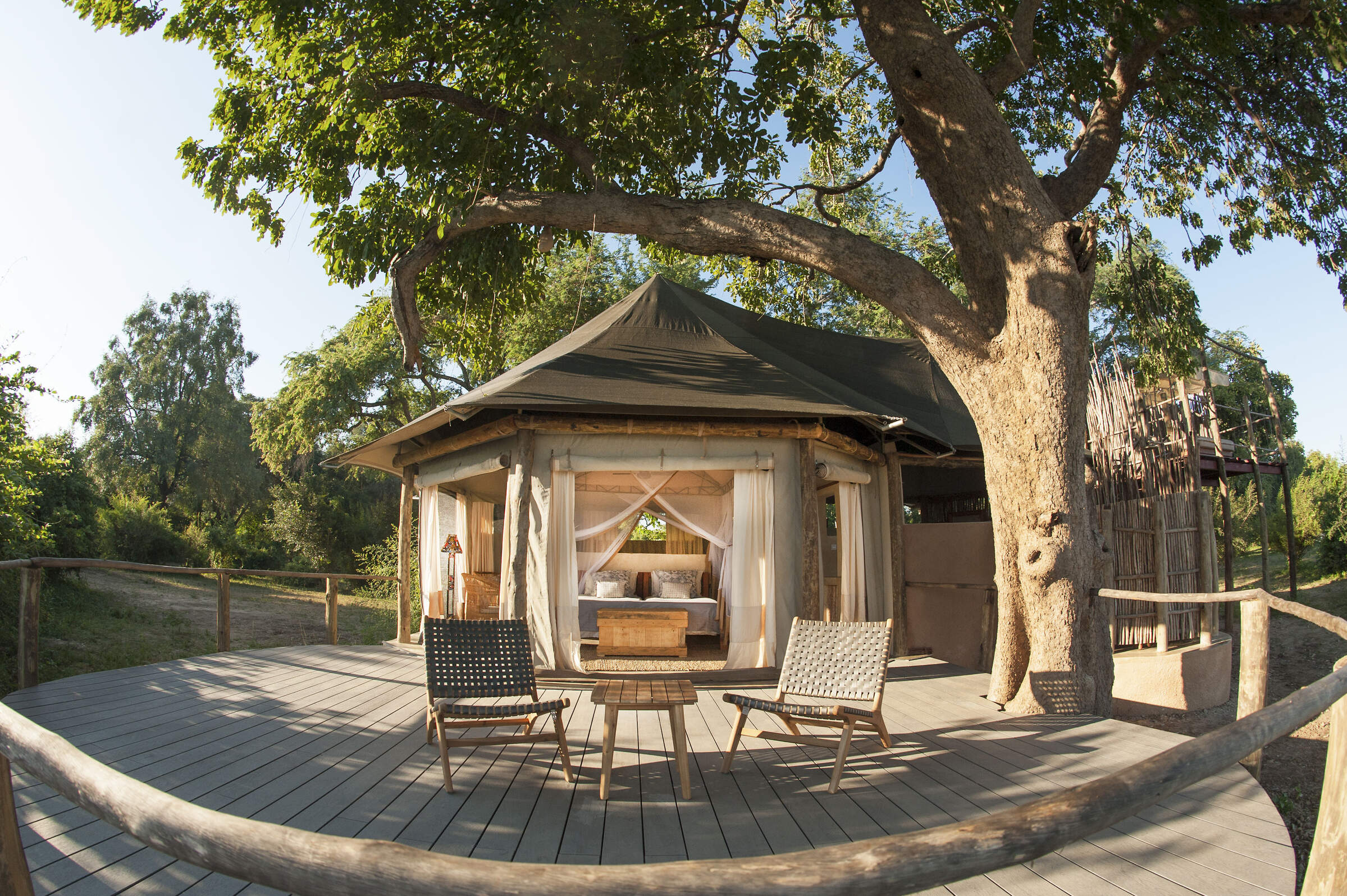
Three Rivers Camp
In the remote far south of South Luangwa National Park, Three Rivers Lodge sits at the confluence of three of the valleys rivers.
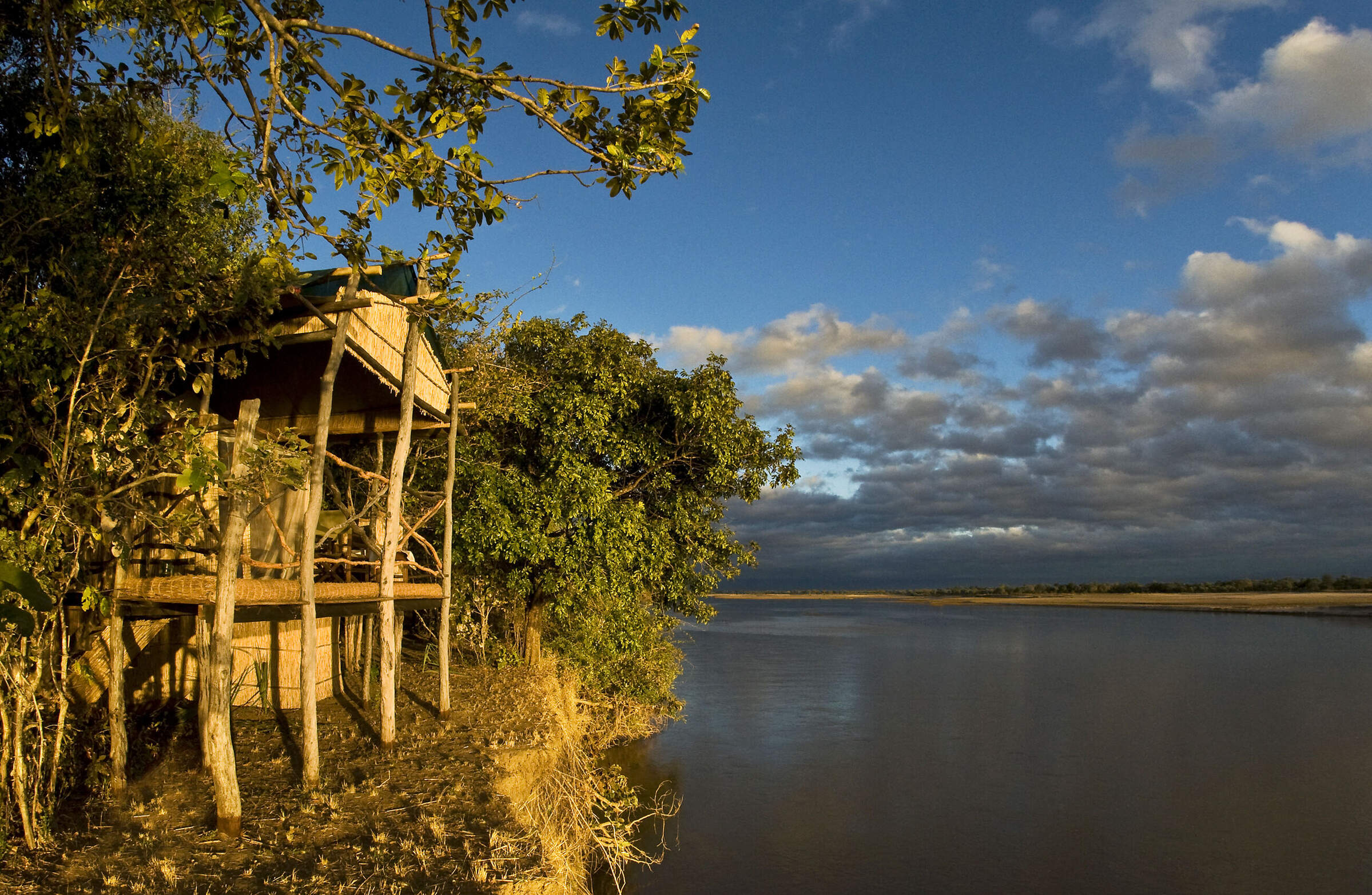
Island Bush Camp
Island Bushcamp is a good-value, rustic, walking-only camp, in arguably one of the most remote parts of the South Luangwa, well away from all other camps.
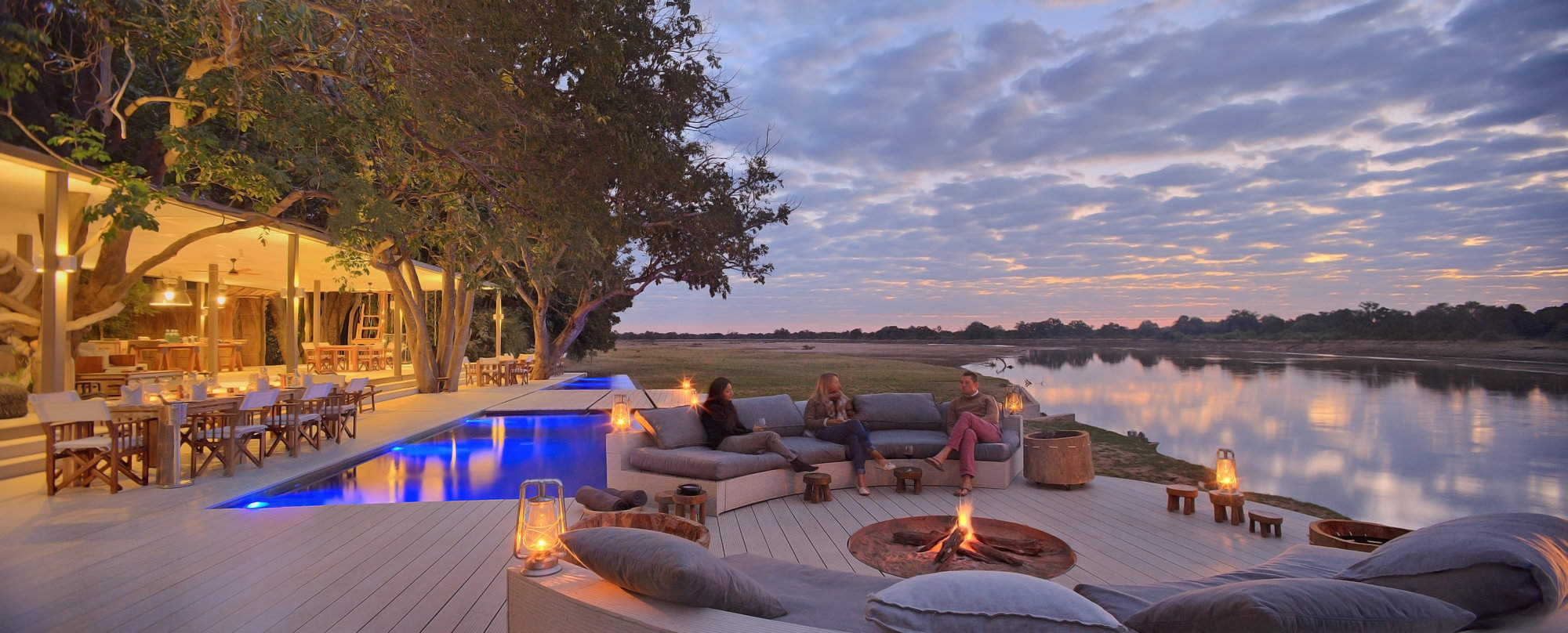
Chinzombo
Opened in early June 2013, Chinzombo offers luxurious and stylish accommodation with very high levels of service and excellent guiding.
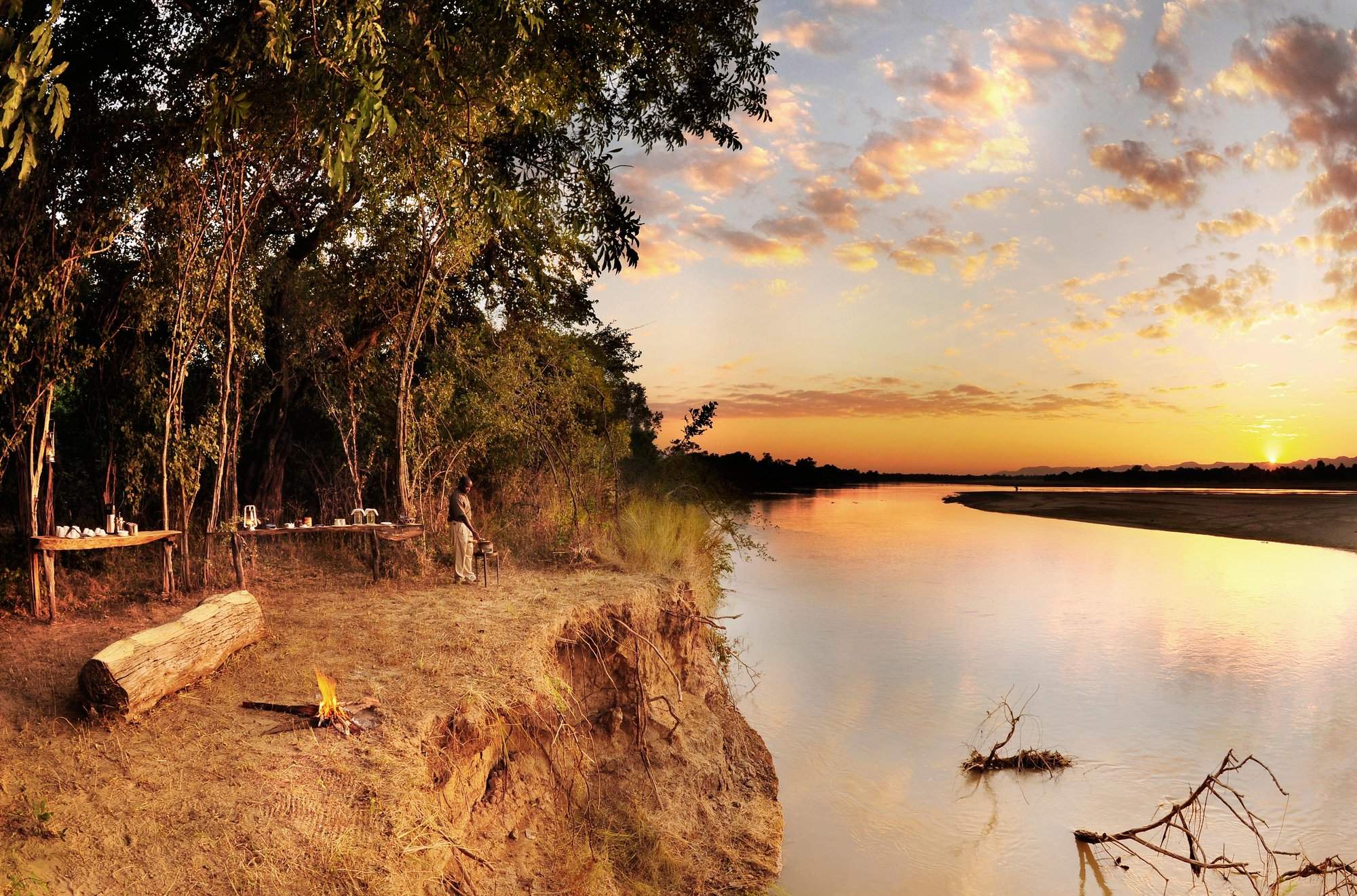
Bilimungwe Bushcamp
A smart bushcamp with four very spacious chalets, Bilimungwe offers interesting walking safaris in pretty riverine woodland, as well as day and night safari drives.
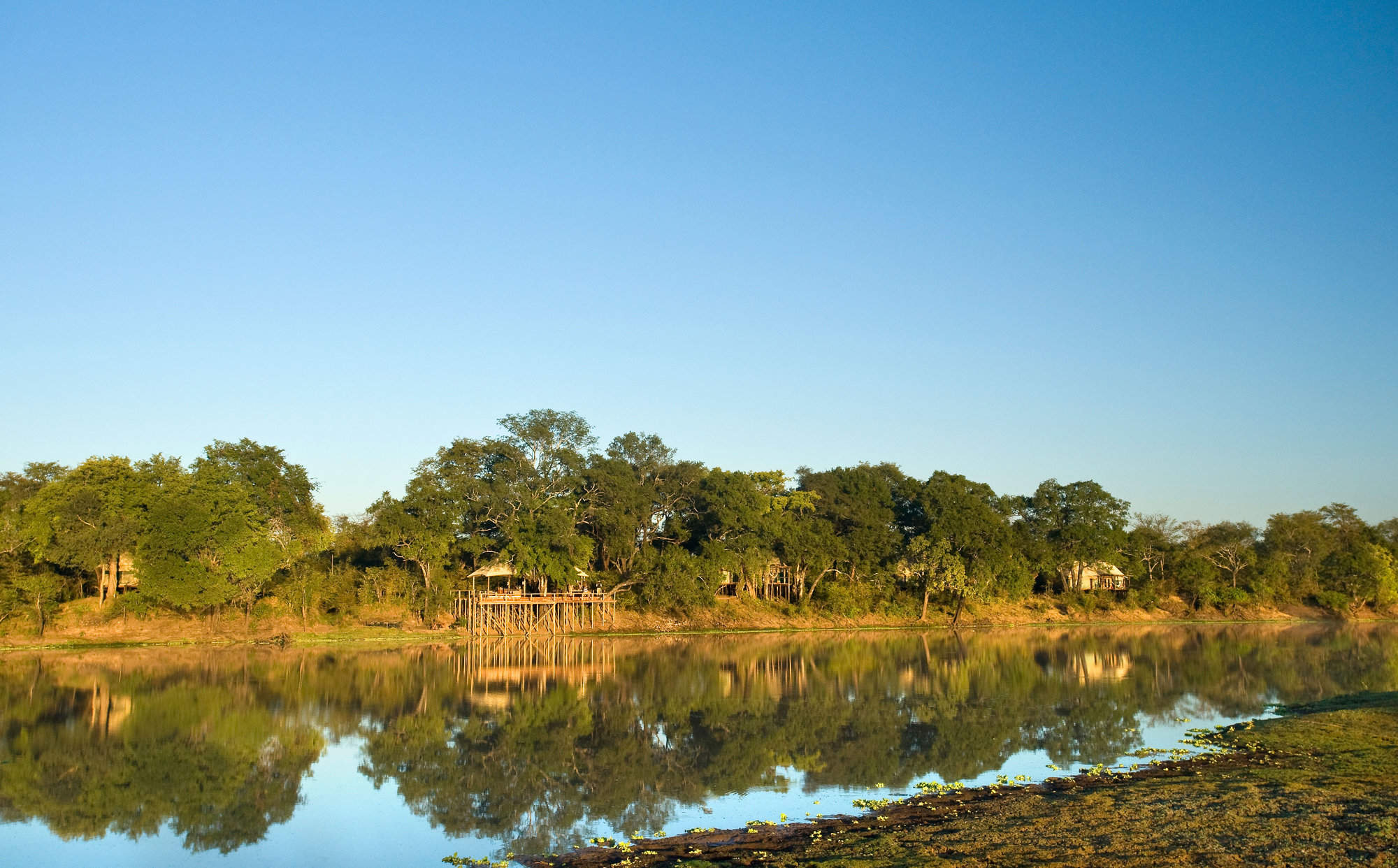
Chindeni
Chindeni Bushcamp is a very modern and minimalist camp, which is a far cry from your traditional bushcamp and unlike most of the other camps in South Luangwa.
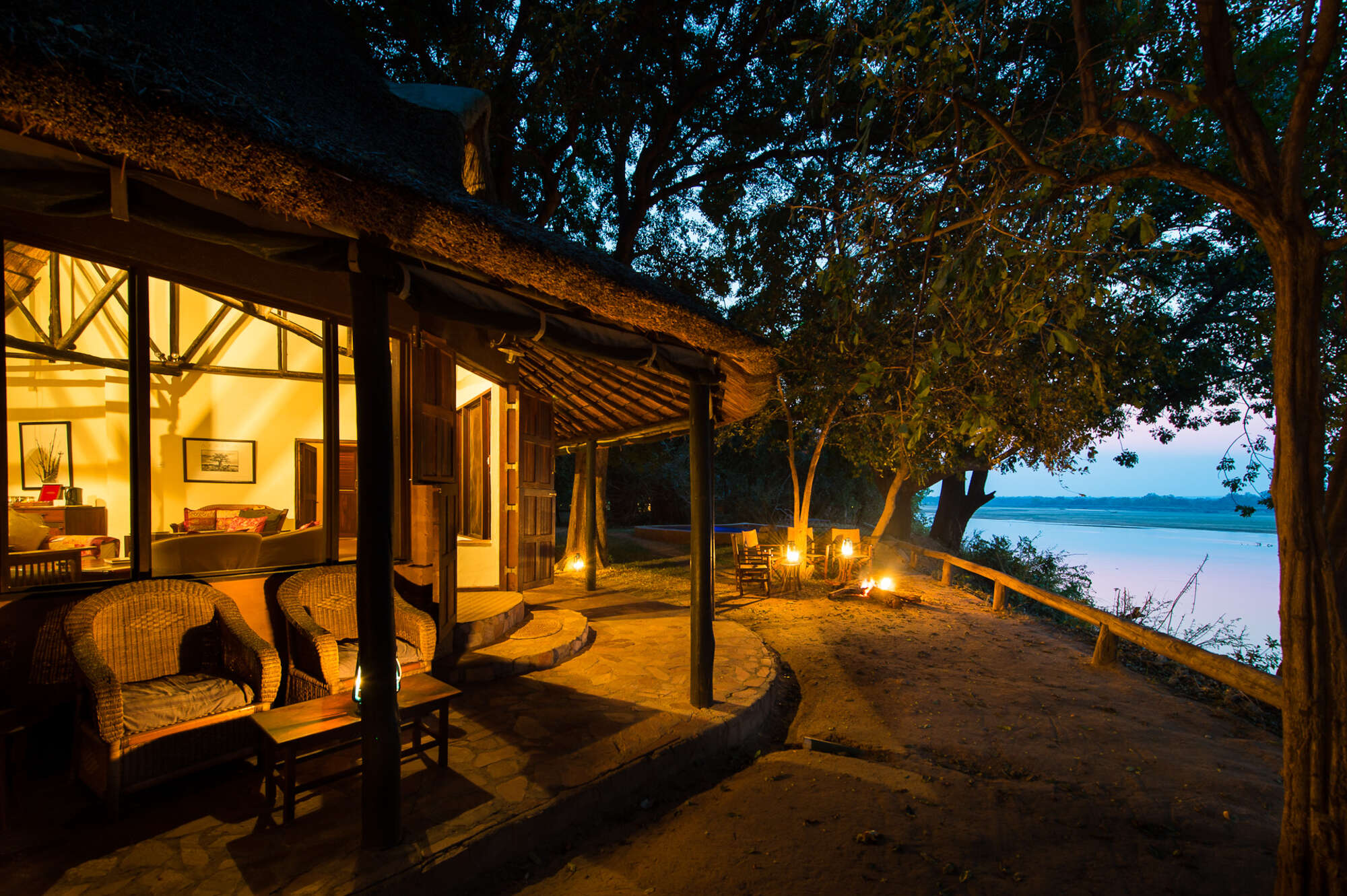
Robin's House
With your own expert guide, private vehicle, chef and valet, the two-bedroom Robin's House offers an exclusive, flexible safari experience – and is open year round.
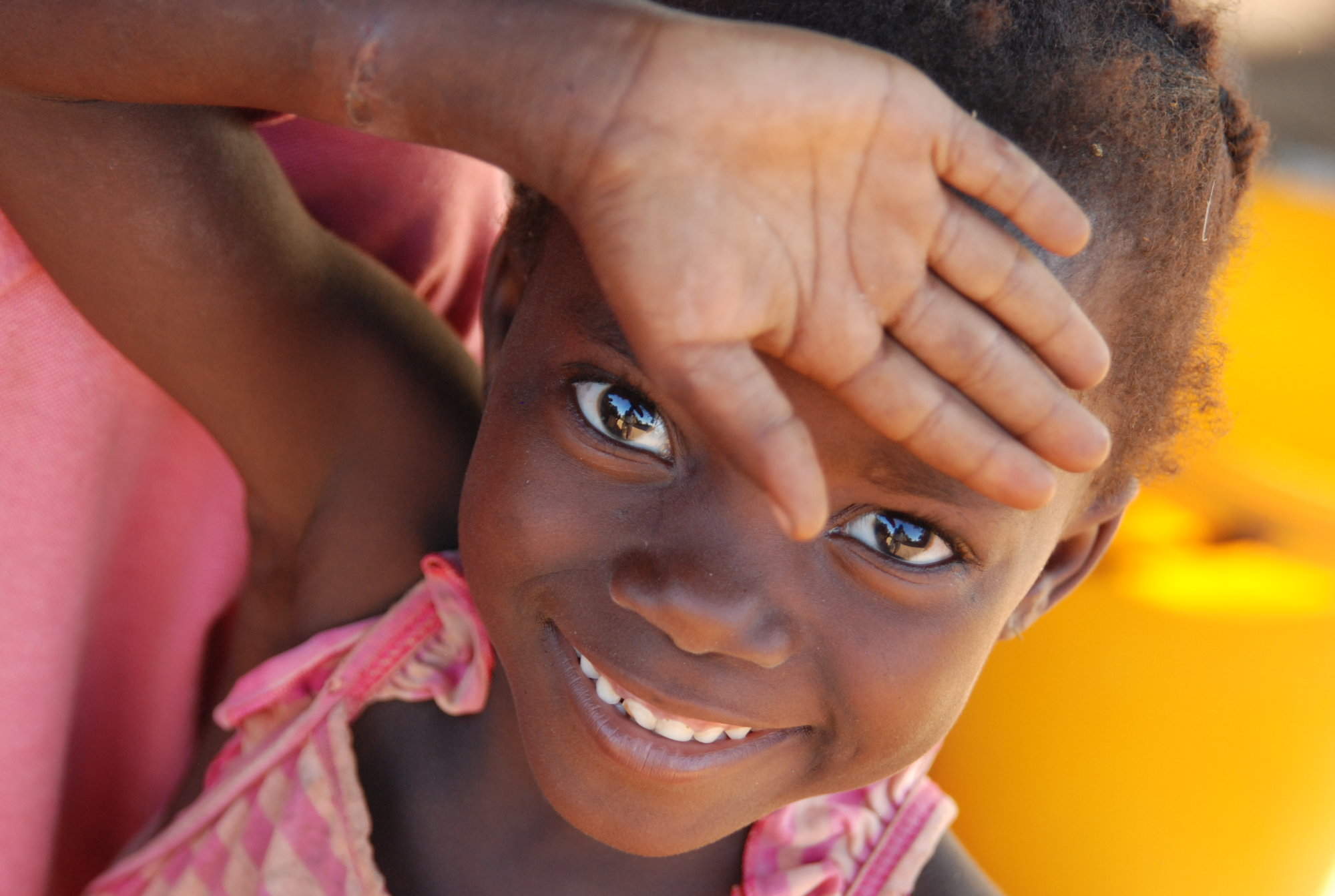
Kawaza Village
Kawaza Village – beside the South Luangwa National Park, offers guests the rare opportunity to appreciate local village life. Visit for a few hours or stay overnight.
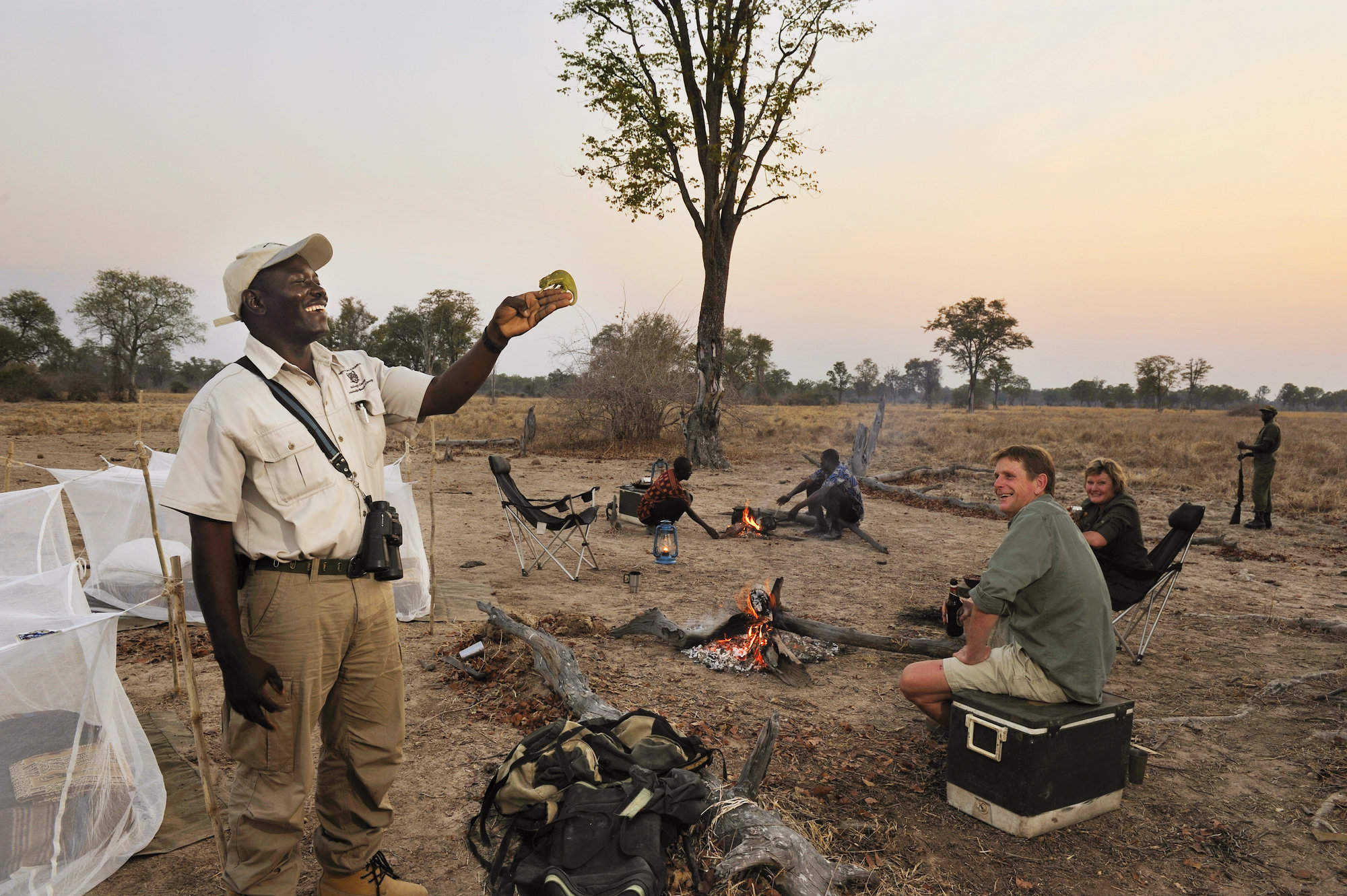
Mwamba Camp-out
The Mwamba-Camp Out allows you to have an incredibly adventurous night in the bush, sleeping under mosquito nets with activities led by some of the best guides in Zambia.
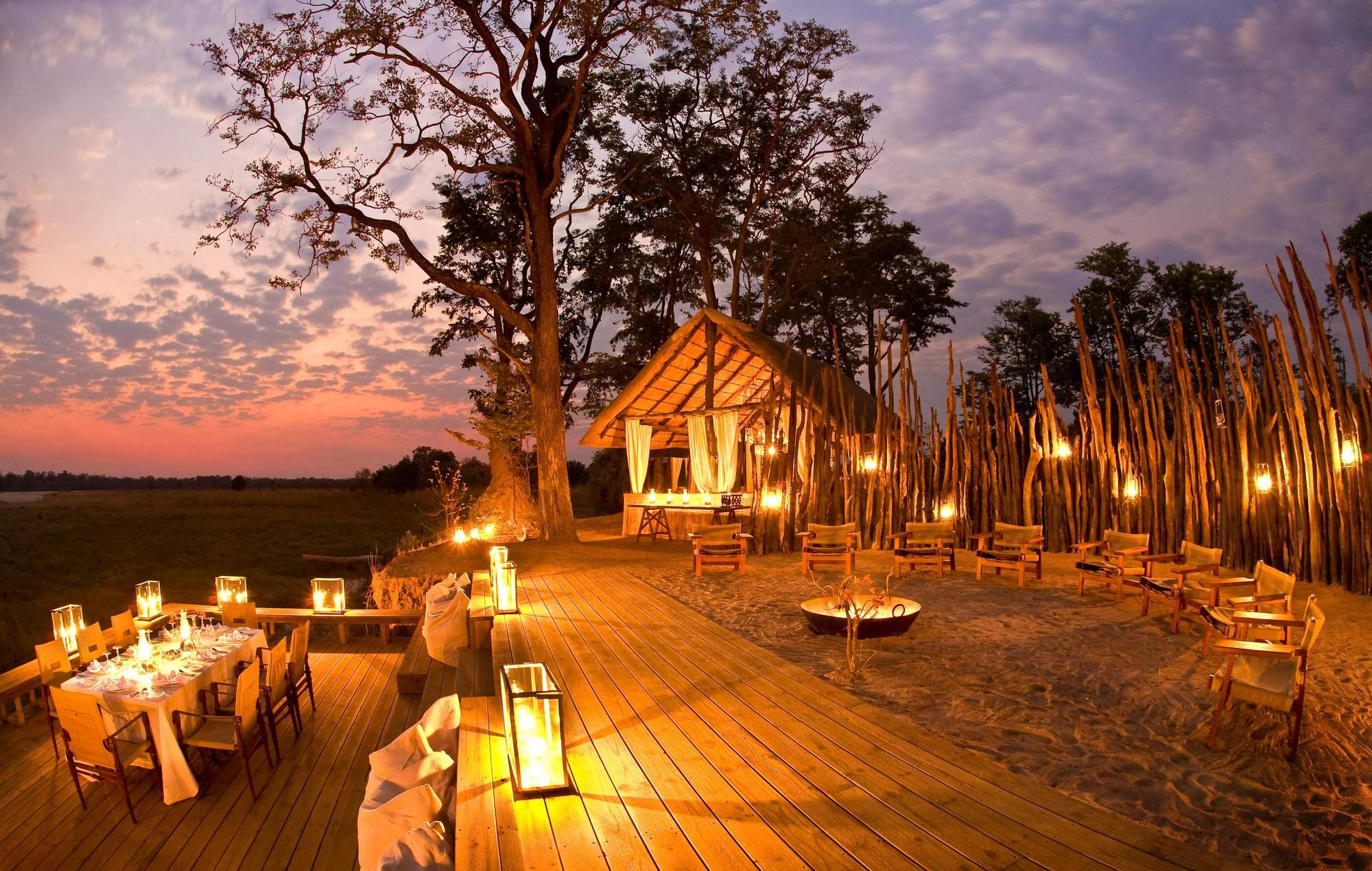
Zungulila
Zungulila is a small, comfortable tented bushcamp with an emphasis on walking safaris, in the remote southern section of the South Luangwa.
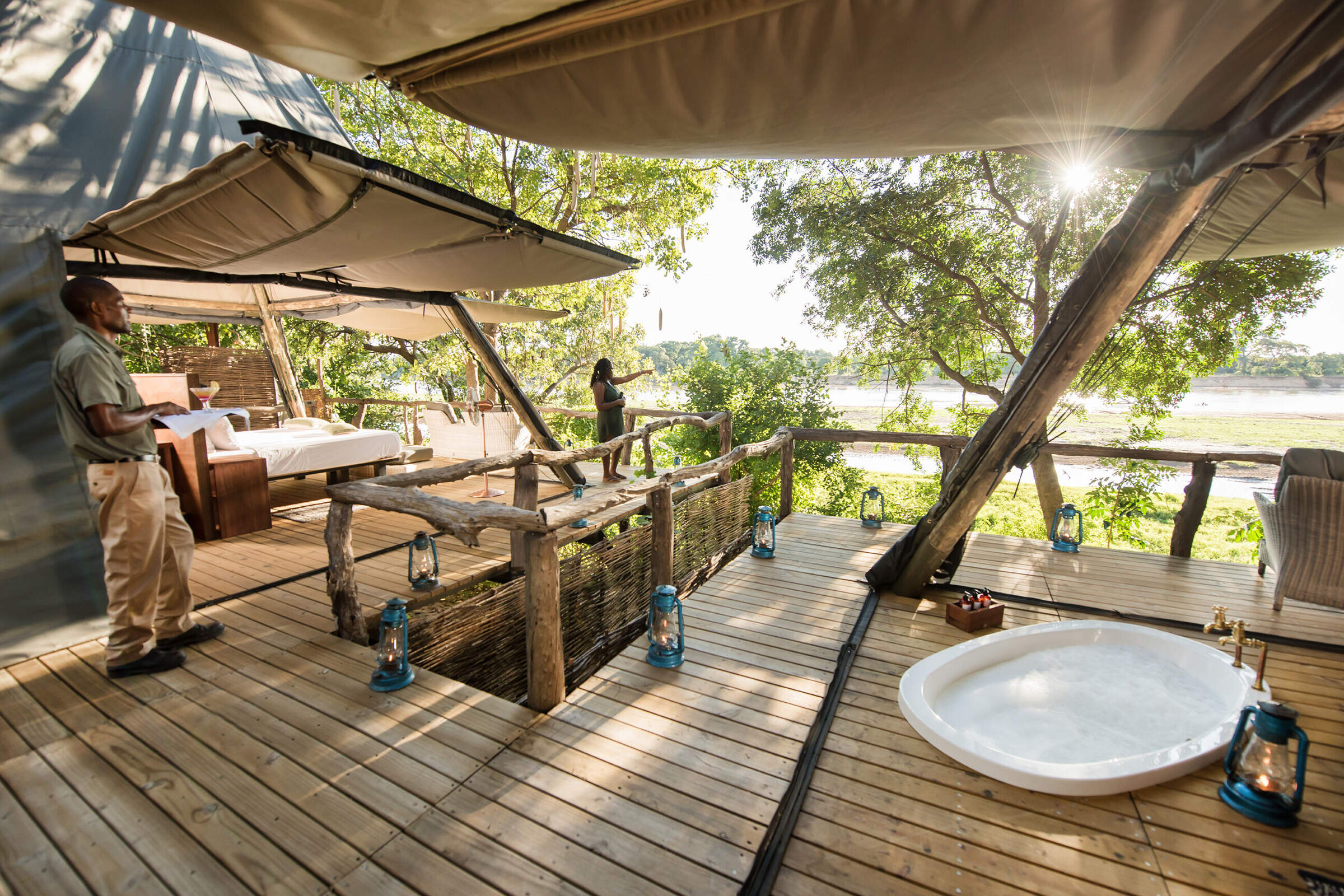
Shawa Luangwa
Opened in June 2021, Shawa Luangwa Camp is a small, intimate and rustic camp, with a good location in a remote section of the South Luangwa National Park.

Chichele Lodge
Currently undergoing renovations, Chichele Presidential Lodge stands high within the park, with superb views, and is due to reopen in late 2022.
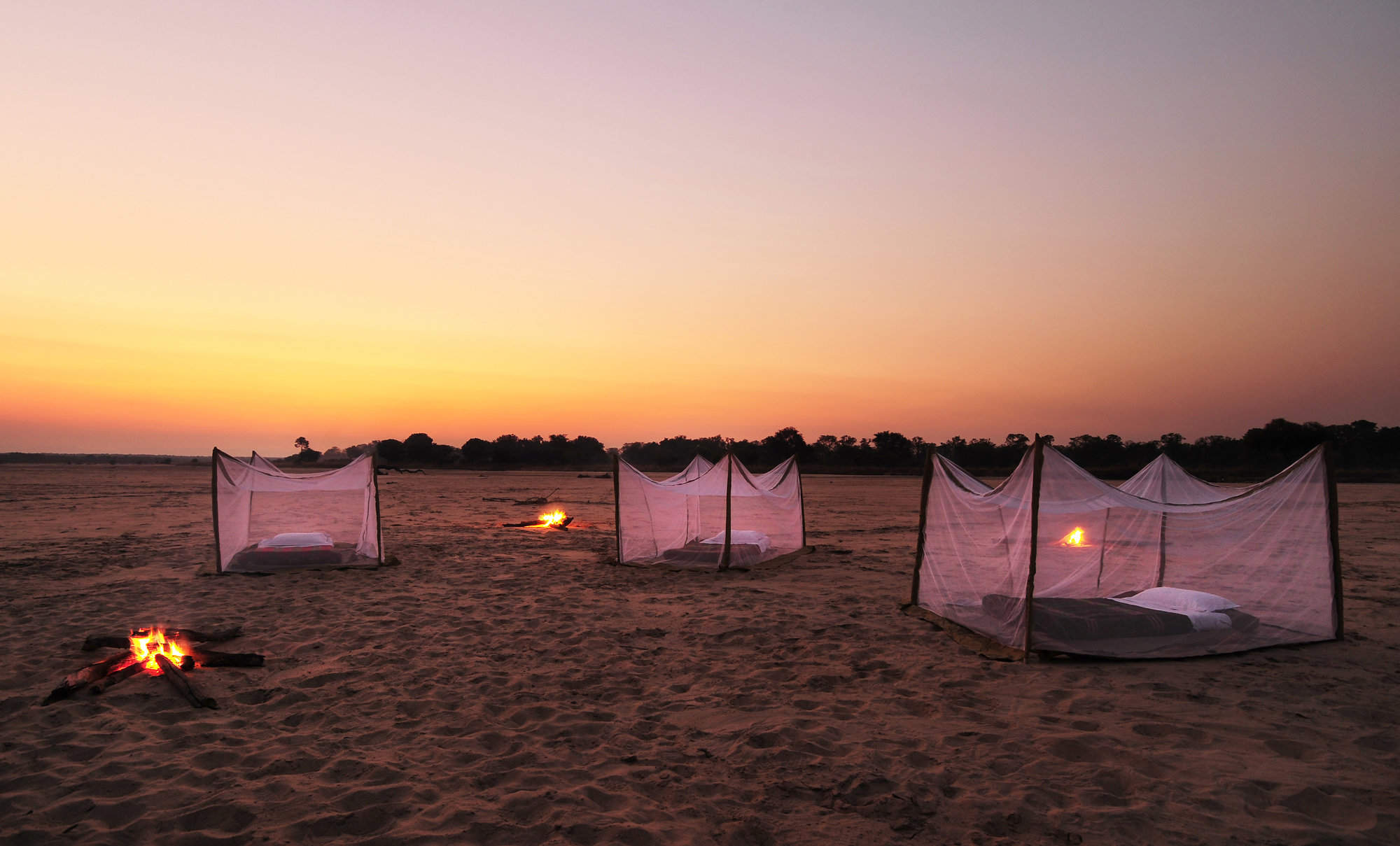
Luwi Riverbed Sleepout
For an adventurous night in South Luangwa National Park, come and sleep out in the bush, around a campfire, with an experienced guide and game scout.
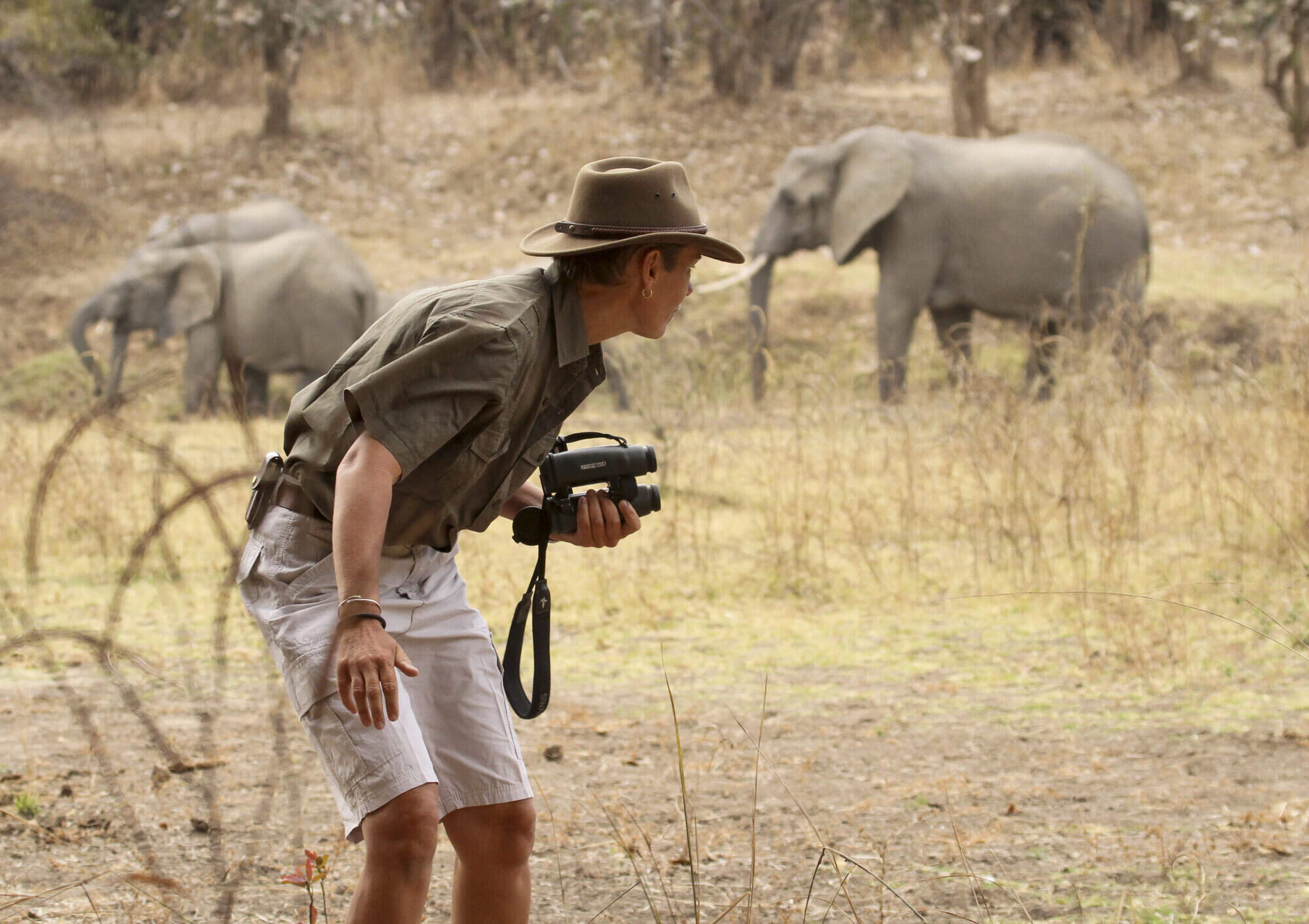
Mapazi Camp
Mapazi Camp is a basic safari camp in the far north of the South Luangwa, with walking safaris led by renowned guide Deb Tittle.
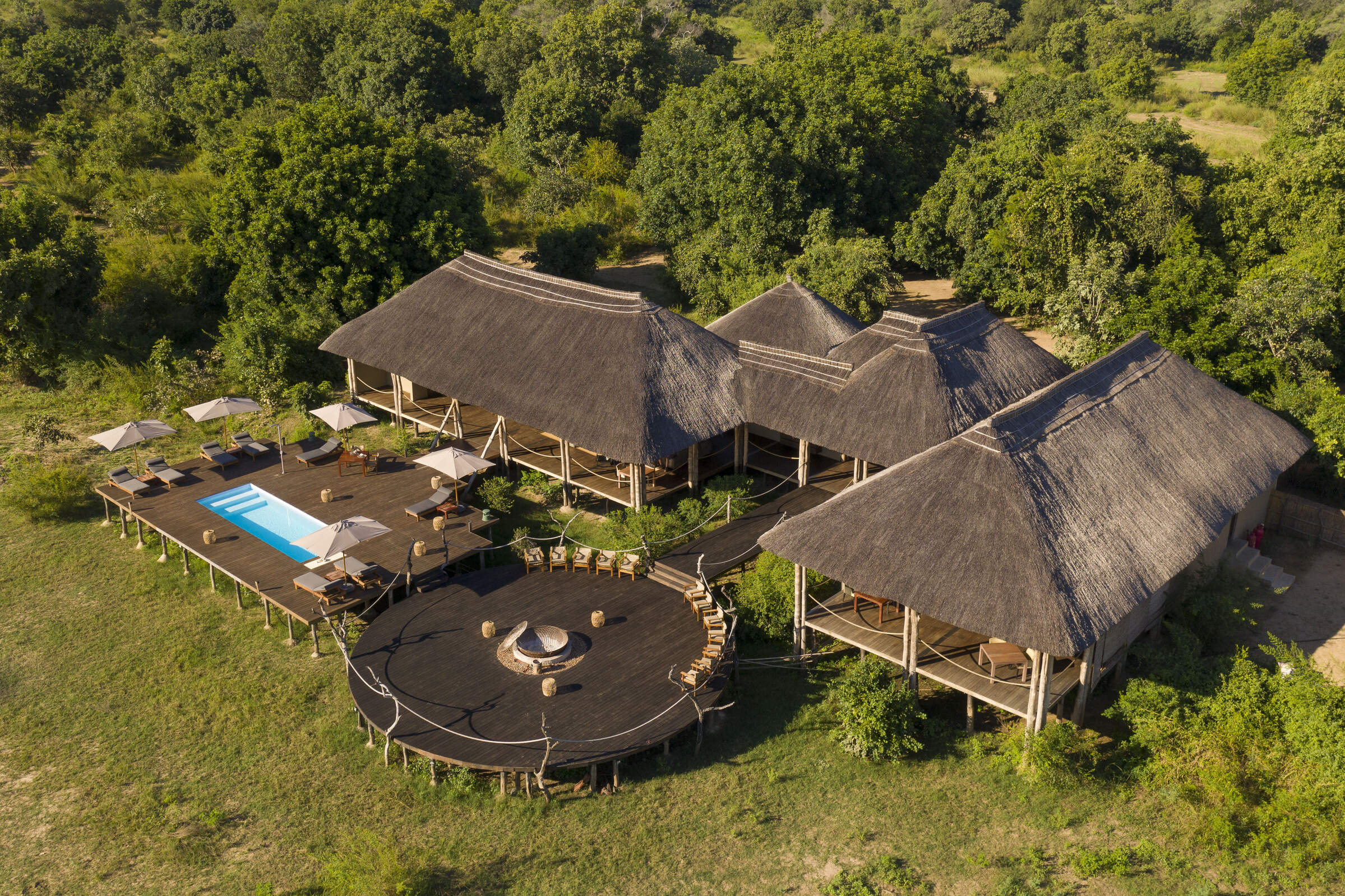
Chikunto
Chikunto Safari Lodge is a more traditional property in the South Luangwa National Park, sitting on a peninsula of land created by the meandering Luangwa River.